
وحدات كاشف غير مبرّد عالية الدقة لرؤية الطائرات بدون طيار والرؤية الصناعية بالذكاء الاصطناعي | Purpleriver
13 أغسطس 2026
وحدات الكاميرا الحرارية غير الإشعاعية: دليل اختيار وتكامل للمصنعين الأصليين (OEM)
في الهندسة البصرية ومعمارية الرؤية المدمجة، يعتمد اختيار نواة مستشعر الأشعة تحت الحمراء المناسبة على موازنة واضحة بين الحساسية الحرارية، والحمل الحسابي، والقيود الفيزيائية (SWaP-C: الحجم، الوزن، الطاقة، والتكلفة). بينما تقوم وحدات الكاميرا الحرارية الإشعاعية بحساب قيم درجة الحرارة الترموديناميكية المطلقة لكل بكسل على مصفوفة المستوى البؤري (FPA)،, وحدات الكاميرا الحرارية غير الإشعاعية تركز على التصوير الحراري النوعي، وتعظيم التباين، والوعي الظرفي الفوري. بالنسبة للمصنعين الأصليين الذين يبنون أبراج مراقبة محيطية، ومنصات تثبيت للطائرات المسيّرة التكتيكية الدقيقة، وحمولات ملاحة للروبوتات المتحركة ذاتية القيادة (AMR)، وأنظمة رؤية ذكاء اصطناعي طرفية، فإن نشر وحدة حرارية غير إشعاعية يلغي الحمل الخوارزمي والمعالجة اللازمة لمعايرة درجة الحرارة لكل بكسل مع تقديم فيديو طويل الموجة تحت الحمراء (LWIR) عالي التباين وسريع الاستجابة.
إليك الخلاصة: تواجه فرق الهندسة اختناقات تكامل هائلة عند محاولة حشر نوى إشعاعية كاملة في أجهزة طرفية مقيدة بـ SWaP. يتطلب قياس درجة الحرارة في الوقت الفعلي معالجة مستمرة لجداول البحث (LUT)، ونمذجة ديناميكية للنفاذية الجوية، وضبط انبعاثية السطح، وتعويضًا مستمرًا لانجراف درجة حرارة الهيكل. تستهلك سلسلة المعالجة الحرارية هذه موارد معالج الإشارات الرقمية (DSP) أو مصفوفة البوابات القابلة للبرمجة (FPGA)، وترفع من تبديد الحرارة على اللوحة الحاملة، وتستنزف عمر البطارية، وتُدخل زمن انتقال غير ضروري في خط المعالجة. يتيح لك التحول إلى معمارية تصوير حراري غير إشعاعي مخصصة الاعتماد على معالجات إشارات الصور (ISP) على مستوى العتاد التي تركز حصريًا على تصحيح عدم التجانس (NUC)، وضغط المدى الديناميكي، والترشيح المكاني. يقدم هذا الدليل مخططًا هندسيًا عمليًا لتقييم واختيار وتكامل وحدات الكاميرا الحرارية غير الإشعاعية عالية الأداء في الأنظمة الصناعية والطرفية الحديثة.
جدول المحتويات
- 👉 أساسيات التصوير الحراري غير الإشعاعي
- 👉 مقارنة معمارية: خطوط المعالجة غير الإشعاعية مقابل الإشعاعية
- 👉 معايير اختيار العتاد والبصريات الحرجة للمصنعين الأصليين
- 👉 تكامل الواجهات: MIPI CSI-2 وUSB UVC وCVBS
- 👉 تحسين الذكاء الاصطناعي الطرفي والرؤية الحاسوبية للأشعة تحت الحمراء طويلة الموجة النوعية
- 👉 وحدات حرارية OEM عالية الأداء مميزة (المواصفات والمعايير المرجعية)
- 👉 ملفات التطبيقات المستهدفة: الطائرات المسيّرة، والأمن، والروبوتات
- 👉 الأسئلة الشائعة المتعمقة حول تكامل OEM
- 👉 الخلاصة الهندسية وخارطة طريق التخصيص
أساسيات التصوير الحراري غير الإشعاعي
يعمل التصوير الحراري غير الإشعاعي عبر نطاق الأشعة تحت الحمراء طويلة الموجة (LWIR) — وتحديدًا ضمن نافذة النفاذية الجوية من 8μm إلى 14μm. على مستوى العتاد، تستخدم النواة مصفوفات مستوى بؤري بمقياس ميكروبولومتر غير مبردة مصنوعة من أكسيد الفاناديوم (VOx) أو السيليكون غير المتبلور (α-Si). الهدف الهندسي الوحيد للوحدة الحرارية غير الإشعاعية هو اكتشاف التغيرات الدقيقة في التدفق تحت الأحمر المنبعث من الأجسام في مجال الرؤية وتحويل تلك التدرجات الحرارية إلى بيانات إضاءة عالية التباين بتدرج رمادي أو ألوان زائفة.
على عكس مستشعرات CMOS أو CCD للضوء المرئي القياسية التي تلتقط الفوتونات المنعكسة، تمتص بكسلات الميكروبولومتر الإشعاع تحت الأحمر الساقط مباشرة. يسبب هذا الامتصاص ارتفاعًا فيزيائيًا في درجة الحرارة في بنية الجسر الدقيق المعلق والمعزول حراريًا لكل بكسل. يغير هذا التحول الحراري المجهري المقاومة الكهربائية لطبقة VOx الرقيقة، والتي تقوم دائرة القراءة المتكاملة (ROIC) الأساسية بقياسها كجهد تفاضلي. وكما هو مثبت في الديناميكا الحرارية الكلاسيكية ومفصل في التصوير بالأشعة تحت الحمراء في ويكيبيديا المراجع، يتبع التدفق الإشعاعي قوانين ستيفان-بولتزمان وبلانك للإشعاع، مما يربط درجة حرارة سطح الهدف والانبعاثية مباشرة بالإشعاعية الطيفية.
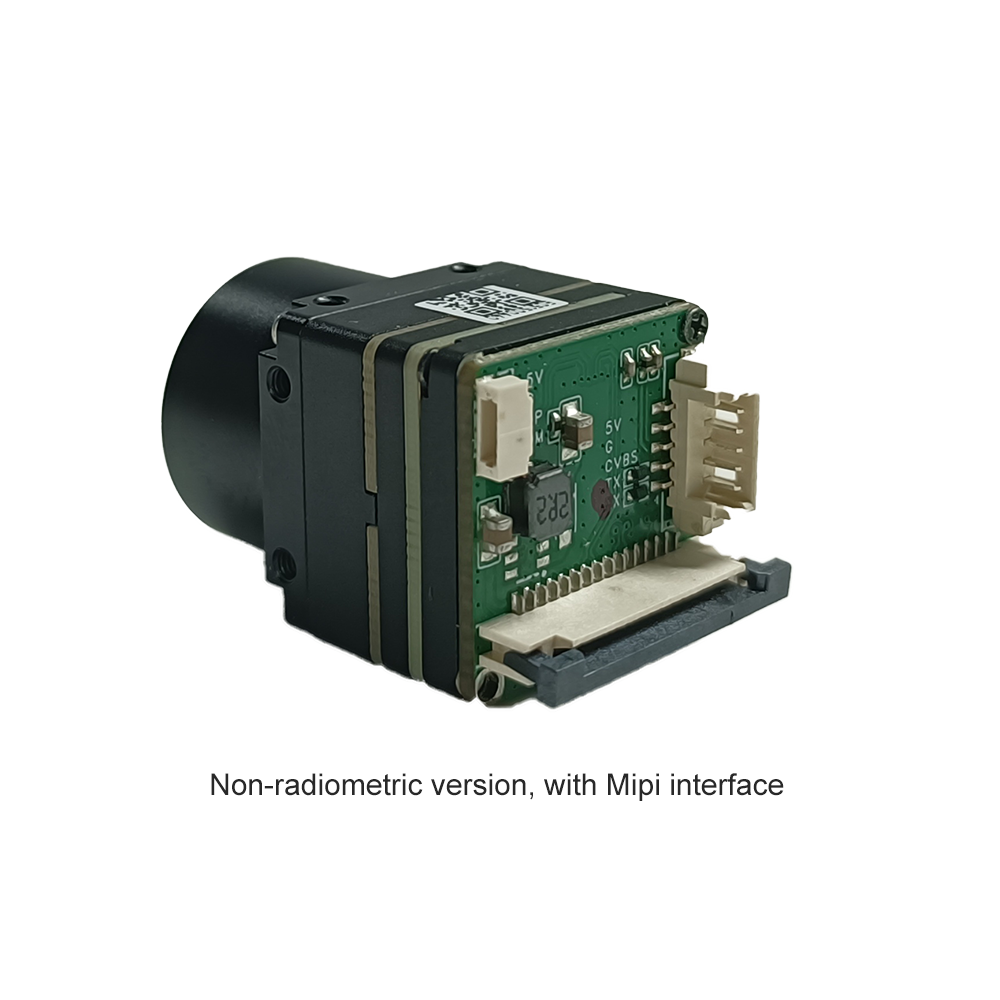
في الوحدة غير الإشعاعية، لا يهدر النظام دورات في محاولة ترجمة فروق المقاومة هذه إلى قراءات معايرة بالكلفن أو الدرجة المئوية. بدلاً من ذلك، يتجه خرج المحول التناظري الرقمي (ADC) الأصلي 14-بت أو 16-بت مباشرة إلى إدارة النطاق الديناميكي في الوقت الفعلي وأجهزة تحسين الصورة. تعمل الخوارزميات على زيادة تباين الحواف المكانية، وإزالة الضوضاء المكانية والزمانية، وتعيين النطاق الديناميكي للمشهد إلى تدفق فيديو رقمي 8-بت (مثل YUV أو RGB أو الفيديو المركب التناظري القياسي).
نظرًا لأن النواة تتحرر من تتبع منحنيات المعايرة الحرارية المطلقة عبر البيئات المحيطة المتغيرة، يخصص معالج الإشارات المدمج (ISP) ميزانية الحوسبة بالكامل لوضوح الصورة:
- ⚙️ تحسين التفاصيل الرقمية (DDE): ترشيح مكاني عالي التمرير يستخرج ملامح الهدف الباهتة والقوام من الخلفيات الموحدة منخفضة التباين.
- ⚙️ تقليل الضوضاء ثلاثي الأبعاد: إجراءات ترشيح زمانية ومكانية تنظف ضوضاء النمط الثابت (FPN) وهسهسة المستشعر دون تشويه الأجسام المتحركة.
- ⚙️ معادلة الرسم البياني التكيفية محدودة التباين (CLAHE): إدارة ديناميكية محلية للسطوع تمنع الانفجار الكلي للمشهد أو سحق الظلال عند دخول هدف ساخن إلى إطار بارد.
مقارنة معمارية: خطوط المعالجة غير الإشعاعية مقابل الإشعاعية
يؤثر الاختيار بين النوى غير الإشعاعية والإشعاعية على بنية العتاد لديك منذ اليوم الأول. فهو يغير خط معالجة الإشارات الرقمية، وقائمة المواد (BOM)، والميزانية الحرارية، وهامش وحدة المعالجة المركزية المضيفة. في خط المعالجة الإشعاعي، يمثل خرج كل بكسل قراءة درجة حرارة معايرة. للحفاظ على الدقة المطلقة، يجب على النواة قراءة الثرمستورات المدمجة باستمرار عبر أسطوانة العدسة والغالق الميكانيكي والركيزة الخزفية للمستشعر. كما يجب على المعالج المضيف أو معالج الإشارات الرقمي المدمج تنفيذ تصحيحات متعددة الحدود معقدة باستمرار لمراعاة الانعكاسات المحيطة، وفقدان النقل الجوي، ونقل المسار البصري، وتدرجات حرارة الهيكل.
تتخطى النواة الحرارية غير الإشعاعية هذه الضريبة الحسابية بالكامل. تنتقل بيانات البكسل الخام 14-بت مباشرة عبر محركات التحسين المكاني والزماني للعتاد. يقوم معالج الإشارات المدمج بتمديد التباين ديناميكيًا عبر مستويات التدفق الدنيا والقصوى في الإطار الحالي. عند دمج الفيديو الحراري في المنصات المدمجة، يتيح استخدام النوى المحسّنة—مثل تلك المفصلة في الدليل المرجعي لـ وحدة الكاميرا الحرارية لتكامل الطائرات بدون طيار—للمطورين تجاوز التحليل الحراري المكثف لوحدة المعالجة المركزية تمامًا والبث مباشرة إلى الشاشة أو نموذج الاستدلال.
| المعامل المعماري | الوحدة الحرارية غير الإشعاعية | الوحدة الحرارية الإشعاعية |
|---|---|---|
| الهدف التشغيلي الأساسي | كشف الهدف، تعظيم التباين، التفاصيل المكانية | قياس حراري ديناميكي مطلق لكل بكسل |
| تعقيد خط معالجة ISP | مبسط (NUC + AGC ديناميكي + ترشيح مكاني) | معقد (NUC + جداول معايرة متعددة النقاط LUTs + محرك درجة الحرارة) |
| صيغ الإخراج | YUV422 8-بت، RGB888، تدرج رمادي، Raw14 (اختياري) | مصفوفات درجة حرارة 14-بت/16-بت + بيانات وصفية للقياس عن بعد |
| استخدام الحوسبة المضيفة | الحد الأدنى (استيعاب دفق فيديو UVC / V4L2 قياسي) | مرتفع (يتطلب تحليل SDK إشعاعي ومكتبات رياضية) |
| استهلاك الطاقة الأساسي النموذجي | منخفض (أقل من 0.6 واط إلى 1.2 واط نموذجيًا للنوى غير المبردة) | متوسط إلى مرتفع (1.5 واط إلى 3.5 واط+ بسبب الحسابات المستمرة) |
| الوقت من الإقلاع إلى أول إطار | سريع (أقل من 2.5 إلى 4.0 ثانية) | ممتد (أقل من 5.0 إلى 12.0 ثانية للاستقرار والمعايرة) |
| تكلفة التصنيع والوحدة | Cost-effective; ideal for high-volume deployments | 30% – 70% higher unit cost due to factory blackbody calibration |
معايير اختيار العتاد والبصريات الحرجة للمصنعين الأصليين
When selecting an uncooled thermal core for industrial hardware, evaluate sensor geometry, optical physics, mechanical ruggedization, and electrical interfaces side by side.
Sensor Resolution and Pixel Pitch
Modern microbolometer design has shifted decisively from 17μm pixel pitches to 12μm pixel pitch architectures. A 12μm detector shrinks the physical footprint of the focal plane array for any target resolution. This means you can specify a smaller objective lens while achieving the exact same Instantaneous Field of View (IFOV). That directly translates to smaller gimbals, lower payload mass, and reduced BOM costs.
- ⚙️ 256×192 Resolution: Best for ultra-compact, cost-driven payloads like helmet-mounted setups, tactical micro-drones, and compact hand-held diagnostic viewers.
- ⚙️ 384×288 Resolution: The sweet spot for mid-range industrial integration. Offers 2.25× the pixel density of 256×192 sensors, giving you clean Detection, Recognition, and Identification (DRI) ranges for perimeter turrets, drone gimbals, and mobile robots.
- ⚙️ 640×512 Resolution: Built for long-range tactical surveillance, wide-area defense, and border platforms where you need a broad field of view without sacrificing angular resolution.
Thermal Sensitivity (NETD) and Optics
Noise Equivalent Temperature Difference (NETD), measured in milliKelvins (mK), defines the smallest thermal gradient the sensor can pull above its internal electronic noise floor. Premium uncooled VOx cores hit an NETD of ≤ 40mK or ≤ 50mK at F/1.0 at 25°C. In the shop, a lower NETD means that low-contrast thermal scenes—like high-humidity coastal zones, thick fog, or washed-out nocturnal terrain—render with clear, distinct object boundaries rather than snow.
Pairing a high-sensitivity detector with high-transmission, anti-reflective athermalized Germanium or Chalcogenide lenses (with fast apertures of F/1.0 or F/1.1) maximizes photon collection on the active microbolometer surface, holding optical focus rock-solid from -40°C up to +80°C.
Mechanical Durability and Interconnect Reliability
Thermal modules mounted on mobile gear (like airborne gimbals, heavy machinery, or rugged industrial UGVs) face continuous high-frequency vibration and sharp mechanical shocks over 500g (0.5ms). Embedded engineers should specify cores built with ruggedized board-to-board connectors or locking flex assemblies, utilizing components adhering to proven industrial interconnect standards from manufacturers like تي إي كونيكتيفيتي to eliminate frame drops and intermittent bus resets in the field.
تكامل الواجهات: MIPI CSI-2 وUSB UVC وCVBS
Your hardware interface choice defines latency, processor overhead, and carrier board complexity.
MIPI CSI-2 Integration (Embedded Processing & Edge AI)
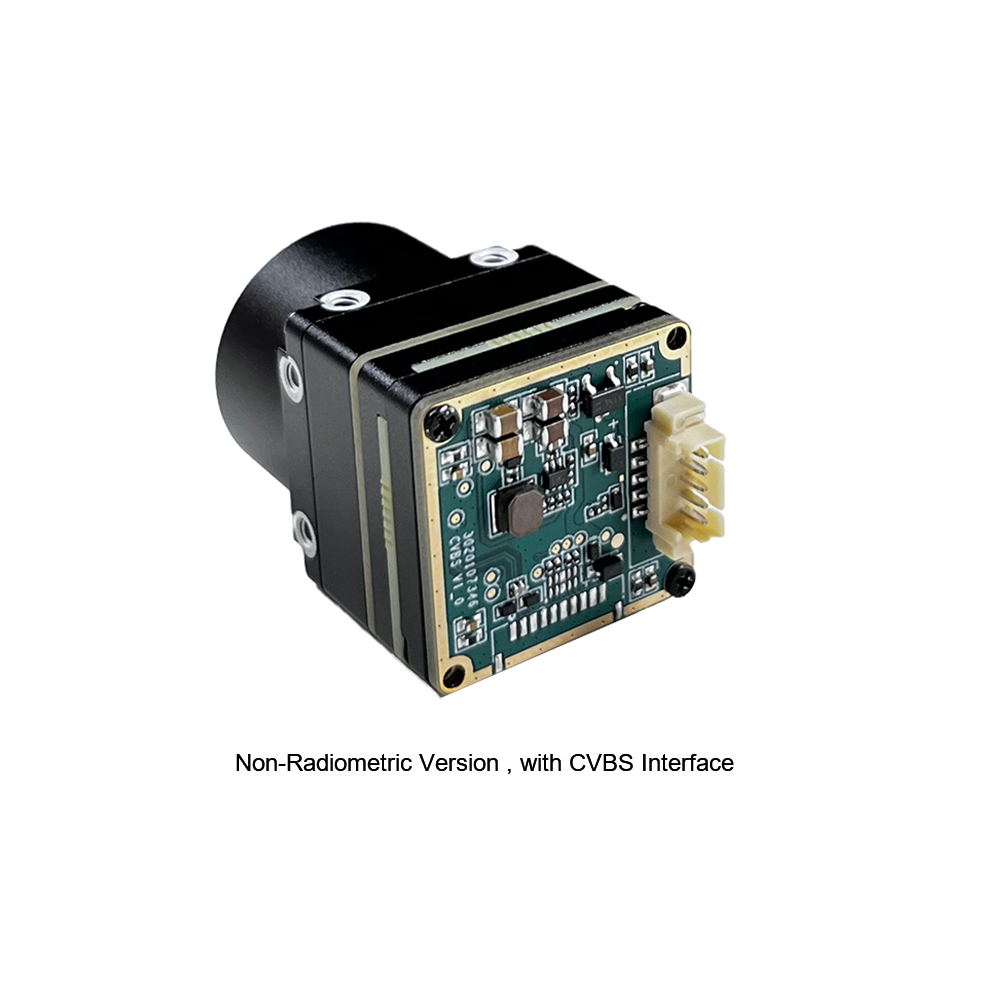
The MIPI CSI-2 interface is the preferred standard for low-latency, SWaP-optimized embedded architectures using system-on-chips (SoCs) such as NVIDIA Jetson, NXP i.MX8/i.MX9, Rockchip RK3588, or Raspberry Pi Compute Modules. MIPI CSI-2 transmits 8-bit YUV422 or 14-bit raw frames across 1 or 2 D-PHY differential data lanes at speeds up to 1.5 Gbps per lane. Video frames flow directly into host memory through Direct Memory Access (DMA), avoiding USB host controller overhead and keeping glass-to-glass latency under 30ms.
USB 2.0 / USB-C UVC Integration (Industrial Computing)
For industrial computers, field tablets, and standard Linux/Windows hosts, USB Video Class (UVC) offers driverless integration. The camera registers as a standard video capture device via Video4Linux2 (V4L2) on Linux or DirectShow on Windows. For high-resolution USB setups, refer to the integration specifications in our USB модуль тепловизора высокого разрешения overview. Dual-endpoint USB configurations allow simultaneous streaming of 8-bit visual video while transmitting control commands and telemetry via a virtual COM port (CDC-ACM).
CVBS (Composite Video Broadcast Signal)
In tactical FPV flight, long-range analog links, and legacy security retrofits, analog CVBS (NTSC/PAL) remains indispensable. It delivers zero-latency video without digital packet loss or frame buffering artifacts. Industrial non-radiometric modules incorporate onboard DACs built to drive 75Ω coaxial or twisted-pair lines directly.
تحسين الذكاء الاصطناعي الطرفي والرؤية الحاسوبية للأشعة تحت الحمراء طويلة الموجة النوعية
Modern thermal imaging architectures rely heavily on automated edge AI analytics. Because non-radiometric thermal modules output pre-processed, high-contrast, noise-filtered 8-bit luminance streams, they plug straight into deep learning inference pipelines without needing complex normalization or custom 14-bit quantization layers.
When running real-time object detection models (such as YOLOv8, YOLOv9, or SSD MobileNet) on edge Neural Processing Units (NPUs), non-radiometric video provides distinct advantages:
- ✅ Total Illumination Invariance: The thermal stream is unaffected by zero-lux darkness, shadows, high-beam glare, or sudden day-to-night lighting shifts.
- ✅ Reduced Compute Footprint: Retraining vision models to accept single-channel thermal luminance inputs cuts model compute weight (GFLOPs) by up to 30%, boosting inference frame rates on edge SoCs.
- ✅ Enhanced Edge Features: Onboard Digital Detail Enhancement (DDE) sharpens silhouettes and physical contours, boosting detection confidence scores for partially obscured people, vehicles, and assets.
For compact and mobile integrations, reference implementation details are available in our technical brief on the портативный тепловизионный USB модуль.
6. Featured High-Performance OEM Thermal Modules
Purpleriver supplies industrial-grade thermal imaging cores engineered by an R&D team with research roots from the جامعة هونغ كونغ للعلوم والتكنولوجيا (HKUST) and former وHuawei HiSilicon ISP chip architects. These modules deliver dependable performance across security, robotics, and aerial reconnaissance platforms.
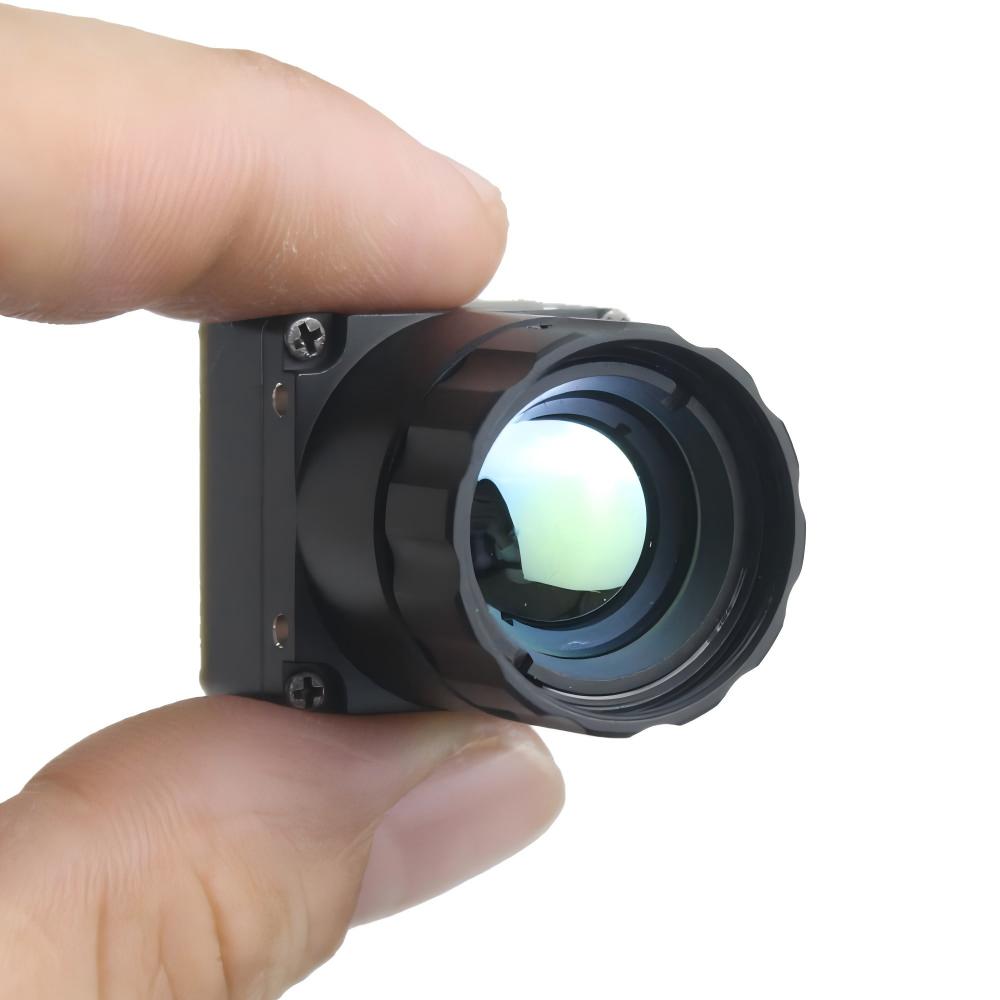
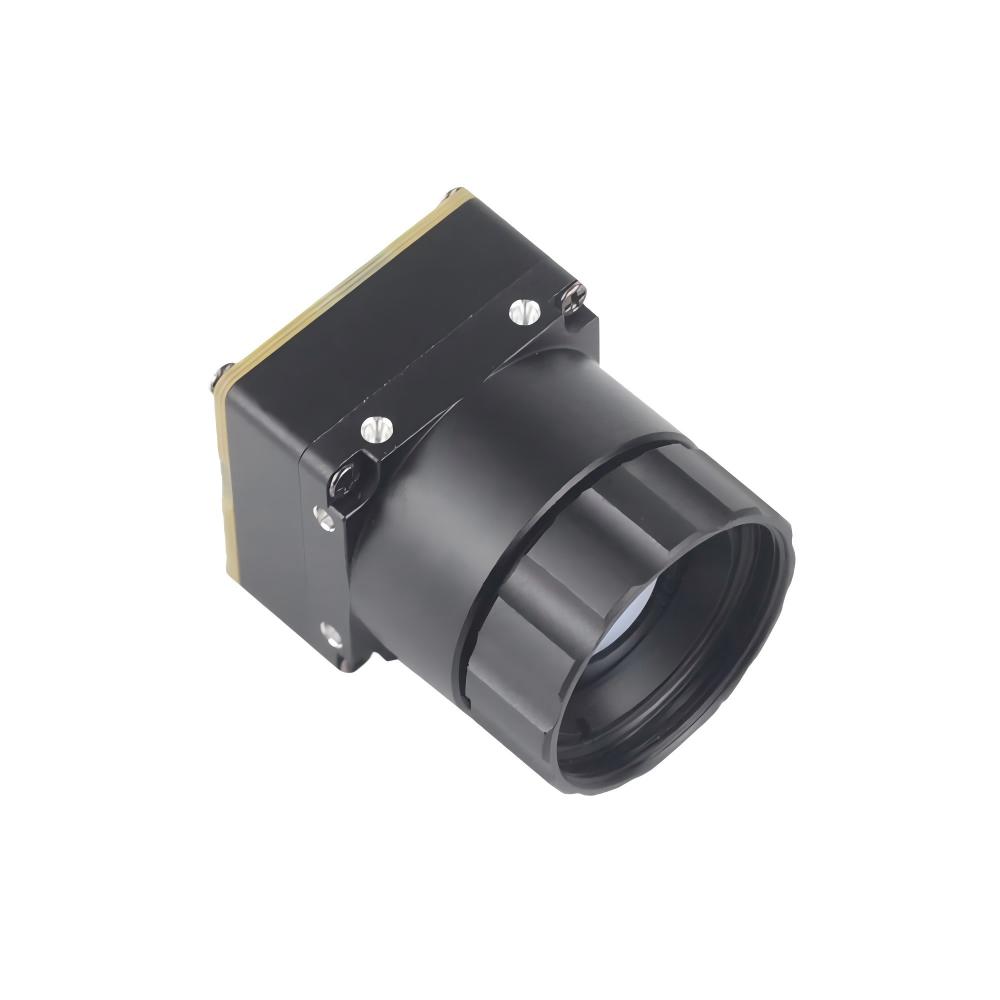
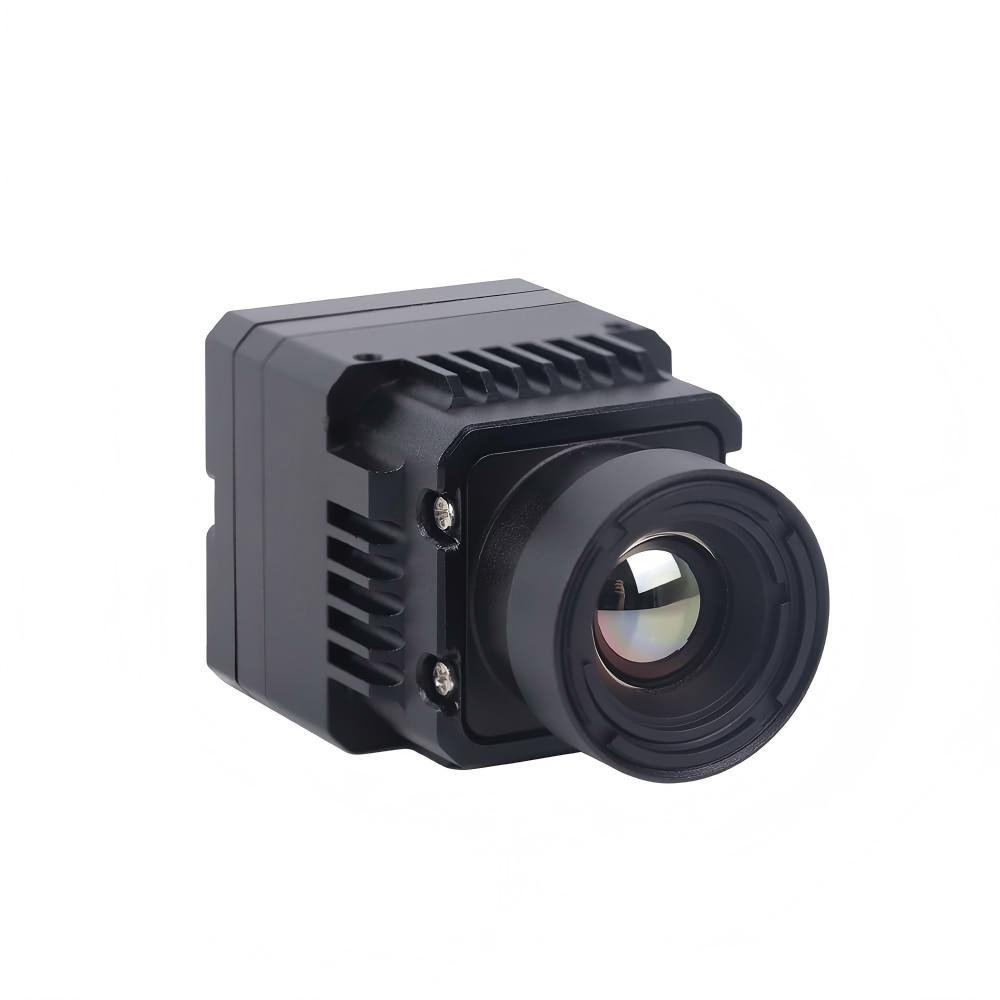
وحدة الكاميرا الحرارية غير المبردة MD Series بدقة 384x288 بالأشعة تحت الحمراء
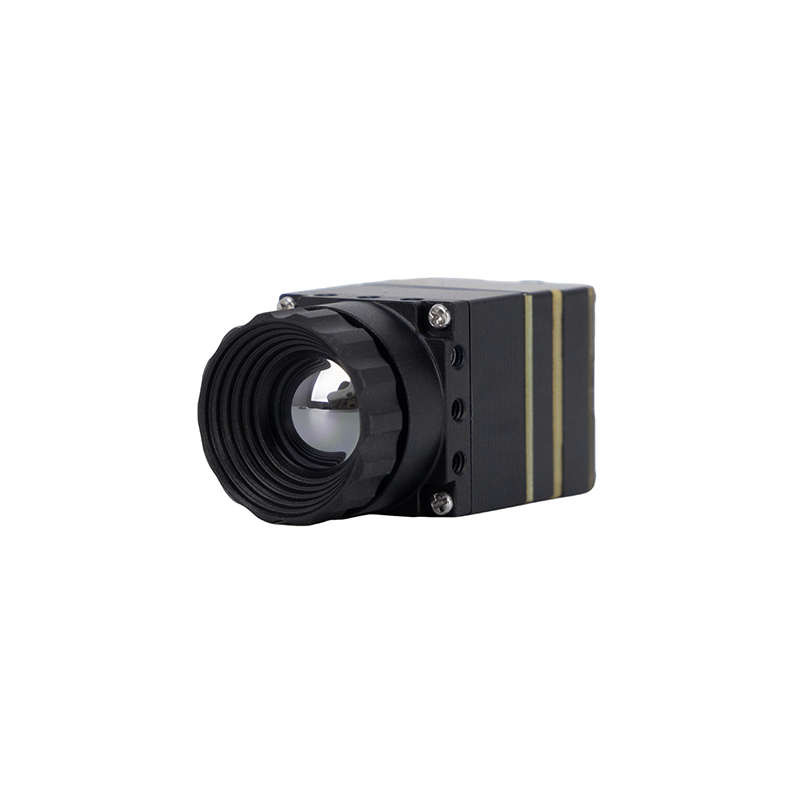
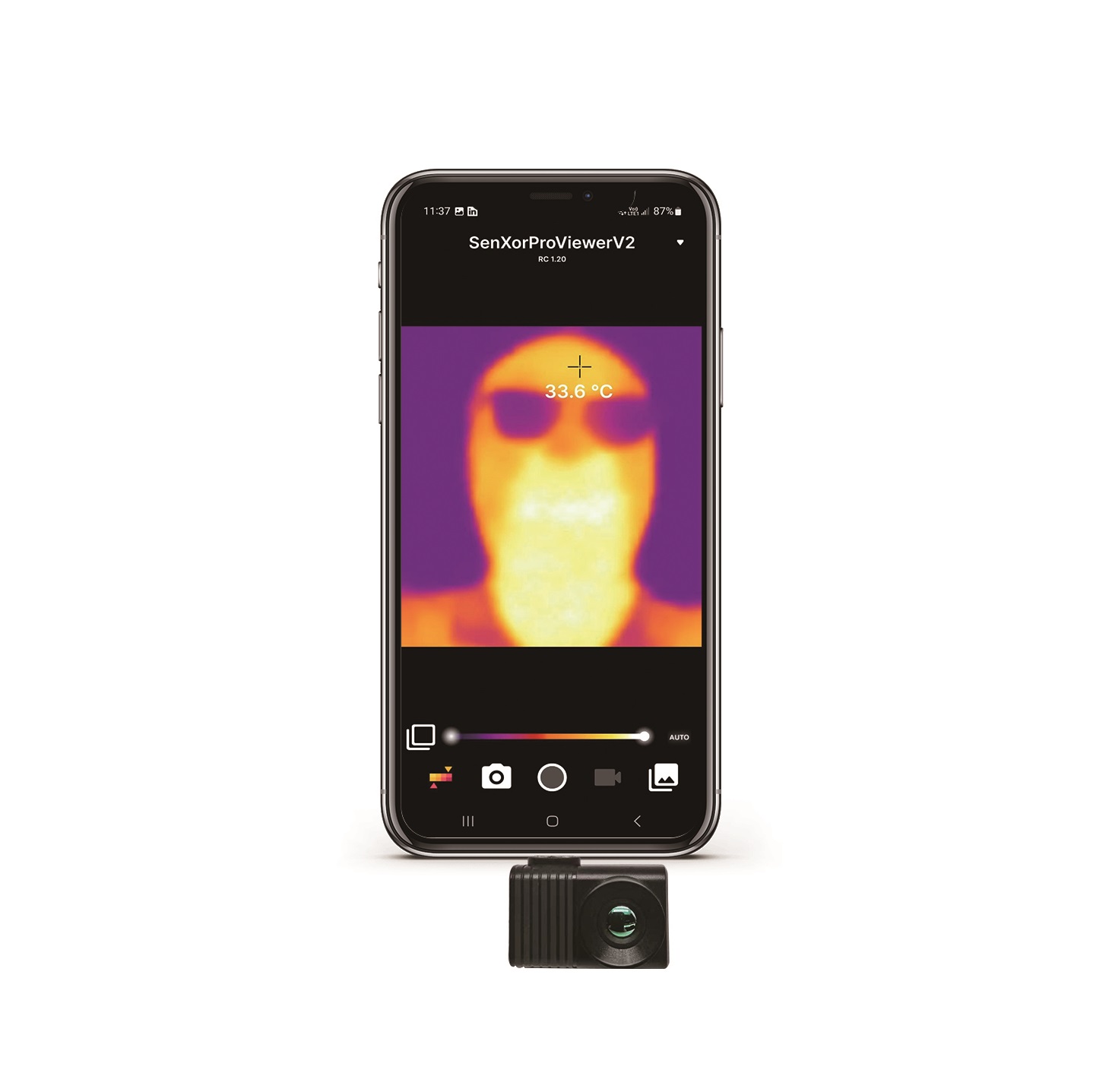
تم تصميم وحدة الكاميرا الحرارية من Purpleriver لتحقيق دقة صناعية في تطبيقات مثل الأمن، ومراقبة درجة الحرارة، ودمج الطائرات بدون طيار. تتميز بكاشف يعمل بالأشعة تحت الحمراء غير مبرد بمسافة بكسل 12 ميكرومتر، وتوفر حساسية عالية وتصويرًا حراريًا واضحًا. يضمن حجمها الصغير ووظيفة التوصيل والتشغيل والواجهات المتعددة (MIPI/USB/CVBS) تكاملًا متعدد الاستخدامات وسريعًا في أنظمة مختلفة. بدعم من فريق ذي خلفية من جامعة هونغ كونغ للعلوم والتكنولوجيا وخبرة سابقة من هواوي هايسيليكون، توفر هذه الوحدة تخصيص OEM/ODM لتلبية متطلبات المشروع المحددة، مما يضمن أداءً وقدرة على التكيف لا مثيل لهما.
| دقة المصفوفة | 384 × 288 pixels |
| تباعد البكسل | 12μm Uncooled VOx |
| النطاق الطيفي | 8 to 14μm (LWIR) |
| الحساسية الحرارية (NETD) | ≤ 40mK (@25°C, F/1.0) |
| الواجهات الرقمية | MIPI CSI-2 / USB 2.0 / CVBS Composite |
| Customization Options | Full OEM/ODM: Lens mounts, custom ISP algorithms, PCB form factors |
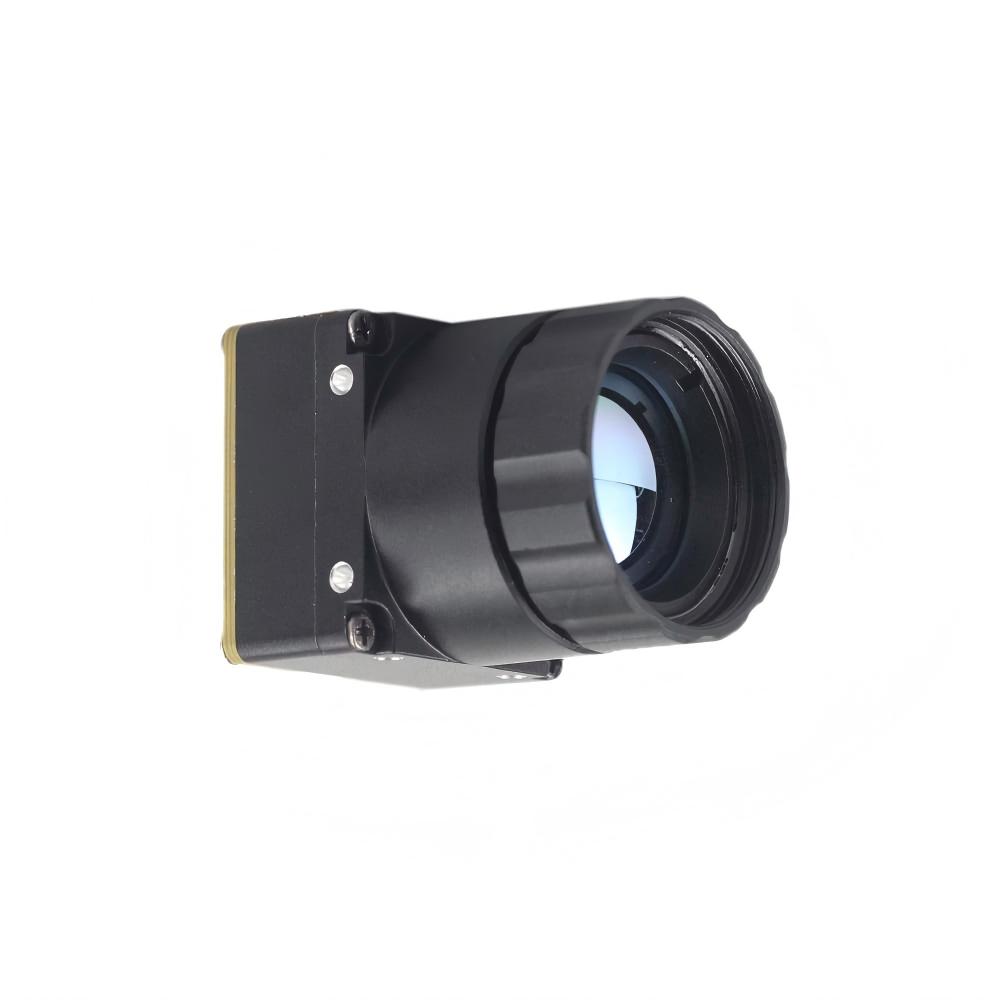
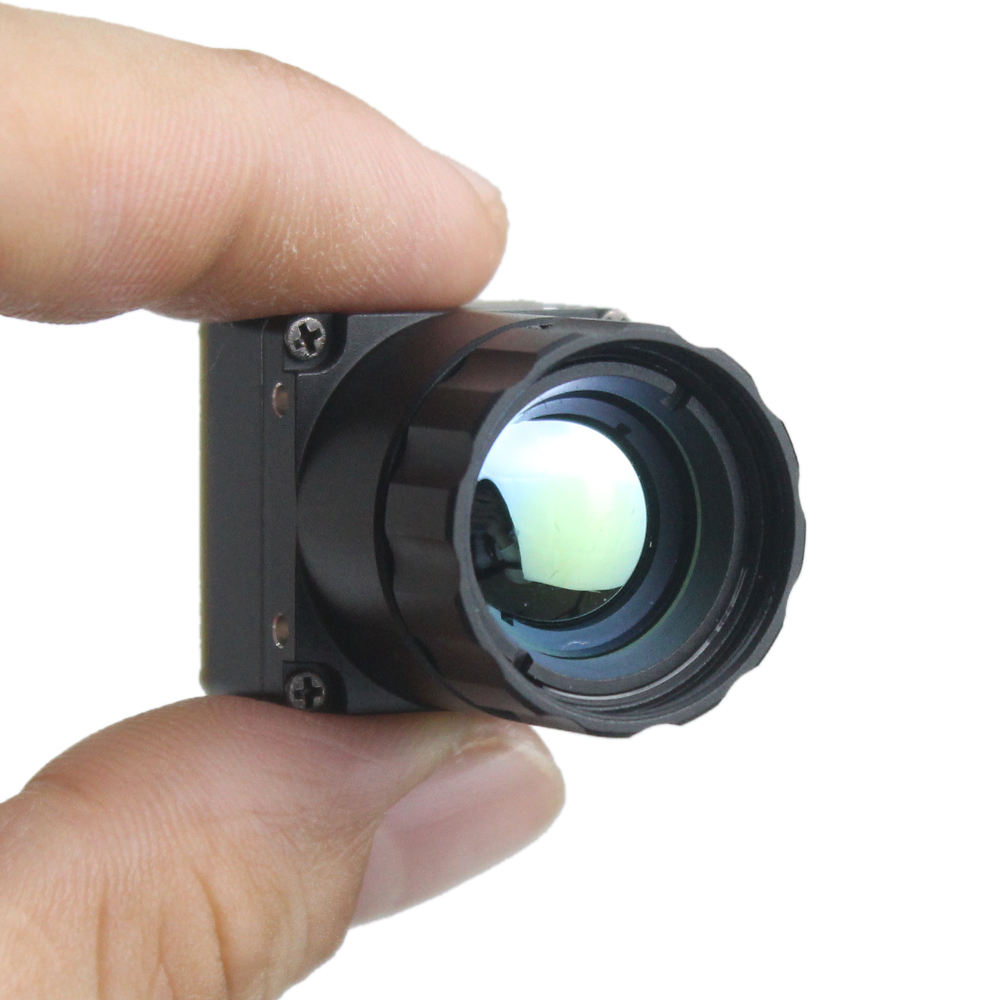
وحدة كاميرا التصوير الحراري Mini 256 غير المبردة LWIR
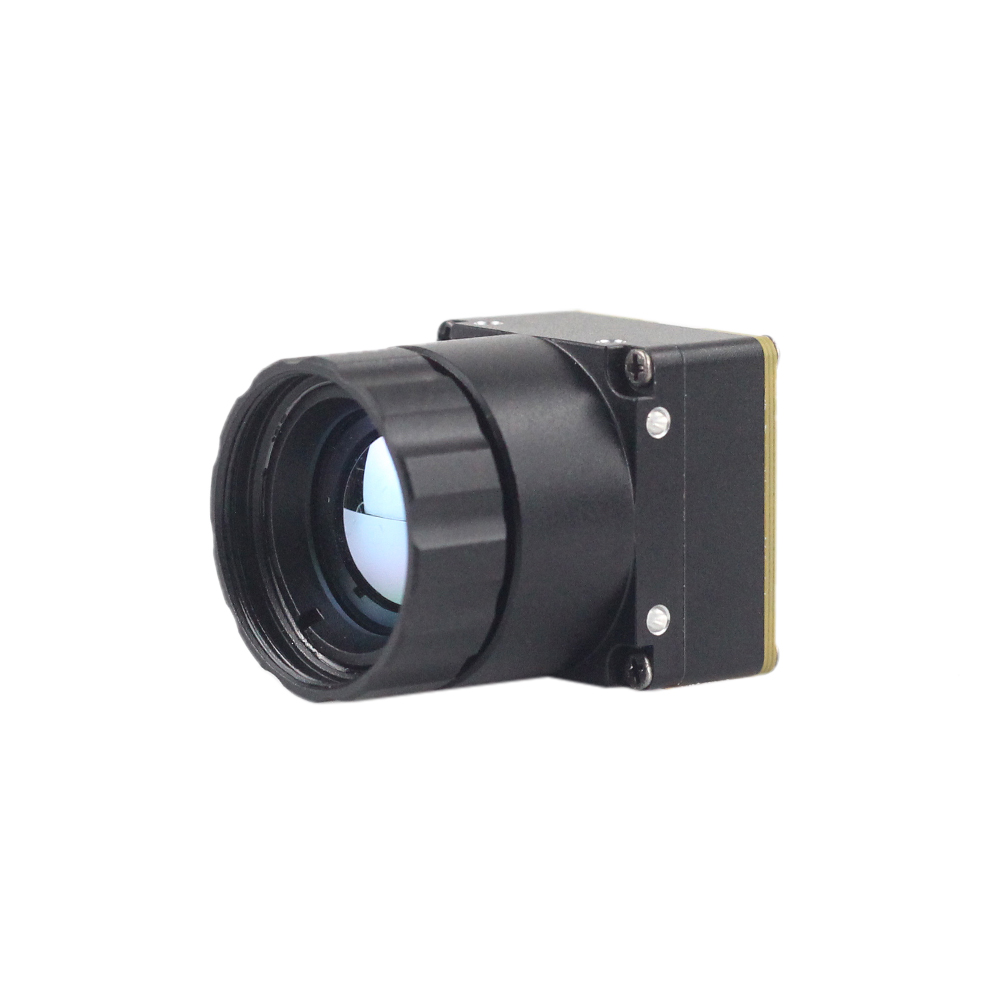
Mini 256 Uncooled LWIR thermal Camera Module adopts high-performance infrared detectors for ultra-clear thermal imaging and accurate temperature measurement. It captures infrared radiation and outputs a uniform thermal image with radiometry. Engineered for applications similar to DJI platforms and tactical mine detection, this ultra-lightweight thermal imaging core provides exceptional contrast and detection capabilities in highly restricted physical envelopes.
| دقة المصفوفة | 256 × 192 بكسل |
| Detector Pitch | 12μm LWIR VOx Detector |
| معدل الإطارات | 25Hz / 50Hz Real-Time Output |
| الحساسية الحرارية | ≤ 50mK (@25°C, F/1.0) |
| Key Application Target | Micro-drone payloads, mine detection, portable thermal systems |
ملفات التطبيقات المستهدفة: الطائرات المسيّرة، والأمن، والروبوتات
1. Tactical Micro-UAVs and Airborne Gimbal Payloads
In airborne platforms, flight duration is dictated by payload mass and power draw. Deploying a 12μm non-radiometric thermal core cuts optical volume and structural weight by up to 40% compared to legacy 17μm cores. The streamlined video pipeline eliminates the need for secondary coprocessors on the gimbal carrier, allowing micro-UAVs to stay airborne longer during night reconnaissance, perimeter security, and search-and-rescue operations.
2. Perimeter Defense and PTZ Security Systems
Fixed security cameras and PTZ tracking turrets demand reliable human and vehicle detection across changing outdoor conditions. Non-radiometric modules equipped with dynamic contrast optimization adapt automatically to challenging environments—such as targets stepping out from tree lines or crossing hot asphalt. Standard 8-bit YUV or MIPI outputs feed directly into standard network camera SoCs running H.264/H.265 compression streams.
3. Industrial Autonomous Mobile Robots (AMRs)
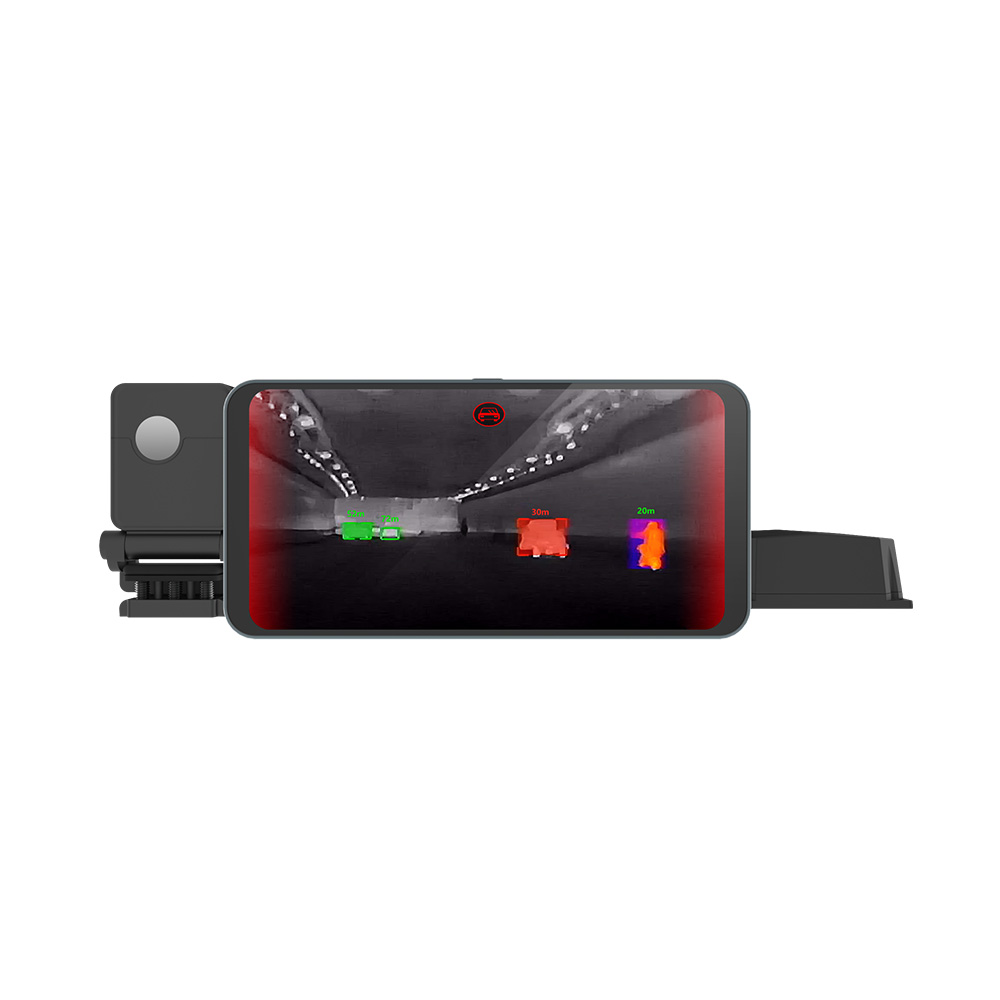
AMRs working in dusty warehouses, heavy industrial plants, or outdoor agricultural plots run into real issues with visible cameras and LiDAR when dust, steam, or sun glare hits the sensors. Adding non-radiometric thermal modules to the sensor suite provides illumination-independent obstacle detection and situational awareness with low computational latency.
الأسئلة الشائعة المتعمقة حول تكامل OEM
What is the primary difference between non-radiometric and radiometric thermal camera modules?
When should engineering teams choose a non-radiometric thermal module over a radiometric one?
Can non-radiometric thermal modules be customized for specific embedded systems and specialized enclosures?
Hardware interfaces can be tailored to specific mechanical footprints, rigid-flex PCB configurations, or custom pinouts supporting MIPI CSI-2, USB Type-C, Parallel DVP, Ethernet, or analog CVBS. Optics can be customized with various focal lengths of athermalized Germanium or Chalcogenide lenses, with custom IP67-sealed optical barrels. ISP algorithms can be tuned for specialized target enhancement, custom color palettes, and motion filtering. Additionally, custom Board Support Packages (BSPs) and V4L2 drivers are available for embedded platforms including NVIDIA Jetson, Rockchip, NXP, and Raspberry Pi architectures.
الخلاصة الهندسية وخارطة طريق التخصيص
Choosing a non-radiometric thermal camera core provides an optimal balance of imaging performance, power efficiency, and integration simplicity for embedded systems. By bypassing the computational and thermal penalties of per-pixel temperature math, OEM developers can integrate high-resolution, uncooled 12μm LWIR imaging directly into SWaP-constrained airborne payloads, perimeter nodes, and mobile robotics platforms.
Purpleriver provides standard and fully customized thermal modules—including the MD Series 384×288 و Mini 256 LWIR platforms—to streamline your engineering cycle and maintain low unit costs.
Our OEM/ODM integration workflow follows a structured engineering cycle:
- ⚙️ Stage 1: Specification Review: Aligning optical FOV, array resolution, target frame rates, and hardware interfaces (MIPI CSI-2, USB, CVBS) with system requirements.
- ⚙️ Stage 2: Bench Evaluation & SDK Integration: Rapid prototyping using reference driver packages, V4L2 Linux kernels, and hardware evaluation kits.
- ⚙️ Stage 3: Mechanical & Electrical Customization: Custom PCB layout shaping, connector placement, and optical housing adaptation.
- ⚙️ Stage 4: Environmental & Optical Validation: Thermal chamber verification (-40°C to +80°C), vibration screening, and optical MTF testing.
- ⚙️ Stage 5: Production & Lifecycle Management: Scaled batch manufacturing backed by sustained firmware, driver, and component lifecycle support.
Contact Purpleriver's engineering team to request evaluation hardware, carrier board schematics, or customized firmware specifications for your next build.
عند إحكام إغلاق نواة حرارية غير مبردة داخل علبة مقاومة للطقس IP67/IP68، يكون التصميم الحراري السلبي حاسمًا لإيقاف الانحراف الحراري الأساسي وتدهور الصورة. لا تحتاج الميكروبولومترات إلى مبردات نشطة، لكن ASIC الصورة المدمجة ومشفرات الفيديو الشبكية تستهلك بين 1.0 واط و 2.5 واط أثناء التشغيل. في صندوق محكم ضيق بدون تدفق هواء، تخلق الحرارة الداخلية المحتبسة نقاطًا ساخنة عبر هيكل النواة ومصفوفة المستوى البؤري. تؤدي هذه التدرجات الحرارية الموضعية إلى خلل في قراءات درجة الحرارة الإشعاعية وتزيد من ضوضاء المستشعر، مما يقلل من حساسية NETD الفعالة لديك. لحل هذا، صمم مسارات مباشرة لتبديد الحرارة المعدنية—مثل كتلة باردة من الألومنيوم أو النحاس مقترنة بوسادات فجوة عالية التوصيل—تربط اللوحة الحرارية للوحدة مباشرة بالغلاف المعدني الخارجي. هذا يحول كامل الهيكل الخارجي إلى مشتت حراري كبير. أيضًا، تجنب تركيب أجزاء عالية الطاقة (مثل أجهزة الراديو RF أو محولات الطاقة الساخنة) بجوار النواة البصرية مباشرة للحفاظ على استقرار الظروف الحرارية عبر المستشعر.
- المعيار الصناعي: تي إي كونيكتيفيتي
- المعيار الصناعي: التصوير بالأشعة تحت الحمراء في ويكيبيديا
- دليل ذو صلة: Портативный тепловизионный USB модуль
- دليل ذو صلة: Moduł kamery termowizyjnej do integracji UAV
- دليل ذو صلة: USB модуль тепловизора высокого разрешения