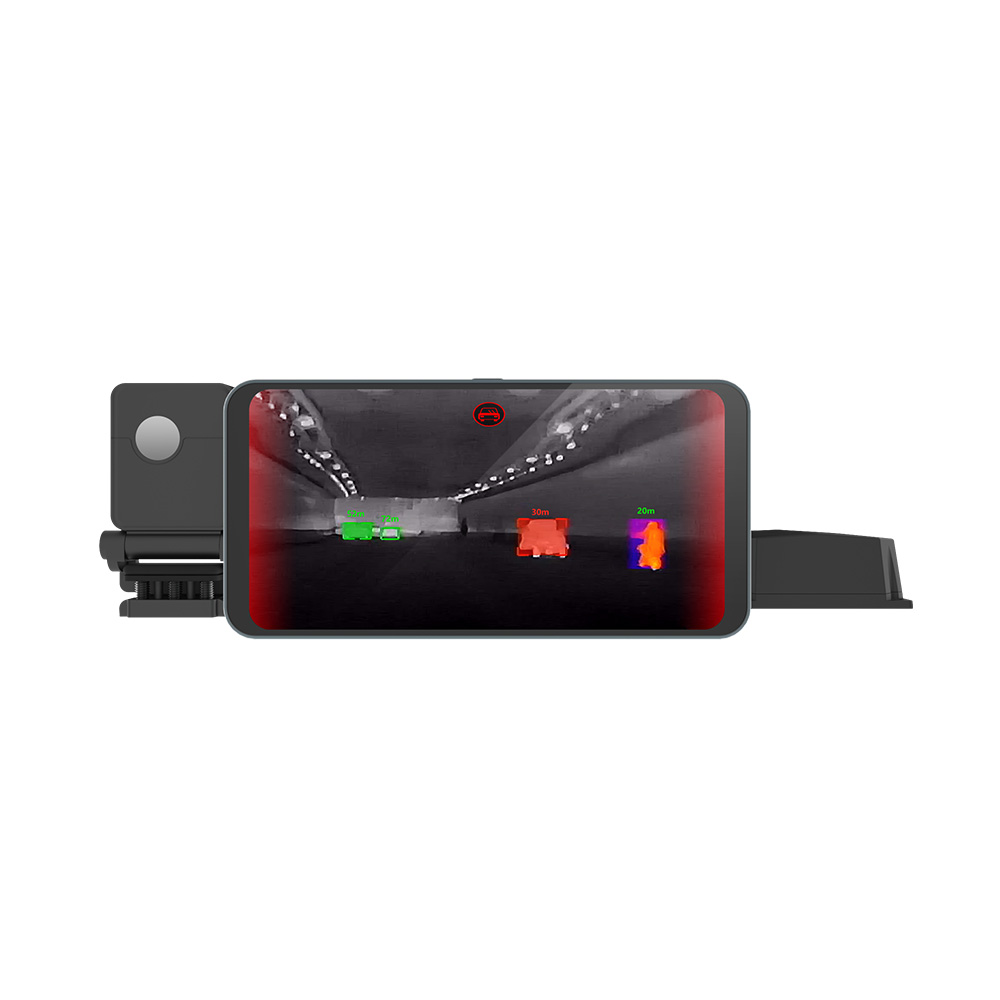

rs300-v4l2-driver Guide: Get MINI2 Thermal Imaging Module Working with Raspberry Pi
2025年10月29日Cheap Thermal Imaging Cameras Module Analyze: Professional-Grade Performance & Reliable Functionality
2026年1月4日
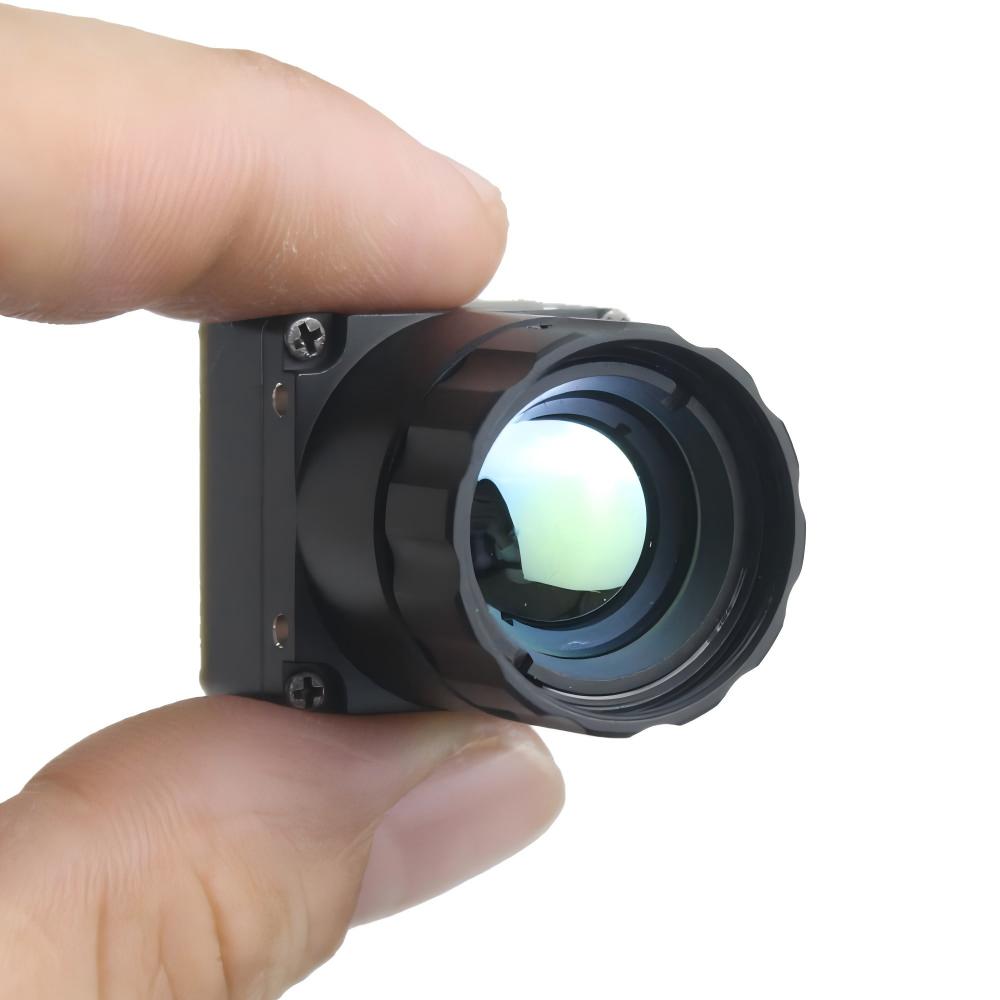
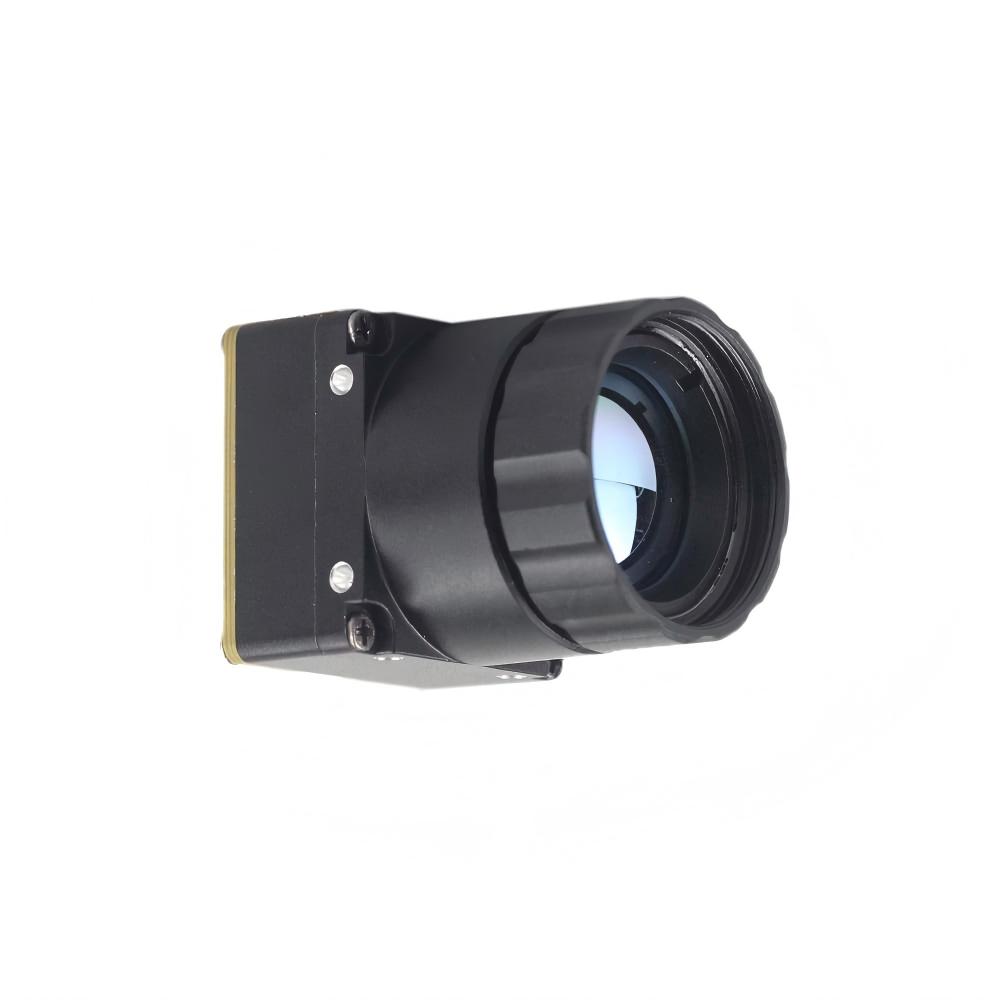
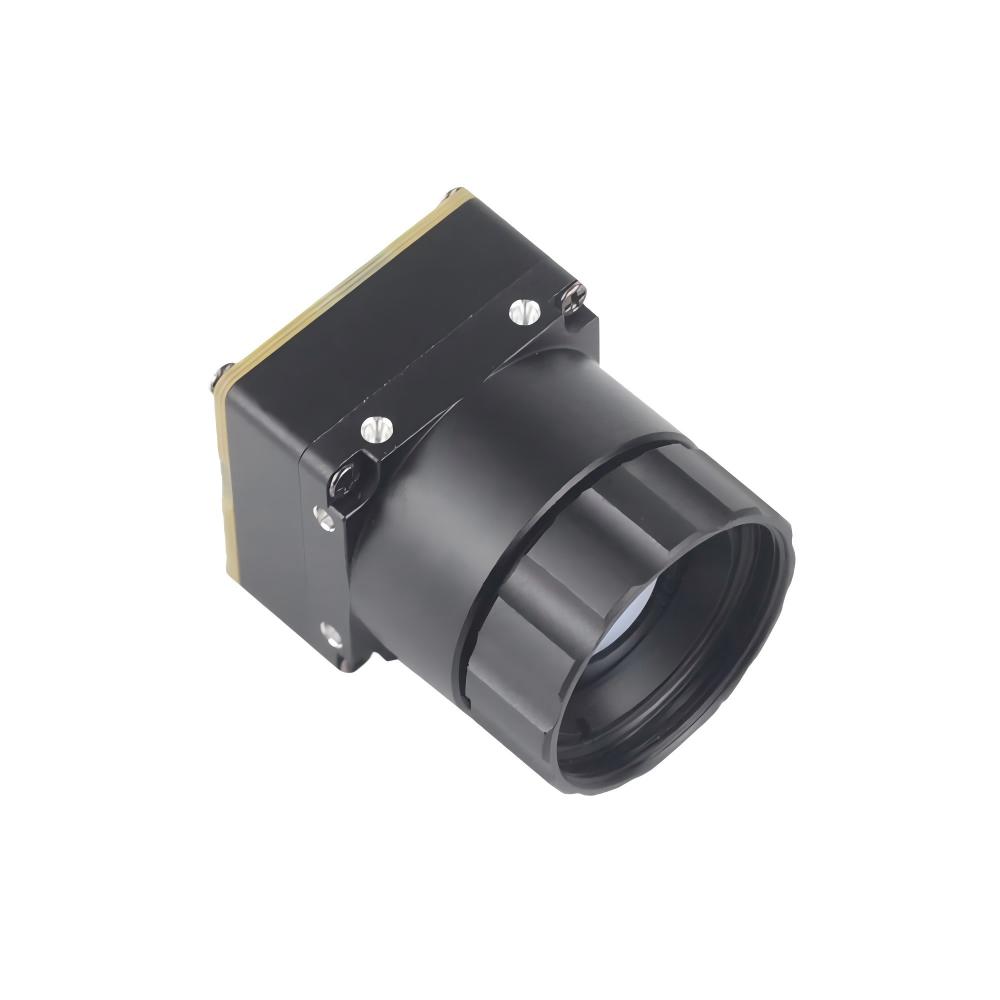
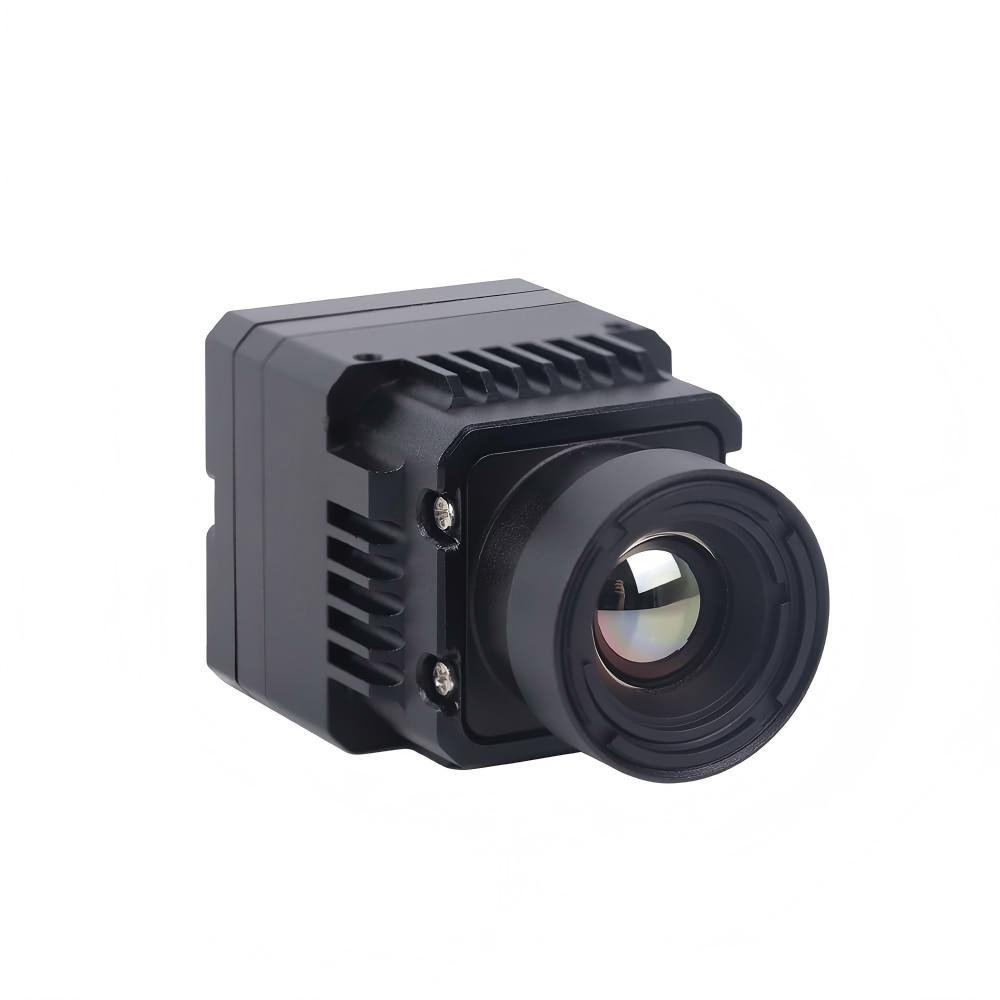
After testing dozens of thermal imaging modules over the years, I can confidently say the 1280*1024 Uncooled Thermal Imaging Core is 2025’s biggest standout. Packed with a 12μm VOx ceramic detector, it checks every box professionals care about: ultra-clear imaging, low power draw, a compact footprint, and – my favorite – USB connectivity plus Raspberry Pi compatibility. Whether you’re building drone payloads, industrial monitoring setups, or security systems, this core delivers. And with CE certifications and a price tag between $3,960-$4,500, it’s not just high-performance – it’s practical for businesses big and small. Let me break down why it’s become my go-to recommendation.
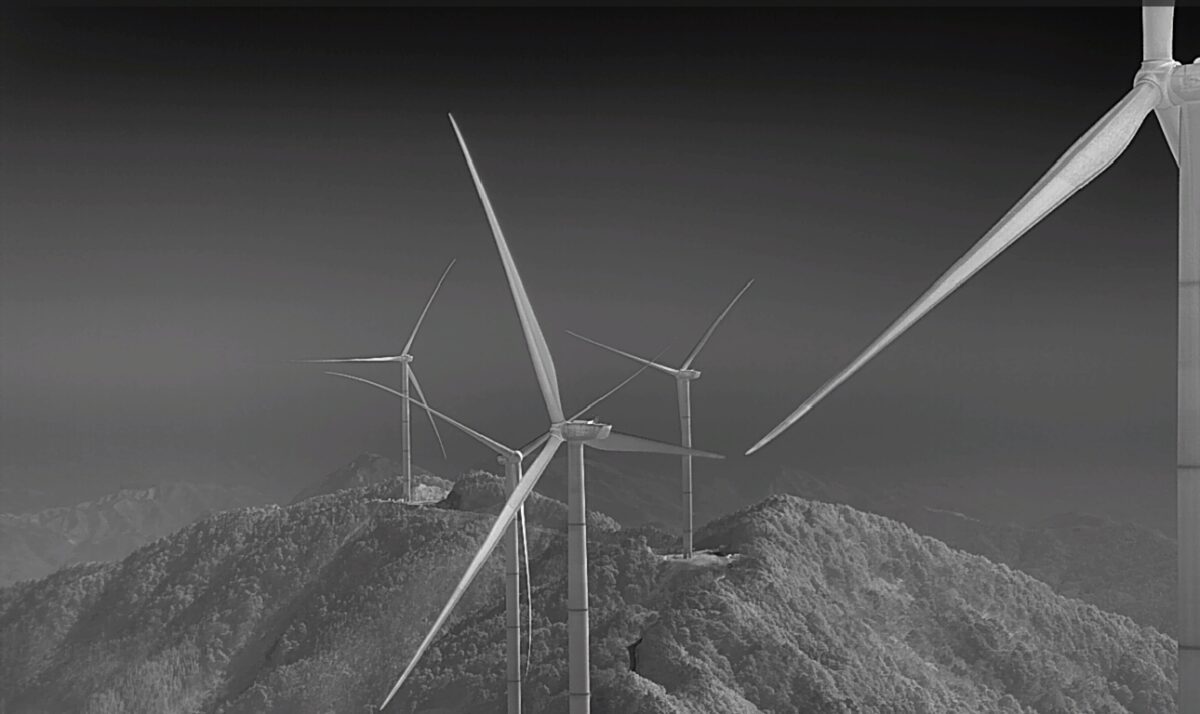
Why the 1280*1024 Uncooled Thermal Imaging Core Tops My List in 2025
First off, this isn’t just another thermal core – it’s built for real-world use. Let’s start with the basics: that 1280*1024 resolution paired with a 12μm VOx detector. The images are sharp, detailed, and reveal things cheaper modules miss – like a tiny temperature spike in a machine part or a faint heat signature in fog. Its NETD (noise equivalent temperature difference) is ≤50mK@25℃, F#1.0, which means it picks up subtle shifts that matter for early problem-solving.
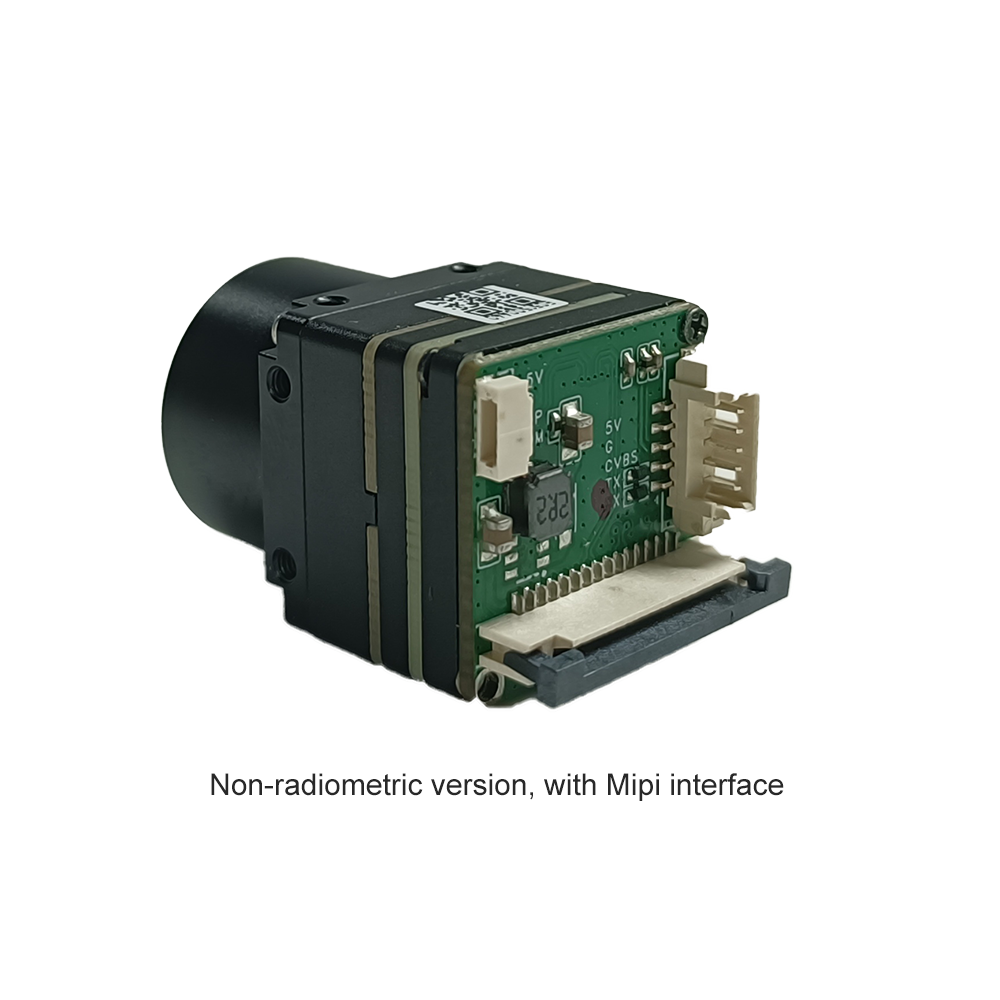
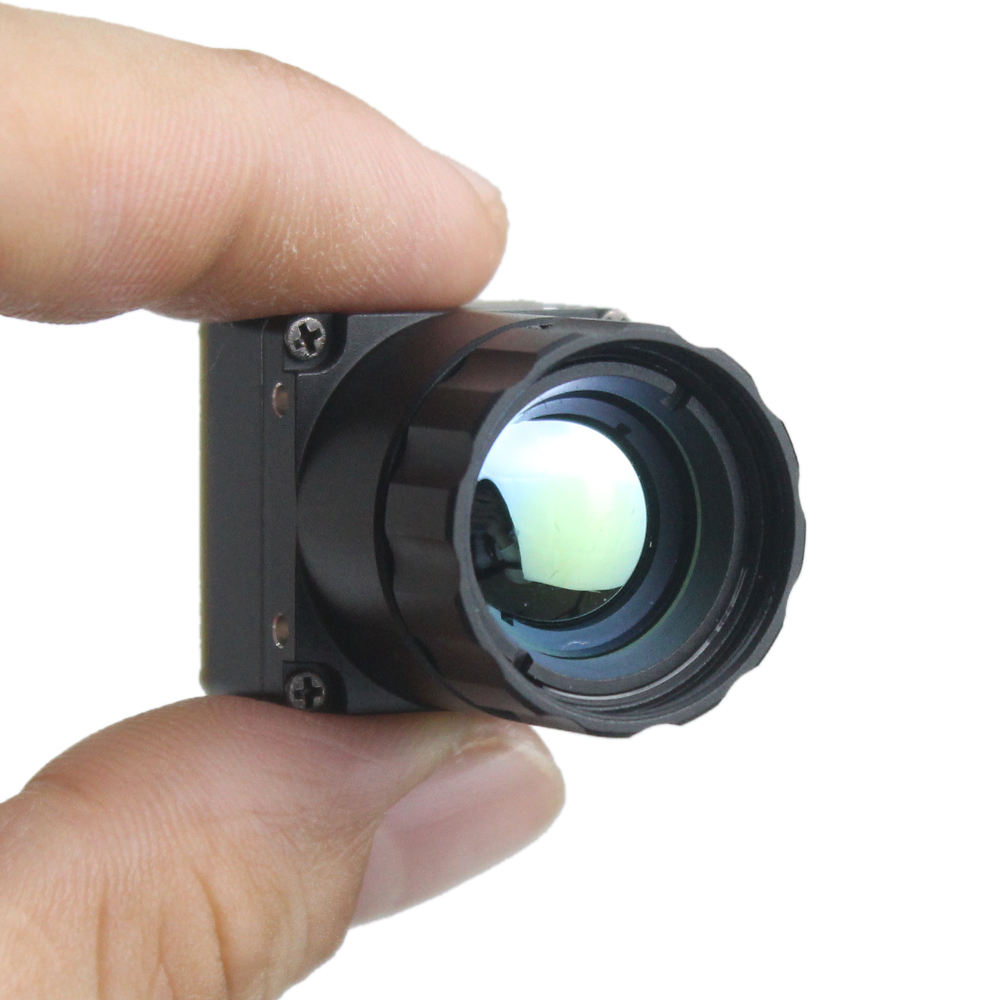
What really won me over, though, is its focus on SWaP (Size, Weight, and Power/Price) principles. It weighs less than 250g (1kg shipping weight), sips power, and doesn’t break the bank. Add USB output and Raspberry Pi compatibility, and integration is a breeze – no complex wiring or custom hardware required. As someone who’s spent hours troubleshooting finicky modules, this was a game-changer. I plugged it into my Raspberry Pi, and it worked within minutes – perfect for developers or teams needing fast prototyping.
Another big plus is the flexible frame rate: 30Hz as standard, with a 60Hz non-radiometric option for faster-paced tasks. Whether you’re monitoring a slow-moving production line or a fast-flying drone, it keeps up. And the auto shutter nonuniformity correction? No more manual adjustments when the environment changes – the images stay consistent, saving you time.
Drone Use: Lightweight Design + Multiple Lenses = Perfect Payload
Drones are where the 1280*1024 Uncooled Thermal Imaging Core truly shines. I tested it on my DJI drone, and It weighs less than 250g didn’t drag down flight time at all – a huge win for long missions. Plus, the lens options (19mm, 25mm, 50mm) let you tailor it to whatever task you’re tackling.
The 19mm lens (19010X) has a wide 44°×36° FOV, which is ideal for agricultural surveys or search-and-rescue. I used it to map a friend’s farm, and it detected water-stressed crops from 2.1km away – way more efficient than walking the fields. For longer-range jobs, the 35mm lens (35010X) extends detection to 3.9km, making it great for power line inspections. And the 50mm lens (55010X) hits 6.1km detection – perfect for pinpointing small targets like overheating transformers or lost hikers.
CE certification was another relief. I often work with clients in Europe and North America, and regulatory compliance can be a headache. This core checks those boxes, so you can integrate it into your drone setup without extra testing. No more delays – just reliable thermal data, real-time.
Industrial Applications: Tough, Easy to Integrate, and Precise
Industrial environments are brutal on equipment, but the 1280*1024 Uncooled Thermal Imaging Core holds up. I’ve seen it run in factories with temperatures swinging from freezing to 65℃, and it handles vibration (6.06g random, all axes) and impact (80g@4ms) like a pro. It’s built to keep working when you need it most.
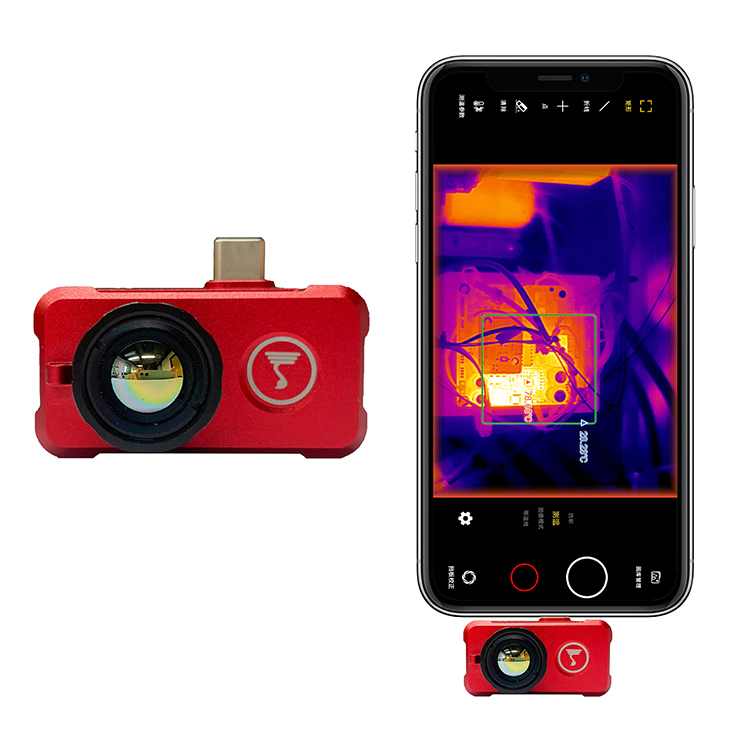
The USB interface is a game-changer for industrial teams. It connects directly to IoT platforms, Raspberry Pi, or control systems – no fancy adapters required. At a manufacturing plant I visited last month, technicians streamed real-time thermal data to their central monitor, spotting an overheating bearing before it caused downtime. That’s the power of easy integration: less time troubleshooting, more time fixing problems.
For predictive maintenance, the core’s precision is invaluable. It picks up tiny temperature fluctuations that signal early failure – like a 0.1℃ rise in a motor part. Instead of waiting for a machine to break, teams can fix issues proactively. And with SDK support, you can add custom features like temperature alarms or point-line-frame analysis – tailor it to your specific needs.
Security & Specialized Detection: 24/7 Coverage, Even for Mine Detection
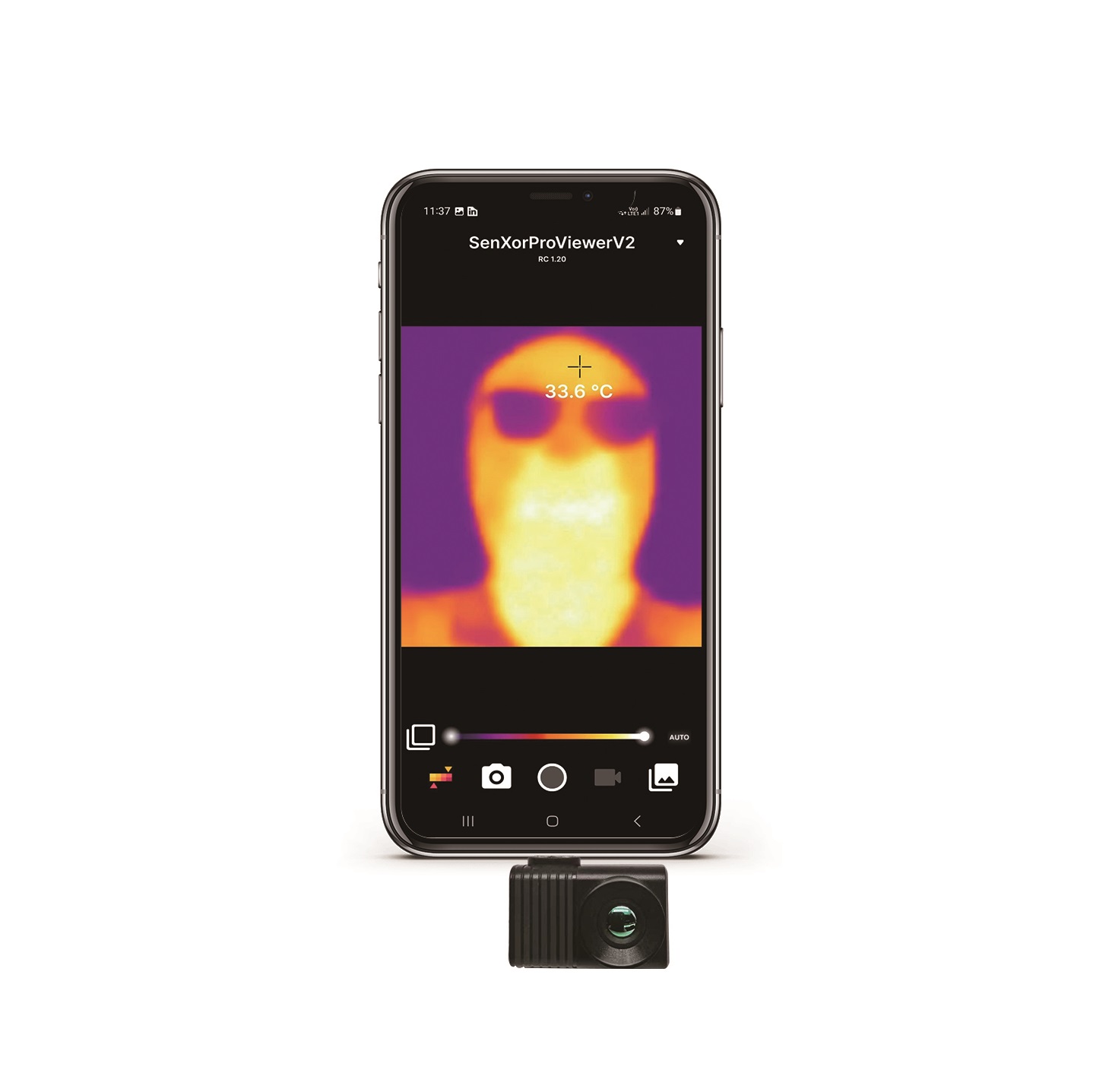
Security professionals need tools that work anytime, anywhere – and this core delivers. I tested it in total darkness, fog, and rain, and its ≤50mK NETD sensitivity never wavered. It picks up intruders near perimeters, hidden fires in buildings, and even faint heat signatures through smoke.
The lens options make it versatile for security. The 19mm lens covers wide areas like warehouse perimeters, while the 35mm and 50mm lenses extend detection for long-distance surveillance. Pair it with CCTV systems or inspection robots, and you’ve got a seamless 24/7 monitoring network.
What surprised me most? Its mine detection capability. Humanitarian teams are using it to identify subtle heat differences in soil, making demining missions safer and more efficient. It’s not just for traditional industries – this core is making a difference in critical global tasks.
Technical Details That Actually Matter (From Someone Who Tests Them)
Let’s get into the specs that count – not just jargon, but features that improve your workflow:
- Detector: 12μm VOx ceramic
- Resolution: 1280*1024
- Interface: USB output
- Lenses: 19mm, 25mm, 50mm
- Frame rate: 30Hz (standard) or 60Hz (non-radiometric)
- Certifications: CE
At $3,960-$4,500, it’s an investment – but one that pays off. Compared to high-end cooled cores (which cost twice as much), this one delivers similar performance without the premium. For small businesses or teams on a budget, it’s a no-brainer.
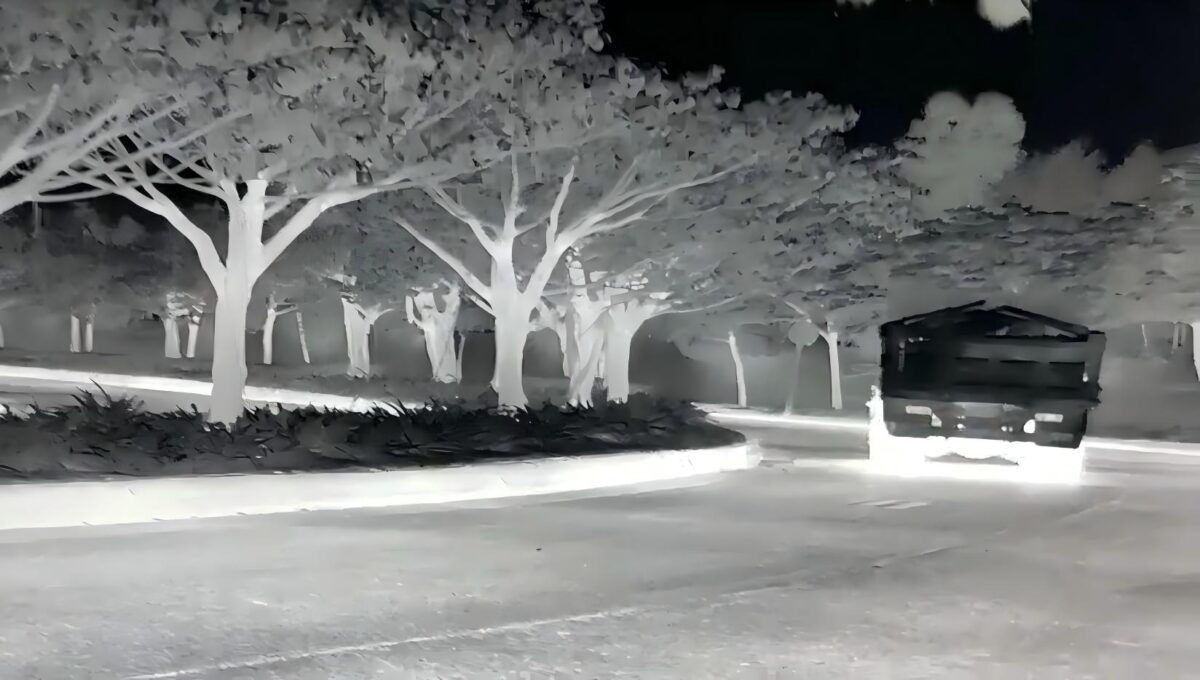
Who Should Buy the 1280*1024 Uncooled Thermal Imaging Core?
If you fall into any of these categories, this core is for you:
- Drone operators: Agricultural surveys, power line inspections, search-and-rescue.
- Industrial teams: Predictive maintenance, equipment monitoring, IoT integration.
- Security professionals: 24/7 perimeter surveillance, building protection.
- Developers: Raspberry Pi projects, custom thermal cameras, rapid prototyping.
- Humanitarian organizations: Mine detection, disaster response.
It’s versatile, reliable, and built for real-world use.
Thermal imaging technology is evolving fast, but the 1280*1024 Uncooled Thermal Imaging Core stays ahead of the curve. It combines high resolution (12801024), ultra-sensitive detection (≤50mK NETD), and practical features like USB connectivity and Raspberry Pi compatibility – all at a price that makes sense.
Whether you’re upgrading your current setup or building something new, this core solves the biggest pain points: complex integration, regulatory hurdles, and limited performance. It’s not just a thermal module – it’s a tool that helps you work smarter, faster, and more safely.
Have questions about integration, lens options, or real-world use? Drop a comment below – I’m happy to share more of my hands-on experience!