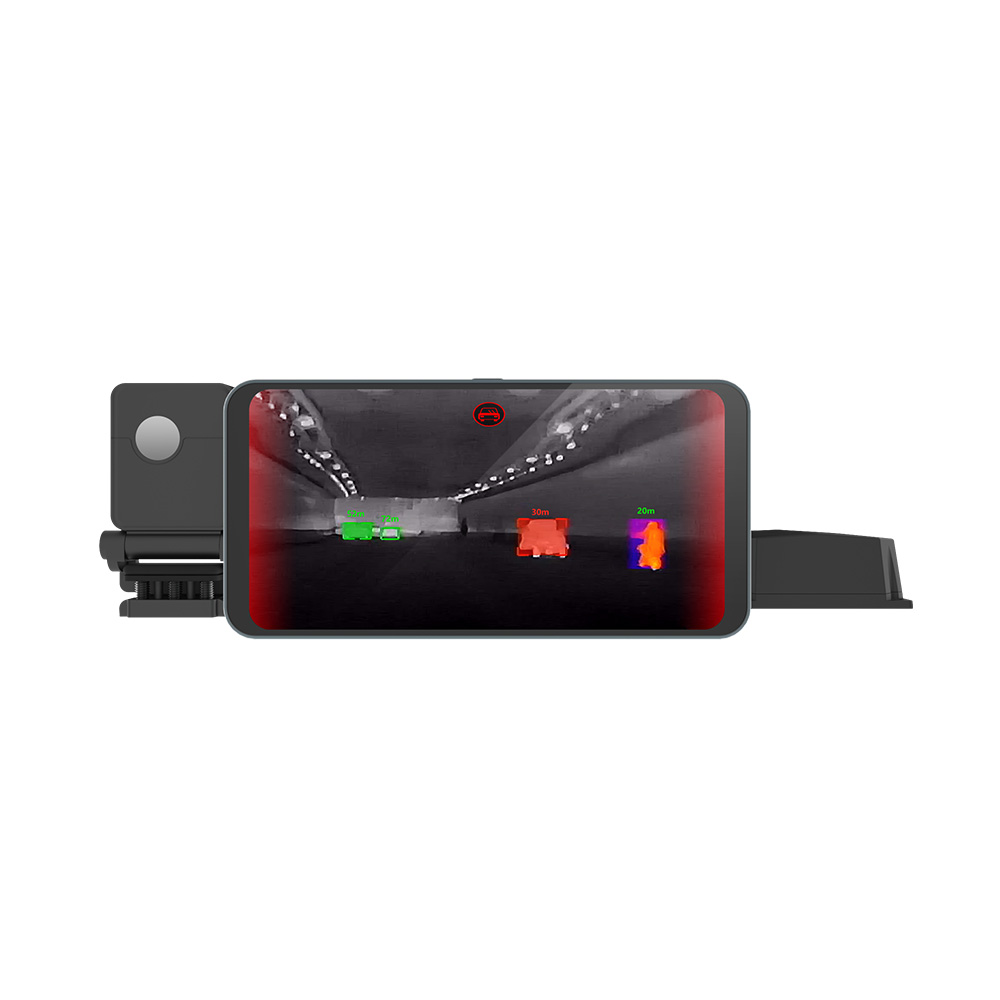


7 Hidden Truths About MIPI Thermal Module Integration for Drones
2026年2月12日
5 Expert Tips for Uncooled Thermal Camera Module Success
2026年2月18日
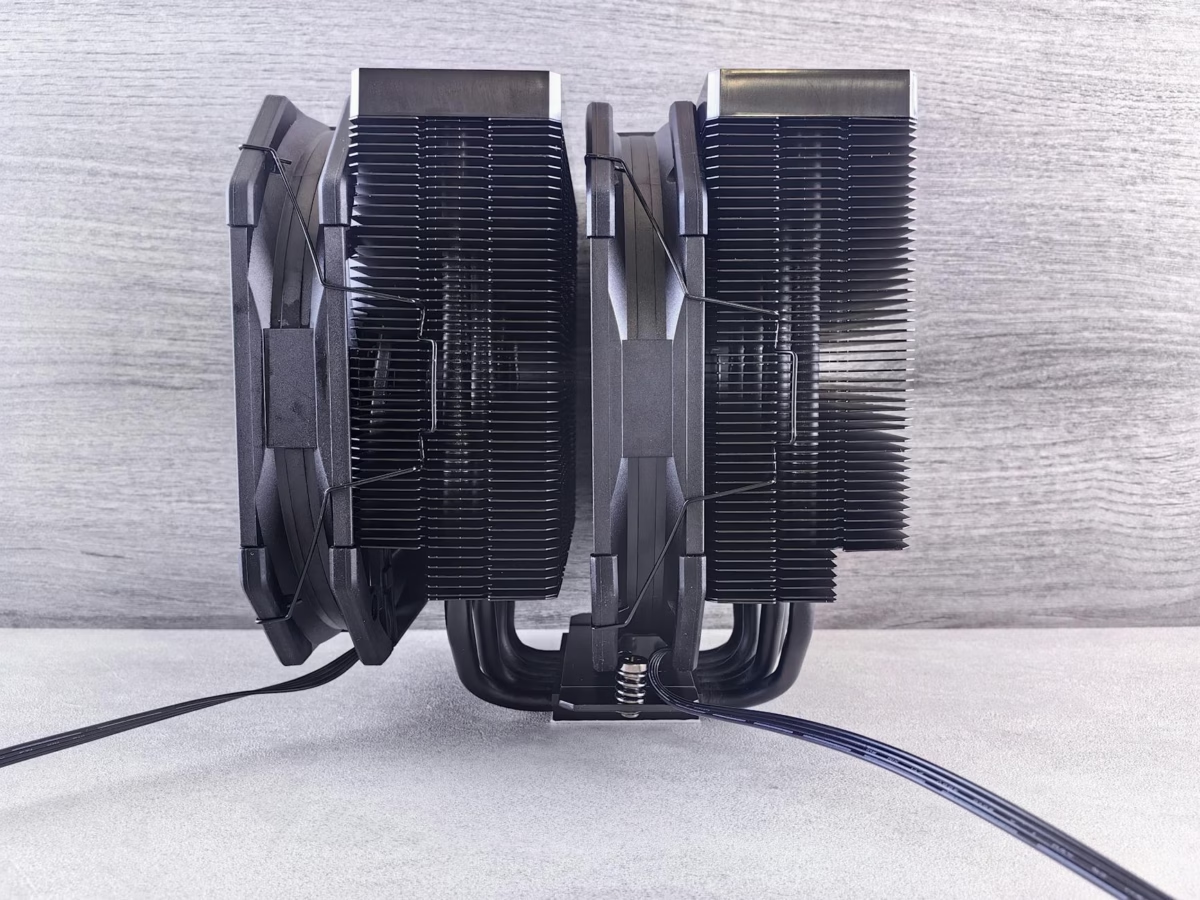
Slash costs: 5 Thermal module efficiency secrets
In the high-stakes world of offshore energy and critical infrastructure, every tiny measurement error or wasted milliwatt isn't just a technical glitch—it gets carved straight out of your profit margin. Look, mastering thermal module efficiency secrets is no longer a luxury for the R&D department. It’s a survival tactic.
I’ve spent years in the trenches with global energy giants, and I’ll tell you straight: the line between a high-ROI operation and a massive maintenance sinkhole usually comes down to sensor reliability. As we push toward autonomous monitoring, the bridge between high-res hardware and AI-driven processing is where the money is made.
This guide breaks down five game-changing thermal module efficiency secrets that actually slash operational costs. Whether you’re running a North Sea rig or a sprawling solar site, these insights shift thermal surveillance from a cost center to a profit driver.
1. Ditch the legacy gear: The power of uncooled infrared sensors
To be honest, one of the best-kept thermal module efficiency secrets is the total pivot toward high-performance uncooled systems. Back in the day, offshore platforms were stuck using cooled cameras. Those units were a nightmare, needing expensive cryogenic service every 8,000 hours.
By using a modern uncooled infrared sensor, you stop throwing money at maintenance. These sensors are "instant-on." You don't have to sit around for 10 minutes waiting for a cooldown, which is a literal lifesaver during an emergency response.
I’ve seen engineers get burned by cheap polysilicon sensors that drift the second the temperature moves. We always push Vanadium Oxide (VOx) detectors. Why? Because they offer a stable "NETD Floor." This means your sensor can actually tell the difference between two objects in a thick coastal fog, rather than just showing you a gray mess.
2. Processing at the edge: Smarter thermal image processing
Traditional setups dump raw data into the cloud, and the bandwidth bills are terrifying. Here’s the kicker: one of the primary thermal module efficiency secrets we use at Purpleriver is processing data right at the source—the Edge.
Our AI does the heavy lifting right on the module. It handles object classification and spots anomalies before the data ever leaves the camera. This stops "bandwidth bloat" and ensures you only pay to transmit actionable intel, like a real-time leak alert, over those pricey satellite links.
Offshore environments are loud and messy. You’ve got sea spray, humidity, and sun glint constantly trying to trigger false alarms. Advanced thermal image processing uses spatial filters to kill that noise. If you want the deep technical background on these thermal dynamics, check out this study on Enhancing Thermal Efficiency in Power Electronics.
Bottom line is: better signal-to-noise ratios mean your security guys aren't chasing ghosts, which slashes "alarm fatigue" costs significantly.
| Feature | Legacy Cooled Systems | Modern Uncooled VOx |
|---|---|---|
| Maintenance Interval | ~8,000 Hours (Cryo-pump) | >40,000 Hours (Solid State) |
| Startup Time | 8-12 Minutes | <2 Seconds |
| Operational Cost | Very High | Minimal |
3. Shrink the footprint: Pixel spacing optimization
Want to cut hardware costs? Look at your pitch. Moving from 17μm to 12μm—or even our latest 10μm sensors—is a total game changer. Pixel spacing optimization means we can use smaller, cheaper lenses and still get the same detection range.
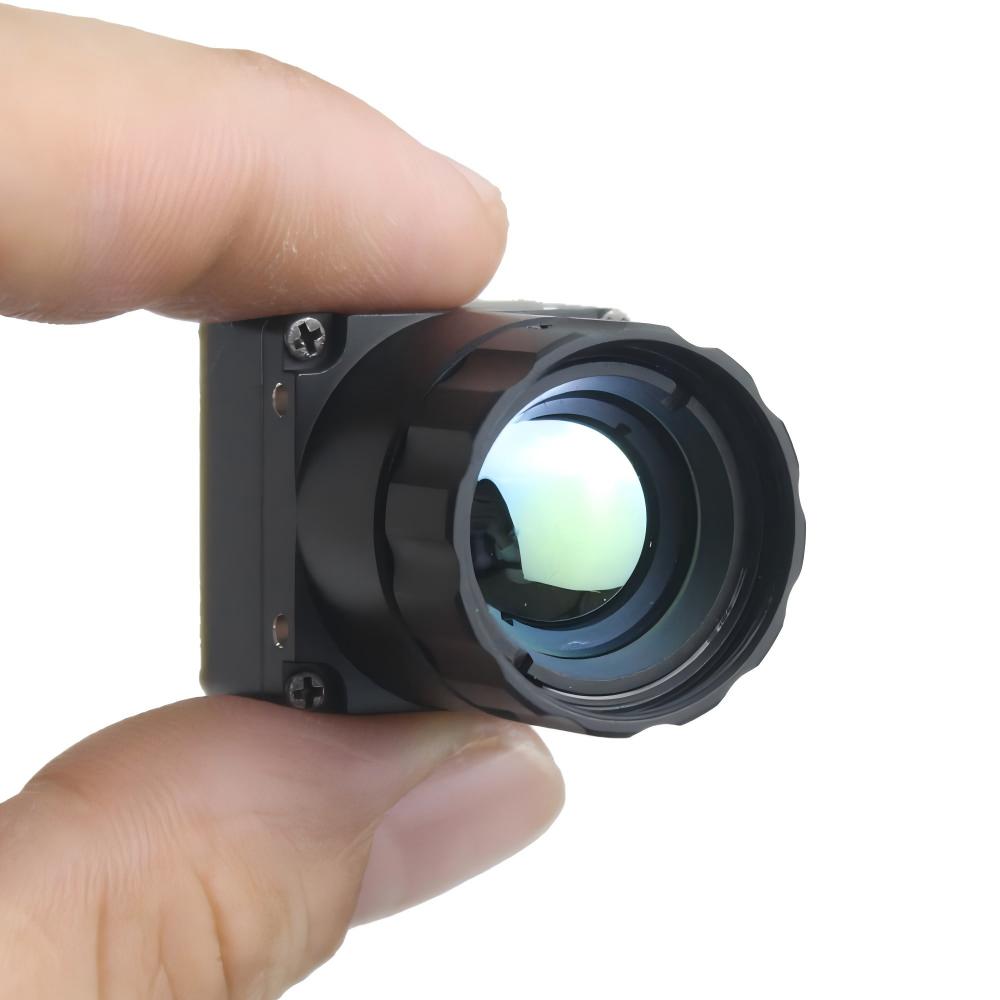
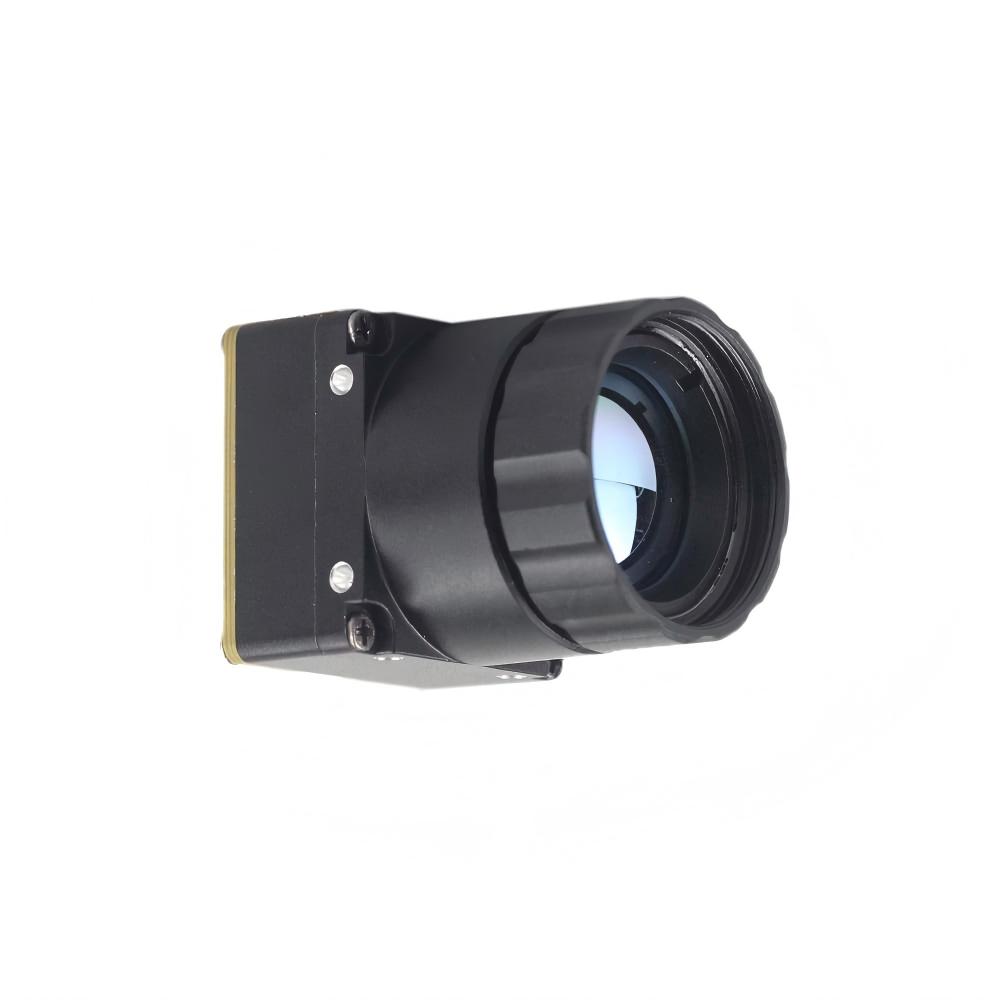
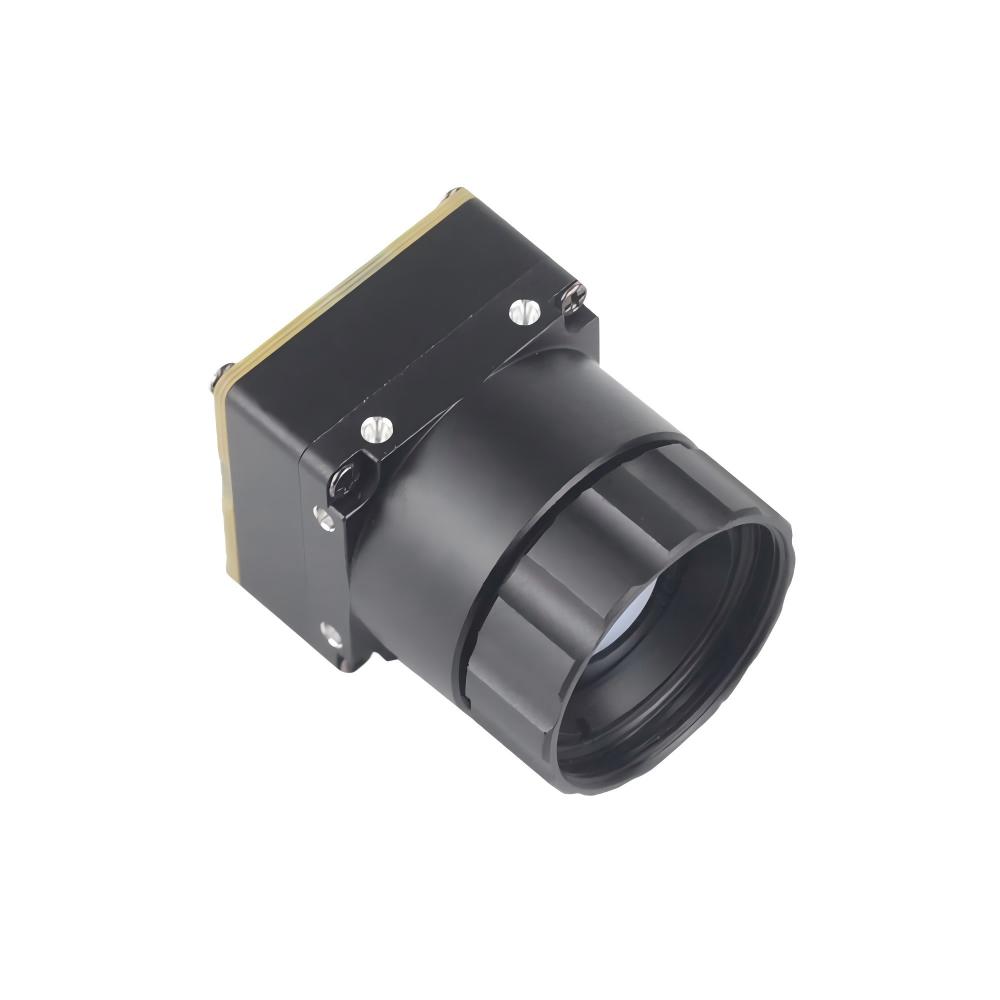
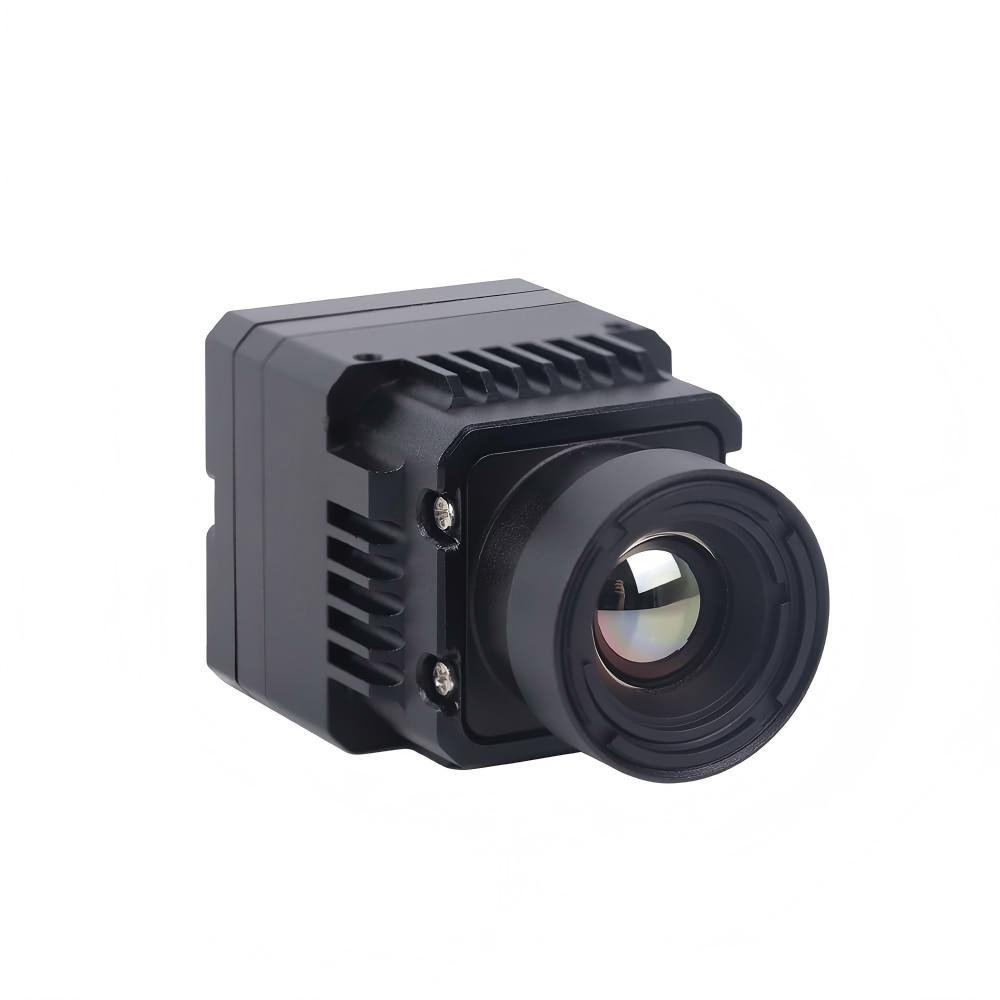
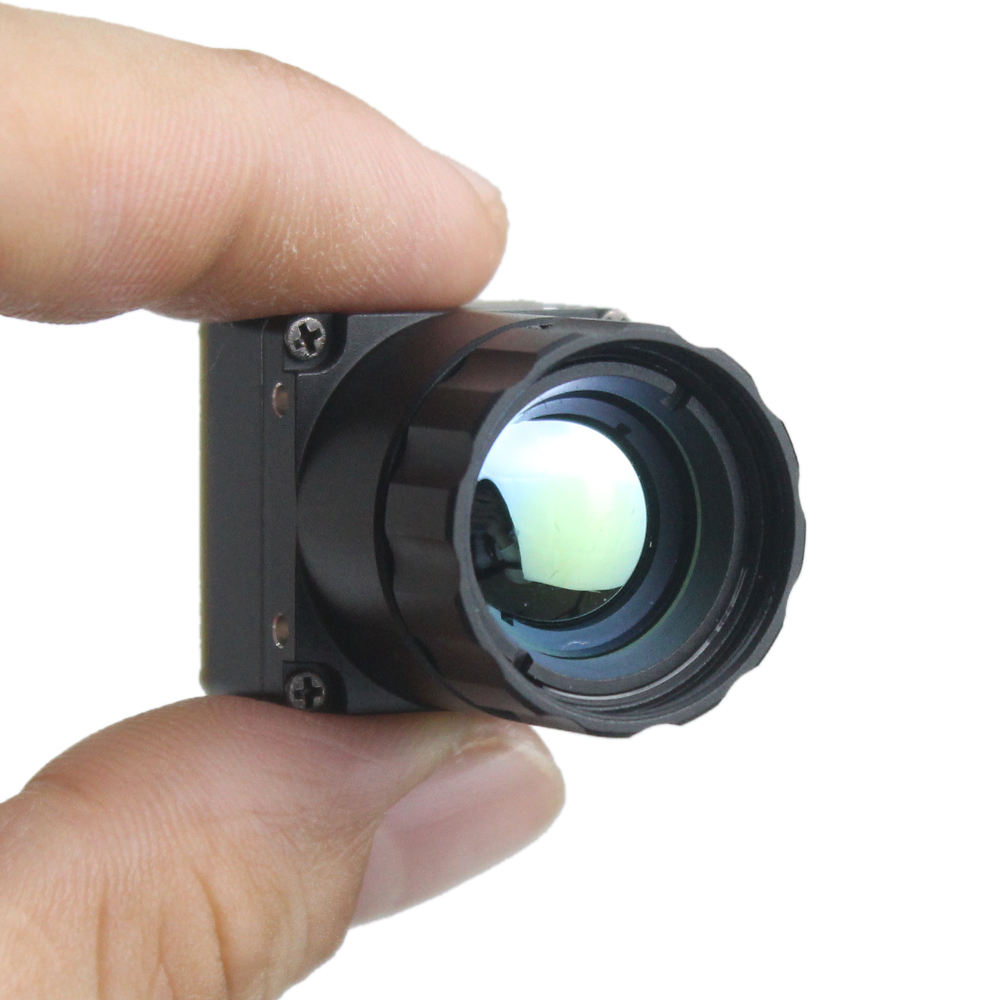
When you reduce the pixel pitch, the whole optical assembly gets smaller. This is one of those thermal module efficiency secrets that lets us squeeze 640x512 resolution into a housing smaller than a golf ball. For drone operators, this is huge because every gram saved is extra flight time.
If you need to upgrade your aerial eyes, our Uncooled LWIR USB Mini 640*512 Thermal Imaging Camera Core Module For Drones Similar To DJI is the perfect balance of resolution and weight.

What's more, smaller pixel pitches lead to "Reduced SWaP" (Size, Weight, and Power). In the field, being light and lean is the only way to scale without breaking the bank.
4. Efficiency is king: Power consumption reduction
People always ask me how to keep 24/7 surveillance on remote assets without building a massive solar farm. The secret is power consumption reduction via "Sleep-to-Wake" triggers. You don't need the sensor pulling full juice when nothing is happening.
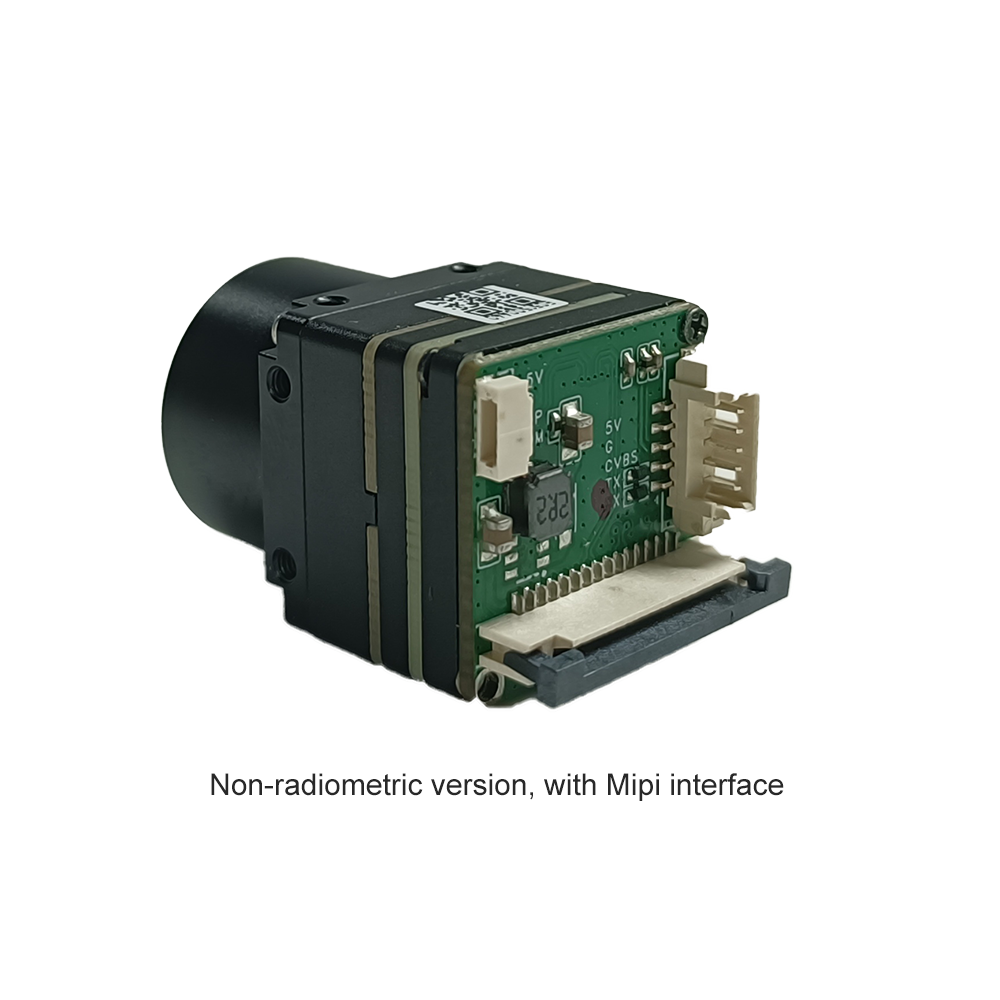
Modern modules use MIPI interfaces to keep the draw under 1.2W during full operation. These thermal module efficiency secrets extend the life of battery-operated robots and reduce the heat load on the electronics. This boosts your MTBF (Mean Time Between Failures) significantly.
On an offshore platform, the cost of sending a tech out just to swap a battery often costs more than the sensor itself. Take a look at this Nature article on record thermoelectric efficiency to see how the industry is chasing every milliwatt. In our world, every saved watt is money back in your pocket.
5. Stop the debugging nightmare: Instant integration
The most ignored of all thermal module efficiency secrets is "Time-to-Market." If your team spends three months fighting with drivers, your ROI is already dead. You need gear that just works.
Purpleriver’s "second-level adaptation" means our modules are recognized by host systems instantly. Whether it’s Windows, Linux, or Android, the integration is smooth. We provide USB, CVBS, and RJ45 options to fit whatever old or new tech you’re currently running.
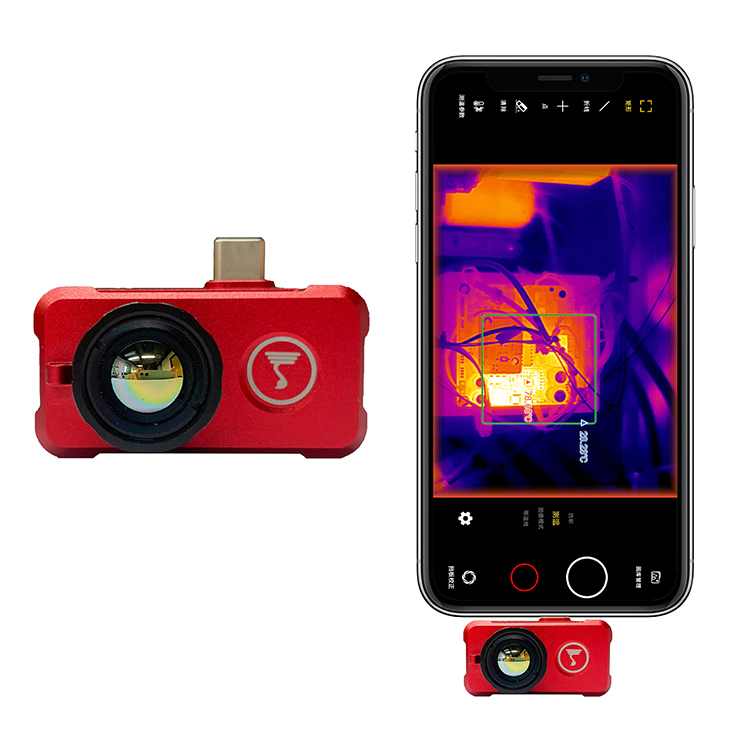
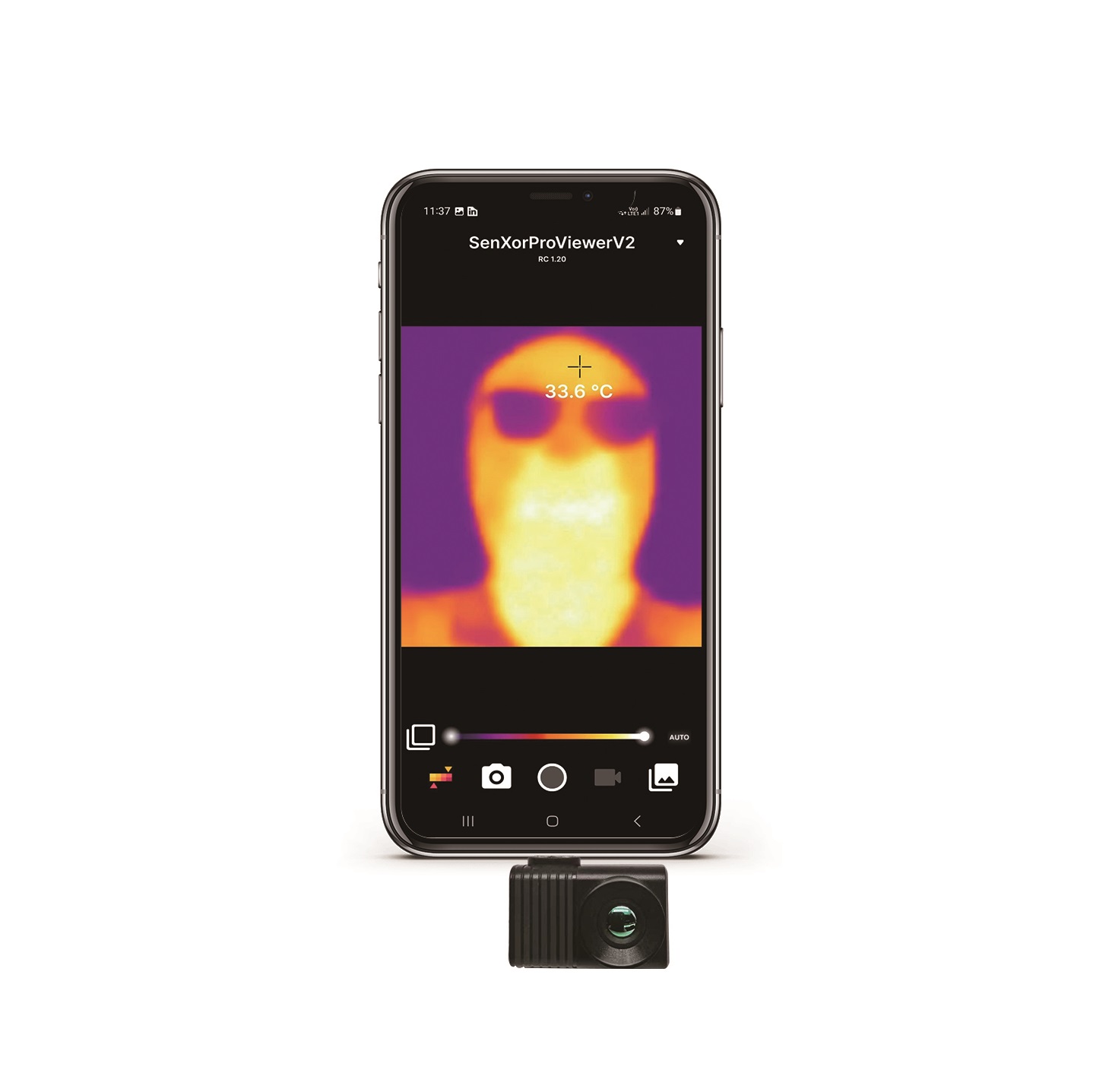
For example, our Q3 384*288 Infrared Mini USB Temperature Measurement Thermal Camera For Smartphone Android lets a field tech turn a phone into a pro-grade diagnostic tool in seconds. No complex setup, no headache.
Visualizing thermal module efficiency secrets
To better understand thermal module efficiency secrets and how these components interact in a system, this video tutorial is highly recommended:
What’s next: The AI Thermal Imaging+ era
Mastering thermal module efficiency secrets means looking beyond a simple heat map. We’re now using thermal signatures to feed digital twins for predictive maintenance. By spotting "Thermal Fingerprints," our AI can predict a bearing failure weeks before it actually snaps.
This moves your facility from "fixing things when they break" to "predictive precision." It's where the real savings hide in the 1280x1024 high-def era. Plus, Purpleriver gear meets CE, RoHS, and ISO standards, so you’re covered globally.
Frequently asked questions
How does thermal sensitivity help my bottom line?
Lower NETD (higher sensitivity) catches friction or electrical leaks early. Catching a hot spot 24 hours earlier can prevent a total blackout, saving millions in emergency repairs.
Can uncooled modules handle salt spray?
Yes. With VOx technology and a "Hard-Carbon Coating" on the lens, these uncooled modules outlast cooled versions in harsh salt-heavy environments since there are no moving cooling pumps to fail.
What are the main thermal module efficiency secrets for drones?
It’s all about 12μm pixel spacing and MIPI interfaces. This cuts the weight of the optics and the power needed for data conversion, giving you way more time in the air.
Ready to optimize?
Saving money starts with thermal module efficiency secrets. By focusing on VOx uncooled infrared sensors, edge-based thermal image processing, and aggressive power consumption reduction, you can secure your assets without the traditional overhead.
Purpleriver has been at this since 2015, helping hundreds of clients solve the toughest vision problems. Whether you need high-res 1280 cores or tiny drone modules, we’ve got you. We support full customization to fit your specific mission.
Stop wasting power and start protecting your assets.
Contact our team today for a custom AI Thermal Imaging solution.
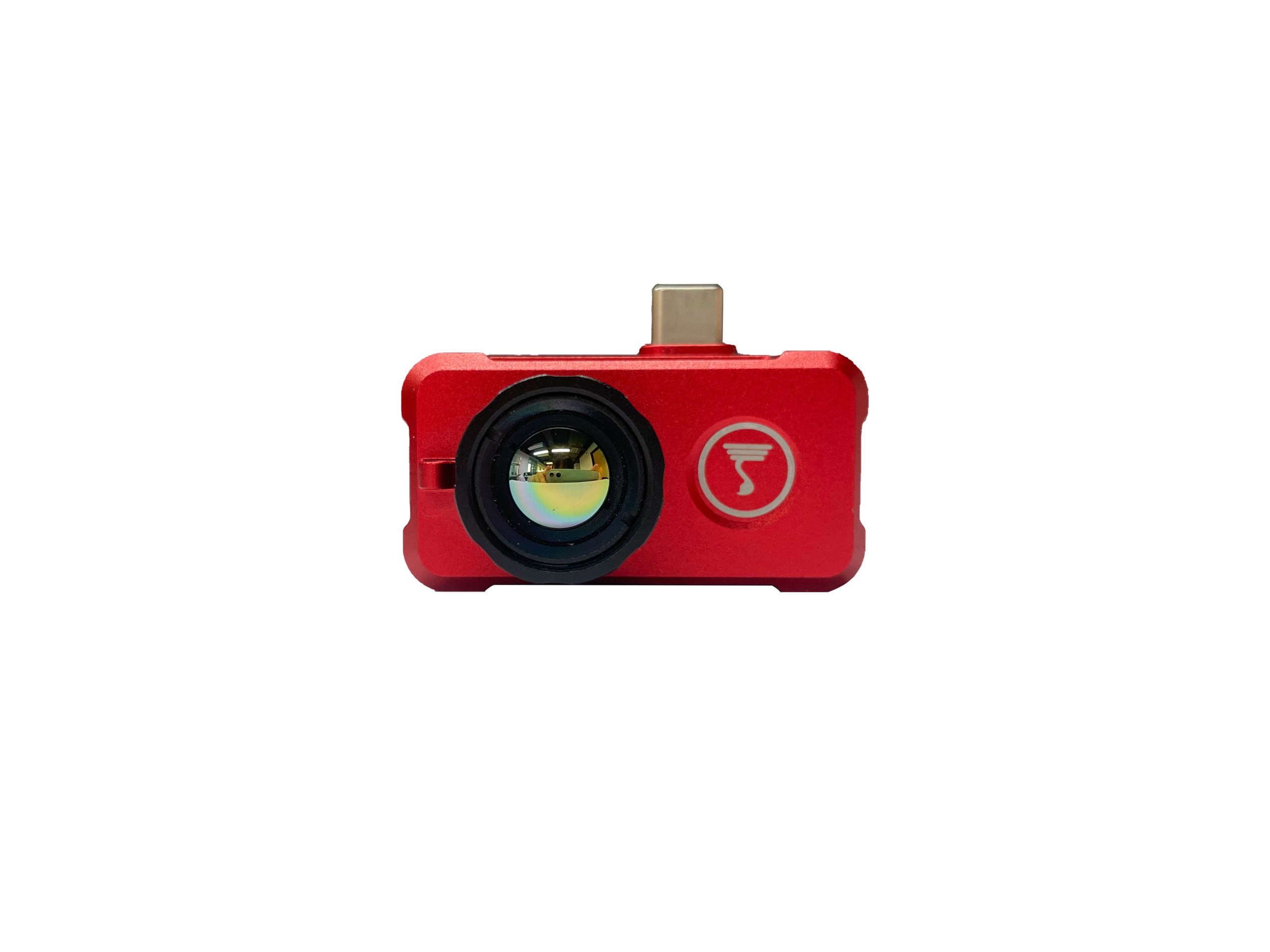
Image by: Andrey Matveev
https://www.pexels.com/@zeleboba