
Slash Costs: 5 Thermal module efficiency secrets
2026年2月13日
Safeguard Assets: 5 Thermal sensor module mastery secrets
2026年2月19日
5 expert tips for uncooled thermal camera module success
Choosing a reliable uncooled thermal camera module is vital for forest fire safety and critical infrastructure protection. Whether you're integrating sensors into drones or stationary monitoring towers, understanding the nuances of LWIR technology is the difference between a false alarm and a life-saving detection. Here are 5 expert tips to maximize sensor performance today.
In the high-stakes world of early fire detection and industrial monitoring, the uncooled thermal camera module has emerged as a game-changing component. Unlike their cooled counterparts, these modules offer a superior balance of reliability, longevity, and cost-effectiveness.
I’ve seen many engineers struggle with "thermal drift" and "pixel crawl" because they treated their sensors as simple webcams. To be honest, achieving peak performance in "edge AI" scenarios requires more than just plug-and-play installation; it demands a deep understanding of sensor physics.
This guide explores five expert strategies to elevate your thermal imaging capabilities, focusing on the latest breakthroughs from Guangzhou Purpleriver Electronic Technology. From SWaP-C optimization to NETD sensitivity, we will cover the technical essentials you actually need.
1. Prioritize Vanadium Oxide (VOx) detector material
The heart of any high-performance uncooled thermal camera module is its detector. Vanadium Oxide (VOx) has become the industry gold standard for a reason. Compared to amorphous silicon (a-Si), VOx offers a much higher temperature coefficient of resistance (TCR).
Look, material science matters here. VOx provides a cleaner image with less graininess and maintains calibration better under fluctuating ambient temperatures. This material allows for smaller, lighter sensors without sacrificing thermal resolution—crucial for SWaP-C optimization.
Many clients ask if they can save money with a-Si sensors. While they are cheaper, VOx provides the thermal stability required for 24/7 forest fire surveillance where false positives are simply not an option. Check out these specialized cores for a professional start: Infrared LWIR Uncooled VOx Thermal Imaging Camera Module Core.
Understanding LWIR sensor tech is crucial for global deployment. Operating in the 8-14μm spectrum allows the camera to "see" through heavy smoke and atmospheric haze. This is especially vital in regions like Canada, Australia, and Russia where wildfires are a constant threat.
An uncooled thermal camera module utilizing VOx technology ensures that even in low-visibility conditions, the long-wave infrared radiation emitted by a heat source reaches the sensor clearly. Here is how VOx compares to traditional technology in the field:
| Feature | VOx (Vanadium Oxide) | a-Si (Amorphous Silicon) |
|---|---|---|
| Thermal Sensitivity | High (Excellent Contrast) | Moderate |
| Pixel Uniformity | Superior | Good |
| Temp. Stability | High Stability | Prone to Drift |
| Best Use Case | Long-range Detection / AI | Consumer Grade Toys |
2. Optimize resolution and pixel spacing
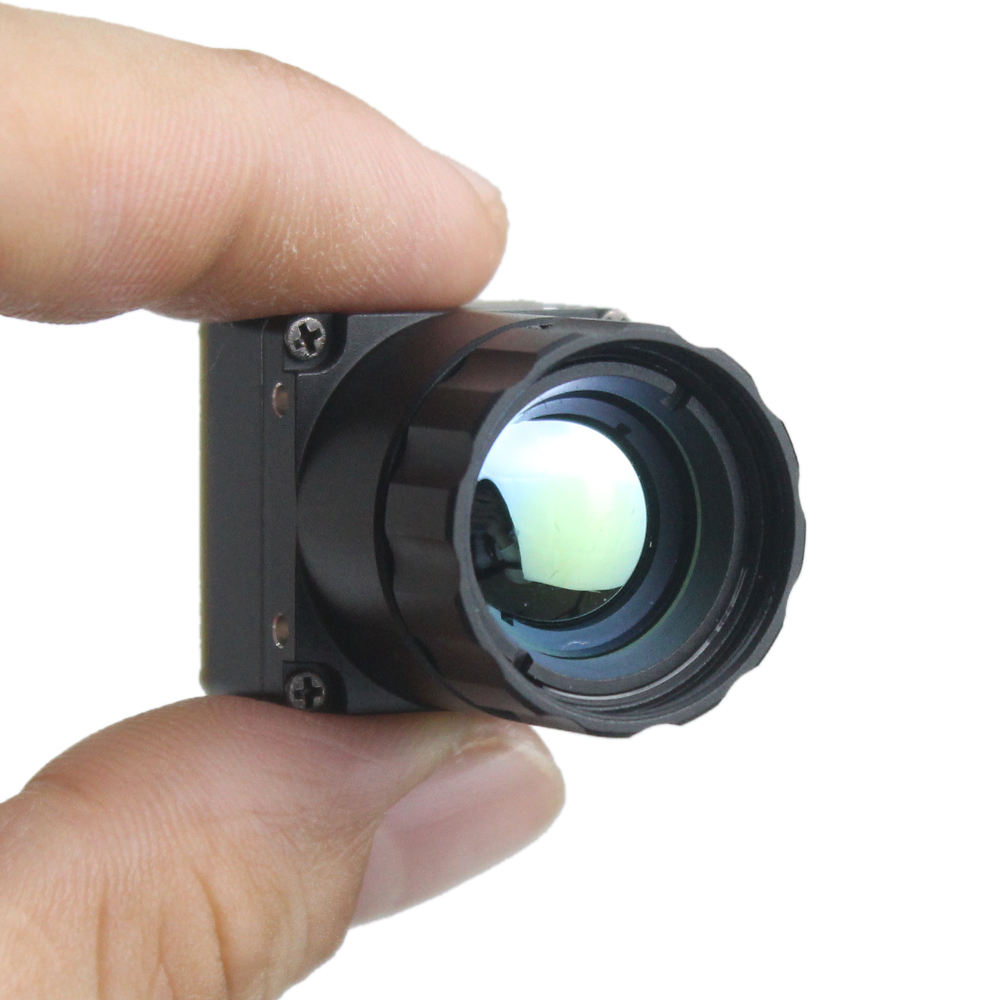
Miniaturization is the current trend in the uncooled thermal camera module market. Moving from 17μm or 12μm down to Pixel spacing 10μm is a massive leap forward. Smaller pixels allow for much higher resolution within the same physical footprint.
This means you can use smaller, lighter lenses to achieve the same optical magnification. For drone manufacturers, this is the "holy grail" for flight time optimization. Matching resolution to your optics is key to minimizing "pixel crawl" in moving scenes.
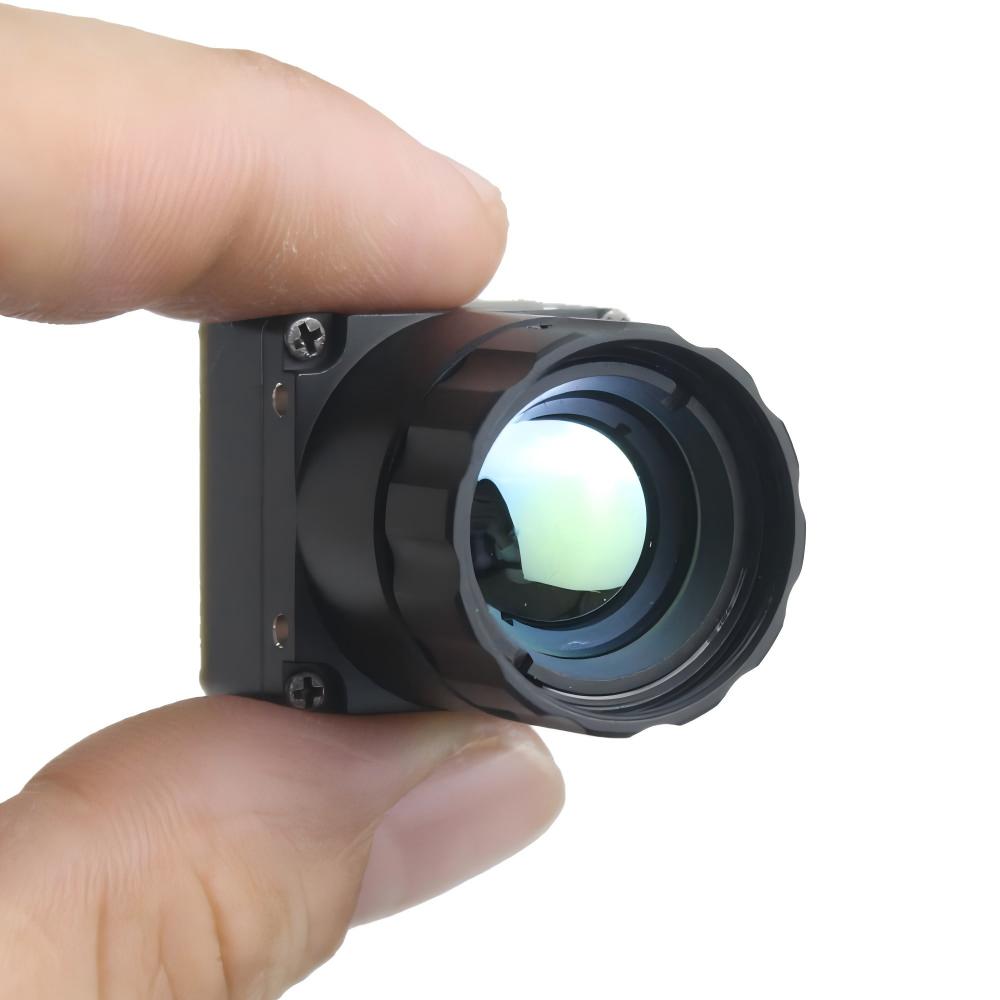
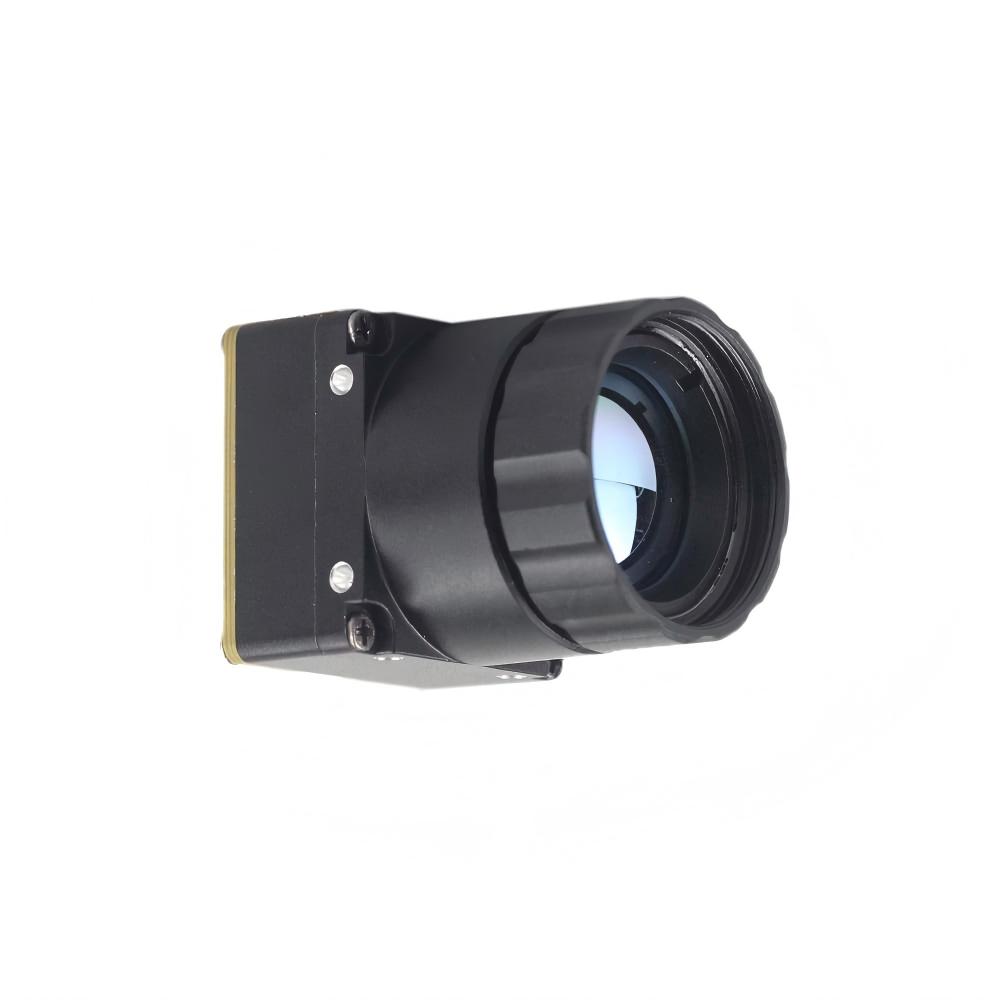
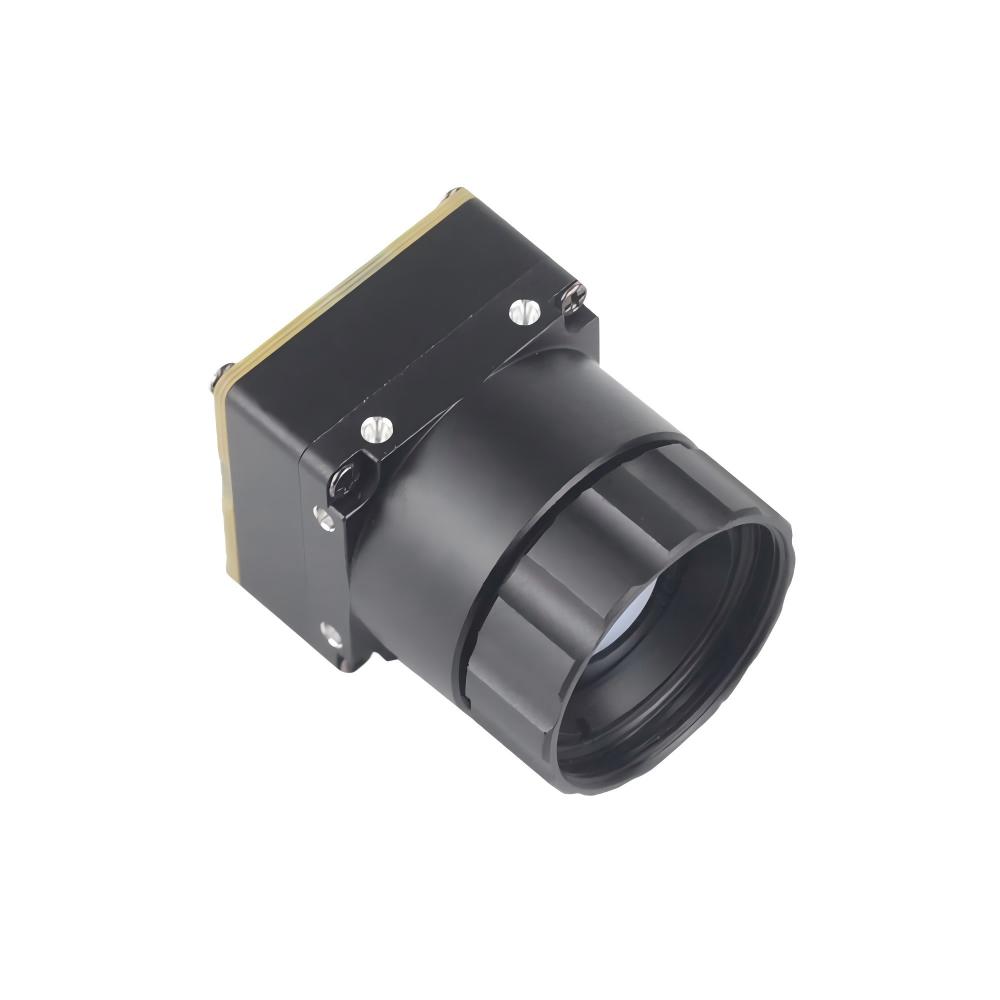
Integrating high-resolution options like the MD Series 384x288 uncooled infrared thermal camera module ensures your system captures finer details at greater distances. For wide-area coverage, a 640*512 sensor is usually preferred, but for localized drone inspections, a 384x288 module often suffices.
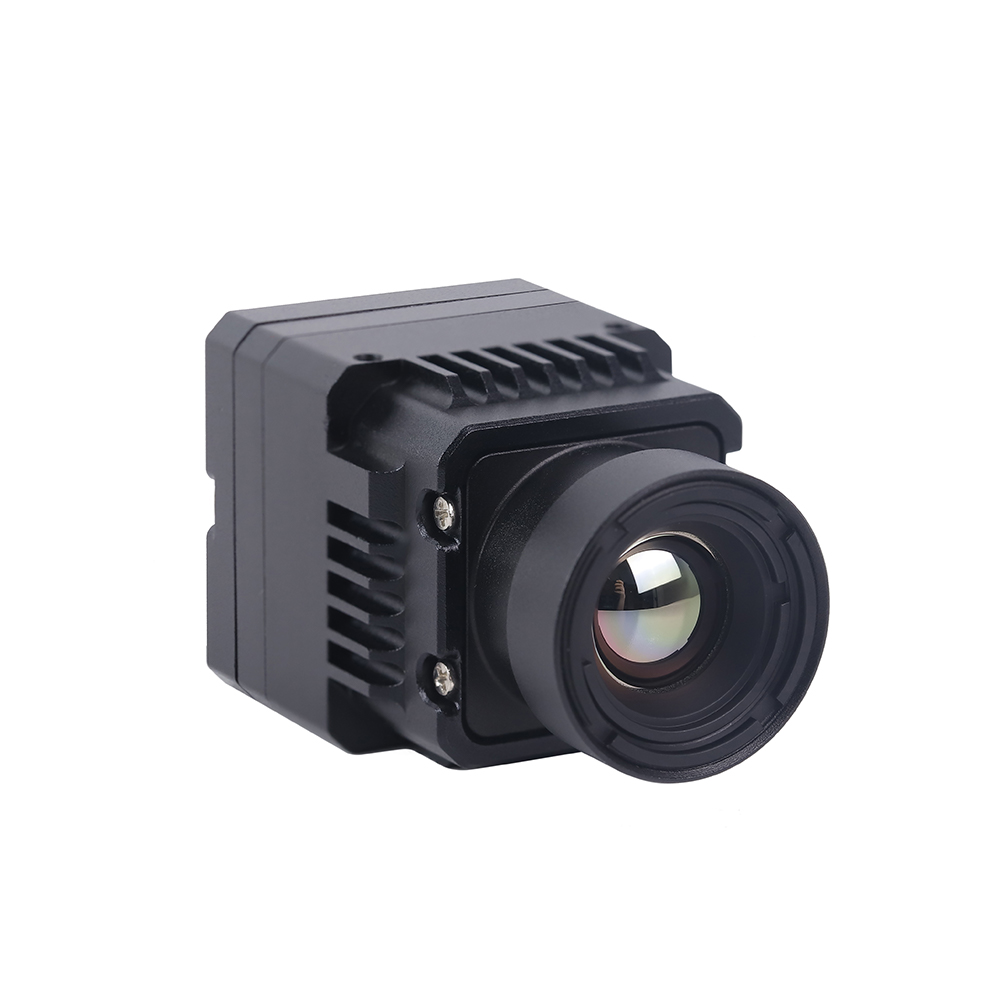
What's more, smaller pixel spacing helps in reducing the overall weight of the gimbal assembly. This directly translates to longer mission times for autonomous surveillance drones monitoring remote infrastructures.
3. Maximize NETD sensitivity for critical thresholds
NETD sensitivity determines the smallest temperature difference the camera can detect, measured in milliKelvins (mK). A lower mK rating means the sensor is more sensitive. Here's the kicker: in forest fire safety, an NETD of <40mK is the line between a professional tool and a toy.
If your uncooled thermal camera module has a high NETD, it might fail to distinguish a small fire ember from a sun-heated rock. High sensitivity is useless if the data is bottled up by high latency, so look for modules that support synchronous outputs like RJ45 and CVBS.
I always suggest looking for modules that support dual-stream transmission. For instance, the Uncooled Infrared RJ45 CVBS RTSP IP 640*512 Thermal Sensor Camera Module offers both real-time heat maps and temperature data simultaneously.
This allows you to send a low-latency video feed for the operator while the "Edge AI" processes the raw temperature data for automated alerts. Bottom line is: don't compromise on thermal sensitivity if you're protecting lives or assets.
4. Leverage Edge AI for intelligent detection
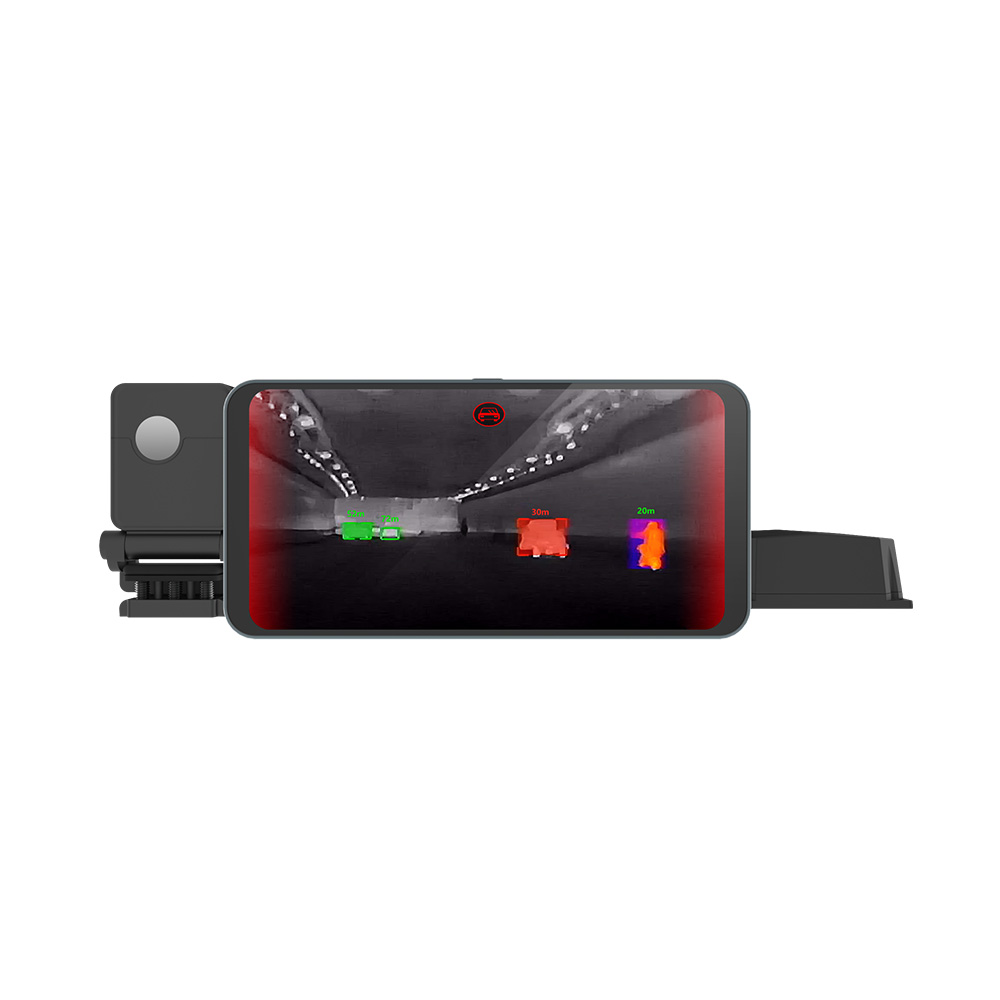
Purpleriver specializes in "AI Thermal Imaging+." Using an uncooled thermal camera module with built-in AI allows for the recognition of specific heat signatures locally. In the past, you had to send video to a central server, leading to frustrating latency.
Now, we process the data right on the camera. The module can distinguish between a human, a vehicle, or a potential fire source within milliseconds. From the USA to South Korea, the demand for CE and RoHS certified modules with Edge AI is growing fast.
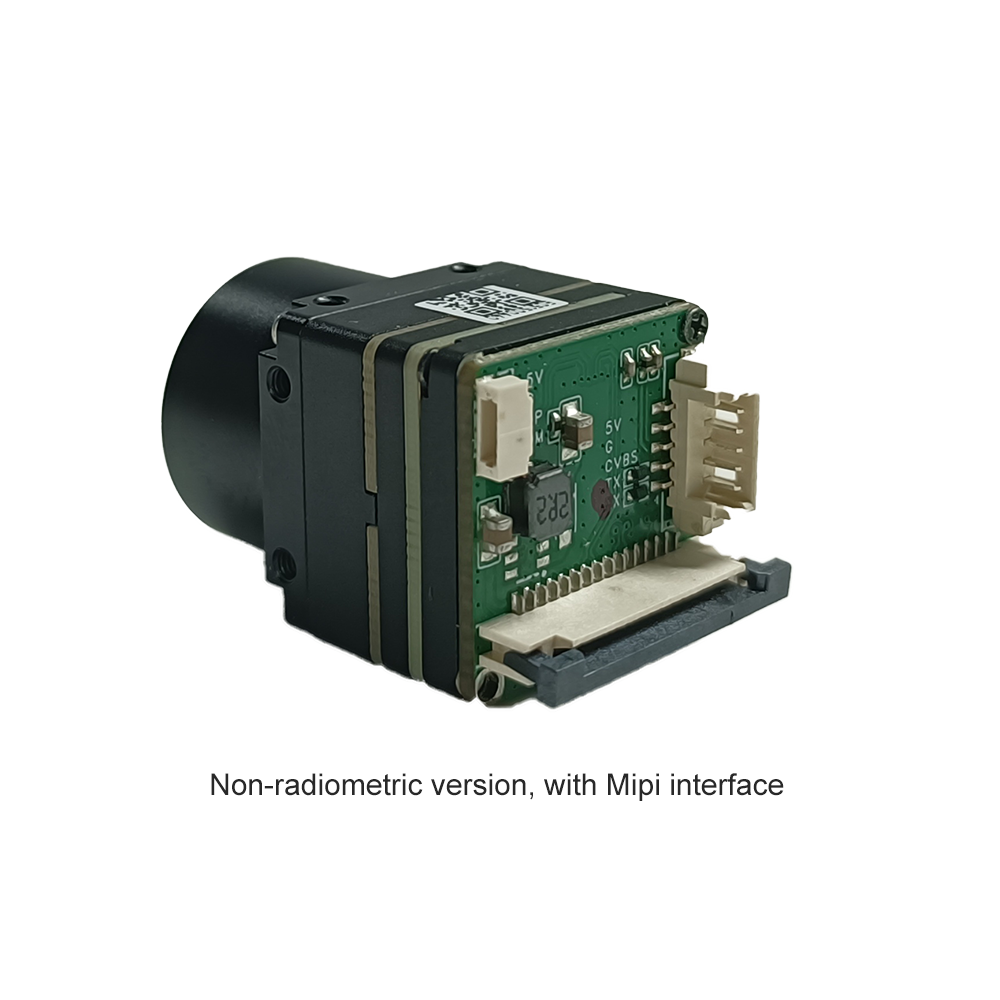
When selecting a uncooled thermal camera module, ensure it uses standard interfaces like MIPI or USB. This accelerates development cycles significantly. For a broader range of global imaging solutions and industry-standard interfaces, check out: Thermal Camera Module & Infrared Imaging Solutions.
To better understand the physics behind a high-performance uncooled thermal camera module and how it differs from cryogenic cooling, this video tutorial is highly recommended:
5. Environmental hardening and lens selection
An uncooled thermal camera module must be "hardened" to withstand extreme humidity and temperature swings. I've seen modules fail in the field because of "Thermal Drift"—the shift of calibration due to ambient temperature changes. It’s a mess to fix post-deployment.
Purpleriver’s heritage from Hong Kong University and Huawei HiSilicon ensures these modules are built with robust compensation algorithms. Our housings meet ISO 9001 and 45001 standards for durability. Uncooled technology is superior for 24/7 installations because it has no moving parts to wear out.
Whether you need a 4mm or a 150mm lens, the choice of optics must match your pixel spacing 10μm sensor. A miss-match here leads to blurry edges and failed AI detection. Always test your module in environmental chambers before deploying it in the wild.
Frequently asked questions (FAQ)
What is the benefit of a 10μm pixel spacing in infrared sensors?
The use of pixel spacing 10μm allows for more pixels on the same sensor size. For the user, this means you can detect smaller targets—like distant smoke—without needing massive, heavy lenses. It improves the efficiency of the overall imaging system.
How do uncooled cores perform in extreme forest environments?
Modern uncooled thermal camera module units utilize VOx technology, which is highly stable. Unlike cooled cameras, they don't have moving parts, giving them an MTBF of over 10,000 hours. They are built to operate from -40°C to +80°C easily.
Can these modules be customized for specific drones?
Yes, customization is a core service at Purpleriver. We provide interfaces like USB, CVBS, and MIPI to ensure that your uncooled thermal camera module fits perfectly into your existing drone gimbal or airframe, saving you weeks of engineering time.
Is the image quality comparable to major brands like DJI?
In many cases, our uncooled thermal camera module provides image quality similar to or better than standard drone modules. By focusing on higher NETD sensitivity and advanced ASIC processing, we achieve lower noise and better contrast.
Conclusion
Selecting the right uncooled thermal camera module involves a careful balance of NETD sensitivity, VOx detector quality, and pixel spacing 10μm technology. By focusing on these five expert tips, you ensure your forest safety or industrial monitoring system is both "intelligent" and reliable for years to come.
Guangzhou Purpleriver Electronic Technology remains committed to the goal of "Make Thermal Imaging More Intelligent." Since 2015, we have served over 300 customers across 120 cities, leading the era of "AI Thermal Imaging+." Stop settling for mediocre sensors that drift when the sun comes out.
Ready to integrate professional-grade thermal sensors?
Explore our full range of Thermal Camera Cores and Modules here and contact Guangzhou Purpleriver today for custom OEM/ODM solutions tailored to your specific industry needs.
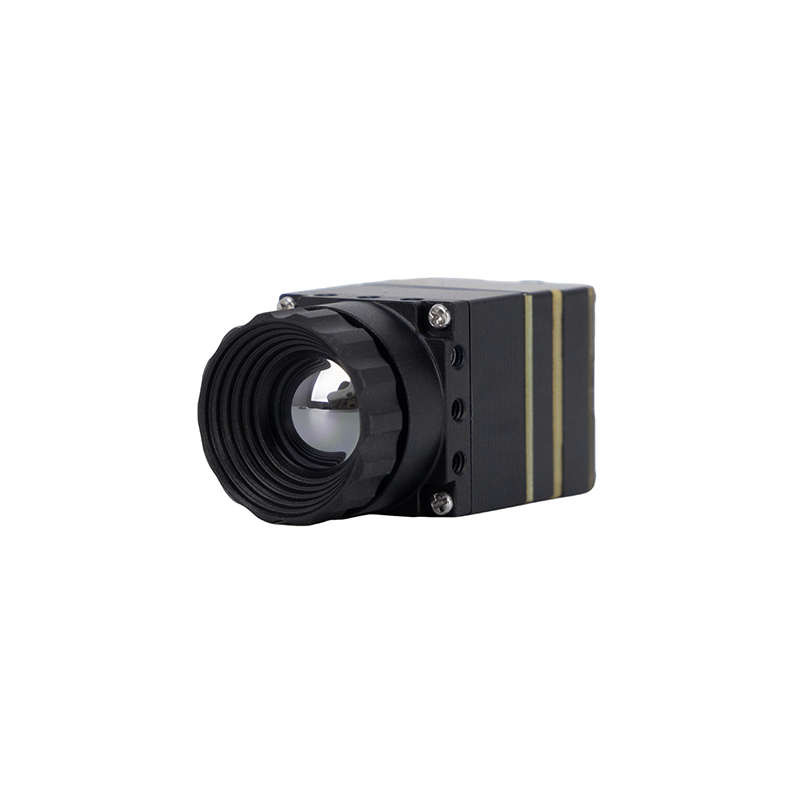
Image by: Maik Kleinert
https://www.pexels.com/@maikkleinert