

5 Expert Tips for Uncooled Thermal Camera Module Success
2026年2月18日
5 Mastery Methods to Optimize USB Thermal Camera Module ROI
2026年2月24日
Safeguard assets: 5 Thermal sensor module mastery secrets
Achieving Thermal sensor module mastery is the only way to truly safeguard your critical facilities. Let's quit playing around with basic security—learn professional standards for uncooled infrared sensors and upgrade your AI solutions today!
In an era where infrastructure security and industrial uptime are non-negotiable, achieving Thermal sensor module mastery is no longer just a technical advantage—it's a survival necessity. From stopping catastrophic electrical fires to locking down perimeters in total darkness, the right uncooled infrared technology acts as your silent guardian.
Look, after years in high-stakes surveillance, I can tell you one thing: the difference between a system that saves millions and one that fails during a crisis comes down to the core hardware. This guide pulls back the curtain on selecting and optimizing thermal modules to protect your most valuable assets. Whether you're an engineer in Germany or a security specialist in the UAE, these insights will change how you look at the non-visible spectrum.
Secret 1: Understanding uncooled infrared technology standards
The truth about Vanadium Oxide (VOx) detectors
Why do we keep talking about VOx? Because Vanadium Oxide detector efficiency is still the undisputed king of stability. I’ve seen way too many clients struggle with "ghosting" images on cheap polysilicon sensors. It's frustrating and dangerous.
VOx clears this up by offering a superior Temperature Coefficient of Resistance (TCR). To be honest, that’s just technical talk for: your sensor stays accurate even when the weather is going crazy. That is the bedrock of Thermal sensor module mastery.
The 12μm revolution is here
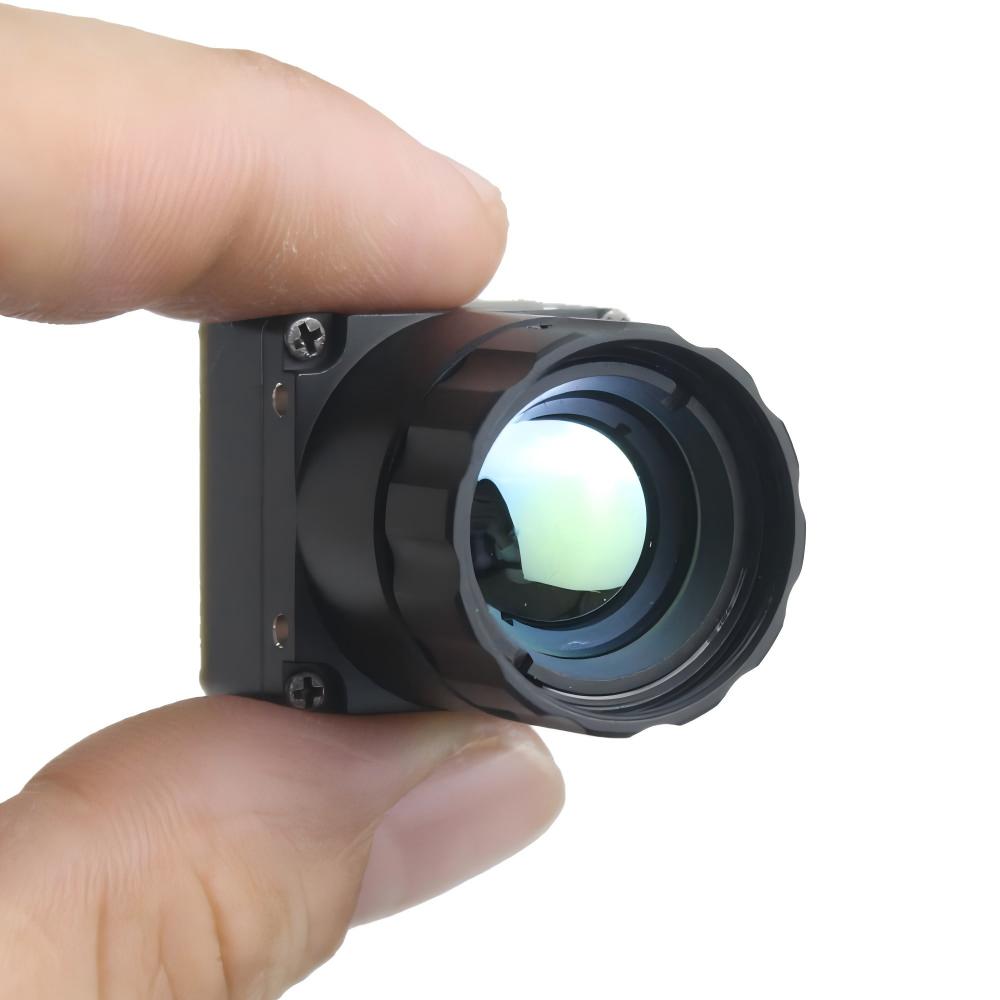
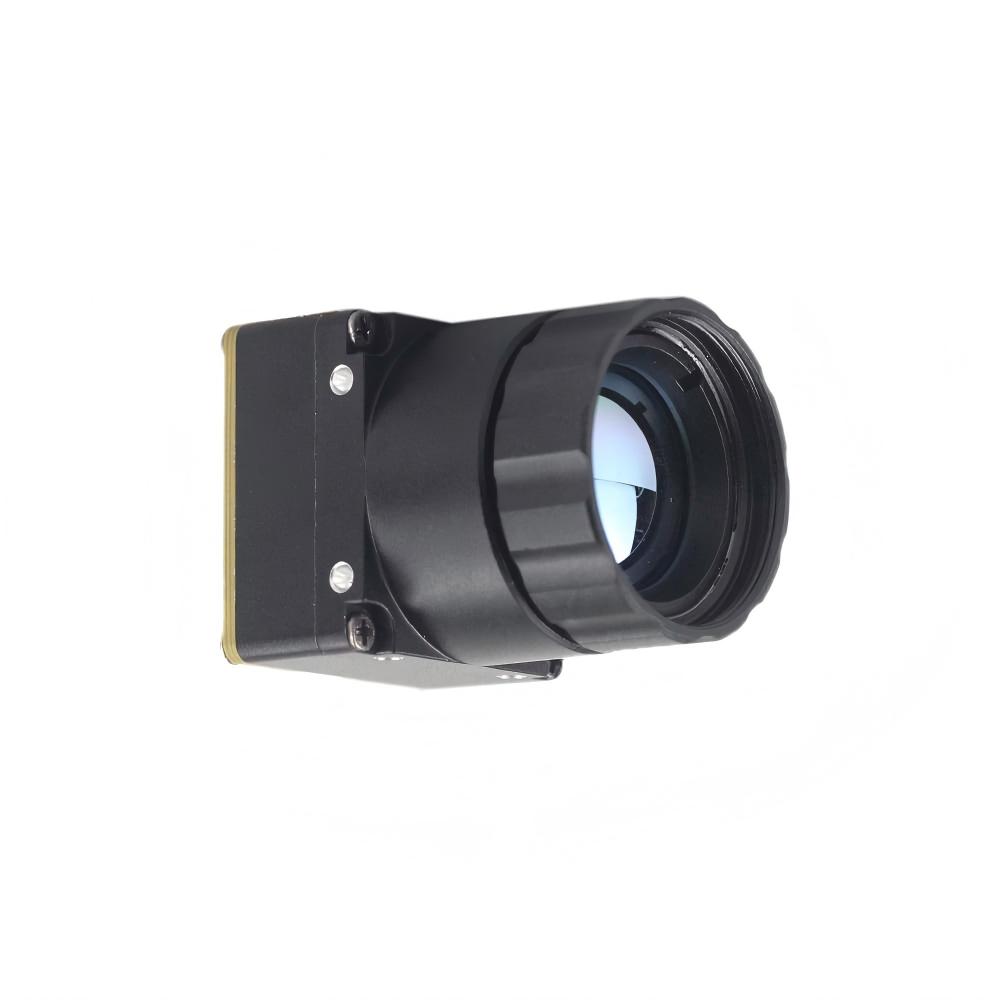
The industry is dumping the old 17μm standard. Today, it's all about Pixel spacing 12μm standards. This isn't just about shrinking the tech; it's about the physics of the lens. Smaller pixels mean smaller glass footprints without losing spatial resolution.
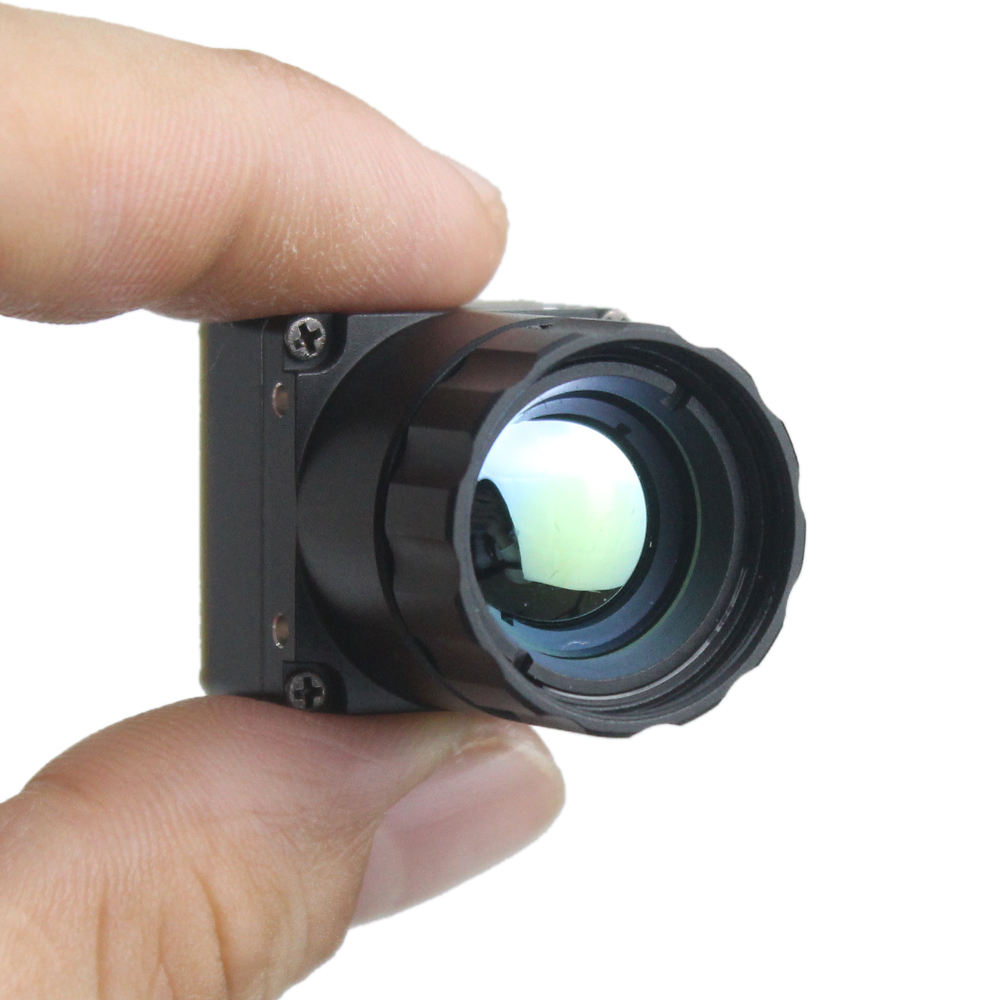
Here’s the kicker: you can now fit 640x512 resolution into a housing that used to only hold a tiny 384x288 sensor. For drone guys or mobile integrators, this is a massive game-changer for high-performance imaging in tight spots.
Secret 2: Precision engineering for industrial monitoring
Getting industrial monitoring precision right
Precision is the heartbeat of predictive maintenance. If your sensor can't spot a failing bearing or a tiny gas leak before the human eye sees it, what's the point? Industrial monitoring precision requires hardware that doesn't drift when the factory floor gets hot.
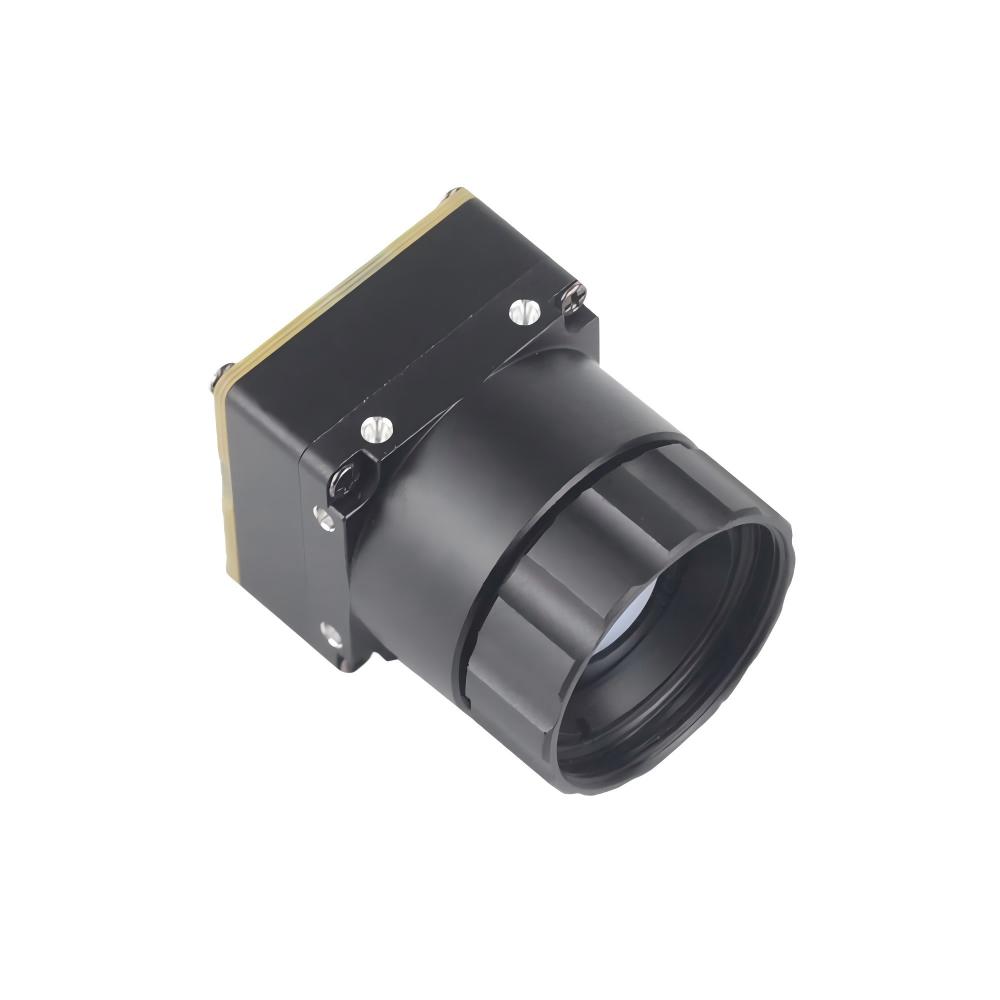
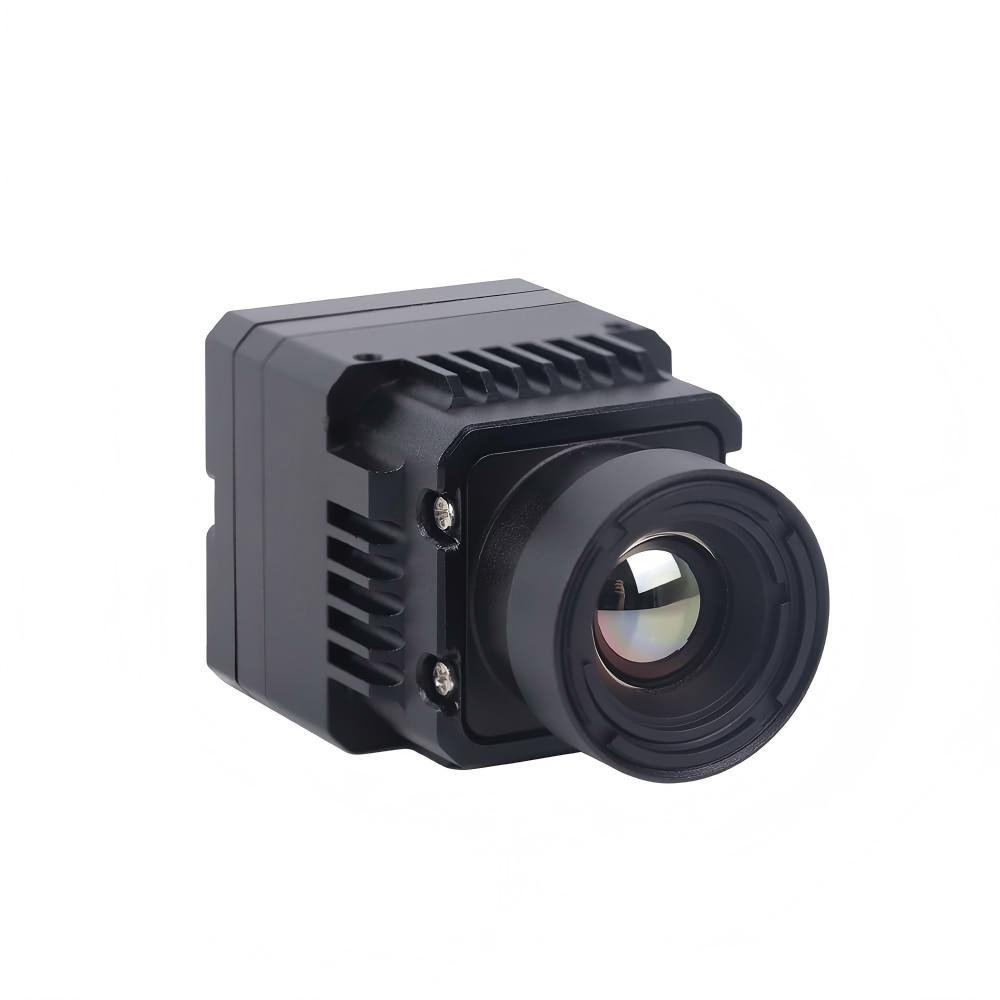
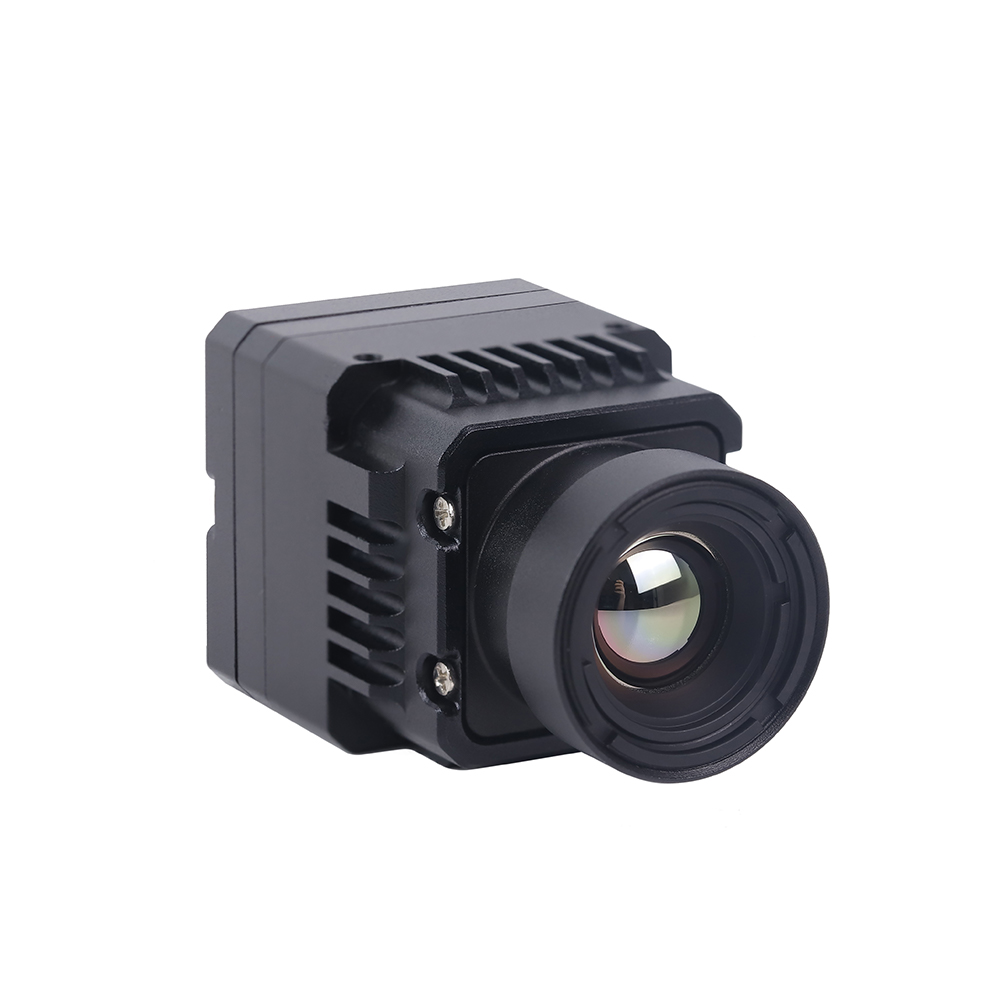
If you need a "plug-and-play" powerhouse, the Uncooled Infrared RJ45 CVBS RTSP IP 640*512 Thermal Sensor Camera Module is the gold standard. It delivers the ultra-sharp definition required for massive industrial complexes.
Heat maps that actually work
Real-time heat map integration in command centers helps operators spot trouble fast. But here's the dirty secret: not all heat maps are useful. Most are too grainy to make a clear call.
When you're chasing Thermal sensor module mastery, look for low NETD (Noise Equivalent Temperature Difference) values. The lower the mK, the crisper the map. You want to see the exact bolt that's overheating, not a blurry orange blob.
| Feature | Standard Sensor | Mastery Grade Module |
|---|---|---|
| Pixel Pitch | 17μm | 12μm (VOx) |
| Thermal Sensitivity | >50mK | ≤35mK @ f/1.0 |
| Integration | Single Interface | Multi-output (MIPI/RJ45/USB) |
Secret 3: Advanced connectivity and integration
Multi-interface flexibility
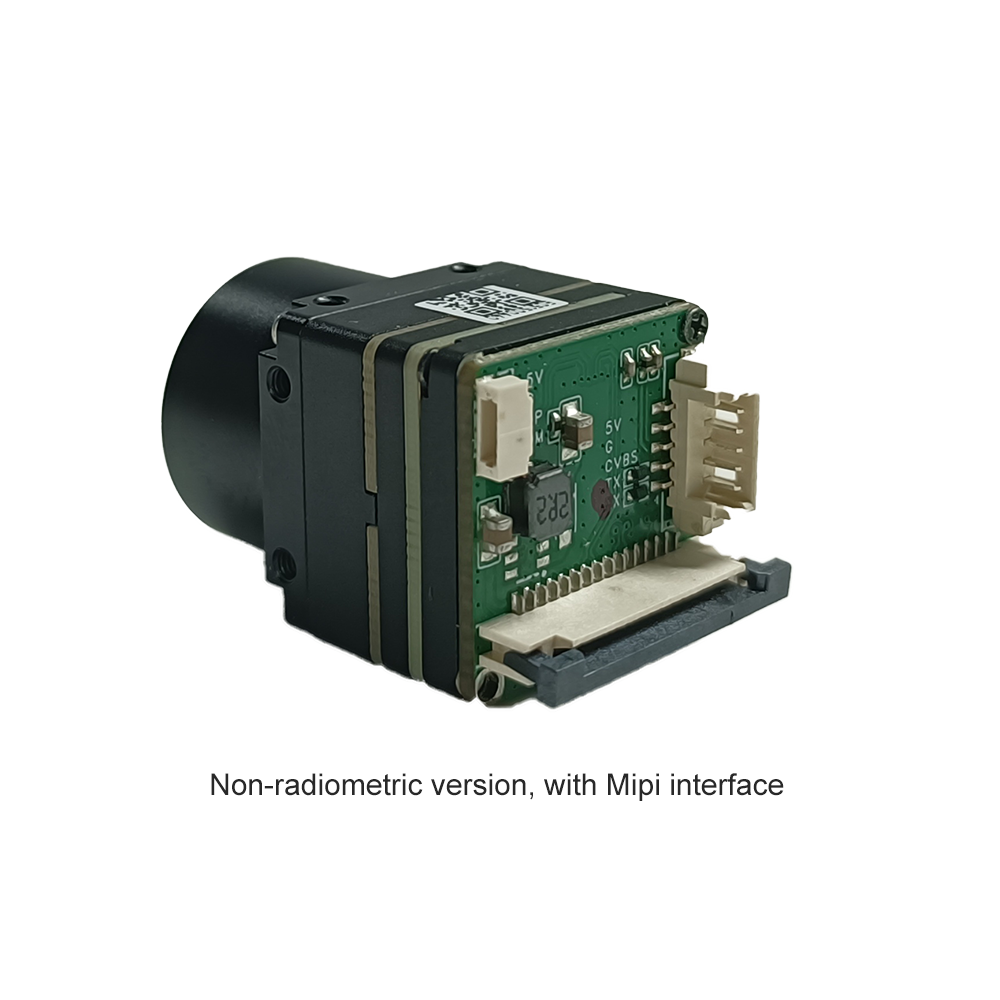
Modern modules have to be versatile. If you're building a robot arm, you need MIPI for low latency. If it's a legacy security upgrade, CVBS is your best friend. Don't let a manufacturer lock you into one choice.
Bottom line is: Thermal sensor module mastery involves selecting hardware that scales. You want a thermal core that grows with your infrastructure, not one that becomes a paperweight in two years.
Learning the basics
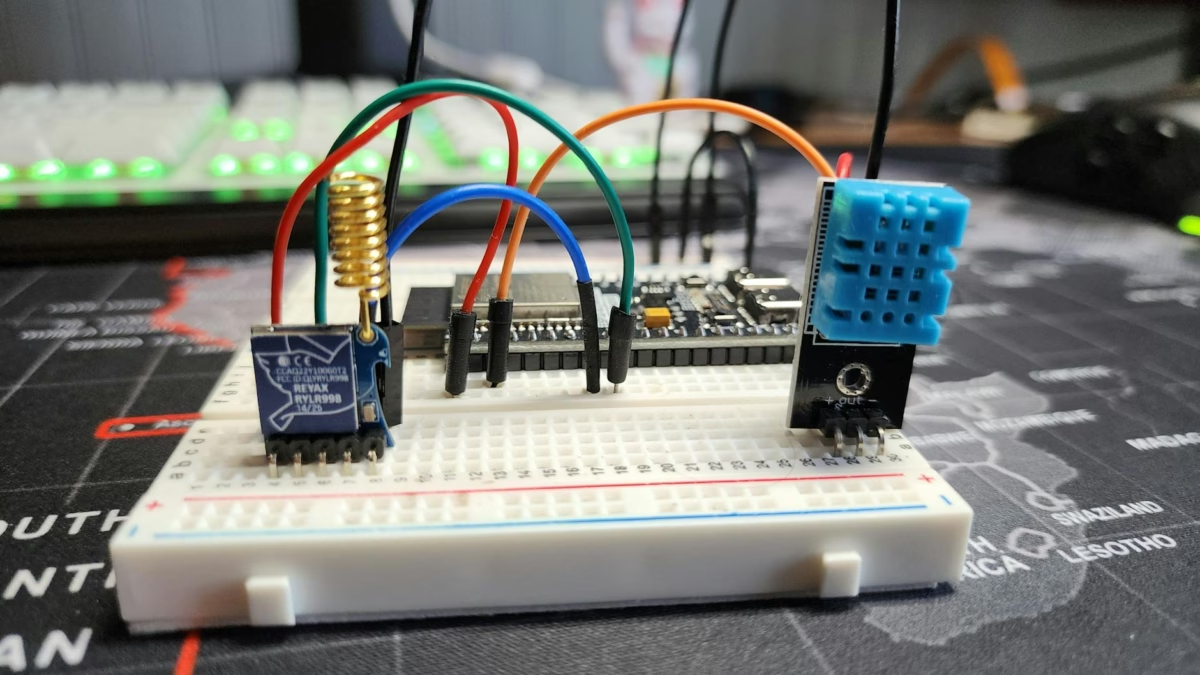
For the DIY types or developers running initial tests, it’s smart to see how basic data works. You can learn simple temperature logic by checking out this Thermistor Sensor Module Interface With Arduino tutorial.
To better understand Thermal sensor module mastery, this video tutorial is highly recommended:
https://m.youtube.com/watch?v=Y1__vmkr8-g&t=40s
Secret 4: Leveraging AI at the edge
The "AI Thermal Imaging+" era
At Guangzhou Purpleriver, we live in the "AI Thermal Imaging+" era. It's no longer enough to just see heat—the camera needs to understand what it’s looking at. Edge inference is the key here.
By processing data locally on the module, we slash latency and bandwidth. This is vital for forest fire prevention. True Thermal sensor module mastery means your AI can tell the difference between a person and a sun-baked rock instantly.
Customizing for the real world
Different regions have different headaches. Whether you need CE and RoHS for Europe or tough-as-nails housing for the Outback, customization is mandatory. We provide tailored solutions for over 300 global customers to meet their specific high-pressure needs.
Secret 5: Scaling with high-resolution optics
Long-range detection with 1280*1024
For national borders or massive refineries, resolution isn't optional. The High Resolution Uncooled Infrared 1280*1024 Thermal Imaging LWIR Camera represents the absolute peak of uncooled tech today.
I always tell clients: a mismatch between your sensor and your lens is the fastest way to fail. You have to match your Thermal sensor module mastery with the right glass, from 4mm wide-angle lenses to 150mm long-range behemoths.
Frequently Asked Questions
Why is thermal sensor module mastery vital for industrial security?
It allows 24/7 monitoring through smoke, fog, and total darkness. It enables predictive maintenance that stops equipment fires before they even become visible to a standard camera. It's about proactive protection.
What are the key standards for uncooled detectors in 2024?
The gold standards are a 12μm pixel pitch for crisp detail, frame rates up to 60Hz for smooth motion, and multi-interface support (USB/RJ45/MIPI) for easy AIoT integration.
How does Edge AI improve thermal imaging?
Edge AI processes data directly on the camera. This allows for real-time object classification and alarms without waiting for a slow central server to respond, which is critical during emergencies.
Bottom line
Mastering thermal modules is the ultimate play for protecting assets and optimizing your plant. By choosing high-resolution VOx detectors and Edge AI, you future-proof your security against whatever tomorrow throws at you.
Guangzhou Purpleriver Electronic Technology has been leading this charge since 2015. We’ve brought together the best minds to make thermal imaging more intelligent. Don't settle for "good enough" when it comes to your facility.
Ready to upgrade your tech?
Explore our full range of customizable Thermal Camera Modules and see what real intelligence looks like. Our 12μm Thermal sensor module mastery ensures you never miss a critical heat signature again.
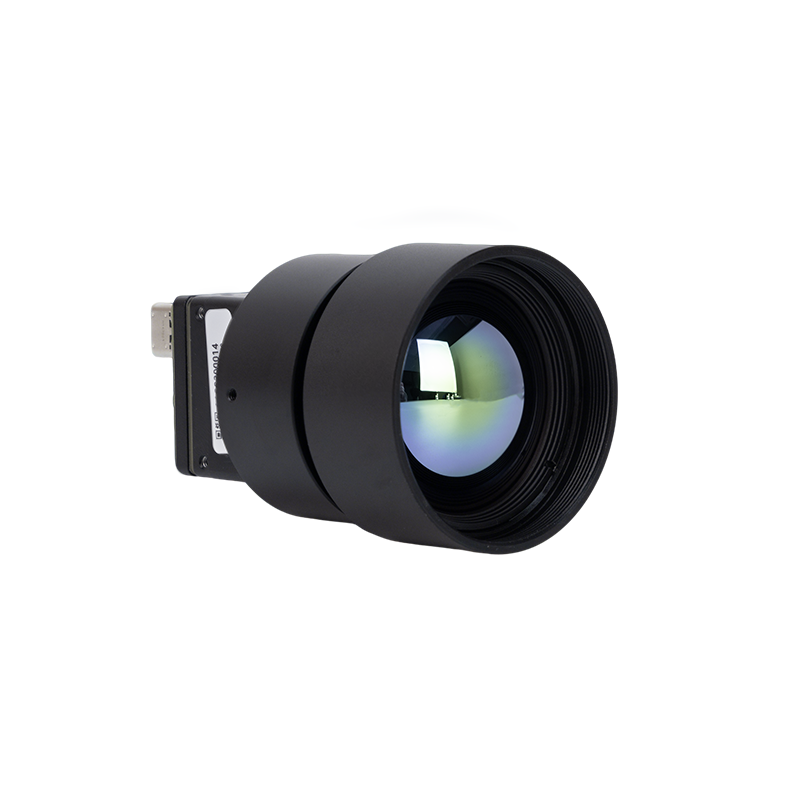
Image by: Bmonster Lab
https://www.pexels.com/@bmonster-lab-47482737