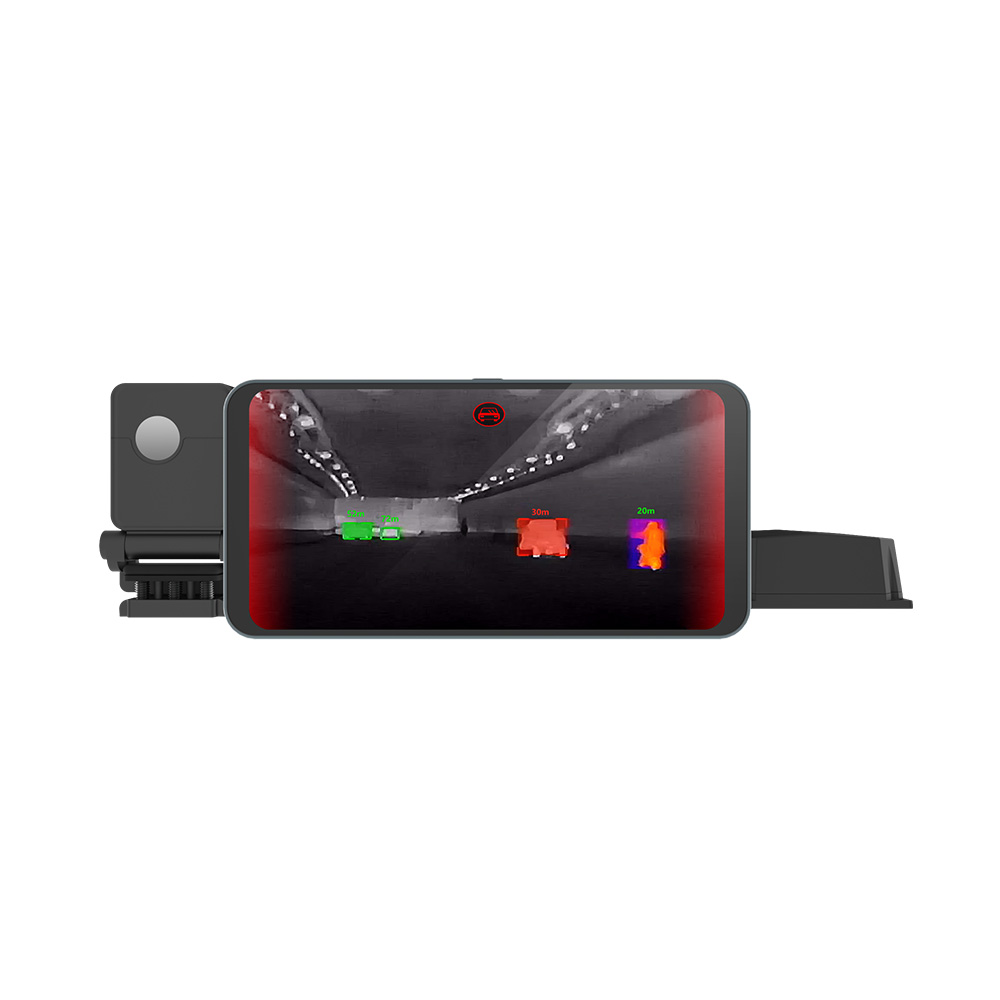

Revolutionize Security: 6 Pro CVBS Thermal Camera Module Uses
2026年2月28日
Fix thermal camera core integration: 3 fatal errors
Stop system failure right now. In the gritty world of industrial defense, Thermal camera core integration is the hard link between raw heat data and catching an intruder.
Over my decades in the field, I have seen brilliant engineering teams completely blow basic deployment setups. Getting a thermal module to just power on is a piece of cake.
But making it withstand 24/7 industrial abuse? That takes deep, hands-on expertise. Many contractors stumble into pitfalls that instantly murder image clarity.
Whether you are building long-range border turrets or micro drone payloads, doing your Thermal camera core integration properly is non-negotiable. So, let’s tear down the three massive screw-ups that cause these defense systems to fail in the field.
Error #1: Mismanaging thermal sensitivity and NETD calibration
The impact of NETD sensitivity on image noise
I have seen dozens of projects crash because guys ignore the thermal contrast baseline. Your NETD sensitivity (Noise Equivalent Temperature Difference) flat-out dictates whether a target pops on screen or fades into background static.
If your Thermal camera core integration ignores this metric, you are building a blind system. A lower NETD value lets the sensor grab microscopic temperature shifts, handing you razor-sharp, low-noise video feed.
Here is the kicker: chasing high pixel counts while accepting poor NETD sensitivity is a complete rookie mistake. Always demand NETD values sitting sharply below 40mK or 50mK for real defense-grade gigs.
For baseline industry numbers on reliable uncooled gear, you can browse references like LWIR Cameras & Cores | Uncooled Thermal Camera Modules.
Optimizing the Vanadium Oxide detector performance
When you are knee-deep in heavy industrial Thermal camera core integration, the foundational material of your sensor changes the whole ballgame.
You have to scrutinize the thermal stability of your Vanadium Oxide detector against older, legacy silicon. A top-tier Vanadium Oxide detector gives you a vastly superior Temperature Coefficient of Resistance.
Basically, it eats intense desert heat and freezing snow without breaking a sweat, keeping the feed perfectly stable. Standardize around a 12μm or 10μm pitch VOx core, and your product will hold onto DJI-level image quality for years.
Error #2: Ignoring latency with edge AI processing pipelines
Real-time analytics vs. heavy computational lag
Clients always ask me why their expensive auto-tracking turrets have a half-second targeting delay. The villain is usually a botched Thermal camera core integration pipeline pushing too much junk data over the wire.
This is where local Edge AI processing steps up to save your available bandwidth. If you dump raw, uncompressed thermal arrays straight to a central CPU, your network is going to choke up instantly.
We call this "SwO" (Swap-Optimization) out on the field. Serious Edge AI processing filters automated targets right on the sensor board, keeping your entire computational load lean and highly aggressive.
Integrating high-speed interfaces (MIPI & RJ45)
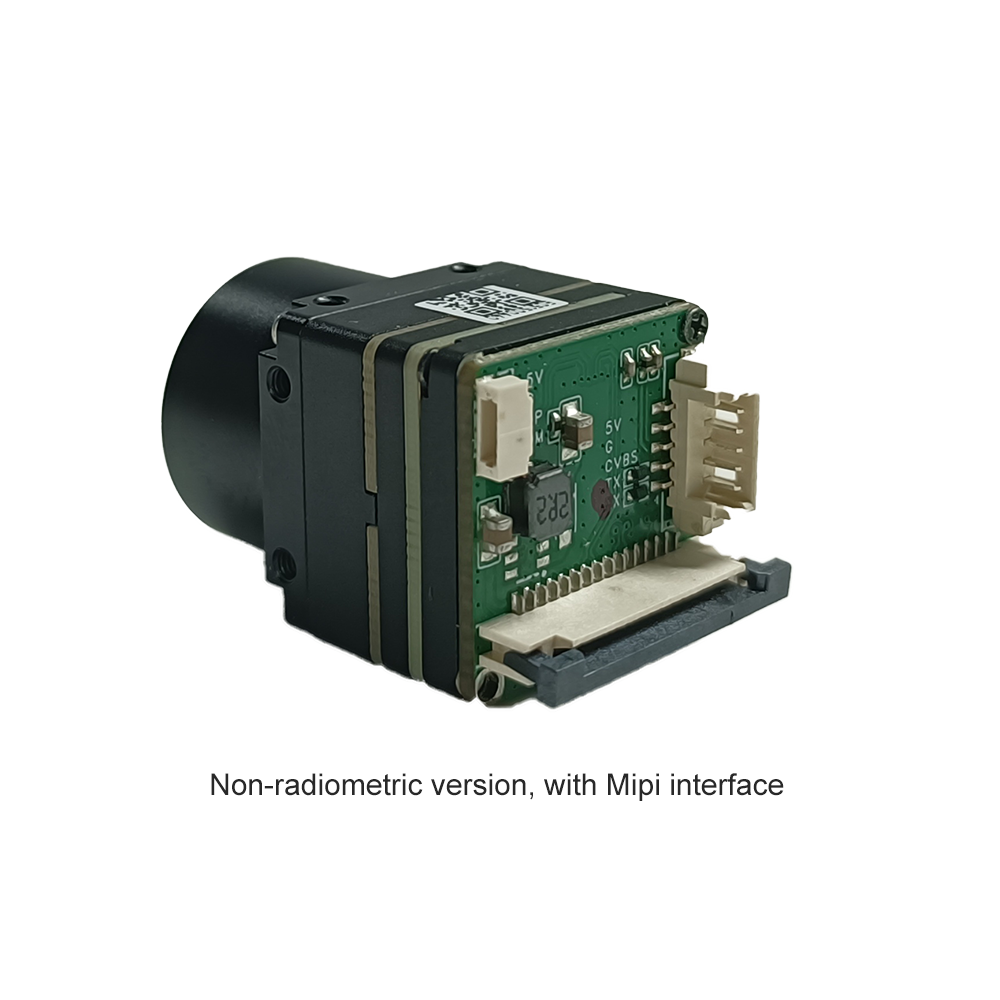
To kill latency dead, you need a flawless data bridge. Picking between MIPI and RJ45 for zero-lag streaming is a massive milestone in any modern Thermal camera core integration setup.
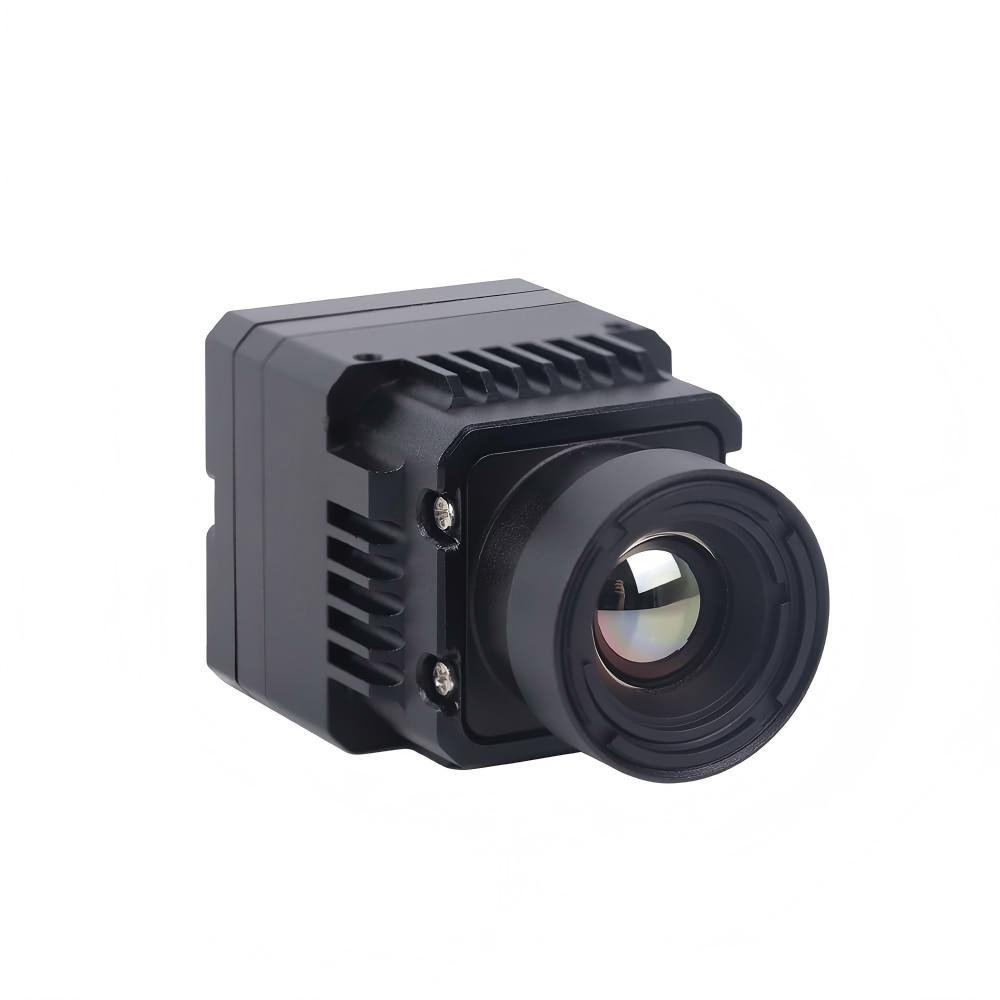
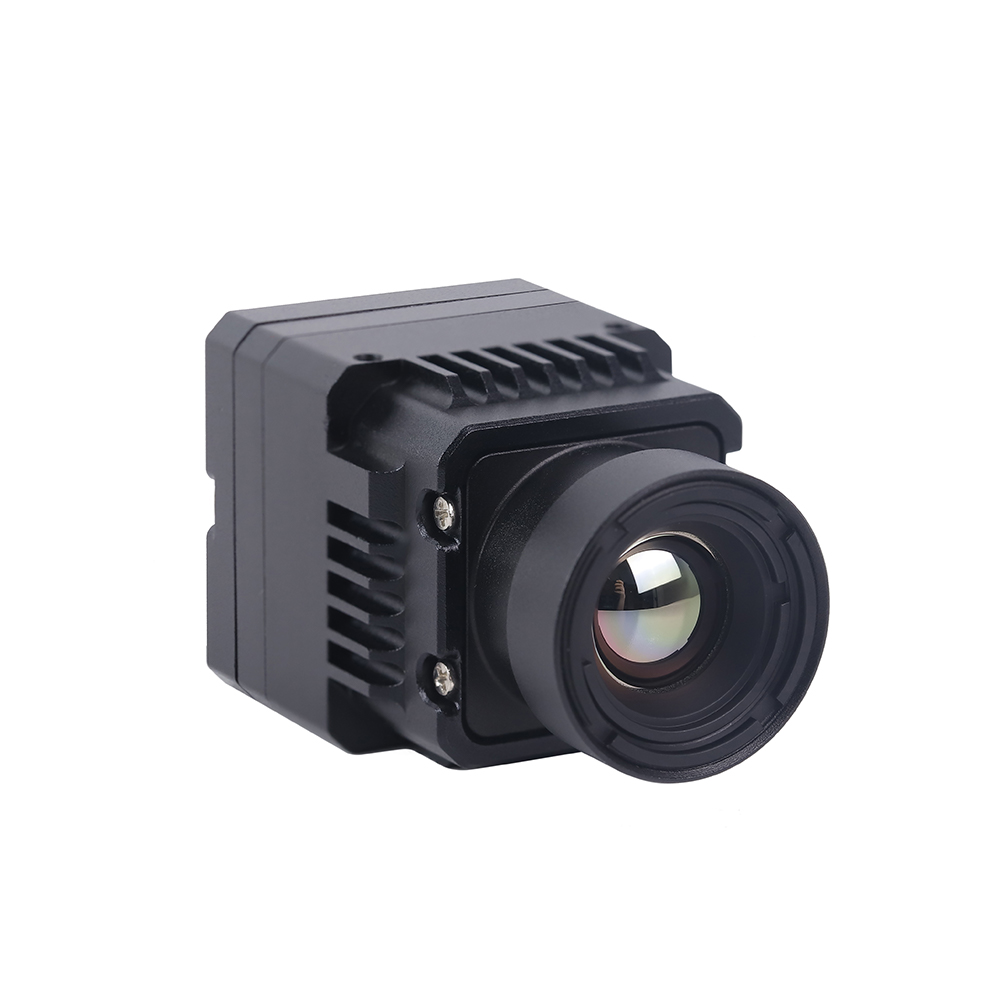
If you want an embedded, plug-and-play beast that guarantees absolute network stability, check out our highly optimized Uncooled Infrared RJ45 CVBS RTSP IP 640*512 Thermal Sensor Camera Module.
This module is purpose-built to execute precise temperature monitoring while totally sidestepping the severe network bottlenecks we usually see.
Error #3: Optical drift across the focal plane array
Precision alignment for the focal plane array (FPA)
Mechanical tolerances can and will break your optics. The sheer headache of matching heavy Germanium glass to a fragile Focal plane array is something most integrators severely underestimate.
Even a microscopic slip causes permanent focal blurring. This kind of physical shift instantly tanks the reliability of your entire Thermal camera core integration architecture.
Industry veterans call this "Boresight Shift." Locking down pixel drift during intense thermal expansion is an absolute must when bolting these cores down to heavy industrial housings.
External hardware and cleanroom standards
To be completely honest, you cannot just slap an expensive lens onto a sensor housing and pray it holds crystal focus through insane vibrations.
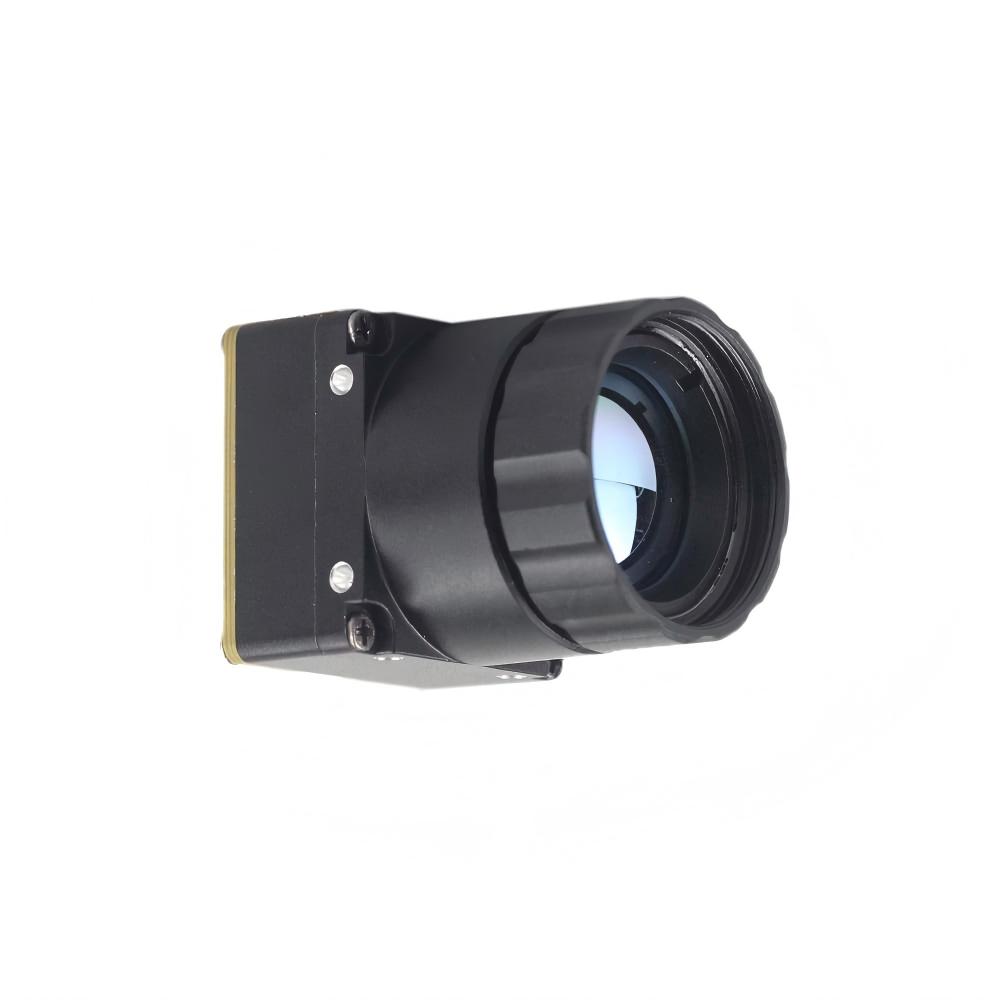
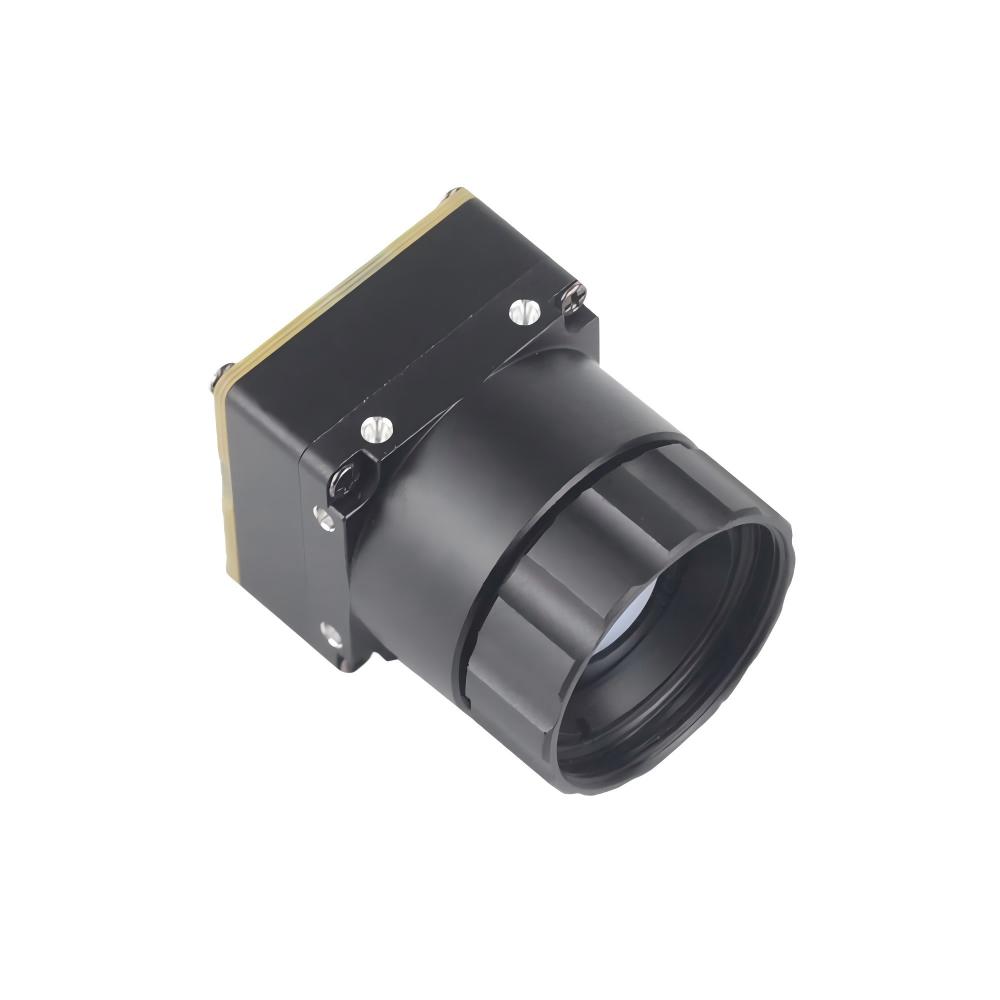
Looking at high-grade external examples like the Infrared Thermal Camera Core COIN612 | GSTiR helps clarify what real market optics look like, but locking in your proprietary matching is even better.
Stop bleeding project budget on unverified vendors. Only play ball with manufacturers utilizing dedicated cleanrooms and heavily automated Focal plane array alignment tools.
| Integration Failure Point | Diagnosed Root Cause | Veteran Solution Required |
|---|---|---|
| Intense Background Noise | Ignoring proper NETD sensitivity baselines | Upgrade to calibrated sub-40mK VOx sensors |
| Target Frame Lag | Missing local Edge AI processing power | Deploy on-board MIPI/RJ45 hardware streams |
| Permanent Focal Blur | Loose Focal plane array mechanical mounting | Enforce automated cleanroom alignment processes |
Advanced setup: Moving past basic hardware
Power management and thermal runaway
Let's talk about shoving advanced optics into tight, IP67-rated boxes. I have seen massive deployments literally burn out because site engineers had zero game plan for stopping "Thermal Runaway."
Executing professional Thermal camera core integration means viciously managing circuit heat. You simply cannot allow the detector to physically blind itself from its own internal board temps.
Aggressively managing heat is not just about keeping the metal casing cool. It is heavily focused on preserving a locked internal blackbody reference for dead-accurate temp readings.
Handling SWaP parameters for UAV payloads
When performing Thermal camera core integration for aerial intercept systems, Size, Weight, and Power (SWaP) constraints totally run the show.
A heavy payload eats your battery life alive and makes gimbal motors scream under stress. Long story short, physical bulk is your absolute worst enemy up in the sky.
Comparative tech: Cooled vs. uncooled systems
Sometimes, standard uncooled Thermal camera core integration just does not pack enough raw muscle for extreme border defense requirements.
Military engineers often wrestle with "Dark Current" static in high-end surveillance gear. Cryogenically cooled cores use mechanical coolers to drop internal temps to near 77 Kelvin, erasing heat noise completely.
This aggressive cooling instantly cuts through atmospheric haze that normally maxes out the limits of a standard uncooled Vanadium Oxide detector.
To better understand Thermal camera core integration and the physics of cooled vs. uncooled sensors, this video tutorial is highly recommended:
https://www.youtube.com/watch?v=WyHYInjbMIM
Frequently asked questions (FAQ)
How does shutterless tech help edge networks?
Shutterless hardware operation directly scrubs out the annoying freeze-frame stutter during non-uniformity corrections. It pushes video flow uninterrupted, keeping your Edge AI processing trackers insanely fast.
What data protocols fit heavy industrial surveillance?
MIPI CSI-2 is king for raw, uncompressed board-level transmission speeds. Meanwhile, pushing RTSP setups over an RJ45 connection forms the rock-solid backbone for plant-wide Thermal camera core integration tasks.
Bottom line & strategic recommendations
Nailing down your Thermal camera core integration pipeline requires a brutal balance of low NETD figures, fast local AI logic, and rock-solid mechanical alignment.
By actively dodging these three fatal blunders—botched local sensitivity measurements, high data lag, and optical slipping—manufacturers can reliably churn out dramatically superior defense platforms.
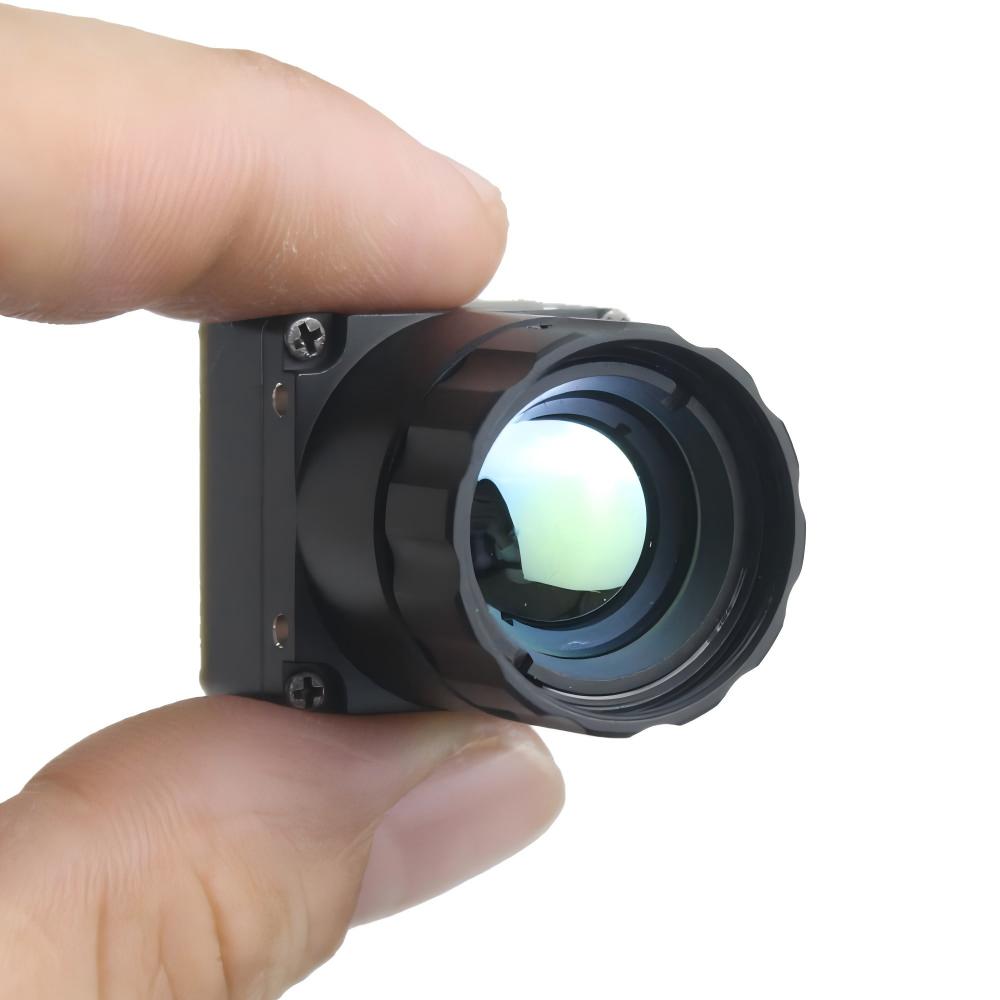
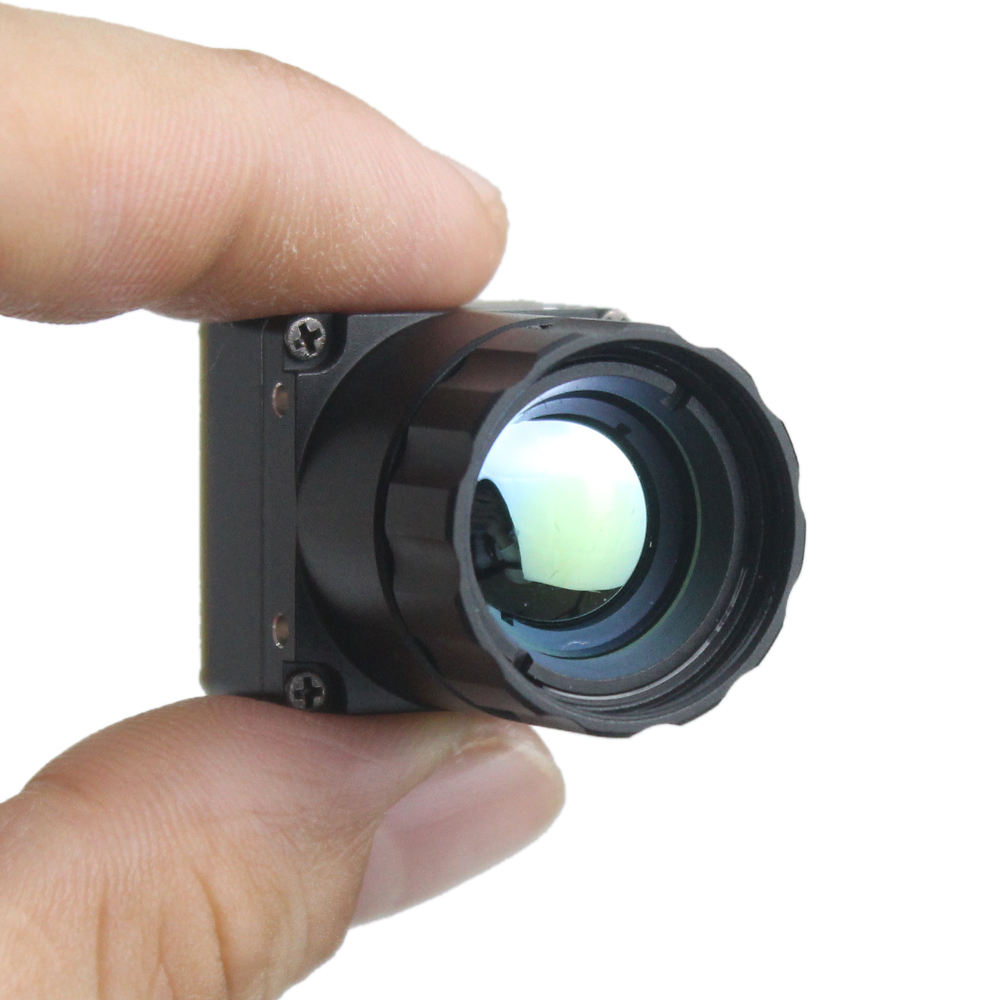
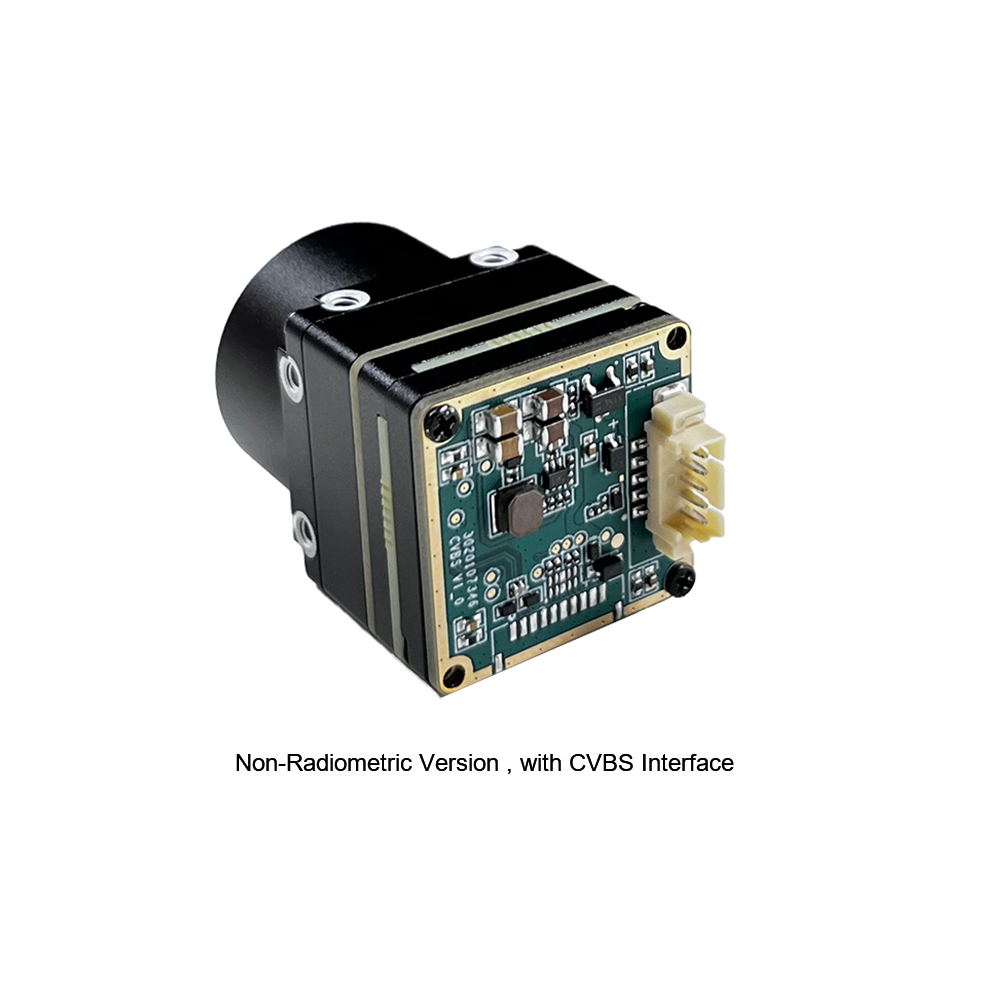
Ready to truly upgrade your drone or robotics system? For unmatched SWaP efficiency, grab our highly specialized Uncooled Mini 384*288 Thermal Camera Module For Drones directly.
If you need heavily customized tactical layouts, contact Guangzhou Purpleriver Electronic Technology Co., Ltd. today.
As an ISO 9001/45001 certified manufacturing crew sitting on over 40 distinct technical patents, we deliver hardcore Thermal camera core integration solutions built for tough environments.
Our veteran engineering unit originally trained at the Hong Kong University of Science and Technology, guaranteeing you rapid delivery and bulletproof B2B technical backup. Let us redefine what your hardware can actually see.