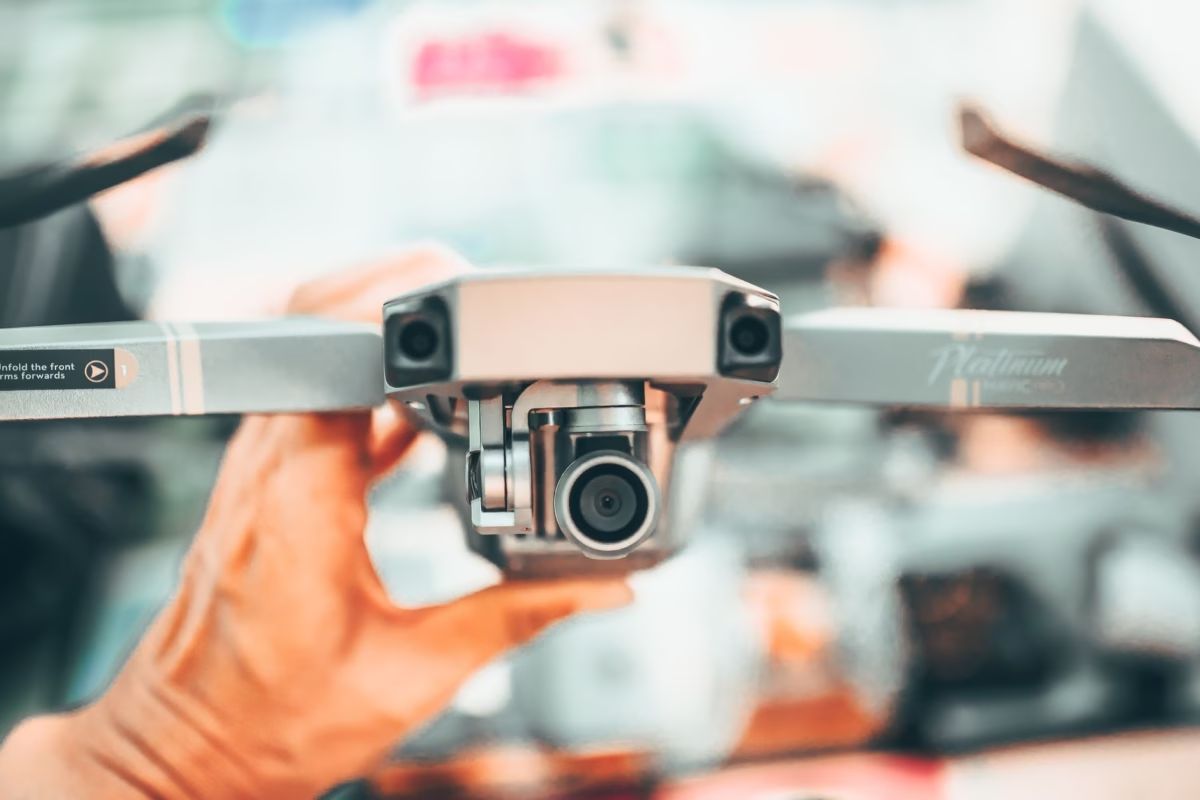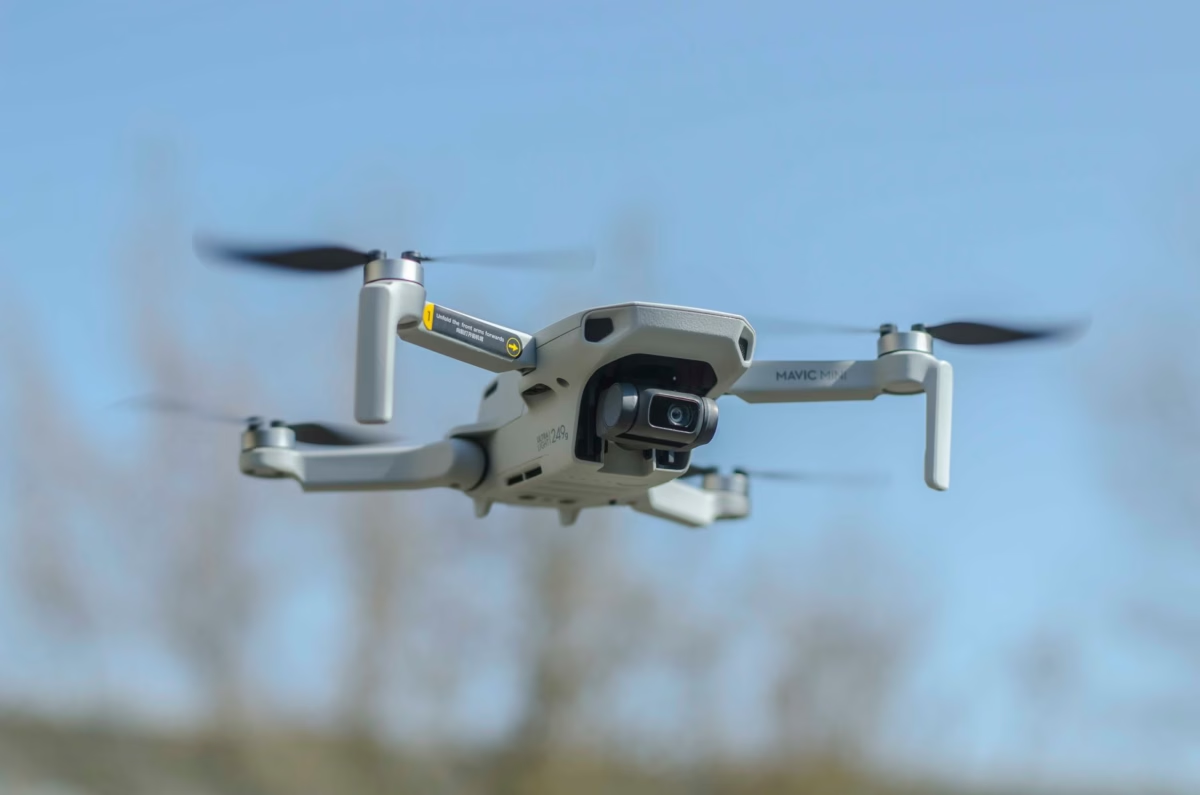

Upgrading to Mini2 Thermal Modules: Compact 640x512 LWIR Cores for Drone & Edge AI Integration
2026年8月4日
Choosing the Best Thermal Imager: Industrial AI Modules vs. Budget Tools
2026年8月5日
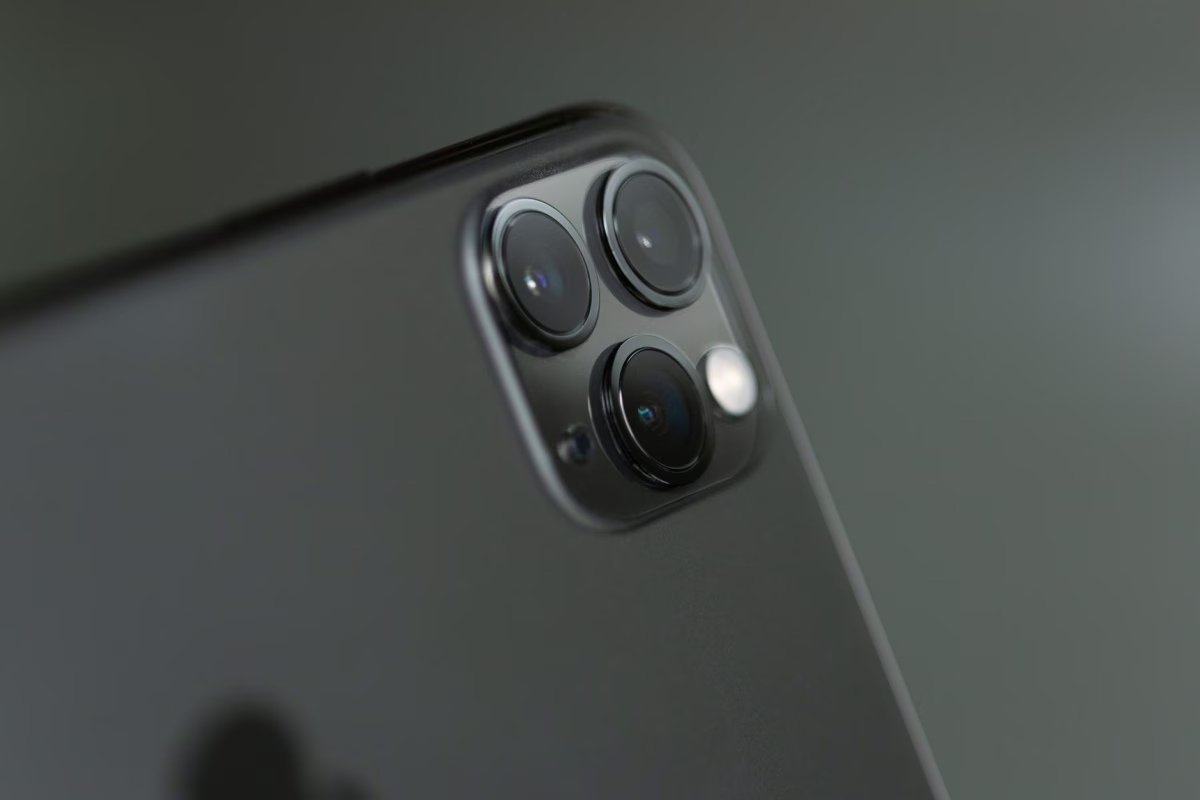
Thermal Camera Core Module Selection Guide: Edge AI & OEM Integration
Look, the hardware landscape for thermal imaging has completely flipped over the last few years. If you're building autonomous robotics, UAV payloads, industrial IoT rigs, or driver-assistance systems (ADAS), you know the drill: standalone thermal cameras just don't cut it anymore. What we need in the shop today are ultra-compact, power-thrifty Thermal Camera Core Modules that drop right onto custom PCB stack-ups and integrate cleanly with host processors. Designing a solid uncooled Long-Wave Infrared (LWIR) payload is a brutal balancing act between SWaP-C (Size, Weight, Power, and Cost), thermal radiometry, signal latency, and raw computational bandwidth for edge computer vision. If you mess up sensor specs like pixel pitch, Noise Equivalent Temperature Difference (NETD), spatial resolution, or back-focal distance, you'll end up with sluggish target recognition, thermal throttling, or expensive hardware redesign loops.
Here's the deal: this guide is written as a practical, ground-level reference for system integrators, optical leads, and embedded hardware architects. We will walk through evaluating Vanadium Oxide (VOx) microbolometer focal plane arrays (FPAs), piping high-frame-rate UVC USB and MIPI-CSI2 video into single-board computers (SBCs), and configuring edge analytics engines. We'll also cover radiometric calibration routines and drop-in module swaps using the industry-standard 21mm × 21mm footprint.
Table of Contents
- 👉 1. Fundamentals of Uncooled LWIR Thermal Camera Cores
- 👉 2. OEM System Integration: Mechanical, Electrical, & Optical Paradigms
- 👉 3. Edge AI Engine Architecture & Thermal Analytics Pipelines
- 👉 4. Real-World Product Specification Matrix & Detailed Showcase
- 👉 5. Hardware Selection Decision Matrix for OEM Engineers
- 👉 6. Frequently Asked Questions (FAQ)
1. Fundamentals of Uncooled LWIR Thermal Camera Cores
1.1 Sensor Physics: VOx vs. a-Si Microbolometer Arrays
At the center of any uncooled LWIR thermal core sits the microbolometer array—a tiny matrix of thermal sensors that translates thermal infrared radiation into resistance changes without needing complex, power-hungry cryogenic coolers. When thermal energy in the 8µm to 14µm band hits the suspended microbolometer bridge, the tiny absorber structure warms up. That micro-delta in temperature changes the electrical resistance of the thin-film layer, which gets digitized and read by an underlying Readout Integrated Circuit (ROIC).
When picking a detector material for production, you're almost always choosing between Vanadium Oxide (VOx) and Amorphous Silicon (a-Si). Understanding their fundamental physical differences is crucial for hardware architects:
- ✅ Vanadium Oxide (VOx) Arrays: VOx detectors deliver a significantly higher Temperature Coefficient of Resistance (TCR)—typically sitting between -2% and -3% per Kelvin. In practice, that higher coefficient gives you better sensitivity, lower temporal noise floor, and faster thermal response times. VOx microbolometers remain rock-solid across wide operating ranges (-40°C to +80°C), making them the default standard for drone gimbals, defense systems, and high-precision thermography. If you need maximum sensitivity under rough field conditions, take a close look at dedicated uncooled infrared thermal imaging LWIR camera solutions to compare raw detector numbers.
- ✅ Amorphous Silicon (a-Si) Arrays: a-Si microbolometers rely on standard CMOS fab processes, keeping manufacturing costs low and batch uniformity high. The catch? a-Si has a lower TCR and higher 1/f flicker noise, meaning baseline sensitivity takes a slight hit compared to VOx. That makes a-Si a decent candidate for cost-sensitive commercial tools, simple occupancy sensors, or high-volume consumer gear where absolute image clarity isn't mission-critical.
1.2 Thermal Sensitivity: NETD & Pixel Pitch Optimization
Thermal sensitivity comes down to Noise Equivalent Temperature Difference (NETD), measured in millikelvins (mK). NETD tells you the thermal delta where the signal power equals the detector's internal noise. Lower numbers mean cleaner thermal resolution:
- ⚙️ Ultra-High Sensitivity (<30mK to <35mK): Resolves target shifts down to 0.03°C. Crucial for optical gas imaging, subterranean mine monitoring, medical screening, and low-contrast target tracking in rain, fog, or snow.
- ⚙️ High Industrial Sensitivity (<40mK to <50mK): The sweet spot for drone inspections, perimeter surveillance, solar array audits, and automotive ADAS vision systems.
- ⚙️ Standard Sensitivity (>50mK): Good enough for basic room occupancy monitoring, crude HVAC troubleshooting, or simple entry-level thermography tools.
Over the last decade, foundry advances pushed pixel pitch down from legacy 25µm and 17µm geometry to 12µm and sub-10µm standards. Shrinking that pixel footprint changes system optics in three big ways:
- Optical Lens Dimensions: Dropping from 17µm to 12µm pixels means you can use a shorter focal length lens to get the exact same Field of View (FOV). That trims Germanium optic diameters by up to 30% to 40%.
- SWaP Reductions: Less optical glass means significantly less mass on your payload. That makes 12µm VOx cores ideal for weight-critical UAV gimbals and handheld monoculars.
- Photon Collection Trade-offs: Smaller pixel areas gather fewer infrared photons. Module makers make up for this signal loss by tweaking VOx chemical formulas, boosting ROIC gain stages, and improving vacuum micro-encapsulation to keep NETD under 40mK even on tight 12µm grids.
1.3 Spectral Response & 8–14µm Atmospheric Attenuation
Uncooled thermal camera core modules operate strictly inside the Long-Wave Infrared (LWIR) band between 8µm and 14µm. This band lines up directly with Earth's primary atmospheric transmission window, where water vapor, carbon dioxide, and atmospheric ozone absorb very little thermal energy.
Operating in LWIR gives you huge physical advantages outdoors. Under Planck's Law, objects around ambient Earth temperatures (300 Kelvin / 27°C) radiate their peak spectral energy right inside that 8–14µm spectrum. Even better, solar reflections don't affect LWIR wavelengths like they do Visible or SWIR channels. A solid LWIR camera core works with zero optical penalty in pitch-black night, heavy smoke, fog, blowing dust, or harsh direct sunlight.
2. OEM System Integration: Mechanical, Electrical, & Optical Paradigms
2.1 SWaP Optimization & Ultra-Compact 21mm x 21mm Form Factors
When you're fitting thermal imaging into dense embedded hardware, Size, Weight, and Power (SWaP) constraints rule the day. Miniaturized thermal camera core modules built on a standardized 21mm × 21mm mechanical chassis have become the go-to standard for tight embedded spaces.
Keeping the core size at 21mm × 21mm with a bare module weight under 15 to 20 grams means you can mount thermal sensors straight onto high-speed 3-axis brushless gimbals without overloading small motors. Lower mass reduces moment-of-inertia, giving you tighter gimbal stabilization loops and squeezing more runtime out of drone batteries. Power-wise, well-tuned VOx thermal cores draw just 1.0W to 1.2W during active video streaming, avoiding dangerous heat build-up inside sealed IP67 or explosion-proof housings.
When you're designing structural housings or custom mounting frames for miniaturized payloads, partnering with experienced prototyping specialists like KUYANG lets you rapidly iterate CNC-machined aluminum heatsinks, mounting brackets, and specialized enclosure hardware that handle tough field vibration.
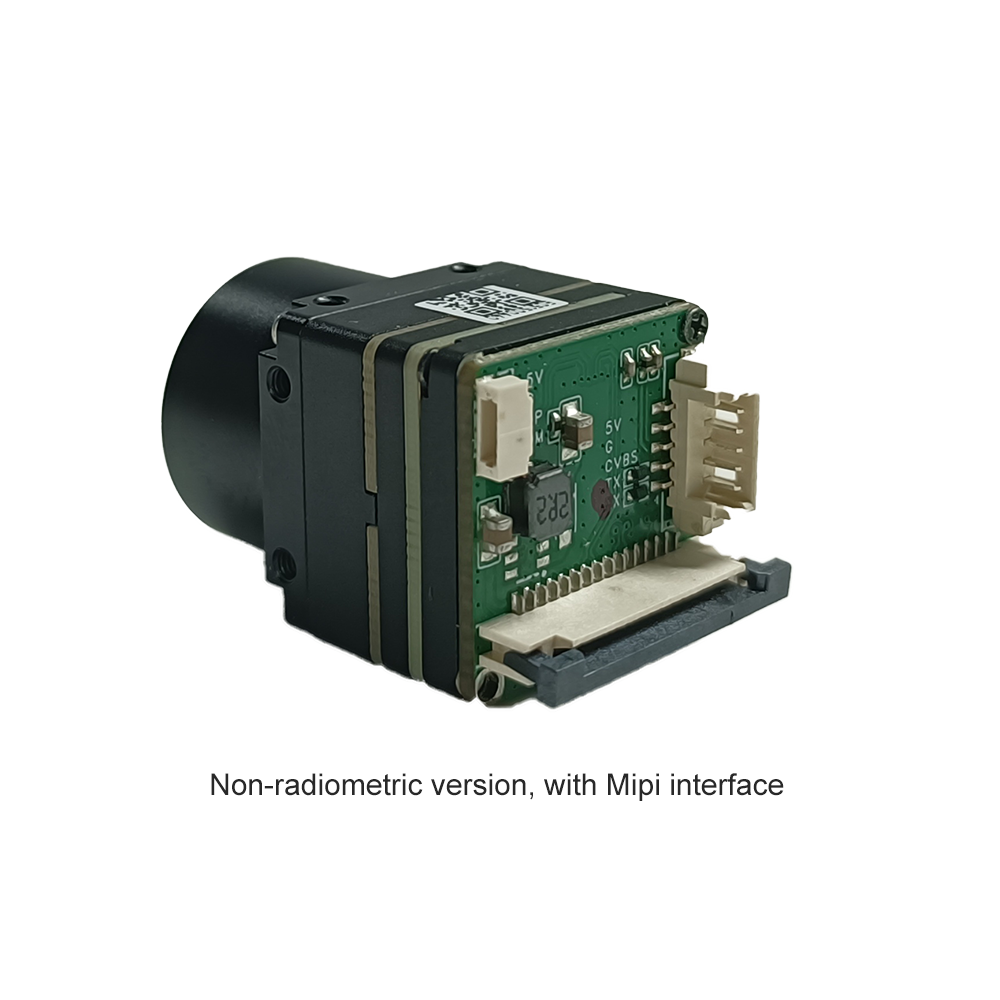
2.2 Digital Interfaces: USB UVC, MIPI-CSI2, LVDS, & Composite
When connecting a thermal core to your main system processor, selecting the right electrical interface is critical for balancing pipeline latency against system complexity:
- ⚙️ USB (UVC - USB Video Class): The simplest plug-and-play setup for edge compute boards. USB UVC thermal cores stream straight into x86, ARM, Linux, Windows, or Android hardware without custom kernel drivers. Standard USB 2.0/3.0 interfaces handle dual-stream pipelines well, passing 8-bit YUV/NV12 processed video alongside 16-bit raw radiometric frames over separate endpoints.
- ⚙️ MIPI-CSI2 (Mobile Industry Processor Interface): The absolute best choice for tight embedded integrations. MIPI-CSI2 links the ROIC directly to host Image Signal Processors (ISPs) on compute modules like NVIDIA Jetson Orin or Rockchip RK3588. Bypassing USB conversion chips cuts latency down below 5 milliseconds—essential for high-speed robotic navigation and autonomous braking.
- ⚙️ LVDS / Parallel Digital CMOS: Low-Voltage Differential Signaling offers point-to-point, highly resilient digital transmission into field-programmable gate arrays (FPGAs) or custom DSP boards—a common requirement in high-reliability industrial and defense gear.
- ⚙️ Analog Composite (CVBS - PAL/NTSC): Old-school zero-latency format used for direct retrofits into long-range FPV video transmitters, basic monitors, or legacy vehicular displays.
When laying out high-speed MIPI or USB differential lines right next to power supply rails, component quality matters. In our designs, we frequently use industrial micro board-to-board connectors from suppliers like Molex to avoid signal degradation under severe thermal cycling and constant mechanical vibration.
2.3 Lens Mount Interfacing & Optical Back-Focal Distance (BFD) Tuning
Thermal optics rely on specialized infrared-transmissive materials—mostly single-crystal Germanium (Ge) or Chalcogenide glass. Thermal focal requirements shift drastically depending on your mission—ranging from wide 5mm lenses for indoor robotic inspection out to 150mm narrow optics for long-range perimeter monitoring—so the core chassis must sport high-precision mechanical threads (like M10, M12, or custom flange configurations).
Keeping image output razor-sharp demands tight mechanical tolerances for Optical Back-Focal Distance (BFD)—the precise physical gap between the rearmost optic surface and the microbolometer FPA plane. Thermal expansion coefficients (CTE) in aluminum or brass lens barrels can cause focal drift across operational temperatures (-40°C to +80°C). Professional OEM camera cores handle this by using specialized athermalized lens assemblies or software-driven Non-Uniformity Correction (NUC) lookup tables to offset thermal drift automatically.
3. Edge AI Engine Architecture & Thermal Analytics Pipelines
3.1 Onboard NPU Processing vs. Host SBC Architectures
When running vision models on thermal video streams, engineers generally select between two architectural topologies:
Topology A: Core-Integrated NPU Acceleration. Here, a dedicated Neural Processing Unit (NPU) sits directly on the camera core's internal processing stack. The module handles target detection, tracking, and temperature warning alarms right on the sensor board. The big win? You offload tensor math entirely from the main computer. System telemetry bandwidth drops to almost nothing because the core sends lightweight metadata (bounding box coordinates and thermal statistics) over simple UART serial lines alongside the raw frame.
Topology B: Host-Side SBC Computer Vision Architecture. In this setup, the camera core acts purely as a streaming sensor head, feeding raw 16-bit radiometry or 8-bit visual streams over USB UVC or MIPI-CSI2 to a host processor (such as an NVIDIA Jetson Orin, Raspberry Pi 5, or industrial SBC). The main host executes complex deep learning models (like YOLOv8-Thermal or custom OpenCV pipelines), allowing you to fuse thermal video with visible daylight sensors, LiDAR, and radar feeds in real time.
3.2 Radiometric Raw Data Streams vs. AGC Visual Pipelines
To train effective machine learning models on thermal imagery, you need to understand the two distinct data streams produced by modern LWIR camera modules:
- ✅ 16-Bit Radiometric Raw Data (Y16 / Uncompressed Radiometry): Every pixel in a 16-bit frame delivers a direct, linear temperature reading (Kelvin or Celsius). This uncompressed data stream is required for quantitative inspection work—such as detecting high-voltage transformer hot spots, spotting underground heat leaks, or flagging mechanical bearing wear before parts seize.
- ✅ 8-Bit Processed AGC (Automatic Gain Control) Stream: A raw microbolometer micro-array captures a huge dynamic scene range (often 14-bit to 16-bit). To make that readable on human screens or standard AI models, the module's ISP squashes dynamic range into an 8-bit image using non-linear Automatic Gain Control (AGC), Digital Detail Enhancement (DDE), and Contrast Limited Adaptive Histogram Equalization (CLAHE). While absolute temperature data gets stripped in an 8-bit feed, structural edge contrast and object shapes pop out cleanly for target classification models.
3.3 Real-World Applications: Drones, Mining, & Automotive ADAS
Compact thermal modules are solving tough problems across modern field robotics and automation:
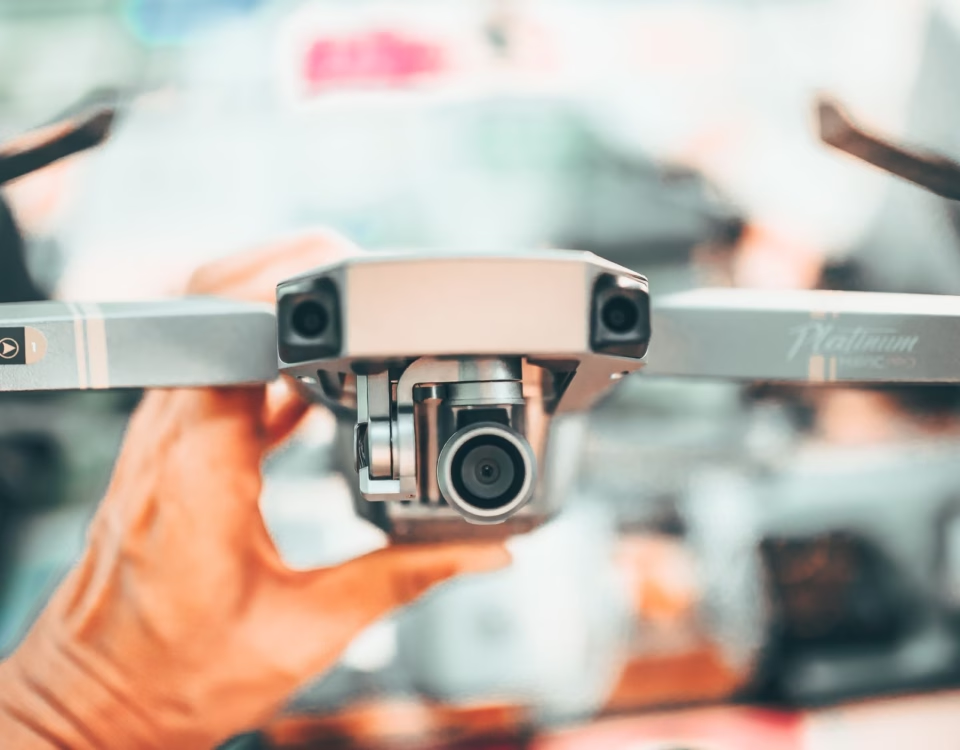
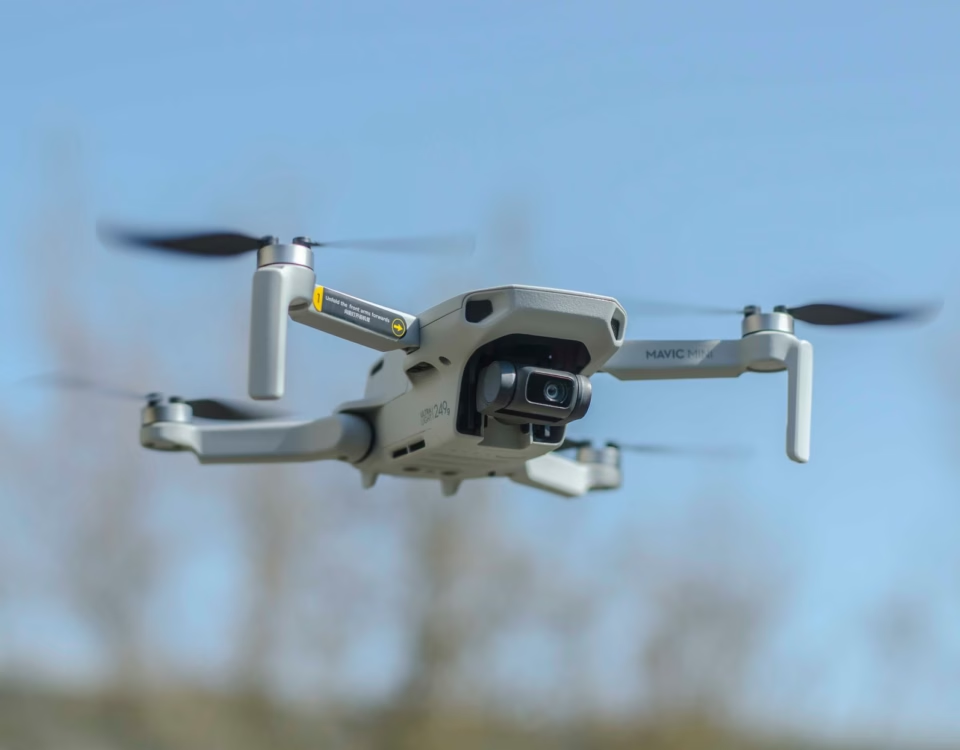
Drones & First Responder Missions: Mounted under light aerial platforms, 640×512 LWIR cores let search-and-rescue teams spot lost individuals under thick canopy, track spot fires through dense smoke, and inspect high-voltage lines safely.
Underground Mining & Industrial Inspection Rigs: Built into autonomous mining crawlers, miniature thermal modules track bearing wear on conveyor systems, spot subterranean stress anomalies, and flag dangerous equipment conditions before catastrophic failure.
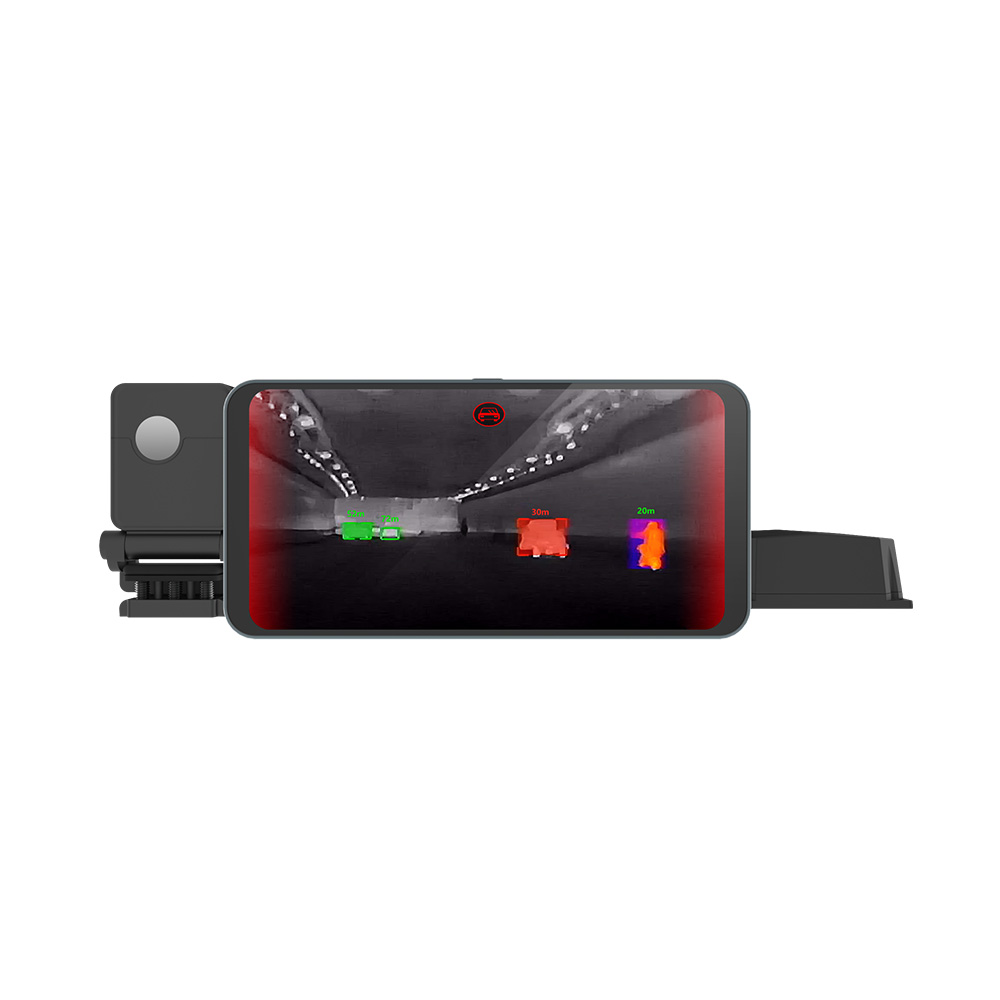
Automotive ADAS & Nighttime Collision Avoidance: Vehicle-mounted thermal camera cores deliver reliable long-range pedestrian detection unaffected by oncoming high beams, blinding dust, fog, or total darkness. Deploying thermal core modules in modern vehicle stacks plays an essential role in driving nighttime collision prevention with vehicle-mounted systems, while proving vital for safeguarding modern automobile driving safety.
4. Real-World Product Specification Matrix & Detailed Showcase
The comparative engineering table below outlines real-world specs for two industry-grade uncooled LWIR thermal camera core modules engineered for drone gimbals, robotic systems, and industrial monitoring setups:
| Specification Parameter | Mini 640*512 LWIR Core Module | Mini 256*192 LWIR Core Module |
|---|---|---|
| Detector Type | Uncooled VOx Microbolometer Array | Uncooled VOx Microbolometer Array |
| Array Resolution | 640 × 512 pixels (640×480 optional) | 256 × 192 pixels |
| Spectral Response | 8 µm to 14 µm (LWIR Band) | 8 µm to 14 µm (LWIR Band) |
| Mechanical Footprint | Ultra-Compact 21 mm × 21 mm | Miniature Form Factor Chassis |
| Selectable Optical Lenses | 5 / 9 / 13 / 18 / 35 / 50 / 75 / 100 / 150 mm | Modular Prime Optics Configuration |
| Digital Output Protocols | Plug-and-Play USB UVC / Digital Parallel | Flexible Digital / USB Protocol Interface |
| Radiometric Output | Full-Frame Temperature Measurement Stream | Uniform Radiometry with Temperature Detection |
| Primary Application Focus | Drone Payloads (DJI Class), Long-Range Telemetry | Subterranean Mine Detection, Portable Robotics |
Comprehensive Product Showcases
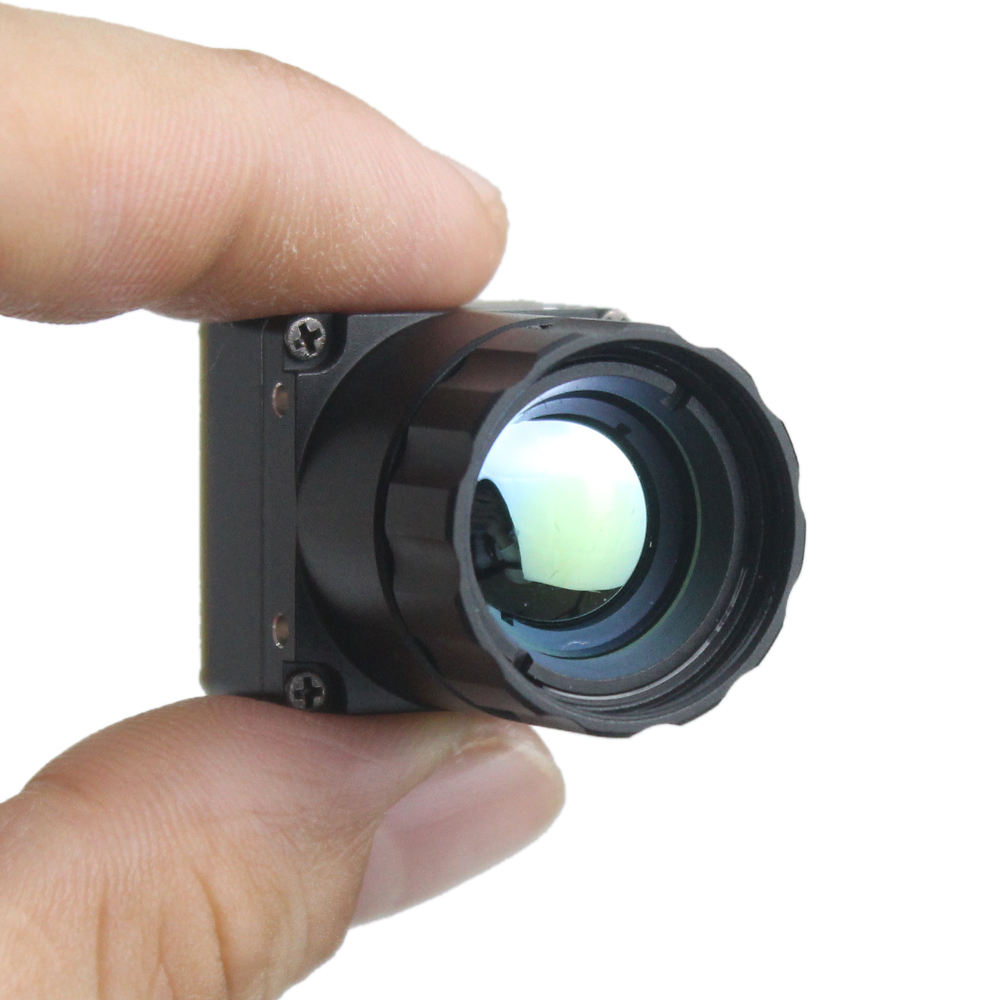
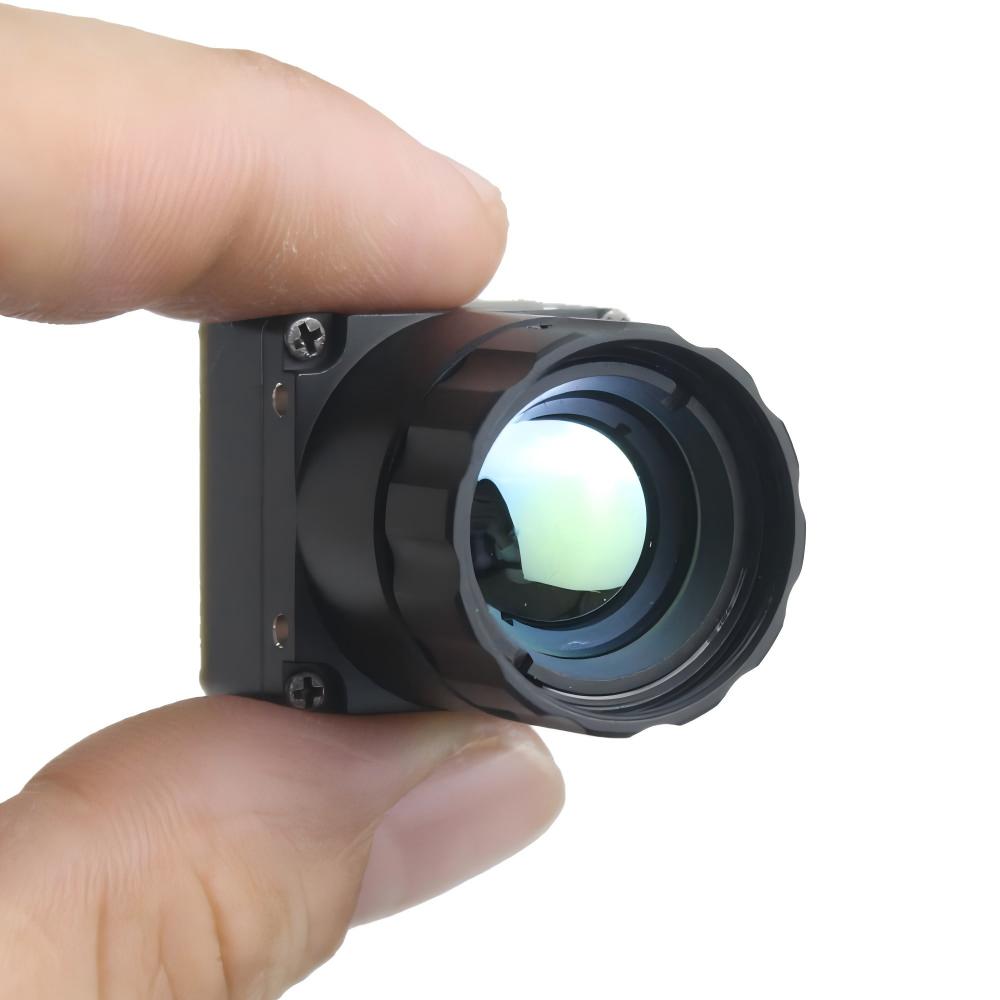
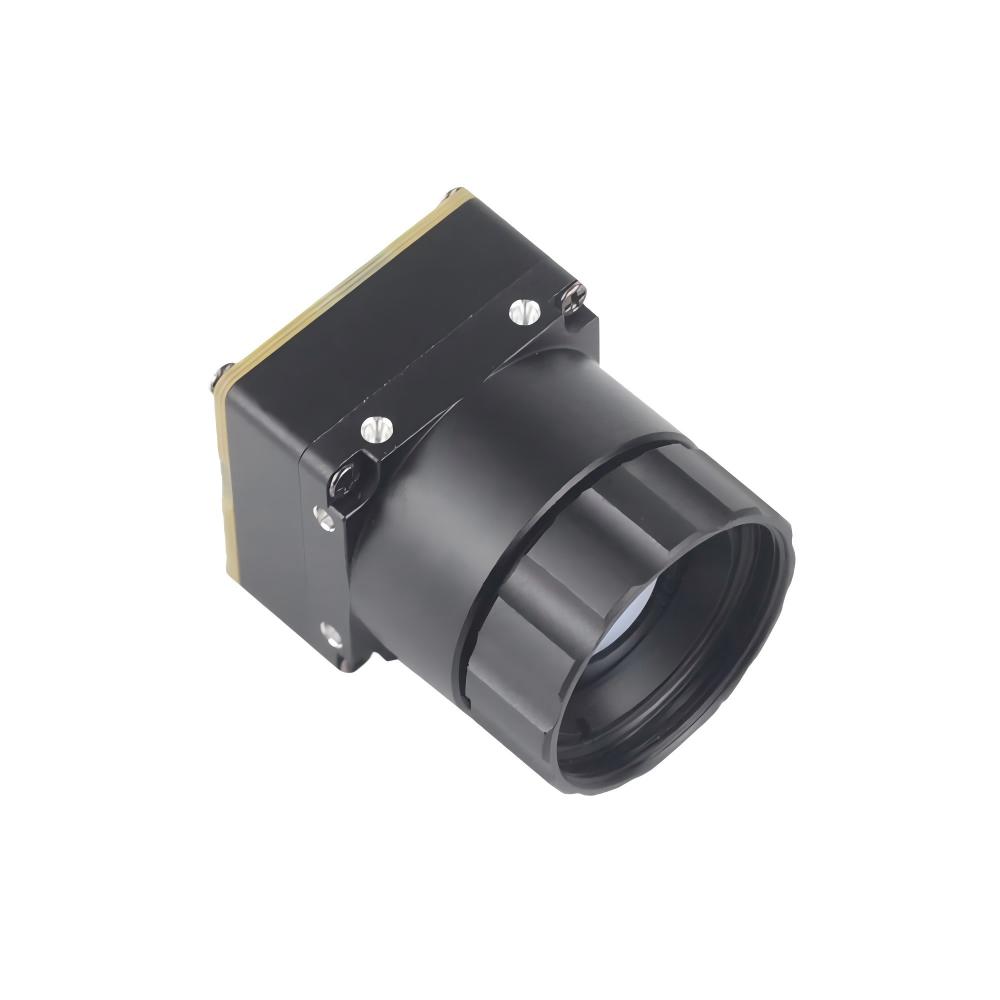
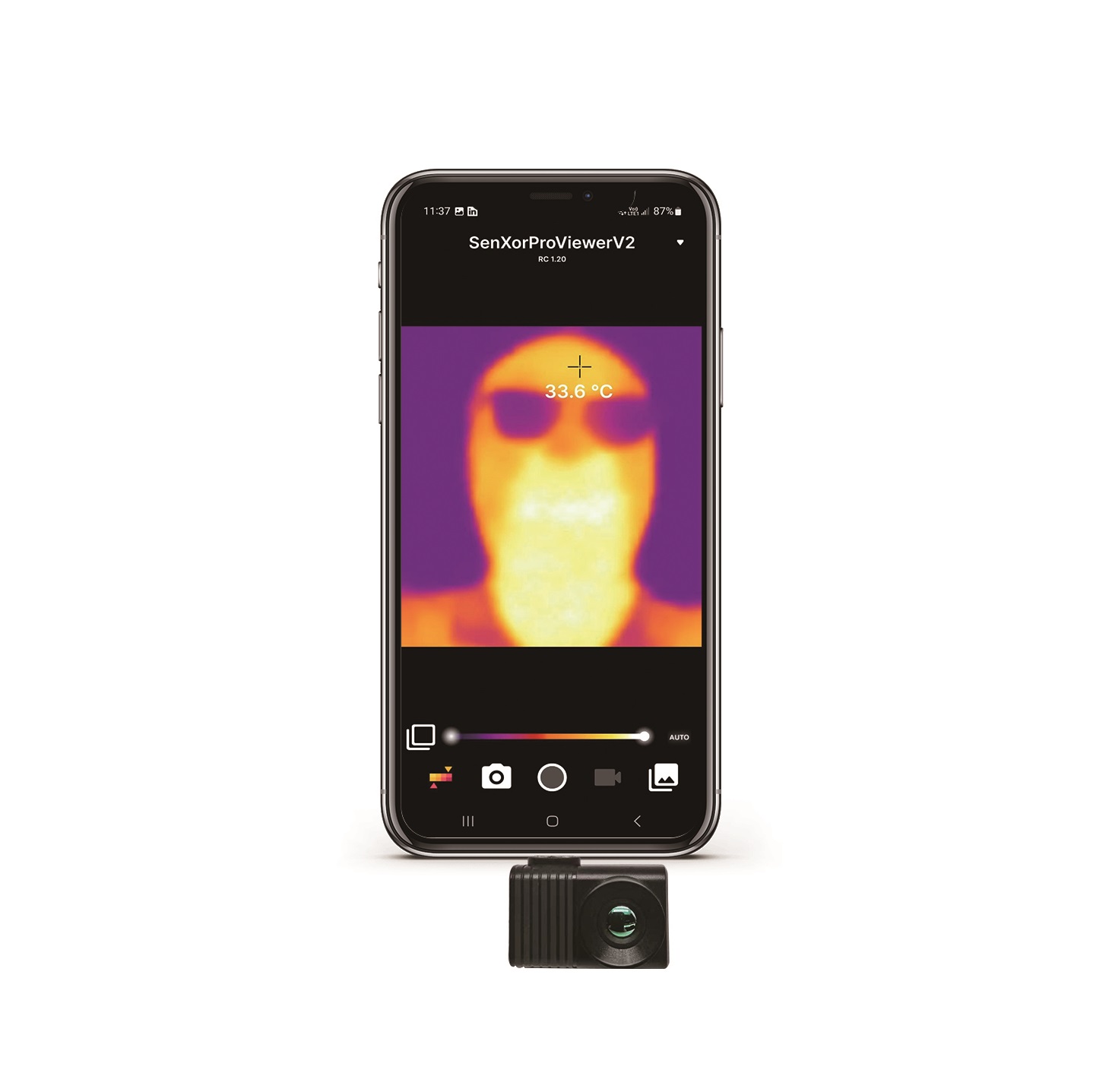
Uncooled LWIR USB Mini 640*512 Thermal Imaging Camera Core Module For Drones Similar To DJI
Engineered specifically for demanding aerial surveillance, search-and-rescue, and long-range industrial thermography, this high-resolution thermal core delivers crisp spatial clarity in an ultra-compact package. Featuring a high-sensitivity VOx microbolometer array with 640×512 resolution (640×480 optional), it produces clear visual detail and sharp edge contrast across harsh field environments.
- ✅ Ultra-Compact 21mm × 21mm Footprint: Built for smooth drop-in integration into weight-critical 3-axis drone gimbals and compact pan-tilt heads.
- ✅ Versatile Optics Selection: Options range from wide 5mm/9mm/13mm prime lenses up to telephoto 35mm, 50mm, 75mm, 100mm, and 150mm optics for long-distance observation.
- ✅ Plug-and-Play USB UVC: Connects directly to embedded Linux carrier boards, single-board computers, and Windows control stations without driver headaches.
- ✅ Solid Field Stability: Maintains consistent image output and wide dynamic range across shifting ambient temperatures.
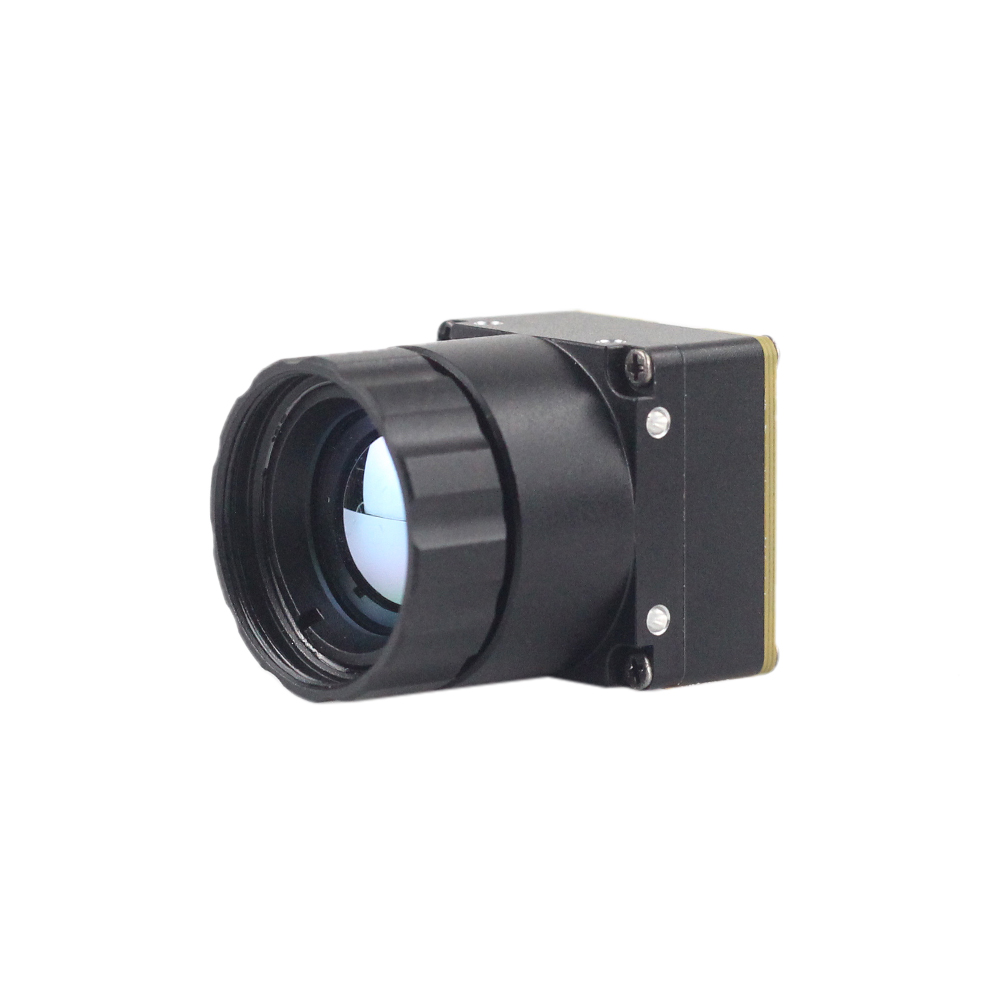
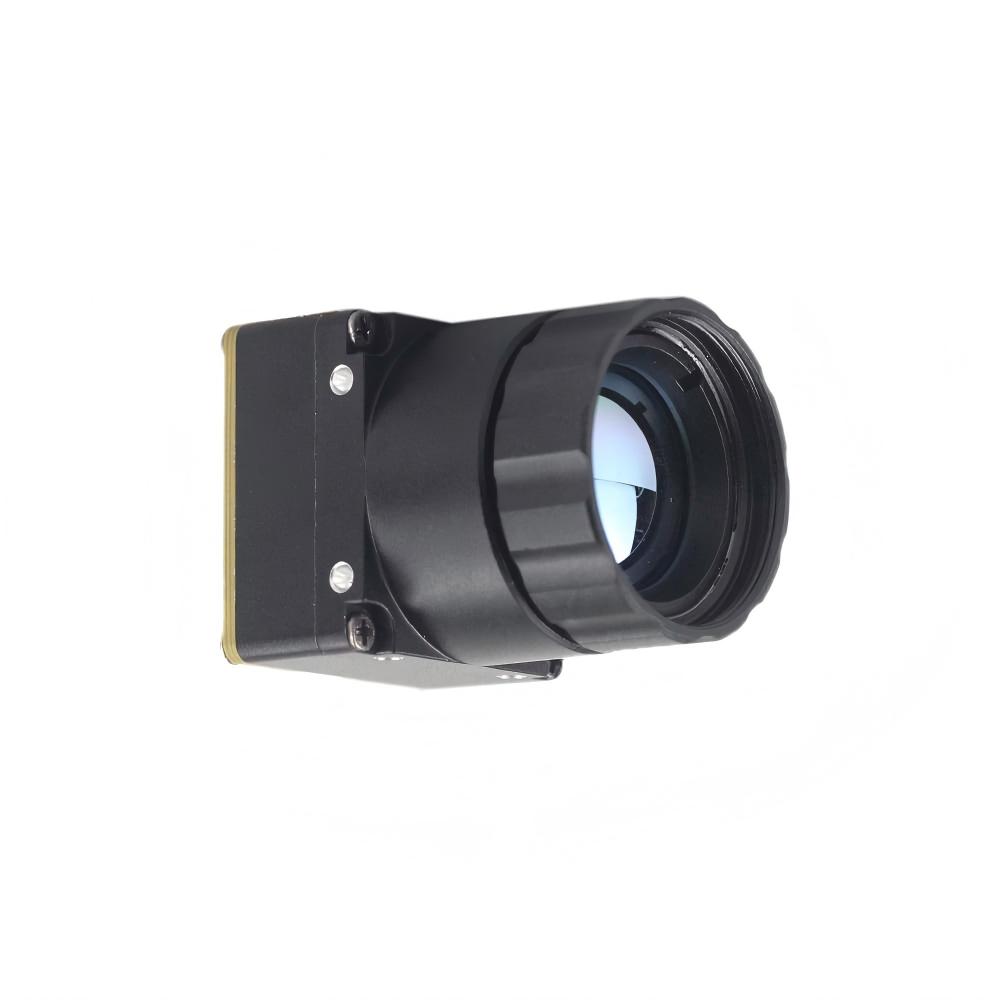
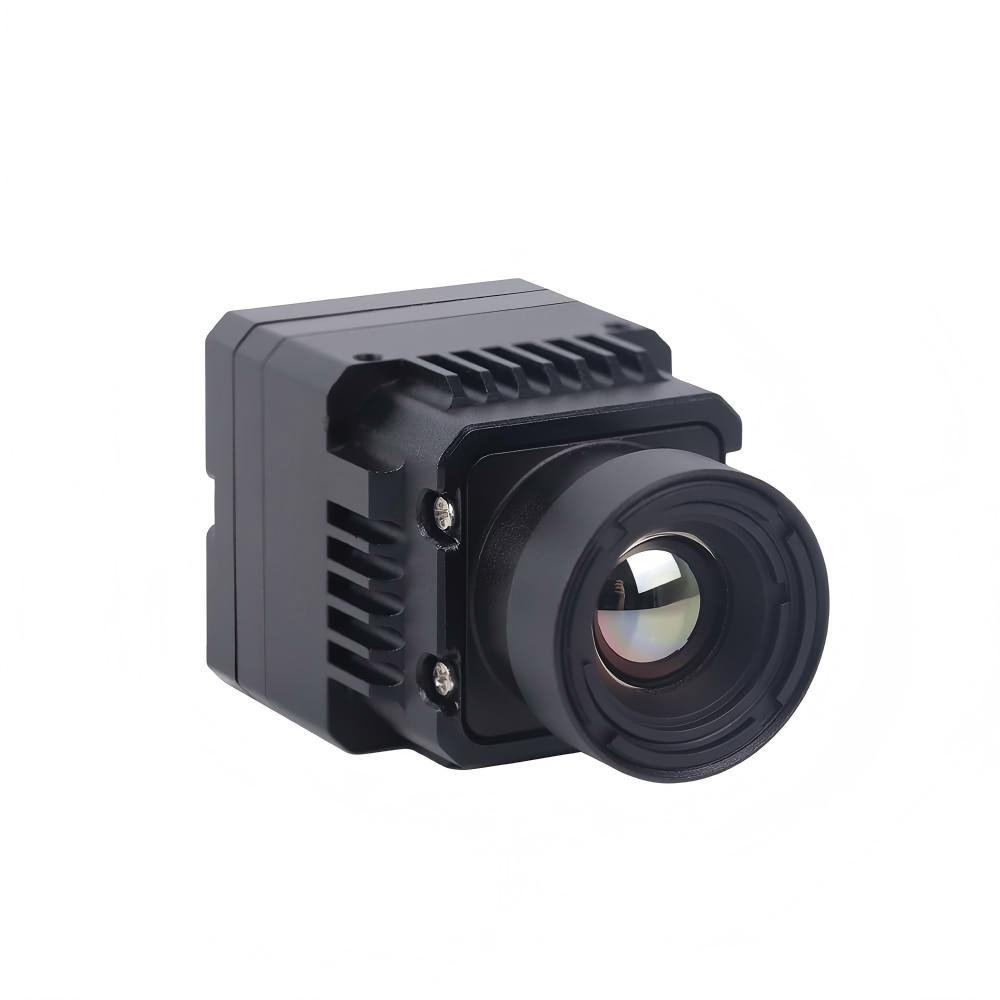
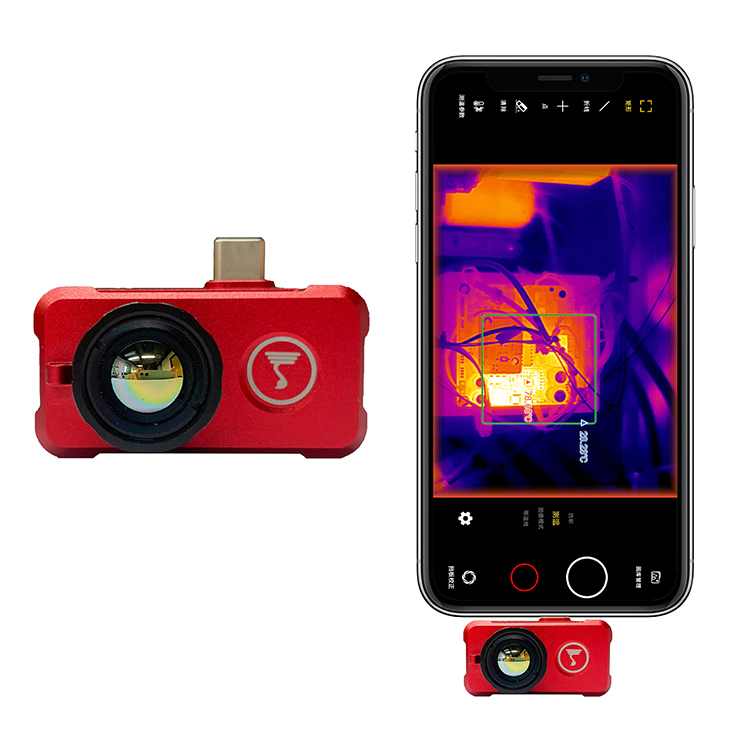
Uncooled LWIR Mini 256*192 Thermal Imaging Camera Module Similar To DJI For Detecting Mines
Designed for specialized subterranean detection, mining safety equipment, handheld inspection tools, and compact mobile robotics, the Mini 256×192 thermal camera module delivers reliable radiometric performance with minimal power draw. Utilizing high-sensitivity VOx infrared detectors, it captures raw thermal radiation to produce clear thermal images and dependable temperature reports.
- ✅ Calibrated Temperature Reporting: Provides full-frame radiometric data for equipment diagnostics and early hazard alerts.
- ✅ Ultra-Lean Power Profile: Low power draw preserves system battery life on mobile battery-powered platforms.
- ✅ Uniform Thermal Imagery: Onboard spatial processing guarantees consistent radiometric readings across changing underground conditions.
- ✅ Industrial Build Quality: Built tough to withstand vibration, high humidity, and dusty industrial work zones.
5. Hardware Selection Decision Matrix for OEM Engineers
Picking the ideal thermal camera core comes down to evaluating operational specs against mechanical and processing tradeoffs. Use this selection matrix to guide your hardware configuration based on deployment requirements:
| Deployment Scenario | Primary Selection Criterion | Recommended Core Specification | Key Architectural Rationale |
|---|---|---|---|
| High-Altitude UAV Telemetry & Long-Range Recon | Maximum Spatial Resolution & Extended Range | 640 × 512 VOx Core with 35mm–150mm Optic | Higher pixel density satisfies Johnson's Criteria (Pixels-On-Target) for long-distance target recognition (>500m). |
| Subterranean Mining & Portable Inspection Tools | Ultra-Low Power Draw & Compact Envelope | 256 × 192 VOx Core with Fixed Prime Optic | Minimizes battery drain and mechanical volume while delivering calibrated radiometric temperature reporting. |
| Real-Time Embedded Vision & Edge AI Rigs | Ultra-Low Interface Latency (<10ms) | MIPI-CSI2 or High-Speed USB UVC Core | Bypasses video conversion chips, feeding raw frames directly to host SoCs (NVIDIA Jetson / RK3588) for tensor processing. |
| Automotive ADAS & All-Weather Safety Rigs | Environmental Ruggedness & Sunlight Immunity | Athermalized LWIR Core with Hermetic Seal | LWIR band eliminates solar blooming and penetrates heavy fog, dust, and darkness to safeguard driving maneuvers. |
6. Frequently Asked Questions (FAQ)
Q1: Can I replace or upgrade an existing thermal imaging core with a higher-resolution module?
In the shop, swapping out a thermal core for a higher-resolution module (say, upgrading from a 256×192 array up to a 640×512 VOx core) is pretty straightforward, provided your carrier board and housing were designed with upgrades in mind.
Mechanically, sticking with standardized 21mm × 21mm core footprints means you can make direct drop-in hardware swaps without re-machining gimbal arms or enclosure mounts. Electrically, double-check that your power rails can supply the slightly higher current required by larger ROICs, and verify that your interface link (USB UVC or MIPI-CSI2) has enough throughput for uncompressed 640×512 frames at 30Hz or 60Hz. Optically, remember that higher-resolution arrays have a larger physical FPA diagonal—make sure your lens image circle fully covers the larger sensor to avoid corner vignetting, and adjust back-focal distance (BFD) during calibration.
Q2: How can I stream real-time high-resolution thermal video to a Raspberry Pi or single-board computer?
Piping live thermal feeds into embedded SBCs—like a Raspberry Pi 4/5, NVIDIA Jetson, or custom ARM carrier—is easiest using USB UVC (USB Video Class) camera modules. UVC devices act as native, driverless video class inputs under standard Linux kernels. Once plugged into a USB port, Linux binds the core to standard V4L2 (Video4Linux2) driver paths, exposing a standard /dev/videoX node.
From there, you can grab 30Hz video straight into OpenCV, GStreamer, or FFmpeg pipelines. If you're building radiometric analytics tools, use a module supporting dual-stream output: grab the 8-bit AGC visual stream for user display, and ingest the parallel 16-bit uncompressed raw data stream over a secondary USB endpoint for direct temperature math.
Q3: What are the key requirements for integrating thermal cores into drones and modular optics?
When you're building thermal payloads into drone gimbals or modular optical assemblies, three things matter most: lean SWaP-C profiles, thermal drift compensation, and mechanical athermalization.
First, trim bare module weight (aim for under 20 grams) to keep motor torque demands down on 3-axis gimbals—this prevents motor heating and extends overall flight time. Second, aerial platforms hit rapid ambient temperature swings. To keep radiometric readings accurate, choose a core with an internal shutter for dynamic Non-Uniformity Correction (NUC) paired with internal thermistors. Third, stick with threaded mechanical lens mounts (like M12 or precision flange rings) made from thermal-expansion-matched metals to lock in exact back-focal distance under high vibration and air speed.
📚 References & Further Reading
- Industry Standard: High-Reliability Board Interconnect Solutions by Molex
- Hardware Sourcing: Custom Enclosure Prototyping & Structural Sub-assemblies by KUYANG
- Product Guide: High-Performance Uncooled Infrared Thermal Imaging LWIR Cameras
- Application Insights: Driving Nighttime Collision Prevention with Vehicle-Mounted Thermal Cameras
- Safety Systems: Thermal Imaging: Safeguarding Automobile Driving Safety