

Thermal Camera Core Module Selection Guide: Edge AI & OEM Integration
2026年8月5日
Commercial Infrared Imager Modules: High-Res AI Thermal Guide for Engineers
2026年8月6日
Choosing the Best Thermal Imager: Industrial AI Modules vs. Budget Tools
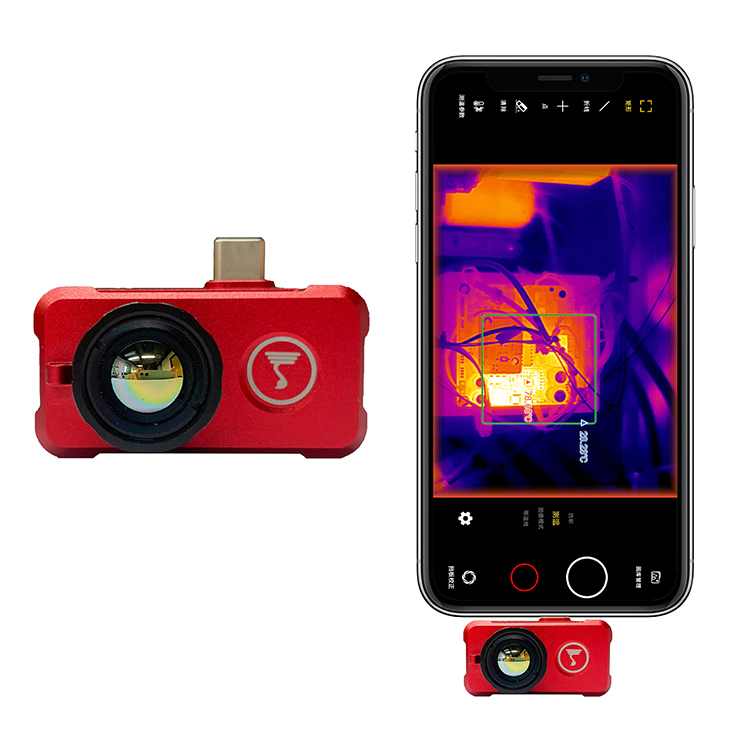
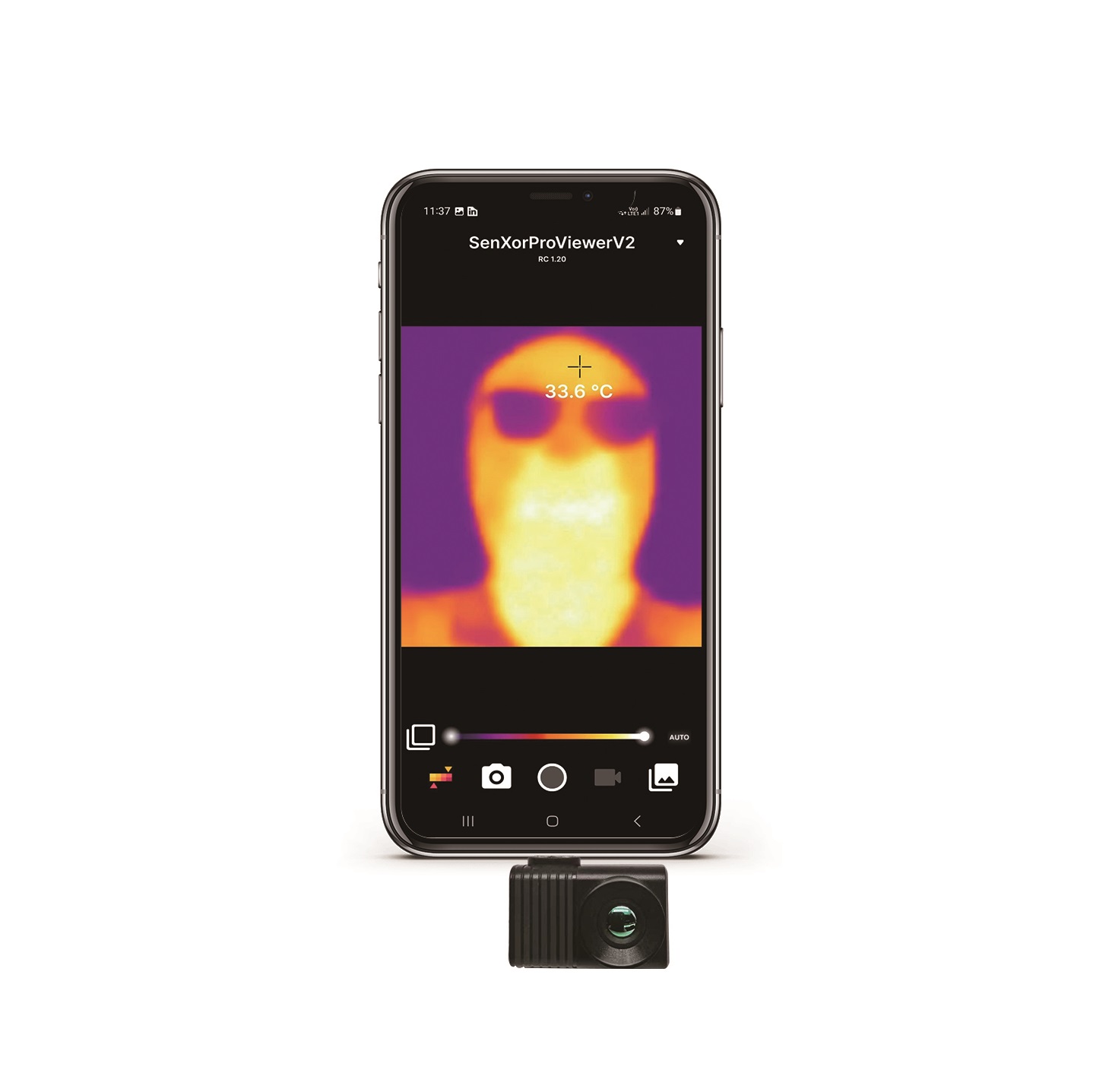
Look, if you're designing hardware for continuous predictive maintenance, robotic integration, drone surveillance, or industrial diagnostics, picking the right thermal imager isn't just another line item on a spec sheet. It's a fundamental system design choice. In the field, systems engineers, OEM integrators, and technical buyers regularly hit a fork in the road: do you try to get away with cheap, off-the-shelf handheld diagnostic tools in the $200 to $400 range, or do you integrate high-performance, OEM-grade thermal camera modules powered by dedicated Application-Specific Integrated Circuit (ASIC) hardware and Edge AI? Here's the deal: while entry-level budget gizmos work just fine for quick residential HVAC checks or spotting a leaky window seal in a home energy audit, they fall flat on their face in demanding industrial setups. Real-world applications demand pixel-by-pixel radiometric accuracy, high native resolution, uncompressed digital output, high frame rates, and rock-solid hardware protocol integration.
The rise of edge-computed thermal intelligence has completely shifted how we approach non-contact infrared thermography. We've moved far beyond passive heat map visualizer tools. Today, it's all about automated, real-time anomaly detection, instant fault isolation, and around-the-clock operational safety monitoring. This guide breaks down the actual hardware engineering behind consumer tools versus industrial-grade OEM thermal cores, focusing on high-resolution 640×512 and 384×288 uncooled microbolometers. We'll dive deep into focal plane array physics, pixel pitch optimization, board-level interfaces (RTSP, IP, CVBS, MIPI), Noise Equivalent Temperature Difference (NETD), and payload integration so your engineering team can choose the right sensor core without learning hard lessons in production.
Table of Contents
- 👉 1. Fundamentals of Thermal Imager Technology & Microbolometer Physics
- 👉 1.1 VOx vs. Amorphous Silicon Microbolometers
- 👉 1.2 Thermal Sensitivity (NETD) and Spatial Resolution
- 👉 2. Industrial AI Sensor Modules vs. Budget Handheld Tools
- 👉 2.1 Edge AI & ASIC Processing Engines
- 👉 2.2 Radiometric Accuracy vs. Qualitative Visualization
- 👉 3. Interfaces, Streaming Protocols, and Drone Integration
- 👉 3.1 Data Streaming: RJ45, IP, RTSP, CVBS, and MIPI
- 👉 3.2 SWaP Optimization for UAV Payloads
- 👉 4. High-Impact Industrial Applications
- 👉 5. Industrial OEM Thermal Camera Module Comparison
- 👉 6. Technical FAQ
1. Fundamentals of Thermal Imager Technology & Microbolometer Physics
At the center of every modern uncooled thermal imager is a specialized Focal Plane Array (FPA) packed with microbolometers. Standard optical vision sensors track visible light photons (roughly 380 nm to 750 nm wavelength). Thermal sensors operate in a completely different domain, capturing Long-Wave Infrared (LWIR) radiation usually spanning 8 µm to 14 µm. Physics tells us through Planck's Law and the Stefan-Boltzmann Law that everything above absolute zero (-273.15°C) radiates energy based directly on its absolute temperature and surface emissivity. For a complete historical and scientific background on infrared thermography fundamentals, check out the Wikipedia Thermal Imaging documentation.
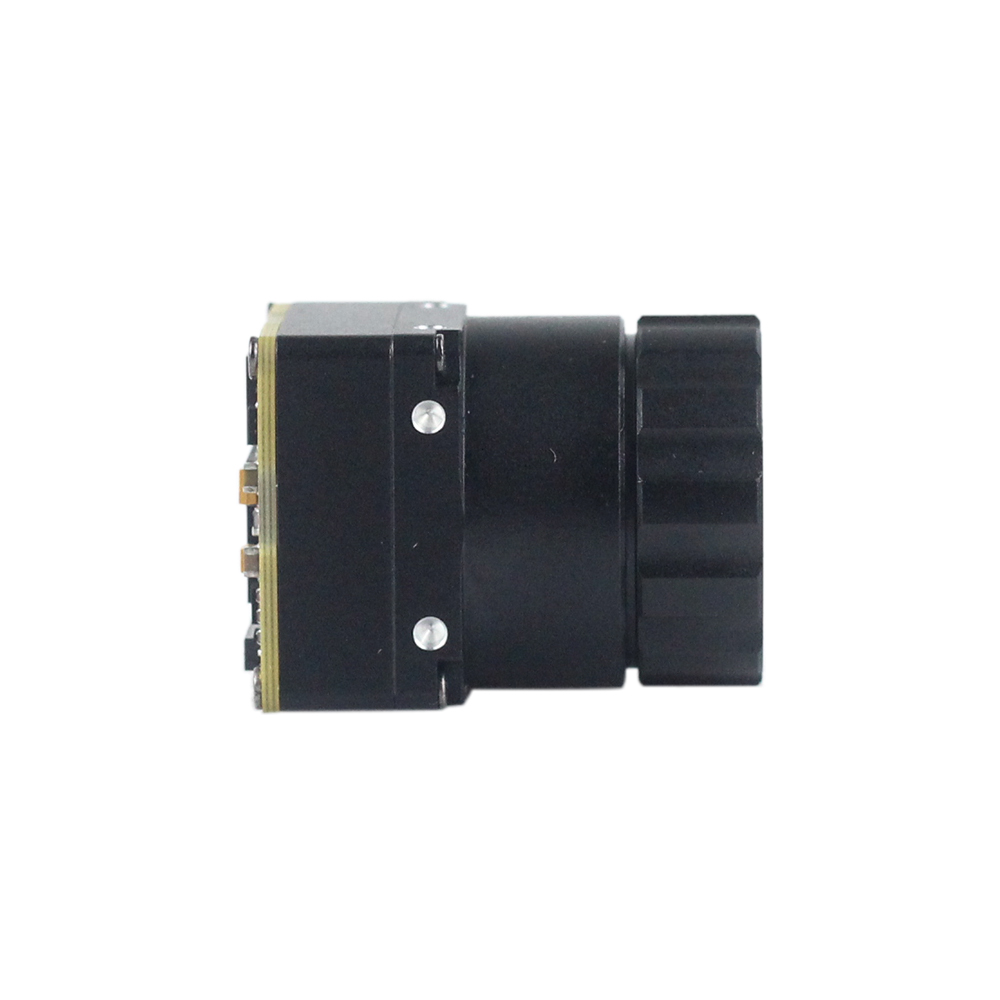
When you look inside an uncooled microbolometer FPA array, every individual pixel is its own microscopic thermal absorber membrane suspended over a silicon substrate by micro-machined legs. When target thermal radiation hits that absorber membrane, the structure warms up and shifts its electrical resistance. An integrated Read-Out Integrated Circuit (ROIC) applies a precise bias voltage or current across each pixel, sampling those resistance changes to build an accurate electronic map of heat across the field of view (FOV). Standard optical glass is opaque to LWIR energy, meaning it acts like a brick wall to thermal signals. That's why these systems require custom Germanium optics, which offer ultra-high transmittance across the 8–14 µm spectrum.
1.1 Vanadium Oxide (VOx) vs. Amorphous Silicon (a-Si) Microbolometers
The thin-film material deposited on the microbolometer membrane dictates almost everything about a thermal core's signal response, Temperature Coefficient of Resistance (TCR), Signal-to-Noise Ratio (SNR), and thermal response time. In the industrial engineering space, two primary materials dominate the market:
- 🔬 Vanadium Oxide (VOx): VOx microbolometers are the gold standard for industrial, defense, and high-precision radiometric operations. VOx delivers a high TCR around -2% to -3% per Kelvin at room temperature, paired with low structural noise characteristics. This sensitivity lets VOx arrays maintain low noise levels even as pixel pitch shrinks down to 12 µm. VOx sensors handle ambient temperature swings without drifting off baseline, giving you reliable radiometric measurements across harsh working environments.
- ⚙️ Amorphous Silicon (a-Si): a-Si detectors are fabricated using standard semiconductor CMOS lines, making them cheap to produce for high-volume commercial tools. The trade-off comes in performance: a-Si exhibits higher inherent structural noise and lower overall thermal stability compared to VOx. You also need larger physical pixel footprints to capture similar thermal signals, making a-Si a tough sell for compact, high-resolution builds.
1.2 Thermal Sensitivity (NETD) and Spatial Resolution
Noise Equivalent Temperature Difference (NETD) is the ultimate metric for measuring a thermal core's raw signal performance. NETD defines the smallest thermal difference a sensor can register above its own noise floor. It's measured in millikelvins (mK):
Where V_n represents the root-mean-square (RMS) system electronic noise voltage, and (dV / dT) is the sensor's temperature responsivity slope. Lower NETD numbers mean better thermal sensitivity, cleaner images, sharper thermal boundaries, and far less visible noise on screen.
Cheap handheld tools routinely run NETD ratings worse than 70 mK to 100 mK at low resolutions like 160×120 or 80×60. Industrial-grade OEM modules deliver NETD ratings ≤30 mK to 40 mK at native resolutions of 384×288 or 640×512 pixels. High pixel density combined with ultra-low NETD means you can pick up micro-anomalies—like a single overheating component on a crowded circuit board or a tiny insulation failure on a steam pipe—from a safe standoff distance.
2. Industrial AI Sensor Modules vs. Budget Handheld Tools
2.1 Edge AI & Dedicated ASIC Processing Engines
Cheap handheld thermal guns are designed for quick visual sanity checks. They use entry-level processing chips that slap a basic false-color heat map onto a low-res screen. To top it off, commercial budget tools are artificially throttled to a sluggish 9 Hz frame rate to clear export controls without export licensing. In practice, 9 Hz introduces severe motion blur, display lag, and image stutter. Try tracking a moving drone target or monitoring a high-speed assembly line with a 9 Hz camera—it just doesn't work.
Industrial OEM thermal modules take a completely different path. They integrate custom Application-Specific Integrated Circuits (ASICs) and Neural Processing Units (NPUs) directly onto the sensor driver board. Operating at proper refresh rates (25 Hz, 30 Hz, or 50 Hz), these ASIC engines handle real-time Image Signal Processor (ISP) pipelines at the edge:
- ⚡ Digital Detail Enhancement (DDE): High-pass spatial filtering algorithms extract high-frequency detail from complex scenes and fuse it into the thermal frame, eliminating soft, blurry edges around thermal boundaries.
- 🛠️ Non-Uniformity Correction (NUC): Algorithmic gain and offset adjustments tune every single pixel across the array, wiping out physical manufacturing non-uniformities and removing fixed-pattern noise caused by ambient temperature swings.
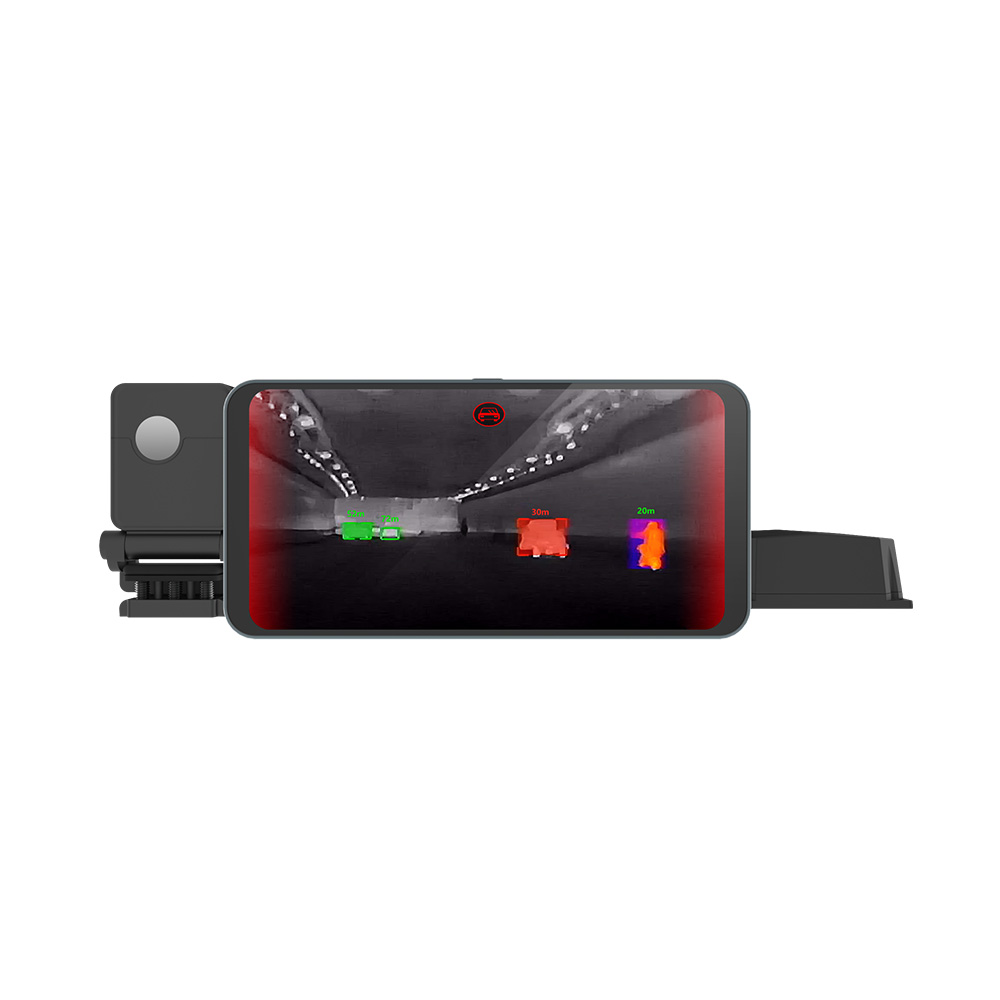
- 🧠 Edge-Based Target Classification: Deep learning inference models run locally on onboard NPUs to instantly spot, classify, and track specific thermal targets—such as human operators, vehicles, or failing bearings—without burdening a central server with raw video processing.
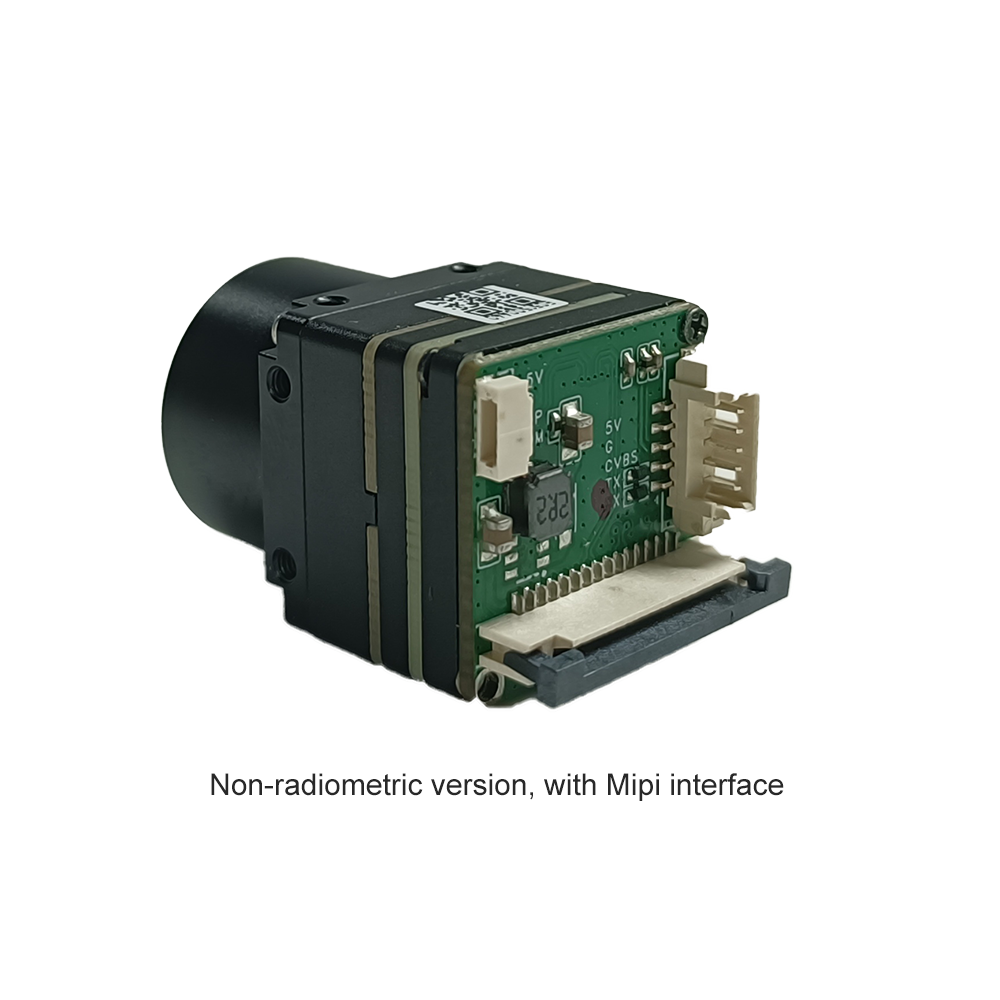
If you're integrating high-bandwidth camera buses capable of piping uncompressed raw radiometric data straight to host processors, take a look at our technical deep dive in the MIPI Thermal Camera Module Guide.
2.2 Radiometric Accuracy vs. Qualitative Visualization
One of the biggest traps in thermal integration is confusing qualitative heat maps with true radiometric measurement. Cheap handheld units use basic auto-scaling that averages dynamic range across the whole scene. If a hot background element enters the frame, your target measurement shifts unexpectedly, throwing calibration out the window.
Industrial radiometric modules go through extensive factory calibration across wide operating bands (typically -20°C to +150°C in high-gain mode, and 0°C to +550°C or higher in low-gain mode). Core advantages include:
- 📊 Pixel-by-Pixel Temperature Mapping: Every pixel in a 640×512 or 384×288 matrix stores absolute caloric data accessible directly via software SDKs.
- 🎯 Dynamic Parameter Tuning: Integrators can program target emissivity (ε), distance, relative humidity, and reflected ambient temperatures via serial or network commands to maintain absolute accuracy in dynamic environments.
- 🚨 Automated Hardware Alarm Triggers: OEM modules feature digital output pins and software interrupts that fire off alarms or toggle GPIO outputs the instant a monitored target crosses a temperature setpoint.
3. Interfaces, Streaming Protocols, and Drone Integration
3.1 Data Streaming: RJ45, IP, RTSP, CVBS, and MIPI
Plugging a thermal imager core into a factory network, robotic rig, or aerial drone gimbal requires direct, low-latency physical interfaces and flexible data protocols:
- 🌐 RJ45 / IP / RTSP: Network-ready thermal modules feature direct Ethernet connectivity. Streaming standard RTSP alongside ONVIF profiles lets you push H.264/H.265 compressed video alongside real-time thermal metadata directly into existing Video Management Systems (VMS) and NVRs.
- 📺 CVBS (Composite Video): Delivers ultra-low-latency, uncompressed analog composite output (NTSC/PAL). Analog CVBS remains a top pick for tactical FPV drone control links where zero digital pipeline latency is non-negotiable.
- 🔌 MIPI CSI-2: Designed for embedded hardware, MIPI CSI-2 provides high-throughput parallel data lanes straight into companion microprocessors (like NVIDIA Jetson, Rockchip, or Raspberry Pi) with negligible latencies.
When ruggedizing physical connections under severe vibration and temperature stress, standard engineering specs like those from Amphenol ensure continuous electrical connection in harsh environments. For motorized optical systems requiring fine remote focus, review our guide on the 25mm Electronic Focusing Thermal Camera Module 640x512.
3.2 SWaP Optimization for UAV Payloads
If you're building drone payloads, your design lives and dies by **SWaP (Size, Weight, and Power)** engineering:
- ⚖️ Weight Reduction: Lightweight camera cores (frequently under 40 to 60 grams) preserve aircraft flight times and keep gimbal motor strain to a minimum.
- 🔋 Low Power Consumption: Efficient ASIC design keeps power draw under 1.2W to 1.5W, reducing heat inside sealed enclosures and saving precious battery reserve.
- 📐 Compact Mechanical Footprint: Micro-sized modules allow engineers to drop thermal imaging capabilities into compact stabilized gimbals without ruining drone aerodynamics.
4. High-Impact Industrial Applications
Industrial thermal imagers provide critical line-of-sight analysis and operational monitoring across automated production, power, and security industries:
💻 Electronics & PCB Thermal Profiling
High-resolution 640×512 thermal cores let bench engineers pinpoint microscopic trace shorts, current leakage, and component thermal stress on dense PCB designs during hardware verification and automated production testing.
☀️ Solar Array Airborne Diagnostics
Flown on autonomous inspection drones, radiometric modules quickly flag cracked cells, failed bypass diodes, and localized hot spots across vast solar farms in a single flight pass.
⚡ Substation & Switchgear Monitoring
Fixed IP thermal camera cores continuously observe high-voltage transformers, switchgear, and busbars, triggering automated warnings long before catastrophic electrical arcs occur.
For international specifications and Arabic technical documentation covering ultra-lightweight drone modules, check out the Mini2 640x512 Thermal Camera Module with 9mm Lens.
5. Industrial OEM Thermal Camera Module Comparison
Here is a detailed breakdown of two production-ready OEM thermal modules, showcasing how sensor architecture, resolution, and digital output options scale across different integration requirements:
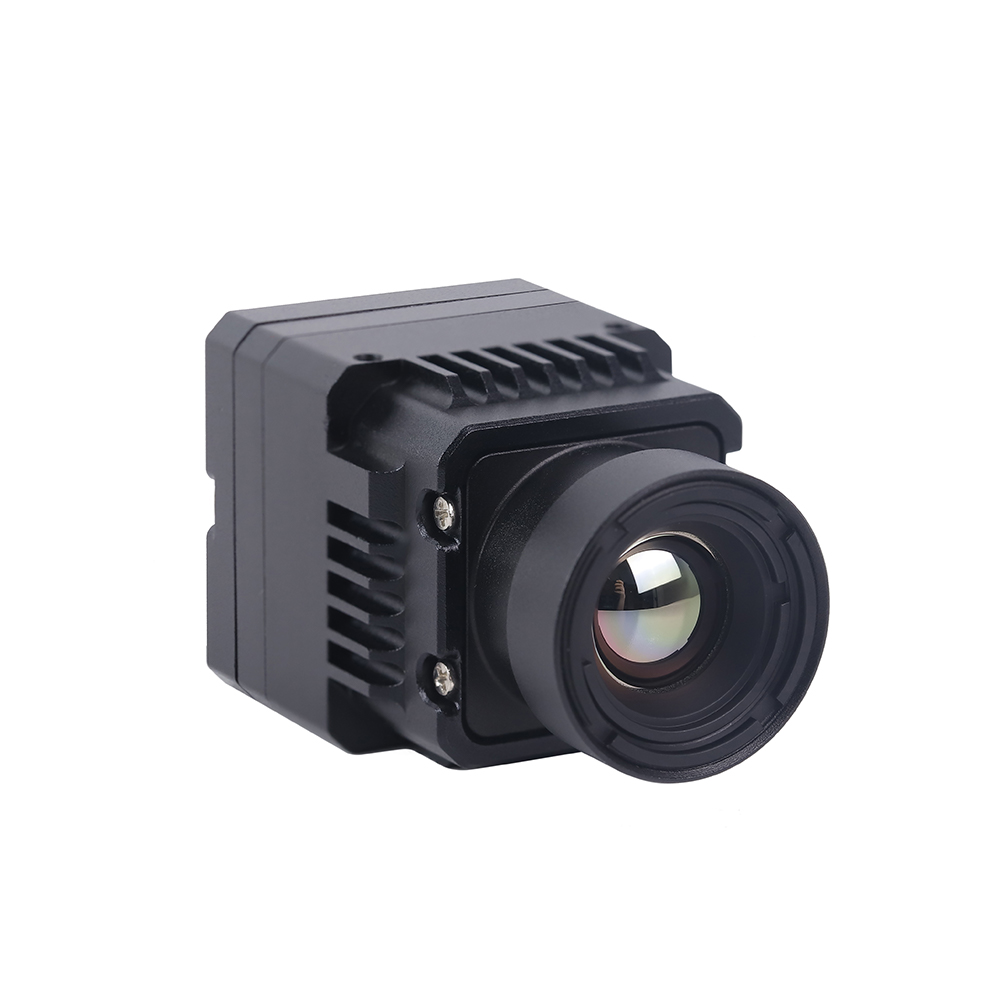
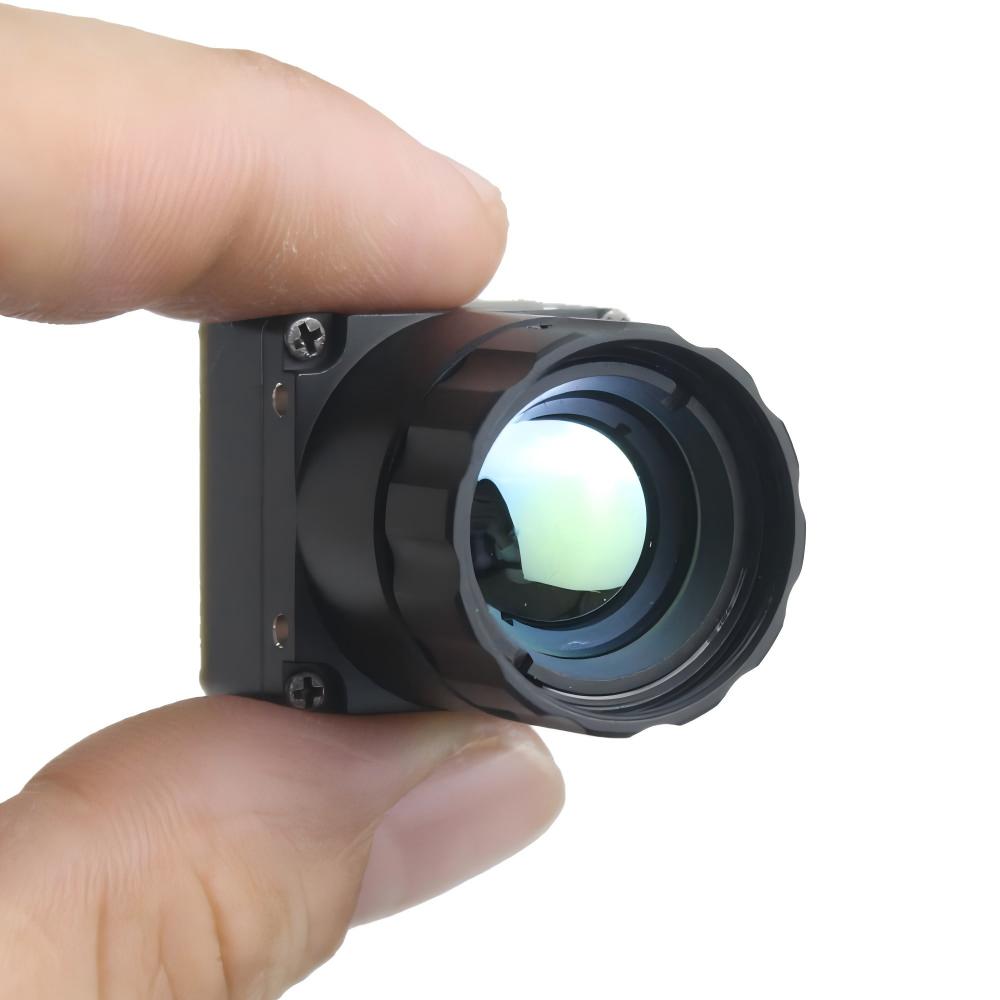
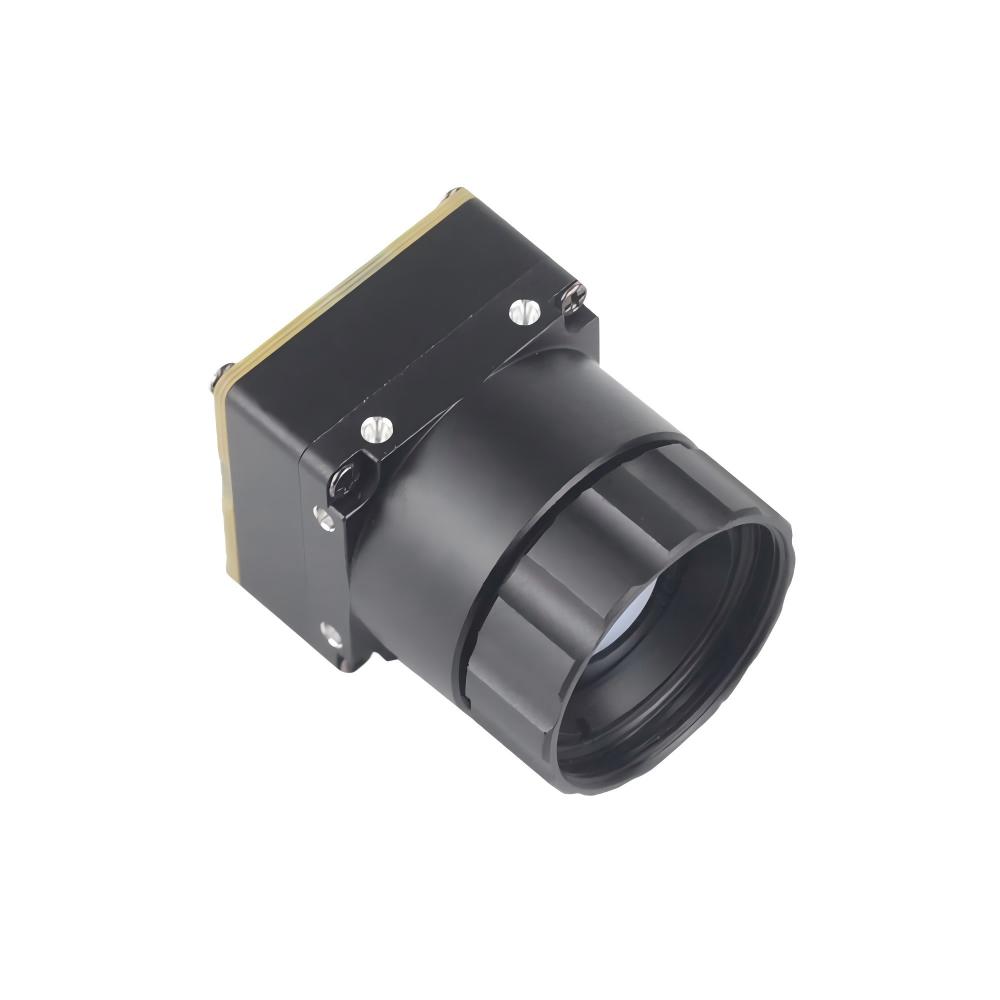
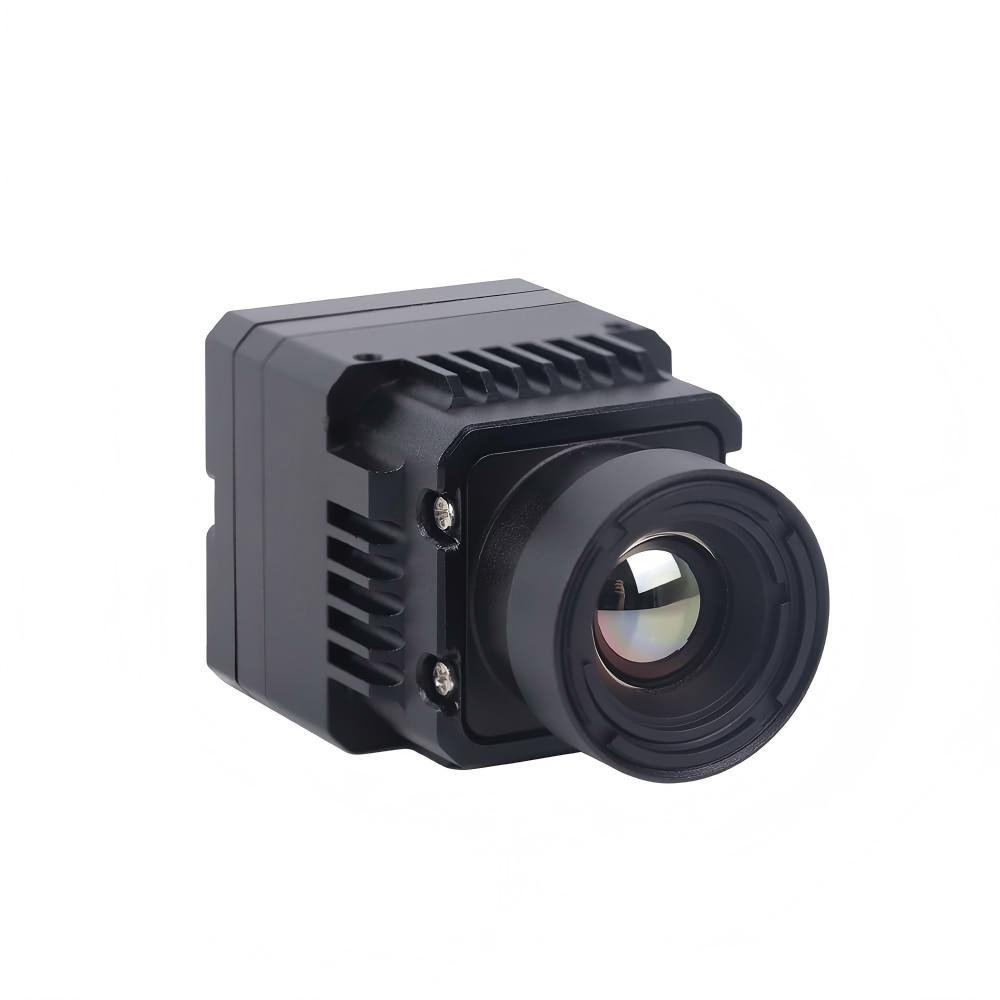
Uncooled Infrared RJ45 CVBS RTSP IP 640*512 Thermal Sensor Camera Module
This industrial-grade thermal imager module couples a high-resolution 640×512 VOx microbolometer with a dedicated ASIC image processing engine. Built for real-world field integration, it handles dual network streaming (IP, RTSP) alongside analog CVBS video output, making it an ideal choice for aerial UAV payloads, fixed security setups, and continuous facility monitoring.
- ⚙️ Resolution: 640 × 512 pixels
- ⚙️ Processing Core: High-performance ASIC Pipeline with integrated DDE & NUC
- ⚙️ Interfaces: RJ45 Ethernet, RTSP/IP, CVBS Analog Composite
- ⚙️ Applications: Airborne drone inspection, long-range thermal monitoring, perimeter security
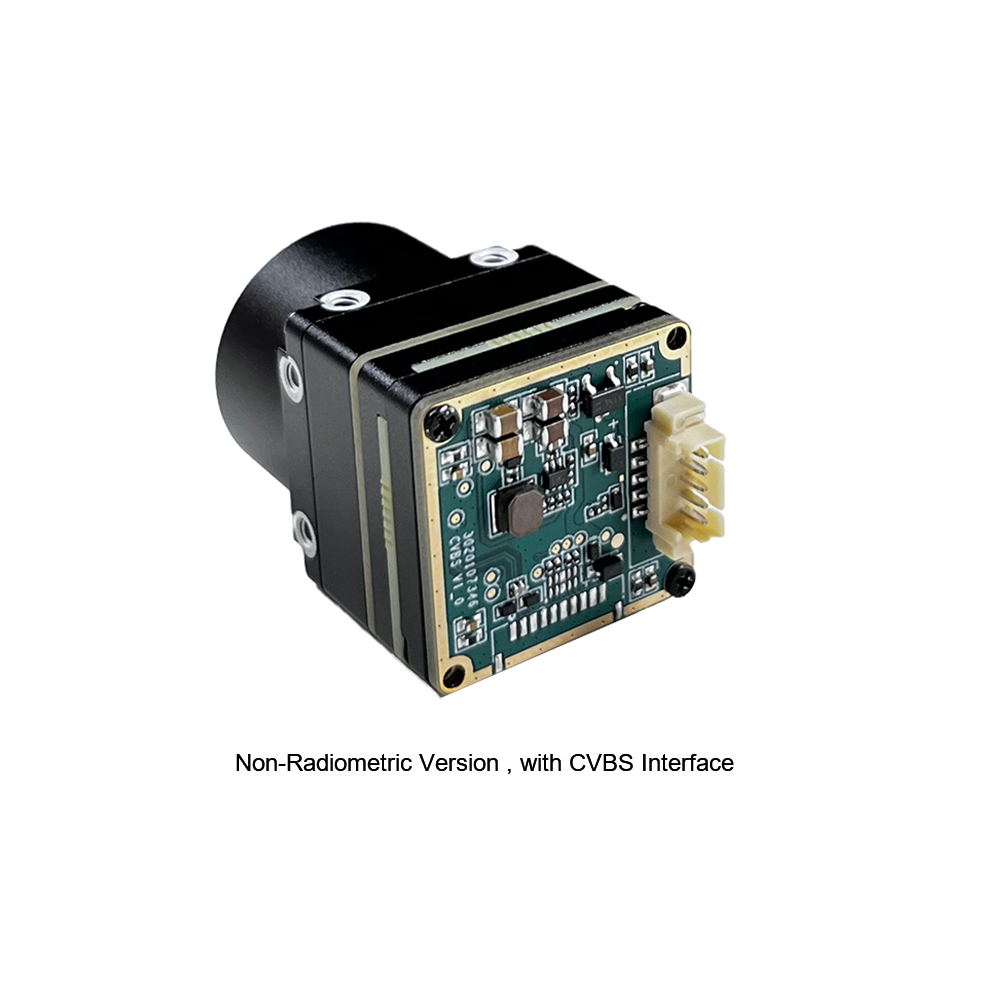
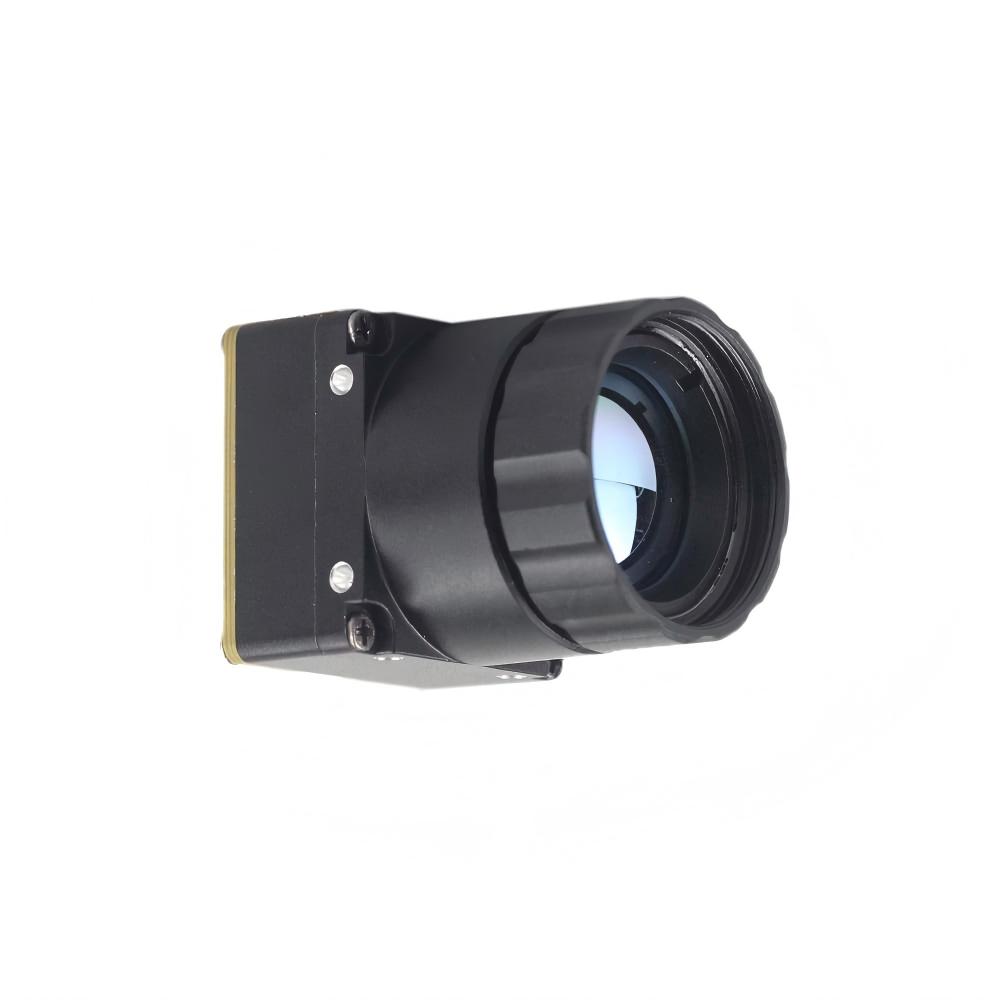
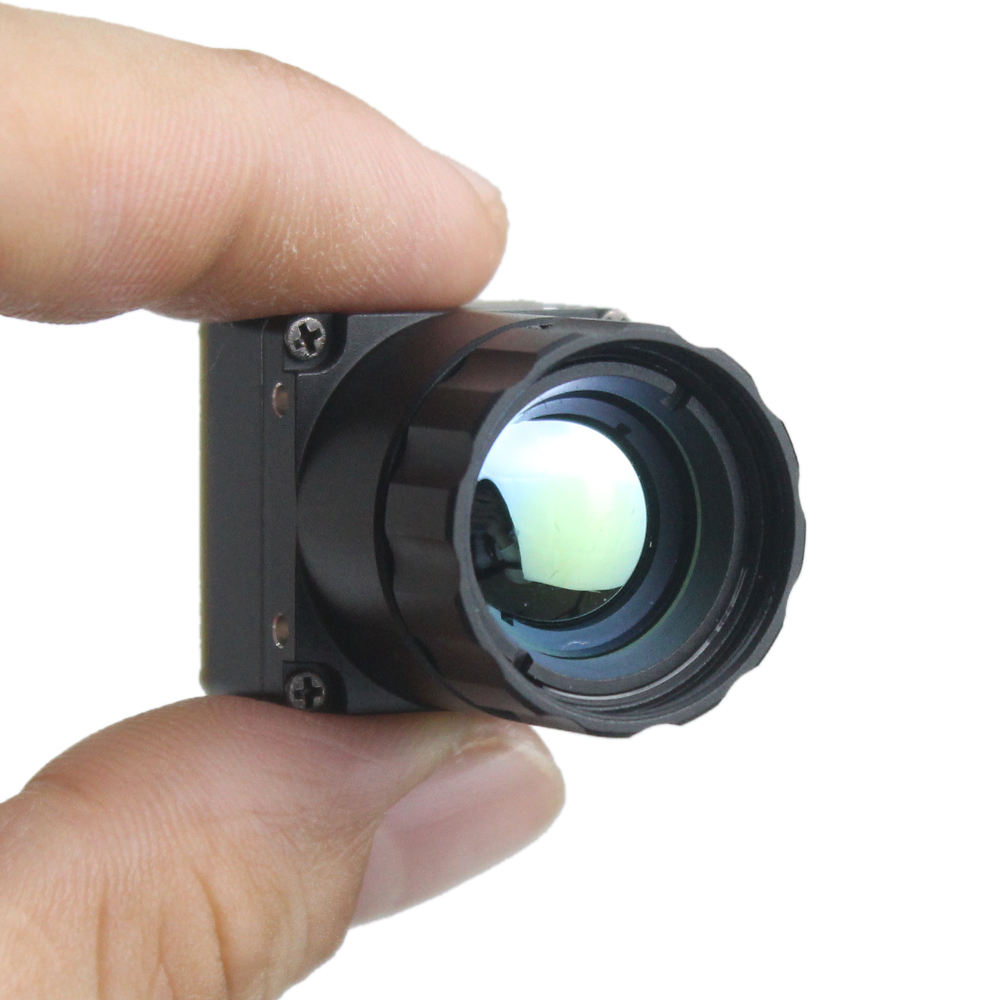
Uncooled Mini 384*288 Thermal Camera Module For Drones
The MINI series uncooled thermal core provides precise radiometric measurement in an ultra-compact body. Built around high-sensitivity VOx detectors, it keeps signal output steady across changing ambient conditions while sipping minimal power. It's a top-tier option for compact drone payloads, machine vision rigs, robotics, and online process control.
- ⚙️ Resolution: 384 × 288 pixels
- ⚙️ Form Factor: Ultra-compact MINI profile optimized for tight UAV gimbals
- ⚙️ Interfaces: Low-latency CVBS analog output & multi-pin expansion header
- ⚙️ Applications: Drone payloads, machine vision, robotics, maintenance rigs
Side-by-Side Specification Matrix
| Specification Metric | 640×512 ASIC Thermal Module | Mini 384×288 Thermal Core |
|---|---|---|
| Detector Matrix | 640 × 512 Uncooled VOx Microbolometer | 384 × 288 Uncooled VOx Microbolometer |
| Spectral Band | 8 µm to 14 µm (LWIR) | 8 µm to 14 µm (LWIR) |
| Processing Pipeline | Dedicated On-Board ASIC Processing Core | Universal MINI Series Signal Engine |
| Interface Options | RJ45, IP Network, RTSP, CVBS Analog | CVBS Analog, Multi-pin Interface Header |
| Thermal Measurement | Full-frame Radiometric Temperature Output | High-precision Online Radiometric Measurement |
| Primary Target Use Case | Airborne Drone Inspection, Fixed IP Surveillance | Compact UAV Payloads, Robotics, Maintenance |
6. Technical FAQ
Q: Are budget handheld thermal imagers in the $200–$400 range suitable for professional industrial integration?
Short answer: No. Low-cost handheld tools in that price range are fine if a field tech needs to find an air leak under a door or check a home electrical panel. But for serious engineering integration, they aren't going to cut it. Budget handhelds run small, low-resolution microbolometers, typically topping out at 80×60 or 160×120 pixels. When you're inspecting dense PCB trace layouts, utility lines, or high-speed machinery, those low-res sensors suffer from severe spatial averaging. A dangerous micro-hotspot gets blurred together with surrounding cooler metal, hiding critical faults from view.
On top of that, budget units are restricted to 9 Hz refresh rates to get around export license requirements. Try using a 9 Hz video feed for automated quality control, drone navigation, or robotics—the visual lag makes real-time tracking impossible. They also lack active thermal drift compensation, so ambient temperature shifts will pull your temperature readings off baseline. If you're building systems that need real pixel-by-pixel radiometric data, high frame rates (25Hz/30Hz/50Hz), and direct SDK integration, industrial OEM modules are the way to go.
Q: What critical parameters should engineers prioritize when selecting an OEM thermal imager core for drone payloads?
When you're spec'ing out a thermal module for aerial drones, look closely at four key metrics. First, resolution and pixel pitch drive your spatial resolution and working standoff distance. A 640×512 array with a 12 µm pixel pitch lets your drone fly at higher altitudes while retaining sharp thermal detail, letting you inspect more acreage per battery pack with a smaller lens.
Second, prioritize Thermal Sensitivity (NETD). An OEM core with NETD ≤30mK to 40mK picks up tiny thermal differences across solar panels or turbine blades even in low contrast environments. Third, pick the right output protocol for your avionics: raw CVBS analog gives pilots zero-latency FPV video, while RTSP/IP or MIPI CSI-2 routes digital video straight to onboard compute units. Finally, watch your SWaP budget—keep the core mass under 50 grams and power consumption under 1.5W so you don't drain aircraft batteries or overload gimbal motors.
Q: Why is Vanadium Oxide (VOx) preferred over Amorphous Silicon (a-Si) in industrial microbolometers?
In the shop, VOx microbolometers are widely recognized as the superior thin-film material for professional thermal imaging. VOx delivers a higher Temperature Coefficient of Resistance (TCR)—typically around -2% to -3% per Kelvin. That means for every degree of temperature shift, VOx produces a stronger change in electrical resistance. You get a much cleaner signal-to-noise ratio and far better thermal sensitivity (NETD) than you'd get from Amorphous Silicon (a-Si) sensors.
VOx thin films also produce lower 1/f structural noise, keeping image output crisp even on small 12 µm pixel arrays. They hold their baseline calibration far better when the ambient air temperature swings around during field operations. While a-Si sensors are cheaper to make on standard chip manufacturing lines, their higher structural noise and slower thermal response times make VOx the clear choice for high-reliability industrial, defense, and radiometric builds.
Q: What is the operational difference between qualitative thermal imaging and radiometric temperature measurement?
Qualitative thermal imaging is just visual relative mapping. A cheap handheld thermal camera or basic inspection tool takes the hottest and coldest spots in a scene and scales a false-color palette between them. It shows you hot areas in bright yellow/red and cold areas in dark blue, but it won't give you dependable, calibrated temperature values for individual pixels. If a hot exhaust pipe comes into the camera frame, the whole display auto-scales and shifts all your visual colors around.
Radiometric thermal imagers are fully calibrated across controlled temperature ranges during factory production. Every single pixel in a 640×512 radiometric matrix outputs real temperature data you can pull via software SDKs. Radiometric systems also let you set ambient environmental variables—like target emissivity (ε), distance, humidity, and background reflections—to ensure accurate temperature readings regardless of field conditions. That makes radiometric modules essential for factory automation, electrical grid checks, and predictive equipment maintenance.
📚 References & Further Reading
- 🔗 Industry Standard Interconnects: Amphenol Advanced Interconnect Solutions
- 📖 Scientific Fundamentals: Wikipedia Infrared Thermography Overview
- 📑 Deep-Dive Technical Guide: MIPI Thermal Camera Module High-Resolution Guide
- ⚙️ Motorized Optical Systems: 25mm Electronic Focusing Uncooled Thermal Camera Module
- 🌐 Arabic Documentation: Mini2 640x512 Thermal Camera Module Specifications