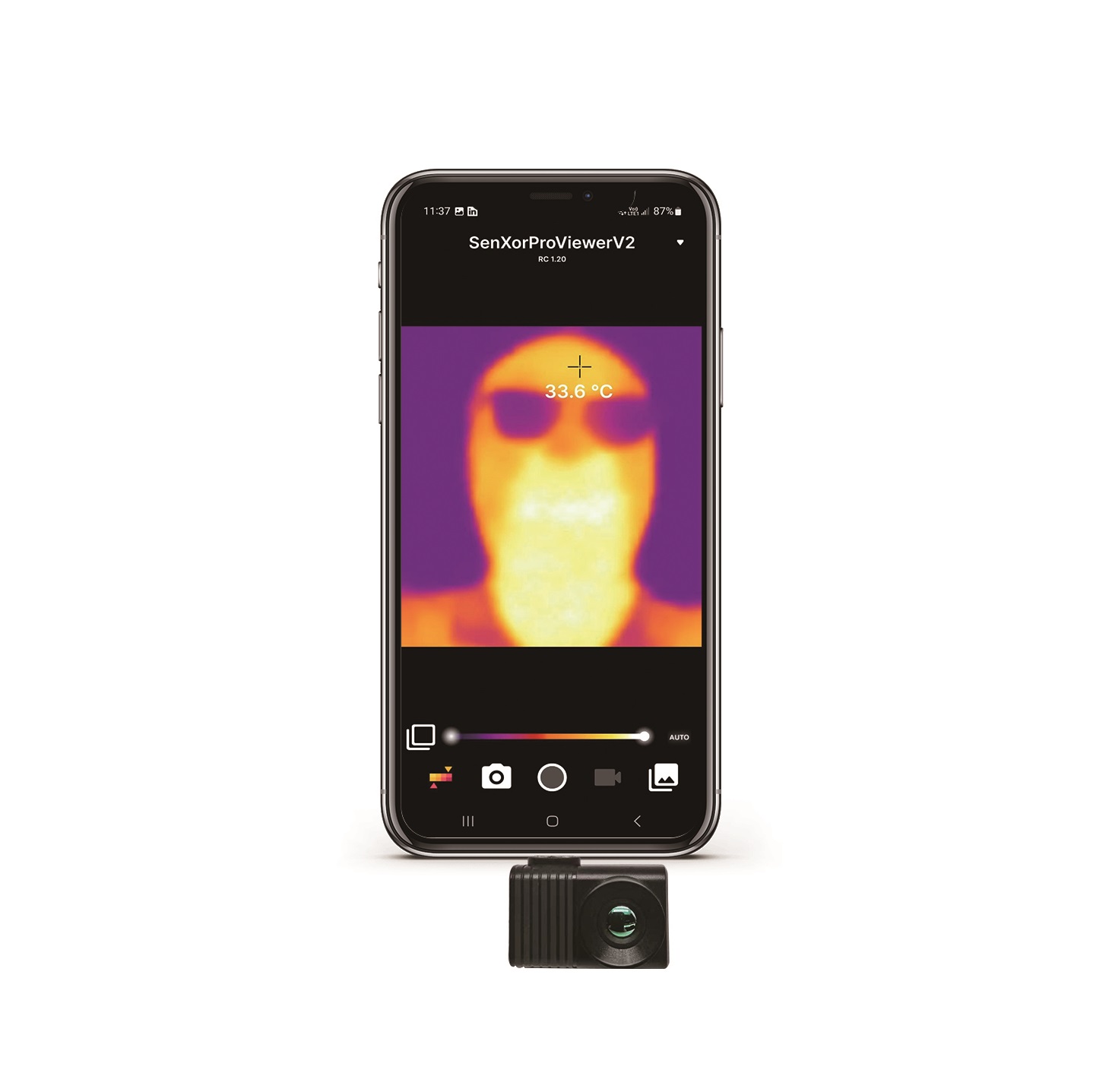

وحدة الكاميرا الحرارية الصغيرة LWIR: دليل التكامل النهائي للطائرات بدون طيار وحلول الذكاء الاصطناعي الطرفي
10 يونيو 2026
أفضل وحدة كاميرا حرارية لـ Raspberry Pi لبث عالي الدقة بتقنية Edge AI ولينكس
11 يونيو 2026
أفضل دليل لوحدة الكاميرا الحرارية الدقيقة: تكامل عالي الدقة للطائرات بدون طيار وراسبيري باي والذكاء الاصطناعي الطرفي
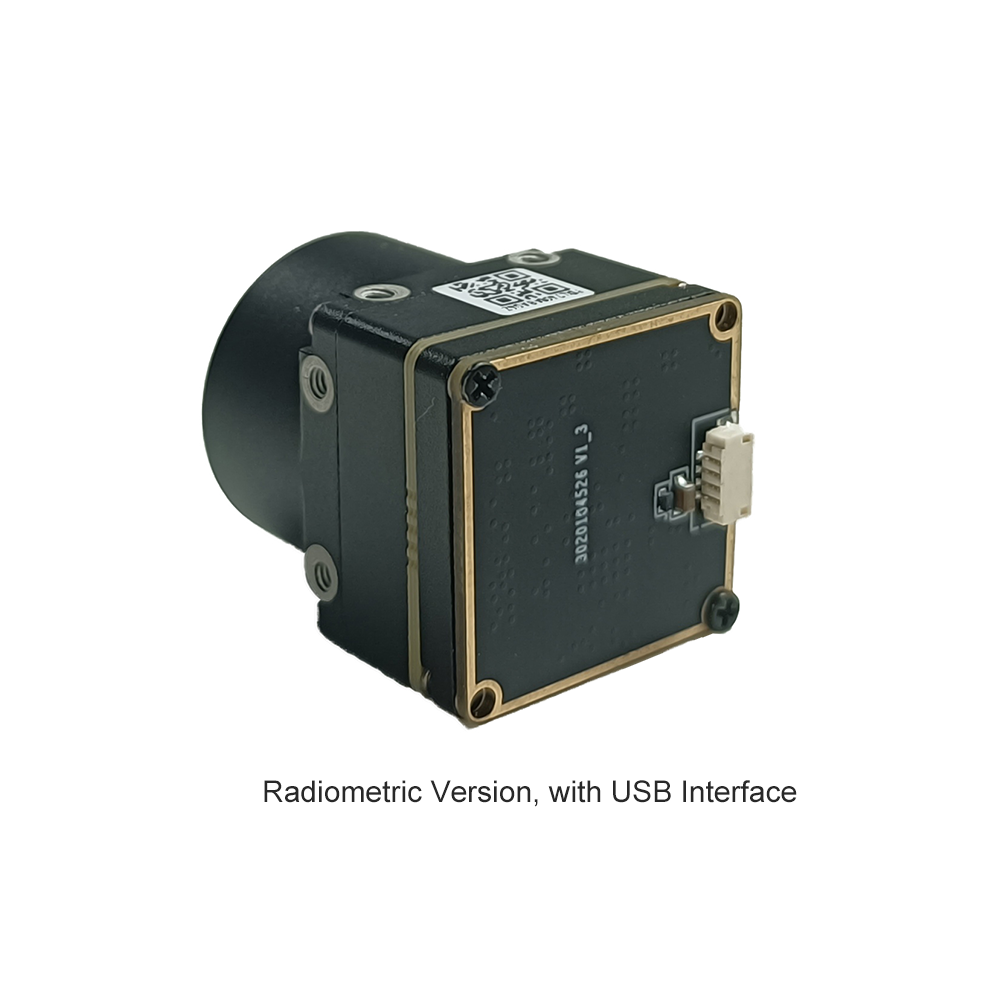
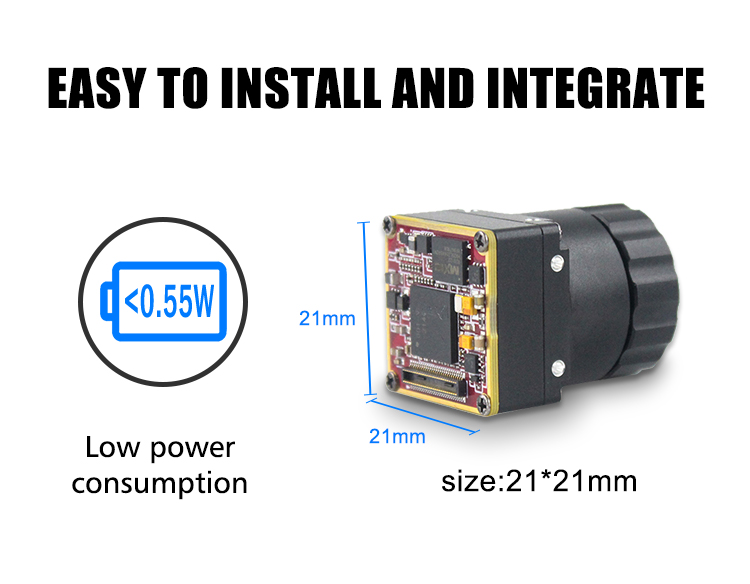
في عالم الأتمتة الصناعية والمراقبة الجوية والحوسبة الطرفية، لم يعد التصوير الحراري رفاهية. لقد انتقل رسميًا من كونه أداة متخصصة عالية التكلفة إلى ضرورة مطلقة للأنظمة المدمجة الحديثة. وفي قلب هذا التحول تكمن وحدة الكاميرا الحرارية الدقيقة. من خلال تقليص مستشعرات الأشعة تحت الحمراء طويلة الموجة (LWIR) غير المبردة إلى أحجام مصغرة - غالبًا ما تبلغ 21 مم × 21 مم فقط - يمكن لمطوري الأجهزة الآن تشغيل أنظمة رؤية حرارية عالية الدقة في بيئات حساسة للوزن ومقيدة بالطاقة. تتخلص هذه الوحدات من الحجم المادي الكبير للكاميرات الحرارية القديمة مع تقديم حساسية حرارية أقل من 40 مللي كلفن أو 50 مللي كلفن NETD بدقة مكانية تصل إلى 640×512 بكسل.
إليك الخلاصة: إذا كنت فريقًا تقنيًا يبني مركبات جوية غير مأهولة (UAVs) أو أجهزة حوسبة طرفية متينة أو تشخيصات طبية متخصصة، فإن اختيار ودمج نواة حرارية دقيقة هو لعبة موازنة لـ SWaP-C (الحجم والوزن والطاقة والتكلفة). صُمم هذا الدليل ليكون بمثابة مخططك الهندسي العملي. سننظر إلى ما وراء أوراق التسويق ونتعمق في ميكانيكا المستشعر الفعلية وخيارات الواجهات مثل USB و CVBS و RJ45 RTSP ومسارات التكامل للحواسيب أحادية اللوحة مثل راسبيري باي أو NVIDIA Jetson ونقارن بين وحدات ASIC غير المبردة المتطورة المُحسَّنة لمنصات الذكاء الاصطناعي والطائرات بدون طيار الحديثة.
جدول المحتويات
- 👉 الأسس التقنية لوحدات الكاميرا الحرارية الدقيقة
- 👉 تكامل حمولة الطائرات بدون طيار: التصميم لميزانيات SWaP-C الصارمة
- 👉 واجهات SBC والذكاء الاصطناعي الطرفي: من الأجهزة إلى معالجة SDK
- 👉 تحليل عميق للمنتج: وحدات سلسلة Mini 640
- 👉 الاختيار البصري الميكانيكي واستراتيجيات دمج المستشعرات المتعددة
- 👉 الأسئلة التقنية الشائعة المتعمقة (استكشاف أخطاء التكامل وإصلاحها)
الأسس التقنية لوحدات الكاميرا الحرارية الدقيقة
لدمج نظام حراري دقيق بنجاح، تحتاج إلى النظر إلى ما وراء أرقام الدقة البسيطة وفهم الفيزياء الأساسية لاستشعار الأشعة تحت الحمراء طويلة الموجة (LWIR) غير المبردة. يبدأ خط أنابيب التقاط الإشارة عندما يمر ضوء الأشعة تحت الحمراء الساقط عبر العدسات البصرية ويصطدم بركيزة المستشعر ويخضع لتكييف الإشارة قبل الخروج كتدفق رقمي.
إليك كيفية تحرك الإشارة عبر الأجهزة:
- ⚙️ التركيز البصري: يمر الإشعاع الحراري المحيط (الذي يغطي طيف 8 إلى 14 ميكرومتر) عبر عدسة جرمانيوم متخصصة. الجرمانيوم عالي النفاذية لضوء الأشعة تحت الحمراء، على عكس الزجاج البصري الذي يعمل كجدار صلب لـ LWIR.
- ⚙️ امتصاص الأشعة تحت الحمراء: يُمتص هذا الضوء الحراري المركز بواسطة مصفوفة الميكروبولومتر غير المبردة من أكسيد الفاناديوم (VOx).
- ⚙️ تغير المقاومة: تغير درجة الحرارة المقاومة الكهربائية لبكسلات الميكروبولومتر.
- ⚙️ معالجة إشارة ROIC: تقيس دائرة القراءة المتكاملة (ROIC) هذه التغيرات الكهربائية الصغيرة وتضخمها.
- ⚙️ التنظيف الرقمي: تُمرر القيم الخام إلى دائرة متكاملة محددة التطبيق (ASIC) حيث يتم تطبيق تصحيحات عدم الانتظام (NUC) وتصفية البكسلات الميتة.
- ⚙️ بث الواجهة: يُخرج الفيديو الحراري المصحح ومنخفض الضوضاء عبر واجهات رقمية أو تناظرية.
ميكروبولومترات VOx والاستجابة الطيفية (8–14 ميكرومتر)
على عكس الأنظمة الحرارية المبرّدة التي تتطلب مبردات تبريد عميق ثقيلة ومستهلكة للطاقة، تعتمد وحدات الكاميرا الحرارية الدقيقة الحديثة على مقياس ميكروبولومتر غير مبرّد من أكسيد الفاناديوم (VOx). تتميز مواد VOx بمعامل مقاومة حراري (TCR) مرتفع بشكل استثنائي. بعبارات بسيطة، تتغير مقاومتها الكهربائية بشكل كبير ومتوقع عند تعرضها للأشعة تحت الحمراء.
تم تصميم مصفوفة المستشعر لامتصاص الإشعاع الكهرومغناطيسي في النافذة الطيفية من 8 إلى 14 ميكرون (μm). يتوافق هذا النطاق مع نافذة النقل الجوي حيث تصدر الأجسام الأرضية معظم طاقتها الحرارية (عادةً من -20 درجة مئوية إلى +150 درجة مئوية وأعلى). العمل ضمن هذا النطاق يعني أنه يمكنك التقاط بصمات حرارية نظيفة دون الاعتماد على ضوء الشمس المحيط أو مضيئات الأشعة تحت الحمراء النشطة.
عندما تصطدم فوتونات الأشعة تحت الحمراء بالهيكل الجسري الدقيق المُصنّع آلياً لبكسل فردي، يسخن الجسر بالنسبة للركيزة الأساسية. يتم تحقيق هذا العزل الحراري باستخدام أذرع دعم من نيتريد السيليكون معلقة فوق دائرة قراءة السيليكون. يتم قياس تغير المقاومة لجسر VOx المعلق هذا إطاراً تلو الآخر بواسطة ROIC الموصولة أسفل هيكل الميكروبولومتر. تقوم ROIC بتحويل تباين المقاومة التناظرية الفيزيائية إلى وحدات رقمية خام (تُعرف بالعدادات الرقمية أو ADUs) والتي تمثل اتجاهات درجة الحرارة الموضعية.
تطور تباعد البكسل: تقنية 17μm مقابل 12μm
تباعد البكسل - المسافة من المركز إلى المركز بين بكسلات الكاشف المتجاورة على مصفوفة المستوى البؤري - يحدد بشكل مباشر كفاءة حجم الكاميرا إلى دقتها. في التخطيط الفيزيائي لنظامك، الانتقال من معيار 17μm التاريخي إلى تقنية 12μm الحديثة له فوائد تصميمية رئيسية لاحقة:
- ✅ مساحة محسّنة (SWaP-C): تقليص تباعد البكسل إلى 12μm يقلل الحجم الفيزيائي لشريحة المستشعر. تسمح هذه المساحة الأصغر بعلب مدمجة للغاية، مما يجعل أنظمة الدقة 640×512 ممكنة على منصات مصغرة.
- ✅ ميكانيكا بصرية أخف وزناً: لأن شريحة المستشعر أصغر، يمكنك استخدام عدسات بأطوال بؤرية أقصر لتحقيق نفس مجال الرؤية المستهدف (FOV). يساعد هذا في تقليل حجم ووزن وتكلفة البصريات الجرمانيوم اللاحقة.
- ✅ حساسية حرارية محفوظة: بينما تجمع أسطح البكسل الأصغر فوتونات أقل، يسمح الترسيب المتقدم للأغشية الرقيقة من VOx ودوائر ROIC منخفضة الضوضاء للغاية لهذه المستشعرات 12μm بالحفاظ على فرق درجة حرارة مكافئ للضوضاء مكافئ أو متفوق (عادةً NETD ≤ 40mK أو 50mK)، مما يحافظ على تباينات الصورة حادة.
تحسين الصورة: تصحيح عدم الانتظام (NUC) ومعالجة الصور
نظراً لأن الميكروبولومترات حساسة للغاية للانجراف الحراري من غلافها ودوائرها الخاصة، فإن خرج الفيديو الحراري الخام يكون عرضة بشكل طبيعي للضوضاء والأنماط المكانية. لإنتاج صورة حرارية نظيفة وعالية التباين، يقوم محرك المعالجة الداخلي للنواة الدقيقة بتشغيل خطوط أنابيب معالجة الإشارات الرقمية المباشرة (DSP):
أثناء تصحيح عدم الانتظام (NUC)، يقوم قلب التصوير الحراري المصغر بإغلاق مصراع ميكانيكي داخلي فعلي بشكل دوري (أو يستخدم التنميط التنبؤي الخوارزمي بدون مصراع) لقياس منطقة درجة حرارة موحدة. ثم يحسب مصفوفات تصحيح الإزاحة لموازنة خرج جميع بكسلات المصفوفة، لتعويض التباين المكاني. بعد ذلك، تحدد إجراءات استبدال البكسل السيئ (BPR) البكسلات الميتة أو غير المستجيبة في الوقت الفعلي وتستكمل قيمها من البكسلات الوظيفية المجاورة. أخيرًا، تطبق خوارزميات تقليل الضوضاء ثلاثية الأبعاد (3DNR) وتحسين التباين مرشحات زمنية ومكانية لتنعيم الضوضاء البيضاء العشوائية، بينما يقوم ضغط النطاق الديناميكي التكيفي (DRC) بترجمة البيانات الحرارية الخام 14-بت إلى تدفقات بصرية نظيفة 8-بت محسّنة التباين (مثل لوحات الأبيض الساخن، أو الأسود الساخن، أو الألوان الزائفة).
تكامل حمولة الطائرات بدون طيار: التصميم لميزانيات SWaP-C الصارمة
يتطلب دمج مستشعر حراري على مركبة جوية غير مأهولة (UAV) - خاصة الأنظمة المدمجة التي يقل وزنها عن 250 جرامًا - التزامًا صارمًا بتحسين المساحة والوزن والطاقة والتكلفة (SWaP-C). تؤثر خيارات تصميم العتاد بشكل مباشر على التوازن الفيزيائي، والتثبيت، وجودة التصوير.
يتطلب توصيل الطاقة خطوط تيار مستمر نظيفة منخفضة الضوضاء. عادةً، يوجه ناقل الطاقة الرئيسي للطائرة بدون طيار جهد البطارية الخام إلى شبكة مرشح LC Pi النشطة لإزالة ضوضاء تبديل المحرك عالية التردد قبل تغذية الوحدة الحرارية المصغرة. ثم تنقل الكابلات المحورية الدقيقة عالية السرعة والمرونة أو الكابلات المسطحة المرنة البيانات الرقمية الخام عبر حلقات المحور المحمول النشطة إلى متحكم الطيران المضيف أو جهاز الإرسال اللاسلكي، مما يحافظ على مقاومة الدوران عند أدنى حد مطلق.
هندسة الطائرات بدون طيار دون 250 جرام وميزانيات الحمولة
في الأطر التنظيمية الحالية للطيران العالمي، يمثل سقف 250 جرامًا عتبة صارمة لنشر الطائرات بدون طيار الترفيهية والتجارية. بالنسبة للمطورين الذين يصنعون طائرات تفتيش خفيفة، يحدد كل جزء من الجرام مدة الطيران. تزن وحدة الكاميرا الحرارية المصغرة القياسية ذات المقطع العرضي 21 مم × 21 مم أقل من 15 إلى 20 جرامًا، مما يجعلها متوافقة للغاية مع هذه التصاميم المدمجة. يقلل هذا الوزن المنخفض للغاية من الحمولة الهيكلية للطائرة بدون طيار، تاركًا مساحة أكبر لأنظمة طاقة الحمولة وقدرات بطارية الدفع.
في الورشة، نهدف إلى وضع قلب التصوير الحراري أقرب ما يمكن إلى مركز الثقل الفيزيائي (CoG) للطائرة بدون طيار. يقلل هذا من العمل المطلوب من متحكم الطيران ومتحكمات السرعة الإلكترونية (ESCs) للحفاظ على استقرار الطائرة، مما يحافظ على عمر البطارية ويطيل أوقات الطيران التشغيلية. يضمن تقليل القصور الذاتي الدوراني حول محاور الانحدار والتدحرج والانعراج أن يكون التثبيت الجوي سريعًا وقابلًا للتنبؤ.
بالإضافة إلى تخطيط التخطيطات البصرية والفيزيائية، يجب على المهندسين دراسة إعدادات التكامل الجوي الكاملة لتحسين تصاميمهم. قراءة دليل شامل لكبسولة التصوير الحراري للطائرات بدون طيار يساعد في تأصيل تكوين قلبك المخصص ضمن ممارسات الصناعة الواقعية. لإلقاء نظرة عملية على كيفية أداء هذه القلوب الحرارية الصغيرة في ظل ظروف الطيران الديناميكية، راجع هذا الفيديو التشغيلي لوحدة كاميرا التصوير الحراري مع الطائرة بدون طيار.
تخفيف التداخل الكهرومغناطيسي (EMI)
Micro drones feature high-power brushless motor drives, high-frequency ESC switching, and high-gain RF transmitters (like 2.4GHz / 5.8GHz video links and telemetry systems) packed into a highly confined space. Uncooled thermal sensors operate on exceptionally micro-scale change measurements, making them vulnerable to electromagnetic interference (EMI).
- ⚙️ Enclosure Shielding: Use lightweight, copper-clad polyimide tape or miniature CNC-machined aluminum enclosures around the camera module's driver board. Ground the enclosure directly to the system's central zero-volt (0V) reference. This blocks radiative noise emitted from near-proximity RF antennas.
- ⚙️ Power Line Filtering: Switch-mode power regulators on drones can inject high-frequency switching noise into the thermal core's delicate analog-to-digital converters (ADCs), manifesting as horizontal routing lines across the thermal image. Use dedicated LDOs (Low-Dropout Regulators) or active LC Pi-filter networks on the supply input lines of the camera core to maintain constant DC values.
- ⚙️ التوجيه التفاضلي: Route high-speed digital lines (e.g., USB 2.0 or RJ45 Ethernet) through continuous high-flex micro-coaxial or shielded flat-printed circuits (FPC) rather than loose single-conductor wires. Ensure differential data pairs run parallel with tight geometric matching to maximize common-mode rejection.
Optical Selections & Gimbal Mechanical Design
Because thermal modules must be stabilized to generate usable data, they are typically integrated into 2-axis or 3-axis active brushless gimbals. Selecting the physical lens directly dictates gimbal balance requirements:
| البعد البؤري للعدسة | Optical Weight Impact | Dynamic Balance Challenge | Ideal Base Application |
|---|---|---|---|
| 5mm – 13mm | Ultra-Lightweight (<5g) | Minimal rotational inertia; easy to balance on micro brushless motors. | Close-up drone flight, agricultural mapping, indoor search and rescue (SAR). |
| 19mm – 35mm | Mid-Range Weight (10–25g) | Elevates mechanical torque demands on roll/tilt gimbal axes. | Solar panel inspection, utility power-line monitoring from medium altitudes. |
| 50mm – 150mm | High Weight (50–180g) | Significant cantilever mass. Requires high-torque motors and active counterbalance brackets. | High-altitude surveillance, border patrol, long-range object discovery. |
3. SBC & Edge AI Interfaces: From Hardware to SDK Processing
Connecting a micro thermal camera core to a Single-Board Computer (SBC)—such as a Raspberry Pi or إنفيديا جيتسون developer kit—requires choosing the right physical interfaces and software frameworks.
The processing architecture spans from physical components to high-level framework wrappers. At the bottom layer, the micro thermal camera captures thermal data using uncooled LWIR sensor structures and on-board ASIC units. The connection proceeds depending on the physical model: Option A uses a USB Video Class (USB-UVC) connection directly connected to a Raspberry Pi or similar host, instantiating a Linux V4L2 device node under system resources. Option B processes data via an RJ45 Ethernet link, relying on embedded network stacks to deliver compressed streams over RTSP. Finally, the developer processes frames inside an OpenCV processing loop, integrating machine learning pipelines to parse temperature trends or locate moving targets.
SBC Architecture Compatibility: UVC, SPI, and Network Video
When interfacing with an SBC, developers typically run into three major protocol choices:
- SPI (واجهة طرفية تسلسلية): Typically used on low-power, entry-level microcontrollers. While useful for ultra-budget micro-sensors, raw SPI transfers consume considerable CPU resources on devices like the Raspberry Pi because the processor must manually reconstruct frame buffers. SPI is generally restricted to low frame rates (under 9Hz) and low resolutions.
- USB Video Class (UVC) via USB 2.0: This is the most popular choice for embedded developers. High-end micro thermal camera modules behave exactly like standard plug-and-play webcams. The Linux operating system populates them as `/dev/videoX` devices, natively handled by drivers like V4L2 (Video4Linux2). This approach allows low-latency, 25Hz/30Hz full-resolution streaming with minimal CPU overhead.
- ASIC Network Video (RJ45/RTSP): For physical installations isolated from the computer host, RJ45 modules convert thermal raw data inside dedicated on-board ASICs into compressed H.264/H.265 video profiles. These engines serve standard network RTSP (Real-Time Streaming Protocol) feeds, offloading video compression tasks entirely from the host computer to preserve internal processing capacities.
Edge AI Processing Pipeline: OpenCV with NVIDIA Jetson
Applying machine learning models—such as YOLOv8 or SSD-Mobilenet—to thermal imaging is highly common in automated fire monitoring, border defense, and industrial predictive maintenance. Thermal imagery is single-channel data, though it is usually translated into 3-channel RGB space for standard AI models during inference pipeline steps.
To build a high-efficiency processing pipe on an NVIDIA Jetson, deploy C++ or Python code using OpenCV interacting with GStreamer and NVIDIA's TensorRT libraries. This prevents memory leaks and ensures hardware-accelerated video decoding:
import cv2
import numpy as np

# Initialize the UVC Video stream from the USB micro thermal core
# (Typically outputs a 640x512 standard YUYV stream)
cap = cv2.VideoCapture(0)
cap.set(cv2.CAP_PROP_FRAME_WIDTH, 640)
cap.set(cv2.CAP_PROP_FRAME_HEIGHT, 512)

if not cap.isOpened():
    print("Error: Could not access the micro thermal camera.")
    exit()

while True:
    ret, frame = cap.read()
    if not ret:
        break

    # Convert standard YUYV frame to grayscale representation
    gray_thermal = cv2.cvtColor(frame, cv2.COLOR_BGR2GRAY)

    # Apply a high-contrast False Color mapping for human operators
    color_mapped = cv2.applyColorMap(gray_thermal, cv2.COLORMAP_JET)

    # --- AI Inference Hook ---
    # input_tensor = preprocess(color_mapped)
    # detections = jetson_tensorrt_engine.run(input_tensor)
    # draw_bounding_boxes(frame, detections)

    cv2.imshow('Micro Thermal Core Feed', color_mapped)

    if cv2.waitKey(1) & 0xFF == ord('q'):
        break

cap.release()
cv2.destroyAllWindows()
Networked Thermal Video: RTSP and ONVIF Protocols
For industrial installations, remote processing gateways often poll video from thermal sensors over local networks using RTSP and ONVIF. Using an ASIC-powered module with network integration allows you to run high-efficiency, multi-drop, long-distance network configurations. You configure the network stream once via integrated web interfaces or standard SDK setups, and then distribute the feed to any standard network video recorder (NVR) or software management engine using an rtsp://ip_address/stream1 target, keeping installation wiring clean and manageable.
تحليل عميق للمنتج: وحدات سلسلة Mini 640
To provide clear engineering references, let's analyze two market-proven uncooled LWIR micro thermal modules designed for aerial integration and system-level products.
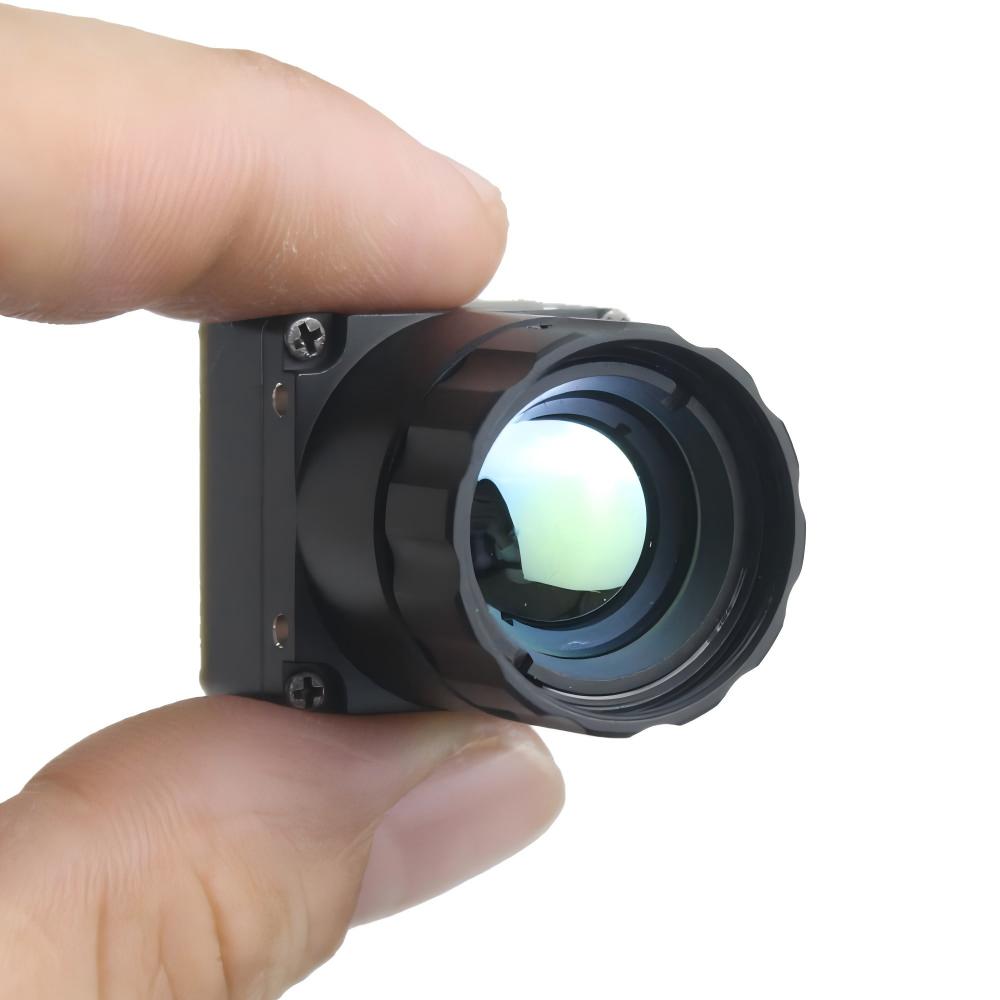
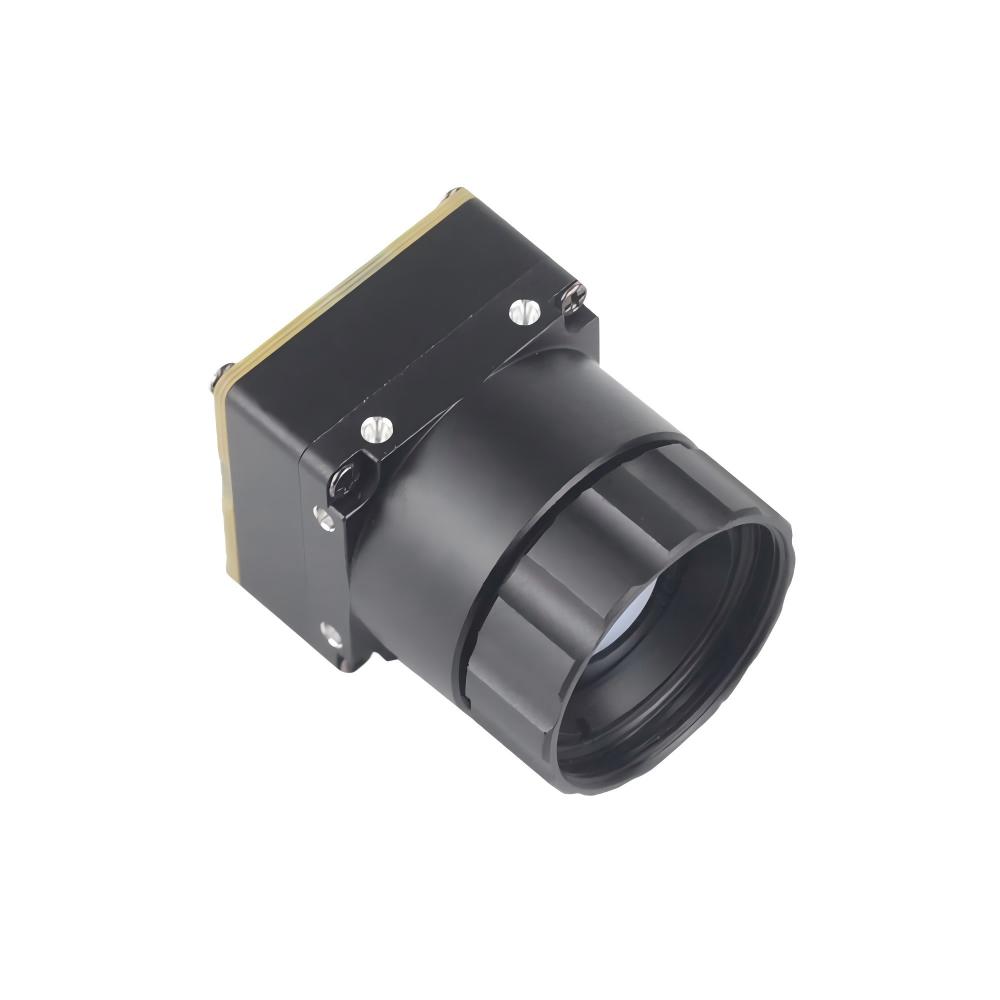
وحدة كاميرا تصوير حراري مصغرة LWIR غير مبردة بدقة 640*512 مع USB للطائرات بدون طيار مشابهة لـ DJI
This ultra-compact VOx microbolometer module is designed for custom drone gimbals and ultra-lightweight integrations. It uses standard USB connectivity to reduce complex integration cycles to zero. It features sharp, crisp image presentation, compact sizing, and extreme cost-efficiency for industrial production tasks.
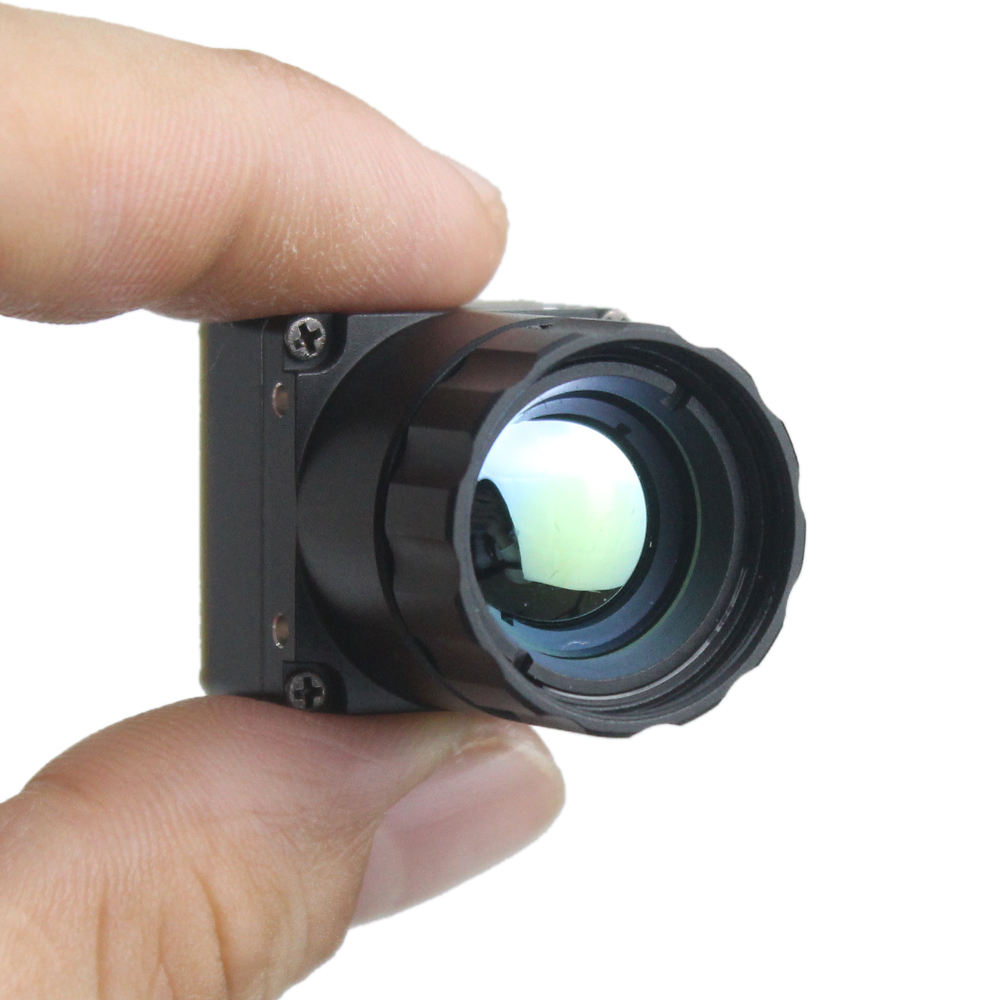
The core supports exceptional mechanical flexibility. Despite physical dimensions of just 21mm × 21mm, it is compatible with a wide choice of lenses, ranging from wider field-of-view lenses to telephoto germanium blocks. Integrated temperature measurement arrays make the core highly reliable across sweeping temperature envelopes.
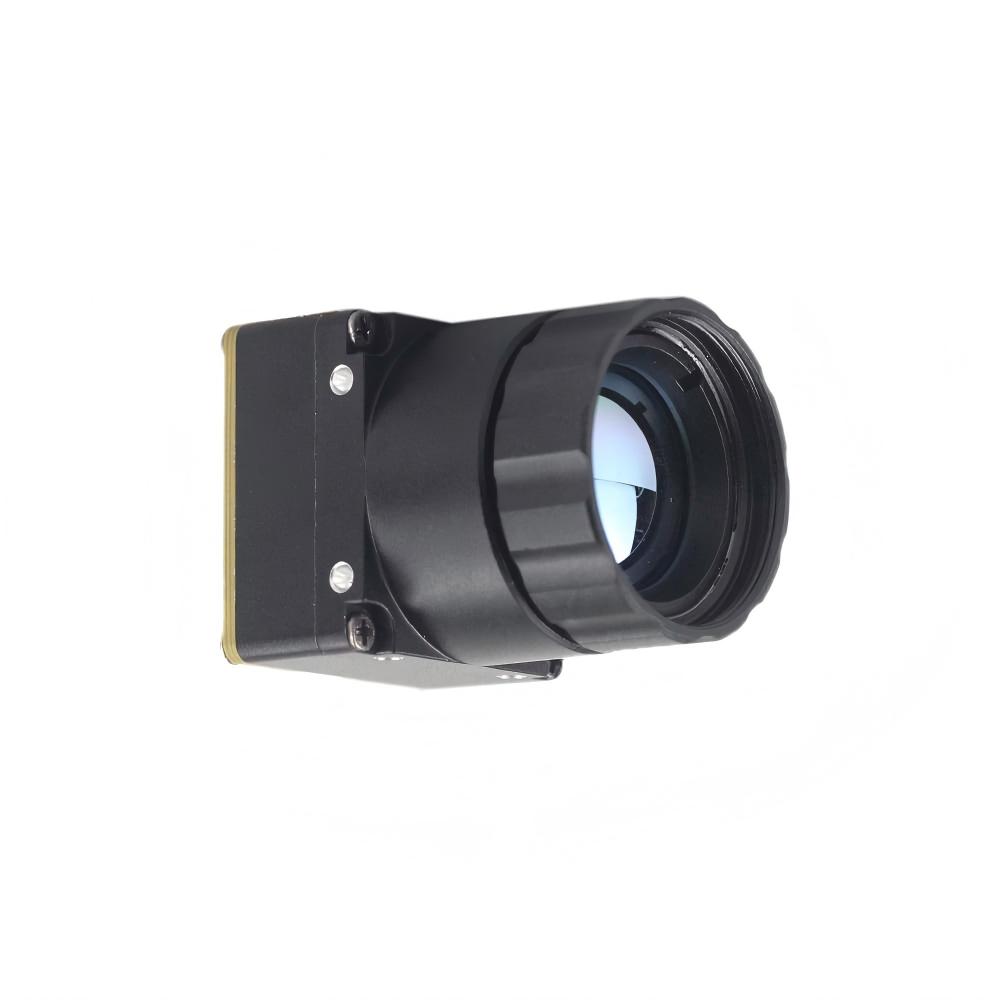
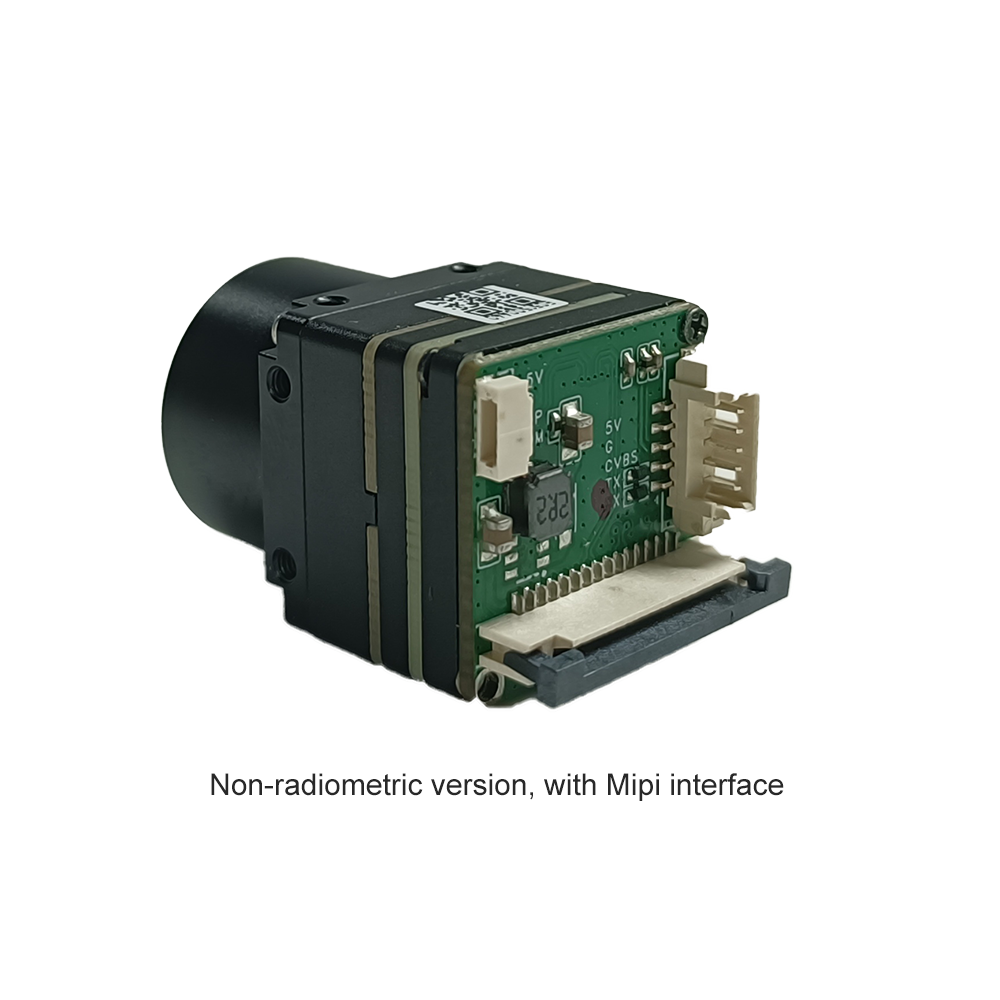
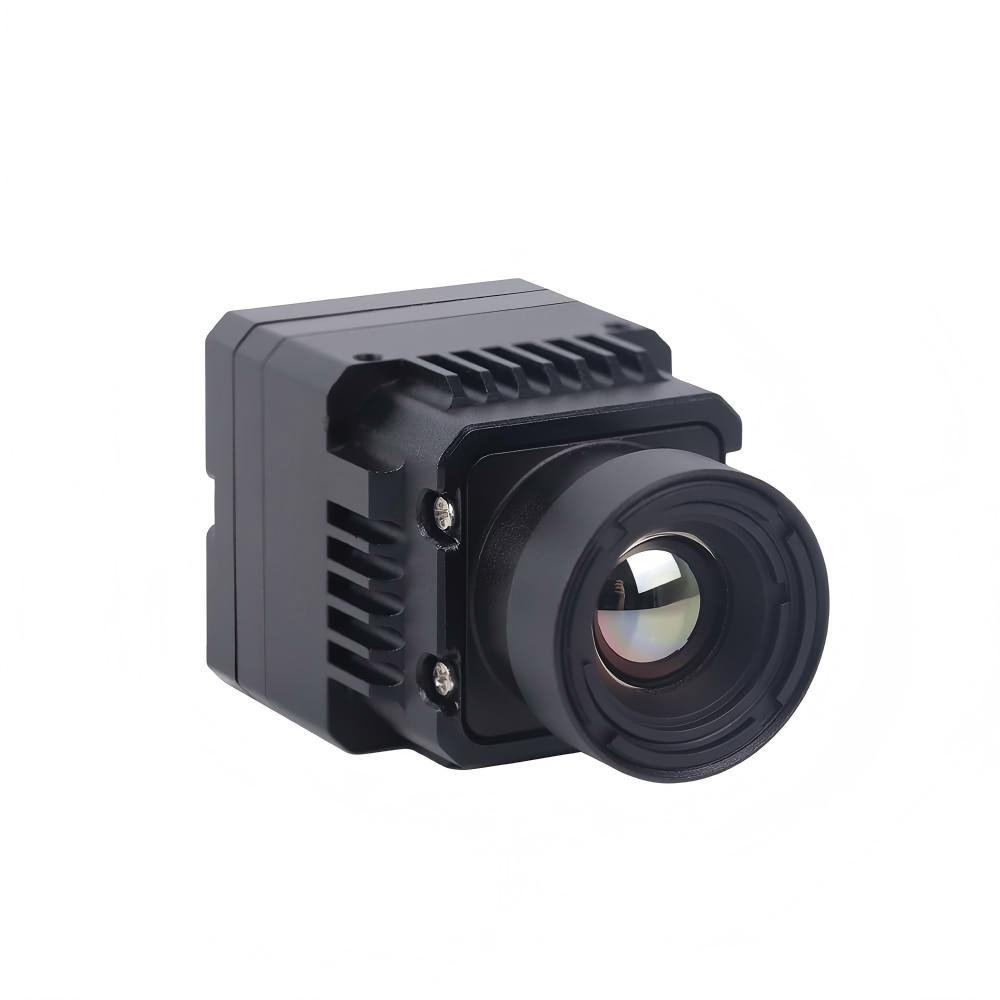
وحدة كاميرا استشعار حراري غير مبردة RJ45 CVBS RTSP IP بدقة 640*512
For projects demanding independent, networked processing without needing a direct host USB interface, this uncooled ASIC configuration integrates network-ready hardware directly onto the core stack. It delivers low latency, low power consumption, and reliable IP video directly from the back of the module.
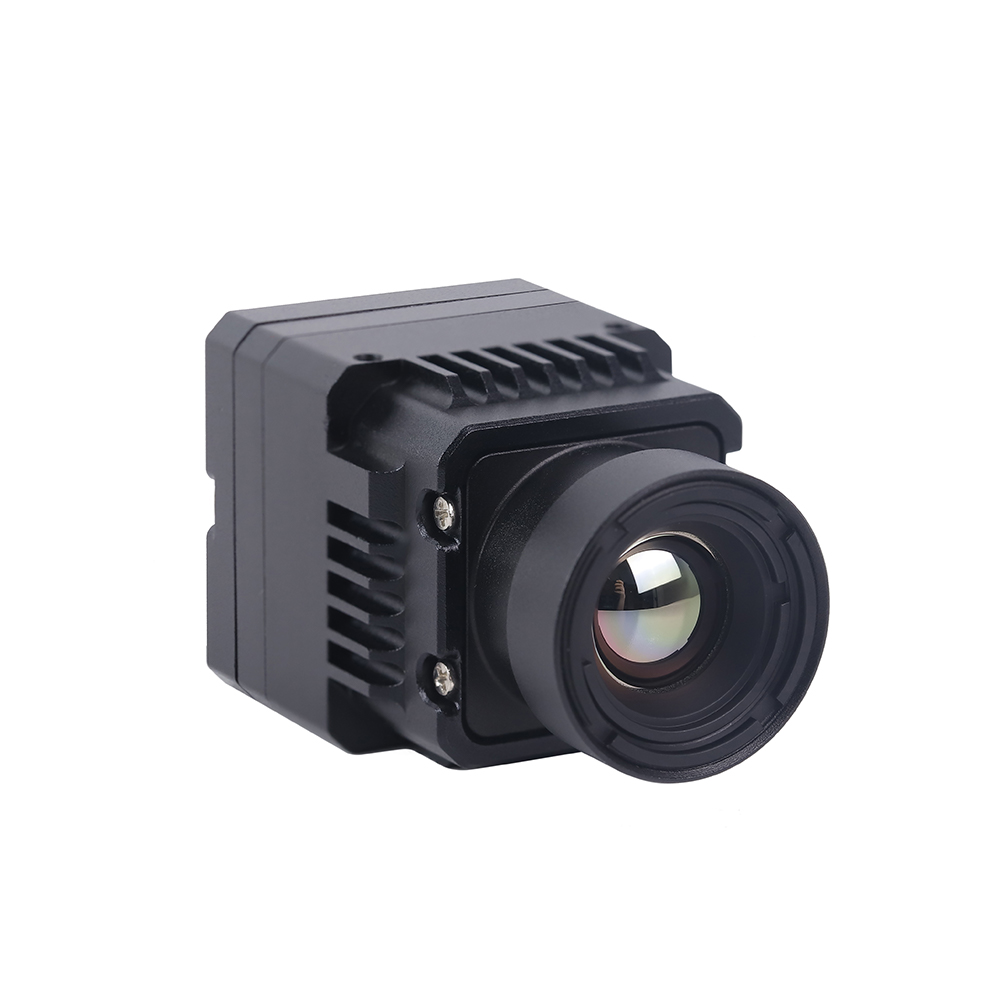
Engineered for professional industrial nodes and fixed aerial pods, this unit embeds a high-speed ASIC processing layer. By managing network streaming parameters on-board, this module removes processing demands from your central computational cluster.
مصفوفة المواصفات الفنية
To help hardware developers select the appropriate interface for their design, the table below provides a side-by-side comparison of these two high-resolution uncooled micro thermal devices.
| المعلمة / الميزة | USB Mini 640*512 Thermal Module | RJ45 CVBS RTSP ASIC Thermal Module |
|---|---|---|
| تقنية الكاشف | ميكروبولومتر VOx غير مبرد | ميكروبولومتر VOx غير مبرد |
| الدقة الأصلية | 640×512 pixels (640×480 optional) | 640×512 pixels |
| تباعد البكسل | 12 ميكرومتر | 12 ميكرومتر |
| النطاق الطيفي | 8 – 14 μm | 8 – 14 μm |
| فرق درجة الحرارة المكافئ للضوضاء (الحساسية) | ≤50mK (High-sensitivity customized options) | ≤50mK |
| الأبعاد المادية | 21 مم × 21 مم (excluding lens assembly) | Miniature Stacked Footprint |
| Optical Options | Wide range of lenses: 5mm, 9mm, 13mm, 18mm, 35mm, 50mm, 75mm, 100mm, 150mm | Interchangeable fixed focus / customized manual optics |
| Primary Video Interface | USB 2.0 / USB-UVC | RJ45 (Ethernet) & CVBS (Analog) |
| Streaming Protocols | Direct Kernel frame output (14-bit raw, YUYV) | RTSP, IP Streaming, ONVIF |
| Primary Applications | DJI-class drone payloads, robotics, direct SBC/Raspberry Pi developer kits | Remote security installations, Edge AI processors, industrial network nodes |
5. Optomechanical Selection & Multi-Sensor Fusion Strategies
Selecting the matching focal length and optomechanics is critical to optimizing spatial resolution (the ability to resolve small details at distance). This parameter is defined by the sensor's Instantaneous Field of View (iFOV).
Mathematically, the Instantaneous Field of View represents the angular coverage of a single pixel in the focal plane array. The value is calculated using the following formula:
iFOV = d / f
حيث d represents the sensor pixel pitch size (e.g., 12μm) and f represents the lens focal length (e.g., 19mm). Applying this math illustrates why decreasing pixel size or increasing optical focal length reduces individual pixel angular envelopes, permitting tighter detail identification at longer range limits.
Lens Math: Matching Focal Length (5mm to 150mm) to FOV
Thermal lenses must be crafted from high-grade Germanium or Chalcogenide glasses. Because uncooled VOx modules cannot look through standard silicate optics, choosing the correct focal length determines your primary physical field limits:
With a narrow focal length like 5mm, the optical system provides a very wide field of view, making it ideal for close-up monitoring or obstacle avoidance systems. Moving to midrange lengths like 35mm creates a tighter, more balanced field of view, which is standard for inspection hardware deployed on medium-altitude UAVs. For long-range identification or border patrol, a long physical Germanium telephoto setup, such as 150mm, narrows the field of view dramatically to focus on distant targets.
- ✅ Wide FOV (5mm to 13mm): Delivers a broad diagonal field of view (often >50°). This configuration is ideal for situational awareness close to the camera, indoor ambient mapping, agricultural canopy studies, and general collision-avoidance setups where wide spatial coverage is more critical than long-range detail.
- ✅ Medium FOV (19mm to 35mm): A balanced approach (20° to 45° FOV) suitable for substation inspection nodes and standard drone flights between 150 and 300 feet AGL (Above Ground Level), providing clear spatial details of power connections.
- ✅ Telephoto/Narrow FOV (50mm to 150mm): Extremely narrow spatial views (<10°). Due to the high weight of Germanium optics (frequently exceeding 100g to 200g), these are best paired with station-locked, heavy-duty PTZ units or specialized drone configurations. They allow engineers to resolve small hotspots on power lines or identify personnel from long distances.
Thermal Sensor Fusion
To overcome the fact that thermal sensors do not capture structural textures or alphabetic details (such as hazard labels or signs), developers frequently deploy Multi-Sensor Fusion pipelines. This digital approach overlays visual and thermal video feeds to combine the benefits of both sensor types.
A visible-light camera (such as a standard CMOS module) captures high-resolution spatial details and raw colors. In parallel, the micro thermal camera captures uncooled VOx temperature matrices. These dual inputs are routed into a homography mapping process. By applying rotation, scale, and translation offset vectors, the software aligns the coordinate structures of both datasets. Finally, an alpha-blending algorithm overlays the edge contrast details from the visible spectrum onto the color-mapped thermal distribution.
By mounting a visible-light camera parallel to the micro-thermal module, you can align their coordinates through software calibration (homography). The visual camera's high-frequency edges are extracted using an edge-detection filter like Sobel or Canny. These edges are then superimposed as an alpha-blended layer over the low-resolution color-mapped thermal image. This technique produces a high-fidelity display where physical outlines remain sharp, and temperature metrics are mapped to their corresponding structures.
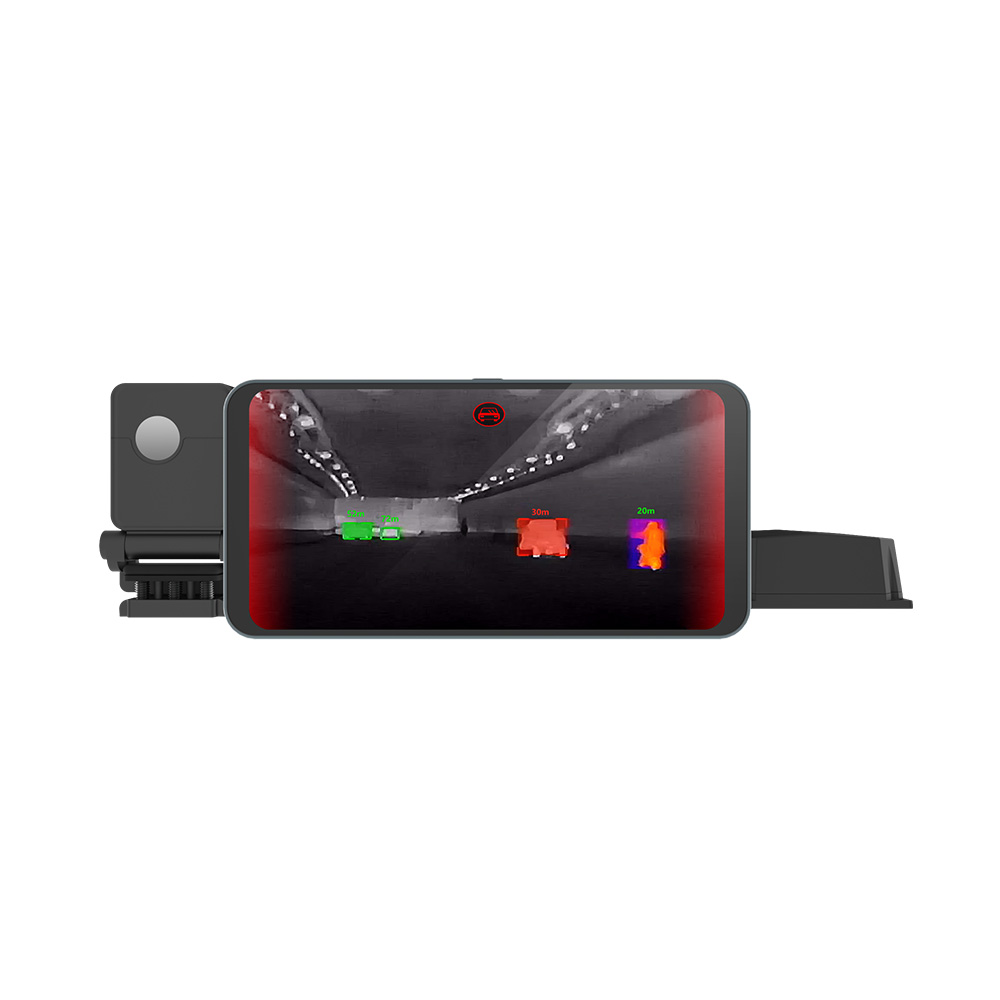
In mobile vehicle integrations, such multi-sensor pipelines are invaluable. Adding a specialized vehicle-mounted thermal camera to the vehicle body alongside visual sensors provides drivers and ADAS algorithms with clear spatial guidance and high-contrast thermal signatures, even in dense fog, heavy rain, or pitch-black operational conditions.
الأسئلة التقنية الشائعة المتعمقة (استكشاف أخطاء التكامل وإصلاحها)
Q1: How do I stream real-time, high-resolution thermal video to a Raspberry Pi or other SBCs?
Q2: What is the optimal micro thermal module for weight-sensitive applications like under-250g drones?
Q3: Can these micro thermal modules be integrated with Edge AI for custom detection tasks?
عند إحكام إغلاق نواة حرارية غير مبردة داخل علبة مقاومة للطقس IP67/IP68، يكون التصميم الحراري السلبي حاسمًا لإيقاف الانحراف الحراري الأساسي وتدهور الصورة. لا تحتاج الميكروبولومترات إلى مبردات نشطة، لكن ASIC الصورة المدمجة ومشفرات الفيديو الشبكية تستهلك بين 1.0 واط و 2.5 واط أثناء التشغيل. في صندوق محكم ضيق بدون تدفق هواء، تخلق الحرارة الداخلية المحتبسة نقاطًا ساخنة عبر هيكل النواة ومصفوفة المستوى البؤري. تؤدي هذه التدرجات الحرارية الموضعية إلى خلل في قراءات درجة الحرارة الإشعاعية وتزيد من ضوضاء المستشعر، مما يقلل من حساسية NETD الفعالة لديك. لحل هذا، صمم مسارات مباشرة لتبديد الحرارة المعدنية—مثل كتلة باردة من الألومنيوم أو النحاس مقترنة بوسادات فجوة عالية التوصيل—تربط اللوحة الحرارية للوحدة مباشرة بالغلاف المعدني الخارجي. هذا يحول كامل الهيكل الخارجي إلى مشتت حراري كبير. أيضًا، تجنب تركيب أجزاء عالية الطاقة (مثل أجهزة الراديو RF أو محولات الطاقة الساخنة) بجوار النواة البصرية مباشرة للحفاظ على استقرار الظروف الحرارية عبر المستشعر.
- المعيار الصناعي: Learn more about computer vision algorithms at the OpenCV Association, and explore embedded machine learning processing hardware frameworks on the official NVIDIA Jetson Platform.
- دليل ذو صلة: Read our comprehensive شامل لكبسولة التصوير الحراري للطائرات بدون طيار to discover how micro cores are configured for aerial systems design, or explore our rugged vehicle-mounted thermal camera module options.