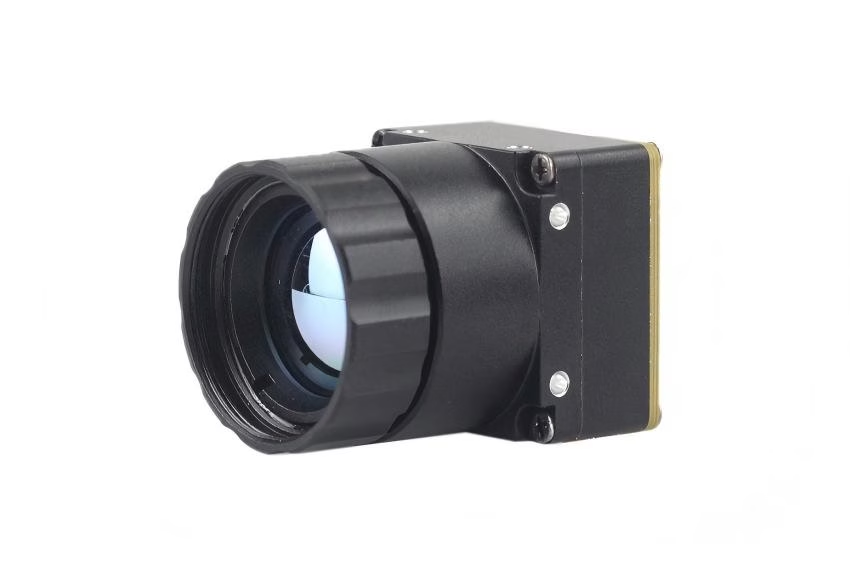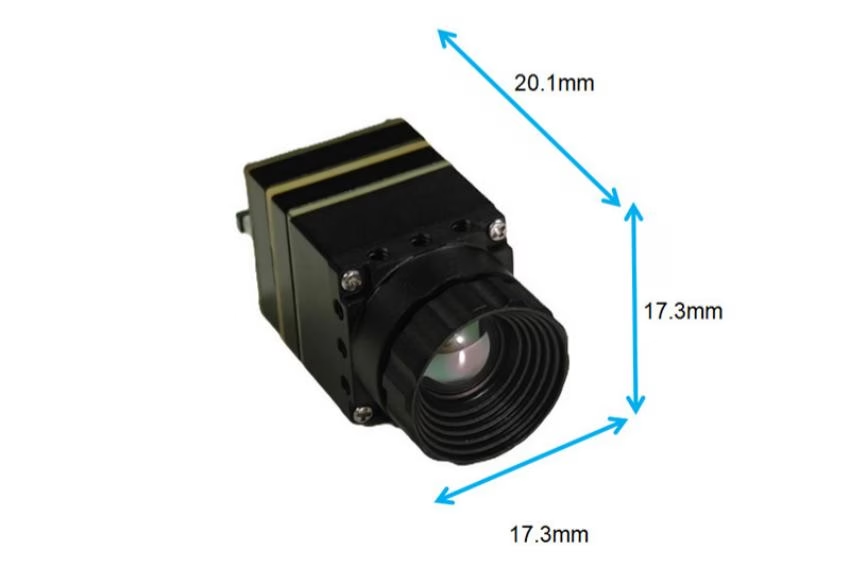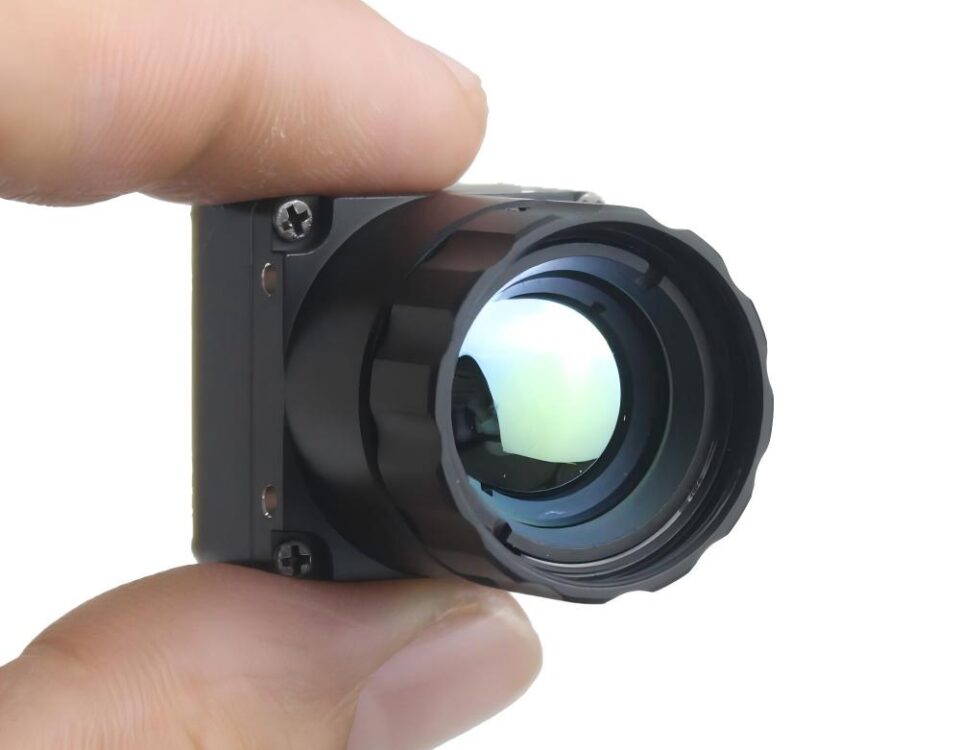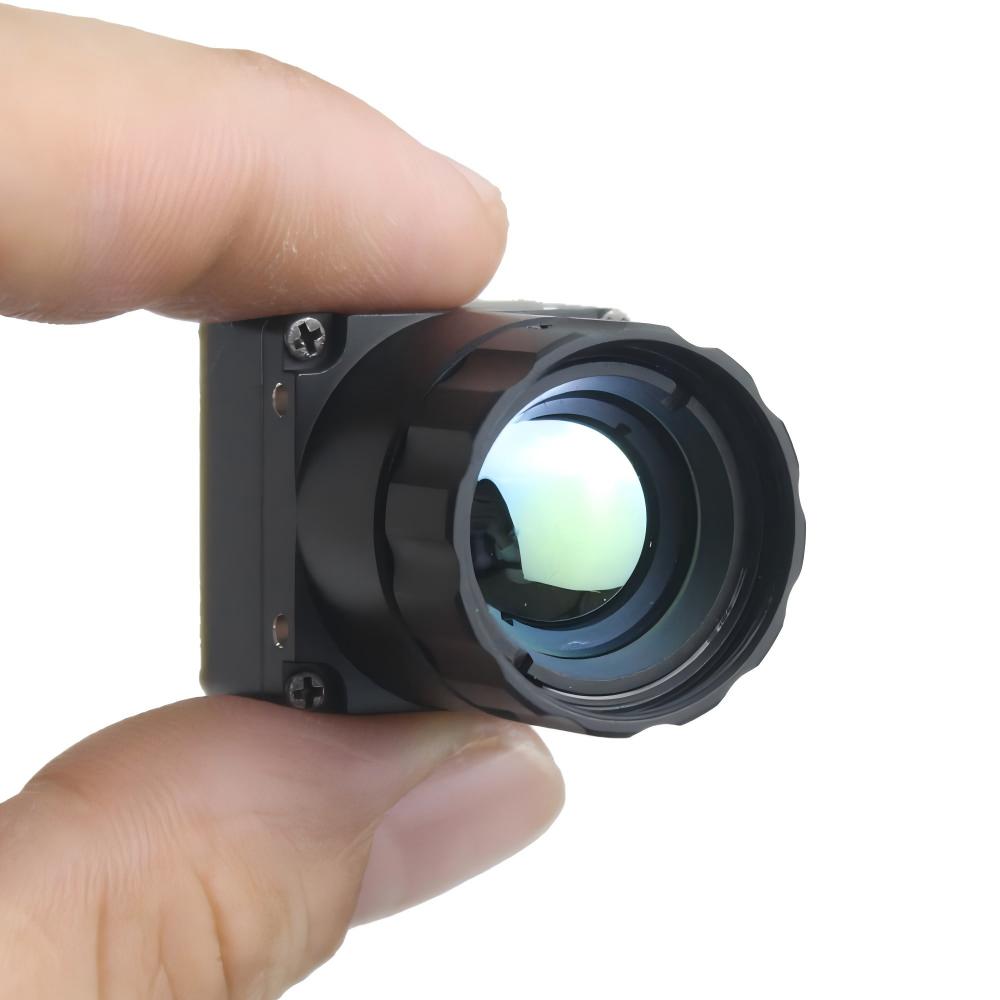
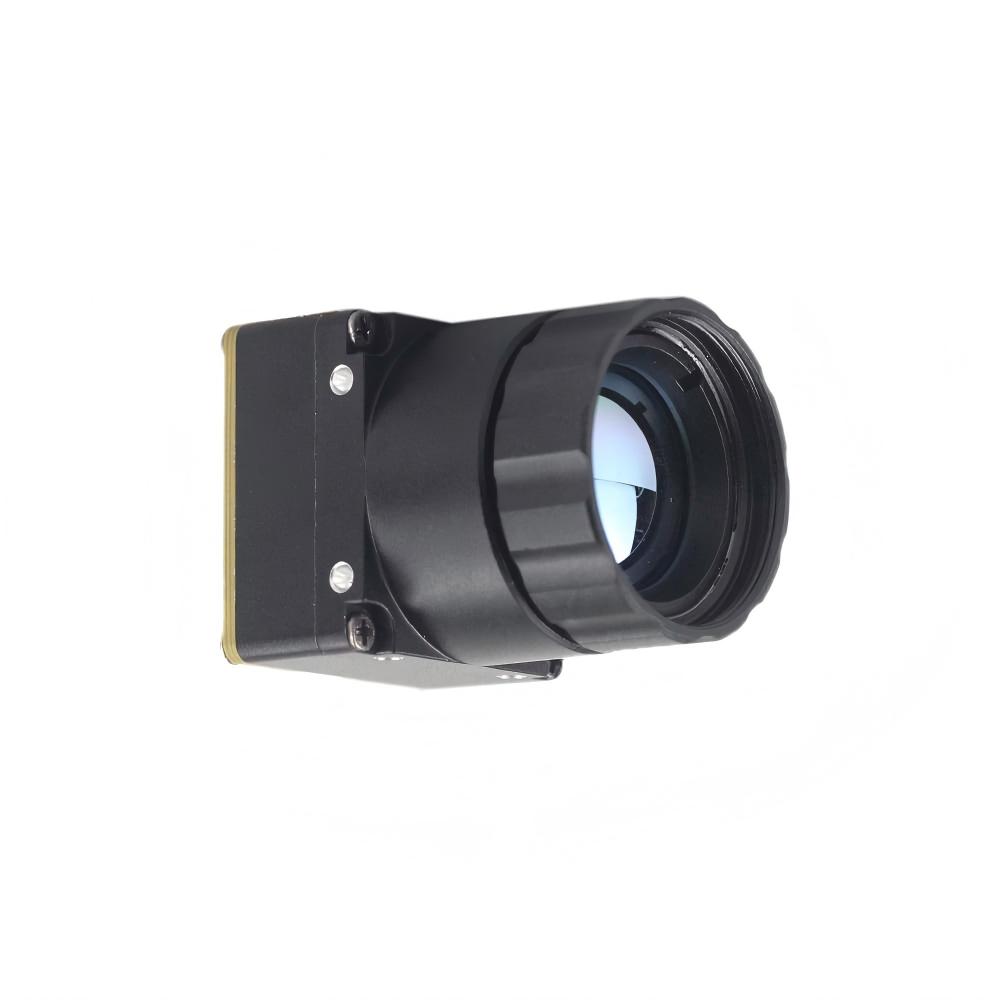
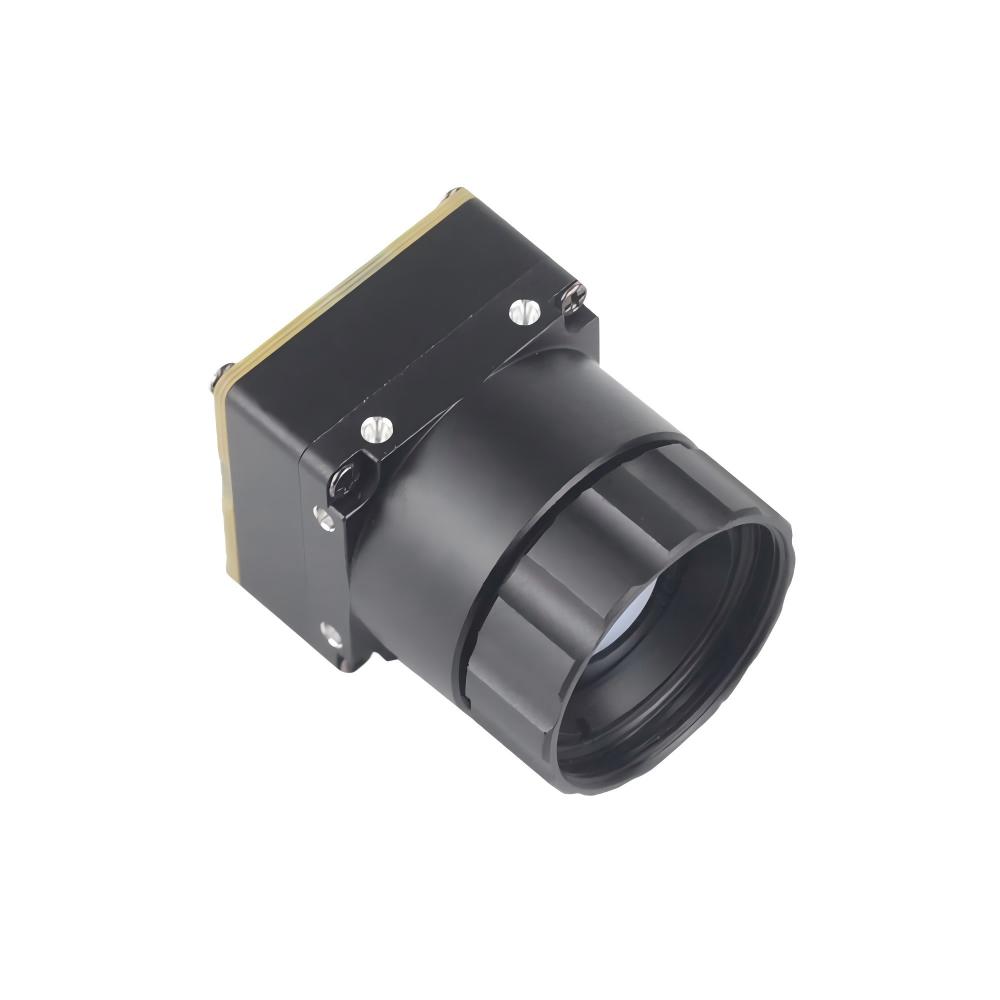
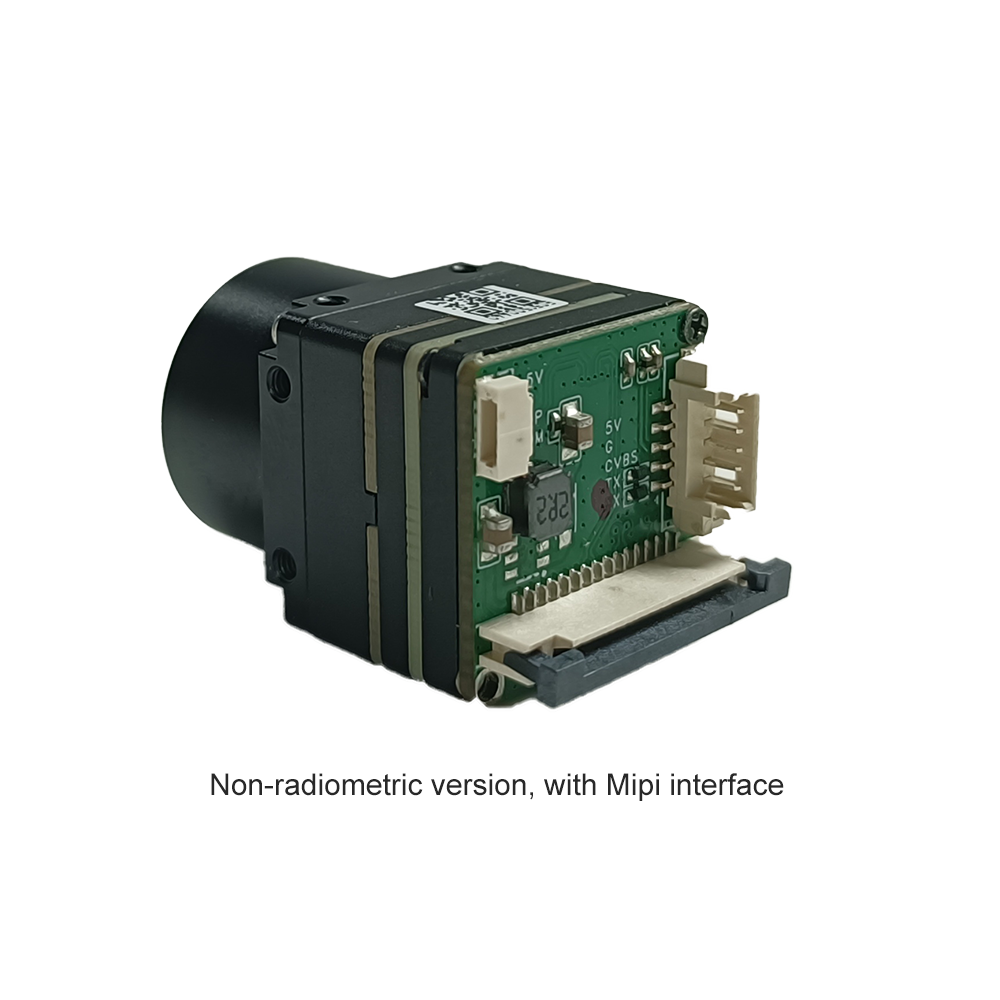
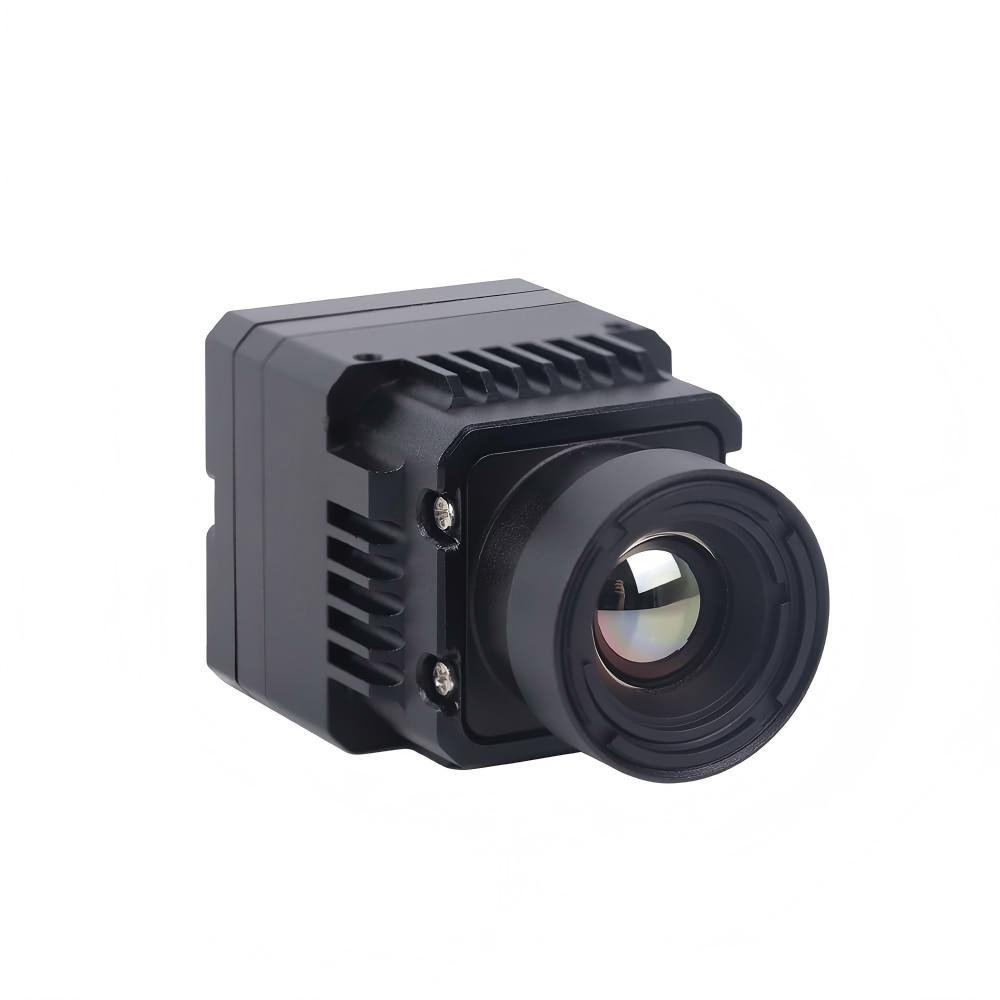
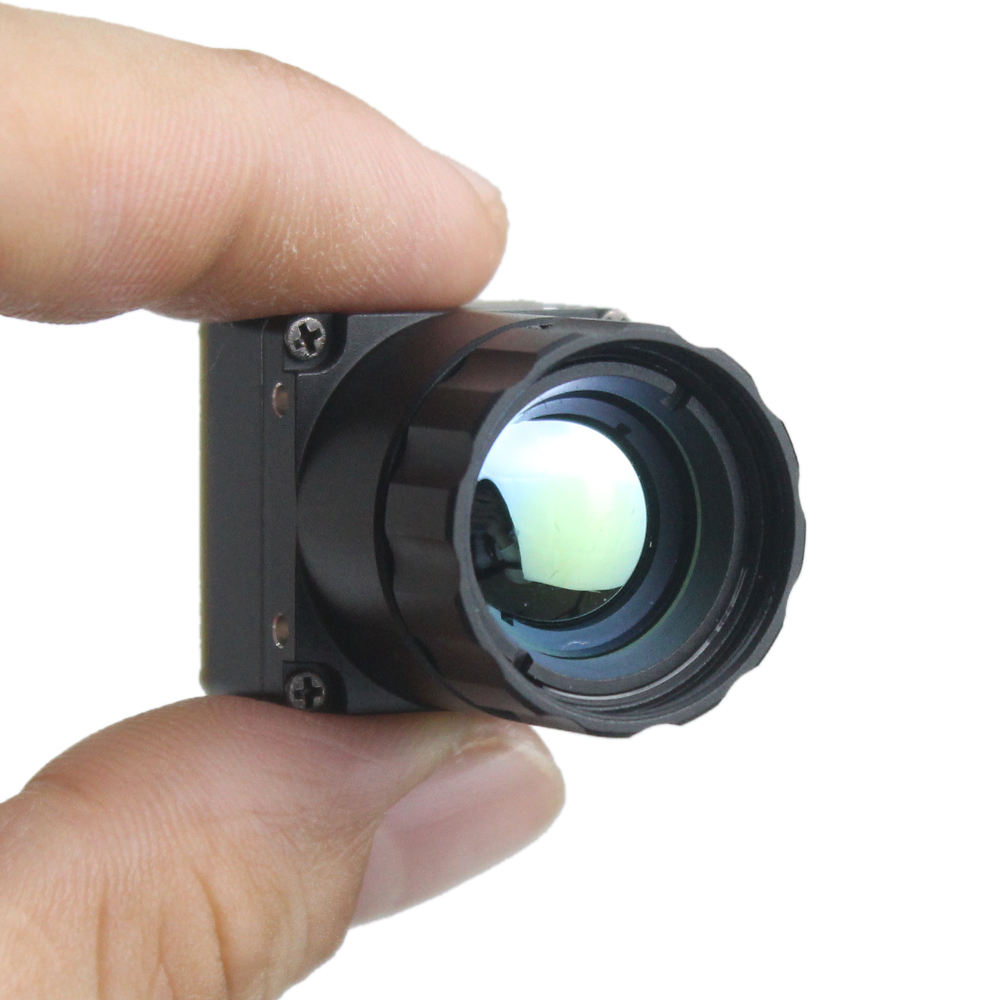
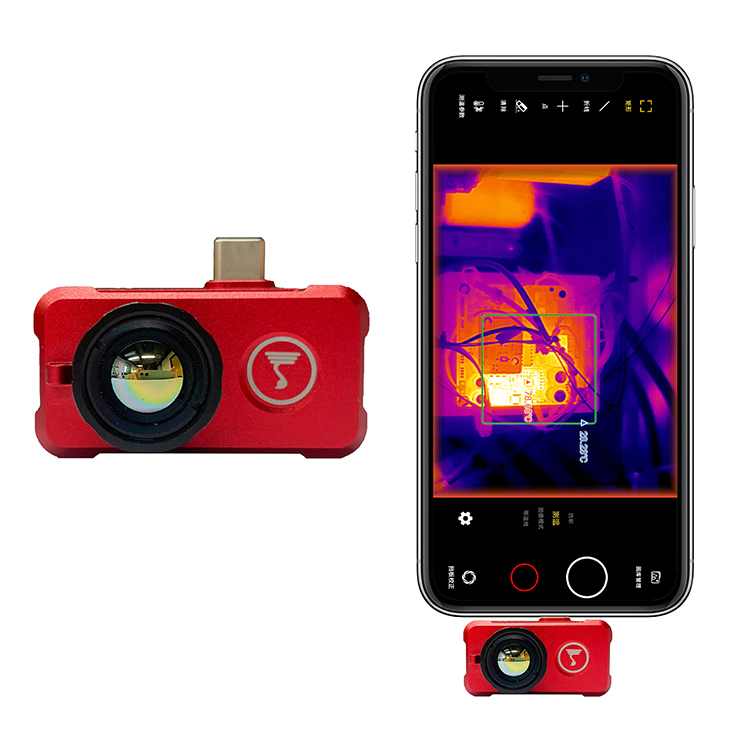
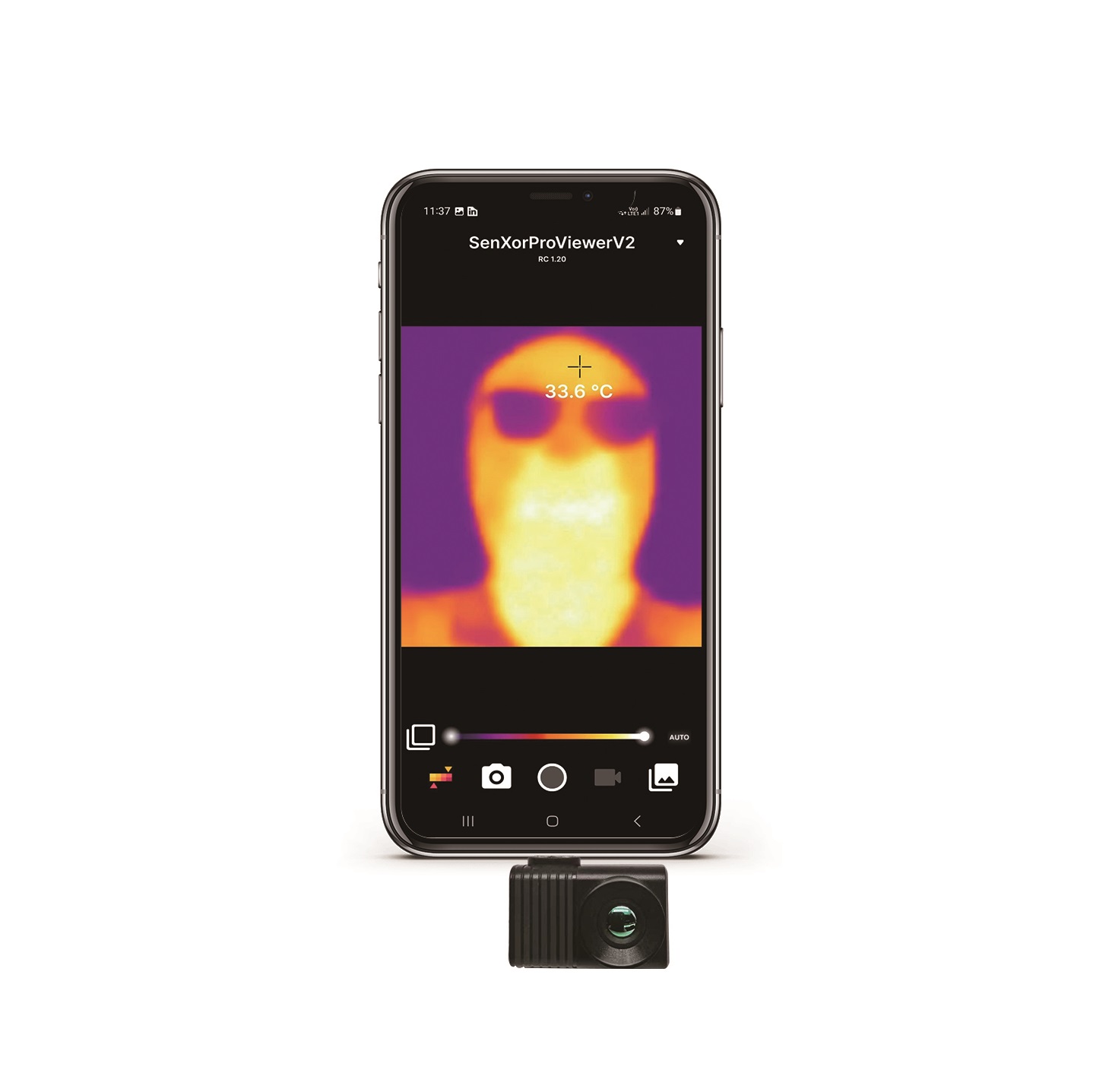
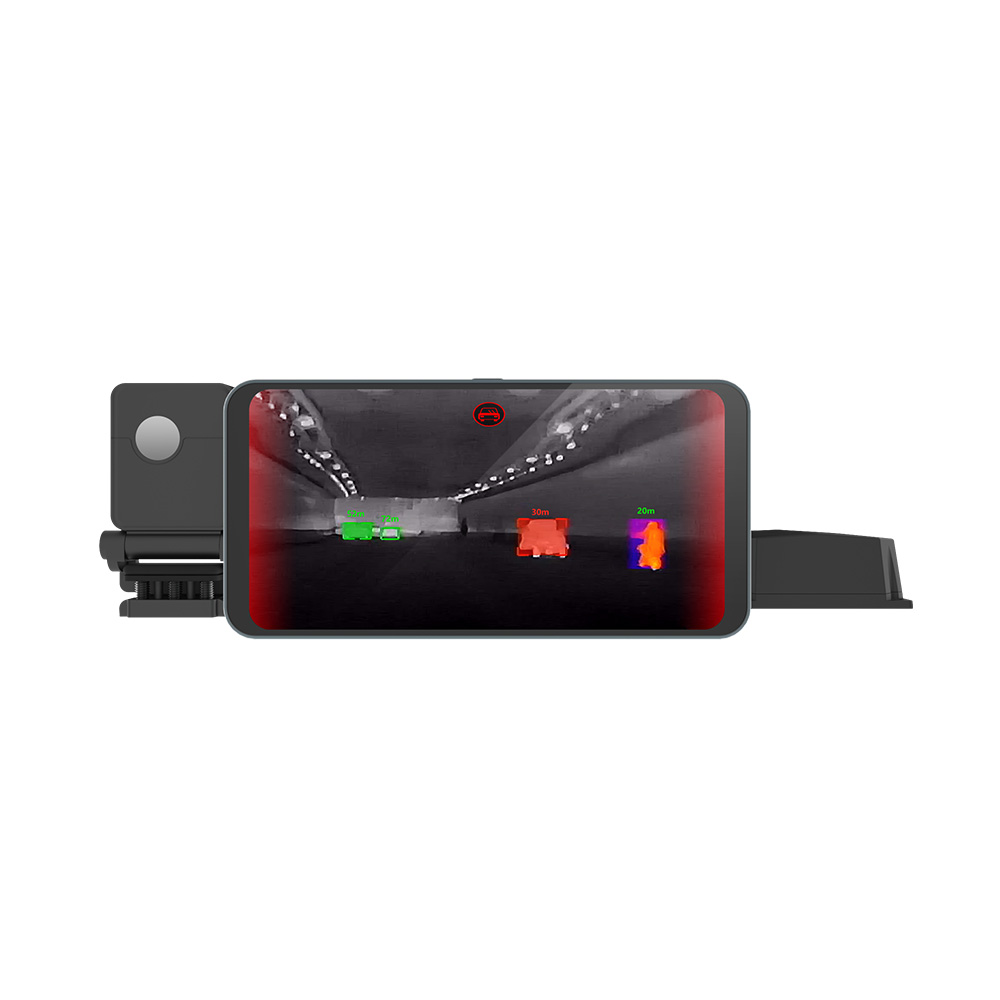

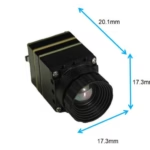
سلسلة MD بمواصفات 384×288 للتصوير الحراري الذهبية، وحدة كاميرا حرارية فعالة من حيث التكلفة بحجم صغير واستهلاك منخفض للطاقة
22 أبريل 2026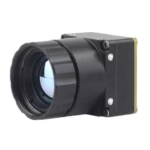
موديول كاميرا حرارية LWIR غير مبردة Mini 640 | تصوير حراري فائق الصغر 640×512 عالي الحساسية للطائرات بدون طيار والفحص الصناعي والأمن
٣. ٢٢ مايو ٢٠٢٦
مقدمة
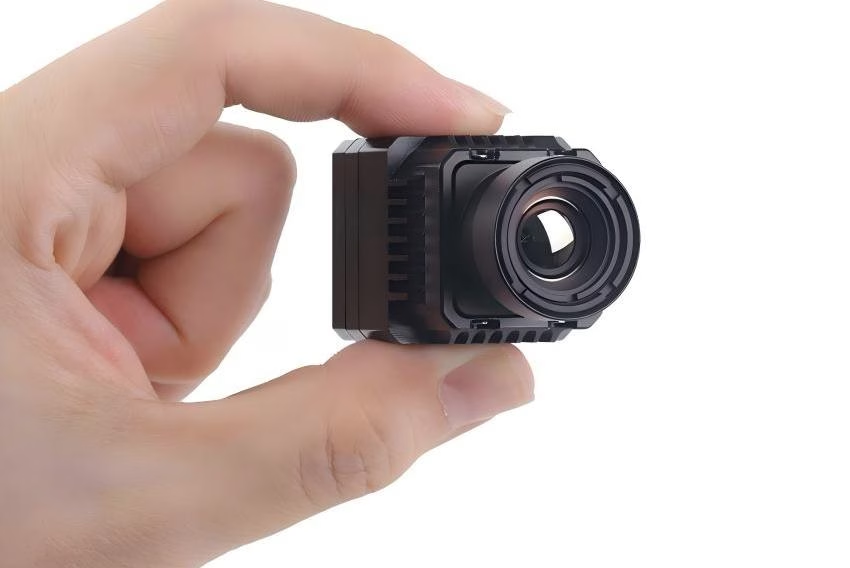
تنتشر تقنية التصوير الحراري بشكل متزايد؛ سواء أكانوا متحمسين أفرادًا، أو فرق تطوير صغيرة، أو شركات عديدة، يستكشف الجميع طرقًا لاستخدام التصوير الحراري بتكلفة أقل. السؤال الذي يُطرح عليّ كثيرًا هو: هل يمكن تحويل الأجهزة التي أملكها بالفعل—مثل كاميرا رقمية عادية، أو كاميرا هاتف ذكي، أو حتى كاميرا مراقبة منزلية—مباشرةً إلى كاميرا تصوير حراري؟
السبب وراء سؤال الناس عن هذا هو أن معدات التصوير الحراري الاحترافية باهظة الثمن، بينما يتزايد الطلب على التصوير الحراري بشكل ملحّ. بالبحث عبر الإنترنت، يمكنك العثور على الكثير من الدروس التعليمية حول "اصنع كاميرا تصوير حراري بنفسك مقابل بضع مئات من اليوانات فقط". تبدو مذهلة للغاية، وكأن مجرد تفكيك كاميرا قديمة وإضافة بعض القطع سيؤدي الغرض. لكن هل هذه الطرق موثوقة حقًا؟ هل يمكن استخدام الأجهزة المعدّلة في سيناريوهات فعلية؟ مقارنةً بوحدات التصوير الحراري الاحترافية الحقيقية (على سبيل المثال مستشعر كاميرا حرارية غير مبردة RJ45 CVBS RTSP IP بدقة 640*512)، ما مدى اختلافها؟
في هذه المقالة، سأوضح أولاً الفروق الأساسية بين الكاميرات العادية وكاميرات التصوير الحراري، ثم أحلل بدقة حلول الصنع الذاتي السائدة عبر الإنترنت، لفهم مبادئها والمزالق التي لا مفر منها. أخيرًا، سأقدم مجموعة كاملة من التوصيات بناءً على احتياجات الأشخاص المختلفين، بدءًا من الاستكشاف للمبتدئين وصولاً إلى العمل الاحترافي.
القضية الأساسية: الفرق الجوهري بين الكاميرات العادية وكاميرات التصوير الحراري
1. مبدأ التصوير في الكاميرات العادية
تعمل الكاميرات الرقمية العادية، وكاميرات الهواتف المحمولة، وكاميرات المراقبة عن طريق التقاط الضوء المنعكس في نطاقي الضوء المرئي والأشعة تحت الحمراء القريبة (0.4 ميكرومتر - 1.0 ميكرومتر). يمكن لمستشعراتها الأساسية (CCD أو CMOS) استشعار بعض ضوء الأشعة تحت الحمراء فيزيائيًا، ولكن لضمان دقة التصوير اللوني، تقوم جميع الكاميرات الاستهلاكية بتركيب مرشح قطع الأشعة تحت الحمراء (IR Cut Filter) أمام المستشعر، لتصفية ضوء الأشعة تحت الحمراء الذي يزيد طوله الموجي عن 700 نانومتر تحديدًا.
تشير جميع الدروس التعليمية للصنع الذاتي تقريبًا بأصابع الاتهام إلى "مرشح قطع الأشعة تحت الحمراء" في الكاميرا، مدعيةً أنه بإزالته يمكن تحقيق قدرات التصوير الحراري. هذا هو الجزء الأكثر خداعًا في الاحتيال بأكمله.
يقوم المصنعون بتركيب مرشحات قطع الأشعة تحت الحمراء أمام المستشعرات لتصفية ضوء الأشعة تحت الحمراء القريبة الذي يتداخل مع التصوير اللوني، مما يضمن دقة ألوان الصور. بعد إزالته، يمكن للكاميرا بالفعل التقاط ضوء الأشعة تحت الحمراء القريبة بأطوال موجية تتراوح بين 0.75 ميكرومتر و1.0 ميكرومتر، لكن هذا ليس إشعاعًا حراريًا. ضوء الأشعة تحت الحمراء القريبة، مثل الضوء المرئي، يحتاج إلى مصدر لإضاءة الجسم وانعكاسه قبل أن يمكن رؤيته - في بيئة مظلمة تمامًا، تظل الكاميرا بدون المرشح حالكة السواد، ما لم تقم بتشغيل ضوء تكميلي للأشعة تحت الحمراء.
"صور التصوير الحراري" المعروضة في الدروس التعليمية عبر الإنترنت هي في الأساس تأثيرات ملونة لاحقة لصور الأشعة تحت الحمراء القريبة. تمثل المناطق الحمراء أجسامًا تعكس المزيد من ضوء الأشعة تحت الحمراء القريبة، وليس بالضرورة درجات حرارة أعلى؛ المناطق الزرقاء ليست درجات حرارة منخفضة، بل تعكس ضوء أشعة تحت حمراء قريبة أقل. لا علاقة لهذه الصور بدرجة الحرارة الفعلية للجسم.
وهذا يعني أن الكاميرات العادية مصممة بطبيعتها "لعدم رؤية" الإشعاع الحراري. حتى إذا تمت إزالة مرشح قطع الأشعة تحت الحمراء، فإنها يمكنها فقط التقاط ضوء الأشعة تحت الحمراء القريبة ولا يمكنها استشعار إشعاع الأشعة تحت الحمراء طويلة الموجة المنبعثة من الأجسام للتصوير الحراري، وهو الطول الموجي المستخدم للتصوير الحراري.
2. الجوهر التكنولوجي لكاميرات التصوير الحراري الحقيقية
جميع الكاميرات ذات الدرجة الاستهلاكية التي تستخدم مستشعرات CMOS أو CCD، موادها الأساسية مصنوعة من السيليكون. التأثير الكهروضوئي للسيليكون له حدود فيزيائية لا يمكن تجاوزها: يمكنه فقط الاستجابة للموجات الكهرومغناطيسية ذات الأطوال الموجية الأقل من 1.1 ميكرومتر. وهذا يعني أنه بغض النظر عن كيفية تعديل كاميرا عادية، فإن مستشعرها غير قادر تمامًا على إدراك إشعاع الأشعة تحت الحمراء الحرارية طويلة الموجة بأطوال موجية تتراوح بين 8 ميكرومتر و14 ميكرومتر.
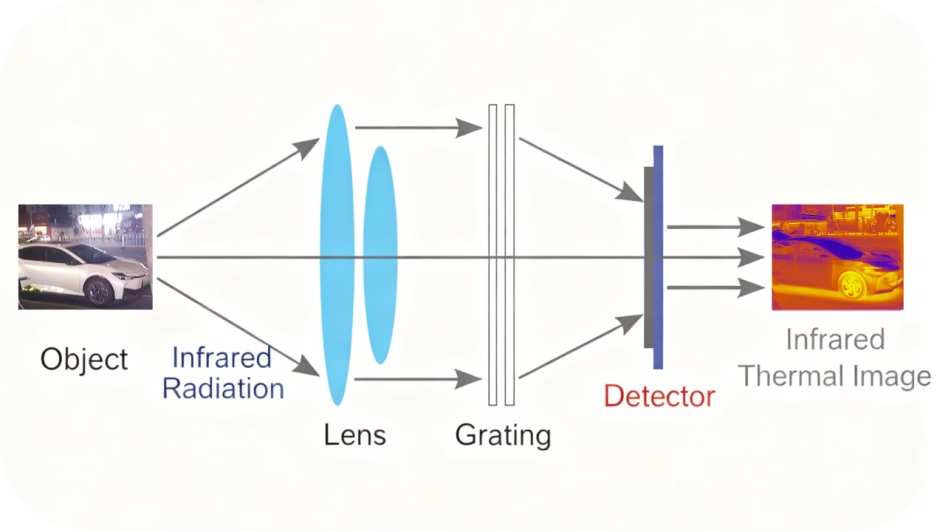
مبدأ عمل كاميرات التصوير الحراري الاحترافية مختلف تمامًا: فهي لا تعتمد على أي مصدر ضوء خارجي، بل تلتقط مباشرة إشعاع الأشعة تحت الحمراء طويلة الموجة (8 ميكرومتر - 14 ميكرومتر) المنبعث من الأجسام فوق الصفر المطلق (-273.15 درجة مئوية). الإشعاع في هذا النطاق الموجي يرتبط مباشرة بدرجة حرارة الجسم؛ فكلما ارتفعت درجة الحرارة، زادت شدة الإشعاع.
تقوم كاميرات التصوير الحراري بتحويل إشعاع الأشعة تحت الحمراء إلى إشارات كهربائية من خلال كاشف مصفوفة المستوى البؤري للأشعة تحت الحمراء المتخصص (FPA)، ثم تخضع لمعالجة الإشارات وتحسين الصورة، لتوليد صور حرارية يمكنها أن تعكس توزيع درجة الحرارة على سطح الجسم. تمنح طريقة التصوير هذه كاميرات التصوير الحراري قدرات فريدة للعمل طوال اليوم، واختراق الدخان والضباب، وإجراء قياس درجة الحرارة بدون تلامس.
شرح مفصل وتحليل محدودية حلول التصوير الحراري DIY الرئيسية
1. الحل الأول: إزالة مرشح قطع الأشعة تحت الحمراء من الكاميرا العادية
هذه هي طريقة DIY الأكثر انتشارًا والأكثر تضليلًا، مع أكثر من 100 مليون مشاهدة على الإنترنت. خطوات التشغيل
قم بتفكيك الكاميرا الخاصة بك (الهاتف المحمول، كاميرا الكمبيوتر أو كاميرا المراقبة).
حدد موقع مرشح قطع الأشعة تحت الحمراء الملتصق بإحكام أمام المستشعر.
قم بنزعه بحذر باستخدام شفرة أو ملقط (قد يؤدي ذلك بسهولة إلى خدش المستشعر وجعل الكاميرا غير صالحة للاستخدام).
أعد تجميع الكاميرا.
استخدم فوتوشوب أو تطبيق جوال لتطبيق مرشحات ألوان زائفة مثل "الأحمر الحديدي" أو "قوس قزح" على صور الأشعة تحت الحمراء القريبة.
ما تحصل عليه فعليًا:
l كاميرا قادرة على التقاط صور بالأشعة تحت الحمراء القريبة.
l صورة ذات ألوان زائفة تبدو مثل التصوير الحراري ولكنها لا تتعلق بدرجة الحرارة.
l كاميرا يجب أن تعتمد على إضاءة الأشعة تحت الحمراء للعمل في الظلام.
l جميع صور الضوء المرئي سيكون لديها انحراف لوني شديد.
l لا يمكنها اختراق الدخان أو الضباب لتحديد الأهداف.
عيوب حرجة:
l غير قادرة تمامًا على قياس درجة الحرارة: يمكنها فقط عرض الاختلافات في انعكاسية الأشعة تحت الحمراء القريبة، ولا يمكنها تحديد درجة حرارة الأجسام.
l غير فعالة في البيئات المظلمة: لا يمكن رؤية أي شيء بدون جهاز إضاءة بالأشعة تحت الحمراء.
l سهلة التضليل: الأجسام المعدنية ستعكس كمية كبيرة من ضوء الأشعة تحت الحمراء، وتظهر على أنها "درجة حرارة عالية" في الصورة؛ الأجسام السوداء الماصة للحرارة ستظهر على أنها "درجة حرارة منخفضة" حتى لو كانت شديدة الحرارة.
l ضرر دائم للكاميرا: 90% من المبتدئين سيخدشون المستشعر أو يتلفون الأسلاك عند إزالة المرشح.
l لا يمكنها اختراق الدخان: ضوء الأشعة تحت الحمراء القريبة والضوء المرئي كلاهما يتشتت بواسطة جزيئات الدخان.
2. المخطط الثاني: جهاز تصوير حراري DIY يعتمد على مستشعرات حرارية منخفضة التكلفة
هذه هي الطريقة الوحيدة في مجال الأعمال اليدوية التي يمكنها تحقيق التصوير الحراري الحقيقي، لكن عيوب أدائها تجعلها صالحة فقط كأداة تعليمية تمهيدية ولا يمكن استخدامها في التطبيقات العملية. خطوات التشغيل
شراء مصفوفات مستشعرات حرارية للمبتدئين، ولوحات تطوير تعتمد على المتحكمات الدقيقة أو راسبيري باي، وشاشات وبطاريات.
لحام المستشعرات بأطراف الإدخال/الإخراج العامة للوحة التطوير.
تثبيت مكتبات التشغيل الخارجية وبيئة تشغيل البرمجة.
كتابة كود لقراءة بيانات درجة الحرارة وتوليد صور حرارية.
طباعة الهيكل بتقنية ثلاثية الأبعاد وتجميعه في جهاز كامل.
ما تحصل عليه فعليًا:
l جهاز قادر على اكتشاف الإشعاع الحراري الحقيقي وقياس درجة الحرارة بشكل تقريبي.
l صور حرارية بدقة منخفضة للغاية (عادةً بضع عشرات إلى بضع مئات من البكسلات فقط).
l معدل تحديث بطيء يتراوح بين 1-8 إطارات في الثانية، مع استطالة حادة في المشاهد الديناميكية.
l جهاز محمول كبير الحجم وقصير العمر.
l Requires certain programming and electronic knowledge to use normally.
Critical defects:
l Poor resolution: The pixel count of mainstream DIY thermal sensors is only 0.2%-0.5% of our 640×512 module. At 5 meters away, only the outline of a human can be barely seen, and at 10 meters away, no target can be recognized at all.
l Poor temperature measurement accuracy: The error is usually between ±5°C and ±10°C, which can only determine "whether it's hot or not", and cannot be used for industrial detection.
l Low thermal sensitivity: Generally, it can only recognize temperature differences greater than 0.15°C, and cannot detect early electrical faults and other minor temperature abnormalities.
l Extremely low frame rate: The refresh rate of 1-8Hz cannot track moving targets. When a person runs, they will appear as a blurry color block in the picture.
l No industrial-level functions: Does not support network transmission, video compression, intelligent analysis, alarm linkage and any professional functions.
l Time-consuming and unstable: Assembly and debugging take at least 4-8 hours. The finished product is fragile and easily damaged, and has no protection level.
4. DIY vs Professional Thermal Imaging Module: Comprehensive Comparison
To enable you to visually perceive the differences between the two, we have conducted a comprehensive comparison between the mainstream DIY thermal imaging solution currently available on the market and Purpleriver's flagship 640×512 thermal imaging module:
| Comparison dimension | Entry-level DIY thermal sensor solution | وحدة كاميرا استشعار حراري غير مبردة RJ45 CVBS RTSP IP بدقة 640*512 |
| Core detection technology | Low-cost thermocouple array | High-performance vanadium oxide micro-thermopile focal plane array |
| Infrared resolution | 32×24~64×48 | 640×512 |
| Thermal sensitivity (NETD) | ≥150mK | ≤50mK(@25℃,F#1.0) |
| دقة قياس درجة الحرارة | ±5℃~±10℃ | ±2℃ or ±2% of the reading (take the maximum value) |
| نطاق قياس درجة الحرارة | -40℃~+300℃ | -20℃~+550℃ |
| معدل الإطارات | 1-8Hz | 30/60 هرتز |
| Working frequency band | 5.5μm~14μm | 8μm - 14μm (optimal atmospheric penetration window) |
| Interface type | Only I2C No | RJ45 Ethernet, RS-485, CVBS analog video |
| Network protocol | no | IPv4、TCP/IP、UDP、HTTP、DHCP、RTP/RTCP/RTSP |
| Video compression | no | H.265/H.264/MJPEG |
| Edge intelligence | no | Built-in temperature threshold alarm, hotspot detection, motion analysis |
| Working temperature | 0℃~+40℃ | -20℃~+60℃ |
| Protection level | None (requires custom casing) | IP54 |
| Power consumption | 0.5W | ≤1.6 واط |
| Assembly time | 4-8 hours | 0 hours (plug-and-play) |
| Total cost | $80 - $150 | $780 - $850 |
| Applicable scenarios | Personal hobbies, teaching demonstrations | Industrial monitoring, security, vehicle-mounted, drones, firefighting |
From the comparison, it can be seen that although the DIY solution has a lower initial cost, the performance it offers is less than 1% of that of the professional module. For any application that requires reliability and accuracy, the professional module is a more cost-effective choice.
5. Professional-level Solution: وحدة كاميرا استشعار حراري غير مبردة RJ45 CVBS RTSP IP بدقة 640*512
For enterprises, system integrators, and users who require true thermal imaging capabilities, Purpleriver's non-cooled infrared RJ45 CVBS RTSP IP 640*512 thermal sensor camera module is the globally recognized benchmark for high value and cost-effectiveness.
This module is not a consumer-grade toy, but is a core component for industrial applications widely used in thousands of commercial products worldwide, including security cameras, vehicle night vision systems, industrial inspection equipment, and unmanned aerial vehicle payloads. It combines industry-leading thermal imaging performance with compact size, extremely low power consumption, and comprehensive interface support, allowing you to complete the integration development of thermal imaging products in just a few days instead of several months.
5.1. Product Features
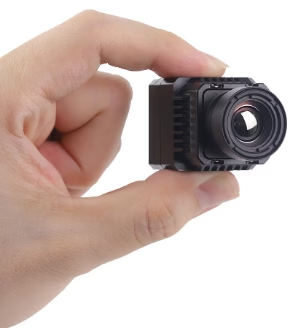
This is an ASIC thermal sensor camera module equipped with a 640×512 resolution vanadium oxide non-cooled infrared focal plane detector, supporting 30/60Hz frame rates, with 12μm pixel pitch, 8-14μm response band, and ≤50mK high sensitivity. It offers multiple lens options including 9/13/19/35mm.
The module provides 18 pseudo-color display modes such as white heat and black heat, weighs no more than 50 grams, and measures only 45×28×28mm, being small and portable.
It adopts an ASIC integrated design with low power consumption and strong stability, and can be widely adapted for various application scenarios such as handheld thermometers, security monitoring, unmanned aerial vehicle inspection, and industrial automation.
5.2. Core Characteristics and Advantages
1. Outstanding Thermal Imaging Performance
Equipped with a 640×512 high-resolution detector, it can achieve 300 meters human recognition and 1000 meters vehicle recognition with different lenses; it has ≤50mK ultra-high thermal sensitivity, capable of detecting 0.05℃ micro temperature differences and early detecting equipment hazards; it adopts 12μm pixel pitch technology, balancing high performance and miniaturization while reducing costs; the 8-14μm working band has excellent atmospheric penetration ability, allowing clear imaging even in adverse weather conditions; it offers 18 pseudo-color palettes and supports real-time temperature measurement functions for the entire screen/selected area.
2. Comprehensive Interfaces and Protocol Support
To be compatible with various industrial and security systems, three standard interfaces are provided: RJ45 Ethernet, RS-485 serial, and CVBS analog video. The RJ45 interface supports high-speed data transmission, the RS-485 interface can directly connect to industrial control devices, and the CVBS interface can perfectly integrate with the old analog monitoring systems without the need for large-scale renovations, enabling quick deployment.
In terms of network protocols, it supports a complete standard network protocol stack and can seamlessly integrate with most of the mainstream video management platforms available on the market, such as Hikvision and Dahua. The video encoding is compatible with three formats: H.265, H.264, and MJPEG. Users can flexibly choose based on the network bandwidth of the site, ensuring image quality while minimizing storage space and transmission traffic to the greatest extent.
3. Industrial-grade Reliability and Durability
It has a wide temperature working range of -20℃ to +60℃, suitable for harsh industrial environments with cold and hot conditions; its maximum power consumption is only 1.6W, particularly suitable for battery-powered unmanned aerial vehicles and portable devices; it has an IP54 dustproof and waterproof rating and a sturdy aluminum alloy casing, providing good heat dissipation and mechanical protection; it uses DC12V standard power supply, compatible with industrial and vehicle power systems.
4. Flexible and User-friendly Integration Experience
It has an ultra-compact size of 45mm×28mm×28mm and a lightweight design of only 50g, allowing easy embedding in space-constrained devices without increasing load; it offers four focal lengths of 9mm, 13mm, 19mm, and 35mm, covering all scenarios from wide-angle to long-distance detection; it is equipped with a full-function SDK development package and complete documentation, with all modules having undergone strict temperature calibration before leaving the factory, ready for use out of the box.
5.3. Performance Parameters
| الموديل | LTC609 | LTC613 | LTC619 | LTC635 | |
| معلمات التصوير الحراري | نوع الكاشف | كاشف المستوى البؤري بالأشعة تحت الحمراء غير المبرد بأكسيد الفاناديوم | |||
| الدقة بالأشعة تحت الحمراء | 640×512 | ||||
| تباعد البكسل | 12 ميكرومتر | ||||
| نطاق الطول الموجي للتشغيل | 8 - 14 ميكرومتر | ||||
| البعد البؤري للعدسة | 9 ملم | 13 مم | 19 مم | 35 مم | |
| مجال رؤية العدسة (FOV) | 51.4° × 41.1° | 32.9° × 26.6° | 23.8° × 19° | 12° × 10° | |
| فرق درجة الحرارة المكافئ للضوضاء (NETD) | ≤50mK(@25°C,F#1.0) | ||||
| لوحات الألوان | أبيض ساخن/أسود ساخن/انصهار/أحمر حديدي/قوس قزح/ذهبي خريفي/شمس الظهيرة/كهرماني/يشم/غروب الشمس/جليد ونار/لوحة زيتية/رمان/يشم أخضر/ربيع/صيف/خريف/شتاء (18 وضعًا لونيًا زائفًا إجمالاً) | ||||
| عرض درجة الحرارة | درجات الحرارة القصوى والدنيا والمتوسطة في الوقت الفعلي | ||||
| نطاق قياس درجة الحرارة | -20°C~+550°C | ||||
| دقة قياس درجة الحرارة | ±2°C أو ±2% من القراءة (تؤخذ القيمة القصوى) | ||||
واجهات الشبكة | بروتوكولات الشبكة | IPv4، TCP/IP، UDP، HTTP، DHCP، RTP/RTCP/RTSP | |||
| معايير ضغط الفيديو | H.265/H.264/MJPEG | ||||
| واجهات الاتصال | 1 واجهة RJ45 (منفذ إيثرنت متكيف 10M/100M)، 1 واجهة RS - 485، 1 خرج فيديو تماثلي (CVBS) | ||||
| المواصفات الفيزيائية | درجة حرارة التشغيل | -20°C~+60°C | |||
| الرطوبة المحيطة | 5%~95%، بدون تكاثف | ||||
| مستوى الحماية | IP54 | ||||
| مصدر الطاقة | تيار مستمر 12 فولت | ||||
| استهلاك الطاقة | ≤1.6 واط | ||||
| مادة الهيكل | سبيكة ألومنيوم | ||||
| أبعاد النواة | 45 مم (طول) × 28 مم (عرض) × 28 مم (ارتفاع) | 120 مم (طول) × 38 مم (عرض) × 38 مم (ارتفاع) | |||
| الوزن | ≤50 غرام | ≤200 غرام | |||
4.5 Certification Qualifications
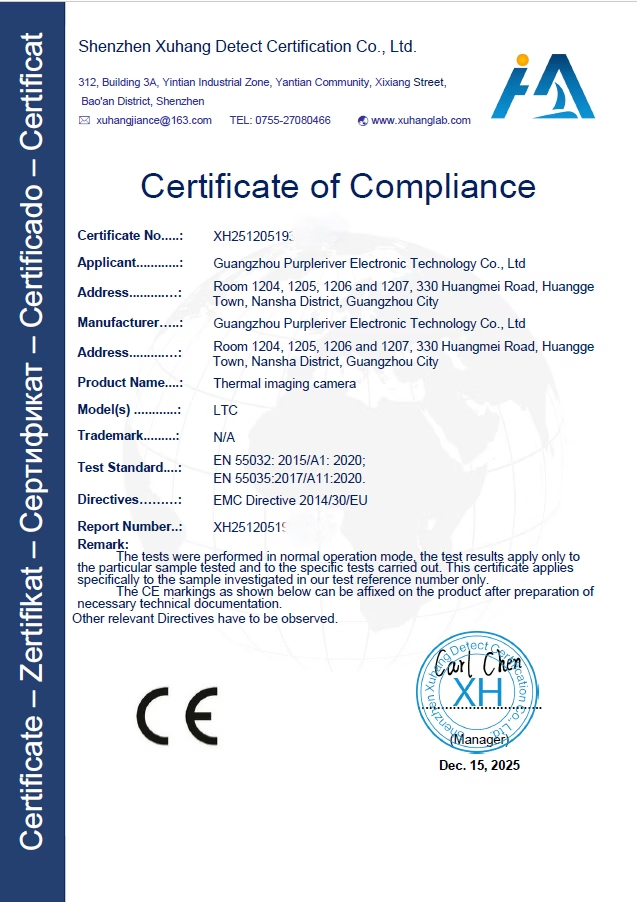
The LTC multi-functional thermal imaging camera module has passed the relevant compliance certification. The acquisition of the certification qualifications demonstrates the reliability and standardization of the product, providing a strong guarantee for users' selection. Visit PURPLERIVER's website or contact us for more information.
5.Typical Application Scenarios
1、Security Monitoring:
Compact and modular design, flexible and convenient for installation and deployment; equipped with high-definition thermal imaging technology, effectively resisting strong light and glare interference, accurately identifying personnel, non-motorized vehicles and surrounding obstacles, and promptly detecting abnormal movements and potential risks.
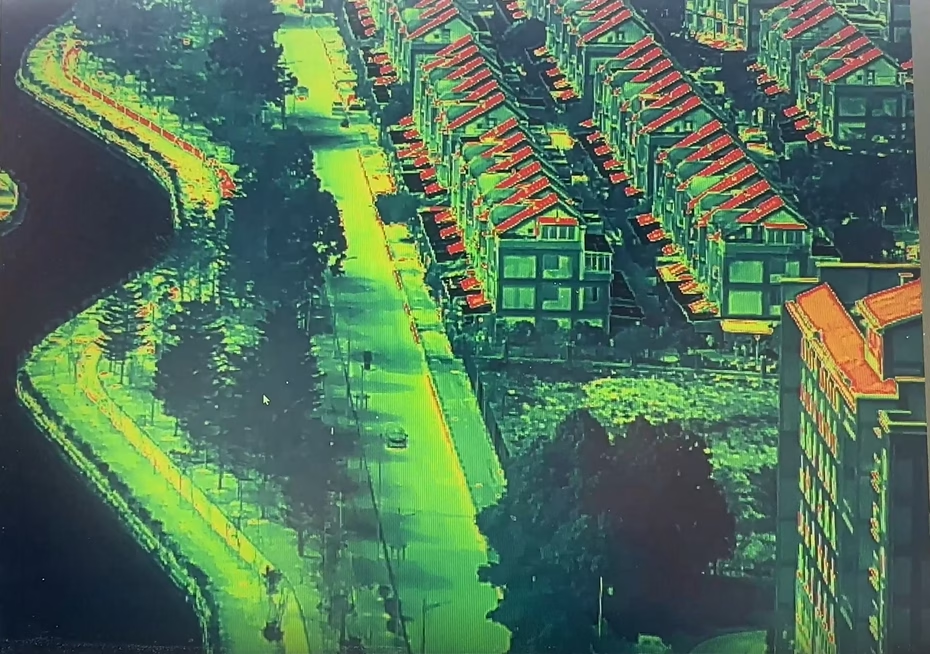
2、Industrial Monitoring:
Compact and modular design, flexible and convenient for installation and deployment. Equipped with high-definition thermal imaging technology, resistant to strong light and glare, accurately identifying intruders, foreign vehicles and surrounding obstructive objects, quickly capturing abnormal movements and predicting potential safety hazards. The device operates with low power consumption for long-term operation, has a small maintenance burden, and provides 24/7 protection, comprehensively ensuring the safety and stability of energy stations, materials, equipment and the entire site.
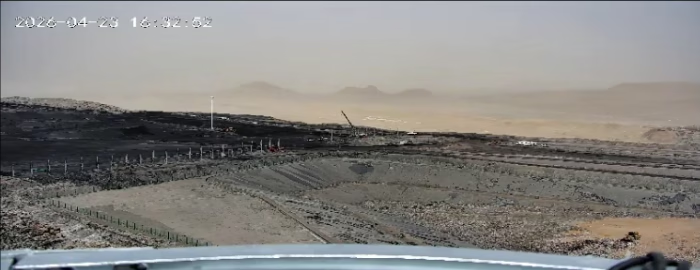
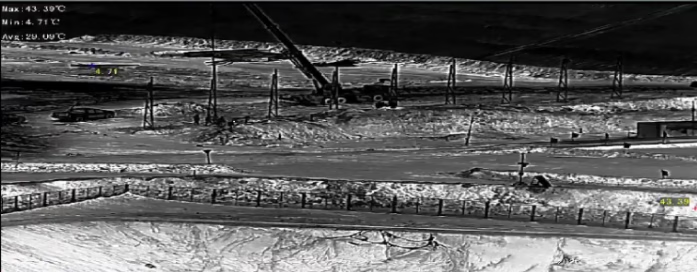
3、Vehicle Safety:
Compact and modular body, strong vehicle adaptability, easy and convenient installation. Equipped with professional infrared thermal imaging technology, effectively resisting strong light and glare interference, accurately identifying surrounding personnel, non-motorized vehicles and roadside obstacles, and real-time capturing abnormal conditions to avoid potential safety hazards in advance.
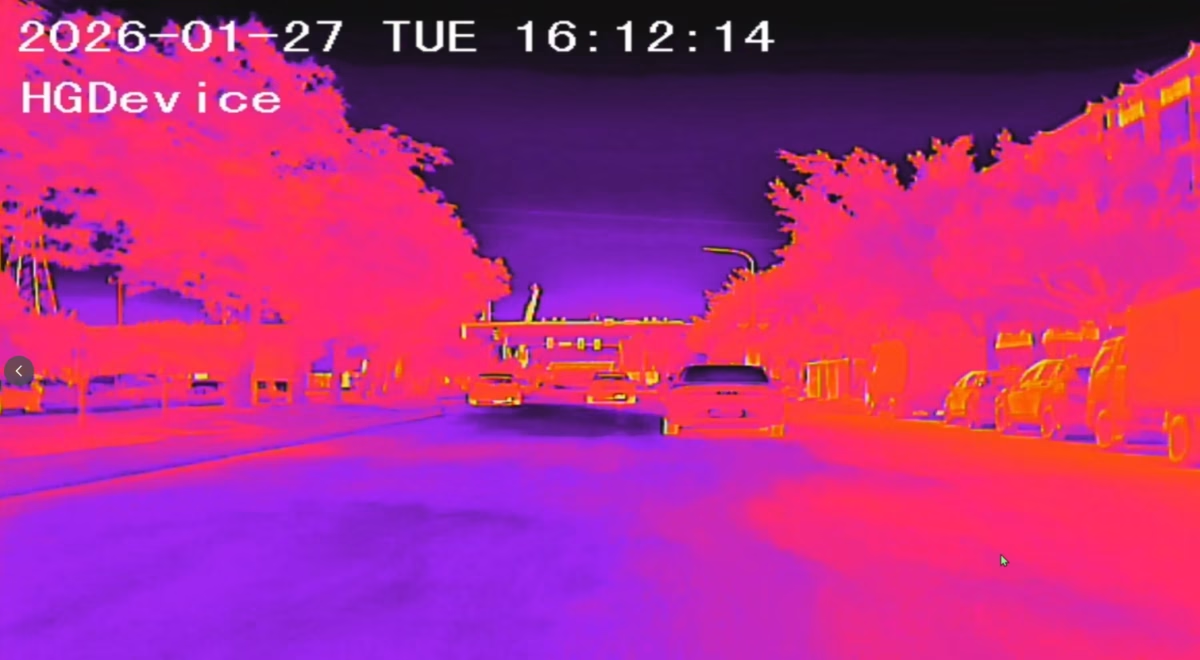
4、Drone Applications:
Lightweight and modular body, suitable for drone mounting, easy and convenient installation and integration. Equipped with high-performance infrared thermal imaging technology, resistant to strong light and glare interference, accurately identifying personnel, vehicles and obstacles in the area, quickly capturing abnormal targets and pre-emptively identifying potential hazards.
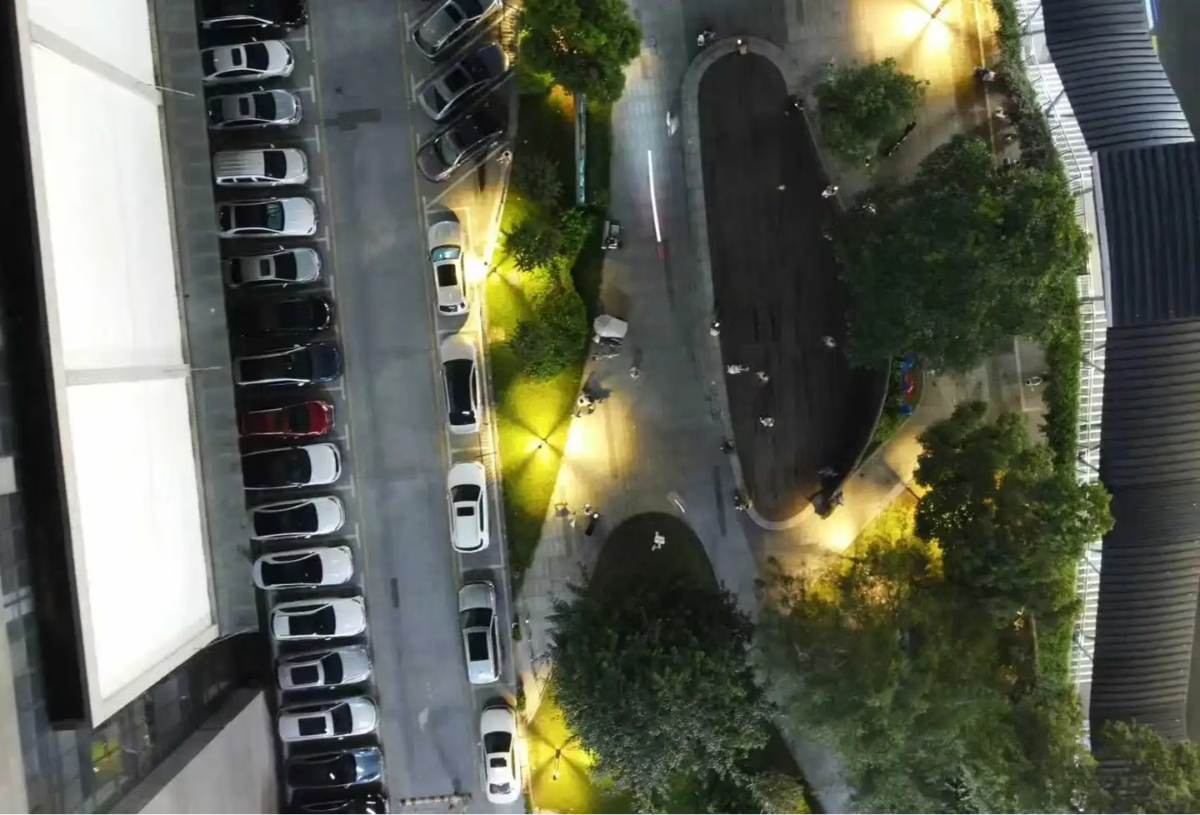
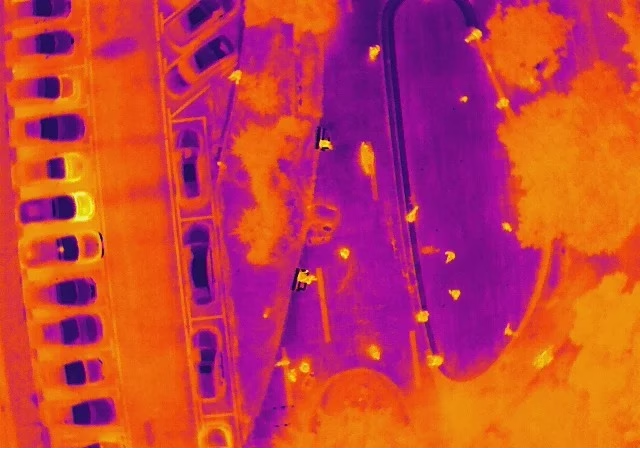
5、Fire Rescue:
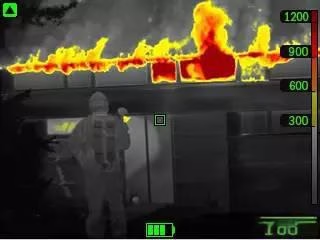
Lightweight and modular structure, suitable for fire rescue helmets, simple and convenient for mounting and installation. Equipped with professional infrared thermal imaging technology, capable of resisting strong light and glare interference, accurately locating trapped personnel, obstacles and complex environmental hazards. The device operates with low power consumption, is comfortable to wear, has long battery life, and is suitable for harsh environments such as thick smoke and backlighting in fire scenes, real-time monitoring of environmental conditions, assisting rescue personnel in quickly assessing the situation, and comprehensively enhancing the safety and efficiency of fire rescue operations.
6、Smart Buildings:
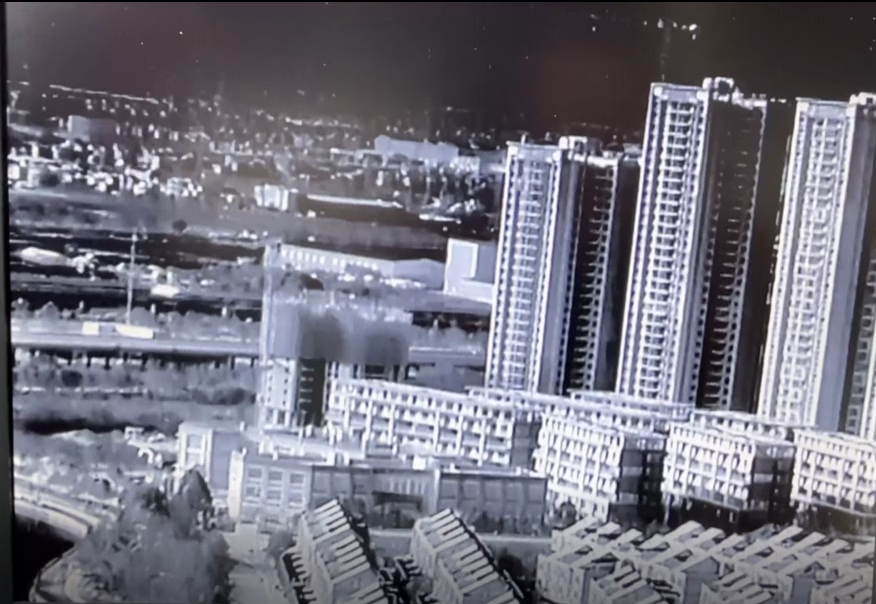
Compact and modular design, suitable for smart building scenarios, flexible and efficient for installation and deployment. Equipped with professional infrared thermal imaging technology, resistant to strong light and glare interference, accurately identifying personnel movement, foreign vehicles and surrounding obstructive objects, and real-time monitoring of abnormal dynamics. The device operates with low power consumption and energy efficiency, reducing building operation and maintenance costs, providing 24/7 stable protection, assisting in comprehensive risk warning for the entire building area, and comprehensively strengthening the security control capabilities of smart buildings.
6. Conclusion
Returning to the core question of this article: Can ordinary cameras really be transformed into thermal imaging cameras?
The answer is: No. The silicon-based sensors used in ordinary cameras physically cannot detect the long-wave infrared radiation used for thermal imaging. Those online tutorials that claim to "remove filters and convert to thermal imaging" are essentially disguising near-infrared cameras as thermal imaging cameras. The images they generate have no relation to the temperature of the objects.
The only DIY solution that can truly achieve thermal imaging is to use specialized thermal sensors combined with development boards. However, this solution has extremely low performance and can only be used as a personal hobby and teaching demonstration. It is completely unable to meet any practical application requirements.
For users who need to apply thermal imaging technology in commercial or industrial scenarios, choosing a professional thermal imaging sensor module is the only reliable and cost-effective solution. Purpleriver's non-cooled infrared RJ45/CVBS/RTSPI 640×512 thermal imaging sensor module, at less than half the price of a thermal imager, provides professional-level thermal imaging performance and comprehensive functional support. It is the common choice of thousands of enterprises worldwide.
Whether you want to add thermal imaging capabilities to your security system, develop the next generation of vehicle safety products, or create a high-performance unmanned aerial vehicle inspection payload, Purpleriver's modules can provide you with solid technical support and help you quickly launch competitive thermal imaging products.
7. Frequently Asked Questions (FAQ)
1. How long does the thermal imaging module last?
Our vanadium oxide detector has extremely high stability. Under normal usage conditions, its lifespan can reach over 10 years without significant performance degradation.
2. Since removing the infrared filter prevents thermal imaging, what is its purpose?
Removing the infrared filter can convert a regular camera into a near-infrared camera, suitable for infrared photography, artistic creation, anti-counterfeiting detection, and other scenarios. However, it cannot detect heat or work in complete darkness, and it is fundamentally different from a true thermal imaging camera.
3.Why can infrared sniper rifles in Hollywood movies penetrate walls, but in reality, they can't?
Simply put: Movies are for entertainment and plot development, so they make things up; in reality, infrared (thermal imaging) only "sees surface temperature" and cannot penetrate walls.
In real-world infrared thermal imaging, the core is to capture the thermal radiation emitted from the surface of an object, and it can only identify temperature differences on the surface layer. Walls have insulation and blocking effects, completely blocking the heat source of the human body behind them and isolating the transmission of thermal signals. Therefore, thermal imaging cannot penetrate walls and cannot observe people or objects behind them. There is no effect of seeing through walls.
4. Is there any way to modify an ordinary camera to enable it to detect long-wave infrared?
No. The physical properties of silicon-based sensors determine that they cannot respond to electromagnetic waves with a wavelength greater than 1.1 μm. To detect thermal radiation, specialized vanadium oxide or amorphous silicon infrared focal plane detectors must be used.