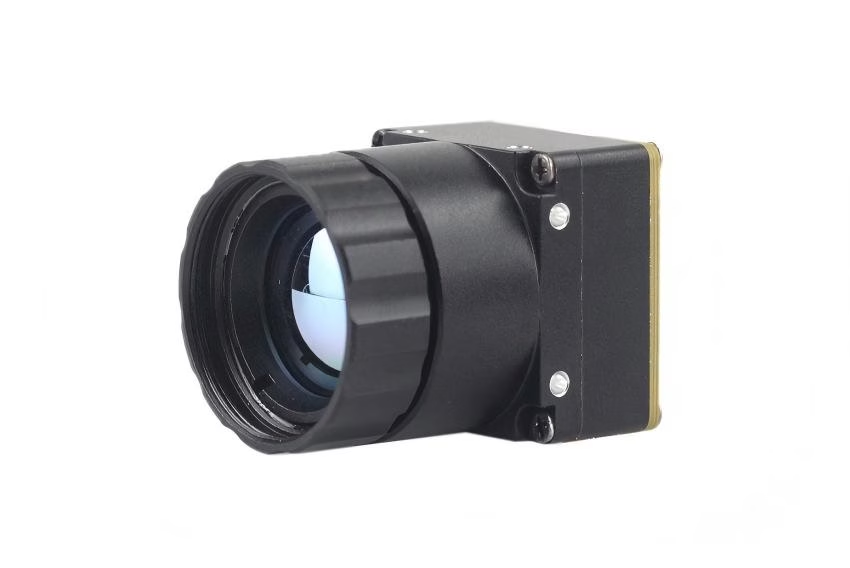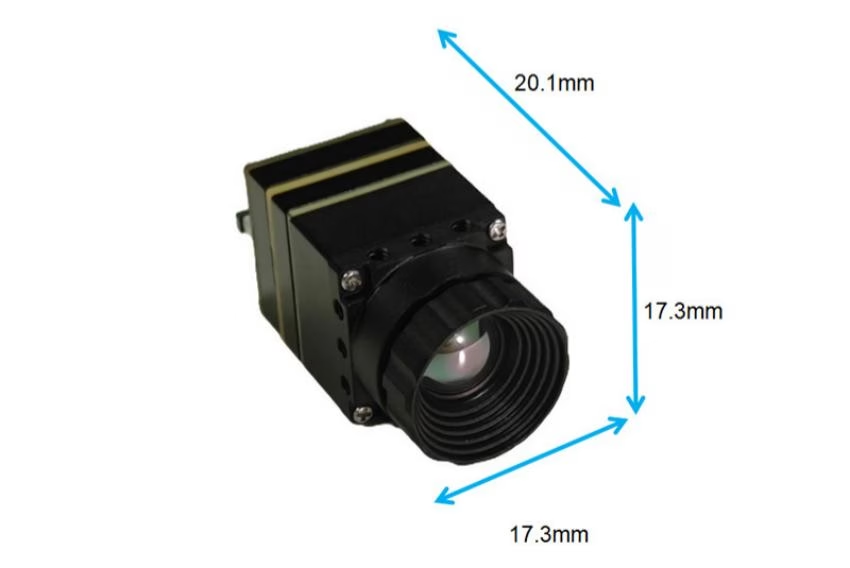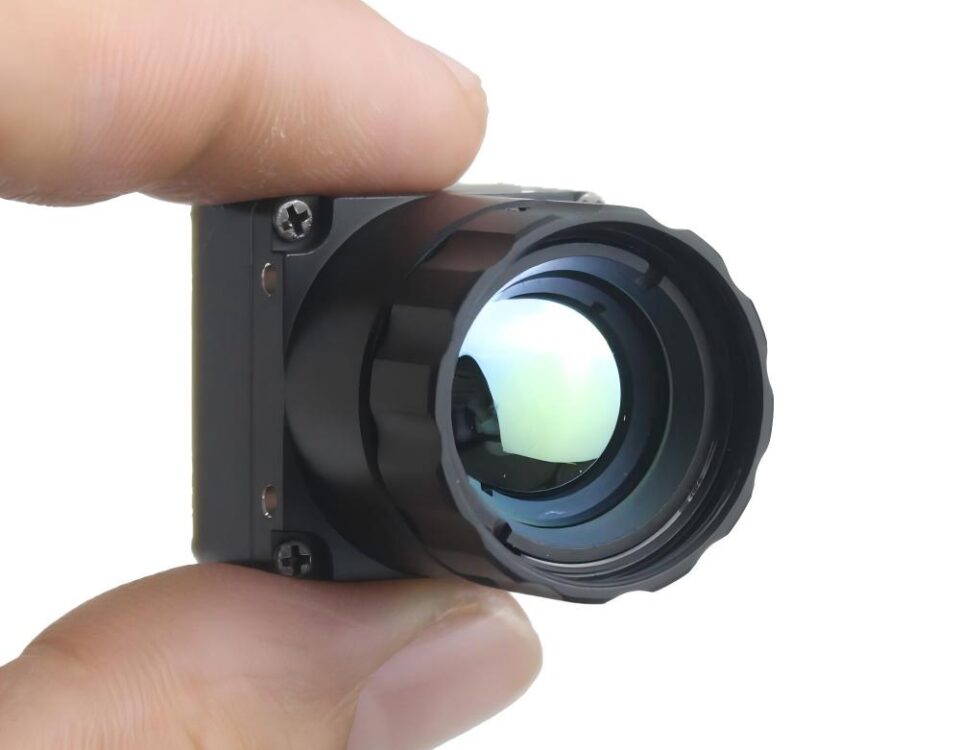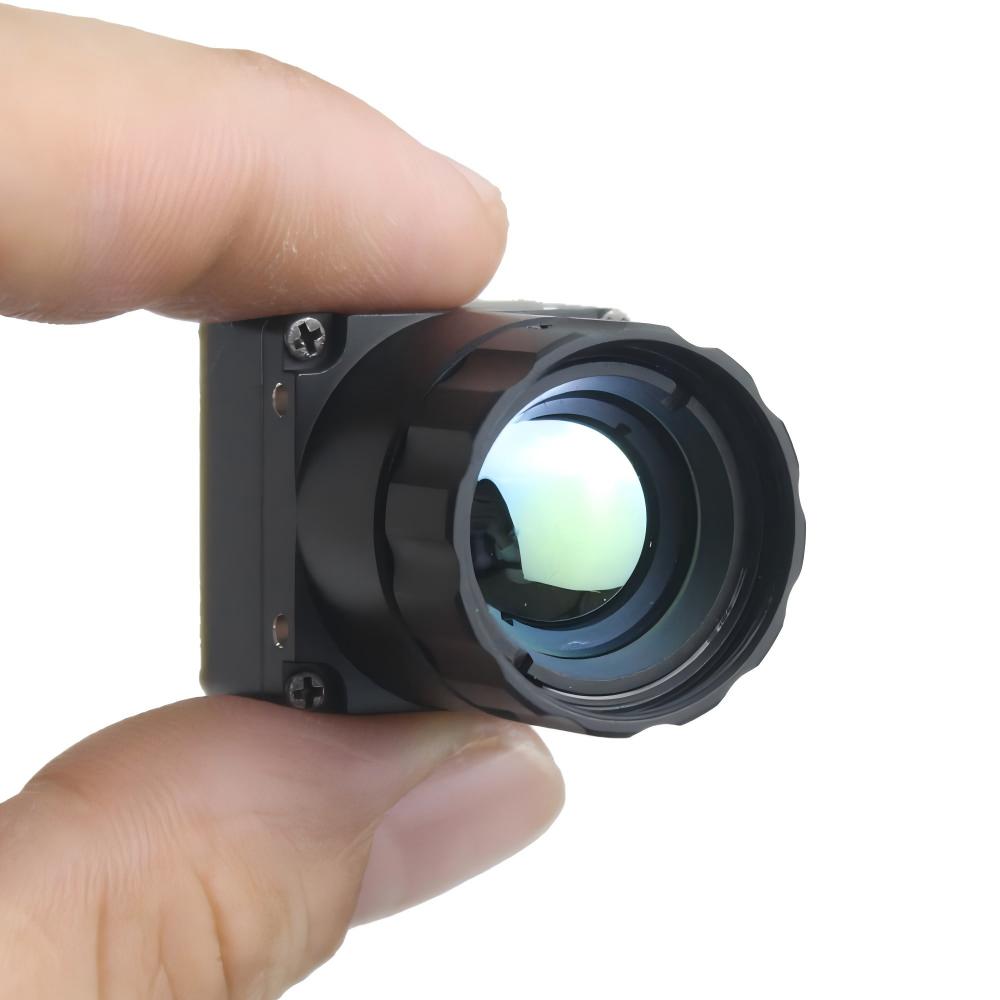
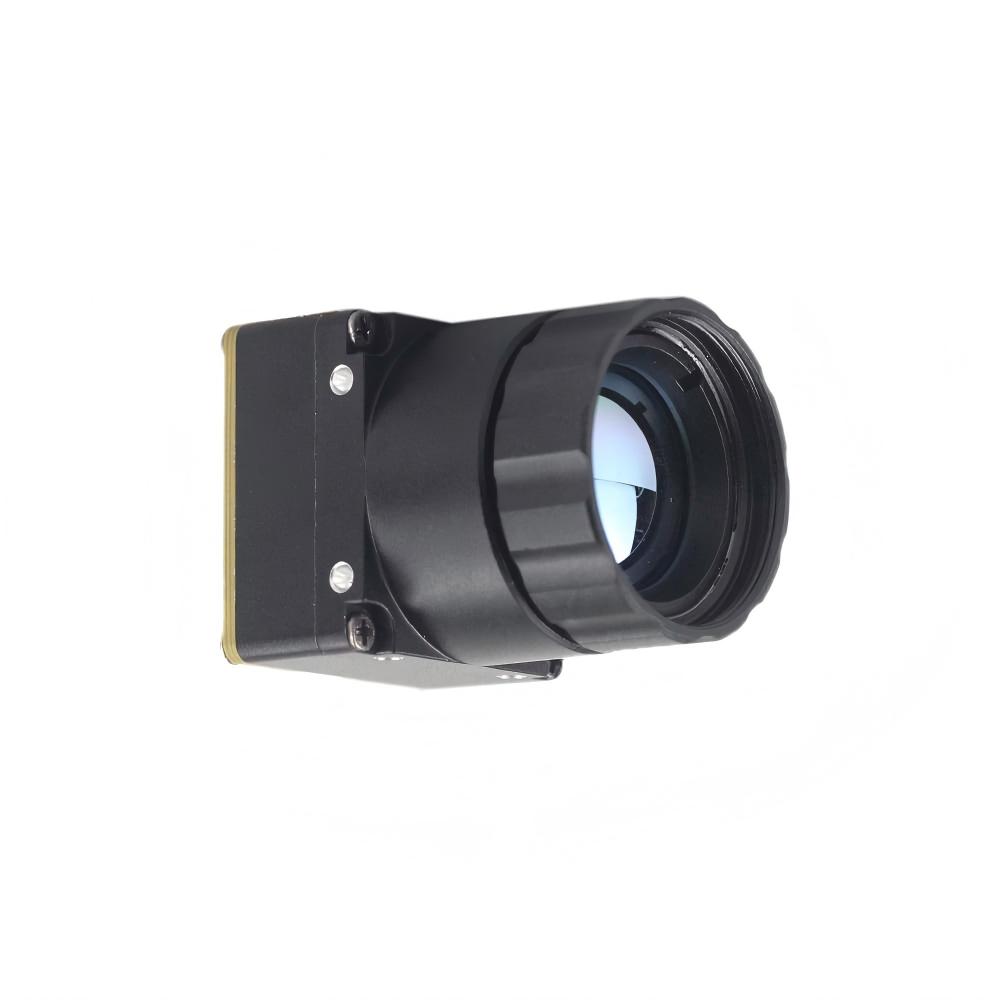
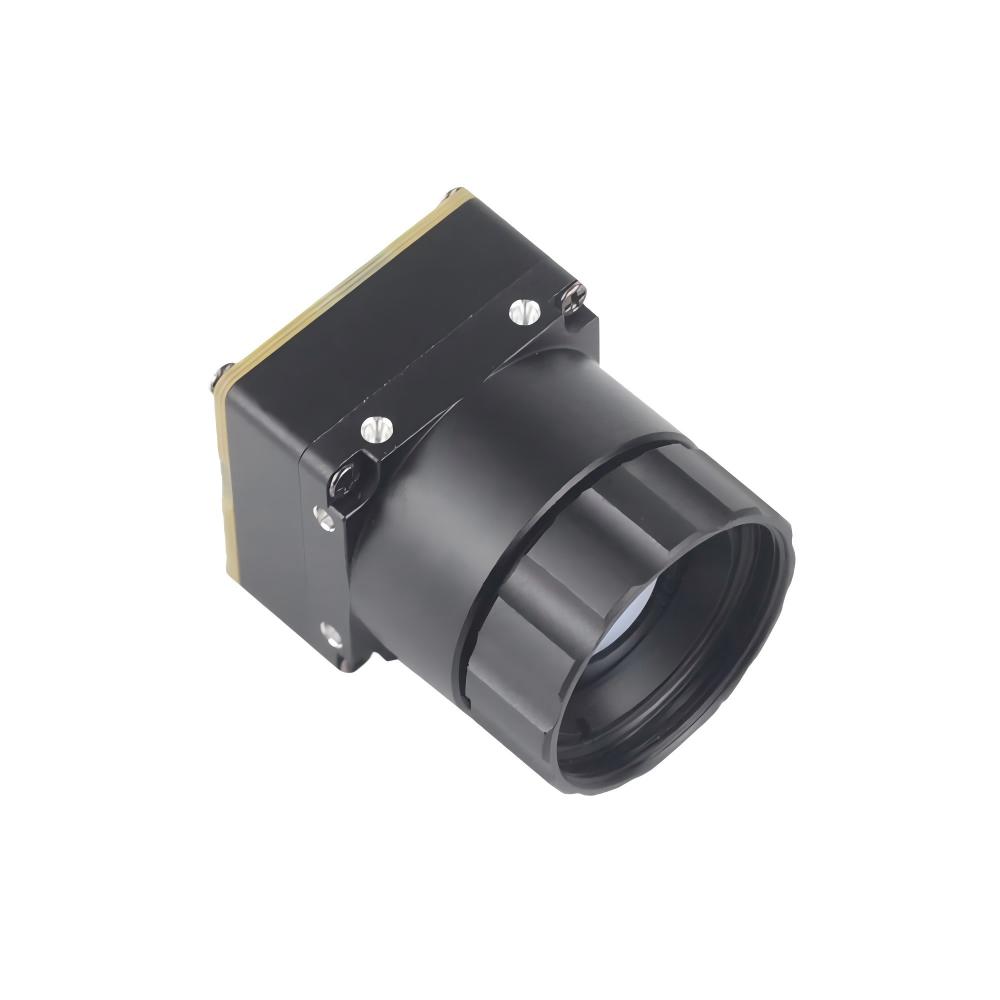
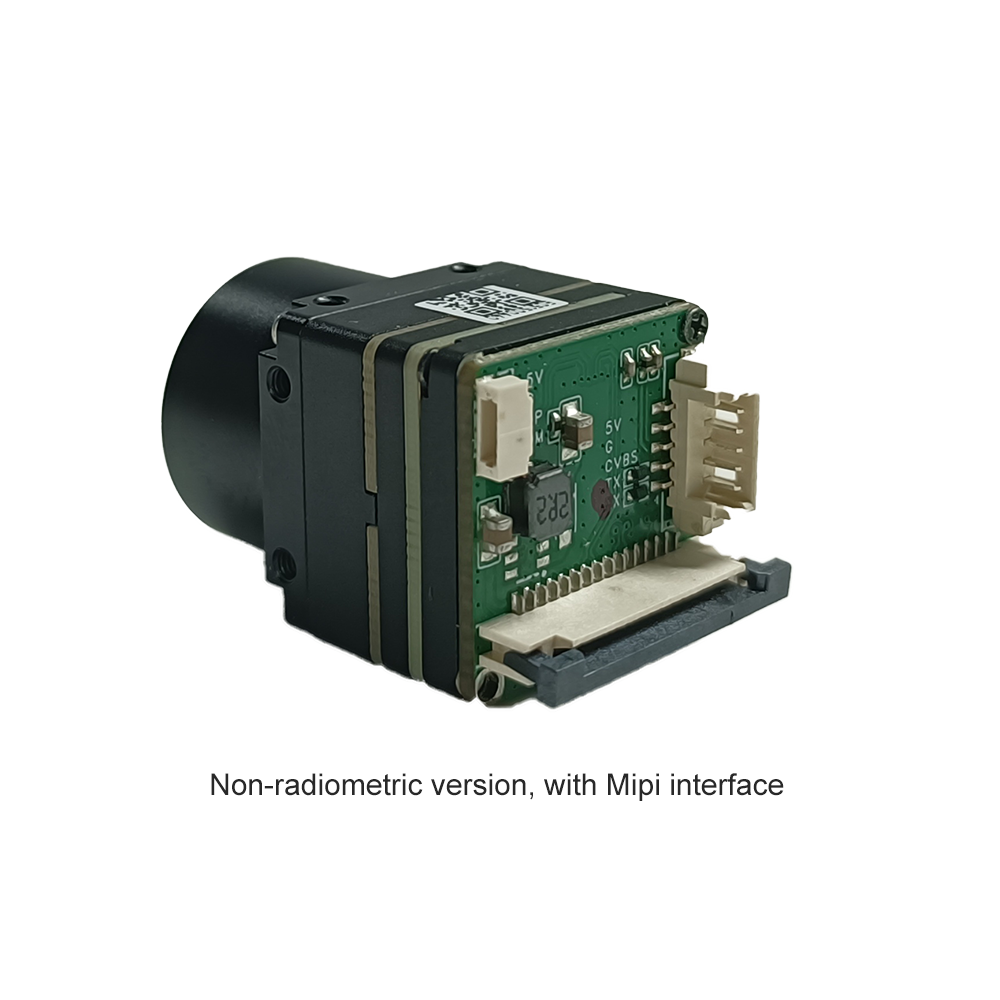
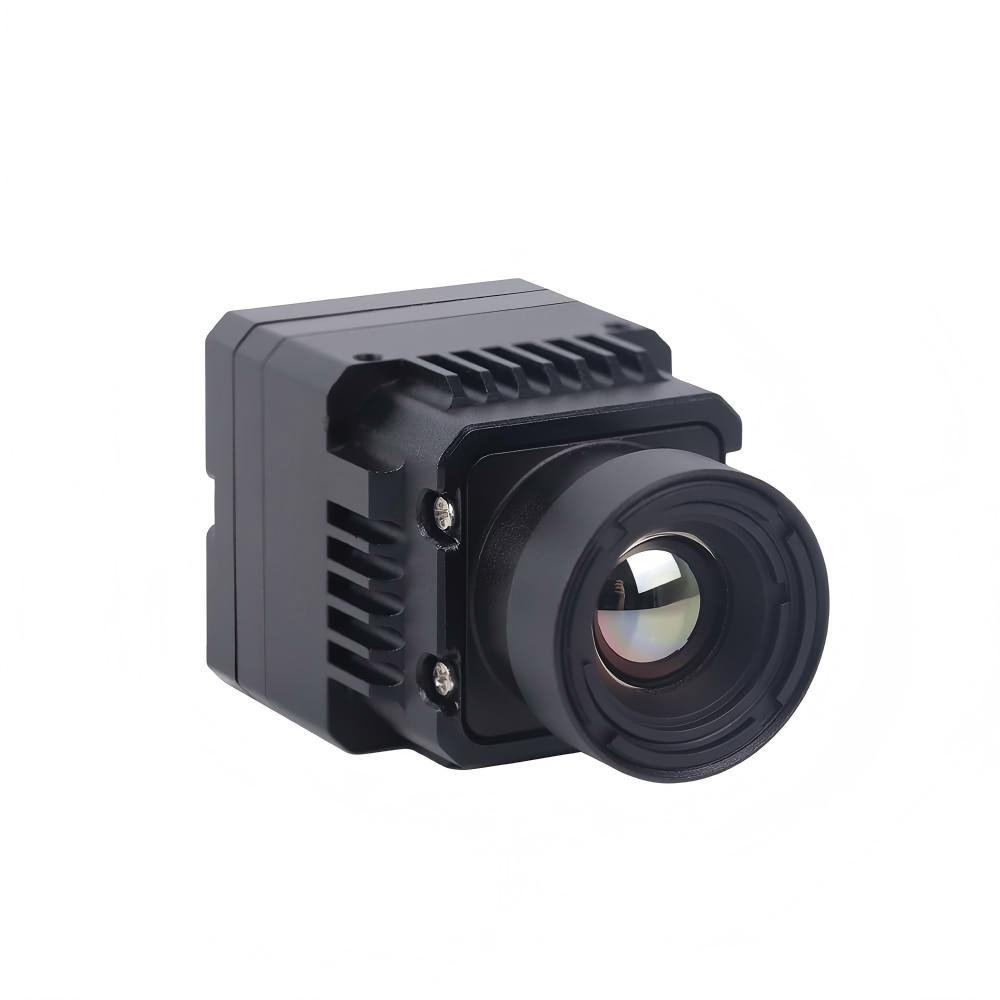
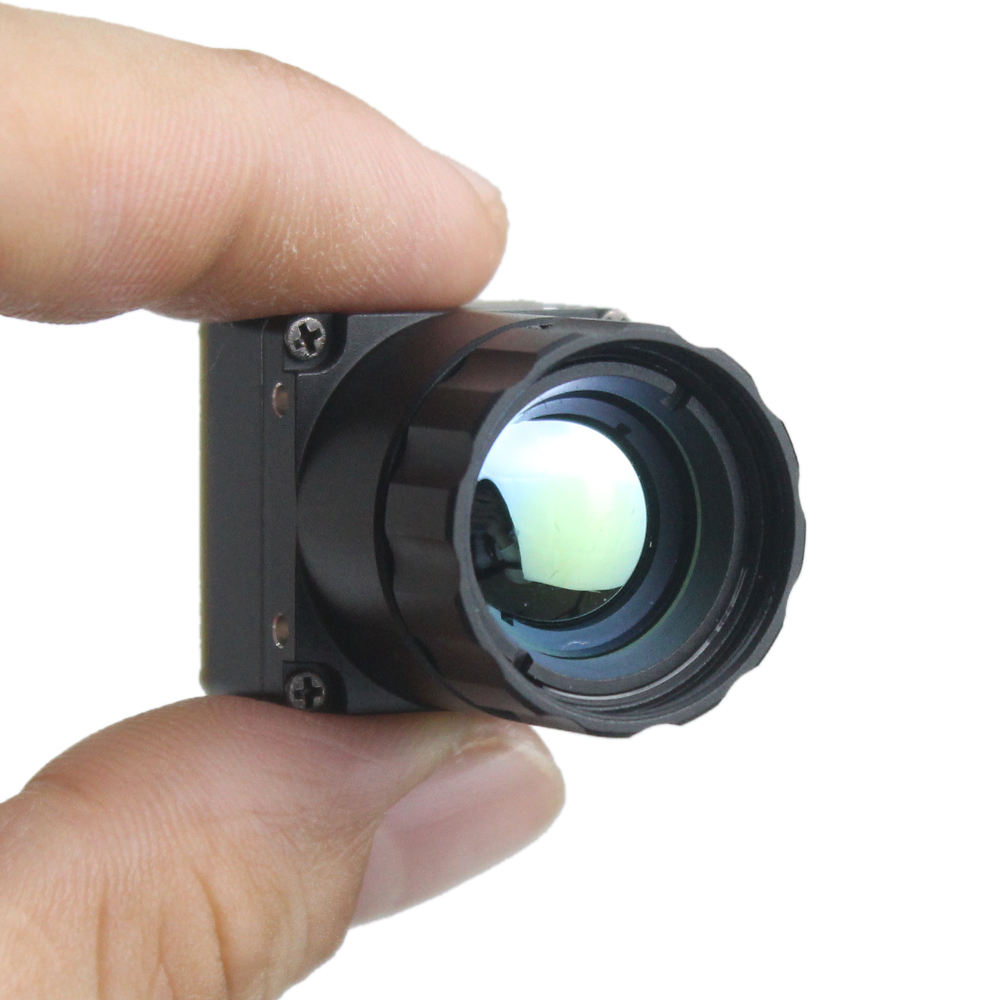
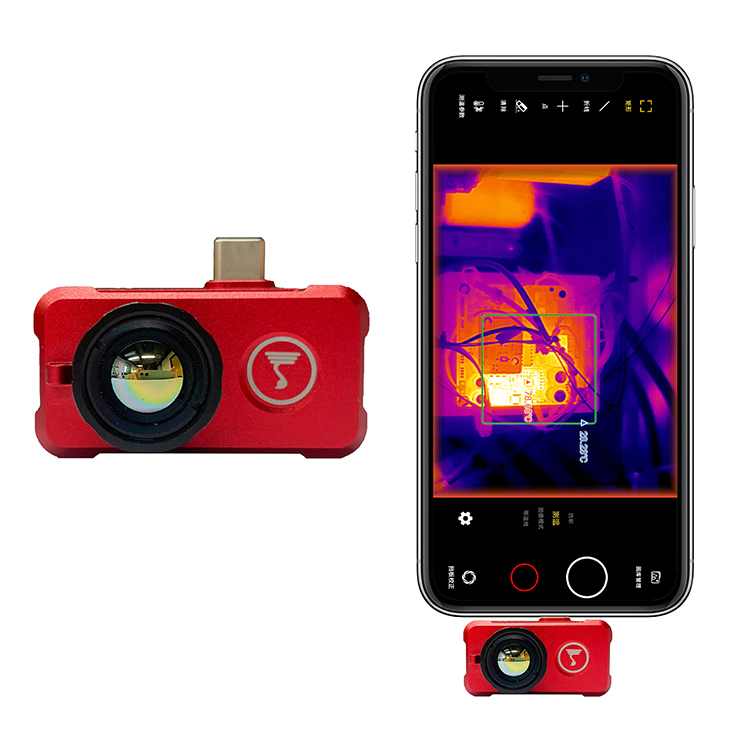
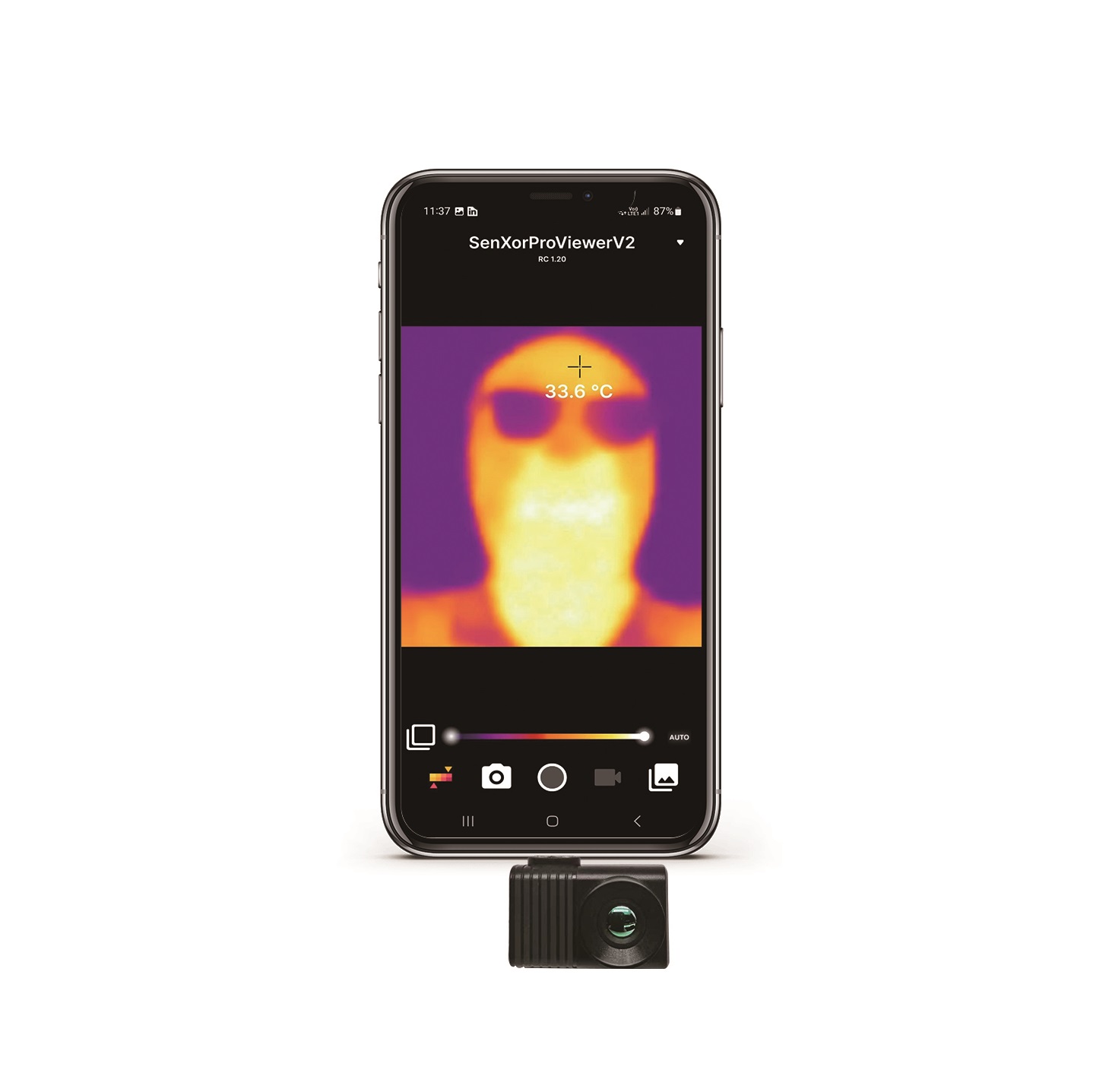
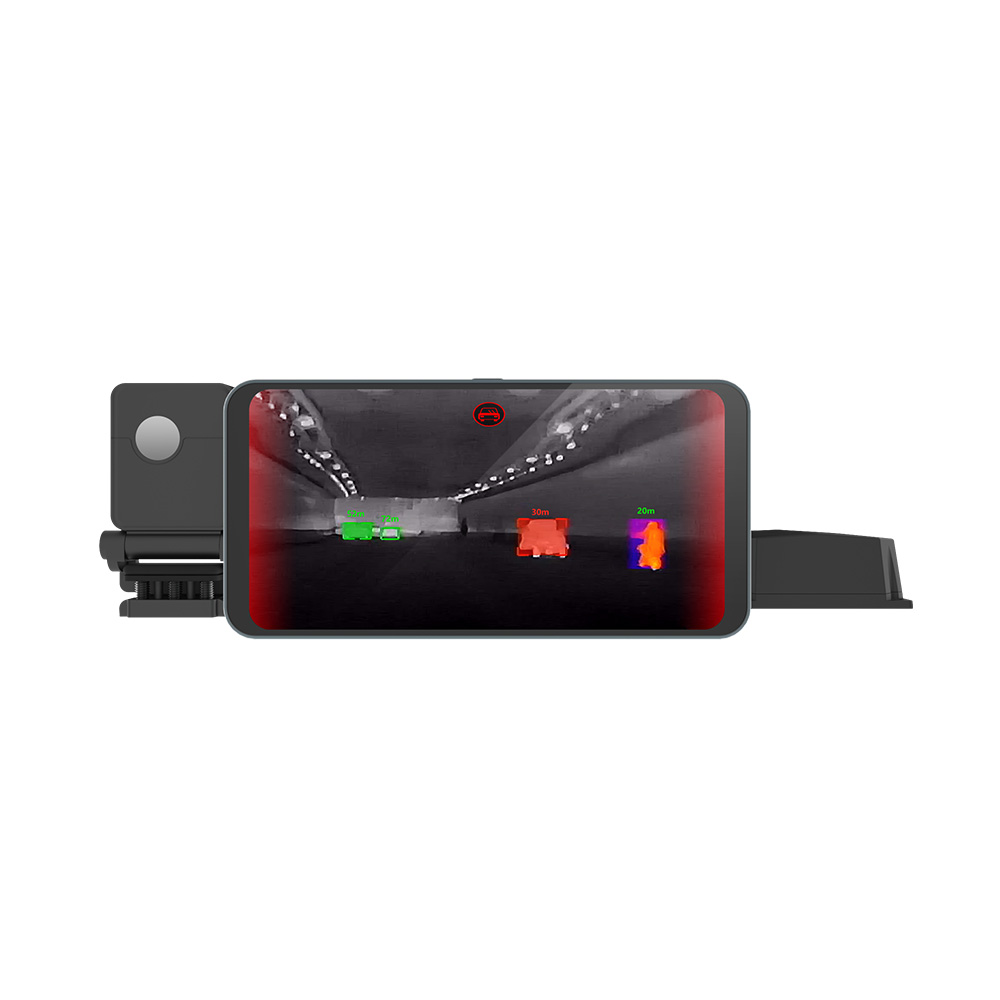

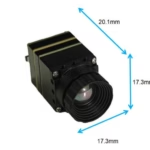
Тепловизионный модуль серии MD 384×288 с золотой спецификацией, экономичный тепловизионный модуль с малым объемом и низким энергопотреблением
22 апреля 2026 г.
Mini 640 Неохлаждаемый LWIR тепловизионный модуль | Ультракомпактный 640×512 высокочувствительный тепловизор для дронов, промышленной инспекции и безопасности
22 мая 2026 г.
Введение
Технология тепловидения становится всё более распространённой; будь то отдельные энтузиасты, небольшие команды разработчиков или многочисленные предприятия — все ищут способы использовать тепловидение с меньшими затратами. Вопрос, который мне задают чаще всего, звучит так: можно ли устройства, которые у меня уже есть — например, обычную цифровую камеру, камеру смартфона или даже домашнюю камеру видеонаблюдения — напрямую переделать в тепловизионную камеру?
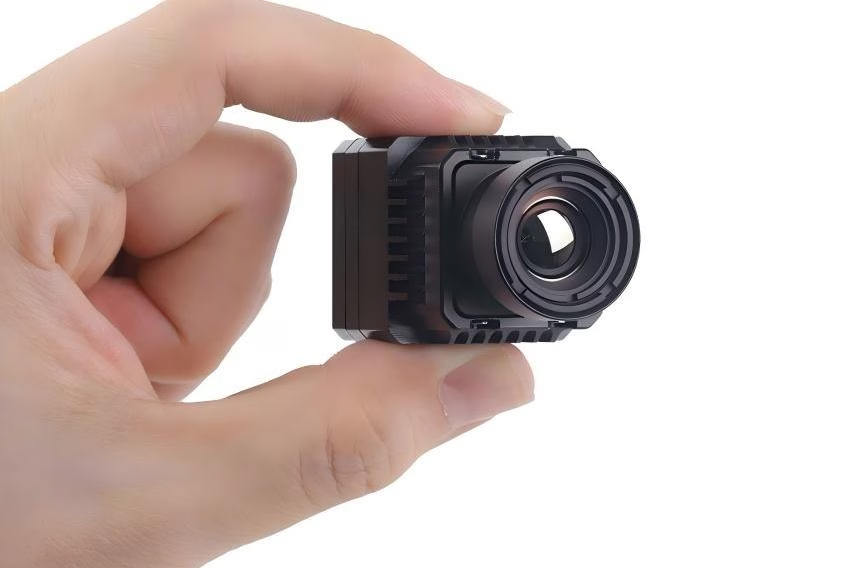
Причина, по которой люди задают этот вопрос, в корне заключается в том, что профессиональное тепловизионное оборудование слишком дорогое, а потребность в тепловидении становится всё более насущной. Поискав в интернете, можно найти множество руководств "сделай сам тепловизионную камеру всего за несколько сотен юаней". Звучат они невероятно заманчиво, будто достаточно просто разобрать старую камеру и добавить несколько деталей. Но действительно ли эти методы надёжны? Можно ли использовать переделанные устройства в реальных сценариях? По сравнению с настоящими профессиональными тепловизионными модулями (например, неохлаждаемый инфракрасный RJ45 CVBS RTSP IP 640*512 модуль тепловизионной камеры с датчиком), насколько они отличаются?
В этой статье я сначала проясню фундаментальные различия между обычными камерами и тепловизионными камерами, затем тщательно проанализирую основные DIY-решения из интернета, чтобы понять их принципы и неизбежные подводные камни. Наконец, я предоставлю полный набор рекомендаций, основанных на потребностях разных людей — от начального уровня изучения до профессиональной работы.
Ключевой вопрос: Сущностное различие между обычными камерами и тепловизионными камерами
1. Принцип формирования изображения в обычных камерах
Обычные цифровые камеры, камеры мобильных телефонов и камеры видеонаблюдения работают, улавливая отражённый свет в видимом и ближнем инфракрасном диапазонах (0,4 мкм – 1,0 мкм). Их основные датчики (CCD или CMOS) могут физически воспринимать некоторое инфракрасное излучение, но для обеспечения точности цветопередачи все потребительские камеры устанавливают перед датчиком инфракрасный отсекающий фильтр (IR Cut Filter), который специально отфильтровывает инфракрасный свет с длиной волны более 700 нм.
Почти все DIY-руководства указывают на "инфракрасный отсекающий фильтр" в камере, утверждая, что, удалив его, можно получить возможности тепловидения. Это самая обманчивая часть всей аферы.
Производители устанавливают инфракрасные отсекающие фильтры перед датчиками, чтобы отфильтровать ближний инфракрасный свет, мешающий цветопередаче, обеспечивая точность цветов фотографий. После его удаления камера действительно может улавливать ближний инфракрасный свет с длиной волны 0,75 мкм – 1,0 мкм, но это не тепловое излучение. Ближний инфракрасный свет, как и видимый свет, требует источника для освещения объекта и его отражения, чтобы быть увиденным — в полностью тёмной среде камера без фильтра остаётся абсолютно чёрной, если только вы дополнительно не включите инфракрасную подсветку.
"Тепловизионные изображения", показанные в онлайн-руководствах, по сути являются эффектами постобработки с раскрашиванием ближних инфракрасных фотографий. Красные области представляют объекты, которые отражают больше ближнего инфракрасного света, а не обязательно более высокую температуру; синие области — это не низкие температуры, а скорее меньшее отражение ближнего инфракрасного света. Такие изображения не имеют никакого отношения к фактической температуре объекта.
Это означает, что обычные камеры изначально спроектированы так, чтобы "не видеть" тепловое излучение. Даже если удалить инфракрасный отсекающий фильтр, камера сможет захватывать только ближний инфракрасный свет и не способна воспринимать длинноволновое инфракрасное излучение, испускаемое объектами для тепловидения, — именно этот диапазон длин волн используется в тепловизорах.
2. Технологическая сущность настоящих тепловизионных камер
Все потребительские камеры, использующие CMOS или CCD сенсоры, имеют сердцевину из кремния. Фотоэлектрический эффект кремния имеет непреодолимую физическую границу: он может реагировать только на электромагнитные волны с длиной волны менее 1,1 мкм. Это означает, что как бы вы ни модифицировали обычную камеру, её сенсор совершенно не способен воспринимать длинноволновое инфракрасное тепловое излучение с длинами волн 8–14 мкм.
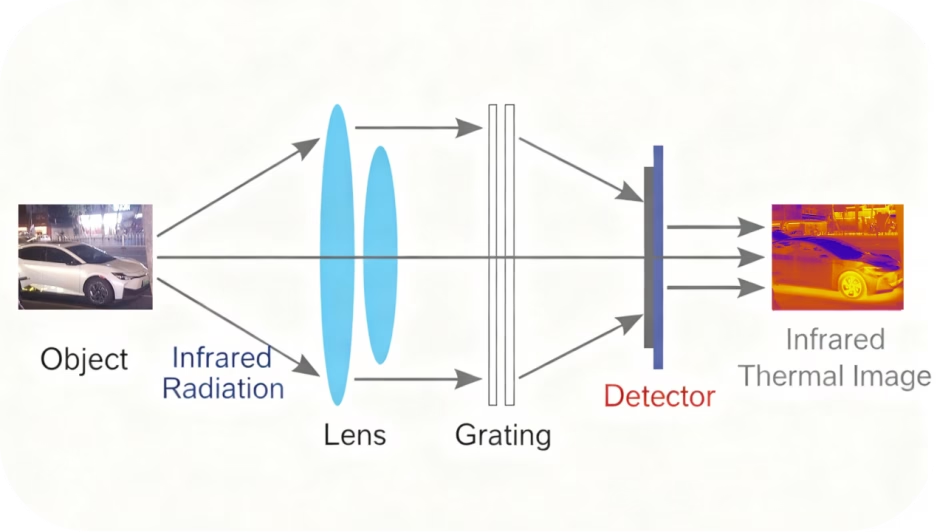
Принцип работы профессиональных тепловизионных камер совершенно иной: они не полагаются на внешний источник света, а напрямую захватывают длинноволновое инфракрасное излучение (8–14 мкм), испускаемое объектами с температурой выше абсолютного нуля (-273,15 °C). Излучение в этом диапазоне напрямую связано с температурой объекта: чем выше температура, тем больше интенсивность излучения.
Тепловизионные камеры преобразуют инфракрасное излучение в электрические сигналы с помощью специализированной матрицы инфракрасных детекторов в фокальной плоскости (FPA), затем проводят обработку сигнала и улучшение изображения, в итоге создавая тепловые снимки, отражающие распределение температуры на поверхности объекта. Такой метод формирования изображения наделяет тепловизоры уникальными возможностями: круглосуточная работа, проникновение сквозь дым и туман, бесконтактное измерение температуры.
Подробное описание и анализ ограничений основных DIY-решений для тепловидения
1. Решение первое: удаление инфракрасного отсекающего фильтра из обычной камеры
Это самый распространённый и вводящий в заблуждение метод DIY, набравший более 100 миллионов просмотров в интернете. Шаги операции
Разберите свою камеру (мобильного телефона, компьютерную или камеру наблюдения).
Найдите плотно прикреплённый инфракрасный отсекающий фильтр перед сенсором.
Осторожно подденьте его лезвием или пинцетом (при этом легко поцарапать сенсор и вывести камеру из строя).
Соберите камеру обратно.
С помощью Photoshop или мобильного приложения примените к ближним инфракрасным фотографиям псевдоцветовые фильтры, например "железный красный" или "радужный".
Что вы получите на самом деле:
l Камеру, способную делать ближние инфракрасные снимки.
l Псевдоцветовое изображение, похожее на тепловизионное, но не связанное с температурой.
l Камеру, которая для работы в темноте обязательно требует инфракрасной подсветки.
l Все фотографии в видимом свете будут иметь серьёзное искажение цвета.
l Невозможность проникать сквозь дым или туман для идентификации целей.
Критические недостатки:
l Полная неспособность измерять температуру: отображаются только различия в отражательной способности ближнего инфракрасного диапазона, невозможно определить температуру объектов.
l Бесполезность в тёмной среде: без устройства инфракрасной подсветки ничего не видно.
l Лёгкость введения в заблуждение: металлические предметы отражают много инфракрасного света, отображаясь на изображении как "высокая температура"; чёрные теплопоглощающие объекты будут показываться как "низкая температура", даже если они чрезвычайно горячи.
l Необратимое повреждение камеры: 901ТП3Т новичков поцарапают сенсор или повредят проводку при удалении фильтра.
l Невозможность проникновения сквозь дым: ближний инфракрасный свет, как и видимый, рассеивается частицами дыма.
2. Решение второе: самодельный тепловизор на основе недорогих тепловых сенсоров
Это единственный метод самостоятельной сборки, позволяющий получить настоящее тепловидение, но его эксплуатационные недостатки определяют, что он может использоваться только как ознакомительное учебное пособие и не подходит для практического применения. Этапы работы
Приобретите тепловые сенсорные матрицы начального уровня, одноплатные микроконтроллеры или платы разработки Raspberry Pi, дисплеи и аккумуляторы.
Припаяйте датчики к контактам ввода/вывода общего назначения платы разработки.
Установите сторонние библиотеки драйверов и среду выполнения программ.
Напишите код для считывания температурных данных и генерации тепловых изображений.
Распечатайте корпус на 3D-принтере и соберите готовое устройство.
Что вы получите на самом деле:
l Устройство, способное обнаруживать реальное тепловое излучение и приблизительно измерять температуру.
l Тепловые изображения с чрезвычайно низким разрешением (обычно от нескольких десятков до нескольких сотен пикселей).
l Низкая частота обновления 1–8 кадров в секунду, с сильным ореолом в динамических сценах.
l Крупное портативное устройство с малым временем автономной работы.
l Для нормальной работы требуются определённые знания в программировании и электронике.
Критические недостатки:
l Poor resolution: The pixel count of mainstream DIY thermal sensors is only 0.2%-0.5% of our 640×512 module. At 5 meters away, only the outline of a human can be barely seen, and at 10 meters away, no target can be recognized at all.
l Poor temperature measurement accuracy: The error is usually between ±5°C and ±10°C, which can only determine "whether it's hot or not", and cannot be used for industrial detection.
l Low thermal sensitivity: Generally, it can only recognize temperature differences greater than 0.15°C, and cannot detect early electrical faults and other minor temperature abnormalities.
l Extremely low frame rate: The refresh rate of 1-8Hz cannot track moving targets. When a person runs, they will appear as a blurry color block in the picture.
l No industrial-level functions: Does not support network transmission, video compression, intelligent analysis, alarm linkage and any professional functions.
l Time-consuming and unstable: Assembly and debugging take at least 4-8 hours. The finished product is fragile and easily damaged, and has no protection level.
4. DIY vs Professional Thermal Imaging Module: Comprehensive Comparison
To enable you to visually perceive the differences between the two, we have conducted a comprehensive comparison between the mainstream DIY thermal imaging solution currently available on the market and Purpleriver's flagship 640×512 thermal imaging module:
| Comparison dimension | Entry-level DIY thermal sensor solution | Неохлаждаемый инфракрасный RJ45 CVBS RTSP IP 640*512 тепловизионный сенсорный модуль камеры |
| Core detection technology | Low-cost thermocouple array | High-performance vanadium oxide micro-thermopile focal plane array |
| Infrared resolution | 32×24~64×48 | 640×512 |
| Thermal sensitivity (NETD) | ≥150mK | ≤50mK(@25℃,F#1.0) |
| Точность измерения температуры | ±5℃~±10℃ | ±2℃ or ±2% of the reading (take the maximum value) |
| Диапазон измерения температуры | -40℃~+300℃ | -20℃~+550℃ |
| Частота кадров | 1-8Hz | 30/60 Гц |
| Working frequency band | 5.5μm~14μm | 8μm - 14μm (optimal atmospheric penetration window) |
| Interface type | Only I2C No | RJ45 Ethernet, RS-485, CVBS analog video |
| Network protocol | no | IPv4、TCP/IP、UDP、HTTP、DHCP、RTP/RTCP/RTSP |
| Video compression | no | H.265/H.264/MJPEG |
| Edge intelligence | no | Built-in temperature threshold alarm, hotspot detection, motion analysis |
| Working temperature | 0℃~+40℃ | -20℃~+60℃ |
| Степень защиты | None (requires custom casing) | IP54 |
| Потребляемая мощность | 0.5W | ≤1,6 Вт |
| Assembly time | 4-8 hours | 0 hours (plug-and-play) |
| Total cost | $80 - $150 | $780 - $850 |
| Applicable scenarios | Personal hobbies, teaching demonstrations | Industrial monitoring, security, vehicle-mounted, drones, firefighting |
From the comparison, it can be seen that although the DIY solution has a lower initial cost, the performance it offers is less than 1% of that of the professional module. For any application that requires reliability and accuracy, the professional module is a more cost-effective choice.
5. Professional-level Solution: Неохлаждаемый инфракрасный RJ45 CVBS RTSP IP 640*512 тепловизионный сенсорный модуль камеры
For enterprises, system integrators, and users who require true thermal imaging capabilities, Purpleriver's non-cooled infrared RJ45 CVBS RTSP IP 640*512 thermal sensor camera module is the globally recognized benchmark for high value and cost-effectiveness.
This module is not a consumer-grade toy, but is a core component for industrial applications widely used in thousands of commercial products worldwide, including security cameras, vehicle night vision systems, industrial inspection equipment, and unmanned aerial vehicle payloads. It combines industry-leading thermal imaging performance with compact size, extremely low power consumption, and comprehensive interface support, allowing you to complete the integration development of thermal imaging products in just a few days instead of several months.
5.1. Product Features
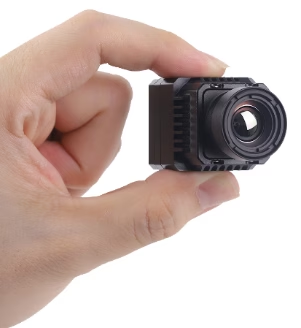
This is an ASIC thermal sensor camera module equipped with a 640×512 resolution vanadium oxide non-cooled infrared focal plane detector, supporting 30/60Hz frame rates, with 12μm pixel pitch, 8-14μm response band, and ≤50mK high sensitivity. It offers multiple lens options including 9/13/19/35mm.
The module provides 18 pseudo-color display modes such as white heat and black heat, weighs no more than 50 grams, and measures only 45×28×28mm, being small and portable.
It adopts an ASIC integrated design with low power consumption and strong stability, and can be widely adapted for various application scenarios such as handheld thermometers, security monitoring, unmanned aerial vehicle inspection, and industrial automation.
5.2. Core Characteristics and Advantages
1. Outstanding Thermal Imaging Performance
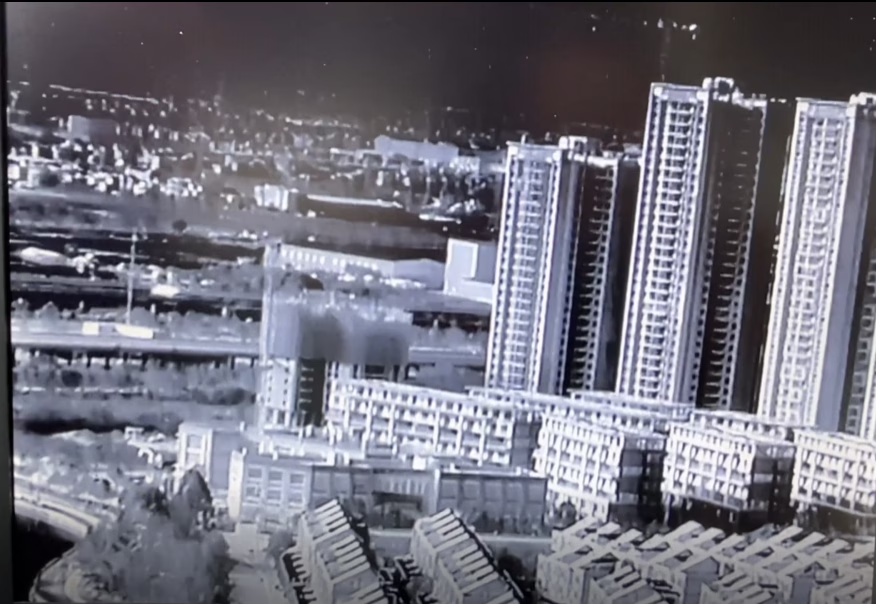
Equipped with a 640×512 high-resolution detector, it can achieve 300 meters human recognition and 1000 meters vehicle recognition with different lenses; it has ≤50mK ultra-high thermal sensitivity, capable of detecting 0.05℃ micro temperature differences and early detecting equipment hazards; it adopts 12μm pixel pitch technology, balancing high performance and miniaturization while reducing costs; the 8-14μm working band has excellent atmospheric penetration ability, allowing clear imaging even in adverse weather conditions; it offers 18 pseudo-color palettes and supports real-time temperature measurement functions for the entire screen/selected area.
2. Comprehensive Interfaces and Protocol Support
To be compatible with various industrial and security systems, three standard interfaces are provided: RJ45 Ethernet, RS-485 serial, and CVBS analog video. The RJ45 interface supports high-speed data transmission, the RS-485 interface can directly connect to industrial control devices, and the CVBS interface can perfectly integrate with the old analog monitoring systems without the need for large-scale renovations, enabling quick deployment.
In terms of network protocols, it supports a complete standard network protocol stack and can seamlessly integrate with most of the mainstream video management platforms available on the market, such as Hikvision and Dahua. The video encoding is compatible with three formats: H.265, H.264, and MJPEG. Users can flexibly choose based on the network bandwidth of the site, ensuring image quality while minimizing storage space and transmission traffic to the greatest extent.
3. Industrial-grade Reliability and Durability
It has a wide temperature working range of -20℃ to +60℃, suitable for harsh industrial environments with cold and hot conditions; its maximum power consumption is only 1.6W, particularly suitable for battery-powered unmanned aerial vehicles and portable devices; it has an IP54 dustproof and waterproof rating and a sturdy aluminum alloy casing, providing good heat dissipation and mechanical protection; it uses DC12V standard power supply, compatible with industrial and vehicle power systems.
4. Flexible and User-friendly Integration Experience
It has an ultra-compact size of 45mm×28mm×28mm and a lightweight design of only 50g, allowing easy embedding in space-constrained devices without increasing load; it offers four focal lengths of 9mm, 13mm, 19mm, and 35mm, covering all scenarios from wide-angle to long-distance detection; it is equipped with a full-function SDK development package and complete documentation, with all modules having undergone strict temperature calibration before leaving the factory, ready for use out of the box.
5.3. Performance Parameters
| Модель | LTC609 | LTC613 | LTC619 | LTC635 | |
| Параметры тепловидения | Тип детектора | Неохлаждаемый инфракрасный фокальный плоскостной детектор на основе оксида ванадия | |||
| Инфракрасное разрешение | 640×512 | ||||
| Шаг пикселя | 12 мкм | ||||
| Рабочий диапазон длин волн | 8 - 14 мкм | ||||
| Фокусное расстояние объектива | 9 мм | 13 мм | 19 мм | 35 мм | |
| Поле зрения объектива (FOV) | 51.4° × 41.1° | 32.9° × 26.6° | 23.8° × 19° | 12° × 10° | |
| Разность температур, эквивалентная шуму (NETD) | ≤50mK(@25°C,F#1.0) | ||||
| Цветовые палитры | Белый горячий/Черный горячий/Смешение/Железный красный/Радуга/Осеннее золото/Полуденное солнце/Янтарь/Нефрит/Закат/Огонь и лед/Масляная живопись/Гранат/Жадеит/Весна/Лето/Осень/Зима (всего 18 псевдоцветовых режимов) | ||||
| Отображение температуры | Максимальная, минимальная и средняя температуры в реальном времени | ||||
| Диапазон измерения температуры | -20°C~+550°C | ||||
| Точность измерения температуры | ±2°C или ±2% от показания (берется максимальное значение) | ||||
Сетевые интерфейсы | Сетевые протоколы | IPv4, TCP/IP, UDP, HTTP, DHCP, RTP/RTCP/RTSP | |||
| Стандарты сжатия видео | H.265/H.264/MJPEG | ||||
| Коммуникационные интерфейсы | 1 интерфейс RJ45 (адаптивный Ethernet-порт 10M/100M), 1 интерфейс RS-485, 1 аналоговый видеовыход (CVBS) | ||||
| Физические характеристики | Рабочая температура | -20°C~+60°C | |||
| Влажность окружающей среды | 5%~95%, без конденсации | ||||
| Степень защиты | IP54 | ||||
| Электропитание | DC 12V | ||||
| Потребляемая мощность | ≤1,6 Вт | ||||
| Материал корпуса | Алюминиевый сплав | ||||
| Размеры ядра | 45 мм (Д) × 28 мм (Ш) × 28 мм (В) | 120 мм (Д) × 38 мм (Ш) × 38 мм (В) | |||
| Вес | ≤50 г | ≤200 г | |||
4.5 Certification Qualifications

The LTC multi-functional thermal imaging camera module has passed the relevant compliance certification. The acquisition of the certification qualifications demonstrates the reliability and standardization of the product, providing a strong guarantee for users' selection. Visit PURPLERIVER's website or contact us for more information.
5.Typical Application Scenarios
1、Security Monitoring:
Compact and modular design, flexible and convenient for installation and deployment; equipped with high-definition thermal imaging technology, effectively resisting strong light and glare interference, accurately identifying personnel, non-motorized vehicles and surrounding obstacles, and promptly detecting abnormal movements and potential risks.
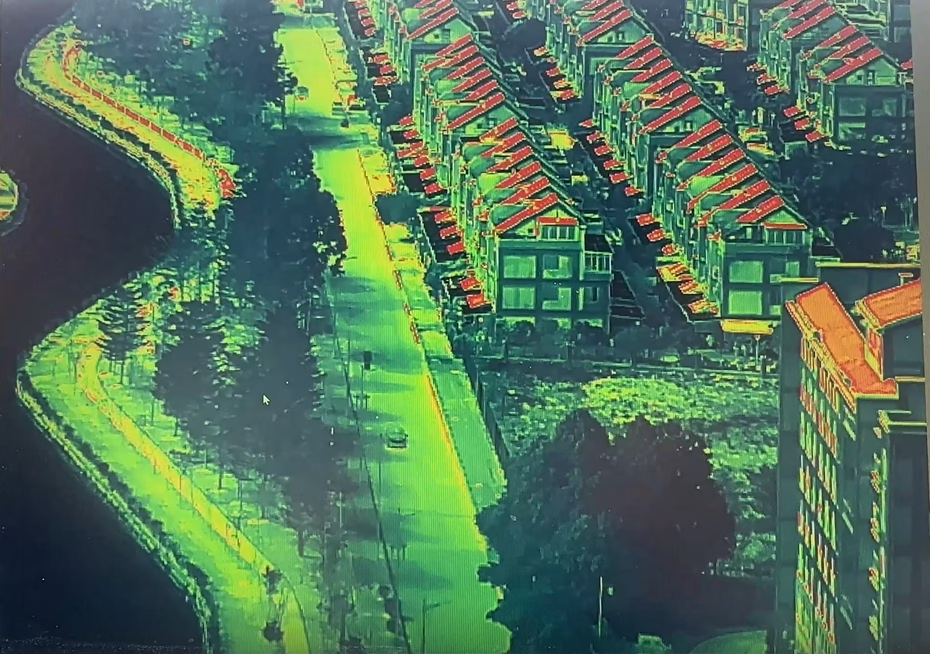
2、Industrial Monitoring:
Compact and modular design, flexible and convenient for installation and deployment. Equipped with high-definition thermal imaging technology, resistant to strong light and glare, accurately identifying intruders, foreign vehicles and surrounding obstructive objects, quickly capturing abnormal movements and predicting potential safety hazards. The device operates with low power consumption for long-term operation, has a small maintenance burden, and provides 24/7 protection, comprehensively ensuring the safety and stability of energy stations, materials, equipment and the entire site.
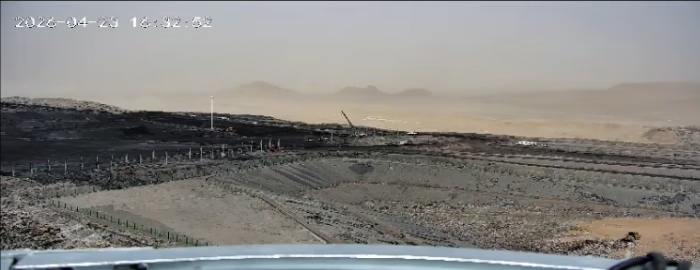
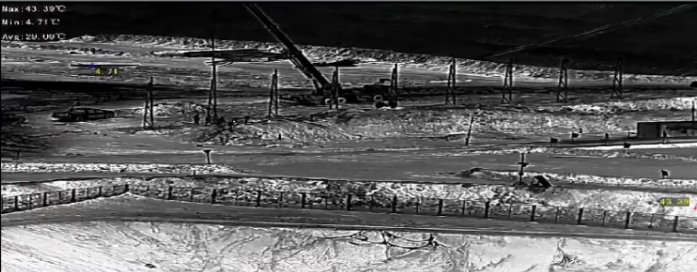
3、Vehicle Safety:
Compact and modular body, strong vehicle adaptability, easy and convenient installation. Equipped with professional infrared thermal imaging technology, effectively resisting strong light and glare interference, accurately identifying surrounding personnel, non-motorized vehicles and roadside obstacles, and real-time capturing abnormal conditions to avoid potential safety hazards in advance.
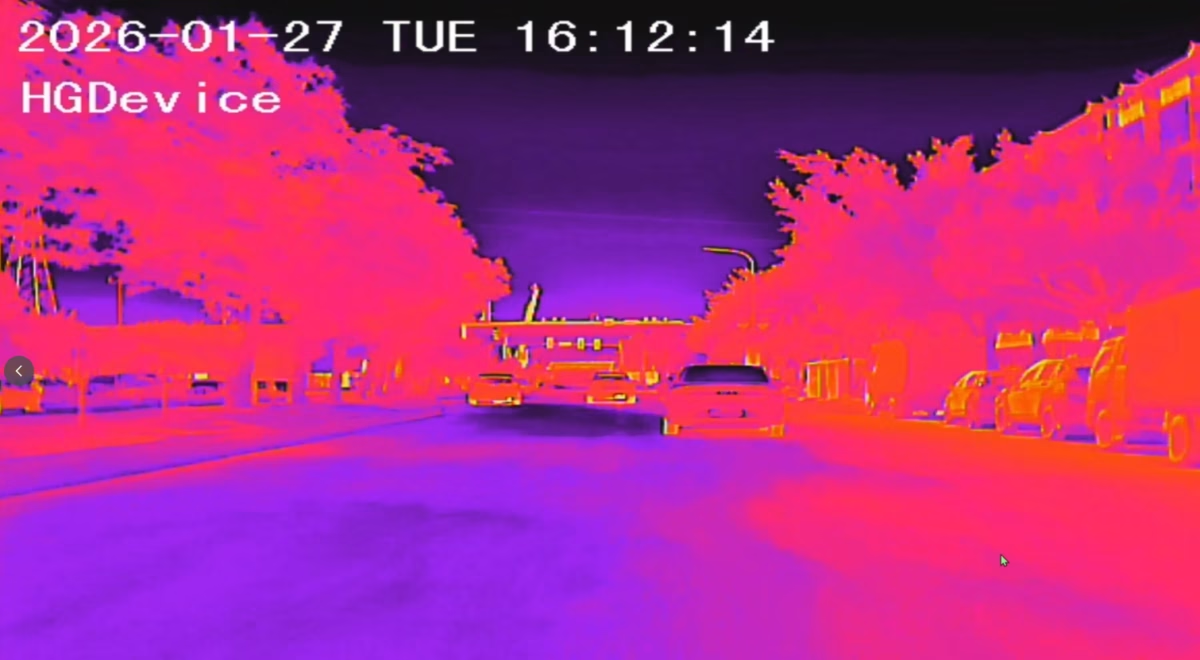
4、Drone Applications:
Lightweight and modular body, suitable for drone mounting, easy and convenient installation and integration. Equipped with high-performance infrared thermal imaging technology, resistant to strong light and glare interference, accurately identifying personnel, vehicles and obstacles in the area, quickly capturing abnormal targets and pre-emptively identifying potential hazards.
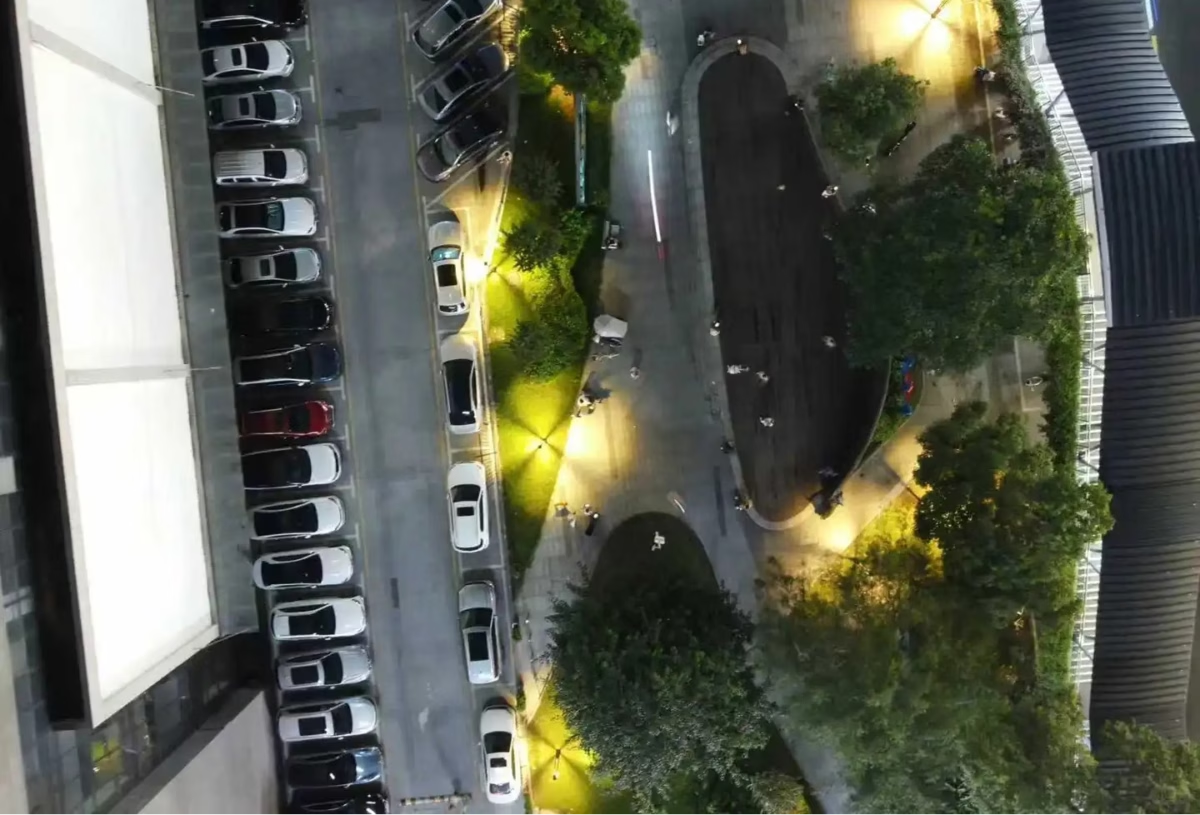
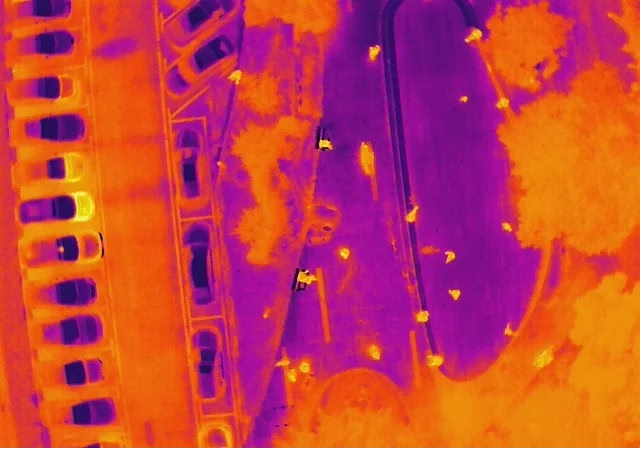
5、Fire Rescue:
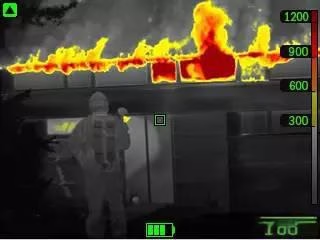
Lightweight and modular structure, suitable for fire rescue helmets, simple and convenient for mounting and installation. Equipped with professional infrared thermal imaging technology, capable of resisting strong light and glare interference, accurately locating trapped personnel, obstacles and complex environmental hazards. The device operates with low power consumption, is comfortable to wear, has long battery life, and is suitable for harsh environments such as thick smoke and backlighting in fire scenes, real-time monitoring of environmental conditions, assisting rescue personnel in quickly assessing the situation, and comprehensively enhancing the safety and efficiency of fire rescue operations.
6、Smart Buildings:
Compact and modular design, suitable for smart building scenarios, flexible and efficient for installation and deployment. Equipped with professional infrared thermal imaging technology, resistant to strong light and glare interference, accurately identifying personnel movement, foreign vehicles and surrounding obstructive objects, and real-time monitoring of abnormal dynamics. The device operates with low power consumption and energy efficiency, reducing building operation and maintenance costs, providing 24/7 stable protection, assisting in comprehensive risk warning for the entire building area, and comprehensively strengthening the security control capabilities of smart buildings.
6. Conclusion
Returning to the core question of this article: Can ordinary cameras really be transformed into thermal imaging cameras?
The answer is: No. The silicon-based sensors used in ordinary cameras physically cannot detect the long-wave infrared radiation used for thermal imaging. Those online tutorials that claim to "remove filters and convert to thermal imaging" are essentially disguising near-infrared cameras as thermal imaging cameras. The images they generate have no relation to the temperature of the objects.
The only DIY solution that can truly achieve thermal imaging is to use specialized thermal sensors combined with development boards. However, this solution has extremely low performance and can only be used as a personal hobby and teaching demonstration. It is completely unable to meet any practical application requirements.
For users who need to apply thermal imaging technology in commercial or industrial scenarios, choosing a professional thermal imaging sensor module is the only reliable and cost-effective solution. Purpleriver's non-cooled infrared RJ45/CVBS/RTSPI 640×512 thermal imaging sensor module, at less than half the price of a thermal imager, provides professional-level thermal imaging performance and comprehensive functional support. It is the common choice of thousands of enterprises worldwide.
Whether you want to add thermal imaging capabilities to your security system, develop the next generation of vehicle safety products, or create a high-performance unmanned aerial vehicle inspection payload, Purpleriver's modules can provide you with solid technical support and help you quickly launch competitive thermal imaging products.
Часто задаваемые вопросы (FAQ)
1. How long does the thermal imaging module last?
Our vanadium oxide detector has extremely high stability. Under normal usage conditions, its lifespan can reach over 10 years without significant performance degradation.
2. Since removing the infrared filter prevents thermal imaging, what is its purpose?
Removing the infrared filter can convert a regular camera into a near-infrared camera, suitable for infrared photography, artistic creation, anti-counterfeiting detection, and other scenarios. However, it cannot detect heat or work in complete darkness, and it is fundamentally different from a true thermal imaging camera.
3.Why can infrared sniper rifles in Hollywood movies penetrate walls, but in reality, they can't?
Simply put: Movies are for entertainment and plot development, so they make things up; in reality, infrared (thermal imaging) only "sees surface temperature" and cannot penetrate walls.
In real-world infrared thermal imaging, the core is to capture the thermal radiation emitted from the surface of an object, and it can only identify temperature differences on the surface layer. Walls have insulation and blocking effects, completely blocking the heat source of the human body behind them and isolating the transmission of thermal signals. Therefore, thermal imaging cannot penetrate walls and cannot observe people or objects behind them. There is no effect of seeing through walls.
4. Is there any way to modify an ordinary camera to enable it to detect long-wave infrared?
No. The physical properties of silicon-based sensors determine that they cannot respond to electromagnetic waves with a wavelength greater than 1.1 μm. To detect thermal radiation, specialized vanadium oxide or amorphous silicon infrared focal plane detectors must be used.