
أفضل وحدة تصوير حراري لتكامل الطائرات بدون طيار: دليل Edge AI و LWIR
٢٤ يونيو ٢٠٢٦
وحدة كاميرا تصوير حراري USB عالية الدقة لـ Raspberry Pi: دليل التكامل 640x512
١ يوليو ٢٠٢٦
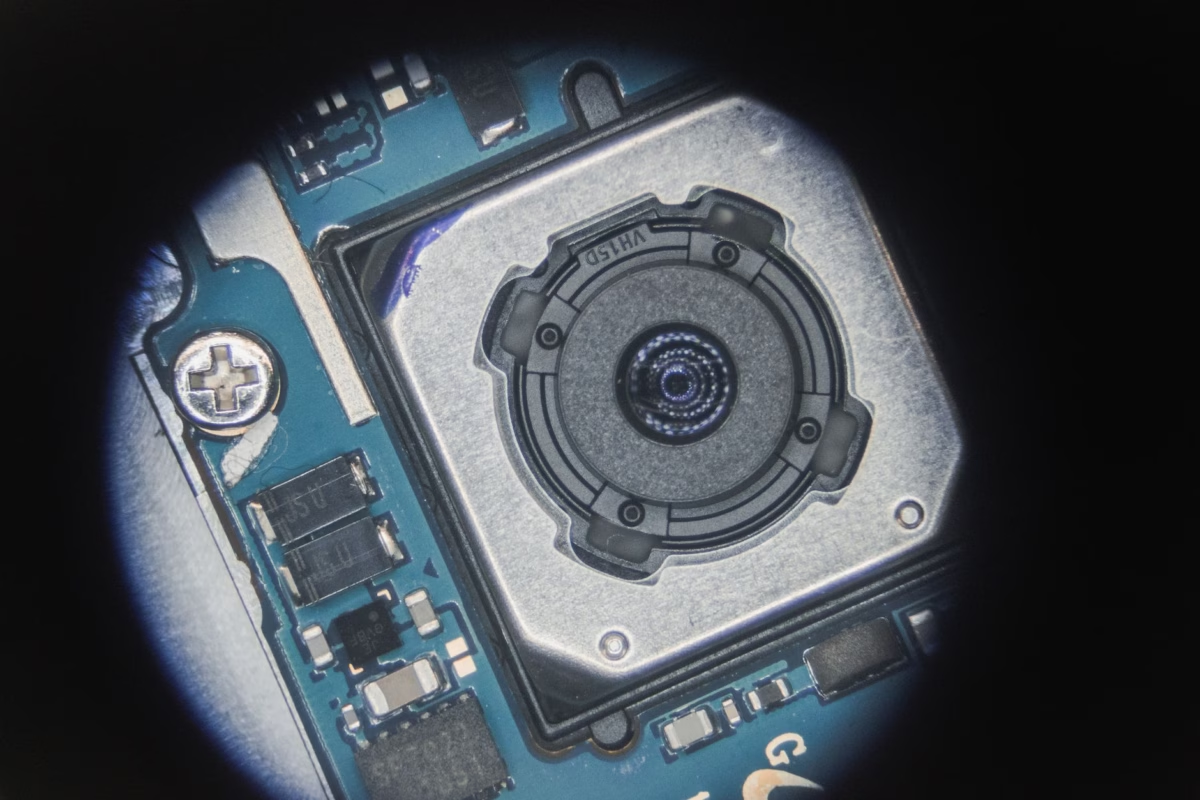
وحدة كاميرا تصوير حراري عالية الدقة لـ Raspberry Pi: دليل تكامل Edge AI النهائي
انظر، لقد وصلت الحوسبة الطرفية أخيرًا إلى ذلك المفترق الحرج حيث لم يعد بإمكان الوعي المكاني والحراري العيش في حزم استشعار منفصلة ومعزولة. في عالم الأتمتة الصناعية، ومراقبة الطائرات بدون طيار الذاتية، وشبكات الأمن المشددة، فإن الجمع بين وحدة كاميرا تصوير حراري لـ Raspberry Pi مع الذكاء الاصطناعي المدمج (Edge AI) هو الطريقة التي تبني بها نظامًا فوريًا يعمل فعليًا في الميدان. يتيح لك هذا التكامل معالجة البيانات المكانية-الحرارية المعقدة في مكان حدوثها، متجاوزًا تمامًا التأخير، واستنزاف النطاق الترددي، والتسريبات الأمنية التي تأتي مع إرسال تدفقات الفيديو الخام إلى خادم سحابي.
إليك الخلاصة: لا تزال العديد من الإعدادات القديمة تحاول تشغيل رؤية حاسوبية حديثة على مستشعرات هواة رخيصة ومنخفضة الدقة. إذا جربت ذلك من قبل، فأنت تعلم أن تلك الأنظمة تختنق فورًا عندما ترمي عليها نموذج تعلم آلة حقيقي. للحصول على كفاءة تشغيلية من نوع "جمّع وانسَ"، يجب عليك الانتقال إلى ميكروبولومترات احترافية غير مبردة تعمل بالأشعة تحت الحمراء طويلة الموجة (LWIR). إن توصيل هذه المصفوفات الفيزيائية عالية الأداء مباشرة بلوحة حاسوب أحادي (SBC) من راسبيري باي يمنح مدمجي الأنظمة، وميكانيكيي العتاد المضمن، ومطوري الروبوتات الأدوات التي يحتاجونها لتشغيل نماذج رؤية حاسوبية خفيفة الوزن وفائقة السرعة. والأفضل من ذلك، أن هذه الأنظمة تعمل بشكل لا تشوبه شائبة في الظلام الدامس، والدخان الكثيف، والمواد المعتمة بصريًا، والبيئات غير المستقرة حراريًا.
جدول المحتويات
- 👉 الفيزياء الحرارية على الطرف: الأشعة تحت الحمراء طويلة الموجة عالية الدقة مقابل المصفوفات منخفضة التكلفة
- 👉 الواجهات الفيزيائية وواجهات الاتصال: بنية USB/UVC مقابل SPI/I2C
- 👉 بنية البرمجيات المضمنة: بناء خط أنابيب الذكاء الاصطناعي الحراري الطرفي
- 👉 مواصفات عتاد الأشعة تحت الحمراء طويلة الموجة الصناعي ومقاييس التكامل
- 👉 تحسين SWaP لنشر الروبوتات والطائرات بدون طيار
- 👉 الأسئلة الشائعة حول التكامل المتعمق
الفيزياء الحرارية على الطرف: الأشعة تحت الحمراء طويلة الموجة عالية الدقة مقابل المصفوفات منخفضة التكلفة
عندما تبدأ في تصميم تخطيط حراري جديد، من المغري جدًا أن تلتقط مصفوفة ثرموبايل رخيصة مثل MLX90640 وتعتبر الأمر منتهيًا. في الورشة، نرى هذا الخطأ طوال الوقت. بينما تكون تلك المصفوفات منخفضة الجودة جيدة للتحقق مما إذا كان أنبوب المبرد دافئًا أو اكتشاف ما إذا كان إنسان يقف مباشرة أمام باب المدخل، فإنها تفشل فشلاً ذريعًا في اللحظة التي تكلفها فيها بتشغيل خوارزميات تصنيف طرفية. تخبرك بنية العتاد الأساسية بكل ما تحتاج إلى معرفته. يمنحك مستشعر الثرموبايل الشائع شبكة صغيرة 32x24 - أي 768 بكسل بالضبط. بينما تقوم وحدة الميكروبولومتر الاحترافية غير المبردة، من ناحية أخرى، بإسقاط آلاف البكسلات على الهدف، محولة البقع اللونية غير المميزة إلى خرائط حرارية واضحة يمكن للشبكات العصبية تصنيفها فعليًا.
فيديو مباشر للتصوير الحراري
ميزة الميكروبولومتر
في مركز وحدة وحدة كاميرا تصوير حراري لـ Raspberry Pi موثوقة وعالية الأداء يوجد أكسيد الفاناديوم غير المبرد (VOx) أو السيليكون غير المتبلور (a-Si) الميكروبولومتر كمصفوفة مستوية بؤرية (FPA). تقيس الثرموبايلات فقط فروق الجهد الكهروحراري المتوسطة الخام عبر شبكة محدودة. تعمل الميكروبولومترات على مستوى فيزيائي مختلف تمامًا. إنها تقيس التغيرات في المقاومة الكهربائية عبر آلاف الجسور السيليكونية فائقة الرقة والمصنعة بدقة متناهية والمعلقة فوق طبقة عاكسة على ركيزة قراءة من السيليكون. عندما يضرب إشعاع الأشعة تحت الحمراء طويلة الموجة (الممتد عبر الطيف من 8µm إلى 14µm) هذه الجسور المعلقة الدقيقة، تسخن المادة. ويتم قراءة التغير الناتج في المقاومة الكهربائية بواسطة دائرة متكاملة (ROIC) ويُترجم مباشرة إلى خريطة حرارية رقمية عالية التفصيل.
تحدد هذه الآلية الفيزيائية كيفية تصرف الدقة المكانية والحرارية لنظامك في السيناريوهات الواقعية:
- ⚙️ الدقة المكانية: تقتصر مصفوفة الثرموبيل 32×24 على 768 نقطة بيانات. عند الترقية إلى وحدة احترافية 256×192، تحصل فورًا على 49,152 بكسلًا نشطًا. ارفع ذلك إلى نواة LWIR غير مبردة قياسية في الصناعة 640×512، وستتعامل مع 327,680 بكسلًا عالي الدقة. هذه الكثافة العالية للبكسل هي ما يسمح للشبكات العصبية الالتفافية الحديثة، مثل YOLO أو MobileNet، بعزل ملامح الأشكال الواضحة وتدرجات الحواف، مما يتيح تصنيفًا دقيقًا للأهداف بدلاً من تتبع الكتل العامة.
- ⚙️ الحساسية الحرارية (NETD): يحدد فرق درجة الحرارة المكافئ للضوضاء (NETD) أدنى تباين حراري يمكن للمستشعر حله قبل أن يغرق في أرضية الضوضاء الداخلية الخاصة به. تعاني المستشعرات الرخيصة عادةً من قيم NETD ضعيفة في نطاق 100mK إلى 250mK، مما يجعل الصور محببة وعديمة الفائدة في البيئات منخفضة التباين. توفر نوى LWIR غير المبردة الاحترافية NETD بقيمة ≤ 50mK، مع وصول التكوينات الفائقة إلى ≤ 40mK أو أفضل. يسمح هذا للنظام بتمييز الفروق الحرارية بوضوح حتى 0.04 درجة مئوية، وهو أمر بالغ الأهمية عند محاولة التعرف على الصور الظلية البشرية أو المحركات النشطة مقابل خلفية مزدحمة.
- ⚙️ البصريات والمواد البصرية: يتطلب حل التفاصيل النظيفة في LWIR مواد عالية التخصص. يحجب الزجاج البصري القياسي ضوء الأشعة تحت الحمراء تمامًا، وتعاني العدسات البلاستيكية الرخيصة القابلة للتشكيل من فقدان فوتوني مروع. تستخدم النوى غير المبردة ذات الدرجة الصناعية بصريات جرمانيوم (Ge) مصممة بدقة. يُظهر الجرمانيوم معدلات نفاذ استثنائية في النطاق 8–14 ميكرومتر، مركزًا أقصى طاقة حرارية مباشرة على FPA للميكروبولومتر ومانحًا إياك قدرات تركيز يدوية أو لا حرارية عبر مسافات الهدف الممتدة.
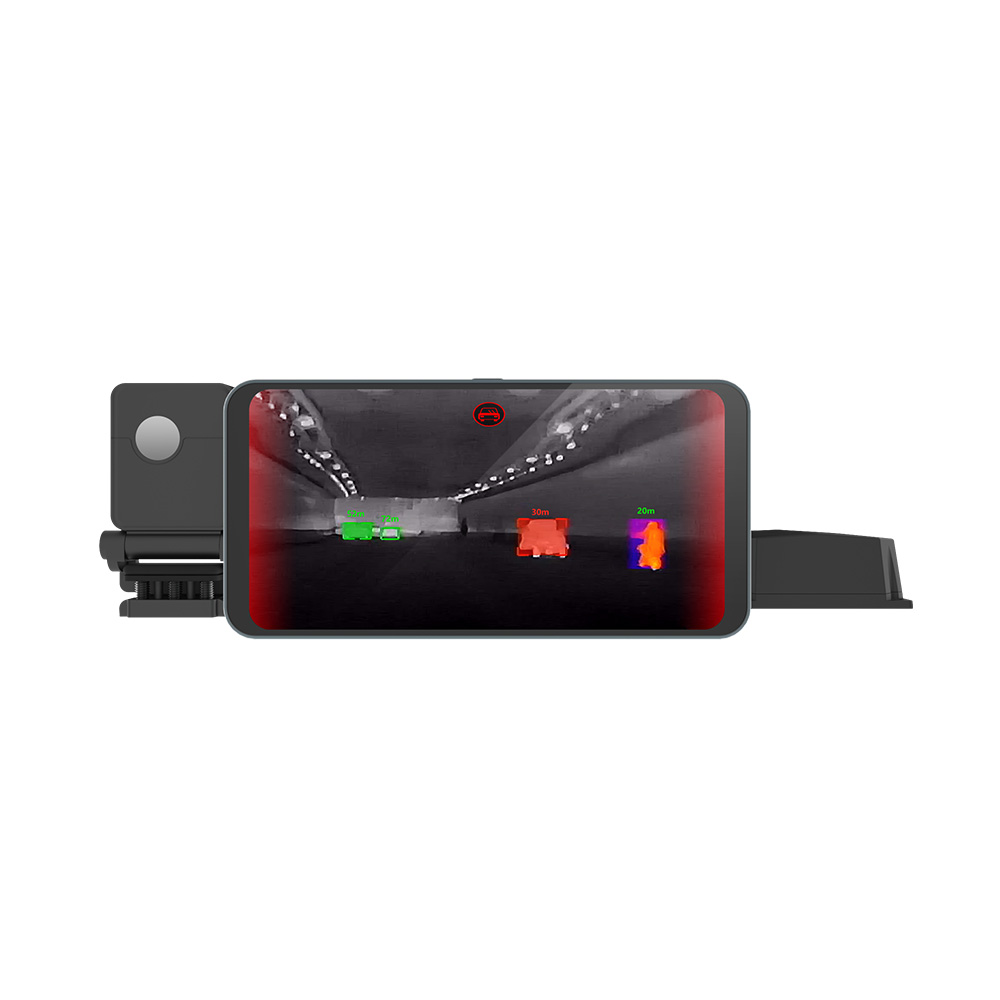
لرؤية كيف يتصرف هذا المستوى من التصوير الحراري عالي الدقة عند نشره على الحافة الفيزيائية - تحديدًا في أنظمة سلامة المركبات - ألق نظرة على تحليلنا الهندسي حول التصوير الحراري في سلامة القيادة للسيارات.
الواجهات الفيزيائية وواجهات الاتصال: بنية USB/UVC مقابل SPI/I2C
إذا كنت تقوم بتوصيل نواة كاميرا حرارية LWIR بلوحة حاسوب أحادي مثل Raspberry Pi، فإن اختيارك لبروتوكول الاتصال الفيزيائي سيحدد ما إذا كان خط أنابيبك سيعمل بسلاسة أم سيختنق فورًا. الاختيار بين النواقل التسلسلية البسيطة (SPI/I2C) والبروتوكولات القياسية عالية المستوى (USB/UVC) يحدد سرعة توصيل الإطارات، والحمل الكلي على وحدة المعالجة المركزية، والأعباء الإضافية لتكامل البرمجيات.
عنق زجاجة I2C و SPI
غالبًا ما تعتمد لوحات المستشعرات منخفضة الجودة على ناقل الدائرة المتكاملة البينية (I2C) لسجلات الإعدادات، مقترنًا بناقل الواجهة الطرفية التسلسلية (SPI) لسحب مصفوفات البكسل الخام. بينما يعمل هذا الإعداد بشكل جيد لوحدات التحكم الدقيقة الأساسية التي تشغل حلقات bare-metal، فإنه يسبب اختناقات شديدة عند إقرانه بلوحة حاسوب أحادي كاملة بنظام Linux. عند أعداد البكسل ومعدلات الإطارات الأعلى، تحرق هذه الواجهات التسلسلية دورات وحدة معالجة مركزية ثمينة في التعامل مع عدد لا يحصى من المقاطعات وروتينات الاستقصاء فقط لتجميع إطار صورة واحد في الذاكرة.
دعنا ننظر إلى الأرقام لبث فيديو بدقة 256×192 يعمل بمعدل 25 إطارًا في الثانية (FPS)، باستخدام تنسيق إخراج رقمي خام 14-بت (Y14):
الإنتاجية المحسوبة = 256 × 192 بكسل × 14 بت/بكسل × 25 FPS = 17,203,200 بت/ثانية ≈ 17.2 ميجابت/ثانية
للتعامل مع تدفق خام بهذه السرعة عبر ناقل SPI، يجب تشغيل ساعة SPI العتادية لـ Raspberry Pi بتردد 20–25 ميجاهرتز للتعامل بشكل مريح مع رؤوس تأطير الحزم، والفجوات بين الإطارات، ومصافحات الناقل. عمليًا، يؤدي تشغيل خطوط SPI عالية التردد عبر أسلاك توصيل نموذجية إلى انحراف الساعة، وضوضاء الخط، وإطارات تالفة. أكثر من ذلك، يجب على وحدة المعالجة المركزية المضيفة إدارة كل مفتاح سياق لنقل البايت. هذا يعني أن حاسوبك أحادي اللوحة ينتهي به الأمر باستخدام جزء كبير من قوة معالجته فقط لالتقاط البكسلات الواردة، مما يترك مساحة صغيرة لاستدلال Edge AI.
حل USB Video Class (UVC) و V4L2
للتغلب على القيود الفيزيائية للنواقل التسلسلية، تستخدم النوى الحرارية المتقدمة غير المبردة شرائح جسر USB مدمجة تتوافق مباشرة مع بروتوكول USB Video Class (UVC) القياسي. عند توصيلها، يعاملها نظام التشغيل ككاميرات ويب قياسية، مما يسمح لك بالتفاعل مباشرة مع برامج التشغيل الأصلية للنواة.
من خلال خبرتنا، يوفر استخدام واجهة USB 2.0 أو USB 3.0 مزايا تكامل هائلة:
- ✅ الوصول المباشر للذاكرة بدون نسخ (DMA): يعالج متحكم USB العتادي لـ Raspberry Pi حمولات البكسلات الواردة عبر DMA. هذا يكتب إطارات الصورة النشطة مباشرة إلى ذاكرة الوصول العشوائي للنظام دون الحاجة إلى عبء من مقاطعات وحدة المعالجة المركزية، مما يمنع اختناق النواة حتى خلال الجلسات عالية الإنتاجية.
- ✅ دعم Linux فوري وجاهز: نظرًا لأن هذه اللوحات تعمل كنقاط نهاية UVC قياسية، فإنها تسجل مع مكدس نواة Video4Linux2 (V4L2) الأصلي. لست مضطرًا للعبث بوحدات نواة مخصصة ومغلقة المصدر أو بناء برامج تشغيل معقدة من الصفر.
- ✅ تشغيل موثوق بمعدل إطارات عالي: يتعامل USB 2.0 مع ما يصل إلى 480 ميجابت في الثانية. هذا يمنحك مساحة رأس واسعة لدفق تيارات مصفوفة 640x512 إشعاعية غير مضغوطة بعمق كامل 16-بت بتردد 25 هرتز أو 30 هرتز دون فقدان الحزم، أو فقدان الإطارات، أو مواجهة عدم استقرار الناقل.
- ✅ واجهات برمجة تطبيقات تحكم نظيفة وموحدة: ضبط متغيرات النظام—مثل لوحات الألوان الزائفة، وتجاوزات المقياس المخصصة، واستهداف منطقة الاهتمام (ROI)، وتصحيح عدم انتظام الغالق اليدوي/التلقائي (NUC)—يتم التعامل معه عبر عناصر تحكم جهاز V4L2 القياسية. هذا يحافظ على نظافة مكدس برامجك ويجعله عالي القابلية للنقل.
بنية البرمجيات المضمنة: بناء خط أنابيب الذكاء الاصطناعي الحراري الطرفي
يتطلب إدخال تيار حراري عالي الدقة إلى شبكة عصبية على Raspberry Pi خط أنابيب فعال متعدد الخيوط. لا يمكنك تشغيل الالتقاط والاستدلال الثقيل على نفس الخيط دون مواجهة تأخر فظيع في النظام. يوضح الكود أدناه كيفية بناء ملتقط إطارات متعدد الخيوط ومحرك تحجيم نظيف باستخدام Python و OpenCV وعناصر تحكم V4L2.
خط أنابيب محلل البيانات الإشعاعية
عادةً ما تخرج الوحدات الحرارية الصناعية البيانات في أحد وضعين: 8-بت Y8/لون زائف محلل (وهو ملون مسبقًا للشاشات المرئية) وبنى حمولة Y16/Radiometric RAW14 خام 16-بت. إذا كنت تبني تنبيهات ذكية أو تحلل اتجاهات حرارية دقيقة، فأنت تريد التيار الإشعاعي الخام 16-بت، حيث تتوافق قيمة كل بكسل مباشرة مع درجات الحرارة المستهدفة الفعلية المحسوبة.
يوضح خط أنابيب Python أدناه كيفية التقاط تغذية خام، واستخراج نقاط الحرارة عبر مصفوفات رياضية موجهة، وتخزين الإطارات بأمان لتنفيذ النموذج اللاحق دون خنق منصة التطوير الخاصة بك.
import cv2
import numpy as np
import time
import threading

class RaspberryPiThermalPipeline:
    def __init__(self, device_index=0, width=640, height=512):
        self.device_index = device_index
        self.width = width
        self.height = height
        self.cap = cv2.VideoCapture(self.device_index, cv2.CAP_V4L2)

        # Configure the V4L2 stream for raw Y16 / radiometric capture
        self.cap.set(cv2.CAP_PROP_FRAME_WIDTH, self.width)
        self.cap.set(cv2.CAP_PROP_FRAME_HEIGHT, self.height)
        # Select Y16 raw fourcc format if natively exposed
        self.cap.set(cv2.CAP_PROP_FOURCC, cv2.VideoWriter_fourcc(*'Y16 '))

        self.running = False
        self.raw_frame = None
        self.lock = threading.Lock()

    def start(self):
        self.running = True
        self.thread = threading.Thread(target=self._capture_loop, daemon=True)
        self.thread.start()
        print("[INFO] Thermal ingestion thread started.")

    def _capture_loop(self):
        while self.running:
            ret, frame = self.cap.read()
            if not ret:
                time.sleep(0.001)
                continue

            with self.lock:
                # Capture raw 16-bit buffer directly
                self.raw_frame = frame

    def get_latest_temperature_map(self):
        with self.lock:
            if self.raw_frame is None:
                return None
            frame_copy = self.raw_frame.copy()

        # Standard uncooled LWIR cores output raw digital number (DN) arrays
        # Conversion to temperature uses a linear calibration offset
        raw_16bit = frame_copy.view(dtype=np.uint16)

        # Resizing and protecting frame boundaries based on target resolution
        raw_scaled = raw_16bit.reshape((self.height, self.width))

        # Dynamic conversion: Target-dependent linear scaling
        # Assuming scale coefficient of 0.1K per LSB and 273.15 Kelvin offset
        celsius_map = (raw_scaled * 0.1) - 273.15
        return celsius_map

    def stop(self):
        self.running = False
        self.thread.join()
        self.cap.release()
        print("[INFO] Thermal thread closed cleanly.")

# Example loop running Edge AI preprocessing
if __name__ == "__main__":
    # Initialize pipeline with Mini 640 uncooled core parameters
    pipeline = RaspberryPiThermalPipeline(device_index=0, width=640, height=512)
    pipeline.start()

    try:
        prev_time = time.time()
        while True:
            temp_map = pipeline.get_latest_temperature_map()
            if temp_map is None:
                time.sleep(0.01)
                continue

            # Perform Image Normalization for target identification (Edge AI Pre-processing)
            # Standardizing thermal gradient into a normalized 8-bit model frame
            min_val = np.min(temp_map)
            max_val = np.max(temp_map)

            # Avoid divide-by-zero on highly uniform surfaces
            range_val = (max_val - min_val) if (max_val - min_val) > 0.01 else 1.0
            normalized_8bit = (((temp_map - min_val) / range_val) * 255).astype(np.uint8)

            # Match 3-channel input expectations of common CNNs (YOLOv8-style)
            input_tensor = cv2.merge([normalized_8bit, normalized_8bit, normalized_8bit])

            fps = 1.0 / (time.time() - prev_time)
            prev_time = time.time()

            # Render pseudo-color preview for local debugging and diagnostics
            color_mapped = cv2.applyColorMap(normalized_8bit, cv2.COLORMAP_JET)
            cv2.putText(color_mapped, f"FPS: {fps:.1f}", (10, 30),
                        cv2.FONT_HERSHEY_SIMPLEX, 0.8, (255, 255, 255), 2)
            cv2.putText(color_mapped, f"Max Temp: {max_val:.1f}C", (10, 60),
                        cv2.FONT_HERSHEY_SIMPLEX, 0.8, (0, 0, 255), 2)

            cv2.imshow("Raspberry Pi Thermal Edge Pipeline", color_mapped)
            if cv2.waitKey(1) & 0xFF == ord('q'):
                break

    finally:
        pipeline.stop()
        cv2.destroyAllWindows()
مواصفات عتاد الأشعة تحت الحمراء طويلة الموجة الصناعي ومقاييس التكامل
تصميم أنظمة العتاد للنشر الميداني يعني الانتباه الشديد للمواصفات الفيزيائية والكهربائية والبصرية. لضمان سلوك نظام سلس وإشارات نظيفة، تأكد من أن تخطيطك يوفر فصلًا كهربائيًا مناسبًا، وتخميدًا للاهتزازات الفيزيائية، ومعلمات عمق بؤري متطابقة.
للحفاظ على توافق إعدادك مع إجراءات الامتثال القياسية، خذ لحظة لمراجعة شروط الاستخدام.
دعنا نستعرض اثنين من نوى الكاميرات الحرارية المخصصة للإنتاج والتي تتصل مباشرة بـ Raspberry Pi. تستبدل هذه الوحدات غير المبردة أجهزة الثرموبيل الأساسية بمقاييس ميكروبولومتر VOx عالية الأداء، مما يوفر الموثوقية الهيكلية والحساسية المطلوبة للروبوتات المعقدة، وحمولات الطائرات بدون طيار، ومنصات التصوير بعيدة المدى.
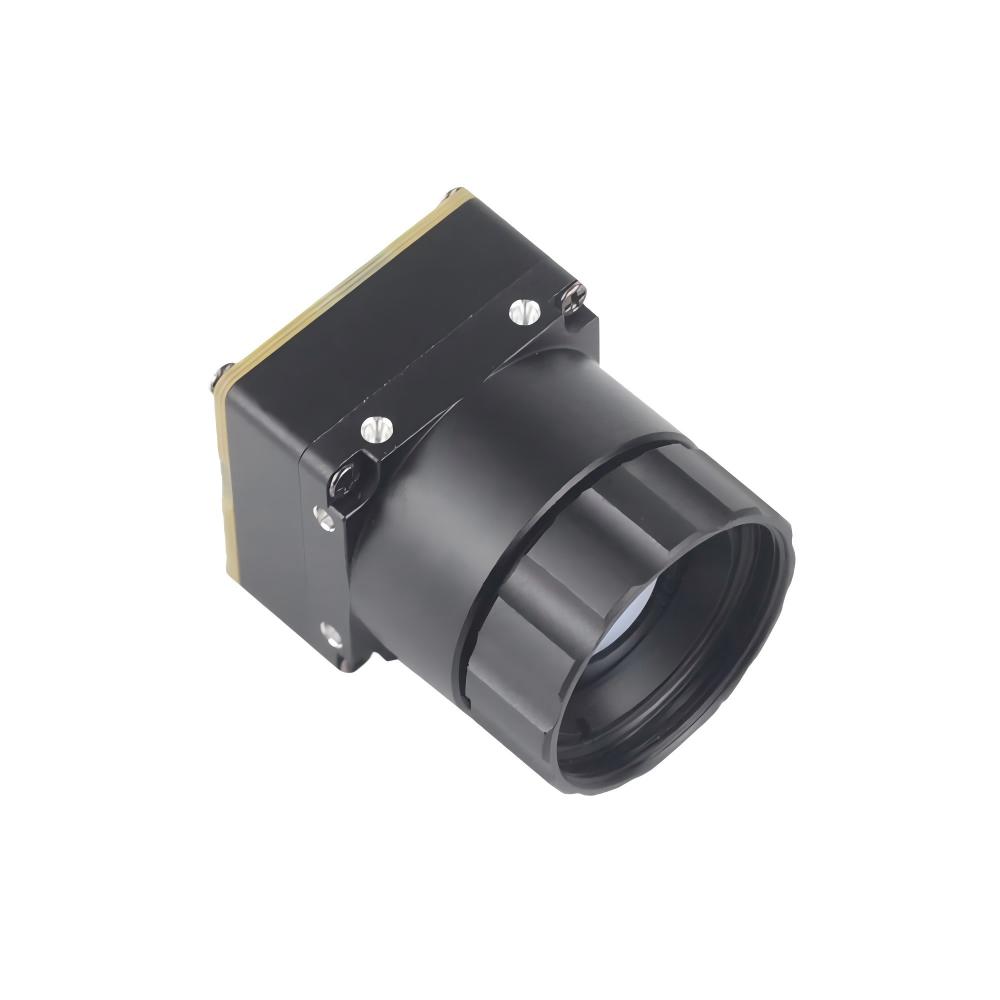
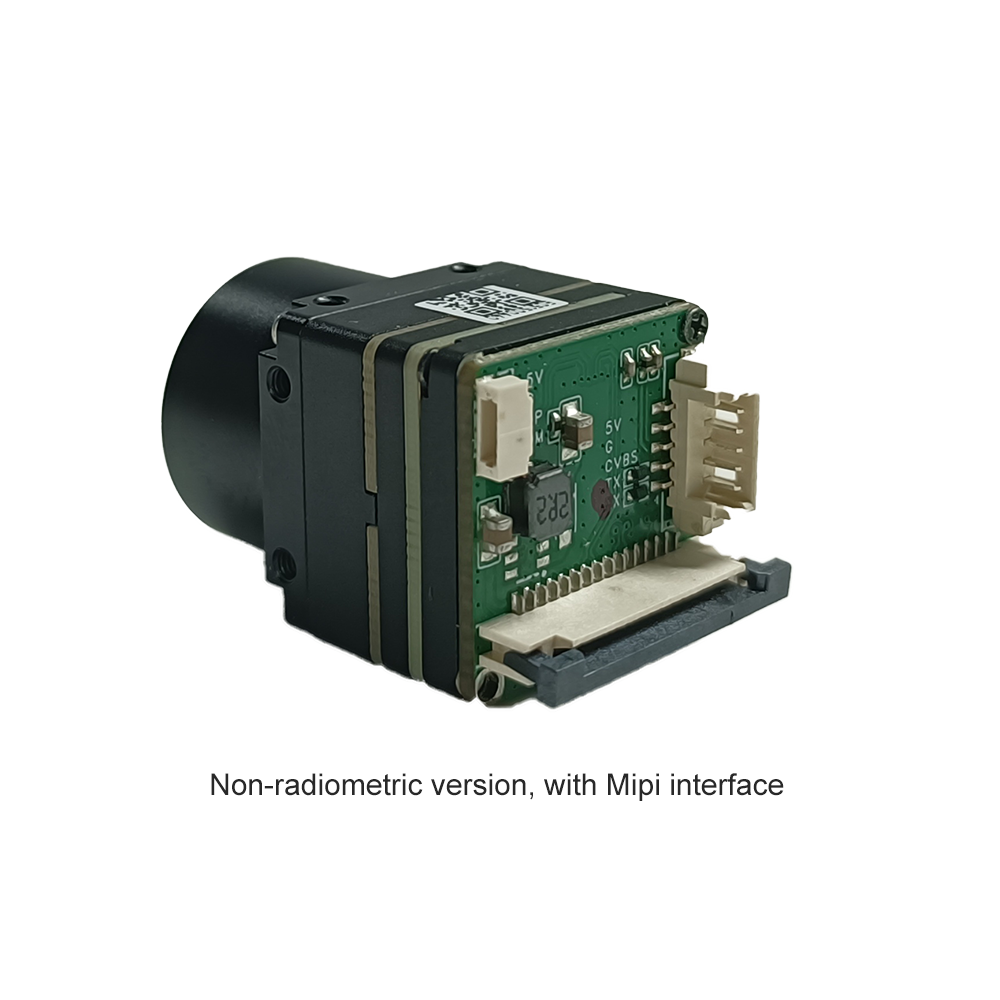
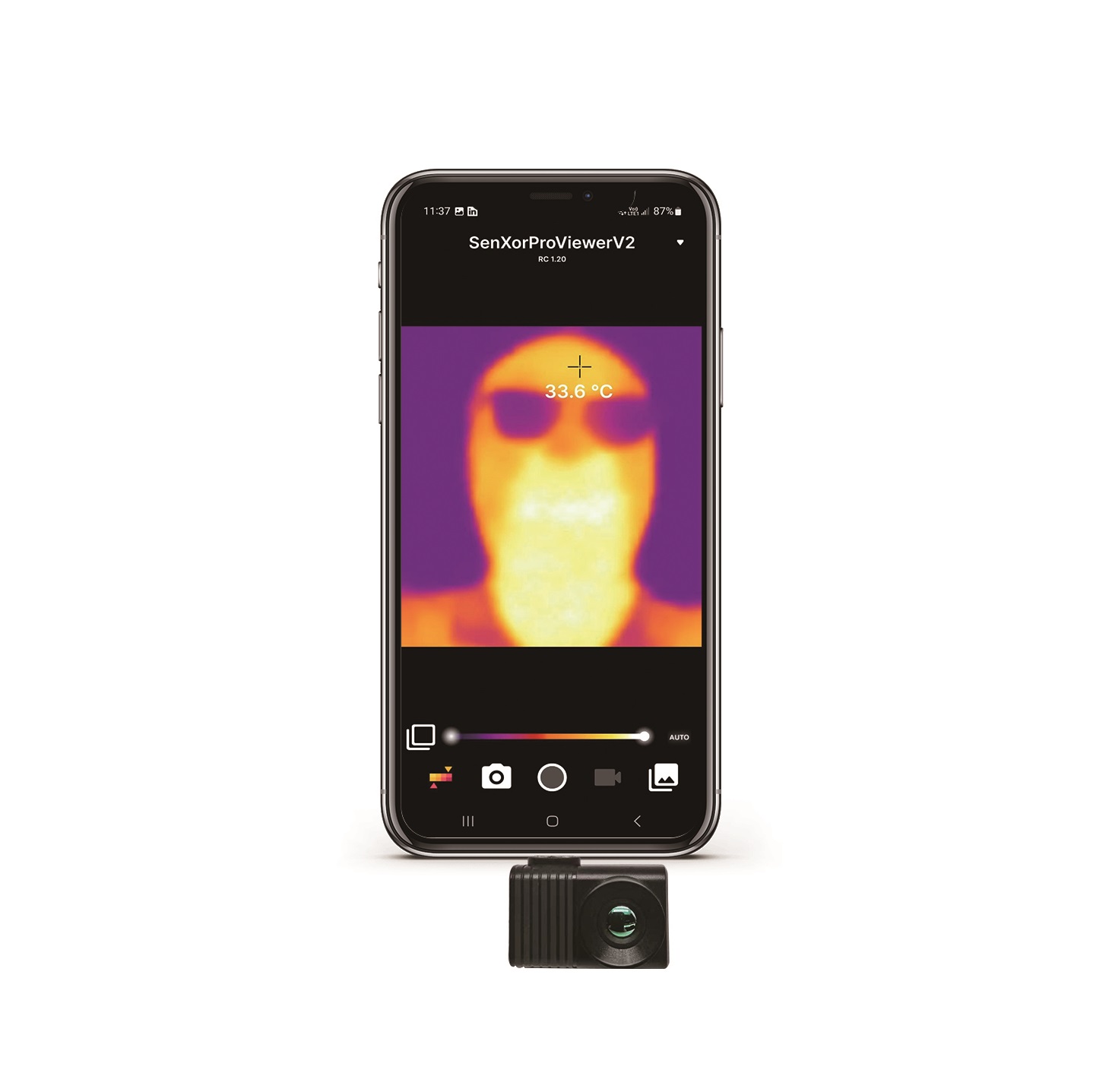
عرض المنتج 1: وحدة كاميرا تصوير حراري مصغرة غير مبردة LWIR بدقة 256*192 مشابهة لـ DJI لكشف الألغام
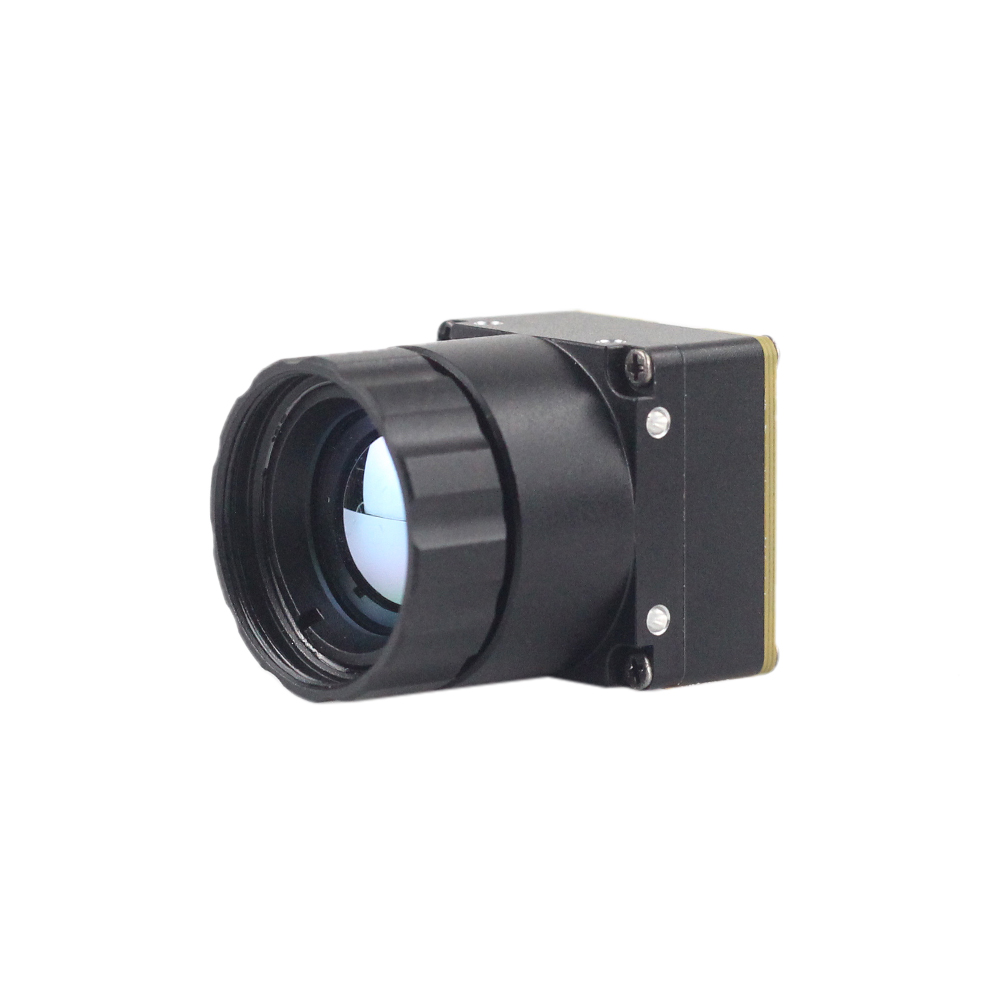
تستخدم وحدة الكاميرا الحرارية المصغرة غير المبردة LWIR 256 كاشفات أشعة تحت الحمراء عالية الجودة لتقديم صور حرارية واضحة وقراءات درجة حرارة متسقة. تستشعر الأشعة تحت الحمراء الواردة وتحولها إلى صورة حرارية موحدة مع دعم قياس إشعاعي على متن الوحدة، مما يمنحك بيانات مكانية قابلة للتنفيذ في البيئات الصعبة منخفضة البصمة. تجعل ملفات المعايرة الداخلية المتخصصة هذه الوحدة فعالة للغاية للإعدادات الدقيقة مثل كشف الألغام بالطائرات بدون طيار وتتبع الأهداف.
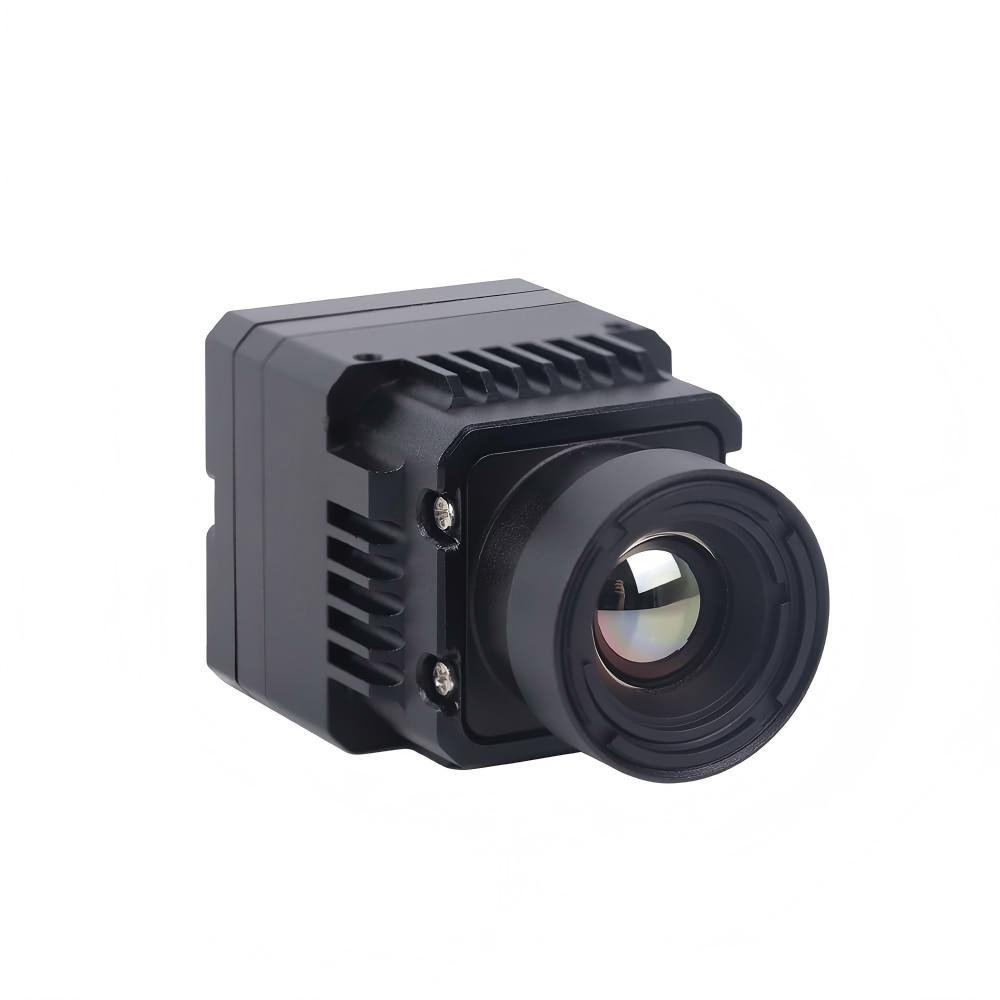
Product Showcase 2: Uncooled LWIR USB Mini 640*512 Thermal Imaging Camera Core Module For Drones Similar To DJI
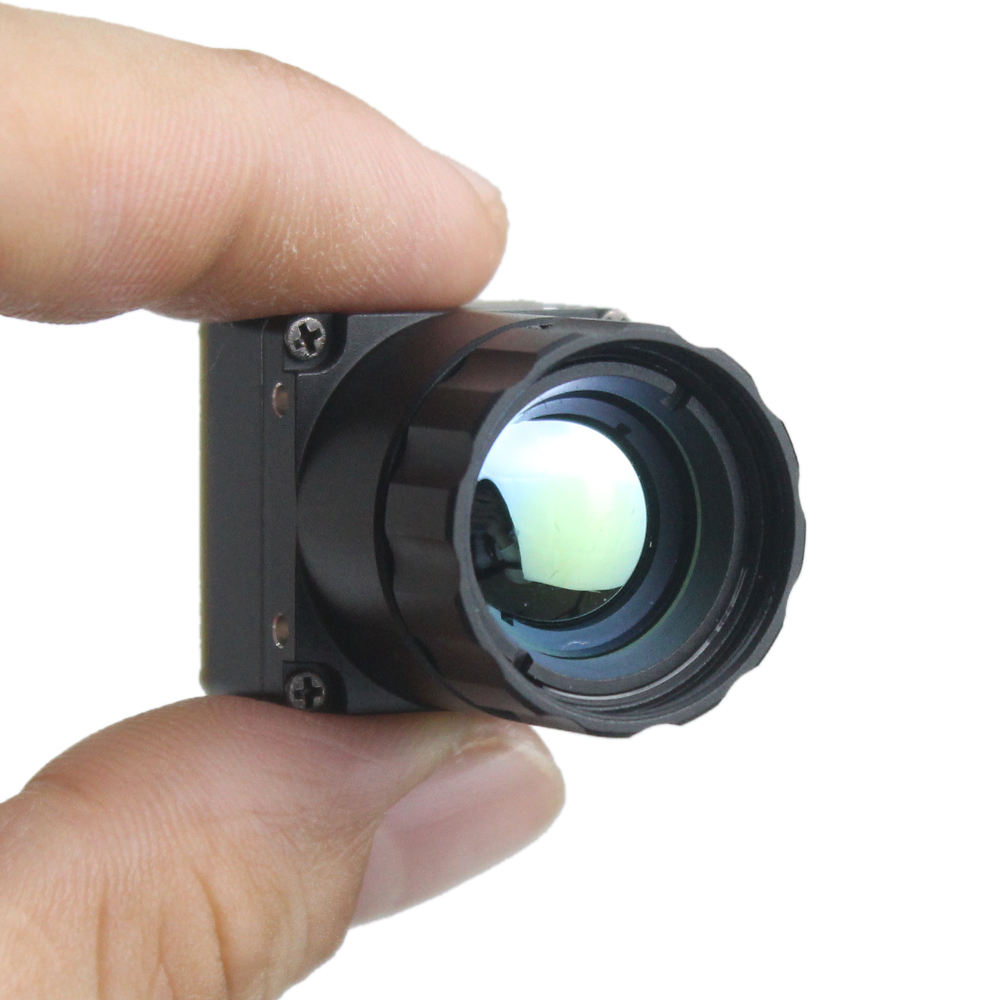
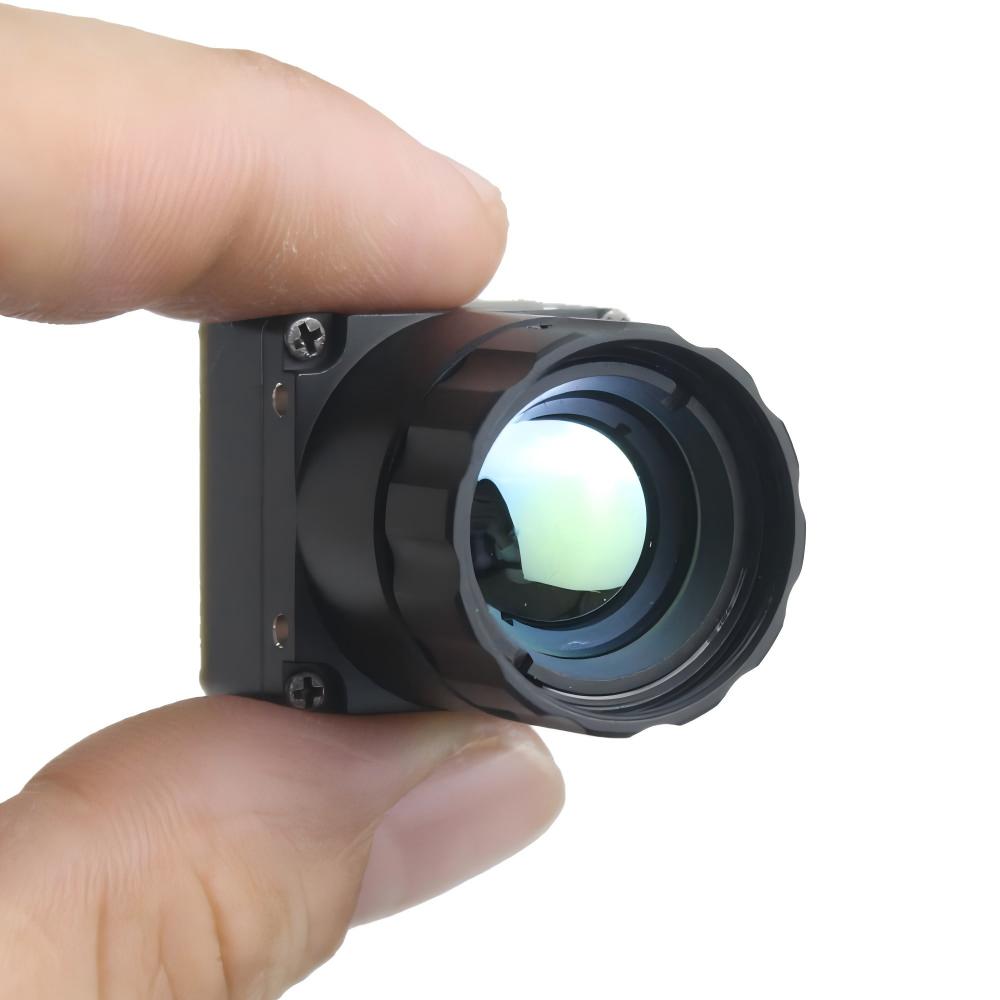
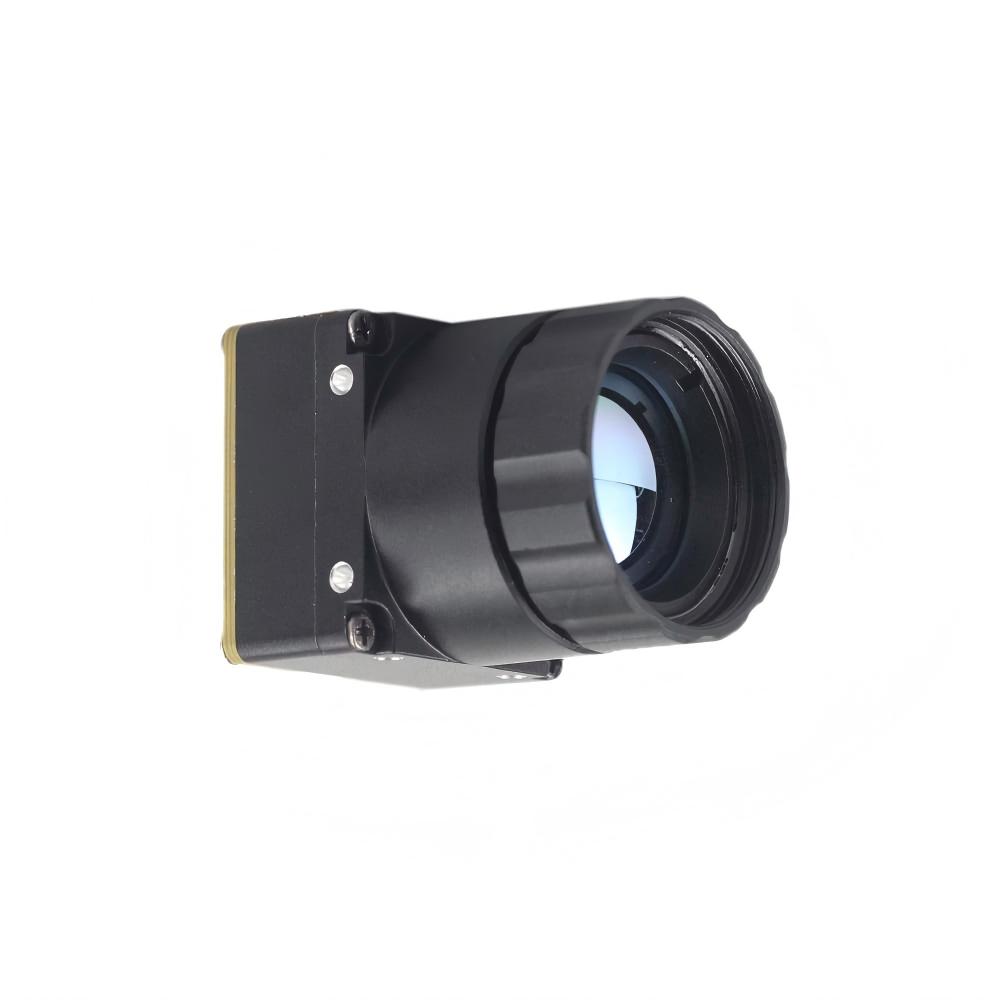
This micro uncooled infrared thermal imaging module combines clear image output, a highly compact layout, and an incredibly cost-effective integration footprint. Built specifically for high-mobility drone payloads and robotic platforms, the Mini 640 core features a tiny 21mm × 21mm cross-section, optional 640*480 arrays, robust physical construction, and excellent adaptability in erratic climates.
We supply a wide range of optical configurations for this core: 5mm, 9mm, 13mm, 18mm, 35mm, 50mm, 75mm, 100mm, and 150mm lenses. This selection lets you match your exact target distance and field-of-view (FOV) requirements without changing the mounting setup of your basic camera bay.
The comparative matrix below outlines the key technical metrics of these professional-grade LWIR cores, giving you the specific mechanical, electrical, and optical data points needed to map out your physical layout.
| Integration Metric | Uncooled LWIR Mini 256*192 Module | Uncooled LWIR USB Mini 640*512 Core Module |
|---|---|---|
| دقة FPA | 256 × 192 Pixels (Uncooled VOx detector) | 640 × 512 Pixels (640 × 480 configuration optional) |
| تباعد البكسل | 12 ميكرومتر | 12 ميكرومتر |
| النطاق الطيفي | 8µm to 14µm (LWIR) | 8µm to 14µm (LWIR) |
| الحساسية الحرارية (NETD) | ≤ 50mK (@25°C, F#1.0) | ≤ 40mK (Standard version options range to ≤ 50mK) |
| Lens Options (Focal Length) | Athermalized fixed-focus configurations optimized for mine finding/security | 5mm, 9mm, 13mm, 18mm, 35mm, 50mm, 75mm, 100mm, 150mm configurations available |
| Electrical Interface | USB (UVC-compliant), UART control, custom dynamic IO pins | USB UVC Interface, standard UART communication interfaces |
| الأبعاد المادية | Ultra-miniature payload envelope, comparable to mini-UAV cameras | 21mm × 21mm (microweight integration envelope) |
| Primary Target Applications | Mine detection, lightweight search patterns, smart security nodes | UAV multi-spectral imaging payloads, autonomous search & rescue, crop telemetry |
تحسين SWaP لنشر الروبوتات والطائرات بدون طيار
When you need to get advanced sensors running on mobile, battery-driven hardware—like multirotor UAVs or compact mapping vehicles—SWaP (Size, Weight, and Power) becomes everything. Every single milliwatt of power draw and every extra gram of deadweight eats directly into your operating window and battery performance cycles.
Size and Form Factor Adaptability
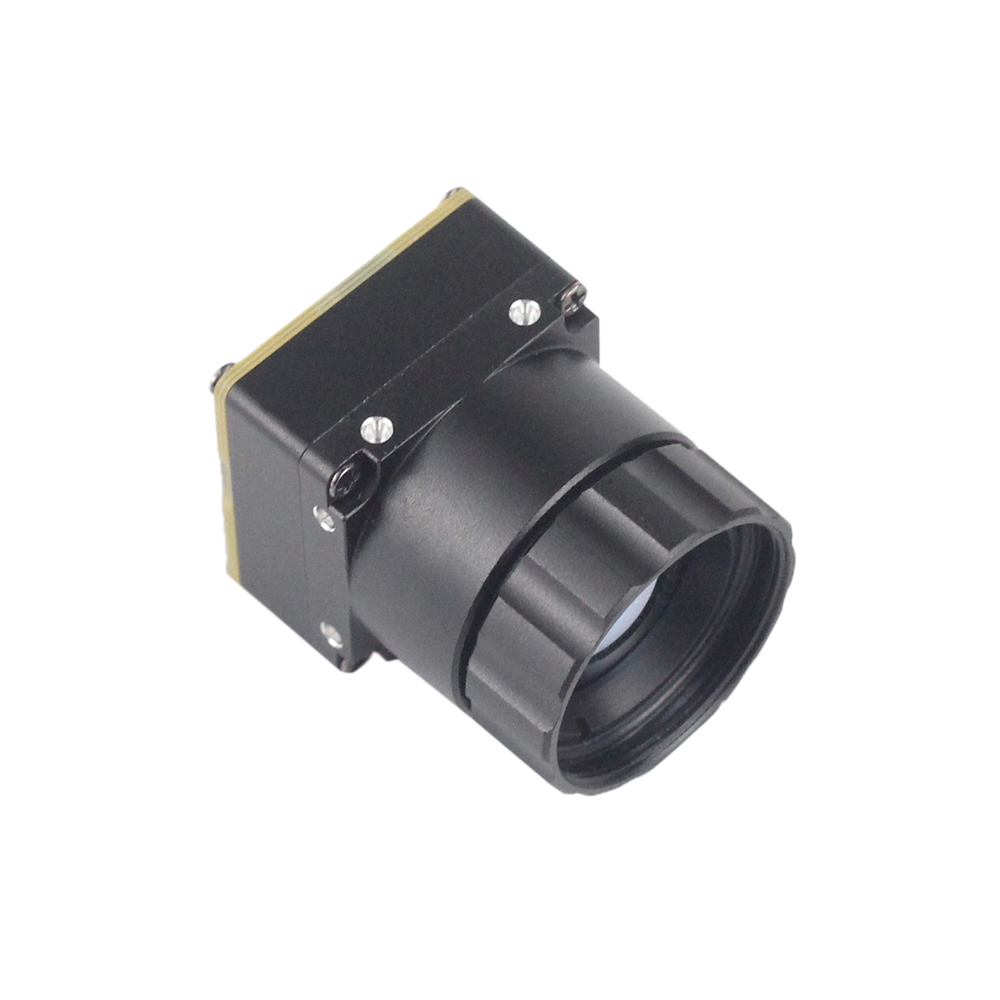
Measuring in at an incredibly compact 21mm × 21mm, these thermal sensor packages match the exact form factor of standard digital visible-light FPV units. This compact engineering profile means you can drop them into standard 2-axis or 3-axis stabilized brushless gimbals without overloading the gimbal motors. Standard M2 screw attachment patterns are machined directly onto all four sides of the aluminum chassis. This makes it simple to mount the camera core inside weather-tight shells or custom multi-spectral payload bays, ensuring the module stays anchored without requiring custom-molded mounting plates.
Weight Budget Optimization
In aerial and remote robotics applications, every gram matters. Heavy payloads translate directly to shorter operation times. By relying on a lightweight, uncooled microbolometer sensor, you keep payload stress to an absolute minimum compared to bulky consumer cameras or thermoelectric cooled arrays. This allows you to deploy dual-sensor payloads—like pairing a visible-light navigation camera with a high-resolution thermal imaging module—even on sub-250g aerial drones, maximizing your targeting capabilities without draining the onboard battery.
Power Infrastructure and Thermal Runaway Safety
One major trap when powering high-performance SBCs like the Raspberry Pi 4 or 5 alongside high-res sensors on small mobile frames is fluctuating current draw. Heavy motor acceleration can drop line voltages, triggering immediate USB connection drops or core logic resets.
To avoid this issue on battery-powered robots, never tap raw power for both the single-board computer and your camera core from the same unfiltered ESC regulator lines. Instead, use an isolated DC-DC buck converter to supply a clean, filtered 5.0V supply straight to the Raspberry Pi. This ensures the USB-connected thermal core receives highly stable voltage. Passive thermal control is just as important. Always locate your thermal core away from the Raspberry Pi's processor cooling fans or heatsinks; parasitic heat conduction can throw off the sensor's FPA temperature bias, degrading your temperature calibration readings over time.
الأسئلة الشائعة حول التكامل المتعمق
Why should I upgrade from low-cost sensors like the MLX90640 to a professional LWIR module for my Raspberry Pi project?
Hobbyist-grade arrays like the MLX90640 are designed for basic spot-temperature checks and simple zone detection. They are fundamentally limited when tasked with real-time target tracking, robotic navigation, or actual Edge AI classification. First, look at spatial pixel density: the MLX90640 offers a native array size of just 32x24 pixels (768 total points of data). Any edge detection, thermal segmentation, or shape-based classification model will fail because targets are reduced to small, indistinct pixel blobs.
Our Mini 256x192 module yields 49,152 measurement points, while the Mini 640x512 delivers 327,680 pixels. This higher density resolves narrow target features, heat signatures at long range, and clear physical outlines. Furthermore, thermal sensitivity (NETD) and refresh rates are critical. Low-cost arrays struggle with high noise floors, often exhibiting an NETD of 100mK to 250mK. In low-contrast scenes (such as cold soil profiles or indoor structures with uniform temperature distributions), this noise floods the image, generating spurious features that can lead to false positive AI detections.
Conversely, professional VOx cores keep NETD below 50mK (down to ≤ 40mK), providing high-contrast, clean images. This low noise floor ensures that target boundaries remain sharp and recognizable even under challenging conditions. On the software side, the slow dynamic refresh speeds of low-end thermopiles generate severe motion blur and trailing artifacts on moving targets. A professional uncooled LWIR module provides frame rates of 25Hz to 30Hz, enabling smooth tracking for real-time edge operations.
What is the easiest way to stream high-resolution, real-time thermal video to a Raspberry Pi without frame lag?
To achieve real-time, low-latency streaming of high-resolution uncooled thermal data, you must bypass low-frequency serial interfaces. Attempting to stream 256x192 or 640x512 radiometric resolution over SPI or I2C causes severe communication bottlenecks on Linux-based SBC platforms. This forces the CPU to spend valuable processing cycles managing serial interrupts, which often results in dropped frames and high pipeline latency.
The optimal approach is to integrate via a USB Video Class (UVC) interface loop. Operating as a standard UVC-compliant USB device allows the camera to register natively with the Linux kernel's high-speed stream driver. System frames are pushed directly into system memory using zero-copy DMA buffers managed by V4L2.
By utilizing Python libraries like OpenCV with a built-in V4L2 capture backend, you can directly ingest raw frames into formatted NumPy arrays. Processing remains fully synchronized with the host computer's system clock, keeping capture frame lag to sub-millisecond levels. This approach leaves the Raspberry Pi’s multi-core ARM CPU free to focus on executing deep-learning inferences and control loops rather than parsing raw serial bus buffers.
Are these mini thermal camera modules suitable for lightweight UAVs and robotics controlled by Raspberry Pi?
Yes. Our uncooled LWIR camera cores are designed specifically with strict SWaP (Size, Weight, and Power) constraints in mind, making them ideal for lightweight UAVs, multirotor platforms, and mobile search-and-rescue robotics.
With a miniature structural cross-section of only 21mm × 21mm, these modules can be integrated directly into compact spaces where traditional industrial thermal cameras would not fit. The extremely light weight of these camera cores ensures that there is virtually no impact on flight dynamics or battery drain. Additionally, their minimal weight simplifies mounting on micro-servo or compact brushless gimbals without risking motor overheating.
From an electrical perspective, these modules consume less than 1.2 Watts during continuous radiometric capture. They can run directly off the Raspberry Pi's standard 5.0V USB bus power, simplifying the power delivery architecture by eliminating the need for bulky external battery packs, cooling fans, or specialized step-down transformers.
Whether your goal is locating thermal anomalies in crop fields, navigating dark autonomous flight paths, or performing mining anomaly audits under active operational conditions, our uncooled LWIR cores deliver high-resolution thermal data without compromising weight budgets or system flight times.
📚 المراجع والقراءات الإضافية
- المعيار الصناعي: ويكيبيديا التصوير الحراري
- Physics Reference: ويكيبيديا مقياس الميكروبولومتر
- دليل ذو صلة: Thermal Imaging in Automotive Driving Safety
- Official Source: Thermal-Image.com Core Portal