
دليل شراء وحدة التصوير الحراري غير المبردة VOx: تكامل الذكاء الاصطناعي الطرفي وتصنيع المعدات الأصلية
20 أغسطس 2026
وحدات الكاميرا الحرارية الإشعاعية: الدليل الشامل لتكامل OEM الصناعي
21 أغسطس 2026
وحدات الكاميرا الحرارية LWIR: دليل المشتري التجاري للذكاء الاصطناعي الطرفي والتصوير الحراري الصناعي
في الميدان، عندما تقوم ببناء أنظمة ذاتية التشغيل للأتمتة الصناعية أو روبوتات الدفاع أو الزراعة الدقيقة أو المحطات الكهربائية الفرعية، تصطدم الرؤية البصرية بجدار فيزيائي صلب. مستشعرات CMOS القياسية رهينة للإضاءة المحيطة والتشتت العكسي والغبار والضباب البحري الكثيف. هنا تغيّر الاستشعارات بالأشعة تحت الحمراء طويلة الموجة (LWIR) قواعد اللعبة. تعمل وحدات الميكروبولومتر LWIR غير المبردة عبر الطيف الكهرومغناطيسي من 8 إلى 14 ميكرومتر (μm)، ولا تبحث عن الضوء المرئي المنعكس. بل تلتقط الإشعاع الحراري المنبعث مباشرة من الأجسام الفيزيائية نفسها. يمنح هذا نظامك القدرة على الرؤية في ظلام دامس بصفر لوكس، والاختراق عبر الدخان، واستخراج درجات حرارة سطحية دقيقة بكسلًا بكسل عبر كامل مجال الرؤية.
خلال السنوات القليلة الماضية، تغيّر المشهد الحراري بالكامل. لقد شهدنا مصفوفات المستوى البؤري (FPAs) بمسافة بكسل أقل من 12 ميكرومتر تصل إلى النطاق التجاري في اللحظة ذاتها التي أصبحت فيها وحدات المعالجة العصبية المدمجة منخفضة الطاقة (NPUs) رخيصة وسريعة. لم تعد بحاجة إلى حاسوب صناعي ضخم متعطش للطاقة في اتجاه مجرى المعالجة فقط لتشغيل رؤية حاسوبية أساسية على البيانات الحرارية. يمكنك الآن تنفيذ تصنيف الأهداف وتجزئة العيوب والتصوير الحراري الواقعي مباشرة على الطرف على محور دقيق أو رأس مستشعر بعيد.
بالنسبة لمهندسي البصريات ومكاملي الأنظمة وفرق المشتريات لدى مصنعي المعدات الأصلية، فإن اختيار نواة LWIR غير المبردة هو درس متقدم في المقايضات. عليك الموازنة باستمرار بين الحجم والوزن والطاقة والتكلفة (SWaP-C) مقابل الدقة الإشعاعية الحرجة ودالة نقل التضمين (MTF) والحساسية الحرارية. سواء كنت تقوم بتغليف حمولة فائقة الخفة لطائرة بدون طيار (UAV) لتحديد مواقع الألغام المدفونة، أو تركيب عيون حرارية ثابتة بدقة 1280×1024 على شبكة مراقبة مرافق مستمرة، فإن تصميمك الميكانيكي ومكدسك البصري وروتينات المعايرة تصنع النظام أو تحطمه. يفكك هذا الدليل الهندسي الفيزياء الأساسية وخطوط معالجة الرقاقة والبصريات وعقبات التكامل العملية التي ستواجهها على منضدة العمل وفي الميدان.
جدول المحتويات
- 👉 الأسس الفيزيائية: ميكانيكا النطاق الموجي LWIR (8–14 ميكرومتر)
- 👉 بنية مستشعر الميكروبولومتر والفيزياء الأساسية
- 👉 خطوط معالجة الذكاء الاصطناعي الطرفي في الرؤية الحرارية
- 👉 التطبيقات الصناعية والدفاعية الحرجة للمهام
- 👉 معيار الوحدات التجارية ومصفوفة المواصفات
- 👉 التكامل الميكانيكي والكهربائي وتكامل SWaP-C
- 👉 الأسئلة الشائعة الصناعية المتعمقة
الأسس الفيزيائية: ميكانيكا النطاق الموجي LWIR (8–14 ميكرومتر)
يعود التصوير الحراري في طيف الأشعة تحت الحمراء طويلة الموجة إلى الديناميكا الحرارية الأساسية: كل جسم تزيد درجة حرارته عن الصفر المطلق (0 كلفن / -273.15 درجة مئوية) يشع طاقة كهرومغناطيسية. نحسب هذه الخروجية الإشعاعية الطيفية باستخدام قانون بلانك للإشعاع, ، الذي يوضح توزيع الطاقة لجسم أسود مثالي عبر الأطوال الموجية (λ) عند درجة حرارة ترموديناميكية (T):
B(λ, T) = (2hc² / λ⁵) × [1 / (exp(hc / λkBT) - 1)]
هنا،, h يمثل ثابت بلانك (6.626 × 10&sup-;³&sup4; جول·ثانية)،, c هو سرعة الضوء (2.998 × 10&sup8; م/ث)، و kB هو ثابت بولتزمان (1.381 × 10&sup-;²³ جول/كلفن). عندما تدمج هذا عبر كامل الطيف، تحصل على قانون ستيفان-بولتزمان (W = σT⁴، حيث σ ≈ 5.670 × 10⁻⁸ واط/م²·ك⁴)، مما يخبرنا أن إجمالي الطاقة المبددة في البيئة يتناسب مع القوة الرابعة لدرجة الحرارة المطلقة.
عندما تنظر إلى أهداف أرضية محيطة وآلات قياسية تعمل بين -40 درجة مئوية و+150 درجة مئوية (233.15 كلفن إلى 423.15 كلفن)، فأنت بحاجة إلى معرفة أين يتركز الجزء الأكبر من تلك الطاقة الإشعاعية. باستخدام قانون فين للإزاحة, ، نجد الطول الموجي لذروة الانبعاث:
λالذروة = b / T ≈ 2897.8 ميكرومتر·كلفن / 300 كلفن ≈ 9.66 ميكرومتر
نظرًا لأن الجزء الأكبر من الإشعاع اليومي يبلغ ذروته عند حوالي 9.6 إلى 10 ميكرومتر، فإن نافذة النقل الجوي من 8 إلى 14 ميكرومتر هي النقطة المثالية لمستشعرات التصوير الحراري غير المبردة.
نوافذ النقل الجوي: مقارنة بين SWIR وMWIR وLWIR
الغلاف الجوي مليء ببخار الماء (H2O)، وثاني أكسيد الكربون (CO2)، والأوزون (O3)، والميثان (CH4). تمتص هذه الجزيئات الإشعاع بشدة عبر مساحات شاسعة من الطيف تحت الأحمر. في الهندسة الكهروضوئية العملية، نقسم التصوير الحراري وتحت الأحمر إلى ثلاث نوافذ تشغيلية مميزة:
- ⚙️ الأشعة تحت الحمراء قصيرة الموجة (SWIR، 0.9–1.7 ميكرومتر / ممتدة إلى 2.5 ميكرومتر): تتصرف SWIR بشكل مشابه للضوء المرئي، حيث تلتقط الفوتونات المنعكسة بدلاً من الانبعاث الحراري. تحتاج إلى إضاءة نشطة أو ضوء النجوم أو التوهج الليلي لرؤية أي شيء. تتألق SWIR في فحص رقائق السيليكون وتحليل الرطوبة وتتبع الليزر المتخصص.
- ⚙️ الأشعة تحت الحمراء متوسطة الموجة (MWIR، 3.0–5.0 ميكرومتر): تكتشف MWIR الفوتونات عالية الطاقة المنبعثة من أهداف شديدة الحرارة مثل عوادم التوربينات وأعمدة الصواريخ والغلايات الصناعية. مبردات ستيرلينغ المبردة مطلوبة لتبريد هذه الكواشف إلى حوالي 77 كلفن (-196 درجة مئوية) لإيقاف تشبع الحاملات الحرارية الداخلية. يمنح هذا المحرك المبرد حساسية مذهلة، لكنه يستهلك 15–30 واط من الطاقة، ويصدر طنينًا صوتيًا، ويكلف ثروة، ويتآكل ميكانيكيًا بعد 8000 إلى 15000 ساعة تشغيل.
- ✅ الأشعة تحت الحمراء طويلة الموجة (LWIR، 8.0–14.0 ميكرومتر): تلتقط LWIR ذروة إشعاع الجسم الأسود للأجسام الأرضية اليومية. نظرًا لأن الميكروبولومترات غير المبردة تعمل في درجة الحرارة المحيطة، فإنها تستهلك طاقة قليلة جدًا (أقل من 1.0 واط إلى 2.5 واط)، وتعمل في أقل من 3 ثوانٍ، وتصدر ضوضاء صوتية صفرية، ويمكن أن تعمل لأكثر من 50000 ساعة دون صيانة. بالنسبة للاستخدامات العملية طويلة الأمد، فإن LWIR هي العمود الفقري للصناعة.
آليات التشتت في البيئات الجسيمية
انظر، أحد أكبر الأسباب التي تجعل المهندسين ينشرون LWIR بدلاً من الكاميرات المرئية أو كاميرات NIR هو الاختراق البيئي الخالص. عندما يغطي دخان حرائق الغابات أو غبار المصانع أو الضباب الكثيف أو رذاذ الزيت المحمول جوًا المشهد، تصاب المستشعرات المرئية بالعمى. يعود هذا إلى فيزياء تشتت رايلي و تشتت مي.
يحدث تشتت رايلي عندما يكون نصف القطر (r) من الجسيمات المحمولة جواً أصغر بكثير من الطول الموجي (λ) للضوء الوارد (r << λ). المقطع العرضي للتشتت (σs) يتناسب عكسياً مع القوة الرابعة للطول الموجي:
σs ∝ 1 / λ&sup4;
قم بالحساب على هذا: الطول الموجي المرئي يبلغ تقريباً 0.5 ميكرومتر، بينما يبلغ طول موجة الأشعة تحت الحمراء طويلة الموجة (LWIR) حوالي 10.0 ميكرومتر—فرق يبلغ 20 ضعفاً. رفع 20 إلى القوة الرابعة يعطي عامل تخفيض للتوهين قدره 160,000. وهذا يعني أن جزيئات الدخان والهباء الجوي الدقيقة التي تحجب الضوء المرئي تماماً تكون غير مرئية تقريباً لمستشعر الأشعة تحت الحمراء طويلة الموجة. وعندما تتضخم قطرات الماء إلى حجم الطول الموجي (ظروف تشتت مي)، لا تزال الأشعة تحت الحمراء طويلة الموجة تعاني من تدهور إشارة أقل بكثير من الكاميرات المرئية، مما يحافظ على تغذية الرؤية لديك حية.
استخراج درجة الحرارة إشعاعياً
إن نواة الأشعة تحت الحمراء طويلة الموجة الإشعاعية الحقيقية ليست مجرد كاميرا رؤية ليلية حرارية؛ بل هي مقياس حرارة معاير لا تلامسي لكل بكسل في مصفوفتك. يتكون التدفق الإشعاعي الكلي (Wالإجمالي) الساقط على بكسل ميكروبولومتر فردي من ثلاثة مصادر للطاقة: الطاقة المنبعثة من الهدف، والطاقة المحيطة المنعكسة عن الهدف، والإشعاع المساري المنبعث من الهواء نفسه:
Wالإجمالي = ε τالجوي σ Tالهدف&sup4; + (1 - ε) τالجوي σ Tالمنعكس&sup4; + (1 - τالجوي) σ Tالجوي&sup4;
في هذه المعادلة، ε هي الانبعاثية السطحية (0.0 للمرآة اللامعة، و1.0 للجسم الأسود الحقيقي)، وτالجوي هي النفاذية الجوية عبر المسافة، وTالمنعكس هي درجة الحرارة المحيطة الخلفية المنعكسة، وTالجوي هي درجة حرارة الهواء. يقوم معالج الإشارة الرقمية المدمج بتشغيل هذه الحسابات باستمرار وبشكل فوري، مع الرجوع إلى جداول بحث معايرة في المصنع لإخراج قراءات دقيقة لدرجة الحرارة عبر ظروف تشغيل محيطة متغيرة.
بنية مستشعر الميكروبولومتر والفيزياء الأساسية
في مركز أي وحدة أشعة تحت حمراء طويلة الموجة غير مبردة حديثة توجد مصفوفة المستوى البؤري للميكروبولومتر (FPA). وعلى عكس كاشفات الفوتون المبردة التي تعتمد على إثارة فجوة النطاق الكمومية، فإن الميكروبولومتر هو في الأساس شبكة مقاومات حرارية معلقة فوق دائرة متكاملة لقراءة السيليكون (ROIC).
كل بكسل منفرد هو جسر مجهري خاص به. الطبقة الماصة—عادةً نيتريد السيليكون (Si3N4) المقترنة بغشاء مقاوم نشط—تمتص فوتونات حرارية واردة بطول موجي 8–14 ميكرومتر. وعندما يسخن ذلك الغشاء، تتغير مقاومته الكهربائية. ساقان معدنيتان ذواتا نسبة عرض إلى ارتفاع عالية ومصنعتان بالآلات الدقيقة تمسكان الجسر معلقاً فوق الركيزة في عبوة مفرغة. تعمل هاتان الساقان كعنق زجاجة حراري، حيث تعزلان البكسل بحيث تسخن الطاقة الواردة الغشاء فعلياً بدلاً من أن تتسرب فوراً إلى أرضية السيليكون بالأسفل.
تركيب المادة الفعالة: أكسيد الفاناديوم (VOx) مقابل السيليكون غير المتبلور (a-Si)
تحدد المادة الأساسية للجسر المجهري أداء الكاشف، ويُقاس ذلك بشكل أساسي من خلال معامل درجة الحرارة للمقاومة (TCR)—النسبة المئوية للتغير في المقاومة الكهربائية لكل تغير درجة مئوية واحدة (α = (1/R) × (dR/dT)):
- ✅ أكسيد الفاناديوم (VOx): أكسيد الفاناديوم هو المعيار الصناعي للأنظمة الفضائية والدفاعية والصناعية عالية الجودة. يوفر معامل مقاومة حرارية مذهلاً يتراوح بين -2% و-3% لكل كلفن عند درجة حرارة الغرفة، مع الحفاظ على ضوضاء الوميض 1/f منخفضة للغاية. يوفر هذا المزيج إشارات أنظف ونسب إشارة إلى ضوضاء أعلى (SNR) وكشفاً حاداً للشذوذ الحراري.
- ⚙️ السيليكون غير المتبلور (a-Si): يمكن تصنيع ميكروبولومترات السيليكون غير المتبلور باستخدام عمليات مسبك CMOS القياسية، مما يسمح بتكامل مباشر على مستوى الرقاقة لغشاء الكاشف فوق دائرة القراءة مباشرة. وفي حين أن هذا يخفض تكاليف إنتاج الوحدة للأجهزة التجارية عالية الحجم، فإن السيليكون غير المتبلور يعاني من ضوضاء 1/f أعلى ومعامل مقاومة حرارية أقل، مما يترجم إلى حساسية أقل بشكل ملحوظ عند المقارنة المباشرة مع أكسيد الفاناديوم.
فرق درجة الحرارة المكافئ للضوضاء (NETD)
عندما تقوم بتقييم النوى الحرارية من ورقة المواصفات، فإن الرقم الأكثر أهمية على الإطلاق هو فرق درجة الحرارة المكافئ للضوضاء (NETD), ، ويُقاس بالمللي كلفن (mK). يخبرك NETD بفرق درجة حرارة الهدف الدقيق المطلوب لإنتاج إشارة خرج كهربائية تساوي أرضية الضوضاء الأساسية للمستشعر (SNR = 1). تُعرَّف الصيغة على النحو التالي:
NETD = (4 F² √Δf) / [Ad × τo × (dV/dT) × D*]
حيث F هو الرقم البؤري f للعدسة، وΔf هو عرض نطاق الضوضاء، وAd هي مساحة البكسل النشطة، وτo هي النفاذية الضوئية، وdV/dT هي استجابة الكاشف، وD* هي قابلية الكشف.
إليك ما يترجم إليه ذلك في التطبيقات العملية:
- ⚙️ الدرجة التجارية القياسية (NETD ≤ 50 mK): جيدة بما يكفي لكشف الوجود، وتتبع محيط المركبات، وفحوصات HVAC الأساسية، والملاحة الروبوتية البسيطة.
- ✅ الدرجة الصناعية / الدفاعية الدقيقة (NETD ≤ 30–40 mK): مطلوبة لتحديد الارتفاعات المفاجئة في المقاومة في مرحلة مبكرة على المفاتيح الكهربائية عالية الجهد، وتتبع تسرب الرطوبة الدقيق داخل هياكل الأسقف، ومسح الذخائر المدفونة عبر تغيرات تسخين الأرض النهارية، وفحوصات مشاعل الغاز الدقيقة.
المواد البصرية المتخصصة في نطاق الموجات LWIR
الزجاج البصري القياسي مثل BK7 أو السيليكا المنصهرة هو في الأساس جدار معتم للأطوال الموجية التي تتجاوز 2.5 ميكرومتر بسبب الامتصاص الفونوني المتعدد الثقيل. لا يمكنك وضع عدسة زجاجية قياسية أمام ميكروبولومتر LWIR. بدلاً من ذلك، يقوم مصنعو البصريات الدقيقة مثل جيندي بهندسة تجميعات مخصصة من ركائز الأشعة تحت الحمراء المتخصصة:
- ⚙️ الجرمانيوم أحادي البلورة (Ge): الجرمانيوم هو الملك بلا منازع لبصريات LWIR عالية الأداء. معامل انكساره مرتفع بشكل استثنائي (n ≈ 4.003 عند 10 ميكرومتر)، مما يسمح للمصممين بصياغة أنظمة بصرية سريعة f/1.0 وf/1.1 مع انحراف كروي منخفض في أطوال مدمجة. المقايضة هي الانفلات الحراري: يتحول الجرمانيوم الخام إلى معتم تمامًا فوق 100 درجة مئوية، وتنتج الأسطح العارية انعكاسات فرينل كبيرة ما لم تُعالج بطلاءات صلبة عالية الكفاءة مضادة للانعكاس (AR) أو كربون شبيه بالألماس (DLC).
- ✅ زجاج الكالكوجينيد (مركبات Ge-Sb-Se): يمكن قولبة زجاج الكالكوجينيد بدقة مباشرة إلى عناصر بصرية لا كروية وانكسارية على نطاق واسع. والأهم من ذلك، أن انزياح معامل الانكسار الحراري (dn/dT ≈ +35 × 10&sup-;&sup6;/°C) أقل بنحو عشر مرات من الجرمانيوم (+396 × 10&sup-;&sup6;/°C). يتيح هذا لمهندسي البصريات بناء أغلفة عدسات مُحايدة حراريًا بشكل سلبي تحافظ على تركيز حاد الدقة من -40 درجة مئوية حتى +80 درجة مئوية دون إضافة محركات تركيز ميكانيكية معقدة.
خطوط معالجة الذكاء الاصطناعي الطرفي في الرؤية الحرارية
يبدو تشغيل نماذج الذكاء الاصطناعي الطرفية الحديثة على التغذية الحرارية أمرًا مباشرًا حتى تنظر إلى كيفية هيكلة البيانات الحرارية الخام. على عكس الكاميرات المرئية التي تخرج إطارات RGB جاهزة للاستخدام بدقة 8 بت بناءً على الإضاءة المنعكسة، يبث الميكروبولومتر غير المبرد بيانات إشعاعية أحادية القناة عالية المدى الديناميكي (عادةً عدادات رقمية خام بدقة 14 بت أو 16 بت).
لا يمكنك ببساطة تمرير هذا التدفق 14-بت مباشرة إلى شبكة عصبية طرفية مثل YOLOv8-Thermal أو نموذج تجزئة. بدون معالجة DSP منخفضة المستوى مكثفة، ستدمر ضوضاء المستشعر وضغط النطاق الديناميكي دقة الاكتشاف لديك.
تكييف الإشارة الخام وتصحيح عدم التجانس (NUC)
نظرًا لأن بكسلات المقياس الحراري الدقيق المصنعة آليًا لكل منها اختلافات مجهرية في المقاومة والكتلة والكسب، فإن الإطار الحراري الخام غير المعاير يبدو كجدار من التشويش — وهو أثر يُعرف بضوضاء النمط الثابت (FPN). يقوم معالج الإشارة الرقمية (DSP) في الكاميرا بتنظيف ذلك عبر خط أنابيب متعدد المراحل:
- ⚙️ تصحيح البكسلات التالفة (BPC): يتم تعيين البكسلات الميتة أو غير المستجيبة أثناء المعايرة في المصنع ويتم ترقيعها ديناميكيًا في وقت التشغيل باستخدام الاستيفاء المكاني المجاور.
- ⚙️ تصحيح عدم التجانس ثنائي النقطة (NUC): يطبق DSP مصفوفات الإزاحة والكسب لكل بكسل عبر المصفوفة النشطة:
Sالمصحح(i,j) = G(i,j) × [Sخام(i,j) - O(i,j)]
هنا، G(i,j) هي مصفوفة كسب البكسل وO(i,j) هي مصفوفة الإزاحة، والتي يتم تصفيرها دوريًا بإسقاط غالق ميكانيكي صغير أمام المصفوفة لجزء من الثانية.
- ✅ تصحيح عدم التجانس القائم على المشهد (SBNUC): للتتبع الحرج للمهمة حيث لا يمكنك تحمل تجميد الغالق أثناء الطيران أو الحركة الروبوتية، تقوم معالجات DSP الحديثة بتشغيل خوارزميات تقدير مستمرة قائمة على الحركة لتنظيف الانجراف من الإطار ديناميكيًا بدون غوالق فيزيائية.
ضغط النطاق الديناميكي وتحسين التفاصيل الرقمية (DDE)
تعمل محركات الاستدلال الطرفية وشاشات المشغلين عمومًا على مدخلات 8-بت (تدرج رمادي من 0 إلى 255). إذا أخذت تدفقًا حراريًا خامًا 14-بت (16,384 مستوى منفصلًا) وضغطته خطيًا في حاوية 8-بت، فإن الأهداف منخفضة التباين — مثل شخص يمشي عبر أسفلت دافئ — تختفي في أرضية الضوضاء الخلفية. تحل المعالجات الحرارية الحديثة ذلك بخوارزميتين رئيسيتين:
- ⚙️ معادلة المدرج التكراري التكيفية محدودة التباين (CLAHE): بدلاً من حساب مدرج تكراري عالمي، يعمل CLAHE محليًا عبر بلاطات شبكية سياقية مميزة، مما يعزز الفروق الحرارية المحلية الضعيفة مع منع الخلفيات الصاخبة من التشبع.
- ✅ تحسين التفاصيل الرقمية (DDE): تستخدم هذه الخوارزمية تصفية مكانية ثنائية غير خطية لتقسيم الصورة الحرارية إلى نطاقين مميزين: طبقة أساس منخفضة التردد (تمثل التدرجات الحرارية البيئية الواسعة العامة) وطبقة تفاصيل عالية التردد (حواف دقيقة، أسلاك، فواصل ميكانيكية، وأنسجة دقيقة). يتم تضخيم طبقة التفاصيل ودمجها مرة أخرى مع طبقة الأساس المضغوطة، مما يمنح الشبكات العصبية حدود أجسام حادة لتلتقطها.
إذا كنت تدمج خطوط الأنابيب هذه على منصات مدمجة مثل Raspberry Pi أو NVIDIA Jetson، فإن الأداء السلس يعتمد بشكل كبير على بنية فيديو Linux الأساسية. راجع دليلنا العملي حول تطبيقات برنامج تشغيل وحدة Raspberry Pi الحرارية لتكوين وحدات نواة V4L2 وخطوط أنابيب اتصال SPI/I2C. لرسم بنى الناقلات المخصصة وتخطيطات دبابيس أجهزة OEM، راجع موردنا المتعمق حول بنى تكامل النوى الحرارية OEM.
التطبيقات الصناعية والدفاعية الحرجة للمهام
الصيانة التنبؤية الصناعية والمرافق عالية الجهد
في منشآت التصنيع الثقيلة وشبكات المرافق الكهربائية، يتسبب فشل المكونات المفاجئ في توقف تشغيلي هائل ومخاطر سلامة كارثية. عندما تبدأ وصلات قضبان التوصيل المثبتة بمسامير، أو مفاتيح الفصل، أو أطراف القواطع، أو محامل المحركات في الفشل، يرتفع الاحتكاك الميكانيكي أو المقاومة الكهربائية. بناءً على قانون جول الأول (P = I²R)، تتحول تلك المقاومة المضافة مباشرة إلى تبديد حراري موضعي قبل حدوث وميض قوسي أو توقف المحمل عن العمل.
وحدات LWIR الإشعاعية تمسح باستمرار المفاتيح الكهربائية وأصول الجهد العالي، مما يسمح لأنظمة أتمتة الصيانة بإطلاق التنبيهات بناءً على معايير دلتا-تي (ΔT):
- ⚙️ ارتفاع من 1°C إلى 10°C فوق المحيط/خط الأساس: تحذير مبكر للمقاومة؛ يُسجل للفحص الروتيني خلال دورة الصيانة التالية.
- ⚙️ ارتفاع من 11°C إلى 30°C: عيب موضعي خطير؛ يتطلب صيانة تصحيحية خلال الانقطاعات المخطط لها القادمة.
- ✅ ارتفاع >30°C فوق خط الأساس: خطر حرج؛ تهديد فوري بانهيار عازل كارثي أو حريق. افصل فورًا.
أمن المحيط الذاتي وحماية القوات
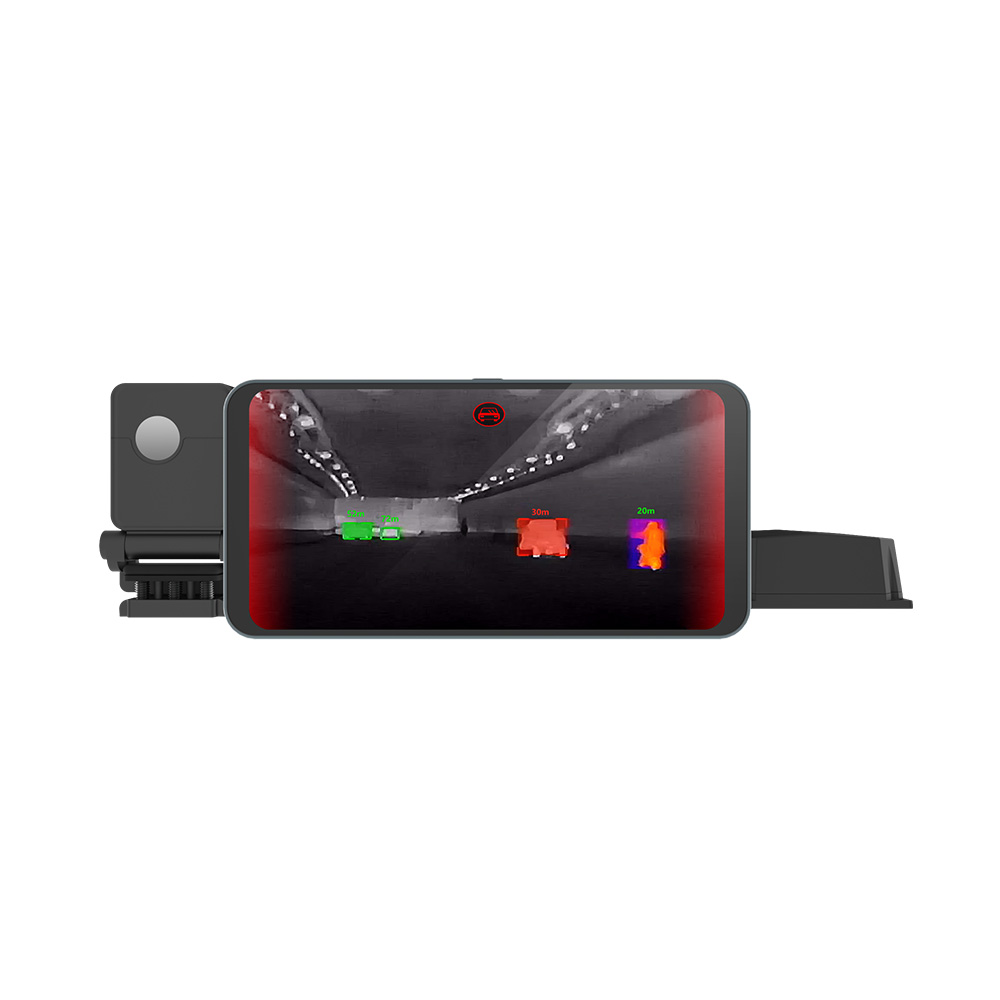
الكاميرات المرئية القياسية ومضيئات الأشعة تحت الحمراء النشطة تعاني من وهج المصابيح الأمامية وظلال الأشجار والتمويه والطقس السيئ. نوى LWIR غير المبردة تعمل كحراس بصريين سلبيين حقيقيين. يحسب مصممو الأنظمة حدود كشف المحيط باستخدام معايير جونسون, المعيارية، التي تحدد أزواج الخطوط المطلوبة عبر البعد الحرج للهدف:
- ⚙️ الكشف (1.0 ± 0.25 زوج خطوط): تأكيد وجود جسم مهم (شخص، مركبة) في المشهد.
- ⚙️ التمييز (4.0 ± 0.8 زوج خطوط): تصنيف نوع الهدف (مثلًا، فصل إنسان عن غزال شارد، أو شاحنة عن سيارة ركاب).
- ✅ التعرف (6.4 ± 1.5 زوج خطوط): تحديد بثقة عالية (مثلًا، تمييز متسلل مسلح عن عامل غير مسلح).
لمعرفة كيف تتكامل الحمولات الحرارية متعددة الأطياف في أنظمة الحدود الآلية واسعة النطاق، اطلع على دليلنا التقني حول أطر التصوير الحراري للأمن الصناعي.
حمولات الطائرات بدون طيار، وإزالة الألغام الإنسانية، والروبوتات الميدانية
تركيب نوى LWIR الحرارية فائقة الصغر على الزواحف الروبوتية والطائرات بدون طيار قد حدّث إزالة الذخائر غير المنفجرة (UXO) والألغام الأرضية الإنسانية. الألغام الأرضية المدفونة—بما في ذلك التصاميم البلاستيكية منخفضة المعدن—تخل بالانضغاط الطبيعي وانتقال الرطوبة والسعة الحرارية للتربة فوقها مباشرة.
خلال دورات شروق الشمس وغروبها—المعروفة باسم فترات التقاطع الحراري—الأرض فوق التهديد المدفون مباشرة تتغير حرارتها بمعدل قابل للقياس مختلف عن التربة الأصلية المحيطة. المحاور الجوية المجهزة بوحدات LWIR الإشعاعية عالية الحساسية تلتقط هذه الانحرافات الحرارية السطحية الدقيقة (ΔT ≤ 0.05°C) من ارتفاعات وقوف آمنة، لرسم خرائط حقول الألغام دون تعريض مزيل الألغام للخطر على الأرض.
معيار الوحدات التجارية ومصفوفة المواصفات
اختيار نواة LWIR المناسبة يعني مواءمة الدقة وتباعد البكسل والحساسية الحرارية والبصريات وبروتوكولات إخراج الفيديو مباشرة مع قيود منصتك. لتوريد الإلكترونيات الصناعية بكميات كبيرة وإدارة سلاسل توريد الإنتاج، يمكن للمكاملين التنسيق مباشرة عبر موردي المكونات المعتمدين مثل كويانغ. فيما يلي نظرة هندسية عامة ومصفوفة مواصفات تقارن بين نواتين حراريتين OEM مرجعيتين.
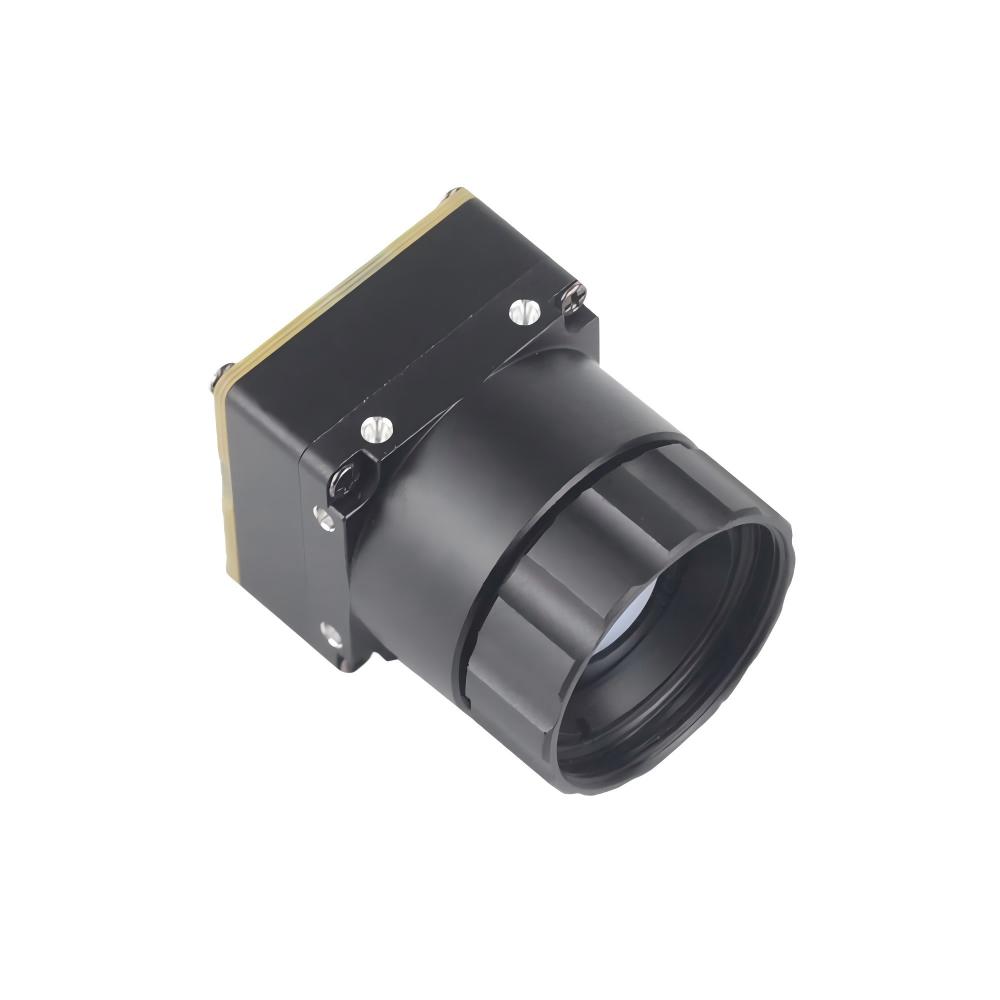
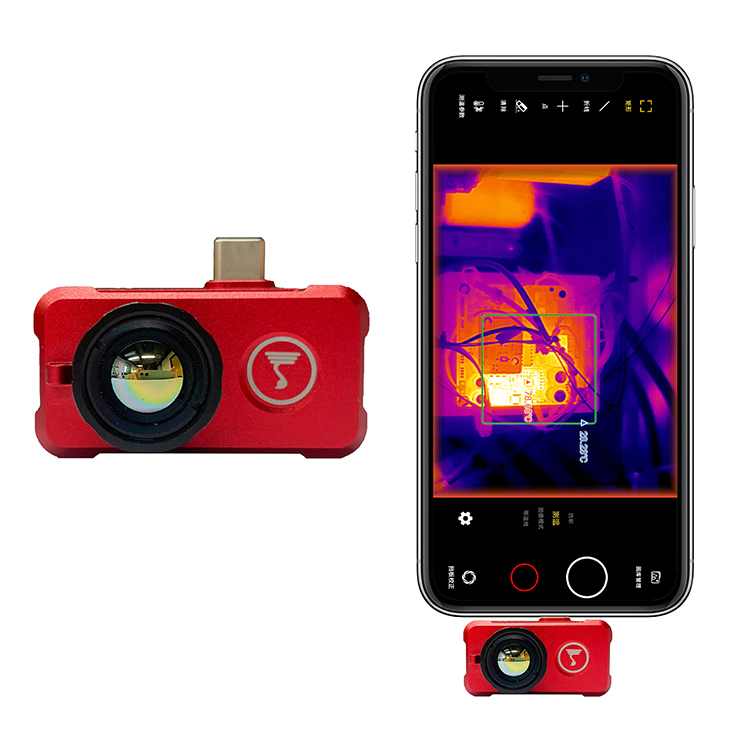
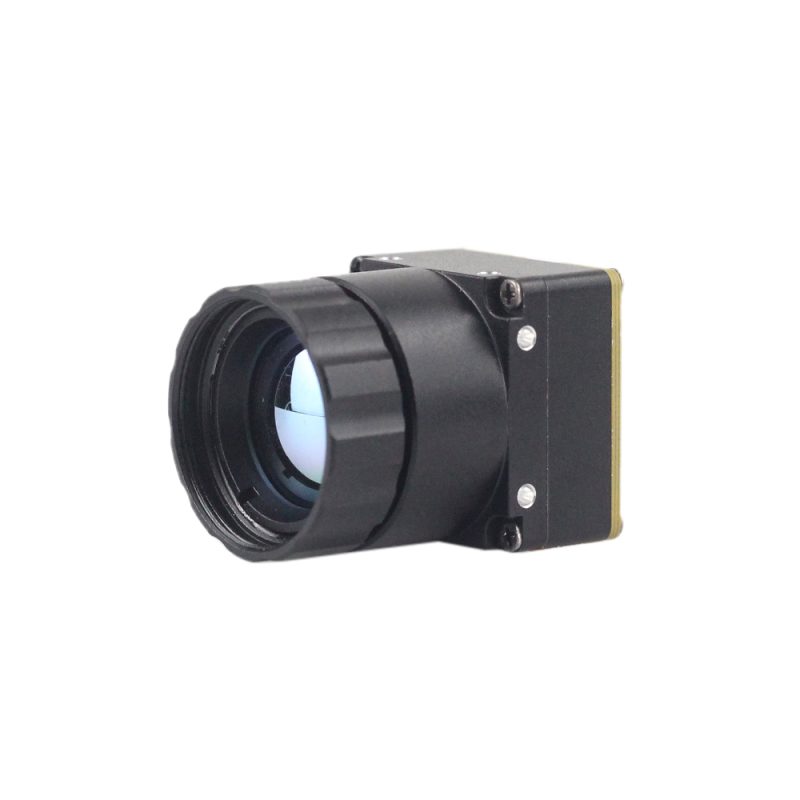
وحدة كاميرا حرارية LWIR غير مبردة Mini 256
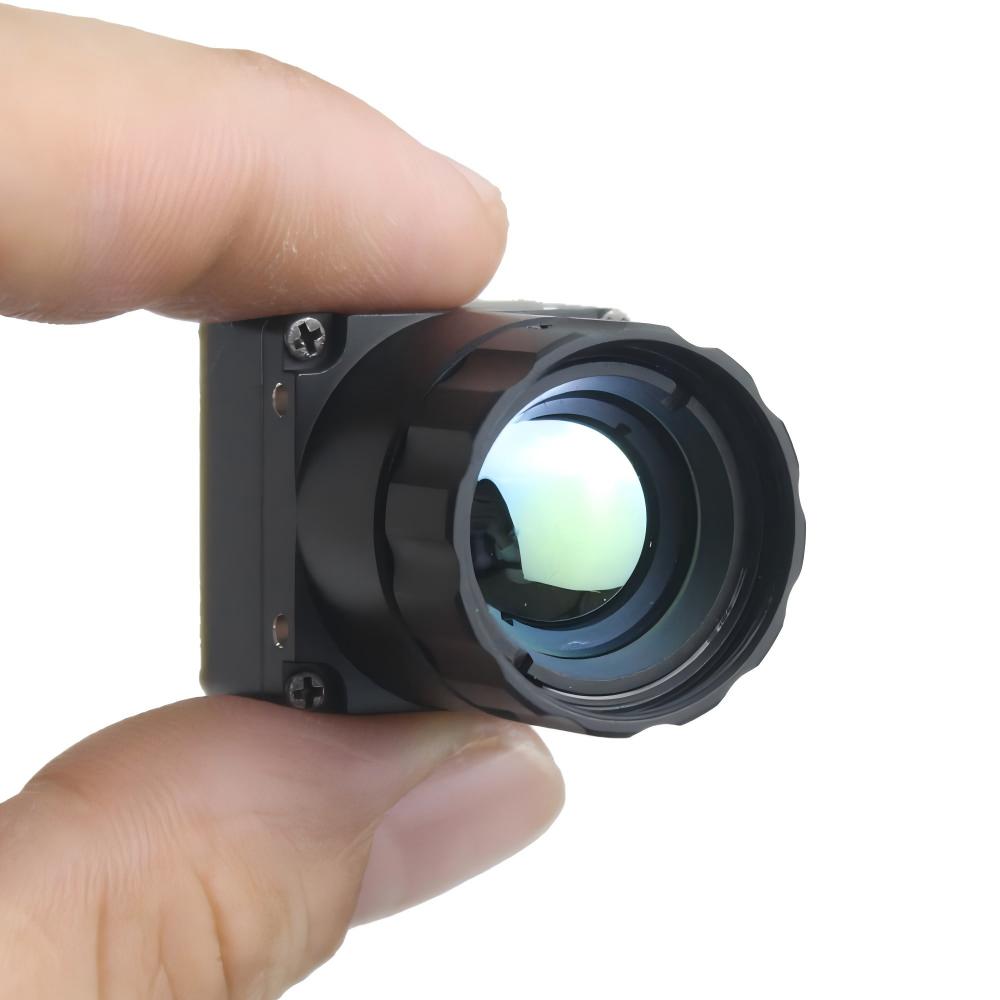
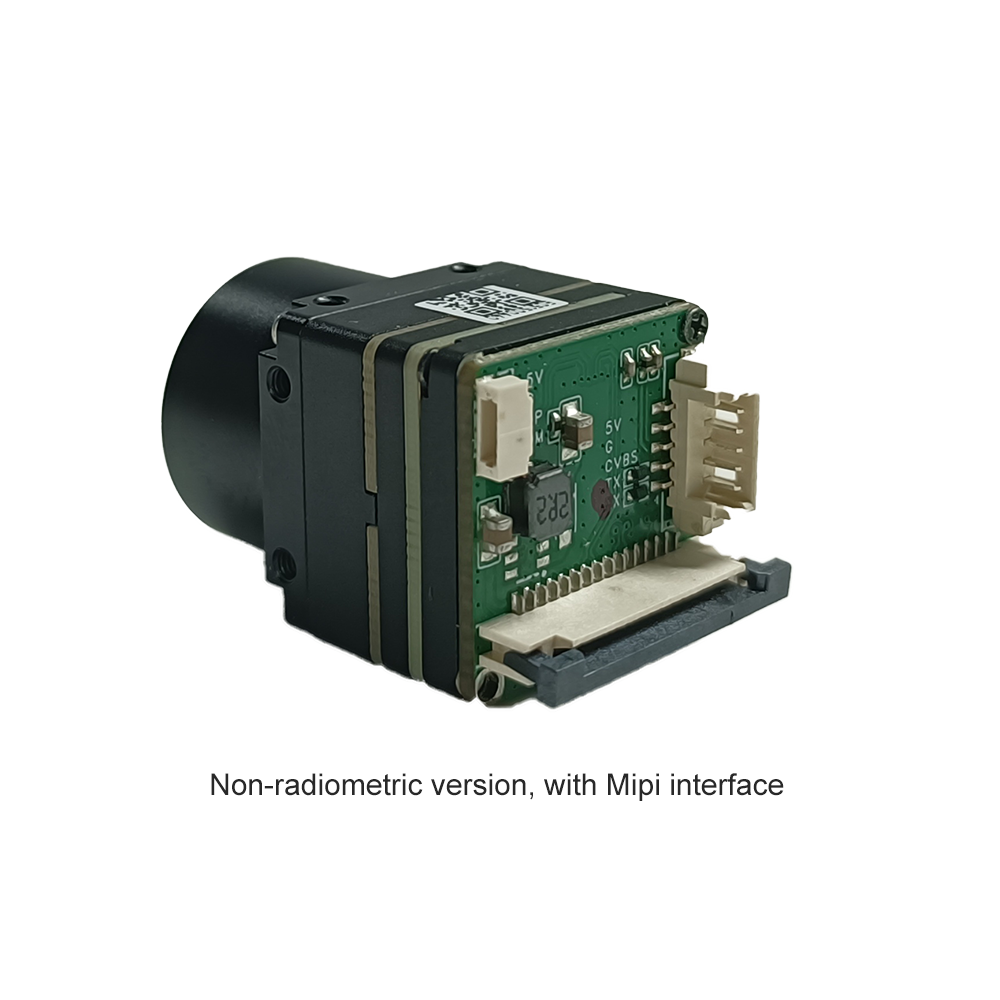
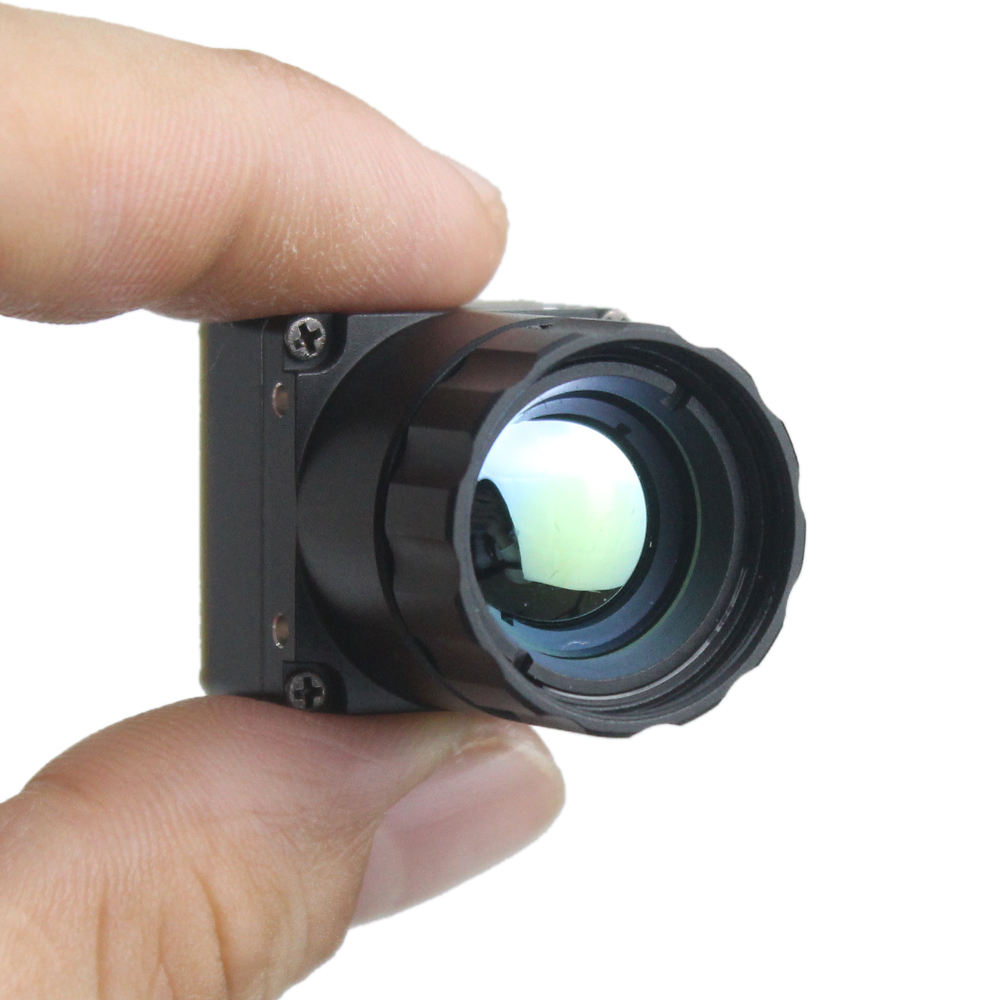
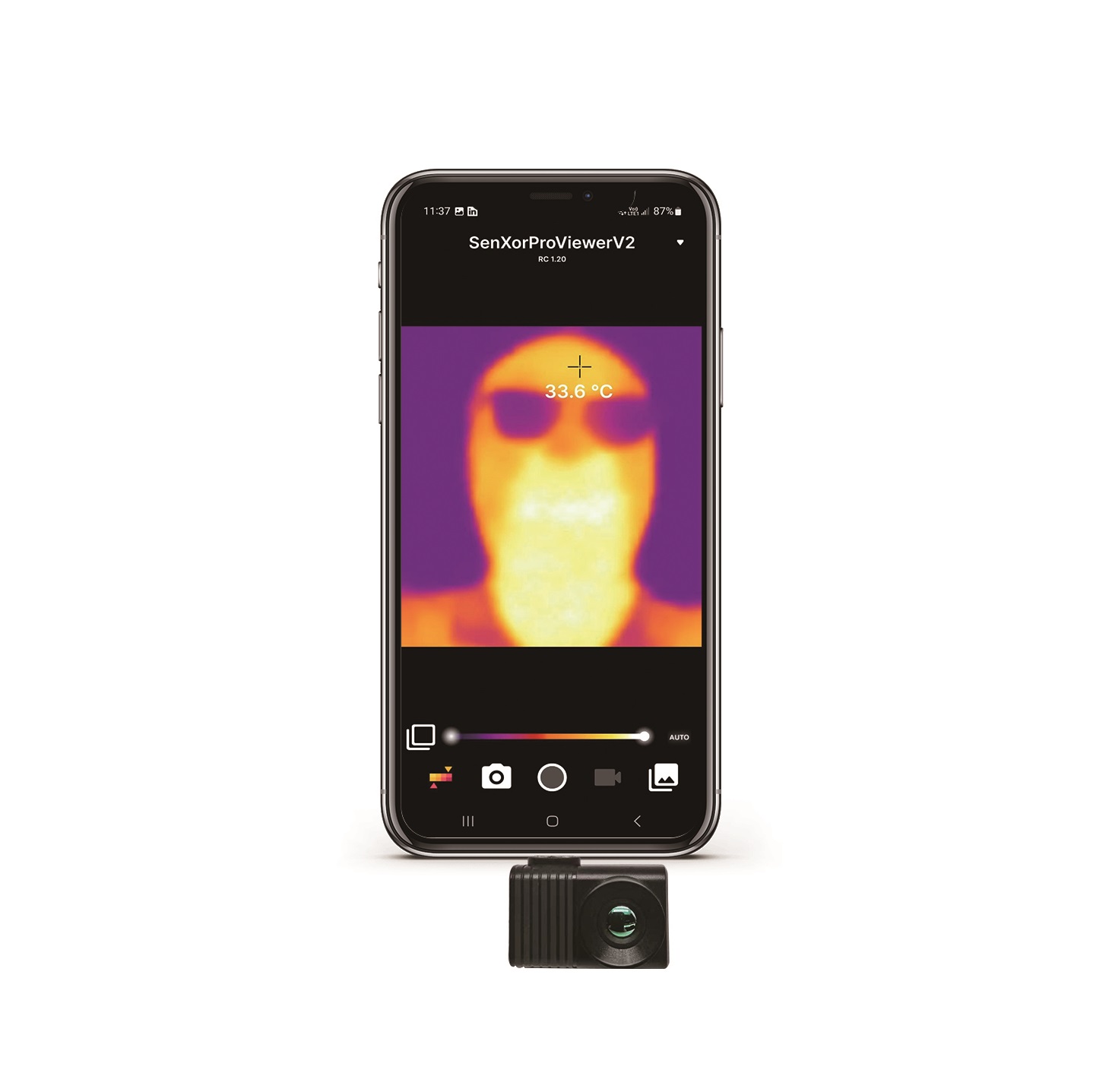
الـ وحدة الكاميرا الحرارية المصغرة 256 غير المبرّدة بالأشعة تحت الحمراء طويلة الموجة هي محرك حراري فائق الصغر وخفيف الوزن مصمم خصيصًا للمحاور الدقيقة، وحمولات الطائرات بدون طيار التجارية (مشابهة في عامل الشكل وملف المهمة لمنصات DJI المؤسسية لكشف الألغام)، وروبوتات البحث والإنقاذ، وأنظمة المراقبة التكتيكية المحمولة على الجسم. باعتماد كاشفات الأشعة تحت الحمراء المتقدمة عالية الأداء، تلتقط Mini 256 الأشعة تحت الحمراء الأرضية وتخرج صورة حرارية موحدة فائقة الوضوح مع قياس إشعاعي مدمج لقياس درجة الحرارة بدقة.
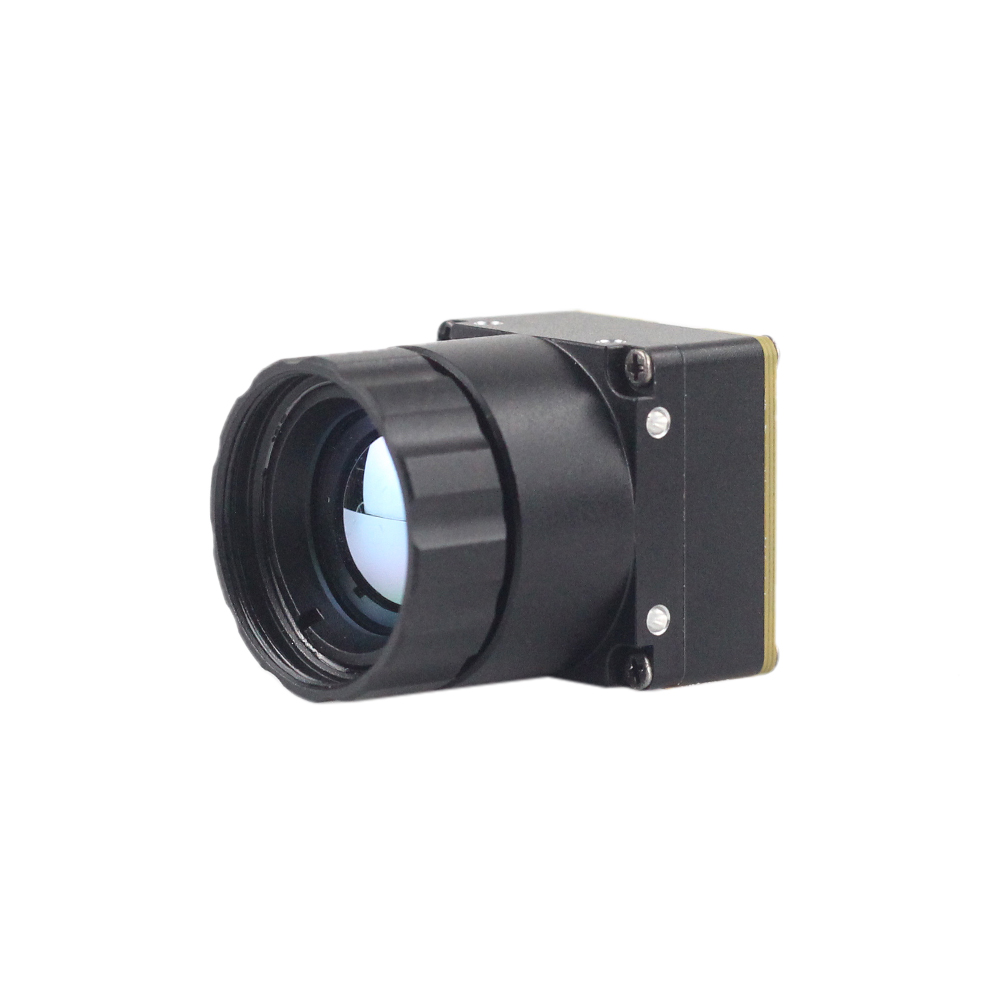
تشمل الخصائص المعمارية الرئيسية:
- ✅ ميكروبولومتر عالي الحساسية: يتميز بمصفوفة مستوى بؤري بدقة 256×192 مع خطوة بكسل 12 ميكرومتر، مما يوفر دقة مكانية حادة مع تقليل متطلبات القطر البصري.
- ⚙️ محرك قياس إشعاعي مدمج: يلتقط الإشعاع الحراري الخام ويحوله إلى قياسات حرارة دقيقة لكل بكسل، مما يسمح للأنظمة الطرفية المدمجة باكتشاف الشذوذ الحراري تلقائيًا.
- ✅ بصمة محسّنة لـ SWaP: مصمم لقيود الحجم والوزن والطاقة القصوى (SWaP)، مما يجعله قابلًا للتضمين المباشر في المنصات الجوية المصغرة، وأجهزة التصوير الحراري المحمولة، وزواحف إزالة الألغام الروبوتية.
- ⚙️ معايير إخراج مرنة: يدعم بروتوكولات إخراج الفيديو الرقمي (DVP/USB) إلى جانب واجهات الأوامر التسلسلية للاتصال السلس بالمضيف.
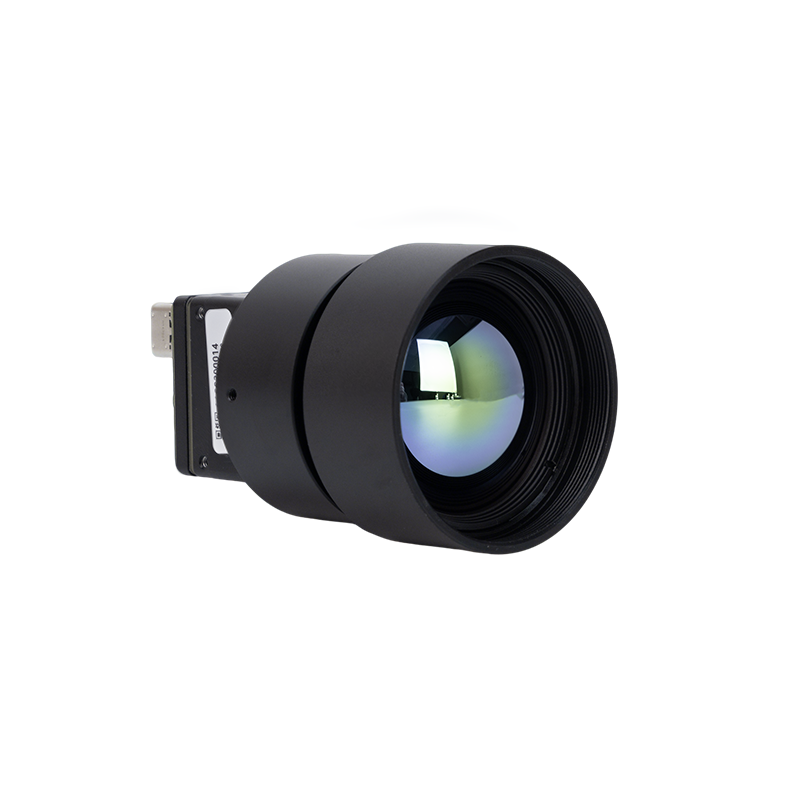
كاميرا تصوير حراري LWIR عالية الدقة غير مبردة بالأشعة تحت الحمراء 1280×1024
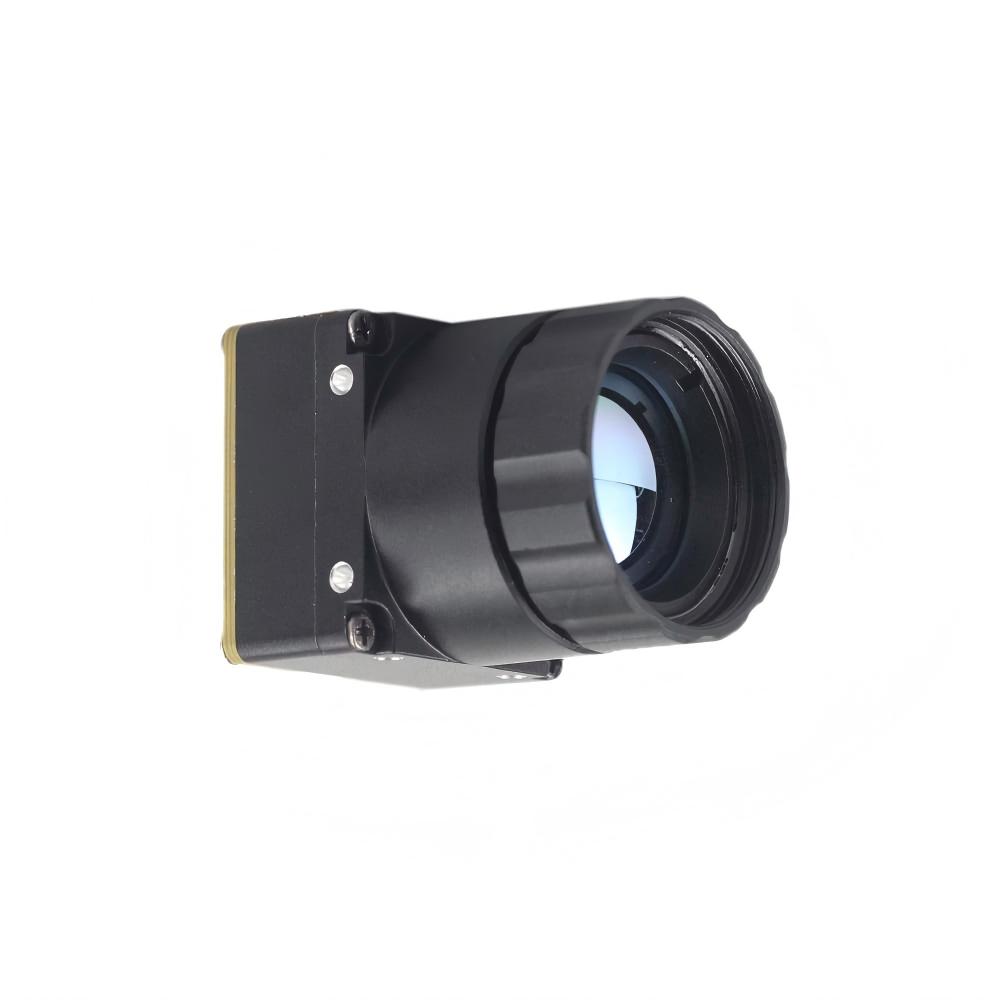
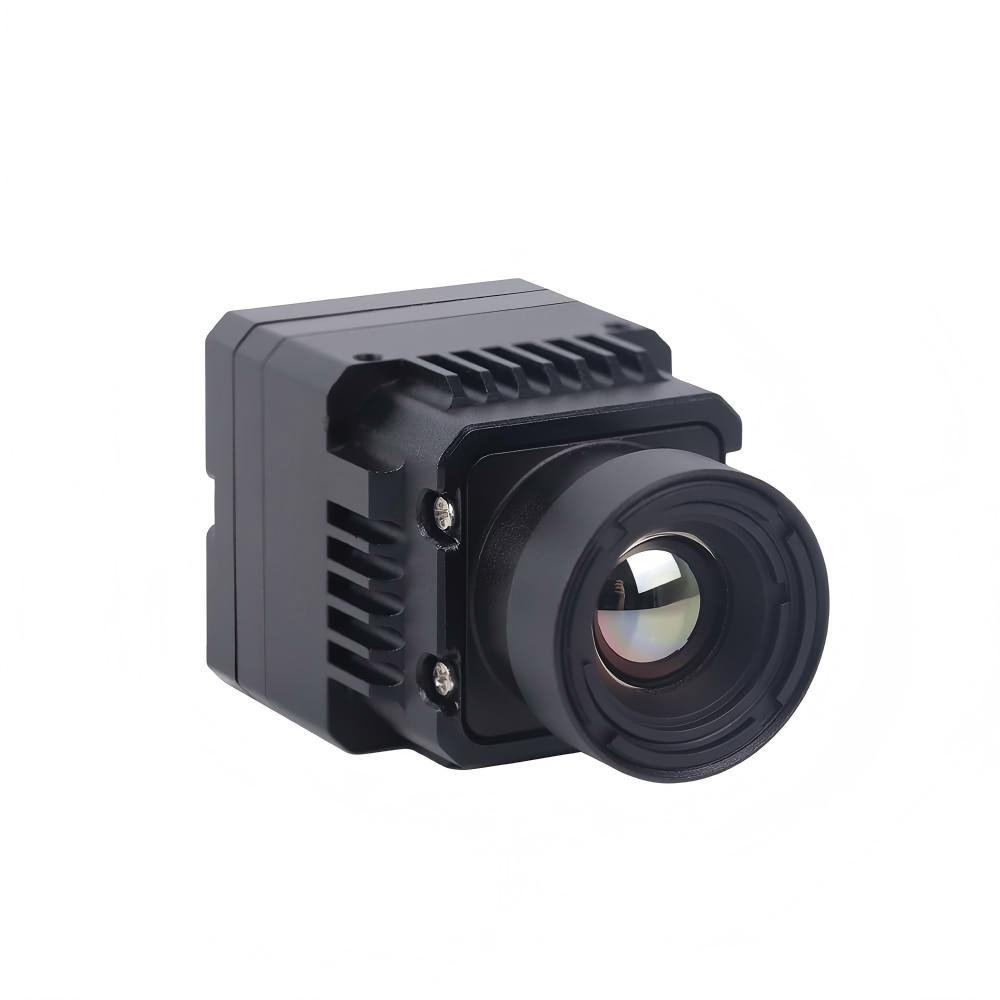
للدفاع المحيطي واسع النطاق، وحمولات الطائرات بدون طيار عالية الارتفاع، وفحص المحطات الكهربائية الدقيقة، فإن كاميرا التصوير الحراري LWIR عالية الدقة غير المبردة بالأشعة تحت الحمراء 1280×1024 هي المعيار. بدفع إطارات حرارية إشعاعية حقيقية بدقة 1.3 ميجابكسل، يزيل هذا النواة التبكسّل ويلتقط تدرجات حرارية دقيقة عبر مشاهد ضخمة.
تشمل الخصائص المعمارية الرئيسية:
- ✅ مصفوفة حرارية ميجابكسل: تفتخر بمصفوفة كاشف 1280×1024 (أكثر من 1.31 مليون بكسل إشعاعي نشط)، مما يوفر 4.3 أضعاف البيانات المكانية لنوى VGA القياسية (640×512).
- ⚙️ بصريات 25 مم عالية الدقة: يتضمن التكوين القياسي عدسة جرمانيوم 25 مم مُحايدة حراريًا مُشغّلة بدقة، مما يوفر نفاذية بصرية فائقة ومجال رؤية لحظي عالٍ (IFOV).
- ✅ معايرة إشعاعية متقدمة: تمت معايرتها في المصنع عبر نطاقات ديناميكية واسعة لتقديم قراءات حرارة دقيقة تحت ظروف تشغيل بيئية قاسية.
- ⚙️ وصلات رقمية عالية الإنتاجية: مصممة بواجهات رقمية عالية السرعة من الدرجة الصناعية مناسبة للاتصال المباشر بمعالجات DSP المدمجة، وFPGAs، ومسرعات Edge AI.
معيار المواصفات الهندسية الشامل
| معلمة المواصفة | وحدة Mini 256 غير المبردة بالأشعة تحت الحمراء طويلة الموجة | كاميرا LWIR عالية الدقة 1280×1024 |
|---|---|---|
| دقة الكاشف | 256 × 192 بكسل (49,152 نقطة قياس) | 1280 × 1024 بكسل (1,310,720 نقطة قياس) |
| تباعد البكسل | 12 ميكرومتر | 12 ميكرومتر |
| النطاق الطيفي | 0 إلى 14.0 ميكرومتر (LWIR) | 0 إلى 14.0 ميكرومتر (LWIR) |
| تقنية الكاشف | ميكروبولومتر VOx غير مبرد | ميكروبولومتر VOx عالي الكثافة غير مبرد |
| الحساسية الحرارية (NETD) | ≤ 40–50 mK @ f/1.0، 300 K | ≤ 35–40 mK @ f/1.0، 300 K |
| معدل الإطارات | 25 هرتز / 30 هرتز / 50 هرتز | 25 هرتز / 30 هرتز / 50 هرتز |
| تكوين العدسة القياسي | بصريات دقيقة مُحايدة حراريًا | عدسة جرمانيوم دقيقة 25 مم (تقريب اختياري) |
| المعايرة الإشعاعية | إخراج إشعاعي لكل بكسل (±2°C أو ±2%) | قياس إشعاعي دقيق للإطار الكامل (±2°C أو ±2%) |
| واجهات الفيديو الرقمية | DVP، USB 2.0، تحكم UART | Cameralink، USB 3.0، MIPI-CSI-2، Ethernet / GigE |
| استهلاك الطاقة | ≤ 0.8 واط (استهلاك طاقة منخفض للغاية) | ≤ 2.5 واط (خط أنابيب DSP كامل نشط) |
| النشرات المستهدفة الأساسية | محاور دقيقة، حمولات إزالة الألغام للطائرات بدون طيار، طائرات بدون طيار للبحث والإنقاذ، أجهزة محمولة | مراقبة المرافق الثابتة، الدفاع الحدودي، الطائرات بدون طيار عالية الارتفاع |
التكامل الميكانيكي والكهربائي وتكامل SWaP-C
إليك الخلاصة: إسقاط نواة LWIR غير مبردة في مركبة ذاتية القيادة أو رأس تدوير وإمالة وتقريب صناعي ليس مجرد توصيل وتشغيل. عليك معاملة المستشعر كمحرك حراري كهربائي بصري بحدود ميكانيكية وحرارية صارمة.
الإدارة الحرارية وعزل مبيت المستشعر
بينما لا تحتاج مصفوفات المستوى البؤري غير المبردة إلى مبردات تبريدية، يعمل الميكروبولومتر بقياس تحولات ميلي كلفن دقيقة عبر جسور البكسل المعزولة. إذا تدفقت الحرارة من مصدر الطاقة الموجود على متن المركبة، أو مشغل المحرك، أو لوحة الحوسبة Edge AI بشكل غير متساوٍ إلى هيكل الكاميرا، فستعاني مصفوفة المستوى البؤري من انجراف حراري شديد. يسبب هذا تظليل الصورة، وضوضاء النمط الثابت، وتدمير دقة القياس الإشعاعي.
في الورشة، اتبع ممارسات العزل الحراري التالية:
- ⚙️ العزل التوصيلي: ثبّت نواة التصوير الحراري على فواصل منخفضة التوصيل الحراري (مثل فواصل PEEK أو السيراميك) لعزل المستشعر حراريًا عن لوحات الحوسبة المضيفة المجاورة.
- ✅ تبديد حراري مخصص للهيكل: الحرارة المباشرة الناتجة عن معالج الإشارة الرقمية المدمج في الوحدة عبر وسائد حرارية مخصصة إلى الهيكل الخارجي المصنوع من الألومنيوم، مما يحافظ على درجة حرارة مستقرة وموحدة عبر مستوى المستشعر.
- ⚙️ تجنب تدفق الهواء القسري المباشر: لا توجه عادم مروحة التبريد مباشرة فوق أسطوانة العدسة المكشوفة أو هيكل المقياس الحراري. يؤدي تدفق الهواء غير المنتظم والمضطرب إلى تقلبات حرارية موضعية تفسد خوارزميات المعايرة الإشعاعية.
معماريات واجهات الفيديو الرقمية عالية السرعة
اختيار الواجهة الرقمية المناسبة يحدد زمن الانتقال وتعقيد النظام ومتطلبات المعالجة لدى المضيف:
- ⚙️ MIPI-CSI-2 / CMOS DVP: المعيار الذهبي للتصاميم المدمجة من لوحة إلى لوحة مع أنظمة على شريحة مثل NVIDIA Jetson Orin Nano أو Rockchip RK3588 أو NXP i.MX8. تنقل واجهة MIPI-CSI-2 إطارات إشعاعية خام غير مضغوطة بدقة 14 بت مباشرة إلى ذاكرة الوصول المباشر للمضيف بزمن انتقال يقاس بالميكروثانية، متجاوزة حزم بروتوكول USB.
- ✅ USB 3.0 / USB-C (فئة UVC الإشعاعية): الأفضل للحواسيب الصناعية والنماذج الأولية السريعة على طاولة العمل والاختبارات المعملية. تأكد من أن برنامج الوحدة الثابت يدعم امتدادات فئة فيديو USB لنقل بيانات وصفية إشعاعية متزامنة بدقة 14 بت إلى جانب البث المرئي بدقة 8 بت عبر كابل مادي واحد.
- ⚙️ GigE Vision / الإيثرنت الصناعي: الخيار القياسي لأتمتة أرضيات المصانع لمسافات طويلة. شغّل تغذية إشعاعية غير مضغوطة حتى 100 متر عبر كابلات Cat6 القياسية مباشرة إلى خوادم صناعية مركزية أو وحدات تحكم منطقية قابلة للبرمجة.
المحاذاة البصرية الميكانيكية والتحصين ضد الاهتزازات العالية
عند العمل مع بكسلات صغيرة بحجم 12 ميكرومتر، يكون عمق التركيز البصري (δ) رفيعًا للغاية:
δ ≈ 2 × (f/#) × (حجم البكسل) ≈ 2 × 1.0 × 12 ميكرومتر = 24 ميكرومتر
نظرًا لأن تفاوت التركيز أقل من 25 ميكرومتر، فإن أي تشوه ميكانيكي أو تمدد حراري في حامل العدسة سيؤدي إلى تشويش الصورة. في هياكل الطائرات المسيّرة عالية الاهتزاز أو أنظمة فحص مكابس الختم، تحتاج إلى خيوط بصرية دقيقة مقفلة (مثل M12 أو M10 مع براغي تثبيت) مع مواد لاصقة لتثبيت الخيوط بدرجة الطيران للحفاظ على المحاذاة البصرية تحت الصدمات الميكانيكية القاسية (وفق معايير MIL-STD-810H).
الأسئلة الشائعة الصناعية المتعمقة
ما الفرق العملي الأساسي بين كاميرات MWIR المبردة وكاميرات LWIR الحرارية غير المبردة؟
كيف تحسّن نوى LWIR عالية الدقة بدقة 1280×1024 الصيانة التنبؤية وفحص البنية التحتية؟
هل يمكن دمج وحدات كاميرا LWIR المصغرة مباشرة مع الذكاء الاصطناعي الطرفي لحمولات كشف الألغام المخصصة للطائرات بدون طيار؟
📚 المراجع والقراءات الإضافية
- المعيار الصناعي: تصنيع بصريات الأشعة تحت الحمراء الدقيقة والطلاءات – هندسة جيندي البصرية
- المعيار الصناعي: الإلكترونيات الصناعية وتوريد المكونات الحرارية – بوابة سلسلة التوريد KUYANG
- دليل ذو صلة: بنى الأمان متعددة المستشعرات وأطر التصوير الحراري – أنظمة الرؤية الأمنية الصناعية
- دليل ذو صلة: تكامل شامل لأجهزة النواة الأصلية والبروتوكولات – دليل تكامل الوحدة الحرارية
- دليل ذو صلة: إعداد برنامج تشغيل الكاميرا الحرارية المدمجة – إعداد برنامج التشغيل الحراري Raspberry Pi RS300