
Przewodnik zakupu modułu termowizyjnego VOx niechłodzonego: Edge AI i integracja OEM
20 sierpnia 2026
Radiometryczne moduły kamer termowizyjnych: Kompletny przewodnik po integracji OEM w przemyśle
21 sierpnia 2026
Moduły kamer termowizyjnych LWIR: Komercyjny przewodnik kupującego po Edge AI i termografii przemysłowej
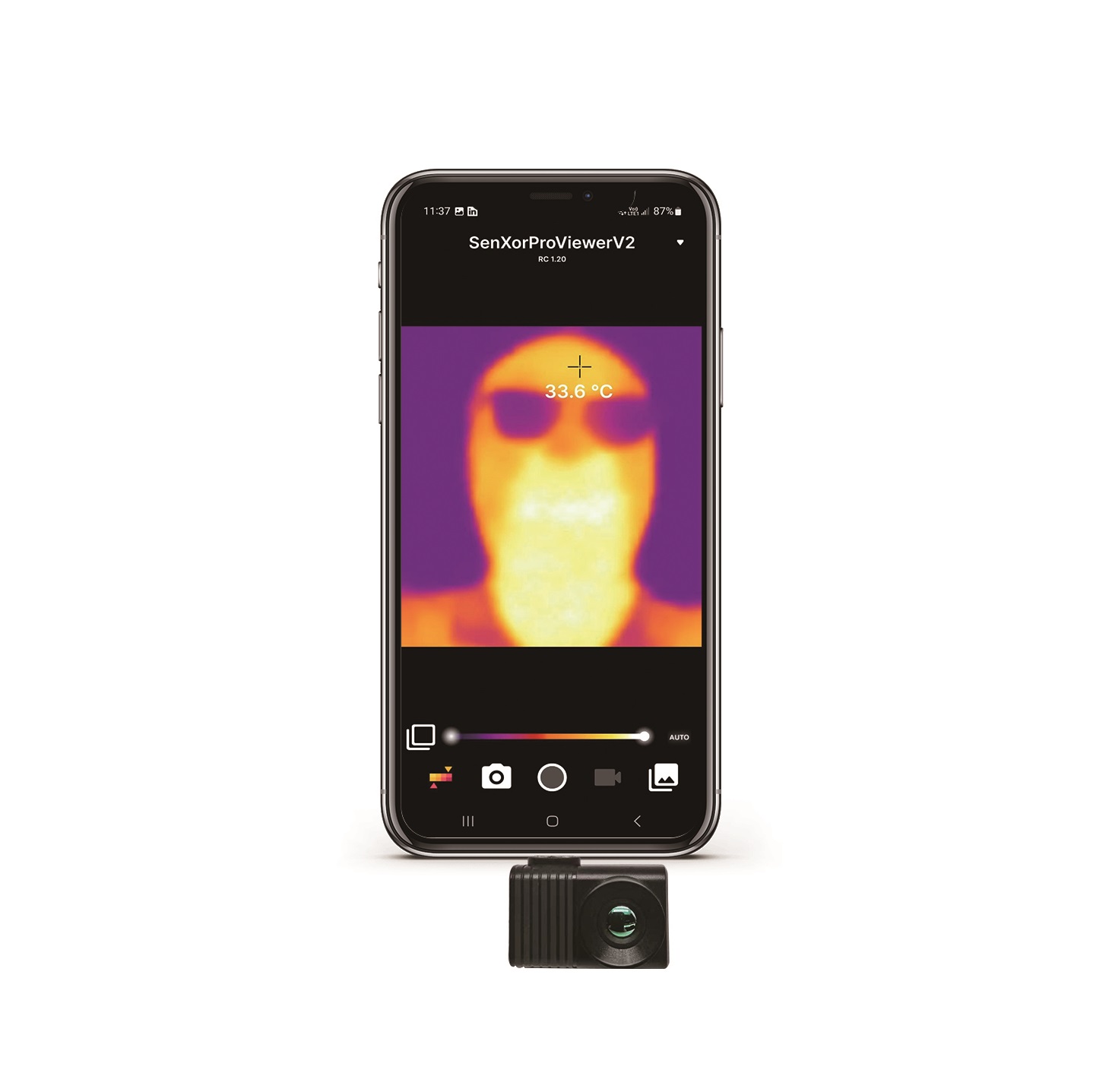
W terenie, gdy budujesz systemy autonomiczne do automatyki przemysłowej, robotyki obronnej, rolnictwa precyzyjnego lub stacji elektroenergetycznych, widzenie optyczne napotyka twardą fizyczną ścianę. Standardowe czujniki CMOS są zależne od oświetlenia otoczenia, rozproszenia wstecznego, pyłu i gęstej mgły morskiej. To właśnie tam detekcja w podczerwieni długofalowej (LWIR) zmienia zasady gry. Działając w zakresie widma elektromagnetycznego od 8 do 14 mikrometrów (μm), niechłodzone moduły mikrobolometryczne LWIR nie poszukują odbitego światła widzialnego. Zamiast tego przechwytują emitowane promieniowanie cieplne bezpośrednio z samych obiektów fizycznych. Daje to Twojemu systemowi zdolność widzenia w absolutnej ciemności zero luksów, przenikania przez dym oraz odczytywania dokładnych, piksel po pikselu, temperatur powierzchni w całym polu widzenia.
W ciągu ostatnich kilku lat cały krajobraz termowizji uległ przesunięciu. Widzieliśmy, jak matryce ogniskowe (FPA) o rastrze pikseli poniżej 12 μm osiągnęły skalę komercyjną dokładnie w momencie, gdy niskomocowe wbudowane jednostki przetwarzania neuronowego (NPU) stały się tanie i szybkie. Nie potrzebujesz już nieporęcznego, energochłonnego komputera przemysłowego podłączonego dalej w torze sygnałowym tylko po to, aby uruchomić podstawowe widzenie komputerowe na danych termicznych. Możesz teraz wykonywać klasyfikację celów, segmentację defektów i rzeczywistą termografię bezpośrednio na krawędzi, na mikrogimbalu lub zdalnej głowicy czujnika.
Dla inżynierów optyków, integratorów systemów i zespołów zakupowych OEM wybór niechłodzonego rdzenia LWIR to prawdziwa lekcja kompromisów. Musisz stale równoważyć rozmiar, wagę, moc i koszt (SWaP-C) względem krytycznej dokładności radiometrycznej, funkcji przenoszenia modulacji (MTF) i czułości termicznej. Niezależnie od tego, czy pakujesz ultralekki ładunek dla bezzałogowego statku powietrznego (UAV) do lokalizowania zakopanych min lądowych, czy instalujesz stałe termowizyjne oczy o rozdzielczości 1280×1024 w ciągłej sieci monitorowania infrastruktury, Twoja konstrukcja mechaniczna, stos optyczny i procedury kalibracji decydują o sukcesie lub porażce systemu. Ten przewodnik inżynieryjny rozkłada na czynniki pierwsze podstawową fizykę, potoki przetwarzania na chipie, optykę i praktyczne przeszkody integracyjne, które napotkasz na stanowisku laboratoryjnym i w terenie.
Spis treści
- 👉 Podstawy fizyczne: Mechanika pasma falowego LWIR (8–14 µm)
- 👉 Architektura czujnika mikrobolometrycznego i podstawowa fizyka
- 👉 Potoki przetwarzania Edge AI w wizji termicznej
- 👉 Krytyczne zastosowania przemysłowe i obronne
- 👉 Komercyjny benchmark modułów i macierz specyfikacji
- 👉 Integracja mechaniczna, elektryczna i SWaP-C
- 👉 Pogłębione FAQ przemysłowe
Podstawy fizyczne: Mechanika pasma falowego LWIR (8–14 µm)
Obrazowanie termiczne w widmie podczerwieni długofalowej sprowadza się do podstawowej termodynamiki: każdy pojedynczy obiekt o temperaturze powyżej zera absolutnego (0 Kelwinów / -273,15°C) emituje energię elektromagnetyczną. Obliczamy tę widmową egzytancję energetyczną za pomocą Prawa promieniowania Plancka, które opisuje rozkład energii idealnego ciała doskonale czarnego w zależności od długości fali (λ) przy temperaturze termodynamicznej (T):
B(λ, T) = (2hc² / λ&sup5;) × [1 / (exp(hc / λkBT) - 1)]
Tutaj, h oznacza stałą Plancka (6,626 × 10&sup-;³&sup4; J·s), c to prędkość światła (2,998 × 10&sup8; m/s), a kB to stała Boltzmanna (1,381 × 10&sup-;²³ J/K). Gdy scałkujesz to w całym widmie, otrzymujesz Prawo Stefana-Boltzmanna (W = σT&sup4;, gdzie σ ≈ 5,670 × 10&sup-;&sup8; W/m²·K&sup4;), które mówi nam, że całkowita energia oddawana do otoczenia rośnie z czwartą potęgą temperatury absolutnej.
Kiedy patrzysz na otaczające cele naziemne i standardowe maszyny pracujące w zakresie od -40°C do +150°C (233,15 K do 423,15 K), musisz wiedzieć, gdzie znajduje się większość tej energii promieniowania. Korzystając z prawa przesunięć Wiena, znajdujemy szczytową długość fali emisji:
λszczyt = b / T ≈ 2897,8 μm·K / 300 K ≈ 9,66 μm
Ponieważ większość codziennego promieniowania osiąga szczyt właśnie w okolicach 9,6 do 10 μm, okno transmisji atmosferycznej 8 do 14 μm jest idealnym miejscem dla niechłodzonych czujników termowizyjnych.
Okna transmisji atmosferycznej: porównanie SWIR, MWIR i LWIR
Atmosfera jest pełna pary wodnej (H2O), dwutlenku węgla (CO2), ozonu (O3) i metanu (CH4). Te cząsteczki silnie pochłaniają promieniowanie w dużych obszarach widma podczerwieni. W praktycznej inżynierii elektrooptycznej dzielimy obrazowanie termiczne i podczerwone na trzy odrębne okna operacyjne:
- ⚙️ Krótkofalowa podczerwień (SWIR, 0,9–1,7 µm / rozszerzona do 2,5 µm): SWIR zachowuje się podobnie do światła widzialnego, wychwytując odbite fotony zamiast emisji termicznej. Potrzebujesz aktywnego oświetlenia, światła gwiazd lub poświaty nocnej, aby cokolwiek zobaczyć. SWIR sprawdza się w inspekcji płytek krzemowych, analizie wilgotności i specjalistycznym śledzeniu laserowym.
- ⚙️ Średniofalowa podczerwień (MWIR, 3,0–5,0 µm): MWIR wykrywa wysokoenergetyczne fotony emitowane przez ekstremalnie gorące cele, takie jak spaliny turbin, smugi pocisków rakietowych i kotły przemysłowe. Do schłodzenia tych detektorów do około 77 kelwinów (-196°C) wymagane są kriogeniczne chłodziarki Stirlinga, aby zatrzymać wewnętrzne nasycenie nośnikami termicznymi. Ten kriogeniczny silnik zapewnia niesamowitą czułość, ale zużywa 15–30 W mocy, generuje szum akustyczny, kosztuje fortunę i zużywa się mechanicznie po 8 000 do 15 000 godzin pracy.
- ✅ Długofalowa podczerwień (LWIR, 8,0–14,0 µm): LWIR wychwytuje szczytowe promieniowanie ciała doskonale czarnego codziennych obiektów naziemnych. Ponieważ niechłodzone mikrobolometry działają w temperaturze otoczenia, pobierają bardzo mało energii (<1,0 W do 2,5 W), włączają się w mniej niż 3 sekundy, generują zerowy szum akustyczny i mogą pracować ponad 50 000 godzin bez konserwacji. Do praktycznych, długoterminowych wdrożeń LWIR jest koniem roboczym branży.
Mechanika rozpraszania w środowiskach z cząstkami stałymi
Jednym z największych powodów, dla których inżynierowie wybierają LWIR zamiast kamer światła widzialnego lub NIR, jest czysta penetracja środowiska. Kiedy dym z pożarów, pył fabryczny, gęsta mgła lub unoszące się w powietrzu aerozole olejowe pokrywają scenę, czujniki światła widzialnego ślepną. Wynika to z fizyki rozpraszania Rayleigha i rozpraszania Mie.
Rozpraszanie Rayleigha występuje, gdy promień (r) cząstek unoszących się w powietrzu jest znacznie mniejszy niż długość fali (λ) padającego światła (r << λ). Przekrój czynny rozpraszania (σs) skaluje się odwrotnie proporcjonalnie do czwartej potęgi długości fali:
σs ∝ 1 / λ⁴;
Policz to: długość fali widzialnej wynosi około 0,5 μm, podczas gdy długość fali LWIR to około 10,0 μm — różnica 20-krotna. Podniesienie 20 do czwartej potęgi daje współczynnik redukcji tłumienia równy 160 000. Oznacza to, że drobne cząsteczki dymu i aerozolu, które całkowicie blokują światło widzialne, są praktycznie niewidoczne dla czujnika LWIR. Gdy kropelki wody pęcznieją do rozmiaru długości fali (warunki rozpraszania Mie), LWIR nadal doświadcza drastycznie mniejszej degradacji sygnału niż kamery światła widzialnego, utrzymując strumień obrazu przy życiu.
Radiometryczna ekstrakcja temperatury
Prawdziwy radiometryczny rdzeń LWIR to nie tylko termowizyjna kamera noktowizyjna; to skalibrowany, bezdotykowy termometr dla każdego piksela w matrycy. Całkowity strumień promieniowania (Wcałkowita) padający na pojedynczy piksel mikrobolometru składa się z trzech źródeł energii: energii emitowanej przez cel, energii otoczenia odbijającej się od celu oraz radiancji drogi emitowanej przez samo powietrze:
Wcałkowita = ε τatm σ Tcel⁴ + (1 - ε) τatm σ Todb⁴ + (1 - τatm) σ Tatm⁴;
W tym równaniu ε to emisyjność powierzchni (0,0 dla błyszczącego lustra, 1,0 dla prawdziwego ciała doskonale czarnego), τatm to transmisja atmosferyczna na dystansie, Todb to odbita temperatura otoczenia tła, a Tatm to temperatura powietrza. Wbudowany procesor DSP wykonuje te obliczenia w sposób ciągły w locie, odwołując się do fabrycznie skalibrowanych tablic przeglądowych, aby generować dokładne odczyty temperatury w zmiennych warunkach pracy otoczenia.
Architektura czujnika mikrobolometrycznego i podstawowa fizyka
W centrum każdego nowoczesnego niechłodzonego modułu LWIR znajduje się mikrobolometryczna matryca ogniskowa (FPA). W przeciwieństwie do chłodzonych detektorów fotonowych, które opierają się na wzbudzeniu kwantowym pasma zabronionego, mikrobolometr jest zasadniczo siecią rezystorów termicznych zawieszoną nad krzemowym układem scalonym odczytu (ROIC).
Każdy pojedynczy piksel to własny mikroskopijny mostek. Warstwa absorpcyjna — zazwyczaj azotek krzemu (Si3N4) połączony z aktywną warstwą rezystancyjną — pochłania padające fotony termiczne z zakresu 8–14 μm. Gdy membrana się nagrzewa, zmienia się jej rezystancja elektryczna. Dwie mikroobrobione, metalowe nóżki o wysokim współczynniku kształtu utrzymują mostek zawieszony nad podłożem w obudowie próżniowej. Nóżki te działają jak wąskie gardła termiczne, izolując piksel tak, aby padająca energia faktycznie nagrzewała membranę, zamiast natychmiast wyciekać do krzemowej podłogi poniżej.
Skład materiału aktywnego: tlenek wanadu (VOx) vs. krzem amorficzny (a-Si)
Materiał rdzenia mikromostka decyduje o wydajności detektora, mierzonej przede wszystkim przez jego Temperaturowy współczynnik rezystancji (TCR)— procentową zmianę rezystancji elektrycznej na każdy stopień Celsjusza zmiany (α = (1/R) × (dR/dT)):
- ✅ Tlenek wanadu (VOx): VOx to standard branżowy w systemach lotniczych, obronnych i wysokiej klasy przemysłowych. Oferuje imponujący TCR między -2% a -3% na kelwin w temperaturze pokojowej, przy jednoczesnym utrzymaniu wyjątkowo niskiego szumu migotania 1/f. Ta kombinacja zapewnia czystsze sygnały, wyższe stosunki sygnału do szumu (SNR) i niezwykle ostrą detekcję anomalii termicznych.
- ⚙️ Krzem amorficzny (a-Si): Mikrobolometry a-Si mogą być produkowane przy użyciu standardowych procesów odlewniczych CMOS, umożliwiając bezpośrednią integrację membrany detektora na poziomie płytki bezpośrednio na układzie ROIC. Choć obniża to jednostkowe koszty produkcji dla wysokonakładowych urządzeń komercyjnych, a-Si cierpi z powodu wyższego szumu 1/f i niższego TCR, co przekłada się na zauważalnie niższą czułość w bezpośrednim porównaniu z VOx.
Równoważna szumowi różnica temperatury (NETD)
Gdy oceniasz rdzenie termiczne na podstawie arkusza specyfikacji, absolutnie najważniejszą liczbą jest Równoważna szumowi różnica temperatury (NETD), mierzonej w milikelwinach (mK). NETD określa dokładną różnicę temperatury celu wymaganą do wytworzenia elektrycznego sygnału wyjściowego równego podstawowemu poziomowi szumów czujnika (SNR = 1). Wzór jest zdefiniowany jako:
NETD = (4 F² √Δf) / [Ad × τo × (dV/dT) × D*]
Gdzie F to optyczna liczba przysłony obiektywu, Δf to szerokość pasma szumów, Ad to aktywna powierzchnia piksela, τo to transmitancja optyczna, dV/dT to czułość detektora, a D* to detekcyjność.
Oto, co to oznacza w praktycznych zastosowaniach:
- ⚙️ Standardowa klasa komercyjna (NETD ≤ 50 mK): Wystarczająca do wykrywania obecności, śledzenia obwodowego pojazdów, podstawowych skanów HVAC i prostej nawigacji robotycznej.
- ✅ Precyzyjna klasa przemysłowa / obronna (NETD ≤ 30–40 mK): Wymagana do precyzyjnego wykrywania wczesnych skoków rezystancji na rozdzielnicach wysokiego napięcia, śledzenia subtelnego wnikania wilgoci w konstrukcjach dachowych, badania zakopanych niewybuchów na podstawie dobowych zmian nagrzewania gruntu oraz precyzyjnych inspekcji pochodni gazowych.
Specjalistyczne materiały optyczne w paśmie LWIR
Standardowe szkło optyczne, takie jak BK7 lub krzemionka topiona, jest zasadniczo nieprzezroczystą ścianą dla długości fal powyżej 2,5 μm z powodu silnej absorpcji wielofononowej. Nie można umieścić standardowej soczewki szklanej przed mikrobolometrem LWIR. Zamiast tego precyzyjni wytwórcy elementów optycznych, tacy jak Jinde projektują niestandardowe zespoły ze specjalistycznych podłoży podczerwonych:
- ⚙️ Monokrystaliczny German (Ge): German jest niekwestionowanym królem wysokowydajnej optyki LWIR. Jego współczynnik załamania światła jest wyjątkowo wysoki (n ≈ 4,003 przy 10 μm), co pozwala projektantom tworzyć szybkie układy optyczne f/1.0 i f/1.1 o niskiej aberracji sferycznej w kompaktowych długościach. Kompromisem jest niestabilność termiczna: surowy german staje się całkowicie nieprzezroczysty powyżej 100°C, a niepokryte powierzchnie powodują znaczne odbicia Fresnela, chyba że zostaną pokryte wysokowydajnymi powłokami antyrefleksyjnymi (AR) lub powłokami z węgla diamentopodobnego (DLC).
- ✅ Szkło chalkogenkowe (związki Ge-Sb-Se): Szkła chalkogenkowe mogą być precyzyjnie formowane bezpośrednio w asferyczne i dyfrakcyjne elementy optyczne na skalę masową. Co najważniejsze, ich termiczna zmiana współczynnika załamania (dn/dT ≈ +35 × 10&sup-;&sup6;/°C) jest około dziesięciokrotnie niższa niż w przypadku germanu (+396 × 10&sup-;&sup6;/°C). Pozwala to inżynierom optycznym budować pasywnie atermalizowane obudowy soczewek, które utrzymują idealnie ostry obraz od -40°C do +80°C bez dodawania skomplikowanych mechanicznych silników ostrości.
Potoki przetwarzania Edge AI w wizji termicznej
Uruchamianie nowoczesnych modeli AI brzegowej na strumieniach termowizyjnych wydaje się proste, dopóki nie przyjrzysz się strukturze surowych danych termicznych. W przeciwieństwie do kamer światła widzialnego, które generują gotowe do użycia 8-bitowe klatki RGB oparte na świetle odbitym, niechłodzony mikrobolometr przesyła jednokanałowe dane radiometryczne o wysokim zakresie dynamicznym (zazwyczaj 14-bitowe lub 16-bitowe surowe wartości cyfrowe).
Nie można po prostu przesłać tego 14-bitowego strumienia bezpośrednio do brzegowej sieci neuronowej, takiej jak YOLOv8-Thermal lub modelu segmentacji. Bez zaawansowanego przetwarzania DSP niskiego poziomu szum czujnika i kompresja zakresu dynamicznego zniszczą dokładność detekcji.
Kondycjonowanie surowego sygnału i korekcja niejednorodności (NUC)
Ponieważ mikromaszynowe piksele bolometryczne mają mikroskopijne różnice w rezystancji, masie i wzmocnieniu, niekalibrowana surowa klatka termiczna wygląda jak ściana szumu — artefakt znany jako szum stałoprzestrzenny (FPN). Procesor sygnału cyfrowego (DSP) kamery oczyszcza ten obraz za pomocą wieloetapowego potoku przetwarzania:
- ⚙️ Korekcja Wadliwych Pikseli (BPC): Martwe lub nieodpowiadające piksele są mapowane podczas kalibracji fabrycznej i dynamicznie łatane w czasie rzeczywistym przy użyciu sąsiedniej interpolacji przestrzennej.
- ⚙️ Dwupunktowa korekcja niejednorodności (NUC): Procesor DSP stosuje tablice offsetu i wzmocnienia dla każdego piksela w całej aktywnej matrycy:
Sskorygowany(i,j) = G(i,j) × [Ssurowy(i,j) - O(i,j)]
Tutaj G(i,j) to macierz wzmocnienia pikseli, a O(i,j) to macierz offsetu, która jest okresowo zerowana przez opuszczenie małej mechanicznej migawki przed matrycą na ułamek sekundy.
- ✅ Korekcja niejednorodności oparta na scenie (SBNUC): W przypadku śledzenia o krytycznym znaczeniu misyjnym, gdzie nie można sobie pozwolić na zamrożenie obrazu przez migawkę podczas lotu lub ruchu robota, nowoczesne procesory DSP uruchamiają algorytmy ciągłej estymacji opartej na ruchu, aby dynamicznie usuwać dryft z klatki bez fizycznych migawek.
Kompresja zakresu dynamicznego i cyfrowe wzmocnienie szczegółów (DDE)
Silniki wnioskowania brzegowego i ekrany operatorów zazwyczaj pracują na wejściach 8-bitowych (od 0 do 255 w skali szarości). Jeśli weźmiesz 14-bitowy surowy strumień termiczny (16 384 dyskretnych poziomów) i liniowo ściśniesz go do kontenera 8-bitowego, cele o niskim kontraście — jak osoba idąca po ciepłym asfalcie — znikną w szumie tła. Nowoczesne procesory termiczne rozwiązują ten problem za pomocą dwóch kluczowych algorytmów:
- ⚙️ Wyrównanie histogramu z adaptacyjnym ograniczeniem kontrastu (CLAHE): Zamiast obliczać globalny histogram, CLAHE działa lokalnie na odrębnych kontekstowych kafelkach siatki, wzmacniając słabe lokalne różnice temperatur, jednocześnie zapobiegając nasyceniu zaszumionego tła.
- ✅ Cyfrowe Wzmocnienie Detali (DDE): Algorytm ten wykorzystuje nieliniowe bilateralne filtrowanie przestrzenne do podziału obrazu termicznego na dwa odrębne pasma: warstwę bazową niskiej częstotliwości (reprezentującą ogólne szerokie gradienty temperatury otoczenia) oraz warstwę szczegółów wysokiej częstotliwości (drobne krawędzie, przewody, szwy mechaniczne i subtelne tekstury). Warstwa szczegółów jest wzmacniana i ponownie łączona ze skompresowaną warstwą bazową, dając sieciom neuronowym ostre granice obiektów, na których mogą się skupić.
Jeśli integrujesz te potoki przetwarzania na platformach wbudowanych, takich jak Raspberry Pi lub NVIDIA Jetson, płynna wydajność zależy w dużej mierze od podstawowej architektury wideo systemu Linux. Zapoznaj się z naszym praktycznym przewodnikiem na temat implementacji sterowników modułów termicznych Raspberry Pi w celu konfiguracji modułów jądra V4L2 i potoków komunikacji SPI/I2C. Aby zaplanować niestandardowe architektury magistrali i wyprowadzenia sprzętu OEM, sprawdź nasz szczegółowy materiał na temat architektur integracji rdzeni termicznych OEM.
Krytyczne zastosowania przemysłowe i obronne
Przemysłowe utrzymanie predykcyjne i instalacje wysokiego napięcia
W zakładach przemysłu ciężkiego i sieciach elektroenergetycznych nagła awaria komponentów powoduje ogromne przestoje operacyjne i katastrofalne zagrożenia bezpieczeństwa. Gdy skręcane złącza szyn zbiorczych, rozłączniki, zaciski wyłączników lub łożyska silników zaczynają ulegać awarii, tarcie mechaniczne lub rezystancja elektryczna wzrasta. Zgodnie z pierwszym prawem Joule'a (P = I²R), ta dodatkowa rezystancja zamienia się bezpośrednio w lokalne wydzielanie ciepła na długo przed wystąpieniem łuku elektrycznego lub zatarcia łożyska.
Radiometryczne moduły LWIR nieprzerwanie skanują rozdzielnice i aktywa wysokiego napięcia, umożliwiając systemom automatyzacji utrzymania ruchu wyzwalanie alertów na podstawie kryteriów Delta-T (ΔT):
- ⚙️ Wzrost o 1°C do 10°C powyżej temperatury otoczenia/bazowej: Wczesne ostrzeżenie o rezystancji; zapis do rutynowej inspekcji podczas następnego cyklu konserwacyjnego.
- ⚙️ Wzrost o 11°C do 30°C: Poważna lokalna wada; wymaga naprawy korekcyjnej podczas nadchodzących planowanych przestojów.
- ✅ Wzrost >30°C powyżej poziomu bazowego: Zagrożenie krytyczne; bezpośrednie ryzyko katastrofalnego przebicia dielektrycznego lub pożaru. Natychmiast odłączyć.
Autonomiczne zabezpieczenie obwodowe i ochrona sił
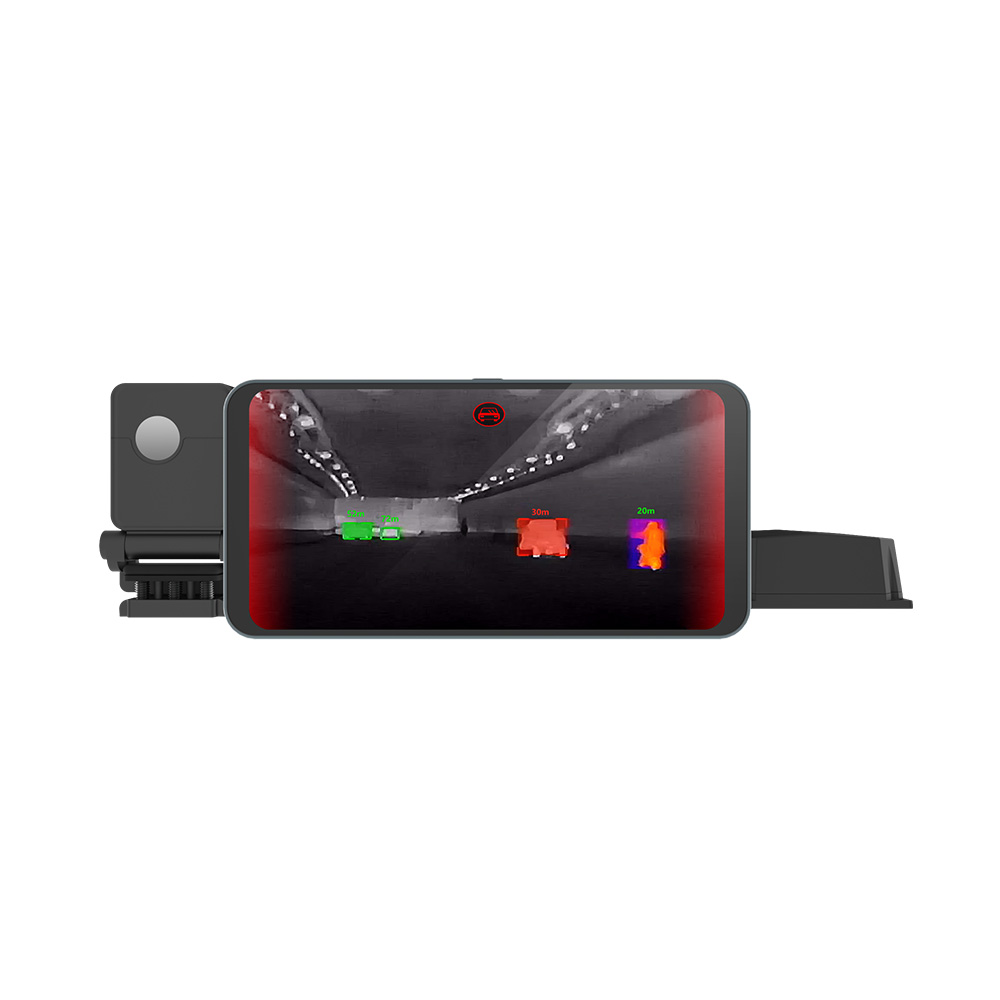
Standardowe kamery światła widzialnego i aktywne iluminatory IR mają trudności z odblaskami od reflektorów, cieniami drzew, kamuflażem i niekorzystną pogodą. Niechłodzone rdzenie LWIR działają jako prawdziwie pasywne czujniki optyczne. Projektanci systemów obliczają limity detekcji obwodowej przy użyciu znormalizowanych Kryteriów Johnsona, które definiują wymagane pary linii w poprzek krytycznego wymiaru celu:
- ⚙️ Detekcja (1,0 ± 0,25 pary linii): Potwierdzenie, że obiekt zainteresowania (osoba, pojazd) znajduje się w scenie.
- ⚙️ Rozpoznanie (4,0 ± 0,8 pary linii): Klasyfikacja typu celu (np. odróżnienie człowieka od zabłąkanego jelenia lub ciężarówki od samochodu osobowego).
- ✅ Identyfikacja (6,4 ± 1,5 pary linii): Określenie o wysokiej pewności (np. odróżnienie uzbrojonego intruza od nieuzbrojonego pracownika).
Aby zobaczyć, jak multispektralne ładunki termowizyjne integrują się z wielkoskalowymi zautomatyzowanymi systemami granicznymi, zapoznaj się z naszym przewodnikiem technicznym na temat ram termografii w zabezpieczeniach przemysłowych.
Ładunki UAV, humanitarne rozminowywanie i robotyka polowa
Montaż ultrakompaktowych rdzeni termowizyjnych LWIR na robotycznych pojazdach gąsienicowych i dronach powietrznych zmodernizował usuwanie niewybuchów (UXO) i humanitarne rozminowywanie terenów. Zakopane miny lądowe — w tym konstrukcje z niską zawartością metalu i plastikowe — zakłócają naturalne zagęszczenie, migrację wilgoci i pojemność cieplną gleby bezpośrednio nad nimi.
Podczas cykli porannego wschodu i wieczornego zachodu słońca — znanych jako okresy krzyżowania termicznego— grunt bezpośrednio nad zakopanym zagrożeniem zmienia temperaturę w mierzalnie innym tempie niż otaczająca go rodzima gleba. Gimbale lotnicze wyposażone w wysokoczułe radiometryczne moduły LWIR wychwytują te drobne odchylenia temperatury powierzchni (ΔT ≤ 0,05°C) z bezpiecznych wysokości dystansowych, mapując pola minowe bez narażania saperów na ziemi.
Komercyjny benchmark modułów i macierz specyfikacji
Wybór odpowiedniego rdzenia LWIR oznacza dopasowanie rozdzielczości, rozmiaru piksela, czułości termicznej, optyki i protokołów wyjścia wideo bezpośrednio do ograniczeń platformy. W celu pozyskiwania wielkoseryjnej elektroniki przemysłowej i zarządzania łańcuchami dostaw produkcyjnych integratorzy mogą koordynować działania bezpośrednio za pośrednictwem certyfikowanych dostawców komponentów, takich jak KUYANG. Poniżej znajduje się przegląd inżynieryjny i macierz specyfikacji porównująca dwa referencyjne rdzenie termowizyjne OEM.
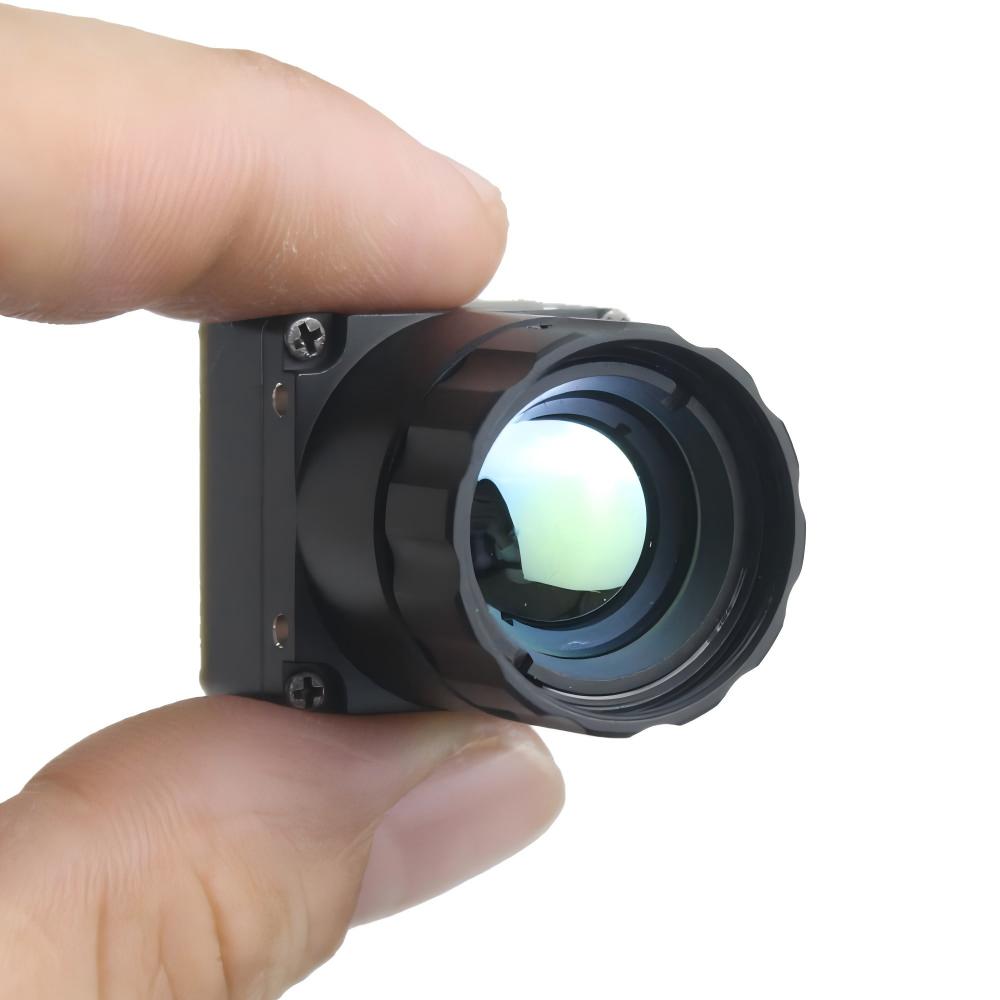
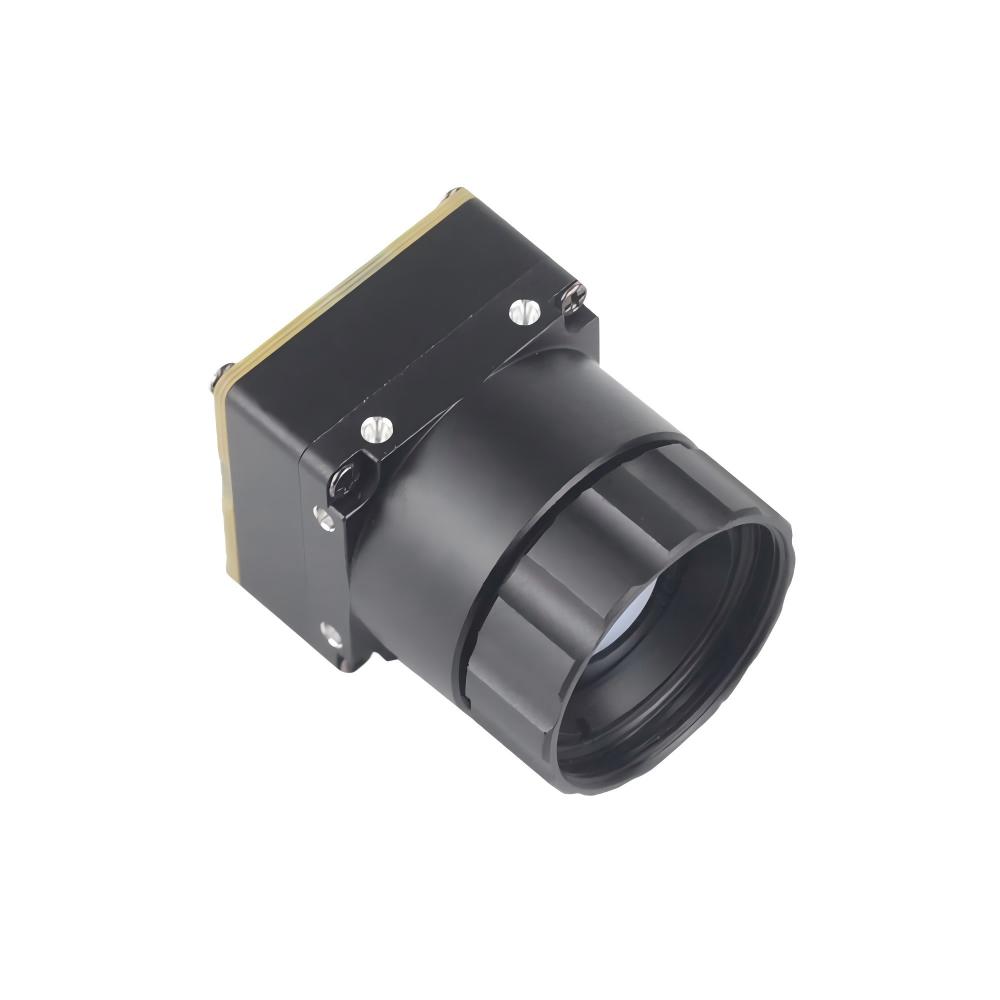
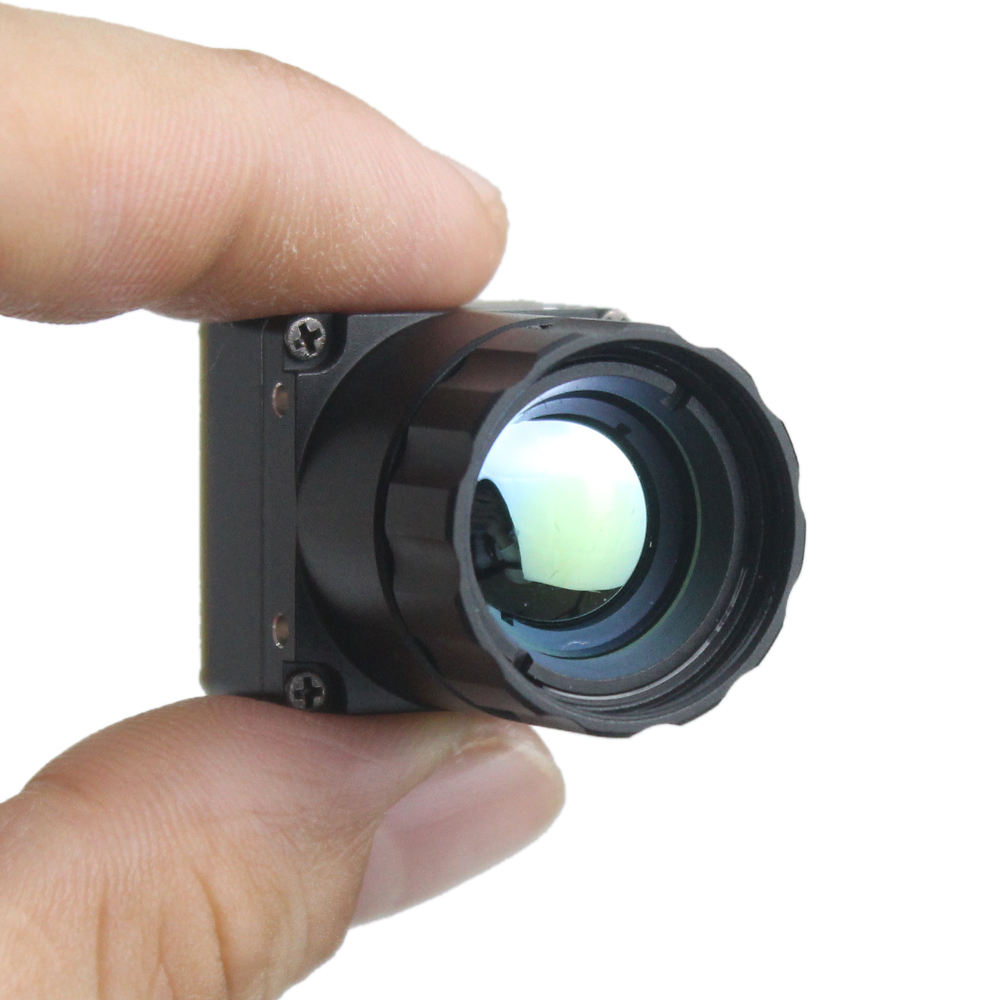
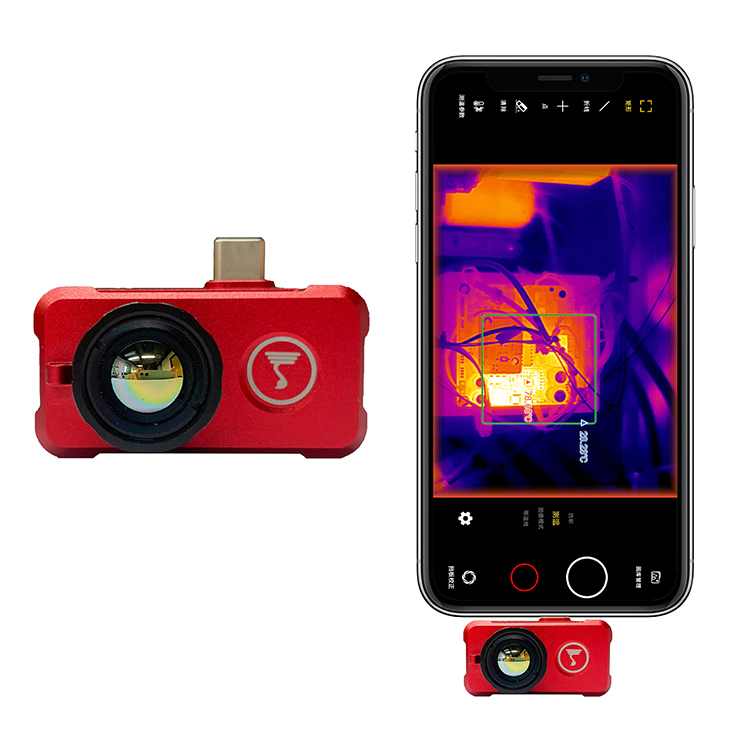
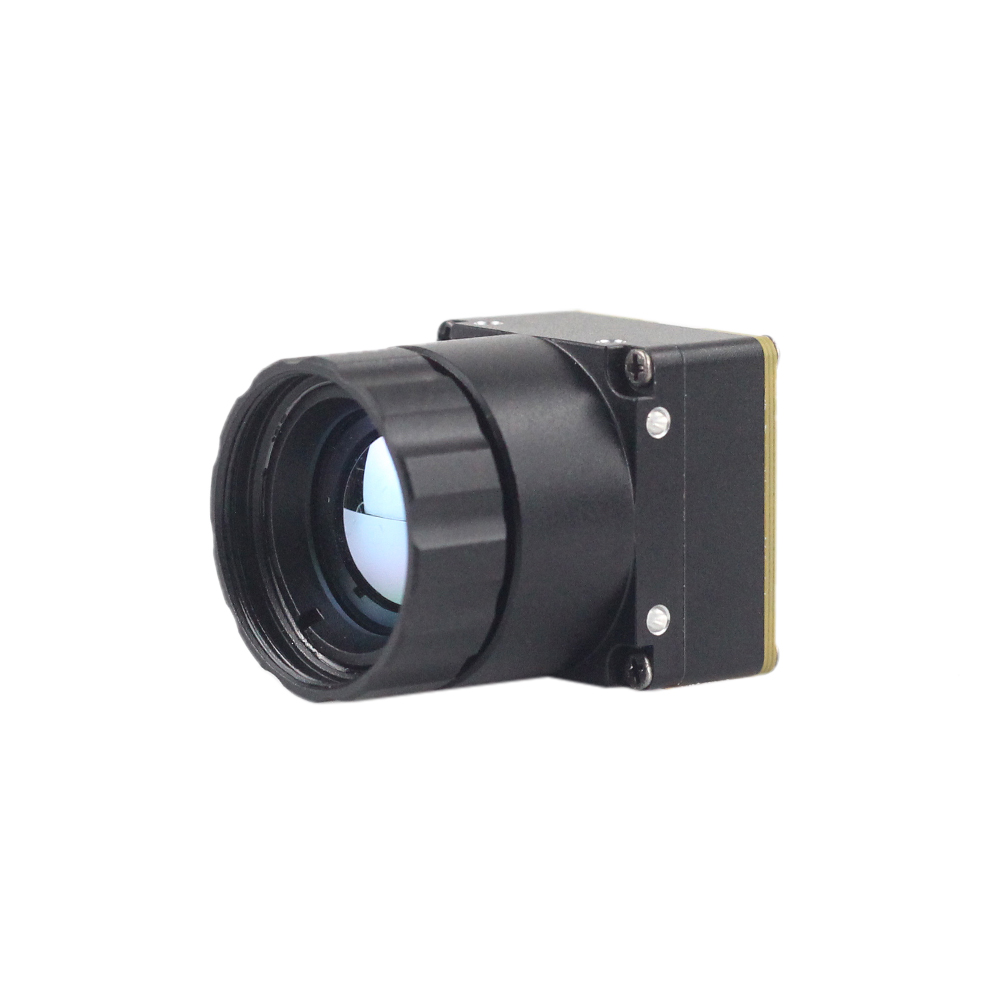
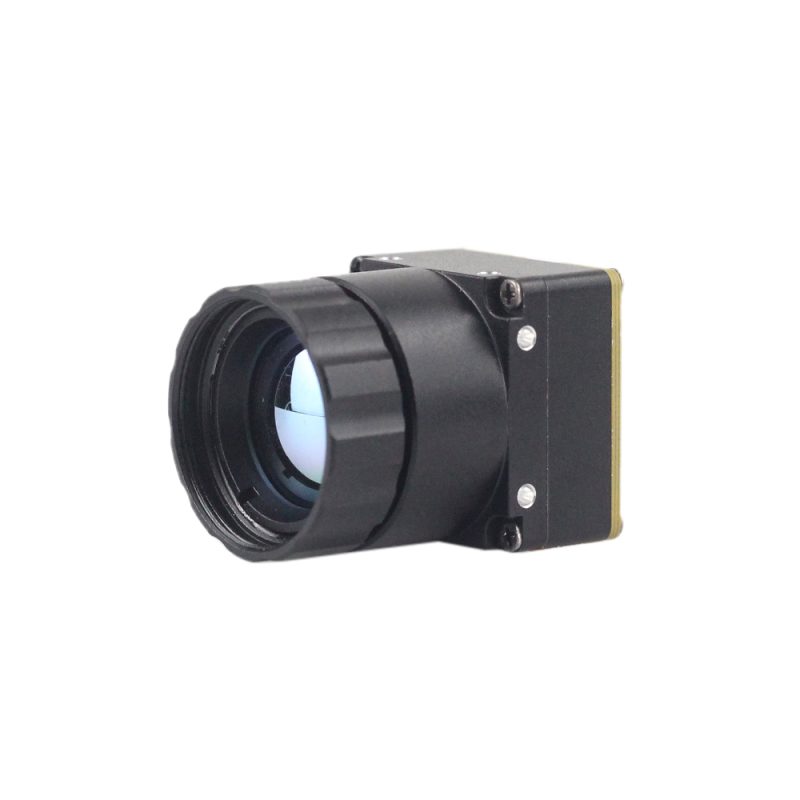
Mini 256 niechłodzony moduł kamery termowizyjnej LWIR
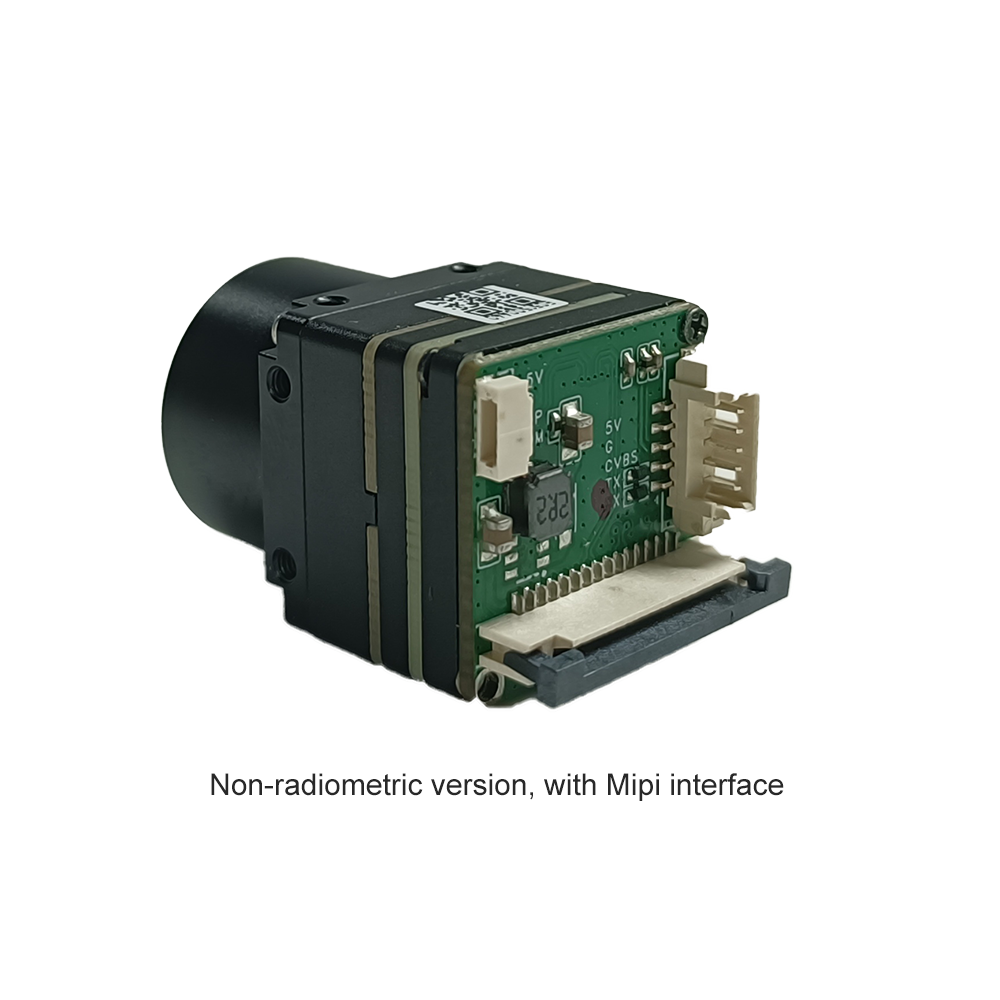
to cud inżynierii zaprojektowany specjalnie do środowisk o ograniczonych parametrach SWaP. Dzięki miniaturyzacji elektroniki bez poświęcania jakości sensora dostarczamy rdzeń, który mieści się w najciaśniejszych przestrzeniach. Mini 256 niechłodzony moduł kamery termowizyjnej LWIR to ultrakompaktowy, lekki silnik termowizyjny zaprojektowany specjalnie do mikrogimbali, komercyjnych ładunków dronów (podobnych pod względem formatu i profilu misji do platform korporacyjnych DJI do wykrywania min), robotyki poszukiwawczo-ratowniczej oraz noszonych taktycznych systemów obserwacyjnych. Dzięki zaawansowanym, wysokowydajnym detektorom podczerwieni Mini 256 przechwytuje ziemskie promieniowanie podczerwone i generuje jednolity, ultraczysty obraz termiczny ze zintegrowaną radiometrią do precyzyjnego pomiaru temperatury.
Kluczowe cechy architektoniczne obejmują:
- ✅ Wysokoczuły mikrobolometr: Oferuje matrycę w płaszczyźnie ogniskowej o rozdzielczości 256×192 z rastrem pikseli 12 μm, zapewniając ostrą rozdzielczość przestrzenną przy jednoczesnej minimalizacji wymagań dotyczących średnicy optyki.
- ⚙️ Zintegrowany silnik radiometryczny: Przechwytuje surowe promieniowanie cieplne i przekształca je w dokładne pomiary temperatury dla każdego piksela, umożliwiając pokładowym systemom brzegowym automatyczne wykrywanie anomalii termicznych.
- ✅ Zoptymalizowana konstrukcja SWaP: Zaprojektowana z myślą o ekstremalnych ograniczeniach rozmiaru, masy i poboru mocy (SWaP), dzięki czemu można ją bezpośrednio osadzać w miniaturowych platformach powietrznych, ręcznych urządzeniach termowizyjnych i robotycznych pojazdach do rozminowywania.
- ⚙️ Elastyczne standardy wyjściowe: Obsługuje protokoły cyfrowego wyjścia wideo (DVP/USB) wraz z szeregowymi interfejsami poleceń do bezproblemowej komunikacji z hostem.
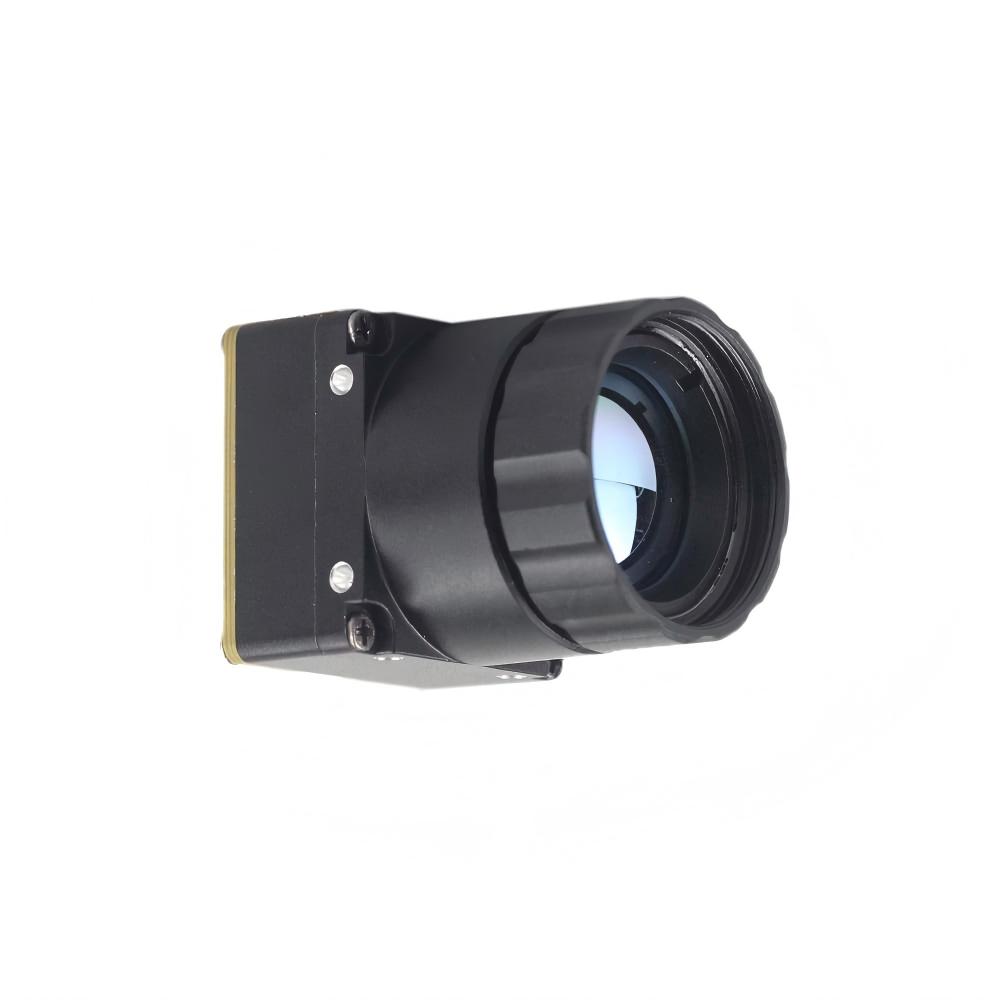
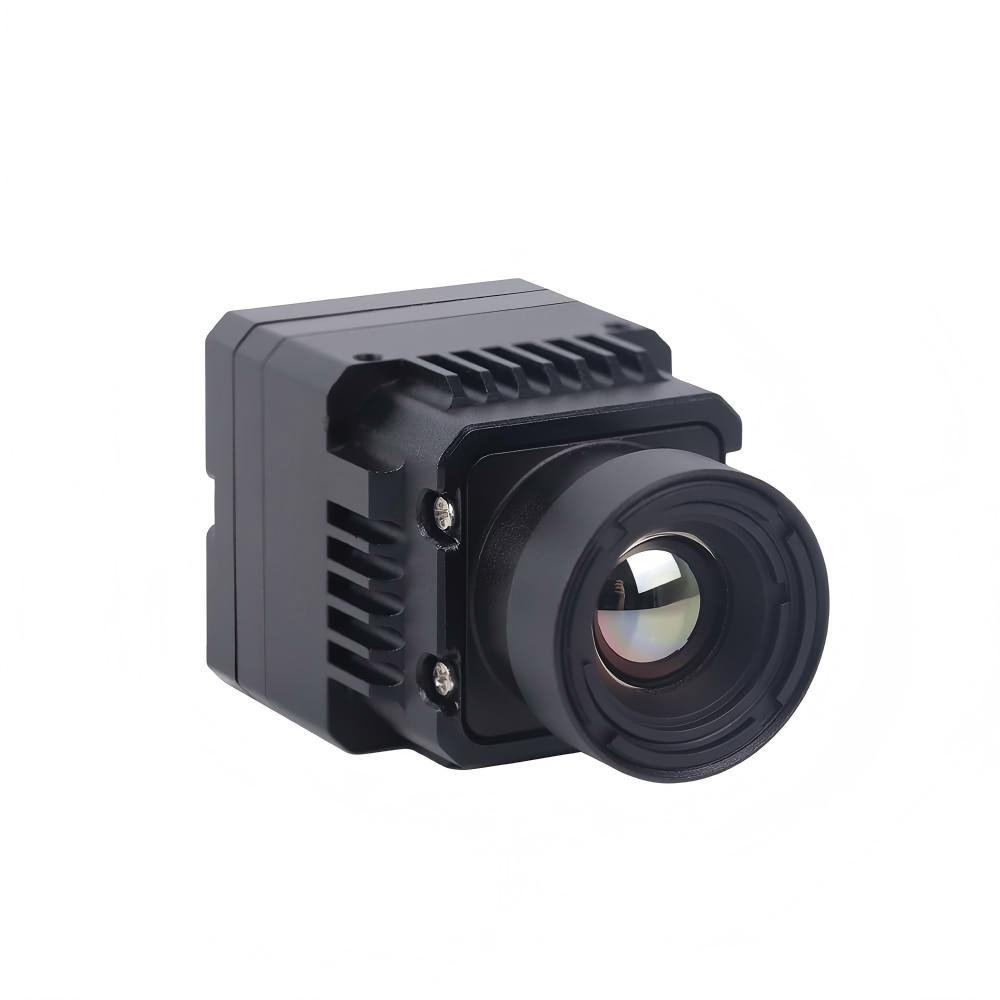
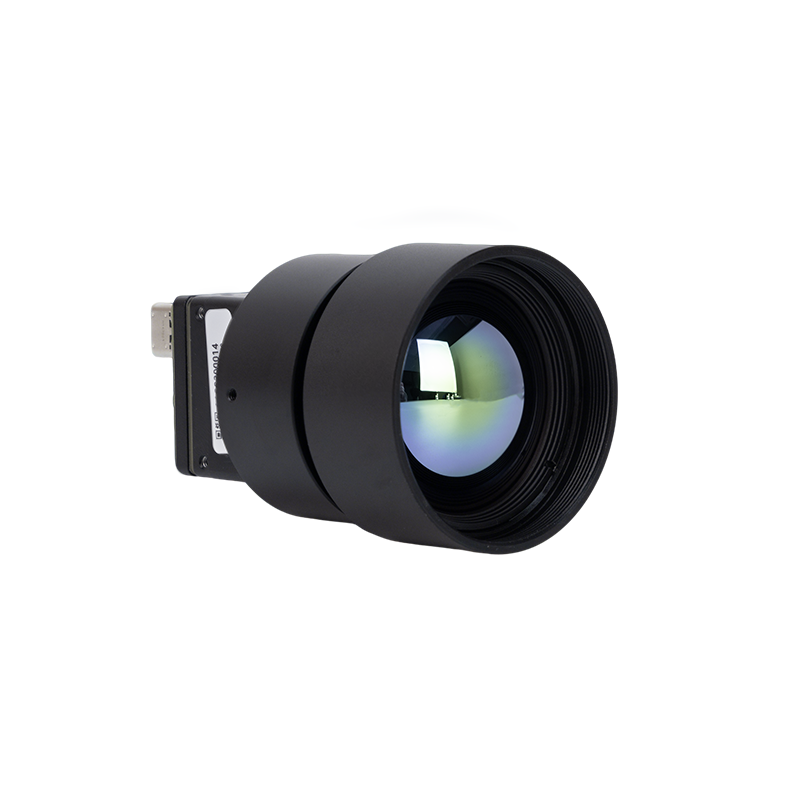
Wysokorozdzielcza niechłodzona kamera termowizyjna LWIR na podczerwień 1280×1024
Do szerokopasmowej obrony perymetrycznej, ładunków UAV na dużych wysokościach oraz precyzyjnej inspekcji stacji elektroenergetycznych, Wysokorozdzielcza niechłodzona kamera termowizyjna LWIR na podczerwień 1280×1024 stanowi punkt odniesienia. Przesyłając prawdziwe radiometryczne klatki termiczne o rozdzielczości 1,3 megapiksela, ten rdzeń eliminuje pikselizację i rejestruje minimalne gradienty termiczne na ogromnych scenach.
Kluczowe cechy architektoniczne obejmują:
- ✅ Megapikselowa matryca termiczna: Szczyci się matrycą detektorów 1280×1024 (ponad 1,31 miliona aktywnych pikseli radiometrycznych), zapewniając 4,3 razy więcej danych przestrzennych niż standardowe rdzenie VGA (640×512).
- ⚙️ Wysokiej jakości optyka 25 mm: Standardowa konfiguracja obejmuje precyzyjnie obrobioną, atermiczną soczewkę germanową 25 mm, zapewniającą doskonałą przepustowość optyczną i wysoki chwilowy kąt widzenia (IFOV).
- ✅ Zaawansowana kalibracja radiometryczna: Kalibrowana fabrycznie w szerokich zakresach dynamicznych, aby zapewnić dokładne odczyty temperatury w ekstremalnych warunkach środowiskowych.
- ⚙️ Wysokoprzepustowe połączenia cyfrowe: Zaprojektowana z przemysłowymi, szybkimi interfejsami cyfrowymi odpowiednimi do bezpośredniego podłączania do wbudowanych procesorów DSP, układów FPGA i akceleratorów Edge AI.
Kompleksowy wzorzec specyfikacji inżynieryjnej
| Parametr specyfikacji | Mini 256 niechłodzony moduł LWIR | Wysokorozdzielcza kamera LWIR 1280×1024 |
|---|---|---|
| Rozdzielczość detektora | 256 × 192 pikseli (49 152 punkty pomiarowe) | 1280 × 1024 pikseli (1 310 720 punktów pomiarowych) |
| Rozstaw pikseli | 12 μm | 12 μm |
| Zakres spektralny | 8,0 do 14,0 μm (LWIR) | 8,0 do 14,0 μm (LWIR) |
| Technologia detektora | Niechłodzony Mikrobolometr VOx | Niechłodzony mikrobolometr VOx o wysokiej gęstości |
| Czułość termiczna (NETD) | ≤ 40–50 mK @ f/1,0, 300 K | ≤ 35–40 mK @ f/1,0, 300 K |
| Częstotliwość odświeżania | 25 Hz / 30 Hz / 50 Hz | 25 Hz / 30 Hz / 50 Hz |
| Standardowa konfiguracja obiektywu | Atermiczna mikrooptyka | Precyzyjna soczewka germanowa 25 mm (opcjonalny teleobiektyw) |
| Kalibracja radiometryczna | Radiometryczne wyjście dla każdego piksela (±2°C lub ±2%) | Precyzyjna radiometria pełnoklatkowa (±2°C lub ±2%) |
| Cyfrowe interfejsy wideo | DVP, USB 2.0, sterowanie UART | Cameralink, USB 3.0, MIPI-CSI-2, Ethernet / GigE |
| Pobór mocy | ≤ 0,8 W (ultraniski pobór mocy) | ≤ 2,5 W (pełny potok DSP aktywny) |
| Główne wdrożenia docelowe | Mikrogimbale, ładunki UAV do rozminowywania, drony SAR, urządzenia ręczne | Stały monitoring infrastruktury, obrona granic, UAV na dużych wysokościach |
Integracja mechaniczna, elektryczna i SWaP-C
Sedno sprawy: włożenie niechłodzonego rdzenia LWIR do pojazdu autonomicznego lub przemysłowej głowicy pan-tilt-zoom to nie jest zwykłe podłącz i działaj. Trzeba traktować czujnik jako elektrooptyczny silnik termiczny ze ścisłymi ograniczeniami mechanicznymi i termicznymi.
Zarządzanie termiczne i izolacja obudowy czujnika
Choć niechłodzone matryce FPA nie wymagają chłodziarek kriogenicznych, mikrobolometr działa poprzez pomiar niewielkich przesunięć milikelwinowych na izolowanych mostkach pikseli. Jeśli ciepło z pokładowego zasilacza, sterownika silnika lub płyty obliczeniowej Edge AI przepływa nierównomiernie do obudowy kamery, matryca FPA będzie cierpieć z powodu silnego dryfu termicznego. Powoduje to cieniowanie obrazu, szum o stałym wzorcu i zniszczoną dokładność radiometryczną.
W warsztacie stosuj następujące praktyki izolacji termicznej:
- ⚙️ Izolacja przewodząca: Zamontuj rdzeń termowizyjny na dystansach o niskiej przewodności cieplnej (takich jak przekładki PEEK lub ceramiczne), aby odizolować termicznie sensor od sąsiadujących płytek obliczeniowych hosta.
- ✅ Dedykowane odprowadzanie ciepła przez obudowę: Odprowadzaj ciepło generowane przez wbudowany procesor DSP modułu przez dedykowane podkładki termiczne bezpośrednio do zewnętrznej obudowy aluminiowej, utrzymując stabilną, jednolitą temperaturę na całej płaszczyźnie sensora.
- ⚙️ Unikaj bezpośredniego nadmuchu powietrza: Nigdy nie kieruj strumienia powietrza z wentylatora chłodzącego bezpośrednio na odsłonięty tubus obiektywu lub obudowę bolometru. Nierównomierny, turbulentny przepływ powietrza powoduje lokalne wahania temperatury, które zakłócają algorytmy kalibracji radiometrycznej.
Architektury szybkich cyfrowych interfejsów wideo
Wybór odpowiedniego interfejsu cyfrowego determinuje opóźnienia, złożoność systemu oraz wymagania dotyczące przetwarzania po stronie hosta:
- ⚙️ MIPI-CSI-2 / CMOS DVP: Złoty standard dla wbudowanych projektów płytka-płytka z układami SoC, takimi jak NVIDIA Jetson Orin Nano, Rockchip RK3588 lub NXP i.MX8. MIPI-CSI-2 przesyła nieskompresowane 14-bitowe surowe klatki radiometryczne bezpośrednio do pamięci DMA hosta z opóźnieniem rzędu mikrosekund, z pominięciem stosów protokołów USB.
- ✅ USB 3.0 / USB-C (klasa radiometryczna UVC): Najlepszy wybór dla komputerów przemysłowych, szybkiego prototypowania na stanowisku laboratoryjnym i testów laboratoryjnych. Upewnij się, że oprogramowanie układowe modułu obsługuje rozszerzenia USB Video Class (UVC), aby przesyłać zsynchronizowane 14-bitowe metadane radiometryczne wraz z 8-bitowym strumieniem wizyjnym po jednym kablu fizycznym.
- ⚙️ GigE Vision / przemysłowy Ethernet: Standardowy wybór dla automatyzacji linii produkcyjnych na duże odległości. Przesyłaj nieskompresowane strumienie radiometryczne na odległość do 100 metrów po standardowym okablowaniu Cat6 bezpośrednio do scentralizowanych serwerów przemysłowych lub sterowników PLC.
Optyczno-mechaniczne ustawienie osiowe i wzmocnienie odporności na wysokie wibracje
Podczas pracy z małymi pikselami o rozmiarze 12 μm optyczna głębia ostrości (δ) jest niezwykle cienka:
δ ≈ 2 × (f/#) × (rozmiar piksela) ≈ 2 × 1,0 × 12 μm = 24 μm
Ponieważ tolerancja ostrości wynosi mniej niż 25 mikrometrów, jakiekolwiek odkształcenie mechaniczne lub rozszerzalność cieplna w mocowaniu obiektywu spowoduje rozmycie obrazu. W przypadku płatowców dronów narażonych na wysokie wibracje lub systemów inspekcji pras tłoczących potrzebne są drobnozwojowe blokowane gwinty optyczne (takie jak M12 lub M10 ze śrubami ustalającymi) w połączeniu z klejami do gwintów klasy lotniczej, aby utrzymać ustawienie osiowe w warunkach silnych wstrząsów mechanicznych (normy MIL-STD-810H).
Pogłębione FAQ przemysłowe
Jaka jest podstawowa praktyczna różnica między chłodzonymi kamerami termowizyjnymi MWIR a niechłodzonymi kamerami LWIR?
W jaki sposób wysokorozdzielcze rdzenie LWIR 1280×1024 usprawniają konserwację predykcyjną i inspekcję infrastruktury?
Czy miniaturowe moduły kamer LWIR mogą być integrowane bezpośrednio z Edge AI w niestandardowych ładunkach dronów do wykrywania min?
📚 Piśmiennictwo i dalsze lektury
- Standard branżowy: Precyzyjna produkcja i powłoki optyki podczerwonej – Jinde Optical Engineering
- Standard branżowy: Pozyskiwanie elektroniki przemysłowej i komponentów termicznych – Portal łańcucha dostaw KUYANG
- Powiązany przewodnik: Wieloczujnikowe architektury bezpieczeństwa i ramy termografii – Systemy wizyjne bezpieczeństwa przemysłowego
- Powiązany przewodnik: Kompleksowy sprzęt OEM Core i integracja protokołów – Przewodnik integracji modułów termicznych
- Powiązany przewodnik: Konfiguracja sterowników wbudowanej kamery termicznej – Konfiguracja sterownika termicznego Raspberry Pi RS300