
أفضل وحدة كاميرا حرارية للطائرات بدون طيار: تكامل مدعوم بالذكاء الاصطناعي للطائرات بدون طيار ذاتية الصنع والمحترفة
22 يونيو 2026
وحدة استشعار التصوير الحراري الاحترافية الفائقة: حلول LWIR معززة بالذكاء الاصطناعي للطائرات بدون طيار والتقنيات ذاتية الصنع
23 يونيو 2026
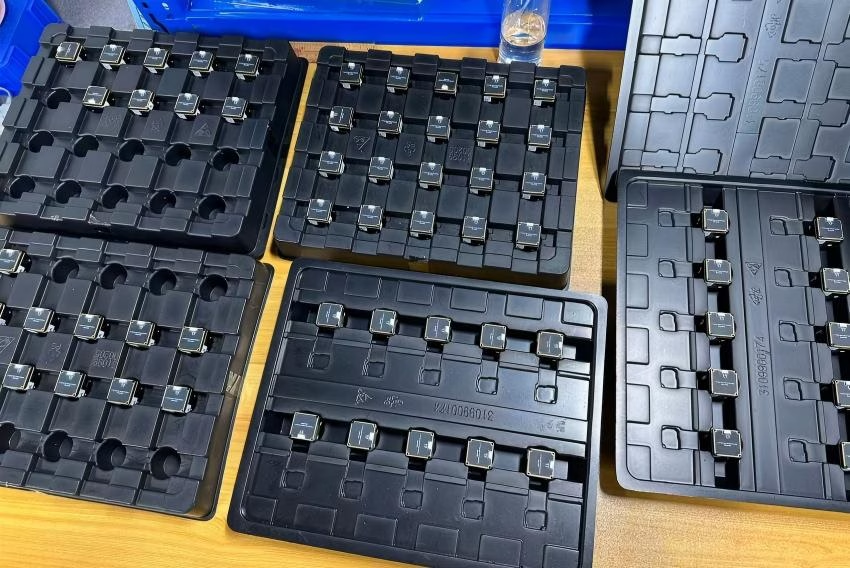
دليل أسعار وحدات الكاميرا الحرارية 2024: من عدة التجميع الذاتي إلى حلول Edge AI الاحترافية
بالنسبة لمسؤولي المشتريات، ومهندسي تكامل الأجهزة، وأخصائيي البحث والتطوير، فإن اختيار نواة تصوير حراري يتجاوز بكثير مجرد الحصول على مكون — إنه عملية موازنة بين فيزياء المستشعر، والحساسية الحرارية، واختناقات المعالجة الرقمية، وعوائد النظام الإجمالية. في عام 1800، اكتشف السير ويليام هيرشل الأشعة تحت الحمراء، واضعًا الأساس للتصوير الحراري الحديث. اليوم، يفيض السوق الصناعي بالخيارات، بدءًا من النوى الدقيقة للمبتدئين بسعر $100 وصولاً إلى محركات الأشعة تحت الحمراء طويلة الموجة (LWIR) المتينة وعالية الدقة والمدعومة بتقنية Edge-AI بسعر $5,000+. يتطلب حساب التكلفة الحقيقية للتكامل على مدى العمر فهمًا لكيفية تسبب خطوة المستشعر، ومواد العدسات، ومعايير المعايرة، وخطوط أنابيب المعالجة في رفع تكاليف التصنيع. يفكك هذا الدليل الشامل محركات التكلفة الأساسية لسعر وحدة الكاميرا الحرارية، ويوضح بالتفصيل مستويات الأداء، ويقدم مواصفات الأجهزة الفعلية، ويستكشف كيفية اختيار محرك LWIR أو MWIR الأمثل دون دفع مبالغ زائدة مقابل مواصفات غير ضرورية.
جدول المحتويات
- 👉 فيزياء النواة الأساسية ومحركات السعر الاقتصادي
- • 1 الدقة، وتباعد البكسلات، وعوائد رقاقة المستشعر
- • 2 فيزياء عدسة الجرمانيوم وبدائل الكالكوجينيد
- • 3 المعايرة الإشعاعية والتعويض على مستوى البكسل
- 👉 بنية الميكروبولومتر والتقنيات الأساسية
- • 1 كاشفات الأشعة تحت الحمراء VOx مقابل a-Si
- • 2 LWIR غير المبردة مقابل MWIR المبردة تبريدًا شديدًا
- 👉 إلكترونيات الواجهة وخطوط أنابيب المعالجة
- • 1 توصيل الفيديو الرقمي: MIPI، وUSB، وCVBS، وSPI
- • 2 تكامل Edge AI وخطوط أنابيب ISP المدمجة
- 👉 إزالة الغموض عن مصفوفة أسعار وحدات الكاميرا الحرارية
- 👉 عروض الأجهزة الحقيقية وجدول المواصفات
- 👉 الأسئلة الشائعة التقنية المتعمقة للأعمال بين الشركات
فيزياء النواة الأساسية ومحركات السعر الاقتصادي
1 الدقة، وتباعد البكسلات، وعوائد رقاقة المستشعر
إليك الخلاصة: المحرك الأكبر المطلق لسعر وحدة الكاميرا الحرارية لديك هو الحجم الفعلي لمصفوفة المستشعر المصنعة بتقنية الميكروماشينينغ ومدى كثافة تعبئة تلك البكسلات الدقيقة. نحن لا نتعامل هنا مع مستشعرات CMOS السيليكونية للضوء المرئي العادية. تلك المستشعرات المرئية المنتجة بكميات كبيرة تسقط مليارات البكسلات دون الميكرون على رقائق رخيصة جدًا. المستشعرات الحرارية وحش مختلف تمامًا. إنها تعتمد على ميكروبولومترات ويكيبيديا, معلقة متخصصة، تعمل على دائرة متكاملة لقراءة الإشارة (ROIC) متطابقة التصميم. هذا نظام كهروميكانيكي دقيق معقد (MEMS) يتطلب تصنيعًا دقيقًا متخصصًا للأسطح. في الورشة، ننظر إلى هذه البكسلات المعلقة كألواح غطس صغيرة — كل بكسل معلق فعليًا فوق ركيزة السيليكون بواسطة جسور مجهرية ثنائية الأرجل. تعزل هذه الأرجل البكسل حراريًا، مما يتيح لنا قياس تغيرات طفيفة في المقاومة الكهربائية النشطة عندما يسخنه ضوء الأشعة تحت الحمراء.
عندما تجلس لمقارنة دقات المستشعرات، ضع في اعتبارك أن الكثافة البنيوية والمساحة السطحية النشطة الكلية لركيزة السيليكون لا تتدرج في خط مستقيم. التكاليف الفعلية تتصاعد بشكل أسي:
- ⚙️ مصفوفة 160x120: تحتوي بالضبط على 19,200 بكسل نشط. اعتبر هذا الحد الأدنى الأساسي لفحوصات النقاط الساخنة الأساسية قريبة المدى.
- ⚙️ مصفوفة 256x192: تحتوي على 49,152 بكسلًا نشطًا. هذه قفزة هائلة بنسبة 156% في الدقة المكانية مقارنة بالنوى 160 القياسية، مما يمنحك قبضة أكثر إحكامًا على محيط الأجسام.
- ⚙️ مصفوفة 384x288: تحتوي على 110,592 بكسل نشط. تمثل هذه الفئة ذات المستوى التشخيصي زيادة إضافية بنسبة 125% في البيانات المكانية مقارنة بالنقطة المثالية 256x192.
- ⚙️ مصفوفة 640x512: تحتوي على 327,680 بكسل نشط. الآن أنت تنظر إلى زيادة بنسبة 566% في البيانات المكانية الخام مقارنة بالنوى متوسطة المدى، مما يفتح الباب أمام تحليلات بصرية بدرجة سريرية وسلامة محيطية بعيدة المدى.
ومع نمو أبعاد تلك المستشعرات، تتعقد الأمور في غرفة الأبحاث النظيفة. تنخفض عوائد رقائق أشباه الموصلات الخام بشكل حاد. فتصنيع الميكروبولومترات على رقائق سيليكون كبيرة يتركها عرضة بشدة للعيوب الهيكلية المجهرية. ذرة غبار واحدة صغيرة أو اختلال فيزيائي طفيف على خط الرقاقة يمكن أن يتلف فورًا قالبًا كاملًا عريض التنسيق (خاصة تلك النوى الفسيحة 640×512). إذا كانت الرقاقة لا تتسع إلا لـ 100 قالب كبير التنسيق في البداية، فحتى كثافة عيوب طفيفة سترسل العوائد المحلية مباشرة إلى سلة الخردة – أسرع بكثير مما لو كنت تقطع 1,000 قالب صغير 80×60. يفسر هذا الحساب القاسي للعوائد لماذا تقاوم وحدات التصوير الحراري عالية الدقة التحول لسلع رخيصة وتحمل أسعارًا مرتفعة.
انظر إلى تطور تباعد البكسل أيضًا. فالانتقال من تباعدات البكسل الأقدم والأضخم 17μm (ميكرومتر) إلى التباعدات الحديثة 12 ميكرومتر (وحتى المتطورة 10μm) يسمح لمسابك الرقائق بحشر قوالب مستشعر قابلة للاستخدام أكثر على الرقاقة الواحدة. هذا يساعد في تخفيف تكاليف المواد الخام، لكنه يقدم عقبات بصرية كبيرة. عندما تقلص مساحة السطح الفيزيائية للبكسل الواحد إلى 12μm، فإنه يلتقط فوتونات تحت حمراء أقل طبيعيًا. هذا يعني أن أرضية الضوضاء الإلكترونية لديك ترتفع فورًا ما لم ينفق فريقك الهندسي مبالغ طائلة على دوائر قراءة فائقة الانخفاض في الضوضاء وعالية الجودة. تحقيق أداء نظيف وحساسية حرارية دقيقة (فرق درجة حرارة مكافئ للضوضاء منخفض، أو NETD) على هياكل بكسل أصغر هو السبب في أن النوى الحقيقية عالية الأداء 12μm لا تزال تتطلب علاوة سعرية كبيرة.
2 فيزياء عدسة الجرمانيوم وبدائل الكالكوجينيد
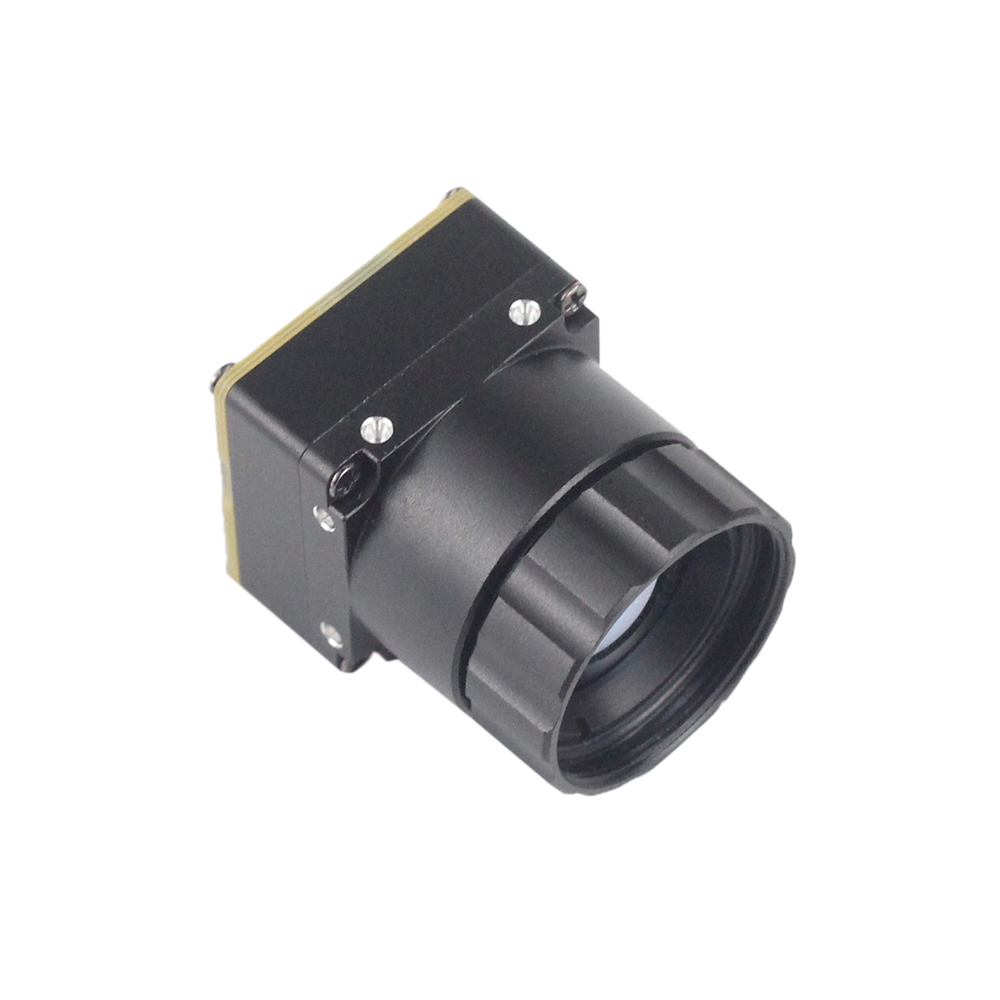
عندما تصمم هذه الأنظمة، تذكر أن الزجاج البصري القياسي (ثاني أكسيد السيليكون) عديم الفائدة تمامًا هنا. جرب إطلاق موجة حرارية عبر عدسة زجاجية عادية، وستتصرف كجدار من الطوب – تمتص وتحجب كل شيء في طيف الأشعة تحت الحمراء طويلة الموجة (LWIR) (8μm إلى 14μm). لإعادة تلك الطاقة الحرارية إلى الميكروبولومتر، يجب على فرق التصميم تحديد مواد بصرية متخصصة. المعيار الذهبي في الصناعة هو الجرمانيوم البلوري ذو الدرجة البصرية (Ge).
الجرمانيوم إنجاز هائل في علم المواد للبصريات تحت الحمراء. إنه يوفر معامل انكسار عالٍ جدًا يبلغ حوالي 4.0 في نطاق LWIR، وتشتتًا بصريًا أدنى، ومتانة فيزيائية جادة في ظروف الميدان القاسية. لكن الجرمانيوم شبه معدن نادر وباهظ الثمن للغاية، ويتقلب سعره الخام في السوق بشكل كبير. يتطلب طحن وتلميع الجرمانيوم الخام آلات خراطة ماسية دقيقة للغاية أحادية النقطة (SPDT) لتحقيق الملامح البصرية المستهدفة دون كسر البنية البلورية. بسبب هذا، يمكن لمجموعة عدسات جرمانيوم متينة وعالية الأداء أن تستهلك بسهولة ما يصل إلى 35% من إجمالي فاتورة مواد (BOM) نواة الكاميرا الحرارية لديك.
إذا كنت تحاول توفير المال في بناء تجاري عالي الحجم، يجب أن تبحث في بدائل زجاج الكالكوجينيد. هذه المادة مصنوعة من مزيج من الكبريت والسيلينيوم والزرنيخ، ويمكن كبسها مباشرة على الساخن في قوالب دقيقة بدلاً من الحاجة إلى خراطة ماسية بطيئة ومكلفة. هذا يفتح الباب أمام خطوط أنابيب قولبة عالية السرعة تحافظ على انخفاض التكاليف الخام. لكن احترس من المزالق: للكالكوجينيد معامل انكسار أقل بشكل ملحوظ (يصل إلى حوالي 2.5 إلى 2.8)، وهو أكثر هشاشة فيزيائيًا، ويكافح للتعامل مع الصدمات الحرارية الشديدة في الميدان دون تشقق مجهري. كمكامل أنظمة، عليك أن تقرر ما إذا كانت بيئة النشر لديك يمكنها تدبر الأمر باستخدام بصريات فئة الكالكوجينيد المقولبة، أم أنك بحاجة لدفع تكاليف الجرمانيوم المخروط بالماس لتحمل العوامل الجوية.
لا تتجاهل الفتحة البصرية (الرقم البؤري F-number) أيضًا. عدسة F/1.0 تسحب ضعف الإشعاع الحراري لعدسة F/1.4. لكن الحفاظ على تصنيف F/1.0 مع التحكم في الانحرافات يعني أنك بحاجة إلى فراغات جرمانيوم أكثر سمكًا وقطرًا أوسع وفحوصات جودة صارمة. هذا الزجاج الإضافي يرسل تكاليف نظامك الفرعي البصري إلى الأعلى بسرعة.
3 المعايرة الإشعاعية والتعويض على مستوى البكسل
هنا خط فاصل ضخم في سوق التعاملات بين الشركات: هل تبحث عن نوى "تصوير حراري" أساسية (تنتج صورًا ملونة جذابة للحرارة/البرودة لكنها تفتقر إلى قيم بيانات رقمية فعلية) أم محركات "قياس إشعاعي" حقيقية عالية الدقة (تحسب قيمة درجة الحرارة المطلقة لكل بكسل فردي في الإطار)؟ تحويل مقياس ميكروبولوميتر غير معاير إلى أداة قياس إشعاعي جاهزة للعمل الميداني هو عملية هندسية شاقة ومكثفة بالمعايرة.
نظرًا لأن مقاييس الميكروبولوميتر هياكل عالية الحساسية، لا يوجد بكسلان متطابقان خارج خط الإنتاج. كل بكسل فردي له كسبه الكهربائي الفريد وملف تعريف الإزاحة الخاص به. إذا قمت ببث البيانات الخام مباشرة من المستشعر دون إصلاح هذا، ستبدو شاشتك كعاصفة ثلجية من الضوضاء الرمادية. لتنظيفها، تستخدم خطوط الإنتاج إجراء تصحيح عدم التجانس متعدد الخطوات المعقد. يقوم المصنعون بتركيب كل نواة في غرفة بيئية متحكم بدرجة حرارتها، موجهين إياها نحو مصادر معايرة الجسم الأسود بدرجة المختبر عبر عدة مراحل حرارية.
هذه الخطوة الشاقة ترسم جداول تصحيح معقدة متعددة النقاط تعالجها الوحدة بشكل فوري:
حيث:
- V_out(i,j) يمثل الإشارة الإلكترونية المصححة لإحداثيات البكسل (i,j).
- G(i,j) هو مضاعف تصحيح الكسب المحدد المخزن في ذاكرة الفلاش.
- Phi(i,j) هو الطاقة الإشعاعية تحت الحمراء الخام الواردة التي تضرب البكسل.
- O(i,j) هو قيمة الإزاحة النشطة، التي تنجرف مع تغير درجة حرارة المستشعر الداخلية.
لتشغيل خطوط الأنابيب الرياضية هذه، تحتاج النواة إلى تخزين مخصص على اللوحة وقدرة حاسوبية—عادةً FPGA منخفضة الطاقة وعالية السرعة أو متحكم ARM متخصص. علاوة على ذلك، تتضمن النوى الإشعاعية دائمًا تقريبًا مصراعًا ميكانيكيًا فيزيائيًا. خلال التشغيل، ستغلق النواة هذا المصراع لفترة وجيزة لإنشاء خط أساس حراري موحد ومعروف، محدثة جداول الإزاحة للتعويض عن تراكم الحرارة الداخلي (وهذا يسمى دورة تصحيح عدم التجانس بالمصراع). التكلفة المضافة لذلك المحرك الصغير، وشفرة المصراع المشغلة، وشريحة التشغيل، وعمل المختبر تتراكم، مؤثرة مباشرة على تكلفة الجملة النهائية لوحدتك.
بنية الميكروبولومتر والتقنيات الأساسية
1 كاشفات الأشعة تحت الحمراء VOx مقابل a-Si
يهيمن على سوق وحدات الأشعة تحت الحمراء ذات الموجة الطويلة غير المبردة مادتان رئيسيتان لطبقة الميكروبولوميتر النشطة: أكسيد الفاناديوم (VOx) و السيليكون غير المتبلور (a-Si). إنهما تمثلان مدارس فكرية هندسية مختلفة جدًا عندما يتعلق الأمر بتكاليف المواد ومتطلبات معالجة الصور.
| Technical Benchmark | Vanadium Oxide (VOx) Core | Amorphous Silicon (a-Si) Core |
|---|---|---|
| Temperature Coefficient of Resistance (TCR) | High (~ 2% to 3% per Kelvin) | Moderate (~ 1.5% to 2% per Kelvin) |
| 1/f Electronic Noise Characteristic | Very low; leads to extremely clean images | Somewhat higher; requires digital filtering |
| Fabrication & Scale Scalability | Requires dedicated MEMS processing steps | Highly compatible with standard CMOS steps |
| Thermal Time Constant Response | Fast response (typically 8ms to 15ms) | Slightly slower response (15ms to 22ms) |
| Typical Application Profiles | High-sensitivity defense, aerospace, UAVs | Industrial automation, building diagnostics |
Vanadium Oxide (VOx) is the undisputed performance leader for demanding tactical and high-sensitivity integrations. Its high TCR means even a fractional temperature shift in your scene creates a clean, readable signal. VOx sensors keep electrical "pink noise" (1/f noise) to a minimum, meaning they can achieve thermal sensitivities under 35mK without breaking a sweat. If you are tracking low-contrast objects in thick fog or scanning cold landscapes, a VOx core will resolve fine structures that an a-Si engine is likely to wash out.
On the flip side, Amorphous Silicon (a-Si) is highly compatible with the massive silicon semiconductor fabrication lines we use for mainstream electronics. Since it is easy to work with in standard silicon wafer fabs, you can scale a-Si production to massive volumes quickly. But because raw a-Si carries a noisier electrical profile, these modules place a heavy burden on your downstream processing. Your image processor has to run intensive spatial and temporal filtering algorithms to scrub the noise and deliver a clean image. This shift moves the performance burden from physical sensor materials over to advanced digital signal processing assets.
2 LWIR غير المبردة مقابل MWIR المبردة تبريدًا شديدًا
In thermal design engineering, systems are divided into uncooled and cryogenically cooled modules. Uncooled thermal modules let the microbolometer sensor operate at ambient temperature with active stabilization provided by simple Thermoelectric Coolers (TECs) or heater elements. They are compact, draw minimal power, and require virtually zero periodic maintenance, making them ideal for long-term integration into portable devices, automated smart farms, and persistent security arrays.
But when you need maximum detection ranges, cooled Mid-Wave Infrared (MWIR) or Long-Wave cooled modules are unmatched. These advanced engines rely on Indium Antimonide (InSb) or Mercury Cadmium Telluride (MCT) focal plane arrays physically bolted to a miniature, high-frequency Stirling cryocooler. These mechanical coolers chill the sensor array down to a freezing 77 Kelvin (-196°C), almost completely dropping system thermal noise out of the picture. This allows cooled engines to hit sub-15mK thermal sensitivities.
This incredibly low noise floor allows cooled systems to run at ultra-fast frame rates, making them indispensable for tracking fast-moving targets without motion blur. They also utilize the 3μm to 5μm spectral window, which resists moisture absorption over long distances far better than the LWIR band. But cooled systems are a major budget commitment. Stirling cryocoolers are precision mechanical assemblies with finite mechanical life cycles (typically 5,000 to 15,000 running hours before they require gas recharging or seal maintenance), and they consume substantial power. For most standard B2B industrial projects, uncooled LWIR cores remain the most practical and cost-effective path forward.
إلكترونيات الواجهة وخطوط أنابيب المعالجة
1 توصيل الفيديو الرقمي: MIPI، وUSB، وCVBS، وSPI
A major design check when specifying a thermal imaging sensor core is the digital interface protocol. This choice determines the hardware complexity, processing latency, and processor choice for the host system:
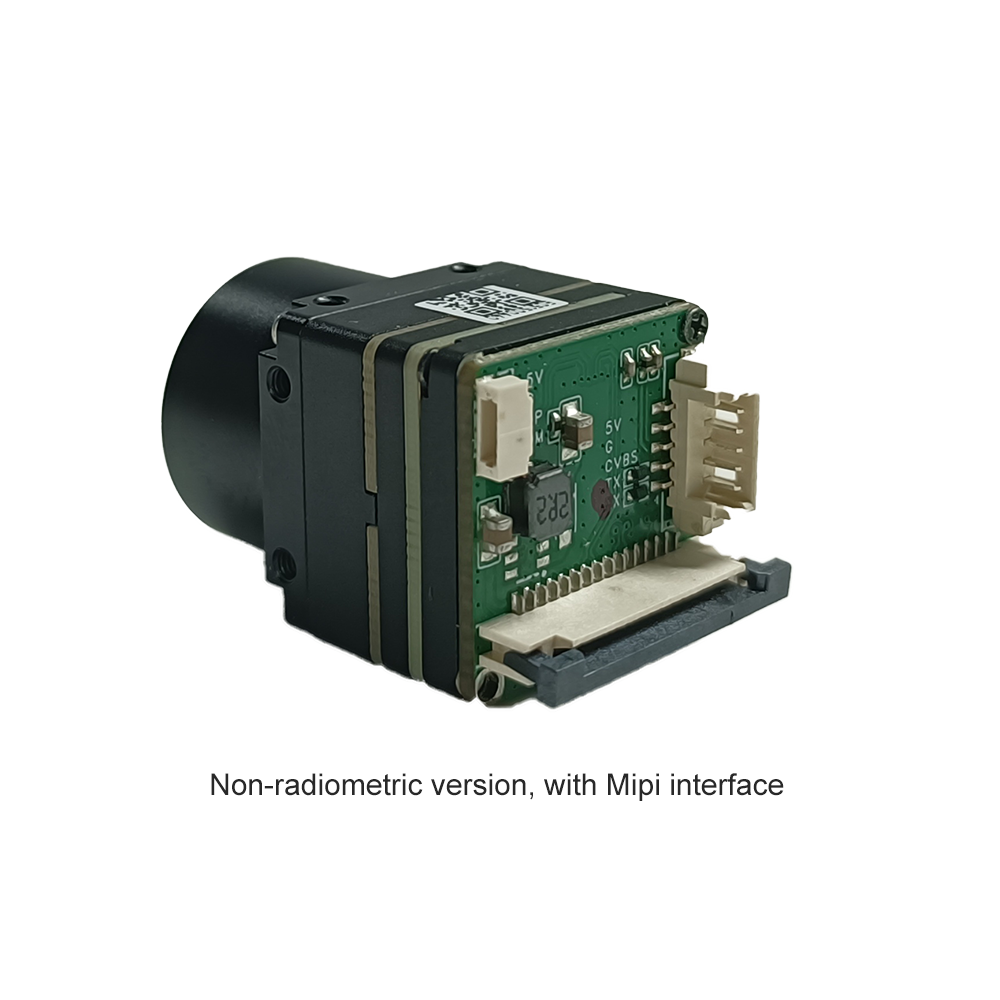
- ⚙️ MIPI CSI-2 (واجهة معالج الصناعة المتنقلة): The absolute standard if you are designing a sleek system around high-power System-on-Chips (SoCs) like the NVIDIA Jetson, Raspberry Pi Compute Module, or NXP i.MX8. MIPI streams uncompressed digital pixels with close to zero latency, all while keeping power draw exceptionally low. The catch is that writing custom MIPI drivers for your specific kernel can take serious software development time.
- ⚙️ USB 3.0 / USB Type-C: Extremely popular for quick prototyping and direct-to-PC interfaces. Many modern cores come pre-configured with standard USB Video Class (UVC) drivers, making them plug-and-play. This saves massive engineering hours on driver development, but USB connectors lack rugged, vibration-proof industrial locking mechanisms and run hotter than native serial lanes.
- ⚙️ CVBS (Composite Video Baseband Signal): This legacy analog connection is still very common in drone gimbals and long-range analog CCTV systems. It provides zero-latency analog video streams across coaxial lines. The downside is that you lose the raw digital data, meaning your downstream processors can't run precise radiometric analysis on the pixels.
- ⚙️ SPI (واجهة طرفية تسلسلية): The go-to interface if you are integrating basic, low-resolution cores (like 80x60 or 160x120) with low-power microcontrollers like STM32 or ESP32 chips. SPI is simple to wire up and highly cost-effective, but it doesn't have the bandwidth to transfer rich, high-resolution, high-frequency thermal video without dropping frames.
2 تكامل Edge AI وخطوط أنابيب ISP المدمجة
Modern thermal modules don't just dump raw pixel values onto your processor. They carry onboard Image Signal Processors (ISPs) or FPGAs that do the heavy lifting before the data ever hits your main controller. These internal pipelines run several key image optimization algorithms:
- ✅ ضغط النطاق الديناميكي (DRC): Compresses wide 14-bit thermal sensor data into high-contrast 8-bit gray or colorized palettes, ensuring subtle details are visible in cold environments even when hot targets are present.
- ✅ تحسين التفاصيل الرقمية (DDE): High-frequency spatial filters that sharpen edges and raise structural features, making it easier for human observers and automated tracking models to identify targets.
- ✅ 3D Noise Reduction (3DNR): Analyzes both spatial and temporal noise profiles to clean up thermal video without introducing ghosting or trailing artifacts during fast pans.
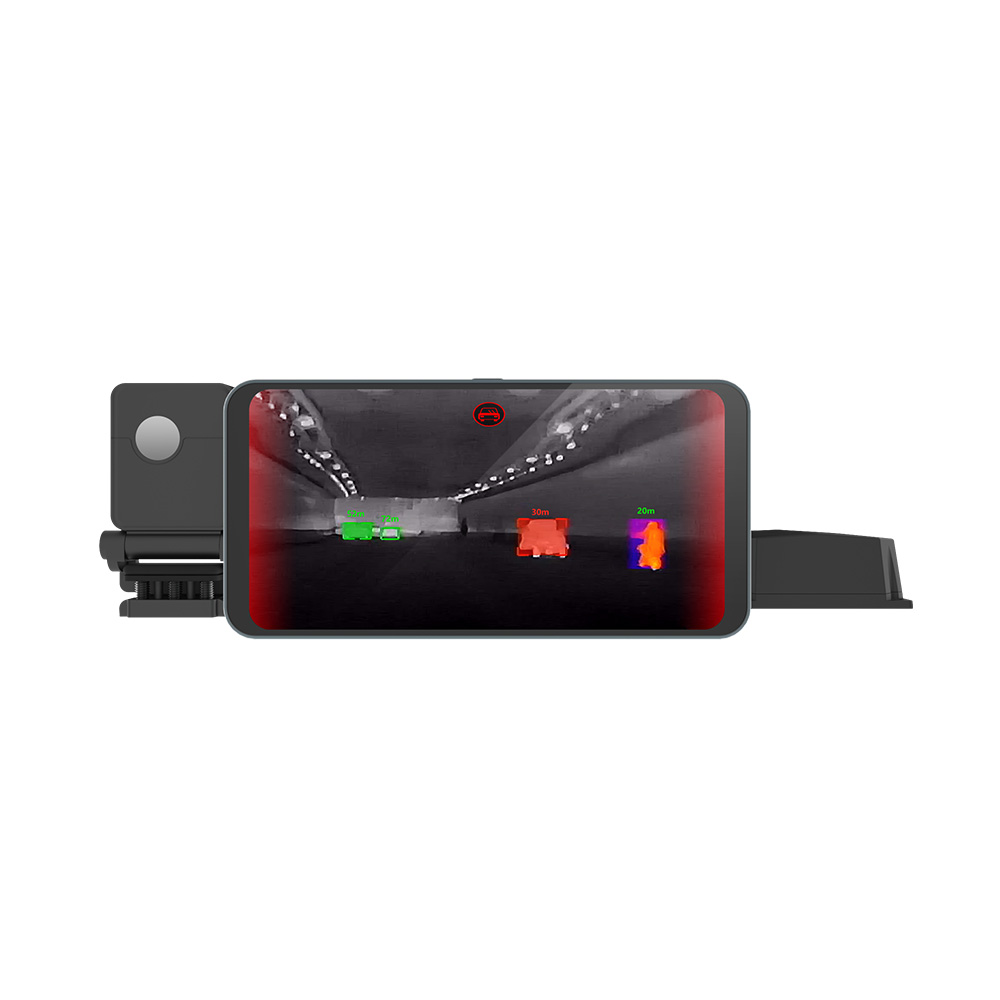
What is really changing the game right now is the integration of Edge AI accelerator chips directly onto the module's PCB. These built-in micro-NPUs are trained to run lightweight neural networks like Tiny-YOLO. Instead of sending raw, heavy video files back to a central server, these smart modules can detect humans, identify hot bearings, detect security breaches, and locate fires locally. This onboard intelligence reduces data transmission bandwidth, making it highly valuable for remote, solar-powered security grids and distributed industrial networks.
إزالة الغموض عن مصفوفة أسعار وحدات الكاميرا الحرارية
To help system integrators and purchasing departments balance engineering needs with their budgets, the table below maps out the thermal camera module price market across three functional tiers:
| Market Tier | Expected Unit Cost | Target Specs (Resolution/NETD) | Optical / Interface Configuration | Common B2B Use Cases |
|---|---|---|---|---|
| Low-End Hobbyist / Entry Integration | $100 to $300 USD | 80x60 to 256x192 NETD: ≤ 50mK to 60mK Frame rate: typically 9Hz |
Fixed-focus molded Chalcogenide lenses; simple SPI or basic USB outputs | Consumer gadgets, smart home appliances, rudimentary educational setups |
| Industrial Component / OEM Standard | $400 to $1,200 USD | 256x192 to 384x288 NETD: ≤ 40mK @ 25°C Frame rate: 25Hz to 50Hz |
High-transmission Germanium lenses; native parallel bus, MIPI, or USB | UAV drone gimbals, smart building maintenance, automated machine vision |
| Premium Professional / Tactical / Edge AI | $1,500 to $5,000+ USD | 640x512 to 1024x768 NETD: ≤ 25mK to 30mK Frame rate: up to 60Hz |
Motorized-focus/continuous-zoom Germanium optics; precision-calibrated radiometry | Border patrol, tactical targeting, complex industrial failure analysis |
One major variable you must factor into your pricing is export licensing. High-frame-rate thermal modules (anything operating above 9Hz) are classified as dual-use military components by many governments. This designation triggers strict end-user-undertaking reviews and export license protocols, which adds administrative overhead and processing time to your procurement. If your use case doesn't require ultra-smooth fluid video, choosing a 9Hz core will bypass many export regulations, lower your compliance burden, and reduce your physical purchase price.
عروض الأجهزة الحقيقية وجدول المواصفات
For engineering teams working out physical layout constraints and structural mounting options, let's look at the mechanical and electrical specifications of our targeted uncooled cores:
| Technical Attribute | Mini 256 Uncooled LWIR Module | Uncooled Mini 384*288 Drone Module |
|---|---|---|
| Sensor Technology | Uncooled LWIR, similar to DJI Mine Detection specs | High-precision MINI active-temperature online imager |
| Native Active Resolution | 256 x 192 pixels (High sensitivity) | 384 x 288 pixels (Advanced density) |
| الحساسية الحرارية (NETD) | Ultra-clear performance detectors | High-sensitivity high-precision detector |
| Imaging Capabilities | Uniform thermal output with absolute radiometry | True online high-accuracy temperature measurements |
| Digital/Analog Interface Options | Direct processing stream integration parameters | Multiple physical digital interfaces + analog support |
| Primary System Integrations | Buried mine detection, compact UAV mounts | Robotics, machine vision, UAV airborne gimbals, equipment diagnostics |
Detailed Showcase: Mini 256 Uncooled LWIR Thermal Imaging Camera Module
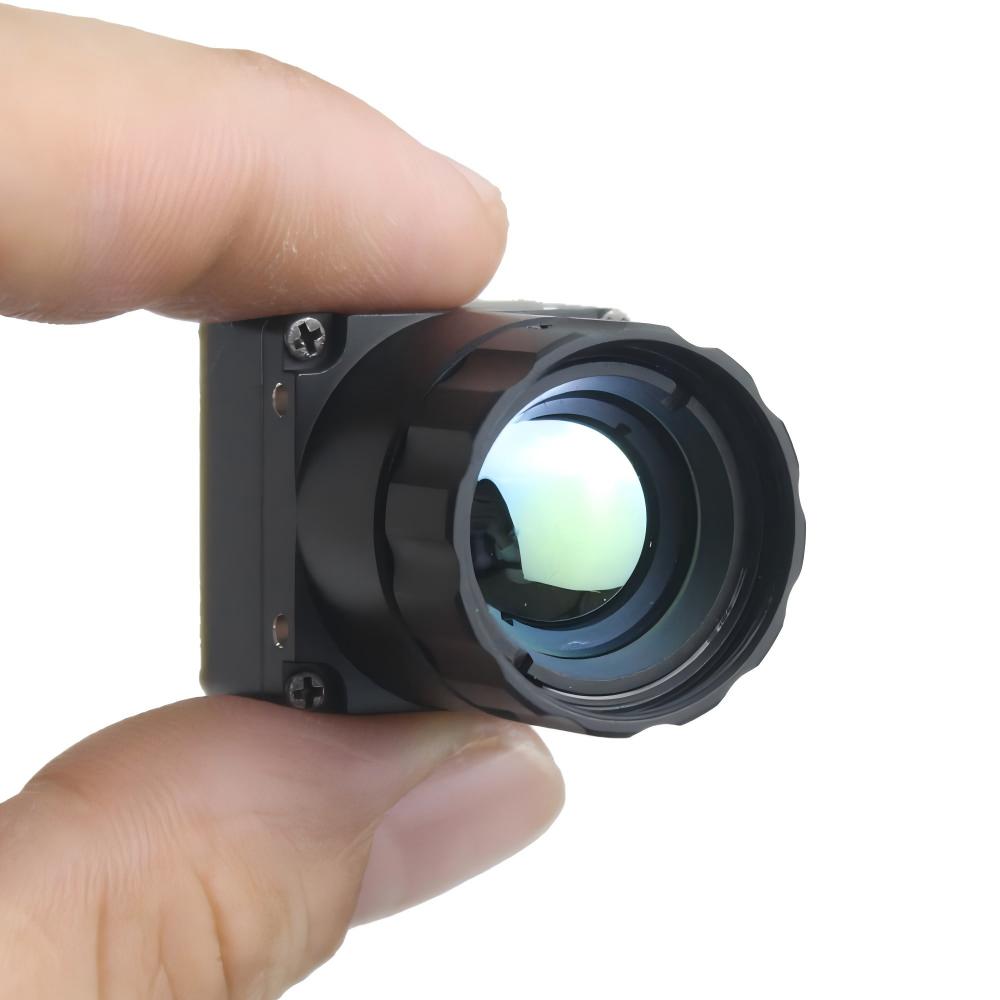
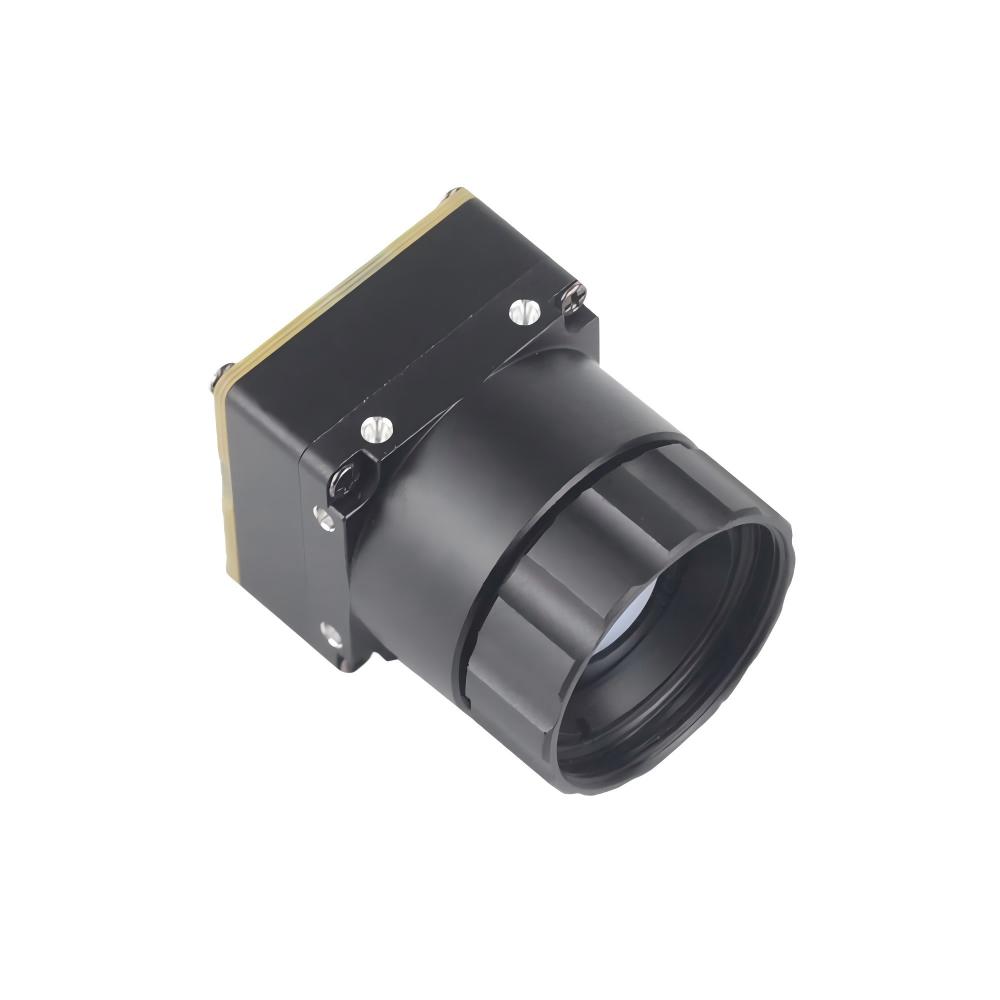
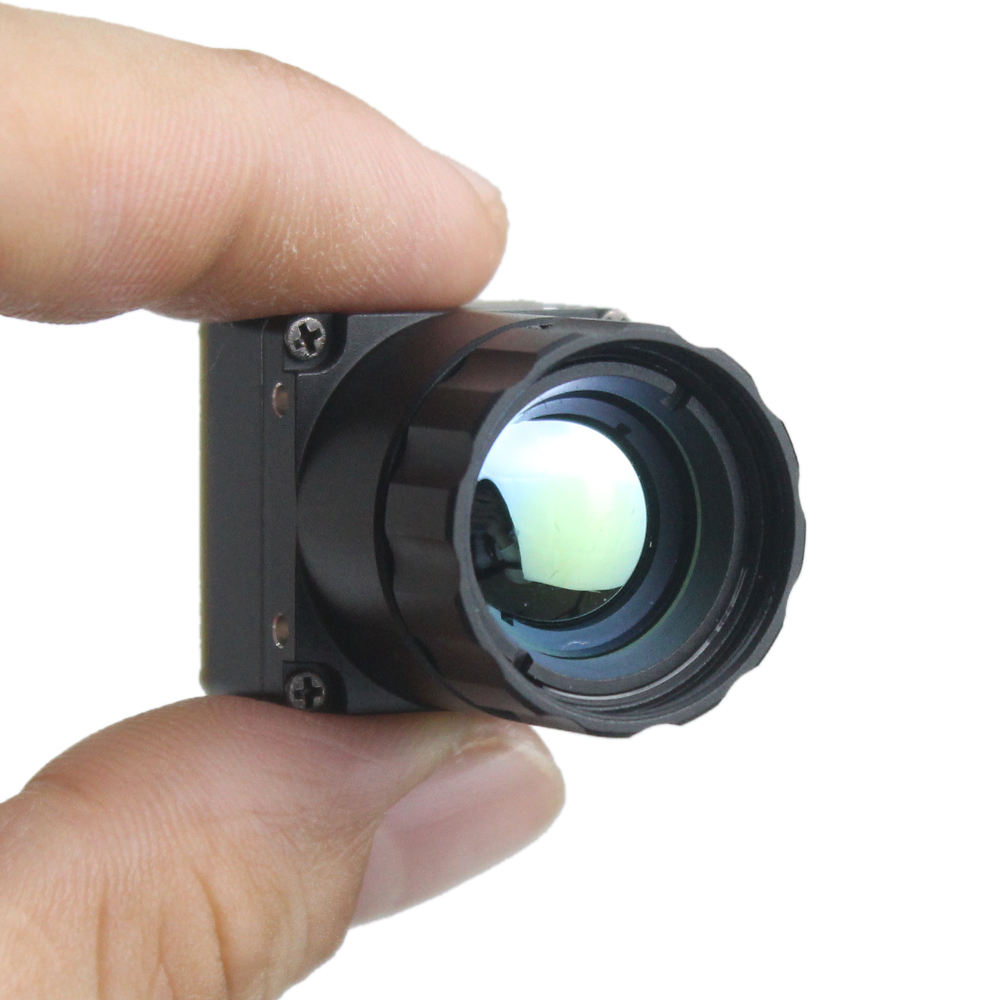
If you are trying to cut down on weight without sacrificing thermal performance, our Mini 256 sensor is a perfect fit. It is engineered with a small footprint to deliver a balanced combination of optical clarity and lightweight design. It streams high-contrast thermal patterns alongside calibrated radiometric data, making it an excellent choice for specialized integrations like localized mine detection and remote robotics.
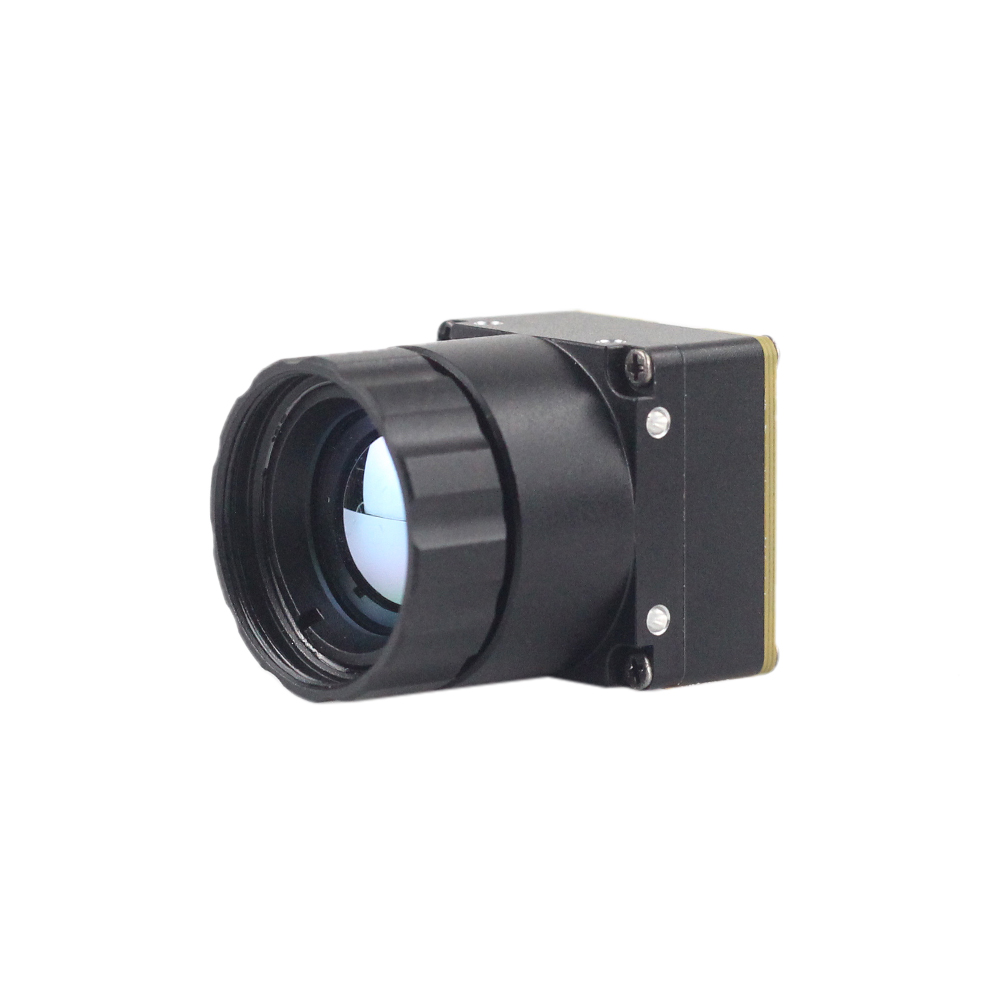
The Mini 256 shines in handheld security systems, remote industrial machinery monitoring, and micro UAV payloads. It finds the sweet spot between high sensitivity and a compact form factor, giving system integrators a reliable, cost-effective uncooled core that interfaces smoothly with standard embedded processors.
Detailed Showcase: Uncooled Mini 384*288 Thermal Camera Module for Drones
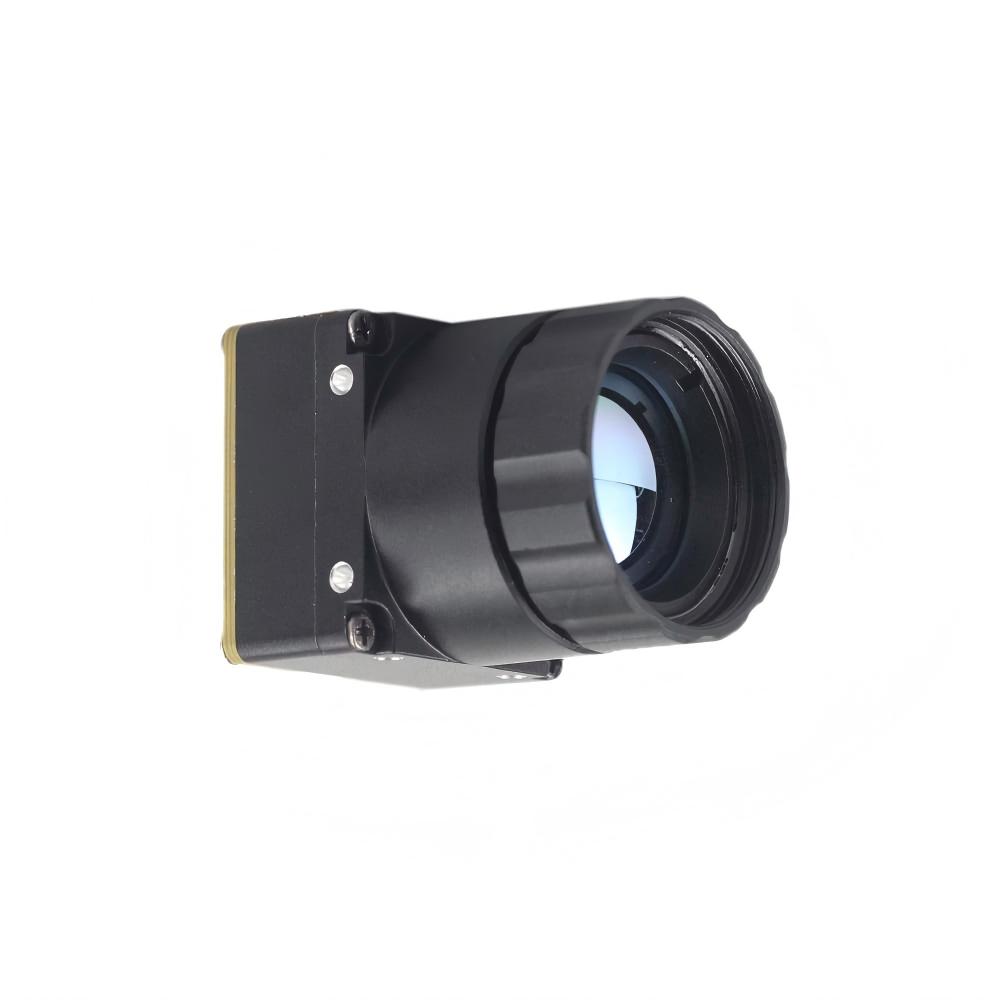
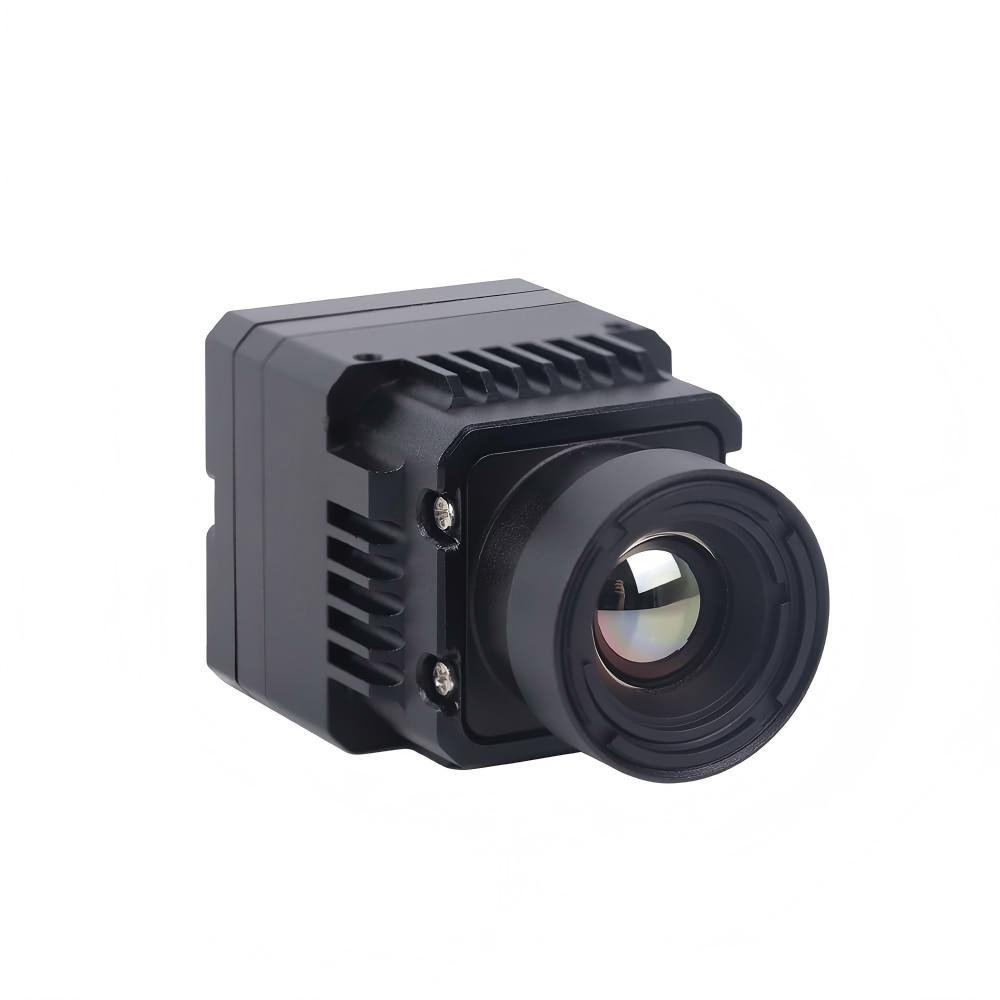
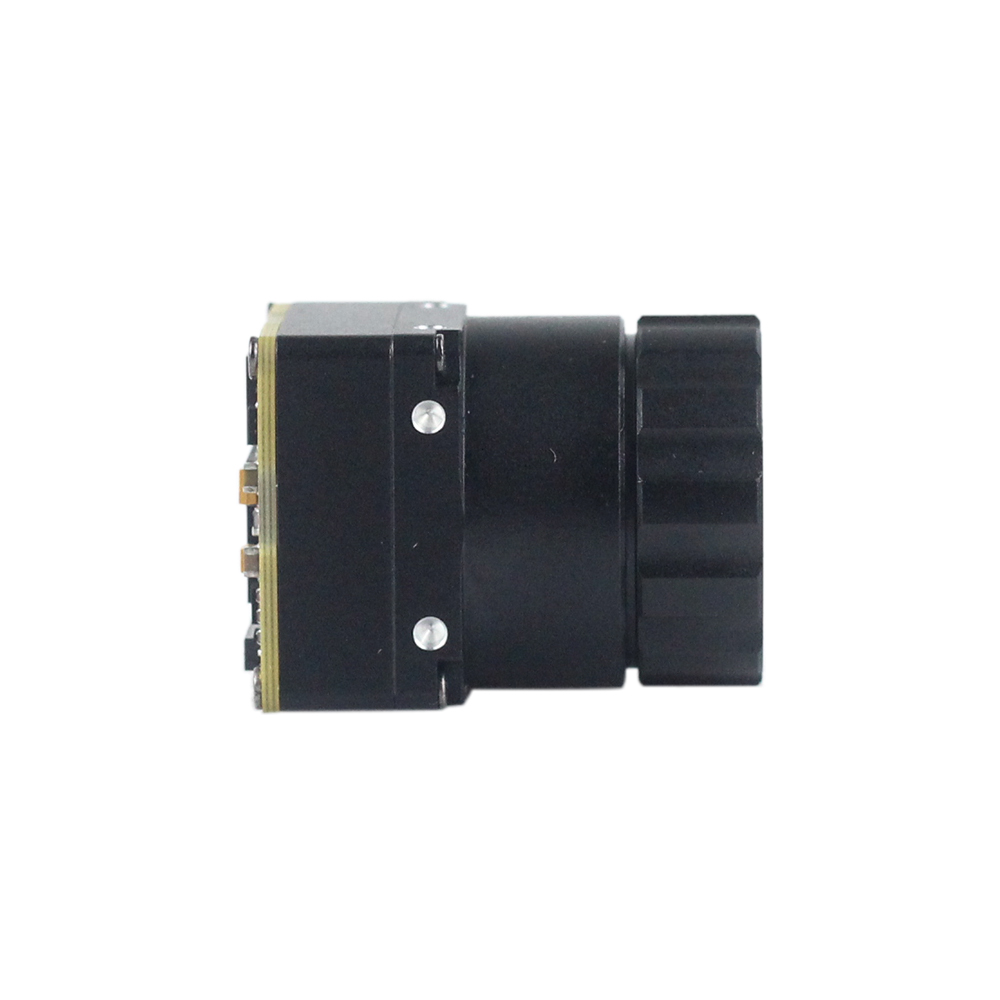
Stepping up to the Mini 384*288 core delivers a major performance boost, offering physical thermal sensitivity, higher spatial resolution, and broader interface flexibility. This rugged module is optimized for industrial drone gimbals, smart factory monitoring, robotic crawlers, and electrical grid tracking.
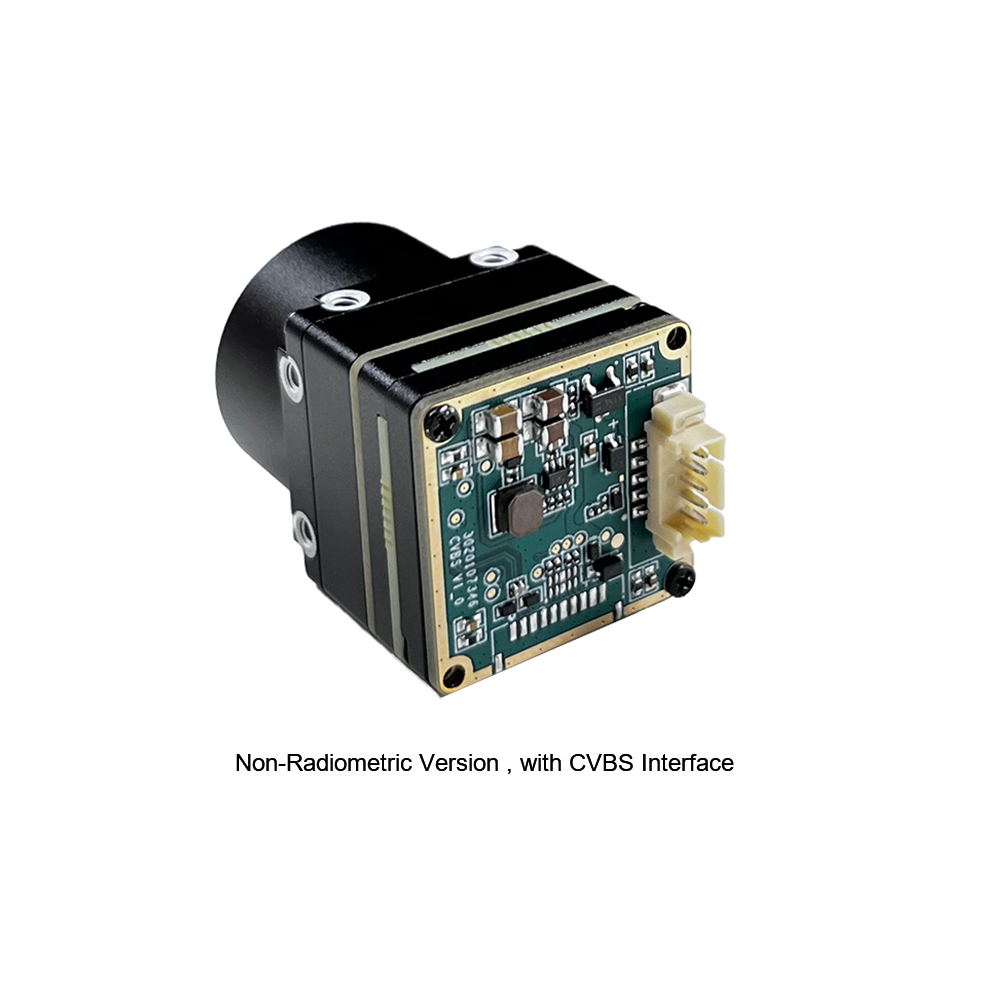
This core supports both analog CVBS and versatile digital outputs, allowing it to connect directly to analog video transmitters or high-end digital image capture devices. This interface flexibility lets you transition between legacy analog pipelines and modern, high-precision digital processing systems as your project demands.
الأسئلة الشائعة التقنية المتعمقة للأعمال بين الشركات
Why is there such a massive price gap between a $200 and a $3000 thermal module?
When you step up to a $3,000 professional core, you are looking at a 640x512 VOx sensor built on a tight 12μm or 10μm pitch. Squeezing that many pixels onto a wafer drives down yields dramatically, since a single micro-fleck of dust during lithography can ruin a high-resolution die. These pro cores are paired with high-aperture (F1.0) diamond-turned Germanium lenses, which are incredibly expensive. Finally, they require labor-intensive environmental chamber calibration. This ensures their internal lookup tables run real-time radiometric calculations, providing absolute, highly accurate temperature measurements across every pixel in the frame.
Can I get a high-res thermal module for a Raspberry Pi or Arduino project under $200?
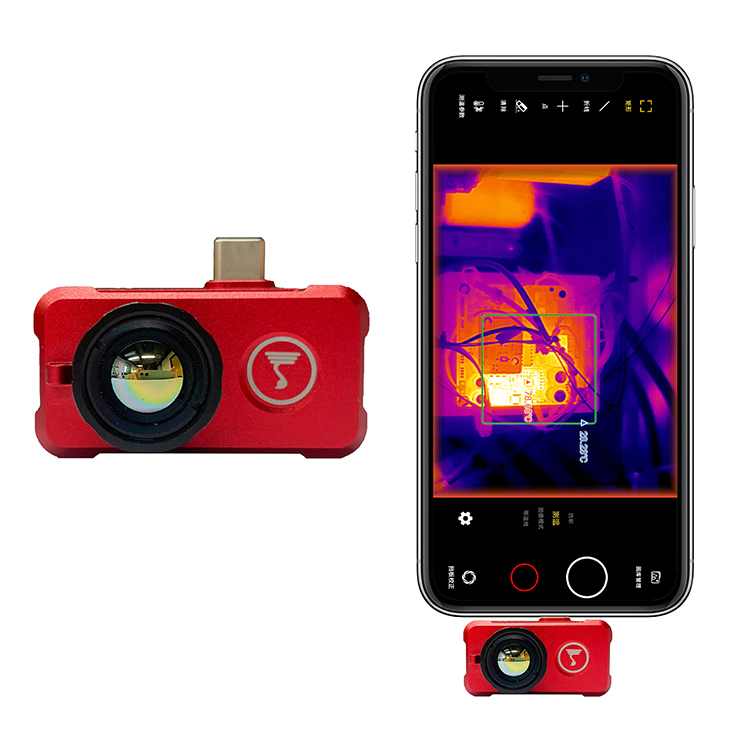
If you are on a tight budget, choosing a 256x192 module is your best bet. It delivers 49,152 active pixels of rich radiometric data while staying highly cost-effective. These modules are easy to test with direct USB connections or custom serial links. If you need step-by-step guidance on integration code libraries and platform control setups, head over to our Mobile Thermal Imager App and User Manual Page, which details host device communications.
What makes a thermal module 'drone-ready' and does it increase the price?
When a drone climbs, it encounters rapid ambient temperature drops and strong wind cooling across the lens. Without active compensation, this thermal drift degrades imaging accuracy, causing the sensor readings to wander. Drone-ready cores overcome this using real-time thermal recalibration and custom shutter algorithms to maintain clear, accurate video during flight. To explore our design processes and OEM manufacturing standards, check out our About Us Page. If you are ready to purchase a system evaluation kit, head over to our secure Checkout Portal to view raw core options.
📚 المراجع والقراءات الإضافية
- المعيار الصناعي: Wikipedia Thermography Physics
- Core Technology Guide: Wikipedia Microbolometer Solid-State Geometries
- دليل ذو صلة: Mobile Thermal Imager Q3 Series Control App and SDK Manuals