
وحدات الكاميرا الحرارية غير الإشعاعية: دليل اختيار وتكامل للمصنعين الأصليين (OEM)
14 أغسطس 2026
دليل تقنية مستشعرات CMOS: التطبيقات الصناعية، أنظمة الرؤية، وتكامل الذكاء الاصطناعي الحراري
17 أغسطس 2026
حلول الأشعة تحت الحمراء التجارية والتصوير الحراري: وحدات عالية الدقة لتكامل الذكاء الاصطناعي
إذا كنت قد أمضيت أي وقت في العمل على الفحص البصري الآلي، أو الروبوتات الميدانية، أو المراقبة الجوية خلال السنوات القليلة الماضية، فأنت تعلم أن اللعبة قد تغيرت. الكاميرات القياسية للضوء المرئي وكشافات الأشعة تحت الحمراء القريبة تصطدم بجدار فيزيائي صلب في اللحظة التي تتعامل فيها مع ظلام صفري اللوكس، أو دخان جسيمي كثيف، أو ضباب كثيف، أو وهج شمسي شديد. لهذا السبب تهاجر إعدادات الحوسبة الطرفية الدفاعية، والروبوتات المتحركة المستقلة، وخطوط الأتمتة الصناعية بسرعة نحو الاستشعار الحراري عالي الدقة غير المبرد بالأشعة تحت الحمراء طويلة الموجة.
إليك الأمر: كشافات الأشعة تحت الحمراء القريبة النشطة تعكس فقط فوتونات الموجات القصيرة عن أسطح الأهداف، وتعمل مثل مصباح يدوي غير مرئي يعمي المستشعرات عندما تعكس الأسطح أو تشتت الضوء. مستشعرات الأشعة تحت الحمراء طويلة الموجة غير المبردة الإشعاعية تعمل بالديناميكا الحرارية الخالصة. فهي تلتقط مباشرة طاقة الجسم الأسود الإشعاعية المنبعثة من كل جسم فيزيائي فوق الصفر المطلق. مع مسرعات الذكاء الاصطناعي الطرفية مثل NVIDIA Jetson Orin ووحدات المعالجة العصبية عالية المواصفات التي تحزم عشرات التيرافلوبس في أوزان خفيفة للغاية، يمكن لمهندسي النظم الآن تشغيل استدلال الشبكات العصبية مباشرة على التغذية الحرارية الإشعاعية الخام المثبتة مباشرة على محاور الطائرات بدون طيار، والأذرع الروبوتية، ومنصات الفحص في المصانع.
إن تنفيذ هذا في الورشة ليس مجرد توصيل وتشغيل. فإسقاط نواة حرارية في حزمة Linux مدمجة يجبرك على مواجهة تحديات عتادية وبرمجية خطيرة. عليك التعامل مع الانجراف الحراري للميكروبولومتر من خلال مصاريع تصحيح عدم الانتظام (NUC)، والحفاظ على سلامة إشارة الميكروفولت عبر وصلات مرنة ضيقة، ومنع تسرب حرارة ASIC من تلويث قراءات المستشعر، وضخ فيديو رقمي منخفض الكمون إلى نماذج الرؤية الحاسوبية الطرفية. يفكك هذا الدليل العتادي الشامل معماريات الميكروبولومترات الحرارية غير المبردة، وميكانيكا نطاق الموجات البلانكية، وخطوط معالجة ASIC ISP، وطوبولوجيات النواقل الفيزيائية (MIPI-CSI-2، USB UVC، GigE RTSP)، واستراتيجيات نشر الذكاء الاصطناعي الطرفي التكتيكية.
جدول المحتويات
- 👉 فيزياء الطيف تحت الأحمر: أساسيات القياس الإشعاعي ونطاقات الموجات
- 👉 نواة الميكروبولومتر غير المبرد ومعالجة إشارة ASIC
- 👉 طوبولوجيات دمج الذكاء الاصطناعي المدمج والطائرات بدون طيار والحوسبة الطرفية
- 👉 محفظة المنتجات الصناعية والمواصفات العتادية
- 👉 سلامة الإشارة والكابلات والإدارة الحرارية
- 👉 النشر المؤسسي: الشبكات الذكية وأنظمة الطائرات بدون طيار الدفاعية وأتمتة العمليات
- 👉 الأسئلة الشائعة الهندسية المتعمقة
فيزياء الطيف تحت الأحمر: أساسيات القياس الإشعاعي ونطاقات الموجات
لنثبت الفيزياء الكهرومغناطيسية الأساسية قبل النظر إلى سيليكون المستشعر. يمتد النطاق تحت الأحمر من حوالي 0.75 ميكرومتر حتى 1000 ميكرومتر، جاسرًا الفجوة بين الضوء البصري المرئي ونطاقات الموجات الميكروية دون المليمترية. في الإلكترونيات البصرية، لا نتعامل مع هذا الطيف بأكمله بشكل موحد. إنه ينقسم إلى أربع مناطق عمل عملية بناءً على تفاعلات الفوتون-المادة ونوافذ النفاذية الجوية:
- ⚙️ تحت الأحمر القريب (NIR، 0.75 إلى 1.4 ميكرومتر): يعمل على ميكانيكا الفوتونات المنعكسة القياسية. يتطلب مضيئًا نشطًا (مثل مصابيح LED بطول 850 نانومتر أو 940 نانومتر) ومستشعرات CMOS قائمة على السيليكون. لا ينتج أي بيانات حرارية إشعاعية.
- ⚙️ الأشعة تحت الحمراء قصيرة الموجة (SWIR، 1.4 إلى 3.0 ميكرومتر): تعتمد في الغالب على الفوتونات المنعكسة، باستخدام مستشعرات زرنيخيد الغاليوم الإنديوم (InGaAs) المتخصصة. ممتازة للرؤية من خلال رقائق السيليكون، ورصد الرطوبة، واختراق الضباب الجوي الخفيف، لكنها لا تزال انعكاسية إلى حد كبير.
- ⚙️ الأشعة تحت الحمراء متوسطة الموجة (MWIR، 3.0 إلى 5.0 ميكرومتر): تكتشف كلاً من الانبعاثات الحرارية القوية والفوتونات المنعكسة. تستخدم بشكل أساسي مصفوفات المستوى البؤري المبردة من أنتيمونيد الإنديوم (InSb) أو تيلوريد الكادميوم الزئبقي (MCT). توفر معدلات أطر فائقة السرعة وحساسية دقيقة لتتبع بصمات الغازات عالية الحرارة، وأعمدة الصواريخ، والأهداف الدفاعية سريعة الحركة، ولكنها تتطلب مبردات ستيرلينغ المبردة.
- ⚙️ الأشعة تحت الحمراء طويلة الموجة (LWIR، 8.0 إلى 14.0 ميكرومتر): العمود الفقري للتصوير الحراري التجاري والصناعي والروبوتات الطرفية. تعمل عبر انبعاث حراري سلبي نقي من الأجسام الأرضية اليومية دون أي إضاءة نشطة.
لحساب رؤية الهدف في العالم الحقيقي، يعتمد المهندسون على قانون بلانك للإشعاع، الذي يحكم الانبعاث الإشعاعي الطيفي للجسم الأسود المثالي:
M(λ, T) = (2πhc²) / (λ⁵ · [exp(hc / (λkT)) − 1])
حيث h هو ثابت بلانك،, c هو سرعة الضوء،, k هو ثابت بولتزمان،, T هو درجة الحرارة المطلقة بالكلفن، و λ هو الطول الموجي. باشتقاق معادلة بلانك بالنسبة للطول الموجي نحصل على قانون فين للإزاحة:
λ_max · T = 2897.8 ميكرومتر·كلفن
انظر إلى الأرقام: بالنسبة للآلات الصناعية القياسية، والأصول الهيكلية، والمركبات، والأفراد البشريين العاملين ضمن الحدود المحيطة من −40°م إلى +150°م (233 كلفن إلى 423 كلفن)، فإن ذروة الانبعاث الإشعاعي للجسم الأسود تقع تمامًا بين 8.5 ميكرومتر و10.5 ميكرومتر.
يوفر الغلاف الجوي للأرض نطاق مرور بصري واسع بين 8.0 ميكرومتر و14.0 ميكرومتر حيث ينخفض الامتصاص الجزيئي بواسطة بخار الماء (H₂O) وثاني أكسيد الكربون (CO₂) إلى أدنى مستوياته المحلية. ولأن الميكروبولومترات غير المبردة LWIR تطابق نافذة النقل هذه تمامًا، فإنها تلتقط البصمات الحرارية دون عوائق عبر مئات الأمتار في الظلام الدامس، ومن خلال ستائر الدخان، وعبر أرضيات الورش المتربة.
نواة الميكروبولومتر غير المبرد ومعالجة إشارة ASIC
داخل النواة الحرارية غير المبردة توجد مصفوفة المستوى البؤري (FPA) للميكروبولومتر. على عكس كاشفات الفوتون المبردة التي تعتمد على توليد أزواج الإلكترون-فجوة الداخلية عند درجات حرارة النيتروجين السائل، فإن الميكروبولومتر غير المبرد هو في الأساس مصفوفة مستشعر حراري MEMS. يتكون كل بكسل من غشاء ماص فائق الرقة معلق فوق ركيزة سيليكون بواسطة أذرع جسر مُصنّعة بدقة متناهية داخل عبوة عالية التفريغ.
تضرب فوتونات 8–14 ميكرومتر الواردة الغشاء، مما يسخن الطبقة المقاومة للحرارة. يغير هذا الفرق الحراري الموضعي المقاومة الكهربائية للمادة. تطبق دائرة القراءة المتكاملة (ROIC) المربوطة أسفل بنية MEMS نبضة انحياز فائقة الاستقرار، وتقيس تحول التيار أو الجهد الناتج لحساب تغيرات درجة حرارة البكسل.
اختيار المادة يحدد حساسيتك الحرارية:
- ⚙️ أكسيد الفاناديوم (VOx): المعيار الذهبي في الصناعة لأجهزة التصوير الحراري عالية الأداء. يوفر معامل درجة حرارة المقاومة (TCR) حوالي −2% إلى −3% لكل كلفن، مقترنًا بأرضية ضوضاء 1/f منخفضة. ينتج VOx تصنيفات فرق درجة الحرارة المكافئ للضوضاء (NETD) استثنائية أقل من 35 مللي كلفن إلى 40 مللي كلفن عند f/1.0.
- ⚙️ السيليكون غير المتبلور (a-Si): أسهل وأرخص في التكامل مع خطوط تصنيع CMOS القياسية، لكنه يُظهر ضوضاء وميض 1/f أعلى وحساسية حرارية أقل، مع تصنيفات NETD نموذجية تحوم حول 50 مللي كلفن إلى 70 مللي كلفن.
بيانات الميكروبولومتر الخام القادمة مباشرة من ROIC تكون مشوشة وغير معايرة وتخضع للانجراف الحراري. كل تغير في درجة حرارة الكاميرا الداخلية يسبب عدم انتظام مكاني يفسد جودة الصورة. هنا تتعامل الدوائر المتكاملة المخصصة للتطبيقات (ASICs) ومصفوفات البوابات القابلة للبرمجة الميدانية (FPGAs) المدمجة مع معالجة الإشارات في الوقت الفعلي:
- ⚙️ تصحيح عدم التجانس (NUC): يقوم ملف لولبي ميكانيكي بإسقاط مصراع حراري داخلي مسطح أمام المصفوفة لمدة 200–400 مللي ثانية. تحسب ASIC معاملات إزاحة البكسل الفردية، وتزيل ضوضاء النمط الثابت المكاني عبر المصفوفة بأكملها.
- ⚙️ استبدال البكسل التالف (BPR): يتم اكتشاف البكسلات الميتة أو غير المستجيبة أو الوامضة ديناميكيًا واستبدالها في الوقت الفعلي باستخدام استيفاء الجوار المكاني 3x3 أو 5x5.
- ⚙️ تحسين التفاصيل الرقمية (DDE): يفصل الترشيح المكاني عالي التمرير المتقدم بيانات الحواف عالية التردد (الأسلاك الدقيقة، الخطوط البشرية، الشقوق الميكانيكية) عن التدرجات الخلفية العريضة منخفضة التباين، مما يعزز الحدة دون إتلاف الإبرازات.
- ⚙️ المحرك الإشعاعي: يحول الأرقام الرقمية الخام 14-بت (DN) إلى قيم حرارة مطلقة باستخدام جداول بحث الجسم الأسود المعايرة (LUT)، مع مراعاة انبعاثية الهدف والمسافة والرطوبة المحيطة ودرجة حرارة الهيكل.
للحفاظ على تركيز حاد عبر المصفوفة دون انحراف لوني أو تظليل، تتطلب مصفوفات المستوى البؤري عالية الدقة بصريات مخصصة. للاستخدامات الميدانية التي تحتاج إلى MTF بصري محكم عبر مسافات كشف طويلة، يدمج المهندسون أنظمة مثل سلسلة وحدات العدسات الحرارية البصرية 25 مم, ، مع عدسات جرمانيوم مخرطة ماسيًا مع أسطوانات ميكانيكية معالجة حراريًا تبقى مركزة عبر تقلبات من −40°C إلى +80°C.
طوبولوجيات دمج الذكاء الاصطناعي المدمج والطائرات بدون طيار والحوسبة الطرفية
يتطلب الحصول على بيانات حرارية عالية السرعة من نواة غير مبردة إلى لوحة حوسبة ذكاء اصطناعي طرفية (مثل NVIDIA Jetson AGX Orin أو NXP i.MX8M Plus أو Raspberry Pi Compute Module 4) اختيار ناقل النقل المناسب. سيؤدي اختيار الواجهة الخاطئة إلى اختناق خط أنابيب الإطارات، أو ارتفاع استخدام وحدة المعالجة المركزية المضيفة، أو إدخال زمن انتقال غير مقبول في حلقات التحكم في الطيران.
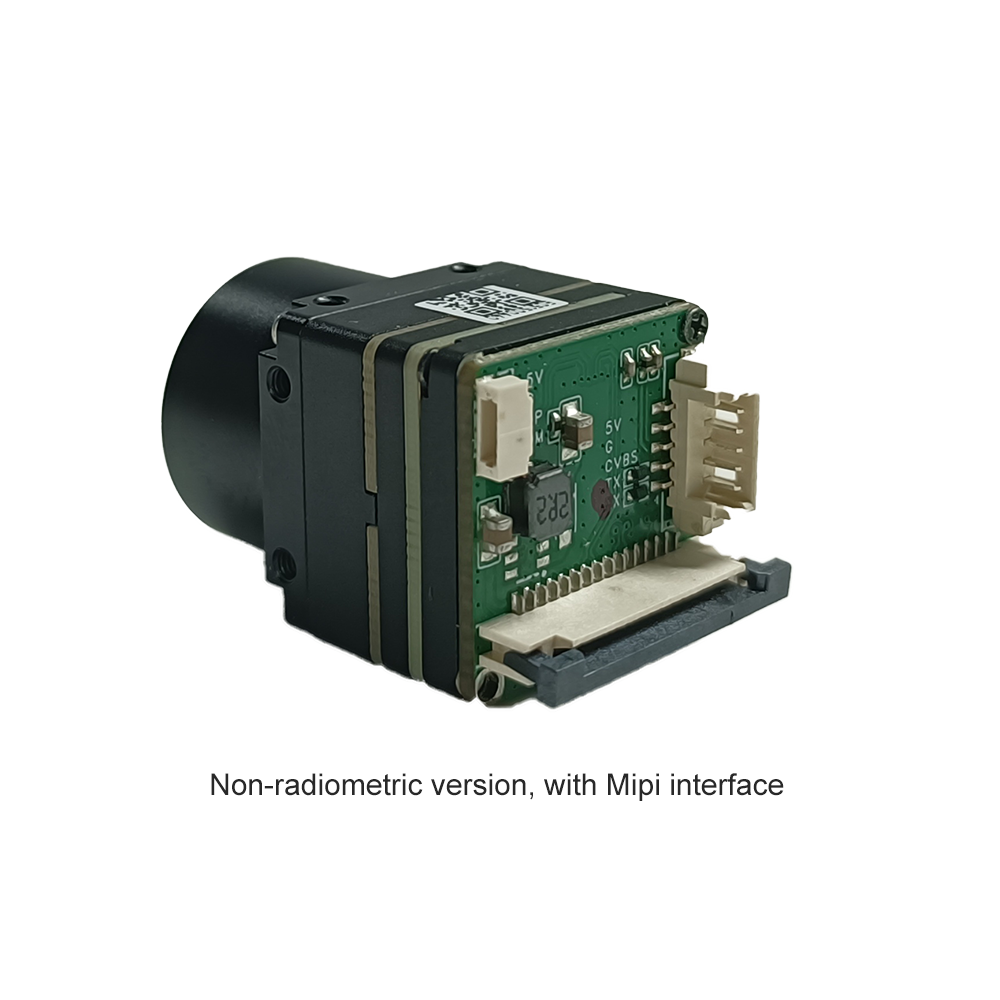
- ✅ MIPI-CSI-2 (ناقل الذاكرة المباشر): الخيار الأمثل للتكامل المدمج العميق. يوفر إطارات إشعاعية خام بدقة 14 بت أو 16 بت مباشرة إلى ذاكرة النظام على الرقاقة عبر الوصول المباشر للذاكرة (DMA) بزمن انتقال شامل أقل من 5 مللي ثانية. يخفف الحمل عن وحدة المعالجة المركزية المضيفة تمامًا، مما يحرر القدرة الحاسوبية لاستدلال YOLOv8 أو التجزئة الدلالية.
- ✅ USB 3.0 / فئة فيديو USB (UVC): مثالي لأنظمة Linux الجاهزة للتشغيل، والنماذج الأولية السريعة، وأجهزة الكمبيوتر الصناعية. يستخدم برامج تشغيل النواة القياسية (V4L2 على Linux) لنقل بيانات إشعاعية خام بدقة 14 بت (بتنسيق Y16) أو تدفقات ملونة بدقة 8 بت مع زمن انتقال يتراوح بين 25 و40 مللي ثانية.
- ✅ بث IP عبر GigE / RJ45 RTSP: مثالي للتركيبات الثابتة على مستوى المصنع، ومحيط الأمان، ومراقبة البنية التحتية. يغلّف التدفقات في H.264/H.265 أو MJPEG عبر كابلات CAT6 قياسية تصل إلى 100 متر دون مكررات نشطة.
- ✅ CVBS مركب تناظري: يوفر فيديو تناظريًا غير مضغوط وبدون زمن انتقال مباشرة إلى أجهزة إرسال الفيديو FPV بتردد 5.8 جيجاهرتز على منصات UAS التكتيكية وطائرات السباق خفيفة الوزن حيث قد يتسبب تأخر الإطارات الرقمية في حوادث تحطم أثناء الطيران.
للحصول على إعداد برامج التشغيل خطوة بخطوة، والتجميع المتقاطع للنواة، وإعدادات خط أنابيب V4L2 على أجهزة الكمبيوتر أحادية اللوحة، راجع الدليل التقني المخصص على وحدات UVC الحرارية لأنظمة Linux وRaspberry Pi والأنظمة المدمجة. عند تجميع لوحات حاملة متخصصة، أو فواصل منطقية، أو منظمات طاقة في المختبر، يمكنك سحب معدات نمذجة معيارية سريعة من منصات مثل DFRobot.
إليك قاعدة تصميم مهمة للذكاء الاصطناعي الطرفي: لا تقم بتشغيل استدلال الشبكة العصبية على صور RGB ذات ألوان زائفة بدقة 8 بت (Ironbow أو Rainbow أو White-Hot).
تعتمد لوحات الألوان الزائفة القياسية بدقة 8 بت على التحكم التلقائي في الكسب الديناميكي (AGC) ومعادلة الرسم البياني لتمديد التباين المرئي للعين البشرية. عندما يدخل هدف ساخن إلى الإطار، يعيد AGC الخاص بالكاميرا تعيين القيمة الرقمية لكل بكسل، مما يؤدي إلى انخفاض تباين الخلفية. يرى نموذج الذكاء الاصطناعي الذي يحلل بيانات 8 بت شدة بكسل غير مستقرة، مما يؤدي إلى وميض صناديق التحديد وفقدان الاكتشافات.
قم بتغذية نموذج الرؤية الحاسوبية لديك ببيانات إشعاعية خطية خام بدقة 14 بت أو 16 بت. في وضع 16 بت، تمثل قيمة كل بكسل مباشرة درجة حرارة مطلقة (على سبيل المثال، الرقم الرقمي 30,015 يساوي 300.15 كلفن أو 27.00 درجة مئوية). يتيح ذلك للشبكة العصبية تقييم تدرجات حرارية نقية وضبط عتبات اكتشاف واضحة تظل مستقرة بغض النظر عما يحدث في بقية المشهد. تحل وحدات ASIC ثنائية التدفق هذه المشكلة بدقة: فهي تدفع تدفق H.264/RTSP بدقة 8 بت للمشغلين عن بُعد بينما تدفق بيانات خطية بدقة 16 بت عبر MIPI أو USB لاستدلال الذكاء الاصطناعي الطرفي المحلي.
إذا كنت تصمم محاور تثبيت خفيفة الوزن أو حاضنات حمولة متعددة المراوح، فراجع تحليلنا التقني على وحدات الكاميرا الحرارية لمحاور تثبيت الطائرات بدون طيار والطيران المستقل.
محفظة المنتجات الصناعية والمواصفات العتادية
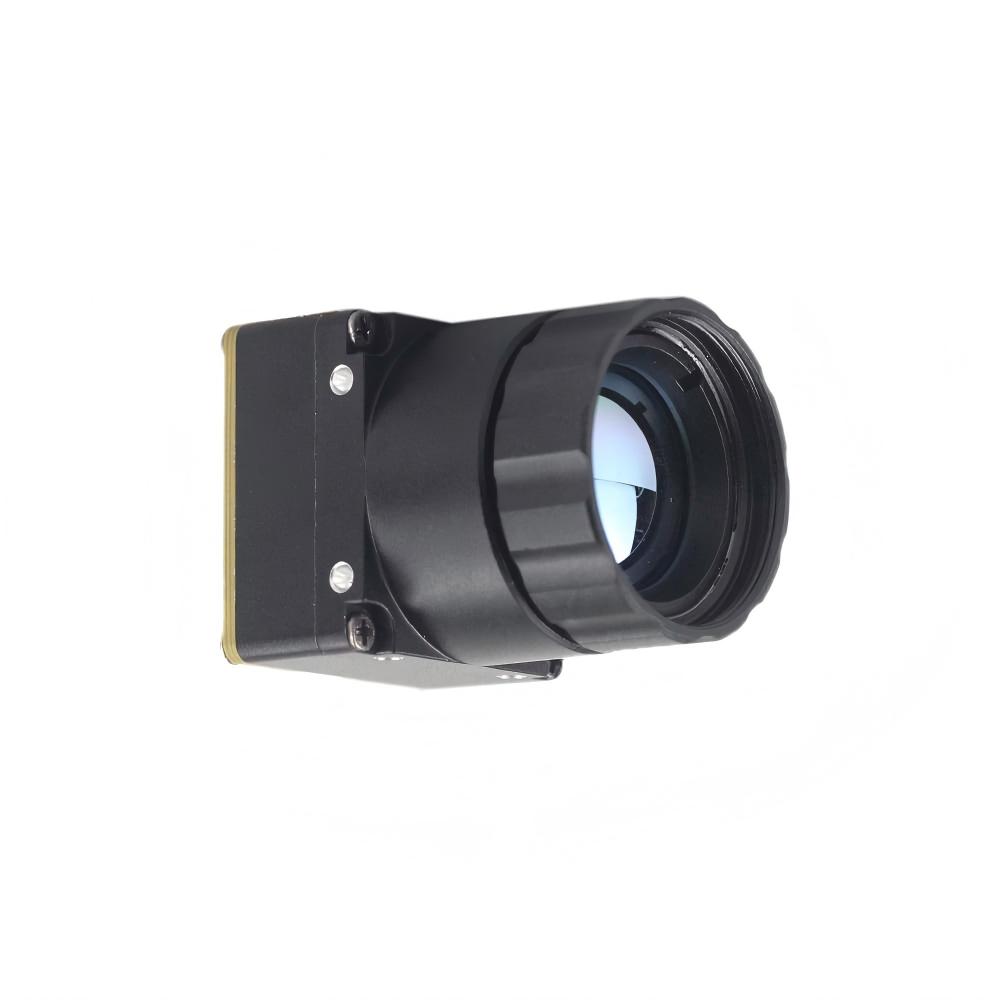
كاميرا تصوير حراري عالية الدقة غير مبردة بالأشعة تحت الحمراء 1280*1024 LWIR
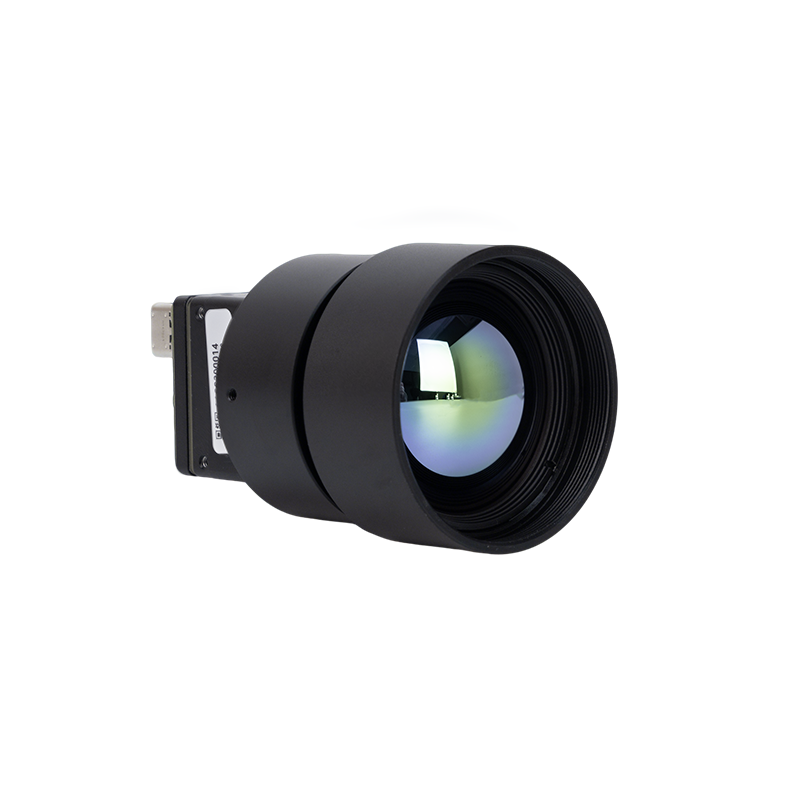
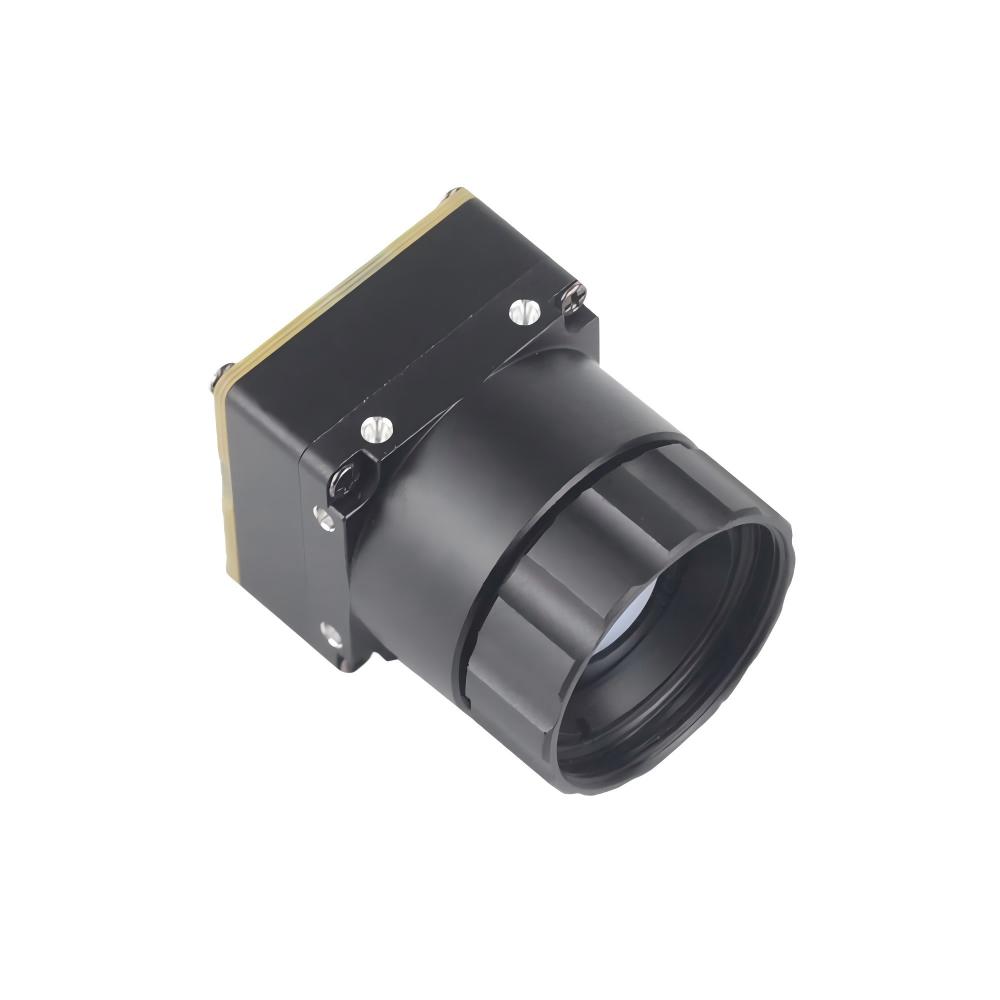
نواة PRSE5-1280 هي قوة حرارية صناعية. مبنية حول مصفوفة ميكروبولومتر SXGA عالية الكثافة بدقة 1280×1024 مع خطوة بكسل فائقة الدقة تبلغ 12 ميكرومتر، تمنحك هذه الوحدة أربعة أضعاف الدقة المكانية لكاميرات VGA القياسية. عند إقرانها بعدستها الجرمانيوم الدقيقة غير الحرارية مقاس 25 مم، تتيح لمصنفات الذكاء الاصطناعي اكتشاف أهداف بحجم الإنسان والأعطال الهيكلية على مسافات بعيدة.
- ⚙️ دقة المصفوفة: تنسيق أصلي 1280 × 1024 SXGA
- ⚙️ خطوة البكسل ونوع المستشعر: ميكروبولومتر أكسيد الفاناديوم (VOx) 12 ميكرومتر
- ⚙️ الحساسية الحرارية (NETD): < 35 مللي كلفن @ f/1.0، 300 كلفن
- ⚙️ العدسة المدمجة: نظام بصري LWIR أساسي غير حراري 25 مم F1.0
- ⚙️ نطاق المرور الطيفي: 0 ميكرومتر إلى 14.0 ميكرومتر
- ⚙️ خط أنابيب الصور ASIC: NUC عتادي في الوقت الفعلي، BPR ديناميكي، DDE طرفي، وإخراج إشعاعي معاير
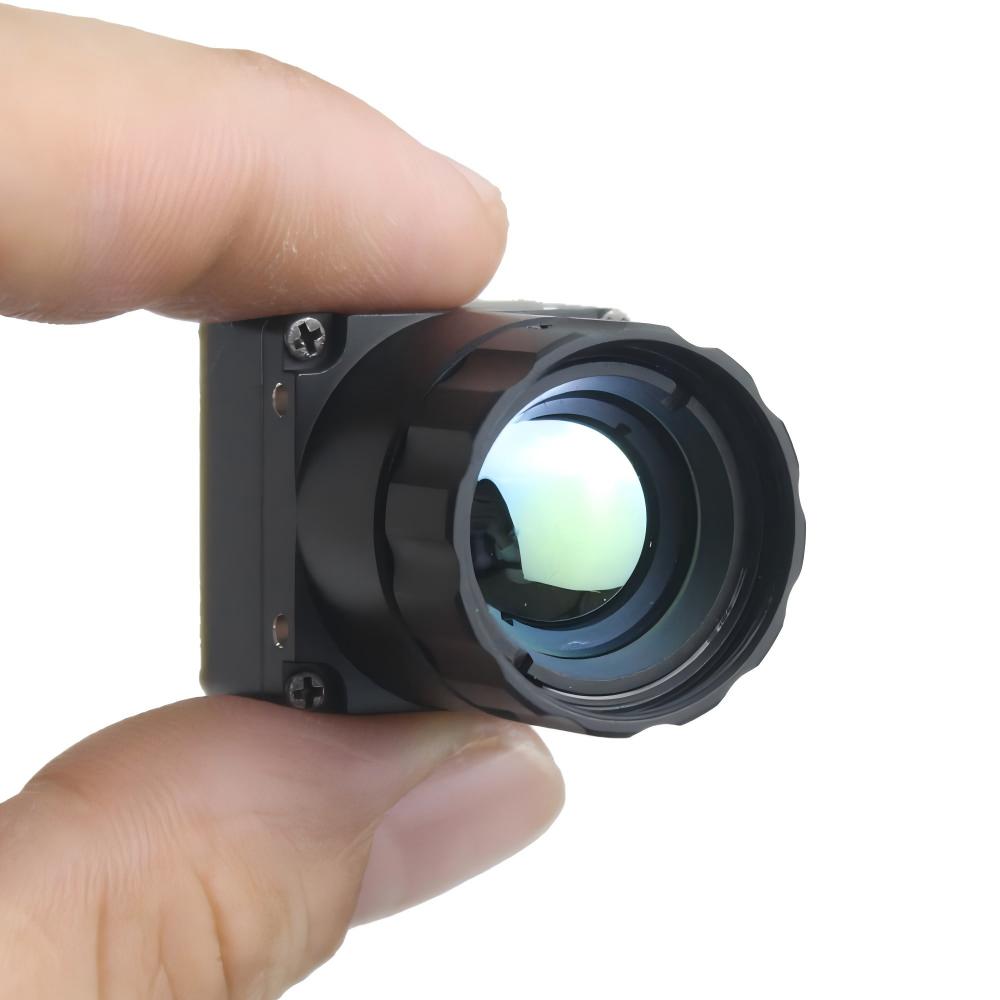
وحدة كاميرا استشعار حراري غير مبردة RJ45 CVBS RTSP IP بدقة 640*512
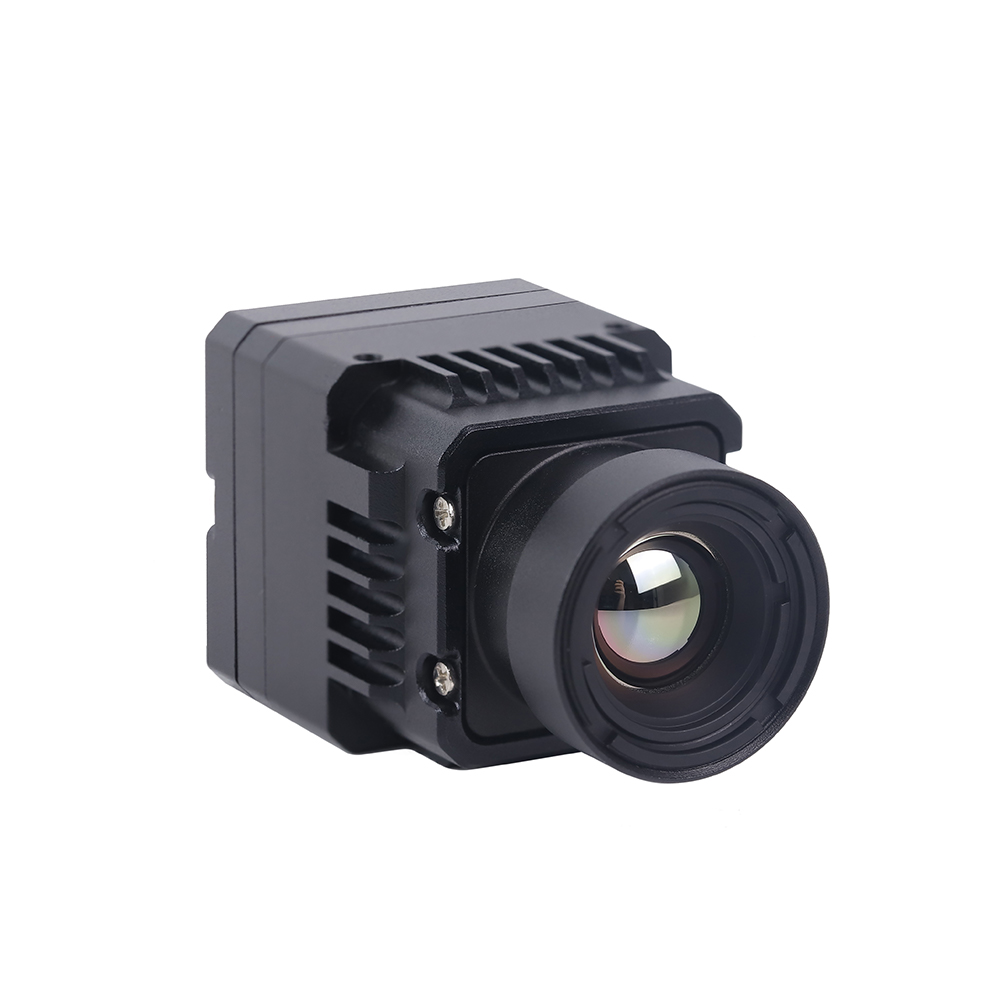
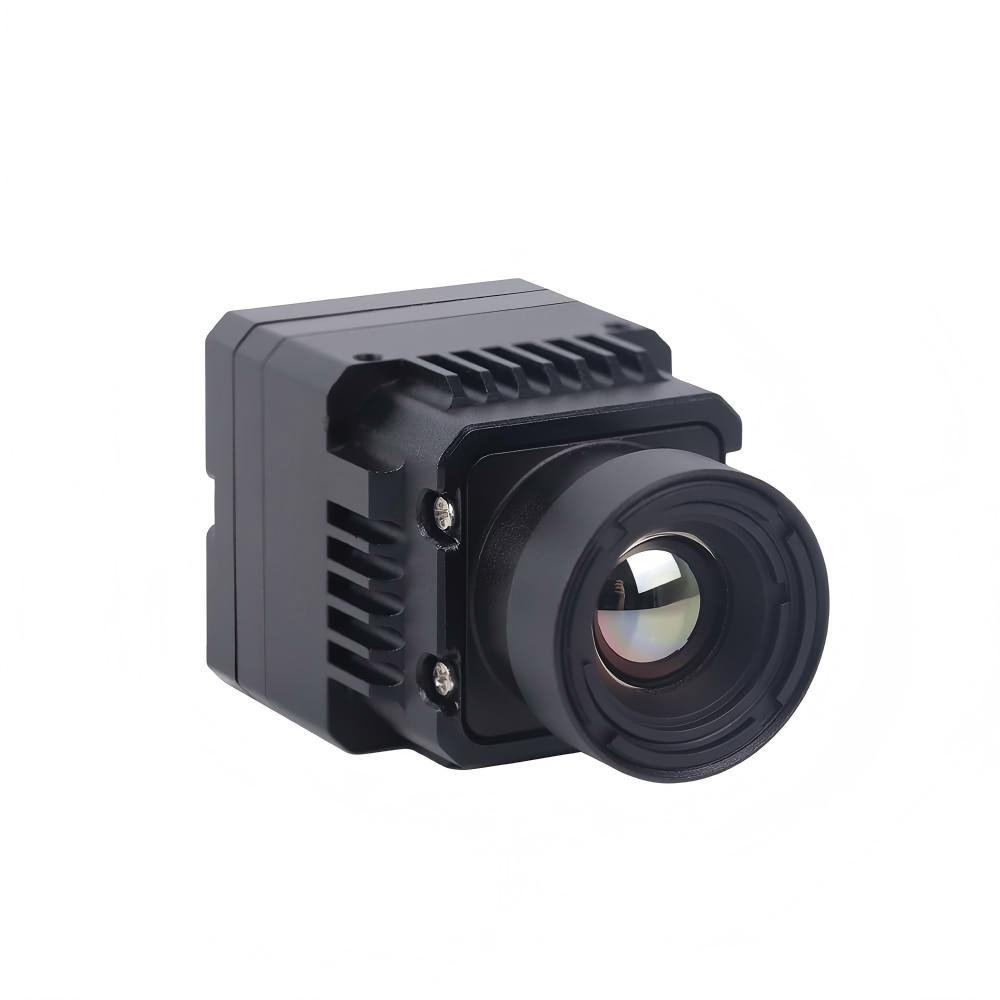
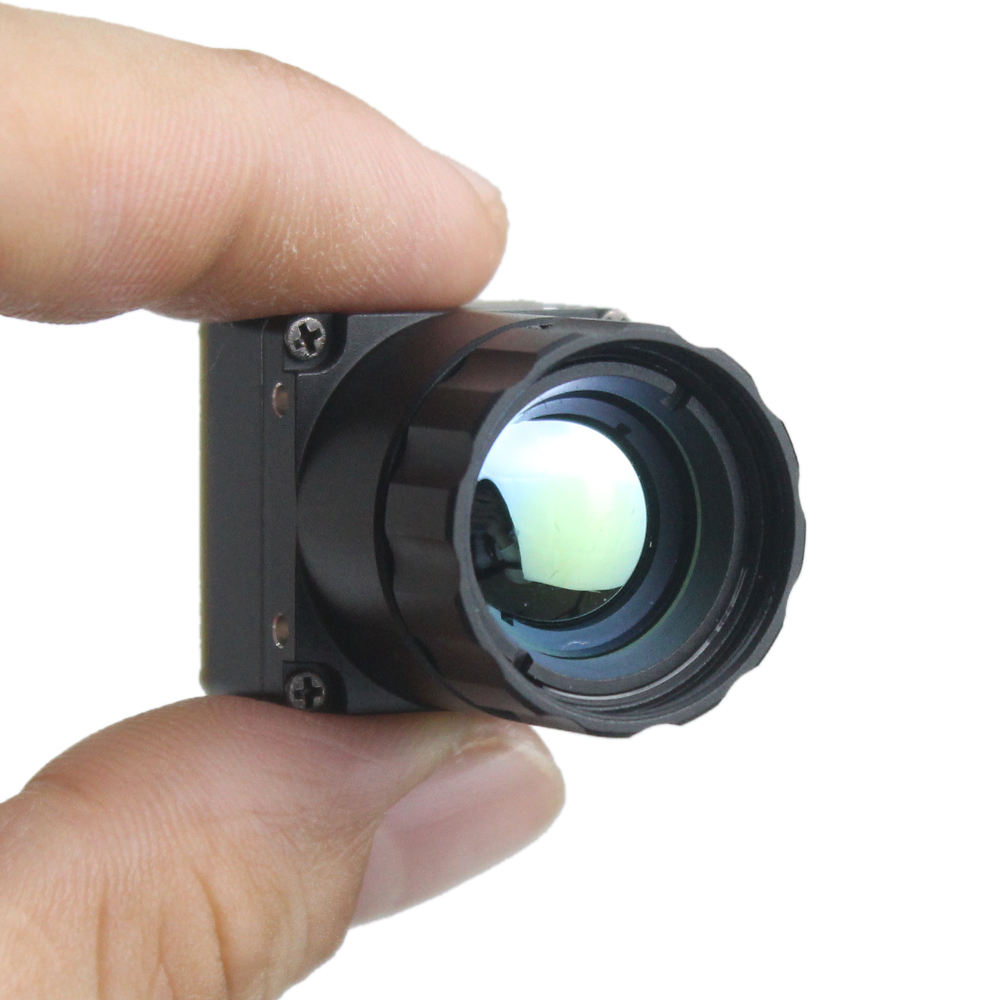
عندما تفرض قيود الحجم والوزن والطاقة (SWaP) ميزانية التصميم لديك، تقدم هذه النواة المصغرة ASIC بدقة 640×512 أداءً ممتازًا. تستهلك أقل من 1.8 واط من الطاقة، وتدمج محرك ضغط H.264/H.265 مدمجًا مع بث RTSP أصلي عبر RJ45 وفيديو CVBS تناظري متزامن بدون زمن انتقال، مما يجعلها مطابقة مباشرة لمحاور تثبيت الطائرات بدون طيار التكتيكية، وعمليات التفتيش الروبوتية، ومصفوفات الحافة لإنترنت الأشياء.
- ⚙️ دقة المصفوفة: تنسيق VGA قياسي 640 × 512
- ⚙️ درجة البكسل والنواة: ميكروبولومتر VOx عالي الحساسية 12 ميكرومتر
- ⚙️ الحساسية الحرارية (NETD): أقل من 40 مللي كلفن عند f/1.0
- ⚙️ بروتوكولات الفيديو: إيثرنت RJ45 مباشر (RTSP / ONVIF Profile S) + تناظري CVBS متزامن
- ⚙️ تحسين SWaP: استهلاك طاقة منخفض للغاية (أقل من 1.8 واط نموذجيًا) في هيكل مدمج متين
- ⚙️ البيئات المستهدفة: حاضنات الطائرات بدون طيار، الوعي الظرفي للمركبات ذاتية الحركة، مراقبة SCADA الصناعية المدمجة
سلامة الإشارة والكابلات والإدارة الحرارية
دفع تدفق إشعاعي خام بدقة 1280×1024 و16 بت بمعدل 60 هرتز ينتج إنتاجية بيانات غير مضغوطة تتجاوز 1.2 جيجابت في الثانية. إذا مررت ذلك عبر كابلات شريطية رخيصة أو نفذت المسارات بشكل سيئ على لوحة PCB حاملة، فستواجه مشاكل خطيرة في سلامة الإشارة، وفقدان حزم الإطارات، وإشعاع EMI يضعف روابط GPS وRF الموجودة على متن المنظومة.
في الأنظمة الديناميكية مثل حاضنات الطائرات بدون طيار ثلاثية المحاور بدون فرش وأبراج التحريك والإمالة والتقريب (PTZ)، تسبب الكابلات المرنة المسطحة القياسية (FFCs) مشاكل. يؤدي الانثناء المتكرر إلى تشقق المسارات، وانقطاعات المعاوقة، ومسارات عودة رديئة.
الحل الموثوق المستخدم في أجهزة الطيران والفضاء الإنتاجية هو تسخير الكابلات المحورية الدقيقة. تتميز تجميعات الكابلات المحورية الدقيقة بخطوط دقيقة فردية محمية بالكامل بمقاومة 50 أوم أحادية الطرف (أو 100 أوم تفاضلية) منتهية بموصلات لوحة إلى لوحة دقيقة الخطوة 0.4 مم أو 0.3 مم. لتجنب انعكاسات الإرسال وفقدان الحزم عبر حلقات الانزلاق الدوارة، اعمل مع مصنعي كابلات متخصصين مثل رجل الكابل المحوري الصغير لضمان معاوقة مضبوطة وحماية EMI قوية عبر مئات الآلاف من دورات الدوران.
الإدارة الحرارية داخل حاوية الكاميرا لا تقل أهمية. بينما لا تستخدم الميكروبولومترات غير المبردة مبردات تبريد، فإن FPGA الموجود على متنها، وASIC الخاص بمعالج الإشارات، ومحولات الطاقة DC-DC تولد ما بين 1.5 واط و5 واط من الحرارة.
إذا انتشرت هذه الحرارة بشكل غير متساوٍ عبر كتيفة تثبيت المستشعر، فإنها تخلق تدرجات حرارية عبر الجزء الخلفي من قالب الميكروبولومتر. تفسر الكاميرا درجة حرارة الهيكل غير المتساوية هذه كمصدر حرارة خارجي، مما يسبب أخطاء قياس إشعاعي هائلة وهالات ضوضاء ذات نمط ثابت.
لمنع الانجراف الحراري في تصميمك الميكانيكي:
- ⚙️ عزل نواة المستشعر: استخدم فواصل ميكانيكية منخفضة التوصيل الحراري (مثل عوازل PEEK أو Delrin) بين لوحة PCB الرئيسية للمعالجة وحامل FPA البصري الأمامي.
- ⚙️ مسارات توصيل حراري مباشرة: اربط الدوائر المتكاملة الساخنة وFPGA ومنظمات الطاقة مباشرة بالحاوية الخلفية المصنوعة من الألومنيوم باستخدام وسادات فجوة حرارية عالية الأداء (بحد أدنى 6.0 واط/م·ك) لسحب الحرارة بعيدًا عن المسار البصري.
- ⚙️ ترشيح طاقة نظيف: دوائر قراءة الميكروبولومتر (ROICs) حساسة لتموج مصدر الطاقة. تجنب تشغيل النواة مباشرة من محولات باك التبديلية الخام. استخدم منظمًا خطيًا منخفض التسرب (LDO) بضوضاء منخفضة للغاية (PSRR > 70 ديسيبل عند 100 كيلوهرتز) لتزويد مسارات المستشعر التناظرية النظيفة بالطاقة، مما يحافظ على انخفاض مستويات الضوضاء الحرارية.
النشر المؤسسي: الشبكات الذكية وأنظمة الطائرات بدون طيار الدفاعية وأتمتة العمليات
دعونا نفحص كيفية عمل هذه الوحدات غير المبردة عالية الدقة عبر بيئات الإنتاج الصناعية:
المراقبة المستمرة للمحطات الفرعية وشبكات الجهد العالي: مكونات البنية التحتية عالية الجهد — بما في ذلك محولات الرفع، وعوازل مفاتيح SF6، وقواطع الفصل، وقضبان التوزيع — تتعرض لتسخين جول موضعي قبل حدوث العطل الفيزيائي. توفر التركيبات الثابتة التي تستخدم وحدات حرارية بدقة 1280×1024 مراقبة إشعاعية ذاتية على مدار الساعة عبر ساحات المحطات الفرعية بالكامل. تتعقب خوارزميات الذكاء الاصطناعي المدمجة على الحافة اتجاهات فرق درجات الحرارة عبر العروات الطرفية الميكانيكية بمرور الوقت، مما يرصد زيادات المقاومة بالميكرو أوم ويطلق تنبيهات صيانة آلية قبل أسابيع من حدوث ومضات عازلة كارثية.
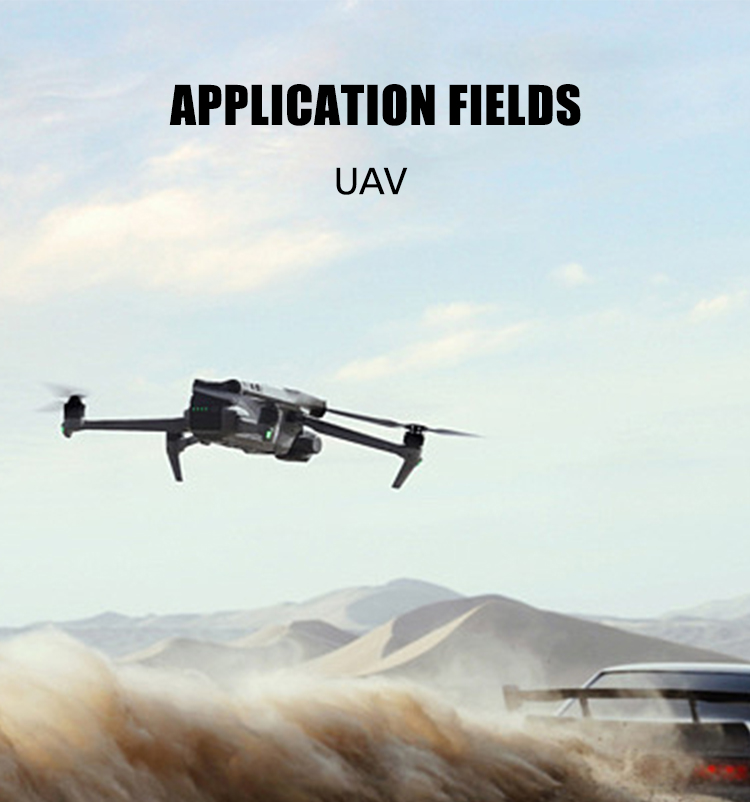
الطائرات التكتيكية ذاتية التحكم والبحث والإنقاذ: تمنح حمولات الطائرات بدون طيار التي تشغل أنوية ASIC مدمجة بدقة 640×512 فرق الاستجابة للطوارئ رؤية فورية عبر مظلات الغابات الكثيفة وضباب البحر والدخان الهيكلي. من خلال توجيه بيانات القياس الإشعاعي الخام ذات 16 بت إلى شبكة عصبية على متن الطائرة، يمكن لحاسوب طيران الطائرة بدون طيار تنفيذ تتبع ذاتي لبصمة حرارة جسم الإنسان وشبكات بحث عن الأشخاص المفقودين في ظلام إلكتروني وبصري كامل.
التصنيع الإضافي بالليزر ولحام الدرزات الآلي: في صهر المسحوق بالليزر (L-PBF) وخطوط اللحام بالليزر الآلية، يحدد استقرار التدرج الحراري عبر بركة الصهر البنية الحبيبية المجهرية وقوة الخضوع الميكانيكية للقطعة النهائية. تراقب وحدات LWIR غير المبردة معدلات التبريد مباشرة عبر خط اللحام بمعدلات إطارات عالية. إذا التقط نموذج الاستدلال على الحافة تبريدًا ناقصًا لحظيًا أو فراغات أو تشققات دقيقة، فإنه يغذي تصحيحات فورية مغلقة الحلقة إلى وحدة التحكم في طاقة الليزر في أقل من 10 مللي ثانية.
الأسئلة الشائعة الهندسية المتعمقة
ما الفرق الدقيق بين ضوء الأشعة تحت الحمراء القياسي والتصوير الحراري (LWIR)؟
الأشعة تحت الحمراء طويلة الموجة (LWIR، التي تمتد من 8.0 إلى 14.0 ميكرومتر) تعمل على الانبعاث الحراري السلبي، وفقًا لقانون بلانك وقانون ستيفان-بولتزمان. كل مادة فوق الصفر المطلق تشع طاقة كهرومغناطيسية بشكل طبيعي في هذا النطاق. تقيس كاميرا الميكروبولومتر LWIR هذه الفوتونات المنبعثة مباشرة دون الحاجة إلى أي كشافات إضاءة نشطة. إنها ترى في الظلام الدامس، وتخترق الدخان والغبار المحمول جوًا والضباب، وتوفر مصفوفة درجات حرارة معايرة عبر كل بكسل في الإطار.
لماذا ترتبط الأشعة تحت الحمراء بالحرارة بدلاً من الأشعة فوق البنفسجية عالية الطاقة أو الأشعة السينية؟
الأطوال الموجية الأعلى طاقة مثل الأشعة فوق البنفسجية (UV) أو الأشعة السينية (X-rays) تقابل انتقالات إلكترونية عالية الطاقة وعمليات نووية تتطلب درجات حرارة تتراوح من عشرات الآلاف إلى ملايين الكلفن لإنتاجها عبر آليات حرارية. ولأن الأهداف الصناعية اليومية تعمل عند درجات حرارة محيطة، فإن تبديدها الحراري الطبيعي يتركز في منطقة الأشعة تحت الحمراء.
كيف يدمج المهندسون وحدات كاميرا الأشعة تحت الحمراء عالية الدقة في منصات الطائرات بدون طيار أو إنترنت الأشياء؟
⚙️ قضبان طاقة نظيفة: قم بتغذية النواة بمنظمات LDO منخفضة الضوضاء للغاية لمنع ضوضاء التبديل على ناقل التيار المستمر من الاقتران بدائرة قراءة الميكروبولومتر ROIC.
⚙️ العزل الميكانيكي والحراري: قم بتركيب الوحدة باستخدام فواصل تخميد الاهتزازات مع توجيه حرارة ASIC الداخلية مباشرة إلى الهيكل الخارجي باستخدام وسادات حرارية عالية التوصيل.
⚙️ خط أنابيب الناقل والنقل: استخدم MIPI-CSI-2 أو USB 3.0 UVC لضخ إطارات إشعاعية خام بدقة 14 بت أو 16 بت مباشرة إلى مخازن ذاكرة DMA المؤقتة على معالجات مثل NVIDIA Jetson Orin.
⚙️ خط أنابيب نموذج الذكاء الاصطناعي: استقبل إطارات حرارة خطية غير مضغوطة بدقة 16 بت عبر برامج تشغيل V4L2، مع تغذية قياسات كلفن الخام مباشرة إلى شبكات عصبية محسّنة بـ TensorRT للكشف والتتبع واتخاذ القرار الذاتي بزمن انتقال منخفض.
📚 المراجع والقراءات الإضافية
- المعيار الصناعي: تصميم الربط عالي التردد وبروتوكولات الحماية عبر رجل الكابل المحوري الصغير
- المعيار الصناعي: لوحات تفريغ العتاد المدمج ومنصات النمذجة الأولية للروبوتات عبر DFRobot
- دليل ذو صلة: التحليل الهندسي لوحدة عدسة التصوير الحراري البصري 25 مم
- دليل ذو صلة: وحدات كاميرا حرارية لمحاور تثبيت الطائرات بدون طيار وتكامل الطيران الذاتي
- دليل ذو صلة: وحدات حرارية UVC لأنظمة Linux وRaspberry Pi والمعماريات المدمجة أحادية اللوحة