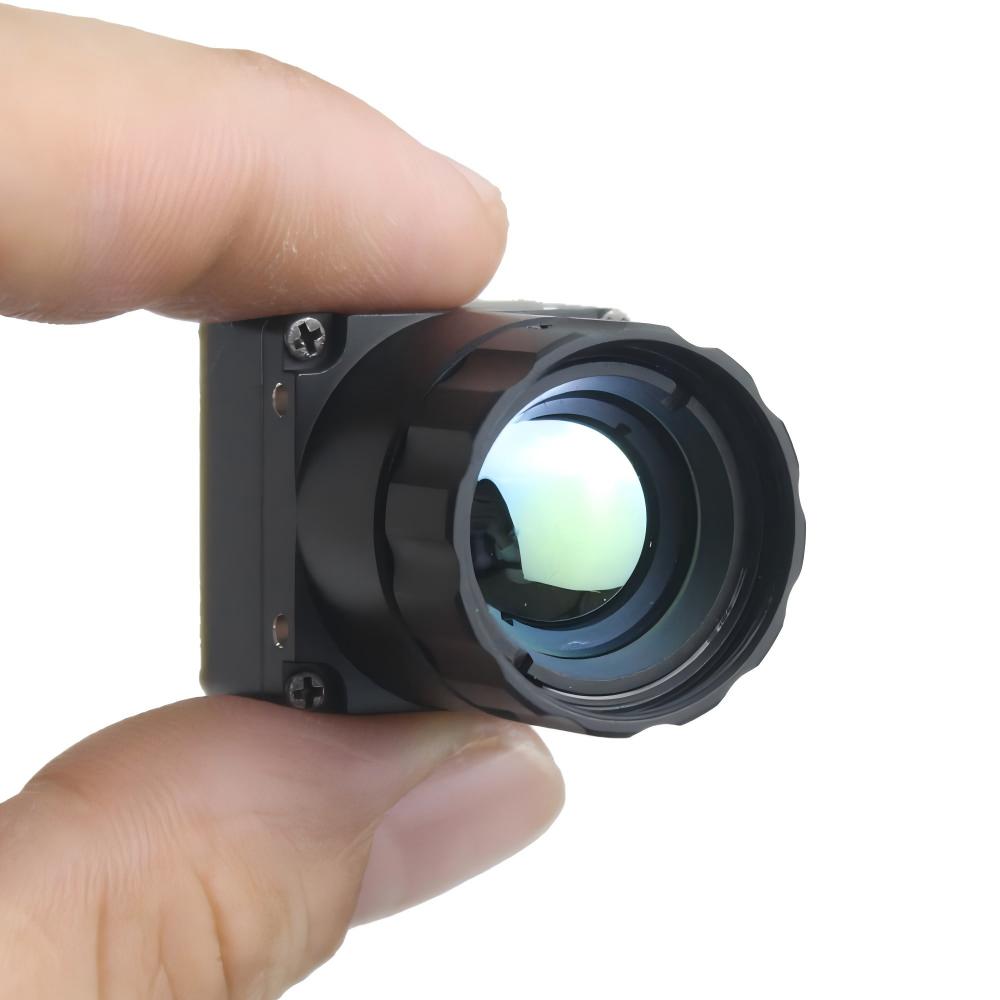
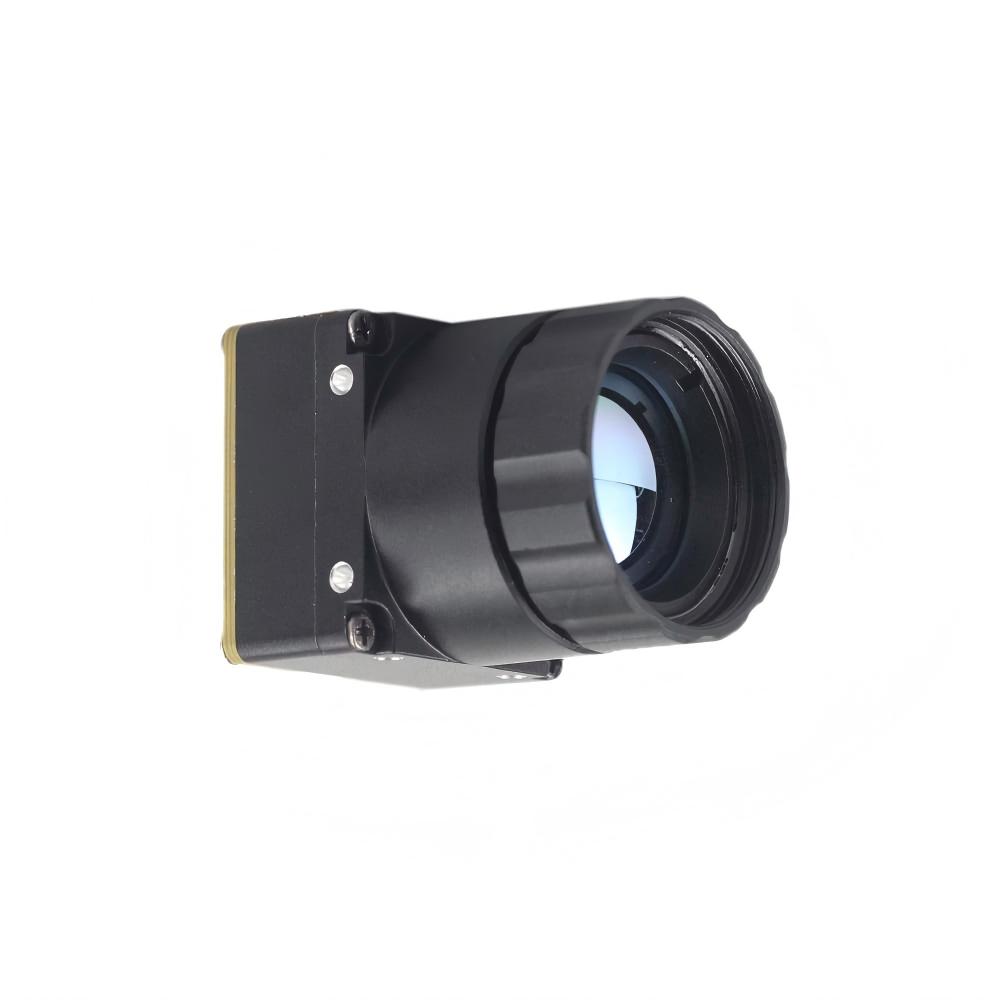
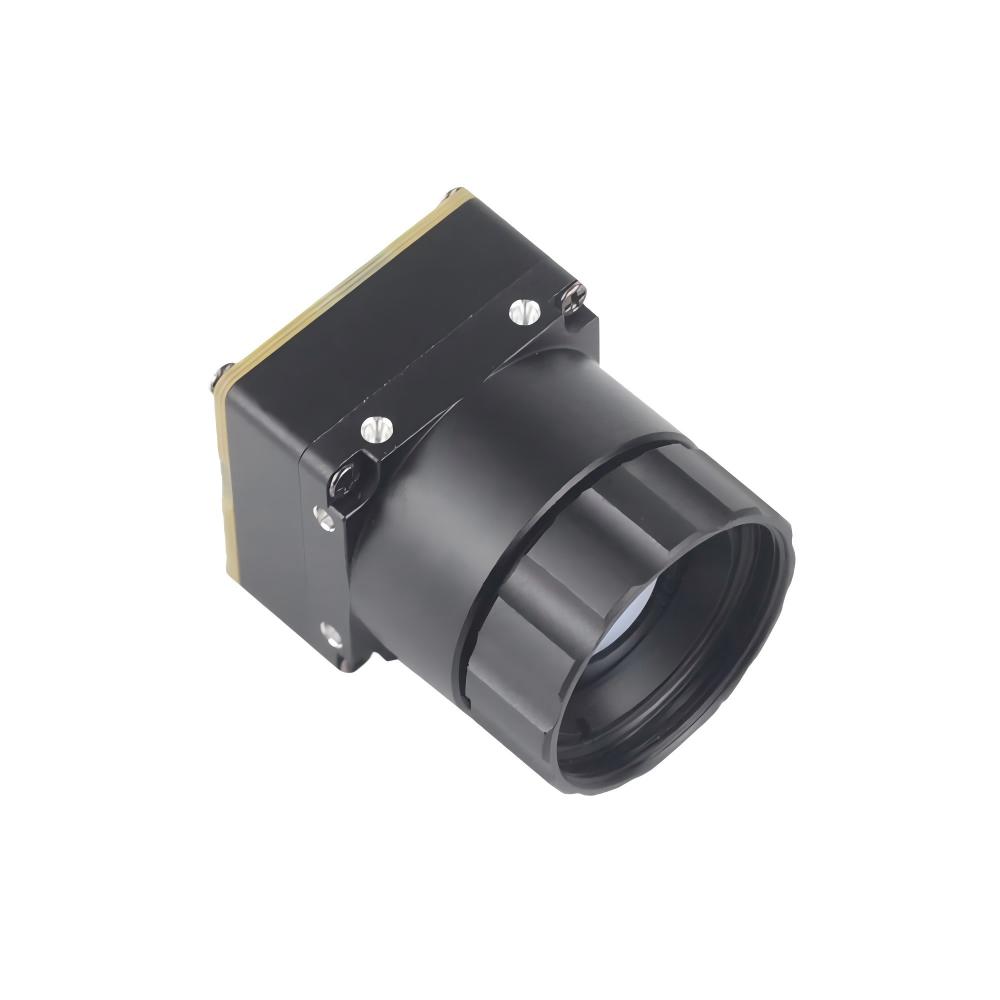
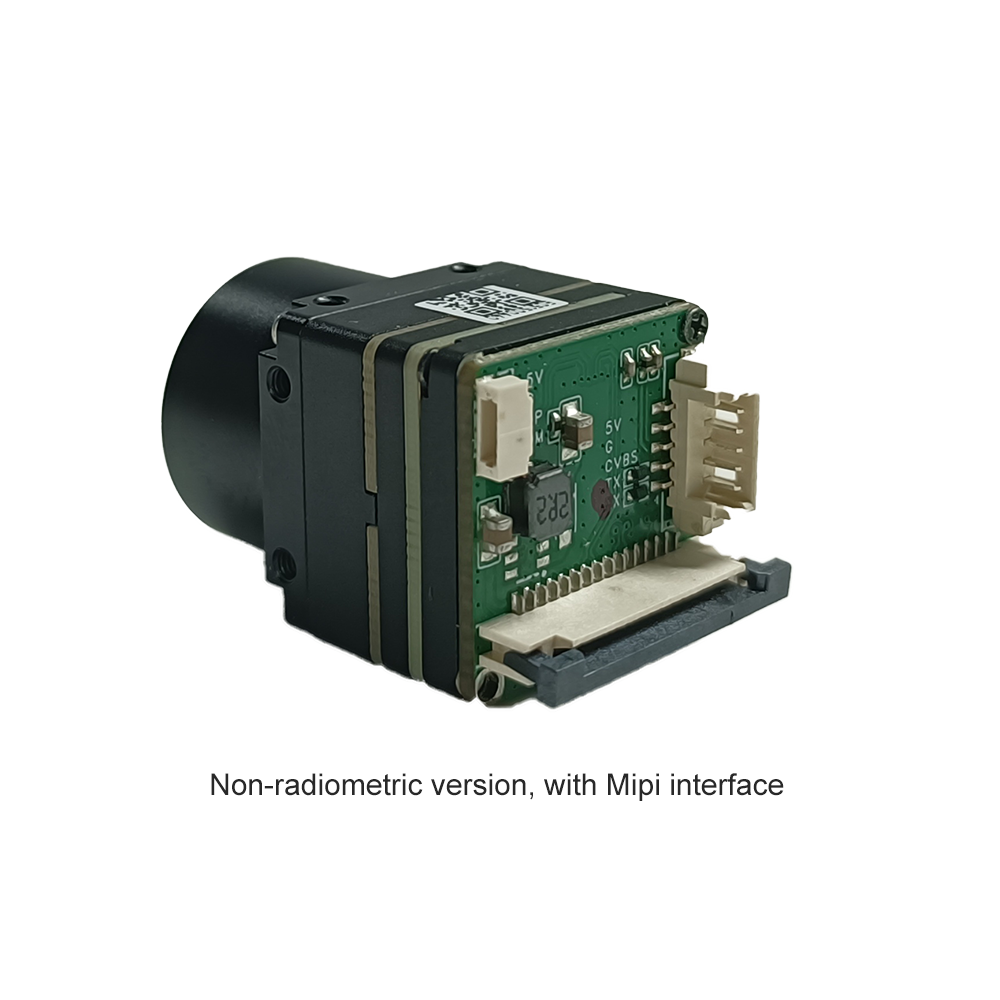
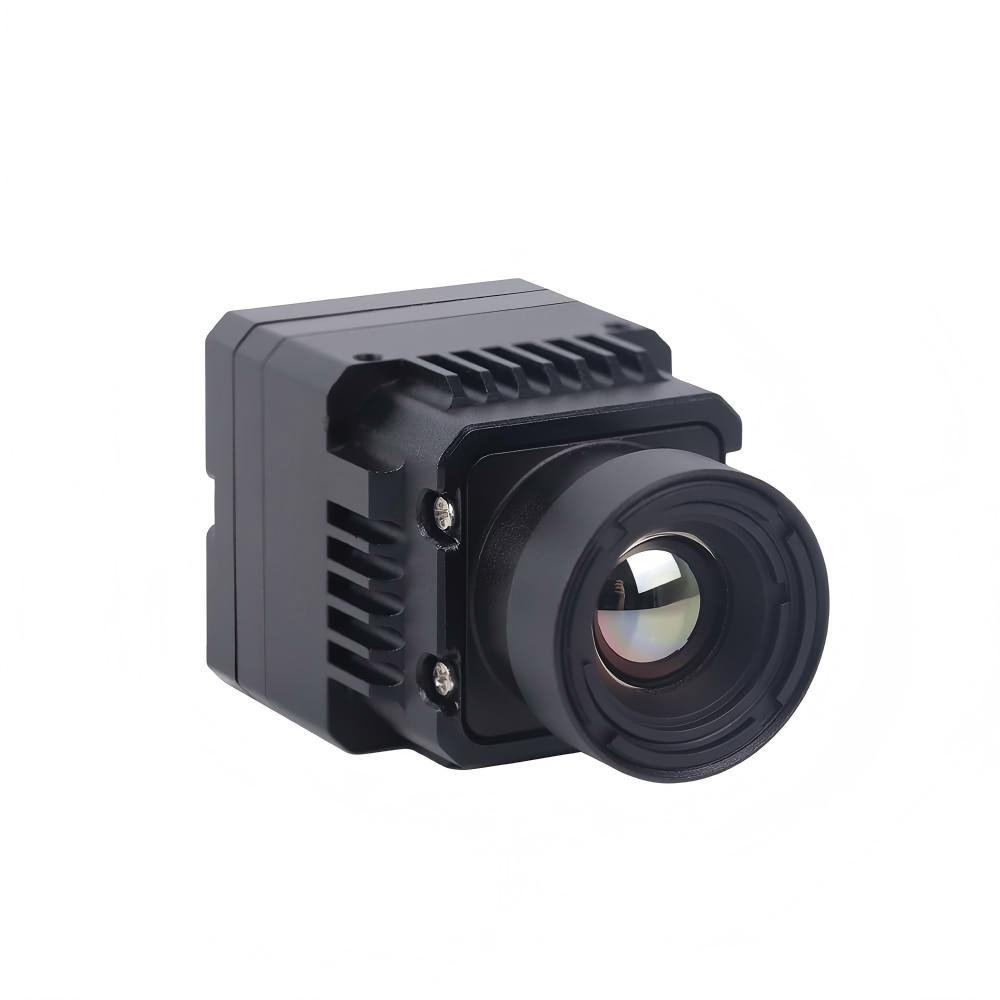
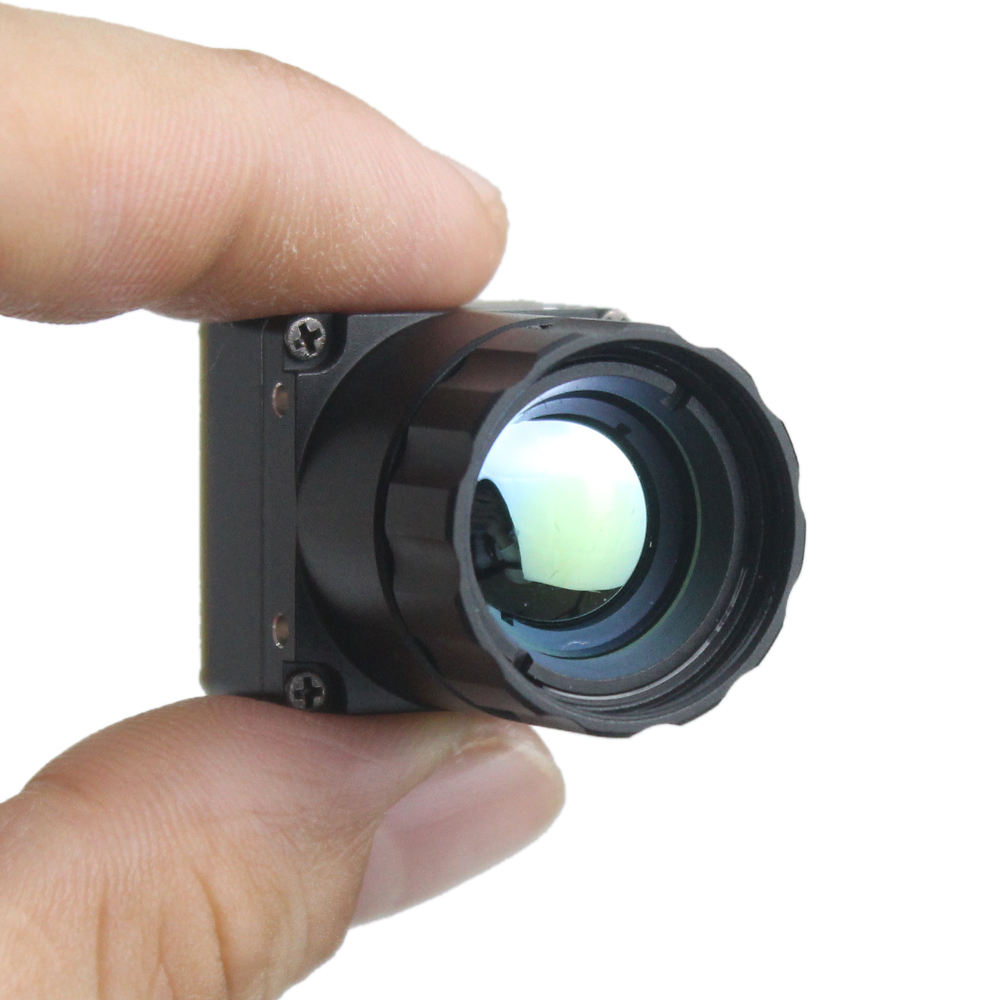
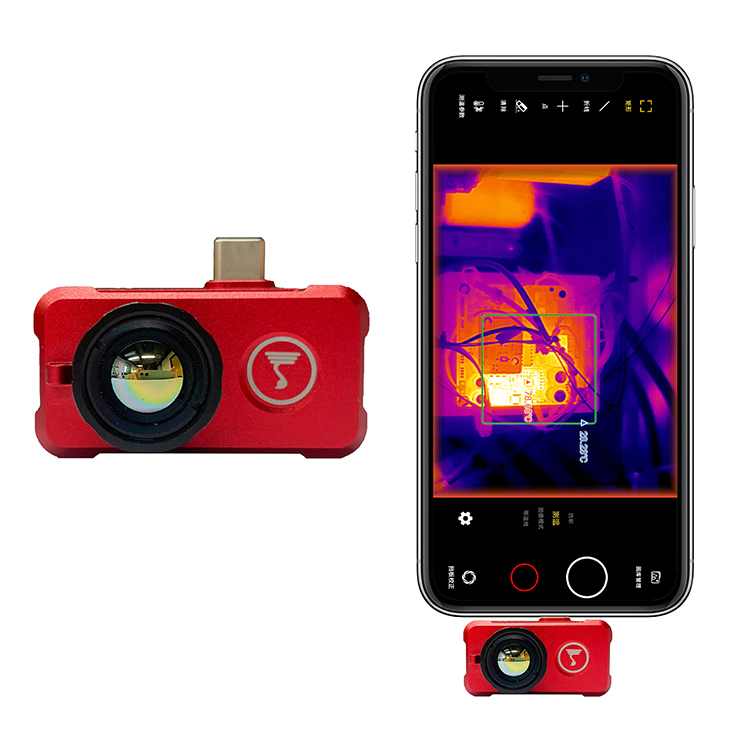
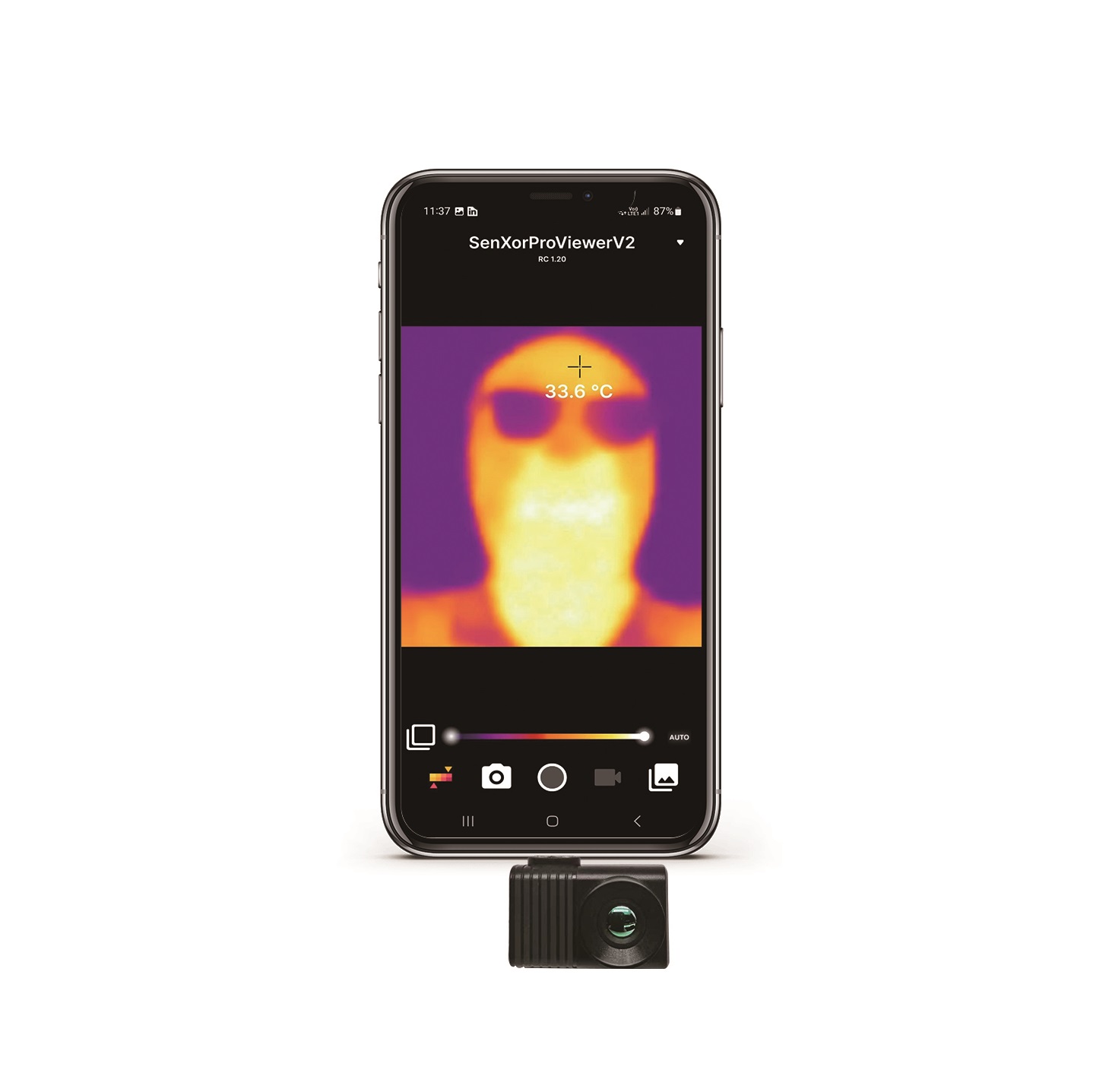
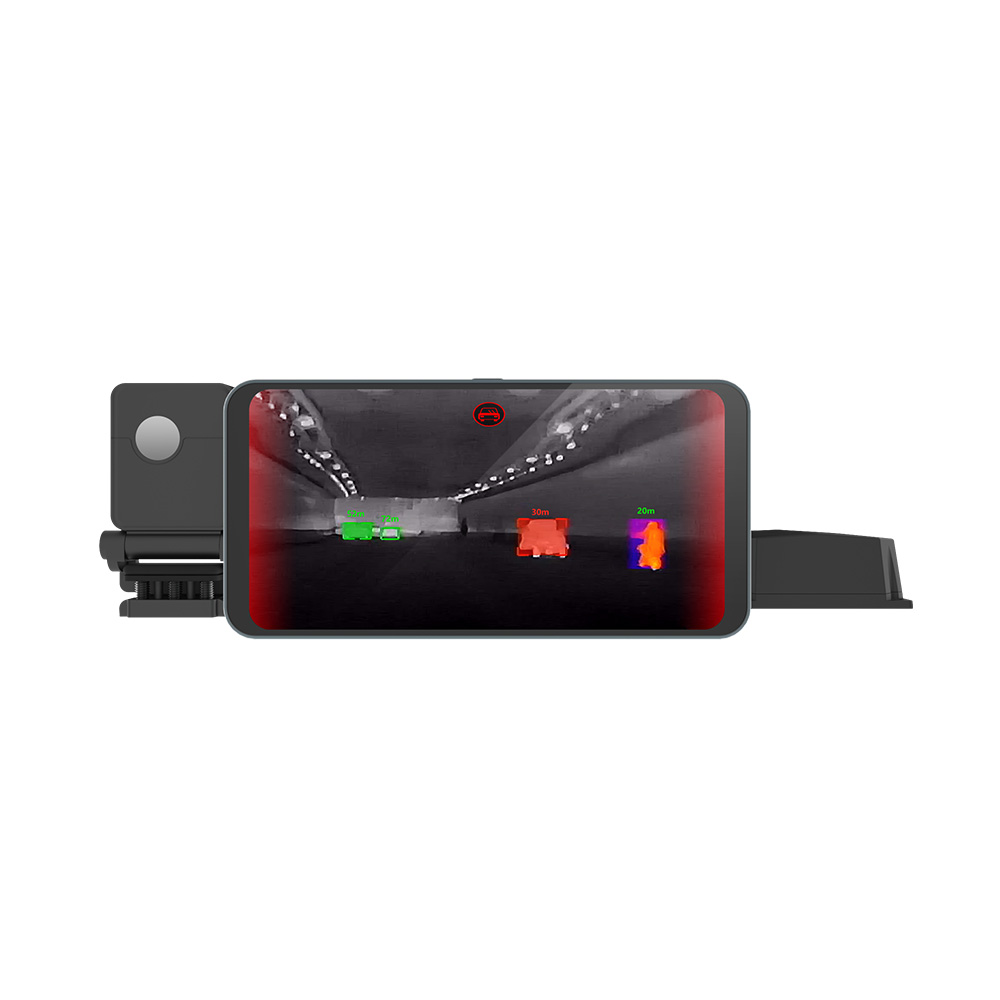

The core of the LTC multi-functional thermal imaging camera module: integration of security, unmanned aerial vehicles, vehicle-mounted and optical equipment
2026年2月10日
Slash Costs: 5 Thermal module efficiency secrets
2026年2月13日
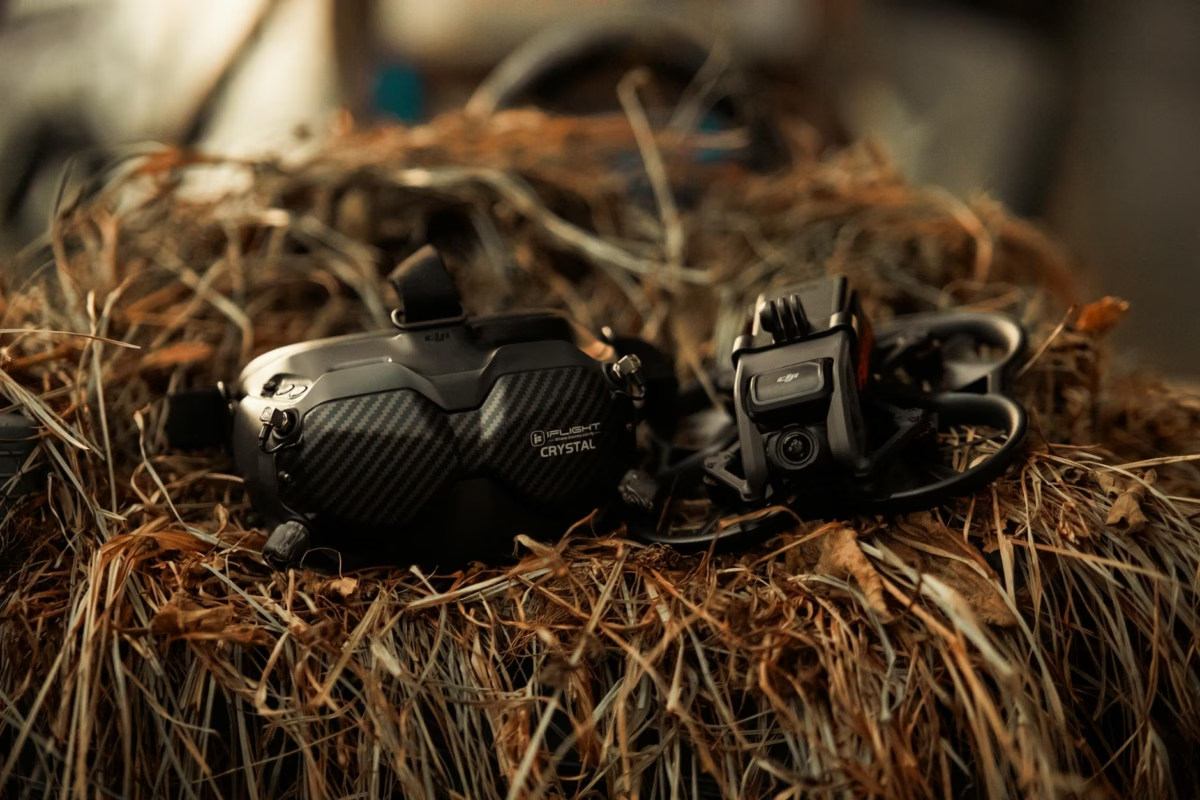
7 hidden truths about MIPI thermal module integration for drones
Mastering the complexity of MIPI thermal camera module for drones integration isn't just a technical flex—it’s the difference between a successful mission and an expensive pile of carbon fiber rubble. In today’s UAV world, you can't just slap a sensor on a frame and hope for the best. You need to get your hands dirty with data flow and hardware syncing. Here are 7 "hidden truths" I’ve picked up from years in the trenches to help you optimize your drone's thermal game right now.
Introduction
The hunger for lightweight, high-spec UAVs has turned MIPI thermal camera module for drones integration into a must-have skill for aerospace pros and serious DIYers. While MIPI (Mobile Industry Processor Interface) gives you a high-bandwidth fast lane for data, the real-world "gotchas" of thermal imaging go deep.
During my time at Guangzhou Purpleriver Electronic Technology, I’ve watched brilliant engineers pull their hair out over pixel noise because they treated a thermal sensor like a standard cheap webcam. Getting the calibration, protocol alignment, and noise reduction right is what separates a blurry "maybe that's a person" thermal feed from tactical-grade aerial intel. Let’s talk about the technical grit you actually need.
1. The brutal reality of thermal sensor latency
When we’re talking MIPI thermal camera module for drones integration, milliseconds are your best friend or your worst enemy. If you’re flying a tactical mission, a tiny lag can be catastrophic. I’ve seen drones clip power lines during autonomous flights simply because the thermal feed was a heartbeat behind reality.
If your thermal sensor latency is off, you’ll get that nasty "jello effect." Think about it: at 10m/s, a 100ms delay means the image you’re seeing is already 1 meter behind where the drone actually is. That’s a massive margin for error when you're navigating tight spaces.
To kill the lag, you’ve got to streamline the "Glass-to-Glass" pipeline. This means tightening up the MIPI CSI-2 drivers and shrinking buffer sizes in the ISP. Most importantly, you have to ensure your thermal sensor latency is perfectly clocked with the drone’s IMU data.
2. Managing the high-speed MIPI interface
Old-school systems used DVP, but for a serious 640x512 sensor, a high-speed MIPI interface is non-negotiable. MIPI uses low-voltage differential signaling, which is basically a shield against the electrical "screaming" coming from your drone's powerful motors.
In my experience, moving to MIPI cuts down Electromagnetic Interference (EMI) like magic. This is massive when your thermal camera is sitting just an inch away from noisy ESCs. But here’s the catch: routing those MIPI flex cables is a literal art form.
You can't just fold them however you want. You need to maintain impedance and avoid sharp kinks. If you mess up the shielding, the high-frequency clock from your MIPI thermal camera module for drones integration might blow out your GPS lock. It's a classic rookie mistake that ruins perfectly good builds.
| Feature | DVP Interface (Legacy) | High-speed MIPI Interface |
|---|---|---|
| Bandwidth | Low/Medium | Very High (CSI-2) |
| EMI Resistance | Weak | Excellent (Differential Pair) |
| Power Consumption | High | Very Low |
| Cable Length | Short Only | Flexible with proper shielding |
3. Why 12μm pixel pitch is the new gold standard
The industry is ditching 17μm for 12μm pixel pitch, and it’s a total game-changer for drone payloads. Smaller pixels mean smaller, lighter lenses. That trims your Maximum Take-Off Weight (MTOW), which gives you more minutes in the air. Every gram counts when you're 500 feet up.
But don't get it twisted—smaller pixels demand better glass. Our modules use high-grade optics to make sure sensitivity stays sharp even with a smaller footprint. Our go-to for professional builds is often the Uncooled Infrared Mipi 640 384 256 9mm Thermal Imaging Camera Module For Drones because it hits that sweet spot between weight and raw resolution.

And then there's the Vanadium Oxide detector (VOx). Why do we swear by it? Because VOx is rock-solid when it comes to temperature changes. When your drone climbs and the air gets cold fast, a Vanadium Oxide detector keeps the image from washing out, unlike cheaper polysilicon alternatives that need constant recalibration.
4. The secret sauce of dual-stream heat maps
Here is a hidden truth: most people don't know the difference between a "pretty picture" and "actionable data" in MIPI thermal camera module for drones integration. A basic video stream is just colors on a screen. A dual-stream heat map, however, is a whole different beast.
What you really want is a visual stream for the pilot to avoid trees, and a Radiometric Metadata layer for the onboard AI. By feeding per-pixel temperature data directly into an Edge AI (like a Jetson Nano), the drone can spot a "hot spot" (like a person in the woods or an overheating transformer) automatically. This is how we make thermal imaging actually intelligent.
5. Keeping your cool in closed gimbals
Drone gimbals are usually sealed tight to keep out dust, but that creates a thermal trap. Even an uncooled MIPI thermal camera module for drones integration puts off heat. If that heat has nowhere to go, your image quality (NETD performance) is going to tank fast.
Bottom line: thermal throttling isn't just for laptops. An uncooled sensor that's running too hot will start showing ghosting and noise. I always tell people to use thermal pads to link the module’s frame to the aluminum gimbal housing. Basically, turn the whole gimbal into a heat sink. It keeps things crisp for those long 40-minute endurance missions.
6. Navigating protocol translation: MIPI, RJ45, and CVBS
MIPI is king for internal processing, but it sucks for long-distance runs. If your ground station needs a direct feed, you’ve got to handle the conversion smartly. If you want to dive deeper into how these cores play with others, check out this Thermal Camera Core: The Ultimate Best Guide to Custom Integration in 2026.
If your drone setup is built on an Ethernet radio link, don't bother with the MIPI-to-Ethernet conversion headache yourself. Instead, use a module that’s already built for it, like the Uncooled Infrared RJ45 CVBS RTSP IP 640*512 Thermal Sensor Camera Module. It handles RTSP streaming natively, which saves you a lot of software grief.
7. Hardening your hardware for the real world
If you're flying offshore, salt spray is a killer. When doing a MIPI thermal camera module for drones integration, make sure your module has a proper conformal coating. At Purpleriver, we push for IP67-grade protocols because the salt will eat a Vanadium Oxide detector’s electronics for breakfast if they’re exposed.
Also, don't overlook vibration. Even a 60Hz frame rate—which is great for smooth video—can’t save you from motor "micro-blur." You need high-quality damping to keep the image stable. You can find more on the specialized gear for this over at HD Thermal Cameras for Drones & Robotics | UAV Thermal Imaging Equipment.
To better understand MIPI thermal camera module for drones integration, this video tutorial is highly recommended:
https://www.youtube.com/watch?v=dQt5U171AUA
Frequently asked questions (FAQ)
How does 12μm pixel spacing improve drone thermal imaging?
It’s all about the footprint. A 12μm pixel pitch lets us use smaller lenses, which drops the weight significantly. For you, that means longer flight times and a more agile drone without losing the ability to spot targets from a distance.
Can the MIPI thermal module operate in high-humidity offshore environments?
Totally, but the MIPI thermal camera module for drones integration has to be sealed. The module itself provides the data, but your housing needs O-rings and IP-rated glass to stop fogging and corrosion in that salty air.
What is the impact of 60Hz frame rate on aerial navigation?
Look, 60Hz is the gold standard. It gives you 60 updates a second, which kills motion blur. If you're doing low-altitude high-speed flight or trying to track a moving vehicle, any slower and you're basically flying blind.
Bottom line: Getting MIPI thermal camera module for drones integration right is a balancing act of weight, power, and high-speed data. By focusing on 12μm pixel pitch tech and minimizing thermal sensor latency, you’re well on your way to professional-grade aerial thermography.
At Guangzhou Purpleriver Electronic Technology, we’ve been refining this since 2015. We're all about "Making Thermal Imaging More Intelligent" with custom AI and solid manufacturing. If you need a custom lens or a specific MIPI core, our team is ready to jump in.
Ready to level up your drone's vision? Reach out to our engineering squad today for custom MIPI thermal core setups and bulk deals. Choosing a Vanadium Oxide detector system from Purpleriver means choosing a tool that actually works when the pressure is on.
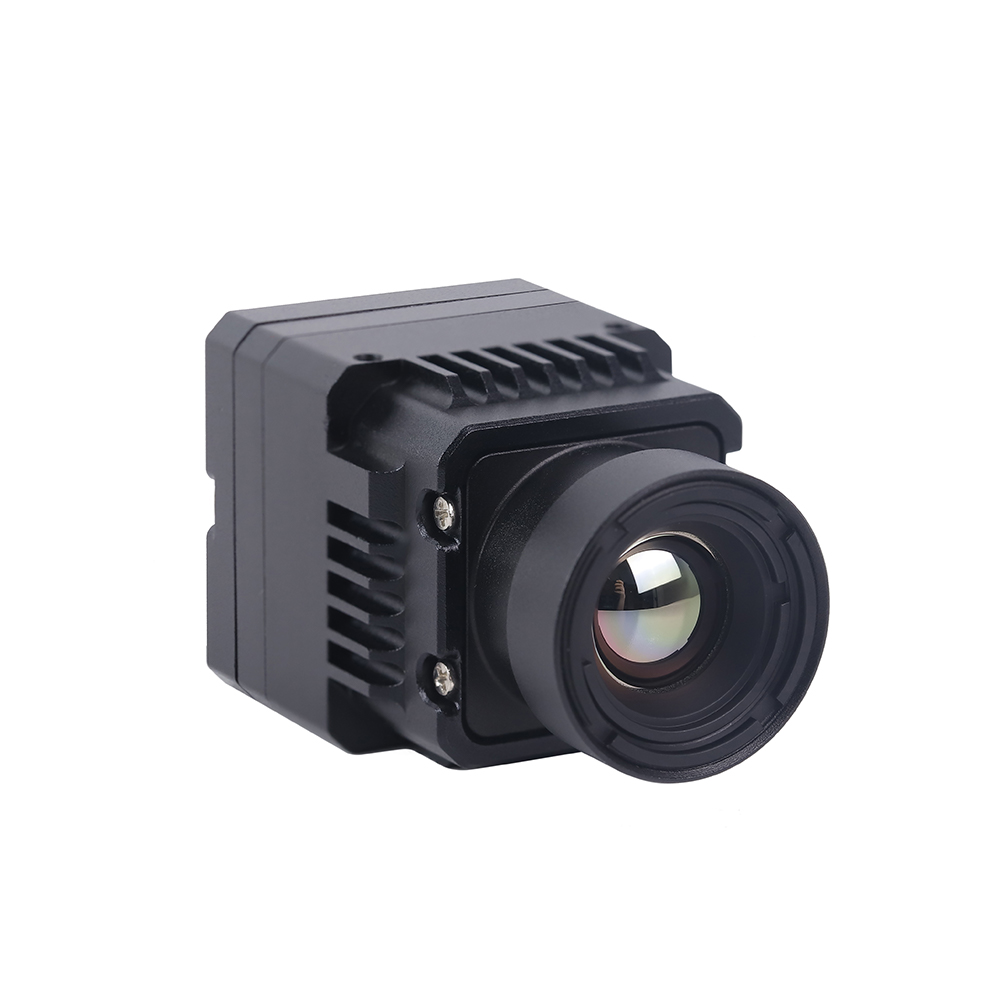
Image by: UMUT 🆁🅰🆆
https://www.pexels.com/@umudicreative