
Niechłodzony moduł kamery termowizyjnej MIPI 640 384 256 9 mm na podczerwień do dronów: Kompletny przewodnik dostosowywania
27 lipca 2026
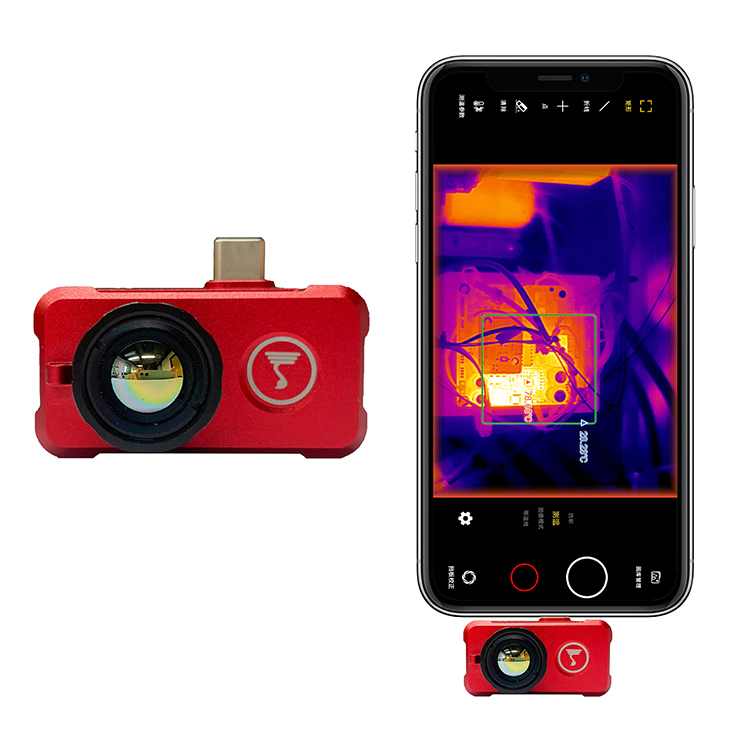
Przenośny miniaturowy moduł kamery termowizyjnej na podczerwień Yourunxing YWX256 do telefonów komórkowych USB o rozdzielczości 256x192 i częstotliwości 25 Hz: Kompletny przewodnik OEM
28 lipca 2026
Przewodnik po kompaktowym module kamery noktowizyjnej True IR z wbudowanym oświetlaczem IR
Nowoczesny sprzęt przemysłowy, ładunki obronne i autonomiczne systemy sensoryczne wymagają wysokowydajnych systemów wizji elektrooptycznej. Spójrz, gdy budujesz sprzęt, który musi działać w całkowitej ciemności, gęstym dymie, ciężkiej mgle lub trudnym terenie, standardowe czujniki optyczne po prostu nie wystarczą. Połączenie kompaktowego modułu kamery noktowizyjnej z prawdziwą podczerwienią termiczną i wbudowanym oświetlaczem IR to przełom w obrazowaniu dwuspektralnym. Łącząc pasywne mikrobolometry długofalowej podczerwieni (LWIR) z aktywnym oświetleniem bliskiej podczerwieni (NIR) VCSEL/LED w niewielkiej obudowie, inżynierowie projektanci OEM nie muszą już wybierać między detekcją termiczną dalekiego zasięgu a ostrą optyczną identyfikacją celów.
Wdrożenie tych hybrydowych modułów kamer dwuspektralnych pozwala zespołom sprzętowym budować solidne bezzałogowe statki powietrzne (UAV), taktyczne roboty naziemne, systemy obrony obwodowej i zautomatyzowany sprzęt do inspekcji fabrycznych. Oto sedno: ten przewodnik przeprowadzi Cię przez praktyczne aspekty integracji miniaturowych rdzeni termicznych, oceny wydajności radiometrycznej, konfiguracji protokołów wbudowanych i maksymalnego wykorzystania aktywnego oświetlenia IR podczas budowy ładunków nowej generacji.
Niezależnie od tego, czy masz do czynienia z budżetami mocy na mikrodronach, czy z rozpraszaniem ciepła w szczelnych obudowach IP67, prawidłowe zaprojektowanie architektury sprzętowej od samego początku oszczędza miesiące przeprojektowywania płytek w przyszłości.
Zakasajmy rękawy i przeanalizujmy, jak ta optyka dwuspektralna działa w rzeczywistych warunkach laboratoryjnych i terenowych.
Spis treści
- 👉 Inżynieria dwuspektralna: pasywna podczerwień termiczna LWIR a aktywne oświetlenie NIR
- 👉 Architektura sprzętu elektrooptycznego i mechanika fuzji czujników
- 👉 Wbudowane protokoły integracyjne, SDK i architektury Edge AI
- 👉 Główne domeny zastosowań przemysłowych, UAV i obronnych
- 👉 Komercyjna macierz porównawcza produktów OEM i prezentacja produktów
- 👉 Szczegółowe techniczne FAQ i rozważania dotyczące projektowania systemu
Inżynieria dwuspektralna: pasywna podczerwień termiczna LWIR a aktywne oświetlenie NIR
Aby wybrać i wdrożyć odpowiedni kompaktowego modułu kamery noktowizyjnej z prawdziwą podczerwienią termiczną i wbudowanym oświetlaczem IR, musisz zrozumieć, jak aktywne obrazowanie w bliskiej podczerwieni (NIR) i pasywna termografia długofalowej podczerwieni (LWIR) zachowują się w terenie. Promieniowanie elektromagnetyczne obejmuje wiele pasm fal, a każde pasmo ma swoją własną fizykę, krzywe absorpcji i sztuczki fotonowe.
Pasywne wykrywanie długofalowej podczerwieni (LWIR)
Czujniki LWIR działają w spektrum od 8,0 μm do 14,0 μm. Matryce mikrobolometryczne – zwykle zbudowane z tlenku wanadu (VOx) lub amorficznego krzemu (a-Si) – mierzą promieniowanie cieplne pochodzące bezpośrednio od obiektów cieplejszych niż zero absolutne (-273,15 °C). Ponieważ LWIR nie zależy od otaczającego światła widzialnego i śledzi emitowaną energię cieplną zamiast odbitych fotonów:
- ✅ Niezawodność przy zerowym oświetleniu: Działa czysto w całkowitej ciemności, podziemnych szybach kopalnianych, nieoświetlonych korytarzach przemysłowych i odległych miejscach taktycznych bez potrzeby dodatkowych źródeł światła.
- ✅ Penetracja przesłon: Dłuższe fale LWIR przechodzą bezpośrednio przez małe cząstki unoszące się w powietrzu. Oznacza to, że obraz przebija się przez gęsty dym diesla, mgłę, chmury pyłu i osłonę zarośli, gdzie kamery wizyjne tracą widoczność.
- ✅ Wysoki kontrast celu: Sygnatury cieplne natychmiast się wyróżniają. Ludzie, silniki pojazdów, wyłączniki wysokiego napięcia i punkty tarcia natychmiast izolują się na tle zimnego otoczenia, co ułatwia automatyczną detekcję.
Zrozumienie, jak ciepło przenosi się w tych pasmach podczerwieni, jest kluczowe, jeśli projektujesz sprzęt do bezkontaktowego pomiaru temperatury. Jeśli potrzebujesz odświeżenia wiedzy na temat matematyki mikrobolometrów i radiometrii spektralnej, sprawdź Przewodnik po termografii na Wikipedii.
Aktywne oświetlenie bliskiej podczerwieni (NIR)
Aktywne widzenie nocne NIR opiera się na standardowych czujnikach CMOS lub CCD krzemowych, które rejestrują światło w zakresie od 750 nm do 950 nm, tuż powyżej tego, co widzi ludzkie oko (380 nm do 740 nm). Gdy zapada noc i światło otoczenia spada do zera, wbudowany aktywny oświetlacz IR (wykorzystujący diody LED NIR 850 nm lub 940 nm albo lasery VCSEL) zalewa obszar docelowy niewidzialnym światłem.
- ⚙️ Odbite drobne szczegóły: Czujnik optyczny wychwytuje odbite światło NIR, renderując monochromatyczne wideo o wysokiej rozdzielczości i dużej liczbie klatek na sekundę.
- ⚙️ Pozytywna identyfikacja (PID): Podczas gdy termowizja daje wyraźne plamy celów, nie dostarcza szczegółów farby powierzchniowej ani tekstu. Aktywne NIR uwidacznia rysy twarzy, numery seryjne sprzętu, tablice rejestracyjne i kody kreskowe strukturalne.
Zaleta hybrydowego ładunku dwuspektralnego
W praktyce, umieszczenie obu czujników w jednym małym module rozwiązuje odwieczny kompromis między detekcją dalekiego zasięgu a identyfikacją bliskiego zasięgu. W połączonym potoku wizyjnym pasywny kanał LWIR obsługuje dalekosiężną detekcję i naprowadzanie (znajdowanie sygnatury cieplnej przez drzewa lub mgłę), podczas gdy aktywny kanał NIR działa jako wyzwalacz weryfikacji (oświetlanie celu z bliska, aby potwierdzić, czym jest, odczytać numery seryjne lub prowadzić precyzyjne manewry robotyki).
Architektura sprzętu elektrooptycznego i mechanika fuzji czujników
Budowa przemysłowej, kompaktowej kamery termowizyjnej z wbudowanym oświetleniem IR wymaga prawdziwej inżynierii elektrooptycznej. Trzeba wyrównać podwójne osie optyczne, odizolować wrażliwe mikrobolometry od miejscowego ciepła płytki, zarządzać dostarczaniem mocy i korygować błędy paralaksy wewnątrz małej metalowej obudowy.
Matryce mikrobolometryczne i skalowanie pikseli
Sercem strony termowizyjnej jest niechłodzona matryca mikrobolometryczna. Nowoczesne rdzenie termiczne wykorzystują cienkowarstwowe rezystory z tlenku wanadu (VOx) osadzone na krzemowym układzie scalonym odczytu (ROIC). Rozmiary matryc pikseli wahają się od kompaktowych układów $256 \times 192$ do ostrych matryc o wysokiej rozdzielczości $640 \times 512$ lub $1024 \times 768$.
| Parametr | Generacja o rastrze piksela 17 μm | Generacja o rastrze piksela 12 μm (obecny standard) |
|---|---|---|
| Obszar czujnika (256x192) | ~4,35 mm × 3,26 mm | ~3,07 mm × 2,30 mm (redukcja powierzchni o 30%) |
| Średnica soczewki optycznej | Wymaga większych elementów ze szkła germanowego | Wykorzystuje mniejsze soczewki chalkogenkowe / o zwartej ogniskowej |
| Masa termiczna i odpowiedź | Wyższa pojemność cieplna | Szybsze stałe czasowe termiczne (≤10 ms) |
| Typowa czułość NETD | ≤ 50 mK | ≤ 35 mK do ≤ 40 mK |
Różnica temperatur równoważna szumowi (NETD) definiuje czułość termiczną — określa najmniejszą różnicę temperatur, jaką matryca mikrobolometryczna może wyodrębnić z szumu tła. Dobre moduły OEM osiągają wartości NETD ≤ 35 mK @ f/1.0. Niższe wartości NETD oznaczają czyste, szczegółowe obrazy termiczne nawet wtedy, gdy wysoka wilgotność, deszcz lub zachmurzenie spłaszczają kontrast sceny.
Wbudowana konstrukcja aktywnego iluminatora IR
Oto częsta pułapka: umieszczenie aktywnego iluminatora NIR dużej mocy tuż obok niechłodzonego mikrobolometru termicznego w szczelnej obudowie generuje ciepło. Aktywne diody LED wytwarzają rzeczywistą energię cieplną. Jeśli to ciepło przeniknie do podłoża mikrobolometru, kalibracja radiometryczna ulega dryftowi, a jakość obrazu szybko się pogarsza.
- ⚙️ Wybór długości fali (850nm vs 940nm): NIR 850nm zapewnia wyższą wydajność kwantową na matrycach CMOS, oferując większy zasięg oświetlenia na wat. Należy jednak pamiętać, że diody 850nm emitują słabą, matową czerwoną poświatę widoczną dla ludzkiego oka z bliska. Jeśli wymagana jest praca ukryta w zastosowaniach obronnych lub taktycznych, należy wybrać 940nm — długość ta leży w silnym paśmie absorpcji wody i jest całkowicie niewidoczna dla ludzkiego oka.
- ⚙️ VCSEL a tradycyjne diody LED emitujące powierzchniowo: Nowoczesne miniaturowe moduły dwuspektralne wykorzystują lasery emitujące powierzchniowo z pionową wnęką rezonansową (VCSEL) zamiast standardowych matryc LED. VCSEL oferują doskonałą sprawność energetyczną (>40%), wąskie szerokości spektralne (<2 nm), przewidywalne profile wiązki i niewielkie obudowy do montażu powierzchniowego.
- ⚙️ Izolacja termiczna i odprowadzanie ciepła: Wysokiej jakości moduły wykorzystują dzielone płaszczyzny masy miedzianej, ceramiczne warstwy izolacyjne i aktywne algorytmy korekcji niejednorodności (NUC), aby zapobiec zakłócaniu odczytów termicznych przez przenikanie ciepła z iluminatora.
Wyrównanie osi optycznej i korekcja paralaksy
LWIR wymaga specjalistycznych przepuszczalnych materiałów optycznych, takich jak german (Ge) lub szkło chalkogenkowe, podczas gdy czujniki CMOS NIR używają standardowych soczewek szklanych. W rezultacie moduły kamer dwuspektralnych posiadają dwa oddzielne kanały optyczne umieszczone obok siebie. To fizyczne przesunięcie tworzy błąd paralaksy podczas obserwacji celów z bliska.
Aby rozwiązać problem paralaksy, wbudowane układy FPGA lub procesory DSP wykonują sprzętową transformację obrazu. Stosując wstępnie skalibrowane fabryczne macierze soczewek, wewnętrzne oprogramowanie układowe nakłada w czasie rzeczywistym ostry kanał krawędziowy NIR na termiczną mapę ciepła, zachowując dokładne wyrównanie pikseli od krótkich zakresów inspekcyjnych aż do nieskończoności.
Wbudowane protokoły integracyjne, SDK i architektury Edge AI
Podczas podłączania tych modułów do ładunków dronów, autonomicznych robotów mobilnych (AMR) lub niestandardowych skrzynek przemysłowych, kluczowe znaczenie mają fizyczne wyprowadzenia, strumieniowanie wideo w czasie rzeczywistym i elastyczne interfejsy API oprogramowania.
Cyfrowe interfejsy komunikacyjne i wideo
Nowoczesne miniaturowe moduły dwuspektralne są wyposażone w standardowe opcje szybkich interfejsów równoległych i szeregowych:
- ⚙️ MIPI CSI-2 (szeregowy interfejs kamery): Standard dla sprzętu wbudowanego. MIPI CSI-2 przesyła surowe klatki termiczne i wizyjne bezpośrednio do głównych układów SoC, takich jak NVIDIA Jetson, NXP i.MX lub modułów obliczeniowych Raspberry Pi, z niemal zerowym opóźnieniem klatek.
- ⚙️ USB 2.0 / USB 3.0 Type-C (zgodność z UVC): Możliwość plug-and-play w systemach Linux, Windows i Android. Standardowy UVC obsługuje strumienie wizyjne, podczas gdy niestandardowe punkty końcowe dostawcy przesyłają surowe 16-bitowe tablice temperatur radiometrycznych do analizy.
- ⚙️ DVP Parallel oraz sterowanie szeregowe SPI / UART: Wyjścia Digital Video Port (DVP) ułatwiają niskopoziomowe połączenia sprzętowe z niestandardowymi układami FPGA i mikrokontrolerami. Dedykowane magistrale UART lub I2Magistrale C obsługują komendy sterujące (wyzwalanie migawek NUC, zmiana palet kolorów, przyciemnianie iluminatorów IR przez PWM) oraz raportowanie stanu czujnika.
Integracja sterowników programowych i platformy Linux
Sprawne uruchomienie sprzętu sprowadza się do solidnych sterowników jądra Linux i przejrzystych pakietów SDK. Jeśli chcesz zapoznać się z konfiguracją sterowników krok po kroku, powiązaniami urządzeń V4L2 oraz przechwytywaniem klatek w C/C++ na popularnych płytach wbudowanych, przeczytaj nasz szczegółowy przewodnik inżynieryjny na temat integracji sterowników kamer termowizyjnych na platformie Raspberry Pi.
Potoki wizyjne Edge AI
Gdy strumienie dwuzakresowe dotrą do procesora hosta, modele Edge AI mogą przetwarzać oba kanały jednocześnie. Zespoły sprzętowe często korzystają z otwartoźródłowych frameworków, takich jak OpenCV wraz z akcelerowanymi silnikami, takimi jak TensorRT lub ONNX Runtime, aby realizować fuzję w czasie rzeczywistym:
- 🚀 Dynamiczna fuzja laplasjanowa: Mapy krawędzi o wysokiej częstotliwości są pobierane z aktywnego obrazu NIR przy użyciu gradientów przestrzennych i bezpośrednio wtapiane w przestrzeń barw termicznych. Uzyskuje się ostre jak brzytwa kontury wizualne bez utraty dokładności temperaturowej.
- 🚀 Modele głębokiego uczenia z wieloma wejściami: Wielokanałowe sieci neuronowe YOLO lub MobileNet przyjmują jednocześnie wyrównane macierze termowizyjne i NIR. Ta strategia podwójnego wejścia utrzymuje wysokie wskaźniki wykrywania, nawet jeśli cele noszą izolację termiczną lub temperatury tła gruntu odpowiadają sygnaturom cieplnym celów.
- 🚀 Zautomatyzowane alarmy progowe temperatury: Procedury firmware'u w tle nieprzerwanie sprawdzają dane 16-bitowej tablicy radiometrycznej, wyzwalając przerwania sprzętowe, gdy temperatury wyznaczonych punktów lub stref przekroczą ustawione limity.
Główne domeny zastosowań przemysłowych, UAV i obronnych
Elastyczność kompaktowego modułu kamery noktowizyjnej z prawdziwą podczerwienią termiczną i wbudowanym oświetlaczem IR czyni go pierwszym wyborem w wielu trudnych dziedzinach operacyjnych.
Bezzałogowe statki powietrzne (UAV) i ładunki poszukiwawczo-ratownicze
Waga, wymiary i pobór mocy dyktują konstrukcję ładunku drona. Ultralekkie moduły termowizyjne poniżej 50 gramów, pobierające ≤1,5 W, pozwalają mikrodronom dłużej utrzymywać się w powietrzu podczas nocnych misji. Sensor LWIR wychwytuje ciepło ciała przez gęste zarośla lub gęsty dym, podczas gdy wbudowany aktywny iluminator IR wspomaga weryfikację z bliska, wyrównanie do lądowania i omijanie przeszkód w całkowitej ciemności. Aby uzyskać więcej kontekstu terenowego, zapoznaj się z naszym szczegółowym opracowaniem na temat zastosowań technologii obrazowania termowizyjnego w operacjach poszukiwawczo-ratowniczych.
Operacje rozminowywania i wykrywanie anomalii podpowierzchniowych
Znajdowanie zakopanych min lądowych i niewybuchów (UXO) wymaga wysokiej czułości termicznej i stabilnej radiometrii. Zakopane obiekty metalowe lub plastikowe zmieniają lokalną gęstość gleby i retencję wilgoci, tworząc subtelne różnice temperatur powierzchni rzędu mikrokelwinów w miarę nagrzewania się i stygnięcia gruntu. Dwuzakresowe ładunki dronów pozwalają operatorom bezpiecznie badać pola minowe z powietrza, mapując wzorce termiczne na dużych obszarach.
Mobilna robotyka przemysłowa i autonomiczne pojazdy kierowane (AGV)
Pojazdy AGV i mobilne roboty inspekcyjne pracujące w nieoświetlonych podziemnych kopalniach, podstacjach energetycznych i halach produkcyjnych potrzebują nieprzerwanej świadomości przestrzennej. Aktywny iluminator NIR zasila algorytmy odometrii wizyjnej i nawigacji SLAM, podczas gdy kamera termowizyjna LWIR skanuje maszyny nad głową, wykrywając przegrzewające się łożyska, uszkodzone szyny elektryczne i wycieki pary na długo przed awarią sprzętu. Aby zobaczyć, jak budujemy i testujemy te systemy, zapoznaj się z naszym przeglądem korporacyjnych możliwości produkcji optoelektronicznej.
Komercyjna macierz porównawcza produktów OEM i prezentacja produktów
Oto bezpośrednie porównanie specyfikacji komercyjnych niechłodzonych modułów kamer termowizyjnych przeznaczonych do wbudowanych ładunków dronów, nawigacji robotycznej i taktycznych dwuzakresowych systemów noktowizyjnych.
| Parametr specyfikacji | Mini 256 Niechłodzony Rdzeń Termowizyjny LWIR | Mini2 640x512 Moduł Termowizyjny MIPI |
|---|---|---|
| Rozdzielczość Termiczna | Matryca Mikrobolometryczna 256 × 192 | Matryca Mikrobolometryczna HD 640 × 512 |
| Rozstaw Pikseli i Materiał Detektora | 12 μm Niechłodzony VOx (8 ~ 14 μm LWIR) | 12 μm Niechłodzony VOx (8 ~ 14 μm LWIR) |
| Czułość termiczna (NETD) | ≤ 40 mK @ f/1,0, 25°C | ≤ 35 mK @ f/1,0, 25°C |
| Konfiguracja Obiektywu | Atermalizowana Optyka Stałoogniskowa | 9mm Precyzyjna Optyka Germanowa do Dronów |
| Główne Interfejsy Wyjściowe | DVP / USB 2.0 / Komunikacja Szeregowa | Niskolatencyjny MIPI CSI-2 / USB 2.0 |
| Zakres Pomiaru Radiometrycznego | Radiometria pełnoekranowa (-20°C do +150°C) | Kalibracja telemetrii punktowej, liniowej i obszarowej |
| Profil Docelowych Zastosowań | Wykrywanie min, przyrządy przenośne, mikro UAV | Ładowności dronów HD, robotyka, systemy obronne |
Szczegółowa Specyfikacja i Opis Produktu
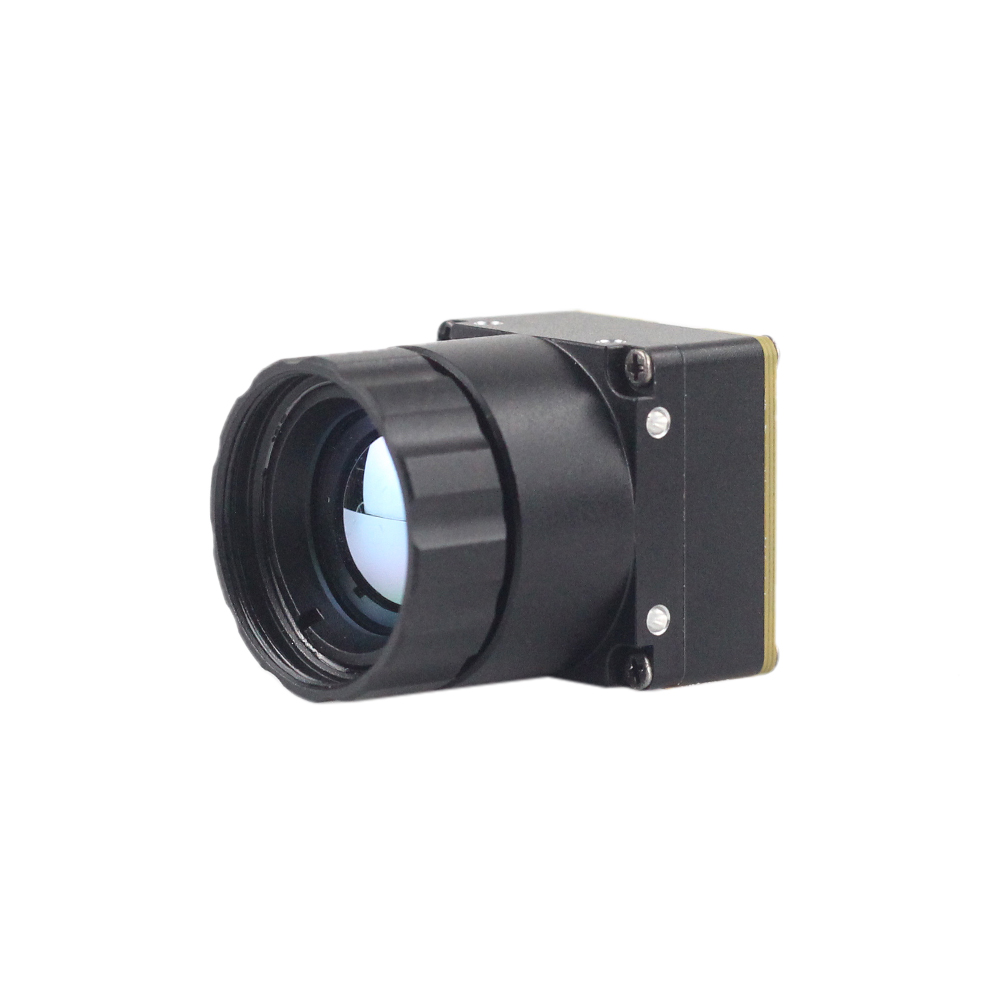
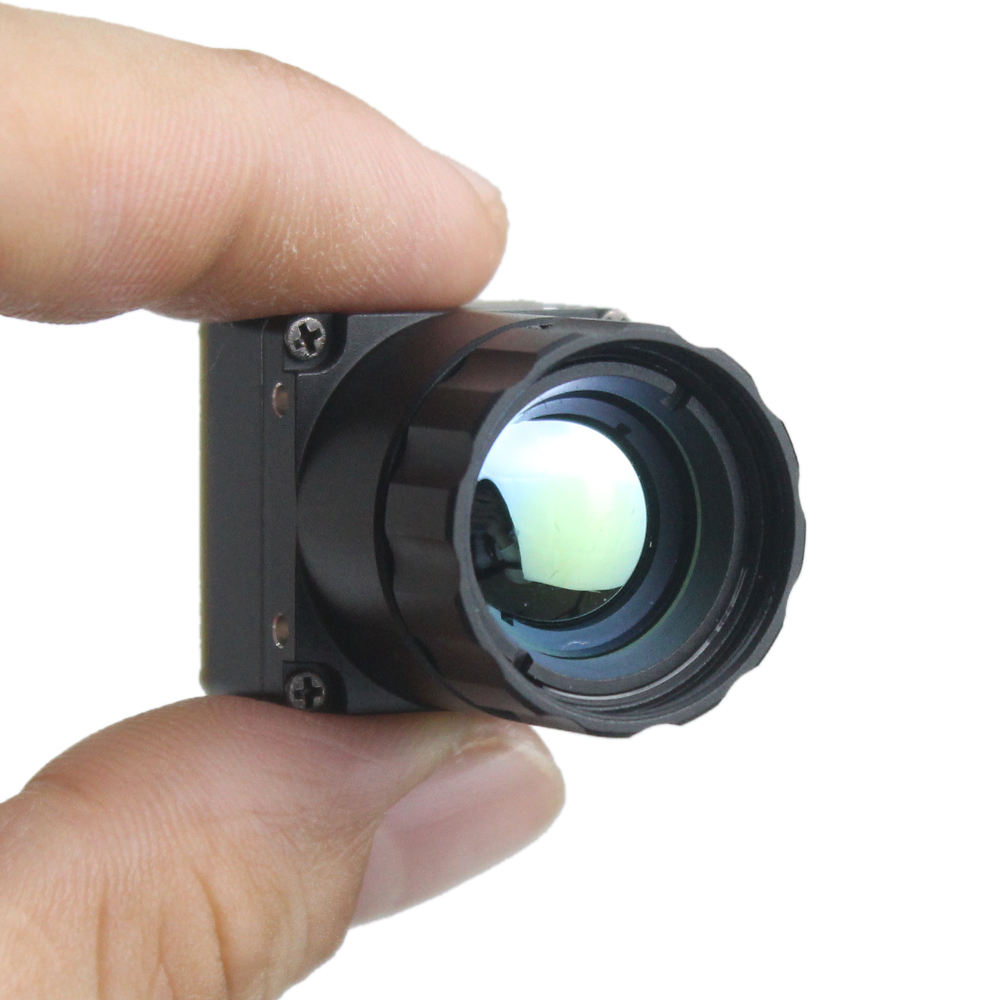
Niekolowana miniaturowa kamera termowizyjna LWIR 256*192, moduł podobny do DJI, do wykrywania min
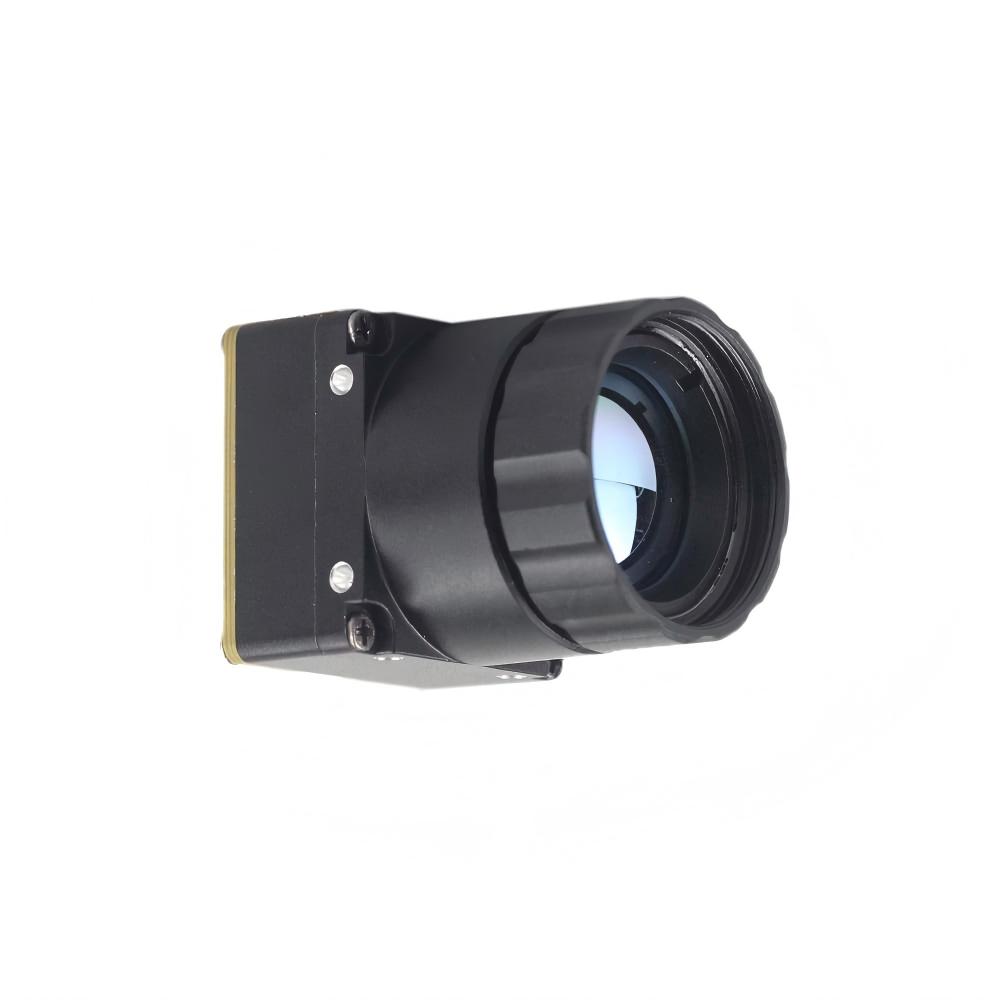
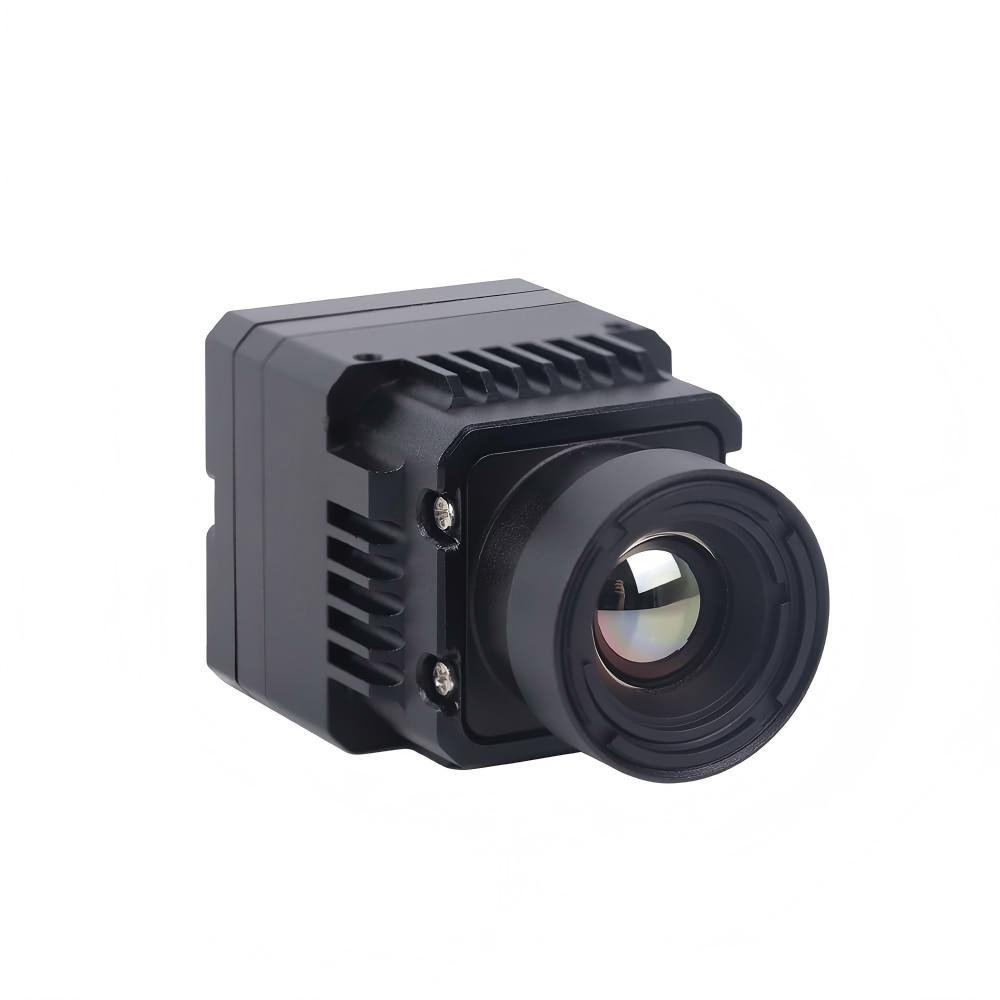
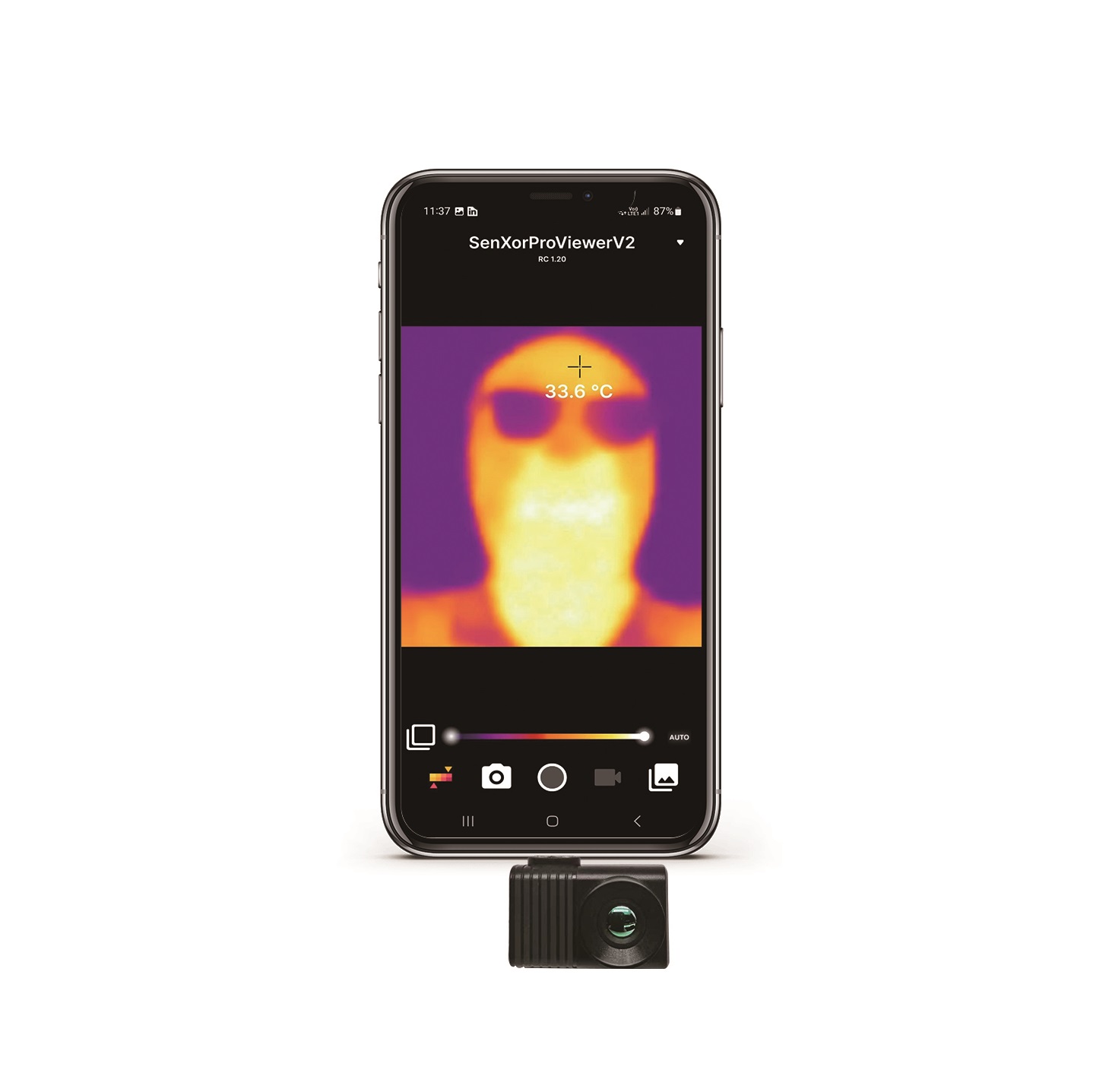
Moduł Kamery Termowizyjnej Mini 256 Niechłodzony LWIR zawiera wysokowydajne detektory podczerwieni na bazie tlenku wanadu, zaprojektowane do ultra wyraźnego obrazowania termicznego i precyzyjnego bezdotykowego pomiaru temperatury. Zaprojektowany do integracji z lekkimi gimbalami dronów, ręcznymi narzędziami pomiarowymi i platformami do wykrywania min, moduł ten przechwytuje promieniowanie podczerwone długofalowe i generuje jednolite, skalibrowane radiometrycznie klatki termiczne w trudnych warunkach środowiskowych.
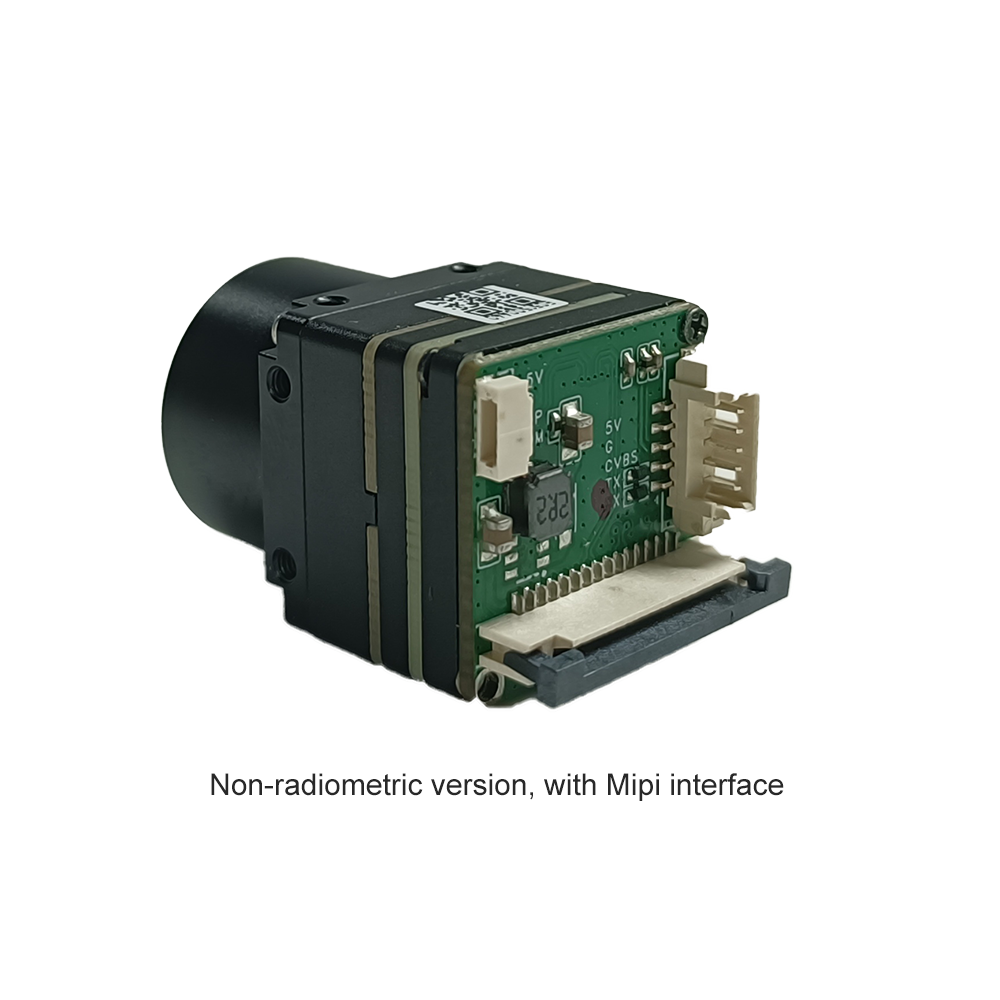
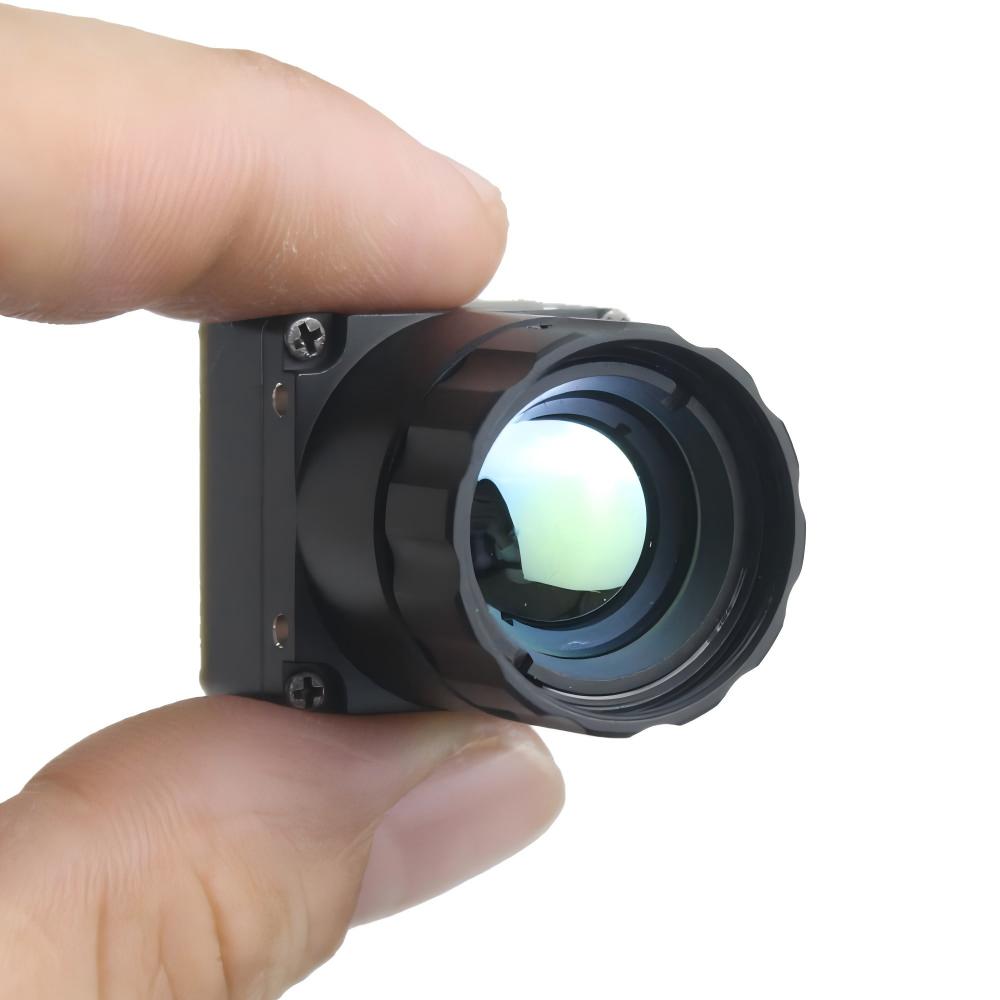
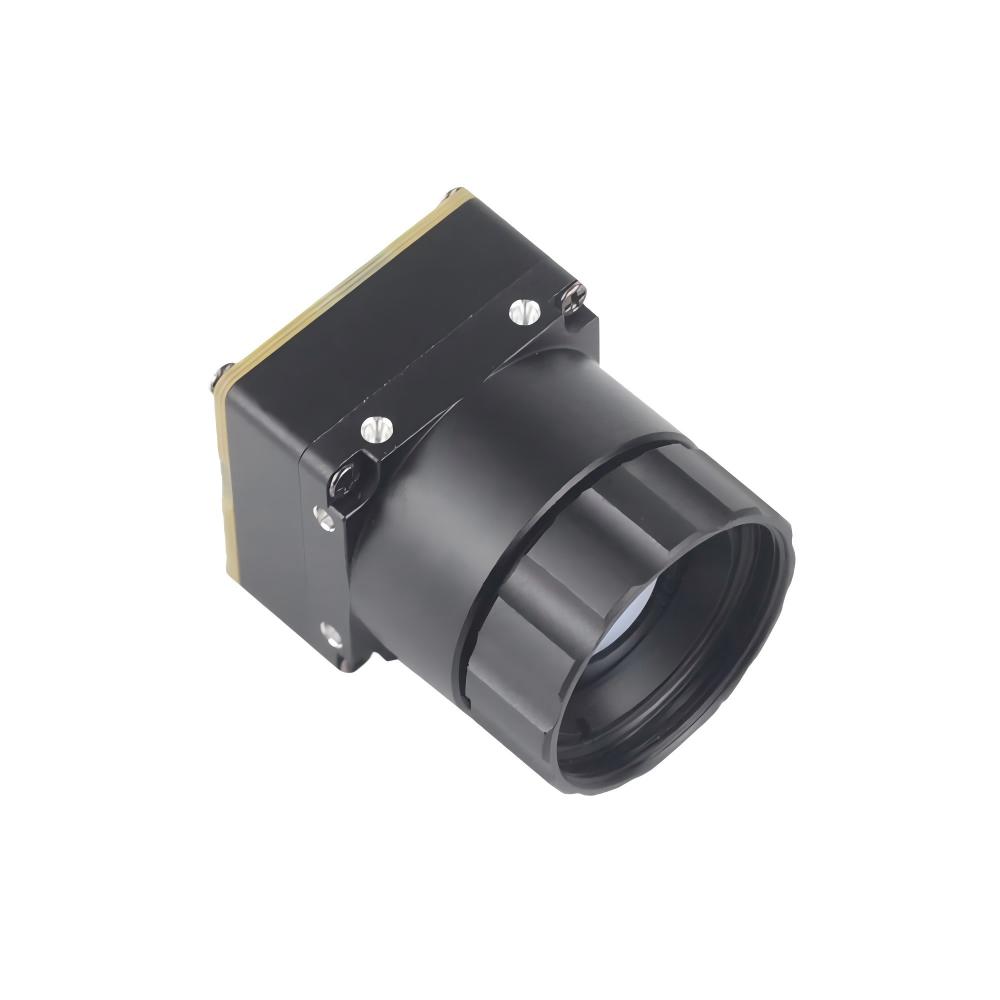
Niechłodzony Moduł Kamery Termowizyjnej Mipi 640 384 256 9mm Do Dronów
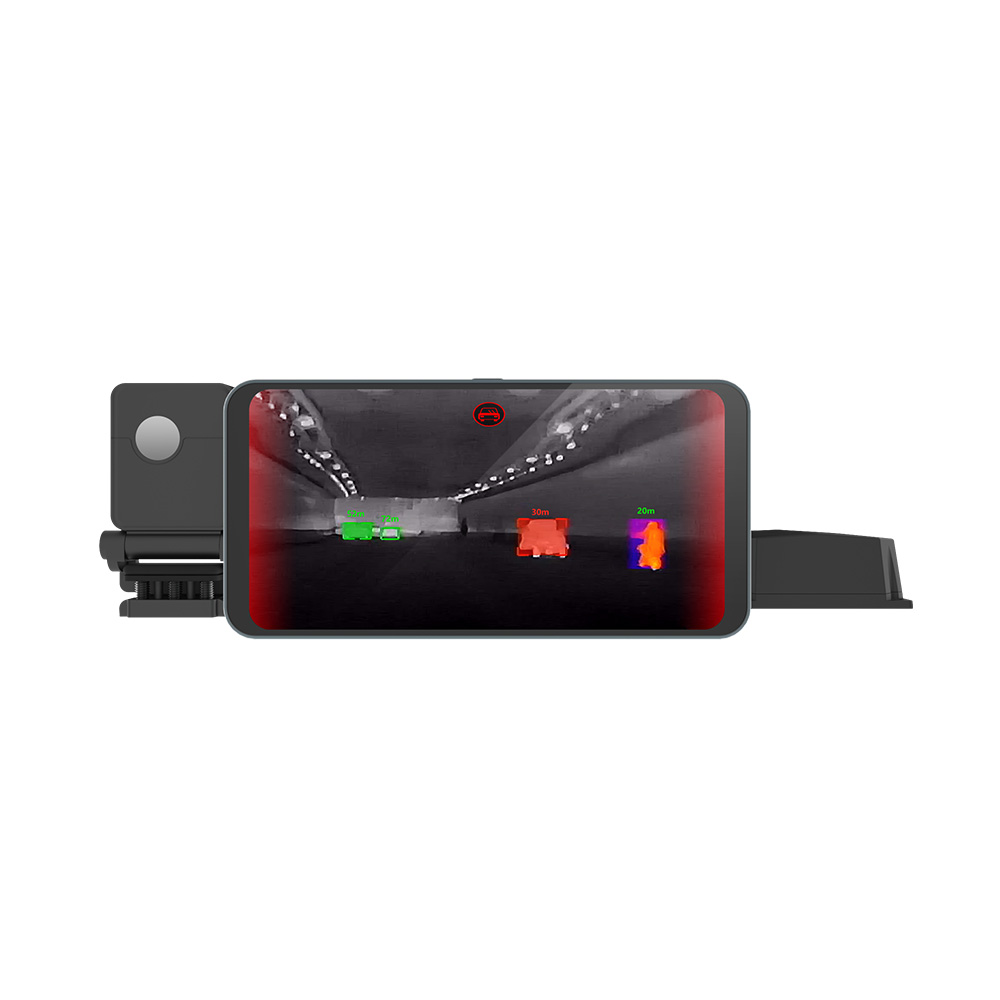
Zaprojektowany specjalnie do integracji z dronami i systemami autonomicznymi, moduł kamery termowizyjnej Mini2 oferuje natywną łączność cyfrową MIPI CSI-2 i rozdzielczości do 640x512. Wyposażony w 9mm precyzyjną optykę germanową, matrycę o rozstawie pikseli 12μm i czułość NETD ≤35mK, moduł ten zapewnia ostry obraz, kompaktowe wymiary i niskie zużycie energii do profesjonalnych zastosowań w nadzorze lotniczym i obronności.

Szczegółowe techniczne FAQ i rozważania dotyczące projektowania systemu
Jaka jest podstawowa różnica operacyjna między cyfrowym noktowizorem przy słabym oświetleniu a prawdziwym modułem termowizyjnym z iluminatorem IR?
W przeciwieństwie do tego, prawdziwy moduł kamery termowizyjnej działa w paśmie podczerwieni długofalowej (LWIR) (8–14 μm), wykrywając energię cieplną naturalnie emitowaną przez obiekty w zależności od ich temperatury bezwzględnej. Nie wymaga żadnego światła otoczenia i przenika przez przeszkody atmosferyczne z minimalnym tłumieniem wiązki. Łącząc prawdziwy mikrobolometr termiczny z aktywnym iluminatorem IR i sensorem światła widzialnego/NIR w zunifikowaną ładowność, systemy osiągają detekcję termiczną dalekiego zasięgu przez gęste przeszkody, wraz z aktywnym oświetleniem NIR na bliższym zasięgu do pozytywnej identyfikacji celu, odczytywania etykiet i nawigacji w ciasnych przestrzeniach.
W jaki sposób inżynierowie projektanci mogą zintegrować te miniaturowe moduły kamer termowizyjnych z wbudowanymi płytami głównymi Raspberry Pi lub NVIDIA Jetson?
Integracja oprogramowania opiera się na zestawach SDK dostarczanych przez dostawcę, napisanych w C/C++ lub Python. Te zestawy narzędzi dekodują surowe 16-bitowe dane radiometryczne (gdzie każda wartość piksela bezpośrednio koreluje z bezwzględną wartością temperatury) wraz z buforami wideo w sztucznych kolorach YUV/RGB. Deweloperzy mogą kierować te macierze tablic do bibliotek wizji komputerowej, takich jak OpenCV, aby wykonywać mieszanie klatek, automatyczne monitorowanie temperatury w obszarze zainteresowania (ROI), poprawę ostrości krawędzi i wnioskowanie w czasie rzeczywistym z wykorzystaniem głębokiego uczenia przy użyciu architektur YOLO lub MobileNet.
Dlaczego aktywny iluminator IR jest wymagany, jeśli mikrobolometr termowizyjny działa już w całkowitej ciemności?
Dodanie aktywnego iluminatora NIR sparowanego z czujnikiem światła widzialnego/NIR rozwiązuje to ograniczenie. Gdy czujnik LWIR wykryje sygnaturę celu na dużej odległości, pokładowy aktywny iluminator IR aktywuje się na bliższym dystansie, rzucając niewidzialne światło 850 nm lub 940 nm na cel. Drugi czujnik optyczny przechwytuje to odbite światło, generując wideo o wysokiej rozdzielczości, które ujawnia drobne szczegóły strukturalne, kody alfanumeryczne i rysy twarzy. Ta synergia dwuzakresowa zapewnia szybkie wykrywanie celu połączone z pozytywną identyfikacją optyczną.
Jak różnica temperatur równoważna szumowi (NETD) wpływa na wydajność w środowiskach o niskim kontraście termicznym?
W warunkach niskiego kontrastu termicznego — takich jak podczas stałego deszczu, gęstej mgły, wysokiej wilgotności lub zimnych, jednolitych krajobrazów — cele i tła mają tendencję do osiągania równowagi termicznej. W tych warunkach czujniki o wyższych wartościach NETD (≥50 mK) generują zaszumione obrazy, w których cele wtapiają się w tło. Z kolei wysokoczułe rdzenie termowizyjne o wartościach NETD ≤35 mK rozróżniają subtelne ułamkowe różnice temperatur, utrzymując cele wyraźnie zdefiniowane nawet w trudnych warunkach.
Jakie materiały mechaniczne i na okna optyczne są wymagane przy projektowaniu niestandardowych, odpornych na warunki atmosferyczne obudów dla rdzeni kamer termowizyjnych?
1. Okna przepuszczalności optycznej: Standardowe szkło optyczne, akryl i poliwęglan blokują promieniowanie długofalowej podczerwieni (8–14 μm). Kanały termowizyjne wymagają specjalistycznych materiałów przepuszczalnych dla okienek, takich jak german optyczny (Ge), selenek cynku (ZnSe) lub specjalistyczne szkło chalkogenkowe pokryte warstwami antyrefleksyjnymi (AR), aby zapewnić maksymalną przepustowość termiczną.
2. Zarządzanie termiczne i izolacja: Aktywne iluminatory NIR emitują ciepło podczas pracy. Jeśli ta energia cieplna przeniesie się na podłoże mikrobolometru, może to wprowadzić dryft termiczny i błędy kalibracji. Konstrukcje obudów muszą zawierać izolowane radiatory aluminiowe lub miedziane oraz bariery ceramiczne, aby odprowadzać ciepło z aktywnego iluminatora z dala od płytki sensora LWIR.
3. Ochrona przed wnikaniem czynników środowiskowych: W zastosowaniach dronowych i zewnętrznych systemach bezpieczeństwa wymagających stopnia ochrony IP67 lub IP68, obudowy powinny wykorzystywać podwójne pierścienie uszczelniające z fluoroelastomeru, zawory wyrównujące ciśnienie (membrany Gore-Tex) oraz mocowania tłumiące drgania, aby chronić wrażliwe układy elektrooptyczne przed wstrząsami mechanicznymi.
📚 Referencje i dalsza lektura
- Standard branżowy: Platforma biblioteki wizji komputerowej OpenCV o otwartym kodzie źródłowym
- Przegląd fizyki termicznej: Podstawy techniczne termografii w Wikipedii
- Przewodnik integracji wbudowanej: Konfiguracja sterownika kamery termowizyjnej na platformach Raspberry Pi
- Analiza wdrożeń terenowych: Zastosowania obrazowania termicznego w operacjach poszukiwawczo-ratowniczych i obronnych
- Standardy produkcyjne: Siła przedsiębiorstwa i możliwości produkcji optycznej