
Infrared Camera Thermal Modules: The Ultimate Industrial & OEM Selection Guide
2026年11月13日
The Definitive Thermo Camera Guide: Avoid Gimmicks and Choose the Right Resolution
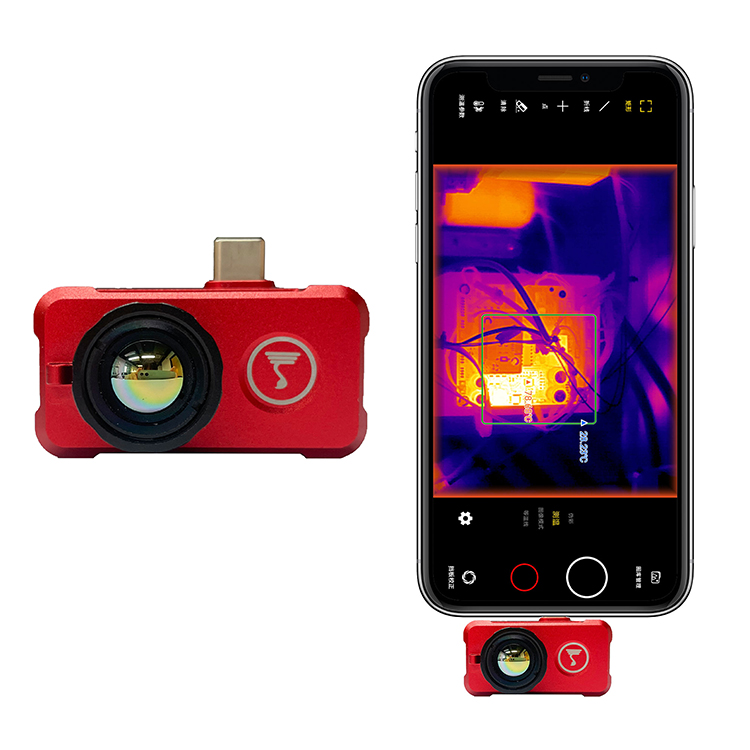
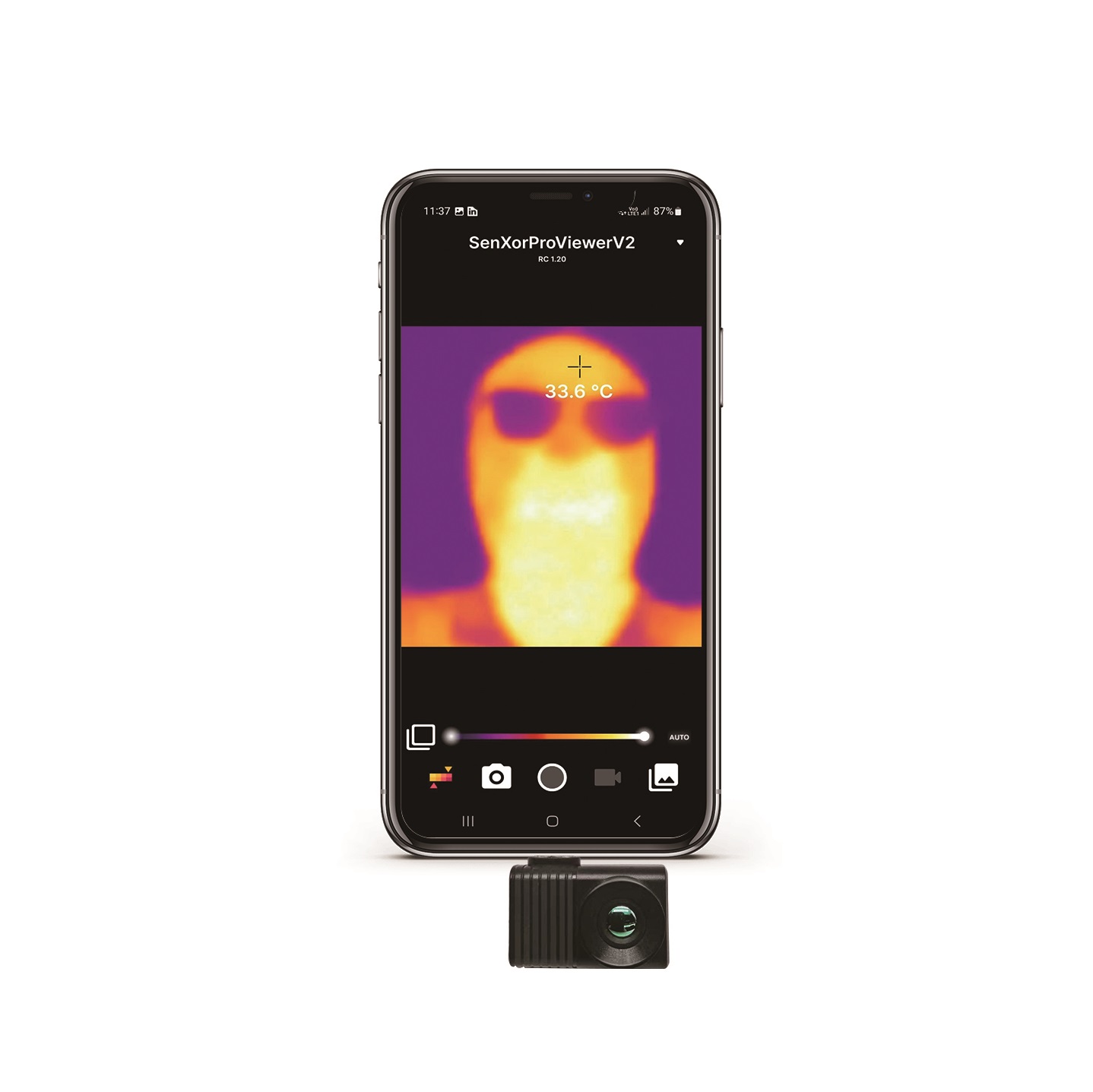
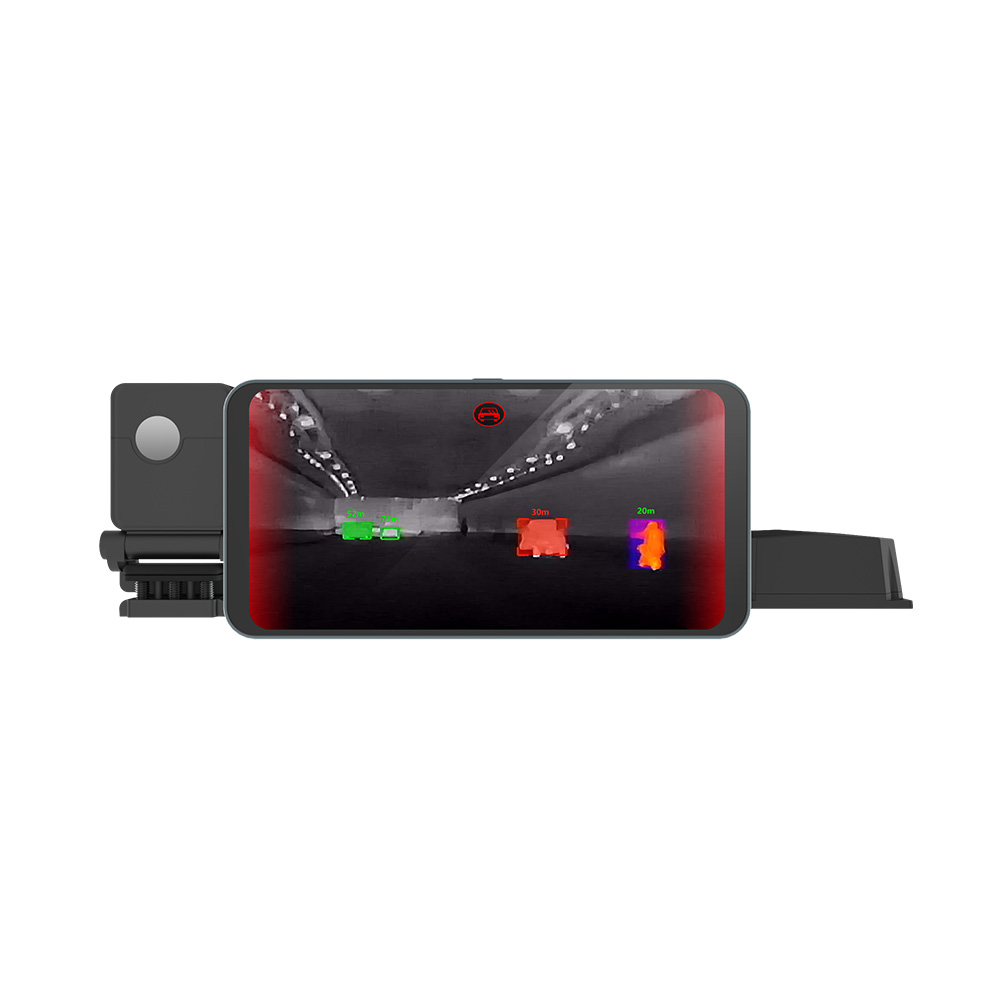
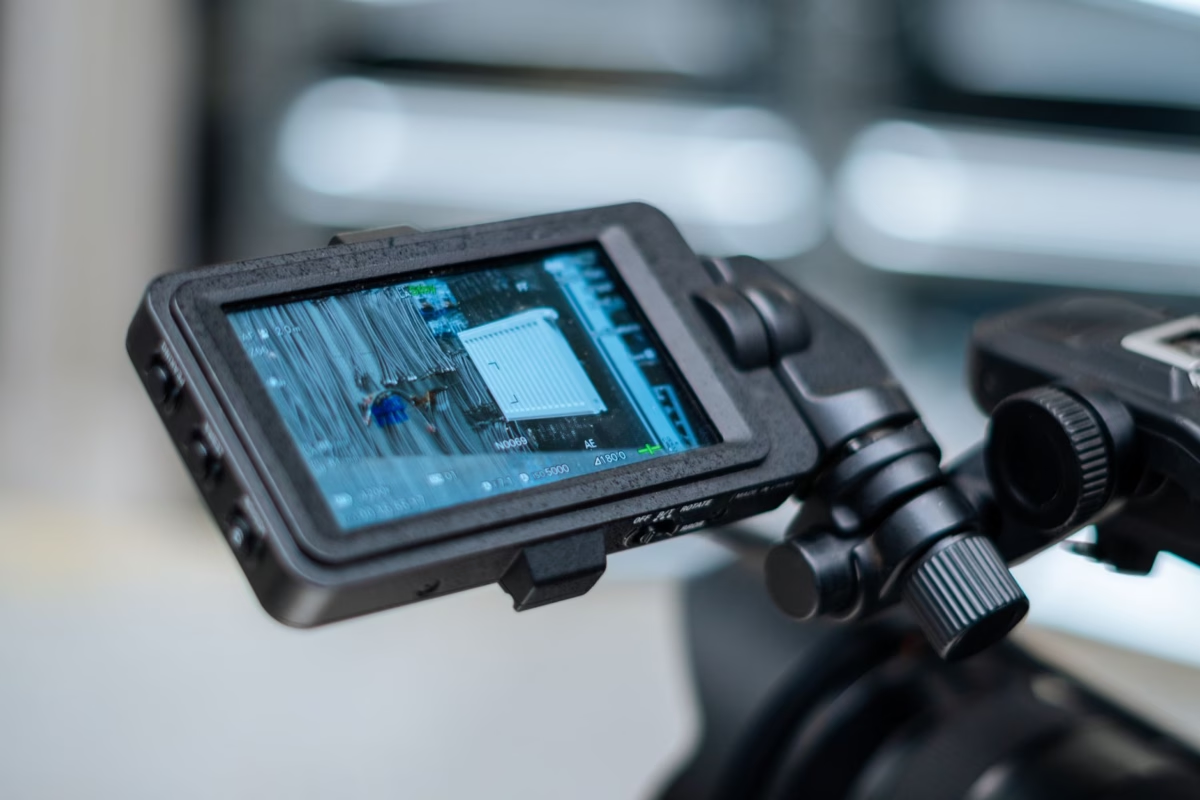
Buying an industrial thermo camera gets complicated fast because the commercial market is crowded with consumer toys dressed up as diagnostic gear. Bargain handheld imagers and phone dongles routinely pair tiny, low-grade microbolometer chips with aggressive visible-light edge overlays and bicubic upscaling. That software sleight of hand makes a living-room radiator look crisp from two meters away. Put that same unit on a real job—hunting buried ordnance from a UAV, checking high-voltage switchgear, or running automated thermal inspection on a fast production line—and the illusion falls apart. Without native pixel density and calibrated radiometric output, a "sharp" thermal picture is just pretty noise, not data you can act on.
This guide cuts through the spec-sheet tricks to focus on the physics, optical math, and hardware architecture that actually dictate thermo camera performance. We will break down how uncooled Long-Wave Infrared (LWIR) detector arrays operate, how to calculate Instantaneous Field of View (IFOV) and Detection, Recognition, and Identification (DRI) ranges across 5mm to 150mm optics, and when to pick a 256×192 core over a 640×512 sensor. Whether you are embedding a 21mm×21mm USB module into a custom robotics stack or specking out drone payloads, you will walk away with a practical engineering framework to choose the right hardware without guesswork.
Содержание
- 👉 1. How an Industrial Thermo Camera Works: LWIR Physics & Microbolometers
- 👉 2. Avoiding Thermo Camera Gimmicks: Interpolation, Edge Blending & Frame Caps
- 👉 3. Resolution & Optics Math: 256×192 vs. 640×512, IFOV, and Focal Length
- 👉 4. Radiometry, NETD Sensitivity & NUC Calibration Architecture
- 👉 5. OEM & UAV Integration: 21mm Cores, USB UVC, Linux & OpenCV Pipelines
- 👉 6. Industrial Thermo Camera Module Comparison & Real Specifications
- 👉 7. Deep-Dive Engineering FAQ
1. How an Industrial Thermo Camera Works: LWIR Physics & Microbolometers
Anything warmer than absolute zero (0 K, or −273.15°C) radiates electromagnetic energy proportional to the fourth power of its absolute temperature and its surface emissivity. Standard CMOS and CCD sensors only see reflected visible photons sitting between 400 nm and 700 nm. An industrial thermo camera ignores visible light entirely. Instead, it listens deep in the infrared spectrum inside atmospheric transmission windows where water vapor and carbon dioxide don't swallow up the signal before it hits the lens.
Why Long-Wave Infrared (LWIR, 8–14 μm) Dominates Industrial Imaging
In tactical and industrial infrared design, hardware mostly splits into two camps: Mid-Wave Infrared (MWIR, 3–5 μm) and Long-Wave Infrared (LWIR, 8–14 μm). MWIR detectors use photon-counting semiconductors like Indium Antimonide (InSb) or Mercury Cadmium Telluride (MCT). They perform well, but they require mechanical Stirling cryocoolers to chill the focal plane below 80 K. That adds bulk, power draw, acoustic whine, and a spinning mechanical component that eventually wears out—making MWIR overkill for most commercial payloads outside extreme long-range military aviation or specialized gas-plume detection.
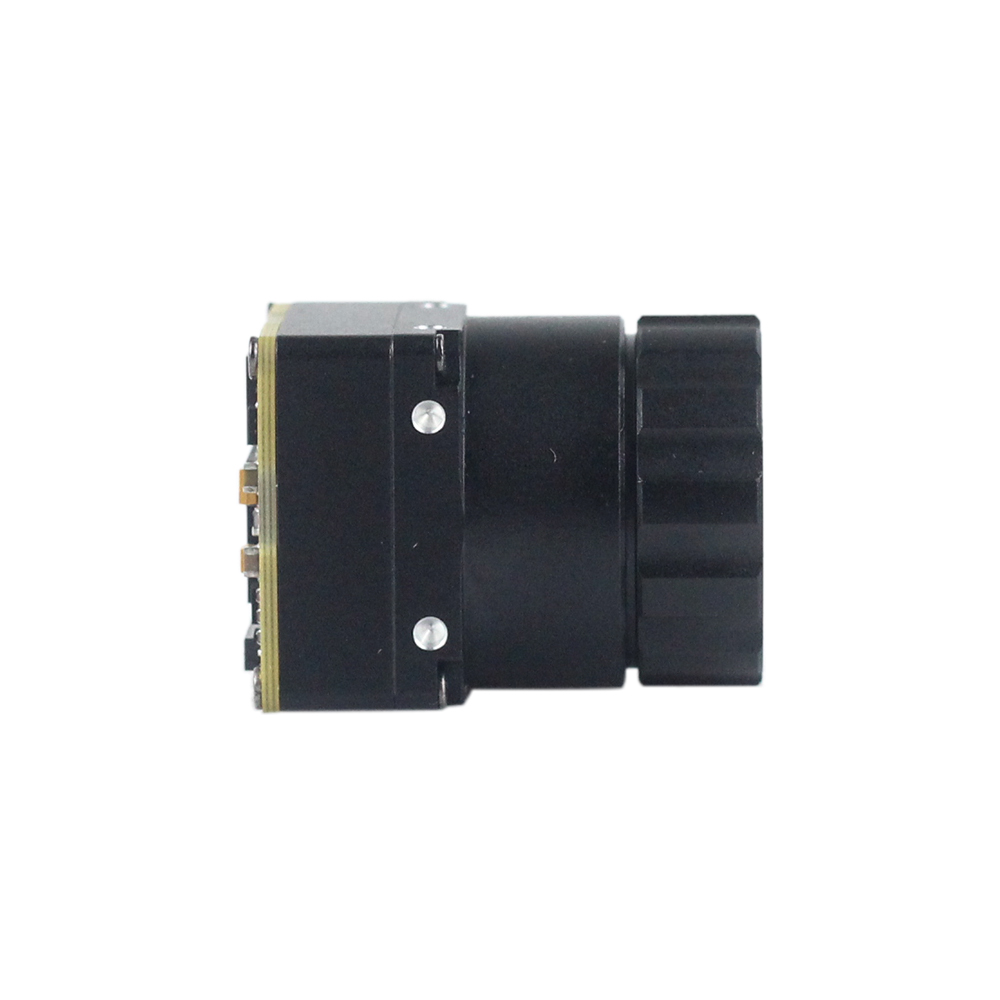
That is why OEMs, drone builders, and plant maintenance teams overwhelmingly run uncooled LWIR (8–14 μm) modules. Per Wien's Displacement Law, objects sitting between −20°C and +150°C—basically every piece of terrestrial machinery, power hardware, and terrain—radiate their peak blackbody energy right inside that 8–14 μm band. Better yet, LWIR cuts through light smoke, dust, and haze far better than visible light, ignores harsh daytime sun glare during aerial surveys, and runs completely silent with zero cryogenic moving parts.
Uncooled Microbolometer Architecture: VOx vs. a-Si
At the heart of an uncooled LWIR thermo camera lies a Focal Plane Array (FPA)—a grid of tens or hundreds of thousands of microscopic thermal bridges suspended in a vacuum cavity right above a silicon Readout Integrated Circuit (ROIC). When infrared photons pass through the lens and hit a pixel's absorbing membrane, that tiny bridge warms up by fractions of a millikelvin. That temperature bump shifts the pixel's electrical resistance, which the ROIC measures and converts into raw digital counts.
Almost all modern commercial microbolometers rely on one of two thin-film sensing materials:
- ✅ Vanadium Oxide (VOx): The go-to choice for high-contrast radiometric cores and long-range UAV optics. VOx boasts a steep Temperature Coefficient of Resistance (TCR)—usually around −2% to −3% per Kelvin—along with low 1/f flicker noise. In practice, that yields lower Noise Equivalent Temperature Difference (NETD) figures and cleaner uniformity across difficult outdoor scenes.
- ⚙️ Аморфный кремний (a-Si): Built using standard CMOS-compatible wafer processes, a-Si arrays offer quick thermal time constants and economical fabrication. Historically, though, they exhibit slightly higher noise floors at matching pixel pitches than top-tier VOx sensors.
Emissivity, Reflected Apparent Temperature, and True Radiometry
One of the quickest ways to misread a thermal inspection is assuming a thermo camera measures surface temperature directly like a bolt-on thermocouple. It doesn't. The microbolometer only measures total incoming radiant flux (Wобщ), which is always a blend of three separate physical inputs:
- ⚙️ Emitted object radiation: Driven by the target's actual temperature, its surface emissivity (ε, scaled 0.0 to 1.0), and atmospheric transmittance (τ).
- ⚙️ Reflected ambient radiation: Infrared energy from the surrounding sky, walls, or nearby hot machinery bouncing off the target into your lens, scaled by (1 − ε).
- ⚙️ Atmospheric self-emission: Faint infrared glow coming from the air column sitting between the target and the camera, scaled by (1 − τ).
Basic thermal viewers—like automotive night-vision pods or cheap hunting scopes—just stretch raw sensor counts into grayscale or false-color video so your eyes can spot contrast. A true radiometric thermo camera goes much further. It combines factory multi-point blackbody calibration tables with user-entered emissivity, reflected temperature, and distance settings to compute accurate per-pixel temperatures. Matte, high-emissivity surfaces such as oxidized steel, concrete, painted electrical cabinets, and disturbed soil (ε ≈ 0.85 to 0.96) produce reliable numbers. Bare shiny metals like polished aluminum or clean copper busbars (ε < 0.15) act like infrared mirrors, reflecting the room around them unless you compensate carefully or apply a high-emissivity reference patch. For procurement teams looking at how calibration and detector materials drive module pricing, check our thermal camera module pricing and cost factors guide (Arabic regional edition).
2. Avoiding Thermo Camera Gimmicks: Interpolation, Edge Blending & Frame Caps
Consumer marketing teams have gotten remarkably good at making a $250 toy look like a lab-grade instrument in studio promo shots. Before you sign off on a vendor datasheet or machine an enclosure around a core, watch out for four common consumer shortcuts.
Gimmick 1: Visible-Light Edge Blending Masking Tiny Sensors
Many budget handheld units pair a tiny microbolometer (say, 80×60 or 120×90—just 4,800 to 10,800 actual thermal pixels) with a cheap 2-megapixel visible-light CMOS chip. Firmware runs an edge-detection pass on the visible feed and stamps those crisp monochrome lines straight onto the blurry heat map.
Sure, that helps a homeowner recognize a doorknob or wall outlet in a bright hallway. Out in the field, it breaks down fast:
- ⚠️ Zero-Light and Smoke Blindness: Edge blending dies the moment the lights go out. Inside dark electrical vaults, tunnels, night-ops UAV flights, or smoky plant rooms, the visible sensor goes blind and leaves you staring at an unusable 80×60 mosaic.
- ⚠️ Parallax Misalignment Error: Because the CMOS lens and LWIR lens sit 15 mm to 30 mm apart on the front housing, anything close to the camera suffers from parallax shift. Scan a crowded PCB or terminal block up close, and the drawn outline of a resistor or breaker pole slides off its real hotspot—pointing techs toward the wrong component.
- ⚠️ Averaged-Out Peak Temperatures: Sharp outlines breed false confidence. If one oversized thermal pixel covers both a 105°C voltage regulator and the cooler fiberglass board around it, the sensor averages them together into a harmless-looking 48°C reading. You miss the failure completely.
Gimmick 2: "Display Resolution" vs. Native FPA Resolution
Read spec sheets carefully for sneaky phrasing like "Output Resolution," "Display Resolution," или "Super Resolution" instead of "Native Detector Resolution." Stretching a 160×120 sensor up to 640×480 with bicubic interpolation or AI sharpening does not invent a single new radiometric measurement. Software simply guesses intermediate pixel values by averaging adjacent cells. In machine vision, hotspot tracking, or tight QA inspections, upscaled frames smear steep thermal gradients and artificially drag down peak temperature readings.
Gimmick 3: 9 Hz Export Frame Caps on Moving Platforms
To dodge export licensing hurdles or save on internal DSP overhead, plenty of low-end commercial thermo camera models cap video output at 9 Hz (nine frames per second) or lower. That works fine when you are standing still in front of drywall with a tripod. Put a 9 Hz camera on a drone flying at 12 m/s or an autonomous rover rolling down a warehouse aisle, and you get smeared motion blur, sluggish gimbal feedback loops, and broken real-time tracking. Any moving platform needs native 25 Hz, 30 Hz, or 50/60 Hz pipelines.
Gimmick 4: Aggressive Auto-Gain Clipping Without Scene Lock
Consumer cameras crank up Auto-Gain Control (AGC) by default so indoor rooms look dramatic and punchy. Put one hot object in the corner of the frame—a sun glint, an exhaust pipe, a sun-baked tin roof—and standard AGC crushes the dynamic range across everything else. Subtle details like trapped roof moisture or disturbed dirt over a buried target flatten out into featureless gray. Industrial cores fix this by letting you lock span and level manually, tune histogram equalization, and pull raw 14-bit or 16-bit linear data straight off the sensor.
3. Resolution & Optics Math: 256×192 vs. 640×512, IFOV, and Focal Length
Picking the right thermo camera resolution isn't a guessing game based on leftover budget. It comes straight out of basic optical math tied to your target's physical size, standoff distance, pixel pitch, and lens focal length.
Industrial Resolution Tiers: Where Real Diagnostic Utility Begins
- ⚠️ Sub-160×120 (80×60 and 120×90): Good for quick arm's-length spot checks only. Too sparse for standoff radiometry or computer vision.
- ✅ 256×192 (49,152 native thermal pixels): Where real industrial utility starts. Packing over ten times the thermal data points of an 80×60 chip, a 256×192 uncooled LWIR module delivers clean standalone thermal clarity and true radiometry with zero visible-light crutches. It hits a practical balance for budget-conscious UAV payloads, aerial mine screening, compact gimbals, and fixed monitoring nodes.
- ✅ 640×512 (327,680 native thermal pixels) and 640×480 optional: The high-resolution standard for commercial and tactical payloads. With more than 6.6 times the pixels of a 256×192 array, a 640×512 core holds fine thermal structure across wide swaths, reaches much farther when paired with telephoto glass, and feeds rich feature maps into neural networks and thermal photogrammetry.
IFOV, Spot Size Ratio, and Johnson's DRI Criteria
Before ordering hardware, verify that the sensor and lens combo can actually resolve your target at working range. Start with Мгновенным полем зрения (IFOV)—the angular footprint projected onto the world by a single detector pixel:
IFOV (mrad) = Pixel Pitch (μm) ÷ Lens Focal Length (mm)
Multiply that IFOV by your standoff distance D (in meters) to see how wide one pixel is on the target surface:
Pixel Size on Target (mm) = IFOV (mrad) × Standoff Distance (m)
The Radiometric Measurement Rule (3×3 to 5×5 Pixels): Never assume a single pixel landing on a hotspot gives you an accurate temperature. Diffraction, Modulation Transfer Function (MTF) roll-off, and pixel fill-factor bleed energy into neighboring cells. For trustworthy radiometry, put at least 3×3 pixels—and ideally 5×5 pixels—completely inside the smallest feature you plan to measure. Say you run a 12 μm pixel pitch core with an 18 mm lens (IFOV = 0.67 mrad) at 30 meters; one pixel covers roughly 20 mm. To measure a busbar bolt cleanly without background dilution, that bolt or hotspot needs to be 60 mm to 100 mm wide.
If your mission is spotting and classifying objects rather than exact temperature metrology, use Johnson's DRI (Detection, Recognition, Identification) thresholds across the target's critical dimension:
- ⚙️ Detection (knowing something is there against background clutter): Around 1.5 to 2 pixels across the critical dimension.
- ⚙️ Recognition (telling object classes apart, like person vs. vehicle): At least 6 pixels across the critical dimension.
- ⚙️ Identification (reading specific model traits, gear, or fine structural flaws): 12 or more pixels across the critical dimension.
LWIR Optics: Germanium, Chalcogenide Glass, and Focal Lengths (5mm to 150mm)
Ordinary glass (such as N-BK7) blocks 8–14 μm wavelengths cold—to a thermo camera, it looks like a solid brick wall. LWIR lenses have to be machined or molded from infrared-transmitting materials like single-crystal Germanium (Ge), Zinc Selenide (ZnSe), or Chalcogenide glass (ChG), then coated with Anti-Reflective (AR) or tough Diamond-Like Carbon (DLC) layers. Because Germanium's refractive index shifts significantly as ambient temperatures swing, outdoor lenses also need optical or mechanical athermalization so focus doesn't drift between freezing nights and hot afternoons. Engineers comparing molded chalcogenide against diamond-turned germanium optics can examine dispersion and MTF specs from optical specialists like LightPath Technologies.
Choosing a lens focal length across standard industrial options—5 мм, 9 мм, 13 мм, 18 мм, 35 мм, 50 мм, 75 мм, 100 мм и 150 мм—always trades wide situational awareness against long-range reach:
- ⚙️ 5mm to 9mm (Ultra-Wide and Wide Angle): Opens up a broad horizontal field of view for indoor mobile robots, tight electrical closet scans, and low-altitude situational awareness.
- ⚙️ 13mm to 18mm (Standard Industrial and Drone Mapping): Balances swath width against spatial detail for solar farm orthomosaics, pipeline corridors, and multi-rotor inspections.
- ⚙️ 35mm to 50mm (Medium Telephoto): Keeps drones at a safe standoff distance when inspecting high-voltage insulators, guarding perimeters, or running search-and-rescue passes above tree canopies.
- ⚙️ 75mm to 150mm (Long-Range Telephoto): Narrows the view into a tight optical spotlight for maritime tracking, border patrol, and high-altitude recon—where pairing long glass with a 640×512 sensor pushes DRI range dramatically farther.
International engineering teams needing a localized reference on lens scaling and array sizing can also consult our thermal imaging camera selection guide (Russian technical edition).
4. Radiometry, NETD Sensitivity & NUC Calibration Architecture
Pixel count tells you how small an object you can resolve. Thermal sensitivity and calibration stability dictate how faint a temperature difference your thermo camera can pull out before electronic noise buries the signal.
Noise Equivalent Temperature Difference (NETD) and the F-Number Trap
NETD measures the smallest temperature delta (ΔT) a sensor can distinguish above its own temporal noise, expressed in millikelvins (mK). Smaller numbers yield cleaner, higher-contrast thermal pictures:
- ⚠️ 80 mK to 100+ mK: Common on cheap consumer modules. Looks grainy indoors and turns into washed-out mush outdoors whenever humidity, mist, or overcast skies flatten natural temperature differences.
- ✅ 50 mK or lower (measured at f/1.0, 25°C): The baseline engineering mark for reliable industrial radiometry, building moisture surveys, and outdoor UAV work.
- ✅ 35 mK to 40 mK tier: High-sensitivity performance that reveals subtle thermal inertia shifts—like buried mines changing surface soil cooling rates at dawn and dusk, composite delamination inside wind turbine blades, or tiny leaks beneath insulated steam piping.
Watch Out for the F-Number Trick: Always check which lens f-number (f/#) backs up an NETD claim. Radiant energy hitting the sensor drops with the square of the f-number. A detector rated at 40 mK behind a fast f/1.0 lens degrades to roughly 78 mK the moment you screw on a slower f/1.4 telephoto lens. Never compare NETD specs across cores without normalizing the f-number first.
Non-Uniformity Correction (NUC): Shuttered vs. Shutterless Cores
No two pixels in a microbolometer array share identical baseline resistance or responsivity. Worse, as the camera body warms up during a flight or shift, those pixel offsets drift and create fixed-pattern noise like faint vertical stripes or dark corners. коррекции неоднородности (NUC)—also known as Flat-Field Correction (FFC)—re-zeros those offsets on the fly:
- ⚙️ Механический затвор NUC: A tiny uniform-temperature flag clicks across the optical path for a fraction of a second so the processor can recalibrate every pixel against a known flat reference. Mechanical shutters remain the benchmark when strict radiometric accuracy matters across wide ambient swings.
- ✅ Shutterless NUC: Uses scene-based algorithms and internal focal-plane temperature models to keep the image uniform with zero moving parts. Dropping the shutter eliminates brief video freezes during fast drone tracking or continuous inspection lines, and removes a mechanical wear point.
5. OEM & UAV Integration: 21mm Cores, USB UVC, Linux & OpenCV Pipelines
If you build drones, robots, or automated inspection cells, strapping a bulky pistol-grip handheld camera onto your rig makes zero sense. Consumer housings waste payload weight, trap video inside closed mobile apps, and lack clean mounting bosses or digital buses. Real embedded systems rely on bare uncooled LWIR camera cores.
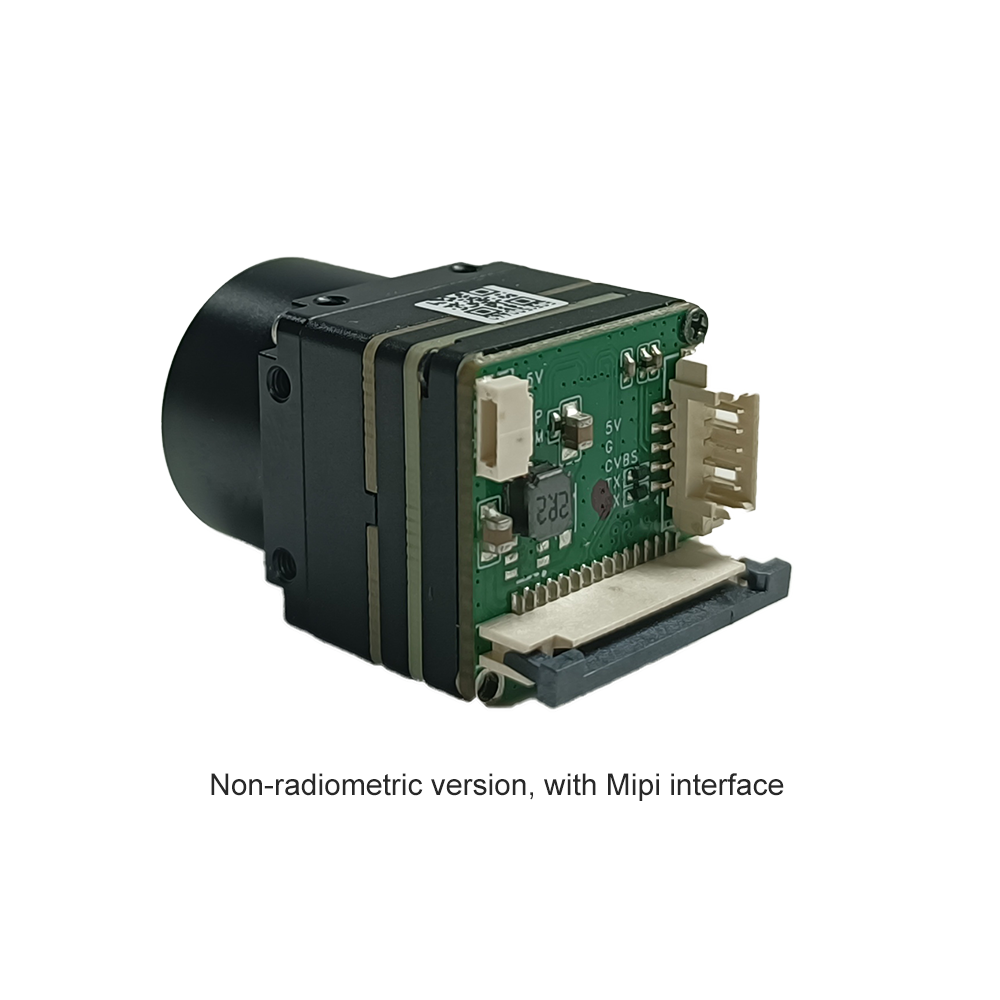
SWaP Optimization: The 21mm × 21mm Micro-Core Footprint
In mobile robotics and UAV work, SWaP (Size, Weight, and Power) dictates flight endurance. Every gram trimmed off the gimbal buys back flight minutes or battery headroom. Compact uncooled LWIR modules built around a 21 мм × 21 мм footprint let integrators:
- ✅ Tuck payloads inside lightweight 2-axis and 3-axis gimbals—comparable to commercial DJI enterprise pods—without straining brushless gimbal motors.
- ✅ Keep continuous DC power draw and internal self-heating low inside sealed IP67 industrial housings.
- ✅ Swap optics effortlessly from 5mm wide-angle glass up to 150mm telephoto barrels while keeping the exact same carrier board and wiring harness.
USB UVC Plug-and-Play Streaming, Linux, and OpenCV Pipelines
Wiring a thermo camera core into a companion computer—like a Raspberry Pi, NVIDIA Jetson, or industrial x86 IPC—gets dramatically easier when the module speaks standard USB Video Class (UVC). UVC gives you driverless plug-and-play streaming straight into Linux (via V4L2), Windows, and Robot Operating System (ROS) nodes without fighting fragile custom kernel drivers.
If you are writing automated defect detection or AI inference code, pay attention to pixel bit-depth. Standard 8-bit false-color palettes (Ironbow, White-Hot, etc.) are meant for human eyeballs and throw away absolute temperature linearity whenever AGC shifts. For thresholding, radiometric temperature extraction, or defect classification, pull raw 14-bit or 16-bit (Y16) linear frames instead. Vision engineers running hotspot tracking or thermal-visible fusion on Linux or Raspberry Pi can pull UVC feeds directly into OpenCV over V4L2 with RGB conversion turned off to keep raw 16-bit pixel matrices intact. To see how compact 256×192 and 640×512 cores fit into commercial drone inspection and security rigs, read our commercial infrared thermal imaging solutions and high-res modules guide.
6. Industrial Thermo Camera Module Comparison & Real Specifications
Below are two purpose-built uncooled LWIR thermo camera modules engineered for drone payloads, mine screening, robotics, and embedded vision. Both skip consumer edge-blending shortcuts in favor of clean, uniform LWIR thermal output.
Неохлаждаемый мини-модуль тепловизионной камеры LWIR 256*192, аналогичный DJI, для обнаружения мин
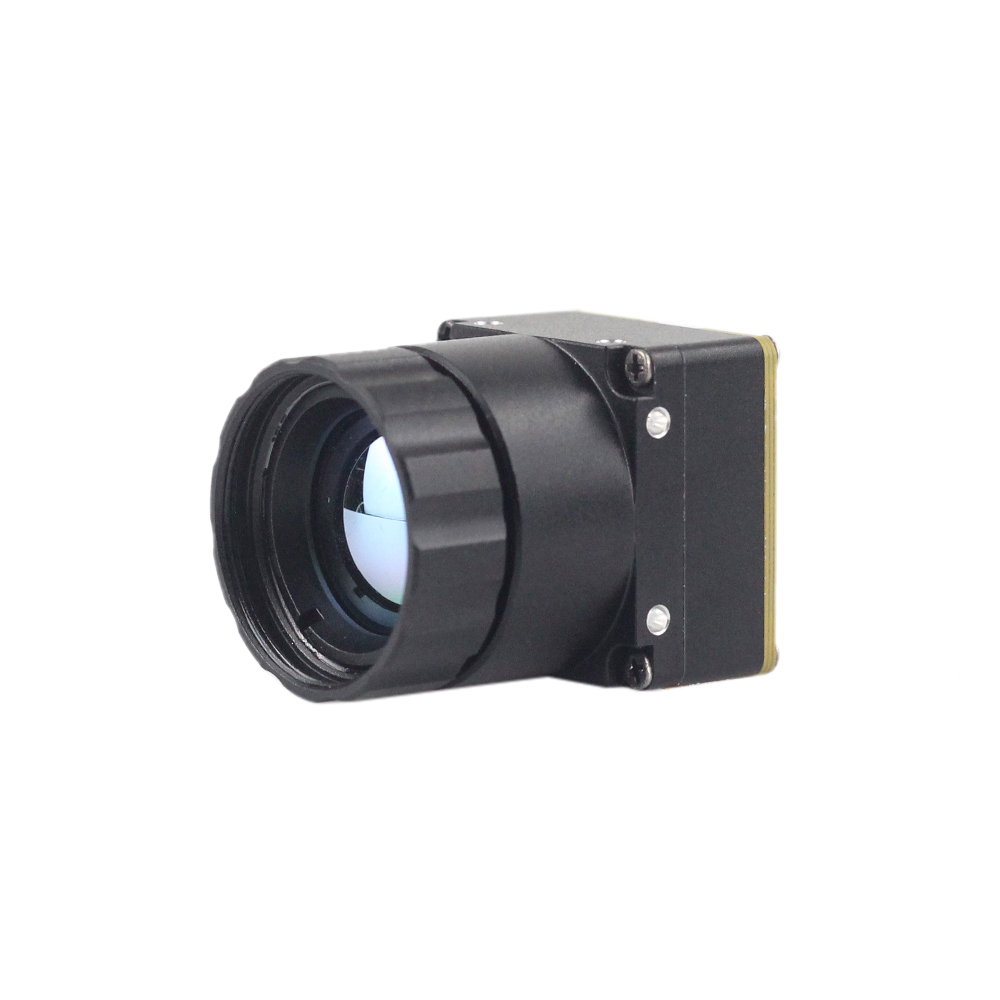
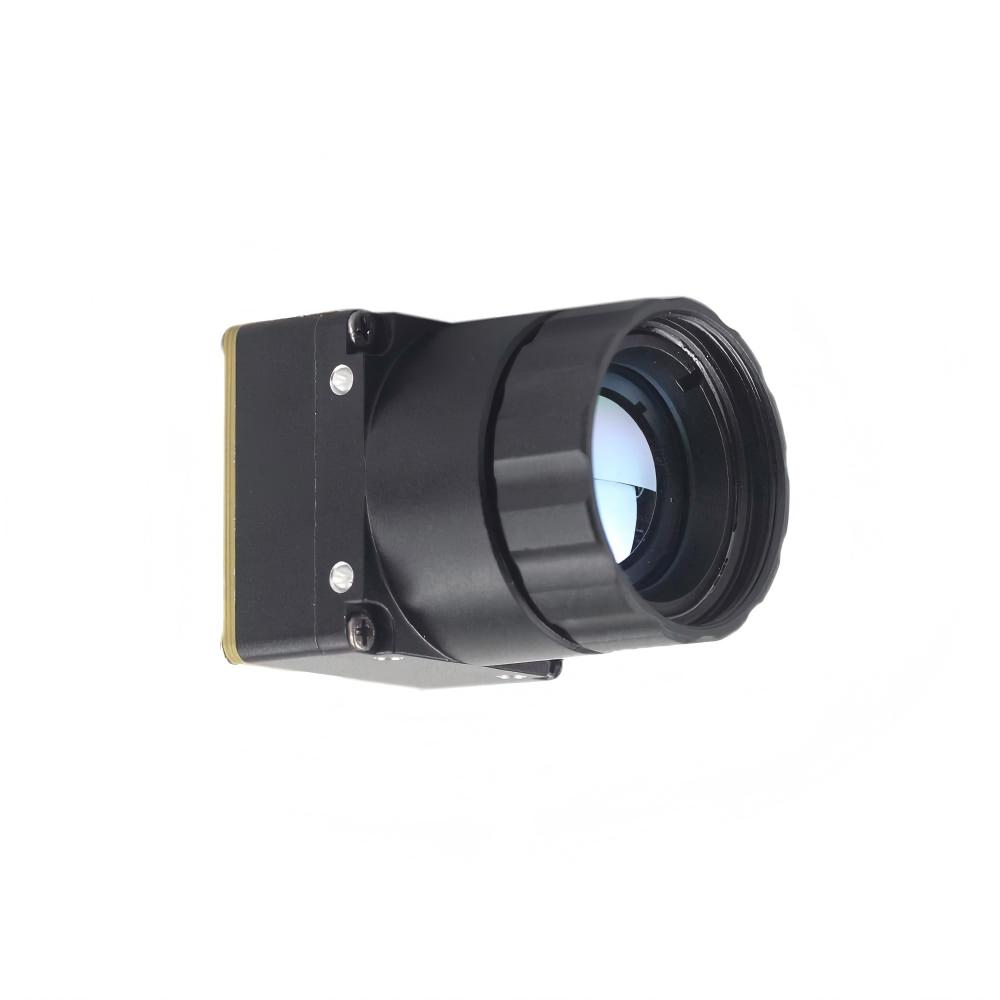
The → Мини 256 неохлаждаемый LWIR тепловизионный модуль камеры pairs high-performance infrared detectors with calibrated processing built for clear thermal imaging and accurate temperature measurement. Sized for compact aerial platforms similar to DJI payloads—including specialized tasks like detecting mines—it captures incoming infrared radiation and outputs a uniform thermal image backed by true radiometry. Its native 256×192 array supplies 49,152 real thermal pixels, delivering crisp anomaly contrast and reliable temperature readings without any visible-light overlays.
| Параметр | Verified Specification |
|---|---|
| Архитектура детектора | Uncooled LWIR high-performance infrared detector |
| Нативное разрешение | 256 × 192 |
| Output & Measurement | Uniform thermal image output with accurate temperature measurement (radiometry) |
| Target Integration | Compact UAV payloads (similar to DJI), mine detection, radiometric inspection |
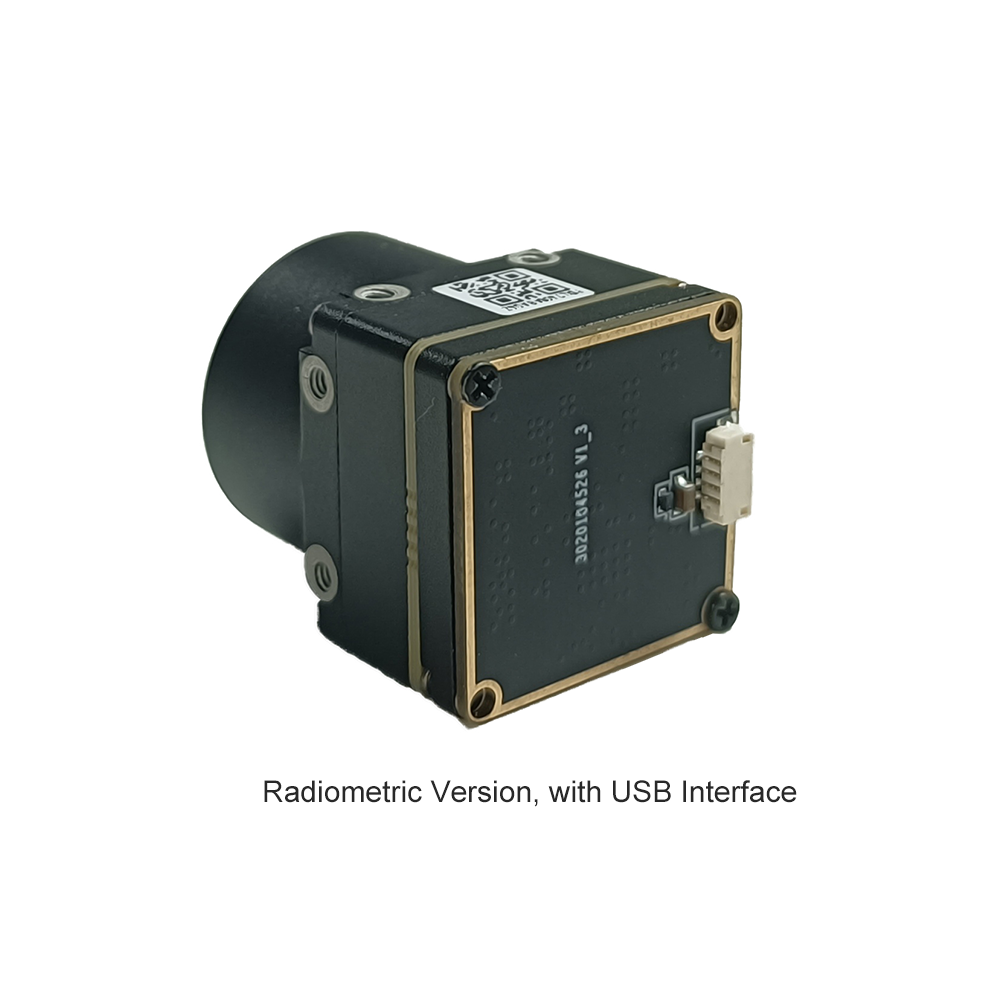
Неохлаждаемый LWIR USB мини-модуль ядра тепловизионной камеры 640*512 для дронов, аналогичный DJI
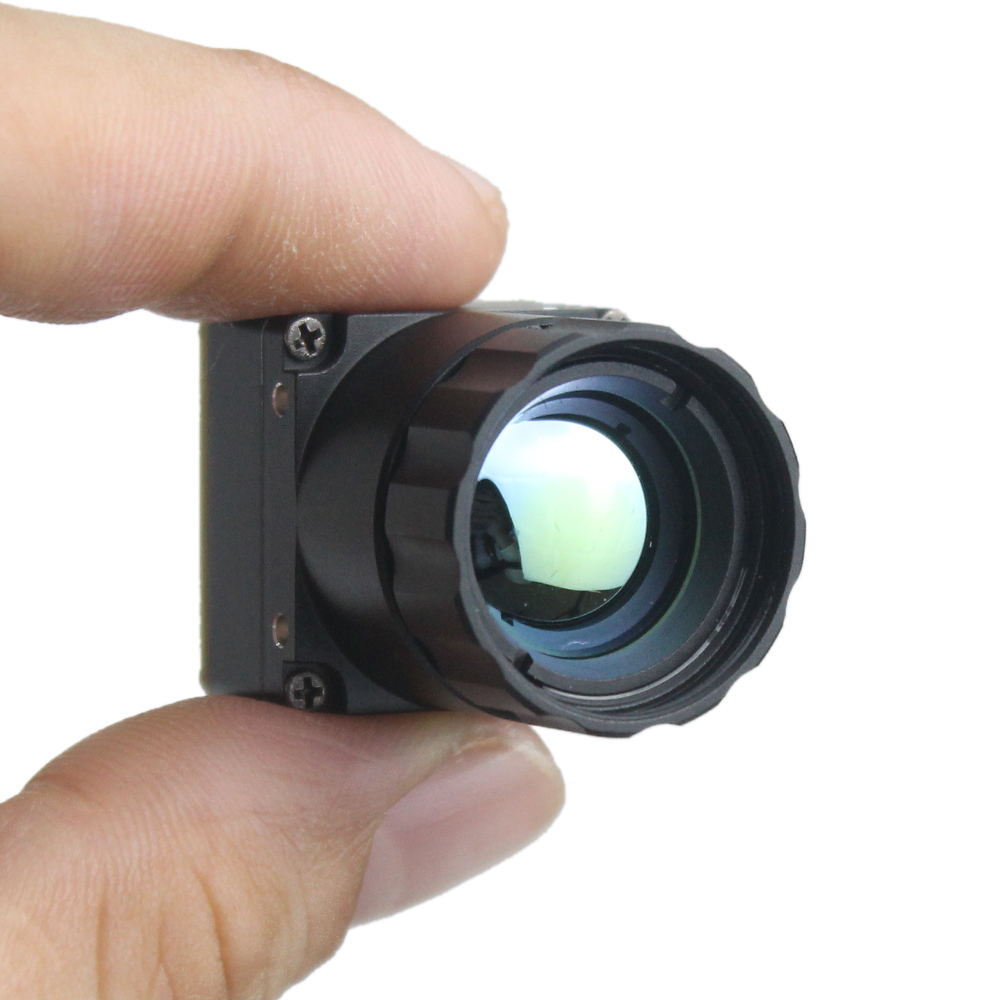
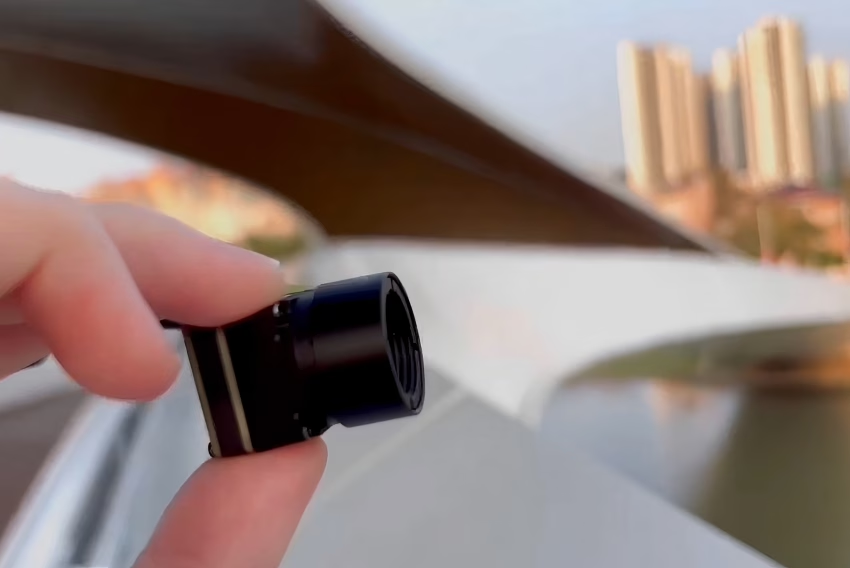
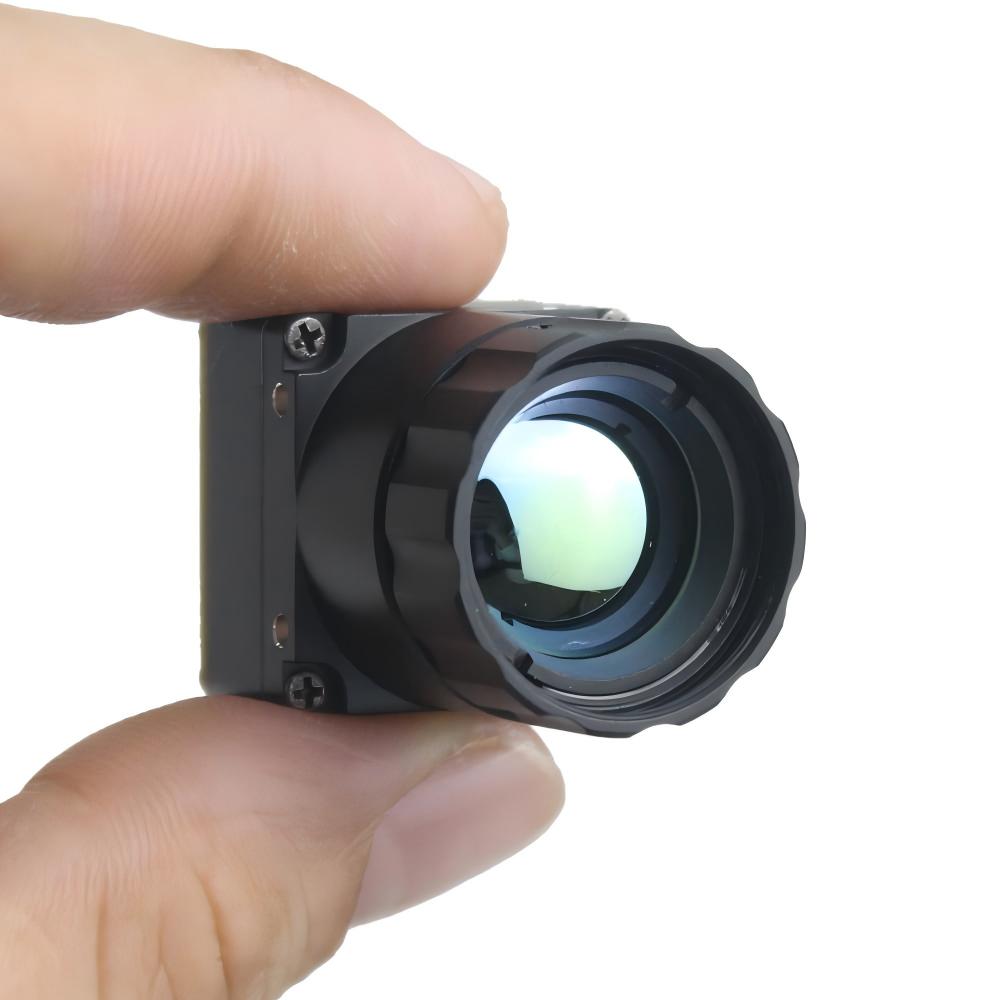
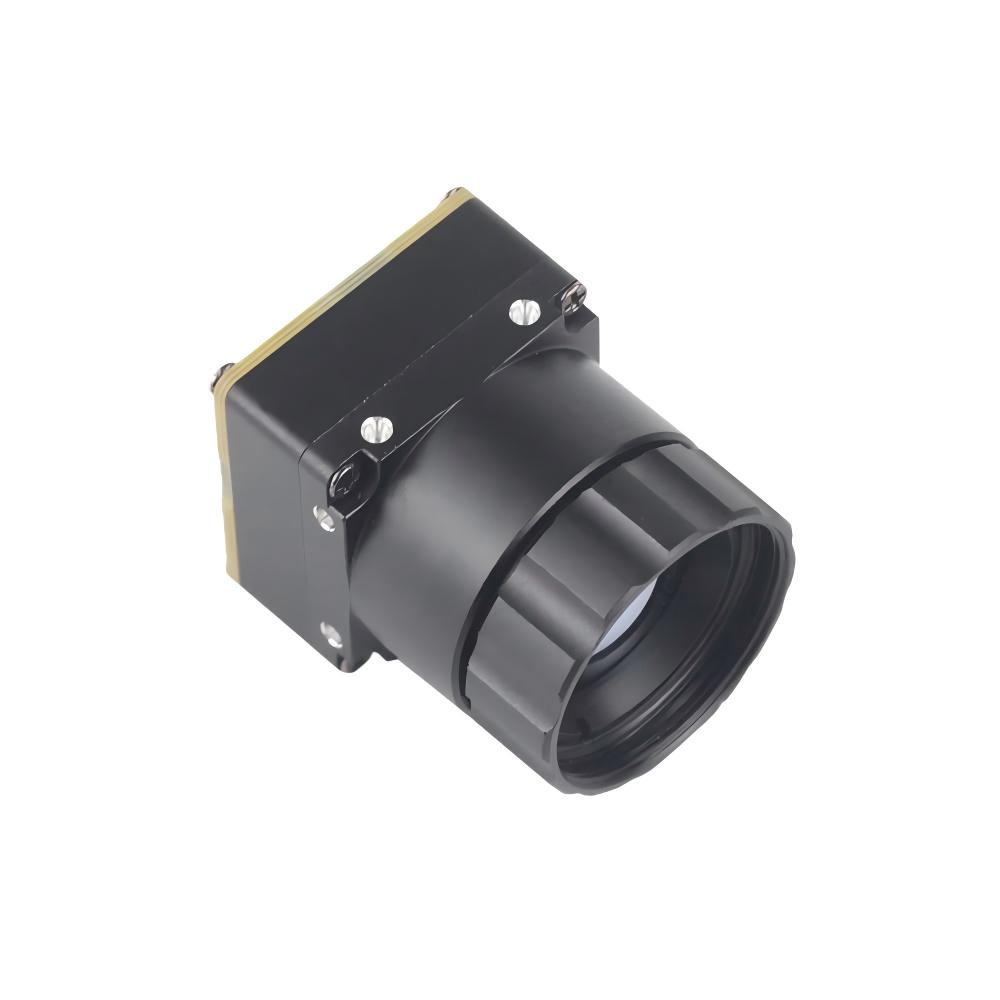
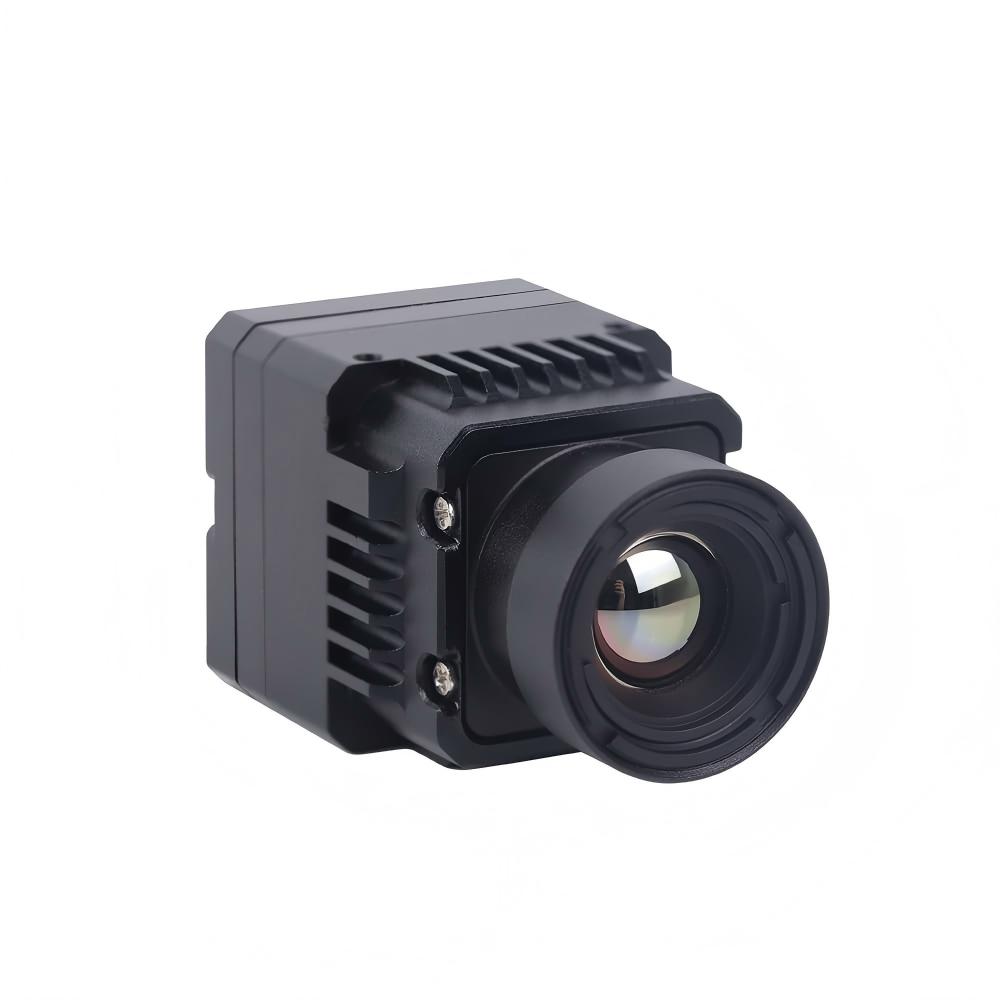
Tailored for OEM drone builders and embedded vision teams that need high pixel density inside tight SWaP and budget limits, this Мини-модуль неохлаждаемой инфракрасной тепловизионной съёмки outputs sharp, crisp imagery from an ultra-compact 21 мм × 21 мм core footprint. Built around native 640×512 resolution (with 640×480 resolution optional), a USB interface, dependable performance, and strong environmental adaptability, it supports nine interchangeable focal lengths—5mm, 9mm, 13mm, 18mm, 35mm, 50mm, 75mm, 100mm, and 150mm—spanning close-in robotics navigation all the way to long-standoff aerial recon.
| Параметр | Verified Specification |
|---|---|
| Архитектура детектора | Mini uncooled LWIR infrared thermal imaging module |
| Нативное разрешение | 640 × 512 (640 × 480 resolution optional) |
| Размеры ядра | Mini-Size: 21mm × 21mm |
| Доступные фокусные расстояния | 5 мм / 9 мм / 13 мм / 18 мм / 35 мм / 50 мм / 75 мм / 100 мм / 150 мм |
| Interface & Performance | USB interface; sharp and crisp image presentation; low cost; stable performance & strong environmental adaptability |
| Target Integration | Drones similar to DJI, long-range UAV payloads, embedded USB vision |
Side-by-Side Module Selection Matrix
Compare both cores side by side across key system specs before locking in your prototype or production BOM:
| Comparison Criterion | Mini 256×192 Uncooled LWIR Module | Mini 640×512 USB LWIR Core Module |
|---|---|---|
| Собственная матрица пикселей | 256 × 192 (49 152 пикселя) | 640 × 512 (327,680 pixels) / 640 × 480 optional |
| Core Form Factor | Mini modular core | Mini-Size 21mm × 21mm |
| Lens Focal Length Flexibility | Compact UAV-ready LWIR optics | 5 / 9 / 13 / 18 / 35 / 50 / 75 / 100 / 150 мм |
| Key Functional Highlight | Uniform thermal image output with accurate temperature measurement (radiometry) | Sharp, crisp image presentation, USB interface, low cost, strong environmental adaptability |
| Best-Fit Application | Aerial mine detection, compact radiometric inspection payloads | High-resolution drone imaging, long-range surveillance, embedded USB/Linux vision |
7. Deep-Dive Engineering FAQ
Are entry-level thermo cameras in the $200–$400 range actually worth owning, or is the image quality unusable for engineering work?
Can I stream high-resolution thermal video directly to a Raspberry Pi or single-board computer via USB?
Why does a budget thermo camera show blurry edges outdoors even though it looks sharp indoors?
📚 Ссылки и дополнительная литература
- Отраслевой стандарт: LightPath Technologies — Infrared optical materials, molded chalcogenide glass, and LWIR lens performance engineering.
- Отраслевой стандарт: OpenCV — Open-source computer vision library for USB UVC video ingestion, V4L2 capture, and 16-bit thermal image processing.
- Связанное руководство: Commercial Infrared Thermal Imaging Solutions & High-Res Modules
- Связанное руководство: Thermal Imaging Camera Selection Guide (Russian Edition)
- Связанное руководство: Thermal Camera Module Pricing & Cost Factors Guide (Arabic Edition)