
Fix Thermal Camera Core Integration: 3 Fatal Errors
2026年2月28日
Mastery strategy: 4 thermal image core night guard secrets
Mastering thermal image core technology is the only way to own the night when it comes to 24/7 high-stakes security. Let's look at 4 secrets to optimize surveillance clarity right now.
Security threats don't punch a time clock, and relying solely on visible light is a rookie mistake. I’ve spent years in the trenches, and I’ve seen traditional CCTV setups go useless the second a heavy fog rolls in or the moon hides behind clouds. The real "Night Guard" for any serious facility is a professional-grade thermal image core.
Unlike standard optics, a high-quality thermal image core doesn't care about light. It sees the heat signatures bleeding off objects. This means total visibility in pitch-black darkness or thick smoke. This guide pulls back the curtain on how to master this technology for elite defense.
Secret 1: Leveraging the power of the LWIR imaging sensor
Why is the LWIR imaging sensor (8-14μm) the gold standard for terrestrial security? It’s simple: it captures heat radiation without needing one single photon of light. Visible light sensors get "blinded" by streetlights, high beams, or heavy rain, but an LWIR imaging sensor cuts through that noise like it's not even there.
To be honest, understanding what is thermal imaging is just the first step. You need to realize that LWIR isn't just "seeing" in the dark; it's sensing energy.
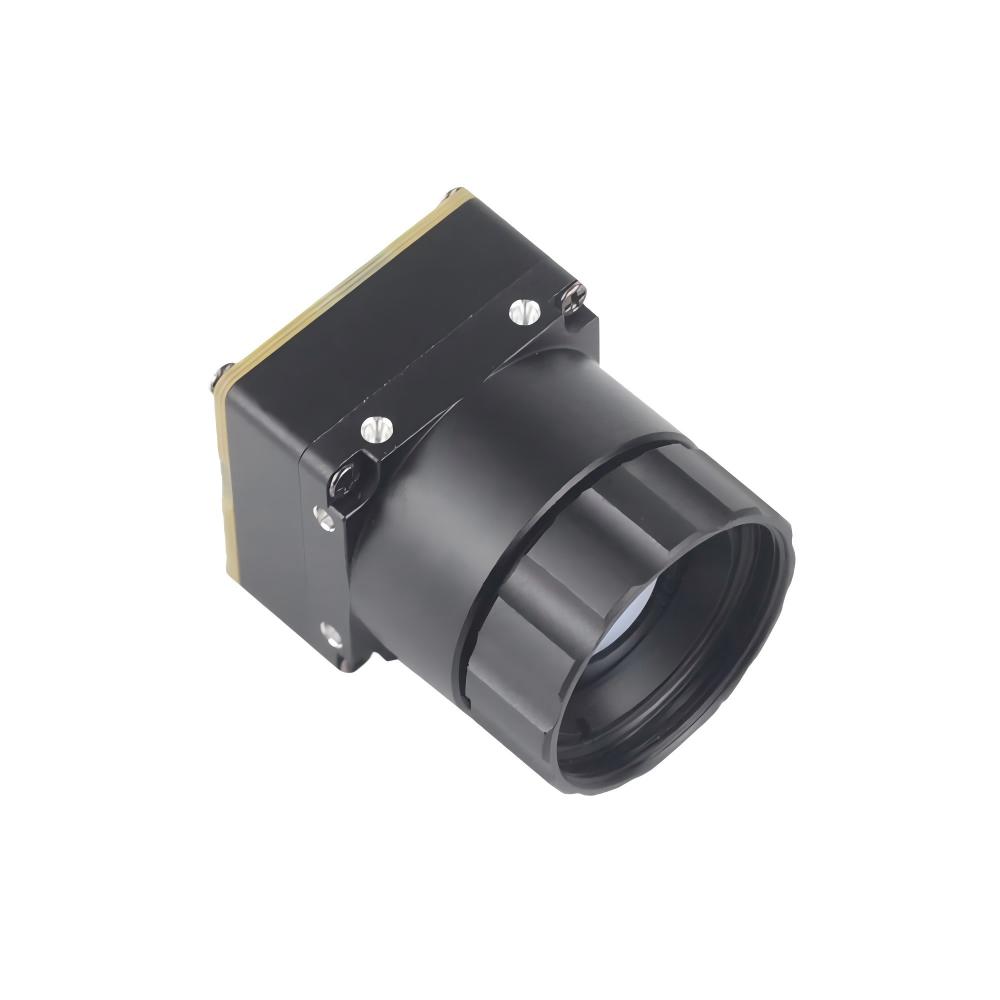
High resolution isn't some marketing gimmick—it’s about how far away you can spot trouble. A thermal image core with 1280*1024 resolution packs four times the pixels of those standard VGA sensors. When you deploy a High Resolution Uncooled Infrared 1280*1024 Thermal Imaging LWIR Camera, you can tell the difference between a stray dog and a human intruder miles away.
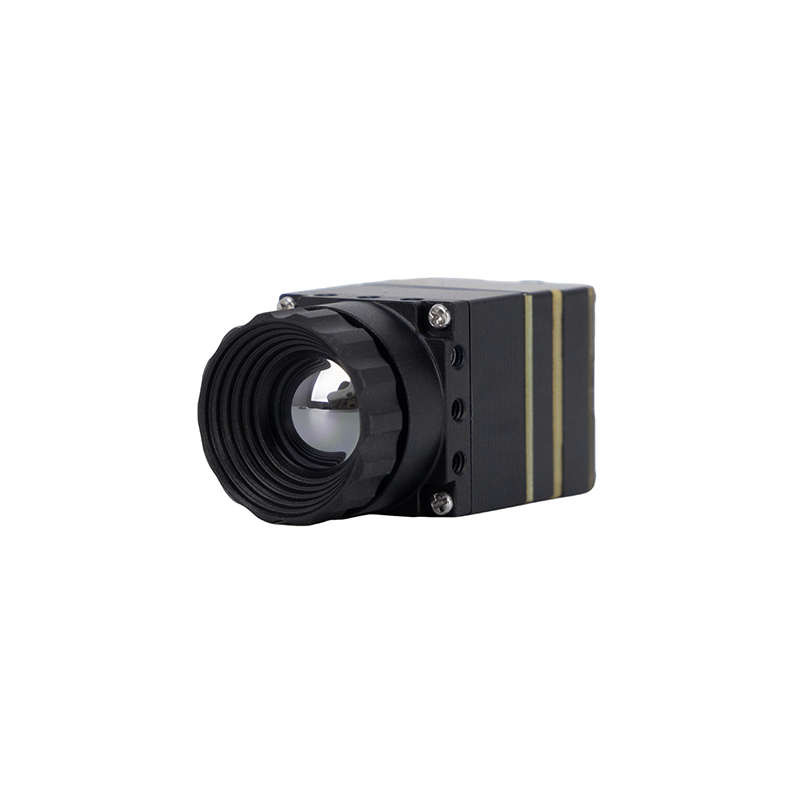
Look, those extra pixels are often the only thing standing between a false alarm and a successful intervention. You get a wider Field of View (FOV) and digital zoom that actually stays sharp instead of turning into a blurry mess. This is critical for catching tiny thermal anomalies in massive industrial zones.
Secret 2: The heart of sensitivity—Vanadium Oxide (VOx) technology
Clients always grill me on the VOx vs. a-Si debate. If you want a crisp, reliable image, the Vanadium Oxide detector wins every single time. VOx sensors have a lower NETD (Noise Equivalent Temperature Difference), which is basically tech-speak for "thermal sensitivity."
A top-tier thermal image core using VOx can spot temperature differences as tiny as 0.03°C. Even on a cold, rainy night when the environment starts to look the same, the Vanadium Oxide detector keeps the contrast high so the intruder sticks out like a sore thumb.
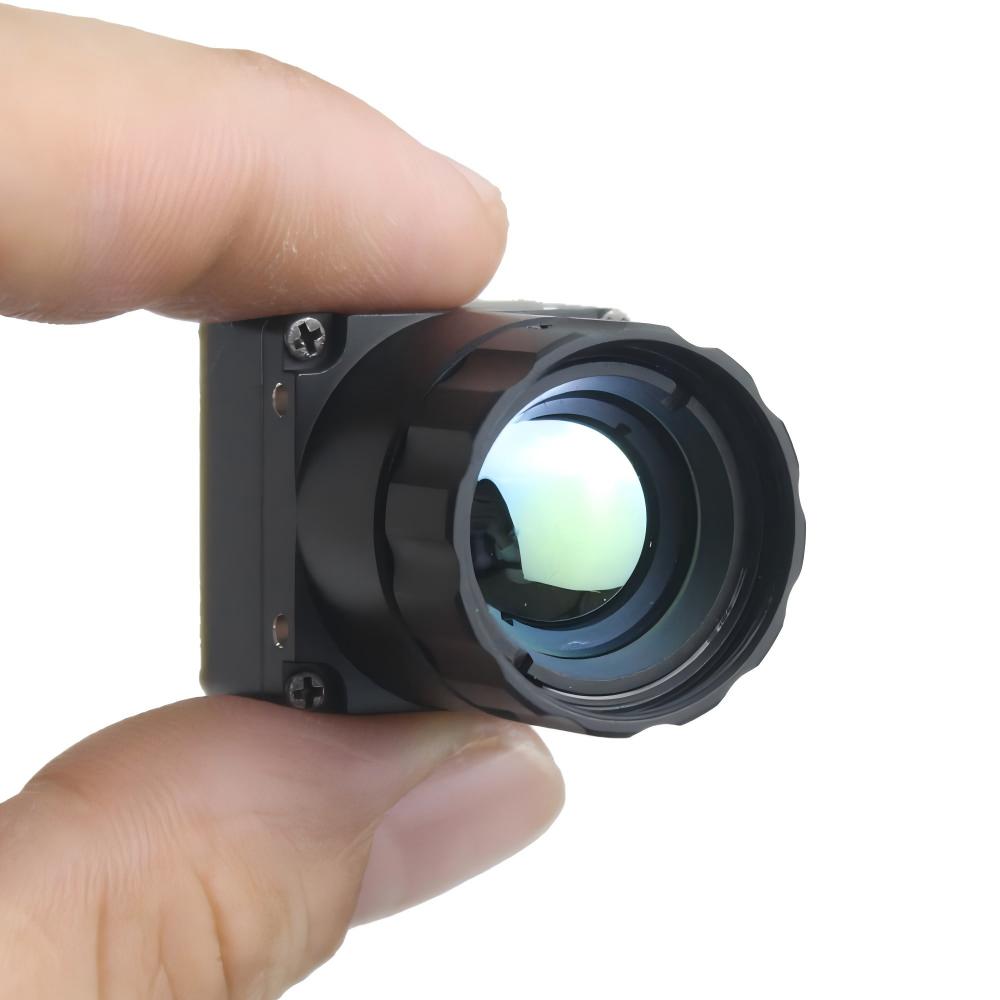
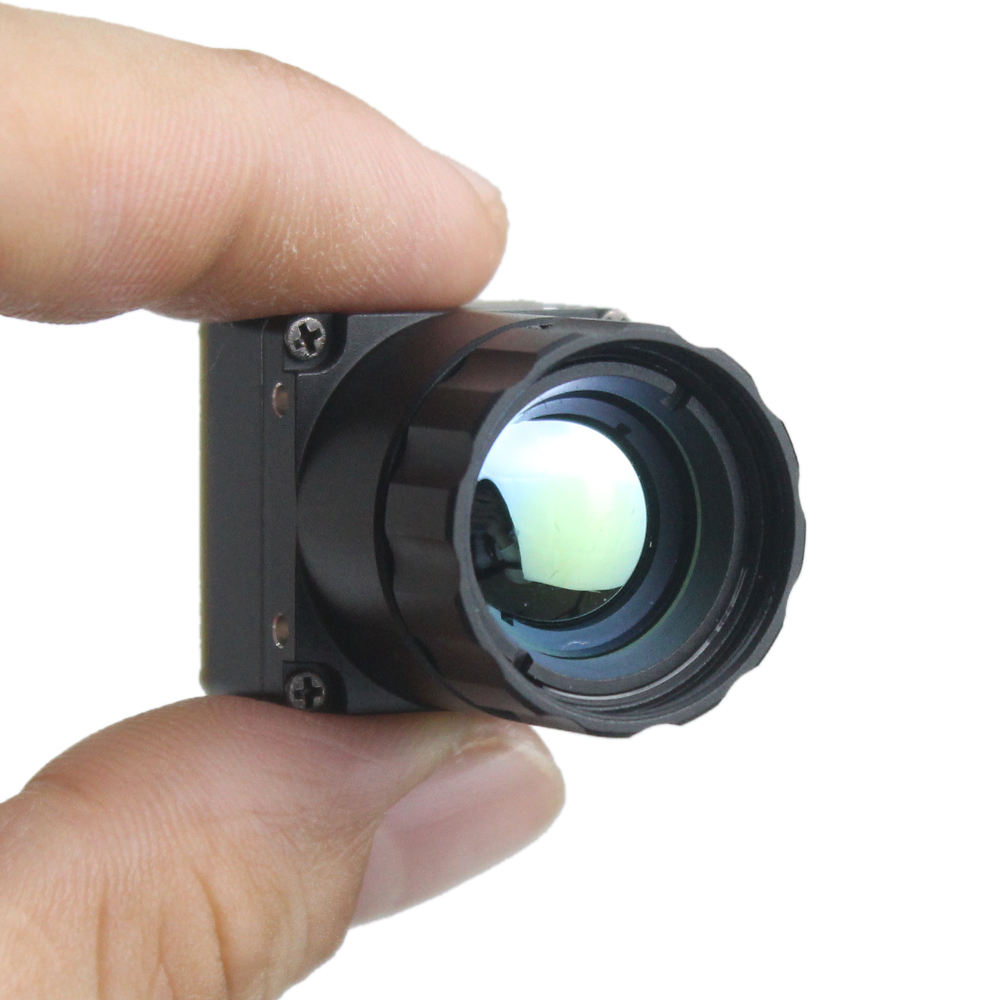
Shrinking the pixel pitch to 12μm has changed the game. These smaller gaps allow us to build a more compact thermal camera module. We can use smaller, lighter lenses to get the same magnification as the old, bulky gear. Here’s a quick breakdown of how these specs compare in the field:
| Feature | Standard Core | Elite VOx Core |
|---|---|---|
| Thermal Sensitivity (NETD) | >50mk | <30mk |
| Pixel Pitch | 17μm | 12μm |
| Image Contrast | Grainy in rain | Consistently sharp |
Secret 3: Advanced multisensor integration for 24/7 awareness
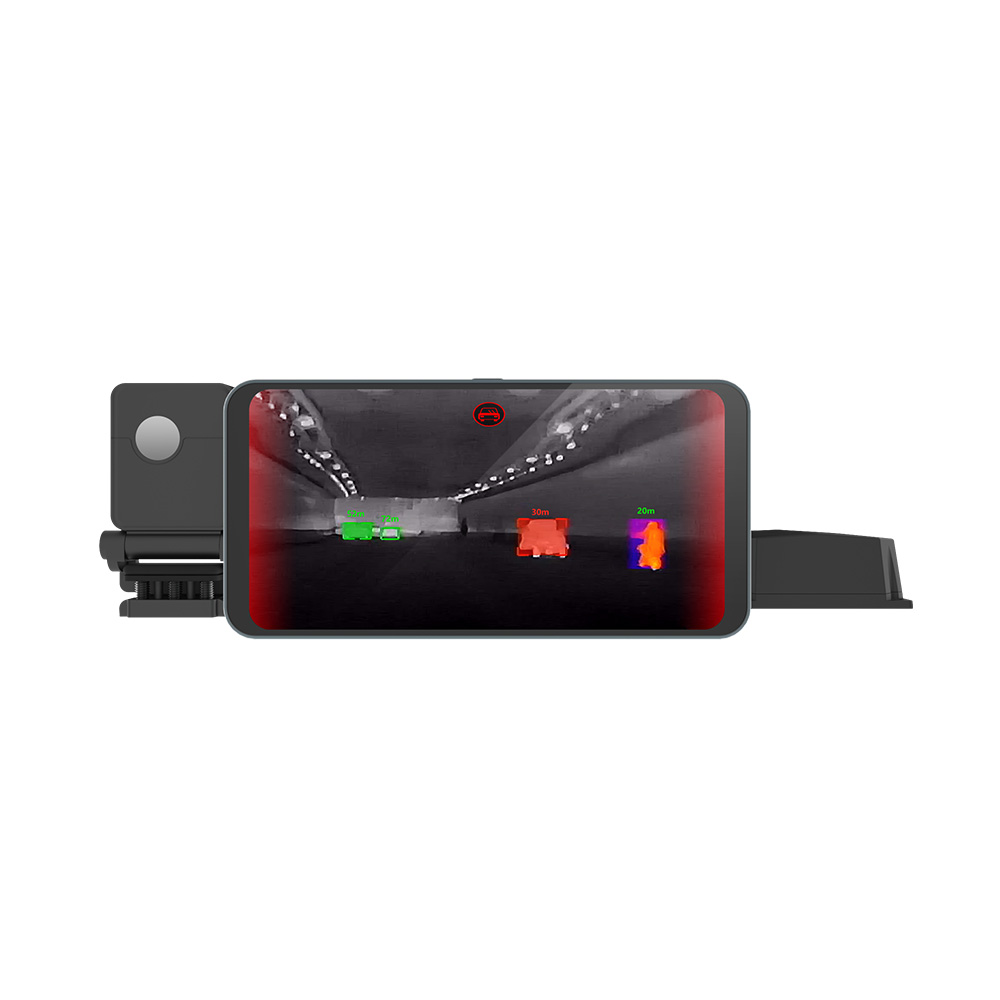
Mastering a thermal image core isn't just about staring at heat maps. The magic happens with multisensor integration, or what we call "Sensor Fusion." By layering the heat signature from the thermal image core over the visual data from a 4K camera, you get a detail-rich feed.
You’ll see the guy’s heat signature and his getaway car's license plate at the same time. Many pros now drop a thermal camera 640x512 module right next to a visible sensor for total situational awareness. For more hardware samples, check out this product overview of thermal cores.
At Purpleriver, we’ve pushed this further with Edge AI. Our thermal image core doesn't just see—it thinks. It can tell a swaying branch from a crawling person, which kills those annoying false positives that keep you up at night.
Secret 4: Optimized interfacing for rapid deployment
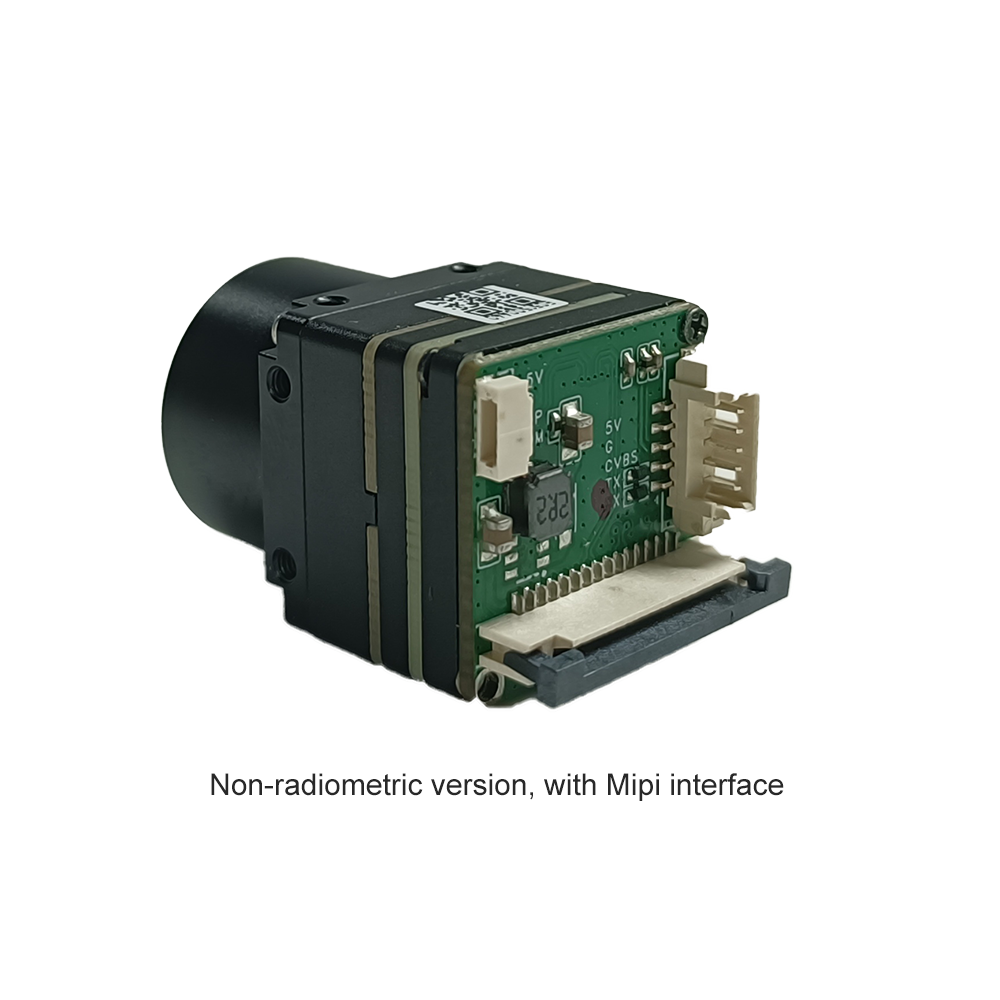
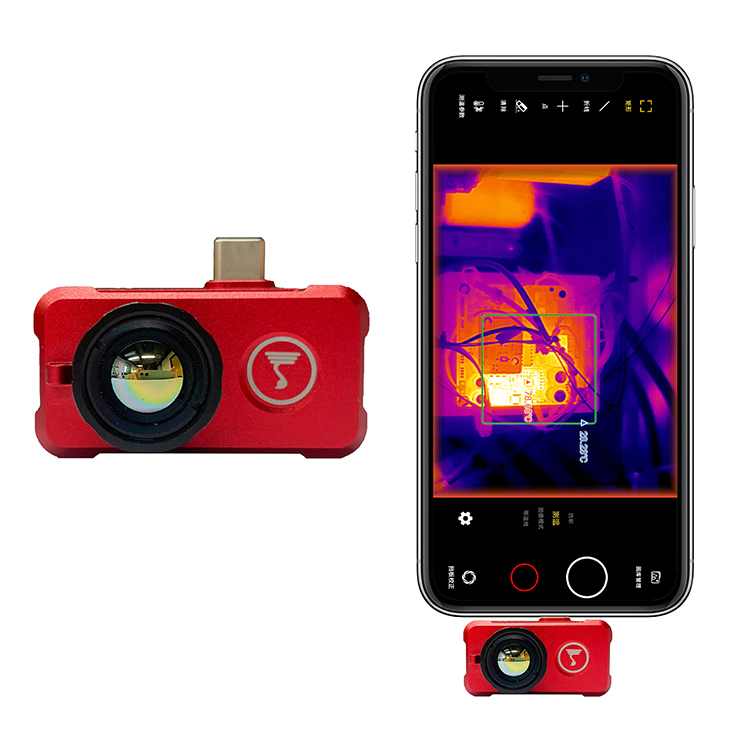
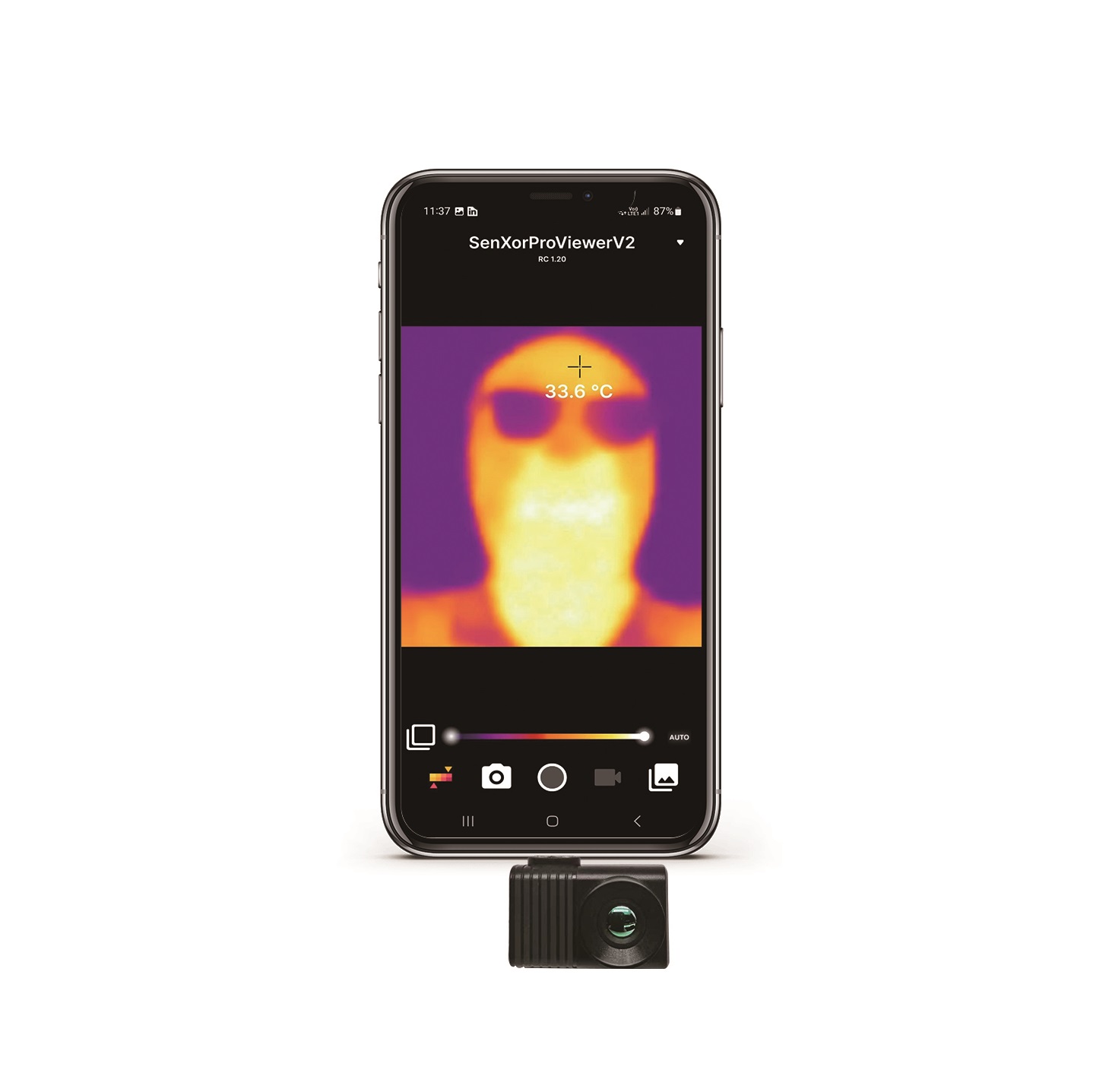
When you're plugging a thermal image core into a big system, the interface is everything. A mipi thermal camera module is your best bet for high-speed mobile processing, whereas a usb thermal camera module is the plug-and-play king for PC setups.
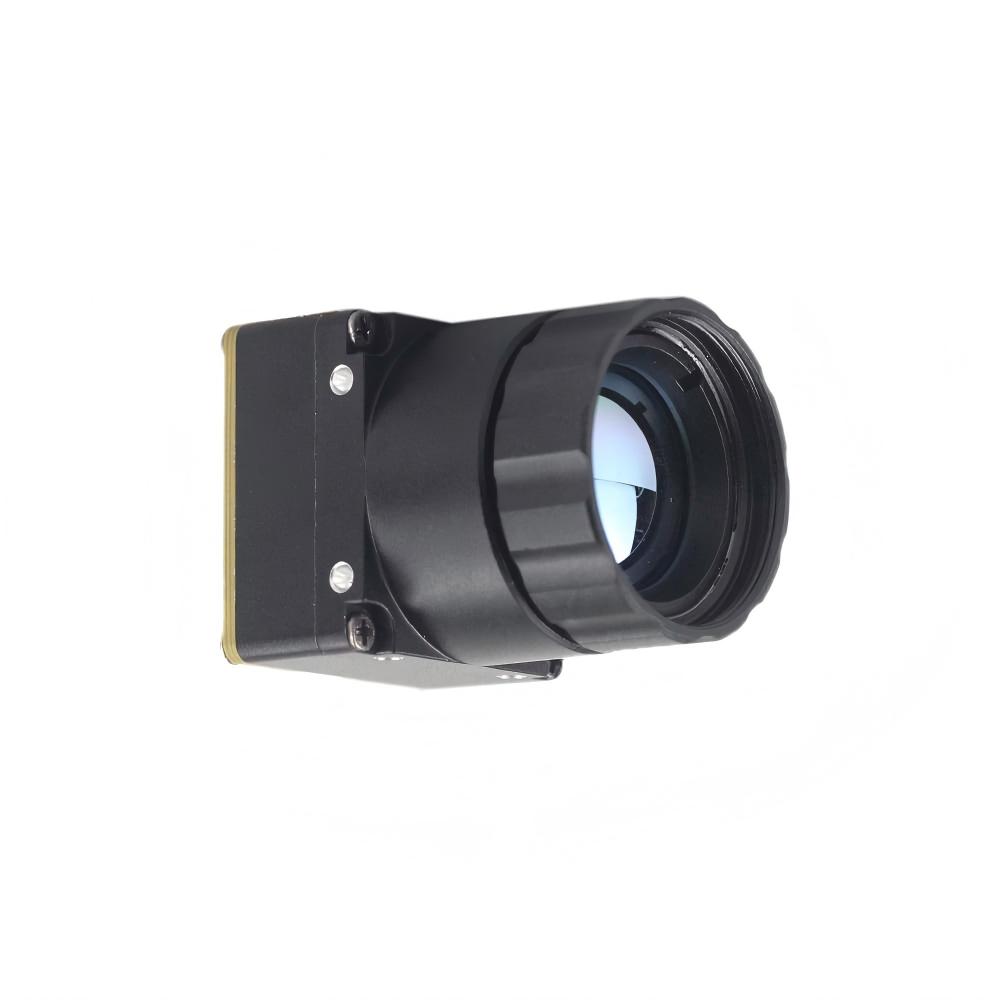
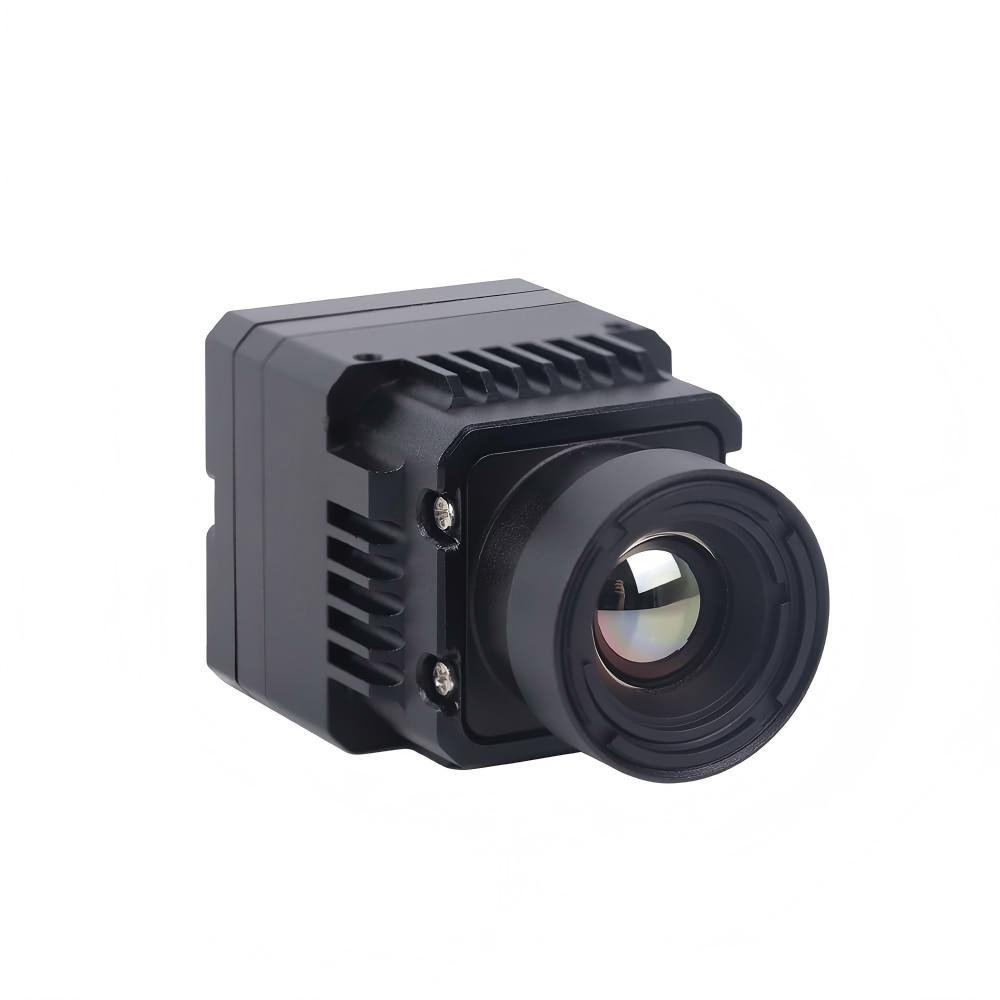
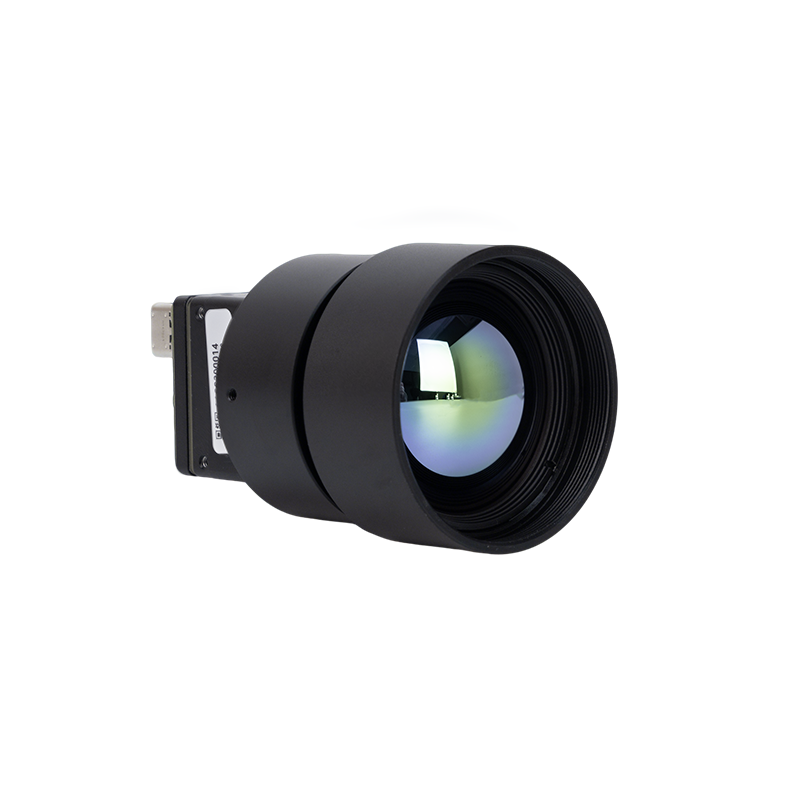
I usually point people toward the MD Series 384x288 uncooled infrared thermal camera module because it’s incredibly versatile. It supports synchronous output, which is a dream for developers who need flexibility.
The stability of the infrared focal plane (FPA) is what keeps your image from drifting. I’ve worked in spots hitting -40°C, and a cheap core will "ghost" on you. A pro-grade thermal image core uses Non-Uniformity Correction (NUC) to keep that infrared focal plane accurate, no matter how hot or cold the housing gets.
To better understand thermal image core technology, this video tutorial is highly recommended:
https://www.youtube.com/watch?v=_CyEtdb5JdE
Strategic selection: choosing your thermal module
Matching the right lens is huge. For wide perimeter watching, a 4mm or 9mm lens is fine. But if you're building a "Night Guard" for border detection, you’ll need 75mm or even 150mm glass. Don’t settle for a one-size-fits-all thermal image core.
Here's the bottom line on cores: for 99% of what you're doing, an uncooled thermal camera module is the smart play. Cooled cores have insane range, but they’re expensive and high-maintenance. An uncooled thermal image core with a Vanadium Oxide detector lasts longer and requires zero maintenance.
Are you ready to upgrade your surveillance?
Explore our MD Series 384x288 uncooled infrared thermal camera module and start your journey toward intelligent thermal imaging today.
Frequently asked questions (FAQ)
How does a thermal image core enhance night surveillance?
It detects heat instead of light, giving you 100% visibility in total darkness. Unlike NIR systems, a thermal image core is passive and won’t give away your position to anyone with night-vision goggles.
What factors matter most when choosing an infrared core?
Look at resolution (1280x1024 is the gold standard), thermal sensitivity (NETD), and whether it uses a Vanadium Oxide detector. Also, make sure the thermal camera module has the right interface like MIPI or USB.
Can these modules handle industrial temperature monitoring?
Absolutely. A good thermal image core provides a dual-stream: one for the visual heat map and one for raw temp data. It’s perfect for spotting overheating transformers before they blow.
Bottom line: elevate your security strategy
Mastering the thermal image core is the gap between being reactive and being protected. By sticking with high-resolution LWIR imaging sensors and smart multisensor integration, you make sure your security never blinks.
Guangzhou Purpleriver Electronic Technology has been grinding in the AI Thermal Imaging space since 2015. We're a "Specialized and Sophisticated" outfit in Guangdong, serving over 300 global clients with ISO-certified gear. Whether you need a thermal image core for a drone or a forest fire prevention system, we’ve got the pro-grade hardware to get it done.
Image by: Andrey Matveev
https://www.pexels.com/@zeleboba