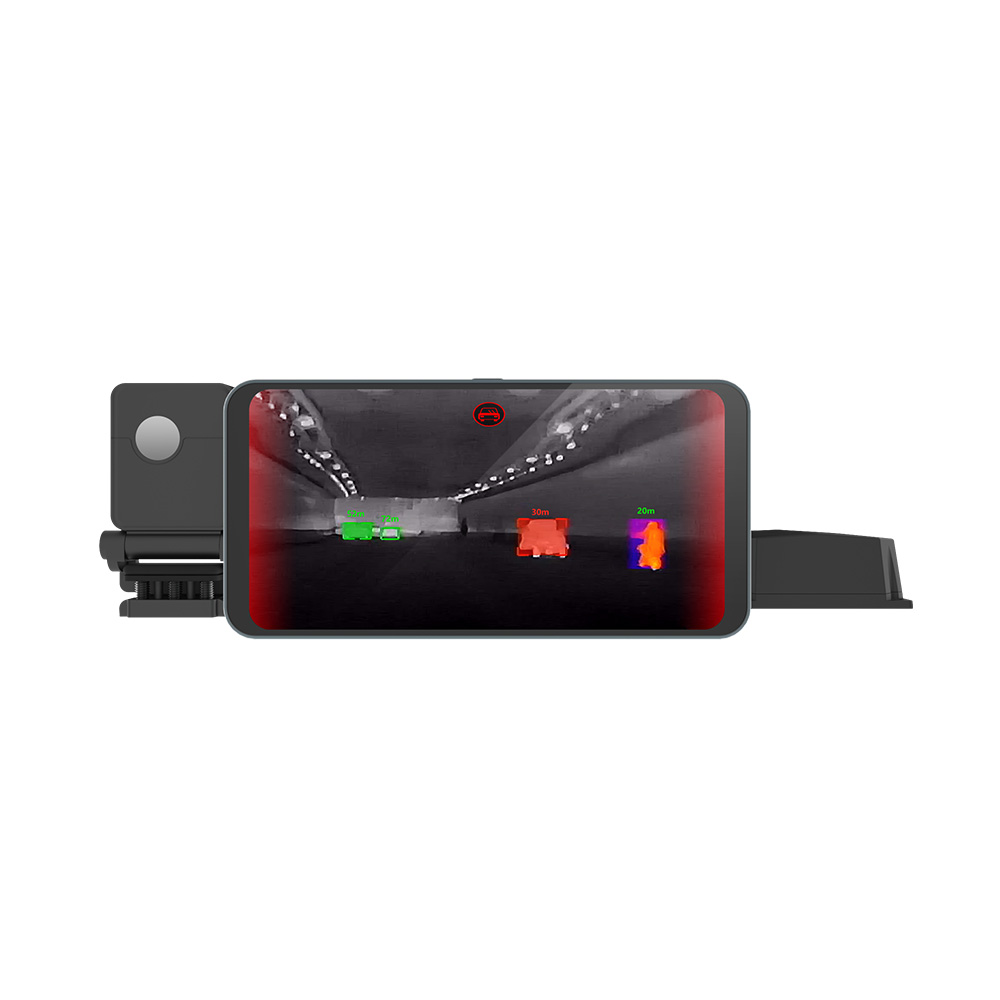

Fix Thermal Camera Core Integration: 3 Fatal Errors
2026年2月28日
1.Today, as global security demands continue to rise, the market's demand for reliable, all-weather, and proactive monitoring solutions has reached an unprecedented level. The traditional visible light surveillance cameras, which have long been the core of the security system, are increasingly revealing their inherent limitations: they completely fail in completely dark environments, cannot output clear images in fog/rainstorm/thick smoke scenarios, cause visual blindness due to strong light or backlighting, and can only provide post-event video playback but cannot achieve proactive risk warning. For industrial parks, critical infrastructure, border protection, forest fire prevention, logistics hubs, and commercial and civilian venues, these shortcomings have created fatal vulnerabilities in safety management and risk prevention.
Against this backdrop, thermal imaging technology has become the core driving force for the transformation of the global security industry. Unlike visible light cameras that rely on reflected light imaging, thermal imaging technology captures infrared radiation emitted by all objects above absolute zero, regardless of lighting conditions or atmospheric environment, and can clearly present target characteristics. When this disruptive technology is deeply integrated with high-precision 360° continuous pan-tilt-zoom (PTZ) control systems and high-definition visible light imaging capabilities, a thermal imaging spherical pan-tilt camera is born - an integrated, plug-and-play monitoring terminal that redefines the all-weather security capabilities.
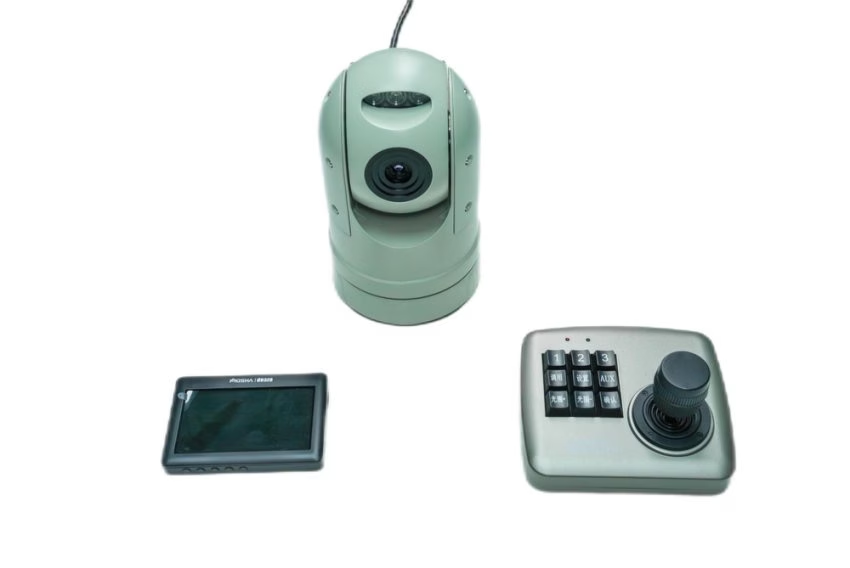
This camera is not a simple combination of thermal imaging modules and electric pan-tilt units, but a dedicated solution tailored for security scenarios. It integrates professional-level thermal imaging temperature measurement, long-distance target detection, full-space coverage, and intelligent edge analysis capabilities into a sturdy complete machine device. It eliminates the monitoring blind spots of fixed gun cameras, breaks through the environmental limitations of visible light equipment, and upgrades security operations from passive event response to proactive risk prevention. In this blog, we will use the industry benchmark model OS-DZ Series dual-light thermal imaging spherical pan-tilt camera as the core sample, comprehensively and deeply analyze its working principle, technical specifications, core advantages, real-world application scenarios, and provide a professional purchasing guide for global users. Whether you are a security system integrator, industrial operation manager, park operator, or a terminal user with customized monitoring requirements, this guide will provide you with comprehensive information on the selection and deployment of thermal imaging pan-tilt equipment for your corresponding scenarios.
2. What is a 360 ° Dual-spectrum Thermal Imaging Spherical PTZ Camera For Industrial Inspection? How does it work?
2.1. Core Definition
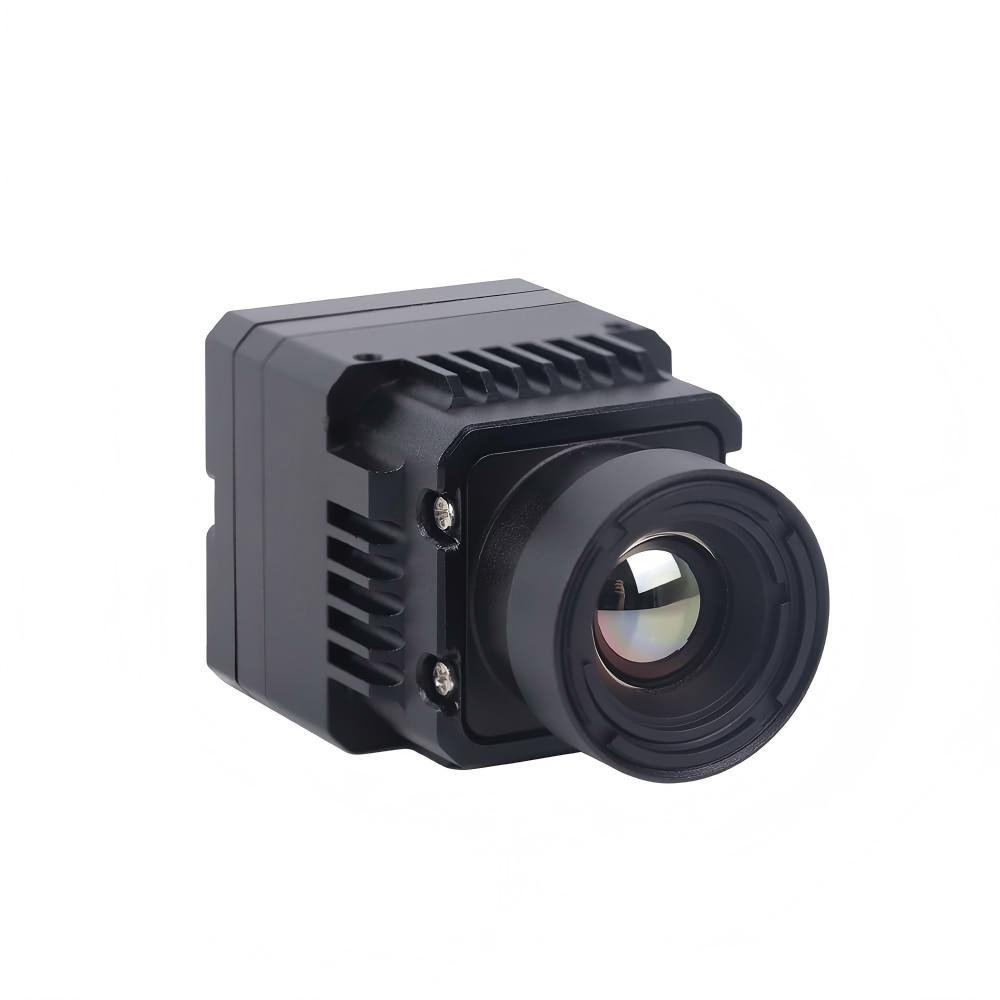
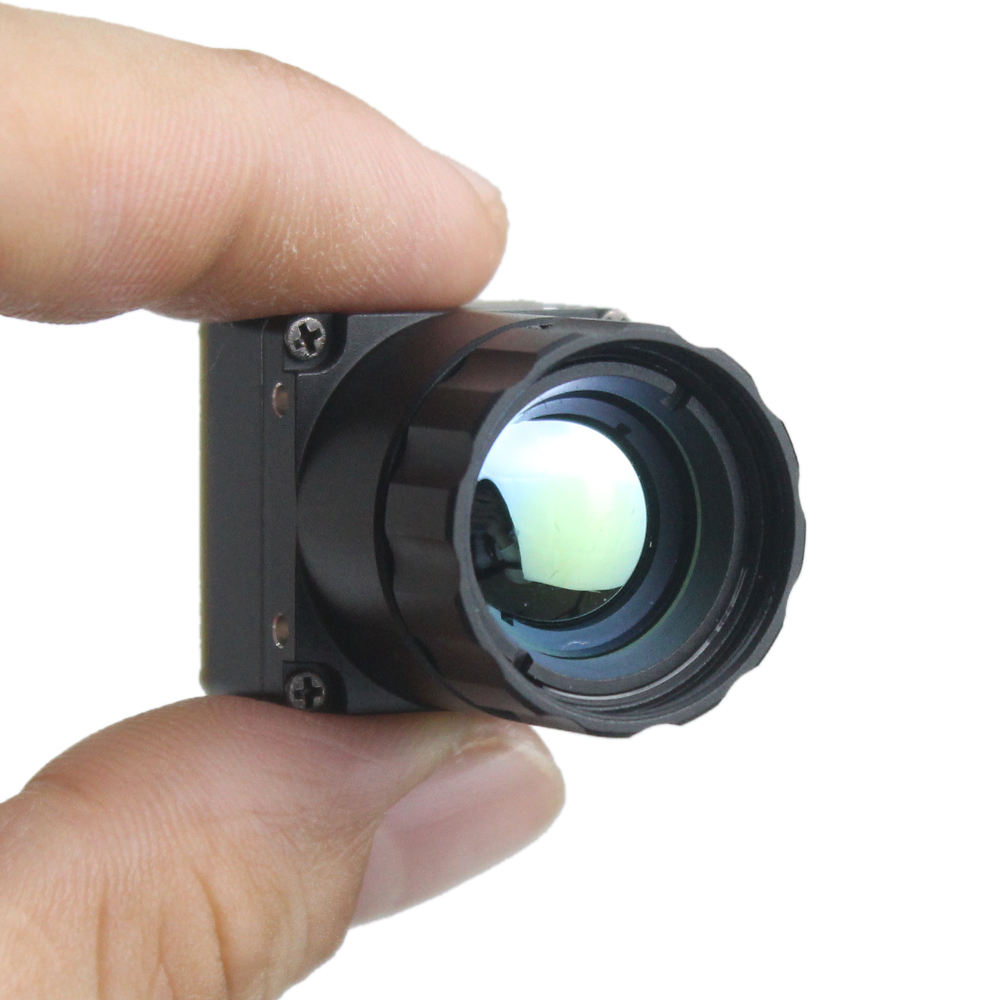
A thermal imaging spherical pan-tilt camera is an integrated intelligent monitoring device that combines three core subsystems: a high-performance non-cooled infrared thermal imaging unit, a high-definition visible light camera module, and a high-precision electric pan-tilt zoom (PTZ) control system. It is specifically designed for all-weather, wide-area monitoring scenarios and possesses two core capabilities that traditional cameras cannot achieve: the ability to perceive all-environment targets through thermal imaging, and the ability to achieve full-space coverage without blind spots through 360° pan-tilt control.
Unlike separate thermal imaging modules that require secondary development, hardware integration, and software adaptation, the thermal imaging spherical pan-tilt camera is a finished product that can be directly deployed. It comes with standardized interfaces, built-in intelligent analysis functions, and is compatible with mainstream security platforms. It is suitable for new monitoring systems and can also be directly used for the upgrade and transformation of existing security systems.
2.2. Basic Working Principle of Thermal Imaging
The core of thermal imaging technology stems from a fundamental physical law: all objects with a temperature above absolute zero (-273.15°C) will emit infrared radiation, and the intensity of this radiation is directly proportional to the surface temperature of the object — the higher the temperature, the stronger the infrared energy emitted.
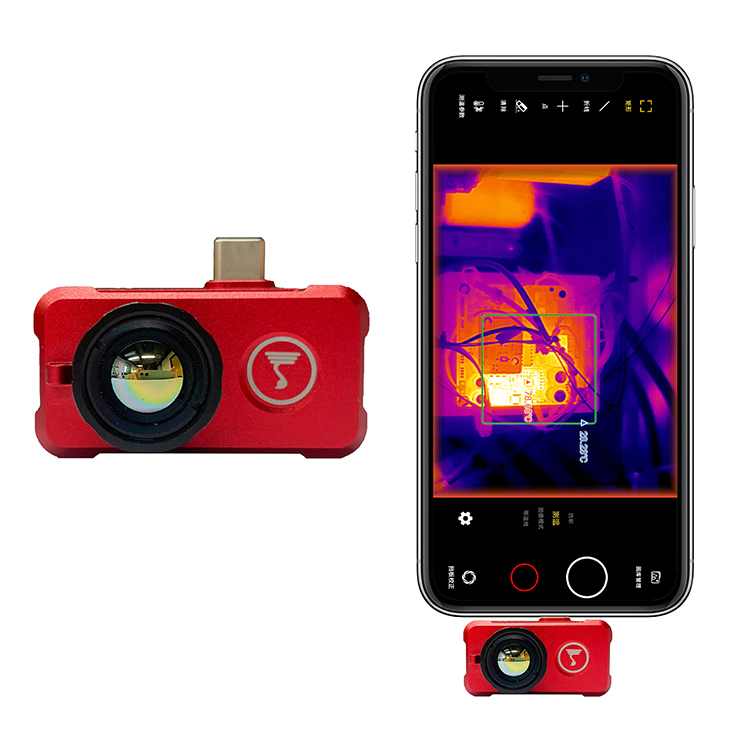
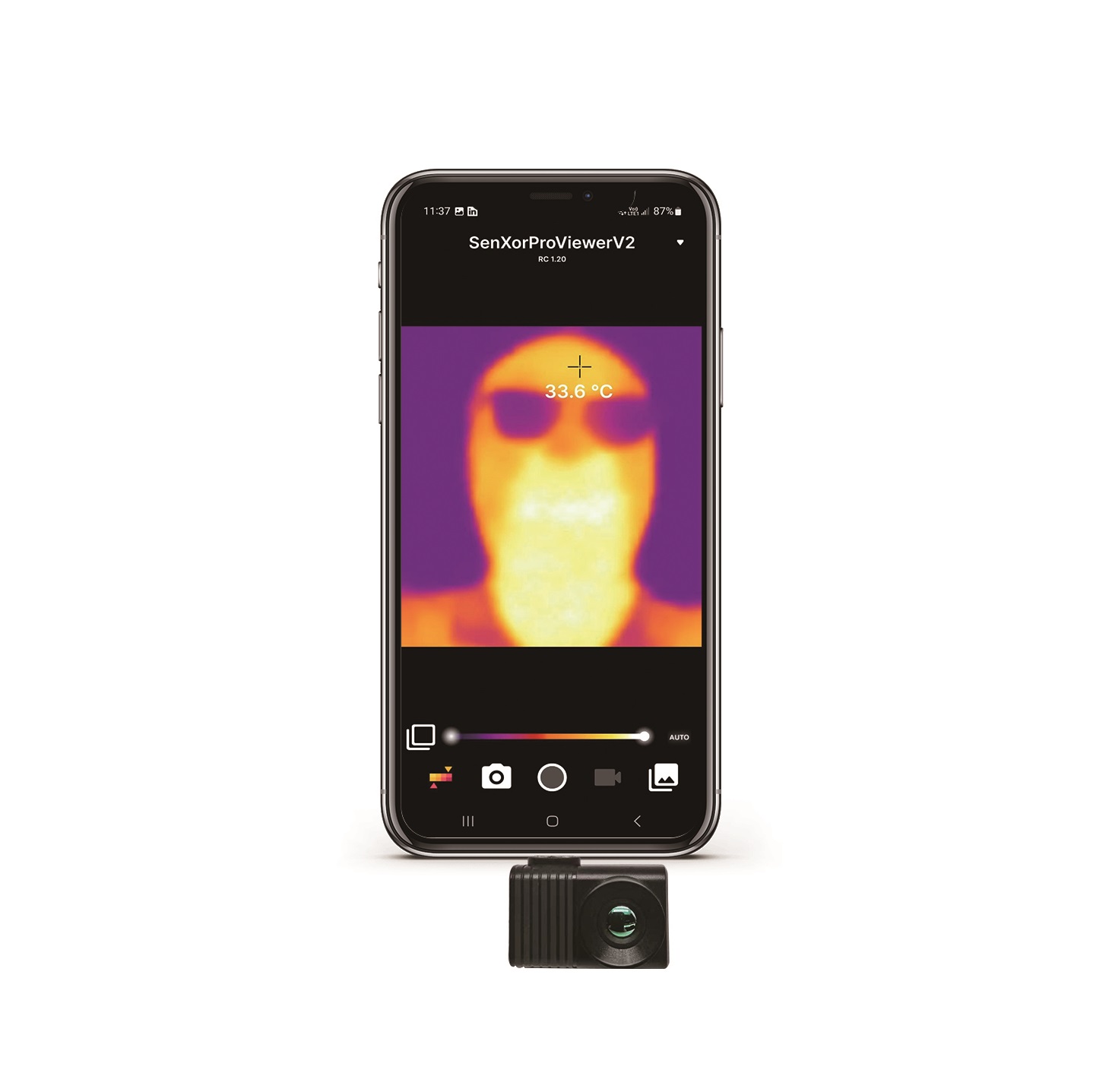
The thermal imaging spherical pan-tilt camera adopts the industry-leading configuration of professional-grade thermal imaging equipment - vanadium oxide uncooled infrared focal plane detector - to capture infrared radiation in the 8-14μm band (this long-wave infrared window is the best band for penetrating atmospheric obstacles such as fog and smoke). The detector first converts the captured infrared radiation into electrical signals, and then the onboard signal processing chip processes them, ultimately generating a digital thermal imaging image. In the thermal imaging image, different temperatures are presented intuitively through a dedicated color palette: areas with generally higher temperatures are represented by warm colors such as red, orange, and yellow; while areas with lower temperatures are displayed in cold colors such as blue and purple.
This imaging principle endows thermal imaging technology with unparalleled advantages: it can generate clear images without any external light source and can operate stably in extreme environments where visible light cameras fail completely, such as total darkness, thick smoke, thick fog, and heavy rain. In addition to visual imaging, professional-level thermal imaging modules can also achieve high-precision non-contact temperature measurement, capable of identifying temperature differences as small as 0.05°C, thereby enabling early warnings for equipment overheating, electrical faults, and initial fires.

2.3. Working Principle of PTZ Pan-Tilt Control System
The PTZ control system is the core component that enables thermal imaging cameras to achieve full-space, all-round monitoring without any blind spots.
High-end professional models also support configurable preset positions and automatic cruise trajectories. Users can set fixed monitoring points (preset positions) and automated patrol routes, allowing for unmanned, all-weather monitoring of large areas without the need for manual operation.To balance the all-weather detection capabilities of thermal imaging and the detailed recognition capabilities of visible light, the thermal imaging spherical pan-tilt camera adopts dual-light fusion technology. The thermal imaging channel is responsible for all-weather target detection, temperature anomaly warning, and target positioning in harsh environments; the visible light channel is responsible for high-definition detail capture, identity verification, and is combined with supplementary lighting to achieve supplementary lighting imaging in low-light environments. The two channels work together, enabling the maximum advantages of both technologies in any scenario.
3. Full-scenario Deployment Solution
3.1. Vehicle-mounted Mobile Security and Emergency Rescue
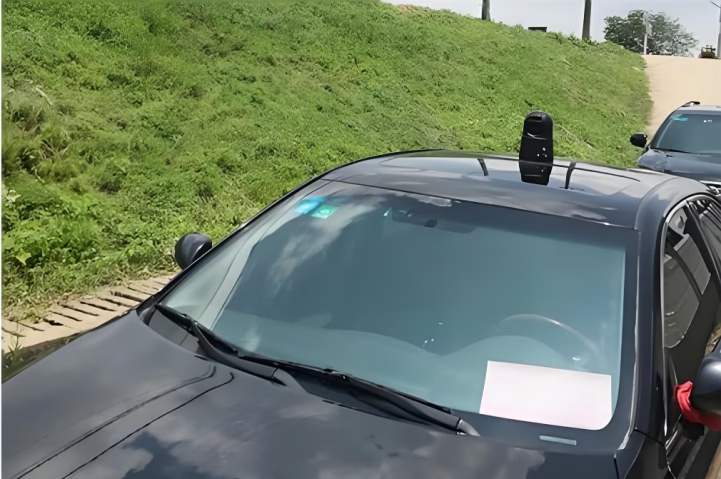
The thermal imaging spherical pan-tilt camera is powered by low-voltage DC 12V, featuring a compact size and low power consumption, making it highly suitable for deployment in emergency command vehicles, fire engines, patrol police cars, and mobile security units. In fire rescue scenarios, it can penetrate thick smoke and darkness, locate trapped individuals and the core fire source, and provide real-time visual images for the rescue team. For large-scale events, it can serve as a mobile monitoring point, enabling crowd control and security protection. In traffic accident handling, it can detect potential hazards in weak light and foggy environments, protecting rescue personnel from secondary accidents. It can also be used for temporary mobile perimeter security at construction sites, outdoor events, and temporary facilities.
3.2. Shipborne All-Scenarios Monitoring
At sea, especially during night navigation, foggy conditions, and low visibility, traditional visible light radars and cameras are often limited by environmental conditions and unable to detect potential collision hazards such as distant ships, floating objects (such as rocks, sunken ships, floating debris) in advance. By deploying the thermal imaging spherical pan-tilt camera on ships, it can penetrate fog and darkness, clearly detect and identify distant ships, buoys, and floating objects through the thermal radiation characteristics of the targets, and predict collision risks several kilometers in advance, allowing crew members sufficient time to adjust their course and avoid accidents. At the same time, it can monitor the navigation lights and signal lights of other ships in real time to ensure compliance with navigation regulations.

3.3. Perimeter Security of Parks and Key Infrastructure
For industrial parks, power stations, airports, water plants, border protection, and other places, the thermal imaging spherical pan-tilt camera is the core of an active perimeter security system. Users can set automatic patrol tracks along the perimeter fence, and set preset positions at entrances, equipment rooms, and high-risk areas. The thermal imaging capability of the equipment can detect hidden intruders in darkness, behind vegetation, and disguised in 24/7, unaffected by fog or heavy rain. It can also simultaneously monitor overheating abnormalities in distribution rooms, substations, and equipment rooms, triggering alarms before a fire occurs and cooperation access control, lighting, and alarm signals to achieve fully automated security responses.
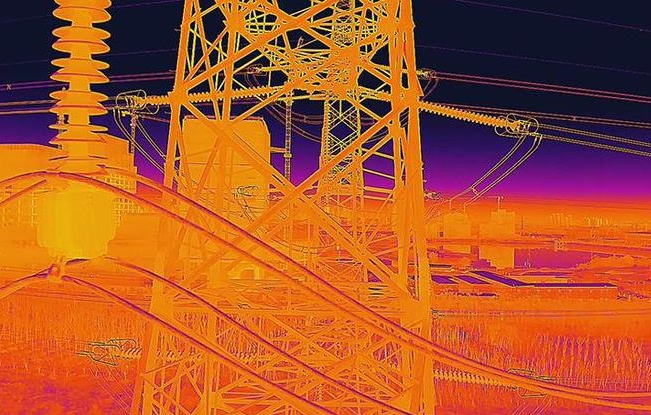
3.4. Inspection Plan for Industrial Equipment and Power Systems
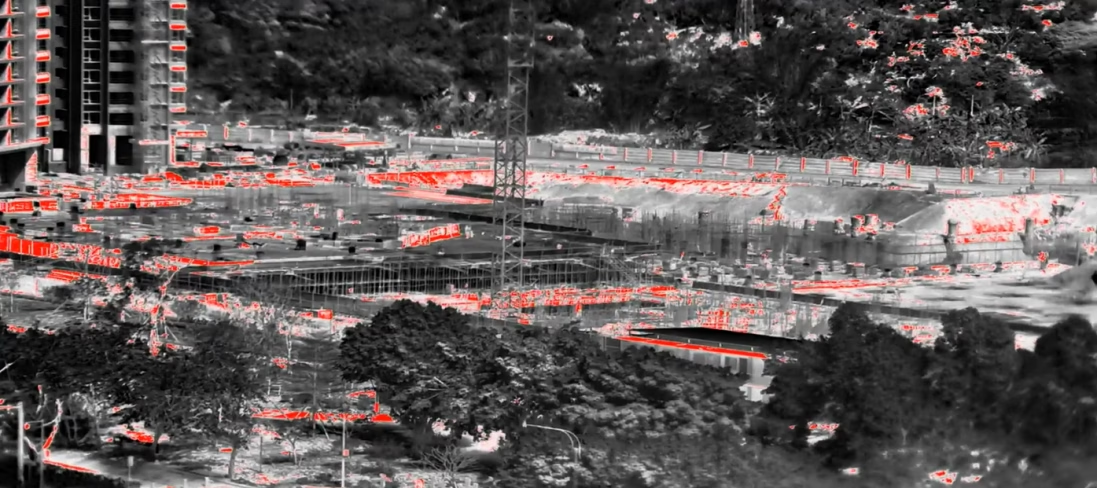
In scenarios such as factories, petroleum and petrochemical industries, and power grids, traditional manual inspections are extremely costly and carry high risks. Thermal imaging spherical pan-tilt cameras can perform automatic, all-round thermal imaging inspections, accurately detecting abnormal conditions such as overheating of equipment, loose connections, and aging insulation, and can automatically trigger alarms and pop-up warnings based on preset temperature thresholds. This intelligent inspection method not only reduces the burden on human workers, avoids high-risk operations, but also improves inspection accuracy, detects potential hazards in advance, reduces unplanned downtime and safety accidents, and ensures the stability of industrial production and power supply.
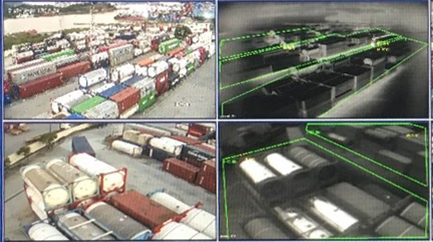
3.5. Monitoring of Ports, Logistics Warehouses and Cold Chain Parks
Ports, logistics hubs and cold chain parks have large areas, high-value goods, and strict safety requirements. Thermal imaging spherical pan-tilt cameras can penetrate the dust, fog, and heavy rain in common scenarios of ports and outdoor storage areas, monitor illegal intrusions at the perimeter, track vehicles and personnel within the site. They can also detect abnormal temperature of stacked goods, especially flammable goods, to prevent spontaneous combustion fires. For cold chain facilities, they can monitor the temperature status of cold storage equipment and refrigerated containers, detect damage to insulation layers or failure of the refrigeration system before the goods are damaged, and reduce high costs of cargo losses.
4. Professional purchasing guide for global users
When choosing a suitable thermal imaging spherical pan-tilt camera, it is necessary to balance your specific application scenario, performance requirements and budget. The following is a step-by-step purchasing guide ranked by priority, helping you make an accurate selection decision.
4.1. First priority: Core parameters of thermal imaging
The thermal imaging module is the most core component of the camera, and its parameters directly determine the detection capability and overall performance of the device.
Infrared resolution: For entry-level scenarios (small areas, close-range monitoring): The minimum resolution to choose is 384×288 to ensure basic target recognition capability; for mid-to-high-end professional scenarios (industrial inspection, forest fire prevention, large park perimeter security): It must choose a resolution of 640×512 or above to ensure clear detection and detail capture at long distances; for ultra-long distance and high-precision scenarios: Only professional special applications choose 1280×1024 resolution.
Thermal sensitivity (NETD): To maintain reliable performance in fog, rain, smoke and other harsh environments, it is necessary to select a model with NETD ≤ 50mK; models with NETD ≥ 60mK have poor low-contrast target detection capability and are only suitable for indoor or mild outdoor scenarios.
Lens focal length and field of view: Short focal length (≤ 9mm): Wide field of view, suitable for indoor, small area, and close-range monitoring; medium focal length (13mm - 25mm, such as OS-DZ Series 18mm): Balances coverage range and medium-long distance detection capability, suitable for 80% of regular outdoor monitoring scenarios; long focal length (≥ 35mm): Narrow field of view, designed for wide-area scenarios such as border protection and forest fire prevention for ultra-long distance detection.
4.2. Second priority: PTZ pan-tilt performance
The performance of the pan-tilt unit directly determines how far the camera can capture and how flexible it can rotate. It also affects its stability during long-term operation.
In terms of the rotation range, it is necessary to ensure that the camera supports continuous 360° rotation in the horizontal direction and an elevation angle of at least -20° to +90° in the vertical direction. Only in this way can all corners be covered without leaving any monitoring blind spots;
Pre-set positions and cruise trajectories: For automated monitoring equipment, at least select a model with 64 pre-set positions and 4 cruise trajectories; professional models offer 128 pre-set positions and 6 trajectories, with more flexible configuration;
Rotation accuracy and speed: Ensure the pan-tilt has high positioning accuracy, can reliably return to the pre-set position, and supports adjustable rotation speed, suitable for different patrol scenarios.
4.3. Third priority: Dual light and visible light performance
Visible light resolution: The minimum resolution for basic detail capture is 2 million pixels; for scenarios such as license plate recognition and identity verification, it is recommended to choose 4 million pixels or above;
Lighting capacity: For outdoor night use, ensure the camera is equipped with a matching floodlight for monitoring needs;
Dual light fusion function: Prioritize selecting models that support picture-in-picture display, dual light linkage, and synchronous zoom functions to enhance operational efficiency.
4.4. Fourth priority: Interface compatibility and protocol support
The thermal imaging spherical pan-tilt camera supports RJ45 network port, RS485 serial port, and CVBS analog video interface. It supports TCP/IP, RTSP, and ONVIF protocols to enable connection with existing video management systems and security platforms. Moreover, it is preferred to use the model with DC 12V power supply to adapt to outdoor and vehicle-mounted deployments.
4.5. Fifth priority: Environmental adaptability and reliability
Protection level: Indoor use: IP54 is sufficient; for outdoor deployment, select a protection level of IP66 or above, which can prevent dust and water in harsh weather; Operating temperature range: Ensure that the camera can operate stably in the extreme temperatures of the deployment location. Professional outdoor models must have a minimum operating range of -20℃ to +60℃;
Body material: Prefer models with a sturdy aluminum alloy casing, which are more durable, corrosion-resistant, and have better heat dissipation performance for long-term outdoor use.
4.6. Balance of Budget and Performance
Entry-level budget (300-800 US dollars): Choose models with a resolution of 384×288 and basic PTZ functions, suitable for small commercial spaces, residences, and close-range monitoring;
Mid-range professional budget (800-2000 US dollars): Choose models with a resolution of 640×512, NETD ≤ 50mK, full-function PTZ, dual-light fusion (such as OS-DZ series), suitable for most professional security scenarios such as industrial parks, industrial inspections, logistics hubs, etc.;
High-end professional budget (over 2000 US dollars): Choose models with a resolution of 1280×1024, telephoto lenses, advanced intelligent analysis, and high protection level, suitable for border protection, forest fire prevention, and critical infrastructure security.
5. Core Product: OS-DZ Series Thermal Imaging Ball-Type Pan-Tilt Camera
PURPLERIVER, as a key core component manufacturer of the thermal imaging ball-type pan-tilt camera product line, with its outstanding performance parameters and flexible adaptability, has become an ideal choice for high-precision monitoring needs in various fields, providing a solid technical foundation for various thermal imaging application scenarios.
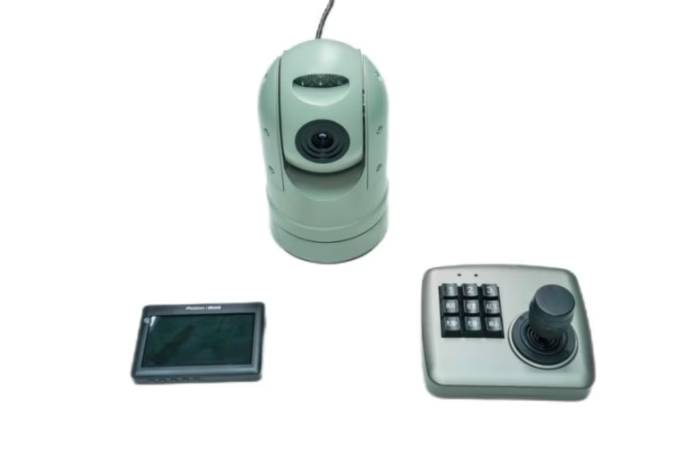
5.1. Product Features
Magnetic quick-installation design (weight < 1.5KG), deployment completed within 30 seconds; dual-axis pan-tilt + dual-light fusion (thermal imaging/visible light), supporting 24-hour AI zoom tracking and optical anti-shake, adaptive depth of field and 360° panoramic seismic imaging, suitable for high-precision monitoring scenarios such as perimeter security/industrial inspection/field operations.
5.2. Application Scenarios
With dual-spectrum lenses and 360° panoramic PTZ, the OS-DZ series performs well in comprehensive monitoring such as fire detection, smoke detection, high-temperature alarm, perimeter defense, etc. It is applicable in forest, power grid, maritime and other highly complex fields, such as intelligent event detection of fires, equipment failures, intrusions, poaching, etc...
Safety Inspection: Industrial monitoring, perimeter scanning, inspection robots, photoelectric pods
Firefighting and Rescue: Fire warnings, fire helmets
Other specific applications: Unmanned aircraft, power inspection and thermal imaging guided missiles
5.3. Technical Parameters
| Performance parameter | Model | OS-DZ618 | ||
| IP | 192.168.1.100 | |||
| Baud rate, baud rate | 9600 | |||
| Power | DC 12V | |||
| power dissipation | 18 W | |||
| Thermal Imaging Parameters | Detector Type | Vanadium Oxide Uncooled Infrared Focal Plane Detector | ||
| Infrared Resolution | 640×512 | |||
| Pixel Spacing | 12μm | |||
| Response Band | 8~14μm | |||
| NETD | ≤50mK(@25°C,F#1.0) | |||
| Focal Length | 18mm | |||
| Field of View | 24.5°×19.6° | |||
| High-definition cameras | resolution | 4 megapixels | ||
| Spotlights | Spotlights | 30m floodlight | ||
| Gimbal Parameters | Horizontal Rotation Range | 360° continuous rotation | ||
| Upper and Lower Rotation Range | -25°~+90° | |||
| Preset Position | 128 | |||
| Patrol Track | 6 bars | |||
| Interface | RJ45、CVBS、RS485 | |||
| Power interface definition | ||||
| Power |  | DC 12V | ||
| Orange | 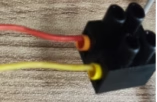 | RS485+ | ||
| yellow | RS485- | |||
| Simulated video |  | CVBS | ||
| Network ports |  | RJ45 | ||
6. Conclusion
In today's era of increasingly complex security risks, thermal imaging spherical pan-tilt camera represents a paradigm shift in surveillance technology. It breaks through the inherent limitations of traditional visible light surveillance, combining professional thermal imaging's all-weather target detection and temperature measurement capabilities with the 360° pan-tilt's full-space coverage ability, creating a truly integrated, proactive, and all-weather security defender.
The OS-DZ series, as the benchmark model of this category, maintains an extremely high cost-performance ratio while providing professional-level high thermal imaging resolution, ≤50mK high sensitivity, full-function PTZ control, and seamless system compatibility. Its application scenarios are extremely wide, ranging from small commercial premises security to large industrial park perimeter protection, from industrial equipment inspection to forest fire prevention, from fixed-point monitoring to mobile emergency rescue, and can provide reliable solutions.
Whether you are a security system integrator seeking a reliable and high-performance solution, an industrial operator looking to reduce equipment failure risks, or a facility manager hoping to build an active security system, the thermal imaging spherical pan-tilt camera is the ideal choice for upgrading your surveillance capabilities. It not only records events that have already occurred but also helps you prevent them before they happen.
If you want to learn more about thermal imaging security products, technical specifications, and customized solutions, you can visit the PURPLERIVER official website or contact our professional team. We will provide you with one-stop support from product selection to system integration.
7. Frequently Asked Questions
1.Question: Can this thermal imaging spherical camera work properly if there is no light at all around it?
Answer: Of course it can. It uses thermal imaging technology. It doesn't rely on reflecting visible light to form an image, but rather captures the infrared radiation emitted by objects. So even in total darkness, it can capture clear and high-contrast images without the need for additional lighting.
2. Question: How are thermal imaging pan-tilt cameras different from traditional visible light pan-tilt cameras?
Answer: The main difference lies in their imaging principles. Traditional visible light cameras rely on light and their performance will be greatly affected when it's night, there is direct strong light, or in rainy or foggy weather. Sometimes they simply cannot be used. However, thermal imaging cameras are not limited by light and can penetrate fog and interference. Additionally, they can monitor temperature changes and provide early warnings. For example, when detecting intrusions by people or objects, the false alarm rate is much lower than that of ordinary visible light cameras. It combines the all-round monitoring of the pan-tilt with the all-weather monitoring of thermal imaging, and the security effect is indeed much stronger than that of traditional equipment.
3. Question: Can thermal imaging penetrate fog, smoke, and solid walls?
Answer: Fog, smoke, haze - these things that give visible light cameras a hard time - it can penetrate them. But solid walls and thick metals are out of the question. Because walls block the infrared radiation emitted by objects, the camera can only capture the temperature of the wall surface. What's behind the wall is invisible. However, for non-metallic and thin-blocking objects like grass, camouflage nets, and thin plastics, thermal imaging can penetrate and identify the heat sources behind them.
4. Question: Can our current security system be smoothly integrated with the OS-DZ series products?
Answer: Absolutely. This series has been designed with comprehensive compatibility in mind. Integrating it into the existing system is very convenient. It comes with standard RJ45 network ports, RS485 serial ports and CVBS analog video interfaces. It also supports common protocols such as TCP/IP, RTSP, and ONVIF. Most video management platforms and security systems on the market can be compatible with it. Generally, no complex secondary development is required. Whether it's a new project or an upgrade of an old system, seamless integration can be achieved.
5. Question: When the camera detects abnormal temperature or intrusion, will it automatically give an alarm?
Answer: Yes. Its high-precision thermal imaging can set temperature thresholds. Once it detects that the temperature exceeds the set value (such as when the equipment is overheating or there is a fire hotspot), it will automatically give an alarm. Additionally, it can be configured with intelligent intrusion detection. When a person or vehicle is detected within the restricted area, it will also trigger an alarm, and it can be linked to external alarm devices, lighting, and security systems to achieve automatic response.