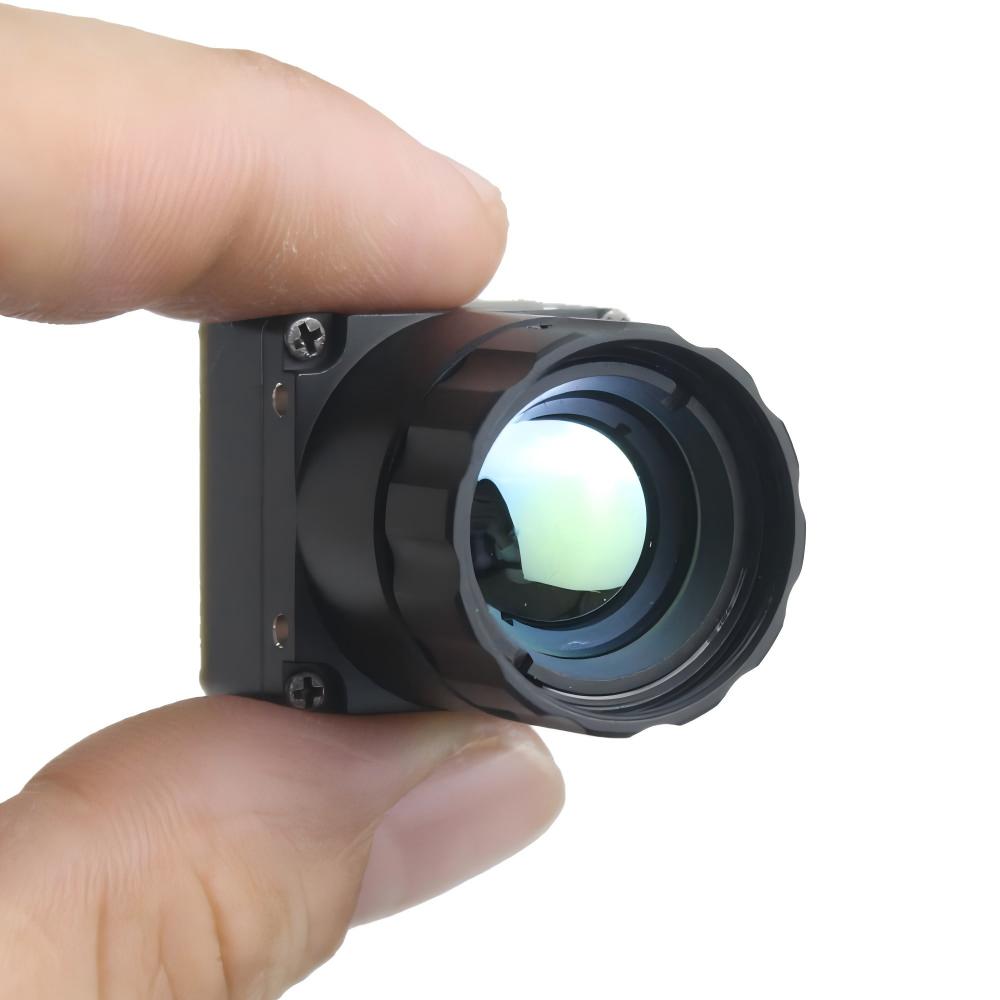
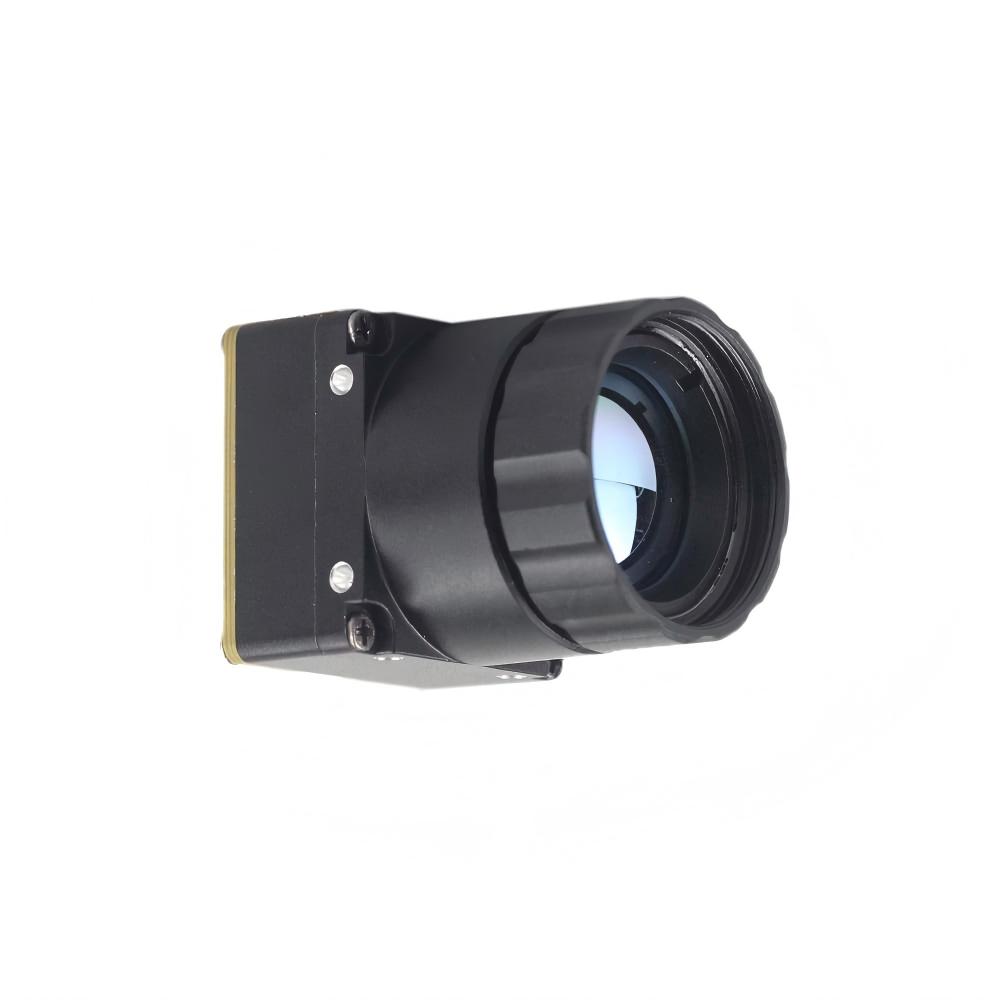
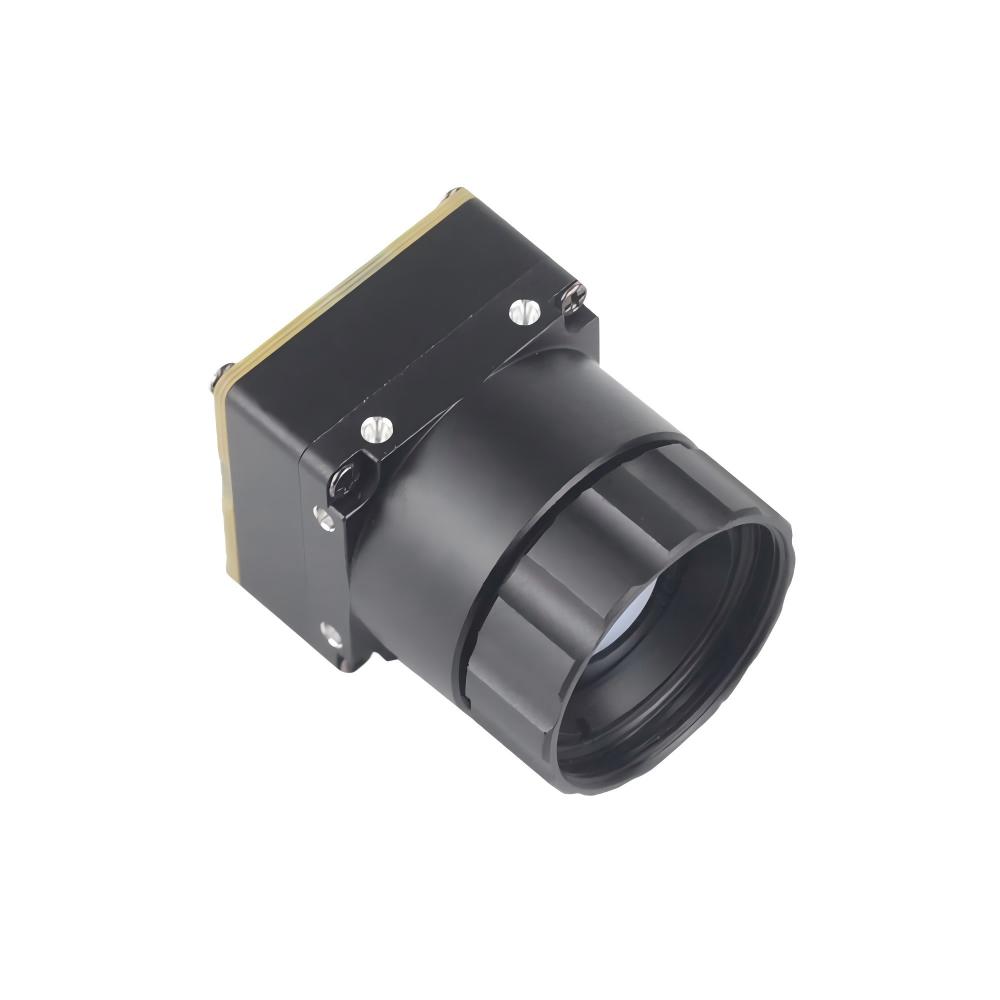
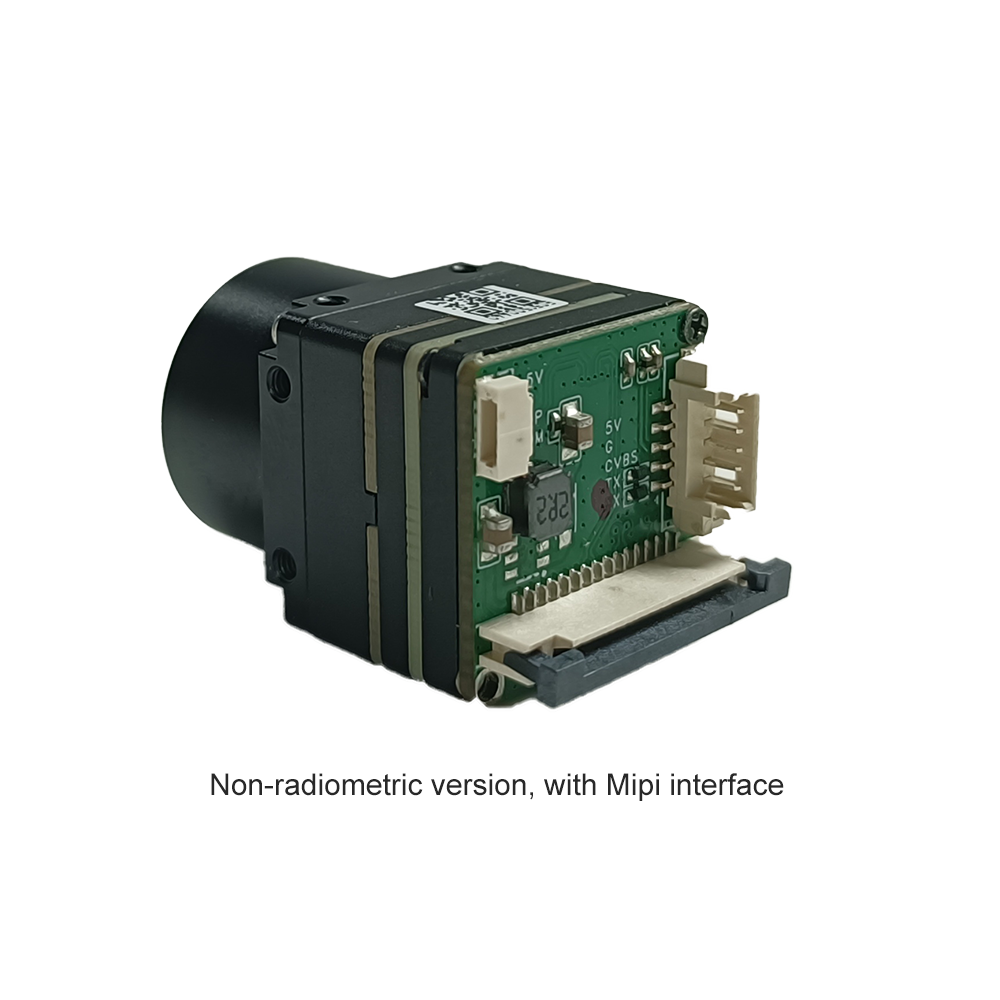
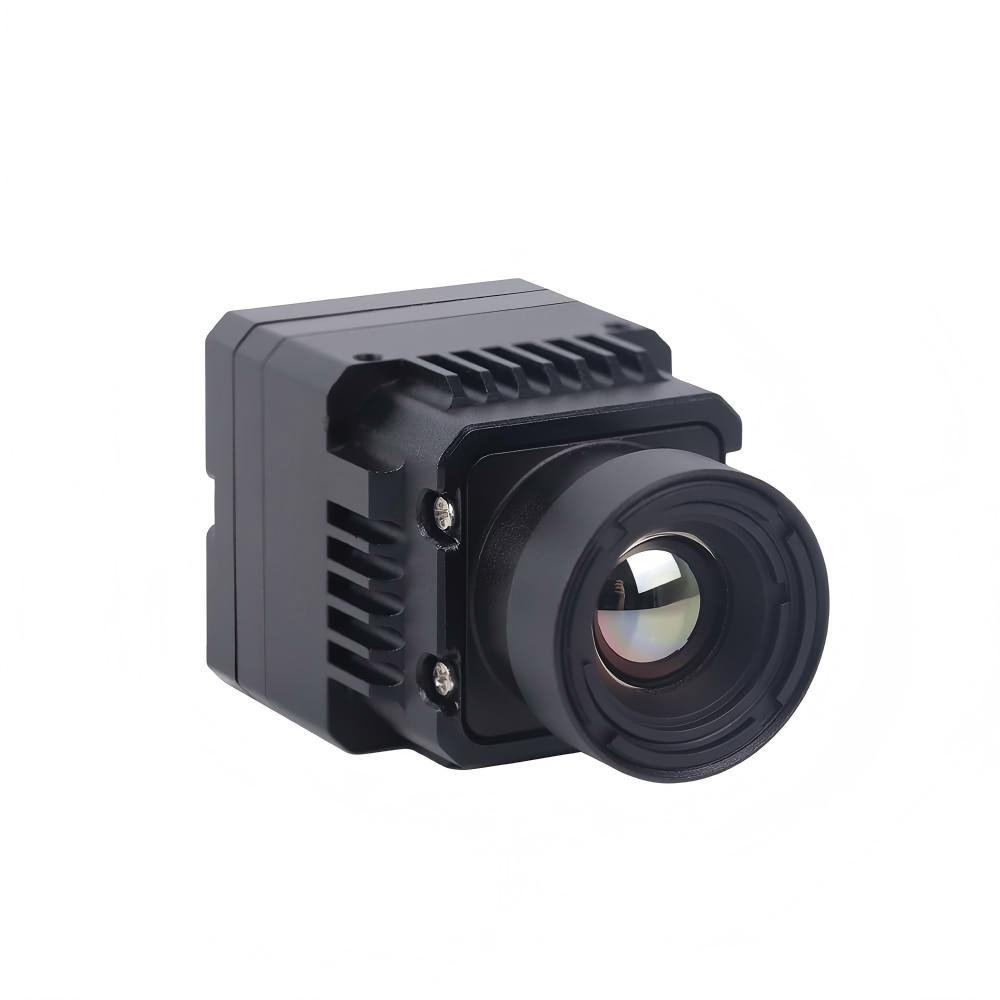
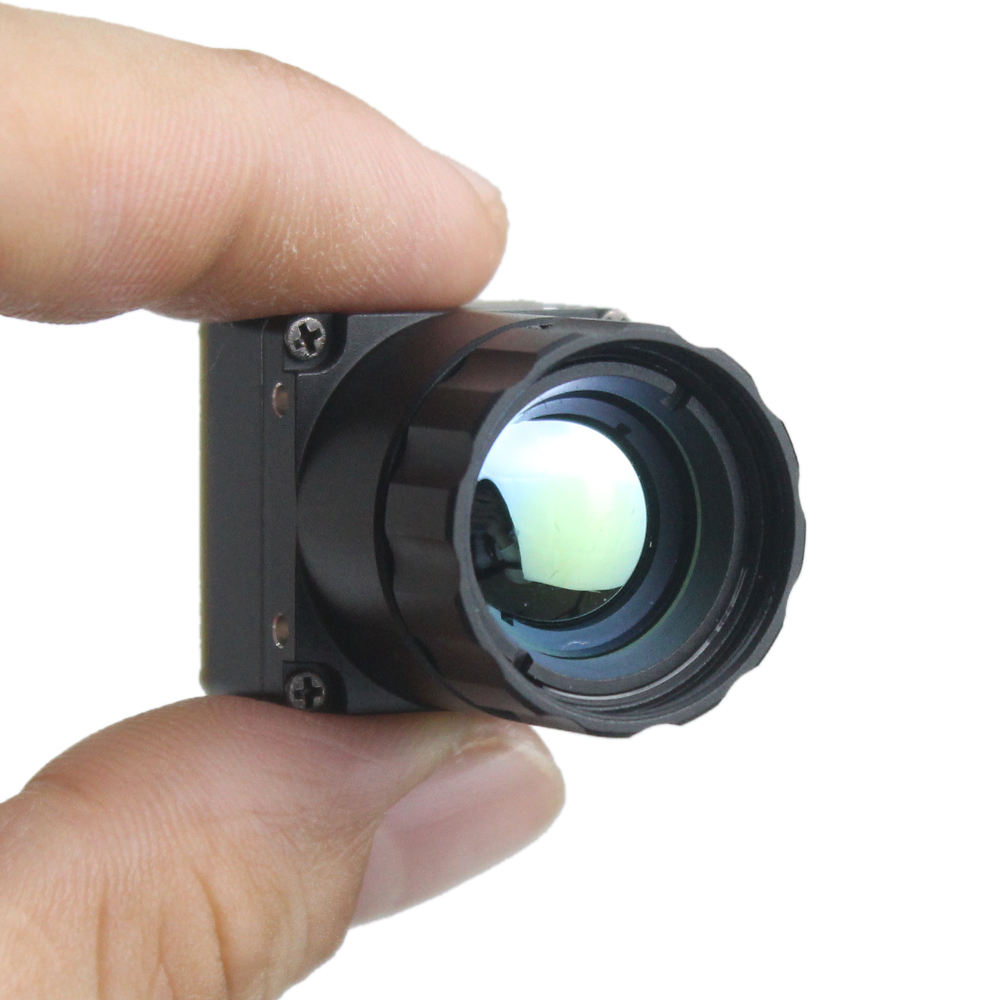
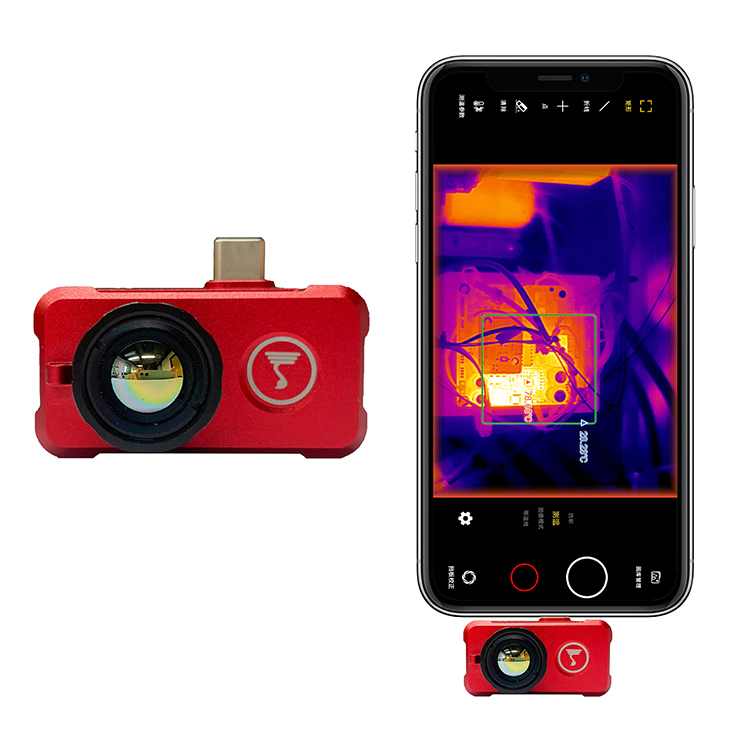
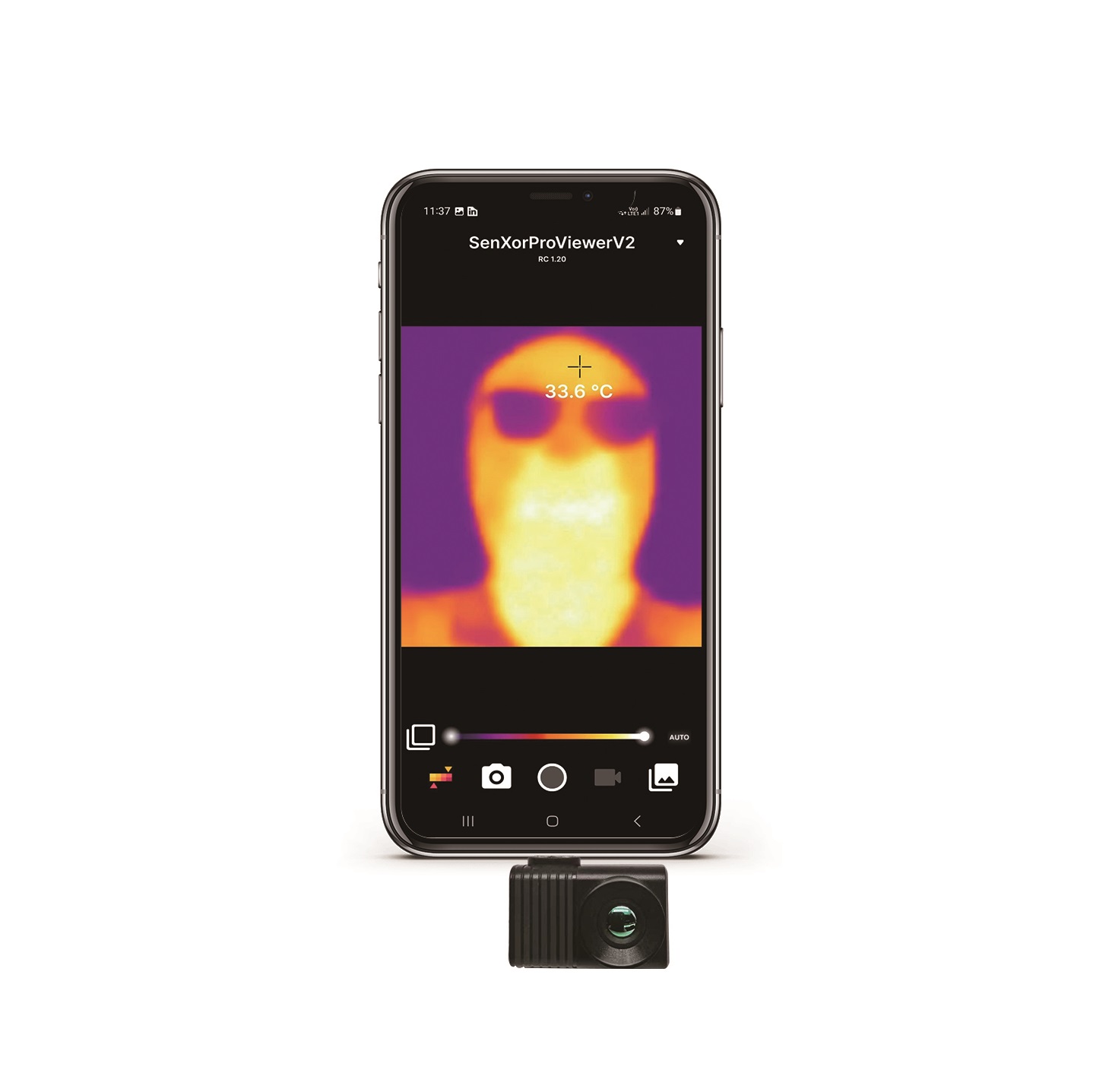
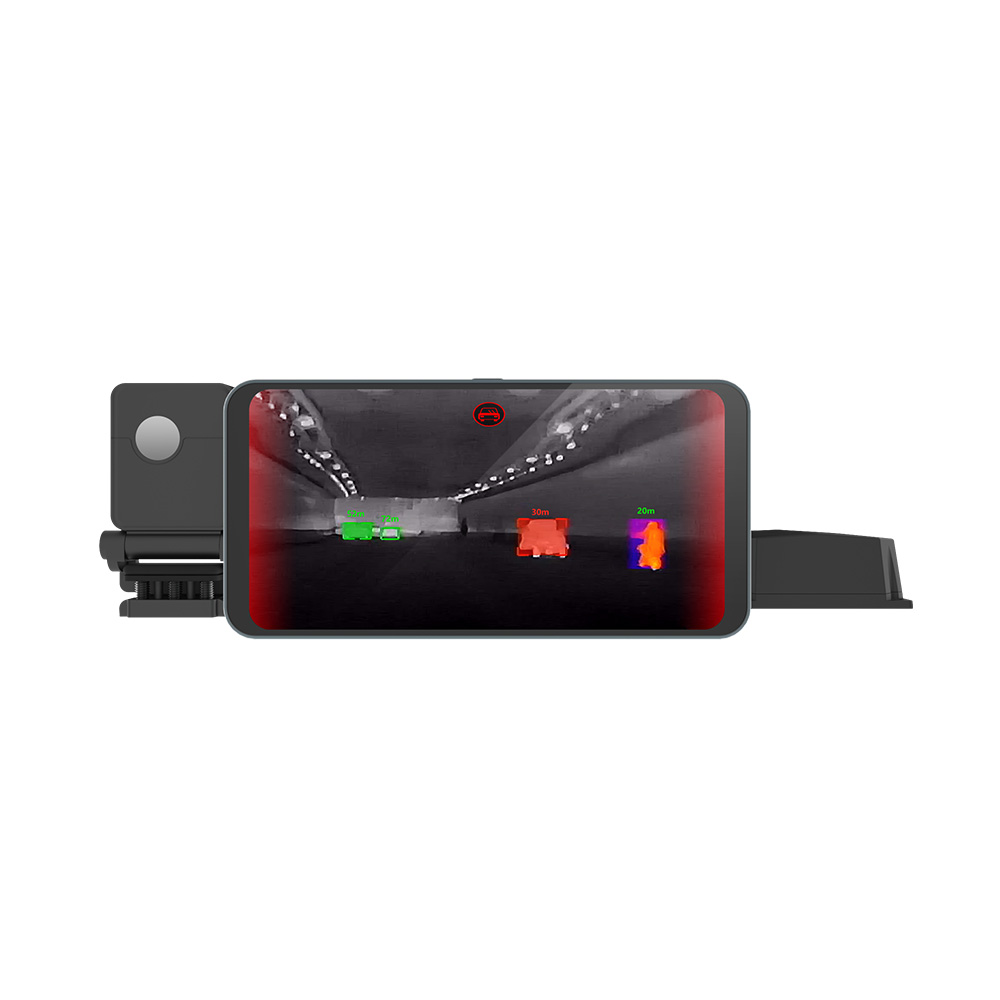


Best Tiny 256*192 CMOS Sensor Thermal Camera Module with Night Vision for DIY & OEM Systems
2026年7月16日
Mini 640 Thermal Camera Module: Night Vision CMOS Analog Video & H.265 Integration Guide
2026年7月17日
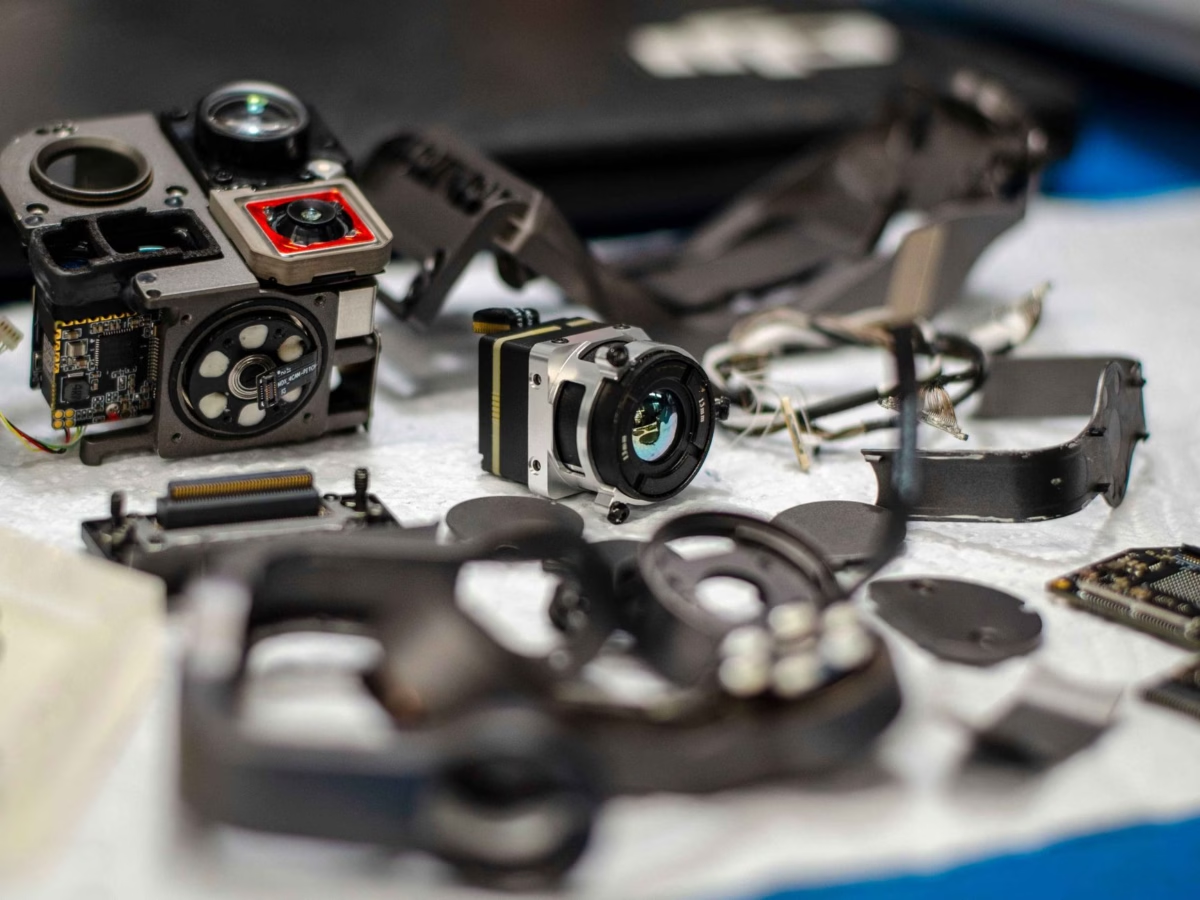
In the rapidly evolving landscape of unmanned aerial vehicle (UAV) design and tactical first-person view (FPV) flight operations, securing ultra-crisp, high-fidelity thermal vision without exceeding strict payload budgets is a constant engineering battle. Typical thermal sensors force hardware integrators to make a tough compromise between long-range detection and overall weight, often coupling heavier focal lengths with bulky control boards. Here's the deal: the introduction of the advanced 25mm electronic focusing thermal camera module 640x512 vox uncooled detector 35mk sensitivity h.265 bt.656/cvbs output fundamentally rewrites these constraints, delivering military-grade target tracking and unmatched temperature sensitivity in an ultra-compact, system-ready form factor.
Look, by pairing a high-resolution 640x512 Vanadium Oxide (VOx) microbolometer with a highly precise, remote-controlled motorized 25mm lens, this specialized LWIR (Long-Wave Infrared) core enables tactical operators to identify thermal signatures at standoff distances where smaller 9mm or 13mm lenses fail. Engineered specifically for seamless physical and electrical integration into custom drone gimbals, search and rescue (SAR) payloads, and defense-grade FPV setups, the module boasts a modern ASIC-driven processing pipeline. This architecture provides low-latency digital BT.656 and compressed industrial standard H.265/IP streams alongside legacy analog CVBS video, ensuring complete compatibility with modern digital video links as well as analog radio transmitters.
1. Technical Breakdown: 640x512 VOx Thermal Sensor Core
At the center of high-performance thermal imaging lies the detector's core architecture. This particular module utilizes a state-of-the-art Vanadium Oxide (VOx) uncooled focal plane array (FPA) operating in the Long-Wave Infrared (LWIR) band, typically from 8μm to 14μm. Unlike Amorphous Silicon (a-Si) alternatives, VOx uncooled detectors offer a significantly higher temperature coefficient of resistance (TCR), leading to a much lower noise floor and far superior image uniformity over fluctuating operating temperatures. This temperature stability is critical in tactical unmanned flights where high elevations subject hardware to rapid, intense environmental temperature swings.
The resolution of 640x512 pixels provides exactly 327,680 individual thermal pixels. In the shop, we consider this a critical threshold for industrial inspection and security tasks, offering four times the spatial resolution of standard 320x240 utility sensors. When targeting objects at a distance, this increased pixel density ensures that distant heat sources occupy enough pixels to trigger classification algorithms. Whether deploying target recognition, pipeline leak tracking, or wildfire monitoring, this resolution enables the system to differentiate between subtle physical structures with ultimate clarity.

Crucial to this accuracy is the sensor's thermal sensitivity of ≤35mK (millikelvin), equivalent to 0.035°C. This metric, known as the Noise Equivalent Temperature Difference (NETD), indicates the smallest temperature change that the detector can resolve. A 35mK sensitivity allows the module to extract high-contrast, ultra-sharp thermal outlines even when the ambient temperature difference across the scene is virtually nonexistent. By utilizing atmospheric modeling resources like Jinde, developers can plan operations taking into account how variations in humidity and particulates interact with the LWIR spectrum under real-world monitoring scenarios.
2. Optical Systems: 25mm Electronic Focus vs. Fixed-Lens Alternatives
In thermal design, the focal length of the lens determines both the field of view (FOV) and the maximum detection range. A 25mm objective lens sits in the sweet spot for tactical observation, field operations, and perimeter patrol. Compared to shorter wide-angle alternatives, it pinpoints distant sources of infrared energy with pinpoint accuracy. This makes it an invaluable asset when integrated into search and rescue systems or high-altitude aerial surveillance platforms.
The standout feature of this specialized module is its motorized electronic focusing system. Standard fixed-focus thermal modules suffer from optical degradation when the distance to the target changes dramatically. For example, a drone flying at an altitude of 30 meters demands a different focus setting compared to when it climbs to 150 meters for wide-area scanning. Manual focus adjustments are physically impossible in mid-flight on a UAV, rendering fixed-focus setups highly limiting.
An electronic focal drive allows operators to dynamically adjust optical focus on the fly via serial commands (such as Pelco-D/P or proprietary hex protocols) over RS-485 or TTL communication channels. This enables system integrators to build autofocus algorithms into their flight control software or assign focus adjustments to a dedicated dial on an FPV ground control station (GCS), guaranteeing crystal-clear imagery across a broad operational envelope. By controlling the internal optical drive elements electronically, physical lens wear is dramatically reduced, translating to an extended operational lifespan in the field.
3. Video Processing & Interface Standards: H.265, BT.656, and CVBS
A high-performance thermal detector is only as good as its video processing engine and output interfaces. The electronic board driving this 640x512 sensor features a modern Application-Specific Integrated Circuit (ASIC) that processes RAW sensor data directly on the module, handling critical image correction algorithms such as Non-Uniformity Correction (NUC), Bad Pixel Replacement (BPR), and Digital Detail Enhancement (DDE) directly on the edge. This significantly reduces latency to keep target updates as fluid as possible.
For interface dynamics, the board outputs video through three distinct structural channels:
- ⚙️ H.265 (HEVC) H.264 IP Video: By utilizing high-efficiency video coding (H.265) directly at the sensor level, raw thermal video is compressed into a narrow-bandwidth IP stream without shedding high-frequency image data. This compressed stream can be directed to an RJ45 network port and transmitted over RTSP/RTP protocols, allowing for real-time streaming directly into ground control software and PC networks.
- ⚙️ Digital BT.656 Output: For projects relying on onboard computers or custom video processing hardware (such as Raspberry Pi, Jetson Nano, or dedicated FPGA carrier boards), the module provides uncompressed BT.656 raw digital video. This low-latency parallel port standard delivers frame-accurate thermal footage directly into the processing pipeline for advanced computer vision applications like autonomous obstacle avoidance or automated target tracking.
- ⚙️ Analog CVBS Interface: For tactical, low-latency FPV drone racing transmitters or analog ground monitors, the module maintains a traditional CVBS interface (composite analog video). This outputs an instant NTSC/PAL feed, guaranteeing near-zero latency processing with zero digital compression artifacts—ideal for high-speed, close-combat flying maneuvers in dense environments.
For a detailed breakdown of how modern thermal data structures integrate into real-world projects, check out our comprehensive Technical Knowledge Hub, which discusses standard sensor communication protocols and command structures.
4. UAV & Tactical FPV Integration: Power, Communication, and Mass Optimization
Integrating a thermal camera module onto a drone or an industrial flight platform requires meticulous consideration of structural mechanics and electrical parameters. Thermal camera modules equipped with manual-focus glass lenses and classic double-board designs or heavy mechanical elements often weigh in excess of 150 grams. This creates a severe center-of-gravity imbalance that stresses delicate gimbal motors and drains battery reserves, greatly reducing flight times.
This lightweight thermal core addresses these physical limitations by utilizing a custom single-chip, single-board ASIC processing configuration. System builders can easily integrate this camera core onto lightweight 2-axis or 3-axis mini gimbals configured to dynamically stabilize the thermal payload during high-speed forward flight. You can review optimized payload configurations by examining the Three-Axis Gimbal Thermal Camera for Drones product page as a reference for your mechanical envelope designs.
Power & Control Guidelines
- ⚙️ Power Supply Requirements: The module typically operates on a wide DC input range from 5V to 12V, consuming less than 1.5W of power during normal operation (with minimal spikes during electronic focus motor actuation). This low power signature protects sensitive payload power distribution boards (PDB) from brownouts and interference.
- ⚙️ Control Integration: Focus, digital zoom (typically 1x to 8x digital), palette changes (White Hot, Black Hot, Rainbow, Ironbow), and calibration triggers are commanded via serial TTL/RS485 using standardized command arrays, making it easy to map control channels onto your RC transmitter or flight controller.
- ⚙️ Thermal Imaging on Mobile PTZ Platforms: For applications demanding complete panoramic surveillance, such as border security or tactical vehicles, the camera can be structured onto dynamic rotating platforms; discover these setups via our Thermal Imaging Spherical PTZ Camera guide.
5. Showcase: Industrial-Grade Thermal Camera Modules
To assist system engineers in selecting the correct hardware configurations, the details below outline our high-performance LWIR uncooled thermal cores, highlighting their unique communication configurations, physical dimensions, and operational characteristics.
1. Uncooled Infrared RJ45 CVBS RTSP IP 640*512 Thermal Sensor Camera Module
This highly integrated thermal camera module is designed primarily for drone payloads, security platforms, and complex industrial systems. It incorporates standard network streaming protocol blocks along with legacy analog options, giving hardware designers the highest level of flexibility.
Detailed Specifications & Features:
- ✅ Sensor Specifications: High-resolution 640x512 uncooled VOx focal plane array (FPA) with an optimized, lightweight ASIC processing board.
- ✅ Thermal Sensitivity: High thermal sensitivity of ≤35mk to 40mk for extracting highly defined infrared image structures.
- ✅ Supported Protocols & Interfaces: RJ45 Ethernet network connection, CVBS analog format, RTSP/RTP IP integration, with built-in H.265/H.264 compression codecs.
- ✅ Physical Target: Extremely compact footprint tailored for lightweight drone gimbals, security PTZ housings, and long-range industrial monitoring stations.
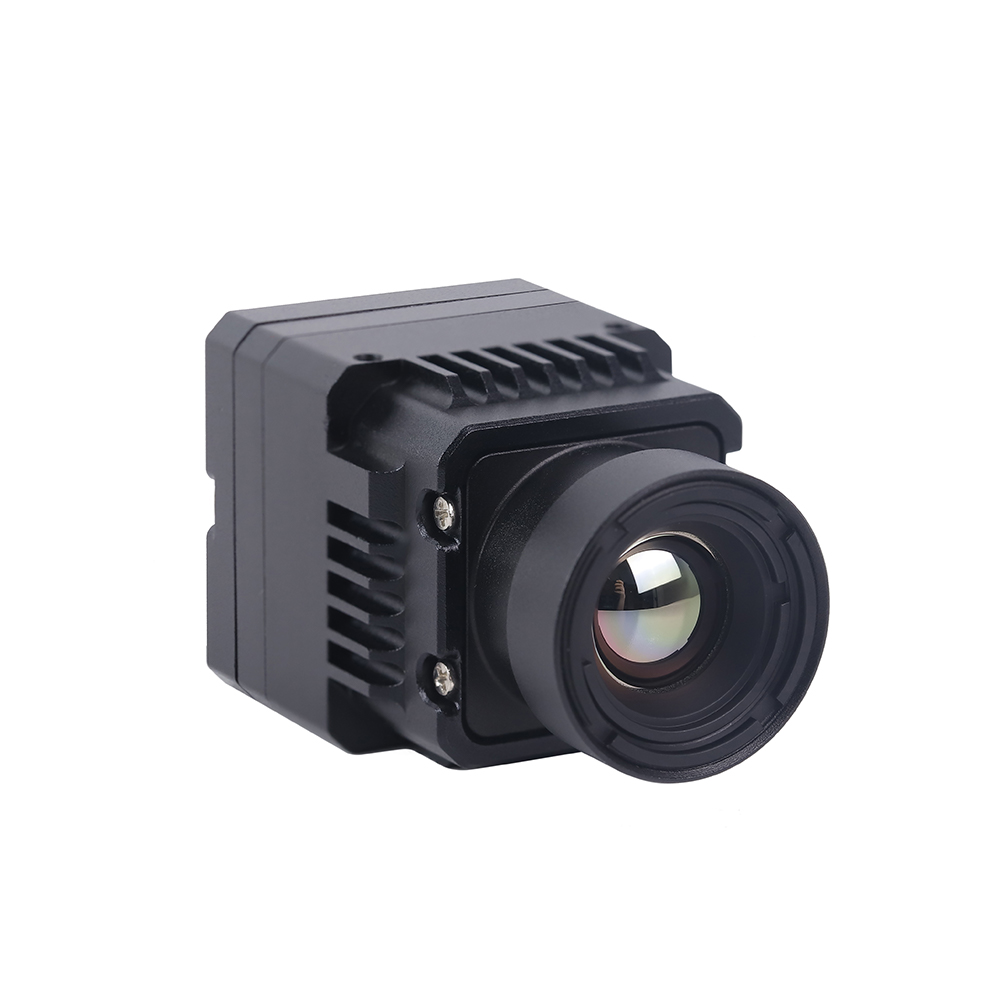
2. Uncooled LWIR Mini 256*192 Thermal Imaging Camera Module Similar To DJI
Designed as an ultra-compact lightweight thermal sensor module, this platform provides accurate radiometry and temperature measurement. Ideally suited for smaller micro-payload configurations, budget drone designs, and portable tactical gear.
Detailed Specifications & Features:
- ✅ Sensor Core: Mini 256x192 uncooled LWIR infrared detector engineered for ultra-clear thermal imaging.
- ✅ Image Output: Radiometric system providing a uniform thermal image with precise, real-time temperature data extraction.
- ✅ Interface & Power: Built with high-performance low-power core parameters, compatible with low-voltage power networks and direct serial links.
- ✅ Applications: Designed specifically for ultra-lightweight UAV frames, tactical search and mine detection applications, and micro handheld thermal observation devices.
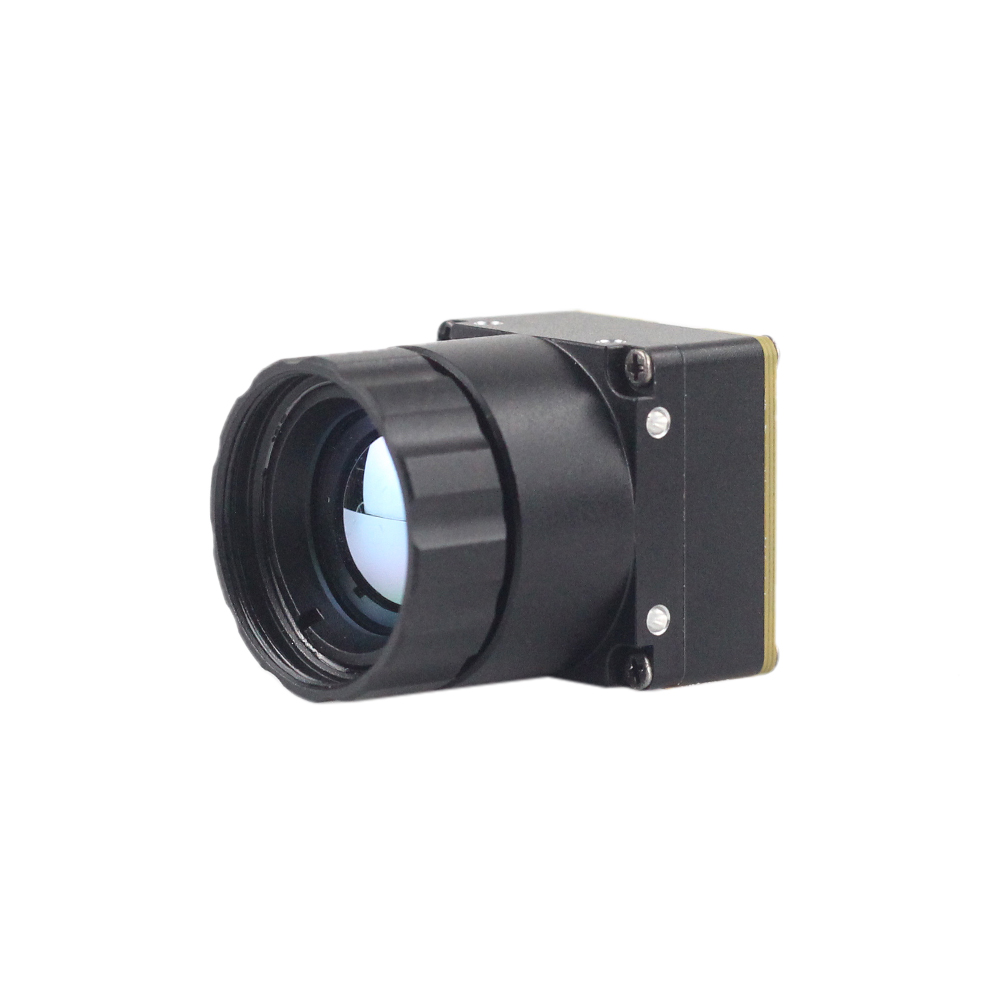
Company Introduction Video
6. In-Depth Technical FAQ & Integration Troubleshooting
Can this 640x512 thermal camera module output raw temperature data for research and real-time streaming, like on Raspberry Pi or custom ground stations?
How does the electronic focusing 25mm lens perform on weight-sensitive platforms like DIY drones or FPV setups?
What are the differences between H.265 compression, digital BT.656, and analog CVBS outputs under real flight conditions, and which one should I use?
How do the 35mk thermal sensitivity and 640x512 resolution settings perform during night operations or in challenging weather conditions like heavy rain?
📚 References & Further Reading
- Industry Standard: Jinde Optical Atmospheric Radiation Models
- Related Guide: Thermal-Image Technical Knowledge Hub