

Commercial Uncooled Thermal Sensor Modules: High-Res OEM & Edge AI Integration Guide
2026年8月13日
Non-Radiometric Thermal Camera Modules: OEM Selection & Integration Guide
2026年8月14日
High-Resolution Uncooled Detector Modules for Drone & Industrial AI Vision | Technical Architecture Blueprint
The industrial infrared scene has flipped on its head over the past few years. Microbolometer-based uncooled detector long-wave infrared (LWIR) hardware now matches—and honestly often beats—the legacy performance targets we used to think required continuous cryogenic cooling. Back in the day, if you needed high-sensitivity thermal imaging, you were stuck with bulky, power-hungry Stirling coolers. That created massive size, weight, power, and cost (SWaP-C) headaches if you were trying to build payloads for unmanned aerial vehicles (UAVs), autonomous mobile robots (AMRs), or remote monitoring infrastructure. Modern uncooled detector architectures drop mechanical cooling entirely, relying on Vanadium Oxide (VOx) microbolometer focal plane arrays (FPAs) operating in the 8–14 µm spectral band. That structural change gives you instant-on operational readiness, zero maintenance across tens of thousands of operating hours, and straightforward embedded integration into low-power industrial edge-AI vision networks.
Look, as power grid inspection, forest fire monitoring, industrial automation, and aerial surveillance keep demanding sharper spatial detail, modern uncooled thermal cores have scaled up to high-definition formats (1280×1024 and 640×512) with tight 12 µm pixel pitches. Purpleriver’s high-resolution uncooled detector modules pack Noise Equivalent Temperature Difference specs down under 30mK (NETD ≤30mK) alongside low-latency digital outputs like MIPI CSI-2, LVDS, and USB. Add on-board edge AI processing into the mix, and you get real-time thermal anomaly identification, object tracking, and dynamic range mapping right at the sensor node—giving you clean, actionable imagery without thrashing your flight battery or bogging down your host CPU.
Table of Contents
- 👉 1. Physics & Architecture of Modern Uncooled LWIR Microbolometers
- • 1.1 Vanadium Oxide (VOx) vs. Amorphous Silicon (a-Si) Sensing Layers
- • 1.2 Pixel Pitch Scaling (12µm) & Thermal Time Constant Dynamics
- 👉 2. SWaP-C Advantage: Cooled vs. Uncooled Thermal Architectures
- • 2.1 Elimination of Mechanical Coolers: SWaP-C Breakdown
- • 2.2 Instantaneous Boot Time & Continuous Operational MTBF
- 👉 3. Interface Protocols & Edge AI Integration: MIPI, USB, & LVDS
- • 3.1 Low-Latency Raw Video Transfer via MIPI CSI-2 for Embedded SoCs
- • 3.2 Edge AI Thermal Filtering, NUC, & Dynamic Range Compression
- 👉 4. Deployment Scenarios: Drone Payloads, Substation Inspection, & Defense
- • 4.1 Airborne LWIR Integration: Payload Weight & Gimbal Dynamics
- • 4.2 Fixed Industrial Vision: Smart Grid & Infrastructure Monitoring
- 👉 5. Purpleriver Uncooled Thermal Detector Modules (Specifications)
- 👉 6. Technical Deep-Dive FAQ
1. Physics & Architecture of Modern Uncooled LWIR Microbolometers
Here's how an uncooled detector thermal sensor works at the hardware level in the long-wave infrared spectrum (8–14 µm). Unlike quantum photon detectors in cooled systems—which require direct optical excitation of charge carriers within bandgap-engineered semiconductor crystals—a microbolometer acts as a tiny thermal absorber. Germanium or chalcogenide lenses focus incoming infrared light emitted by target objects onto a Micro-Electro-Mechanical Systems (MEMS) focal plane array suspended inside a high-vacuum housing.
Every single pixel on that focal plane array consists of a micromachined, thermally isolated bridge structure. This bridge hovers right above a CMOS Read-Out Integrated Circuit (ROIC) substrate, supported by tiny reflective legs. When long-wave IR light hits the absorbing layer on the bridge, that absorbed energy warms up the active sensing material. This localized temperature shift ΔT changes the material's electrical resistance ΔR based on its intrinsic Temperature Coefficient of Resistance (TCR). The underlying ROIC measures this resistance change pixel by pixel, converting those analog voltage changes into clean digital numbers for downstream image processing.
1.1 Vanadium Oxide (VOx) vs. Amorphous Silicon (a-Si) Sensing Layers
In the shop, we know that the overall performance, thermal sensitivity, and long-term stability of an uncooled detector come down to what material you use for that micro-bridge sensing layer. The two main materials used across electro-optical hardware are Vanadium Oxide (VOx) and Amorphous Silicon (a-Si).
Vanadium Oxide (VOx): VOx thin films are still the top choice for heavy-duty industrial, military, and commercial LWIR builds. VOx gives you a high negative Temperature Coefficient of Resistance (TCR) around -2% to -3% per Kelvin at normal operating temperatures. On top of that, VOx has way lower low-frequency 1/f electrical flicker noise than amorphous films. That high signal-to-noise ratio lets VOx-based uncooled detectors hit Noise Equivalent Temperature Difference (NETD) numbers below 30mK to 40mK. High thermal sensitivity means your system can spot fractional-degree temperature differences in messy thermal environments. If you want a refresher on fundamental radiometric math and optical excitation physics, check out the Wikipedia Thermal Imaging resource.
Amorphous Silicon (a-Si): Amorphous silicon is cheaper to make because you can deposit it inside standard CMOS foundries. That cuts down raw fabrication costs. But a-Si films suffer from higher native 1/f noise and a lower TCR magnitude. To pull usable sensitivity out of an a-Si sensor, you end up needing longer integration times or heavy digital filtering. That makes VOx the clear winner for low-noise drone mapping, tactical defense gear, and precise industrial thermography.
1.2 Pixel Pitch Scaling (12µm) & Thermal Time Constant Dynamics
Advancements in MEMS fab techniques have pushed pixel pitch down from older 25 µm and 17 µm designs to modern 12 µm and sub-10 µm sizes. Shrinking the pixel pitch changes your spatial resolution, glass optical mass, and thermal response times.
When you drop pixel pitch down to 12 µm, you pack double the pixel density into the same physical focal plane size. As an engineer, that gives you two options: bump up spatial resolution (like upgrading from standard VGA 640×512 to HD 1280×1024) inside the exact same payload housing, or use a smaller Germanium objective lens while keeping your detection distance the same. Trimming down your lens glass cuts total weight instantly—which is priority number one when you're designing drone gimbals or handheld field gear.
Shrinking the pixel physical dimensions also speeds up the micro-bridge thermal time constant (τm). The thermal time constant tells you how fast a single microbolometer pixel reacts when scene temperatures shift:
τm = Cm / Gm
In this formula, Cm is the thermal heat capacity of the micro-bridge structure, and Gm is the thermal conductance of the legs connecting that pixel to the ROIC base. When you drop down to 12 µm, the smaller pixel mass drops Cm, giving you faster thermal response times (around 8ms to 12ms). That rapid thermal relaxation allows smooth 30Hz to 60Hz frame rates without ghosting or motion lag when a drone pivots fast or tracks moving targets.
2. SWaP-C Advantage: Cooled vs. Uncooled Thermal Architectures
When you're deciding between cooled quantum photon detectors and uncooled detector microbolometers for drone gimbals, defense gear, or factory surveillance rigs, you're making a direct engineering trade-off across Size, Weight, Power, and Cost (SWaP-C).
| Architecture Feature | Cooled Photon Detector (InSb / MCT) | Uncooled Microbolometer (VOx) |
|---|---|---|
| Cryogenic Cooling Requirement | Mandatory (Stirling Engine down to ~77 K) | None (Runs Ambient / TEC-stabilized) |
| Core Power Draw | 10 W to 30 W+ (High surge during cool-down) | < 1.2 W to 2.5 W (Ultra-low power) |
| Operational Startup Time | 5 to 10 Minutes (Cool-down delay) | < 2 Seconds (Near-instant startup) |
| Total Core Mass | 800 g to >1.5 kg (Heavy Dewar package) | 20 g to 120 g (Ultra-lightweight embedded) |
| Mean Time Between Failures (MTBF) | ~4,000 to 8,000 Hours (Mechanical cooler wear) | > 50,000 Hours (Solid-state reliability) |
| Capital Procurement Cost | Very High ($$$$) | Cost-Effective ($$) |
2.1 Elimination of Mechanical Coolers: SWaP-C Breakdown
Cooled infrared cameras need closed-cycle Stirling cryocoolers to freeze the internal focal plane sensor down near liquid nitrogen temps (~77 Kelvin). That extreme cooling keeps dark current noise from masking weak signals in narrow-bandgap materials. But that mechanical cryocooler is heavy, sucks down a ton of power, and adds high-frequency mechanical vibration that messes with delicate gimbal gyro stabilization.
By running at ambient temperatures, an uncooled detector bypasses the cryocooler completely. Temperature control is handled either by a tiny, low-power Thermoelectric Cooler (TEC) inside the sealed vacuum housing or through shutterless digital algorithm compensation. Ditching the cooler slashes power consumption from ~30W down below 1.5W. On a multi-rotor drone, saving that much power translates directly into longer flight times and heavier usable payloads. If you're building custom vision setups and working through hardware trade-offs, check out our comprehensive AI Thermal Camera Selection Guide.
2.2 Instantaneous Boot Time & Continuous Operational MTBF
Boot speed is another huge advantage for uncooled gear. Cooled cameras make you wait 5 to 10 minutes while the mechanical pump pulls the detector down to cryogenic operating temp. That warm-up delay breaks operational capability in emergency situations—like rapid-response search and rescue UAVs, quick-deploy perimeter defense, or automated trigger systems.
Uncooled microbolometers hand you calibrated 14-bit digital video in under two seconds from flip of the switch. Plus, because Stirling cryocoolers have moving pistons and high-pressure seals working under continuous friction, their operating life caps out around 4,000 to 8,000 hours before they need an expensive overhaul. Solid-state uncooled detector modules easily rack up Mean Time Between Failures (MTBF) past 50,000 hours, giving you continuous operational uptime for remote substation monitoring and automated plant inspections.
3. Interface Protocols & Edge AI Integration: MIPI, USB, & LVDS
Modern industrial edge-AI vision requires raw, uncompressed, low-latency thermal streams fed straight into processing hardware like NVIDIA Jetson Orin, Rockchip RK3588, or NXP i.MX boards.
3.1 Low-Latency Raw Video Transfer via MIPI CSI-2 for Embedded SoCs
Older thermal cores used analog composite video (NTSC/PAL) or clunky proprietary digital buses. Analog connections introduce image noise, force extra analog-to-digital conversions, and add latency that throws off real-time object tracking algorithms. Modern uncooled camera modules feature native Mobile Industry Processor Interface (MIPI CSI-2) connections instead.
MIPI CSI-2 acts as a high-speed differential bus that dumps 14-bit or 16-bit digital thermal video straight into your host processor's Image Signal Processor (ISP) memory. This direct connection drops transmission latency below 15 milliseconds, frees up host CPU cycles, and gets rid of extra interface bridge chips. If you're prototyping embedded microcontroller hardware and hardware trigger setups, review integration patterns on Arduino developer resources.
3.2 Edge AI Thermal Filtering, NUC, & Dynamic Range Compression
Raw 14-bit thermal video gives you over 16,384 temperature values per pixel. But feeding that wide dynamic range into embedded Convolutional Neural Networks (CNNs) requires clean image preprocessing directly at the sensor node:
- ⚙️ Non-Uniformity Correction (NUC): Small manufacturing variances across microbolometer pixels cause responsiveness to drift as ambient housing temps change. Onboard FPGAs run real-time 2-point single-frame digital NUC and shutterless corrections to strip out fixed-pattern noise (FPN) without dropping frames to close a mechanical shutter.
- ⚙️ 3D Spatial-Temporal Noise Reduction (3DNR): Edge AI processing uses adaptive bilateral spatial and temporal filters to remove random thermal noise without blurring sharp edges around moving targets.
- ⚙️ Digital Detail Enhancement (DDE) & Dynamic Range Compression (DRC): DDE breaks raw 14-bit scenes into high-frequency detail and low-frequency background layers. Dynamic range compression then maps broad temperature spreads down into high-contrast 8-bit frames ready for detection models like YOLOv8 or MobileNet—making sure hot items don't blow out low-contrast background detail.
4. Deployment Scenarios: Drone Payloads, Substation Inspection, & Defense
4.1 Airborne LWIR Integration: Payload Weight & Gimbal Dynamics
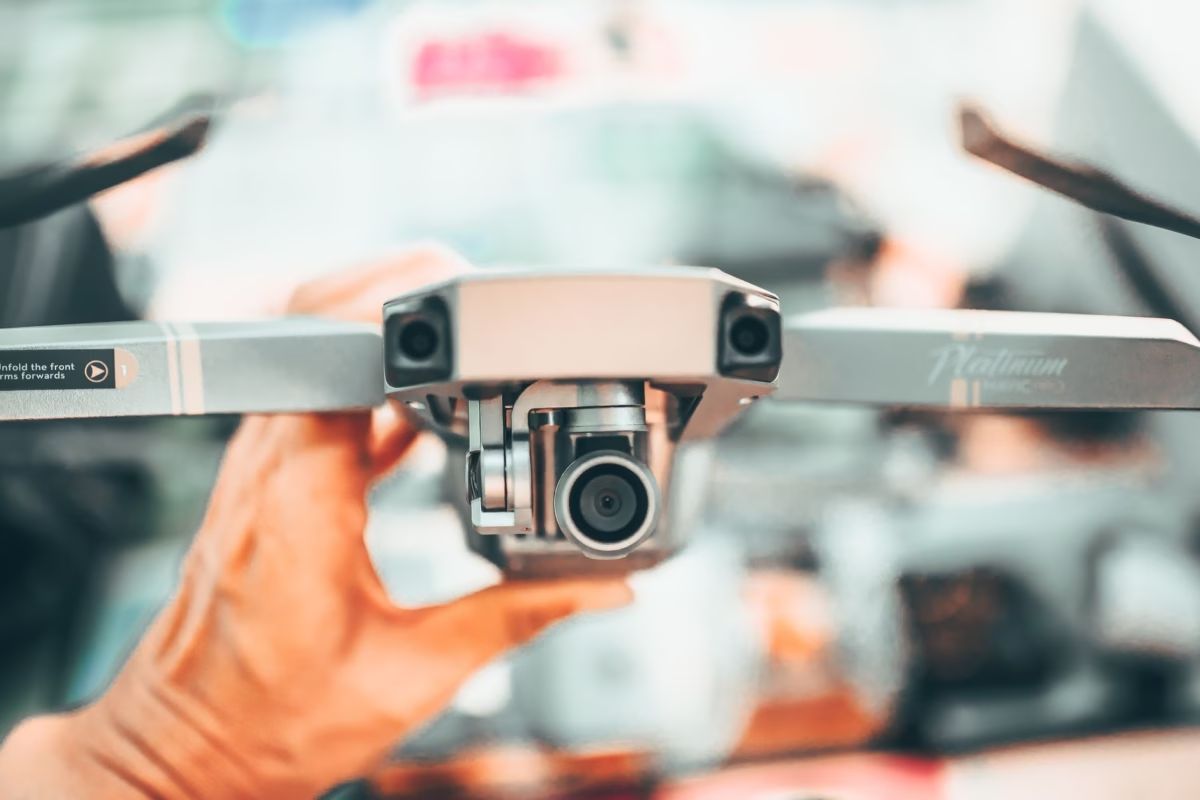
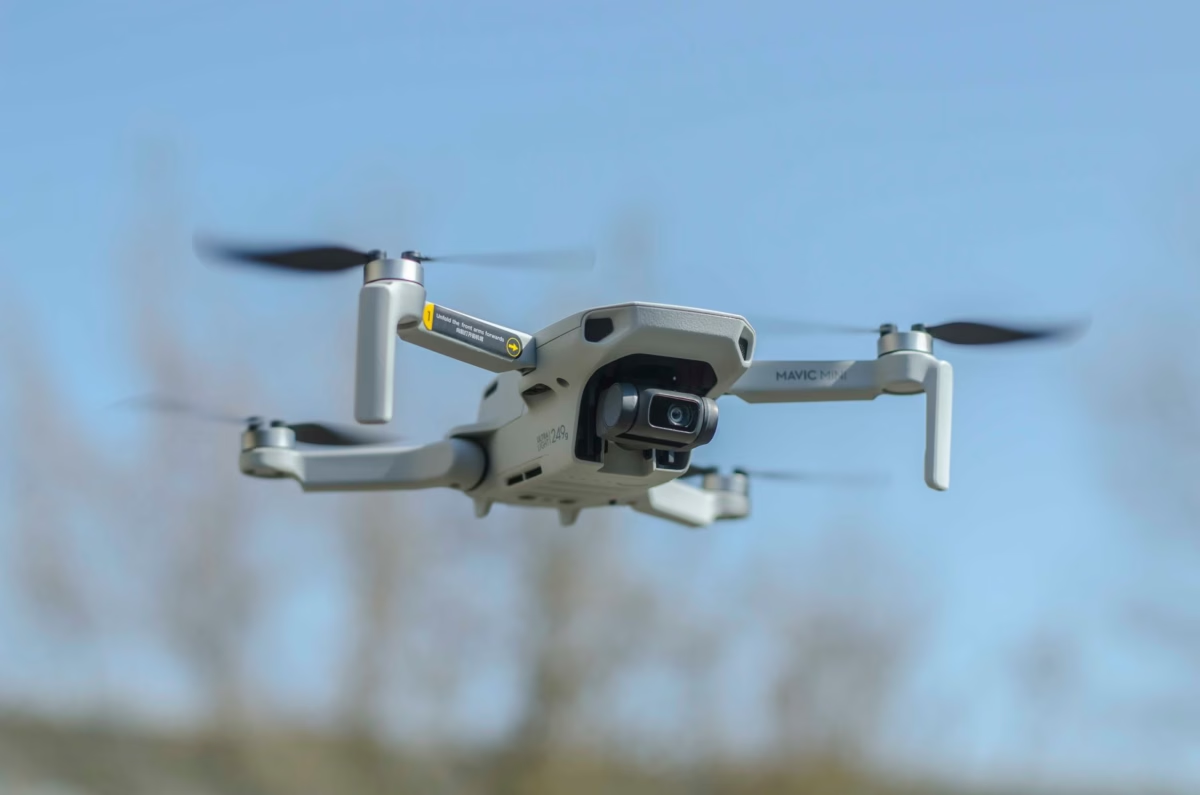
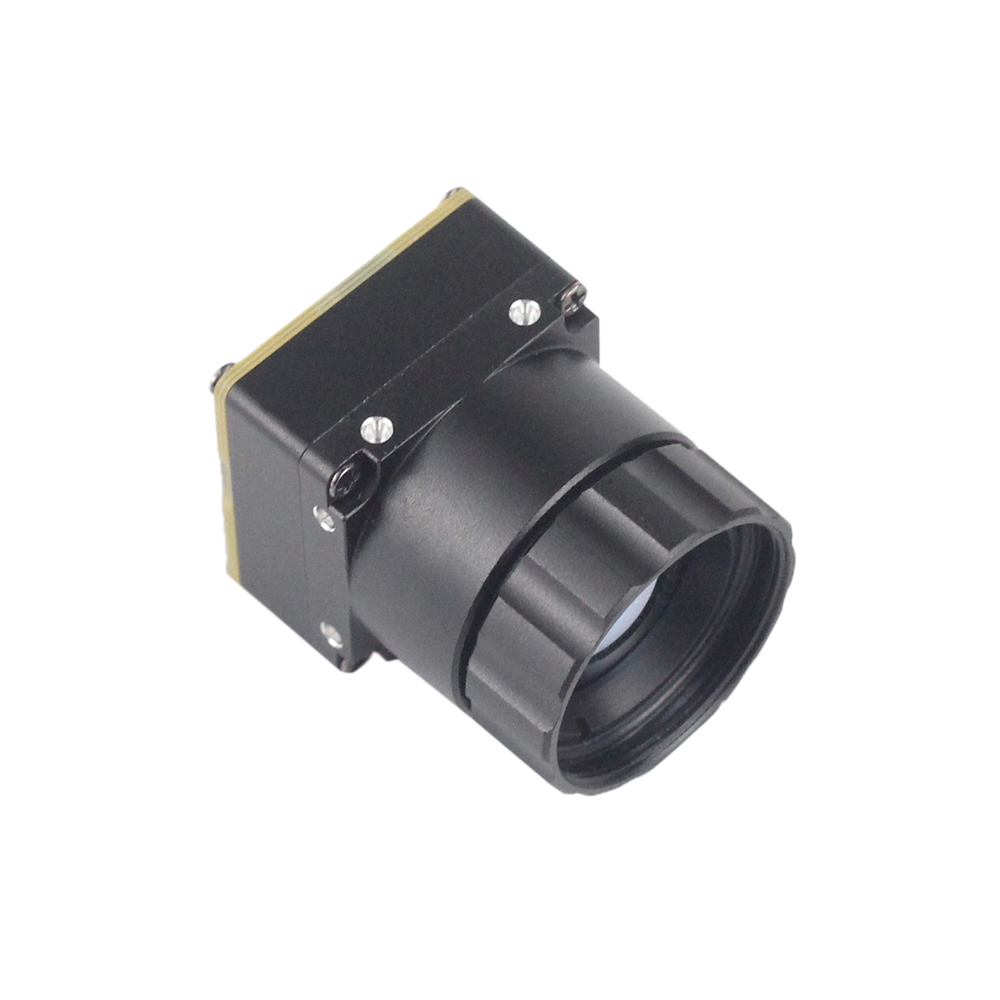
On quadcopters and fixed-wing drones, every single gram impacts your flight time. Using ultra-lightweight uncooled detector cores (weighing under 30 grams without glass) drops total payload mass. That lower mass lets you build smaller 3-axis gimbals that run on smaller motors and draw less power from the main flight battery.
High-resolution 1280×1024 uncooled cores with 12 µm pixels let drones fly higher while maintaining wide ground coverage and high spatial resolution. Higher flight paths keep your aircraft clear of power lines and obstacles while delivering crisp thermal mapping for search-and-rescue teams, power line inspection crews, and forest fire crews. For technical regional docs and specs, read through the Russian Infrared Thermal Module Guide.
4.2 Fixed Industrial Vision: Smart Grid & Infrastructure Monitoring
Factories, chemical plants, and electrical substations run 24/7 in dirty, hot, and harsh outdoor conditions. Mounting uncooled thermal cameras inside Pan-Tilt-Zoom (PTZ) enclosures gives you non-stop radiometric monitoring over high-voltage gear, busbars, and transformers. Catching bad connections or hotspots early lets maintenance crews handle high-resistance joints long before equipment fails or trips a breaker.
To see how high-def thermal cores integrate into long-range outdoor Pan-Tilt-Zoom hardware, check out our Thermal PTZ Camera Specifications page.
5. Purpleriver Uncooled Thermal Detector Modules
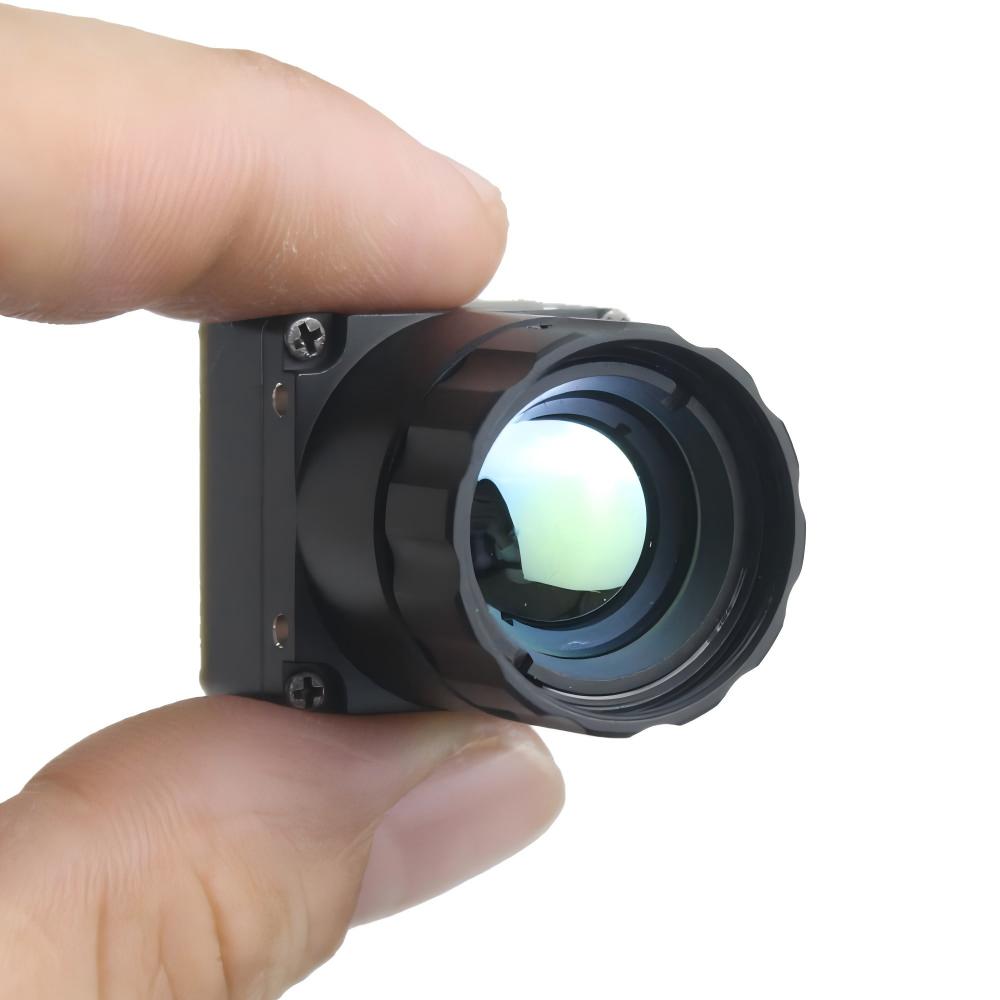
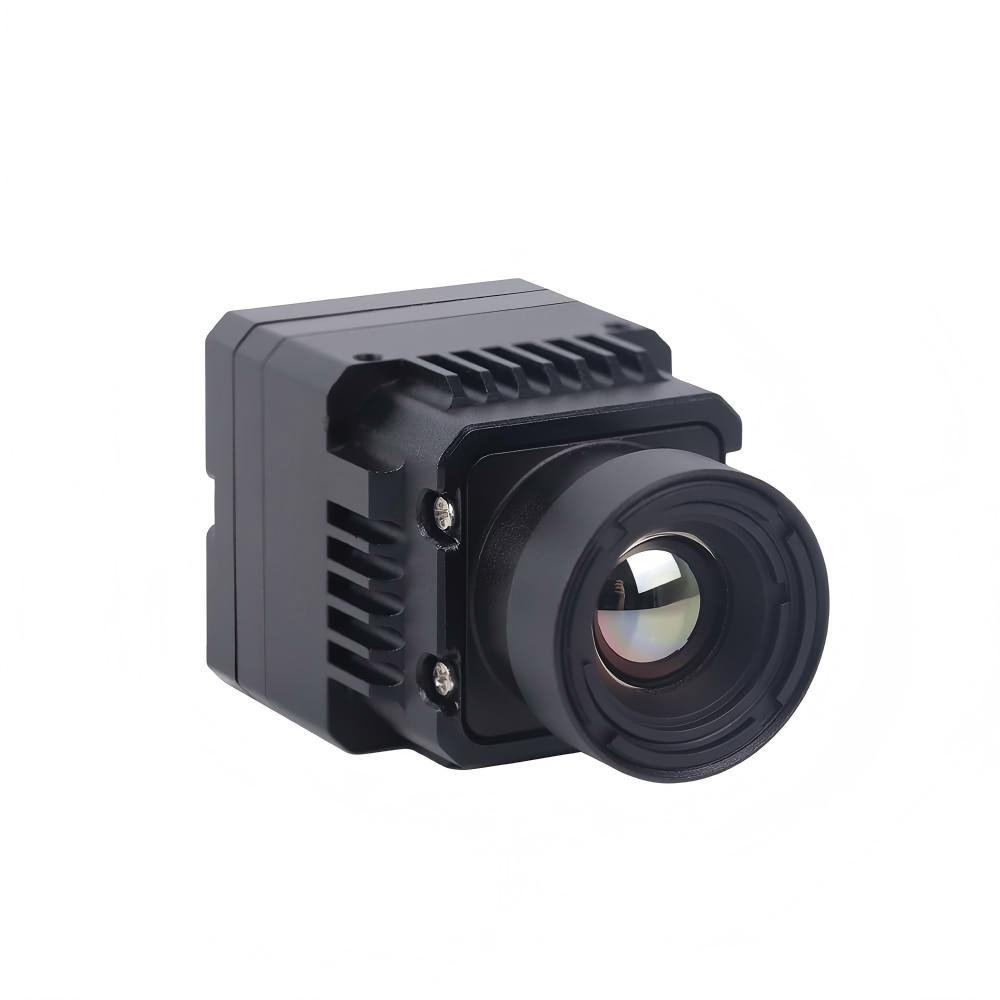
Purpleriver builds OEM-grade uncooled detector thermal camera cores engineered for drone gimbals, industrial automation, robotics, and custom edge-AI platforms.
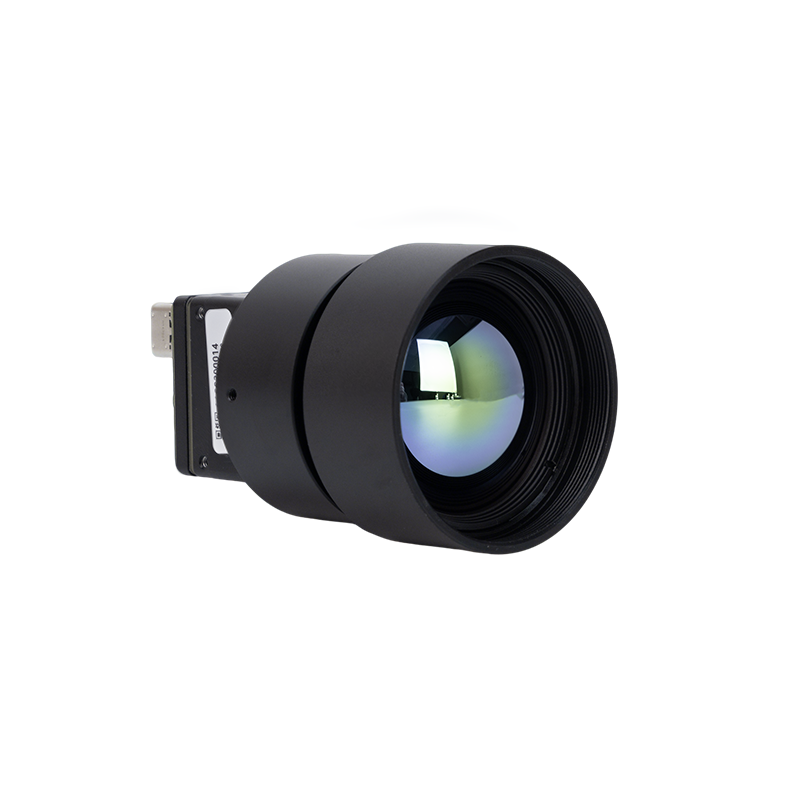
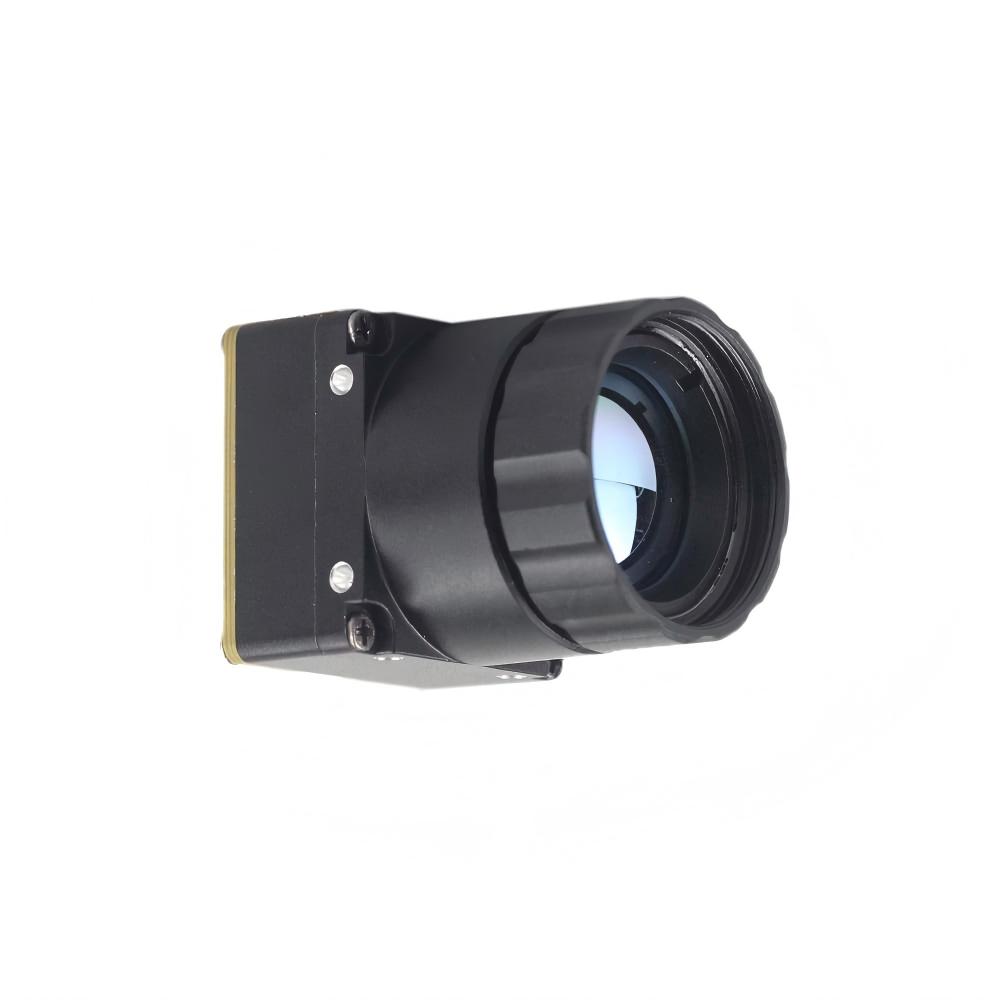
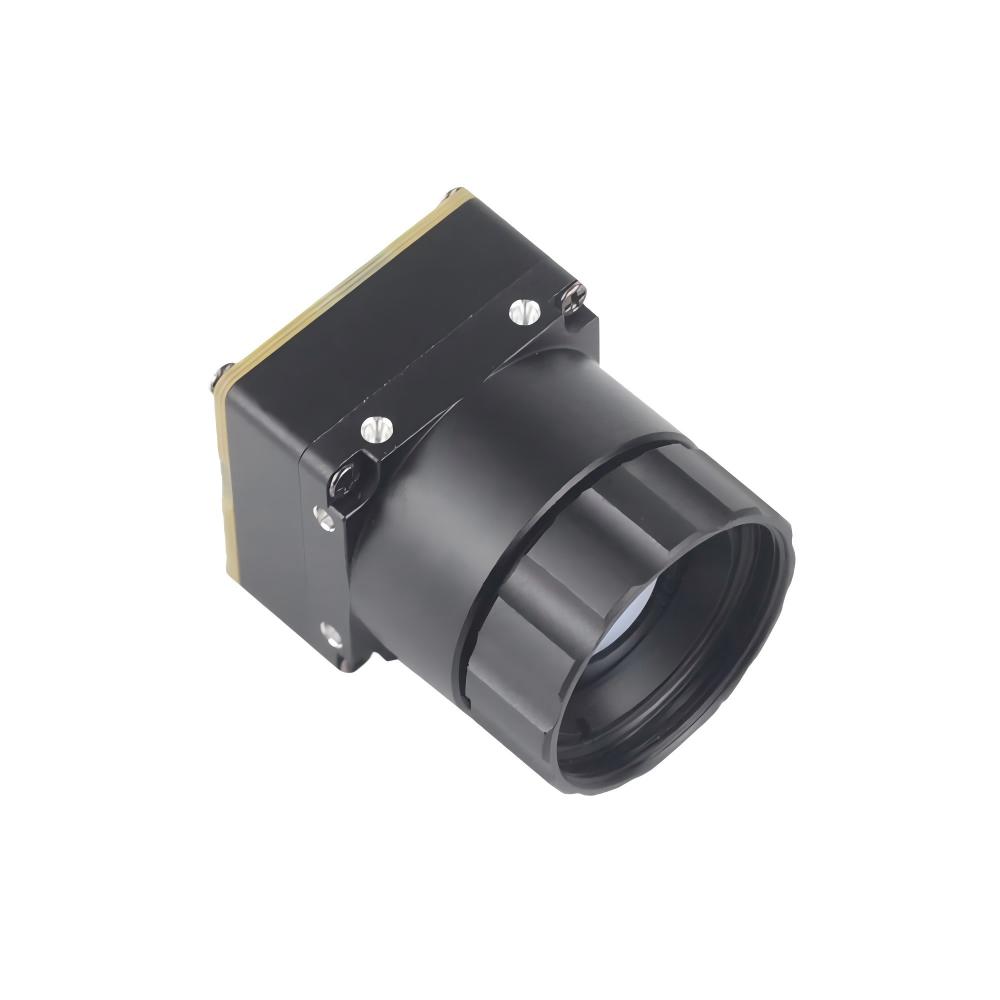
High Resolution Uncooled Infrared 1280*1024 Thermal Imaging LWIR Camera
High Resolution 1280x1024 25mm Lens Uncooled Infrared Thermal Imaging LWIR Camera. Built for long-range surveillance, precision radiometric measurements, and airborne mapping tasks where spatial detail matters.
- ✅ Resolution: 1280 × 1024 HD Format
- ✅ Lens Options: 25mm Athermalized Optics
- ✅ Detector Technology: Uncooled VOx Microbolometer
- ✅ Spectral Band: 8–14 µm (LWIR)
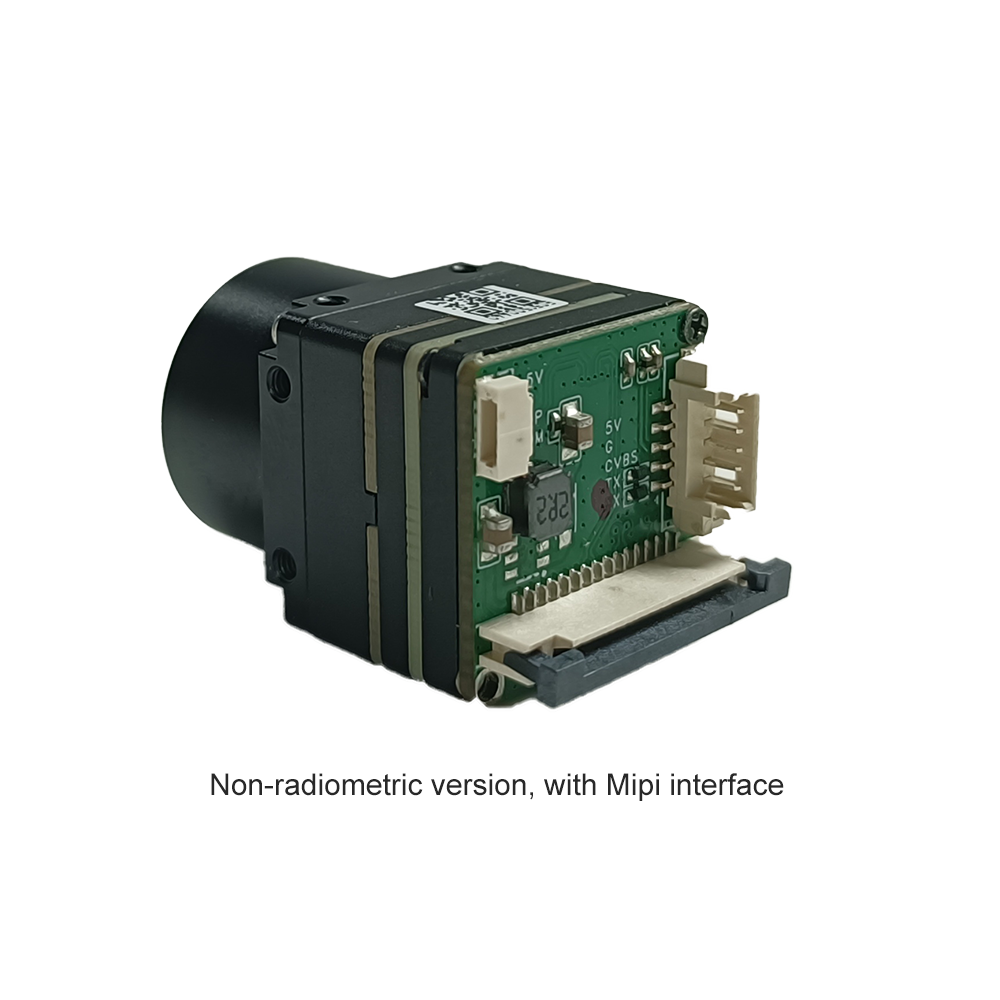
Uncooled Infrared Mipi 640 384 256 9mm Thermal Imaging Camera Module For Drones
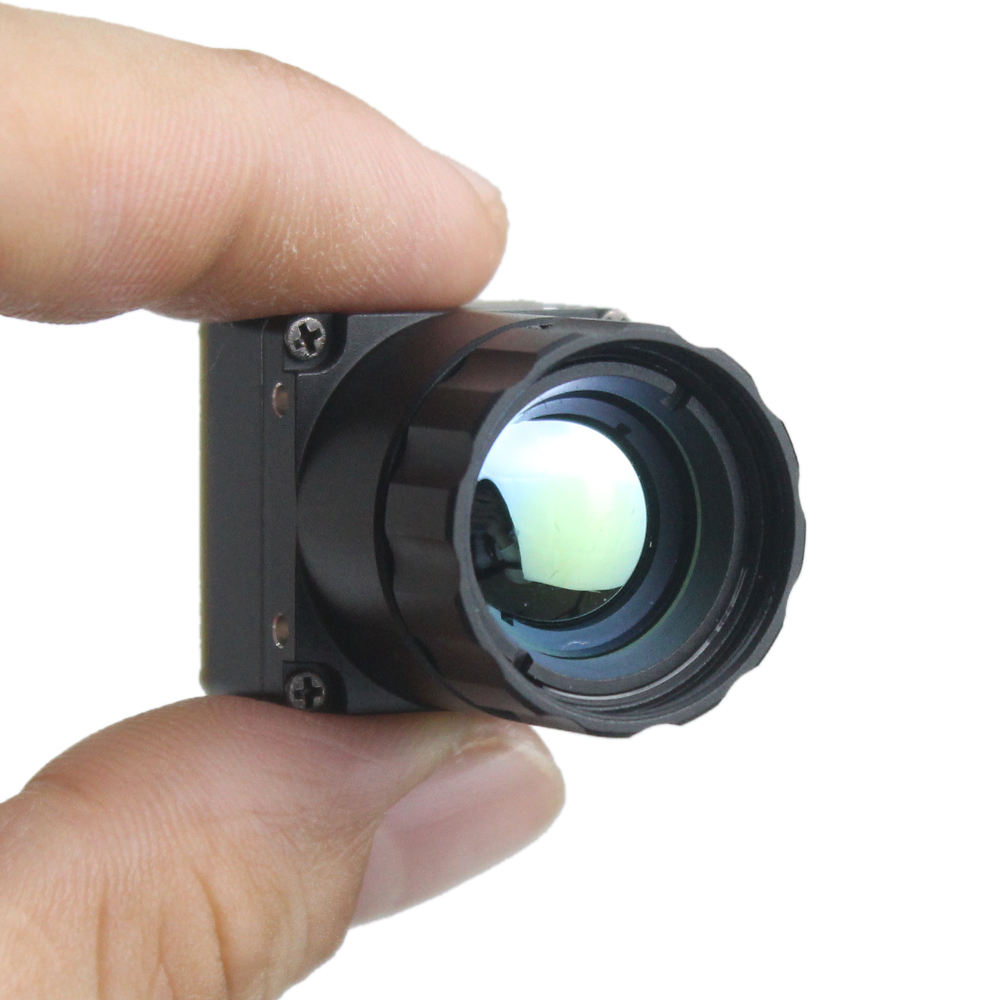
Uncooled Infrared Mini2 640x512 9mm Thermal Imaging Camera Module For Drones. This mini uncooled thermal imaging module provides crisp image performance, a tiny footprint, minimal weight, and low power draw for SWaP-constrained aerial platforms.
- ✅ Resolution Options: 640×512 / 384×288 / 256×192 Scalable
- ✅ Lens Options: 9mm Wide-FOV Lens
- ✅ Output Bus: Native MIPI CSI-2 Low-Latency Digital
- ✅ Primary Target: Drone Payloads & Mobile Robotics
6. Technical Deep-Dive FAQ
Why choose an uncooled detector over a cooled thermal sensor for drone and industrial applications?
How do modern uncooled thermal cores manage background noise and thermal glare?
Can Purpleriver uncooled detector cores be customized for lightweight OEM platforms?
📚 References & Further Reading
- ⚙️ Industry Standard: Wikipedia Thermal Imaging Technology & Principles
- ⚙️ Hardware Interface Resource: Arduino Microcontroller Embedded Integration Platform
- ⚙️ Related Guide: Purpleriver AI Thermal Camera Selection Guide (High-Precision Modules)
- ⚙️ Regional Documentation: Purpleriver Russian Language Infrared Module Guide
- ⚙️ System Architecture: Thermal PTZ Camera Hardware Specifications