
Commercial Infrared Imager Modules: High-Res AI Thermal Guide for Engineers
2026年8月6日
Commercial Infrared Camera Guide: AI Thermal Imaging vs Near Infrared Solutions
2026年8月7日

AI Thermal Camera Selection Guide: High-Precision Modules & OEM Integration
If you're designing hardware for industrial automation, autonomous drone surveillance, or predictive maintenance, you already know that non-contact thermal sensing isn't optional anymore—it's essential. Look, as Edge AI processing moves right up to the optical payload, picking the right thermal camera module comes down to a tough balancing act: matching detector resolution, thermal sensitivity, lens physics, pixel pitch (like 12μm microbolometers), and system hardware interfaces. Engineers and product managers laying out next-gen UAV payloads or smart factory inspection rigs need a clear, bullshit-free playbook to understand how raw hardware specs translate to actual radiometric performance out in the field.
Here's the deal: dropping an OEM thermal imaging camera module into your custom embedded hardware or drone frame takes a lot more than just grabbing thermal heatmaps. In the shop, we see teams struggle with tough engineering trade-offs every day—everything from tweaking radiometric calibration algorithms and sensor fusion firmware down to brutal SWaP (Size, Weight, and Power) budgets and picking physical interfaces like MIPI CSI-2, USB, CVBS, or Ethernet. Think of this guide as your engineering blue-collar blueprint for choosing, wiring up, and deploying high-precision uncooled LWIR thermal camera modules that won't fail when things get hot.
Technical Navigation Framework: Dual-TOC Plan
To help system engineers and hardware procurement guys jump straight to the technical data they need, this architecture guide uses a Dual-TOC layout:
- Static Inline Table of Contents: Right below, you'll find direct anchor links to every technical deep-dive, hardware matrix, and FAQ module.
- Desktop Floating TOC Capability: Built with matched heading anchors, this layout supports sticky desktop drawer logic so you can track where you are while scrolling through the hardware specs.
Table of Contents
- 👉 1. Physics of Thermal Sensing: LWIR & Microbolometer Principles
- 👉 2. Critical Selection Metrics: Pixel Pitch, NETD, and Spatial Resolution
- 👉 3. Edge AI Architecture & Real-Time Radiometric Calibration
- 👉 4. Hardware Interface Protocols & OEM/ODM Customization
- 👉 5. Industrial Product Showcase & Hardware Matrix
- 👉 6. Deep-Dive Frequently Asked Questions (FAQ)
1. Physics of Thermal Sensing: LWIR & Microbolometer Principles
At its core, thermal imaging boils down to basic thermodynamics: anything with a temperature above absolute zero (0 K or -273.15°C) radiates electromagnetic energy. As Planck's Law and the Stefan-Boltzmann equation (E = εσT4) tell us, the total radiated power shoots up fast as absolute temperature (T) and target surface emissivity (ε) increase.
When you're running industrial automation rigs or operating drones outdoors, Earth's atmosphere gives us clean optical passbands where water vapor, carbon dioxide, and ozone won't choke off the signals. For uncooled industrial gear, the real sweet spot is the Long-Wave Infrared (LWIR) band, covering 8.0 μm up to 14.0 μm. Everyday ambient targets (-20°C to 500°C) put out their peak radiation right inside this window, letting an LWIR sensor capture sharp thermographic data without burning power on external IR lights.
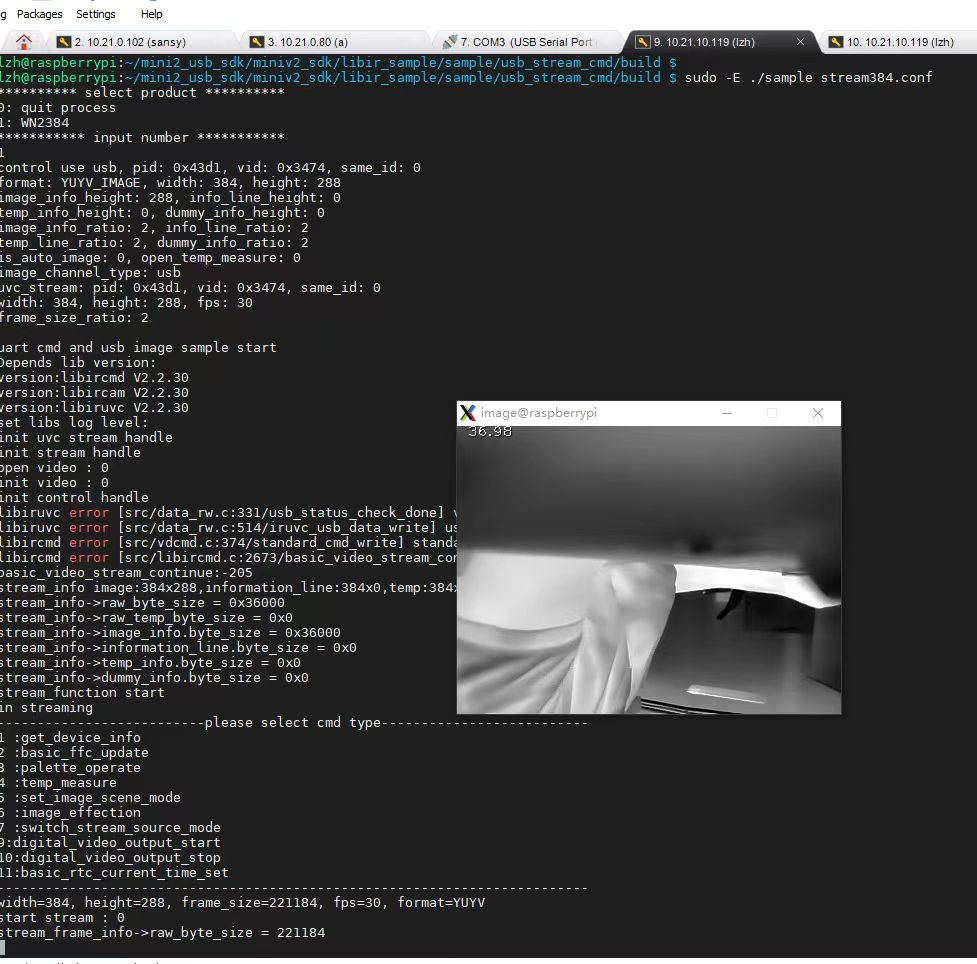
Inside an uncooled thermal camera core, the real work happens on a microbolometer array. Check out the Wikipedia Microbolometer entry for the deep background, but basic setup is simple: a grid of tiny thermal absorber plates suspended above a silicon substrate on micromachined leg bridges. Each pixel relies on a thin active layer made of Vanadium Oxide (VOx) or Amorphous Silicon (a-Si):
- ⚙️ Vanadium Oxide (VOx): The go-to standard across industrial optoelectronics. VOx gives you a strong Temperature Coefficient of Resistance (TCR) (~2%/K to 3%/K), low 1/f electronic noise, and solid thermal stability across wide operating temps. That means VOx detectors hit significantly lower Noise Equivalent Temperature Difference (NETD) numbers at identical pixel sizes.
- ⚙️ Amorphous Silicon (a-Si): Cheaper and simpler to produce on standard silicon lines. It keeps initial hardware costs down, but you pay for it with a higher baseline noise floor and slightly lower thermal sensitivity compared to VOx arrays.
When long-wave IR photons pass through a specialized Germanium optical lens and strike the microbolometer membrane, the material soaks up that thermal energy and warms up slightly. That tiny temp bump alters the electrical resistance of the VOx or a-Si film. Readout Integrated Circuits (ROIC) under the array feed a bias voltage through the grid, measure the resistance delta across every single pixel, and push an analog voltage signal down the line. High-bit (14-bit or 16-bit) ADCs convert that signal into the clean, uncompressed digital stream your processor needs.
2. Critical Selection Metrics: Pixel Pitch, NETD, and Spatial Resolution
When you're benchmarking an OEM thermal camera engine for a custom build—whether it's a factory inspection setup, a security gimbal, or a UAV—you have to get comfortable balancing pixel pitch, thermal sensitivity (NETD), and spatial resolution optics.
Pixel Pitch (p)
Pixel pitch is just the center-to-center distance between neighbor pixels on the microbolometer matrix, measured in micrometers (μm). Older designs used a 17μm pitch, which meant you needed longer focal length glass to get a tight field of view—adding dead weight, inflating physical size, and driving up lens costs. Modern 12μm pixel pitch architecture is where the industry sits right now for high-density, low-SWaP cores.
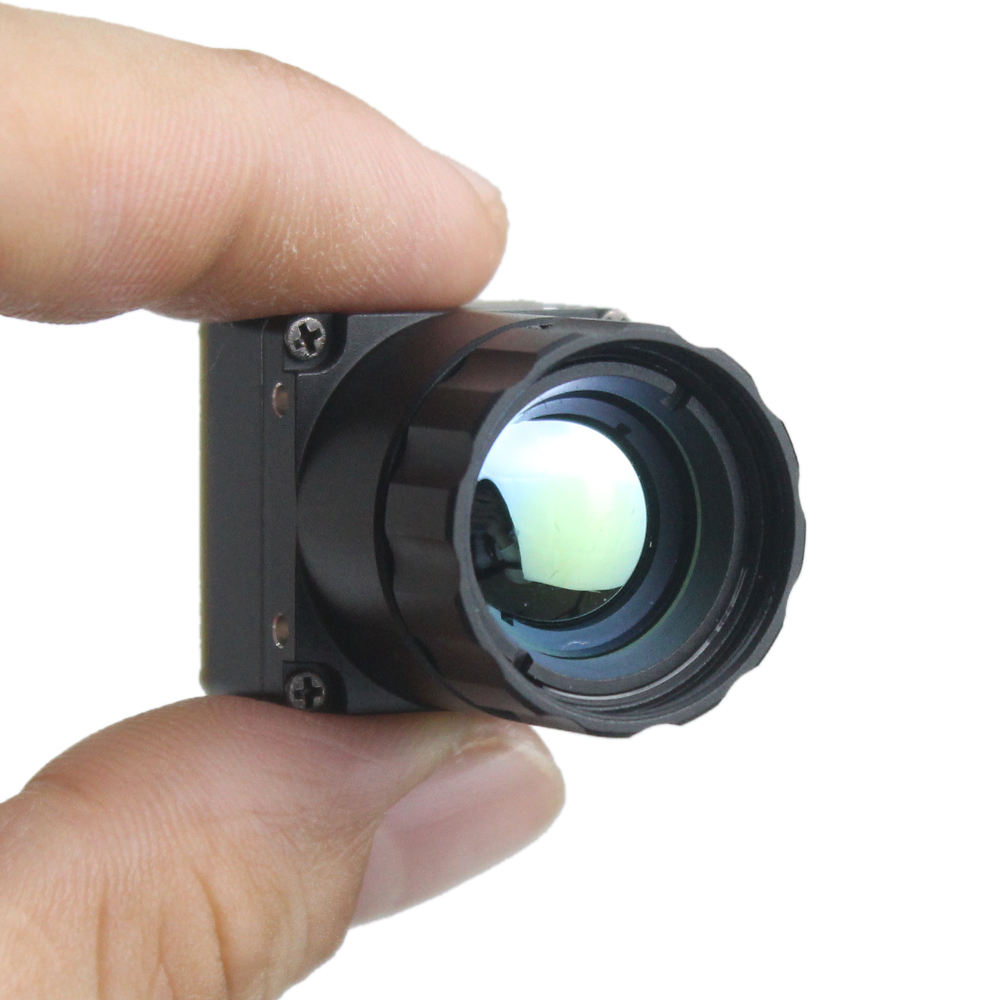
Stepping down from 17μm to 12μm chops individual pixel surface area nearly in half (144 μm2 vs. 289 μm2). That lets manufacturers pack tight resolutions like 640×512 or 384×288 into significantly smaller sensor housing formats. Smaller sensors mean you can screw on smaller, lighter Germanium optics—and if you've ever balanced a drone payload budget, you know every single gram counts.
To match optical glass properly with sensor formats, design teams source glass through specialized precision optics makers like Rising Optics to lock down exact focal lengths (like 9mm, 13mm, or 19mm) that won't ruin Modulation Transfer Function (MTF) performance across the frame corners.
Noise Equivalent Temperature Difference (NETD)
NETD tells you the absolute smallest temperature delta the thermal detector can distinguish above its own internal electronic noise floor, measured in millikelvins (mK):
- ⚙️ NETD < 50 mK: Good enough for basic perimeter detection, security triggers, and simple hot-spot tracking.
- ✅ NETD < 40 mK down to < 30 mK: True industrial and defense-grade territory. Lower NETD delivers crisp thermal images, pin-sharp object edges, and clean contrast in tricky low-gradient scenes (like thick fog, rain, or overcast cold nights), while giving you precise temperature readings.
Spatial Resolution & Optical Geometry
Spatial resolution comes down to array dimensions (Nx × Ny), pixel pitch (p), and lens focal length (f). Together, they fix your Instantaneous Field of View (IFOV):
IFOV = p / f (radians)
Say you're running a 12μm pixel array behind a 9mm lens. The math is simple:
IFOV = (12 × 10-6 m) / (9 × 10⁻³ m) = 1.33 mrad
That means each single pixel covers a 1.33 mm spot on a target 1 meter away. Locking down these optical basics is essential when picking modular camera cores (for a deeper look at hardware setups, take a look at our full guide on choosing thermal imaging camera modules).
3. Edge AI Architecture & Real-Time Radiometric Calibration
Modern industrial thermal cameras don't just dump out basic greyscale imagery. Today's cores act as smart spatial instruments, capable of handling real-time Edge AI processing and full radiometric calibration right inside the local hardware pipeline.
Radiometric Engine Calibration Workflow
To turn raw 14-bit microbolometer counts into real target surface temperatures (°C or °F), the onboard signal processor runs a multi-step calibration pipeline on every single frame:
- Non-Uniformity Correction (NUC): Individual microbolometer pixels don't respond identically out of the box. The internal engine applies Gain and Offset matrix math (NUC(x,y) = G(x,y) · S(x,y) + O(x,y)), updated dynamically using a mechanical shutter or intelligent shutterless algorithms.
- Ambient Drift & Temp Compensation: Temperature sensors positioned across the optical bench constantly track internal housing heat, dynamically tweaking math curves so ambient weather changes don't skew your target readouts.
- Parametric Radiometric Math: The processing engine factors in real-world environmental variables: target emissivity (ε), ambient background bounce (Trefl), target distance (d), and humidity.
Edge AI Integration & Real-Time Analytics
Connecting microbolometer ROIC outputs directly to onboard Neural Processing Units (NPUs) or system-on-chip processing (like HiSilicon or ARM silicon) lets thermal camera modules handle computer vision workloads directly on the payload board:
- ⚙️ Automated Anomaly Detection: Trimmed-down Convolutional Neural Networks (like customized YOLO runs) scan 14-bit raw radiometric frames in real time, calling out bad insulation, hydraulic leaks, or hot electrical lugs before things break.
- ✅ Predictive Industrial Maintenance: Factory networks lean on automated thermal sensing to flag equipment failures long before downtime hits. For instance, teams set up continuous inspection routines matching the step-by-step methods outlined in our guide on detecting transformer faults with industrial thermal imaging.
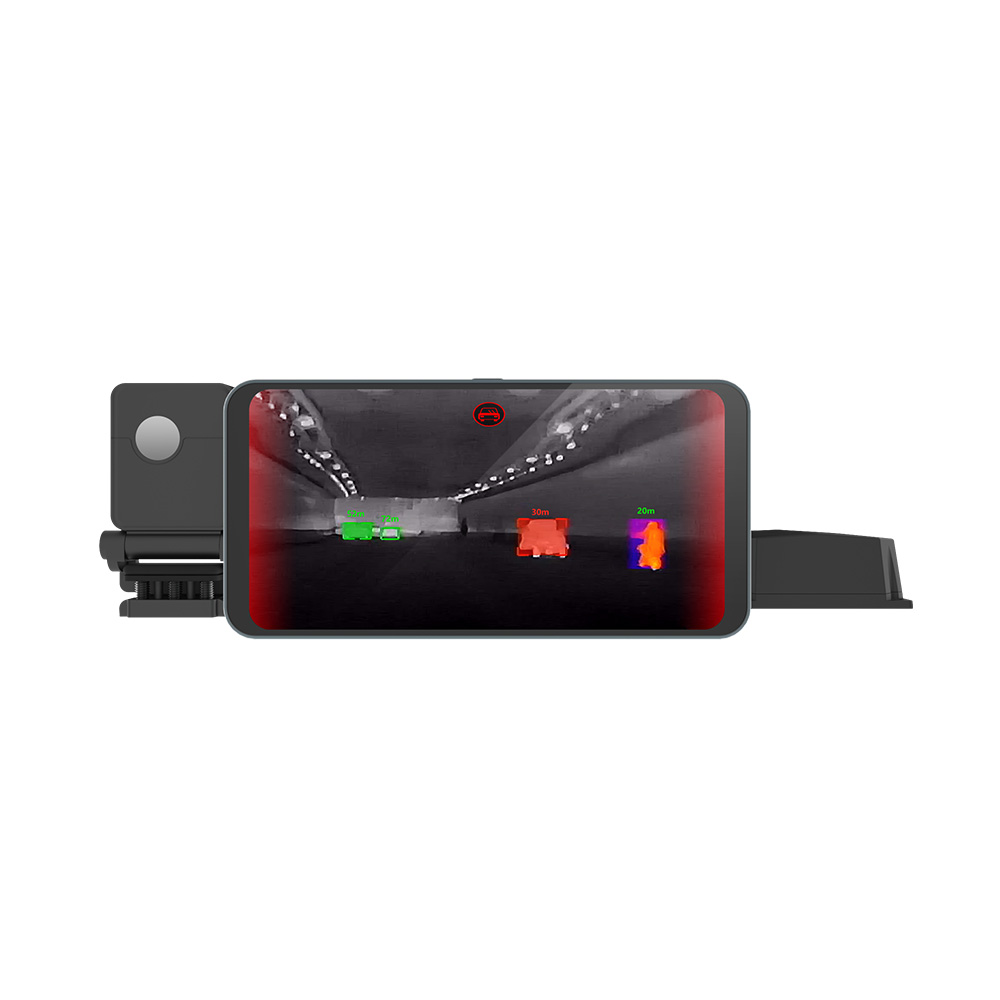
- ⚙️ Perimeter Security & Robotics Navigation: Onboard AI engines parse LWIR feeds to lock onto human and vehicle targets, ignoring glare, rain, and blowing tree branches that mess with standard visual security cameras.
4. Hardware Interface Protocols & OEM/ODM Customization
When you're embedding a thermal camera core into a custom drone, an inspection crawler, or an outdoor security head, choosing the right interface connection dictates your system architecture, data latency, and wiring setup.
Physical Interface Protocols
Pick your physical interface based on real-time processing demands, throughput bandwidth, and total cable run distances:
- ⚙️ MIPI CSI-2 (Mobile Industry Processor Interface): The top choice for high-speed embedded integrations (NVIDIA Jetson, NXP i.MX, HiSilicon, Raspberry Pi CM4). MIPI CSI-2 streams uncompressed raw 14-bit thermal data right into your carrier board ISP/NPU with near-zero latency and minimal power draw—ideal for battery-sensitive drone systems.
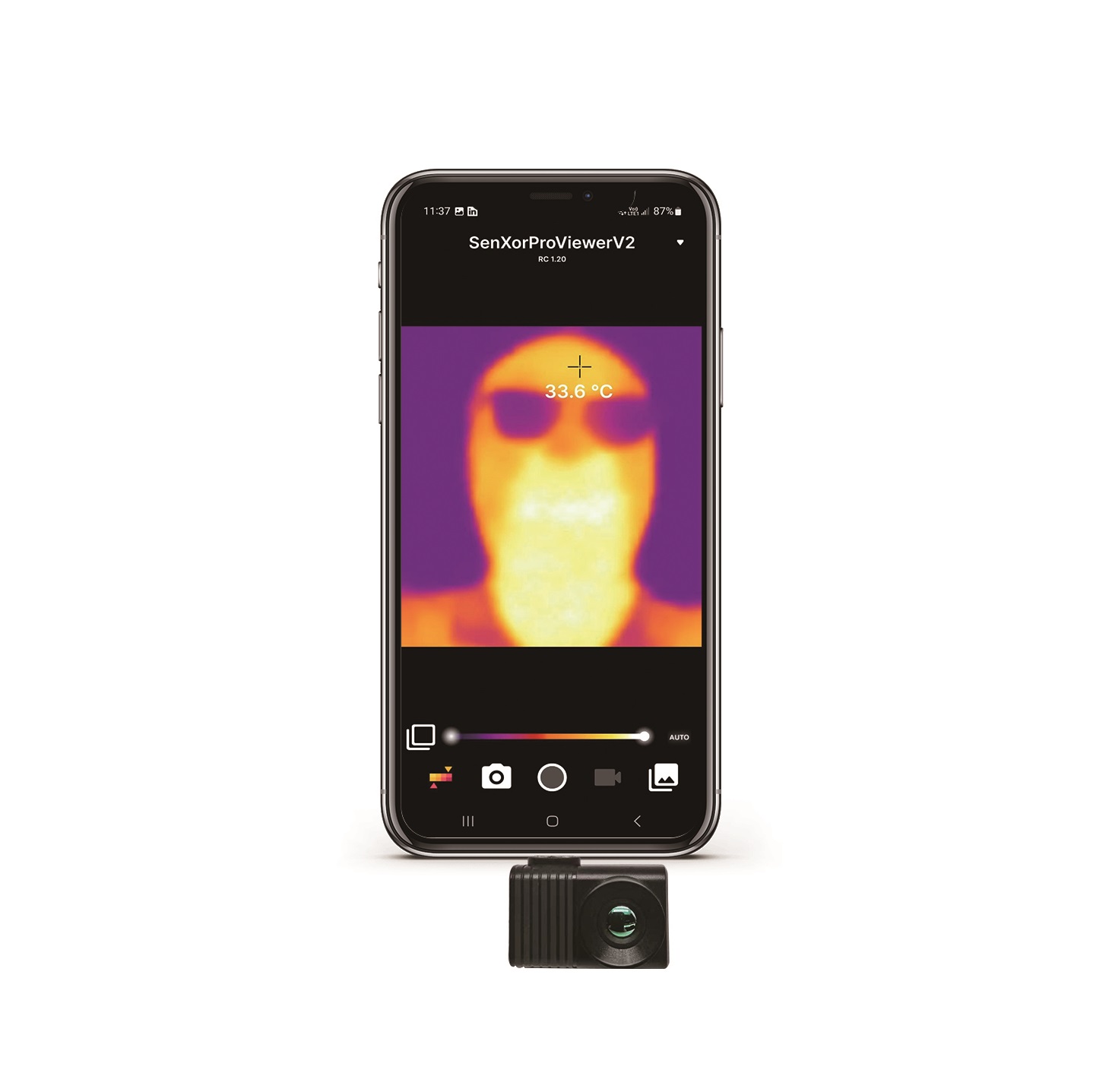
- ✅ USB 2.0 / USB 3.0 Type-C: Easy plug-and-play access across Linux, Windows, and Android boxes. Standard UVC (USB Video Class) streams video out alongside a virtual COM port that handles temperature telemetry and radiometric control packets.
- ⚙️ CVBS (Composite Analog Video): Old-school analog output with zero digital frame delay. Perfect for piping video straight into legacy analog monitors, basic radio transmitters, or long-range FPV links without needing software drivers.
- ✅ Ethernet / RTSP / ONVIF: The standard choice for stationary plant security, sending IP streams over local subnets directly into SCADA networks and central monitoring walls.
OEM/ODM Structural & Thermal Customization
Off-the-shelf camera hardware doesn't always fit tight mechanical or environmental requirements. Custom industrial designs—such as heavy-duty uncooled infrared LWIR thermal cameras—often require tailored hardware modifications:
- Lens Mount Engineering: Swapping between fixed-focus optics (9mm, 13mm, 19mm), manual thread barrels, or fully athermalized glass assemblies rated for extreme outdoor swings (-40°C to +80°C).
- Mechanical SWaP Design: Custom PCB layouts, low-profile core stacks, and lightweight aluminum-magnesium enclosures designed to act as structural heatsinks.
- Firmware Customization: Dedicated SDKs (C/C++, Python, ROS/ROS2 nodes), custom color palettes (Ironbow, Rainbow, White Hot, Black Hot), custom radiometric alarms, and custom serial control headers.
5. Industrial Product Showcase & Hardware Matrix
To give you a side-by-side look at available hardware options, the table below highlights two popular OEM thermal camera engines designed for drone gimbals, robotic systems, and industrial monitoring rigs.
| Specification Parameter | Uncooled Infrared Mini2 Series Module | MD Series 384x288 Thermal Camera Module |
|---|---|---|
| Detector Type | Uncooled VOx Microbolometer Array | Uncooled VOx Microbolometer Array |
| Array Resolutions | 640×512 / 384×288 / 256×192 Options | 384×288 Array Resolution |
| Pixel Pitch | 12 μm | 12 μm |
| Optical Lens Configuration | 9mm Compact Optical Lens Assembly | Configurable / Precision Germanium Optics |
| Hardware Interfaces | MIPI CSI-2 Native Direct SoC Bridge | Multi-Interface (MIPI / USB / CVBS) |
| Key Performance Focus | Ultra-lightweight footprint, sharp thermal clarity, low cost for UAV integration. | Plug-and-play flexibility, high thermal sensitivity, HKUST & Huawei HiSilicon core heritage. |
| Primary Applications | Drone payloads, lightweight gimbals, micro-inspection rigs. | Industrial predictive maintenance, perimeter security, custom robotics. |
Architectural Deep Dive: Selected Thermal Modules
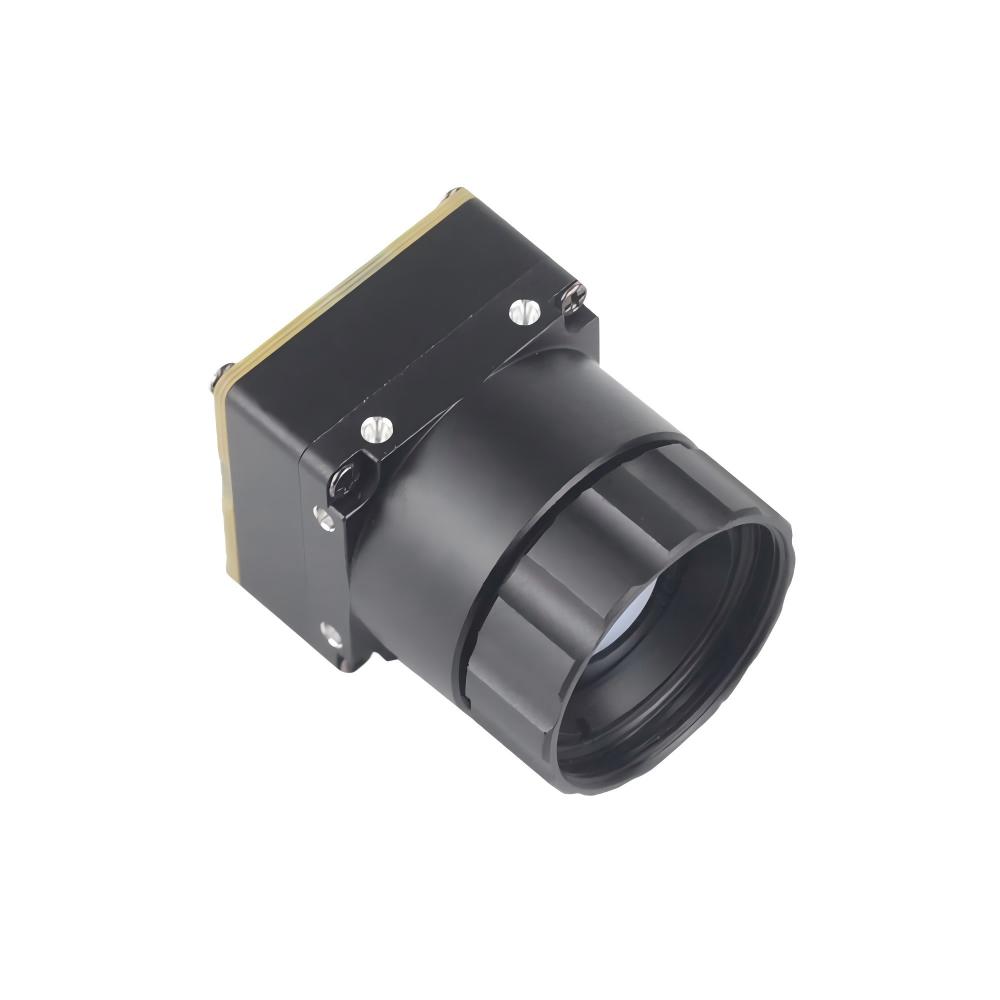
1. Uncooled Infrared Mini2 640 / 384 / 256 9mm Module for Drones
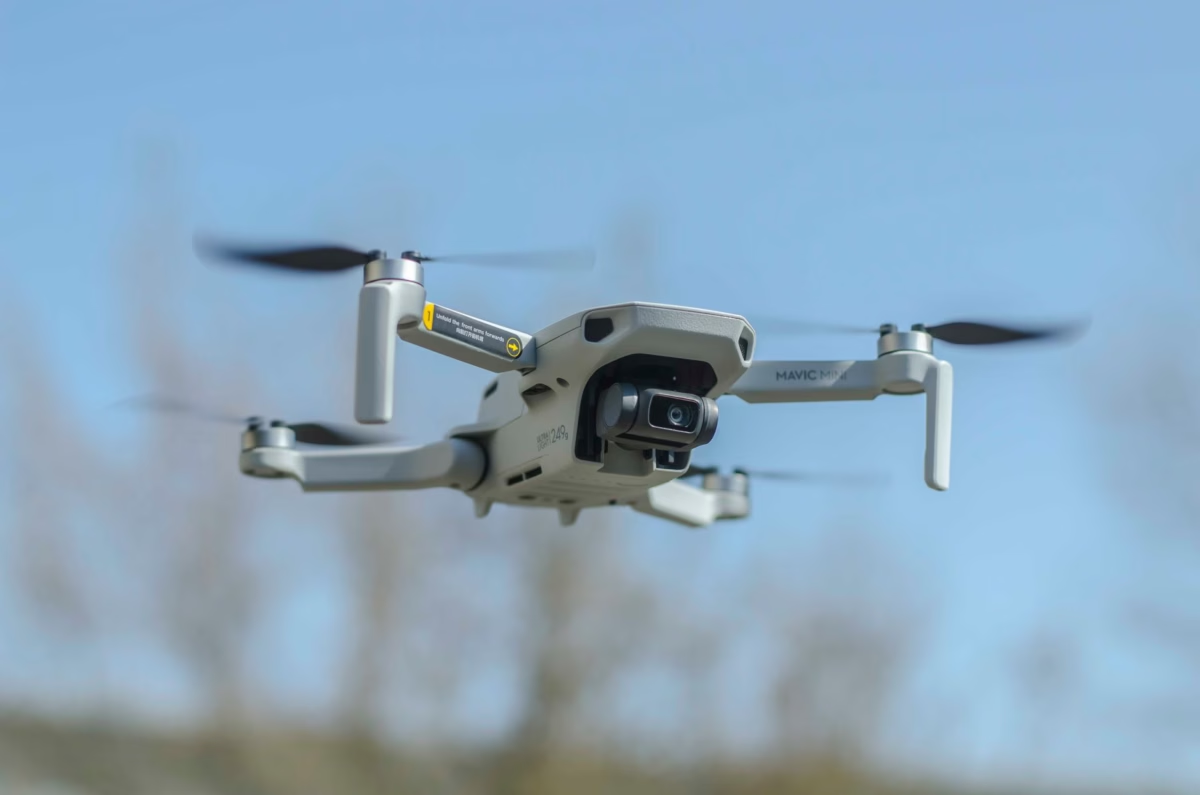
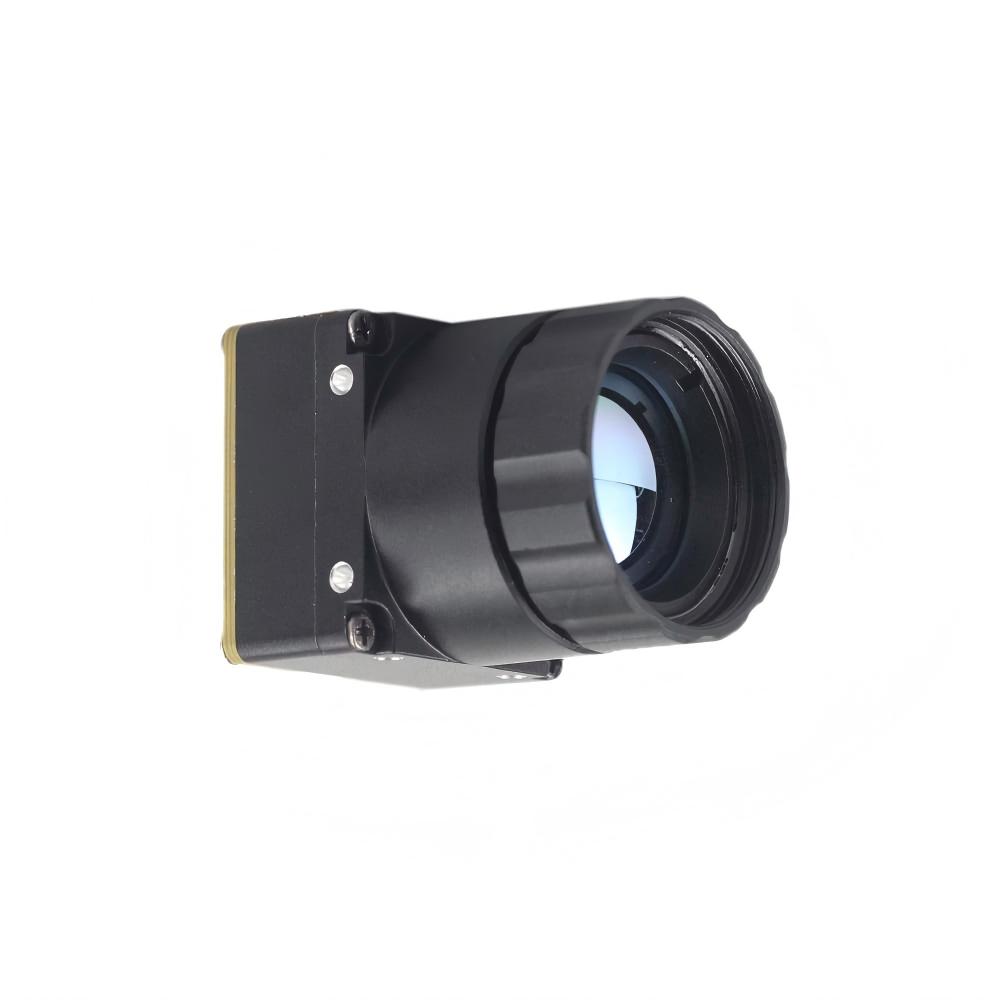
The Uncooled Infrared Mini2 Thermal Imaging Camera Module was built from the ground up to solve tight drone SWaP limits. Powered by a 12μm VOx microbolometer engine paired with a 9mm Germanium lens assembly, it pushes clean, crisp imagery up to 640×512 resolution down to your processor board.
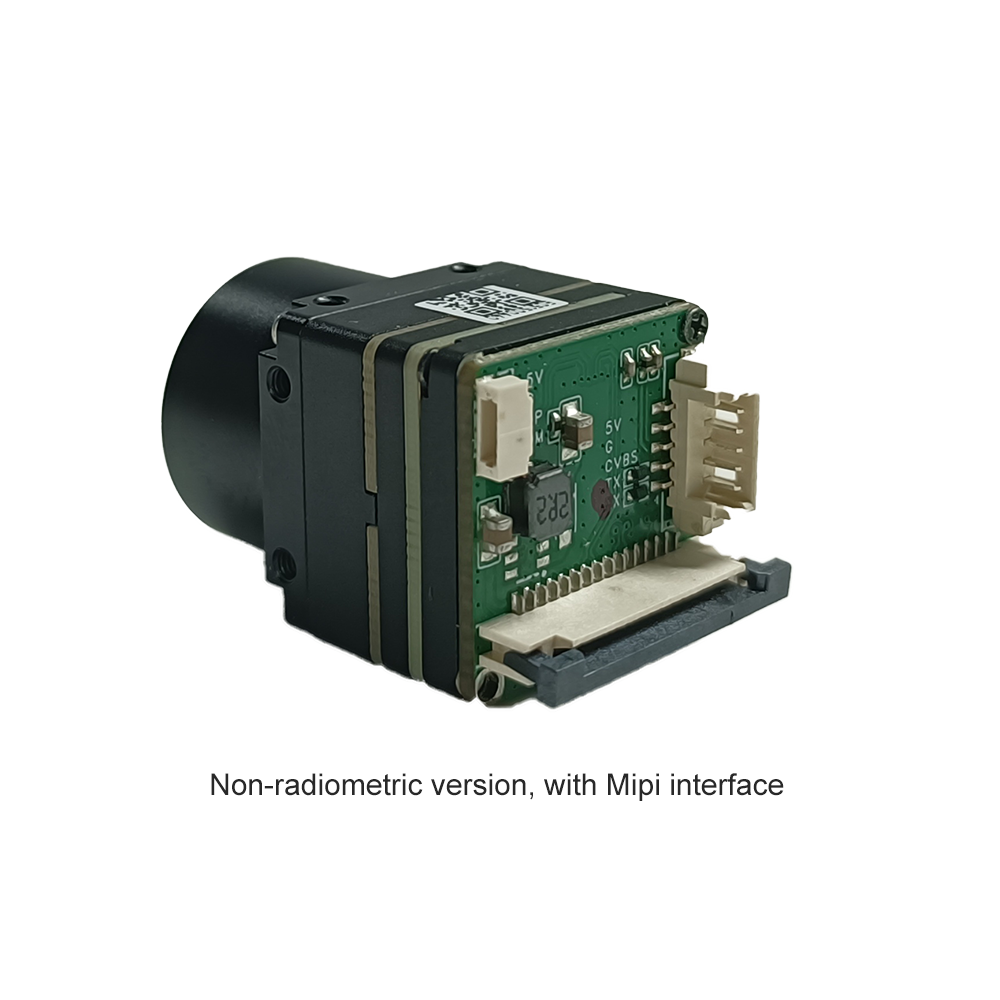
By routing 14-bit radiometric raw frames straight out through a native MIPI CSI-2 interface, the Mini2 bypasses bulky bridge chips that add latency and waste battery power. That clean pipe hooks right into onboard flight computers or NPU boards, stretching air time for long-range UAV flight missions.
View Product Details & Pricing ➔
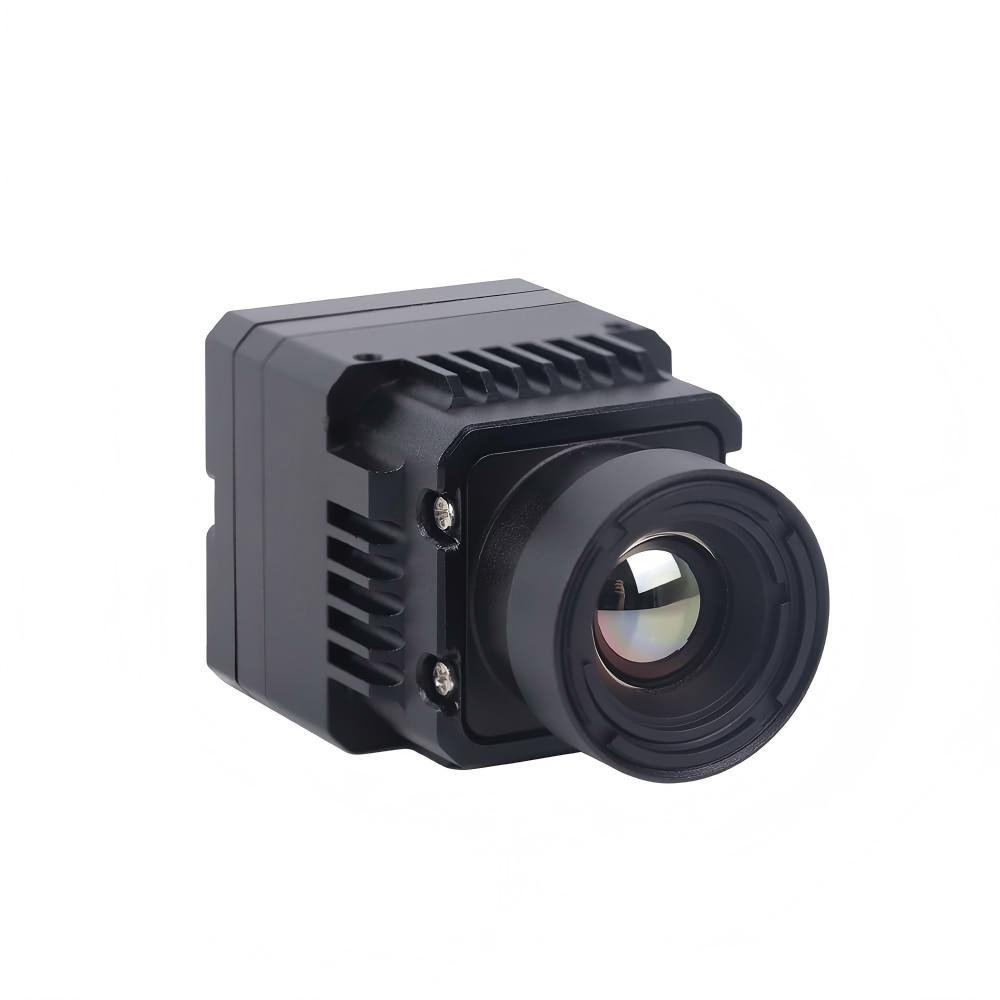
2. MD Series 384x288 Uncooled Infrared Thermal Camera Module
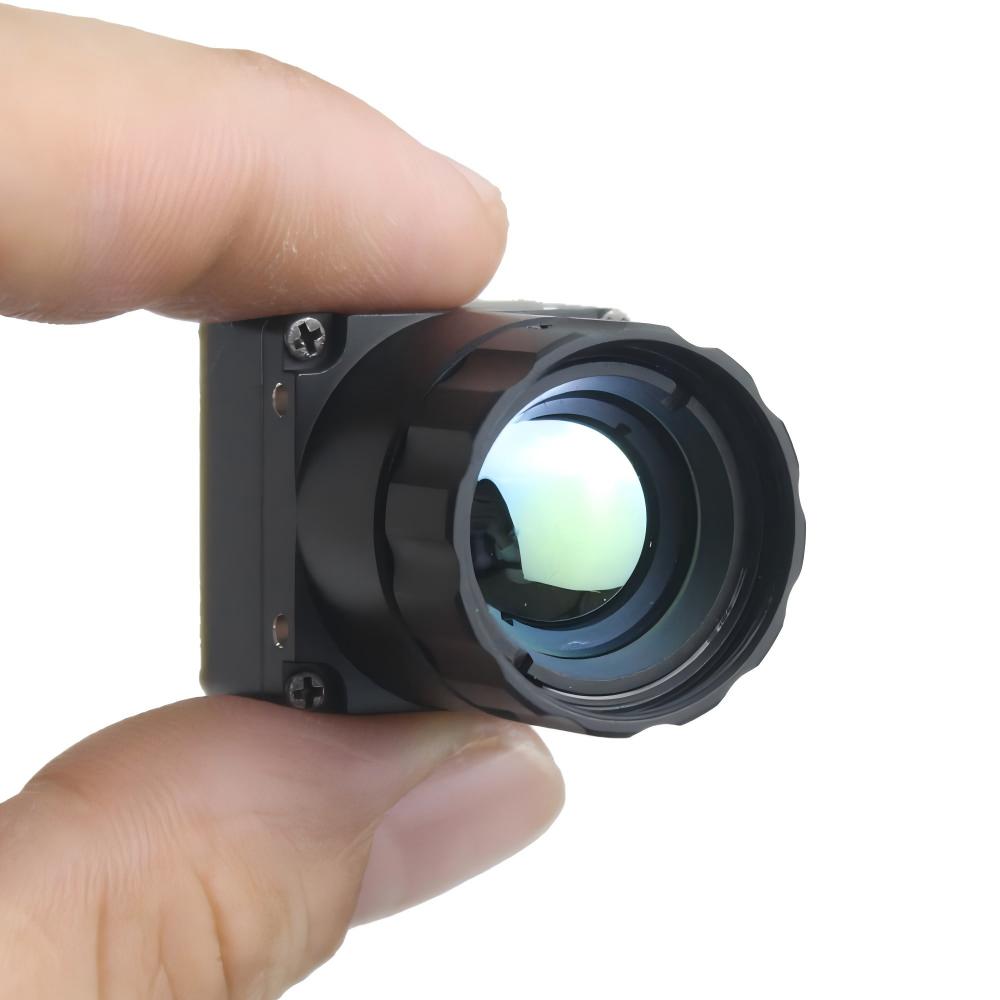
The MD Series Thermal Camera Module is an industrial workhorse built for fixed inspection platforms, machinery builds, and modular prototypes. Designed by an R&D team with backgrounds from HKUST and Huawei HiSilicon, the MD Series is tuned for consistent long-term measurement precision and strong thermal sensitivity.
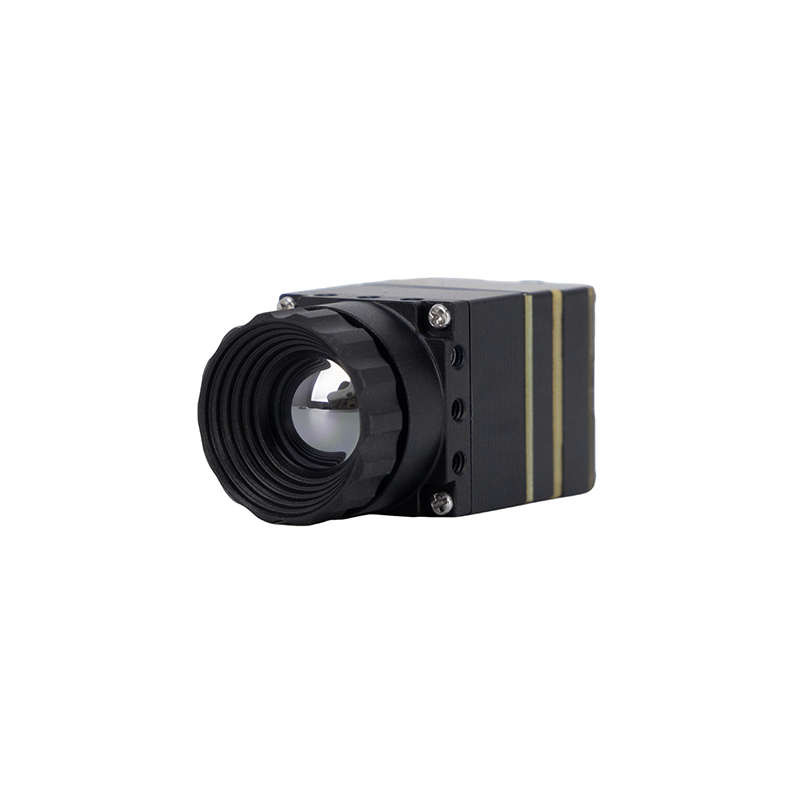
Running a 12μm VOx microbolometer core with flexible physical outputs (MIPI, USB, and CVBS), the MD core gives hardware devs serious flexibility. You can prototype fast over USB on a Linux box, then pivot smoothly to direct MIPI output for production hardware. Flexible OEM/ODM options mean you can customize lens mounts, flash custom firmware builds, and tune SDK integration for specialized field projects.
View Product Details & Pricing ➔
6. Deep-Dive Frequently Asked Questions (FAQ)
Are low-cost thermal cameras accurate enough for professional inspection and drone integration?
For heavy-duty jobs—like scanning power lines, auditing solar fields, or monitoring plant machinery—these engines deliver dependable, repeatable thermographic performance if they've been calibrated right out of the factory. Real field accuracy relies on solid factory calibration, automated shutter or shutterless Non-Uniformity Correction (NUC), and active ambient temperature compensation built right into the core firmware. When you pair these cores with quality Germanium glass (like optics from Rising Optics) and keep NETD under 40 mK, you get real absolute surface readings (±2°C or ±2%) that stand up to tough drone flights and automated plant analytics.
How does a thermal camera accurately measure temperature from a distance?
The onboard processing engine evaluates those resistance shifts and calculates absolute values using key thermodynamic parameters:
- Target Surface Emissivity (ε): Corrects for how effectively the target surface emits thermal energy compared to a blackbody model.
- Atmospheric Transmission (τ): Compensates for signal loss across air paths based on working distance and humidity levels.
- Reflected Ambient Temp (Trefl): Accounts for ambient background infrared radiation bouncing off target surfaces back into the lens.
By referencing factory calibration lookup tables onboard, the thermal core outputs trustworthy target temperatures without needing physical probes.
What interfaces are required to integrate a thermal camera module into custom hardware?
- ⚙️ MIPI CSI-2: The top path for embedded compute platforms (NVIDIA Jetson, Raspberry Pi CM4, NXP i.MX). It feeds uncompressed 14-bit raw thermal data directly to your host ISP or NPU with minimal latency and minimal power draw—perfect for real-time vision pipelines.
- ✅ USB (USB 2.0 / USB 3.0 Type-C): Ideal for rapid desk prototyping on Linux, Windows, or Android hardware. USB supplies UVC video output alongside a virtual serial port for temperature control commands and telemetry data.
- ⚙️ CVBS (Analog Video): The simplest option for standard displays, basic monitors, or direct analog video transmitters, pushing live video without host drivers or complex software setups.
- ✅ Ethernet / RTSP: Perfect for plant safety networks and SCADA installations, supporting long cable runs, ONVIF compliance, and centralized network recording.
📚 References & Further Reading
- Industry Standard Detector Physics: Wikipedia Microbolometer Principles
- Precision Optical Lenses: Rising Optics Thermal Lens Assemblies
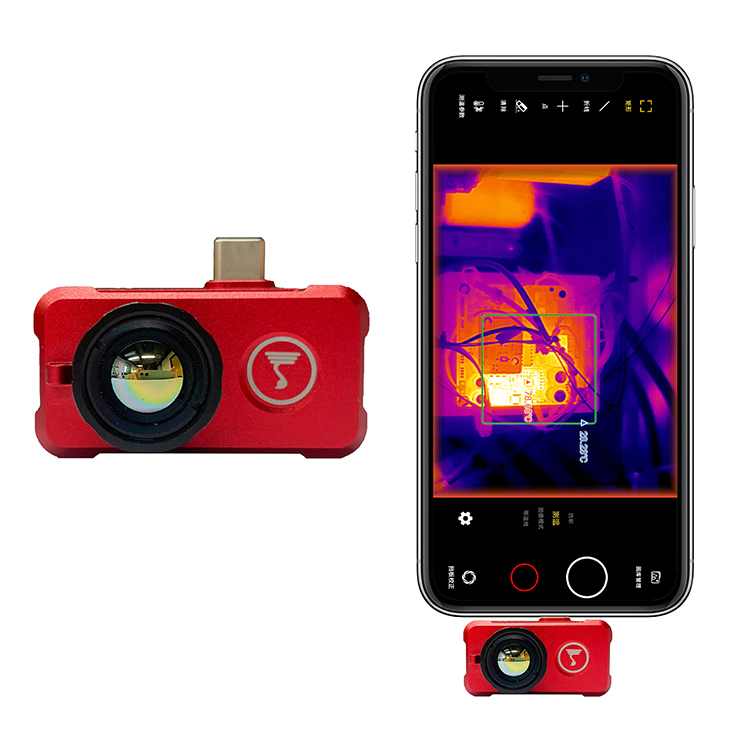
- Related Integration Guide: Choosing Smartphone Thermal Imaging Camera Modules
- Industrial Application Manual: How to Detect Transformer Faults Effortlessly: Thermal Imaging Standards Guide
- Heavy-Duty Hardware Systems: Uncooled Infrared Thermal Imaging LWIR Camera Series