
وحدة كاميرا حرارية MIPI USB من قوانغتشو بيربل ريفر: حلول الأشعة تحت الحمراء المدمجة عالية الدقة
17 يوليو 2026
دليل وحدة الكاميرا الحرارية MIPI: تكامل الذكاء الاصطناعي الطرفي عالي الدقة لـ Raspberry Pi والطائرات بدون طيار
20 يوليو 2026
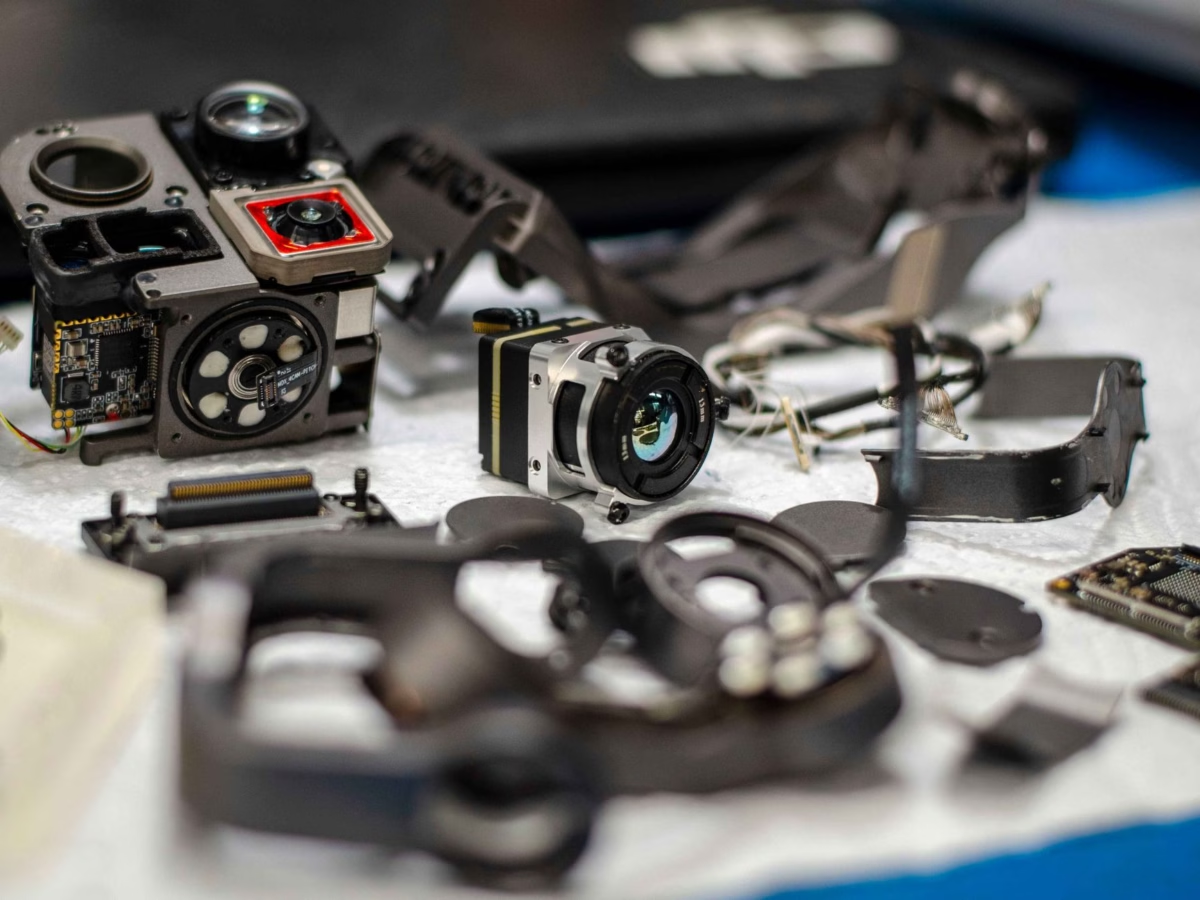
وحدة الكاميرا الحرارية 640x512: الدليل الشامل لتكامل الطائرات بدون طيار والذكاء الاصطناعي الطرفي
إليك الحقيقة المجردة حول هندسة الطيران والفضاء الحديثة، والروبوتات المستقلة، وتصاميم الحوسبة الطرفية: كاميرات الطيف البصري لا تروي سوى نصف القصة. إذا كنت تبني أنظمة تحتاج إلى العمل في ظروف حالكة الظلام، أو اختراق الغبار الكثيف، أو تتبع الأهداف عبر أوراق الشجر الكثيفة، فإن مستشعرات RGB القياسية لن تفي بالغرض. مع تطلب أنظمة الأتمتة وعياً ظرفياً على مدار الساعة طوال أيام الأسبوع، تحول دمج مستشعرات الأشعة تحت الحمراء طويلة الموجة (LWIR) عالية الدقة وغير المبردة من رفاهية باهظة الثمن حصرية للاستخدامات العسكرية إلى ضرورة معمارية أساسية. من بين تخطيطات المستشعرات الحرارية المتنوعة، برزت وحدة كاميرا حرارية 640x512 كمعيار صناعي نهائي، موازنةً بين الدقة المكانية الحاسمة وحمولات الحجم والوزن والطاقة والتكلفة (SWaP-C) المُحسَّنة.
انظر، نحن لا نتحدث هنا عن معدات هواة مُجمَّعة على عجل. هذه الوثيقة بمثابة دليل تكامل شامل على مستوى المخططات لمهندسي النظم، ومهندسي الحمولات، ومطوري الذكاء الاصطناعي الطرفي الذين ينشرون هذه المستشعرات في الميدان. سواء كان هدفك تركيب مستشعر قياس إشعاعي خفيف الوزن على محور دوران طائرة بدون طيار نشط، أو تحليل خطوط بيانات حرارية خام على حاسوب أحادي اللوحة فائق الصغر، أو تشغيل نماذج تعلم عميق ثقيلة في الوقت الفعلي على الطرف، يقدم هذا الدليل المواصفات الهندسية الدقيقة، والنماذج الفيزيائية البصرية، وتحليل الواجهات، والمخططات المادية للأجهزة اللازمة لنشر أنوية LWIR غير المبردة هذه دون إضاعة الوقت أو تجاوز الميزانية.
جدول المحتويات
- 👉 فيزياء وهندسة المستشعر: غوص عميق في أنوية LWIR غير المبردة 640x512
- 👉 ممارسات تصميم SWaP-C للأنظمة الجوية بدون طيار (UAVs)
- 👉 البصريات السلبية: هندسة البعد البؤري وحسابات DRI الرياضية
- 👉 الواجهات الرقمية، وتكامل أنظمة التشغيل الفورية (RTOS)، ومعماريات الذكاء الاصطناعي الطرفي
- 👉 حلول الأجهزة عالية الأداء: جدول المواصفات الشامل
- 👉 الأسئلة الشائعة حول تكامل الأجهزة - غوص عميق
فيزياء وهندسة المستشعر: غوص عميق في أنوية LWIR غير المبردة 640x512
لنشر وحدة حرارية بفعالية، يجب عليك إتقان فيزياء الحالة الصلبة الأساسية للمستشعر. تعتمد وحدة كاميرا حرارية 640x512 على مصفوفة مقياس ميكروبولوميتر غير مبردة تعمل في نافذة الأشعة تحت الحمراء طويلة الموجة (LWIR) الجوية، والتي تمتد من 8 ميكرومتر إلى 14 ميكرومتر. هذا النطاق المحدد حاسم لأنه يتوافق تماماً مع ذروة إشعاع الجسم الأسود للأجسام الأرضية في درجات الحرارة المحيطة (حوالي 300 كلفن). على عكس كواشف الآبار الكمومية العاملة بالأشعة تحت الحمراء (QWIP) المبردة تبريداً قارساً أو مستشعرات تيلورايد الكادميوم والزئبق (MCT) التي تتطلب مبردات هيليوم ثقيلة ومستهلكة للطاقة تصل إلى 77 كلفن، تعمل المقاييس الميكروبولومترية غير المبردة في درجات حرارة النظام المحيطة. وهي تحقق ذلك بالاستفادة من مركبات كيميائية قوية مصممة هندسياً مباشرة على دائرة متكاملة لقراءة السيليكون (ROIC).
أكسيد الفاناديوم (VOx) مقابل السيليكون غير المتبلور (a-Si)
يتكون عنصر الاستشعار الحراري النشط من غشاء رقيق بشكل لا يصدق معلق فوق ركيزة عاكسة محسّنة بواسطة أرجل دعم ميكانيكية مجهرية ذات نسبة عرض إلى ارتفاع عالية. يعمل هذا الهيكل كتجويف رنيني بمقياس مجهري مصمم لالتقاط فوتونات LWIR الواردة. إن التركيب المادي الأساسي لمقاوم المقياس الميكروبولومتري المعلق هذا هو الذي يحدد نسبة الإشارة إلى الضوضاء لجهاز الاستشعار الخاص بك في البيئات القاسية، وعموماً ستواجه خيارين متنافسين في السوق:
- ✅ أكسيد الفاناديوم (VOx): أكسيد الفاناديوم هو المادة الأولى لتطبيقات الفحص العسكري والجوي والتجاري عالية الموثوقية. يتميز بمعامل درجة حرارة مرتفع للمقاومة، يتراوح عادةً حول -2% إلى -3% لكل كلفن. بعبارة بسيطة، هذا يعني أن مقاومته الكهربائية تتغير بشكل كبير مع أدنى تغير في درجة الحرارة. تنتج هذه الخاصية المترجمة صورًا حرارية مستقرة للغاية مع حد أدنى من الضوضاء الزمنية والانحراف.
- ❌ السيليكون غير المتبلور (a-Si): بينما تكون مصفوفات السيليكون غير المتبلور أبسط وأرخص في التصنيع، إلا أنها تقدم أداءً أقل لمعامل درجة الحرارة للمقاومة بشكل عام. تعاني من ضوضاء 1/f عالية وانحراف هيكلي مع مرور الوقت، مما يستلزم توقفات متكررة لتصحيح المجال المسطح (معايرة الغالق) أثناء التشغيل. في تطبيقات الطائرات بدون طيار عالية السرعة، يمكن أن يتسبب إغلاق الغالق الذي يجمد بث الفيديو لمدة نصف ثانية في فقدان التزامن في حلقة الملاحة الذاتية أو فقدان نقطة مسار تتبع حرجة.
بالنسبة لأحمال عمل الطائرات بدون طيار والذكاء الاصطناعي الطرفي حيث تتطلب المشاهد الديناميكية السريعة تدفقات مستمرة وغير منقطعة من الصور عالية التباين، فإن مستشعرات أكسيد الفاناديوم الدقيقة هي الفائز الواضح. تقدم حساسية حرارية فائقة، وضوضاء 1/f أقل، واتساقًا مكانيًا استثنائيًا، مما يجعلها مثالية للعمليات الذاتية عالية الدقة حيث الفشل ليس خيارًا.
معادلة الدقة المكانية: 640x512 مقابل المنافسين
لنتحدث عن الدقة. تنتج مصفوفة البكسل 640x512 لوحة أصلية إجمالية تبلغ 327,680 بكسل استشعار دقيق فردي. عند تقييم هذه الكثافة المكانية مقابل البدائل منخفضة الدقة في السوق، فإن القفزة الأسية في دقة البيانات تكون واضحة جدًا:
- 📌 وحدات 256x192 (49,152 بكسل): تُستخدم عادةً في الأدوات اليدوية القوية للمبتدئين أو استكشاف الأخطاء الصناعية عن قرب. بمجرد أن يتحرك هدفك لمسافة تتجاوز 15 مترًا، تعاني هذه المستشعرات من تشويش مكاني شديد وتحول أهدافك إلى صناديق غير معروفة من البكسلات.
- 📌 وحدات 384x288 (110,592 بكسل): خيار شائع من الفئة المتوسطة، لكنه غالبًا ما يفتقر إلى التفاصيل المكانية الدقيقة المطلوبة لخطوط أنابيب الشبكات العصبية التي تستهدف الأجسام على بعد أكثر من 50 مترًا.
- 📌 وحدات 640x512 (327,680 بكسل): توفر أكثر من 6.6 أضعاف كثافة البيانات المكانية لمستشعر 256 بكسل وما يقرب من 3 أضعاف مستشعر 384 بكسل.
هذه القفزة الهائلة في عدد البكسلات تغير قواعد اللعبة في نشر الذكاء الاصطناعي الطرفي. تتطلب نماذج التعلم العميق، مثل YOLOv8-obb أو كاشفات اللقطة الواحدة متعددة الصناديق، حدًا أدنى لبصمة الهدف المحيط تتراوح تقريبًا بين 12x12 إلى 24x24 بكسل لتحقيق معدلات ثقة استدلال أعلى من 85%. توفر وحدة 640x512 هذه البكسلات الحرجة على مسافات أطول بكثير، مما يتيح لك تمييز التفاصيل الهيكلية للبشر والحيوانات والمركبات وشذوذ خطوط نقل الجهد العالي حيث لا تنتج المستشعرات منخفضة الدقة سوى بقعة حرارية ضبابية.
تباعد البكسل والحساسية الحرارية (NETD)
تحدد مواصفتان تقنيتان أساسيتان دقة الاستشعار الخام وحد الحساسية لنوى المقياس الحراري الدقيقة الحديثة:
- ⚙️ تباعد البكسل (12 ميكرومتر مقابل 17 ميكرومتر): تستخدم النوى القديمة 640 مصفوفة مقياس حراري دقيق بتباعد بكسل 17 ميكرومتر. لتقليل حجم الحمولة المادية، تستخدم الوحدات الحديثة من الفئة العليا تباعد بكسل 12 ميكرومتر. يسمح تقليص هذه المساحة برقاقة مستشعر أصغر، مما يقلل بدوره متطلبات القطر المادي لبصريات الجرمانيوم باهظة الثمن مع الحفاظ على مجال رؤية واسع.
- ⚙️ فرق درجة الحرارة المكافئ للضوضاء (NETD): يُعد فرق درجة الحرارة المكافئ للضوضاء (NETD) المقياس القياسي المُستخدم لتحديد نسبة الإشارة إلى الضوضاء في المستشعر الحراري. وهو يقيس أدنى فرق في درجة الحرارة يمكنه تمييز إشارة مساوية لأرضية الضوضاء الإلكترونية الذاتية للنظام. وبالتعبير عنه بالميلي كلفن (mK)، تُظهر وحدة الكاميرا المتميزة 640×512 قيمة NETD ≤ 40 mK (عند فتحة عدسة F/1.0، ودرجة حرارة 30 درجة مئوية). يمكن للمستشعرات التي تحقق حساسية أقل من 40 mK عزل التفاصيل الدقيقة بسهولة - مثل الرطوبة على الأنابيب المعزولة، أو الآثار الحرارية في أوراق الشجر الكثيفة، أو سخونة محامل المحركات في مراحلها المبكرة - حتى في البيئات منخفضة التباين، أو الملبدة بالغيوم، أو تحت الصفر.
ممارسات تصميم SWaP-C للأنظمة الجوية بدون طيار (UAVs)
عند دمج الأنظمة الفرعية في المركبات الجوية غير المأهولة (UAVs)، فإنك تواجه قيود الحجم والوزن والطاقة والتكلفة (SWaP-C) بشكل حاسم. في تصنيفات الطائرات بدون طيار الدقيقة والصغيرة والتكتيكية، يؤدي الوزن الزائد مباشرة إلى تدهور قدرة التحمل في الجو، بينما تؤثر استهلاكات الطاقة المتقلبة على شبكات توزيع الطاقة الموجودة على متن الطائرة.
البصمة الميكانيكية والتجميعات الميكروسكوبية
تزن الكاميرات الحرارية المبردة التقليدية ما يزيد عن 500 جرام إلى 1.5 كجم، مما يجعلها عديمة الفائدة تمامًا لفئات الطائرات بدون طيار التي يقل وزنها عن 250 جرامًا أو هياكل المحور المحوري القياسية للطائرات بدون طيار التجارية. تتحدى وحدات 640×512 الحرارية غير المبردة الحديثة هذه الحدود بمقاطع مدمجة بشكل لا يصدق.
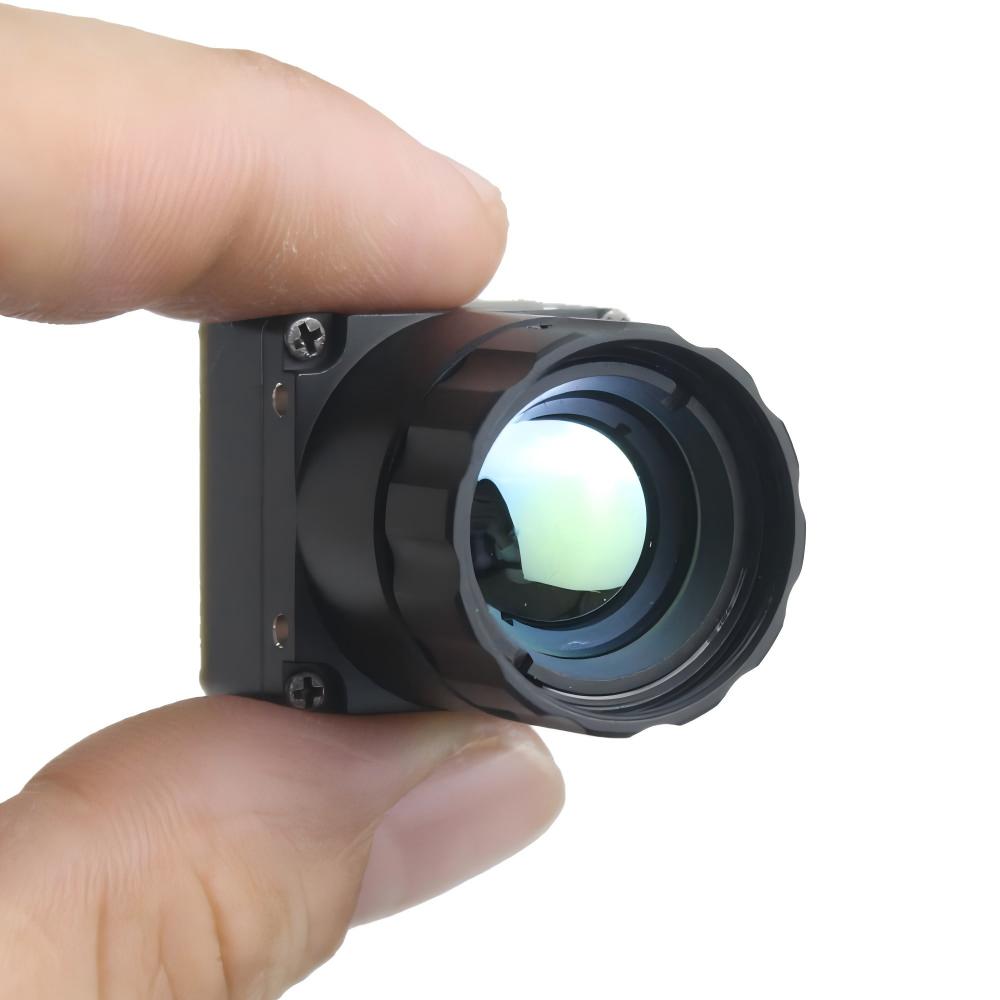
من خلال الاستفادة من رقاقات معالجة الدوائر المتكاملة محددة التطبيق (ASIC) بدلاً من مكدسات مصفوفات البوابات القابلة للبرمجة الميدانية (FPGA) الأكبر حجمًا ومتعددة اللوحات، تمكنت بيوت التصميم المتخصصة من تقليص إلكترونيات الكاميرا الأساسية إلى بصمة فائقة الصغر تبلغ 21 مم × 21 مم.
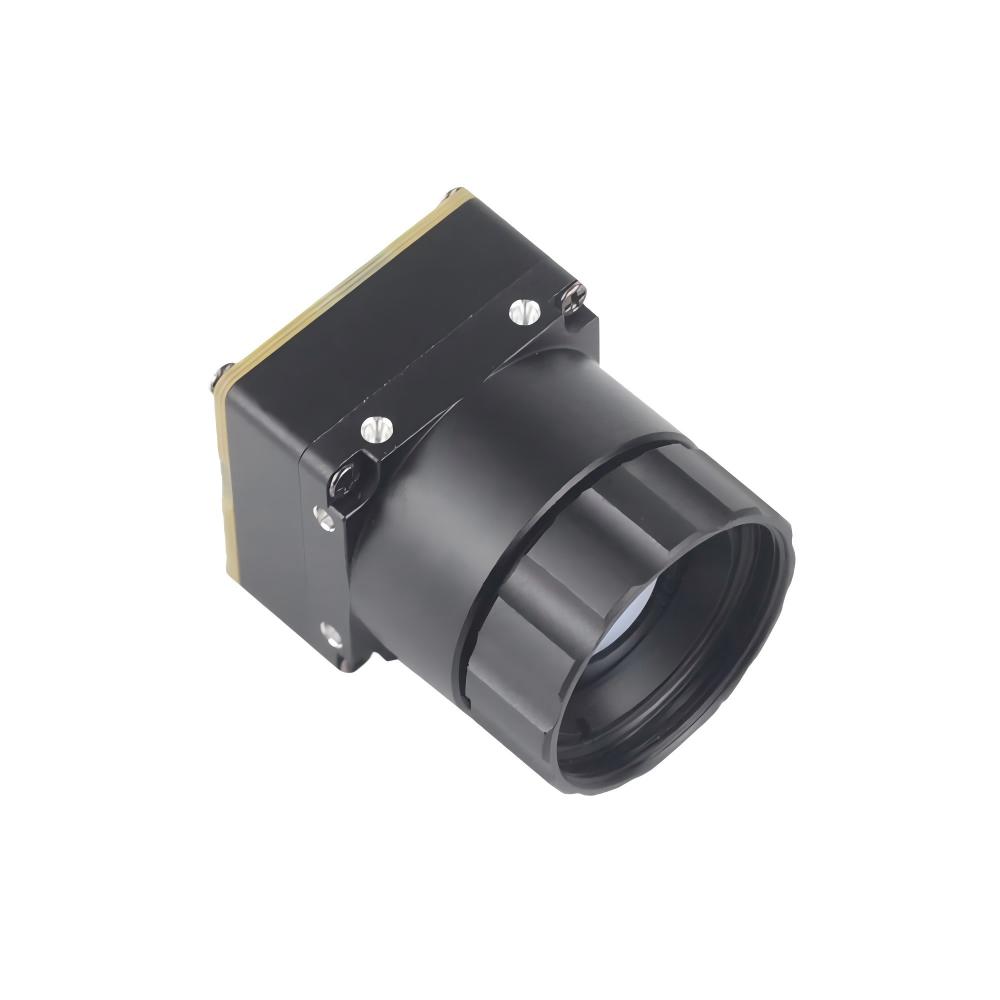
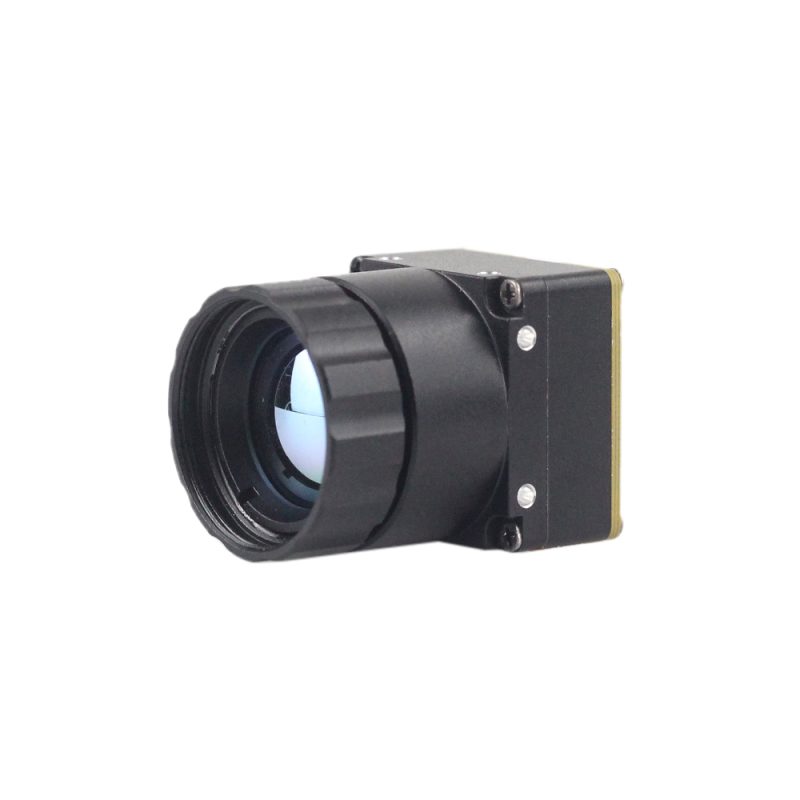
مع هيكل أساسي بدون سن لولبة يزن أقل من 15 جرامًا، يمكن لمصممي الحمولات نشر محاور محورية مثبتة كهروضوئية/حرارية (EO/IR) ثنائية المستشعر دون تجاوز عتبات حمولة الطائرة بدون طيار. استخدام وحدات مدمجة مثل وحدة الكاميرا الحرارية المصغرة 640 غير المبردة LWIR يسمح لفرق الهندسة ببناء محاور محورية خفيفة الوزن تقلل الضغط على محركات السيرفو في الطائرة. وهذا يحافظ على عمر البطارية ويضمن الاستقرار الأمثل للنظام أثناء الطيران. للحصول على خلفية أعمق حول فوائد التصميم لهذا العامل الشكلي الصغير، راجع المراجعة المتعمقة لوحدة mini-640.
من الشركة الأم.
التبديد الحراري الميكانيكي ومقاومة الصدمات.
- ⚙️ نظرًا لأن النوى الحرارية غير المبردة تستخدم تصحيحات انجراف قائمة على البرمجيات نسبة إلى درجة حرارة غلافها، فإن تثبيت البيئة الحرارية للوحدة أمر بالغ الأهمية لجودة صورة متسقة. إذا ارتفعت حرارة غلاف المستشعر بشكل غير متماثل، فستحصل على تدرجات مكانية مزعجة عبر البث. تبديد الحرارة:.
- ⚠️ على الرغم من أن النواة 640×512 القائمة على ASIC تستهلك طاقة ضئيلة (عادة أقل من 1.2 واط أثناء الالتقاط المستمر)، إلا أن تراكم الحرارة الراكدة سيؤدي إلى انجراف المستشعر، مما يؤدي إلى ظهور تشويح تدريجي أو تشويش موضعي. يجب على فرق الدمج تصميم حوامل هيكلية بمسارات توصيل حراري باستخدام الألومنيوم (سبيكة 6061-T6 المؤكسدة) أو وسادات فجوة حرارية (بموصلية حرارية لا تقل عن 3.0 واط/م·كلفن) مربوطة بأجهزة الطائرة لتعمل كمشتت حراري. الحساسية الميكروفونية وتخميد الاهتزازات:.
البصريات السلبية: هندسة البعد البؤري وحسابات DRI الرياضية
إليك ما يتعلق بالبصريات الحرارية: لا يمر إشعاع الموجات الطويلة تحت الحمراء (LWIR) عبر الزجاج البصري القياسي، الذي يمتص الأطوال الموجية التي تتجاوز 2 ميكرومتر. لذلك، تُصنع عدسات الموجات الطويلة تحت الحمراء من الجرمانيوم أحادي البلورة عالي النقاء (Ge) أو عناصر زجاج الكالكوجينيد المتخصصة. هذه المواد باهظة الثمن، وذات معامل انكسار عالٍ، وتتطلب طلاءات متخصصة مضادة للانعكاس (AR) أو من الكربون الشبيه بالألماس (DLC) لتحمل البيئات القاسية وتحسين النفاذية في نطاق 8-14 ميكرومتر.
يتطلب اختيار تكوين العدسة المناسب موازنة مجال الرؤية الأفقي (HFOV) مع مقاييس DRI (الكشف، التمييز، التعريف) المطلوبة والمحددة وفقًا لمعايير جونسون.
فك رموز معايير جونسون
To calculate the physical reach of a 640x512 camera module package, engineers apply the standard target criteria:
- ⚙️ الاكتشاف: Is something there? (Requires a minimum of ≥ 1.5 pixels across the target's critical dimension).
- ⚙️ التعرف: What class of object is it? (Requires ≥ 6.0 pixels across the target).
- ⚙️ تحديد الهوية: Is it a specific vehicle or suspect? (Requires ≥ 12.0 pixels across the target).
The spatial resolution limit of a lens and sensor system is defined by its IFOV (Instantaneous Field of View), which represents the angular resolution of a single pixel:
IFOV = Pixel Pitch (p) / Focal Length (f)
To determine the exact spatial dimensions projecting onto a target at a designated distance D, we calculate:
Spatial Resolution per Pixel (S) ≈ D × IFOV
Focal Length Reference Metrics
Using a state-of-the-art 12 μm pixel pitch 640x512 microbolometer, we can map out field performance across a variety of available lens options:
| Focal Length (f) | F-Number | Horizontal FOV (HFOV) | Human Detection (1.8m × 0.5m) | Vehicle Detection (4.6m × 2.3m) |
|---|---|---|---|---|
| 5.0 mm | F/1.0 | ~ 88° | Up to 180 meters | Up to 450 meters |
| 9.0 mm | F/1.0 | ~ 48° | Up to 320 meters | Up to 820 meters |
| 19.0 mm | F/1.1 | ~ 23° | Up to 680 meters | Up to 1,720 meters |
| 35.0 mm | F/1.2 | ~ 12.5° | Up to 1,250 meters | Up to 3,180 meters |
| 50.0 mm | F/1.2 | ~ 8.8° | Up to 1,780 meters | Up to 4,500 meters |
| 100.0 mm | F/1.4 | ~ 4.4° | Up to 3,560 meters | Up to 9,000 meters |
On top of that, athermalized fixed lenses are almost always preferred for aerial Integration. Why? Because they naturally maintain sharp, structural focus across a wide range of external operating temperatures (from -40°C to +80°C). This completely eliminates the need for heavy, power-hungry focus motors that can fail mid-flight.
الواجهات الرقمية، وتكامل أنظمة التشغيل الفورية (RTOS)، ومعماريات الذكاء الاصطناعي الطرفي
Standard high-definition visual cameras typically output serialized high-speed MIPI CSI-2 or HDMI data streams. Uncooled thermal modules, however, prioritize real-time radiometric data processing and system portability across diverse industrial networks. This has driven the adoption of three primary digital and analog interfaces:
1. USB / UVC (Universal Video Class)
The thermal module enumerates on the host platform as a standard driverless webcam. In industrial and scientific core configurations, the module can output standard uncompressed 8-bit visual representations (YUV/RGB) or 16-bit raw gray-scale arrays containing precise temperature values for every pixel (known as Radiometric Mode). This makes it highly suited for fast deployments on Single Board Computers (SBCs) such as the Nvidia Jetson series or Raspberry Pi.
To integrate raw 16-bit radiometric data via USB in real-time, engineers can utilize open-source frameworks like OpenCV and NumPy. Below is an industrial-grade python implementation for parsing raw temperatures:
# Real-Time 16-bit Thermal Frame Parsing Example (Python / OpenCV)
import cv2
import numpy as np

# Bind to the industrial UVC thermal source
cap = cv2.VideoCapture(0, cv2.CAP_V4L2)

# Configure the pipeline to request the RAW 16-bit video channel representation
cap.set(cv2.CAP_PROP_FOURCC, cv2.VideoWriter_fourcc(*'Y16 '))
cap.set(cv2.CAP_PROP_FRAME_WIDTH, 640)
cap.set(cv2.CAP_PROP_FRAME_HEIGHT, 512)

while True:
    ret, frame = cap.read()
    if not ret:
        break

    # Cast raw data space array
    raw_radiometric_data = frame.view(np.uint16)

    # Calculate real temperature at coordinates using standard linear scaling
    # Assuming: Temp (Kelvin) = Digital_Value * 0.04
    temp_kelvin = raw_radiometric_data * 0.04
    temp_celsius = temp_kelvin - 273.15

    # Extract structural metrics
    max_idx = np.unravel_index(np.argmax(temp_celsius), temp_celsius.shape)
    print(f"Peak Operational Hotspot Detected: {temp_celsius[max_idx]:.2f}°C at pixel {max_idx}")

    # Scale raw data to 8-bit dynamic depth for visual AI inference
    visualized_frame = cv2.normalize(raw_radiometric_data, None, 0, 255, cv2.NORM_MINMAX, dtype=cv2.CV_8U)
    colored_frame = cv2.applyColorMap(visualized_frame, cv2.COLORMAP_JET)

    cv2.imshow("Thermal Pipeline", colored_frame)
    if cv2.waitKey(1) & 0xFF == ord('q'):
        break

cap.release()
cv2.destroyAllWindows()
2. RJ45 IP (RTSP / UDP Streams via ASIC Encapsulation)
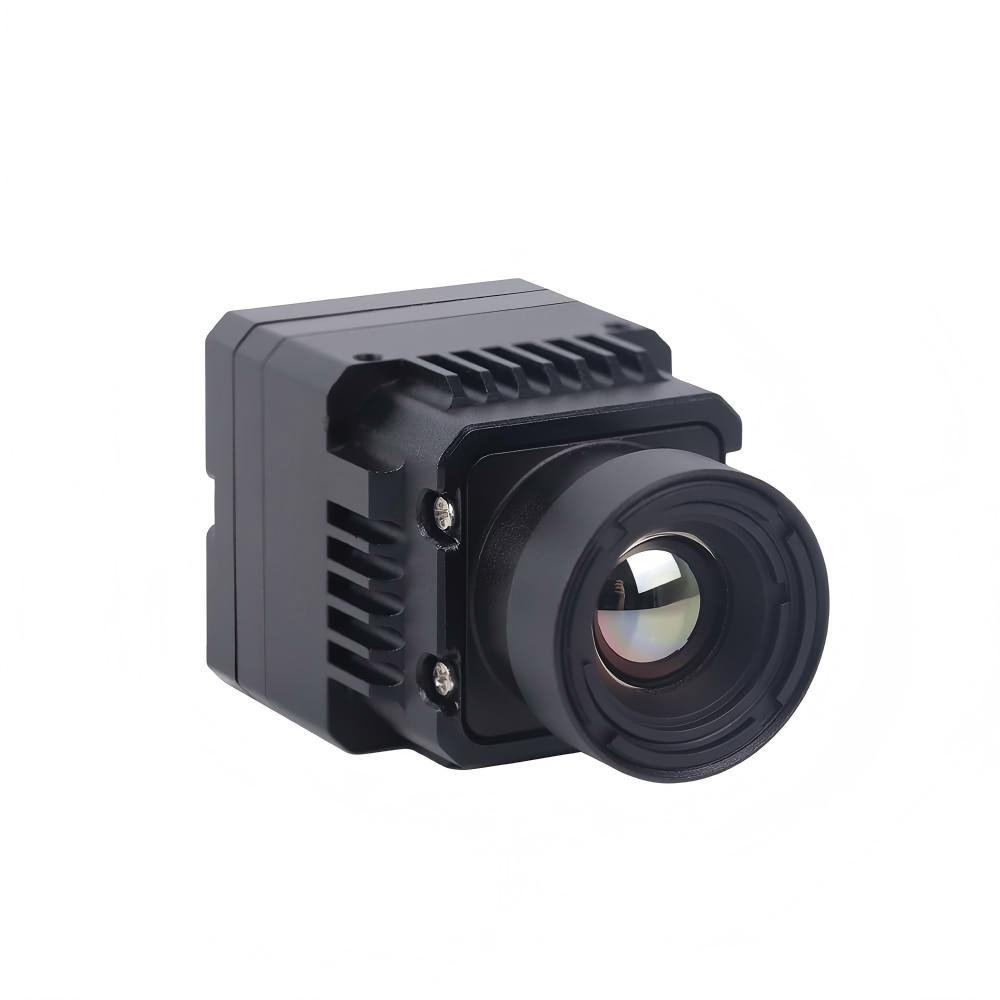
The camera module features an onboard compression chip that encodes spatial frames directly into high-efficiency H.264 / H.265 video codecs, packaging them into standard RTP/RTSP IP streams. This interface is perfect for long cable runs, drones with Ethernet backbones, and wide-area industrial monitoring. These IP modules, such as the Uncooled RJ45 CVBS RTSP IP Thermal Module, allow development teams to route high-performance streams directly into standard network architectures without relying on heavy external transcoding hardware in the field.
3. CVBS Analog Video
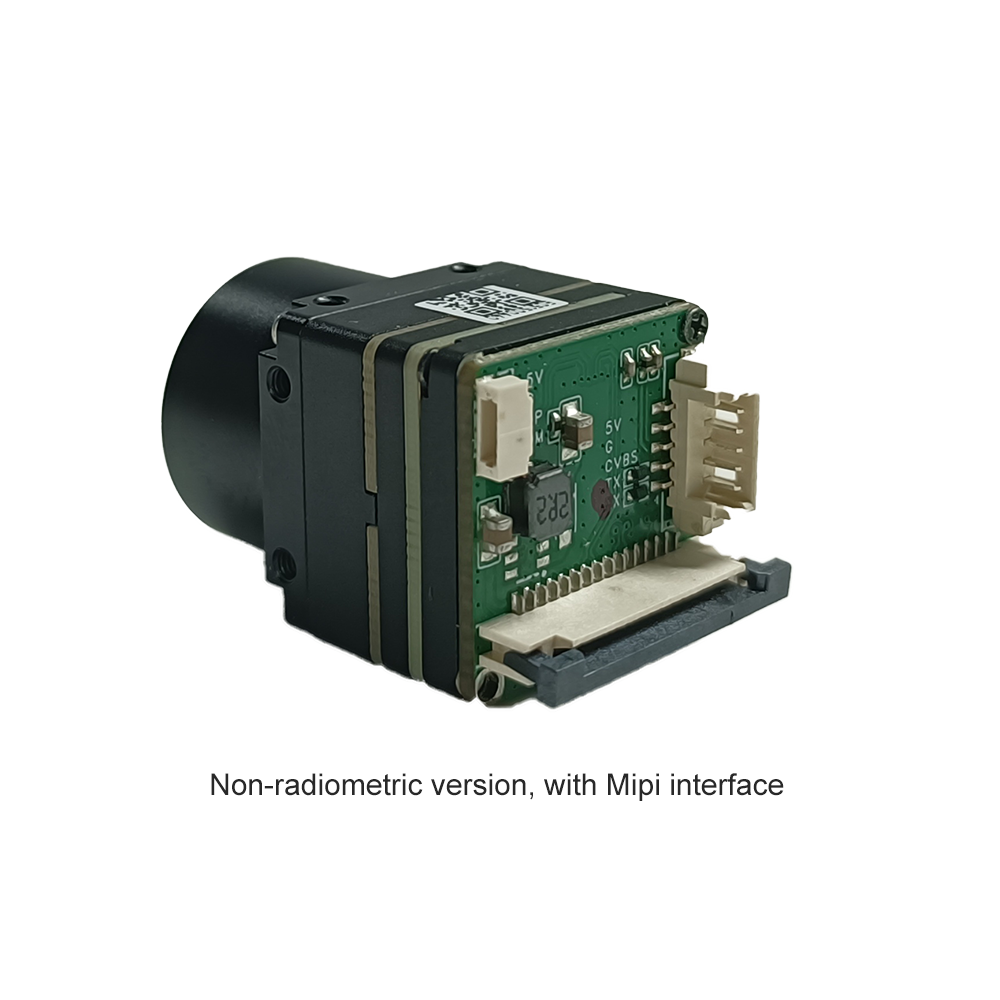
Outputting a standard NTSC/PAL composite signal, CVBS provides uncompressed analog video directly to active displays or legacy radio frequency (RF) transmitters. This is incredibly useful for ultra-low latency FPV drone flight and search operations where digital framing lag cannot exceed 5 milliseconds.
Designing Edge AI Thermal Inference Pipelines
Look, running deep learning models on normal visual spectrum RGB video is straightforward these days. But setting up robust neural networks on uncooled LWIR 640x512 microbolometer streams is a whole different beast. You need to adjust several structural assumptions:
- Ditch Color for Raw Contrast: Thermal arrays naturally output single-channel intensity values (representing temperature fluctuations), not typical three-channel RGB data. Applying pseudo-color palettes like "Ironbow" or "Jet" might look sleek to human operators, but it introduces synthetic color boundary gradients that will absolutely confuse your AI models. For top-tier accuracy, run your inference engine steps directly on raw, single-channel 8-bit gray-scale inputs normalized over your targeted temperature range.
- Handle Spatial Variations (Dynamic AGC Scaling): As your drone moves from looking at a cold landscape to a warm target, your camera's automatic gain control (AGC) will scale the entire image. This can wash out finer details, causing your AI model to drop its tracking lock. You need to use localized Adaptive AGC algorithms or Contrast Limited Adaptive Histogram Equalization (CLAHE). This ensures the AI model receives steady spatial edges, regardless of fluctuating absolute temperatures.
- Deploy Hardware Acceleration: If you're building a hand-held device or a compact drone payload, you need to minimize computational latency. Quantizing your models (like YOLOv8) down to INT8 precision lets engineers run them on hardware accelerators like the Google Coral Edge TPU or NVIDIA Jetson Orin Nano. This allows you to easily execute real-time inferencing on raw 640x512 video at speeds exceeding 30 FPS, while keeping overall power consumption under 10 Watts.
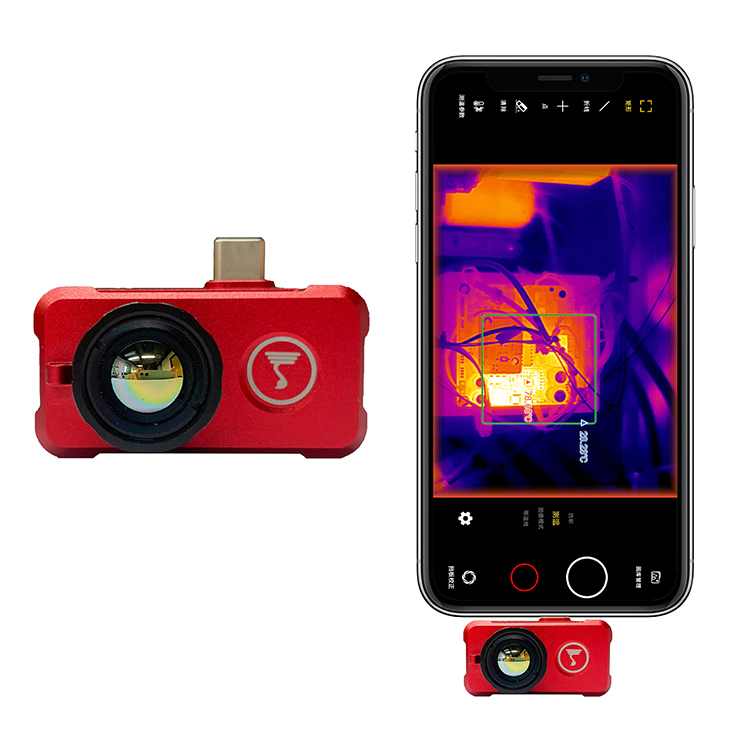
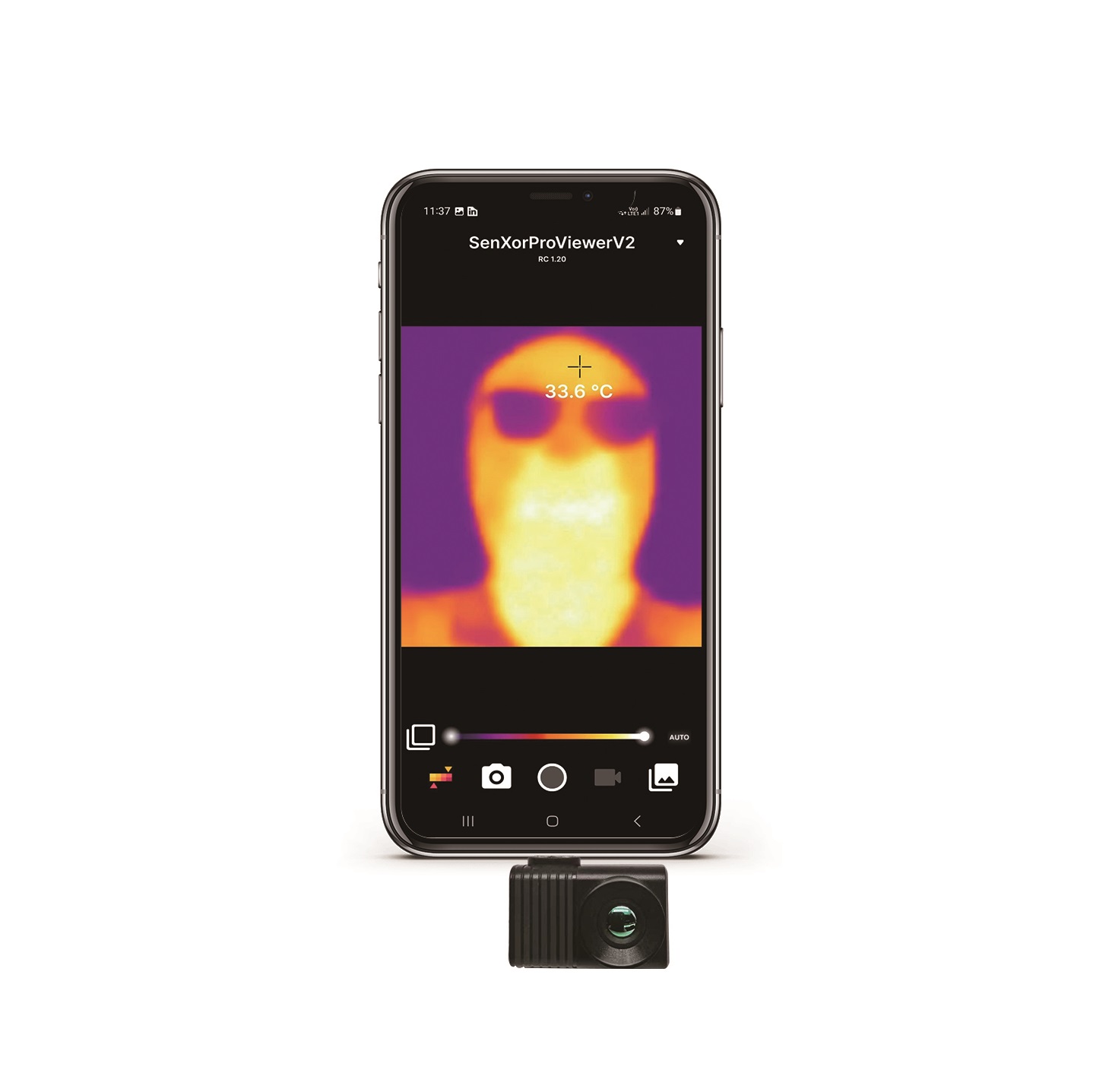
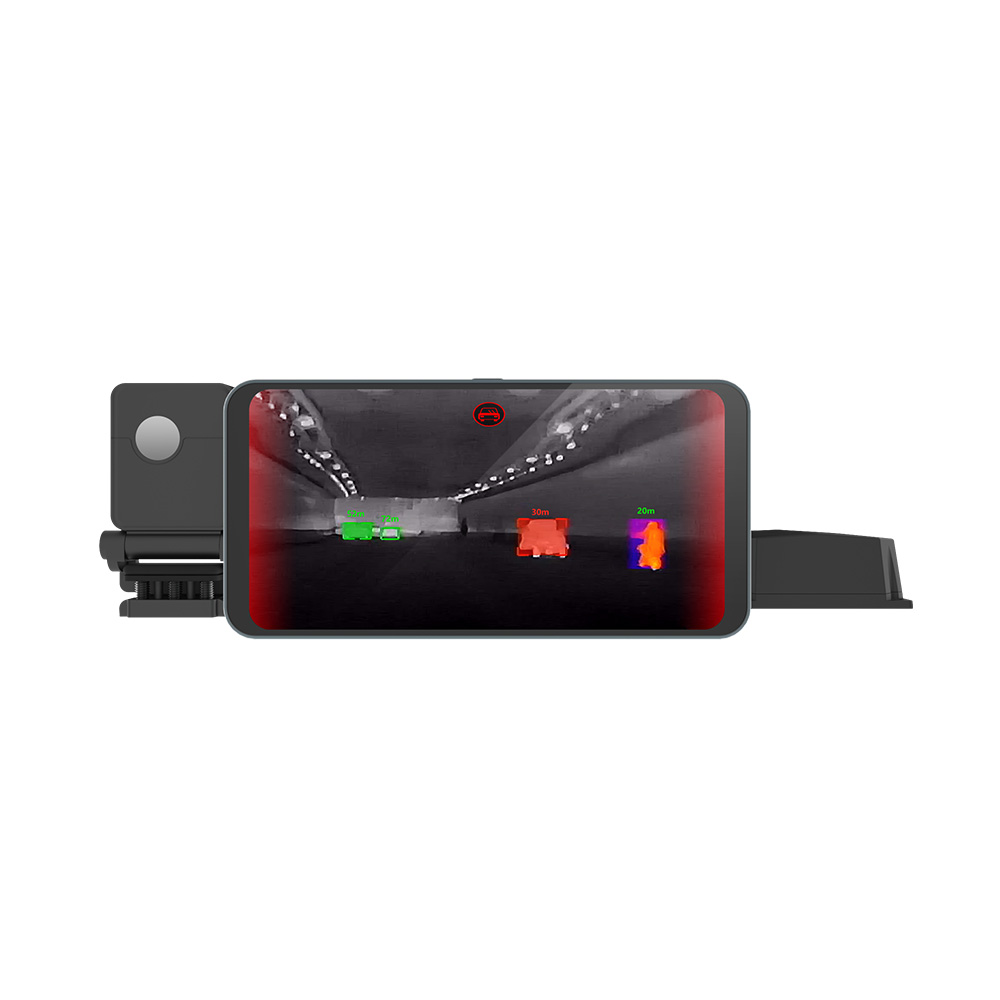
For development teams looking to build specialized hand-held monitoring tools to complement these core system boards, checking out Android Type-C thermal cameras for smartphones or dedicated radiometric handheld analysis solutions provides excellent field-testing alternatives and reference benchmarks.
حلول الأجهزة عالية الأداء: جدول المواصفات الشامل
The comprehensive matrix below details the physical and technical specifications of today's leading 640x512 LWIR modular systems. Both modules listed can be customized with various Germanium lens arrays to meet the specific requirements of target missions.
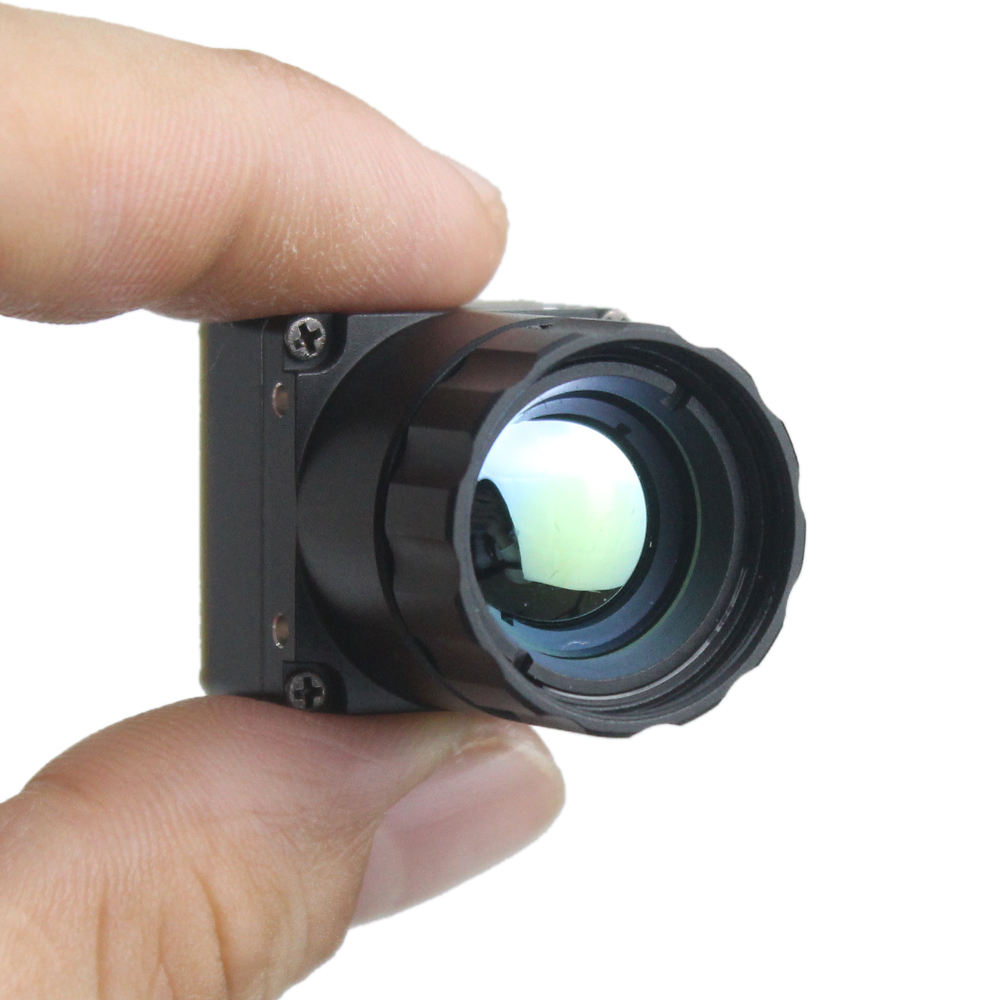
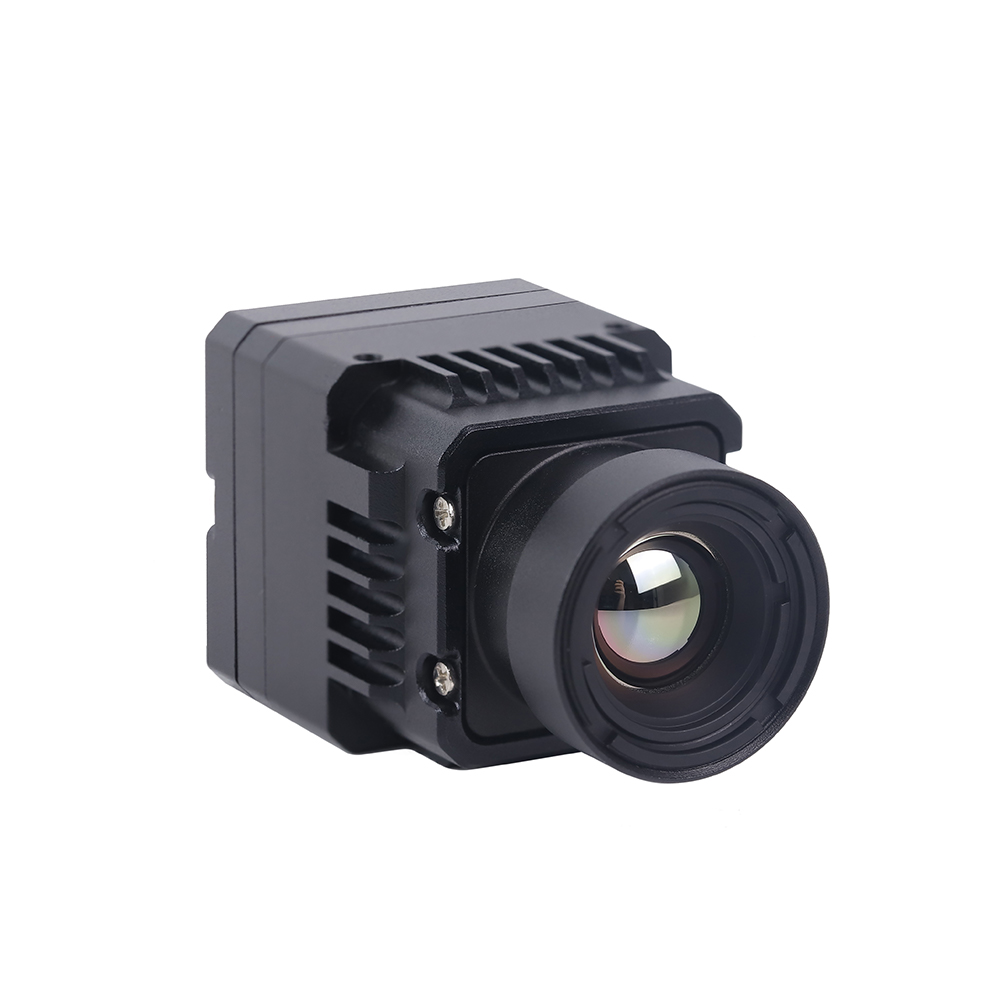
| المعلمة الأساسية | Model A: Mini LWIR USB Core Module (DJI Compatible) | Model B: RJ45 / RTSP IP Thermal Sensor Module |
|---|---|---|
| Physical Product Image Reference |
 View Core Page |
 View IP Page |
| Microbolometer Type | Uncooled VOx (Vanadium Oxide) Arrays | Uncooled VOx (Vanadium Oxide) Arrays |
| Array Resolutions Supported | 640*512 / 640*480 optional selection | 640*512 Active Processing Target |
| Sensor Pixel Pitch | 12 µm ultra-fine layout pitch | 12 µm high-density system pitch |
| NETD (الحساسية الحرارية) | ≤ 40 mK (F/1.0 @ 30°C Frame Scale) | ≤ 40 mK (F/1.0 @ 30°C Frame Scale) |
| أبعاد النواة | 21 مم × 21 مم (SWaP-optimized) | Miniaturized footprint with IP processor shield |
| Available Lenses (Focal Length) | 5mm / 9mm / 13mm / 18mm / 35mm / 50mm / 75mm / 100mm / 150mm | Wide optical system customization (5mm to 100mm arrays) |
| Primary Communications | USB (YUV raw/16-bit radiometric UVC streaming) | RJ45 Network Interface, CVBS analog, RTSP/IP, Onboard ASIC Processor |
| Input Operating Voltage | 5V VBUS direct USB system line | 12V DC default board distribution range |
| Power Demand (Avg Consumption) | < 1.2 Watts under active workloads | < 1.5 Watts with active IP Compression streams |
Product In-Depth Showcases & Procurement Links
📦 Uncooled LWIR USB Mini 640*512 Thermal Imaging Camera Core Module
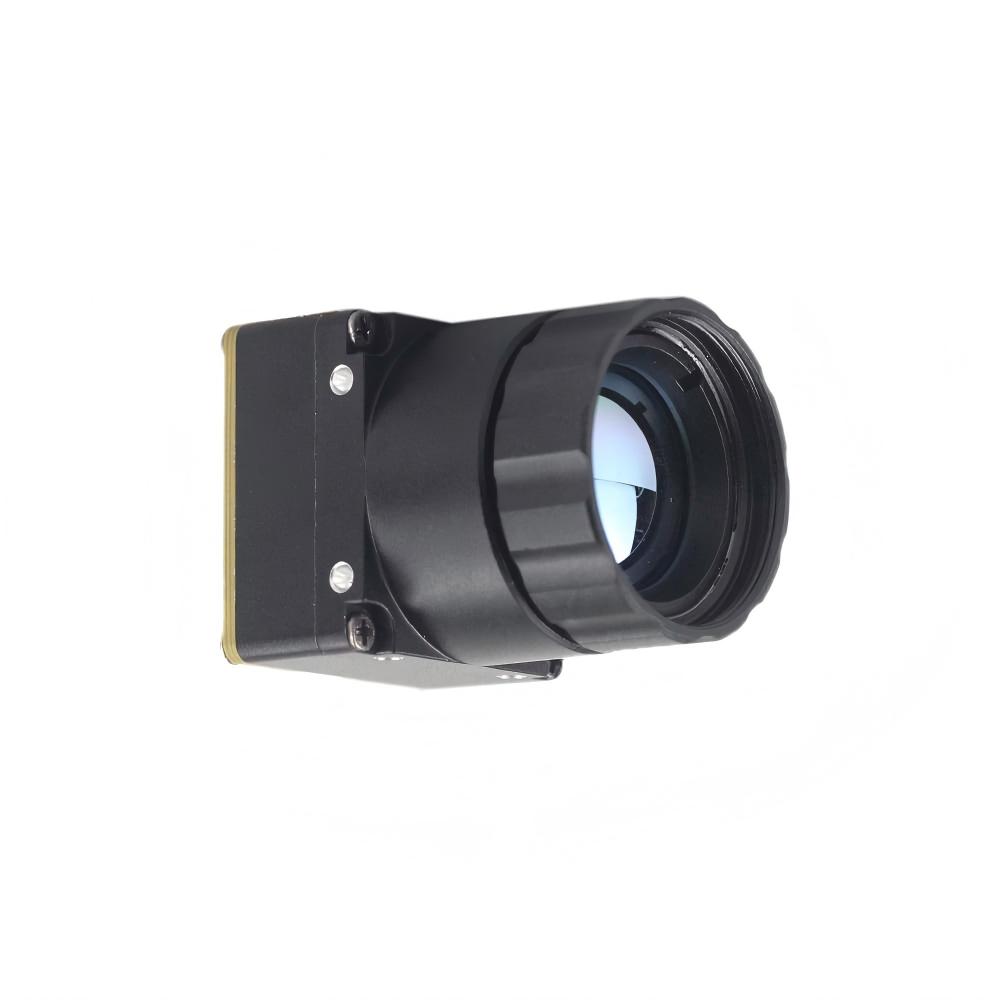
This ultra-compact uncooled LWIR core is engineered primarily for drone integrations, featuring structural compatibility with DJI-class gimbals. With its highly optimized mini-size of 21mm*21mm, it is one of the smallest and most cost-effective 640x512 microbolometer cores available on the market today. It provides stable performance, strong environmental adaptability, and supports multiple lens options (ranging from 5mm to 150mm focal lengths).
📦 Uncooled Infrared RJ45 CVBS RTSP IP 640*512 Thermal Sensor Camera Module
Designed for automated industrial inspection, long-distance remote monitoring, and direct IP networks, this 640*512 ASIC module enables real-time RTSP video streaming directly over network cables. By integrating an onboard ASIC compression processor, it eliminates the need for expensive external capture cards, making it perfect for custom security structures and aerial vehicle integration.
الأسئلة الشائعة حول تكامل الأجهزة - غوص عميق
Q1: Can I stream high-resolution 640x512 thermal video in real-time to a Raspberry Pi or Arduino?
Here's the deal: trying to feed a raw 640x512 thermal video stream directly into a basic microcontroller like an Arduino Uno or even a mid-range ESP32 is a fool's errand. Those platforms simply lack the RAM, processor cycles, and hardware bus bandwidth to handle this level of data throughput.
Let's do the math on the stream requirements. If you're running a 640x512 thermal sensor in 16-bit radiometric mode at a standard 30Hz frame rate, your raw data output is around 20 Megabytes per second (640 columns × 512 rows × 2 bytes/pixel × 30 FPS = 19.66 MB/s). A standard SPI bus on an Arduino saturates at around 4 to 8 Megabits per second, and its tiny KB-scale SRAM will suffer an instant stack overflow trying to ingest even a single 1.2MB frame buffer. This is why you only see low-resolution 8x8 or 32x24 thermal sensors configured over standard SPI lines.
If you're deploying a high-resolution 640x512 core, you need to interface it with a Single Board Computer (SBC) like a Raspberry Pi 4, Pi 5, or an Nvidia Jetson board via a UVC-compliant USB port or an RJ45 Ethernet link. Using a UVC-compliant USB module, Linux recognizes the camera immediately as a standard raw video device via Video4Linux2 (V4L2). This allows you to pull down the uncompressed 16-bit Kelvin arrays into a Python script using OpenCV and NumPy, bypass serial data bottlenecks, and run your real-time processing or deep learning model loops without breaking a sweat.
Q2: How do I choose between a 640x512 module and a lower-res 256x192/384x288 sensor for drone and DIY monocular builds?
Look, I get it. Lower-resolution sensors like a 256x192 or 384x288 core look tempting when you're looking at a bill of materials (BOM). But if you're building a drone tactical platform or a high-performance DIY monocular, skipping out on a 640x512 core is a massive mistake. The math behind the resolution scaling is quadratic, not linear.
If you're in the field tracking wildlife, analyzing a rescue target, or monitoring a remote perimeter fence, your maximum target detection range is everything. Consider how these sensor profiles perform in real-world scenarios:
- ⚙️ Pixel Volume Difference: A 256x192 core only gives you 49,152 tracking pixels. A 640x512 array gives you 327,680 pixels. This means you are pulling in over 660% more spatial information per frame.
- ⚙️ Real-World Range Under Johnson's Criteria: Let's take a standard human target (1.8m × 0.5m) and a 19mm lens setup. Under the Johnson Criteria, you need at least 6 vertical pixels on your sensor to "recognize" that target rather than just seeing a generic hot spot.
- With a 256x192 sensor, that target is going to turn into a single blurry box at about 80 meters.
- With a 640x512 sensor, you can maintain a high-contrast, recognizable image of that target at up to 270 meters. That is over three times the operational range!
- ⚙️ الحساسية الحرارية (NETD): The smaller sensor dies often run hotter, translating to poorer sensitivity. A high-quality 640x512 core with an NETD ≤ 40mK can easily distinguish between targets in low-contrast environments (like a cold target in a damp, muddy field). A budget 256px core will often turn that entire field into a grainy gray mess.
If you're working on a close-range indoor project (like checking printed circuit boards or home insulation beneath 5 meters), a 256x192 module will do the job just fine. But if your goal is long-range target tracking, drone surveillance, or search-and-rescue, the 640x512 core is the undisputed industry standard for a reason.
Q3: What are the size and weight constraints for integrating a 640x512 thermal core into small UAVs?
In the drone world, every single gram of weight you add directly translates to physical battery drain and reduced airtime. If you're building drone payloads, especially in the sub-250g class or specialized enterprise inspection gimbals, you are fighting a constant battle to minimize your SWaP (Size, Weight, and Power) footprint.
This is where modern uncooled 640x512 cores shine. In the shop, we work with micro-scale designs engineered in partnership with specialized electronic design firms like Shenzhen ChiYi Electronics Co., Ltd. These advanced cores completely bypass heavy, enclosed chassis structures and rely on highly integrated, single-board layouts:
- ✅ Dimensions: With a physical footprint of only 21mm × 21mm, these modules are compact enough to sit inside the smallest micro-gimbals with plenty of room to spare.
- ✅ Weight: An unhoused 12 μm core weighs under 15 grams. Adding a lightweight, high-performance athermalized 9mm Germanium lens brings your total sensor weight to just 25 grams. This makes it incredibly easy to configure dual-payload EO/IR gimbals without exceeding your aircraft's payload limits.
- ✅ Power Consumption: By using highly integrated, single-board ASIC processing structures instead of multi-layer FPGA stacks, these modules draw less than 1.2 Watts of power. This low draw means your system can easily tap into standard 5V VBUS lines or a tiny 5V UBEC without draining your main flight batteries or generating heavy heat plumes.
- ✅ Optics Integration: Thanks to the 12 μm pixel pitch, the sensor die is physically smaller than legacy 17 μm elements. This means you can use smaller-diameter Germanium lenses to achieve the same Field of View, keeping your overall optic weight and system costs to an absolute minimum.
📚 References & Further Reading
- Industry Standard & Engineering Partner: Shenzhen ChiYi Electronics Co., Ltd.
- Detailed Product Blueprint: Mini 640 LWIR Thermal Core Optimization and Use-Cases
- Additional Reading: Type-C Radiometric Thermal Cameras for On-Site Network Troubleshooting