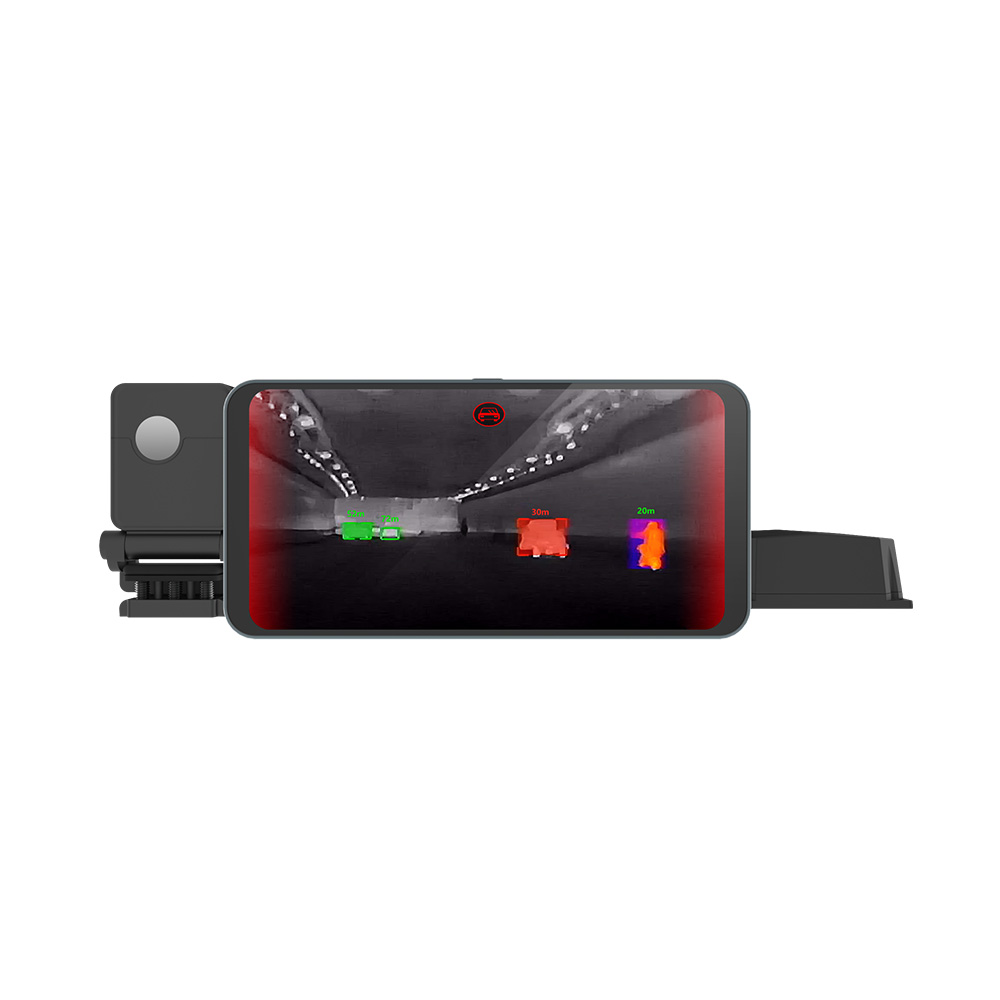


وحدة كاميرا حرارية Mini 640: دليل دمج الفيديو التناظري CMOS للرؤية الليلية وH.265
17 يوليو 2026
وحدة كاميرا حرارية 640x512: الدليل الشامل لتكامل الطائرات بدون طيار والذكاء الاصطناعي الطرفي
20 يوليو 2026
وحدة كاميرا حرارية MIPI USB من قوانغتشو بيربل ريفر: حلول الأشعة تحت الحمراء المدمجة عالية الدقة
في المشهد سريع التطور للأنظمة الذاتية، والتصوير الحراري الجوي، والروبوتات ذات الحوسبة الطرفية، لم يعد دمج التصوير الحراري عالي الدقة رفاهية - بل أصبح متطلبًا هندسيًا أساسيًا. غالبًا ما يواجه المصممون الصناعيون، ومصنعو الطائرات بدون طيار، ومهندسو الأتمتة مفاضلات بين وزن الحمولة المادية، والدقة المكانية، وزمن انتقال الواجهة، وتكلفة النظام. عند النظر إلى النوى الدقيقة من الفئة النخبوية، تُقدّر السوق بشدة الحلول المتخصصة. على وجه التحديد، يقود البحث عن نظام متعدد الاستخدامات المطورين التجاريين إلى تقنيات متوافقة مع شركة قوانغتشو بيربل ريفر للتكنولوجيا الإلكترونية المحدودة وحدة كاميرا حرارية mipiusb, ، مما يجلب نماذج معالجة MIPI (واجهة معالج الصناعة المتنقلة) و USB إلى عامل شكل موحد وفائق الخفة.
كمهندس صناعي أول متخصص في تكامل الأنظمة الكهروضوئية، أفهم أن اختيار نواة حرارية لا يتعلق فقط باختيار دقة المستشعر. بل يتعلق بفهم سلامة الإشارة لناقل MIPI CSI-2، وإدارة التبديد الحراري للمقاييس الميكروبولومترية غير المبردة، وضمان توافق المشغلات مع منصات الحوسبة المضمنة مثل NVIDIA Jetson، و Raspberry Pi، ومتحكمات الطيران الخاصة بالطائرات بدون طيار. يستكشف هذا الدليل التحليلي المتعمق البنية التقنية لوحدات الكاميرا الحرارية MIPI و USB، ويستعرض حلول المنتجات عالية الأداء، ويرسم خرائط سير عمل التكامل الحرجة للتطبيقات الصناعية المتطلبة.
جدول المحتويات
- 👉 البنية التقنية: MIPI مقابل USB في الأنظمة الحرارية
- 👉 تطبيقات الهندسة الصناعية وتحسين الحمولة
- 👉 عرض وحدات حرارية عالية الأداء
- 👉 التغلب على تحديات التكامل: المعايرة والانزياح الحراري
- 👉 خطوط أنابيب البرمجيات، تكامل SDK، وتوافق أنظمة التشغيل
- 👉 مصفوفة الاختيار الهندسي: اختيار العدسة والدقة المناسبتين
- 👉 الأسئلة الشائعة (FAQ)
البنية التقنية: MIPI مقابل USB في الأنظمة الحرارية
عند تصميم نظام رؤية حرارية مضمن، يُعد اختيار واجهة البيانات المادية أحد أكثر القرارات أهمية. لا تحدد الواجهة فقط الحد الأقصى لمعدل الإطارات وزمن الانتقال، بل أيضًا غلاف الطاقة، والعبء المعالجي على وحدة المعالجة المركزية المضيفة، والتعقيد المادي لتجميع لوحة الدوائر المطبوعة (PCBA).
واجهة MIPI CSI-2: زمن انتقال منخفض، خط أنابيب مباشر إلى المعالج
واجهة معالج الصناعة المتنقلة - الواجهة التسلسلية للكاميرا 2 (MIPI CSI-2) هي معيار واجهة تسلسلي عالي النطاق الترددي طُوّر لربط مستشعرات الكاميرا مباشرة بمعالجات التطبيقات (SoCs). في سياق التصوير الحراري، تقدم MIPI CSI-2 أداءً لا مثيل له. إنها تتجاوز مكدس بروتوكول USB بالكامل، مما يتيح نقل البيانات مباشرة إلى الذاكرة عبر محركات الوصول المباشر للذاكرة (DMA) على معالج التطبيقات المضيف.
نظرًا لأن MIPI CSI-2 تتواصل باستخدام بنية إشارات تفاضلية (تستخدم مسارات بيانات قابلة للتوسع ومسار ساعة مخصص)، فإنها تقلل من التداخل الكهرومغناطيسي (EMI) - وهي سمة حاسمة عند تركيب كاميرا داخل هياكل الطائرات بدون طيار المدمجة المليئة بمستقبلات GPS، والقياس عن بعد، ومستقبلات RC. يُقاس زمن انتقال الوحدة الحرارية القائمة على MIPI من التقاط المستشعر إلى الذاكرة المضيفة بالميكروثانية، مما يجعلها الواجهة المثالية لتجنب العوائق في الوقت الفعلي، والاستهداف الزراعي الدقيق، والتحكم في الطيران ذي الحلقة المغلقة.
واجهة USB: توافق عالمي بالتوصيل والتشغيل
على العكس من ذلك، تعطي واجهات الناقل التسلسلي العام (USB) - التي تُنفذ عادةً كبروتوكولات USB 2.0 أو USB 3.0 UVC (فئة الفيديو عبر USB) - الأولوية للتوافق والبساطة. تحتوي وحدة التصوير الحراري USB على متحكم دقيق مدمج أو شريحة جسر مخصصة تقوم بتجميع البيانات الحرارية الخام في إطارات UVC قياسية. وهذا يسمح بالتعرف على الوحدة فوراً من قبل أي نظام تشغيل (Linux، Windows، Android) دون الحاجة إلى ترجمة نواة مخصصة أو برامج تشغيل احتكارية.
في المتجر، نعلم أن هذه العالمية تأتي بتكلفة. يُدخل مكدس بروتوكول USB عبء معالجة كبير، حيث يجب على وحدة المعالجة المركزية المضيفة إدارة جداول الاستقصاء، وتجميع الحزم، وانتقالات الذاكرة المؤقتة. زمن الانتقال أعلى بشكل ملحوظ من MIPI (غالباً ما يتراوح بين 15 مللي ثانية إلى 50 مللي ثانية اعتماداً على ازدحام الناقل وجدولة نظام التشغيل). ومع ذلك، بالنسبة للتطبيقات التي يجب فيها توصيل وحدة الكاميرا بأجهزة كمبيوتر صناعية معيارية أو أجهزة كمبيوتر أحادية اللوحة (SBCs) بدون واجهات CSI-2 أصلية، يظل USB هو الخيار الافتراضي في الصناعة.
تطبيقات الهندسة الصناعية وتحسين الحمولة
انظر، تحسين الحمولات للمركبات الجوية غير المأهولة (UAVs) والمنصات الروبوتية يتطلب موازنة كل غرام وكل مللي واط. دمج الذكاء الحراري المتقدم، مثل فيديو لوحدة كاميرا تصوير حراري مع دمج طائرة بدون طيار, ، في حمولات الطائرات بدون طيار الصغيرة يتطلب مكونات مصممة خصيصاً لقيود الحجم والوزن والطاقة (SWaP).
المركبات الجوية غير المأهولة (UAVs) والدمج مع الطائرات بدون طيار
الطائرات التجارية بدون طيار الحديثة المستخدمة في البحث والإنقاذ، وفحص خطوط الطاقة، ورسم خرائط فقدان الحرارة في المباني تتطلب حمولات بمستشعرات مزدوجة (ضوء مرئي + الأشعة تحت الحمراء الحرارية). إليك الخلاصة: النوى المعيارية غير المبردة العاملة بالأشعة تحت الحمراء طويلة الموجة (LWIR)، التي تمتلك لوحات دوائر مطبوعة فائقة النحافة وعدسات بصرية مصغرة من الجرمانيوم، مصممة خصيصاً لهذه التطبيقات. في هذه المنصات، تقليل الوزن أمر بالغ الأهمية؛ كل انخفاض بمقدار 10 غرامات في وزن المستشعر يترجم مباشرة إلى عمر بطارية ممتد وزيادة في قدرة التحمل أثناء الطيران.
على سبيل المثال، دمج وحدة حرارية MIPI خفيفة الوزن في مجموعة محور دوران مصغر يقلل من القصور الذاتي الذي يجب على محركات المحور عديمة المسفرات التغلب عليه. وهذا يسمح باستجابة تثبيت أسرع، وحلقات تحكم أكثر إحكاماً، والتقاط صور أكثر وضوحاً حتى في ظل الاضطرابات الديناميكية الهوائية الشديدة. غالباً ما تُنشر هذه الوحدات جنباً إلى جنب مع وحدات بصرية من شركاء مثل رايزينج أوبتكس لتوفير تحليل جوي طيفي شامل.
الأتمتة الصناعية والمراقبة المستمرة
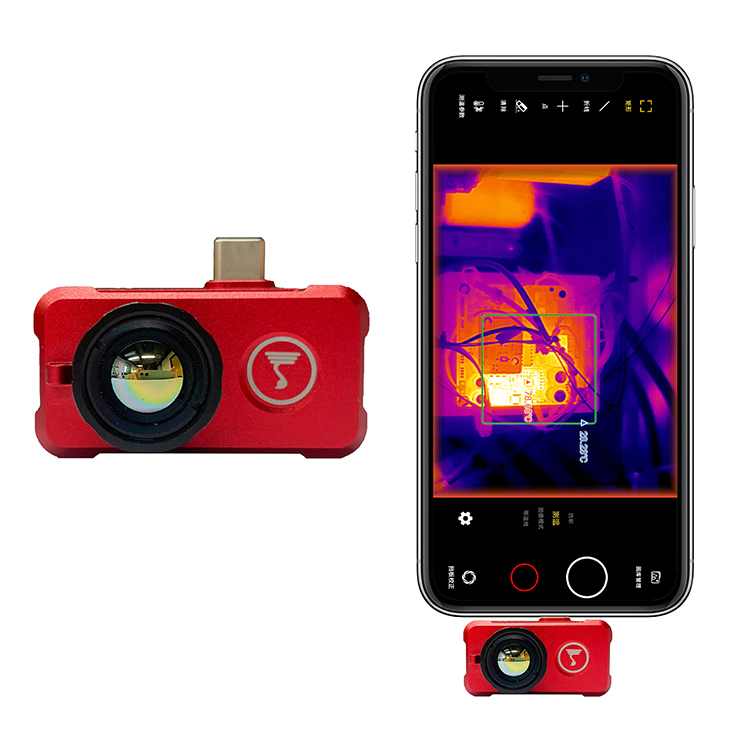
داخل منشآت التصنيع، المراقبة الحرارية المستمرة أمر بالغ الأهمية للصيانة التنبؤية. يمكن أن تتعطل المفاتيح الكهربائية، والمحامل عالية السرعة، وأوعية التفاعل الكيميائي بشكل كارثي إذا ارتفعت حرارتها. باستخدام نوى كاميرات حرارية USB مدمجة، يمكن لمهندسي المصنع توزيع العشرات من عقد المراقبة عبر المنشأة.
تقوم هذه الوحدات ببث بيانات إشعاعية في الوقت الفعلي إلى محور حافة محلي. ونظرًا لأنها تدعم واجهات USB القياسية، فيمكن مضاعفتها بسهولة باستخدام موزعات USB النشطة وتشغيلها مباشرة في أجهزة الكمبيوتر الصناعية التي تشغل أنظمة التحكم الإشرافي وجمع البيانات (SCADA) أو خطوط أنابيب التعلم الآلي المخصصة المدربة على اكتشاف شذوذ البصمات الحرارية.
عرض وحدات حرارية عالية الأداء
لمساعدتك في عملية الشراء الهندسية، دعنا نفحص اثنين من نوى الكاميرات الحرارية غير المبردة عالية التحسين المصنعة من قبل رواد في مجال الإلكترونيات البصرية.
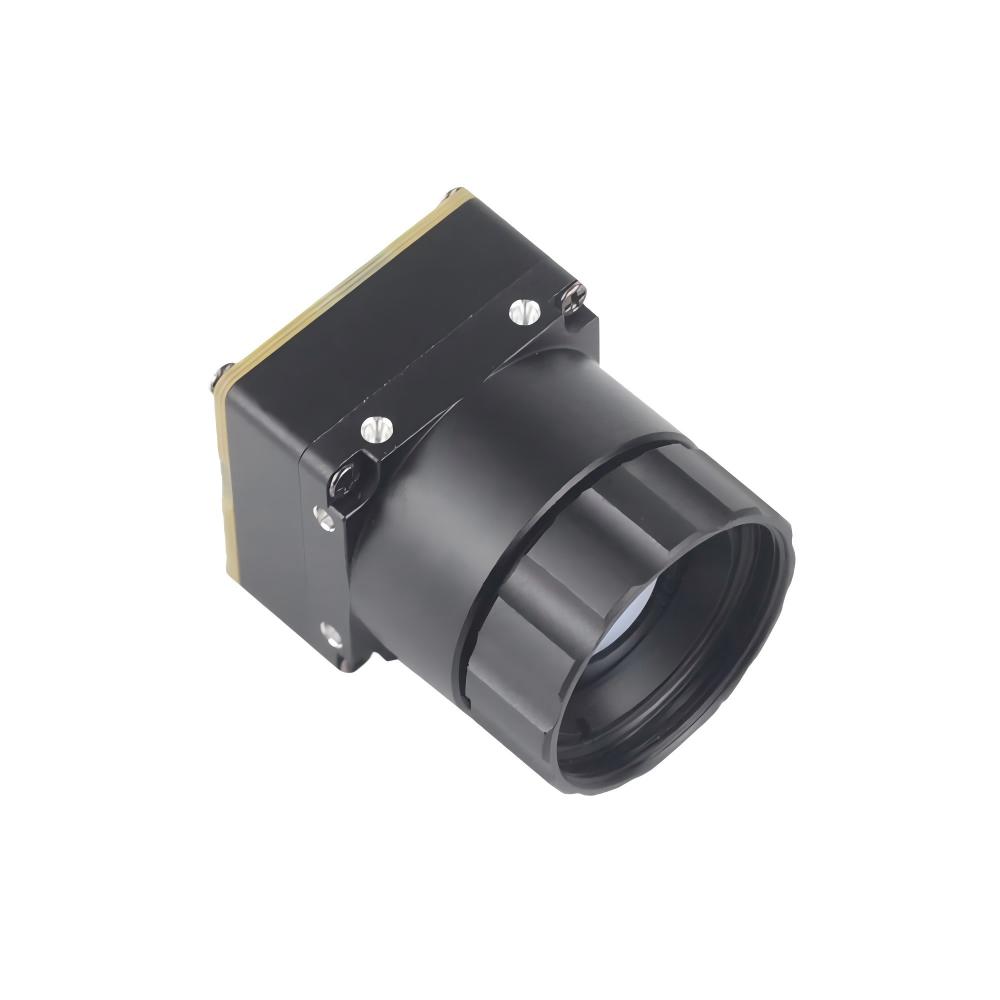
المنتج 1: وحدة كاميرا تصوير حراري غير مبردة Mipi بدقة 640/384/256 وعدسة 9 ملم للطائرات بدون طيار
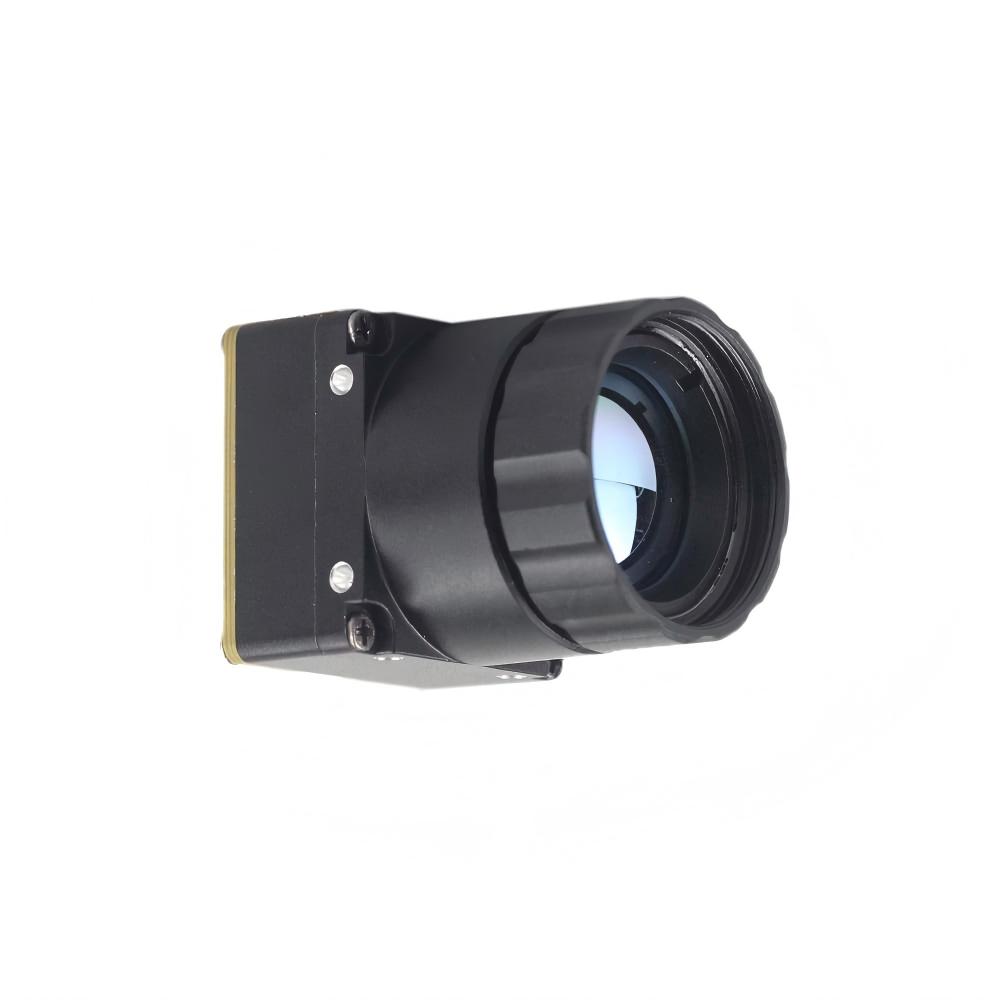
تمثل سلسلة Mini2 قفزة كبيرة إلى الأمام في تصميم الميكروبولومتر المدمج غير المبرد. تم تصميم وحدة الكاميرا هذه خصيصًا للتطبيقات عالية الحركة، وهي توازن بين أداء المستشعر الخام وبصمة فائقة الصغر، مما يجعلها خيارًا ممتازًا للمراقبة الحديثة وفحص المرافق ومنصات الطائرات بدون طيار التجارية.
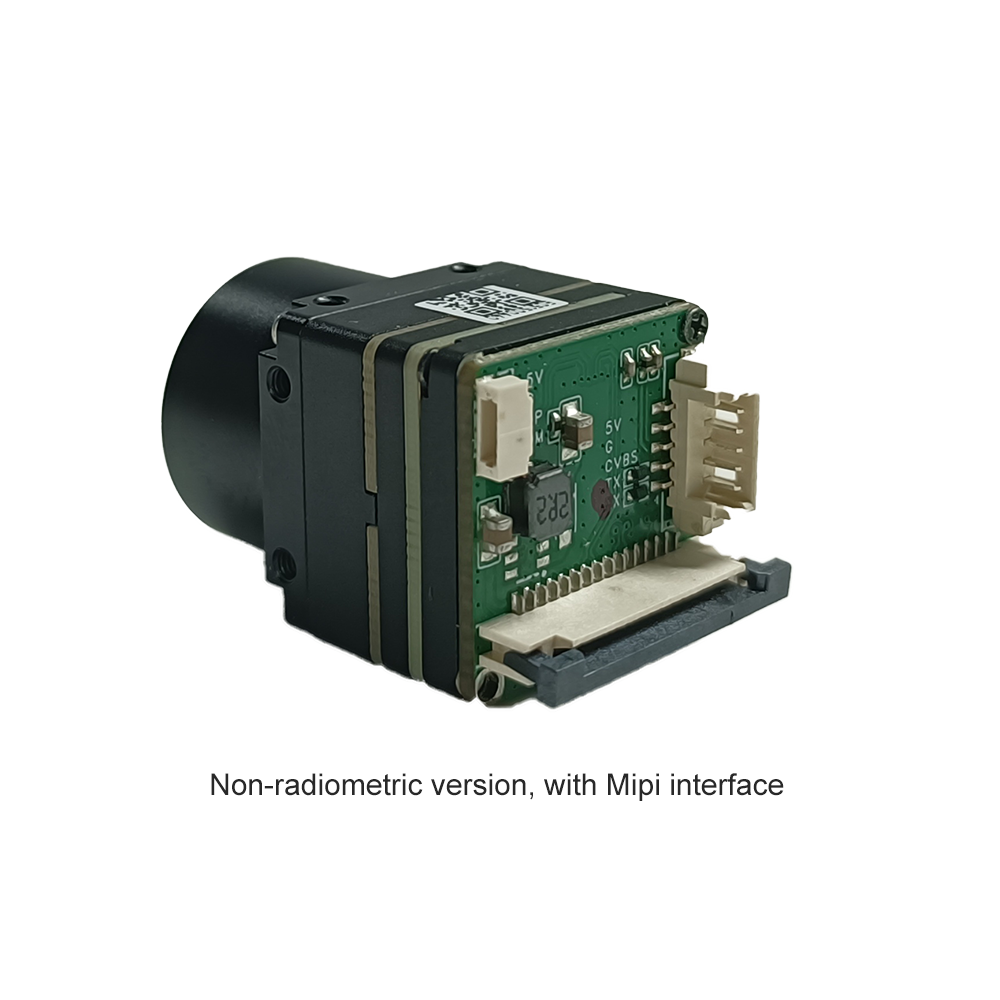
تتميز هذه الوحدة بنواة Mini2 ذات التقدير العالي، حيث تنتج ملفات حرارية فائقة الوضوح وتتميز بخطوط أنابيب بيانات MIPI منخفضة الكمون. وهذا يضمن أن نظام المعالجة على الشريحة (SoC) الخاص بالمعالجة اللاحقة يتلقى بيانات مكانية غير مضغوطة وغير منقوصة دون اختناقات نواقل USB القياسية.
مصفوفة المواصفات الفنية
| المعامل | Specification Details |
|---|---|
| نوع الكاشف | Uncooled VOx (Vanadium Oxide) Microbolometer |
| Resolution Variations | 640x512 / 384x288 / 256x192 Optional |
| Optical Focal Length | 9mm Fixed Germanium Lens |
| خيارات الواجهة | MIPI CSI-2 (Direct host bus connection) |
| Imagery Traits | Sharp and crisp image presentation, compact size and low cost |
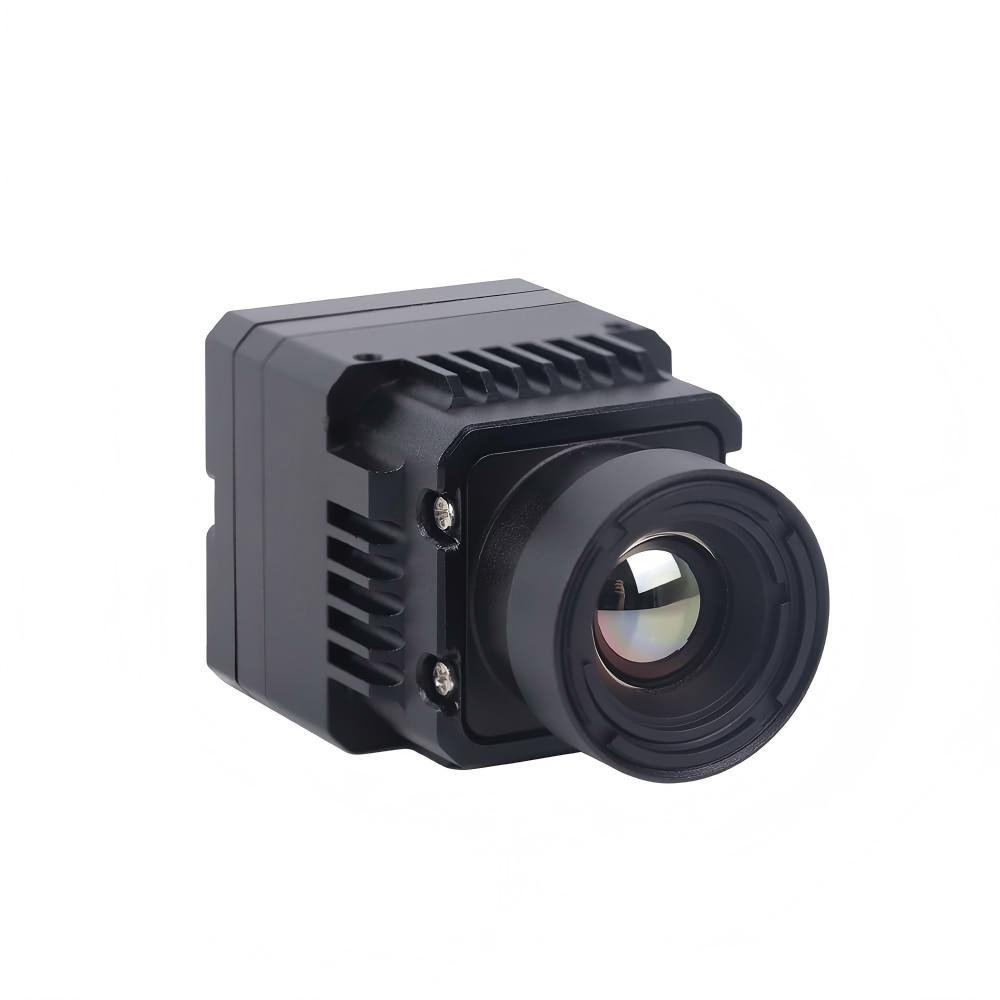
Product 2: Uncooled LWIR USB Mini 640*512 Thermal Imaging Camera Core Module For Drones Similar To DJI
For systems integration requiring standard interface compatibility, this miniaturized long-wave infrared (LWIR) core is engineered as a highly comparative solution to high-end DJI thermal payloads. This module is standard-equipped with an immense selection of optical configurations alongside a flexible interface protocol stack.
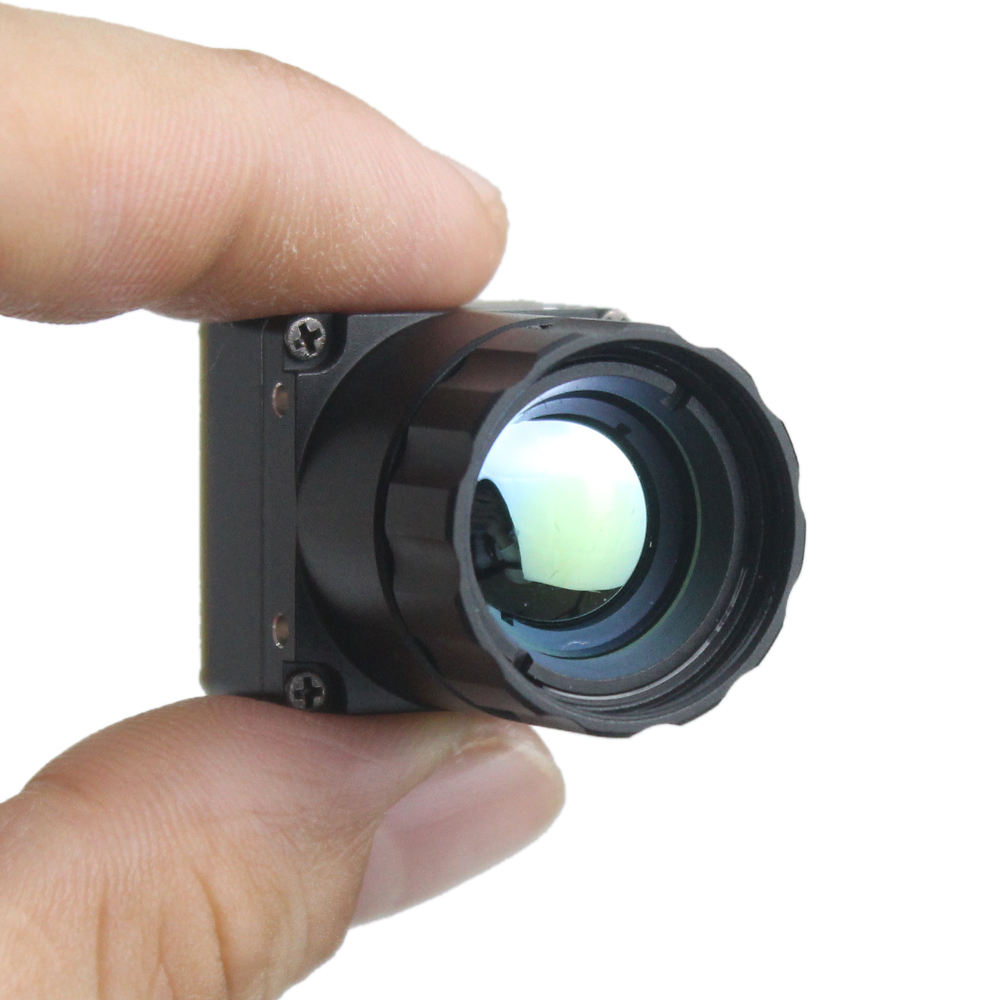
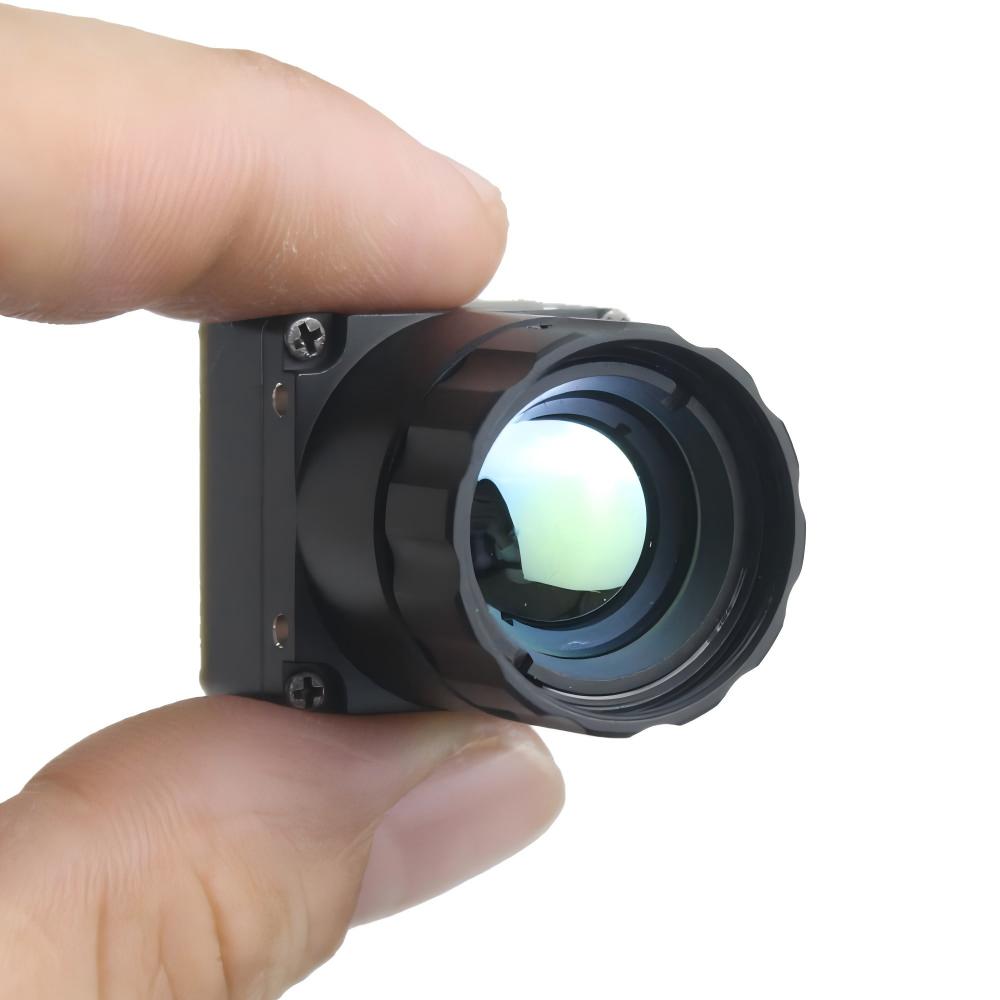
With its ultra-miniature 21mm x 21mm mechanical chassis footprint, this core serves as a versatile engineering building block for custom micro-gimbals, industrial inspection tools, and tactical payloads. The core's design isolates optical heat generation from the sensor plane, delivering consistent, drift-free radiometric readings in demanding environmental contexts.
مصفوفة المواصفات الفنية
| المعامل | Specification Details |
|---|---|
| Dimension Size | Mini-Size of 21mm * 21mm |
| Lens Selection (Focal length mm) | 5 / 9 / 13 / 18 / 35 / 50 / 75 / 100 / 150 mm optional |
| Resolution Matrices | 640x512 resolution (640x480 resolution optional) |
| Operational Attributes | Stable performance, sharp/crisp image presentation, low cost |
| القدرة على التكيف البيئي | Strong design adaptation for high vibration and thermal swings |
التغلب على تحديات التكامل: المعايرة والانزياح الحراري
Implementing an uncooled vanadium oxide (VOx) microbolometer isn't just about routing power and reading video frames. Infrared waves behave radically different than visible spectrum light, creating significant design hurdles for mechanical and firmware engineers.
The Challenge of Thermal Drift
An uncooled microbolometer sensor measures the temperature change of its internal pixel membrane caused by incoming infrared radiation. Because the sensor chip itself heats up during operation (due to convective heat transfer from neighboring electronics, solar radiation, and internal resistance), the microbolometer's baseline resistance values drift over time. This baseline drift distorts thermal measurements, manifesting as severe "vignetting," ghost images, or progressive calibration loss.
To combat thermal drift, high-quality camera modules implement two critical methods:
- ⚙️ Flat Field Correction (FFC): Every few minutes (or when temperature sensors detect a variation threshold), a micro-shutter sweeps in front of the sensor. Since the shutter has a completely uniform surface temperature, the software measures this baseline, calculates the offset calibration values for each individual pixel, and subtracts this drift from subsequent frames.
- ⚙️ Radiometric Native Calibration: Dynamic algorithms running in the module’s FPGA calculate internal sensor temperature variations continuously, updating pixel values dynamically to minimize the need for mechanical shutter operations during critical observation times.
Ensuring Electromagnetic Compatibility (EMC) in Drone Frames
Drones are highly noisy RF environments. Brushless speed controllers (ESCs), long-range telemetry transceivers, and switching power regulators emit substantial electromagnetic fields. Because MIPI CSI-2 is a high-speed bus with low-voltage thresholds, routing MIPI flat cables close to high-current power cables can corrupt the raw data packets. This results in dropped frames, visual tearing, or complete sensor decoupling.
Industrial integration engineers must utilize custom shielded flexible flat cables (FFC) with continuous ground planes, keep trace lengths under 10cm, and design a metal or carbon-fiber Faraday cage around the camera core assembly to block electromagnetic interference from nearby RF modules.
خطوط أنابيب البرمجيات، تكامل SDK، وتوافق أنظمة التشغيل
Once the physical linkages are complete, the software development pipeline begins. To build smart security devices or adaptive drones, developers must choose between reading compressed video or acquiring raw, uncompressed radiometric metadata.
Radiometric Metadata Processing vs. Video-Streaming Mode
Most thermal modules operate in one of two configurations:
- ✅ Video-Streaming Mode: In this mode, the module converts the internal 14-bit thermal measurements into pre-rendered, 8-bit visual representations using false color palettes (such as "Ironbow," "White Hot," or "Rainbow"). This is highly efficient for displaying live feeds directly onto operator screens but discards the raw temperature data.
- ✅ Radiometric Stream Output Mode: This mode delivers a raw, high-bitdepth (usually 14-bit or 16-bit) matrix, where each individual pixel coordinate correlates directly to a Kelvin or Celsius temperature. This pipeline is mandatory for thermal search algorithms, predictive automated fault mapping, and research analysis.
Linux V4L2 and GStreamer Integration Pipeline
For embedded Linux hosts (e.g., Jetson Nano, Xavier, Orin, or Raspberry Pi), integrating a USB thermal module utilizes the Video4Linux2 (V4L2) driver framework. This standard model exposes the thermal module as a device file such as /dev/video0. Utilizing GStreamer pipelines facilitates hardware-accelerated processing and streaming across networks:
# Stream live USB thermal camera input using GStreamer & display with custom scaling:
gst-launch-1.0 v4l2src device=/dev/video0 ! video/x-raw, width=640, height=512, format=UYVY ! videoconvert ! videoscale ! autovideosink
In applications requiring custom AI detection at the edge, developers can interface with the stream through OpenCV in Python or C++. This enables the deployment of lightweight semantic segmentation models (e.g., YOLOv8-Thermal) to detect humans, animals, or hot motors under trace conditions.
مصفوفة الاختيار الهندسي: اختيار العدسة والدقة المناسبتين
Selecting the optical configuration and resolution of your uncooled thermal sensor depends heavily on the target monitoring range and target size. High-resolution sensors allow developers to detect smaller objects from greater heights or distances.
For tactical operations, wildlife protection, and deep-range surveillance, choosing a 640x512 microbolometer over a 256x192 sensor yields four times the native pixel count. This expansion enables engineers to mount narrower lenses (such as a 35mm or 50mm lens) for distance mapping, or wide optics (like a 9mm or 13mm lens) to scan broad fields of view without losing critical thermal details in pixelation.
When selecting optics, consider the target detection range formula:
- ⚙️ الاكتشاف: Being able to distinguish that an anomaly is present (requires 1.5 to 2 pixels on the target).
- ⚙️ التعرف: Determining what the object is (e.g., distinguishing a human from an animal; requires 6 to 8 pixels across the target).
- ⚙️ تحديد الهوية: Establishing detailed features (e.g., detecting if a person is holding an object; requires >12 pixels on the target).
If you are engineering an agricultural scanning system, a wide-angle 9mm lens paired with a 640x512 module provides perfect field coverage with high-speed ground resolution. For high-altitude transmission line scanning, transitioning to a narrower telephoto lens (such as 35mm or larger) is necessary to isolate hot connections from a safe flight envelope.
To learn more about the strategic tools used by field operators, consider reading our essential thermal tools and systems guide to see how compact thermographic systems perform under dynamic field environments.
الأسئلة الشائعة (FAQ)
What is the primary visual difference between 640x512 and 384x288 thermal resolutions?
What does "uncooled VOx" mean, and how does it compare to other technologies?
Can I connect a MIPI CSI-2 thermal module directly to any standard microcontroller?
How do I calibrate my thermal camera system to read exact object temperatures in Celsius?
Why are Germanium (Ge) lenses always used in LWIR thermal camera modules?
📚 المراجع والقراءات الإضافية
- Industry Electro-Optics Partner: رايزينج أوبتكس
- Aerospace Payload Integration: OBSETECH (U.S. China Drone Alliance)
- Internal Integration Guide: Our Commercial Engineering Profile & Capabilities