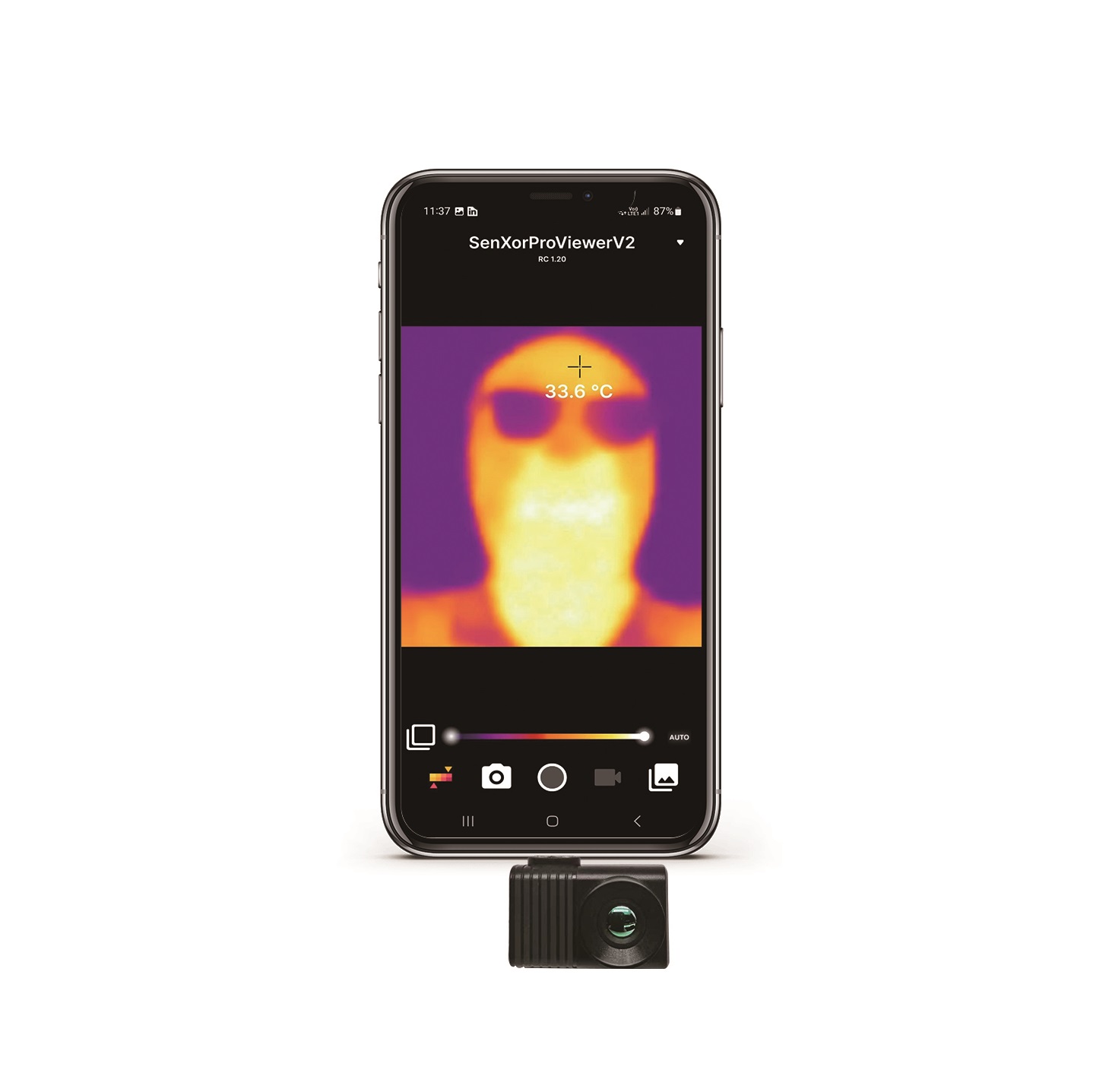

دليل شراء نواة الأشعة تحت الحمراء عالية الأداء: وحدات استشعار حراري مخصصة للرؤية بالذكاء الاصطناعي
10 أغسطس 2026
دليل اختيار المستشعر الحراري الصناعي: وحدات كاميرا الذكاء الاصطناعي OEM وتكامل B2B
إذا كنت قد أمضيت أي وقت في تصميم أنظمة التشغيل الآلي الصناعي، أو منصات الدفاع، أو أنظمة الصيانة التنبؤية، فأنت تعلم بالفعل أن مقاييس الحرارة الحرارية أحادية النقطة لم تعد كافية. تحتاج المنصات ذاتية التشغيل الحديثة وأرضيات المصانع المؤتمتة إلى خرائط حرارية مكانية عالية الدقة في الوقت الفعلي. يوفر لك مستشعر حراري متطور يعمل في طيف الأشعة تحت الحمراء طويلة الموجة (LWIR) بيانات إشعاعية عالية الدقة بدون تلامس. هذا يعني أن شبكات الحافة لديك يمكنها اكتشاف الشذوذ الحراري بدرجات ميكروية قبل وقت طويل من توقف محمل عن العمل، أو انفجار محول، أو اشتعال النيران في خزانة كهربائية. مع قيام مدمجي الأنظمة بدفع المزيد من المعالجة إلى الحافة، فإن اختيار النواة الحرارية المناسبة يعتمد على موازنة الفيزياء البصرية الخام، وتباعد البكسل، وفرق درجة الحرارة المكافئ للضوضاء (NETD)، واستهلاك الطاقة، وواجهات الناقل الرقمي في الوقت الفعلي.
يتطلب سد الفجوة بين فيزياء الأشعة تحت الحمراء طويلة الموجة وبنى الشبكات الحديثة أجهزة متخصصة مصممة للبيئات الواقعية القاسية. من حمولات الطائرات بدون طيار الصغيرة إلى أنظمة الرؤية الليلية للمعدات الثقيلة، تستخدم وحدات الكاميرا الحرارية الحديثة دوائر متكاملة محددة التطبيق (ASICs) لتشغيل تحليلات الذكاء الاصطناعي مباشرة على مستوى المستشعر. انظر، يحلل هذا الدليل المعايير الهندسية، وبروتوكولات الاتصال، والمفاضلات البصرية، ومواصفات الأجهزة التي تحتاج إلى تقييمها عند دمج المستشعرات الحرارية عالية الأداء في معدات OEM من الجيل التالي.
جدول المحتويات
- 👉 أساسيات الاستشعار الحراري بالأشعة تحت الحمراء طويلة الموجة وتقنية الميكروبولومتر
- 👉 مقاييس الأداء الرئيسية: تباعد البكسل، NETD، والدقة
- 👉 الواجهات، بروتوكولات البث، ومعالجة الذكاء الاصطناعي على الحافة المدمجة
- 👉 سيناريوهات تطبيق OEM: الطائرات بدون طيار، السيارات، والفحص الآلي
- 👉 مقارنة مواصفات وحدات المستشعر الحراري OEM عالية الأداء
- 👉 الأسئلة الشائعة (الأسئلة التقنية الشائعة لـ OEM)
أساسيات الاستشعار الحراري بالأشعة تحت الحمراء طويلة الموجة وتقنية الميكروبولومتر
إليك كيفية عمل استشعار درجة الحرارة بدون تلامس فعليًا تحت الغطاء: يعمل مستشعر الأشعة تحت الحمراء طويلة الموجة مستشعر حراري داخل النطاق الطيفي من 8 ميكرومتر إلى 14 ميكرومتر. تلتقط المستشعرات البصرية القياسية الضوء المنعكس في الطيف المرئي من 400 نانومتر إلى 700 نانومتر. من ناحية أخرى، تستخدم المستشعرات الحرارية غير المبردة مصفوفات الميكروبولومتر المصنوعة من أكسيد الفاناديوم (VOx) أو السيليكون غير المتبلور (a-Si) للكشف عن الطاقة الحرارية الإشعاعية المنبعثة مباشرة من الأجسام المستهدفة وفقًا لقانون بلانك. أي جسم فوق الصفر المطلق (-273.15 درجة مئوية) يصدر إشعاعًا كهرومغناطيسيًا، حيث تشع الطاقة القصوى مباشرة في طيف LWIR لدرجات الحرارة الصناعية اليومية (-40 درجة مئوية إلى +500 درجة مئوية).
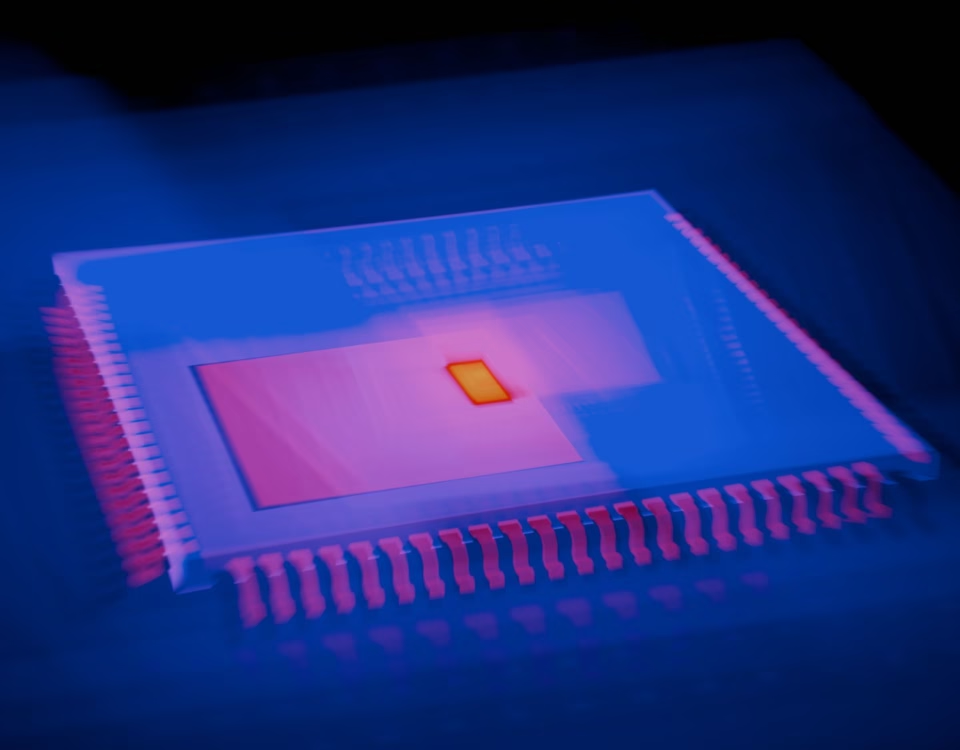
عندما تصطدم طاقة الأشعة تحت الحمراء هذه بهياكل الامتصاص المعلقة في الميكروبولومتر، تخضع المادة الفيزيائية لارتفاع مجهري في درجة الحرارة. هذا التغيير يغير مقاومتها الكهربائية. تقيس دائرة القراءة المتكاملة (ROIC) المثبتة مباشرة أسفل مصفوفة المستوى البؤري (FPA) هذا التحول. إليك كيفية تفصيل سير العمل الفيزيائي خطوة بخطوة:
- ⚙️ النقل الإشعاعي: يتحرك الإشعاع الحراري عبر الغلاف الجوي باتجاه العنصر البصري الأمامي للكاميرا.
- ⚙️ بصريات الجرمانيوم: يحجب الزجاج البصري القياسي الأطوال الموجية للأشعة تحت الحمراء طويلة الموجة تمامًا. يجب عليك استخدام بصريات متخصصة من الجرمانيوم (Ge)، أو زجاج الكالكوجينيد، أو السيليكون لتركيز الفوتونات الحرارية على مصفوفة المستشعر.
- ⚙️ امتصاص الميكروبولومتر: تمتص الهياكل ذات الجسور الدقيقة المعلقة فوق كل بكسل الطاقة الحرارية الواردة، مما يغير على الفور المقاومة الكهربائية لطبقة VOx الرقيقة.
- ⚙️ تضخيم ROIC والتحويل الرقمي: تقوم ROIC بمسح تغيرات المقاومة عبر شبكة البكسل، محولة تغيرات التيار التناظرية إلى قيم راديومترية رقمية.
- ⚙️ معالجة الإشارات ASIC: تقوم ASIC مخصصة بتشغيل تصحيح عدم الانتظام (NUC) في الوقت الفعلي، وتتعامل مع تحجيم النطاق الديناميكي، وتعوض عن الانجراف الحراري المحيط، وتُغلف البيانات لتدفقات الإخراج مثل Ethernet RTSP أو MIPI-CSI2.
في الورشة، تتفوق الميكروبولومترات غير المبردة على كاشفات الفوتون المبردة (مثل كاشفات أنتيمونيد الإنديوم أو تيلورايد الكادميوم الزئبقي) في جميع المهام الصناعية تقريبًا. تعمل المصفوفات غير المبردة بشكل جيد في درجات حرارة الورشة المحيطة ولا تتطلب مبردات ستيرلينغ المبردة الثقيلة والمستهلكة للطاقة. يُترجم ذلك إلى مواصفات أقل بكثير للحجم والوزن والطاقة (SWaP)، وأعمار تشغيلية تتجاوز عشرات الآلاف من الساعات، وأوقات تشغيل فورية. هذه الفوائد الفيزيائية تجعل النوى غير المبردة مستشعر حراري الخيار الأمثل للمراقبة المستمرة للمصانع، والروبوتات المتحركة المستقلة (AMRs)، وحمولات الطائرات بدون طيار خفيفة الوزن.
عند بناء أنظمة رؤية معيارية، فإن مطابقة النوى الحرارية مع أجهزة على مستوى اللوحة المرنة هو المفتاح. غالبًا ما تلجأ فرق الهندسة التي تصنع نماذج أولية لإعدادات مخصصة إلى منصات تطوير مثل أردوكام لاختبار البصريات الأولية واتصالات المستشعر. ولكن عند الانتقال إلى إنتاج OEM الكامل، تحتاج إلى نوى حرارية صلبة مبنية بجداول بحث راديومترية معايرة في المصنع، ومصاريع ميكانيكية آلية لتمريرات NUC الدورية، وتصنيفات بيئية قاسية.

مقاييس الأداء الرئيسية: تباعد البكسل، NETD، والدقة
عند تقييم نواة OEM مستشعر حراري للمعدات التجارية، تحتاج إلى موازنة ثلاث معلمات رئيسية: دقة المصفوفة، وتباعد البكسل، وفرق درجة الحرارة المكافئ للضوضاء (NETD). إذا أخطأت في هذا التوازن، سينتهي بك الأمر بميزانيات بصرية متضخمة، أو حاويات كبيرة الحجم، أو صور مشوشة للغاية للتحليلات في الوقت الفعلي.
الدقة وأخذ العينات المكانية (VGA مقابل LWIR عالي الدقة)
تُعرف مصفوفات المستوى البؤري الحراري بأبعادها المصفوفية. لسنوات، كانت المعدات الصناعية القياسية تعمل بدقة ربع VGA (320×240 أو 384×288) أو VGA القياسية (640×512). يمنحنا تصنيع أشباه الموصلات الحديث الآن مستشعرات LWIR عالية الدقة (HD) أصلية بمصفوفات بكسل 1280×1024.
المزيد من البكسلات يعني أخذ عينات مكانية أكثر إحكامًا، مما يعزز أداء المسافة لديك بشكل مباشر وفقًا لمعايير جونسون - وتحديدًا نطاقات الكشف والتعرف والتمييز (DRI). يضع مستشعر 1280×1024 أربعة أضعاف البكسلات على الهدف مقارنة بنواة 640×512 القياسية. هذا التفصيل الإضافي يسمح لأنظمة الرؤية الآلية باكتشاف القصور الدقيق في تجميعات لوحات الدوائر المطبوعة الكثيفة أو يسمح لبصريات الدفاع بعيدة المدى بتحديد الأهداف الصغيرة على بعد أميال دون إجبارك على عدسات ضيقة للغاية وصعبة التصويب.
تقليل تباعد البكسل: الانتقال من 17 ميكرومتر إلى 12 ميكرومتر و10 ميكرومتر
تباعد البكسل هو المسافة الفيزيائية بين مركزي بكسلين متجاورين على المصفوفة، ويُقاس بالميكرومتر (µm). على مدى العقد الماضي، انتقل تصنيع المستشعرات الحرارية من بكسلات 25 ميكرومتر و17 ميكرومتر إلى بنى 12 ميكرومتر و10 ميكرومتر.
ينتج عن تقليص تباعد البكسل مكاسب ميكانيكية وبصرية حقيقية على طاولة العمل:
- ✅ تجميعات عدسات أخف وأصغر: يتناقص البعد البؤري مع تباعد البكسل لمجال رؤية معين (FOV). الانخفاض من 17 ميكرومتر إلى 12 ميكرومتر يسمح لعدسة مدمجة 25 مم بتقديم نفس مجال الرؤية الذي كان يتطلب سابقًا تجميعة عدسة ثقيلة ومكلفة 35 مم.
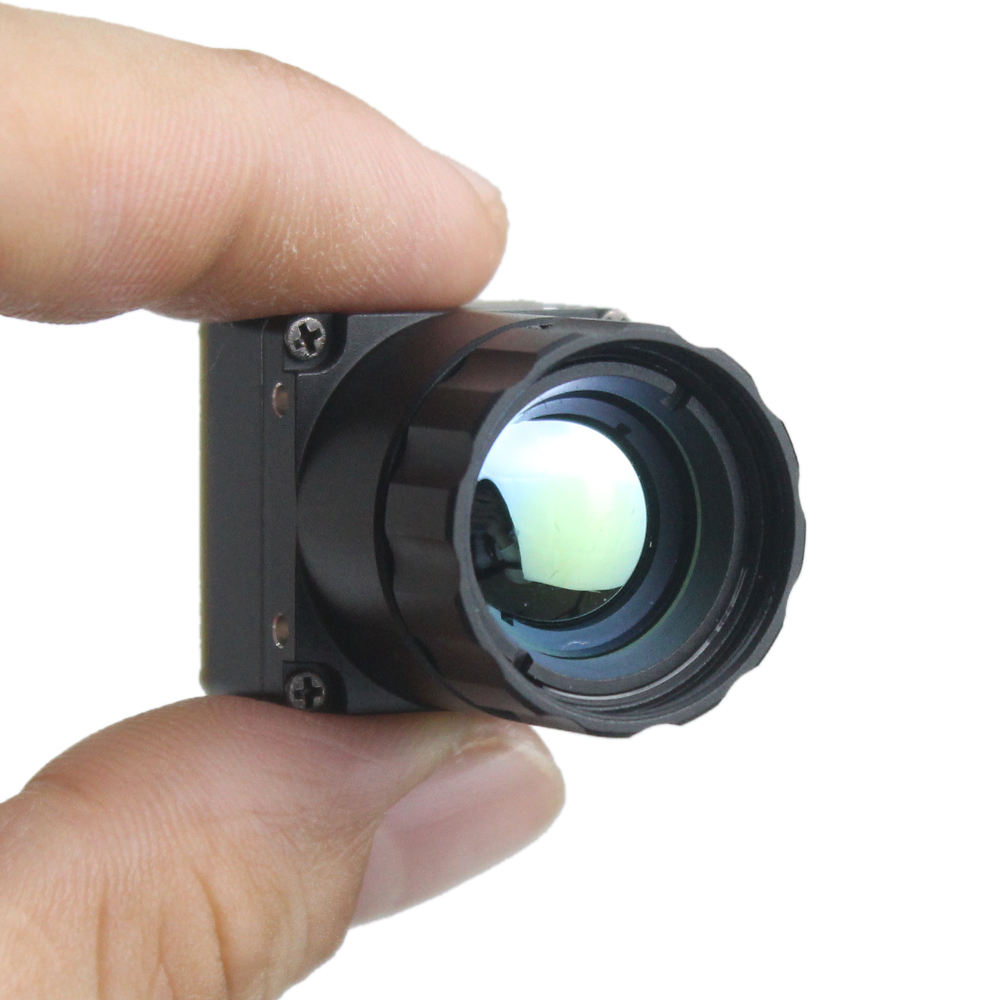
- ✅ كتلة حمولة أقل للمحاور: زجاج الجرمانيوم ثقيل. تقليص بصريات العدسة يقلل وزن الحمولة، مما يجعل النوى الحرارية 12 ميكرومتر أساسية لمحاور الطائرات بدون طيار والأدوات المحمولة التي تعمل بالبطارية.
- ✅ عوائد أعلى لكل رقاقة سيليكون: أحجام الرقائق الأصغر تعني شرائح أكثر لكل رقاقة سيليكون، مما يخفض تكاليف الوحدة الإجمالية لعمليات تشغيل الأجهزة الأصلية الكبيرة.
الحساسية الحرارية: فرق درجة الحرارة المكافئ للضوضاء (NETD)
يخبرك NETD بأصغر فرق درجة حرارة يمكن لـ مستشعر حراري تمييزه فوق أرضية الضوضاء الإلكترونية الداخلية الخاصة به. يُعبَّر عنه بالميلي كلفن (mK)، ويحدد NETD تباين الصورة وتفاصيل الحواف عندما يكون تباين المشهد منخفضًا—مثل أثناء الضباب أو الأمطار الغزيرة أو المشاهد الليلية المسطحة.
- ⚙️ فرق درجة الحرارة المكافئ للضوضاء < 50 ميلي كلفن: خط الأساس القياسي لأمن المنشآت، ومراقبة النقاط الساخنة الأساسية، وتشخيصات HVAC للمستوى المبتدئ.
- ⚙️ NETD < 30 mK إلى 40 mK: High-performance standard for autonomous vehicle vision, medical diagnostic gear, subtle building insulation checks, and search-and-rescue (SAR) platforms.
- ⚙️ NETD < 20 mK: Ultra-sensitive tactical grade systems capable of spotting minute gas leaks, ocean surface variations, or targets matching ambient ground temperatures.
Lower NETD ratings mean cleaner signal-to-noise ratios (SNR), keeping downstream computer vision models from throwing false alarms in dirty real-world conditions.
الواجهات، بروتوكولات البث، ومعالجة الذكاء الاصطناعي على الحافة المدمجة
Legacy thermal sensor modules dumped raw parallel digital buses or uncompressed analog video (CVBS) out to external host processors. Modern OEM modules put custom ASICs right behind the sensor chip to handle signal readout, Image Signal Processing (ISP), digital framing, and onboard AI inference right at the edge.
Hardware Interface Architectures
Picking the right hardware interface comes down to how your main controller handles data streams:
- 🚀 Ethernet (RJ45 / Direct IP Board-to-Board): Built for long cable runs, plant-wide networks, and fixed security setups. Onboard network controllers compress and stream video directly over IP using standard Power over Ethernet (PoE) hardware.
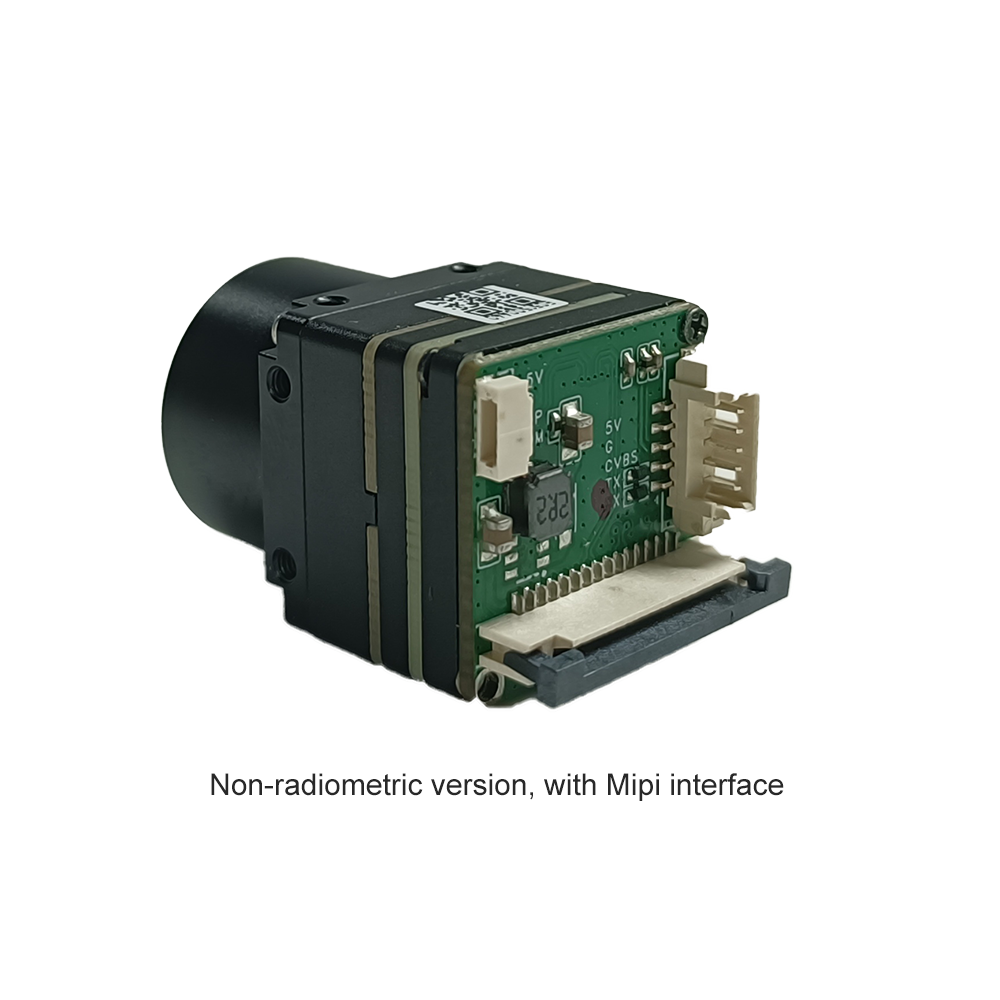
- 🚀 MIPI-CSI2 / Sub-LVDS: Low-latency digital links that connect thermal cores straight to host processors like NVIDIA Jetson modules, NXP i.MX chips, or custom carrier boards like those supplied by كويانغ. MIPI cuts network stack overhead, pushing full radiometric frame data at high frame rates (30Hz–60Hz).
- 🚀 CVBS (Composite Analog Video): Bulletproof, low-latency two-wire output for legacy flight displays, direct operator monitors, and retrofitted vehicle cabs.
Streaming Protocols & System Integration
Networked thermal camera modules run full embedded TCP/IP stacks onboard, plugging clean video directly into standard Video Management Systems (VMS):
- ⚙️ RTSP (بروتوكول البث في الوقت الفعلي): Delivers standardized, low-latency H.264/H.265 encoded thermal video to web interfaces, mobile apps, or central command consoles.
- ⚙️ ONVIF (Profile S / Profile T): Guarantees plug-and-play setup with commercial NVRs, physical security networks, and industrial SCADA setups.
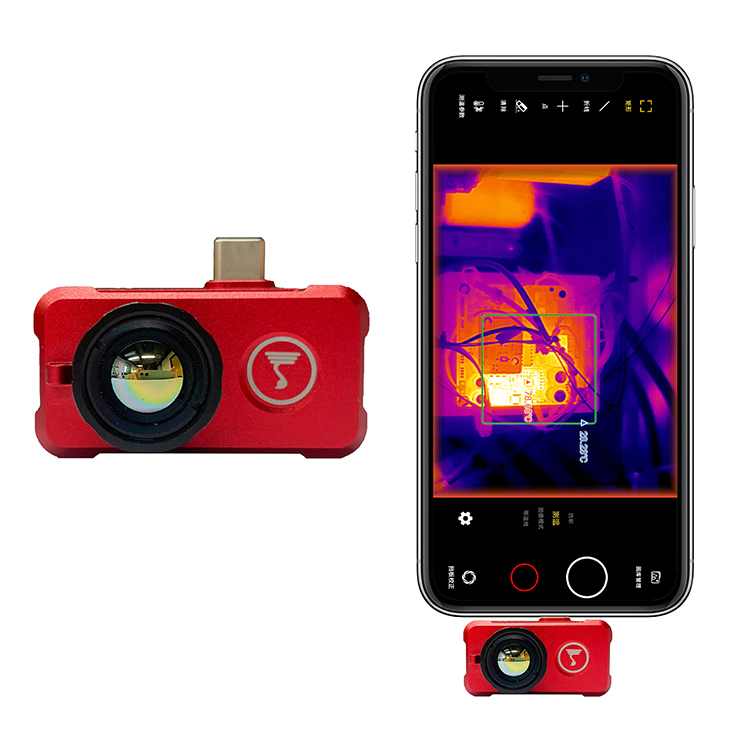
- ⚙️ Radiometric SDKs & APIs: Modern cores include C/C++, Python, and ROS (Robot Operating System) drivers. You can query pixel temperatures, flip color palettes (Ironbow, White Hot, Rainbow), set spot alarms, and control zoom programmatically.
Embedded Edge AI Processing Capabilities
Offloading target detection to the مستشعر حراري ASIC keeps your central CPU cool and saves massive network bandwidth. Onboard Edge AI engines let sensor cores run lightweight convolutional neural networks (CNNs) on raw frames. The camera independently detects and classifies humans, vehicles, industrial machinery, and hot-spots on its own. If you're building custom aerial payloads, check out the full breakdown in our guide on building a drone thermal camera module with AI integration.
سيناريوهات تطبيق OEM: الطائرات بدون طيار، السيارات، والفحص الآلي
Uncooled LWIR sensors are absolute workhorses in industrial systems because they work in pure darkness, see through heavy dust and smoke, and track real-time radiometric surface temperatures without touching the target.
Unmanned Aerial Vehicles (UAVs) & Payload Integration
Aerial thermal platforms need ultralight hardware that tolerates high vibration and dynamic outdoor temperature shifts. Integrators mount compact 640×512 thermal cores inside 3-axis gimbals for utility line inspections, solar array degradation checks, and search missions. Shaving grams off the sensor core extends drone battery life. Modules offering simultaneous RTSP over IP and analog CVBS give you dual streams: zero-latency analog video for the pilot and HD digital video logged to ground software.
Automated Driving Assistance Systems (ADAS) & Automotive Night Vision
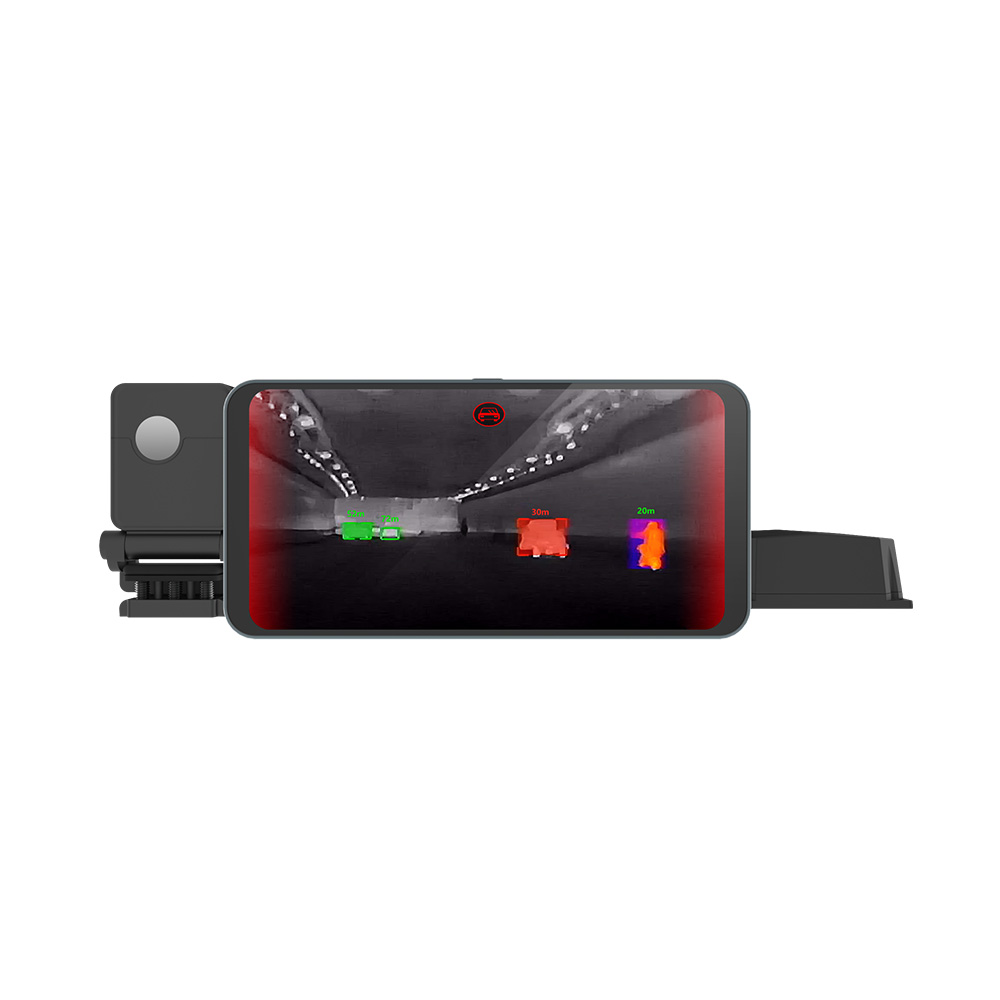
Automotive vision gear takes a beating from weather, direct headlight glare, road dust, and pitch-black rural roads. Standard visible cameras and LiDAR can struggle in fog or blinding rain. LWIR thermal sensor arrays pick up the signature heat off pedestrians, wildlife, and stranded cars long before headlights catch them.
Dropping a dedicated vehicle-mounted thermal camera solution into automotive CAN-bus and driver displays boosts ADAS performance, buying automatic emergency braking (AEB) systems vital reaction time.
Process Automation & Predictive Infrastructure Monitoring
Electrical substations, chemical storage tanks, and battery racks require continuous 24/7 monitoring to catch hot-spots before thermal runaway occurs. Mounting thermal modules with motorized continuous focus optics—such as a 25mm electronic focusing thermal camera module—lets pan-tilt mounts adjust focus dynamically across transformers and switchgear, recording precise temperature maps across large sites.
مقارنة مواصفات وحدات المستشعر الحراري OEM عالية الأداء
Here is a direct side-by-side spec comparison of two industry-proven OEM thermal sensor cores built for embedded hardware, security platforms, and robotic integration.
| Product Representation | Model Name & Specifications | Key Hardware Features & Interfaces | Target Industrial Application |
|---|---|---|---|
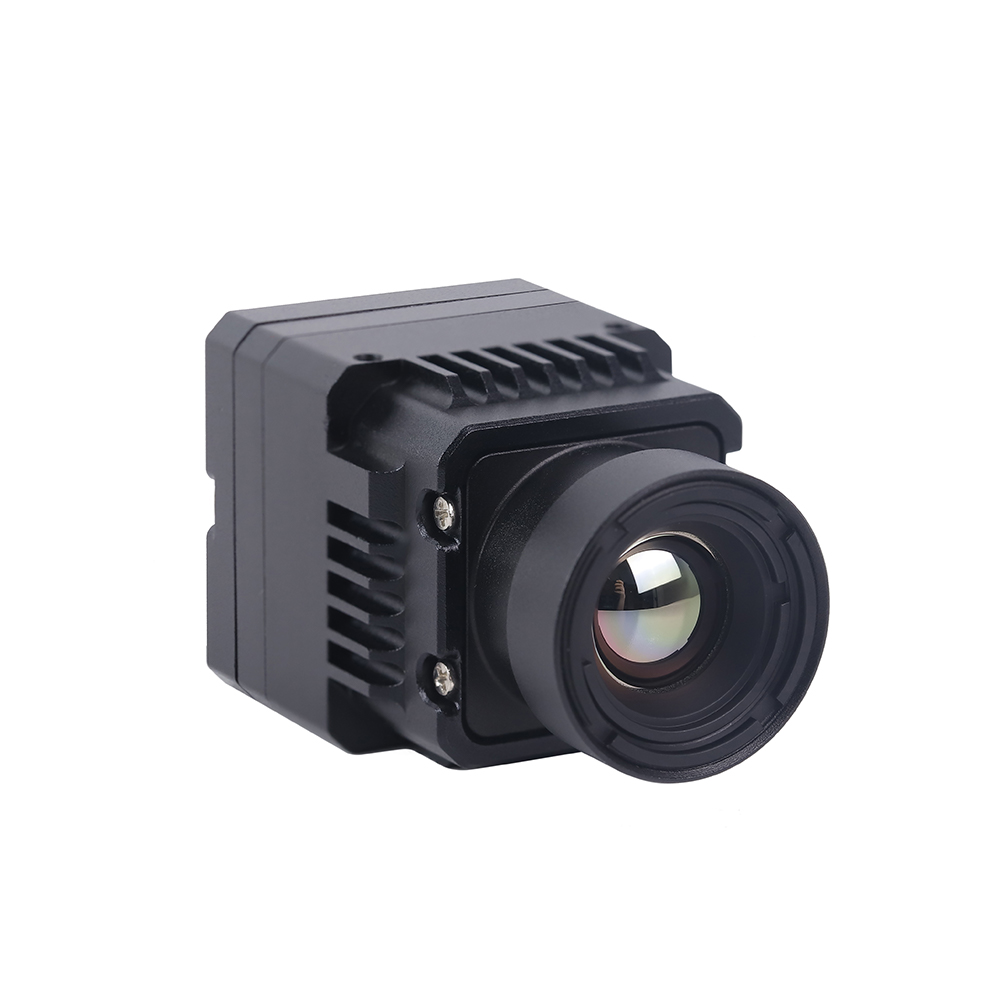 |
وحدة كاميرا استشعار حراري غير مبردة RJ45 CVBS RTSP IP بدقة 640*512
• دقة المصفوفة: 640×512 Microbolometer |
• Simultaneous IP Network (RJ45, RTSP) & CVBS Analog Streams • Onboard ASIC Non-Uniformity Correction (NUC) Algorithms • Ultra-low power consumption for battery-powered integration • SDK available for custom GUI and C++ embedded development |
Micro-UAV drone payloads, autonomous mobile robotics (AMR), handheld industrial diagnostic tools, compact IoT monitoring nodes, and border surveillance gimbals. |
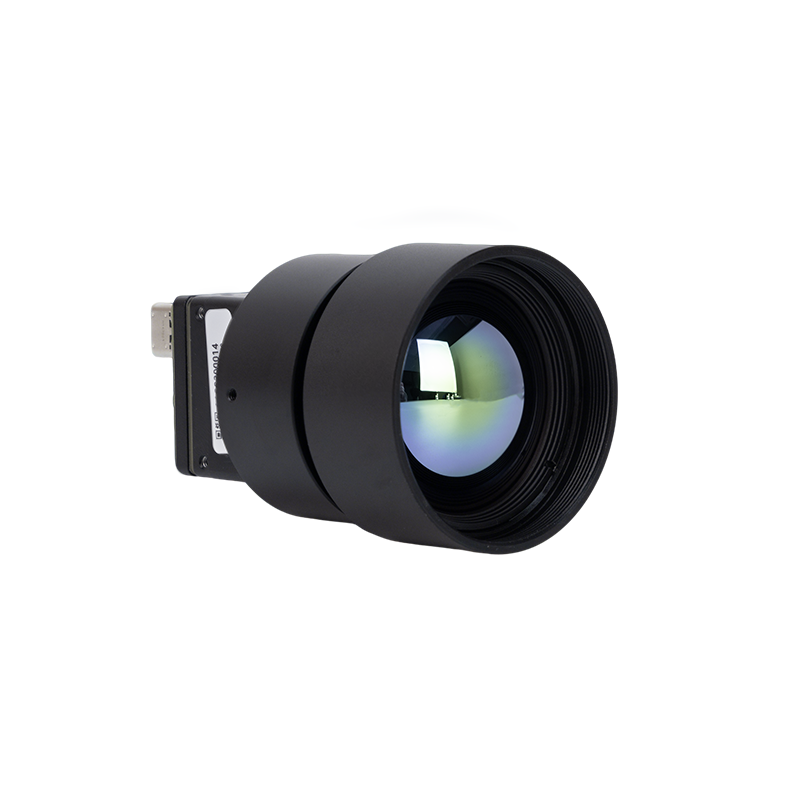 |
كاميرا تصوير حراري عالية الدقة غير مبردة بالأشعة تحت الحمراء 1280*1024 LWIR
• دقة المصفوفة: 1280×1024 HD LWIR Array |
• 4x Pixel Density compared to standard VGA thermal cores • High spatial sampling for extended target DRI distances • Ruggedized enclosure for harsh industrial operating environments • Advanced radiometric temperature analysis algorithms |
Long-range perimeter defense systems, maritime navigation, automotive night vision ADAS testing, high-density PCB electronics thermal profiling, and critical infrastructure monitoring. |
Featured Thermal Sensor Hardware Showcase
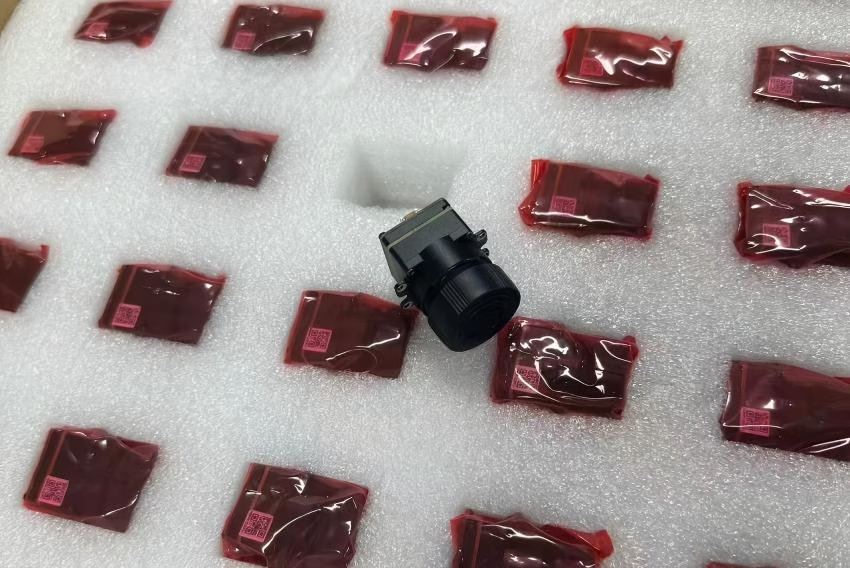
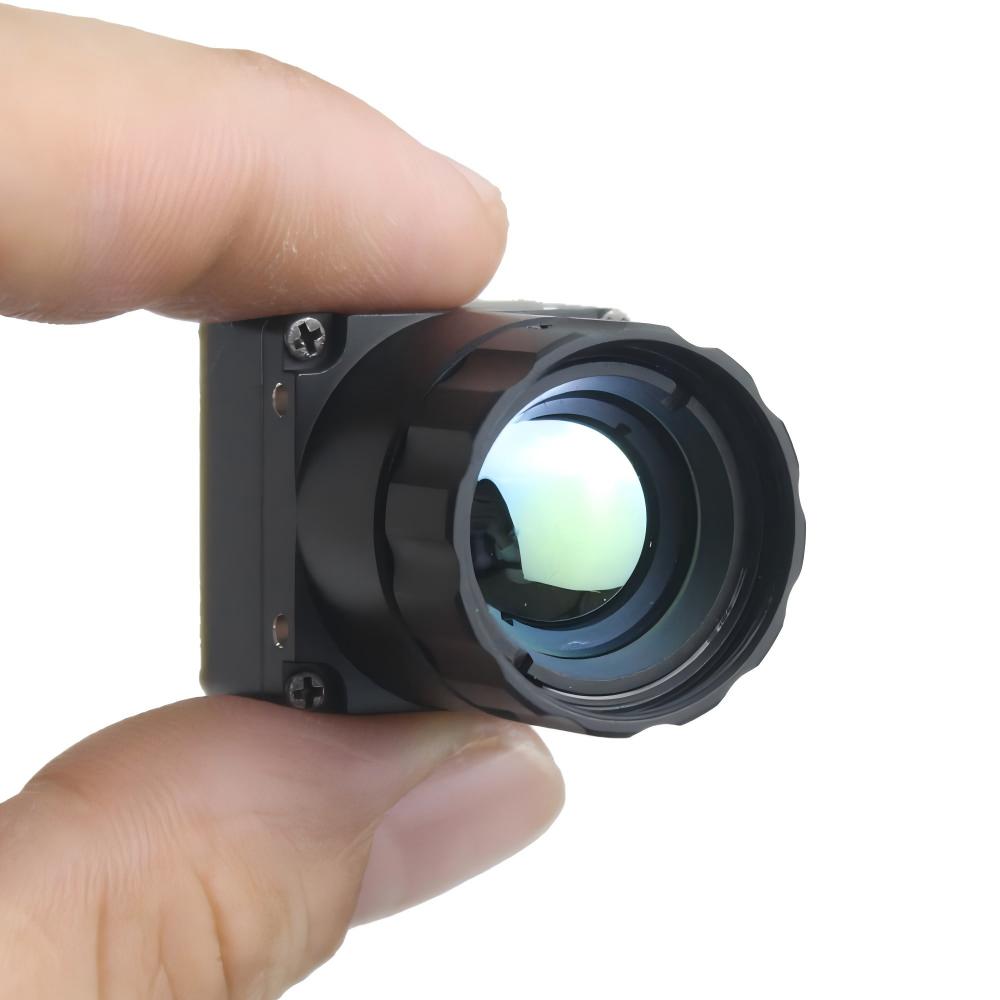
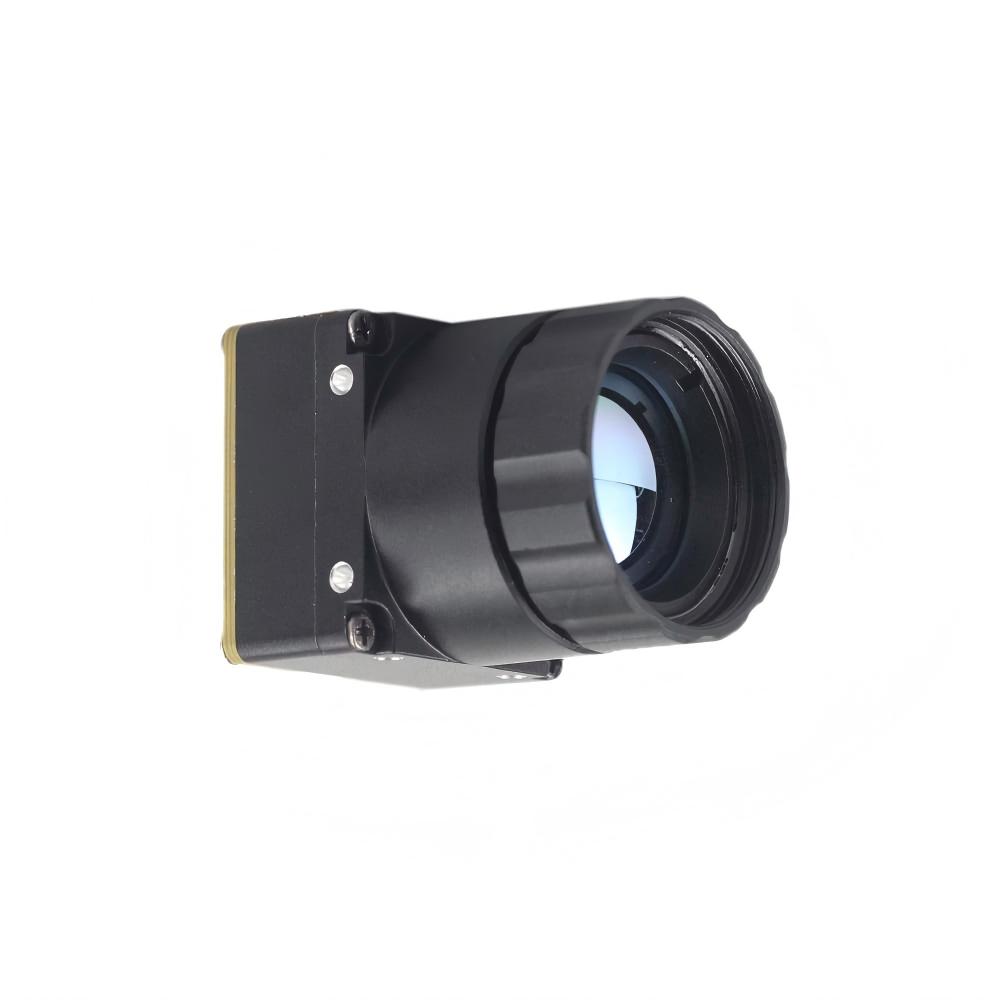
وحدة كاميرا استشعار حراري غير مبردة RJ45 CVBS RTSP IP بدقة 640*512
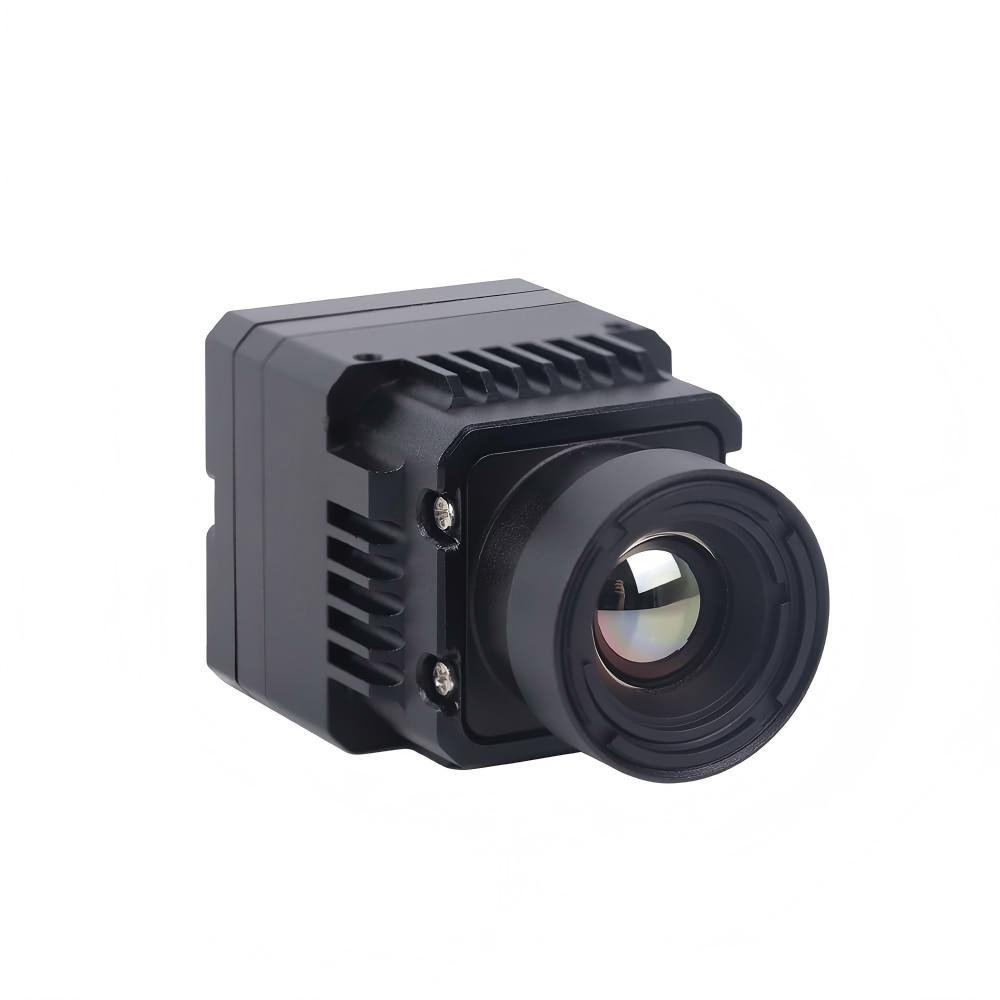
Engineered specifically for tight enclosures and weight-sensitive integration, this module combines a 640×512 VOx microbolometer core with a dedicated onboard ASIC processing engine. Running natively in the 8 µm to 14 µm spectral band, it outputs clean radiometric imagery while keeping power consumption down. Offering digital IP networking options (RJ45 with RTSP stream support) alongside a low-latency analog CVBS output gives your engineering team maximum options when hooking into flight controllers, embedded boards, or plant security networks.
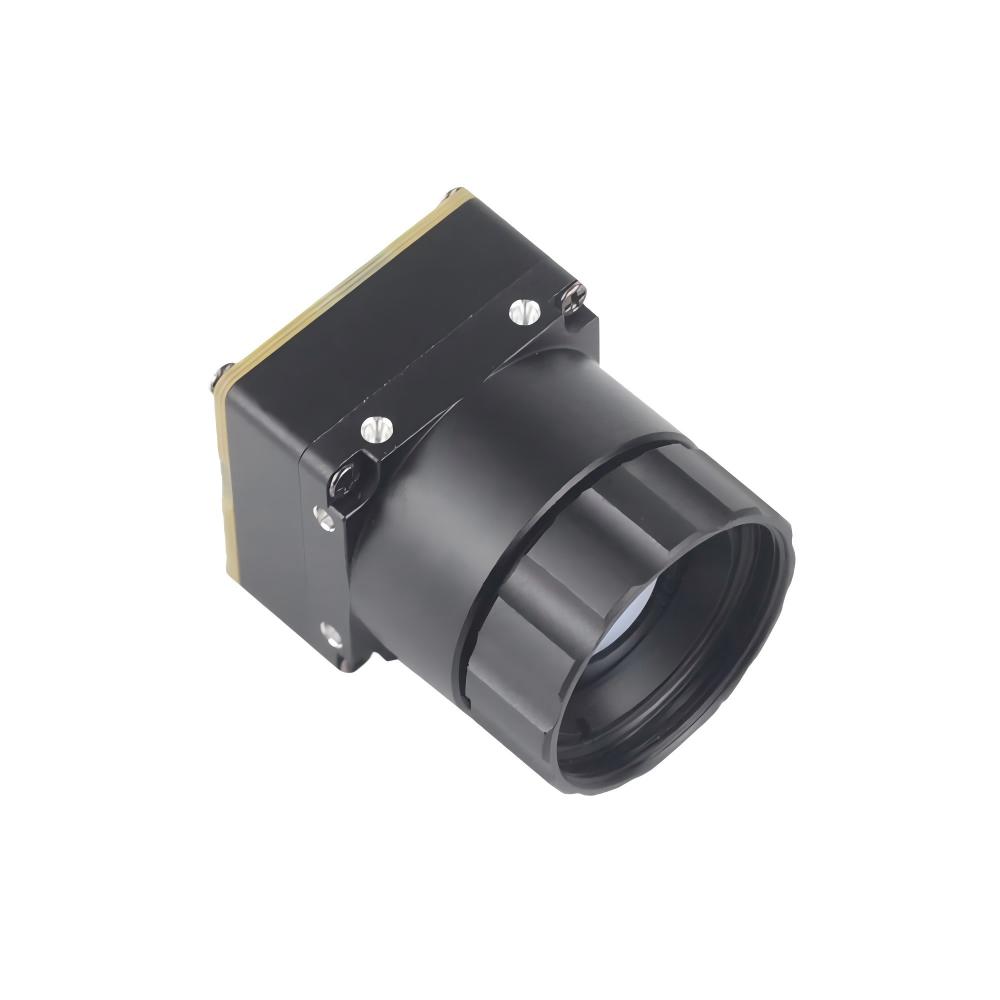
كاميرا تصوير حراري عالية الدقة غير مبردة بالأشعة تحت الحمراء 1280*1024 LWIR
Built for applications requiring top-tier image clarity, this camera houses a high-density 1280×1024 uncooled VOx array matched with a precision 25mm lens system. Delivering four times the pixel count of standard VGA cores, it lets operators and AI models resolve minor surface heat variations across wide areas or track long-range targets clearly. Its rugged enclosure and onboard radiometric software make it a solid choice for industrial automation, perimeter security networks, and ADAS hardware integration.
الأسئلة الشائعة (الأسئلة التقنية الشائعة لـ OEM)
How do I choose the right thermal sensor module for an OEM integration project?
Here's the deal: picking the right thermal sensor core comes down to evaluating three core system specs:
- ⚙️ Resolution & Detection Distance: Start with your required detail level and target distance using Johnson's Criteria. Standard VGA (640×512) gives you an ideal blend of size, power, and image quality for drone payloads, handheld diagnostic units, and medium-range security. But if you're inspecting solar farms from high altitudes or running high-density PCB analysis, stepping up to a 1280×1024 HD sensor gives you the extra pixel resolution without needing narrow lenses.
- ⚙️ Digital Bus Interface: Match the camera output directly to your host platform. Embedded Linux boards perform best with low-latency MIPI-CSI2 or Sub-LVDS links, while fixed industrial monitoring installations favor native Ethernet (RJ45) cores outputting RTSP/ONVIF streams directly into a VMS.
- ⚙️ SWaP Budget & NETD: Watch your overall power budget and payload mass for battery-powered builds. Make sure the NETD rating meets your scene requirements—selecting sub-30mK to 40mK modules ensures clean target contrast even in wet, cold, or foggy conditions.
Why do off-the-shelf basic temperature sensors fail in high-reliability industrial applications?
Look, cheap single-point IR sensors and spot pyrometers consistently fail in serious industrial setups because of three basic technical limitations:
- ✅ Zero Spatial Context: Spot pyrometers average temperatures across a single broad target area. If a single surface-mount component on a circuit board overheats or a switchgear lug develops a localized resistance spot, single-point devices miss it unless aimed directly at the failure point. Thermal imaging sensor arrays monitor thousands of distinct pixels across the entire field of view at once.
- ✅ Thermal Drift & Calibration Shift: Inexpensive thermopiles lack mechanical shutters or shutterless Non-Uniformity Correction (NUC) algorithms. As ambient shop temperatures drift, uncalibrated sensors drift with them, throwing false alarms or missing genuine hazards. Industrial VOx microbolometers use dynamic ASIC compensation curves to keep readings stable from -40°C clear up to +80°C.
- ✅ No Onboard AI Support: Basic spot sensors lack digital horsepower and can't tell background shifts apart from real target hazards. Modern thermal camera cores run onboard AI, letting the module distinguish a human worker from a hot engine exhaust before sending localized alerts.
How can I stream thermal sensor video directly into an existing IP network or VMS platform?
Streaming LWIR video straight into IP networks requires a thermal sensor core built with an integrated network SOC that handles video encoding right on the camera board:
- ⚙️ ضغط H.264 / H.265 المدمج: Raw frame data from the VOx array moves through the onboard ISP, applies your chosen color palette (White Hot, Black Hot, Ironbow), and compresses into H.264/H.265 streams in real time. That drops your network bandwidth consumption way down compared to raw digital video links.
- ⚙️ RTSP Video Delivery: The onboard network stack runs an RTSP server. VMS platforms, web interfaces, or custom control software connect to the video stream over standard network paths (e.g.,
rtsp://192.168.1.X/live/ch0) using standard Ethernet cabling. - ⚙️ ONVIF Control Hooks: Support for ONVIF Profile S and T standards gives you plug-and-play connections to network video recorders (NVRs). Operators can trigger NUC passes, tweak emissivity settings, configure temperature thresholds, and flip palettes over the network using standard REST APIs or ONVIF commands.
📚 المراجع والقراءات الإضافية
- Industry Partner Hardware: KUYANG Electronic Technology Components
- Embedded Optics Resource: Arducam Embedded Vision Systems
- UAV Engineering Integration: DIY Drone Thermal Camera Module with AI Integration Guide
- Automotive Vision Systems: Vehicle-Mounted Thermal Imaging Camera Solutions
- Motorized Optical Integration: 25mm Electronic Focusing Uncooled Thermal Module Specifications