
High-Performance Infrared Core Buyer's Guide: Custom Thermal Sensor Modules for AI Vision
2026年8月10日
Commercial Infrared Sensor Modules: OEM AI Thermal Imaging Guide for Engineers & Integrators
2026年8月11日
Industrial Thermal Sensor Selection Guide: OEM AI Camera Modules & B2B Integration
If you've spent any time designing industrial automation, defense rigs, or predictive maintenance systems, you already know that single-point thermal pyrometers just don't cut it anymore. Modern autonomous platforms and automated factory floors need real-time, high-resolution spatial temperature maps. An advanced thermal sensor array working in the Long-Wave Infrared (LWIR) spectrum gives you non-contact, high-resolution radiometric data. That means your edge networks can catch micro-degree thermal anomalies long before a bearing seizes up, a transformer blows, or a electrical cabinet catches fire. As system integrators push more processing to the edge, picking the right thermal core comes down to balancing raw optical physics, pixel pitch, Noise Equivalent Temperature Difference (NETD), power draw, and real-time digital bus interfaces.
Bridging the gap between long-wave infrared physics and modern network architectures takes specialized hardware engineered for tough, real-world environments. From light micro-UAV payloads to heavy equipment night-vision systems, modern thermal camera modules use dedicated Application-Specific Integrated Circuits (ASICs) to run AI analytics directly at the sensor level. Look, this guide breaks down the engineering criteria, communication protocols, optical trade-offs, and hardware specs you need to evaluate when integrating high-performance thermal sensors into next-generation OEM gear.
Table of Contents
- 👉 1. Fundamentals of LWIR Thermal Sensing & Microbolometer Technology
- 👉 2. Key Performance Metrics: Pixel Pitch, NETD, and Resolution
- 👉 3. Interfaces, Streaming Protocols, and Onboard Edge AI Processing
- 👉 4. OEM Application Scenarios: UAVs, Automotive, and Automated Inspection
- 👉 5. High-Performance OEM Thermal Sensor Modules Specs Comparison
- 👉 6. Frequently Asked Questions (Technical OEM FAQ)
1. Fundamentals of LWIR Thermal Sensing & Microbolometer Technology
Here's how non-contact temperature sensing actually works under the hood: a long-wave infrared thermal sensor operates inside the 8 µm to 14 µm spectral band. Standard optical sensors catch reflected light in the 400 nm to 700 nm visible spectrum. Uncooled thermal sensors, on the other hand, use Vanadium Oxide (VOx) or Amorphous Silicon (a-Si) microbolometer arrays to detect radiant thermal energy emitted directly by target objects according to Planck's Law. Any object sitting above absolute zero (-273.15°C) emits electromagnetic radiation, with peak energy radiating right in the LWIR spectrum for everyday industrial temperatures (-40°C to +500°C).
When that infrared energy hits the microbolometer's suspended absorber structures, the physical material undergoes a microscopic temperature rise. That change alters its electrical resistance. A Readout Integrated Circuit (ROIC) mounted directly below the focal plane array (FPA) measures that shift. Here is how that physical workflow breaks down step by step:
- ⚙️ Radiant Transmission: Thermal radiation moves through the atmosphere toward the camera's front optical element.
- ⚙️ Germanium Optics: Standard optical glass blocks LWIR wavelengths cold. You have to use specialized Germanium (Ge), Chalcogenide glass, or Silicon optics to focus thermal photons onto the sensor array.
- ⚙️ Microbolometer Absorption: Micro-bridge structures suspended over each pixel absorb incoming thermal energy, instantly changing the electrical resistance of the VOx thin-film layer.
- ⚙️ ROIC Amplification & Digitization: The ROIC scans resistance shifts across the pixel grid, turning analog current changes into digital radiometric values.
- ⚙️ ASIC Signal Processing: A dedicated ASIC runs real-time Non-Uniformity Correction (NUC), handles dynamic range scaling, compensates for ambient thermal drift, and packages the data for output streams like Ethernet RTSP or MIPI-CSI2.
In the shop, uncooled microbolometers beat cooled photon detectors (like Indium Antimonide or Mercury Cadmium Telluride detectors) for almost all industrial jobs. Uncooled arrays operate fine at ambient shop temperatures and don't require heavy, power-hungry cryogenic Stirling coolers. That translates to vastly lower Size, Weight, and Power (SWaP) specs, operational lifespans exceeding tens of thousands of hours, and immediate boot times. These physical benefits make uncooled thermal sensor cores the go-to pick for continuous plant monitoring, autonomous mobile robots (AMRs), and lightweight drone payloads.
When you're building modular vision systems, matching thermal cores with flexible board-level hardware is key. Engineering teams prototyping custom setups frequently turn to development platforms like Arducam to test initial optics and sensor connections. But when you move to full OEM production, you need hardened thermal cores built with factory-calibrated radiometric lookup tables, automated mechanical shutters for periodic NUC passes, and extreme environmental ratings.

2. Key Performance Metrics: Pixel Pitch, NETD, and Resolution
When you evaluate an OEM thermal sensor core for commercial gear, you need to balance three main parameters: array resolution, pixel pitch, and Noise Equivalent Temperature Difference (NETD). Mess up this balance, and you'll end up with blown optical budgets, oversized enclosures, or images too noisy for real-time analytics.
Resolution & Spatial Sampling (VGA vs. High-Definition LWIR)
Thermal focal plane arrays are defined by their matrix dimensions. For years, standard industrial gear ran on Quarter VGA (320×240 or 384×288) or standard VGA (640×512) resolution. Modern semiconductor fabrication now gives us native High-Definition (HD) LWIR sensors with 1280×1024 pixel arrays.
More pixels mean tighter spatial sampling, directly boosting your distance performance under Johnson's Criteria—namely Detection, Recognition, and Identification (DRI) ranges. A 1280×1024 sensor puts four times the pixels on target compared to a standard 640×512 core. That extra detail lets automated vision systems detect micro-shorting on dense PCB assemblies or allows long-range defense optics to identify small targets miles away without forcing you into ultra-narrow, hard-to-aim lenses.
Pixel Pitch Reduction: Transitioning from 17 µm to 12 µm and 10 µm
Pixel pitch is the physical distance between the centers of two adjacent pixels on the array, measured in micrometers (µm). Over the last decade, thermal sensor manufacturing moved from 25 µm and 17 µm pixels down to 12 µm and 10 µm architectures.
Shrinking pixel pitch yields real mechanical and optical wins on the bench:
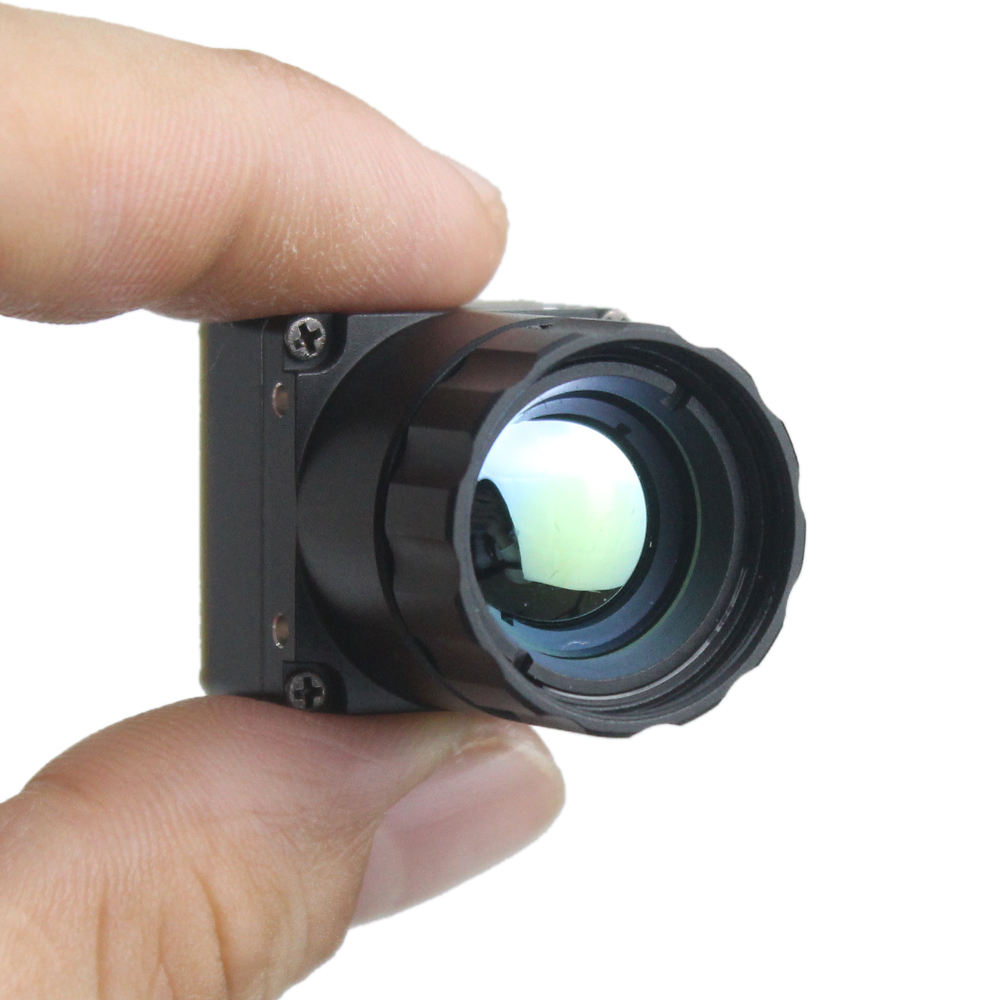
- ✅ Lighter, Smaller Lens Assemblies: Focal length scales down with pixel pitch for a given Field of View (FOV). Dropping from 17 µm to 12 µm lets a compact 25 mm lens deliver the same FOV that used to require a heavy, expensive 35 mm lens assembly.
- ✅ Lower Payload Mass for Gimbals: Germanium glass is heavy. Shrinking lens optics cuts payload weight, making 12 µm thermal cores essential for drone gimbals and battery-powered handheld tools.
- ✅ Higher Yields Per Silicon Wafer: Smaller die sizes mean more chips per silicon wafer, lowering overall unit costs for large OEM hardware runs.
Thermal Sensitivity: Noise Equivalent Temperature Difference (NETD)
NETD tells you the smallest temperature differential the thermal sensor can distinguish above its own internal electronic noise floor. Expressed in millikelvins (mK), NETD determines image contrast and edge detail when scene contrast is low—like during fog, heavy rain, or flat night scenes.
- ⚙️ NETD < 50 mK: Standard baseline for facility security, basic hot-spot monitoring, and entry-level HVAC diagnostics.
- ⚙️ NETD < 30 mK to 40 mK: High-performance standard for autonomous vehicle vision, medical diagnostic gear, subtle building insulation checks, and search-and-rescue (SAR) platforms.
- ⚙️ NETD < 20 mK: Ultra-sensitive tactical grade systems capable of spotting minute gas leaks, ocean surface variations, or targets matching ambient ground temperatures.
Lower NETD ratings mean cleaner signal-to-noise ratios (SNR), keeping downstream computer vision models from throwing false alarms in dirty real-world conditions.
3. Interfaces, Streaming Protocols, and Onboard Edge AI Processing
Legacy thermal sensor modules dumped raw parallel digital buses or uncompressed analog video (CVBS) out to external host processors. Modern OEM modules put custom ASICs right behind the sensor chip to handle signal readout, Image Signal Processing (ISP), digital framing, and onboard AI inference right at the edge.
Hardware Interface Architectures
Picking the right hardware interface comes down to how your main controller handles data streams:
- 🚀 Ethernet (RJ45 / Direct IP Board-to-Board): Built for long cable runs, plant-wide networks, and fixed security setups. Onboard network controllers compress and stream video directly over IP using standard Power over Ethernet (PoE) hardware.
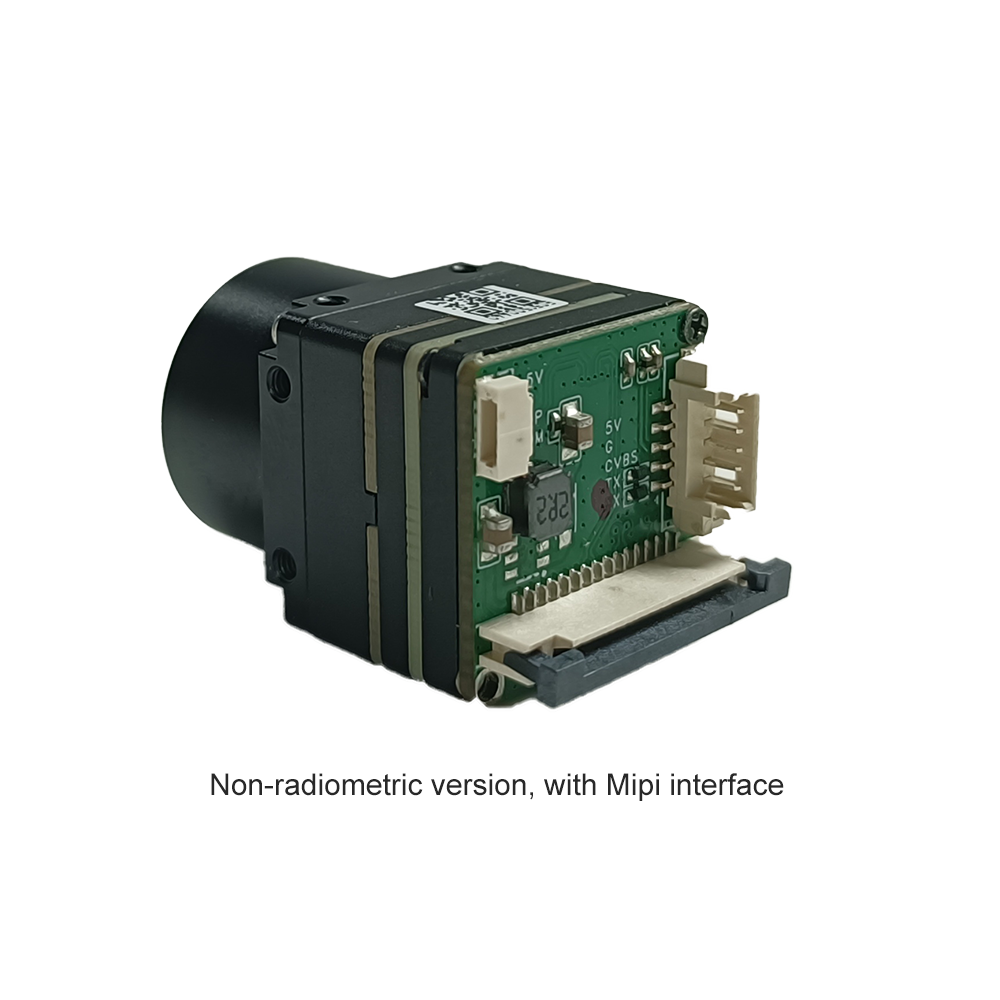
- 🚀 MIPI-CSI2 / Sub-LVDS: Low-latency digital links that connect thermal cores straight to host processors like NVIDIA Jetson modules, NXP i.MX chips, or custom carrier boards like those supplied by KUYANG. MIPI cuts network stack overhead, pushing full radiometric frame data at high frame rates (30Hz–60Hz).
- 🚀 CVBS (Composite Analog Video): Bulletproof, low-latency two-wire output for legacy flight displays, direct operator monitors, and retrofitted vehicle cabs.
Streaming Protocols & System Integration
Networked thermal camera modules run full embedded TCP/IP stacks onboard, plugging clean video directly into standard Video Management Systems (VMS):
- ⚙️ RTSP (Real-Time Streaming Protocol): Delivers standardized, low-latency H.264/H.265 encoded thermal video to web interfaces, mobile apps, or central command consoles.
- ⚙️ ONVIF (Profile S / Profile T): Guarantees plug-and-play setup with commercial NVRs, physical security networks, and industrial SCADA setups.
- ⚙️ Radiometric SDKs & APIs: Modern cores include C/C++, Python, and ROS (Robot Operating System) drivers. You can query pixel temperatures, flip color palettes (Ironbow, White Hot, Rainbow), set spot alarms, and control zoom programmatically.
Embedded Edge AI Processing Capabilities
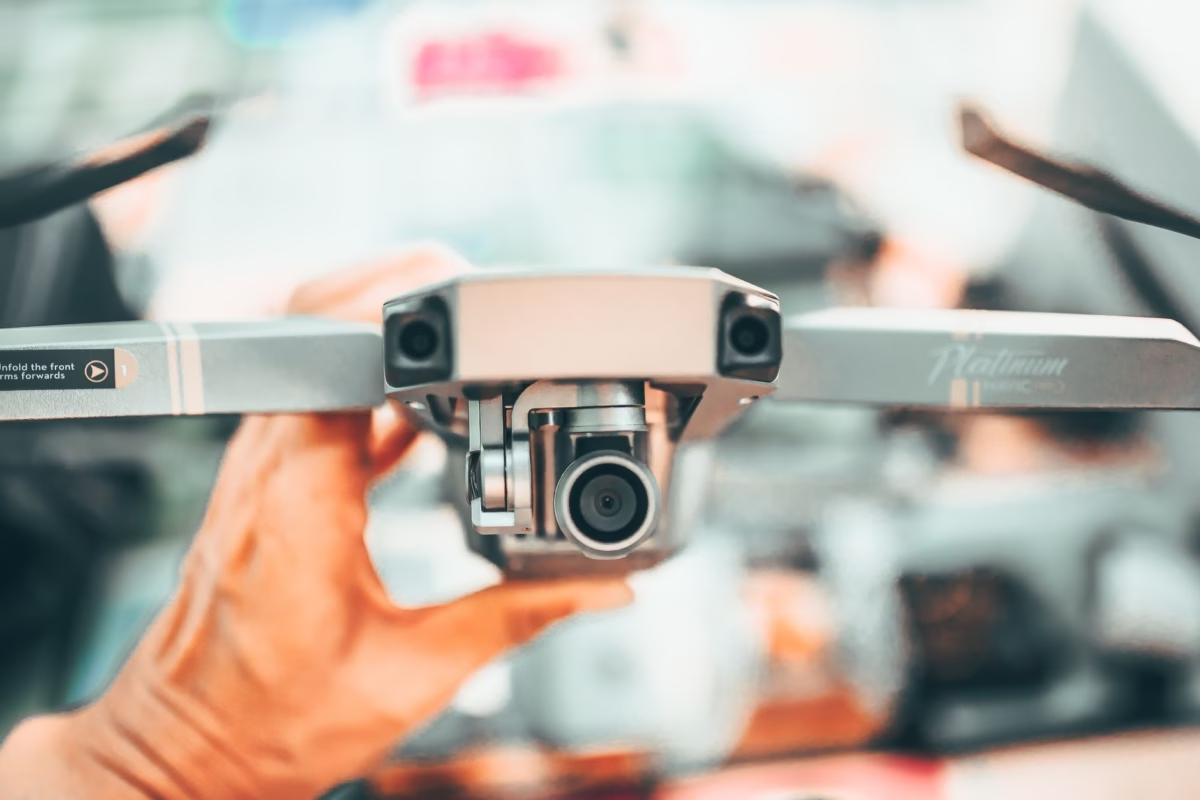
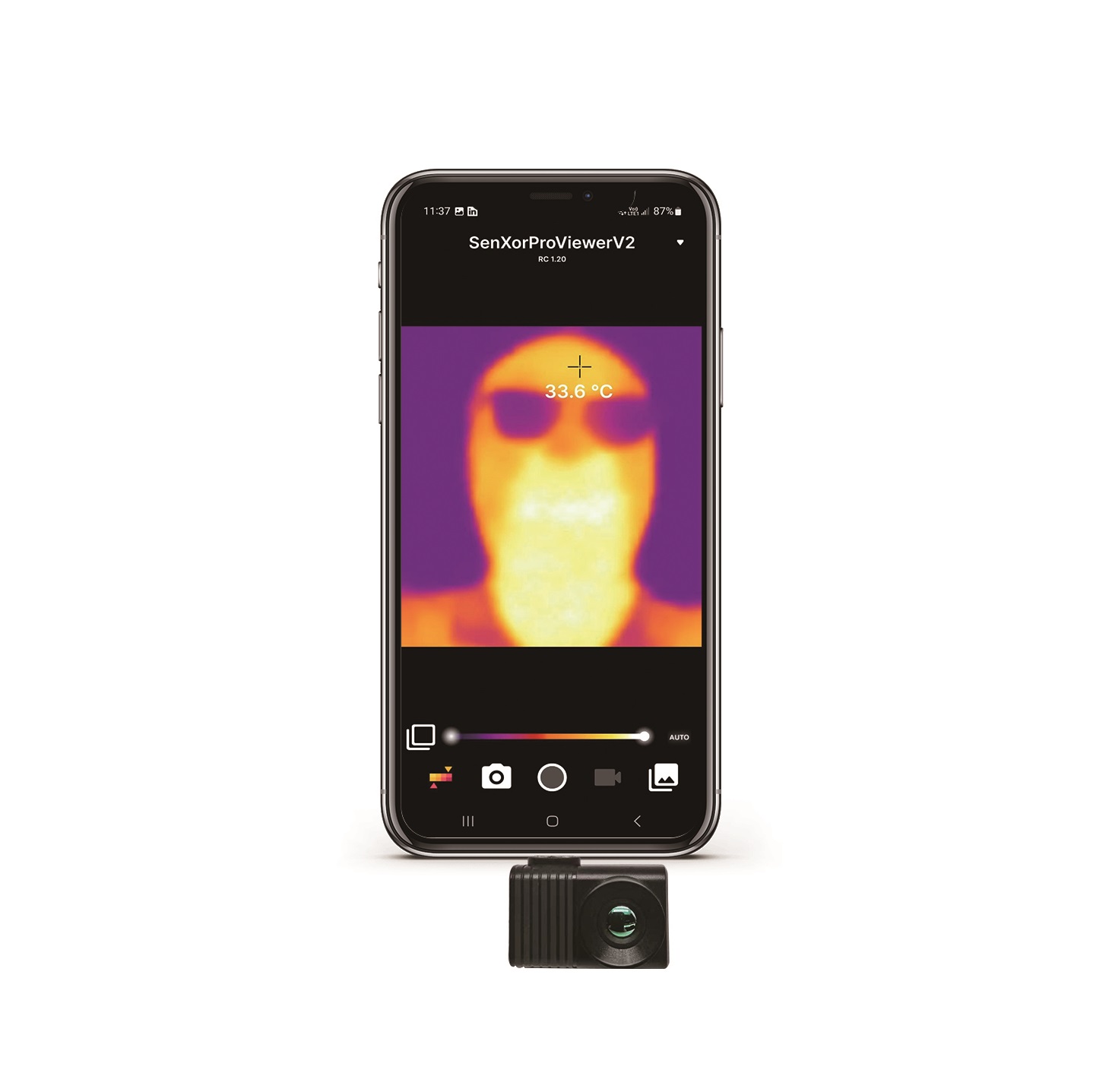
Offloading target detection to the thermal sensor ASIC keeps your central CPU cool and saves massive network bandwidth. Onboard Edge AI engines let sensor cores run lightweight convolutional neural networks (CNNs) on raw frames. The camera independently detects and classifies humans, vehicles, industrial machinery, and hot-spots on its own. If you're building custom aerial payloads, check out the full breakdown in our guide on building a drone thermal camera module with AI integration.
4. OEM Application Scenarios: UAVs, Automotive, and Automated Inspection
Uncooled LWIR sensors are absolute workhorses in industrial systems because they work in pure darkness, see through heavy dust and smoke, and track real-time radiometric surface temperatures without touching the target.
Unmanned Aerial Vehicles (UAVs) & Payload Integration
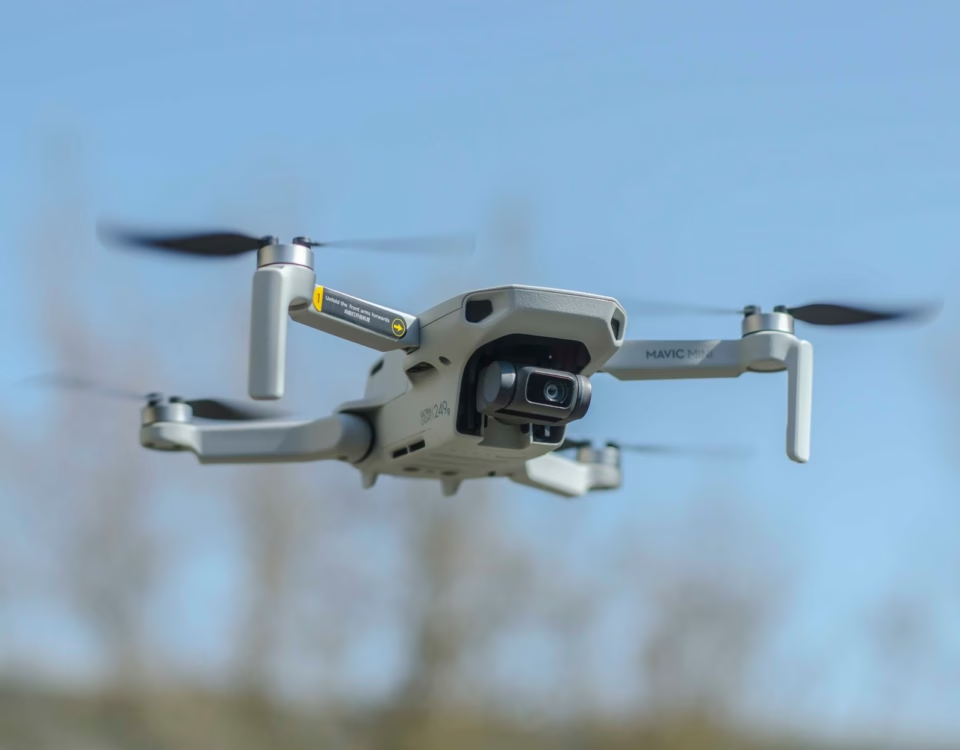
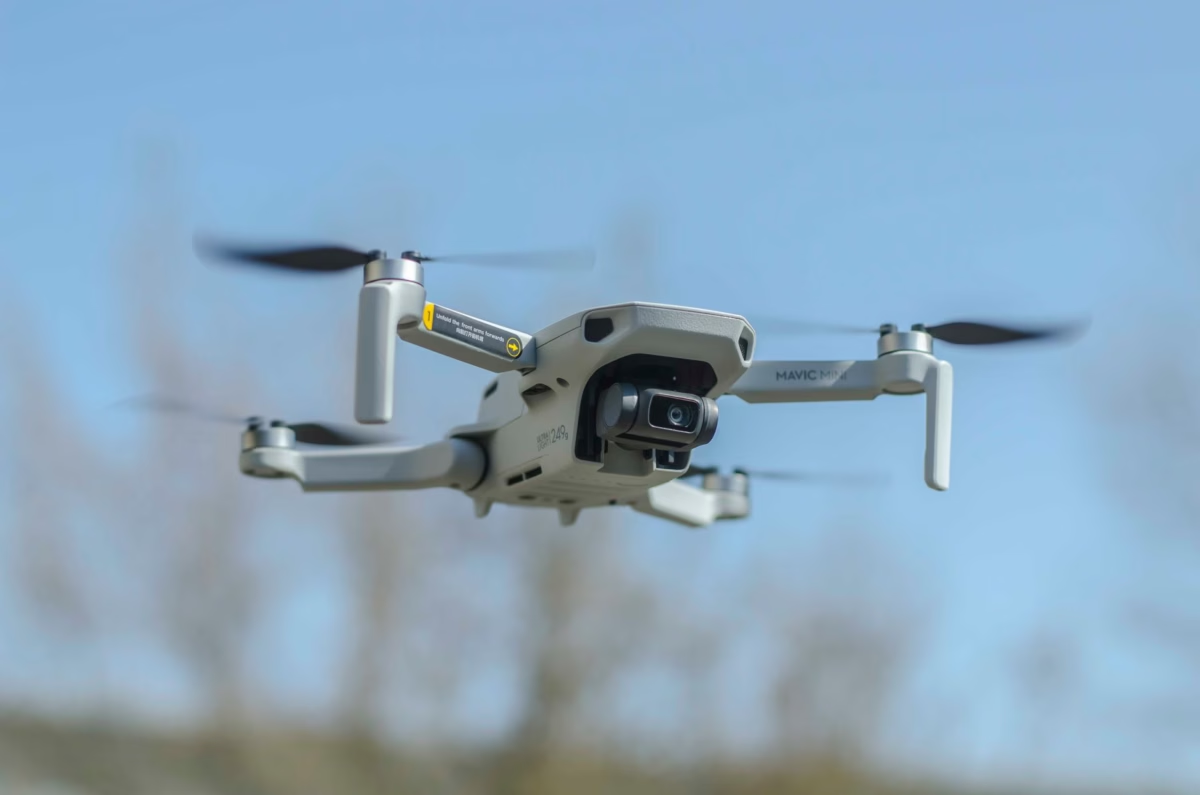
Aerial thermal platforms need ultralight hardware that tolerates high vibration and dynamic outdoor temperature shifts. Integrators mount compact 640×512 thermal cores inside 3-axis gimbals for utility line inspections, solar array degradation checks, and search missions. Shaving grams off the sensor core extends drone battery life. Modules offering simultaneous RTSP over IP and analog CVBS give you dual streams: zero-latency analog video for the pilot and HD digital video logged to ground software.
Automated Driving Assistance Systems (ADAS) & Automotive Night Vision
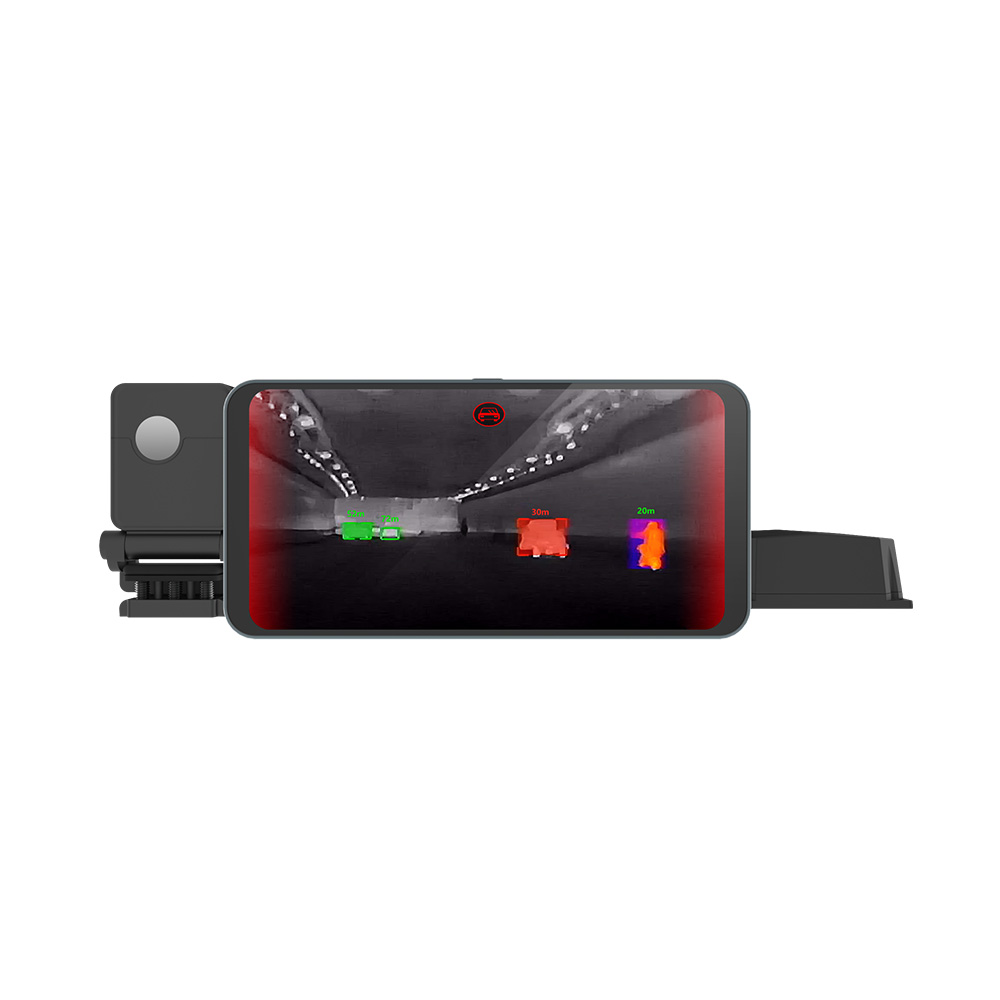
Automotive vision gear takes a beating from weather, direct headlight glare, road dust, and pitch-black rural roads. Standard visible cameras and LiDAR can struggle in fog or blinding rain. LWIR thermal sensor arrays pick up the signature heat off pedestrians, wildlife, and stranded cars long before headlights catch them.
Dropping a dedicated vehicle-mounted thermal camera solution into automotive CAN-bus and driver displays boosts ADAS performance, buying automatic emergency braking (AEB) systems vital reaction time.
Process Automation & Predictive Infrastructure Monitoring
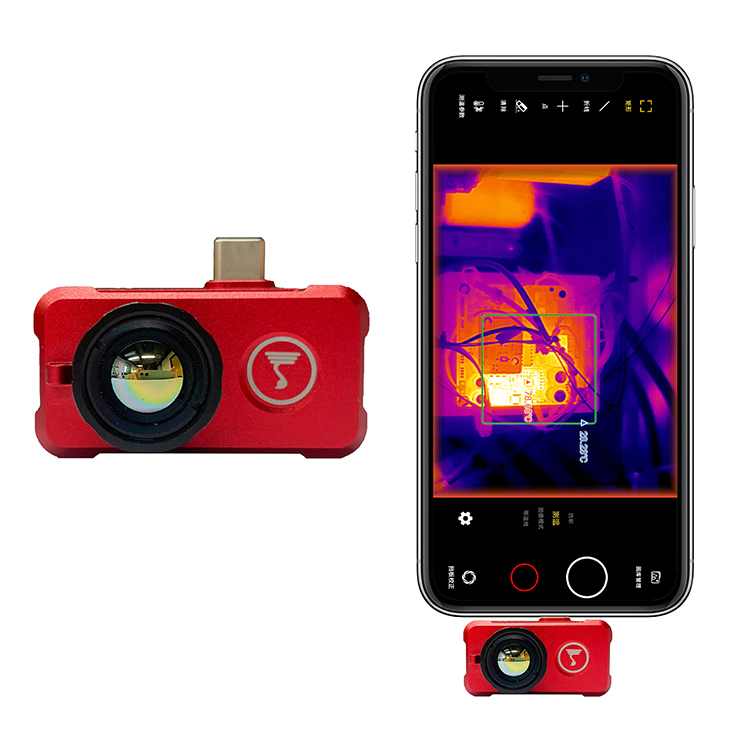
Electrical substations, chemical storage tanks, and battery racks require continuous 24/7 monitoring to catch hot-spots before thermal runaway occurs. Mounting thermal modules with motorized continuous focus optics—such as a 25mm electronic focusing thermal camera module—lets pan-tilt mounts adjust focus dynamically across transformers and switchgear, recording precise temperature maps across large sites.
5. High-Performance OEM Thermal Sensor Modules Specs Comparison
Here is a direct side-by-side spec comparison of two industry-proven OEM thermal sensor cores built for embedded hardware, security platforms, and robotic integration.
| Product Representation | Model Name & Specifications | Key Hardware Features & Interfaces | Target Industrial Application |
|---|---|---|---|
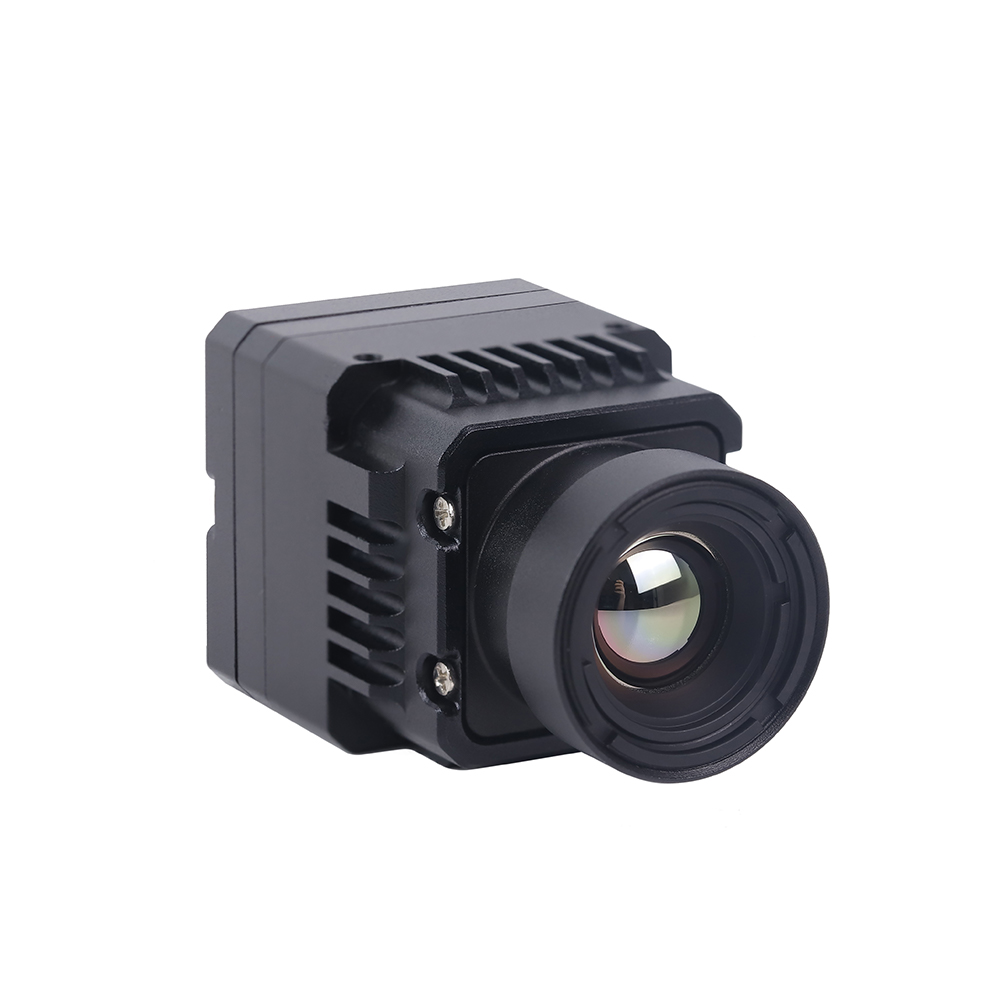 |
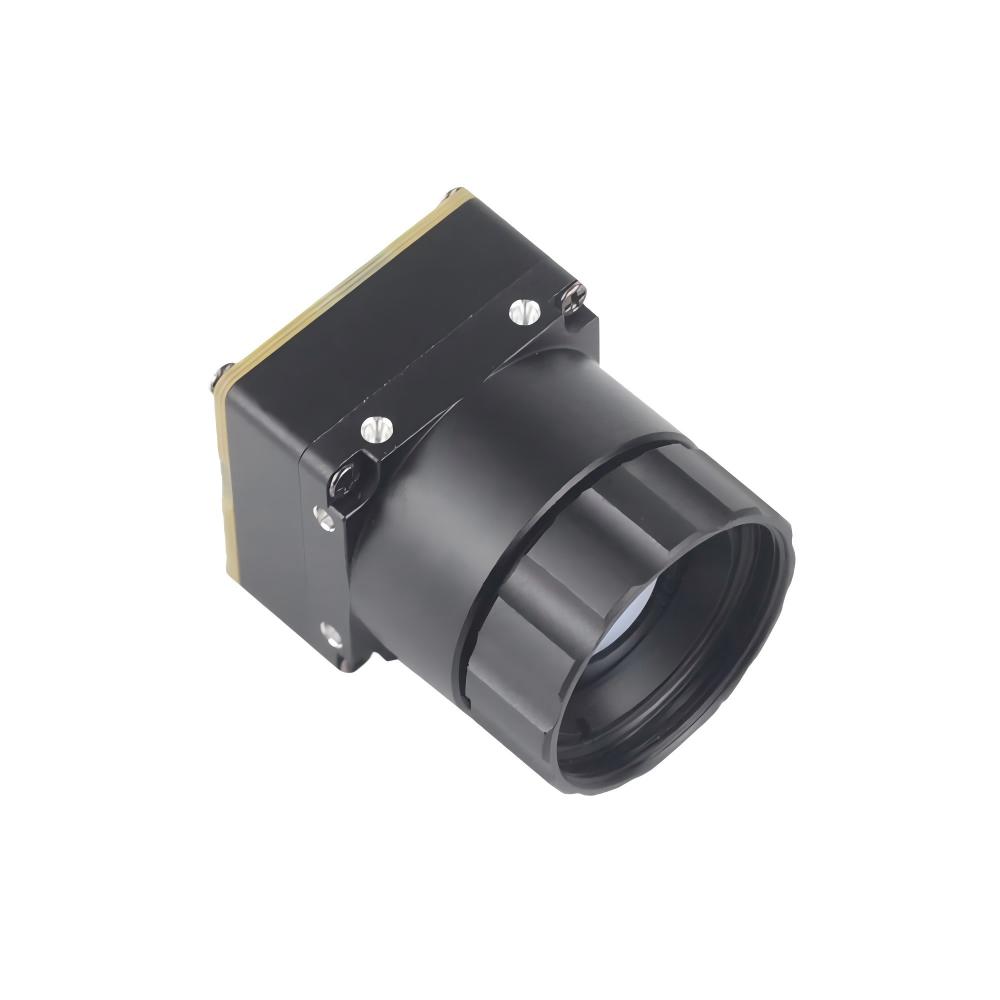
Uncooled Infrared RJ45 CVBS RTSP IP 640*512 Thermal Sensor Camera Module
• Array Resolution: 640×512 Microbolometer |
• Simultaneous IP Network (RJ45, RTSP) & CVBS Analog Streams • Onboard ASIC Non-Uniformity Correction (NUC) Algorithms • Ultra-low power consumption for battery-powered integration • SDK available for custom GUI and C++ embedded development |
Micro-UAV drone payloads, autonomous mobile robotics (AMR), handheld industrial diagnostic tools, compact IoT monitoring nodes, and border surveillance gimbals. |
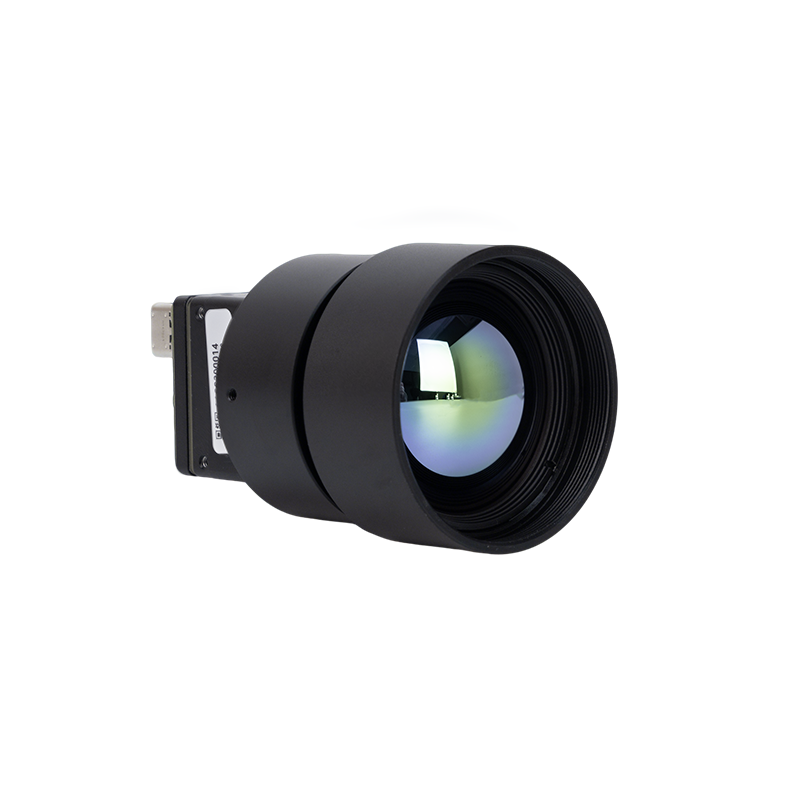 |
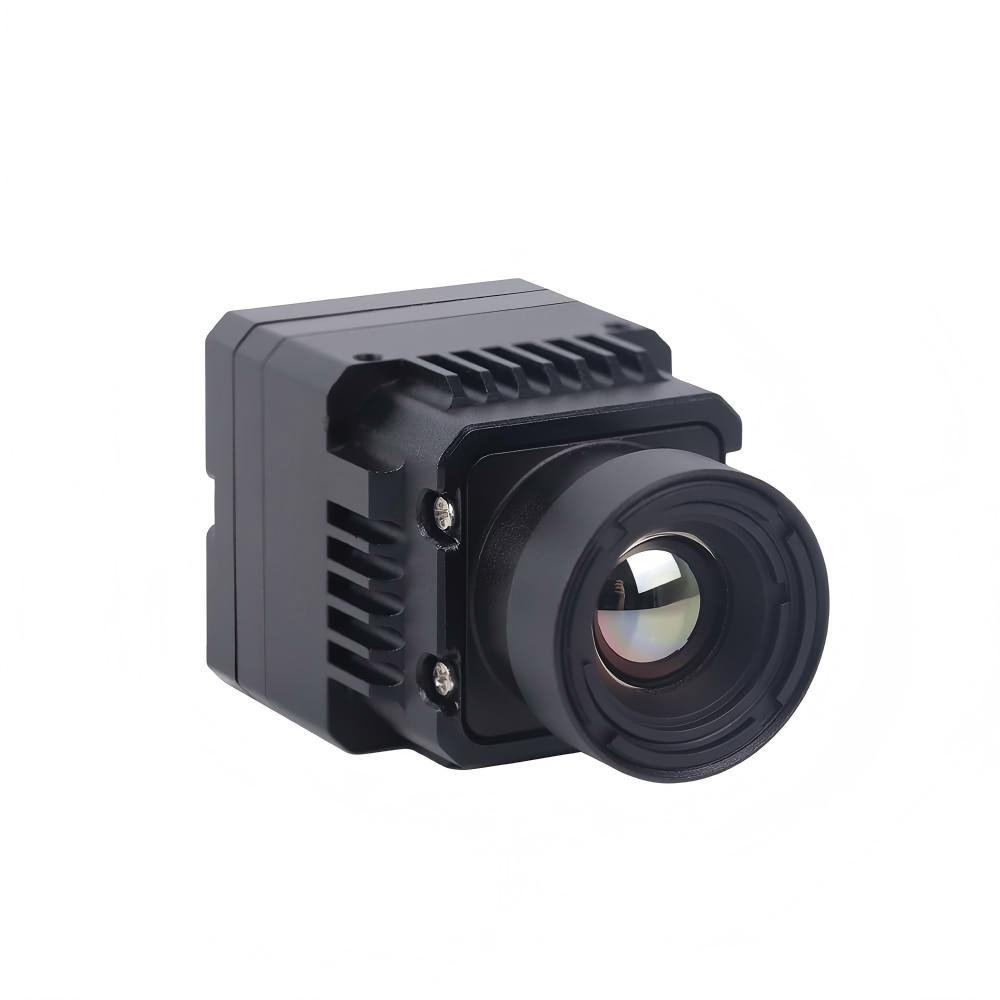
High Resolution Uncooled Infrared 1280*1024 Thermal Imaging LWIR Camera
• Array Resolution: 1280×1024 HD LWIR Array |
• 4x Pixel Density compared to standard VGA thermal cores • High spatial sampling for extended target DRI distances • Ruggedized enclosure for harsh industrial operating environments • Advanced radiometric temperature analysis algorithms |
Long-range perimeter defense systems, maritime navigation, automotive night vision ADAS testing, high-density PCB electronics thermal profiling, and critical infrastructure monitoring. |
Featured Thermal Sensor Hardware Showcase
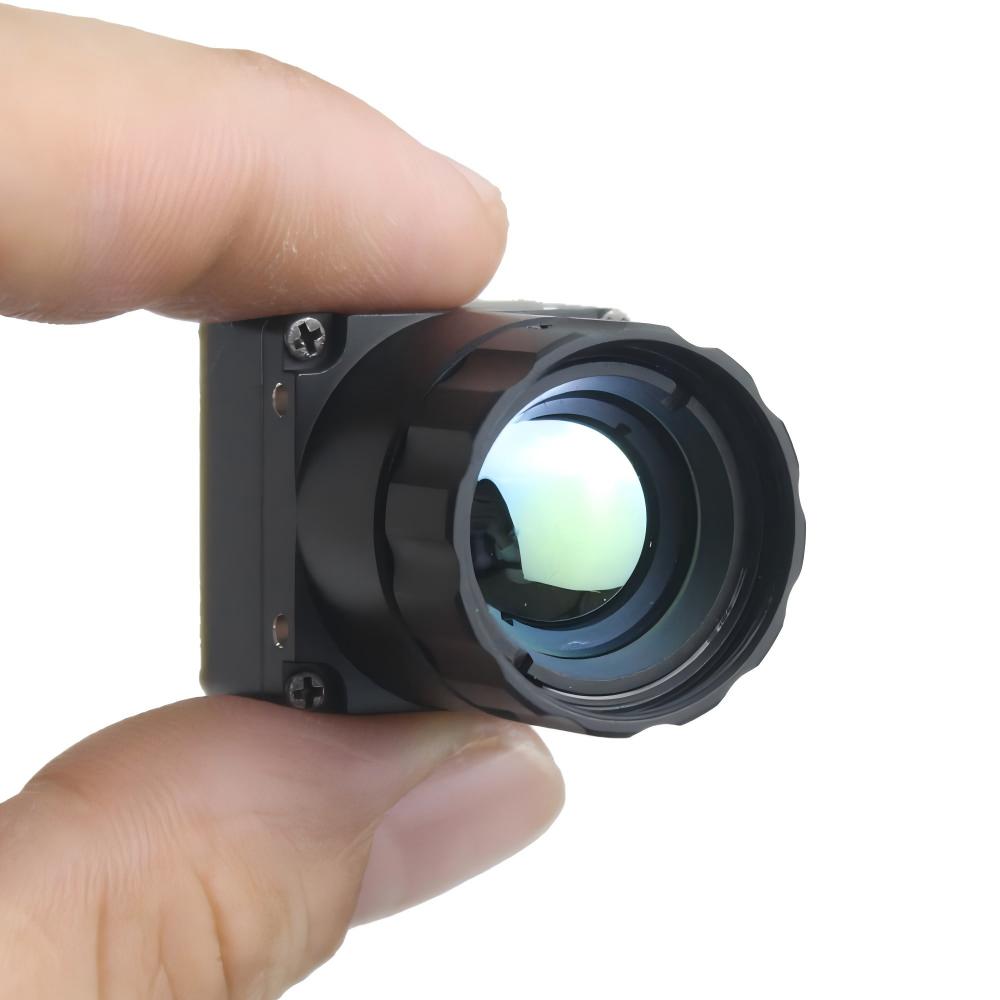
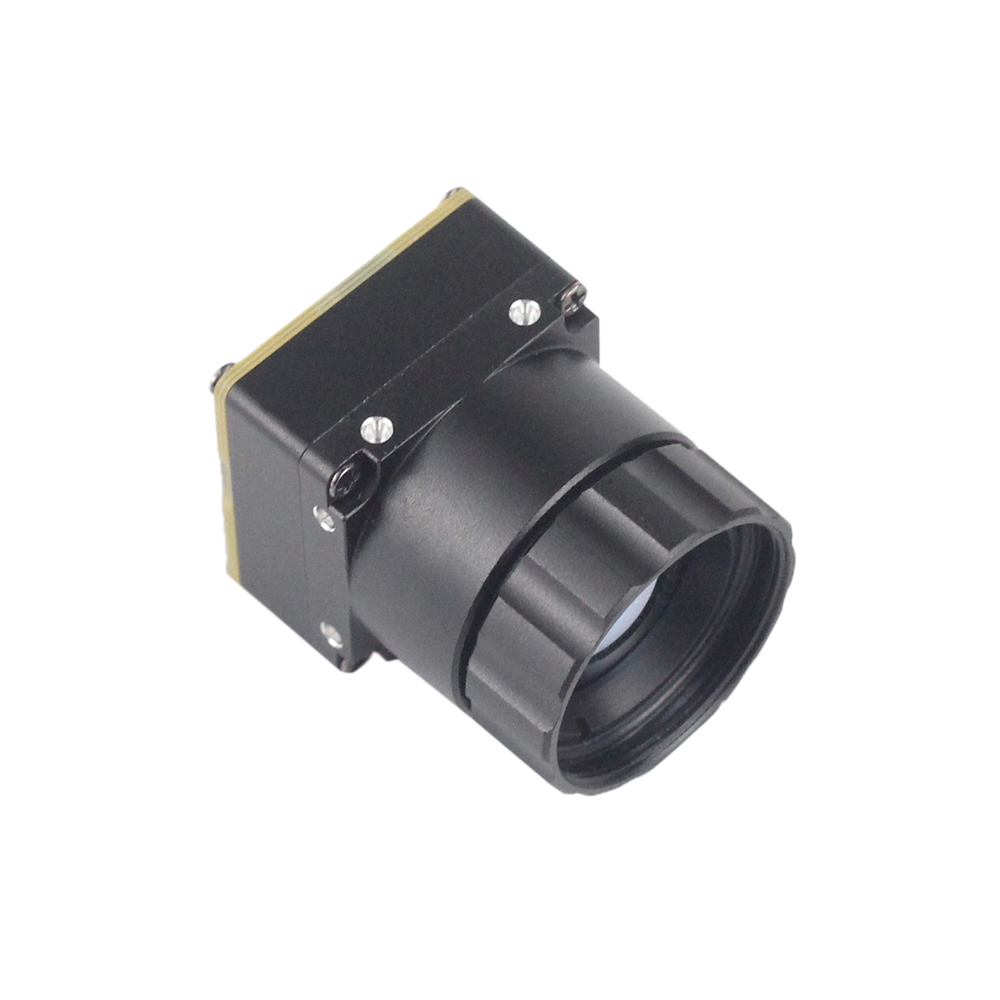
Uncooled Infrared RJ45 CVBS RTSP IP 640*512 Thermal Sensor Camera Module
Engineered specifically for tight enclosures and weight-sensitive integration, this module combines a 640×512 VOx microbolometer core with a dedicated onboard ASIC processing engine. Running natively in the 8 µm to 14 µm spectral band, it outputs clean radiometric imagery while keeping power consumption down. Offering digital IP networking options (RJ45 with RTSP stream support) alongside a low-latency analog CVBS output gives your engineering team maximum options when hooking into flight controllers, embedded boards, or plant security networks.
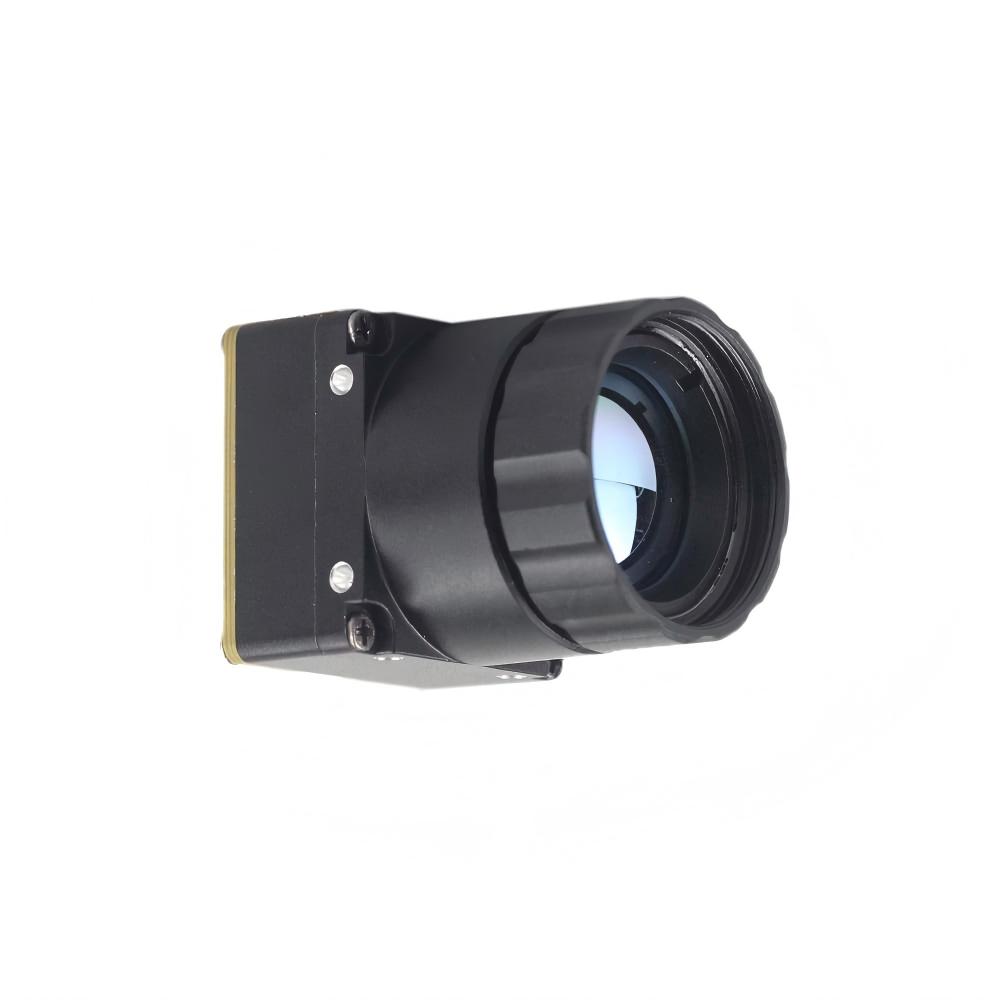
High Resolution Uncooled Infrared 1280*1024 Thermal Imaging LWIR Camera
Built for applications requiring top-tier image clarity, this camera houses a high-density 1280×1024 uncooled VOx array matched with a precision 25mm lens system. Delivering four times the pixel count of standard VGA cores, it lets operators and AI models resolve minor surface heat variations across wide areas or track long-range targets clearly. Its rugged enclosure and onboard radiometric software make it a solid choice for industrial automation, perimeter security networks, and ADAS hardware integration.
6. Frequently Asked Questions (Technical OEM FAQ)
How do I choose the right thermal sensor module for an OEM integration project?
Here's the deal: picking the right thermal sensor core comes down to evaluating three core system specs:
- ⚙️ Resolution & Detection Distance: Start with your required detail level and target distance using Johnson's Criteria. Standard VGA (640×512) gives you an ideal blend of size, power, and image quality for drone payloads, handheld diagnostic units, and medium-range security. But if you're inspecting solar farms from high altitudes or running high-density PCB analysis, stepping up to a 1280×1024 HD sensor gives you the extra pixel resolution without needing narrow lenses.
- ⚙️ Digital Bus Interface: Match the camera output directly to your host platform. Embedded Linux boards perform best with low-latency MIPI-CSI2 or Sub-LVDS links, while fixed industrial monitoring installations favor native Ethernet (RJ45) cores outputting RTSP/ONVIF streams directly into a VMS.
- ⚙️ SWaP Budget & NETD: Watch your overall power budget and payload mass for battery-powered builds. Make sure the NETD rating meets your scene requirements—selecting sub-30mK to 40mK modules ensures clean target contrast even in wet, cold, or foggy conditions.
Why do off-the-shelf basic temperature sensors fail in high-reliability industrial applications?
Look, cheap single-point IR sensors and spot pyrometers consistently fail in serious industrial setups because of three basic technical limitations:
- ✅ Zero Spatial Context: Spot pyrometers average temperatures across a single broad target area. If a single surface-mount component on a circuit board overheats or a switchgear lug develops a localized resistance spot, single-point devices miss it unless aimed directly at the failure point. Thermal imaging sensor arrays monitor thousands of distinct pixels across the entire field of view at once.
- ✅ Thermal Drift & Calibration Shift: Inexpensive thermopiles lack mechanical shutters or shutterless Non-Uniformity Correction (NUC) algorithms. As ambient shop temperatures drift, uncalibrated sensors drift with them, throwing false alarms or missing genuine hazards. Industrial VOx microbolometers use dynamic ASIC compensation curves to keep readings stable from -40°C clear up to +80°C.
- ✅ No Onboard AI Support: Basic spot sensors lack digital horsepower and can't tell background shifts apart from real target hazards. Modern thermal camera cores run onboard AI, letting the module distinguish a human worker from a hot engine exhaust before sending localized alerts.
How can I stream thermal sensor video directly into an existing IP network or VMS platform?
Streaming LWIR video straight into IP networks requires a thermal sensor core built with an integrated network SOC that handles video encoding right on the camera board:
- ⚙️ Onboard H.264 / H.265 Compression: Raw frame data from the VOx array moves through the onboard ISP, applies your chosen color palette (White Hot, Black Hot, Ironbow), and compresses into H.264/H.265 streams in real time. That drops your network bandwidth consumption way down compared to raw digital video links.
- ⚙️ RTSP Video Delivery: The onboard network stack runs an RTSP server. VMS platforms, web interfaces, or custom control software connect to the video stream over standard network paths (e.g.,
rtsp://192.168.1.X/live/ch0) using standard Ethernet cabling. - ⚙️ ONVIF Control Hooks: Support for ONVIF Profile S and T standards gives you plug-and-play connections to network video recorders (NVRs). Operators can trigger NUC passes, tweak emissivity settings, configure temperature thresholds, and flip palettes over the network using standard REST APIs or ONVIF commands.
📚 References & Further Reading
- Industry Partner Hardware: KUYANG Electronic Technology Components
- Embedded Optics Resource: Arducam Embedded Vision Systems
- UAV Engineering Integration: DIY Drone Thermal Camera Module with AI Integration Guide
- Automotive Vision Systems: Vehicle-Mounted Thermal Imaging Camera Solutions
- Motorized Optical Integration: 25mm Electronic Focusing Uncooled Thermal Module Specifications