
دليل وحدة كاميرا الرؤية الليلية الحرارية المدمجة بالأشعة تحت الحمراء الحقيقية مع إضاءة IR مدمجة
27 يوليو 2026
وحدة التصوير الحراري الصناعية: نوى LWIR عالية الدقة للطائرات بدون طيار والذكاء الاصطناعي الطرفي
28 يوليو 2026
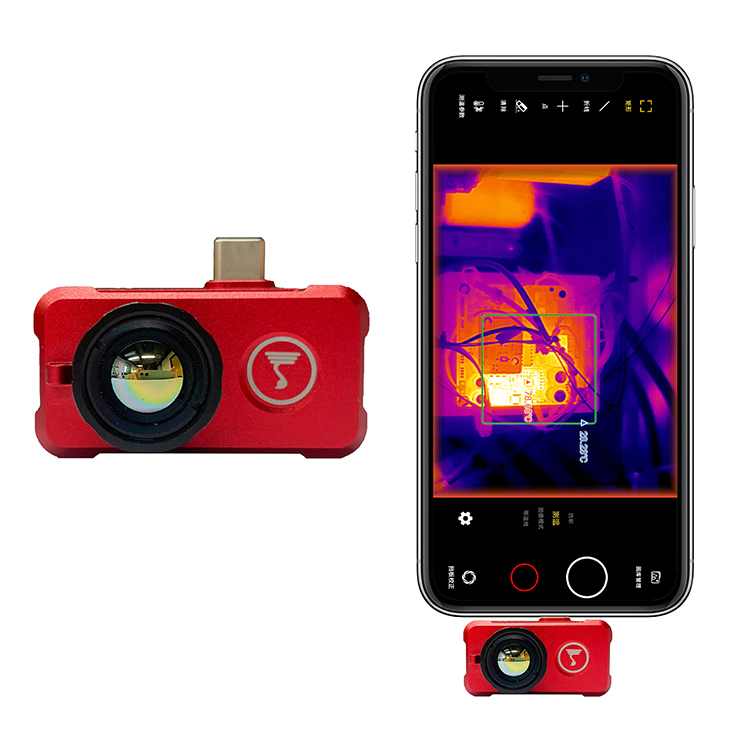
وحدة كاميرا التصوير الحراري بالأشعة تحت الحمراء المحمولة YWX256 الصغيرة للأمن عبر USB للهاتف المحمول بدقة 256x192 ومعدل 25 هرتز: دليل OEM الشامل
انظر، إذا كنت قد أمضيت أي وقت حقيقي في بناء منصات أمن صناعية حديثة، أو العمل في تشخيص الأعطال الكهربائية، أو إعداد منصات مراقبة متنقلة، فأنت تعرف بالفعل الصداع الهندسي. مهندسو الأجهزة ومتكاملو الأنظمة يصطدمون بالجدار نفسه باستمرار: كيفية دمج رؤية حرارية عالية الدقة في أجهزة محمولة يومية دون تدمير معدل الإطارات، أو قتل الحساسية الحرارية، أو تجاوز ميزانية SWaP-C (الحجم، الوزن، الطاقة، والتكلفة). ملحقات الكاميرات الحرارية الصغيرة القديمة كانت فوضى لسنوات - تعاني من معدلات إطارات ضبابية الحركة مقيدة بالتصدير عند 9 هرتز، وانجراف حراري هائل، وتأخر ديناميكي عبر جسور USB الصغيرة القديمة، وعدد بكسلات مثير للشفقة مثل مصفوفات 80×60 أو 160×120. عندما يطلب الفنيون الميدانيون وأطقم الأمن في الورشة ملحقات جاهزة للهواتف الذكية أو أنوية صغيرة مدمجة لفحص سريع للمحيط، تؤدي اختناقات الأجهزة القديمة هذه مباشرة إلى إطارات مسقطة، وتنبيهات إنذار كاذب مزعجة، وقراءات درجة حرارة غير دقيقة بشكل كبير في اللحظة الحاسمة.
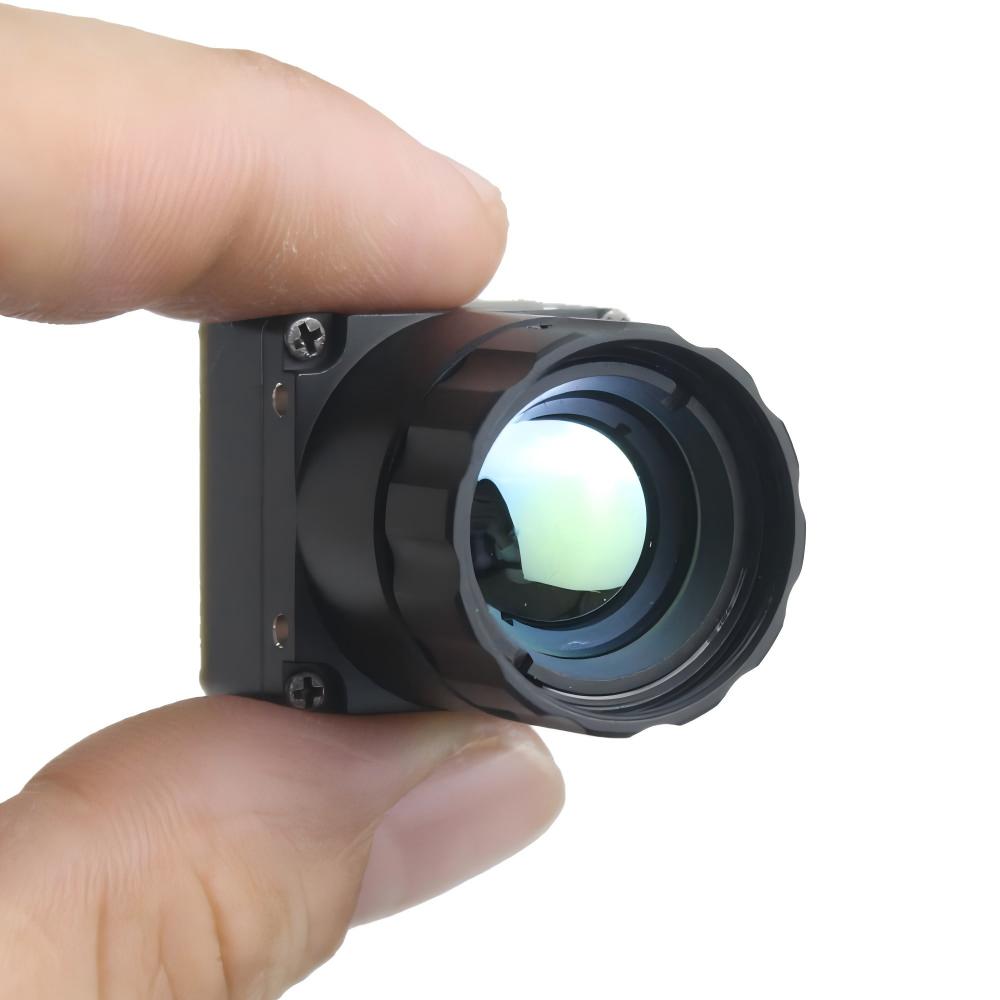
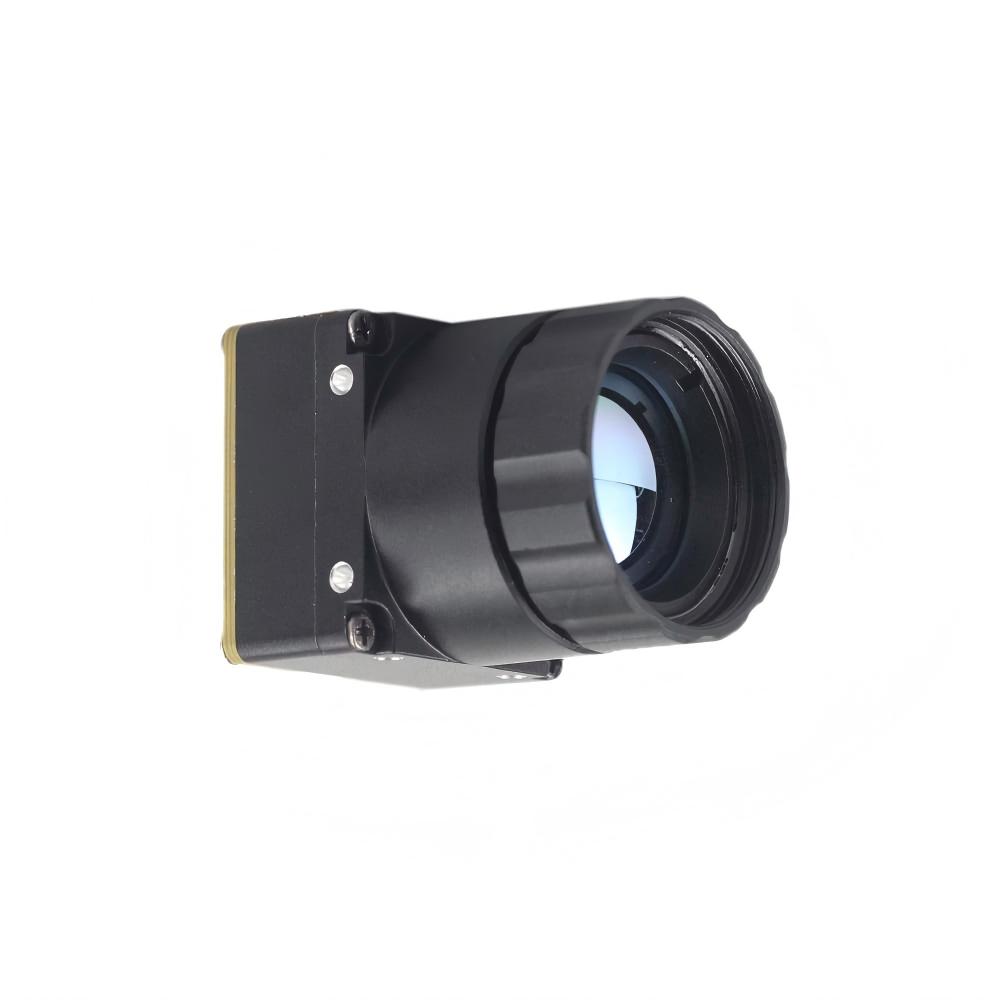
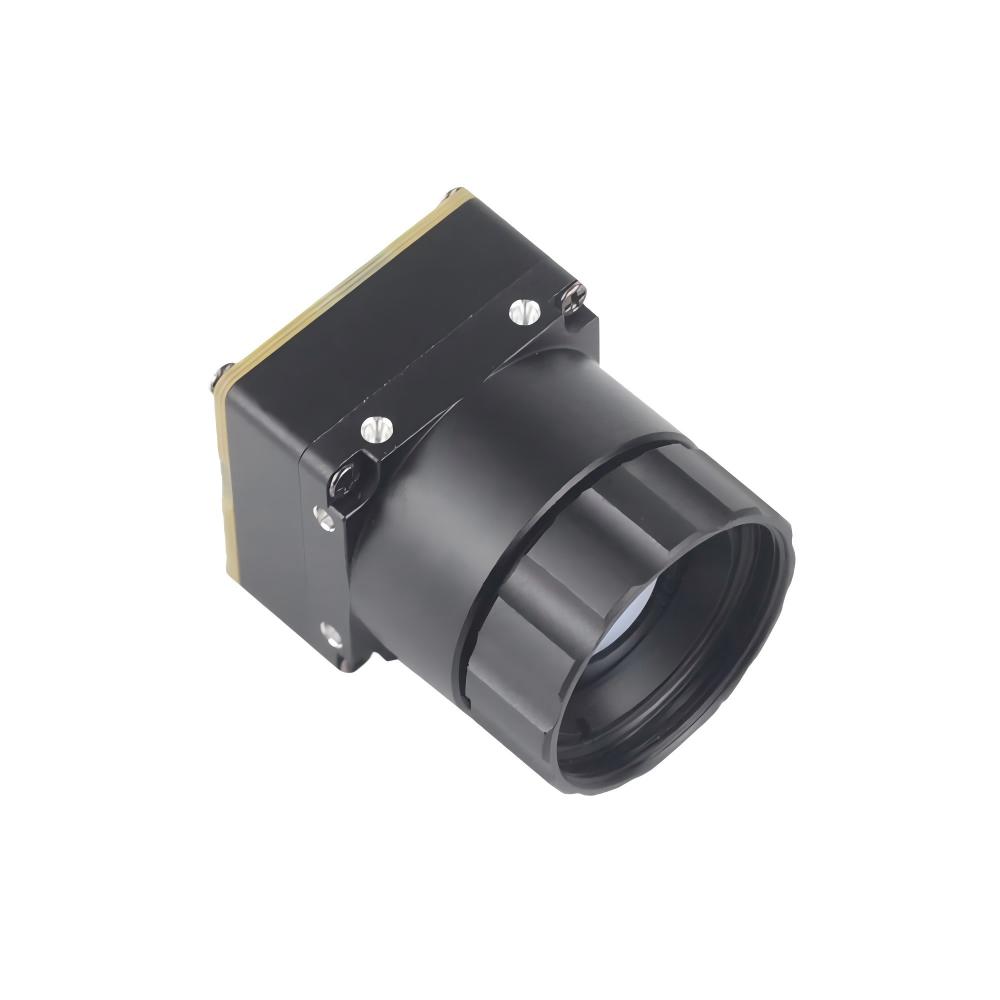
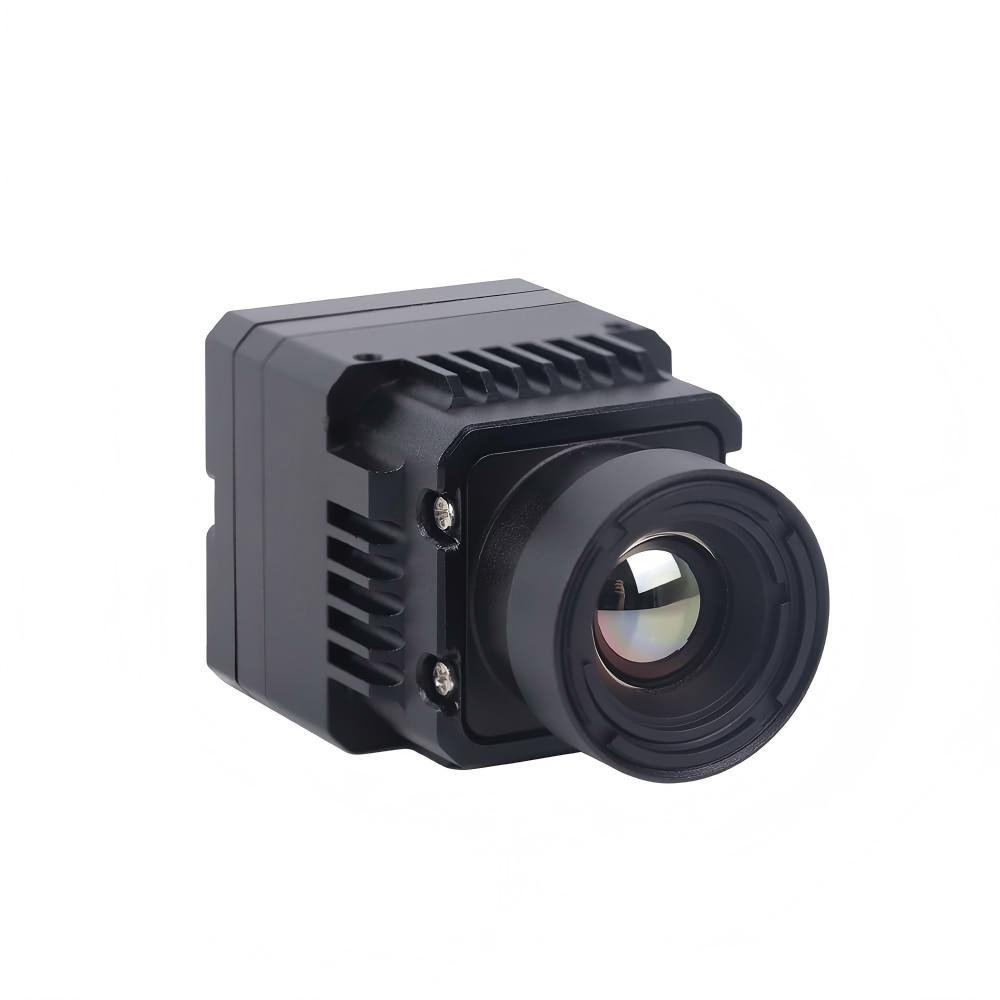
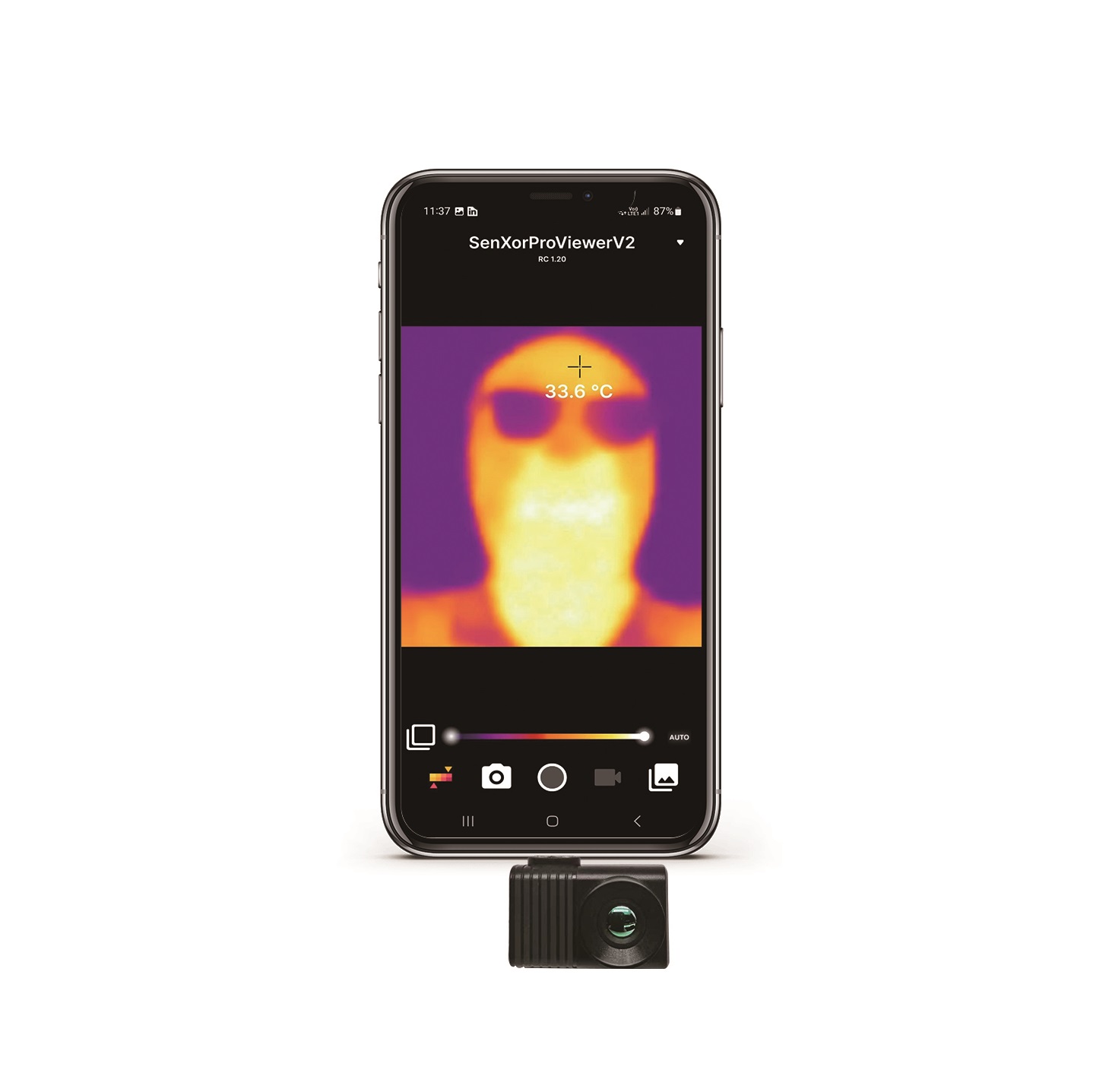
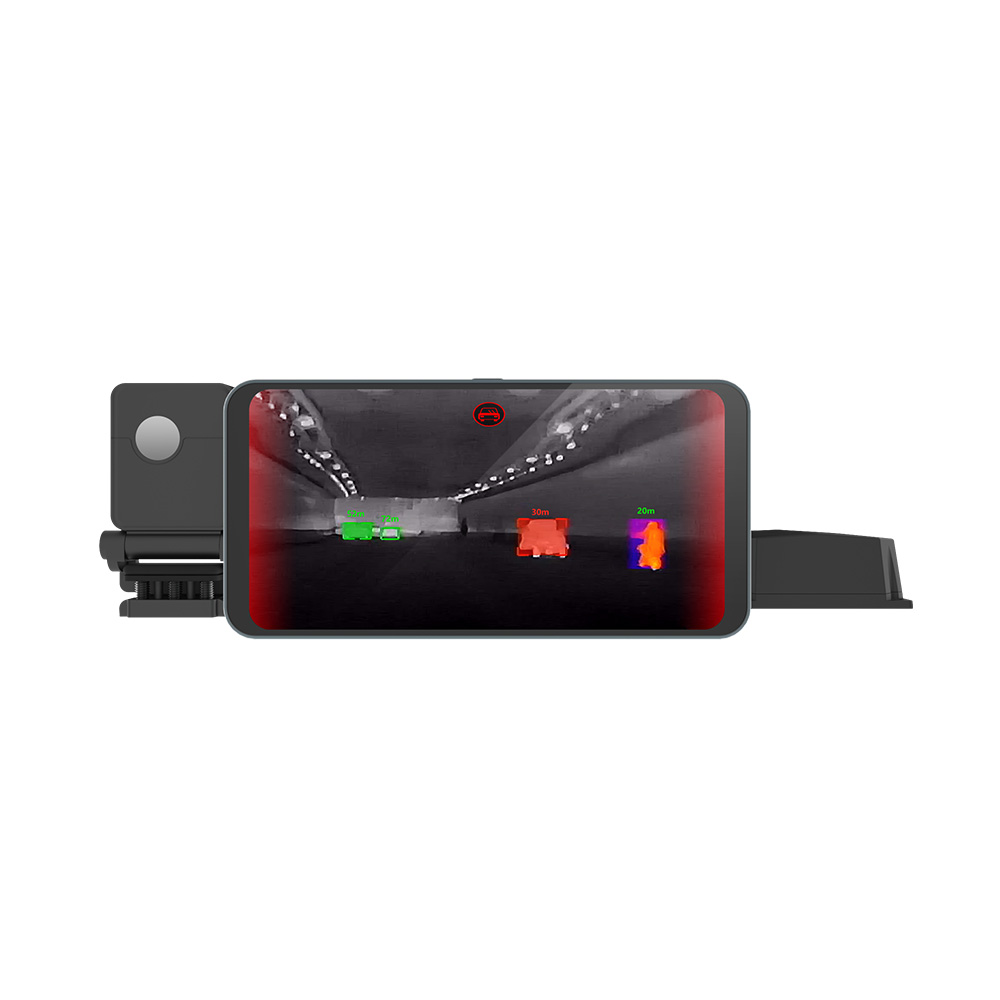
الخبر الجيد؟ تطور مصفوفات المستوى البؤري للأشعة تحت الحمراء ذات الموجة الطويلة (LWIR) المصغرة قدم أخيرًا أجهزة تعمل فعليًا. أجهزة مثل وحدة كاميرا التصوير الحراري بالأشعة تحت الحمراء المحمولة YWX256 الصغيرة للأمن بتقنية USB من Yourunxing و سلسلة وحدات الكاميرا الحرارية الصغيرة من Purpleriver تغير قواعد اللعبة. مبنية حول نواة ميكروبولومتر حادة من أكسيد الفاناديوم (VOx) غير المبرد بدقة 256×192، ومعدل إطارات سلس 25 هرتز، وتباعد بكسلات محكم 12 ميكرومتر، وتكامل مضيف USB Type-C يعمل فور التوصيل، هذا النظام يسد الفجوة بين دونجل الهاتف الخلوي بحجم الجيب وأجهزة الأمن الثقيلة. إليك الخلاصة: يمنح دليل OEM هذا المهندسين المدمجين، ومتكاملي الأنظمة الميدانيين، وفرق المشتريات تفصيلًا تقنيًا كاملاً وغير مزخرف لبنية YWX256، والخيارات البصرية، وبروتوكولات البيانات الرقمية الخام، وروتينات معايرة درجة الحرارة، وخيارات التكامل المؤسسي.
جدول المحتويات
- 👉 البنية الأساسية والفيزياء: ميكانيكا الميكروبولومتر 256×192
- 👉 التتبع الديناميكي والأداء الزمني: معدلات الإطارات 25 هرتز مقابل 9 هرتز
- 👉 تكامل الأجهزة المحمولة: بروتوكول USB-C UVC وواجهات MIPI
- 👉 تطبيقات المؤسسات والأمن: من دوريات الهاتف الخلوي إلى طائرات OEM بدون طيار
- 👉 خط أنابيب SDK، خوارزميات معالجة الصور ولوحات الألوان
- 👉 عرض المنتج الصناعي والمواصفات التقنية
- 👉 الأسئلة التقنية المتعمقة الشائعة
البنية الأساسية والفيزياء: ميكانيكا الميكروبولومتر 256×192
في مركز وحدة الأمن الصغيرة المحمولة YWX256 من Yourunxing توجد مصفوفة مستوى بؤري (FPA) من أكسيد الفاناديوم (VOx) غير المبرد. في الورشة، ندفع دائمًا نحو VOx بدلاً من كواشف السيليكون القديمة أو السيليكون غير المتبلور (a-Si)، ولسبب وجيه. تمتلك ميكروبولومترات VOx معامل درجة حرارة مقاومة (TCR) أعلى بكثير - عادة ما يقع بين 2.2% و 2.8% لكل كلفن عند درجة حرارة الغرفة. هذا الفرق الفيزيائي يمنحك حساسية حرارية أعلى بكثير ويدفع أرضية الضوضاء الحرارية الإلكترونية للأسفل كثيرًا، وهو ما تحتاجه عندما تحاول اكتشاف فروق درجة حرارة أقل من درجة في الظلام الدامس أو الضباب الكثيف.
إليك كيفية عمل مسار الإشارة من الناحية الفيزيائية: يمر إشعاع الأشعة تحت الحمراء طويلة الموجة الصادر عن الهدف عبر مجموعة عدسات الجرمانيوم (Ge) المطلية بطبقة مضادة للانعكاس. يتركز هذا الضوء مباشرة على مصفوفة جسور الميكروبولومتر المعلقة والمحفوظة داخل تجويف دقيق محكم الإغلاق بالتفريغ. يمتص الجسر الدقيق لكل بكسل الفوتونات، مما يسبب تسخينًا موضعيًا على طبقة VOx الرقيقة. يؤدي هذا التغير في درجة الحرارة إلى تعديل المقاومة الكهربائية عبر جسر الثيرميستور. من هناك، تطبق دائرة القراءة المتكاملة (ROIC) جهد انحياز منظم عبر مصفوفة البكسلات 256×192 (أي 49,152 بكسل استشعار نشط)، وتسحب قيم المقاومة بتمريرات سريعة للصفوف والأعمدة. تصل إشارات التيار التناظرية هذه إلى محولات تناظرية رقمية (ADCs) داخلية بدقة 14 بت، لتُخرج إطارًا رقميًا حراريًا خامًا بدقة 14 بت.

عرض نطاق طيف الأشعة تحت الحمراء وماصات الميكروبولومتر
تعمل وحدة YWX256 بشكل أصلي داخل النافذة الجوية للأشعة تحت الحمراء طويلة الموجة (LWIR)، والتي تمتد من 8 ميكرومتر إلى 14 ميكرومتر. ضمن هذا الطيف، يبلغ الإشعاع الحراري الصادر عن الأهداف المحيطة اليومية - الأشخاص، أو هياكل المحركات الساخنة، أو تسربات حرارة المباني، أو المفاتيح الكهربائية المجهدة - ذروته بما يتماشى تمامًا مع قانون بلانك وقانون فين للإزاحة:
λالذروة = 2898 ميكرومتر·كلفن / T
لنأخذ هدفًا بشريًا يبعث حرارة حوالي T = 310 كلفن (37 درجة مئوية). يبلغ إشعاعهم ذروته تمامًا عند 9.35 ميكرومتر، وهو ما يقع في النقطة المثلى لمنحنى امتصاص الميكروبولومتر YWX256. يستخدم كل بكسل فردي في المصفوفة جسرًا معلقًا مجهريًا مكونًا من طبقة امتصاص علوية، وطبقة وسطى من ثيرميستور VOx، وعاكس سفلي يشبه المرآة مفصول بفجوة تفريغ بربع طول موجي (حوالي 2.5 ميكرومتر). عندما تصطدم الفوتونات الحرارية بتلك الطبقة العلوية، تقفز درجة الحرارة الموضعية، مما يخلق تحولًا كهربائيًا يتم ترقيمه مباشرة على الرقاقة.
الدقة المكانية ومزايا تباعد البكسل
بفضل تباعد بكسلات 12 ميكرومتر, الضيق، تحافظ YWX256 على بصمة سيليكون صغيرة بشكل لا يصدق مقارنة بتصميمات المستشعرات القديمة 17 ميكرومتر أو 25 ميكرومتر. يتم حساب مجال الرؤية اللحظي (IFOV) - الذي يحدد حد التفاصيل المكانية لكل بكسل - بهذه الصيغة الأساسية:
IFOV = d / f
حيث d هو تباعد الكاشف الفيزيائي (12 ميكرومتر) و f هو البعد البؤري لبصريتك. يعني تقليص تباعد الكاشف إلى 12 ميكرومتر أن مهندسي البصريات يمكنهم تحقيق نفس الدقة المكانية باستخدام عدسات جرمانيوم أقصر وأصغر بفتحات فيزيائية منخفضة. هذا الفوز التصميمي يقلل من وزن الزجاج وأبعاد الهيكل البصري، مما يتيح لك بناء ملحقات هاتف صغيرة أو حوامل طائرات بدون طيار صغيرة دون التضحية بمدى الوصول.
الحساسية الحرارية (NETD) والدقة الإشعاعية
تقاس الحساسية بفارق درجة الحرارة المكافئ للضوضاء (NETD)، وتأتي هذه الوحدة عند <40 ملي كلفن عند 25 درجة مئوية مع عدسة F/1.0. يخبرك NETD بأصغر فرق في درجة الحرارة يمكن لمصفوفة الكاشف رصده فوق أرضية الضوضاء الخاصة بها:
- ⚙️ أداء NETD <40 ملي كلفن: يتيح للمشغلين رصد الأهداف البشرية فورًا مقابل الخرسانة الباردة، أو إبراز القصورات الدقيقة على مسارات لوحات الدوائر، أو اكتشاف تسرب الرطوبة المبكر خلف الجدران الجافة.
- ⚙️ المعايرة الإشعاعية متعددة النقاط: تتم معايرة كل نواة YWX256 في المصنع عبر أهداف حرارية متعددة. يتم حرق جداول بحث تصحيح عدم الانتظام (NUC) ومنحنيات الكسب مباشرة في ذاكرة الفلاش الداخلية غير المتطايرة. هذا يسمح بالتحويل الفوري من القيم الخام إلى درجات حرارة دقيقة عبر نطاق -20 درجة مئوية إلى +120 درجة مئوية (النطاق القياسي)، مع خيارات صناعية للحرارة العالية تمتد حتى +550 درجة مئوية.
التتبع الديناميكي والأداء الزمني: معدلات الإطارات 25 هرتز مقابل 9 هرتز
إذا كنت تعمل في الميدان لإجراء عمليات تمشيط أمنية، أو استطلاع تكتيكي، أو فحوصات بالطائرات بدون طيار، فإن معدل الإطارات ليس مجرد نقطة دعائية—إنه كل شيء. ينقسم سوق الكاميرات الحرارية أساسًا إلى فئتين: وحدات رخيصة أو مقيدة التصدير ومعطلة عند 9 هرتز (للتهرب من قواعد التصدير الدولية مزدوجة الاستخدام)، وأجهزة صناعية حقيقية تعمل بشكل أصلي عند 25 هرتز إلى 50 هرتز.
| معامل الأداء | النواة القياسية المخنوقة 9 هرتز | نواة يورونشينغ YWX256 بتردد 25 هرتز |
|---|---|---|
| فترة تحديث الإطار | 111.1 milliseconds per frame | 40.0 milliseconds per frame |
| Panning & Sweeping Motion | Severe spatial tearing, visual jitter, motion blur | Fluid motion, zero tear, minimal pan lag |
| Dynamic Target Tracking | Frequent frame drops, tracker decoupling | Continuous bounding-box locking (KCF/DeepSORT) |
| Transient Heat Capture | Misses fast thermal spikes (<100ms events) | Captures dynamic electrical transients real-time |
The Engineering Advantage of a True 25Hz Refresh Rate
Here's the deal with 9Hz cameras: they only send a fresh image once every 111.1 milliseconds. When a patrol officer sweeps a cell phone attachment across a perimeter wall, or when a flight controller tilts a UAV gimbal, a 9Hz image stutters, tears, and gives you instant eye strain. In high-stakes operations, that delay means you miss fast-moving targets.
The Yourunxing YWX256 runs at a native 25Hz refresh rate, feeding a fully rendered 256x192 frame every 40 milliseconds. That temporal responsiveness brings serious real-world wins:
- ✅ Zero Motion Ghosting: Field staff can sweep across wide search zones smoothly without display blurring or nauseating frame tearing.
- ✅ Instant Thermal Transient Capture: Sudden heat spikes—like arcing electrical contacts, pressure relief blowoffs, or motor startup surges—are recorded instantly without temporal aliasing.
- ✅ Clean Host Image Processing: Low latency allows computer vision pipelines (OpenCV running on mobile processors like Snapdragon or Dimensity) to perform smooth optical flow and motion analytics without dropping tracking vectors.
Optical Lens Selection & Field of View (FOV) Configurations
Calculating your target detection, recognition, and identification range relies on classic معايير جونسون, which looks at resolved line pairs across a target's physical size:
Detection Distance (R) = (Target Dimension) / (IFOV × Resolved Line Pairs)
| Focal Length | مجال الرؤية الأفقي | Vertical FOV | كشف الإنسان (1.8 متر) | Primary Application |
|---|---|---|---|---|
| 2.0 mm / F1.0 | ~56.0° | ~42.0° | ~150 meters | PCB Diagnostics & Close-up Electrical Inspections |
| 3.2 mm / F1.0 | ~35.0° | ~27.0° | ~250 meters | Handheld Mobile Cell Phone Security Patrols & Building Audits |
| 6.8 mm / F1.0 | ~16.0° | ~12.0° | ~520 meters | Micro Drone Payload Surveillance & Perimeter Fences |
| 9.0 mm / F1.0 | ~12.2° | ~9.1° | ~700 meters | Long-Range UAV Search & Rescue / Border Monitoring |
تكامل الأجهزة المحمولة: بروتوكول USB-C UVC وواجهات MIPI
When you're designing hardware for mobile accessories or embedded payloads, link choices make or break your product. The Yourunxing YWX256 comes ready for two primary operational setups: **USB Type-C OTG** for plug-and-play phone accessories and **MIPI CSI-2** for direct carrier board attachment.
USB Type-C UVC Architecture
The YWX256 USB variant runs standard **USB Video Class (UVC 1.1/1.5)** along with a **USB Communication Device Class (CDC)** virtual serial port for sending commands back and forth.
- ⚙️ No-Driver Setup: Plug it straight into Android (Linux Kernel 3.10+), Windows 10/11, or embedded Linux images without installing third-party drivers.
- ⚙️ Ultra-Low Power Footprint: Runs comfortably at < 350 mW at 5V DC straight off the USB bus. That tiny draw means a standard smartphone can run continuous scanning for 4 to 6 hours without killing the battery.
- ⚙️ Dual-Stream Data Pipeline:
- ✅ Isochronous Video Stream (UVC): Pushes pre-colorized YUV422 or NV12 pseudo-color frames straight to the mobile display.
- ✅ Bulk Transfer Endpoint (CDC): Sends uncompressed 14-bit radiometric raw matrices (Y16 format) into memory for real-time per-pixel math.
OEM Embedded Interfaces: MIPI CSI-2 & High-Density Connectors
For tight OEM integrations—like custom drone micro-gimbals or sealed IP67 camera housings—a physical USB jack just adds extra weight and creates a vibration vulnerability point. In those designs, you want to route raw data using **2-lane MIPI CSI-2** interfaces connected with micro board-to-board headers from suppliers like هيروس إلكتريك.
The MIPI CSI-2 link streams 14-bit thermography data straight into the Image Signal Processor (ISP) on chips like the Rockchip RK3588, NVIDIA Jetson Orin Nano, or Raspberry Pi Compute Module 4 with zero interface latency. If you're looking for a deep technical walkthrough on wiring MIPI thermal cores to single-board computers, check out our guide on best MIPI thermal camera modules for Raspberry Pi and drone integration.
تطبيقات المؤسسات والأمن: من دوريات الهاتف الخلوي إلى طائرات OEM بدون طيار
Pairing low power draw, high resolution (256x192), a native 25Hz frame rate, and sub-40mK thermal sensitivity means you can drop this core into almost any field environment.
1. Mobile Security Patrols & Law Enforcement
Standard optical cameras get blinded by pitch darkness, fog, rain, or brush cover. Slapping a YWX256 module onto an Android smartphone gives field guards instant visual clarity:
- ✅ Spotting Hidden Intruders: Body heat stands out immediately when someone tries hiding in heavy brush, behind vehicles, or in unlit storage yards.
- ✅ Fast Perimeter Checks: Security teams can sweep industrial property lines in seconds to spot hot engines, cut fences, or unauthorized breaches.
2. High-Voltage Electrical & Mechanical Diagnostics
Maintenance techs count on radiometric thermal data to catch failures before components explode or trigger factory outages:
- ⚙️ Electrical Panel Sweeps: Overloaded breakers and loose lug connections generate distinct heat spots. The 256x192 matrix lets techs spot dangerous hot points from a safe distance.
- ⚙️ Solar Farm Inspections: Inspectors can walk solar arrays to quickly locate failed bypass diodes, cracked cells, and debris hotspots that sap power generation.
3. Lightweight Drone / UAV Reconnaissance
Plugging compact thermal modules into small unmanned aircraft brings real aerial imaging capabilities down to lightweight platforms:
- ✅ Search and Rescue (SAR): Running at 25Hz, drone operators can execute low-altitude search grids over woods or water, instantly flagging body heat signatures.
- ✅ Wildlife Management: Environmental teams can track game numbers, monitor livestock, and catch illegal poachers at night without spooking animals.
خط أنابيب SDK، خوارزميات معالجة الصور ولوحات الألوان
Taking raw 14-bit thermography data and turning it into crisp thermal video alongside accurate temperature readings takes a solid software processing stack running on the host system.
| Pipeline Stage | Mathematical / Algorithmic Operation | Engineering Purpose |
|---|---|---|
| 1. NUC Correction | SNUC(i,j) = G(i,j) × [Sraw(i,j) - O(i,j)] | Normalizes gain (G) and offset (O) non-uniformity across all 49,152 pixels. |
| 2. Bilateral Filtering | Spatial-Temporal 3D Bilateral Filtering | Reduces temporal noise while preserving high-contrast target edges. |
| 3. DDE Detail Enhancement | Contrast-Limited Adaptive Histogram Equalization (CLAHE) | Enhances subtle thermal details in scenes with extreme dynamic ranges. |
| 4. Absolute Radiometry | Planck Radiation Inversion Equation | Calculates absolute target temperature incorporating target emissivity and distance compensation. |
Pseudocolor Mapping Palettes
The host SDK gives developers dynamic Look-Up Table (LUT) mapping choices so operators can swap modes based on mission needs:
- ⚙️ White Hot / Black Hot: High-contrast grayscale modes preferred by security teams for fast target identification.
- ⚙️ Ironbow: The classic industry palette for electrical work and mechanical heat inspections.
- ⚙️ Rainbow HC (High Contrast): Engineered for building audits, tracing HVAC air leaks, and moisture tracking.
- ⚙️ Alarm Threshold Mode: Paints any pixel over a set target temp in bold red or orange for automated monitoring systems.
عرض المنتج الصناعي والمواصفات التقنية
Here are two proven uncooled long-wave infrared modules designed for mobile attachments, custom hardware builds, and drone payloads.
1. Uncooled LWIR USB Mini 640*512 Thermal Imaging Camera Core Module For Drones Similar To DJI
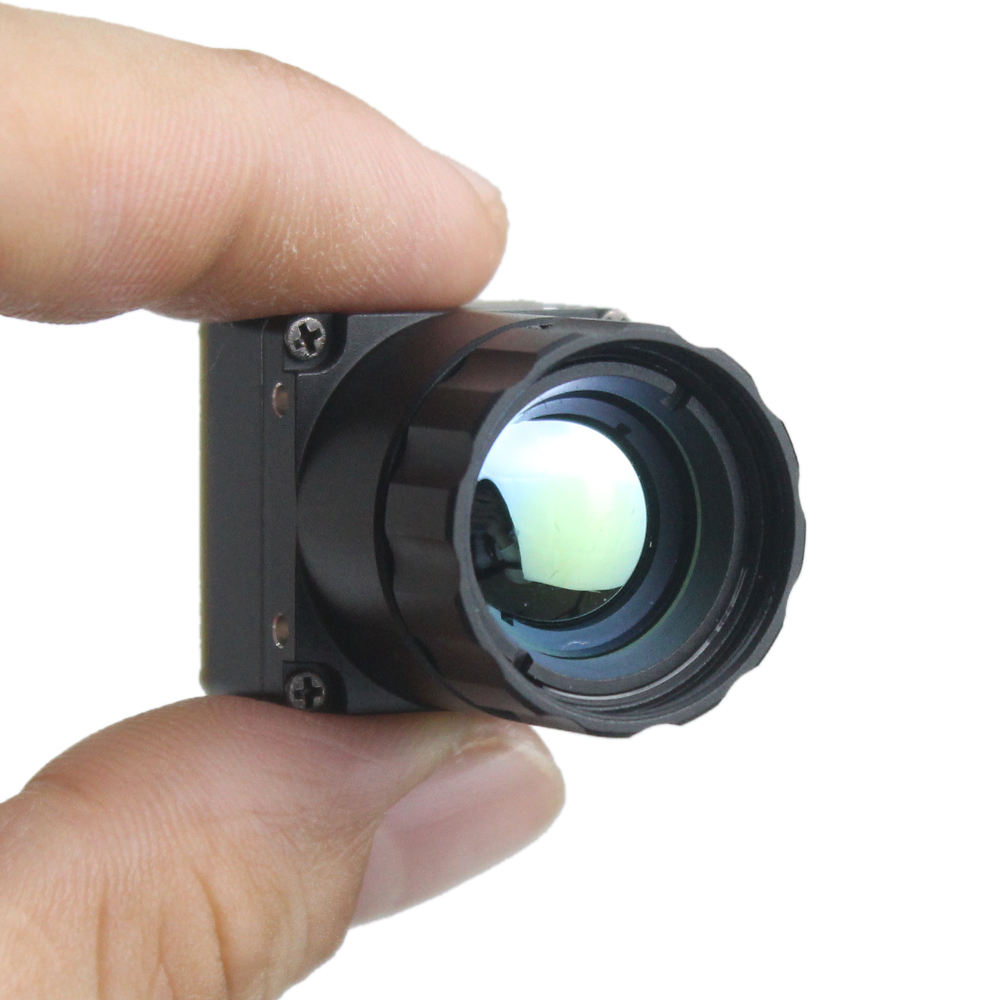
Core Features & Overview: Ultra-miniature uncooled thermal module built for sharp detail, tiny physical dimensions, and low setup costs. Perfect for micro drone gimbals, mobile handheld tools, and small robotic rigs.
- ⚙️ Tiny Dimensions: Microscopic 21mm × 21mm physical cross-section.
- ⚙️ Broad Lens Selection: 5mm, 9mm, 13mm, 18mm, 35mm, 50mm, 75mm, 100mm, and 150mm options.
- ⚙️ Flexible Resolutions: Choose between high-res 640×512, 640×480, or baseline 256×192 sensors.
- ⚙️ Rugged Build: Designed to withstand outdoor temperature shifts with minimal thermal drift.
2. Uncooled Infrared Mipi 640 384 256 9mm Thermal Imaging Camera Module For Drones
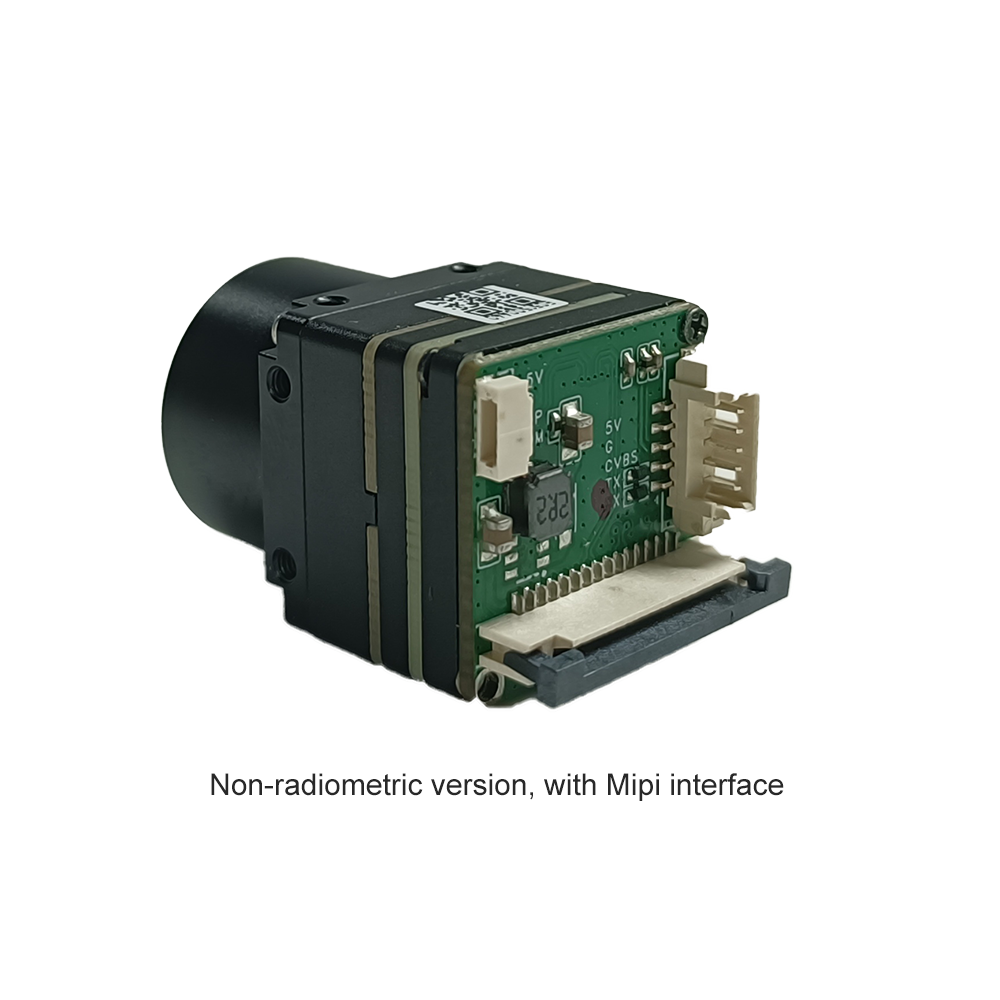
Core Features & Overview: Industrial Mini2 uncooled thermal core equipped with native MIPI CSI-2 output. Built specifically for embedded host board integration, drawing minimal power while streaming clean radiometric imagery.
- ⚙️ Native MIPI Port: Streams raw thermography straight to your SoC without interface bridge delays.
- ⚙️ Sensor Scaling: Selectable 640x512, 384x288, or 256x192 array builds.
- ⚙️ Drone-Optimized Lens: Integrated 9mm high-transmittance optics balanced for aerial surveying.
- ⚙️ Featherweight Design: Under 15g total weight preserves drone battery flight time.
Hardware Comparison Matrix
| المعامل | Uncooled LWIR USB Mini Core | Uncooled Infrared MIPI Mini2 Core |
|---|---|---|
| Array Resolution Options | 640x512 / 640x480 / 256x192 | 640x512 / 384x288 / 256x192 |
| Detector Pitch & Material | 12µm VOx Uncooled Microbolometer | 12µm VOx Uncooled Microbolometer |
| الحساسية الحرارية (NETD) | < 40mK (@25°C, F1.0) | < 40mK (@25°C, F1.0) |
| Frame Rate Refresh | 25Hz Real-Time Output | 25Hz / 50Hz Industrial Stream |
| Hardware Interface Protocol | USB Type-C (UVC + CDC Endpoint) | MIPI CSI-2 (2-Lane) / I2C / SPI |
| Module Footprint | 21mm × 21mm Ultra-Compact | 21mm × 21mm Ultra-Compact |
| Optics Availability | 5mm to 150mm Focal Lengths | 5mm, 9mm, 13mm, 18mm, 35mm, 50mm Lenses |
| استهلاك الطاقة | < 350mW (@5V DC) | < 300mW (@3.3V DC) |
الأسئلة التقنية المتعمقة الشائعة
Q1: Are all 256x192 resolution thermal camera modules identical in performance?
Not even close. Just because two cameras advertise a 256x192 pixel count doesn't mean they behave the same way under real working conditions. Cheap consumer-grade modules usually rely on old Amorphous Silicon (a-Si) sensor stock that suffers from higher noise floors (NETD numbers floating around 50mK to 70mK) and bulky 17µm pixel dimensions. Those older cores require wider optics, draw extra battery power, and drift out of calibration quickly as ambient temperatures shift.
Budget units are also routinely throttled down to a 9Hz frame rate to dodge export paperwork or hide weak processing hardware. That low frame rate causes obvious image stuttering and motion blur whenever you move the camera. In comparison, the Yourunxing YWX256 core uses a tight 12µm Vanadium Oxide (VOx) microbolometer array with sub-40mK sensitivity and a smooth 25Hz output. Add in automated factory NUC tables and radiometric temperature math, and you get dependable thermal accuracy that holds up in industrial field environments.
Q2: Can the YWX256 USB camera module be integrated into custom Android or Linux security software?
Absolutely. The YWX256 module was engineered specifically for custom app builds on Android, Linux, and Windows hosts. Because it presents as a standard USB Video Class (UVC) device paired with a USB Communication Device Class (CDC) Bulk endpoint, host operating systems recognize it out of the box without needing custom, kernel-level drivers.
Software developers can hook into the raw 14-bit thermography stream (Y16 format) using standard media tools or OpenCV libraries. Purpleriver supplies a full SDK with ready-to-use C/C++, Java, and Python bindings. The SDK includes calls for temperature conversion, emissivity tweaks, atmospheric loss adjustments, color palette mapping, and automated shutter calibration, making it straightforward to build custom mobile security tools.
Q3: Why is a native 25Hz frame rate essential for mobile security and UAV inspections?
Frame rate dictates how smooth your video looks when the camera or target is moving. At 9Hz, your screen updates only once every 111.1 milliseconds. If an inspector sweeps a smartphone attachment across a dark yard, or if a drone swings around a security fence, 9Hz footage stutters, tears, and blurs. That visual delay causes user fatigue and makes it easy to miss moving heat signatures.
A native 25Hz refresh rate refreshes the thermal image every 40 milliseconds, providing standard video fluidity. This real-time playback gets rid of motion tearing, lets operators track moving targets easily, and keeps computer vision tracking algorithms locked on target without dropping frames.
📚 المراجع والقراءات الإضافية
- الوصلات البينية القياسية في الصناعة: Hirose Electric Connectors & Board-to-Board Systems
- Related Hardware Integration Guide: أفضل وحدة كاميرا حرارية MIPI لتكامل Raspberry Pi والطائرات بدون طيار
- Main Engineering Portal: Purpleriver Thermal Imaging Hardware Solutions
- Technical Articles Directory: Purpleriver Infrared Technology Engineering Blog