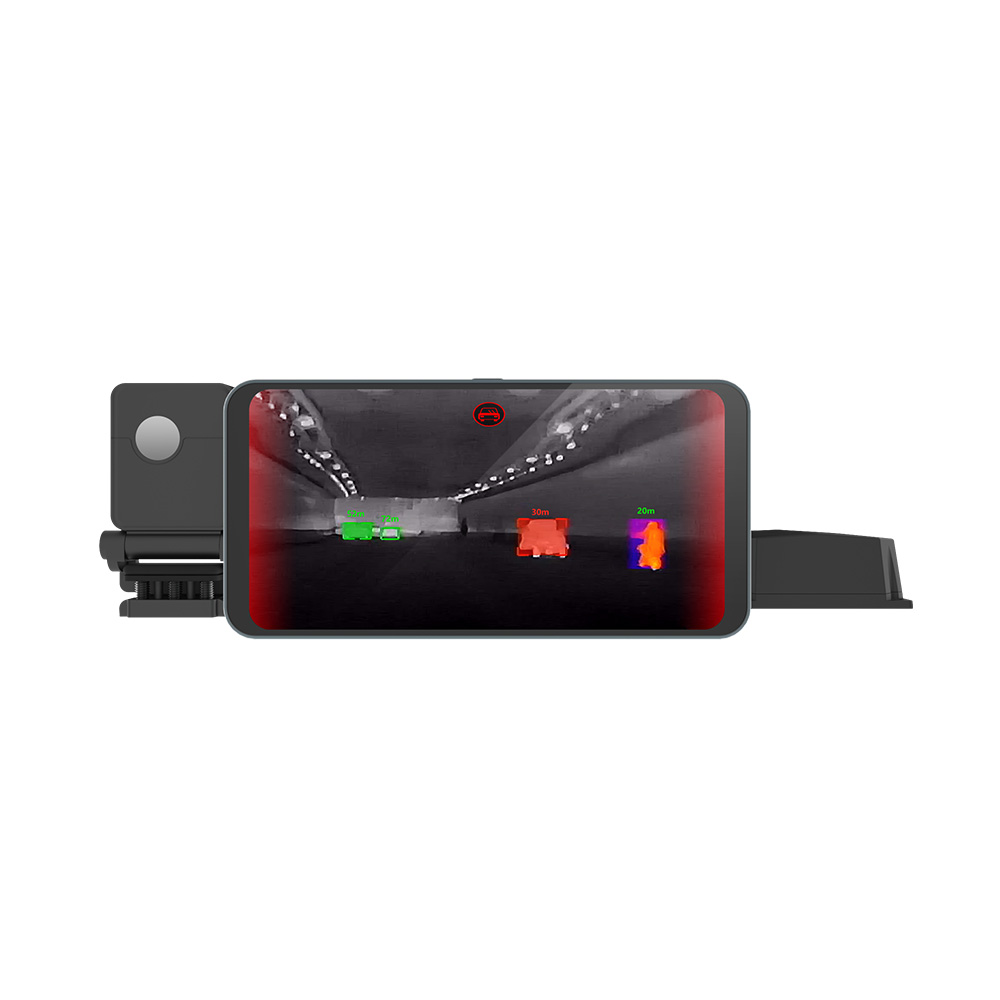


Guide to Compact Thermal True IR Night Vision Camera Module with Built-in IR Illuminator
2026年7月27日
Industrial Thermal Imaging Module: High-Res LWIR Cores for Drones & Edge AI
2026年7月28日
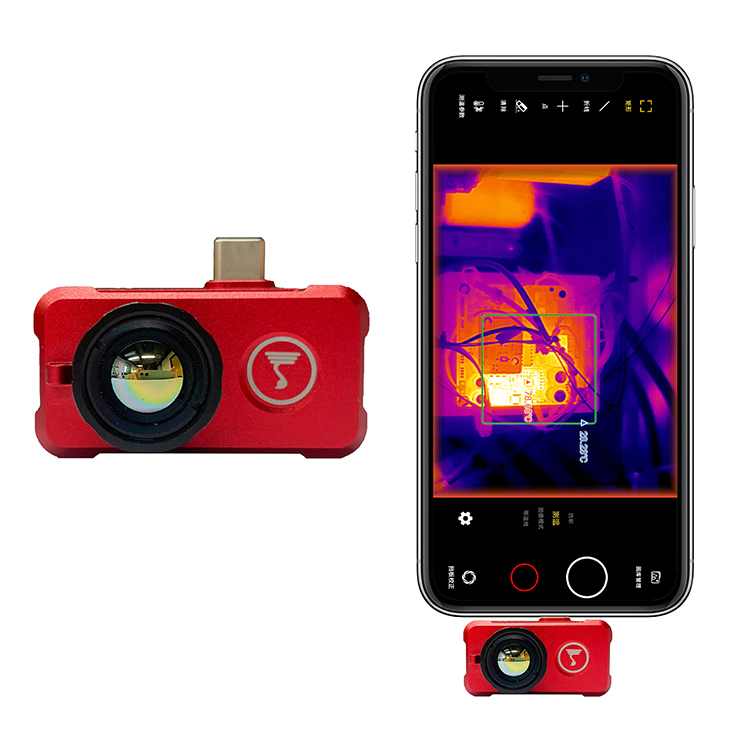
Portable Yourunxing YWX256 Mini Security USB Mobile Cell Phone Infrared Thermal Imaging Camera Module 256x192 Resolution 25hz: The Ultimate OEM Guide
Look, if you've spent any real time building modern industrial security rigs, working electrical diagnostics, or setting up mobile surveillance platforms, you already know the engineering headaches. Hardware engineers and system integrators hit the same wall constantly: how to cram high-resolution thermal vision into portable, everyday gear without destroying your frame rate, killing your thermal sensitivity, or blowing out your SWaP-C (Size, Weight, Power, and Cost) budget. Legacy micro thermal camera attachments have been a mess for years—plagued by motion-blurring 9Hz export-restricted frame rates, massive thermal drift, dynamic lag over ancient micro-USB bridges, and pathetic pixel counts like 80x60 or 160x120 arrays. When field technicians and security crews out in the shop demand turn-key smartphone attachments or embedded micro-cores for fast perimeter checks, those legacy hardware bottlenecks lead directly to dropped frames, annoying false alarm triggers, and wildly inaccurate temperature reads right when it counts.
The good news? The evolution of miniaturized long-wave infrared (LWIR) focal plane arrays has finally delivered hardware that actually works. Devices like the Yourunxing YWX256 Mini Security USB Thermal Imaging Camera Module and Purpleriver's Mini Thermal Camera Module Series are changing the game. Built around a sharp 256x192 uncooled Vanadium Oxide (VOx) microbolometer core, a smooth 25Hz frame rate, a tight 12µm pixel pitch, and plug-and-play USB Type-C host integration, this system bridges the gap between pocket-sized cell phone dongles and heavy-duty security hardware. Here's the deal: this OEM guide gives embedded engineers, field integrators, and procurement teams a complete, no-nonsense technical breakdown of the YWX256 architecture, optical choices, raw digital protocols, temperature calibration routines, and enterprise integration options.
Table of Contents
- 👉 1. Core Architecture & Physics: 256x192 Microbolometer Mechanics
- 👉 2. Dynamic Tracking & Temporal Performance: 25Hz vs. 9Hz Frame Rates
- 👉 3. Mobile Hardware Integration: USB-C UVC Protocol & MIPI Interfaces
- 👉 4. Enterprise & Security Applications: From Cell Phone Patrols to OEM Drones
- 👉 5. SDK Pipeline, Image Processing Algorithms & Color Palettes
- 👉 6. Industrial Product Showcase & Hardware Specifications
- 👉 7. Deep-Dive Technical FAQ
1. Core Architecture & Physics: 256x192 Microbolometer Mechanics
At the center of the Portable Yourunxing YWX256 mini security module sits an uncooled Vanadium Oxide (VOx) Focal Plane Array (FPA). In the shop, we always push for VOx over older Silicon-based or Amorphous Silicon (a-Si) detectors, and for good reason. VOx microbolometers pack a significantly higher Temperature Coefficient of Resistance (TCR)—usually sitting right between 2.2% and 2.8% per Kelvin at room temp. That physical difference gives you much higher thermal sensitivity and pushes the electronic thermal noise floor way down, which is what you need when you're trying to spot sub-degree temperature differences in pitch darkness or thick fog.
Here is how the signal path works from a physical standpoint: long-wave infrared radiation coming off a target passes through an anti-reflective coated Germanium (Ge) lens assembly. That light focuses directly onto a suspended microbolometer bridge array locked inside a vacuum-sealed micro-cavity. Each pixel's micro-bridge absorbs photons, causing localized heating on the thin VOx film. That temp shift tweaks the electrical resistance across the thermistor bridge. From there, a Readout Integrated Circuit (ROIC) applies a regulated bias voltage across the 256x192 pixel matrix (that's 49,152 active sensing pixels), pulling resistance values in rapid row-column passes. Those analog current signals hit internal 14-bit Analog-to-Digital Converters (ADCs), outputting a pristine 14-bit raw digital thermography frame.

Infrared Spectrum Bandwidth and Microbolometer Absorbers
The YWX256 module operates natively inside the Long-Wave Infrared (LWIR) atmospheric window, which spans from 8µm to 14µm. Inside this spectrum, thermal radiation from everyday ambient targets—people, hot motor housings, building heat leaks, or strained switchgear—peaks right in line with Planck's Law and Wien's Displacement Law:
λpeak = 2898 µm·K / T
Take a human target emitting heat around T = 310 K (37°C). Their radiation peaks right at 9.35 µm, which sits right in the sweet spot of the YWX256 microbolometer's absorption curve. Every single pixel in the array uses a microscopic suspended bridge made of a top absorption film, a VOx thermistor middle layer, and a mirror-like bottom reflector separated by a quarter-wavelength vacuum gap (roughly 2.5µm). When thermal photons hit that top film, the localized temperature jumps, creating an electrical shift that gets digitized right on the chip.
Spatial Resolution and Pixel Pitch Advantages
Thanks to a tight 12µm pixel pitch, the YWX256 keeps its silicon footprint incredibly small compared to older 17µm or 25µm sensor designs. Your Instantaneous Field of View (IFOV)—which sets your spatial detail limit per pixel—is calculated with this basic formula:
IFOV = d / f
Where d is your physical detector pitch (12µm) and f is the focal length of your optic. Shrinking that detector pitch to 12µm means optical engineers can hit the exact same spatial resolution using shorter, smaller Germanium lenses with reduced physical apertures. That design win cuts down on glass weight and optical housing dimensions, letting you build compact phone dongles or tiny drone gimbals without sacrificing reach.
Thermal Sensitivity (NETD) & Radiometric Precision
Sensitivity is measured by Noise Equivalent Temperature Difference (NETD), and this module comes in at <40mK at 25°C with an F/1.0 lens. NETD tells you the smallest temp delta the detector array can spot above its own noise floor:
- ⚙️ NETD <40mK Performance: Lets operators instantly spot human targets against cold concrete, highlight tiny micro-shorts on circuit board traces, or catch early moisture seepage behind drywall.
- ⚙️ Multi-Point Radiometric Calibration: Every single YWX256 core gets calibrated at the factory across multiple thermal targets. Non-uniformity correction (NUC) lookup tables and gain curves are burned straight into non-volatile onboard flash. This allows instant conversion from raw counts to precise temperatures across -20°C to +120°C (standard range), with high-temp industrial options stretching up to +550°C.
2. Dynamic Tracking & Temporal Performance: 25Hz vs. 9Hz Frame Rates
If you're operating out in the field doing security sweeps, tactical reconnaissance, or drone inspections, frame rate isn't just a bullet point—it's everything. The thermal camera market is basically split into two tiers: cheap or export-capped units crippled at 9Hz (to dodge international dual-use export rules), and real industrial-grade hardware running natively at 25Hz to 50Hz.
| Performance Parameter | Standard 9Hz Throttled Core | Yourunxing YWX256 25Hz Core |
|---|---|---|
| Frame Refresh Interval | 111.1 milliseconds per frame | 40.0 milliseconds per frame |
| Panning & Sweeping Motion | Severe spatial tearing, visual jitter, motion blur | Fluid motion, zero tear, minimal pan lag |
| Dynamic Target Tracking | Frequent frame drops, tracker decoupling | Continuous bounding-box locking (KCF/DeepSORT) |
| Transient Heat Capture | Misses fast thermal spikes (<100ms events) | Captures dynamic electrical transients real-time |
The Engineering Advantage of a True 25Hz Refresh Rate
Here's the deal with 9Hz cameras: they only send a fresh image once every 111.1 milliseconds. When a patrol officer sweeps a cell phone attachment across a perimeter wall, or when a flight controller tilts a UAV gimbal, a 9Hz image stutters, tears, and gives you instant eye strain. In high-stakes operations, that delay means you miss fast-moving targets.
The Yourunxing YWX256 runs at a native 25Hz refresh rate, feeding a fully rendered 256x192 frame every 40 milliseconds. That temporal responsiveness brings serious real-world wins:
- ✅ Zero Motion Ghosting: Field staff can sweep across wide search zones smoothly without display blurring or nauseating frame tearing.
- ✅ Instant Thermal Transient Capture: Sudden heat spikes—like arcing electrical contacts, pressure relief blowoffs, or motor startup surges—are recorded instantly without temporal aliasing.
- ✅ Clean Host Image Processing: Low latency allows computer vision pipelines (OpenCV running on mobile processors like Snapdragon or Dimensity) to perform smooth optical flow and motion analytics without dropping tracking vectors.
Optical Lens Selection & Field of View (FOV) Configurations
Calculating your target detection, recognition, and identification range relies on classic Johnson's Criteria, which looks at resolved line pairs across a target's physical size:
Detection Distance (R) = (Target Dimension) / (IFOV × Resolved Line Pairs)
| Focal Length | Horizontal FOV | Vertical FOV | Human Detection (1.8m) | Primary Application |
|---|---|---|---|---|
| 2.0 mm / F1.0 | ~56.0° | ~42.0° | ~150 meters | PCB Diagnostics & Close-up Electrical Inspections |
| 3.2 mm / F1.0 | ~35.0° | ~27.0° | ~250 meters | Handheld Mobile Cell Phone Security Patrols & Building Audits |
| 6.8 mm / F1.0 | ~16.0° | ~12.0° | ~520 meters | Micro Drone Payload Surveillance & Perimeter Fences |
| 9.0 mm / F1.0 | ~12.2° | ~9.1° | ~700 meters | Long-Range UAV Search & Rescue / Border Monitoring |
3. Mobile Hardware Integration: USB-C UVC Protocol & MIPI Interfaces
When you're designing hardware for mobile accessories or embedded payloads, link choices make or break your product. The Yourunxing YWX256 comes ready for two primary operational setups: **USB Type-C OTG** for plug-and-play phone accessories and **MIPI CSI-2** for direct carrier board attachment.
USB Type-C UVC Architecture
The YWX256 USB variant runs standard **USB Video Class (UVC 1.1/1.5)** along with a **USB Communication Device Class (CDC)** virtual serial port for sending commands back and forth.
- ⚙️ No-Driver Setup: Plug it straight into Android (Linux Kernel 3.10+), Windows 10/11, or embedded Linux images without installing third-party drivers.
- ⚙️ Ultra-Low Power Footprint: Runs comfortably at < 350 mW at 5V DC straight off the USB bus. That tiny draw means a standard smartphone can run continuous scanning for 4 to 6 hours without killing the battery.
- ⚙️ Dual-Stream Data Pipeline:
- ✅ Isochronous Video Stream (UVC): Pushes pre-colorized YUV422 or NV12 pseudo-color frames straight to the mobile display.
- ✅ Bulk Transfer Endpoint (CDC): Sends uncompressed 14-bit radiometric raw matrices (Y16 format) into memory for real-time per-pixel math.
OEM Embedded Interfaces: MIPI CSI-2 & High-Density Connectors
For tight OEM integrations—like custom drone micro-gimbals or sealed IP67 camera housings—a physical USB jack just adds extra weight and creates a vibration vulnerability point. In those designs, you want to route raw data using **2-lane MIPI CSI-2** interfaces connected with micro board-to-board headers from suppliers like Hirose Electric.
The MIPI CSI-2 link streams 14-bit thermography data straight into the Image Signal Processor (ISP) on chips like the Rockchip RK3588, NVIDIA Jetson Orin Nano, or Raspberry Pi Compute Module 4 with zero interface latency. If you're looking for a deep technical walkthrough on wiring MIPI thermal cores to single-board computers, check out our guide on best MIPI thermal camera modules for Raspberry Pi and drone integration.
4. Enterprise & Security Applications: From Cell Phone Patrols to OEM Drones
Pairing low power draw, high resolution (256x192), a native 25Hz frame rate, and sub-40mK thermal sensitivity means you can drop this core into almost any field environment.
1. Mobile Security Patrols & Law Enforcement
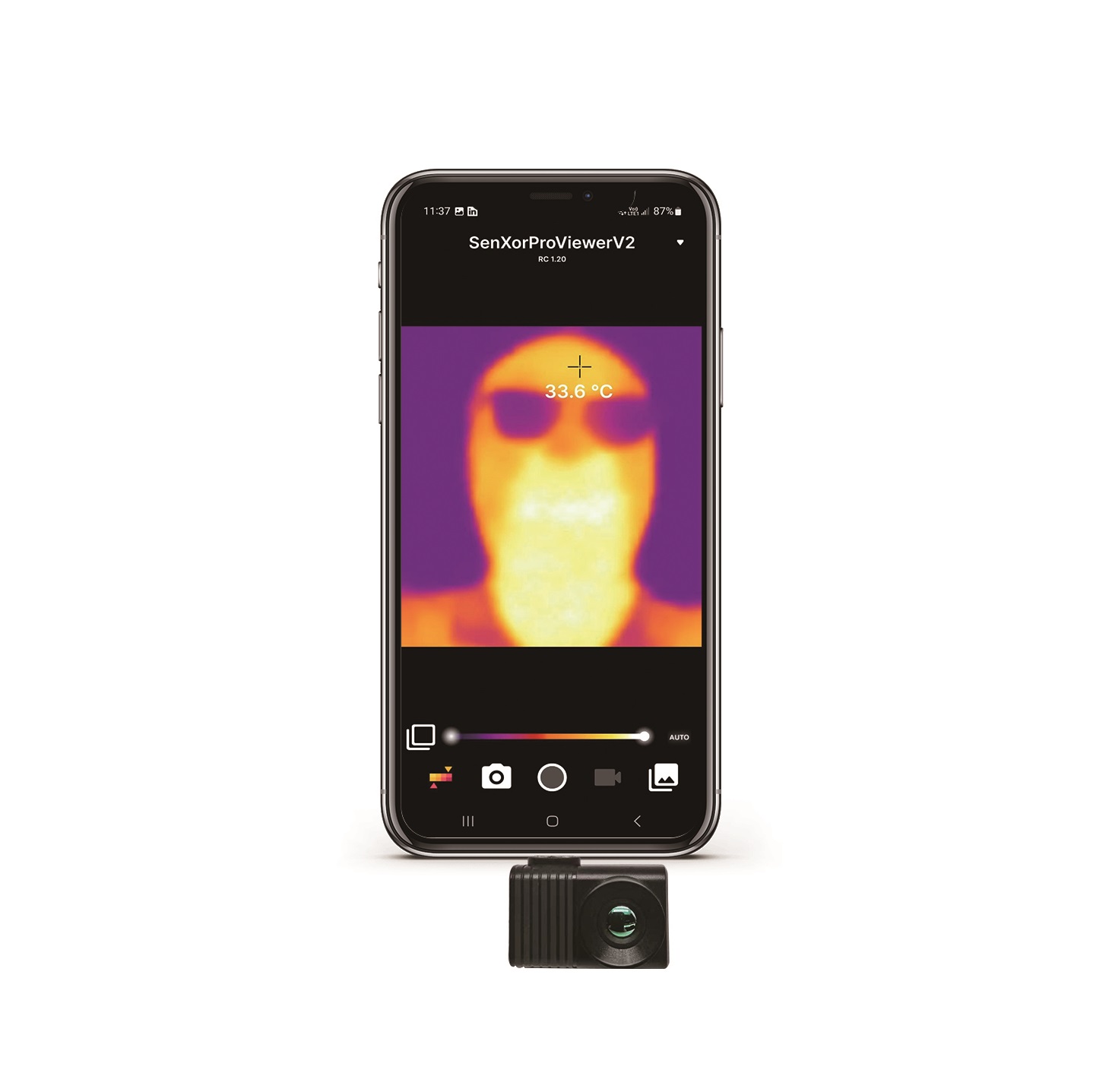
Standard optical cameras get blinded by pitch darkness, fog, rain, or brush cover. Slapping a YWX256 module onto an Android smartphone gives field guards instant visual clarity:
- ✅ Spotting Hidden Intruders: Body heat stands out immediately when someone tries hiding in heavy brush, behind vehicles, or in unlit storage yards.
- ✅ Fast Perimeter Checks: Security teams can sweep industrial property lines in seconds to spot hot engines, cut fences, or unauthorized breaches.
2. High-Voltage Electrical & Mechanical Diagnostics
Maintenance techs count on radiometric thermal data to catch failures before components explode or trigger factory outages:
- ⚙️ Electrical Panel Sweeps: Overloaded breakers and loose lug connections generate distinct heat spots. The 256x192 matrix lets techs spot dangerous hot points from a safe distance.
- ⚙️ Solar Farm Inspections: Inspectors can walk solar arrays to quickly locate failed bypass diodes, cracked cells, and debris hotspots that sap power generation.
3. Lightweight Drone / UAV Reconnaissance
Plugging compact thermal modules into small unmanned aircraft brings real aerial imaging capabilities down to lightweight platforms:
- ✅ Search and Rescue (SAR): Running at 25Hz, drone operators can execute low-altitude search grids over woods or water, instantly flagging body heat signatures.
- ✅ Wildlife Management: Environmental teams can track game numbers, monitor livestock, and catch illegal poachers at night without spooking animals.
5. SDK Pipeline, Image Processing Algorithms & Color Palettes
Taking raw 14-bit thermography data and turning it into crisp thermal video alongside accurate temperature readings takes a solid software processing stack running on the host system.
| Pipeline Stage | Mathematical / Algorithmic Operation | Engineering Purpose |
|---|---|---|
| 1. NUC Correction | SNUC(i,j) = G(i,j) × [Sraw(i,j) - O(i,j)] | Normalizes gain (G) and offset (O) non-uniformity across all 49,152 pixels. |
| 2. Bilateral Filtering | Spatial-Temporal 3D Bilateral Filtering | Reduces temporal noise while preserving high-contrast target edges. |
| 3. DDE Detail Enhancement | Contrast-Limited Adaptive Histogram Equalization (CLAHE) | Enhances subtle thermal details in scenes with extreme dynamic ranges. |
| 4. Absolute Radiometry | Planck Radiation Inversion Equation | Calculates absolute target temperature incorporating target emissivity and distance compensation. |
Pseudocolor Mapping Palettes
The host SDK gives developers dynamic Look-Up Table (LUT) mapping choices so operators can swap modes based on mission needs:
- ⚙️ White Hot / Black Hot: High-contrast grayscale modes preferred by security teams for fast target identification.
- ⚙️ Ironbow: The classic industry palette for electrical work and mechanical heat inspections.
- ⚙️ Rainbow HC (High Contrast): Engineered for building audits, tracing HVAC air leaks, and moisture tracking.
- ⚙️ Alarm Threshold Mode: Paints any pixel over a set target temp in bold red or orange for automated monitoring systems.
6. Industrial Product Showcase & Hardware Specifications
Here are two proven uncooled long-wave infrared modules designed for mobile attachments, custom hardware builds, and drone payloads.
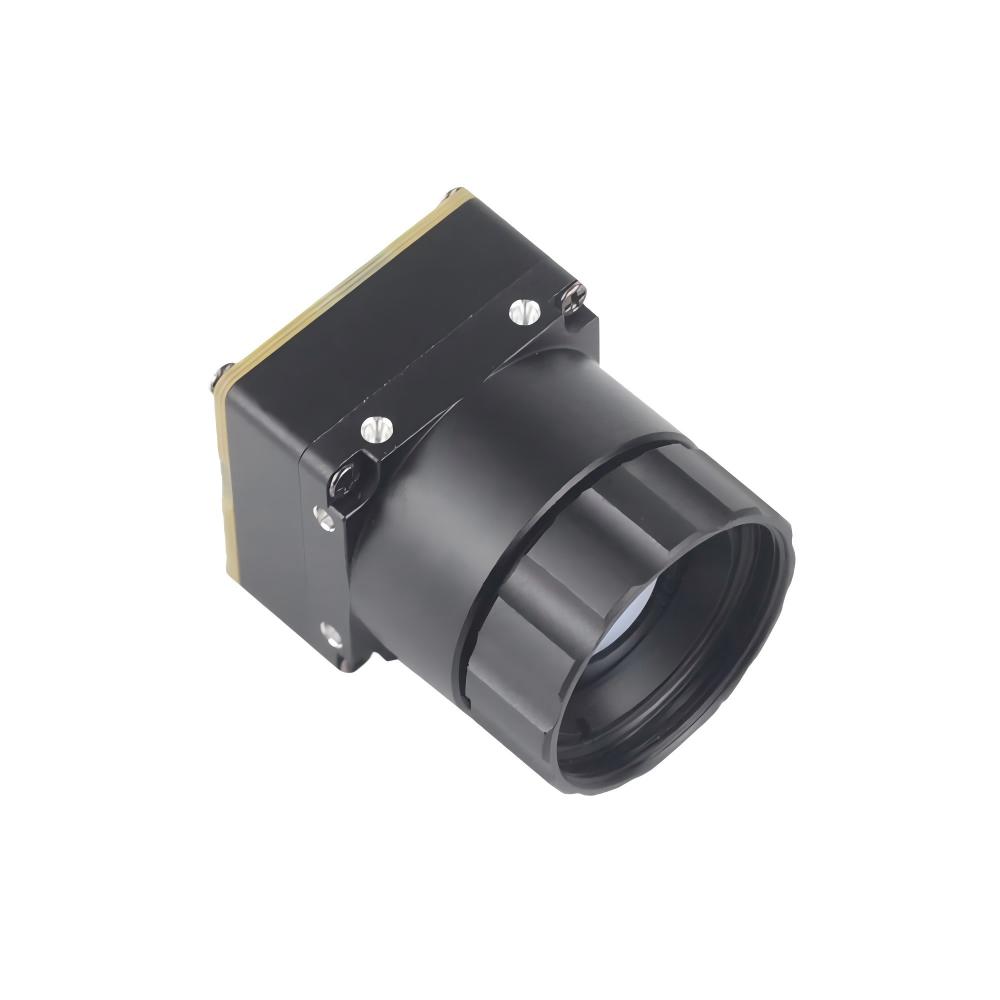
1. Uncooled LWIR USB Mini 640*512 Thermal Imaging Camera Core Module For Drones Similar To DJI
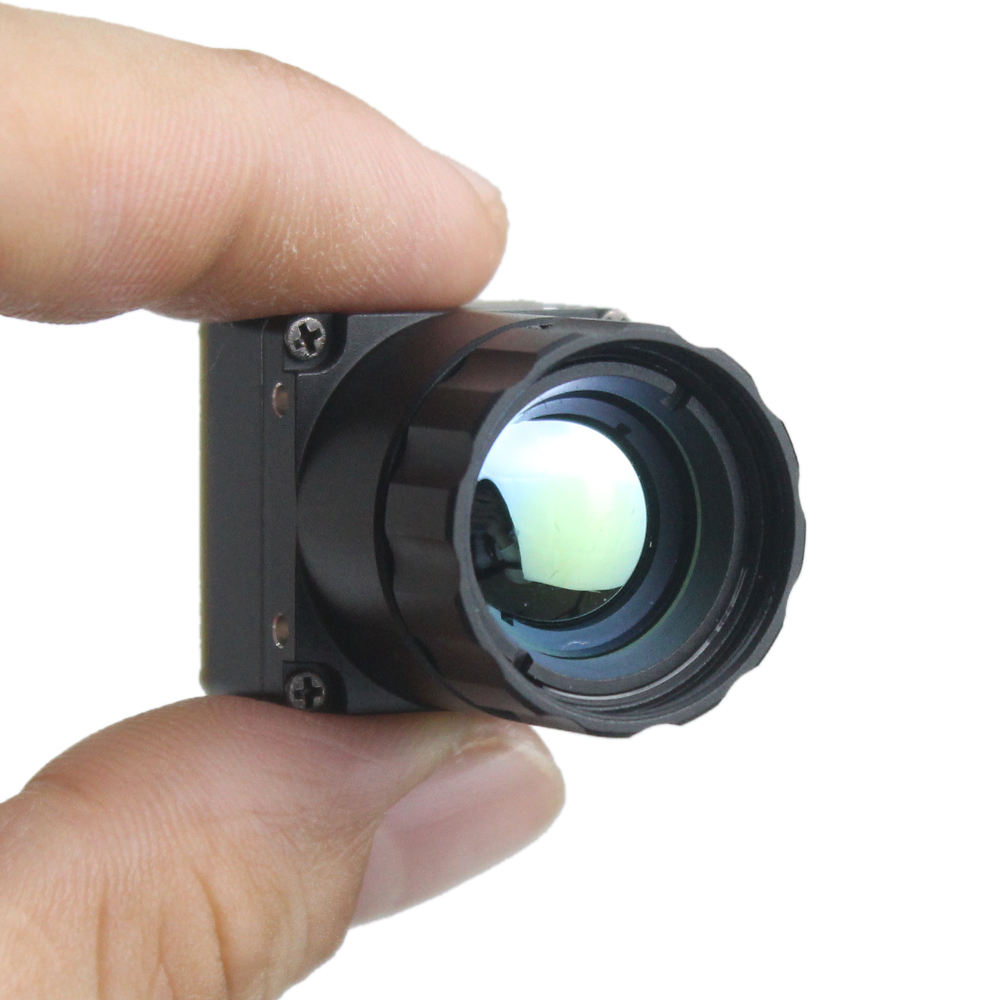
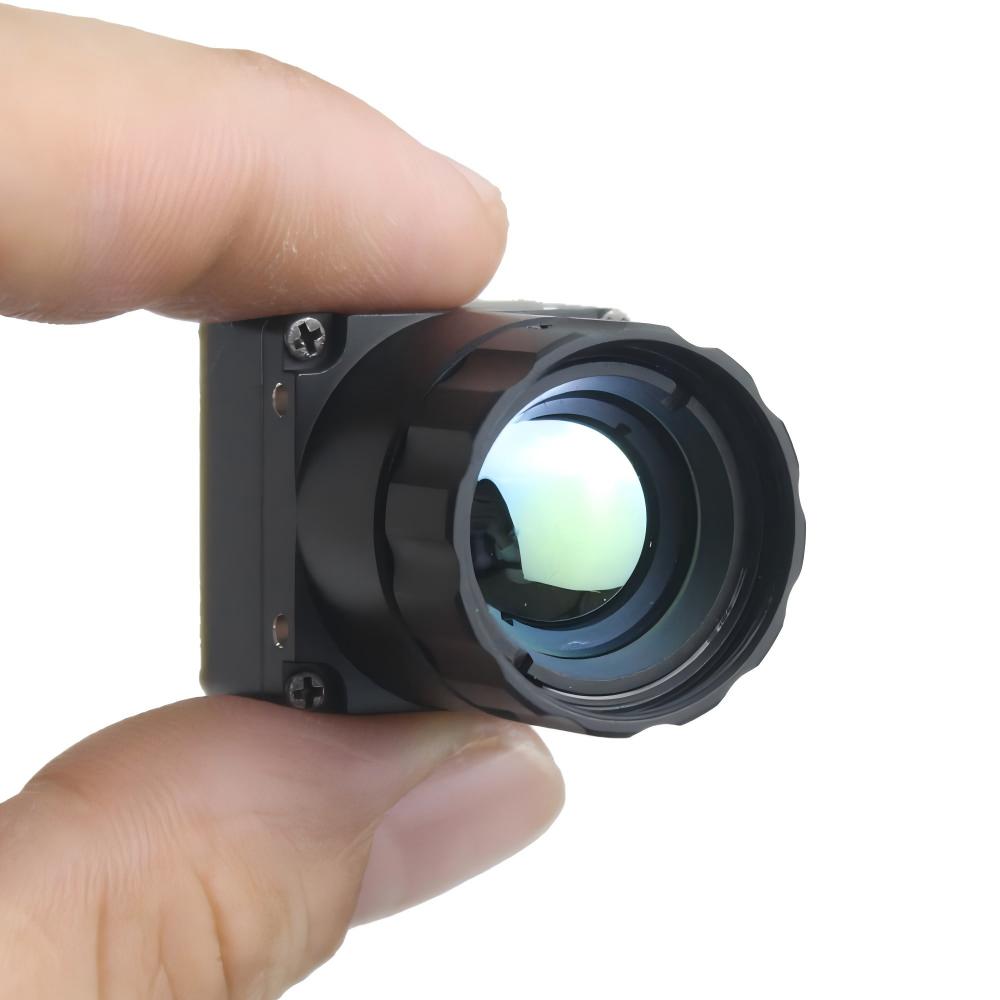
Core Features & Overview: Ultra-miniature uncooled thermal module built for sharp detail, tiny physical dimensions, and low setup costs. Perfect for micro drone gimbals, mobile handheld tools, and small robotic rigs.
- ⚙️ Tiny Dimensions: Microscopic 21mm × 21mm physical cross-section.
- ⚙️ Broad Lens Selection: 5mm, 9mm, 13mm, 18mm, 35mm, 50mm, 75mm, 100mm, and 150mm options.
- ⚙️ Flexible Resolutions: Choose between high-res 640×512, 640×480, or baseline 256×192 sensors.
- ⚙️ Rugged Build: Designed to withstand outdoor temperature shifts with minimal thermal drift.
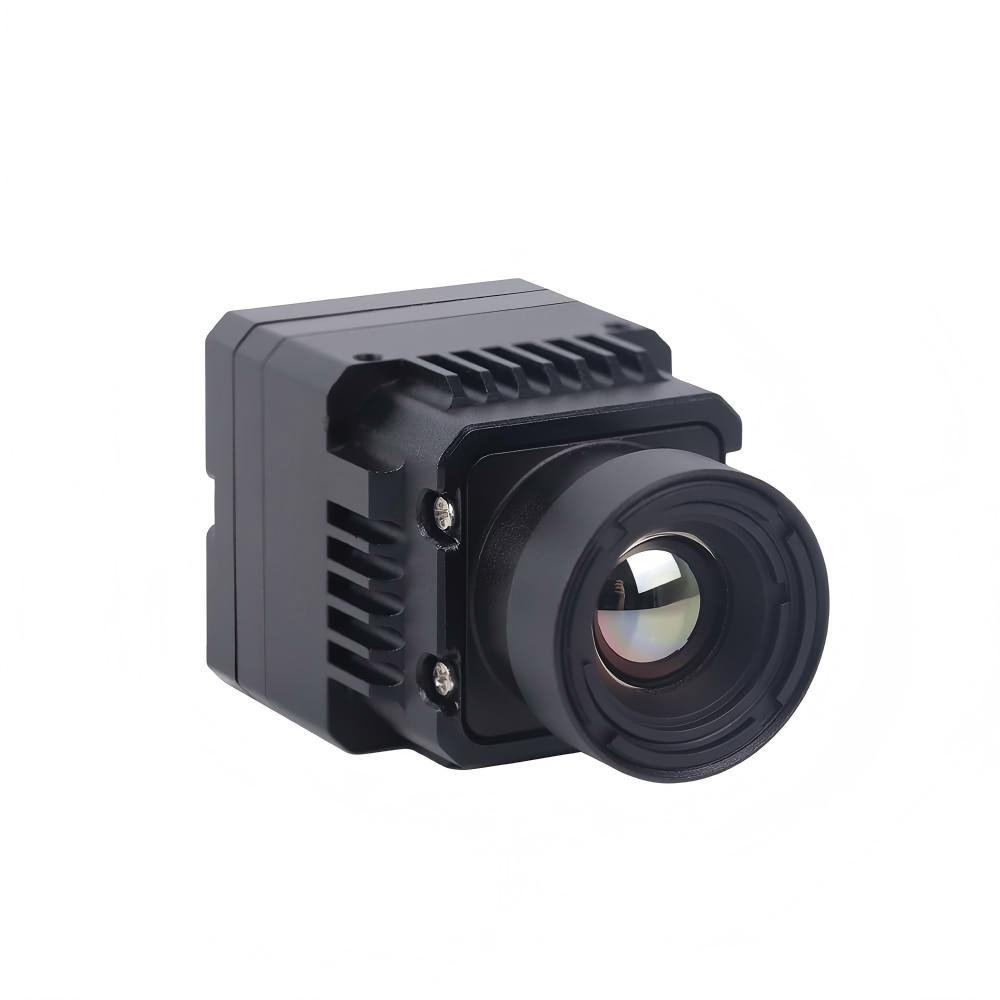
2. Uncooled Infrared Mipi 640 384 256 9mm Thermal Imaging Camera Module For Drones
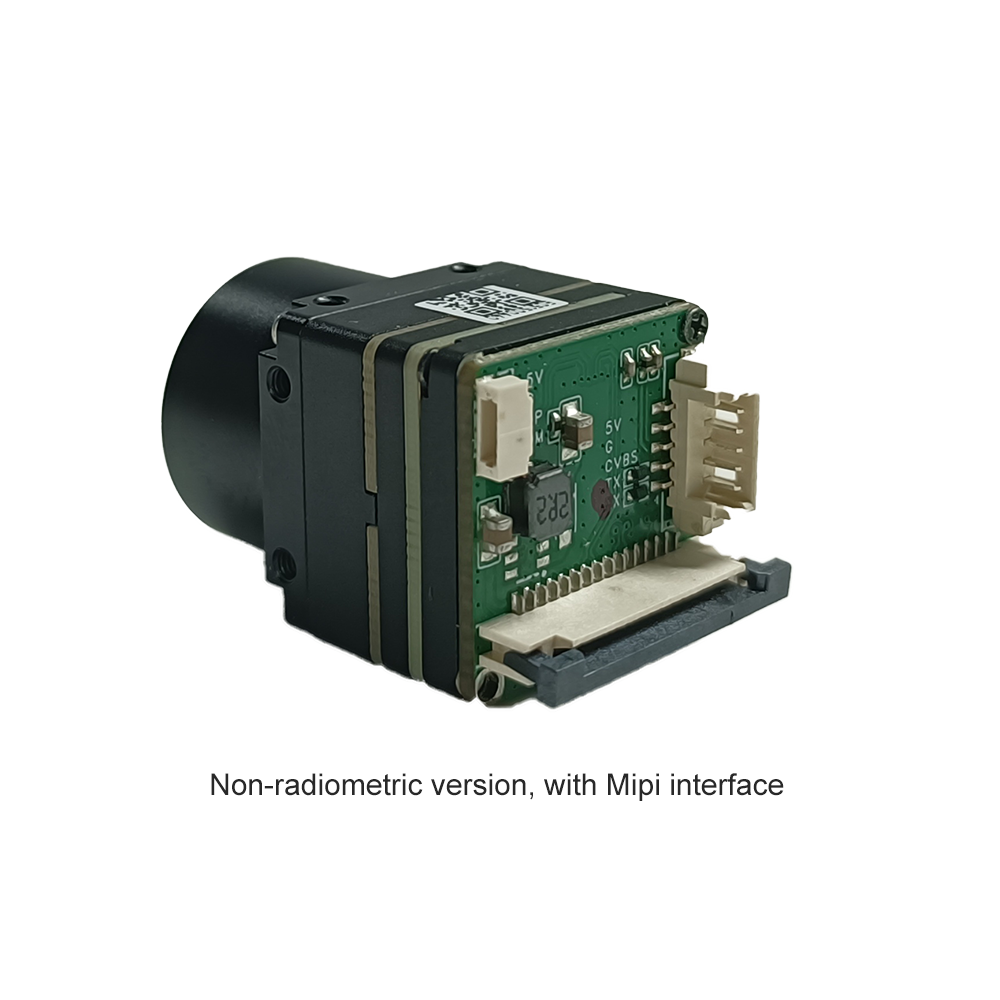
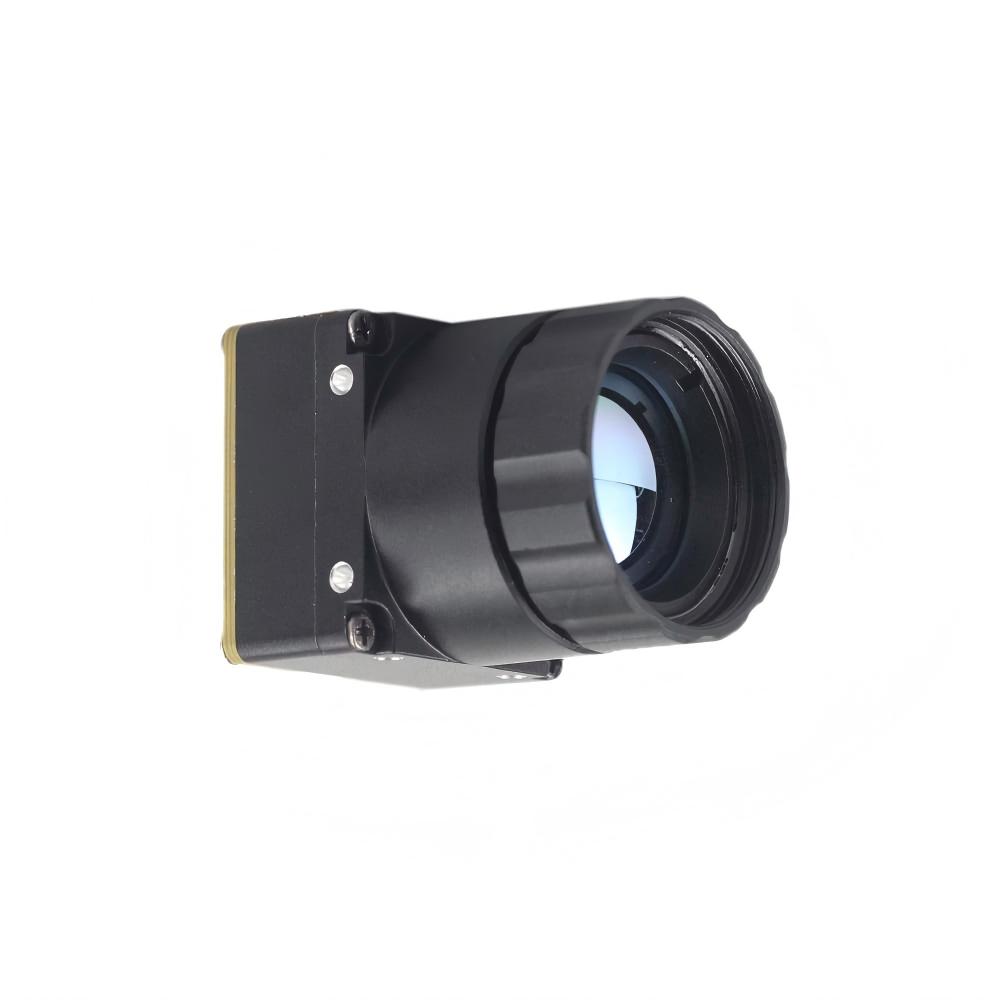
Core Features & Overview: Industrial Mini2 uncooled thermal core equipped with native MIPI CSI-2 output. Built specifically for embedded host board integration, drawing minimal power while streaming clean radiometric imagery.
- ⚙️ Native MIPI Port: Streams raw thermography straight to your SoC without interface bridge delays.
- ⚙️ Sensor Scaling: Selectable 640x512, 384x288, or 256x192 array builds.
- ⚙️ Drone-Optimized Lens: Integrated 9mm high-transmittance optics balanced for aerial surveying.
- ⚙️ Featherweight Design: Under 15g total weight preserves drone battery flight time.
Hardware Comparison Matrix
| Parameter | Uncooled LWIR USB Mini Core | Uncooled Infrared MIPI Mini2 Core |
|---|---|---|
| Array Resolution Options | 640x512 / 640x480 / 256x192 | 640x512 / 384x288 / 256x192 |
| Detector Pitch & Material | 12µm VOx Uncooled Microbolometer | 12µm VOx Uncooled Microbolometer |
| Thermal Sensitivity (NETD) | < 40mK (@25°C, F1.0) | < 40mK (@25°C, F1.0) |
| Frame Rate Refresh | 25Hz Real-Time Output | 25Hz / 50Hz Industrial Stream |
| Hardware Interface Protocol | USB Type-C (UVC + CDC Endpoint) | MIPI CSI-2 (2-Lane) / I2C / SPI |
| Module Footprint | 21mm × 21mm Ultra-Compact | 21mm × 21mm Ultra-Compact |
| Optics Availability | 5mm to 150mm Focal Lengths | 5mm, 9mm, 13mm, 18mm, 35mm, 50mm Lenses |
| Power Consumption | < 350mW (@5V DC) | < 300mW (@3.3V DC) |
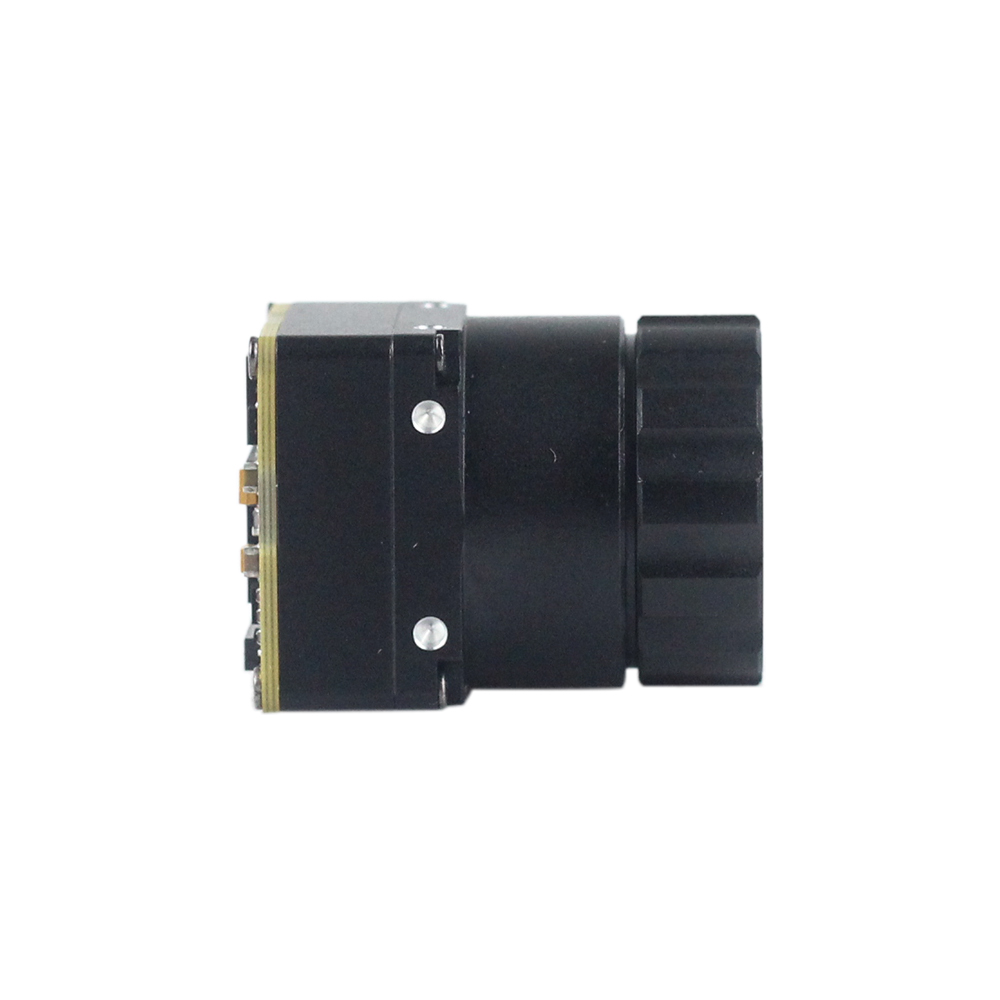
7. Deep-Dive Technical FAQ
Q1: Are all 256x192 resolution thermal camera modules identical in performance?
Not even close. Just because two cameras advertise a 256x192 pixel count doesn't mean they behave the same way under real working conditions. Cheap consumer-grade modules usually rely on old Amorphous Silicon (a-Si) sensor stock that suffers from higher noise floors (NETD numbers floating around 50mK to 70mK) and bulky 17µm pixel dimensions. Those older cores require wider optics, draw extra battery power, and drift out of calibration quickly as ambient temperatures shift.
Budget units are also routinely throttled down to a 9Hz frame rate to dodge export paperwork or hide weak processing hardware. That low frame rate causes obvious image stuttering and motion blur whenever you move the camera. In comparison, the Yourunxing YWX256 core uses a tight 12µm Vanadium Oxide (VOx) microbolometer array with sub-40mK sensitivity and a smooth 25Hz output. Add in automated factory NUC tables and radiometric temperature math, and you get dependable thermal accuracy that holds up in industrial field environments.
Q2: Can the YWX256 USB camera module be integrated into custom Android or Linux security software?
Absolutely. The YWX256 module was engineered specifically for custom app builds on Android, Linux, and Windows hosts. Because it presents as a standard USB Video Class (UVC) device paired with a USB Communication Device Class (CDC) Bulk endpoint, host operating systems recognize it out of the box without needing custom, kernel-level drivers.
Software developers can hook into the raw 14-bit thermography stream (Y16 format) using standard media tools or OpenCV libraries. Purpleriver supplies a full SDK with ready-to-use C/C++, Java, and Python bindings. The SDK includes calls for temperature conversion, emissivity tweaks, atmospheric loss adjustments, color palette mapping, and automated shutter calibration, making it straightforward to build custom mobile security tools.
Q3: Why is a native 25Hz frame rate essential for mobile security and UAV inspections?
Frame rate dictates how smooth your video looks when the camera or target is moving. At 9Hz, your screen updates only once every 111.1 milliseconds. If an inspector sweeps a smartphone attachment across a dark yard, or if a drone swings around a security fence, 9Hz footage stutters, tears, and blurs. That visual delay causes user fatigue and makes it easy to miss moving heat signatures.
A native 25Hz refresh rate refreshes the thermal image every 40 milliseconds, providing standard video fluidity. This real-time playback gets rid of motion tearing, lets operators track moving targets easily, and keeps computer vision tracking algorithms locked on target without dropping frames.
📚 References & Further Reading
- Industry Standard Interconnects: Hirose Electric Connectors & Board-to-Board Systems
- Related Hardware Integration Guide: Best MIPI Thermal Camera Module for Raspberry Pi & Drone Integration
- Main Engineering Portal: Purpleriver Thermal Imaging Hardware Solutions
- Technical Articles Directory: Purpleriver Infrared Technology Engineering Blog