
أفضل حلول وحدات كاميرا الأشعة تحت الحمراء للطائرات بدون طيار والذكاء الاصطناعي المدمج: دليل التكامل للمصنعين الأصليين
31 يوليو 2026
أفضل حلول وحدات كاميرا الأشعة تحت الحمراء للطائرات بدون طيار والذكاء الاصطناعي المدمج: دليل التكامل للمصنعين الأصليين
إذا كنت تبني أنظمة ذاتية التشغيل، أو طائرات تفتيش صناعية بدون طيار، أو منصات رؤية للذكاء الاصطناعي على الحافة، فإن دمج وحدة كاميرا الأشعة تحت الحمراء (وحدة كاميرا الأشعة تحت الحمراء) عالية الأداء ليس مجرد ميزة إضافية - إنه إجراء تشغيل قياسي. يجد مهندسو الأجهزة، ومصممو حمولات الطائرات بدون طيار، ومطورو الرؤية الحاسوبية أنفسهم عالقين باستمرار بين قيود الحجم والوزن والطاقة والتكلفة (SWaP-C) الصارمة ومواصفات الأداء المتطلبة: حساسية حرارية أقل من 50 ملي كلفن، وتسليم إطارات بدون زمن انتقال، ودعم واجهات مباشرة مثل MIPI CSI-2 و USB 3.0 و CVBS. سواء كنت تبني معدات للبحث والإنقاذ الليلي، أو فحص المرافق عالية الجهد، أو الزراعة الدقيقة، أو تشغيل تتبع الأهداف على الحافة باستخدام NVIDIA Jetson أو Raspberry Pi، فإن اختيار نواة الأشعة تحت الحمراء طويلة الموجة (LWIR) غير المبردة المناسبة يصنع أو يكسر موثوقية نظامك ودقته الحرارية ووقت طرحه في السوق.
في Purpleriver، يجمع فريقنا الهندسي بين البحث الأكاديمي من جامعة هونغ كونغ للعلوم والتكنولوجيا (HKUST) وخبرة معالجة الإشارات العملية من مطوري نواة HiSilicon السابقين في Huawei. نحن نسد الفجوة بين فيزياء مصفوفة المستوى البؤري (FPA) المعقدة والتكامل العملي لأجهزة OEM/ODM. يتخطى هذا الدليل الزخارف التسويقية ليمنح مدمجي الأنظمة رؤى هندسية حقيقية في فيزياء المستشعر، وتصميم الأجهزة متعدد الواجهات، والاختيار البصري، وخطوط تسريع الذكاء الاصطناعي على الحافة - مدعومة بمعايير أداء واقعية من وحدات الكاميرا الحرارية غير المبردة الرائدة لدينا.
جدول المحتويات
- 👉 أساسيات تقنية وحدة كاميرا الأشعة تحت الحمراء: فيزياء الأشعة تحت الحمراء القريبة مقابل الحرارية طويلة الموجة
- 👉 واجهات الأجهزة، البروتوكولات، وتحسين SWaP-C
- 👉 بنية تكامل حمولة الطائرات بدون طيار وأنظمة الذكاء الاصطناعي المضمنة
- 👉 مقارنة ومواصفات وحدات كاميرا الأشعة تحت الحمراء التجارية من Purpleriver
- 👉 سير عمل التخصيص OEM/ODM: تسريع من المستشعر إلى الخوارزمية
- 👉 الأسئلة الشائعة المتعمقة (FAQ)
أساسيات تقنية وحدة كاميرا الأشعة تحت الحمراء: فيزياء الأشعة تحت الحمراء القريبة مقابل الحرارية طويلة الموجة
قبل إدراج الأجزاء في نموذج CAD أو كتابة كود التعريف، عليك فهم فيزياء النطاق الموجي الذي يقود وحدة كاميرا الأشعة تحت الحمراء اختياراتك. يغطي المصطلح العام "الأشعة تحت الحمراء" عدة نطاقات طيفية متميزة، يحكم كل منها خصائص بصرية مختلفة، ونوافذ إرسال جوي، وكيميائيات مواد الكاشف.
ينقسم الطيف بعد الضوء المرئي إلى الأشعة تحت الحمراء القريبة (NIR: 0.75µm إلى 1.4µm)، والأشعة تحت الحمراء قصيرة الموجة (SWIR: 1.4µm إلى 3µm)، والأشعة تحت الحمراء متوسطة الموجة (MWIR: 3µm إلى 5µm)، والأشعة تحت الحمراء طويلة الموجة (LWIR: 8µm إلى 14µm). تعتمد NIR و SWIR على طاقة الضوء المنعكس (تماماً مثل كاميرات الضوء المرئي)، بينما تلتقط LWIR الطاقة الإشعاعية المنبعثة مباشرة من الأجسام الحرارية.
الأشعة تحت الحمراء القريبة (NIR) مقابل الأشعة تحت الحمراء طويلة الموجة (LWIR)
تعمل مستشعرات CMOS السيليكونية القياسية مع إزالة مرشح قطع الأشعة تحت الحمراء الخاص بها في نطاق الأشعة تحت الحمراء القريبة (NIR، 0.7µm – 1.1µm). إليك الأمر: تعتمد هذه الأنظمة كلياً على الضوء المحيط المنعكس أو المضيئات النشطة، مثل مصفوفات LED بطول 850 نانومتر أو 940 نانومتر. بينما هذا جيد لكاميرات الأمن منخفضة التكلفة التي تلتقط تفاصيل أحادية اللون واضحة، لا تستطيع وحدات NIR قراءة فروق درجات الحرارة المحيطة، ولا يمكنها الاختراق عبر الدخان الكثيف أو الضباب، وتصبح معتمة تماماً في البيئات عديمة الضوء بدون مصابيح IR نشطة.
تسلك وحدات النواة للأشعة تحت الحمراء طويلة الموجة (LWIR، 8µm – 14µm) مساراً مختلفاً تماماً. تستخدم تقنية الميكروبولومتر غير المبرد، المبنية عادة على أغشية رقيقة من أكسيد الفاناديوم (VOx) أو السيليكون غير المتبلور (α-Si). تلتقط مستشعرات LWIR الإشعاع الحراري السلبي للجسم الأسود المنبعث من كل جسم مادي فوق الصفر المطلق، باتباع قانون بلانك وقانون ستيفان-بولتزمان. للتعمق أكثر في الرياضيات وراء الإشعاع الحراري السلبي، ألق نظرة على مرجع التصوير الحراري من ويكيبيديا. نظرًا لأن وحدة LWIR وحدة كاميرا الأشعة تحت الحمراء تقيس الإشعاع الحراري الذاتي، فإنها تعمل بشكل موثوق في الإعدادات شديدة الظلام، والدخان الكثيف، والضباب الجوي، ووهج الشمس القاسي دون الحاجة إلى مضيئات مستهلكة للطاقة.
| الفيزياء والمعاملات التشغيلية | وحدات الأشعة تحت الحمراء القريبة (NIR) | وحدة التصوير الحراري الأساسية غير المبردة LWIR |
|---|---|---|
| النطاق الطيفي | 7 ميكرومتر – 1.1 ميكرومتر | 8 ميكرومتر – 14 ميكرومتر (نافذة النفاذ LWIR) |
| فيزياء الكاشف والمادة | مصفوفة ثنائيات ضوئية من السيليكون (فجوة نطاق إلكترون CMOS) | مقياس ميكروبولومتر غير مبرد من أكسيد الفاناديوم (VOx) |
| مصدر الطاقة الأساسي | الإضاءة المحيطة المنعكسة / إضاءة LED النشطة تحت الحمراء | الإشعاع الحراري المنبعث من الجسم الأسود (قانون بلانك) |
| التشغيل الليلي | يتطلب مصدر ضوء نشط تحت الأحمر (850 نانومتر/940 نانومتر) | تشغيل سلبي 100% بدون إضاءة |
| اختراق الدخان / الضباب / الغبار | ضئيل (يتشتت على الجسيمات المحمولة جوًا) | اختراق عالٍ (الطول الموجي يتجاوز حجم الجسيمات) |
| القدرة على قياس درجة الحرارة | لا توجد (تباين أحادي اللون بصري فقط) | تخطيط حراري إشعاعي كامل لكل بكسل |
معماريات المستشعر: تباعد بكسلات الميكروبولومتر (12 ميكرومتر مقابل 17 ميكرومتر)
في قلب التصوير الحراري LWIR الحديث توجد مصفوفة المستوى البؤري (FPA) للميكروبولومتر. يمتص الميكروبولومتر الإشعاع الحراري، مما يسخن طبقة VOx النشطة ويغير مقاومتها الكهربائية. تقوم دائرة قراءة متكاملة (ROIC) بتحويل هذا التغير في المقاومة مباشرة إلى قيم رقمية. إن تقليص تباعد الكاشف من 17 ميكرومتر القديم إلى تباعد بكسلات 12 ميكرومتر قد غير قواعد اللعبة لتصاميم النوى المدمجة:
- ✅ تقليل SWaP: يؤدي النزول إلى تباعد بكسلات 12 ميكرومتر إلى تقليص البصمة الفيزيائية لمصفوفة الكاشف بنسبة تقارب 50% مقارنة بمصفوفة 17 ميكرومتر بنفس الدقة. هذا التقلص يسمح لمهندسي البصريات باستخدام عدسات جرمانيوم أصغر وأخف وزنًا بكثير — مما يقلل الكتلة الإجمالية للحمولة.
- ✅ دقة مكانية أعلى ومدى التقاط الهدف: مع تثبيت البعد البؤري للعدسة، يؤدي تباعد البكسلات الأصغر إلى تضييق مجال الرؤية اللحظي (IFOV). هذا يعني المزيد من البكسلات على الهدف على مسافات طويلة، مما يدفع بمقاييس مدى الكشف والتعرف والتمييز (DRI) إلى الأمام.
- ✅ فرق درجة الحرارة المكافئ للضوضاء (NETD): تُقاس الحساسية الحرارية بالميلي كلفن (mK). تحقق نوى الميكروبولومتر VOx عالية الجودة المقترنة بتصاميم ROIC منخفضة الضوضاء أرقام NETD أقل من 40 ميلي كلفن (وأقل من 35 ميلي كلفن مع ترشيح مكاني رقمي جيد). هذا يسمح للمستشعر باكتشاف تحولات في درجة الحرارة بدقة تصل إلى 0.035 درجة مئوية، مما ينتج تباينًا حادًا في الصورة حتى في الأيام المنخفضة التباين والغائمة.
واجهات الأجهزة، البروتوكولات، وتحسين SWaP-C
توصيل وحدة وحدة كاميرا الأشعة تحت الحمراء into a compact embedded system, mobile robot, or flight controller requires picking an interface bus that matches your processor's capabilities, throughput needs, and physical vibration constraints.
Architectural Flow: Core Sensor to Host Processing System
1. Sensor Core: VOx Microbolometer Focal Plane Array (384x288 / 640x512, 12µm pitch)
2. Onboard Hardware ISP: Non-Uniformity Correction (NUC), Digital Detail Enhancement (DDE), 3D Noise Reduction
3. Interface Bus Options:
⚙️ MIPI CSI-2 Lanes: Ultra-low latency raw radiometric feed directly to host SoC ISP
⚙️ USB 2.0 / 3.0 (UVC): Plug-and-play video & Y16 raw data over standard OS drivers
⚙️ CVBS Analog Output: Zero-buffer real-time composite feed for long-range analog FPV transmitters
4. Target Host Processing Hardware: NVIDIA Jetson, Rockchip RK3588, Raspberry Pi, Custom ARM64 Carrier Boards
Physical Interfaces: MIPI CSI-2 vs. USB vs. CVBS Analog
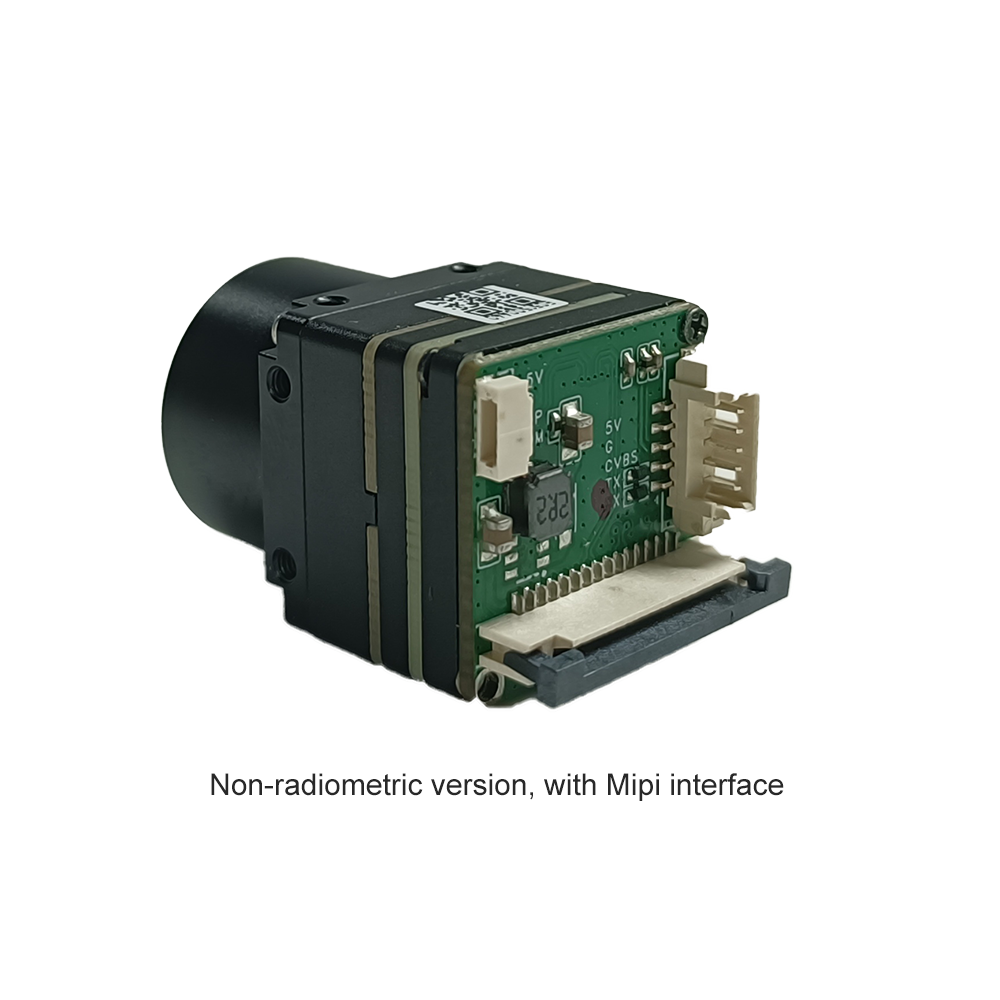
- ⚙️ MIPI CSI-2 (Camera Serial Interface): The gold standard for embedded AI edge nodes (NVIDIA Jetson Orin, Rockchip RK3588, Raspberry Pi CM4). MIPI feeds raw, uncompressed high-frame-rate pixel data right into the host SoC's hardware image signal processor. Bypassing USB stack latency gets frame delay down under 10ms. High-density board-to-board connectors from manufacturers like Amphenol give you solid electrical contacts that won't shake loose under heavy drone motor vibration.
- ⚙️ USB Interface (UVC Protocol): Ideal for quick prototyping, diagnostic software, and cross-platform tools. Running over USB 2.0 or USB 3.0 Type-C, these camera modules match standard USB Video Class (UVC) profiles. They stream pre-processed visual frames (YUV/RGB) alongside raw 16-bit (Y16) radiometric temperature arrays over standard Linux V4L2 drivers—no custom kernel hacking required.
- ⚙️ CVBS (Composite Video Blanking and Sync): Essential for legacy aircraft hardware and real-time analog monitors. CVBS drives a zero-latency analog composite video feed straight to standard analog RF transmitters, making it a reliable pick for FPV pilots who can't tolerate digital video buffering lag.
SWaP-C Strategy for Embedded Systems
When you're building compact thermal gear, balancing size, weight, power, and cost (SWaP-C) is critical. For an in-depth look at engineering cost reduction strategies, review our technical guide on 2025 Low-Cost Fast Thermal Module Integration.
On the bench, optimizing SWaP-C boils down to three core steps:
- 🔧 1. Miniaturized Board Footprint: Micro-sized modules with board footprints down to 21mm × 21mm bring bare-module mass under 15g (before optics). Saving that weight gives you room for bigger battery cells or a secondary daylight camera payload.
- 🔧 2. Power & Thermal Management: Clean board layouts pulling less than 1.0W keep self-heating to a minimum. Excessive board heat creates thermal drift across the VOx microbolometer, messing up temperature calibration and triggering frequent shutter recalibration cycles. Low power draw also means you can ditch heavy copper heat sinks.
- 🔧 3. Standardizing Hardware Interfaces: Using core boards with flexible output pinouts lets engineering teams build multiple product models around a single core hardware architecture. That simplifies inventory management and cuts down software maintenance overhead.
بنية تكامل حمولة الطائرات بدون طيار وأنظمة الذكاء الاصطناعي المضمنة
Mounting an وحدة كاميرا الأشعة تحت الحمراء into a multirotor gimbal payload or an autonomous robot requires careful handling of mechanical vibration, optical alignment, and software pipelines.
Airborne platforms subject payloads to high-frequency micro-vibrations from motors and propellers. If you don't isolate those vibrations, you'll end up with micro-jitter and spatial noise across your thermal frames. To keep images sharp, mount thermal modules on silicone-isolated 3-axis brushless gimbals. Long-range wireless streaming also demands clean RF links. To dive deeper into wireless data setups, check out our engineering article on Drone Image Transmission Module Principles & Functions.
Edge AI Processing Pipeline: OpenCV, TensorRT, and Linux V4L2
When running edge-based computer vision—like automated target tracking, search-and-rescue detection, or substation thermal monitoring—the thermal video data flows through a structured processing pipeline:
Stage-by-Stage Processing Architecture
- ⚙️ Stage 1: Raw Thermal Sensing: The VOx microbolometer array detects incoming 8–14µm thermal energy, converting radiation changes into a 14-bit digital stream.
- ⚙️ Stage 2: Onboard Hardware ISP Processing: High-performance hardware ISP algorithms execute Non-Uniformity Correction (NUC), 3D Noise Reduction (3DNR), and Contrast Limited Adaptive Histogram Equalization (CLAHE) / Digital Detail Enhancement (DDE).
- ⚙️ Stage 3: Bus Interface Ingestion: Video data streams via MIPI CSI-2 directly into host memory via Direct Memory Access (DMA), or over USB using Linux V4L2 device nodes (`/dev/videoX`).
- ⚙️ Stage 4: Zero-Copy Memory Buffer Transfer: Using CUDA Unified Memory, frame buffers pass straight from host memory to the GPU runtime space without hitting CPU copy bottlenecks.
- ⚙️ Stage 5: AI Model Inference Execution: TensorRT-accelerated models (such as YOLOv8-Thermal) process 640x512 array frames, spitting out target bounding boxes, thermal segmentation overlays, and pixel temperature telemetry over UART or CAN bus.
مقارنة ومواصفات وحدات كاميرا الأشعة تحت الحمراء التجارية من Purpleriver
Purpleriver manufactures industrial uncooled thermal camera modules designed for quick setup and low thermal drift. Built on research expertise from HKUST and former Huawei HiSilicon ISP engineers, our camera cores deliver solid thermal imagery across demanding operational environments.
Featured Product Showcase
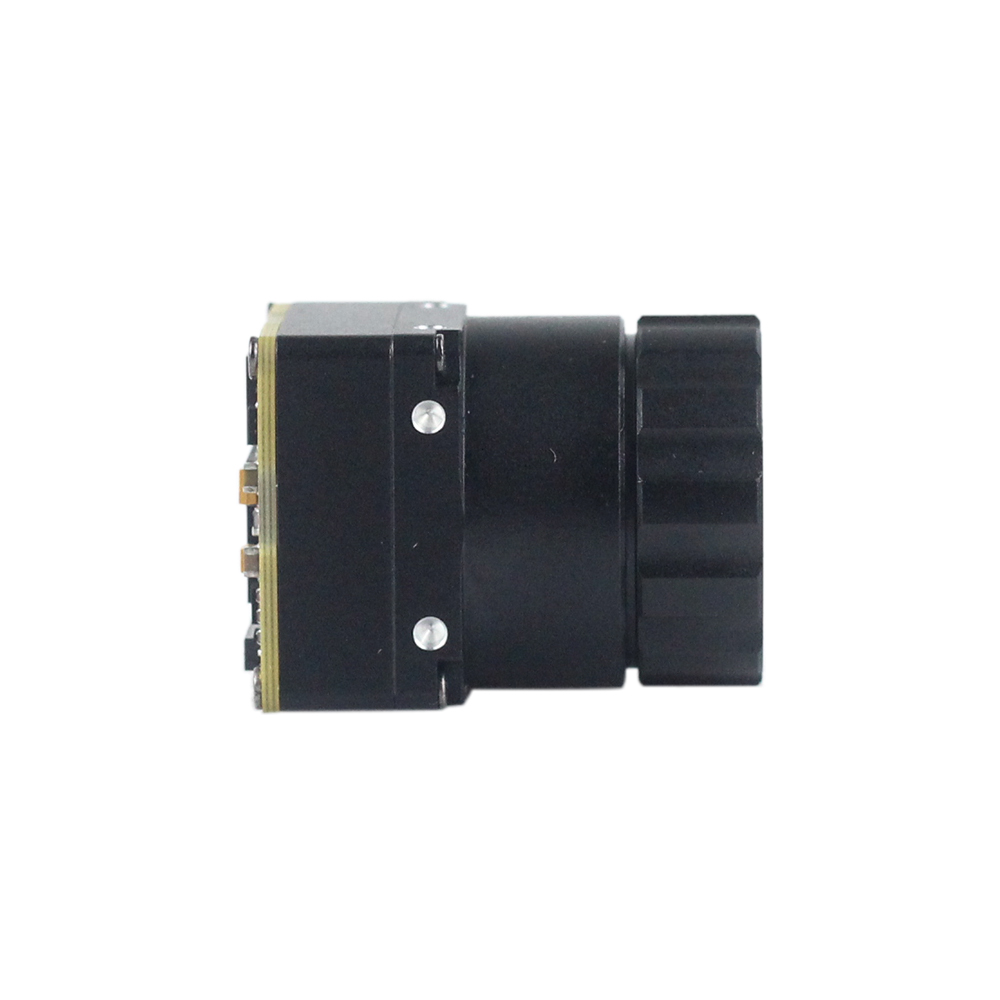
1. MD Series 384x288 Uncooled Infrared Thermal Camera Module
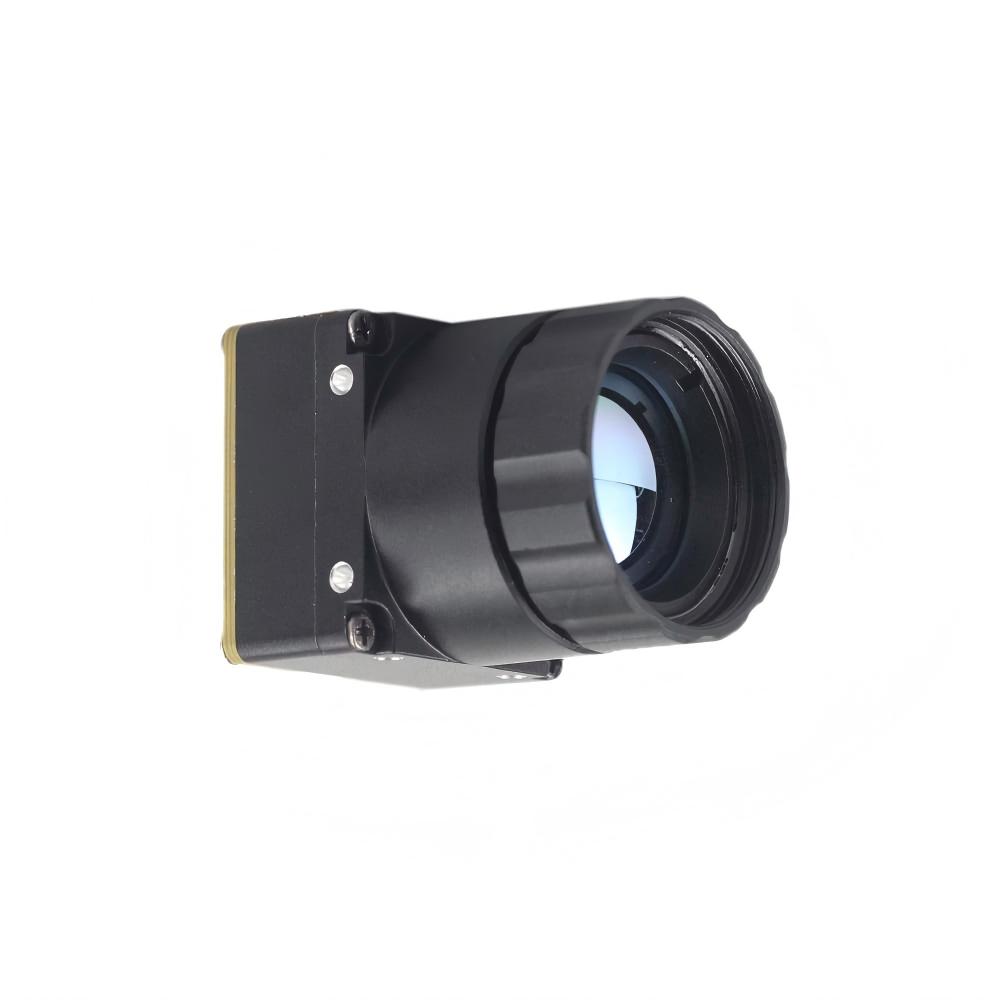
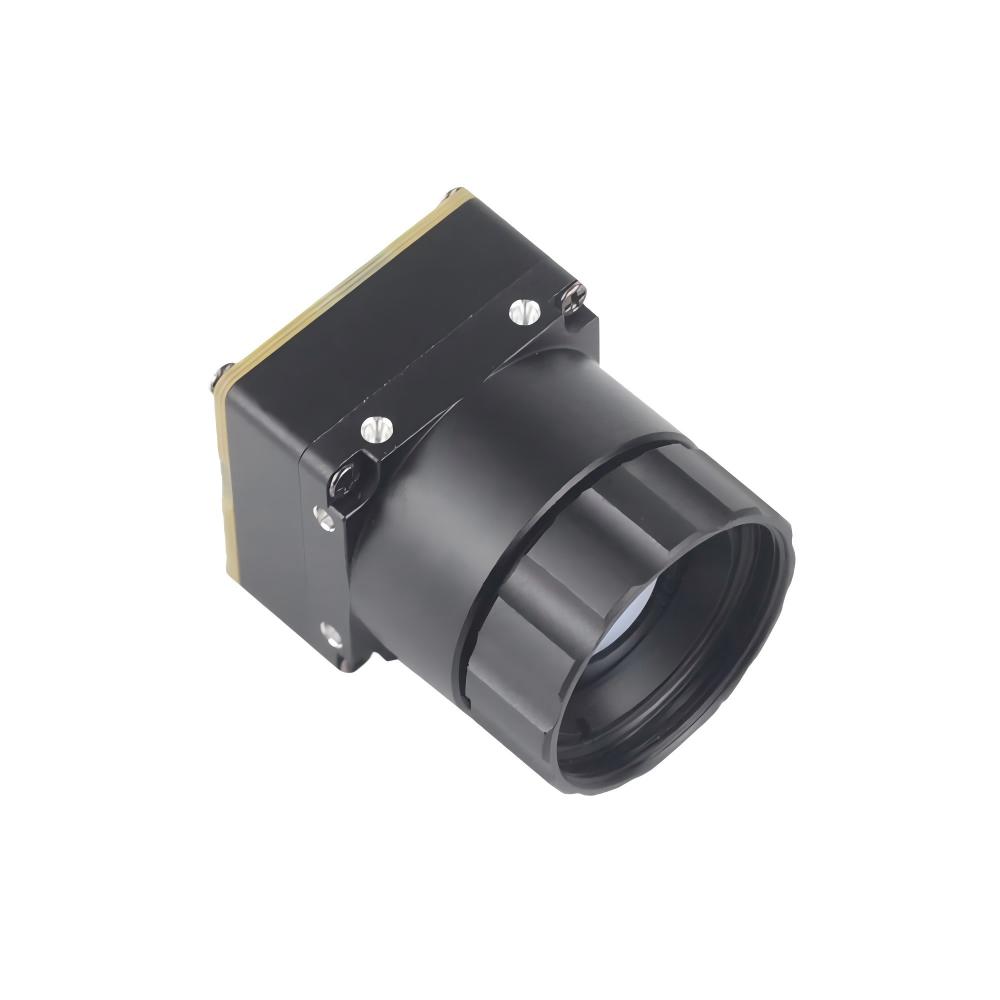
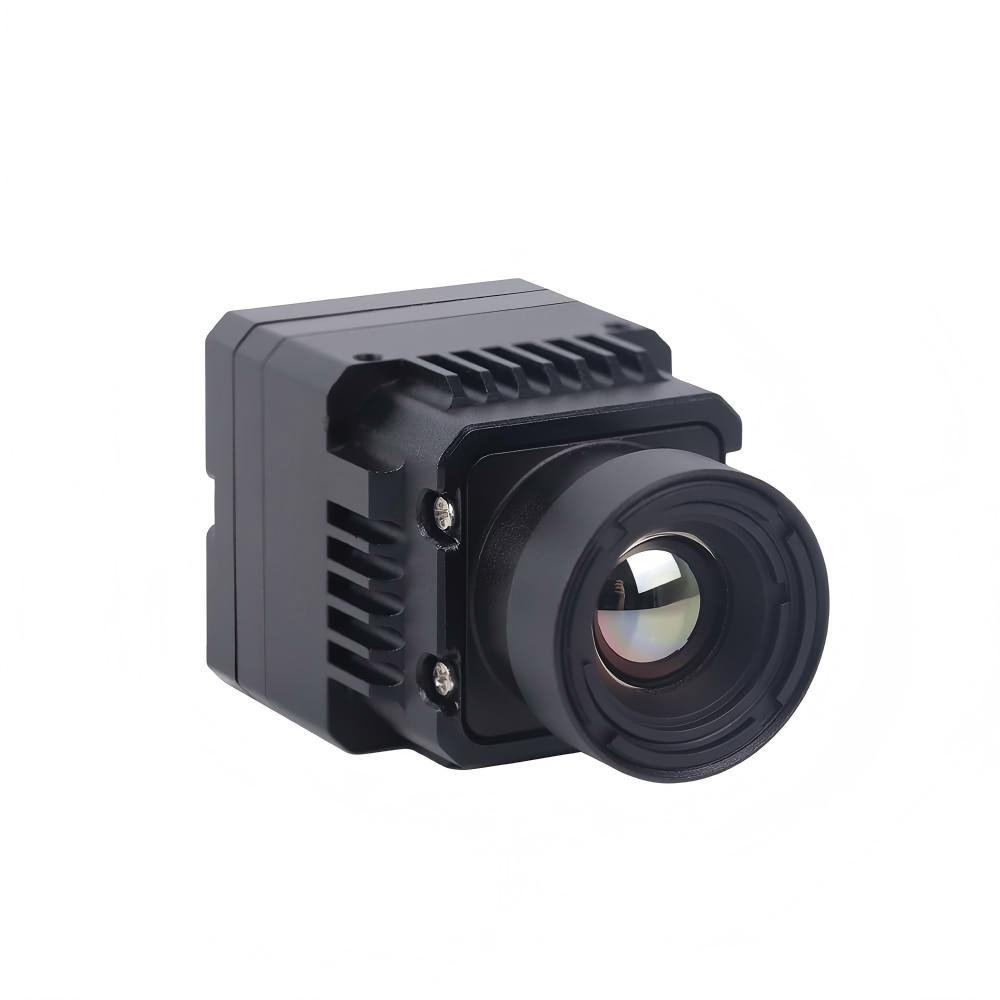
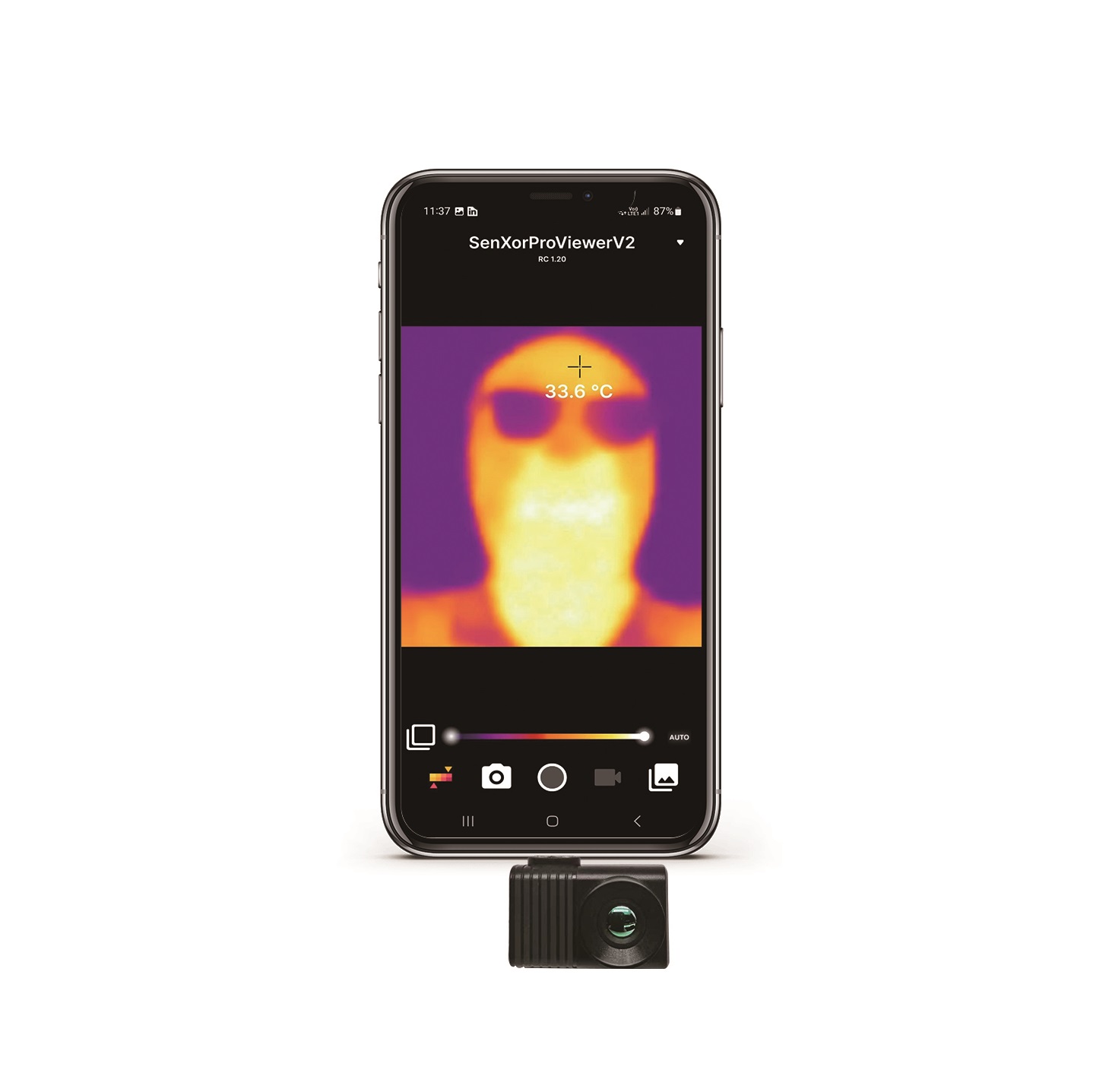
The Purpleriver MD Series thermal camera module is built for industrial jobs like perimeter monitoring, high-voltage equipment inspection, and drone payloads. Packing an advanced uncooled detector with a 12μm pixel pitch, it delivers sharp thermal resolution with sub-40mK sensitivity. Its compact footprint, plug-and-play capability, and multi-interface hardware (MIPI, USB, and CVBS) speed up integration on both legacy systems and new ARM64 designs. Built by engineers with HKUST and Huawei HiSilicon backgrounds, the MD Series offers full OEM customization options.
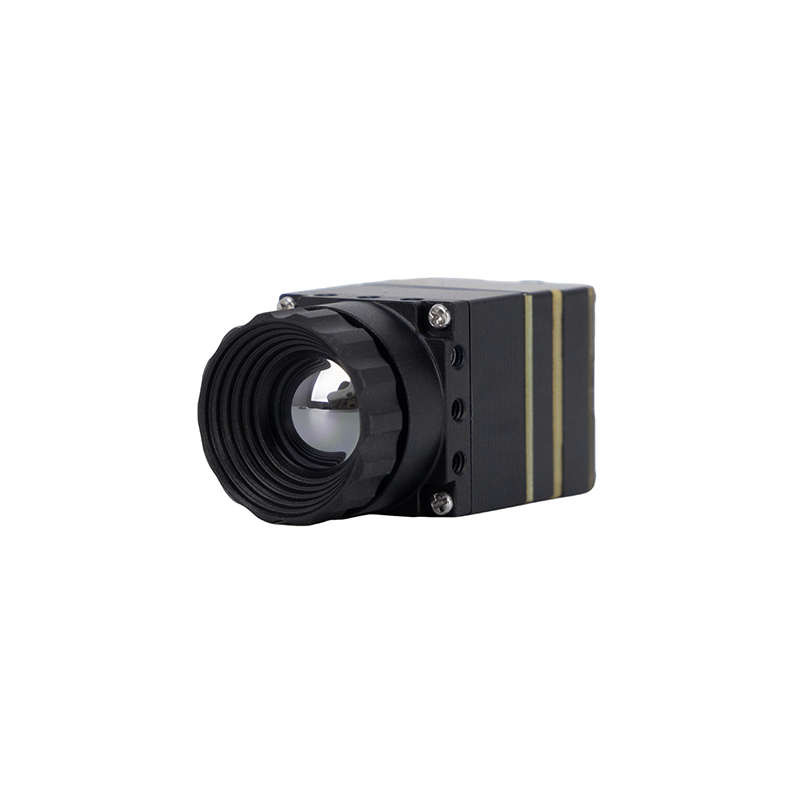
2. Uncooled LWIR USB Mini 640*512 Thermal Imaging Camera Core Module
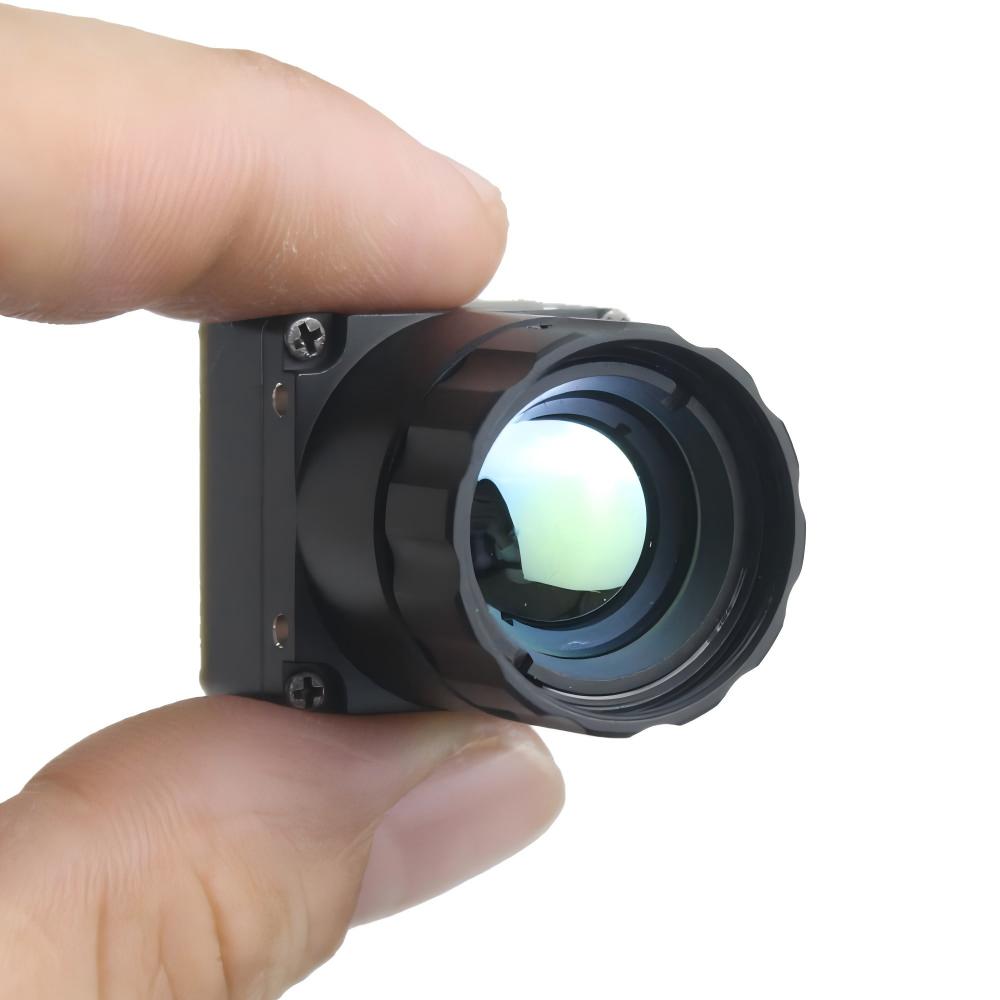
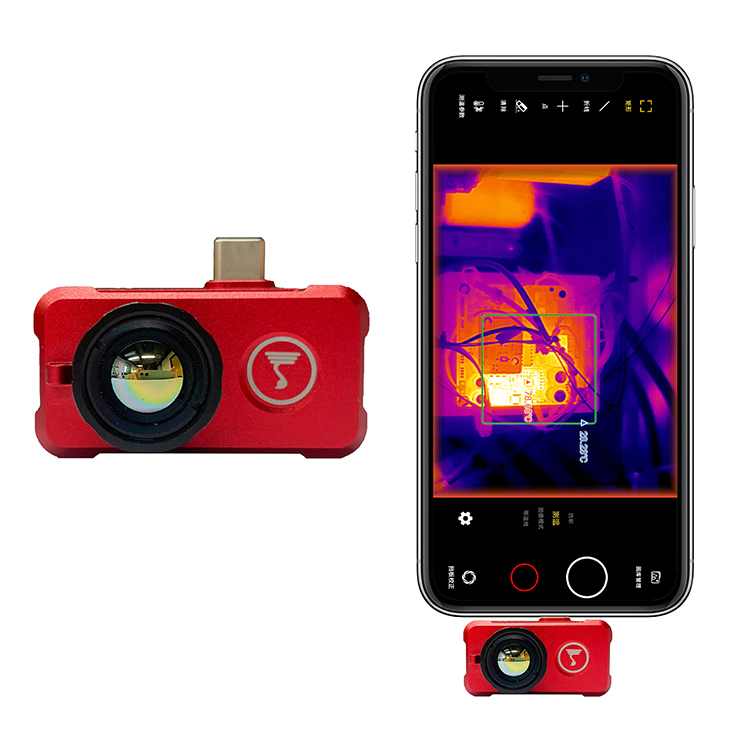
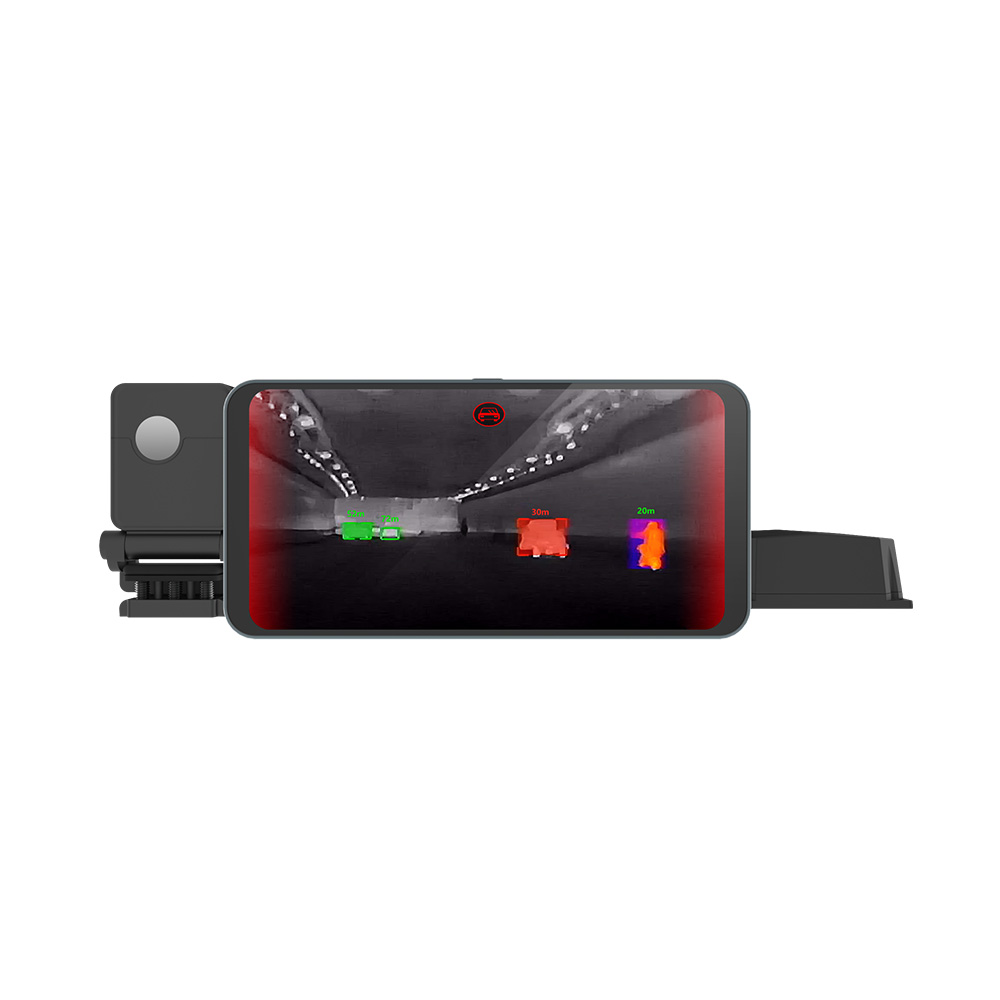
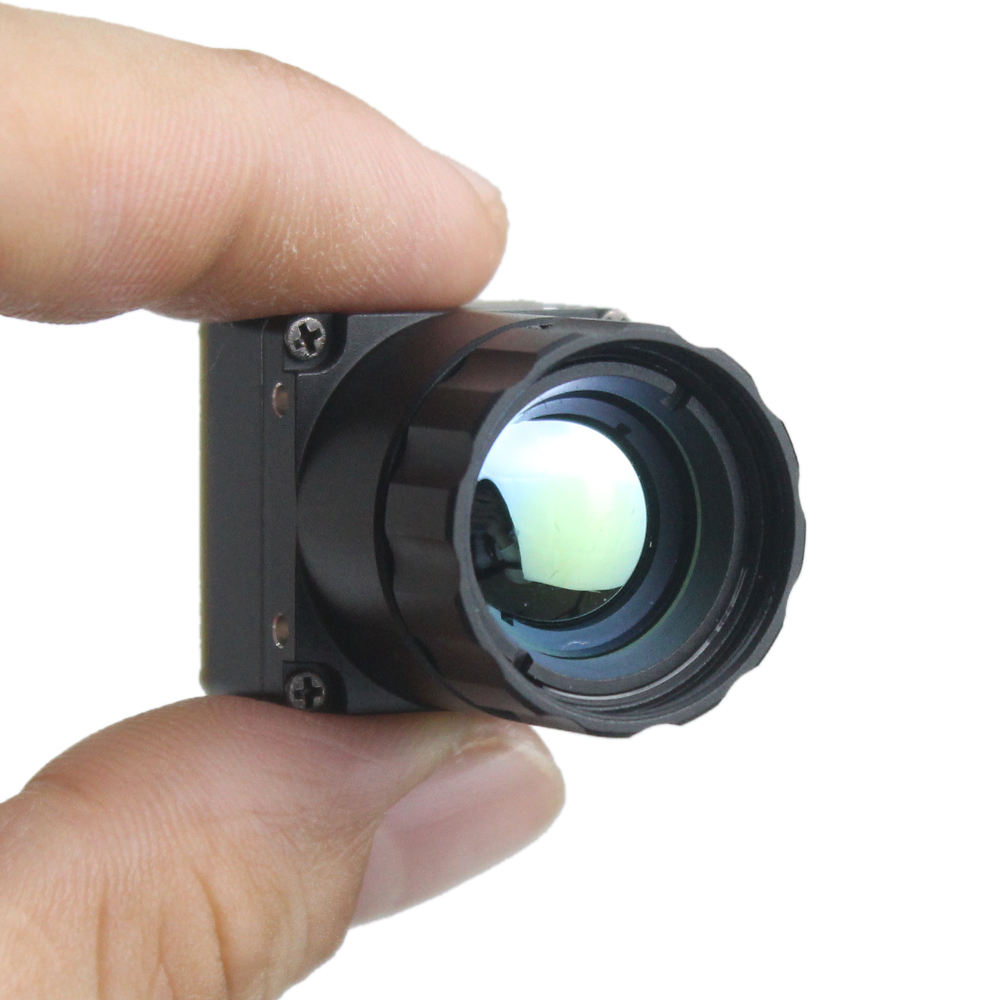
The Mini 640 LWIR module packs high-resolution thermal imaging into an ultra-small profile tailored for DJI-class drone payloads. Featuring a tiny 21mm × 21mm footprint, this core delivers rich thermal contrast with minimal spatial noise. It supports a wide range of optics (from 5mm wide-angle lenses up to 150mm telephoto optics) alongside selectable 640×480 or 640×512 output modes. Its standard USB output simplifies software integration on Linux edge systems, keeping performance rock-solid in tough outdoors environments.
Technical Specification Comparison
| Specification Parameter | MD Series 384x288 Thermal Module | Mini 640 LWIR USB Core Module |
|---|---|---|
| Product Visual |
|
|
| Product Title & Link | MD Series 384x288 Uncooled Infrared Module | Mini 640 LWIR USB Core Module |
| الدقة بالأشعة تحت الحمراء | 384 × 288 pixels | 640 × 512 pixels (640×480 option available) |
| Pixel Pitch & Detector | 12 µm VOx Uncooled Microbolometer | 12 µm VOx Uncooled Microbolometer |
| Spectral Band | 8 µm to 14 µm (LWIR Window) | 8 µm to 14 µm (LWIR Window) |
| الأبعاد المادية | Ultra-compact OEM Core Board Layout | Miniaturized 21mm × 21mm Core Profile |
| Supported Lenses | Custom Fixed & Athermalized Lenses | 5 / 9 / 13 / 18 / 35 / 50 / 75 / 100 / 150 mm |
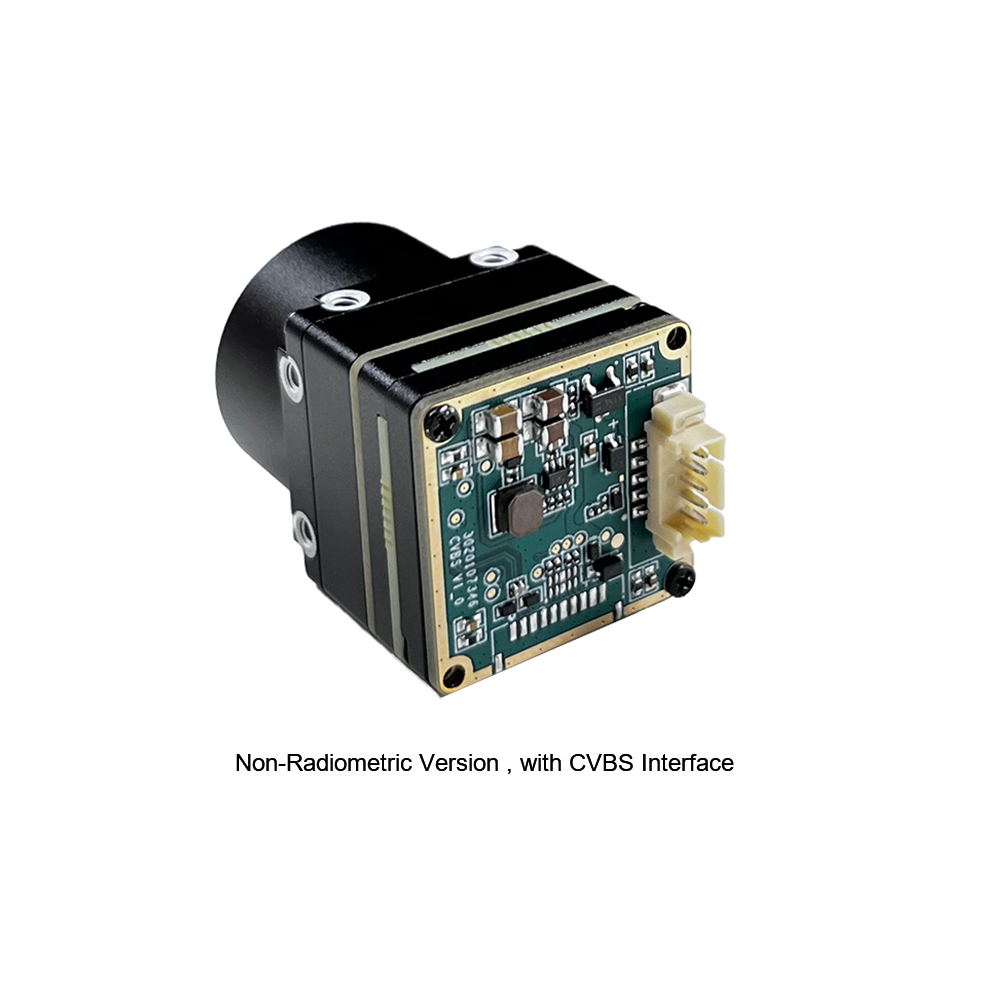
| Hardware Interfaces | MIPI CSI-2, USB 2.0/3.0, CVBS Analog | USB Type-C / Mini USB (UVC Standard) |
| Engineering Lineage | HKUST Background & Huawei HiSilicon ISP Core | Industrial High-Adaptability Rugged Core |
| Primary Deployment Target | Embedded AI Vision, Drone Payload, Security | DJI-Type Gimbal Payloads, Long-Range UAVs |
سير عمل التخصيص OEM/ODM: تسريع من المستشعر إلى الخوارزمية
Off-the-shelf camera modules don't always fit specific mechanical enclosures, optical specs, or driver requirements. Purpleriver offers end-to-end OEM/ODM customization services to match your hardware build. For technical documentation, SDK access, and reference hardware designs, visit our Thermal Image Industrial Resource Hub.
Purpleriver Engineering Customization Lifecycle
Phase 1: Optomechanical Tailoring & Weatherproof Housing
Optical engineers select or design germanium optics ranging from 5mm ultra-wide lenses to 150mm telephoto assemblies. Custom athermalized lens mounts keep image focus sharp across temperature swings (-40°C to +80°C). Sealed IP67 aluminum housings protect optics in harsh industrial applications.
Phase 2: Carrier Boards & Custom Electrical Interfaces
Board layouts get matched to tight mechanical specs. Electrical engineers customize pinouts, implement rugged high-vibration board connectors (like Samtec or Hirose), and design wide-input power stages that take 3.3V up to 24V direct battery rails.
Phase 3: Firmware & Onboard ISP Enhancement Tuning
Our HiSilicon-based ISP firmware gets adjusted for your specific use case. We can implement custom color palettes (White Hot, Black Hot, Ironbow, Rainbow), tweak regional dynamic range compression, and code on-screen display (OSD) temperature warnings right onto the stream.
Phase 4: SDK Acceleration & Target OS Drivers
Software developers get tailored C/C++ SDK libraries, Python bindings, ROS/ROS2 packages, and Linux device tree overlays cross-compiled for your target platform (ARM64, x86_64, NVIDIA JetPack, Rockchip SDKs).
الأسئلة الشائعة المتعمقة (FAQ)
How do I integrate an IR camera module with Raspberry Pi or embedded Linux platforms via USB/MIPI?
Hooking up a Purpleriver وحدة كاميرا الأشعة تحت الحمراء to single-board computers like a Raspberry Pi 4/5, NVIDIA Jetson Orin Nano, or Rockchip RK3588 depends on your choice of physical interface bus. Over USB Type-C or Mini-USB, the module acts as a standard USB Video Class (UVC) device. Under Linux, the OS mounts it automatically as a Video4Linux2 node at `/dev/videoX`. You can start grabbing frames right away using standard OpenCV calls like `cv2.VideoCapture(0)`. The module outputs standard visual YUV/RGB video frames as well as 16-bit raw radiometric Y16 arrays containing raw temperature count readings.
If your build requires sub-10ms latency and minimal CPU load, MIPI CSI-2 is the way to go. Plugging in over MIPI means connecting the camera's flex cable straight to the host board's CSI receiver. Purpleriver provides Linux kernel device tree overlays (.dtbo) and V4L2 sub-device drivers compiled for your specific kernel target. Once configured, raw 14-bit or 16-bit thermal frames stream directly into system RAM using Direct Memory Access (DMA), letting you run zero-copy pipelines inside OpenCV, CUDA, or ROS/ROS2 nodes.
What is the functional difference between a standard grayscale IR camera and an uncooled LWIR thermal camera module?
Look, standard grayscale IR cameras operate in the Near-Infrared (NIR) spectrum (0.7µm to 1.1µm). They use silicon CMOS image sensors sensitive to shortwave IR light. The key thing to remember is that NIR cameras rely completely on reflected light energy, meaning they need active IR LED illuminators (like 850nm or 940nm lamps). Turn off those lights in a pitch-black room, and an NIR camera goes blind. They also can't read temperatures or pick up thermal emissions from objects.
An uncooled Long-Wave Infrared (LWIR) thermal camera core runs in the 8µm to 14µm band using Vanadium Oxide (VOx) microbolometer technology. An LWIR core detects passive thermal energy emitted directly by every object based on its surface temperature. It produces crisp imagery in total darkness, dense smoke, fog, and dust without needing artificial lighting. Plus, radiometric LWIR cores give you pixel-by-pixel temperature readings, making them mandatory tools for electrical inspections, predictive maintenance, and search payloads.
How do I choose the optimal IR resolution (256x192 vs 384x288 vs 640x512) for drone payload optimization?
Picking thermal resolution comes down to balancing spatial detail and detection distance against your SWaP-C target. A entry-level 256×192 sensor core works fine for short-range inspections (under 30–50 meters), like indoor robotics navigation or handheld thermal tools. But its low pixel count restricts how far out you can pick up small targets.
A 384×288 core (like our Purpleriver MD Series) strikes a solid balance for mid-range drone payloads, utility pole checks, and agricultural mapping. Packing double the pixel density of entry-level units, it provides clean thermal detail and target detection out to several hundred meters while drawing less than 1.0W in an ultra-light format.
For high-altitude drone operations, search-and-rescue missions, and long-range perimeter security, 640×512 resolution (like the Purpleriver Mini 640 Series) is the industrial standard. With over 320,000 active thermal pixels, a 640×512 core lets drones fly at higher, safer altitudes while still picking up tiny thermal anomalies or finding people over 1 kilometer away. Purpleriver's 12µm pixel architecture delivers this performance inside a tiny 21mm×21mm module body.
What is Radiometric Thermal Imaging, and how do I extract raw pixel temperature values in software?
Radiometric thermal imaging means the camera reads actual surface temperatures for every single pixel in a frame, rather than just displaying relative visual contrast. In radiometric mode, the sensor converts raw digital counts into temperature readings using factory calibration curves, taking ambient sensor body temperature into account.
When capturing video through Purpleriver SDKs or Linux V4L2 Y16 streams, each pixel is output as a 16-bit unsigned integer (UINT16). Developers convert raw Y16 values to degrees Celsius (°C) using linear conversion equations provided in our documentation: `Temperature_Celsius = (Raw_Y16_Value / Scale_Factor) - Kelvin_Offset`. This lets you write automated software triggers—like firing an alarm if an electrical transformer exceeds safe temperature thresholds—directly inside your edge software pipeline.
How does Non-Uniformity Correction (NUC) operate in uncooled microbolometer thermal core modules?
Uncooled microbolometer arrays contain hundreds of thousands of individual VOx detector elements, and each pixel has slight variations in gain and electrical resistance. As ambient operational temperatures swing, those small variations create spatial noise across the image, known as fixed-pattern noise (FPN).
Non-Uniformity Correction (NUC) cleans up that noise using internal calibration hardware. Uncooled thermal modules use an internal mechanical shutter. Periodically—or when internal temperature sensors detect a thermal shift—the shutter clicks closed for a split second to present a uniform thermal surface to the detector. The onboard ISP recalculates gain and offset adjustments for every pixel, restoring clear image contrast across the frame.
📚 References & Further Reading
- Industry Standard Interconnects: Amphenol High-Reliability Board-to-Board Interconnect Systems
- Physics Standard: Wikipedia Thermography Principles & Infrared Physics Overview
- Related Integration Guide: 2025 Low-Cost Fast Thermal Module Integration Guide for Engineers
- Drone Payload Systems Guide: Principles and Functions of Drone Image Transmission Modules