
Best Cheap Thermal Camera Guide: Budget IR Cores for DIY & Inspection (2025)
2026年10月26日
Thermal Video Camera Cheap: Best Budget Cores & Video Modules Guide
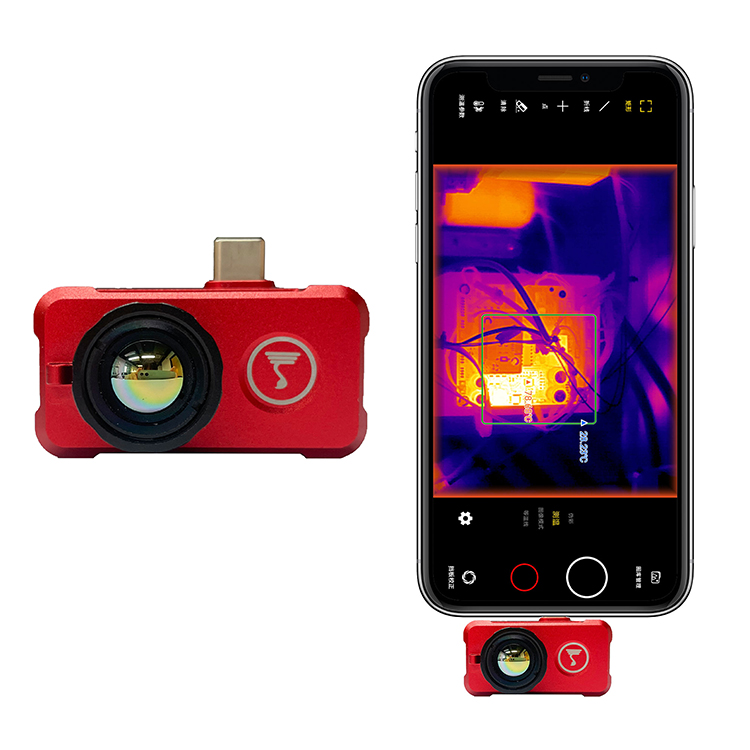
The pursuit of an industrial-grade thermal video camera cheap enough for cost-sensitive commercial integration often leads embedded vision engineers, robotics developers, and procurement specialists into a retail minefield of compromised hardware. Consumer marketplaces are inundated with budget thermal cameras marketed for residential energy audits, hobbyist outdoor tracking, or domestic electrical troubleshooting. However, beneath their brightly colored, molded plastic enclosures sit severely compromised focal plane arrays. These consumer devices are frequently locked to a sluggish 9Hz refresh rate, hampered by long thermal time constants, throttled by high spatial noise floors, and isolated within walled-garden consumer mobile apps.
For technical operators tasked with outfitting dynamic drone gimbals, inline automated manufacturing diagnostics, autonomous agricultural platforms, or embedded night-vision setups, a low frame rate and elevated Noise Equivalent Temperature Difference (NETD) make real-time target acquisition and radiometric analysis virtually impossible. In fast-moving environments, 9Hz video yields motion judder, spatial smearing, and severe latency spikes that disrupt robotic feedback loops and disorient drone pilots.
True procurement efficiency in infrared imaging is not achieved by scouring consumer retail channels for discounted gadgets. Instead, it is unlocked by sourcing bare-board, OEM uncooled Long-Wave Infrared (LWIR) camera cores directly from specialized industrial manufacturers. By eliminating non-essential consumer overhead—such as branded injection-molded casings, low-resolution integrated LCD screens, consumer packaging, and proprietary rechargeable battery grips—systems integrators can secure top-tier Vanadium Oxide (VOx) microbolometer engines operating at 25Hz, 30Hz, or 50Hz native video streaming at true wholesale price levels. This engineering guide details the solid-state physics, optical design constraints, interface mechanics, and digital signal processing pipelines that allow modern LWIR thermal cores to hit aggressive budget milestones without compromising thermal resolution or analytical reliability.
جدول المحتويات
- 👉 1. The Engineering Reality: What Makes a Thermal Video Camera "Cheap" vs. Cost-Optimized?
- 👉 2. Frame Rate & Latency Bottlenecks: 9Hz Regulatory Caps vs. Industrial 25Hz/50Hz Video
- 👉 3. The Optical Stack: Why Germanium Lenses Dictate BOM Costs and How to Reduce Them
- 👉 4. Industrial Product Comparison: High-Resolution LWIR Cores vs. Low-Cost Handhelds
- 👉 5. Integrating Budget Thermal Video Cores into Embedded Vision Systems
- 👉 الأسئلة الشائعة المتعمقة
1. The Engineering Reality: What Makes a Thermal Video Camera "Cheap" vs. Cost-Optimized?
Understanding cost optimization within the infrared imaging domain requires peeling back the micro-electromechanical systems (MEMS) packaging and examining the solid-state physics of the Focal Plane Array (FPA). In visible light machine vision, complementary metal-oxide-semiconductor (CMOS) image sensors detect incoming photons directly via the photoelectric effect within crystalline silicon. In contrast, an uncooled Long-Wave Infrared (LWIR) camera operates within the 8µm to 14µm spectral band, where silicon is completely ineffective at generating direct photoelectrons.
Instead, thermal video modules utilize an array of microscopic thermal resistors known as microbolometers. Each microbolometer pixel consists of an infrared-absorbing membrane suspended across minute micro-bridges above a silicon Read-Out Integrated Circuit (ROIC). When incoming long-wave infrared radiation hits the absorbing membrane, its temperature shifts by fractions of a millikelvin. This temperature change alters the electrical resistance of the bridge material, which the underlying ROIC measures as an analog voltage swing, converts through on-chip analog-to-digital converters (ADCs), and outputs as a continuous matrix of raw digital counts.
Historically, thermal imaging hardware commanded prohibitive enterprise prices due to low semiconductor yields, exotic raw material requirements, and hermetic packaging labor. The current divergence between a fragile "cheap" consumer thermal camera and a robust, "cost-optimized" industrial OEM video core stems from three primary engineering factors: thin-film material science, vacuum packaging architectures, and form-factor component consolidation.
Microbolometer Material Physics: Vanadium Oxide (VOx) vs. Amorphous Silicon (a-Si)
The chemical composition of the suspended microbolometer resistor defines the thermal sensitivity, noise immunity, and long-term calibration stability of the camera core:
- ⚠️ السيليكون غير المتبلور (a-Si): Manufacturers of entry-level consumer thermal cameras frequently utilize amorphous silicon. The appeal of a-Si is primarily financial: it can be deposited using standard, legacy CMOS manufacturing fabrication lines, dramatically lowering initial capital expenditures. However, amorphous silicon features a relatively low Temperature Coefficient of Resistance (TCR), typically hovering around 2.0% to 2.5% per Kelvin, combined with elevated 1/f noise characteristics. As a result, the thermal sensitivity of a-Si sensors is limited, routinely exhibiting a high Noise Equivalent Temperature Difference (NETD) between 50mK and 80mK. Under low-contrast conditions—such as cold outdoor environments, maritime fog, or uniform indoor spaces—an a-Si video stream degrades into a grainy, washed-out image where subtle thermal boundaries are obscured by temporal and fixed-pattern noise.
- ✅ أكسيد الفاناديوم (VOx): Vanadium Oxide is the acknowledged gold standard for industrial, scientific, and aerospace thermal imaging. VOx thin films deliver a significantly higher TCR (consistently between 2.5% and 3.5% per Kelvin) paired with exceptionally low electrical noise. This enables VOx sensor engines to achieve thermal sensitivity ratings of ≤40mK, ≤30mK, or lower. Historically, synthesizing stoichiometric VOx was difficult and yield-limited. Today, modern industrial manufacturers have mastered advanced sub-micron lithography and automated deposition techniques. This development allows commercial engineers to procure high-yield VOx sensor cores at price points that rival consumer a-Si hardware, without sacrificing dynamic range or spatial fidelity. For an exhaustive examination of VOx thin-film material architectures and their operational characteristics, review our technical breakdown on VOx thermal camera modules.
Packaging Paradigms: Wafer-Level Packaging (WLP) vs. Traditional Metallic Headers
Because microbolometers measure microscopic changes in thermal energy via physical heat conduction, every individual pixel must exist in an environment isolated from ambient atmospheric gases. If atmospheric air enters the sensor chamber, ambient gas molecules physically conduct heat between adjacent pixels and the substrate, completely extinguishing the microbolometer's sensitivity. Consequently, the focal plane array must be permanently sealed in a hard vacuum.
For decades, sensors relied on ceramic or metallic packaging. Each individual microbolometer die was placed inside a dedicated machined metal housing, fitted with an anti-reflective coated Germanium optical window, evacuated using specialized high-vacuum pumping stations over several hours, and pinched shut with an integrated chemical getter to absorb lingering outgassed molecules. This labor-intensive manual assembly was a major driver of high system costs.
Cost-optimized modern thermal video cameras utilize Wafer-Level Packaging (WLP). In a WLP fabrication run, an entire wafer of microbolometer sensor dies is matched with a corresponding silicon window wafer in an automated, ultra-high-vacuum bonding chamber. The two wafers are chemically and physically bonded using metallic solder sealing rings simultaneously across thousands of individual die sites. Only after the entire wafer sandwich is permanently vacuum-sealed are the individual dies sliced apart using precision dicing saws.
WLP technology reduces microbolometer packaging expenses by more than 80%, shrinks the overall sensor footprint to the size of a thumbnail, and ensures high production yields. This semiconductor milestone is what makes high-resolution thermal imaging accessible for cost-constrained industrial platforms. For an in-depth survey of microbolometer sensor specifications, manufacturing hierarchies, and pixel pitch scaling, refer to our comprehensive thermal camera resolution and core module technical guide.
Elimination of the "Turnkey Consumer Tax"
The final element that separates a truly cost-optimized OEM core from an artificially cheap consumer device is the Bill of Materials (BOM) allocation. When buying an off-the-shelf handheld thermal camera, a large portion of the retail price covers non-sensing hardware: injection-molded ABS plastic shells, low-grade color LCD screens, battery management circuitry, physical buttons, consumer retail packaging, and smartphone software development costs. By procuring a bare-board OEM thermal core, 100% of the procurement budget goes directly toward the raw sensing array, the internal Read-Out Integrated Circuit, and the onboard FPGA processing architecture. This allows integrators to deploy high-resolution thermal video without subsidizing consumer hardware overhead.
2. Frame Rate & Latency Bottlenecks: 9Hz Regulatory Caps vs. Industrial 25Hz/50Hz Video
When an engineer integrates a consumer "budget" thermal camera into an unmanned aerial vehicle (UAV), automated production line, or advanced driver-assistance system (ADAS), the most immediate operational failure is severe motion judder. The camera stream stutters, fast-moving targets leave ghosted trails across the display, and automated machine vision algorithms fail to converge. This behavior is caused by frame rate throttling and microbolometer latency bottlenecks.
The 9Hz Export Restriction Landscape
The prevalence of 9Hz thermal video devices across consumer retail channels is not an engineering limitation; it is an international regulatory constraint. Under the multilateral Wassenaar Arrangement on Export Controls for Conventional Arms and Dual-Use Goods and Technologies, as well as the United States International Traffic in Arms Regulations (ITAR) and Export Administration Regulations (EAR), high-frame-rate thermal imaging devices are classified as dual-use goods due to their potential utility in military targeting and automated guidance systems.
Thermal cameras operating at frame rates greater than or equal to 9Hz face stringent export oversight, end-user verification, and licensing procedures when shipped internationally. To sell equipment globally through unverified consumer e-commerce channels without export friction, consumer tool manufacturers artificially clamp their firmware or ROIC clocks to 8.6Hz or 9.0Hz.
At 9Hz, an image frame refreshes only once every 111 milliseconds. In machine vision and aerial navigation contexts, this latency is catastrophic:
- ⚠️ Unmanned Flight Control: A multirotor drone flying at a moderate speed of 15 m/s travels 1.66 meters between consecutive 9Hz video frames. In dynamic low-altitude maneuvers or obstacle avoidance operations, this sampling delay makes real-time piloting dangerous and automated optical flow tracking ineffective.
- ⚠️ High-Speed Factory Automation: On a high-throughput packaging, bottling, or automated battery welding line running at 10 parts per second, a 9Hz thermal camera captures less than one image per unit. This causes quality control systems to miss dynamic thermal runaway events, localized resistance heating anomalies, and brief sealing failures.
- ⚠️ Human Operator Disorientation: For human pilots utilizing first-person view (FPV) setups or robotic operators using head-mounted displays, video refresh rates below 20Hz induce significant visual fatigue, motion sickness, and delayed hand-eye coordination.
In contrast, sourcing directly through industrial OEM manufacturing pipelines grants commercial developers access to un-throttled 25Hz, 30Hz, and 50Hz native video engines. Operating at 50Hz, the temporal interval between frames drops to 20 milliseconds, delivering smooth, broadcast-quality video streams suitable for real-time robotic navigation, telemetry integration, and high-speed motion tracking.
The Physics of Thermal Time Constants (τ)
Frame rate alone does not guarantee crisp video. The physical response time of the microbolometer pixel membrane—termed the thermal time constant (τ)—dictates whether an infrared sensor can record rapid movement without visual smear. The thermal time constant represents the time required for a microbolometer pixel to register 63.2% of a sudden step-change in incident infrared radiation, and is governed by the following physical equation:
τ = Cال / Gال
حيث Cال represents the total heat capacity of the suspended pixel membrane, and Gال is the thermal conductance of the mechanical micro-legs supporting the pixel above the silicon ROIC substrate.
In low-cost consumer sensors with legacy, large-geometry pixel pitches (e.g., 25µm or 17µm with thick silicon nitride membranes), the thermal mass of the pixel membrane is relatively high. This yields long thermal time constants often ranging between 12ms and 18ms. If the thermal time constant approaches or exceeds the duration of the frame interval, the pixel physically cannot warm up or cool down quickly enough to reflect scene variations. As a result, moving hot targets leave long, ghostly persistence trails across the screen.
Modern industrial OEM modules solve this challenge by transitioning to thin-film 12µm pixel architectures. Reducing the physical pixel footprint significantly decreases the thermal mass (Cال), while precision nanolithography tailors the micro-bridge geometry to optimize Gال. Consequently, advanced 12µm VOx cores achieve thermal time constants of ≤8ms to 10ms. This physical responsiveness allows full 50Hz video streams to track rapid mechanical vibrations, high-speed projectile motion, and fast drone maneuvers with sharp edge transitions and zero spatial smearing. To review how high-speed USB data pipelines process high-frame-rate feeds, examine our guide to industrial USB thermal imaging modules.
3. The Optical Stack: Why Germanium Lenses Dictate BOM Costs and How to Reduce Them
In standard visible-light machine vision, optics are an economical element of the total system. High-quality multi-element glass lenses pressed from common optical borosilicate glass (such as BK7) or optical-grade polymers cost only a few dollars to produce in volume. In the Long-Wave Infrared spectrum (8µm–14µm), however, standard optical glass is completely opaque. As noted in scientific literature on thermal radiation and thermography principles, infrared optics demand specialized materials capable of transmitting mid-to-far infrared wavelengths.
The Monocrystalline Germanium Paradox
Monocrystalline Germanium (Ge) is the premier traditional optical material utilized across LWIR camera systems. Germanium provides unique physical advantages: an exceptionally high refractive index (n ≈ 4.005 at 10µm wavelength), low optical dispersion, and minimal chromatic aberration across the 8µm to 14µm window. This extraordinarily high refractive index allows optical engineers to design thin, highly effective lens elements with short radiuses of curvature, enabling compact, high-aperture (e.g., f/1.0 to f/1.2) optical designs.
However, Germanium comes with substantial supply chain and manufacturing costs:
- ⚙️ Raw Material Scarcity: Germanium is a rare metalloid recovered almost entirely as a minor byproduct of zinc and coal refining. Global availability is limited, and international raw material spot prices fluctuate considerably, driving up baseline blank costs.
- ⚙️ Precision Diamond Turning: Germanium is a hard, brittle crystal. It cannot be melted and cast, nor can it be stamped into shape. Each Germanium lens element must be ground, polished, and shaped using Single-Point Diamond Turning (SPDT) on ultra-precision CNC lathes utilizing monocrystalline natural diamond cutting bits. This is a time-intensive subtractive process that produces significant material waste.
- ⚙️ Thermal Defocusing (Athermalization): Germanium exhibits a very high thermal-optic coefficient (dn/dT ≈ 3.96 × 10⁻⁴ K-1), meaning its refractive index changes significantly as environmental temperatures shift. An unprotected Germanium lens will rapidly lose focus if exposed to outdoor ambient temperature fluctuations. Integrators must incorporate complex mechanical athermalization systems—using specialized counter-expanding aluminum and Delrin sleeves—to physically shift the lens elements as the temperature changes, further increasing manufacturing complexity.
In high-resolution, long-focal-length camera systems, the Germanium lens assembly alone can account for 40% to 55% of the total system Bill of Materials.
Chalcogenide Glass: Precision Glass Molding at Scale
To reduce optical costs without degrading modulation transfer function (MTF) performance, modern cost-effective LWIR modules utilize chalcogenide glass alloys (such as GASIR: compounds containing germanium, selenium, arsenic, and tellurium). Unlike crystalline Germanium, chalcogenide materials behave like amorphous glass. They can be heated to their softening point and pressed into high-precision, aspheric optical geometries using high-throughput Precision Glass Molding (PGM) techniques.
PGM eliminates the need for labor-intensive Single-Point Diamond Turning, dramatically dropping production cycle times from hours to seconds per lens element. Furthermore, chalcogenide glass features a significantly lower thermal-optic coefficient (dn/dT) than pure Germanium, facilitating the creation of optically athermalized lens assemblies that maintain sharp focus from -40°C to +85°C without complex internal motorized mechanisms.
Interconnect Reliability and Mechanical Integration
Cost reduction must never undermine physical signal integrity. Low-end consumer thermal devices rely on fragile, non-locking consumer USB-C ports or micro-coaxial ribbons that easily work loose under industrial vibration or continuous drone motor resonance. Professional budget modules integrate industrial micro-coaxial interfaces and locking board-to-board connectors engineered by industry-standard interconnect manufacturers such as Amphenol. This ensures steady 14-bit data stream transmission across high electromagnetic interference (EMI) environments, dynamic drone flights, and demanding industrial conditions.
4. Industrial Product Comparison: High-Resolution LWIR Cores vs. Low-Cost Handhelds
To highlight the tangible architectural advantages of deploying bare-board OEM thermal cores over low-end consumer handhelds, the comparison below evaluates the hardware, optical, and streaming specifications of modern cost-effective solutions:
| معامل الأداء | Generic Consumer "Budget" Handheld | وحدة LWIR USB مصغّرة غير مبرّدة بدقة 640*512 | High Resolution Uncooled 1280*1024 LWIR Camera |
|---|---|---|---|
| دقة المستشعر الأصلية | 160×120 to 256×192 (Max 49,152 px) | 640×512 / 640×480 (327,680 px) | 1280×1024 HD (1,310,720 px) |
| Video Frame Rate | ≤9Hz Export Throttled (Choppy) | 25Hz / 30Hz / 50Hz Real-Time Video | 25Hz / 30Hz Native Fluid Video |
| Microbolometer Material | Amorphous Silicon (a-Si) / High Noise | Vanadium Oxide (VOx) WLP Core | Vanadium Oxide (VOx) Industrial Array |
| الحساسية الحرارية (NETD) | ≥50mK to 70mK (Flat contrast) | ≤40mK (Sharp, crisp presentation) | ≤35mK (Ultra-fine thermal gradient capture) |
| Lens & Optical Stack | Fixed wide-angle, non-interchangeable | Modular: 5, 9, 13, 18, 35, 50, 75, 100, 150mm | Pre-calibrated 25mm Precision Germanium Optic |
| Form Factor / SWaP-C Profile | Bulky pistol-grip plastic assembly (>350g) | Micro 21mm × 21mm footprint (Ultra-light) | Ruggedized, compact industrial integration chassis |
| مخرجات الفيديو الرقمية | Locked smartphone app or proprietary flash | USB UVC / Direct Digital / MIPI Ready | Industrial Digital Video / Comprehensive SDK |
| النشرات المستهدفة الأساسية | Basic home inspection, DIY hobbyists | Drone gimbals (DJI-class), robotics, IoT | Substation monitoring, border security, ADAS |
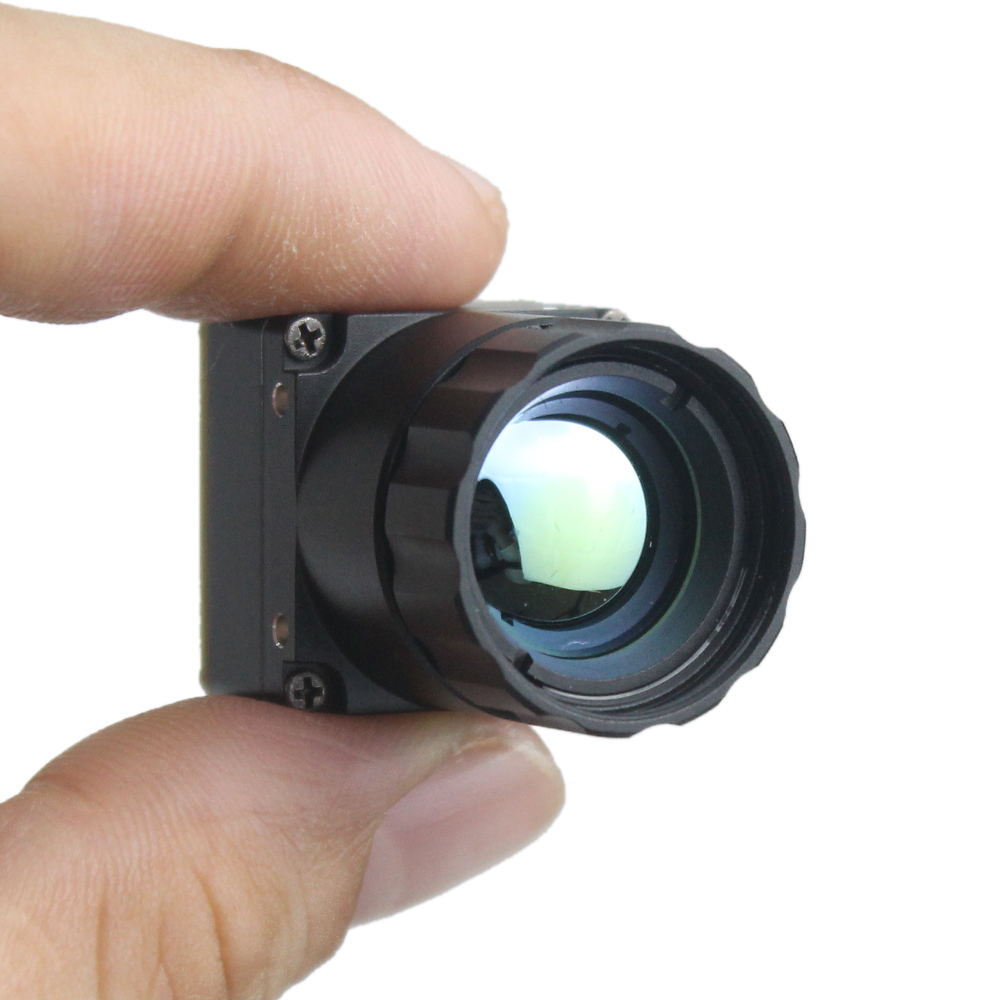
Spotlight: Uncooled LWIR USB Mini 640*512 Thermal Camera Core Module
وحدة الكاميرا الحرارية الأساسية المصغرة غير المبردة LWIR USB بدقة 640*512
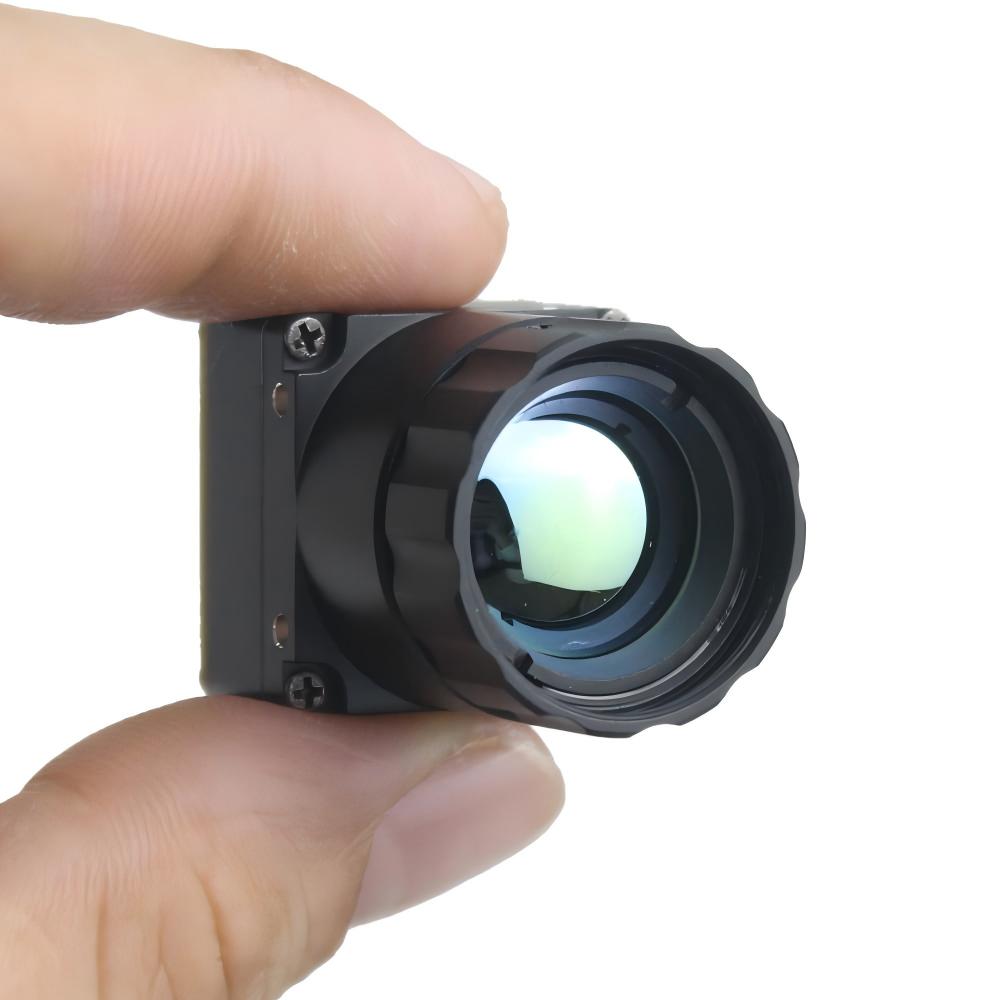
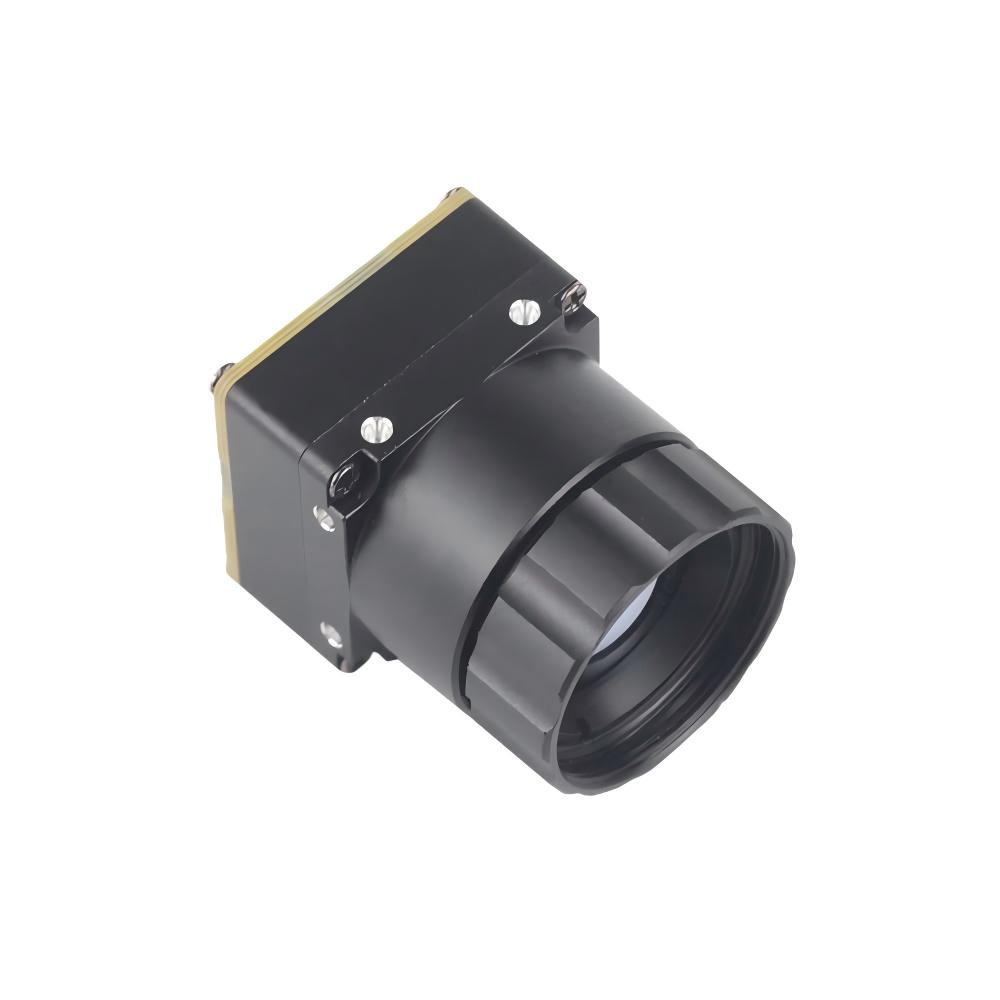
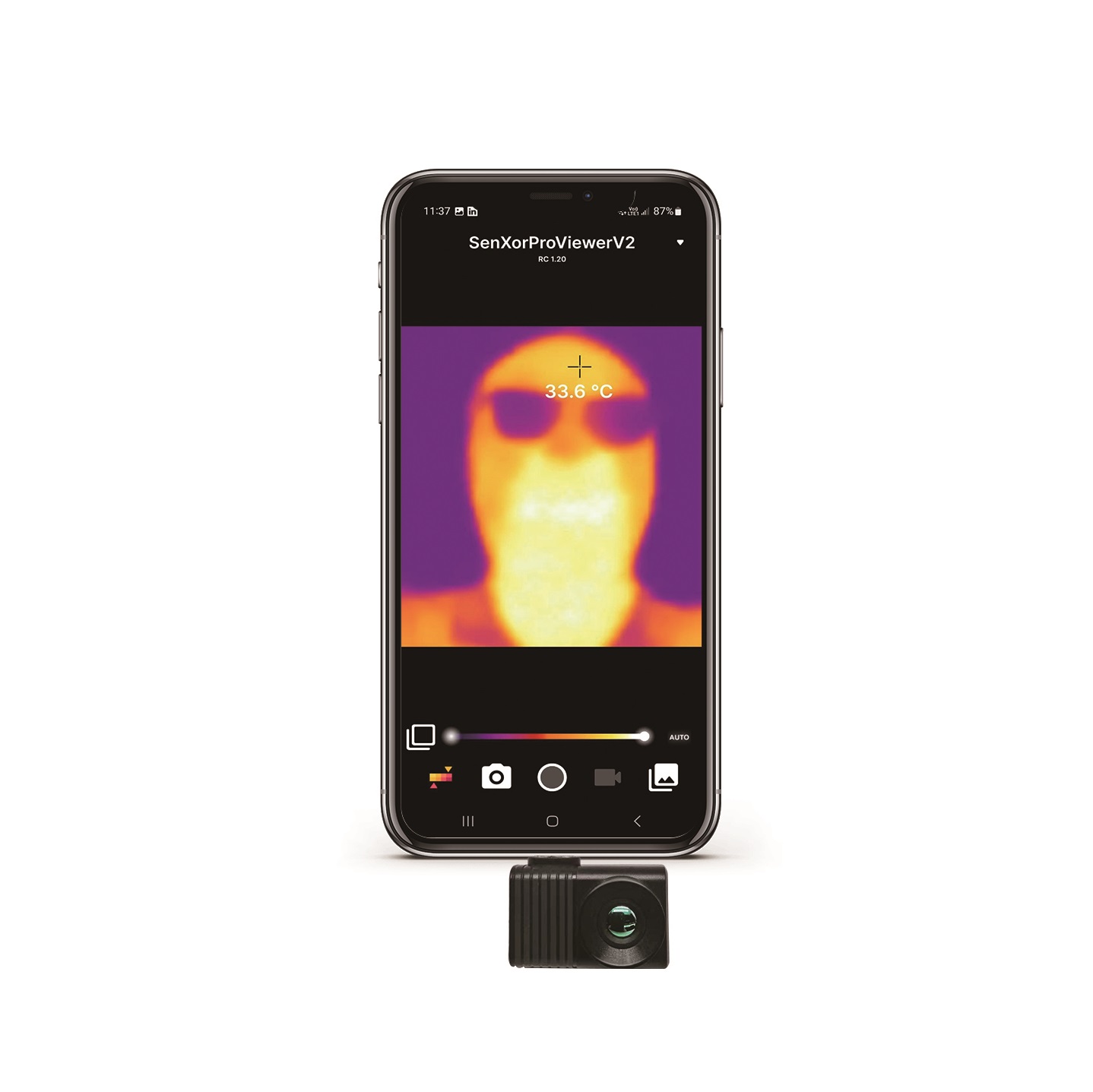
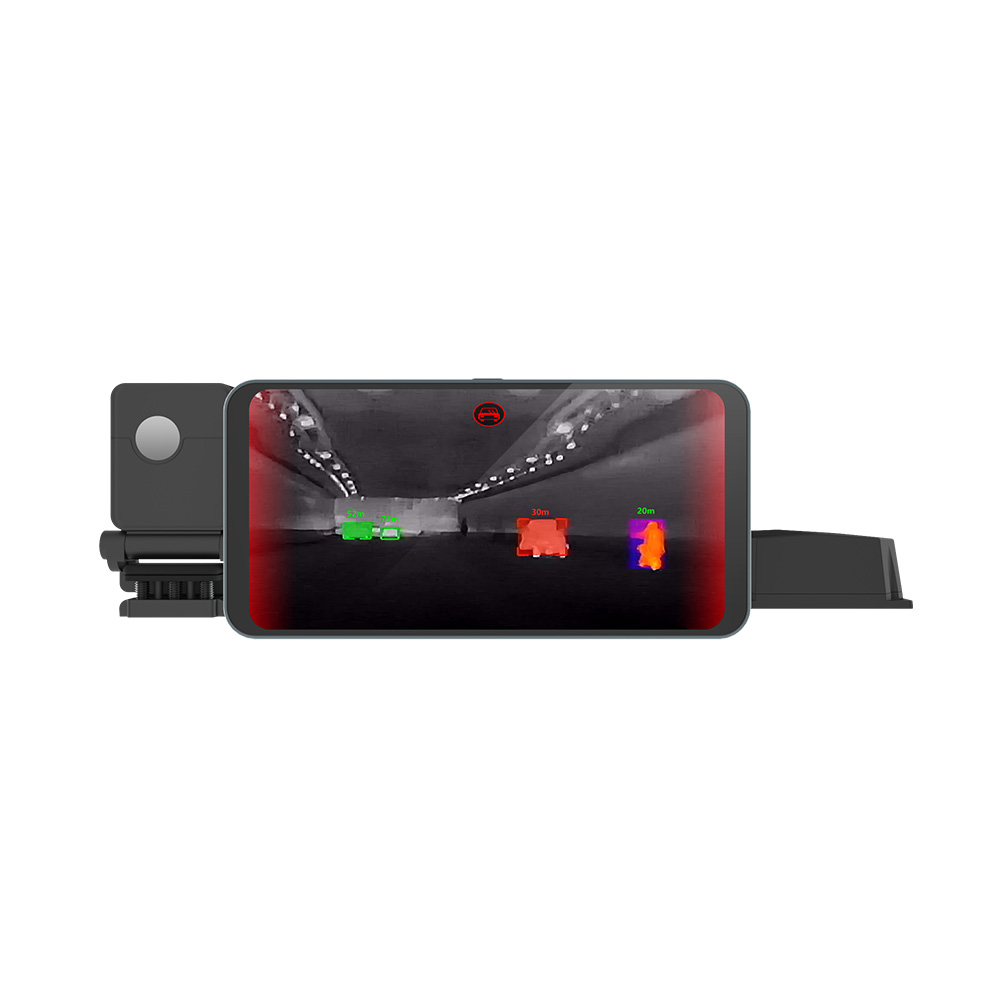
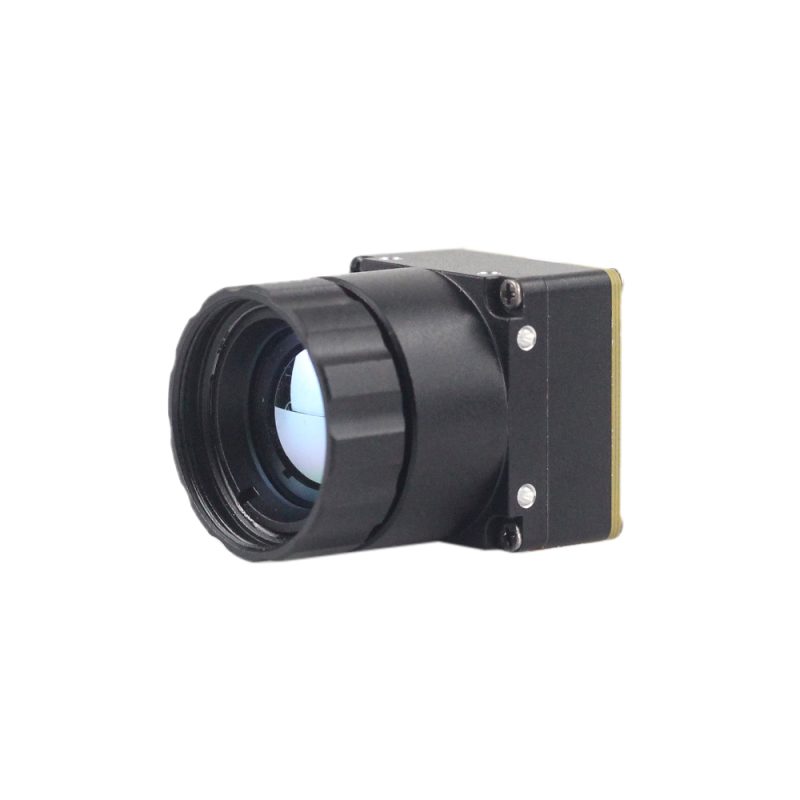
Engineered to deliver high visual definition within tight Size, Weight, Power, and Cost (SWaP-C) constraints, the Mini 640 Uncooled LWIR Core Module is designed specifically for unmanned aerial platforms, compact drone gimbals (similar in class to DJI enterprise systems), and embedded robotics. Featuring an ultra-compact chassis measurement of just 21مم × 21مم, this core eliminates unnecessary integration bulk while providing an exceptional 640×512 (with 640×480 optional) Vanadium Oxide microbolometer array.
Unlike consumer units limited by slow 9Hz refresh rates, this module outputs high-framerate, fluid video that allows flight controllers, machine vision pipelines, and remote operators to navigate dynamic terrain without motion smear. The thermal imaging presentation is sharp, crisp, and analytically accurate, supported by stable internal temperature calibration routines that ensure strong environmental adaptability across shifting ambient conditions. Integrators can tailor the field of view to their exact operational requirements via an extensive ecosystem of interchangeable optical assemblies, with focal length options extending across 5 مم، 9 مم، 13 مم، 18 مم، 35 مم، 50 مم، 75 مم، 100 مم، و150 مم configurations.
The core features standard USB interface architecture, presenting itself directly as a standard video device across modern embedded operating systems. This simplifies development across Linux, Windows, and ROS platforms without requiring cumbersome, locked-down proprietary capture drivers.
Spotlight: High Resolution Uncooled Infrared 1280*1024 LWIR Thermal Camera
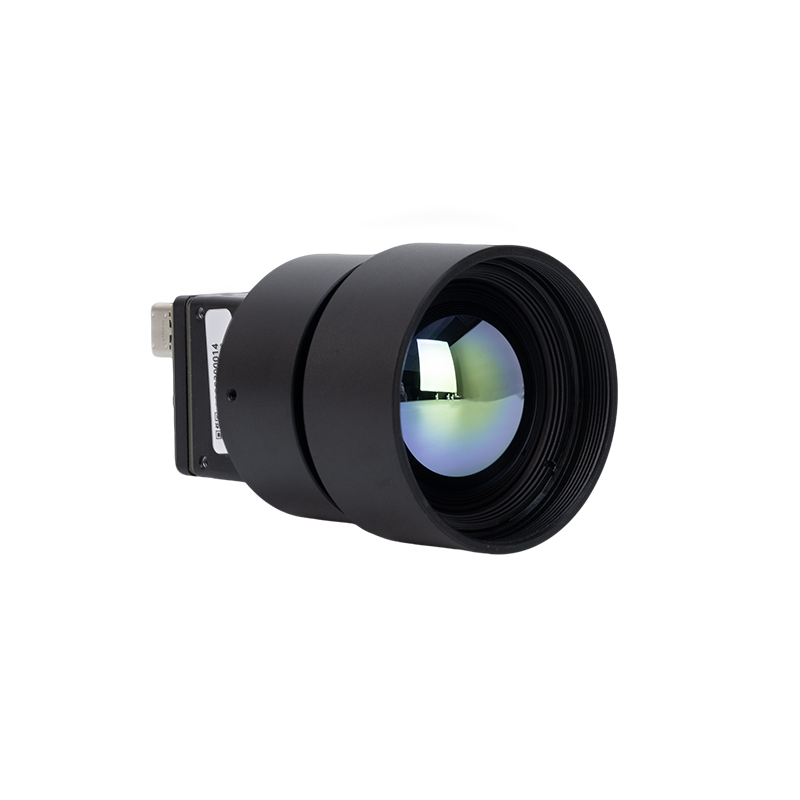
كاميرا تصوير حراري عالية الدقة غير مبردة بالأشعة تحت الحمراء 1280*1024 LWIR
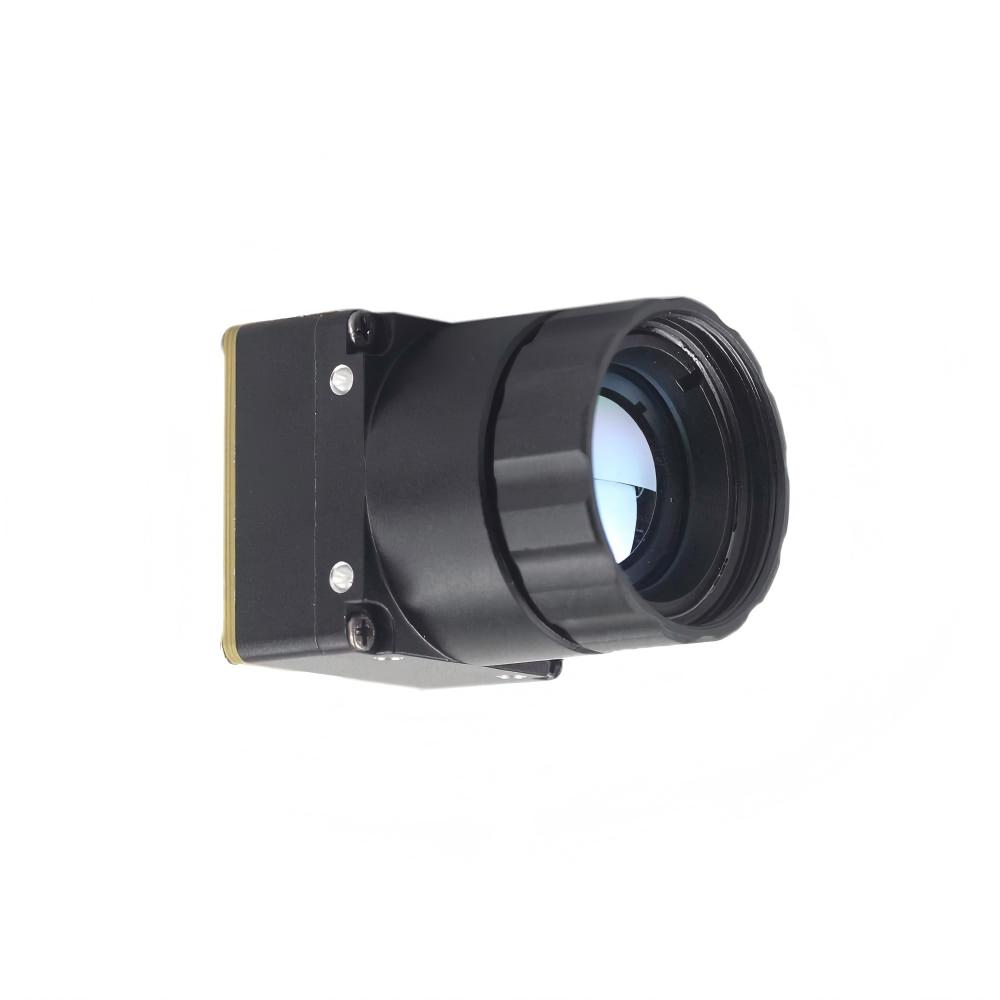
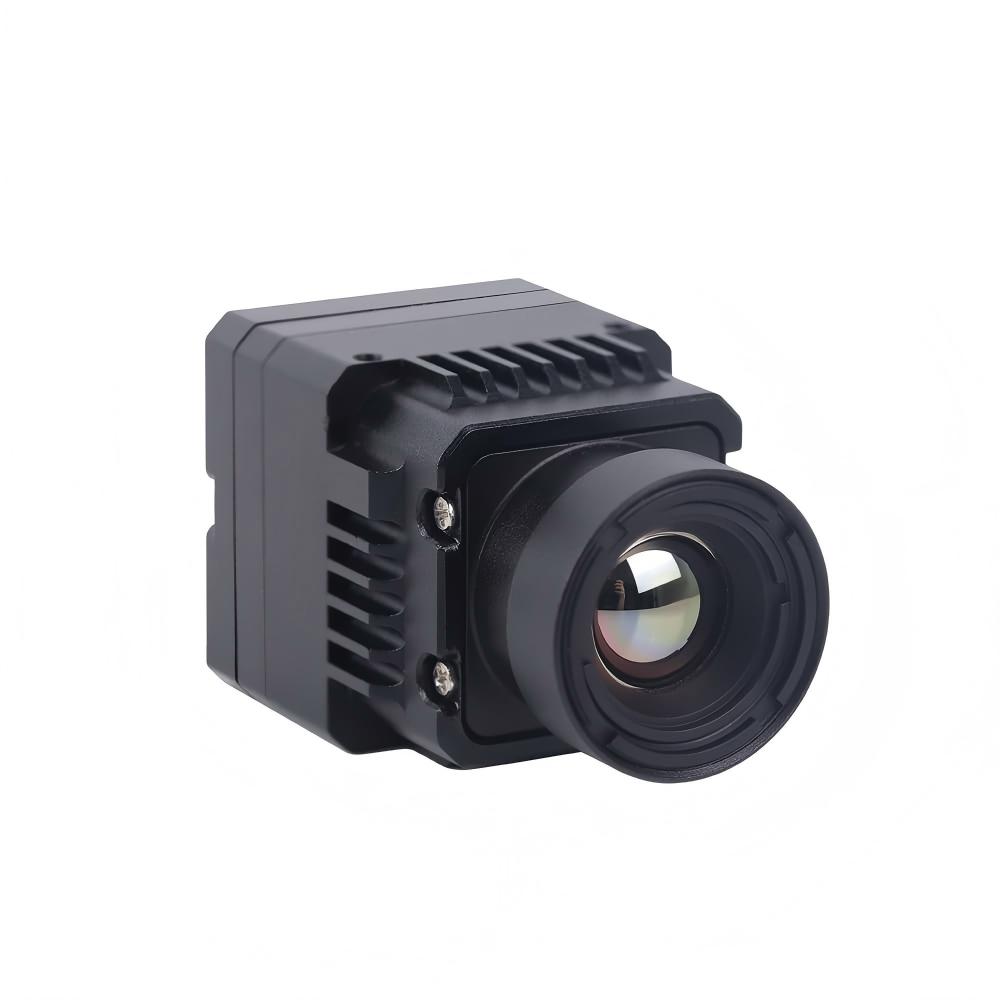
For industrial automation, perimeter monitoring, border surveillance, and high-end research projects requiring deep analytical precision, low-resolution sensors fall short. The High Resolution Uncooled 1280×1024 LWIR Camera offers high-definition infrared imaging at wholesale-level procurement pricing, making megapixel thermal video accessible to cost-conscious commercial developers.
Packing an impressive 1,310,720 active VOx microbolometer pixels onto its focal plane array, this system captures more than four times the spatial resolution of conventional 640×512 sensors and over twenty-six times the resolution of low-end 256×192 consumer inspection tools. This pixel density allows security systems, industrial inspectors, and automated monitoring setups to detect, recognize, and identify targets at significantly longer optical standoff distances. The camera comes equipped with an integrated, high-transmission 25mm optical lens assembly, delivering a versatile field of view balanced for wide area surveillance and detailed localized thermal tracking.
The module incorporates an onboard FPGA image signal processor that continuously runs hardware-accelerated non-uniformity correction (NUC), bad pixel replacement, and digital detail enhancement (DDE). The result is high-contrast, clean 1280×1024 thermal video ready for direct transmission into industrial analytics architectures, AI object-detection pipelines, and continuous facility monitoring networks.
5. Integrating Budget Thermal Video Cores into Embedded Vision Systems
One of the main differentiators between a locked-down consumer camera and an industrial OEM thermal core is how developers extract data from the device. Handheld units restrict users to proprietary smartphone companion applications, closed-source file containers, or low-resolution analog outputs. In contrast, cost-optimized OEM modules offer direct access to their high-speed digital pipelines, allowing engineers to interface directly with low-cost single-board computers (SBCs) such as the Raspberry Pi 5, NVIDIA Jetson Orin Nano, or Rockchip industrial compute platforms.
Video Interfaces: USB UVC vs. MIPI-CSI2
Modern embedded camera integration typically relies on one of two primary hardware interface standards:
- ✅ فئة الفيديو عبر USB (UVC): Modules like the نواة Mini 640 غير المبردة LWIR USB implement the standard USB UVC protocol. When connected via USB 2.0 or 3.0, the operating system recognizes the thermal core as a standard plug-and-play video capture node (e.g.,
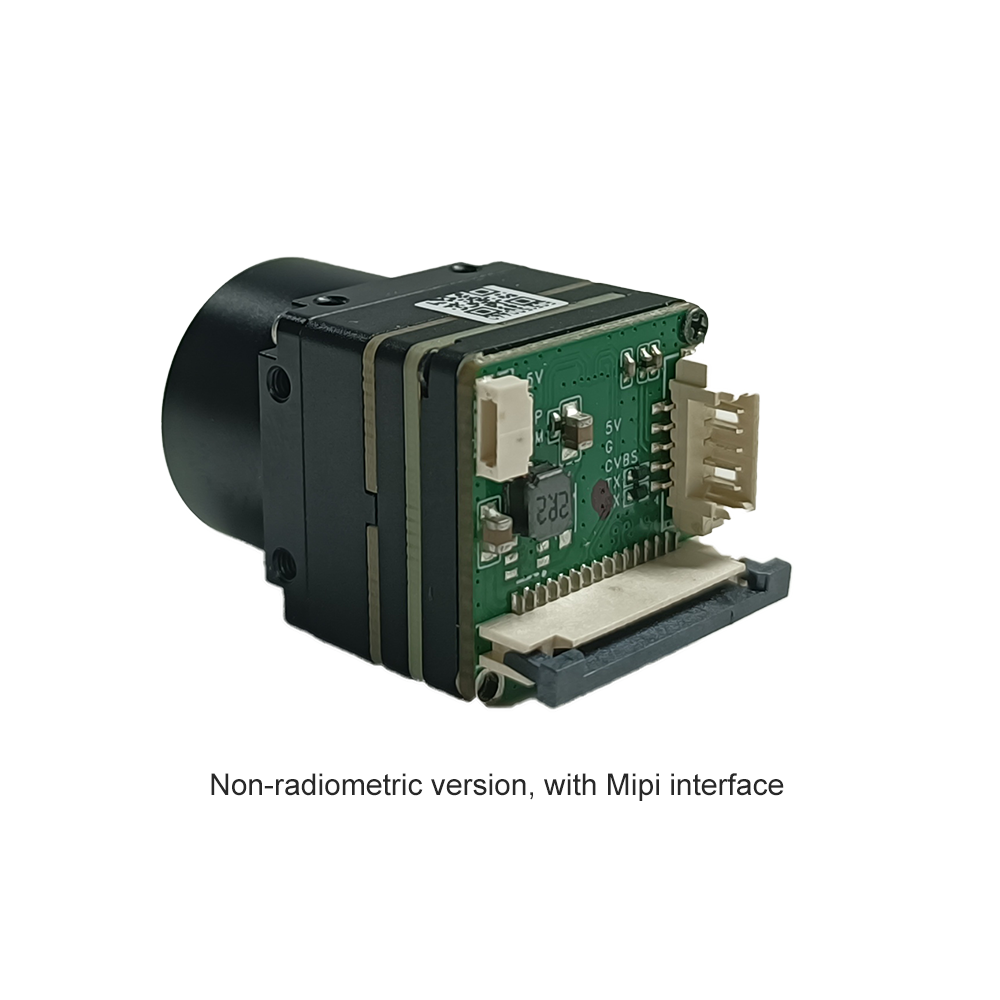
/dev/video0on Linux platforms). This architecture enables developers to capture thermal video using common software frameworks such as OpenCV, GStreamer, and FFmpeg without installing specialized kernel extensions or proprietary drivers. Furthermore, many industrial modules support Y16 mode, streaming uncompressed 14-bit or 16-bit raw digital counts across the USB bus alongside 8-bit AGC false-color streams, providing full access to raw radiometric temperature values. - ✅ MIPI-CSI2 Direct Integration: For weight-sensitive and latency-critical systems—such as autonomous drone flight systems and low-latency robotics—MIPI Camera Serial Interface 2 (MIPI-CSI2) is the preferred physical connection. MIPI sends uncompressed raw microbolometer data across differential data lanes directly into the host SoC's hardware image signal processor (ISP). This eliminates the serialization overhead, protocol negotiation, and CPU-intensive driver layers of the USB subsystem, driving glass-to-glass latencies down below 25 milliseconds.
The Onboard Image Signal Processing (ISP) Pipeline
Raw digital data streaming from an uncooled microbolometer array cannot be fed directly into a visible display or standard AI computer vision model. Because each microscopic pixel membrane exhibits individual fabrication variations, the raw output contains significant structural and spatial noise. To solve this, industrial OEM cores incorporate an onboard FPGA-driven Image Signal Processing (ISP) pipeline:
- ⚙️ تصحيح عدم الانتظام ثنائي النقطة (NUC): Due to slight physical variations across the array, each microbolometer pixel features unique offset (bias) and gain characteristics. The camera's FPGA applies a two-point calibration formula in real time: Sصحيح(i,j) = G(i,j) × [Sخام(i,j) - O(i,j)], ، حيث G is the gain correction matrix and O is the offset correction matrix. As internal module temperatures drift, the camera briefly actuates a quiet internal mechanical shutter flag for 50–100ms to update baseline offsets across the array, preventing spatial drift and maintaining clear video continuity.
- ⚙️ 2. Defective Pixel Concealment (DPC): Across any microbolometer array comprising hundreds of thousands of pixels, semiconductor lithography tolerances mean a tiny percentage of pixels will be dead, non-responsive, or excessively noisy. The onboard DSP identifies these locations from an internal factory defect table and dynamically interpolates their values from surrounding healthy pixels using spatial median filtering.
- ⚙️ 3. Adaptive Dynamic Range Compression & AGC: Raw radiometric data typically features a dynamic range of 14 bits (16,384 discrete digital levels). Standard monitors and standard convolutional neural networks (like YOLO) expect an 8-bit image (256 discrete levels). Simply truncating the data or applying linear scaling reduces thermal contrast, making faint human or vehicle thermal signatures vanish against background clutter. High-performance modules implement hardware-accelerated Contrast-Limited Adaptive Histogram Equalization (CLAHE) and dynamic Automatic Gain Control (AGC) to redistribute contrast across the scene, maximizing visual clarity while preserving critical temperature differentials.
- ⚙️ تحسين التفاصيل الرقمية (DDE): Thermal imagery frequently has lower high-frequency spatial edge definitions than visible CMOS sensors. DDE uses high-pass spatial filtering to detect edge transitions, selectively amplifying high-frequency microbolometer signals without raising underlying thermal noise floors.
الأسئلة الشائعة المتعمقة
Are budget thermal video cameras under $400 actually worth buying for serious industrial or robotics use?
Why does video from a cheap thermal camera look laggy, jerky, and visibly smeared?
How can system integrators get high-resolution thermal video without paying enterprise prices?
What is the practical difference between 640×512 and 1280×1024 thermal resolution in the field?
Can a cheap thermal camera measure accurate absolute temperatures (radiometry)?
📚 المراجع والقراءات الإضافية
- 🔍 المعيار الصناعي: أنظمة Amphenol الصناعية للتوصيل البيني
- 🔍 Scientific Reference: Wikipedia Thermal Imaging Principles & Physics
- 🔍 Related Technical Analysis: Przewodnik po kamerach termowizyjnych: rozdzielczość i specyfikacje modułów rdzeniowych
- 🔍 Embedded Systems Architecture: Промышленный USB тепловизионный модуль: интеграция и обработка данных
- 🔍 Sensor Material Engineering: VOx модули тепловизоров на основе оксида ванадия: технический обзор