
Top Thermal Camera Module for Raspberry Pi: High-Res AI Imaging Solutions
2026年6月16日
Top Thermal Camera Drone Module: AI-Powered Integration for DIY & Professional UAVs
2026年6月22日
In the high-stakes world of Unmanned Aerial Systems (UAS), we’ve moved way beyond basic visual feeds. Real-world industrial work isn't about pretty pictures anymore; it’s about multi-spectral intelligence driven by thermal imaging integration. If you’re a drone manufacturer or an industrial integrator, picking out a thermal camera module for drone platforms has become a sophisticated balancing act. You aren’t just looking at resolution—you’re looking at weight-to-performance ratios, thermal sensitivity (NETD), and how well that hardware talks to Mipi or CVBS interfaces.
Look, whether you’re inspecting high-voltage lines, managing a thousand-acre precision farm, or running point on a midnight search and rescue (SAR) op, your success comes down to the uncooled FPA (Focal Plane Array) sensor. This is the heart of the machine. It’s what turns invisible heat signatures into actual, actionable radiometric data that you can stake a mission on. If the sensor fails to deliver the right data under pressure, the whole flight is a wash.
Here’s the deal: this guide is meant to be a technical blueprint for the guys in the shop and the decision-makers in the front office. We’re going to tear down the shift toward "Edge AI" in drone thermography—the tech that lets a module actually identify an anomaly in real-time rather than just showing you a hot spot. We’ll get into the weeds on why 640×512 is the sweet spot compared to 384×288, and how a 9mm lens completely changes your Field of View (FOV). By the time you’re done reading, you’ll have the foundation to drop pro-grade thermal imaging into anything from a tiny sub-250g build to a heavy-lift industrial rig.
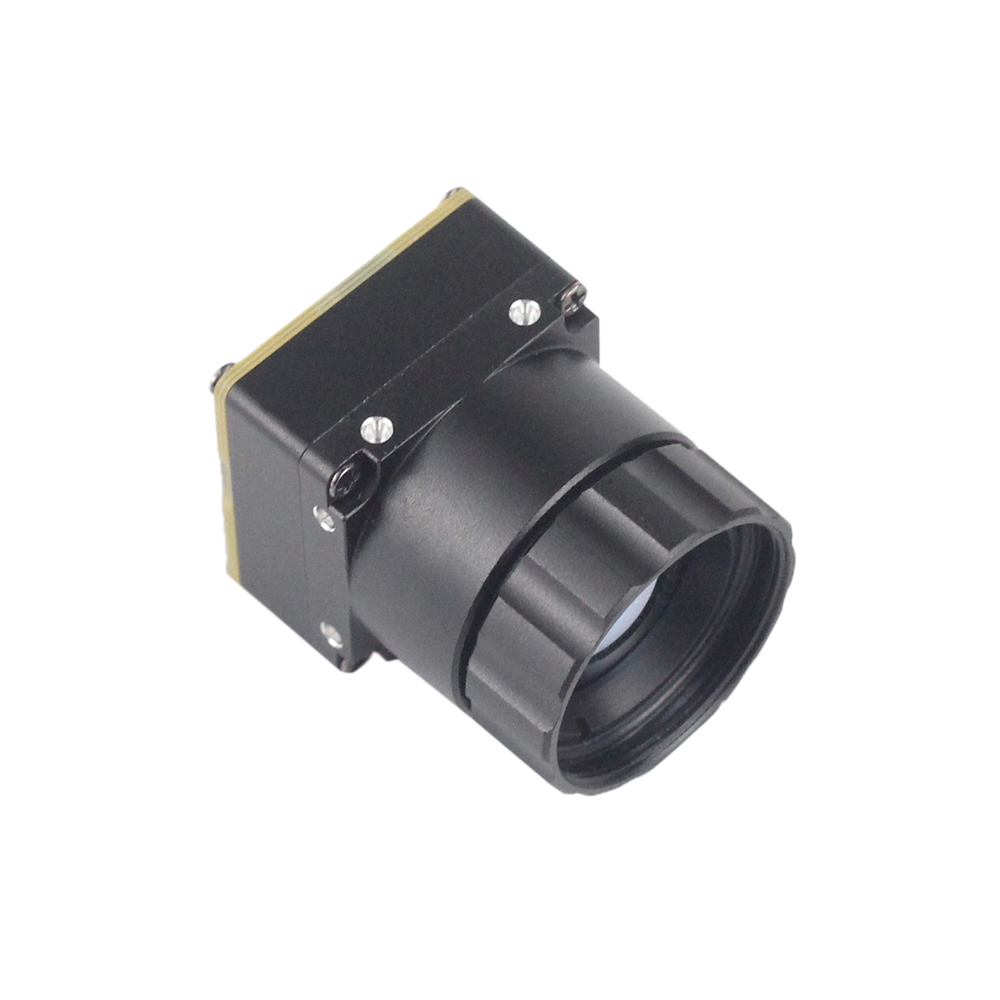
Table of Contents
- 👉 Understanding the Physics of Drone-Based Thermal Imaging
- 👉 Interface Engineering: Mipi vs. CVBS for UAV Flight Controllers
- 👉 Edge AI: The New Frontier in Autonomous Aerial Inspection
- 👉 Radiometric vs. Non-Radiometric: Why Precision Flight Needs Data
- 👉 Professional Thermal Camera Modules for Drone Integration
- 👉 In-Depth UAV Thermal Integration FAQ
Understanding the Physics of Drone-Based Thermal Imaging
Let's talk science for a second. Drone thermography lives in the Long-Wave Infrared (LWIR) spectrum, which is that 8 to 14-micrometer window. Unlike your standard GoPro that needs light to bounce off an object, a thermal camera module for drone use picks up on the energy things actually put off. Everything warmer than absolute zero is glowing in infrared—you just need the right sensor to see it. For engineers in the field, the debate usually centers on MWIR vs. LWIR. While MWIR is great for spotting a ship on the horizon, uncooled LWIR VOx (Vanadium Oxide) microbolometers are the undisputed kings for UAVs. Why? Because they don't need a cooling engine. That means less weight, less power draw, and way fewer moving parts to break during a rough landing.
When you're spec'ing out these sensors, keep an eye on the Noise Equivalent Temperature Difference (NETD). In plain English: it’s the sensor’s sensitivity. A lower number means the camera can find tiny temperature gaps. This is huge when using infrared technology to detect concrete defects. If you're looking for an air pocket inside a steel-reinforced bridge pillar, that thermal difference might be less than a tenth of a degree. You need a high-quality uncooled module to see through that structural density without having to touch the concrete.
⚙️ Key physics considerations for drone pilots:
✅ Emissivity: Different materials (like shiny aluminum vs. dull rubber) emit heat differently; your module needs to account for this.
✅ Atmospheric Window: LWIR cuts through smoke and haze, making it superior for fire-fighting flight paths.
✅ Thermal Inertia: Understanding how objects hold heat over time is critical for agricultural soil analysis.
Interface Engineering: Mipi vs. CVBS for UAV Flight Controllers
The interface is the bridge between the sensor "eye" and the drone's "brain." If you mess this up, you're going to deal with lag, and in drone flights, lag is how you crash into a tree. As we move into high-res territory, the physical way we move data becomes a major bottleneck.
The Rise of Mipi in High-Res Drone Modularity
Mipi (Mobile Industry Processor Interface) is basically the gold standard now for anything high-speed. For a 640x512 thermal camera module for drone systems, Mipi CSI-2 is what you want. It's a high-speed serial interface that pushes raw radiometric data with almost zero latency. When you're flying at 30 miles per hour, you need the image on your screen to match exactly where the drone is in space. Mipi gives you higher frame rates and better bit depth, so that "sharp and crisp" image you see in the marketing brochures actually shows up on your ground station controller.
CVBS and Analog Transmission
Now, don't throw CVBS (Composite Video Baseband Signal) in the trash just yet. It’s still the backbone for legacy setups and long-range analog FPV (First Person View) builds. Analog video doesn't just "freeze" or "blue screen" when the signal gets weak—it gets snowy. For a lot of pilots, a grainy, snowy image is better than a frozen digital one when you’re a mile out. If you’re building a custom DIY rig or need a universal online temperature measurement imager for a simple setup, CVBS is the ultimate "plug-and-play" solution.
Edge AI: The New Frontier in Autonomous Aerial Inspection
Today’s MINI series infrared thermal imaging modules aren't just dumb sensors. They’re getting smart. Edge AI means the camera module itself is doing the heavy lifting, analyzing the heat signatures before the data even reaches the flight controller. This is a game-changer for industrial maintenance and smart manufacturing. Instead of a pilot staring at a screen for four hours, a module from Shenzhen ChiYi Electronics Co., Ltd. can be tuned to hunt for the specific heat signature of a failing bearing on a wind turbine. When it finds it, it pings the pilot. No more searching for needles in haystacks.
⚙️ Where Edge AI saves you money:
✅ Bandwidth Efficiency: Only stream high-res video when an anomaly is detected.
✅ Automated SAR: Automatically lock onto human-shaped heat signatures in dense brush.
✅ Preventative Maintenance: Instantly flag hot spots on power lines that exceed a pre-set threshold.
Radiometric vs. Non-Radiometric: Why Precision Flight Needs Data
I hear this all the time: "A thermal camera is a thermal camera." Wrong. There’s a massive gap between "thermal vision" (looking at pretty colors) and "radiotmetric measurement" (knowing exactly how hot something is). A non-radiometric camera shows you contrast. A radiometric thermal camera module for drone use captures the temperature of every single pixel in the frame. If you're doing professional work, you need the data, not just the picture.
In the power grid world, seeing a glowing spot on a transformer doesn't tell you much. If that spot is 60°C, it’s just another Tuesday. If it’s 120°C, that transformer is about to explode. Professional MINI series modules are built to be universal online measurement tools. They give you the raw metadata so your post-processing software can spit out a full report for the client. That’s the difference between a hobbyist and a pro.
Professional Thermal Camera Modules for Drone Integration
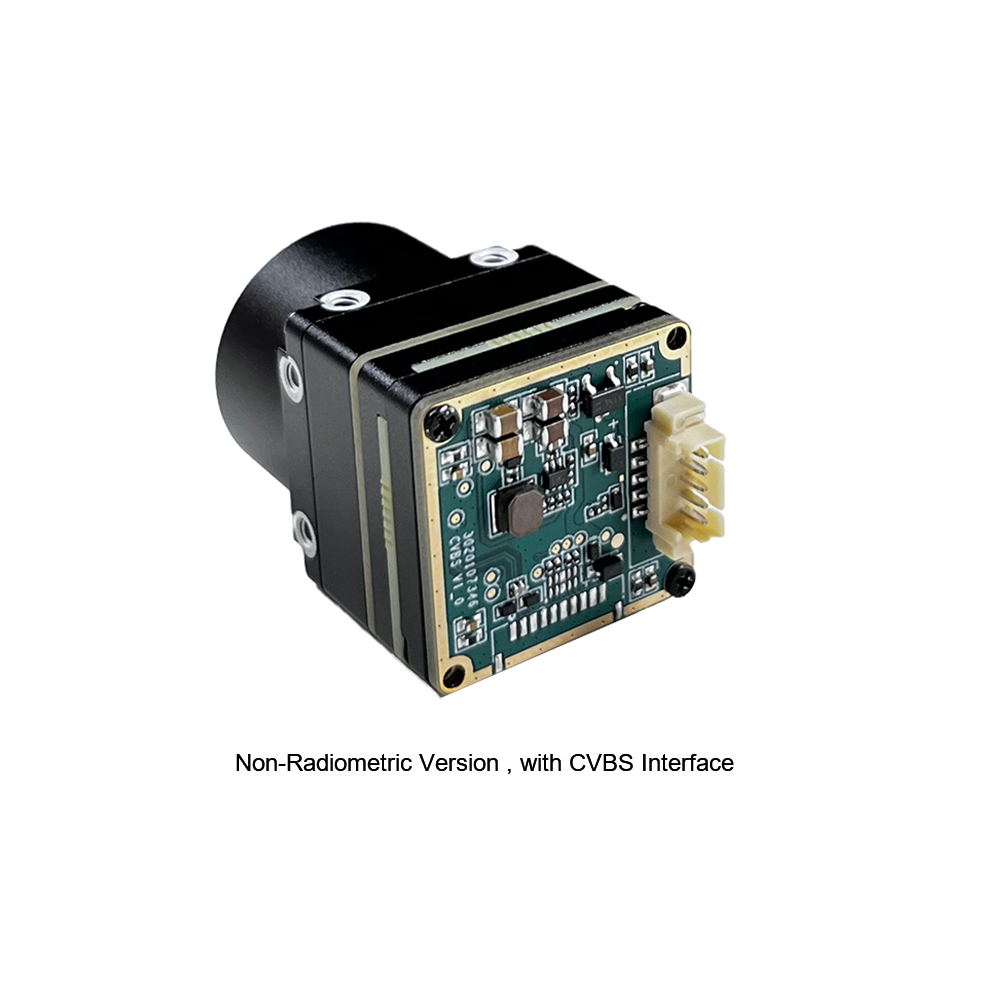
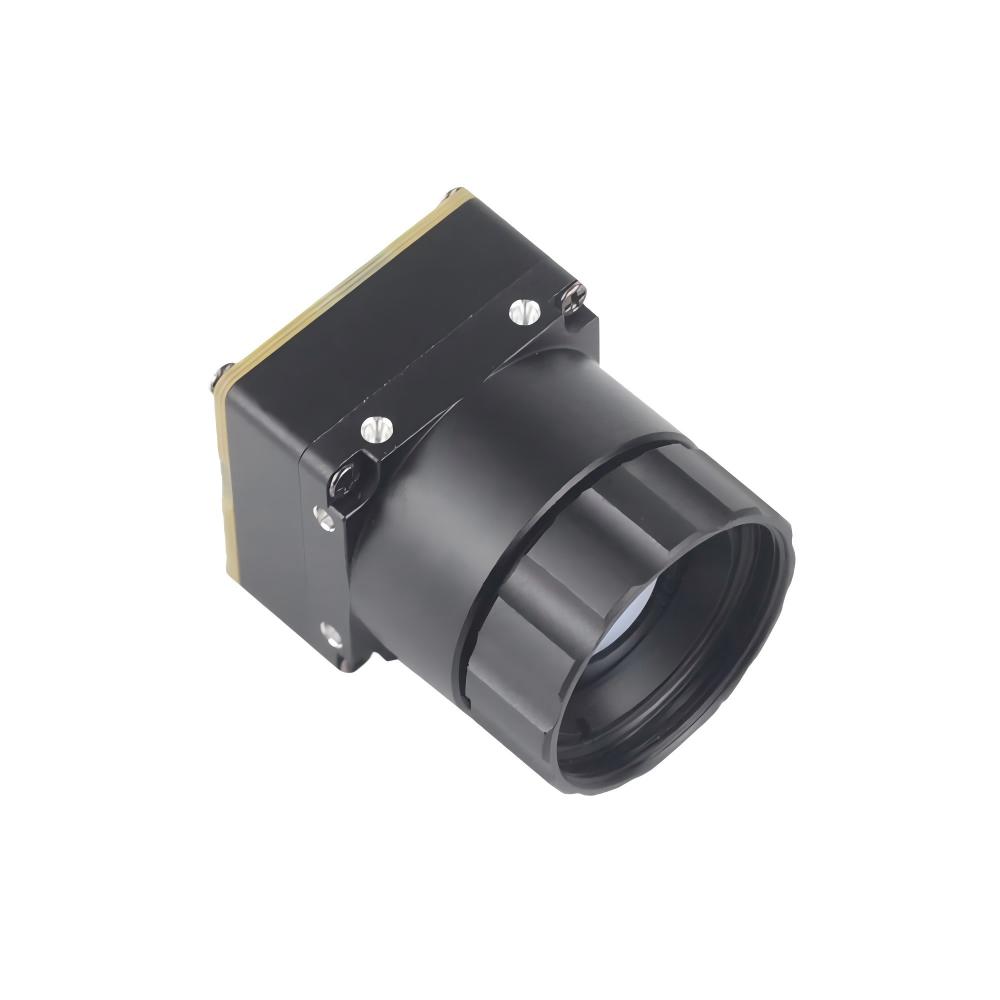
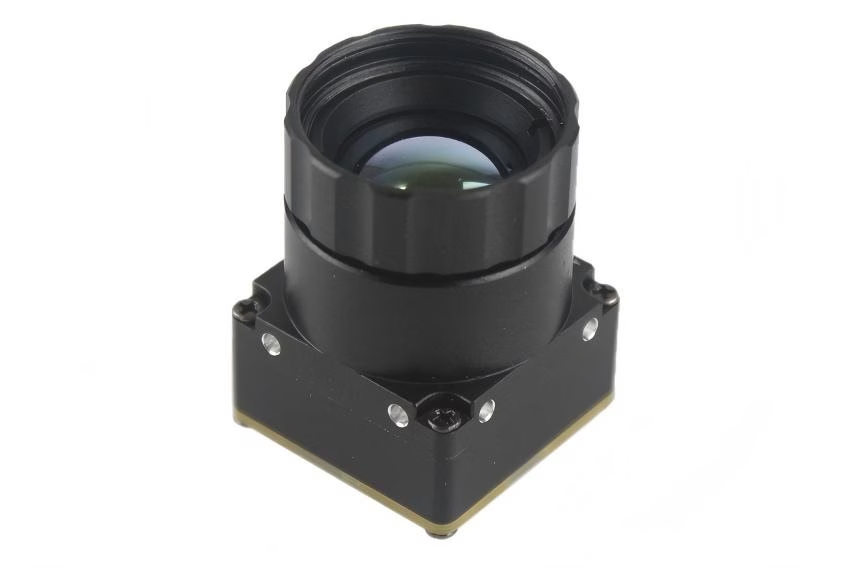
Uncooled Mini 384*288 Thermal Camera Module For Drones
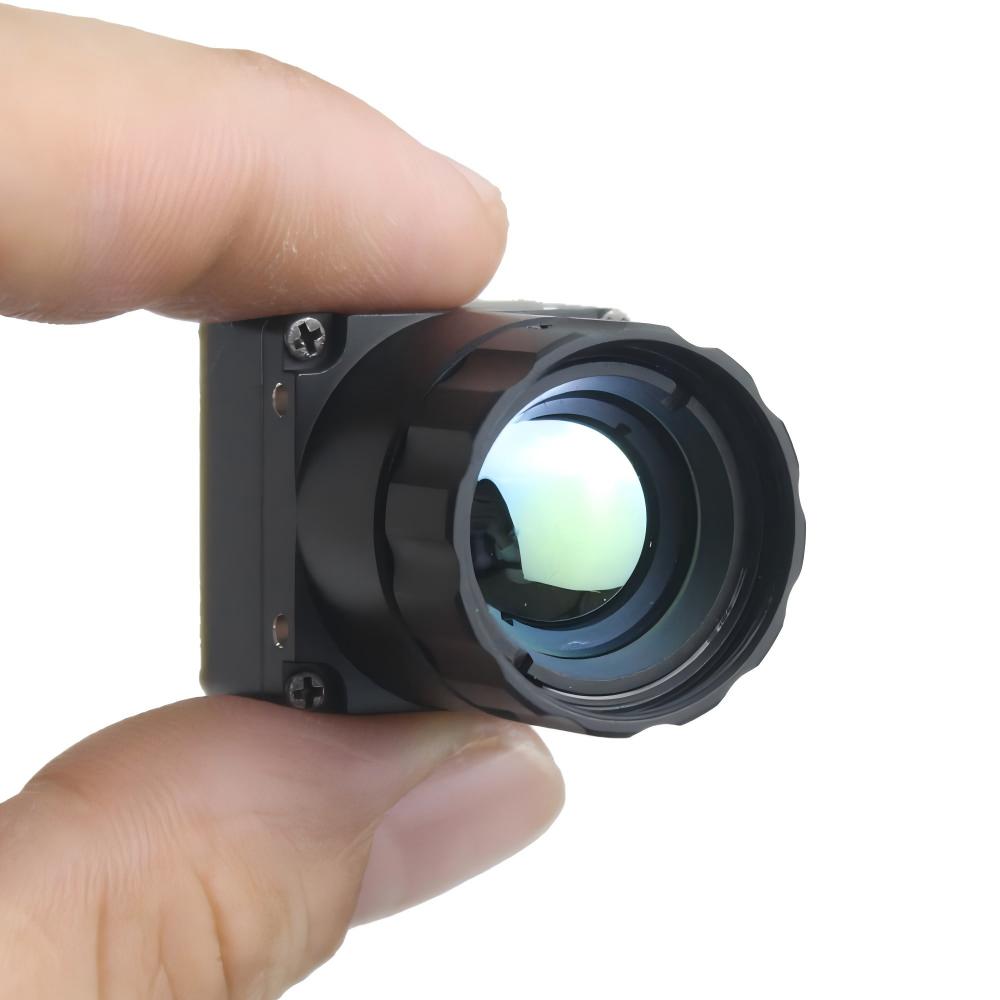
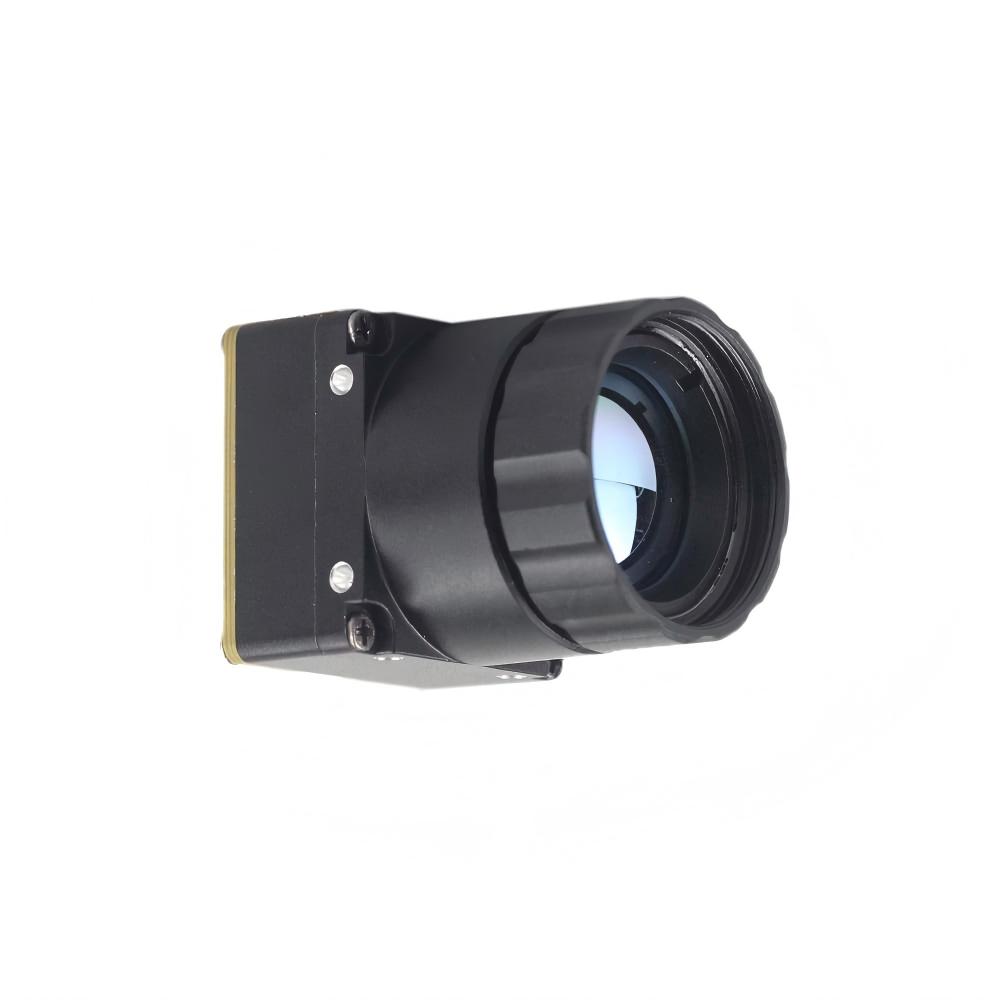
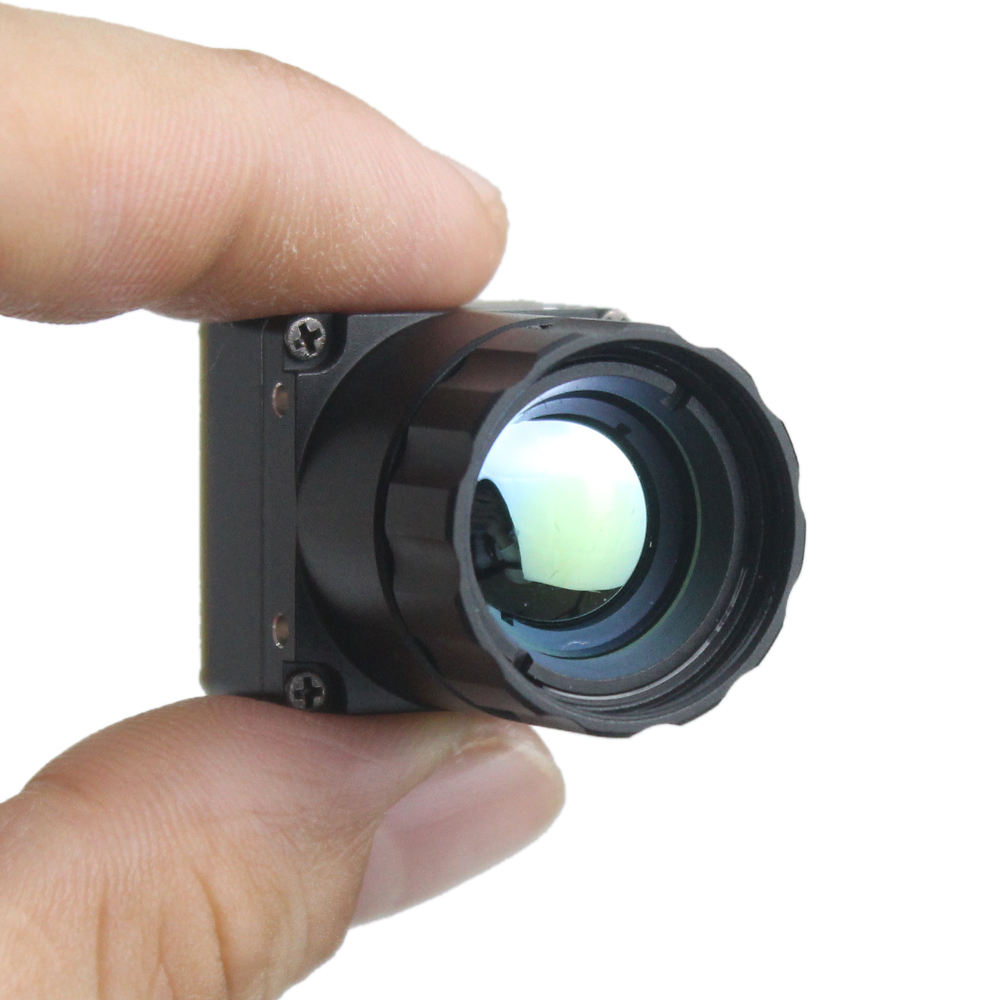
The MINI series is the workhorse of the industry. It's a high-precision, compact imager that fits into tight gimbal setups without complaining. Because it uses top-tier detectors, you get stable performance across varying altitudes and temperatures—critical for drone airborne systems where the air gets thin and cold.
| Feature | Specification |
|---|---|
| Resolution | 384 x 288 |
| Interface | CVBS / Multimodal Interface |
| Primary Use Case | Online Temperature Measurement / Drone Airborne |
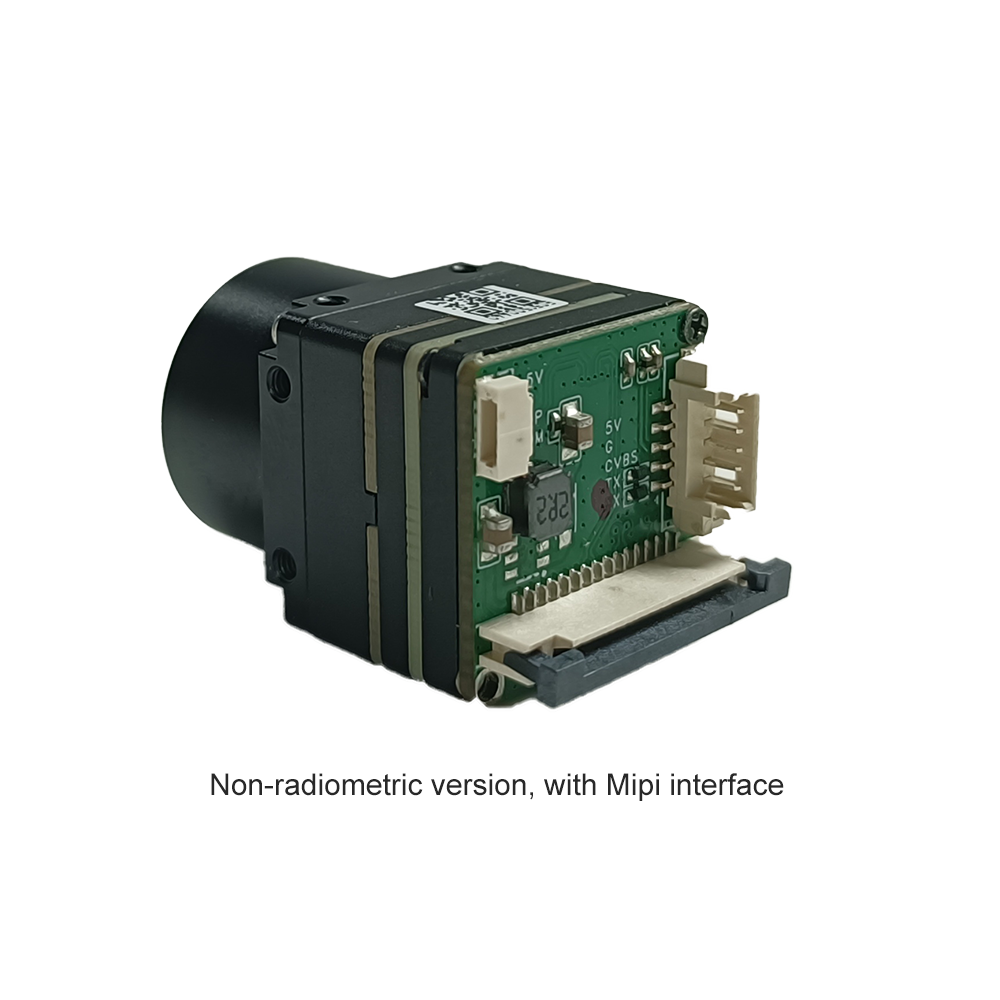
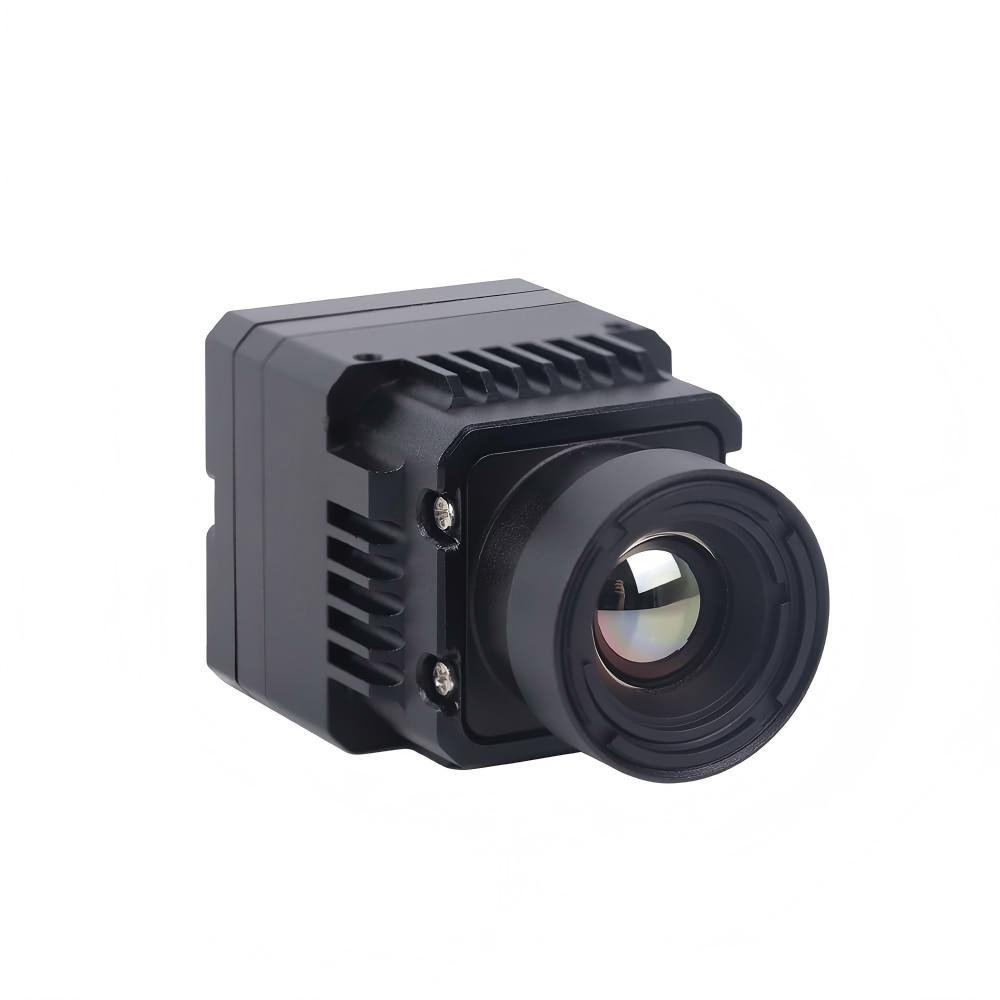
Uncooled Infrared Mipi 640/384/256 9mm Thermal Imaging Camera Module
If you need high-end aerial analytics, this is your sensor. The Mini2 640x512 with a 9mm lens is built for integrators who can’t compromise on clarity. It delivers a sharp, crisp presentation that makes target identification easy even at higher altitudes.
| Feature | Specification |
|---|---|
| Resolution Options | 640x512, 384x288, 256x192 |
| Lens Focal Length | 9mm Fixed Focus |
| Output Interface | Mipi (High Speed Digital) |
In-Depth UAV Thermal Integration FAQ
Can I integrate a thermal camera module into an existing DJI or DIY drone without heavy wiring?
How do I handle real-time thermal data and communication protocols for advanced workflows?
Are these modules suitable for professional inspections or just hobbyist use?
What is the advantage of a 9mm lens on a 640x512 drone module?
📚 References & Further Reading
- Industry Standard: Shenzhen ChiYi Electronics Co., Ltd. - Advanced Infrared Manufacturing
- Technical Guide: Detecting Concrete Defects with IR Technology
- Related Hardware: Industrial Handheld Thermal Solutions