
Przewodnik po najlepszych mini modułach kamer termowizyjnych: Wysokorozdzielcze rdzenie LWIR do Raspberry Pi, dronów i DIY
9 lipca 2026
Najlepszy moduł kamery termowizyjnej LWIR: Miniaturowe rdzenie do integracji z Edge AI i UAV
10 lipca 2026
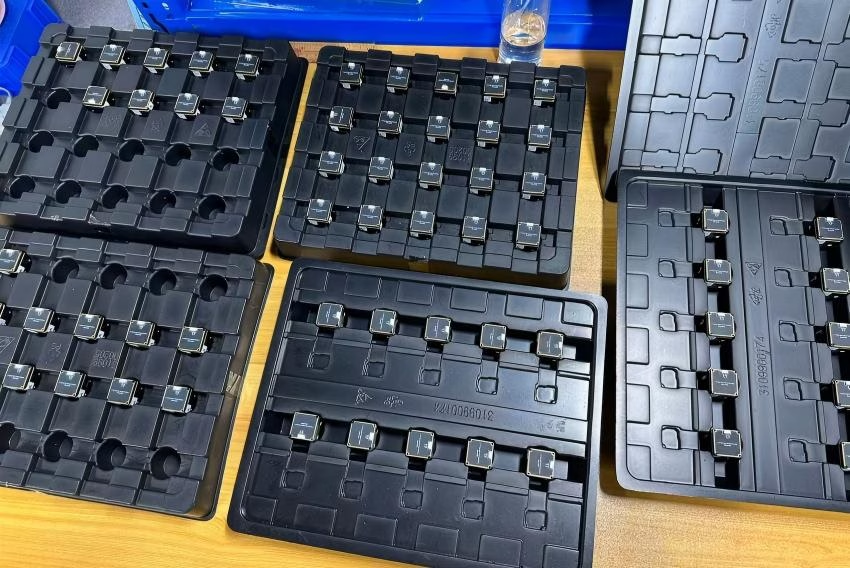
Najlepszy moduł kamery termowizyjnej 256x192: Przewodnik integracji i rozwiązania OEM
Dla integratorów systemów, projektantów ładunków dronów i inżynierów optoelektroniki wybór optymalnego rdzenia długofalowej podczerwieni (LWIR) to balansowanie między wydajnością, kosztem a fizyczną wielkością. moduł kamery termowizyjnej 256x192 stał się definitywnym standardem branżowym dla zastosowań wymagających wysokiej wierności termografii przy ścisłych ograniczeniach SWaP-C (rozmiar, waga, moc i koszt). W przeciwieństwie do konsumenckich przystawek termowizyjnych, przemysłowe niechłodzone mikro-rdzenie LWIR zapewniają surową gęstość pikseli i dokładność radiometryczną niezbędną do autonomicznej nawigacji, przemysłowego utrzymania predykcyjnego i precyzyjnej inspekcji lotniczej.
Ten przewodnik techniczny dostarcza plan wyboru, integracji i wdrażania rdzeni termowizyjnych 256x192. Analizujemy podstawową fizykę czujników, oceniamy kompromisy związane z rozstawem mikrobolometrów i przedstawiamy analizę porównawczą najwyższej klasy modułów przemysłowych. Niezależnie od tego, czy projektujesz bezzałogowe statki powietrzne (UAV) do zastosowań obronnych, czy budujesz stacjonarne sieci monitorowania podstacji, ten kompleksowy przewodnik oferuje parametry techniczne i kroki integracyjne wymagane do optymalizacji systemu wizyjnego.
W warsztacie często widzimy zespoły, które przewymiarowują swoje systemy, myśląc, że potrzebują ogromnych, energochłonnych czujników, podczas gdy wysoce zoptymalizowany mikrobolometr może wykonać zadanie lepiej, chłodniej i za ułamek kosztów. Przyjrzyjmy się, jak w pełni wykorzystać te kompaktowe potęgi.
Spis treści
Fizyka czujników i optymalizacja SWaP-C
Wybór czujnika termograficznego wymaga zrozumienia fizyki niechłodzonych mikrobolometrów VOx (tlenek wanadu) lub a-Si (amorficzny krzem). Matryce detektorów wewnątrz tych modułów przekształcają promieniowanie podczerwone w bloku długości fal od 8μm do 14μm na wartości cyfrowe, mapując sygnatury energii cieplnej na dyskretne pomiary temperatury. Kiedy inżynierowie projektanci oceniają te rdzenie, muszą przeanalizować, jak parametry mikrostrukturalne wpływają na fizyczne opakowanie, klarowność obrazu i długoterminową stabilność diagnostyczną.
1 Rozdzielczość a praktyczna wydajność
Natywna rozdzielczość 256x192 daje dokładnie 49 152 aktywnych pikseli. Choć może się to wydawać skromne w porównaniu z megapikselowymi czujnikami CMOS światła widzialnego, termowizja działa w ramach znacząco różnych ograniczeń fizycznych i materiałowych. W spektrum LWIR limity dyfrakcyjne są znacznie większe, a koszt surowej optyki germanowej rośnie wykładniczo wraz z fizyczną powierzchnią diagnostyczną matrycy płaszczyzny ogniskowej (FPA).
Porównanie matrycy 256x192 ze starszą matrycą 160x120 (która zawiera tylko 19 200 pikseli) ujawnia 2,5-krotny wzrost gęstości pikseli. To ulepszenie zapewnia rozdzielczość przestrzenną niezbędną do rozpoznawania celów ludzkich na większych odległościach, izolowania drobnych defektów strukturalnych i lokalizowania gorących punktów na gęsto upakowanych płytkach drukowanych (PCB) podczas cykli walidacji.
Oto sedno sprawy: w porównaniu z wysokiej klasy matrycą 320x240, moduł 256x192 oferuje niezwykle opłacalną alternatywę. Gdy programiści łączą ten rozmiar matrycy z zaawansowanym cyfrowym wzmocnieniem szczegółów krawędziowych (DDE) i algorytmami filtrów przestrzennych, nowoczesny mikro-rdzeń VOx dorównuje praktycznej skuteczności identyfikacji celów starszych struktur 320x240, zajmując przy tym mniej miejsca w sprzęcie, generując mniej ciepła i pracując przy ułamku kosztów.
2 Zrozumienie odstępu pikseli mikrobolometru
Odstęp pikseli — fizyczna odległość mierzona od środka jednego piksela do środka sąsiedniego piksela — jest krytycznym czynnikiem w projektowaniu kamer termowizyjnych. Rynek optoelektroniki przemysłowej przeszedł od starszych matryc 17μm do wysoce wydajnych matryc mikrobolometrycznych 12μm. Ten generacyjny skok w technologii wytwarzania bezpośrednio wpływa na układ optyczny i obudowę nowoczesnych systemów wbudowanych.
Spójrzmy, przejście na mniejszy odstęp pikseli 12μm przynosi dwie kluczowe korzyści inżynieryjne:
- ✅ Zmniejszona średnica obiektywu: Ponieważ piksele są upakowane gęściej, obiektyw o krótszej ogniskowej może osiągnąć to samo pole widzenia (FOV) co większy, cięższy obiektyw na starszym sensorze 17μm. To drastycznie zmniejsza rozmiar i wagę optyki germanowej, która stanowi ogromną część kosztów produkcji modułu.
- ✅ Zmniejszony format i masa: Zmniejszenie matrycy ogniskowej umożliwia miniaturyzację obudowy rdzenia do ultra-kompaktowych rozmiarów, takich jak standardowy w branży profil 21 mm * 21 mm. Pozwala to na bezproblemową integrację mechaniczną w systemach wrażliwych na wagę, takich jak gimbale mikro-UAV i kieszonkowe urządzenia termowizyjne.
3 Radiometria a sensory tylko do obrazowania
Przy pozyskiwaniu rdzeni termowizyjnych inżynierowie muszą rozróżniać między modułami tylko do obrazowania (obserwacyjnymi) a modułami radiometrycznymi Wybór niewłaściwej kategorii może prowadzić do poważnych problemów operacyjnych, jeśli system wymaga bezwzględnych danych analitycznych:
- ⚙️ Moduły tylko do obrazowania: Moduły te stosują automatyczną regulację wzmocnienia (AGC) i korekcje kontrastu płaskiego pola w całej scenie, aby generować dynamiczny obraz. Są zoptymalizowane pod kątem widzenia ludzkiego, wykrywania celów i omijania przeszkód, ale nie dostarczają bezwzględnych danych o temperaturze dla każdego piksela.
- ⚙️ Moduły radiometryczne: Moduły te wykonują bezwzględne pomiary temperatury dla każdego piksela. Każdy pojedynczy piksel działa jak indywidualny termometr bezdotykowy, dostarczając skalibrowany odczyt temperatury z powrotem do systemu hosta. Jest to kluczowe dla zastosowań takich jak predykcyjna konserwacja sieci elektrycznych, profilowanie termiczne PCB i wczesne wykrywanie pożarów.
Aby osiągnąć dokładność radiometryczną (zazwyczaj ±2°C lub ±2%), moduł rdzenia musi aktywnie kompensować wewnętrzny dryft termiczny. Jest to zarządzane przez fizyczną wewnętrzną przesłonę, która okresowo blokuje sensor w celu wykonania korekcji niejednorodności (NUC), wraz ze zintegrowanymi czujnikami temperatury na matrycy ogniskowej. Dla osób poszukujących niestandardowych rozwiązań, zapoznanie się z opcjami takimi jak Moduł z podwójnym czujnikiem termicznym i wizualnym 256 może wypełnić lukę między wizualizacją dla człowieka a precyzyjnym pomiarem naukowym.
Protokoły integracji sprzętowej i programowej
Pomyślna integracja modułu kamery termowizyjnej 256x192 z platformą wbudowaną wymaga starannego rozważenia interfejsów fizycznych, zarządzania energią i komunikacji programowej.
1 Interfejsy sprzętowe: USB vs. MIPI vs. DVP
Rdzenie termowizyjne zazwyczaj eksportują obraz i telemetrię przez kilka fizycznych interfejsów w zależności od architektury procesora aplikacji i ograniczeń sterowników:
| Typ interfejsu | Format danych | Typowe opóźnienie | Maks. długość kabla/ścieżki | Najlepsze dopasowanie architektury |
|---|---|---|---|---|
| USB 2.0 / Type-C (UVC) | Skompresowany MJPEG / Surowy YUV / 16-bitowy ładunek | 30 ms – 80 ms | Do 3 metrów | Komputery jednopłytkowe Windows/Linux (Raspberry Pi, Jetson Nano) |
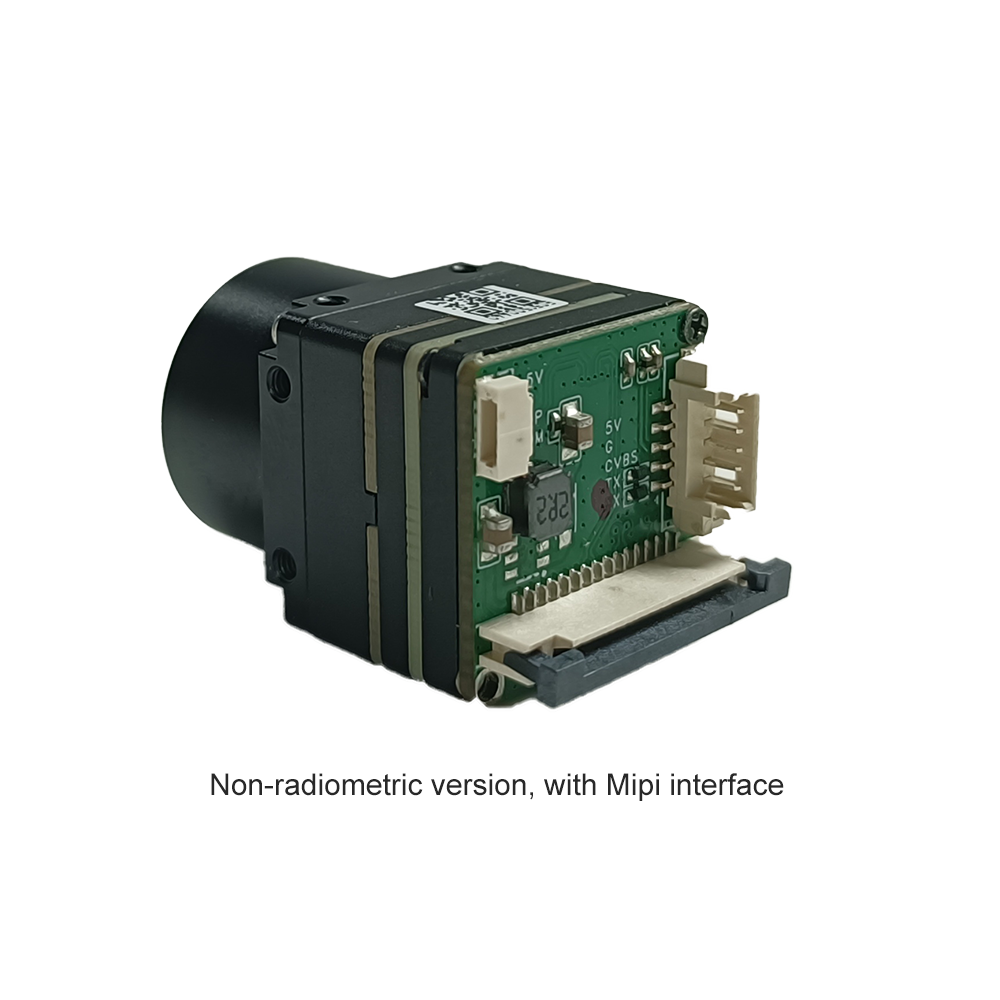
| MIPI CSI-2 | Surowy Bayer / RAW8 / RAW16 | < 10 ms | < 15cm (Ścisłe rozmieszczenie) | Aplikacje mobilne o niskim poborze mocy, procesory RTOS o wysokiej prędkości |
| DVP (Równoległy) | 8-bitowy lub 14-bitowy cyfrowy równoległy | < 5 ms | < 10cm (Ultrakrótka ścieżka RF) | Tanie mikrokontrolery, przechwytywacze ramek FPGA |
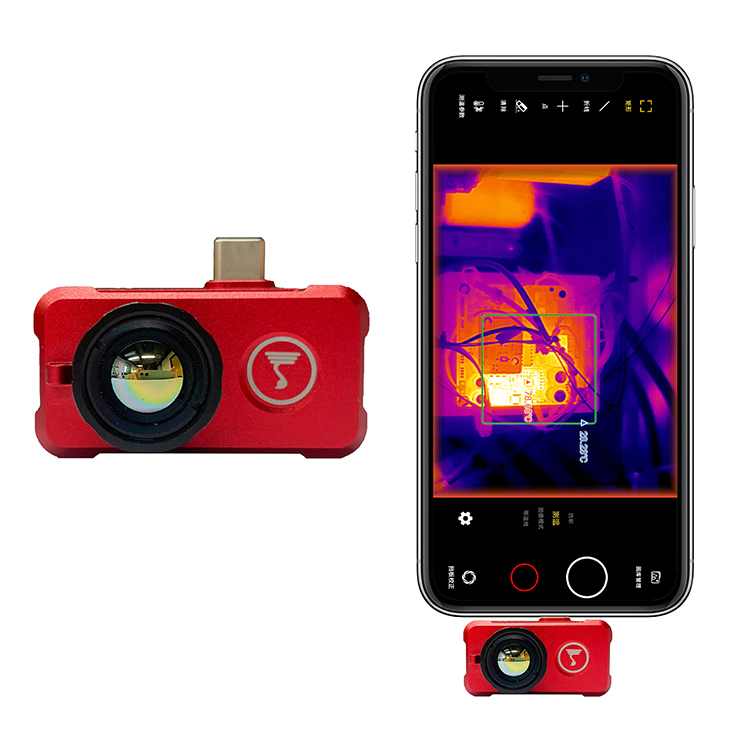
W przypadku szybkich cykli rozwojowych moduły USB (zgodne z UVC) są niezwykle łatwe do wdrożenia. Ponieważ są one widoczne dla systemu operacyjnego hosta jako standardowe urządzenia klasy wideo USB, można natychmiast przechwycić surowy strumień termiczny bez kompilowania zastrzeżonych sterowników jądra lub zarządzania złożonymi parametrami taktowania MIPI.
2 Komunikacja i telemetria: UART i SPI
Podczas gdy UVC lub MIPI obsługują potokowe dostarczanie obrazu (wizualną matrycę termiczną), polecenia konfiguracyjne i tablice radiometryczne na piksel są zazwyczaj przesyłane przez oddzielne interfejsy szeregowe o niskiej prędkości:
- ⚙️ UART (Uniwersalny asynchroniczny nadajnik-odbiornik): Używany do konfiguracji po stronie hosta. Przez standardowe połączenie 115200bps host może wysyłać polecenia szesnastkowe, aby wyzwolić ręczną migawkę NUC, zmienić palety kolorów (np. White-Hot, Ironbow, Rainbow), sterować zoomem cyfrowym lub ustawić współczynniki emisyjności dla określonego obszaru zainteresowania (ROI).
- ⚙️ SPI (Szeregowy Interfejs Urządzeń Peryferyjnych): Zazwyczaj używany w szybkich mikrokontrolerach do synchronicznego pobierania surowych 14-bitowych lub 16-bitowych ramek radiometrycznych przy wysokich częstotliwościach zegara głównego (do 50 MHz). To całkowicie omija narzut stosów USB dla systemów operacyjnych czasu rzeczywistego (RTOS).
3 Przetwarzanie hosta i architektura SDK
Aby przekształcić surowe dane wyjściowe w rzeczywiste odczyty temperatury, aplikacja musi przetworzyć wartości pikseli dostarczane przez moduł. Standardowe 14-bitowe wyjścia cyfrowe dostarczają surowych zliczeń przetwornika analogowo-cyfrowego (ADC), często określanych jako liczby cyfrowe (DN).
Solidny zestaw SDK konwertuje te wartości za pomocą przejrzystego, systematycznego przepływu. Surowa 14-bitowa wartość cyfrowa piksela jest mnożona przez współczynnik nachylenia skalowania kalibracji (zdefiniowany w mikro-EEPROM modułu), a następnie dodawana jest stała przesunięcia. Ta stała przesunięcia jest automatycznie dostosowywana przez procesor pokładowy na podstawie bieżącej temperatury wewnętrznej czujnika, zapobiegając dryftowi pomiarowemu w miarę nagrzewania się korpusu kamery pod obciążeniem.
Profesjonalne integracje znacznie zyskują na wstępnie skompilowanych bibliotekach. Wdrażanie projektów z wykorzystaniem kompleksowego przewodnika integracji modułu termowizyjnego OEM zapewnia wstępnie skompilowane opakowania SDK dla C/C++, Pythona i Androida, które wykonują te obliczenia w tle. Pozwala to programistom na odpytywanie prostych interfejsów API, takich jak wywołanie pojedynczej funkcji w celu zwrócenia dokładnej wartości temperatury w określonych współrzędnych.
Porównanie najlepszych modułów przemysłowych 256x192 i 640x512
Aby pomóc w projektowaniu systemu i doborze komponentów, poniższa sekcja zawiera szczegółowe porównanie naszych dwóch głównych przemysłowych modułów termowizyjnych: ultrakompaktowego Mini 256 i wysokorozdzielczego Mini 640.
1 Macierz specyfikacji produktu
| Metryka i cecha | Nieschładzany moduł termowizyjny LWIR Mini 256 | Nieschładzany moduł termowizyjny LWIR Mini 640 |
|---|---|---|
| Rozdzielczość natywna | 256 * 192 (49 152 pikseli) | 640 * 480 / 512 (do 327 680 pikseli) |
| Typ detektora | Niechłodzony Mikrobolometr VOx | Niechłodzony Mikrobolometr VOx |
| Rozstaw pikseli | 12 μm | 12 μm |
| Zakres długości fali | 8μm do 14μm | 8μm do 14μm |
| NETD (Czułość termiczna) | < 50mK (przy 25°C, F/1.0) | < 40mK (przy 25°C, F/1.0) |
| Zakres pomiaru temperatury | -20°C do +150°C (standardowo); do +550°C (opcjonalnie) | -20°C do +150°C (standardowo); do +550°C (opcjonalnie) |
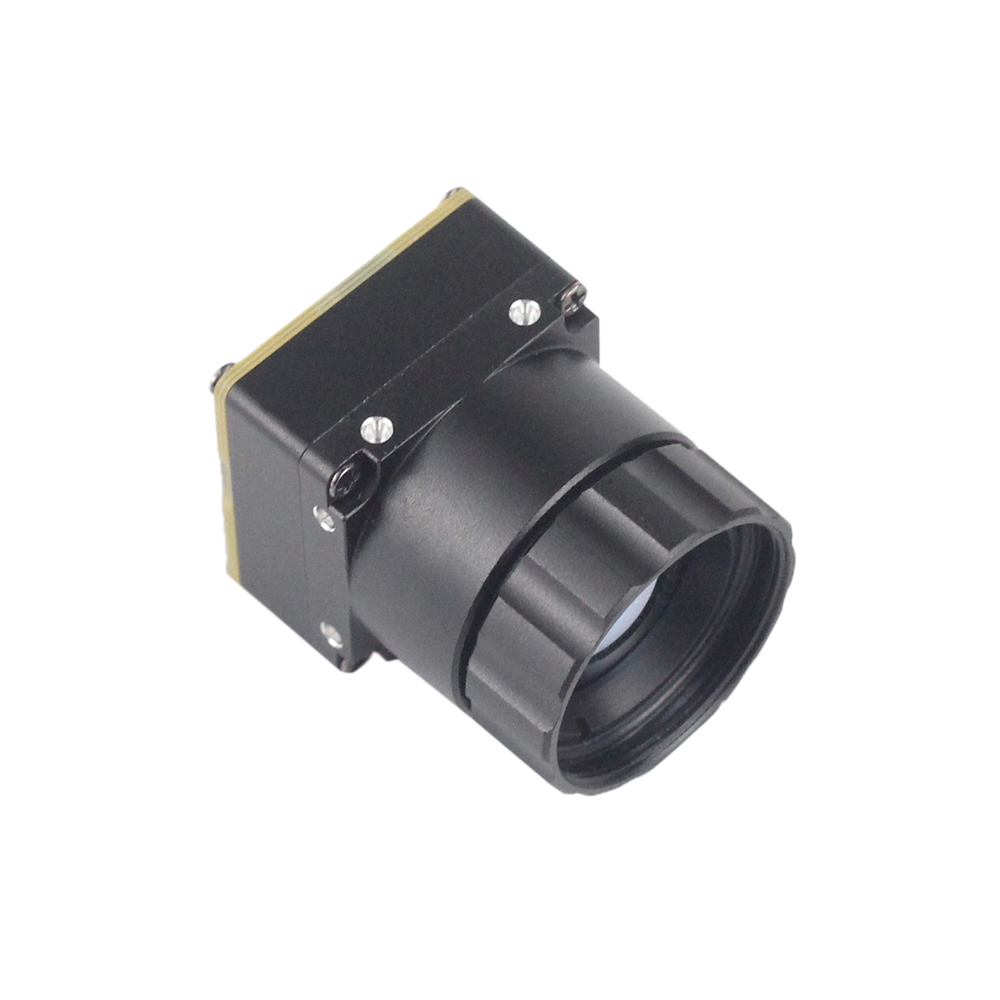
| Wymiary fizyczne | 21mm * 21mm (rozmiar mini) | 21mm * 21mm (rozmiar mini) |
| Waga modułu | < 15g (superlekki rdzeń) | < 20g (ultralekki rdzeń) |
| Obsługiwane interfejsy cyfrowe | USB 2.0 / Type-C (UVC), UART, SPI, MIPI | USB, UART, SPI, MIPI (opcjonalnie 640*480) |
| Pobór mocy | < 0,8 W (przy stałej temperaturze 25°C) | < 1,2 W (przy stałej temperaturze 25°C) |
| Ogniskowe obiektywów | Opcje standardowe: 3,2 mm, 6 mm | Opcjonalne: 5/9/13/18/35/50/75/100/150 mm |
| Link do szczegółów produktu | Specyfikacja Core 256 | Specyfikacja Core 640 |
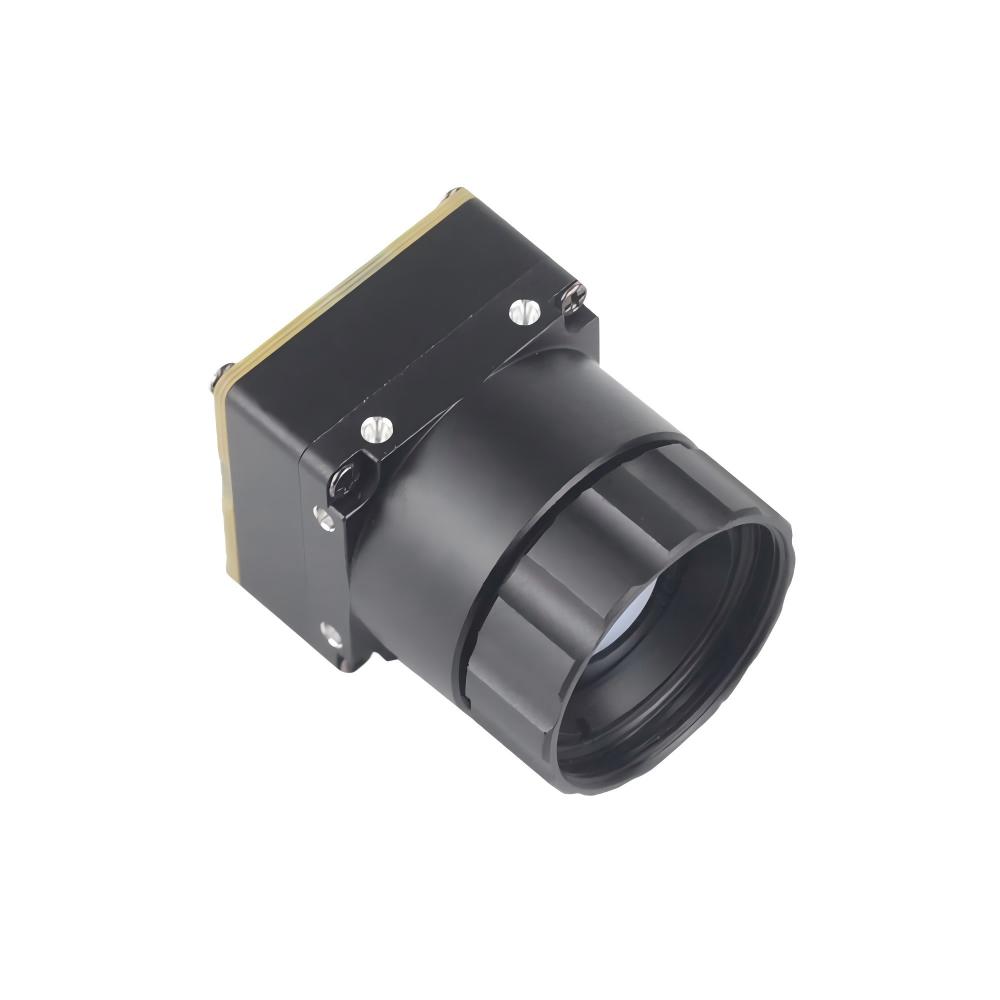
Szczegółowa analiza 3.2: Mini moduł LWIR 256
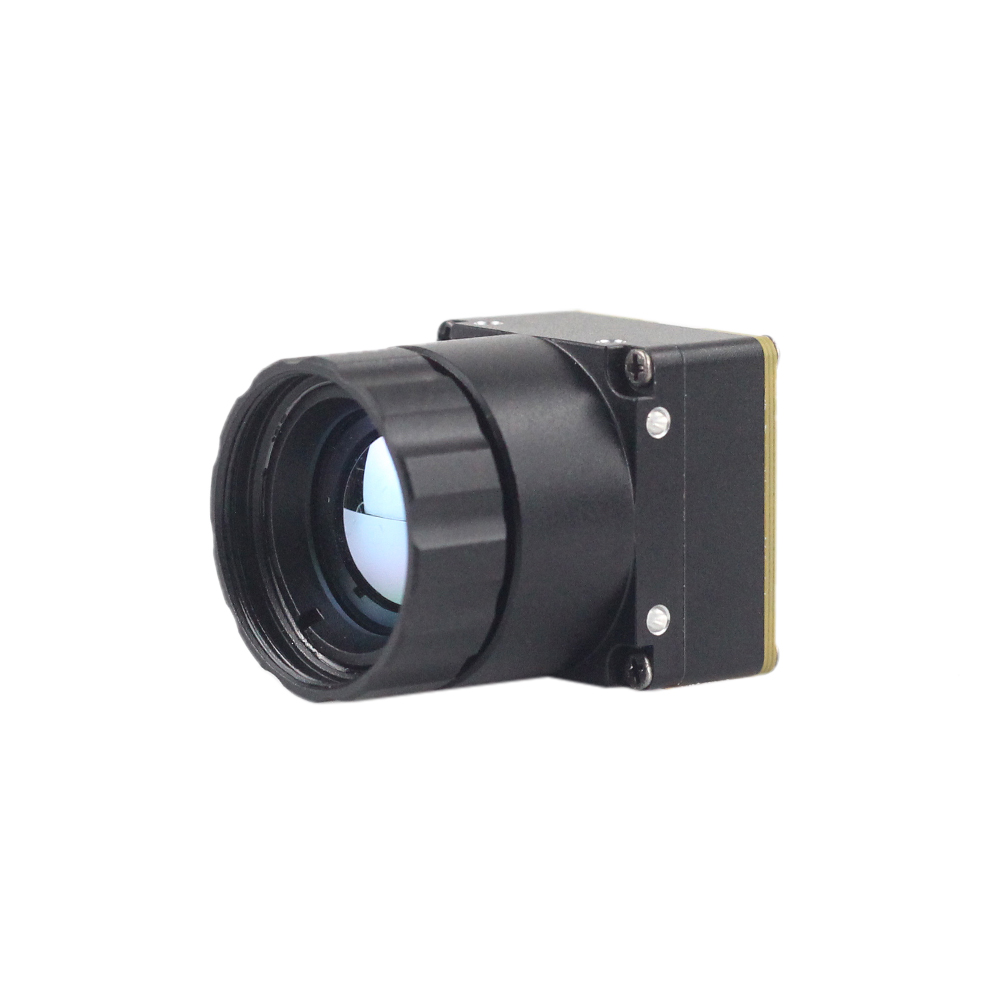
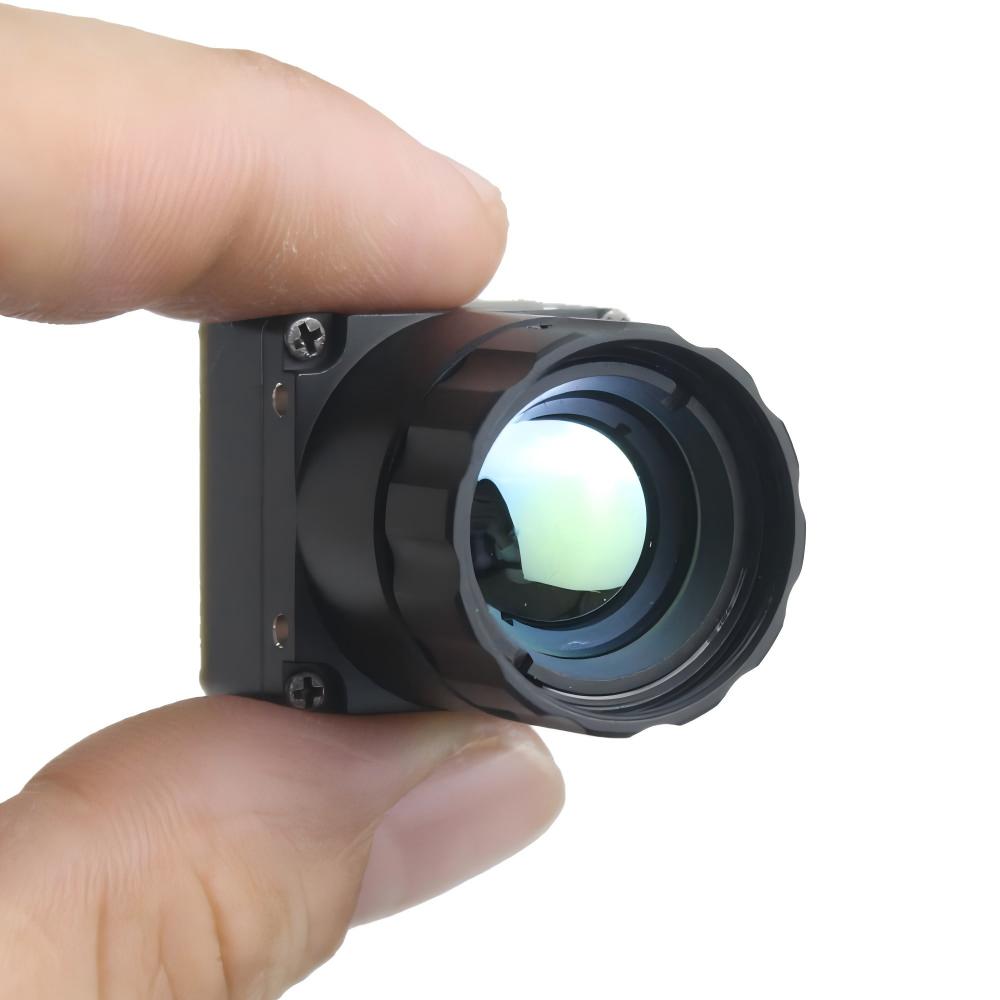
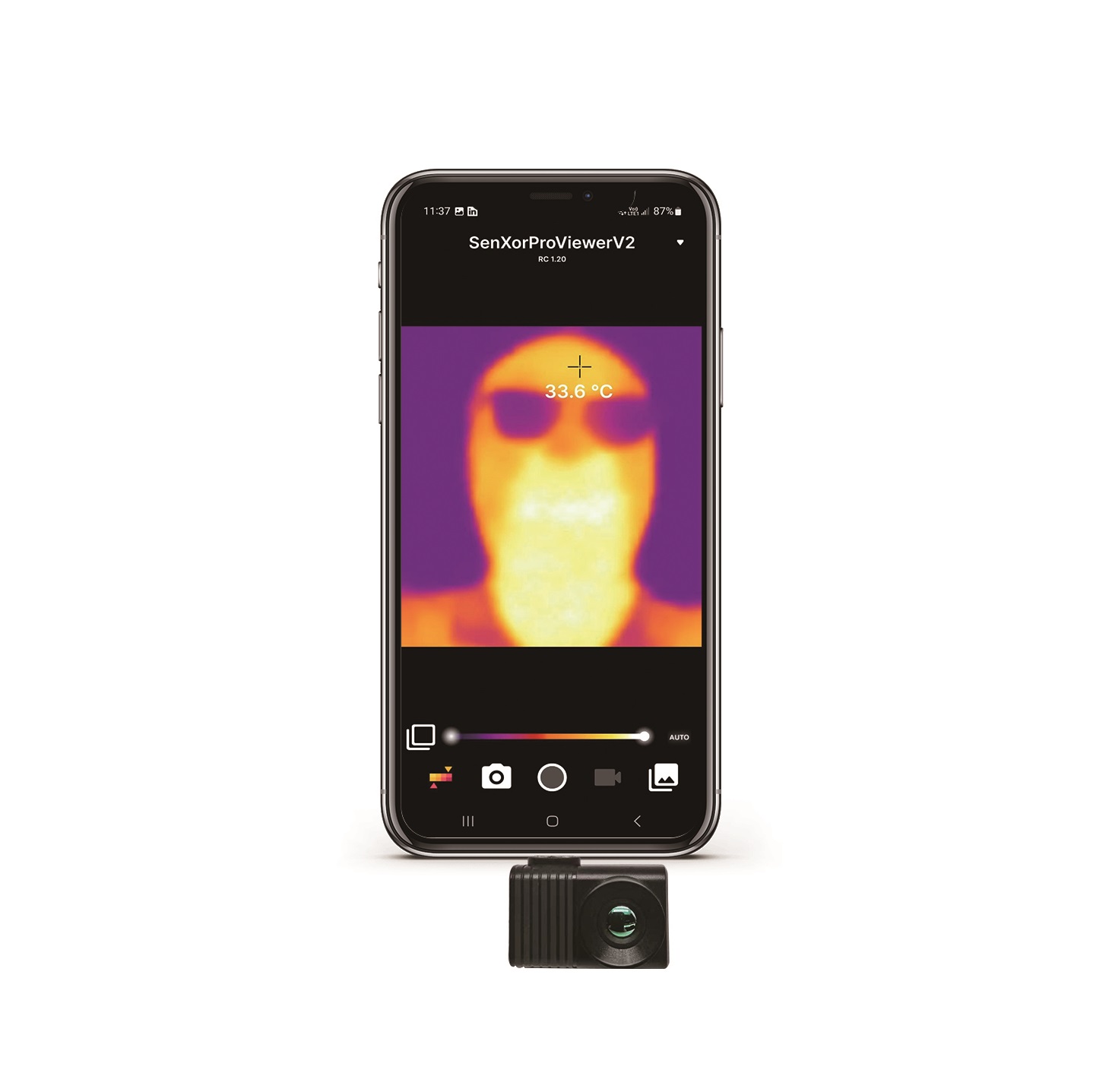
Rysunek 1: Miniaturowy niechłodzony rdzeń kamery termowizyjnej LWIR 256, charakteryzujący się radiometrią o wysokim współczynniku proporcji i konstrukcją o niskim poborze mocy.
to cud inżynierii zaprojektowany specjalnie do środowisk o ograniczonych parametrach SWaP. Dzięki miniaturyzacji elektroniki bez poświęcania jakości sensora dostarczamy rdzeń, który mieści się w najciaśniejszych przestrzeniach. Niekolowana miniaturowa kamera termowizyjna LWIR 256*192, moduł podobny do DJI, do wykrywania min jest przeznaczony do zastosowań o ograniczonej przestrzeni i zasilanych bateryjnie. Ważący mniej niż 15 gramów rdzeń zapewnia natywną rozdzielczość termiczną 256 * 192, pobierając mniej niż 0,8 W mocy, co wydłuża czas pracy pojazdu w zastosowaniach robotycznych.
Zaprojektowany w oparciu o zaawansowaną, niechłodzoną technologię mikrobolometru VOx, charakteryzuje się wysoką czułością termiczną (<50 mK), aby rejestrować wyraźne mapy ciepła i generować jednolity obraz termiczny z radiometrią przez dym, kurz i w całkowitej ciemności. Jest to doskonały wybór do lekkiej integracji z dronami, ładunków poszukiwawczo-ratowniczych, przenośnych narzędzi inspekcyjnych i systemów wczesnego ostrzegania pożarowego.
Zobacz szczegóły produktu i ceny ➔
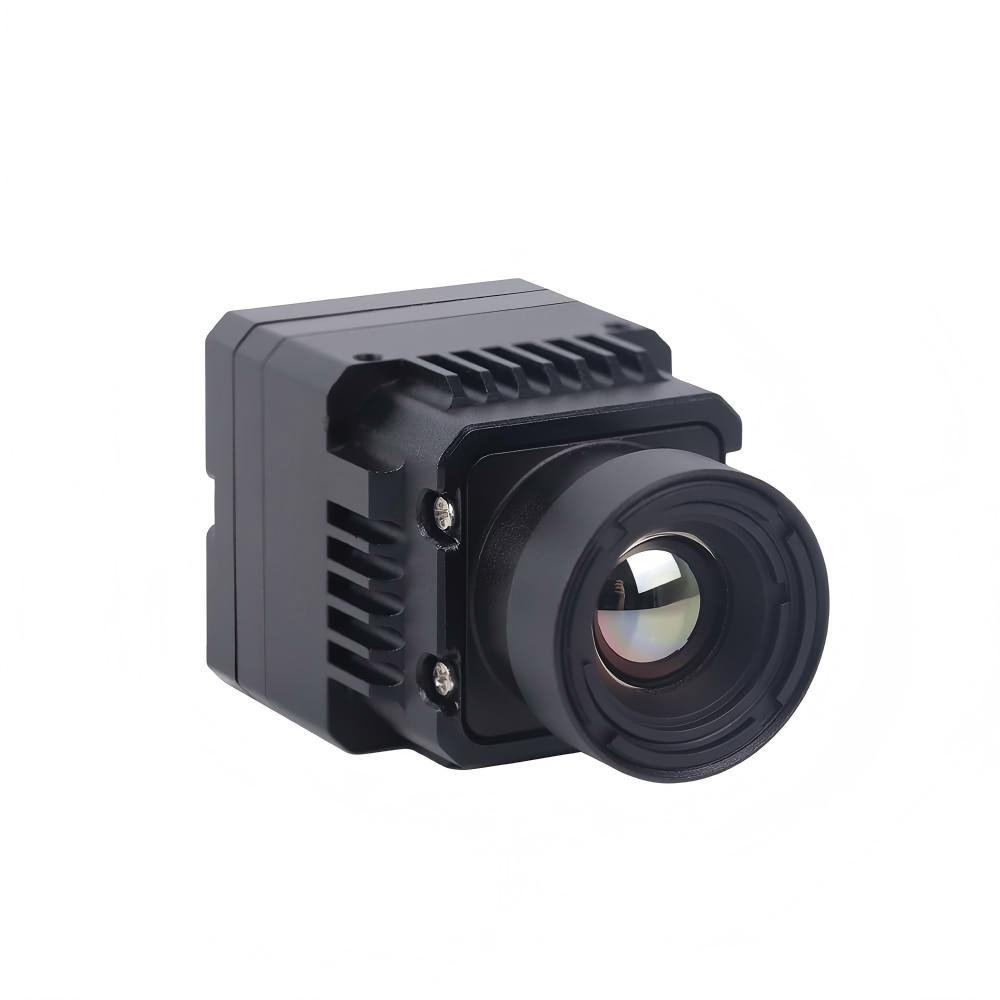
3 Ścieżka aktualizacji: Mini moduł LWIR 640
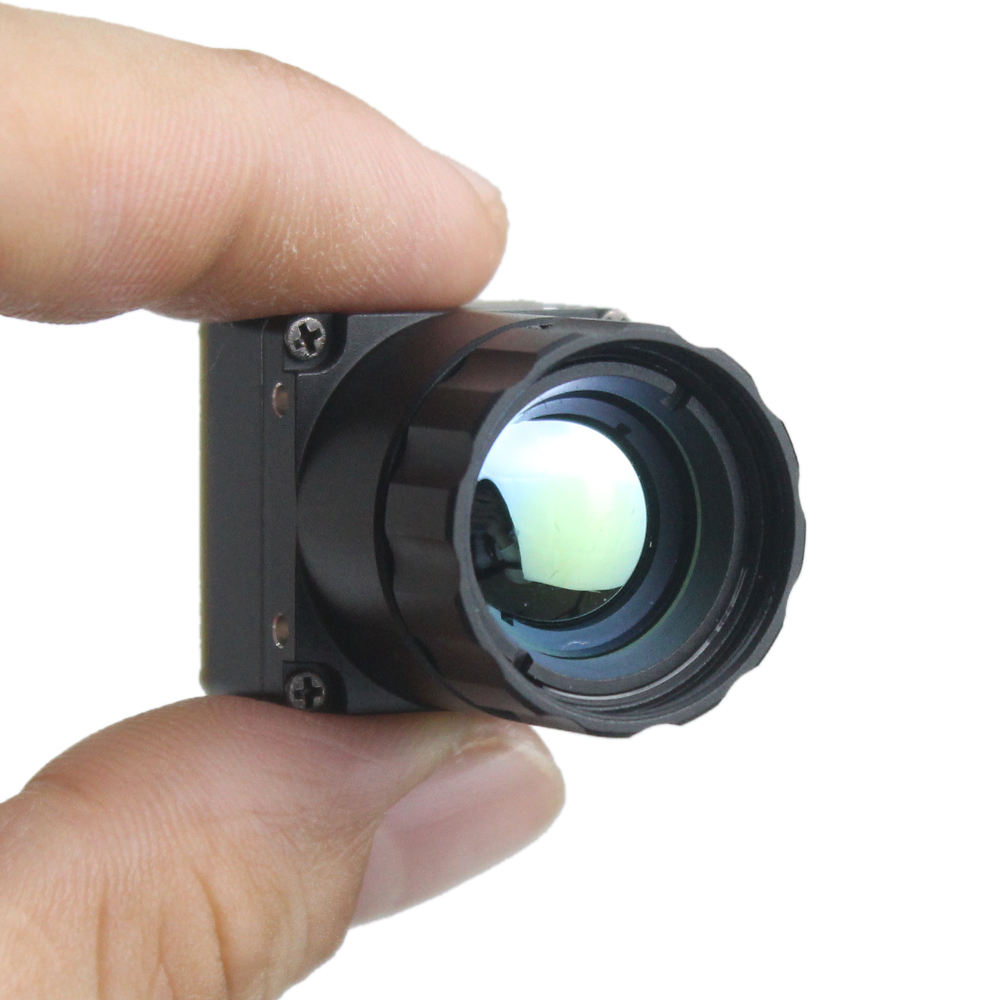
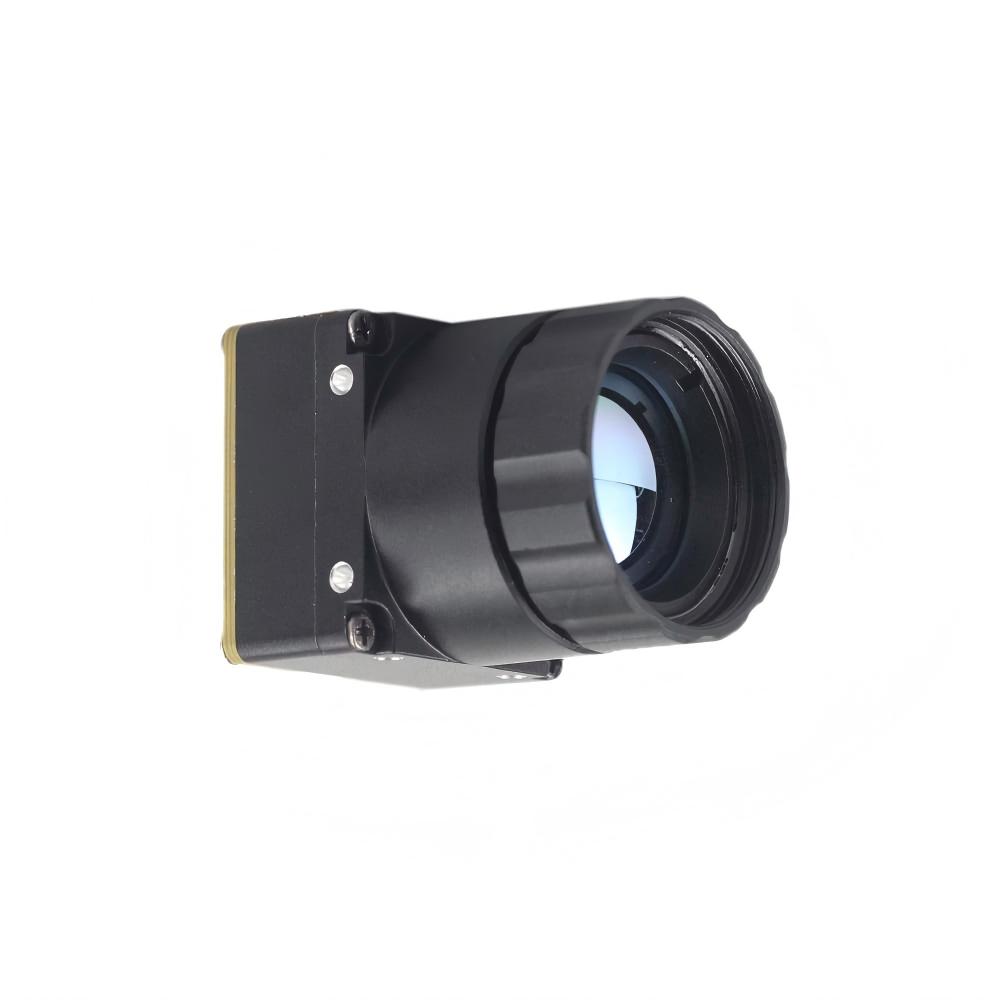
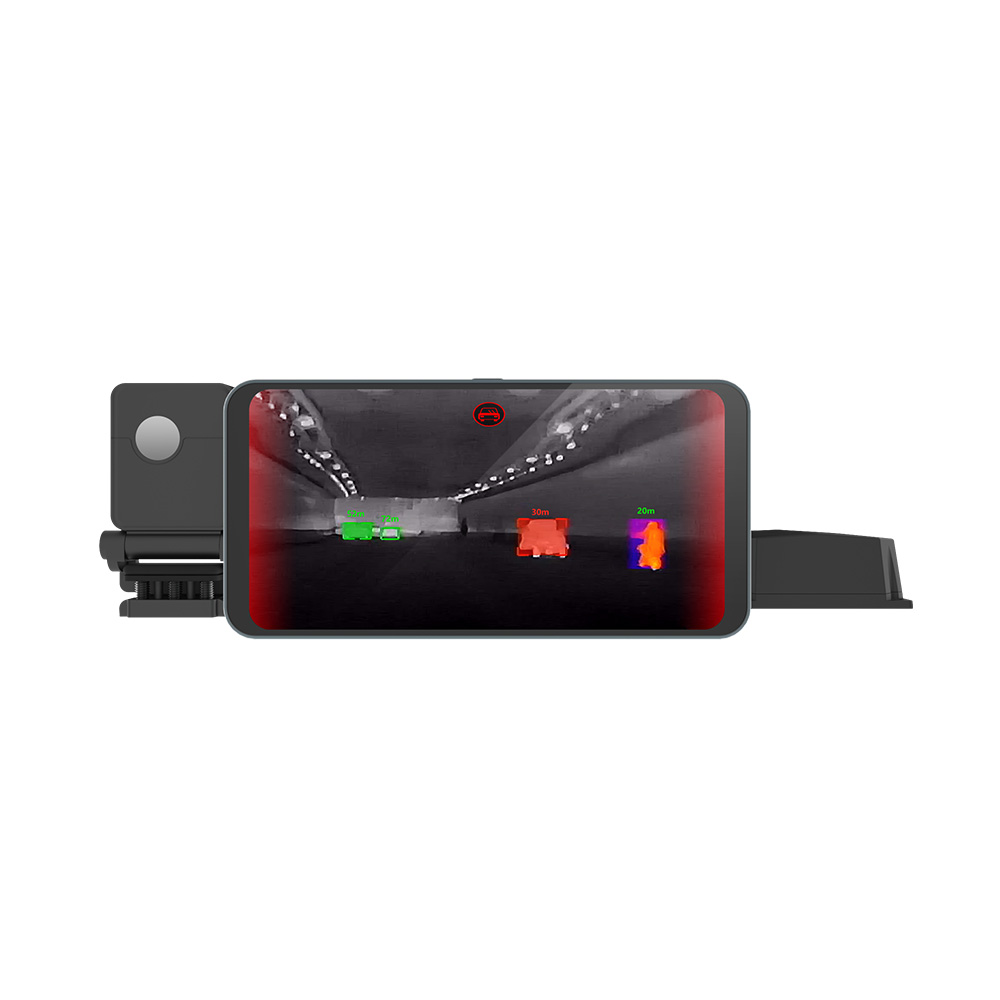
Rysunek 2: Miniaturowy moduł rdzenia kamery termowizyjnej LWIR 640, zaprojektowany z myślą o większym zasięgu i podobny do ładunków DJI.
Do misji wymagających dłuższych zasięgów rozpoznania, takich jak obserwacja z dronów na dużych wysokościach, mapowanie stanu technicznego podstacji przemysłowych lub zastosowania bezpieczeństwa, Niekolowana miniaturowa kamera termowizyjna LWIR USB 640*512, moduł rdzenia do dronów, podobna do DJI służy jako bezpośrednia ścieżka aktualizacji.
Dzieląc wysoce kompatybilną obudowę mechaniczną 21 mm * 21 mm, ten wysokowydajny rdzeń oferuje opcjonalną rozdzielczość do 640*480. Ten 6,6-krotny wzrost rozdzielczości przestrzennej w porównaniu z modelem 256x192 umożliwia wykrywanie celów na dalekim zasięgu, obserwację rozległych obszarów i szczegółową analizę środowiska w trudnych warunkach. Może być łączony z wysokiej klasy optyką od Optyka wznosząca i akcesoriami do dronów od OBSETECH.
Zobacz szczegóły produktu i ceny ➔
Inżynieria systemów optycznych i dobór obiektywów
Wybór odpowiedniego obiektywu ma kluczowe znaczenie dla maksymalizacji wydajności modułu mikrobolometru 256*192. Zespół optyczny musi być dopasowany zarówno do odległości od celu, jak i surowej geometrii pikseli niechłodzonej matrycy.
1 Optyka chalkogenkowa a germanowa
W przeciwieństwie do czujników światła widzialnego, które wykorzystują standardowe szkło optyczne na bazie krzemionki, długości fal podczerwieni w paśmie LWIR (8-14 μm) wymagają specjalistycznych materiałów. Wymaga to wyboru między dwiema głównymi opcjami:
- ⚙️ German (Ge): German jest złotym standardem w wysokowydajnym obrazowaniu termicznym. Oferuje wyjątkową skuteczność transmisji (zazwyczaj większą niż 95% po optymalizacji za pomocą powłok antyrefleksyjnych) i doskonałą stabilność współczynnika załamania światła w zależności od temperatury. Jednak surowy german stanowi znaczną część całkowitego kosztu modułu.
- ⚙️ Szkło chalkogenkowe (GASIR): Elementy optyczne ze szkła chalkogenkowego mogą być produkowane masowo przy użyciu technik formowania szkła. To znacznie obniża surowe koszty produkcji, czyniąc je popularnym wyborem dla komercyjnych rdzeni termowizyjnych produkowanych w dużych ilościach. Ma jednak nieco niższe wartości transmisji i jest bardziej podatne na rozszerzalność cieplną niż czysty german.
2 Obliczanie pola widzenia (FOV) i zasięgów DRI
Aby wybrać odpowiednią ogniskową obiektywu dla rdzenia 12 μm 256x192, użyj tego uproszczonego wzoru do obliczenia poziomego pola widzenia (HFOV): gdzie szerokość matrycy jest obliczana jako liczba pikseli poziomych pomnożona przez rozmiar piksela (256 * 12 μm = 3,072 mm). Wartość ta jest następnie dzielona przez dwukrotność ogniskowej obiektywu, a arcus tangens wyniku jest mnożony przez dwa, aby znaleźć HFOV w stopniach.
Zastosowanie tego wzoru do typowych opcji obiektywów daje następujące konfiguracje:
- ✅ Obiektyw o ogniskowej 3,2 mm: Aby dobrać odpowiednią ogniskową obiektywu dla rdzenia 12 μm 256x192, użyj tego uproszczonego wzoru do obliczenia poziomego pola widzenia (HFOV): gdzie szerokość przetwornika oblicza się jako liczbę poziomych pikseli pomnożoną przez rozmiar piksela (256 * 12 μm = 3,072 mm). Wartość tę dzieli się następnie przez podwójną ogniskową obiektywu, a arcus tangens wyniku mnoży się przez dwa, aby uzyskać HFOV w stopniach.
- ✅ Zastosowanie tego wzoru do typowych opcji obiektywów daje następujące konfiguracje: Obiektyw o ogniskowej 3,2 mm:.
Zapewnia szerokie poziome pole widzenia wynoszące około 51,2 stopnia. Ta konfiguracja jest idealna do skanowania dużych obszarów z bliskiej odległości, diagnostyki PCB i statycznego monitorowania pomieszczeń.
- ⚙️ Obiektyw o ogniskowej 6,0 mm: Zapewnia węższe poziome pole widzenia wynoszące około 28,7 stopnia. Ta konfiguracja jest zoptymalizowana pod kątem śledzenia celów na średnim dystansie i zastosowań patrolowych na zewnątrz.
- ⚙️ Wydajność zasięgu termicznego jest klasyfikowana według odległości detekcji, rozpoznania i identyfikacji (DRI), obliczanych na podstawie kryteriów Johnsona: Detekcja (rozróżnienie celu przy 1,5 piksela):.
- ⚙️ Rozróżnienie standardowego celu ludzkiego (1,8 m * 0,5 m) z odległości do 250 metrów przy użyciu obiektywu 6 mm. Rozpoznanie (rozróżnienie celu przy 6 pikselach):.
Prawidłowa identyfikacja celu ludzkiego z odległości do 62 metrów przy użyciu obiektywu 6 mm. Moduł z podwójnym czujnikiem termicznym i wizualnym 256, Identyfikacja (rozróżnienie celu przy 12 pikselach):.

Szczegółowe FAQ techniczne
Pozytywna identyfikacja celu ludzkiego z odległości do 31 metrów przy użyciu obiektywu 6 mm.
W przypadku systemów wymagających większych odległości detekcji (np. setek metrów), integracja modułu dwusensorowego, takiego jak.
, może znacznie poprawić weryfikację celu poprzez fuzję kanałów widzialnego i podczerwieni.
Czy rozdzielczość termiczna 256x192 jest wystarczająca do skanowania bezpieczeństwa na zewnątrz, integracji z dronami i inspekcji PCB w porównaniu z 320x240?.
Tak, absolutnie. Dla integratorów systemów i inżynierów projektujących OEM, matryca detektorów 256x192 stanowi doskonałą równowagę rozmiaru, wagi, mocy i kosztu (SWaP-C). Podczas gdy matryca 320x240 zapewnia nieco wyższą rozdzielczość natywną, przyrost ten może nie uzasadniać dodatkowych kosztów w wielu zastosowaniach.
Dzięki zaawansowanemu cyfrowemu wzmacnianiu szczegółów (DDE) i algorytmom filtracji przestrzennej bezpośrednio w procesorze sygnału obrazu (ISP) modułu, nowoczesny niechłodzony mikrobolometr 256x192 może zapewnić klarowność i szczegółowość strukturalną porównywalną ze starszymi systemami 320x240. Wydajność ta osiągana jest przy znacznie obniżonym koszcie jednostkowym, co pomaga obniżyć koszty produkcji (BOM).
W przypadku platform wrażliwych na wagę, takich jak autonomiczne mikro-UAV, ręczne szukacze czy precyzyjne stanowiska do testów termicznych PCB, rozdzielczość ta zapewnia niezbędną szczegółowość do skutecznego lokalizowania ścieżek termicznych, wykrywania zwarć czy śledzenia sygnatur cieplnych ludzi/dzikich zwierząt.
Jak niezawodne są kompaktowe rdzenie termiczne do niestandardowej integracji z Linux/Windows i ciągłej pracy przemysłowej?.
W inżynierii oprogramowania przemysłowego niezawodność systemu zależy bezpośrednio od jakości podstawowego oprogramowania układowego, SDK i sprzętowej kompensacji termicznej. Podstawowe kamery termowizyjne na USB często cierpią z powodu dużego dryftu termicznego, zawieszania się i nagłych interwałów kalibracji z powodu nieskompensowanego wewnętrznego nagrzewania się w pobliżu matrycy w płaszczyźnie ogniskowej.
Nasze moduły kamer termowizyjnych są w pełni radiometrycznymi rdzeniami. Każdy piksel na matrycy 256x192 przechwytuje niezależne promieniowanie cieplne i przekształca je w wartości temperatury w stopniach Celsjusza lub Kelwinach. Sensor nie tylko tworzy wizualną reprezentację gradientów temperatury; generuje szczegółową macierz pomiarów temperatury dla każdego piksela.
Ta funkcjonalność jest niezbędna w krytycznych zautomatyzowanych sieciach monitorujących, takich jak śledzenie przeciążeń w podstacjach, inspekcje serwerów w centrach danych, monitorowanie tarcia taśm przenośnikowych oraz systemy wczesnego ostrzegania pożarowego. Aby utrzymać dokładność pomiaru (±2°C lub ±2%) w zmiennych warunkach otoczenia, oprogramowanie sprzętowe monitoruje wewnętrzne termistory montowane na płytce.
Rdzeń automatycznie kompensuje zmiany temperatury otoczenia, aktualizując przesunięcie korekcyjne stosowane do surowych zliczeń ADC. Zapewnia to stałą dokładność bez konieczności ręcznej rekalibracji w terenie.
📚 Referencje i dalsza lektura
- Standard branżowy: Projektowanie soczewek optoelektronicznych Rising Optics
- Partnerskie rozwiązania dronowe: Bezzałogowe systemy powietrzne OBSETECH
- Powiązany przewodnik: Przewodnik integracji architektonicznej modułu termicznego 2025
- Nasz portal inżynieryjny: O Thermal-Type.com i pozyskiwaniu niestandardowym