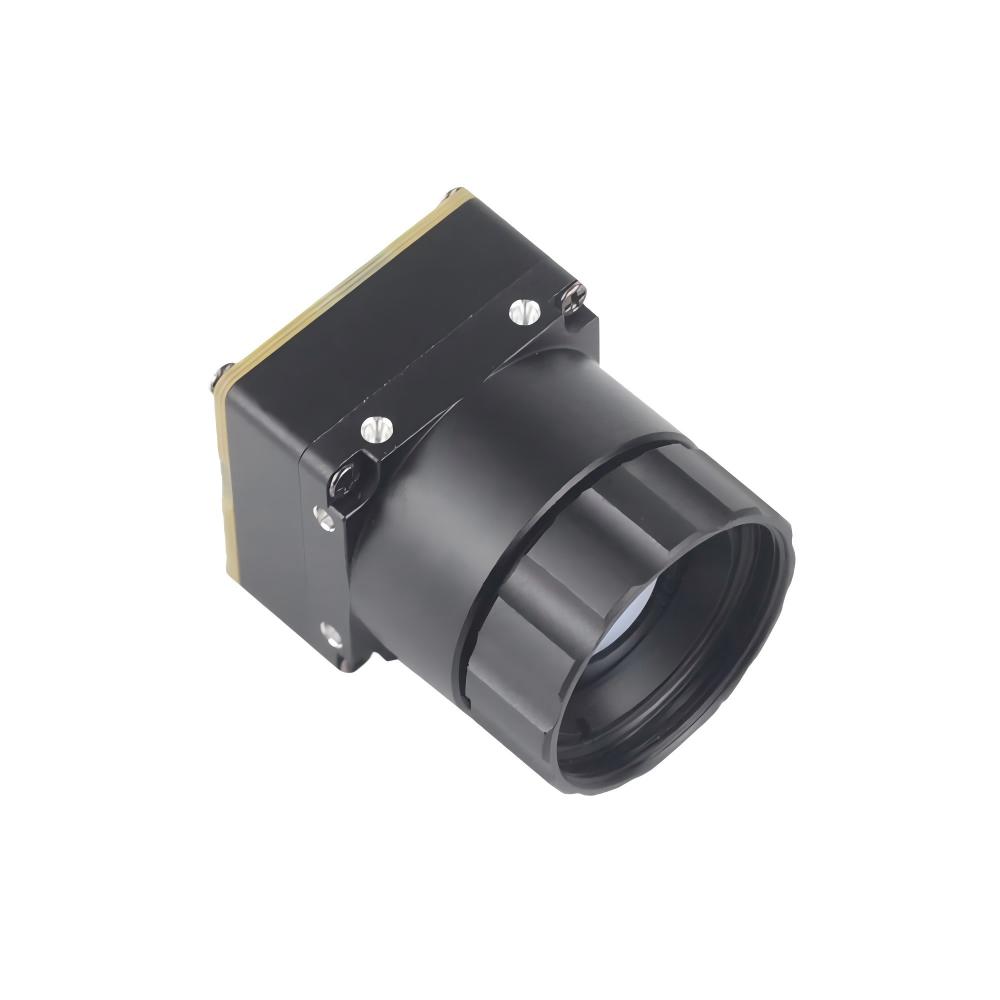
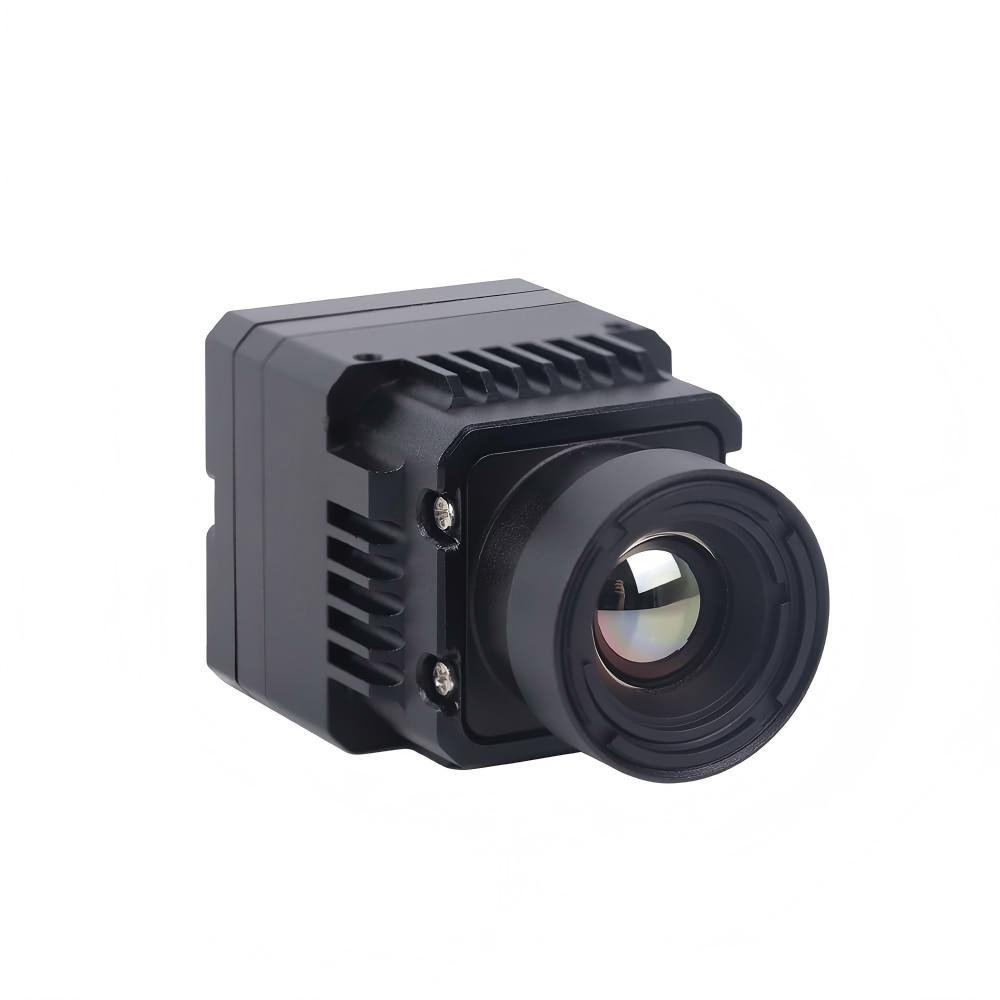
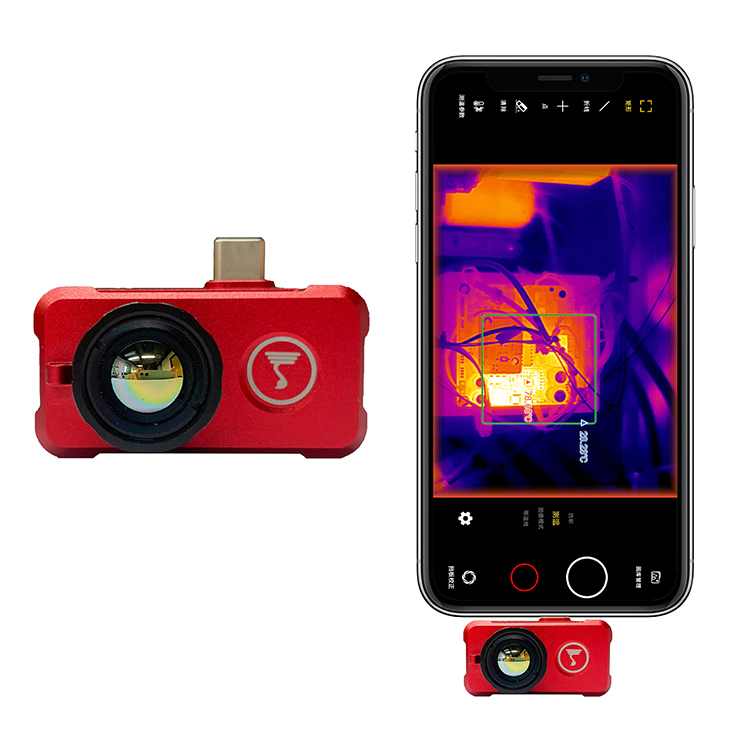
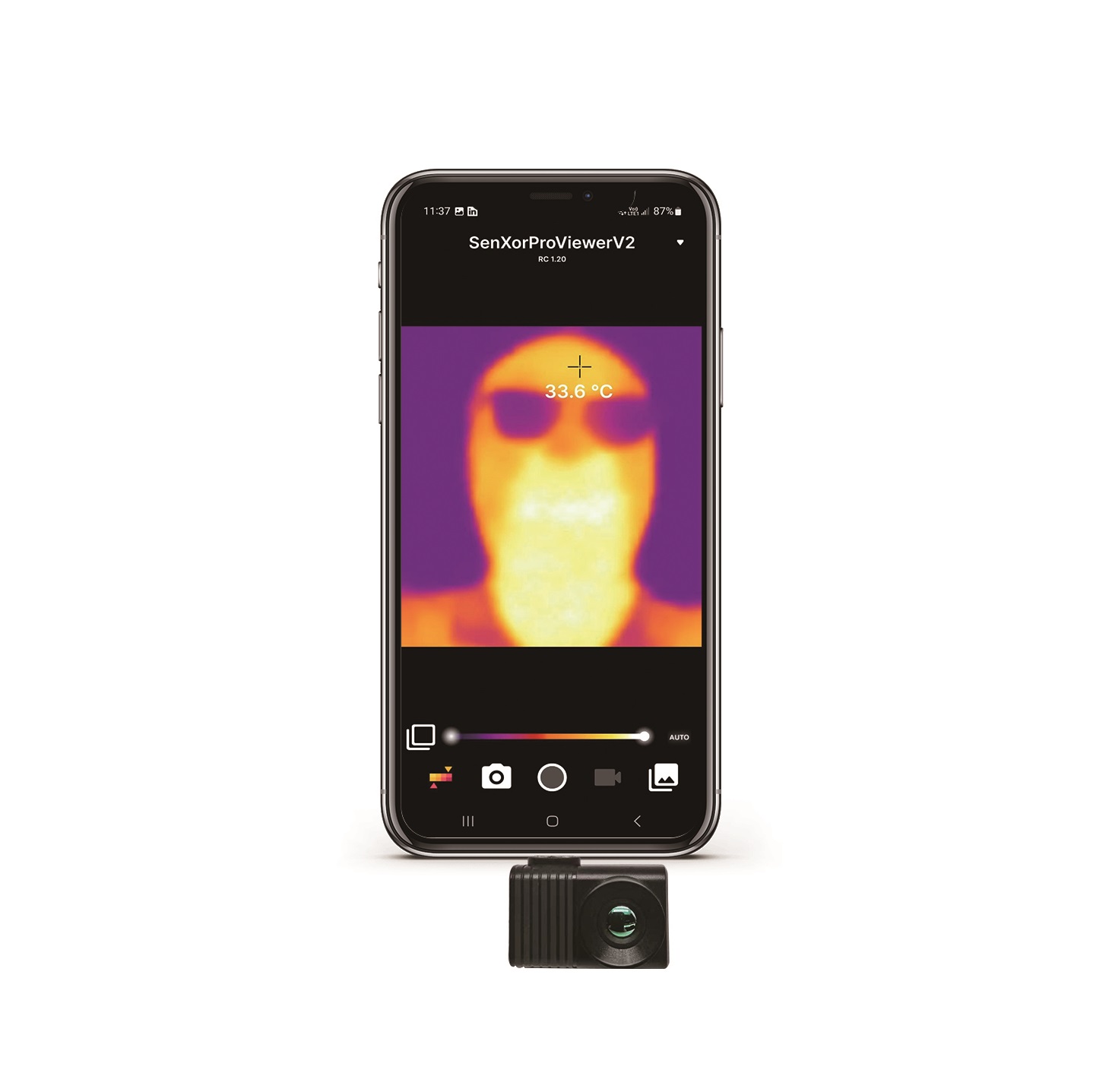
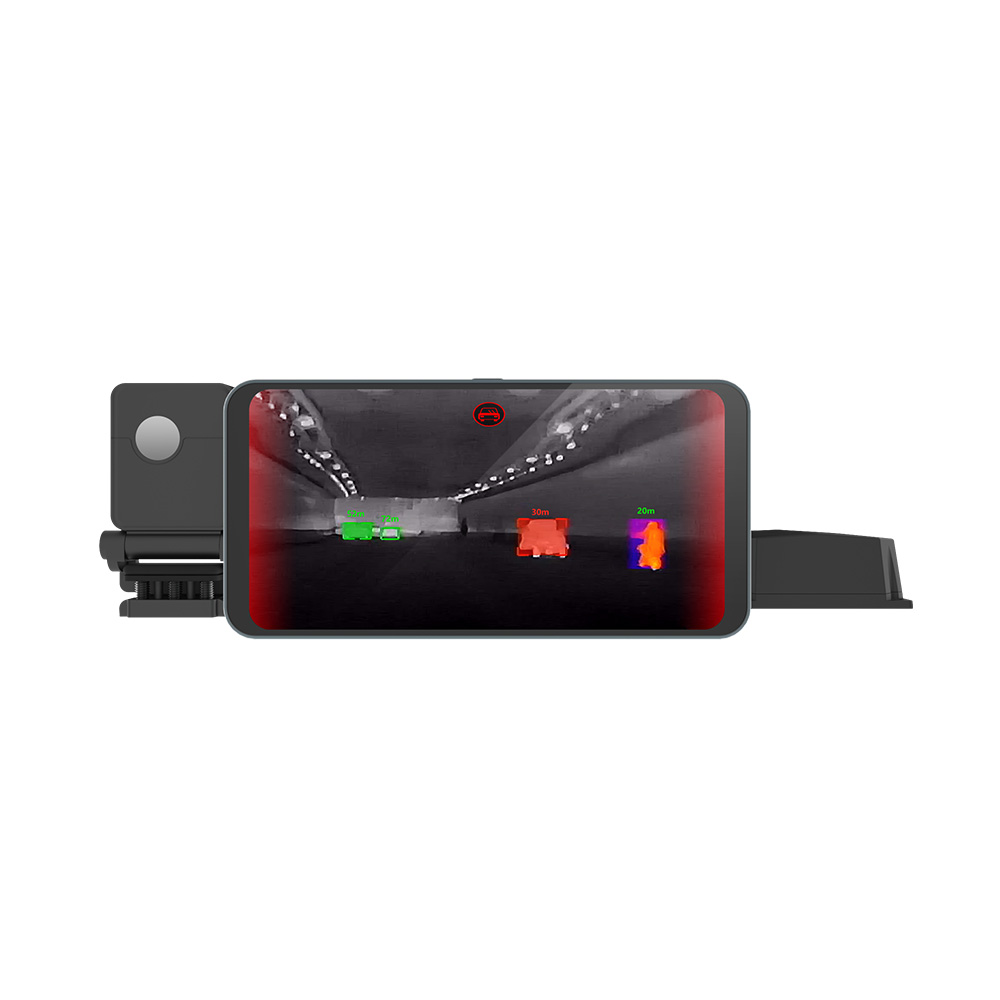

SPI Тепловизионный модуль камеры: LWIR-ядра высокого разрешения для интеграции с ESP32 и Raspberry Pi
7 июля 2026 г.
Лучший модуль ночной тепловизионной камеры для DIY-проектов и тактической интеграции
9 июля 2026 г.
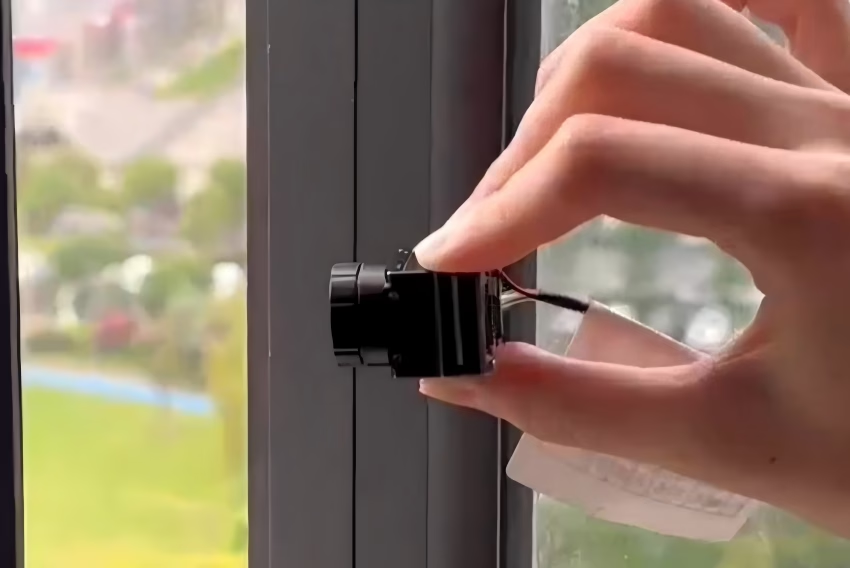
Лучший тепловизионный модуль MIPI для интеграции с Raspberry Pi и дронами: руководство по OEM/ODM-ценам
Интеграция неохлаждаемых длинноволновых инфракрасных (LWIR) сенсоров в автоматизированные системы переживает серьезный архитектурный сдвиг. Устаревшие интерфейсы, такие как USB 2.0 и аналоговый CVBS, быстро выводятся из высокопроизводительных решений из-за высокой задержки, нагрузки на процессор и физической громоздкости. Современные системы периферийного ИИ-зрения, мультироторные беспилотные летательные аппараты (БПЛА) и роботизированные платформы оборонного класса требуют прямых аппаратных каналов передачи данных от сенсора к процессору. Это достигается с помощью интерфейса Mobile Industry Processor Interface (MIPI) Camera Serial Interface 2 (CSI-2). Направляя необработанные данные теплового сенсора напрямую в процессор обработки изображений (ISP) хост-систем на кристалле, таких как Raspberry Pi 4/5, NVIDIA Jetson Orin Nano или кастомные платформы NXP i.MX8, встроенные инженеры могут обойти узкие места драйверов, исключить пропуск кадров и достичь тепловидения с почти нулевой задержкой в критически малом форм-факторе.
Для системных интеграторов поиск надежного тепловизионного модуля MIPI сопряжен с решением сложных инженерных задач. Выбор подходящего модуля требует баланса между разрешением сенсора (например, 640x512 против 384x288), размером пикселя (например, 12 мкм против 17 мкм), фокусным расстоянием объектива, весом, энергопотреблением и интеграцией программного обеспечения на уровне ядра. Это всеобъемлющее техническое руководство служит инженерным планом и пособием по закупкам. Разработанное нашей основной командой НИОКР, в которую входят выпускники Гонконгского университета науки и технологий (HKUST) и бывшие эксперты по полупроводникам Huawei HiSilicon, оно детально описывает электрические, механические и программные требования к промышленной интеграции тепловизоров MIPI, а также содержит прямые оценки для оптовых закупок OEM/ODM.
Суть такова: если вы все еще пытаетесь запустить тепловидение реального времени через USB-стек на летающей платформе, вы ведете заведомо проигрышную борьбу с физикой и накладными расходами операционной системы. В нашей практике мы видим, как десятки проектов застопориваются, потому что разработчики недооценивают, сколько вычислительной мощности потребляют драйверы UVC. Обход этой неразберихи с помощью прямого канала MIPI — единственный способ получить по-настоящему детерминированную производительность, когда на счету каждая миллисекунда.
Содержание
- 👉 Анализ: интерфейсы MIPI CSI-2, USB и CVBS для тепловых сенсоров
- 👉 Архитектура теплового сенсора: разрешение, размер пикселя и тепловая чувствительность (NETD)
- 👉 Интеграция полезной нагрузки дрона: оптимизация SWaP и балансировка подвеса
- 👉 Программный и драйверный стек: интеграция на уровне ядра для платформ Raspberry Pi и Jetson
- 👉 Предлагаемые тепловизионные модули MIPI (реальные характеристики и сравнение)
- 👉 OEM/ODM-кастомизация и ценовые модели для оптовых закупок
- 👉 Исчерпывающие технические FAQ и справочник по устранению неполадок
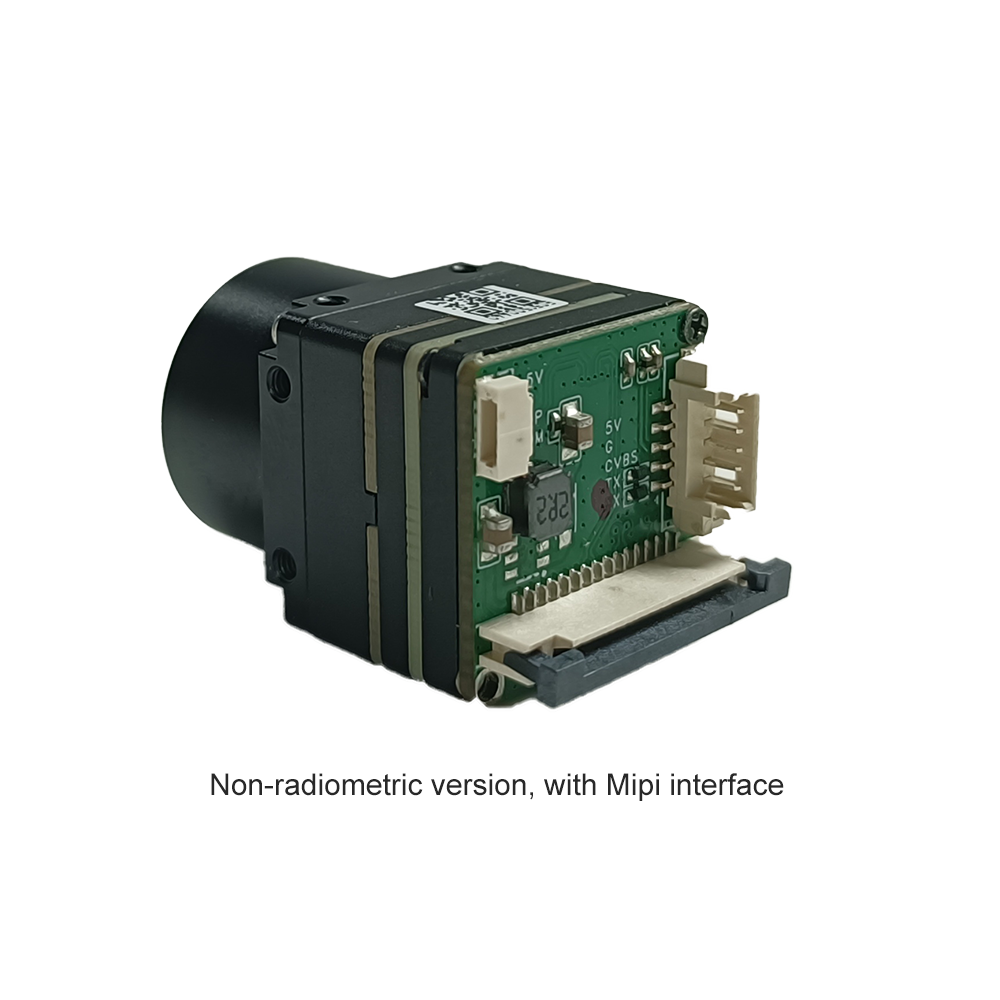
Анализ: интерфейсы MIPI CSI-2, USB и CVBS для тепловых сенсоров
При разработке тепловизионных систем реального времени выбор правильного интерфейсного протокола влияет на задержку, вычислительную нагрузку и физическое пространство для проектирования. В таблице ниже показаны различия между интерфейсами MIPI CSI-2, USB 3.0/UVC и устаревшим CVBS для промышленных LWIR-применений.
| Характеристика / Метрика | Интерфейс MIPI CSI-2 | USB 3.0 / UVC (Type-C) | Аналоговый CVBS (RCA/BNC) |
|---|---|---|---|
| Протокол передачи данных | Низколатентная последовательная пакетная передача данных (физический уровень D-PHY) | Пакетная передача USB (USB-стек) | Непрерывная аналоговая волна NTSC/PAL |
| Задержка (от сенсора до SoC) | < 2 миллисекунд (прямой DMA в ISP) | 15 – 45 миллисекунд (накладные расходы USB-стека) | Переменная; требуется оцифровщик (~30-60 мс) |
| Загрузка ЦП | < 11% (аппаратно-ускоренная обработка) | 15% – 25% (Декодирование пакетов на уровне драйвера) | Высокая, требуется оцифровка на стороне хоста |
| Вес и профиль разъема | Ультра-микро разъемы FPC/FFC (например, Hirose Electric межплатные, < 0,2 г) | Стандартный разъем USB-C и толстый экранированный кабель (> 8 г) | Коаксиальный кабель и тяжелые разъемы BNC/RCA (> 15 г) |
| Синхронизация нескольких камер | Аппаратная синхронизация кадров (FSYNC) через GPIO с субмикросекундной точностью | Только программный триггер (ненадежный дрейф в миллисекундах) | Н/Д (требуется аппаратное обеспечение genlock) |
| Идеальное применение | Подвесы БПЛА, высокоскоростное отслеживание целей с ИИ, встраиваемые системы | Настольные НИОКР, лабораторные испытания, стационарные системы без критичности ко времени | Устаревшие мониторы с ЭЛТ, старые аналоговые передатчики дронов |
Почему специализированный MIPI CSI-2 доминирует
Основное преимущество использования тепловизионного модуля MIPI заключается в прямом интерфейсе с аппаратным процессором сигналов изображения (ISP) главного процессора. В типичной USB-архитектуре необработанные цифровые данные с инфракрасного детектора (матрицы болометров) должны пройти через встроенный микроконтроллер, быть упакованы в пакеты USB Video Class (UVC), отправлены через USB-контроллер, распакованы ядром ОС и затем скопированы в системную оперативную память. Этот процесс потребляет циклы ЦП и вносит задержку.
Смотрите, при маршрутизации через MIPI CSI-2 неохлаждаемый инфракрасный детектор передает необработанные 14-битные или 16-битные цифровые данные напрямую по высокоскоростным дифференциальным линиям синхронизации и данных. Эти данные помещаются в системную память SoC с использованием прямого доступа к памяти (DMA). Этот процесс выполняется без вмешательства ЦП, сокращая системную задержку до времени физической передачи по линии (часто менее 2 миллисекунд). Для быстро движущихся платформ дронов или автоматизированного теплового отслеживания эта низкая задержка необходима для предотвращения смазывания движения и обеспечения быстрых контуров управления. Чтобы изучить стандартные структуры развертывания этих систем визуализации, обратитесь к нашему подробному анализу для чего используется тепловизионная камера.
Архитектура теплового сенсора: разрешение, размер пикселя и тепловая чувствительность (NETD)
To select or specify your OEM MIPI thermal camera module, you must understand the sensor's physical capabilities. Thermal imaging operates in the LWIR spectrum (typically 8μm to 14μm), where optical physics differ from visible-light sensors. Incident radiation passes through optimized Germanium optics, striking a highly specialized focal plane array (FPA) consisting of uncooled microbolometers, which then convert incoming thermal energy into readable electrical signals processed by high-speed pipelines.
Uncooled Microbolometers: VOx vs. a-Si
Modern industrial thermal modules use uncooled microbolometers, which do not require cryogenic cooling. This design reduces size, weight, and power consumption. The two primary materials used for the sensing active layer are:
- Оксид ванадия (VOx): VOx sensors offer a lower temperature coefficient of resistance (TCR), which ensures lower electrical noise, superior signal-to-noise ratios (SNR), and higher thermal sensitivity (lower NETD values). This material remains the gold standard for scientific, aerial, and military-grade monitoring.
- Аморфный кремний (a-Si): While easier to manufacture and scale, a-Si typically exhibits higher noise levels, slower response times, and general performance degradation when operated across wider temperature fluctuations.
Our thermal camera modules feature advanced VOx uncooled infrared detectors. These detectors deliver stable radiometric performance and rapid pixel thermal response times, which are essential for high-speed drone sweeps and industrial machinery monitoring.
Pixel Pitch Breakdown: 12μm vs. 17μm
The physical size of each individual microbolometer pixel on the focal plane array is measured in microns. Over the past decade, manufacturing advancements have allowed the industry to shift from standard 17μm pixels down to highly efficient 12μm configurations.
- Legacy 17μm Sensors: Historically, 17μm was the industry standard. Larger pixels capture more physical photons but require larger focal plane arrays. This leads to bigger, heavier Germanium lenses and a bulkier overall module size.
- Modern 12μm Sensors: Migrating to a 12μm pixel pitch allows manufacturers to reduce the physical sensor size while keeping resolutions like 640x512 or 384x288 intact. Smaller pixels require a smaller lens diameter to achieve the same Field of View (FOV). This dramatically reduces the weight and material cost of the expensive Germanium optics, making it ideal for SWaP-constrained applications.
Deciphering Thermal Sensitivity (NETD)
Noise Equivalent Temperature Difference (NETD) measures a thermal sensor's sensitivity. It represents the minimum temperature difference the sensor can resolve from the background noise, measured in milli-Kelvins (mK). When evaluating modules under fixed laboratory conditions (e.g., at 25°C with an f/1.0 aperture):
- NETD < 50mK: Standard industrial/security grade. Good for high-contrast thermal tracking but struggles in low-contrast conditions like rain, fog, or isothermal environments.
- NETD ≤ 40mK: High-performance threshold. Reliably distinguishes subtle temperature signatures, which is critical for drone agricultural analysis, solar panel inspections, and early-stage industrial overheating detection.
For a detailed breakdown of core lens metrics and detector criteria, read our tutorial on how to choose the best infrared thermal imaging camera module.
Интеграция полезной нагрузки дрона: оптимизация SWaP и балансировка подвеса
Integrating a thermal sensor onto a small UAV or autonomous drone gimbal requires careful attention to three key engineering constraints: Size, Weight, and Power (SWaP).
Mechanical Envelope & Weight Considerations
Every gram added to a drone payload directly reduces flight duration and increases battery drain. Traditional thermal cameras in heavy, weatherproof IP67 enclosures are unsuitable for lightweight multi-rotors. For these applications, engineers strip down to "naked" OEM modules. Our Mini2 640x512 9mm thermal module is engineered for payload optimization, weighing only a few grams. When selecting lenses (such as a 9mm lens), it is vital to balance spatial resolution—measured in Instantaneous Field of View (IFOV)—with optical weight. A wider FOV provides better situational awareness, while a narrower, longer lens allows for higher altitude surveys at the cost of added weight and higher gimbal stability requirements.
Electrical and Signal Path Routing
Standard ribbon cables degrade MIPI high-speed differential signals if routed over long distances or near high-frequency noise sources (like brushless drone motors and ESCs). To design robust signal pathways:
- ⚠️ Keep the flexible printed circuit (FFC) cable length under 150mm to prevent data corruption.
- 🛡️ Select FFC cables with continuous ground-plane shielding on one side to prevent electromagnetic interference (EMI) from the drone's telemetry and propulsion systems.
- 🔒 Utilize secure micro-interconnect solutions like Hirose board-to-board connectors, which feature robust locking retention mechanisms that withstand the persistent high-frequency vibrations of multi-rotor flight.
Thermal Dissipation & Calibration
Because microbolometers measure environmental heat, the camera sensor itself must remain thermally stable. Heat generated by the module's internal FPGA/ASIC processor can seep into the microbolometer array, causing thermal drift and skewing measurement accuracy. Our modules address this issue using advanced shutter/shutterless calibration algorithms. This design minimizes the use of mechanical shutters while incorporating low-power electronics that consume less energy. When mounting the module to a drone gimbal, ensure the housing has a thermal path—such as a thermal pad connecting the module's back aluminum plate to the gimbal's metal chassis—to passively dissipate heat. Discover how aerial thermal configurations are deployed in wildlife studies by reviewing our case study detailing UAV thermal imaging technology for wildlife surveys.
Программный и драйверный стек: интеграция на уровне ядра для платформ Raspberry Pi и Jetson
Getting hardware-level MIPI data flowing into user-space applications often presents integration challenges for developers. Standard visible-light cameras utilize the MIPI CSI-2 bus with standard YUV or RGB pixel formats. Thermal cameras, however, output deep 14-bit or 16-bit raw digital signals (representing raw ADC counts or radiometric temperature values) that require custom handling.
The Linux Kernel and V4L2 Layer
To interface a MIPI thermal camera with a host computer like the Raspberry Pi or an NVIDIA Jetson, you must configure a dedicated Video4Linux2 (V4L2) driver. The pipeline routes raw frames directly via Direct Memory Access (DMA) from the physical MIPI lanes up into system RAM. The host architecture uses an I2C Control Bus to set parameters such as shutter triggers, gain controls, and radiometric lookup table selections. High-speed, low-power differential lanes transport the raw video stream over the physical MIPI CSI-2 bus, and the Video Buffer 2 (VB2) Kernel Subsystem feeds the raw data frame-by-frame into system RAM via DMA.
Because these sensors stream raw 14-bit data, the driver must expose the appropriate pixel format, typically configured in the kernel as:
- ⚙️
V4L2_PIX_FMT_Y14(14-bit Greyscale) or - ⚙️
V4L2_PIX_FMT_Y16(16-bit Greyscale)
These formats bypass the host ISP's color-processing blocks. This ensures the raw temperature data remains uncompressed and unaltered by standard visible-light enhancements like white balance and gamma correction.
Building Device Tree Overlays (.dts)
To configure the host processor's pins for the thermal camera module, you must load a Device Tree Overlay (.dtbo) at boot. Below is an engineering example of a device tree source file (.dts) tailored for a dual-lane MIPI camera configuration:
/dts-v1/;
/plugin/;

/ {
    compatible = "brcm,bcm2835", "brcm,bcm2711", "nvidia,tegra210";

    fragment@0 {
        target = <&i2c_csi_dsi>;
        __overlay__ {
            #address-cells = <1>;
            #size-cells = <0>;

            thermal_mipi@11 {
                compatible = "purpleriver,thermal-mipi";
                reg = <0x11>; /* Sensor I2C Address */
                clocks = <&cam1_clk>;
                clock-names = "extclk";

                port {
                    thermal_mipi_out: endpoint {
                        remote-endpoint = <&csi1_ep>;
                        clock-lanes = <0>;
                        data-lanes = <1 2>; /* Configured for 2-Lane Operation */
                        clock-noncontinuous;
                        link-frequencies = /bits/ 64 <300000000>; /* 300 MHz */
                    };
                };
            };
        };
    };
};
This device tree snippet maps the hardware configuration: it configures I2C communications on target address 0x11, enables 2 MIPI CSI-2 data lanes with an external clock frequency, and establishes physical link speed configurations to facilitate raw high-speed data transfers.
Предлагаемые тепловизионные модули MIPI (реальные характеристики и сравнение)
Our catalog features two high-performance uncooled LWIR camera modules, each designed to meet demanding SWaP constraints and industrial environments.
Uncooled Infrared Mini2 640 384 256 9mm Thermal Imaging Camera Module For Drones
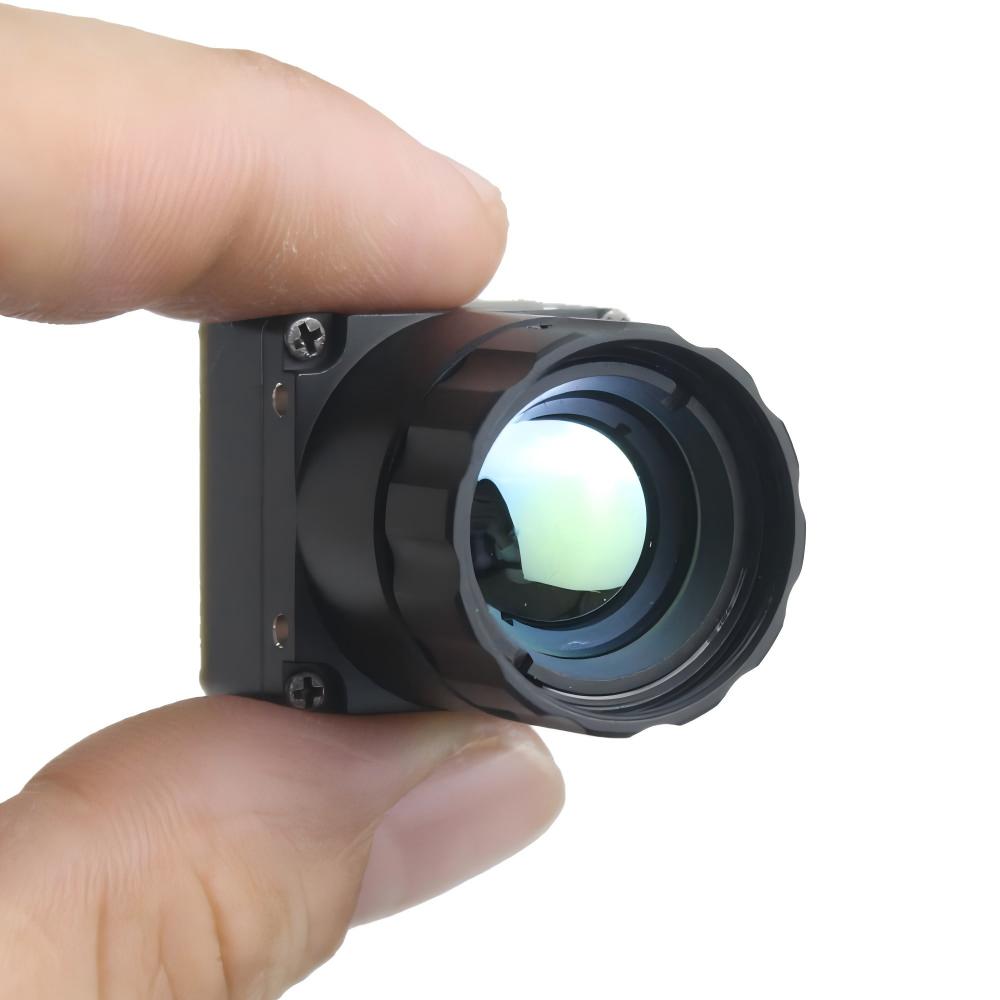
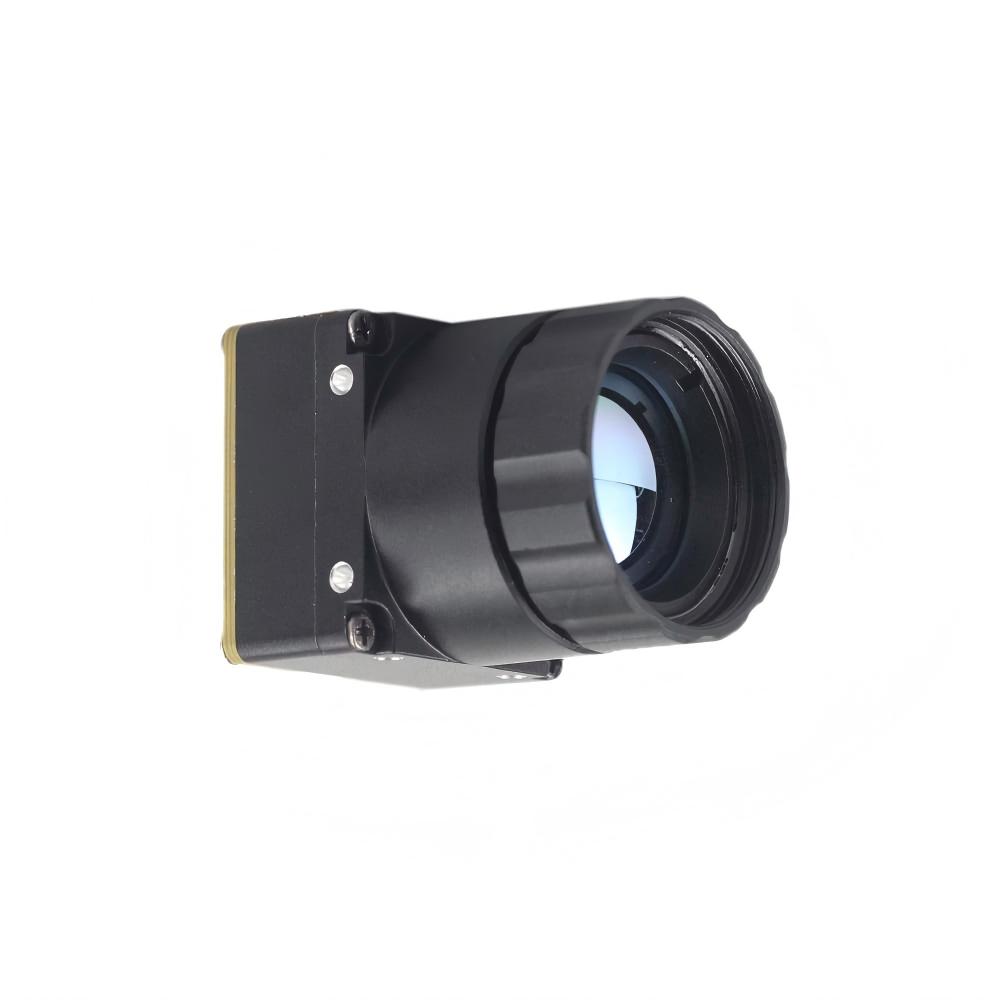
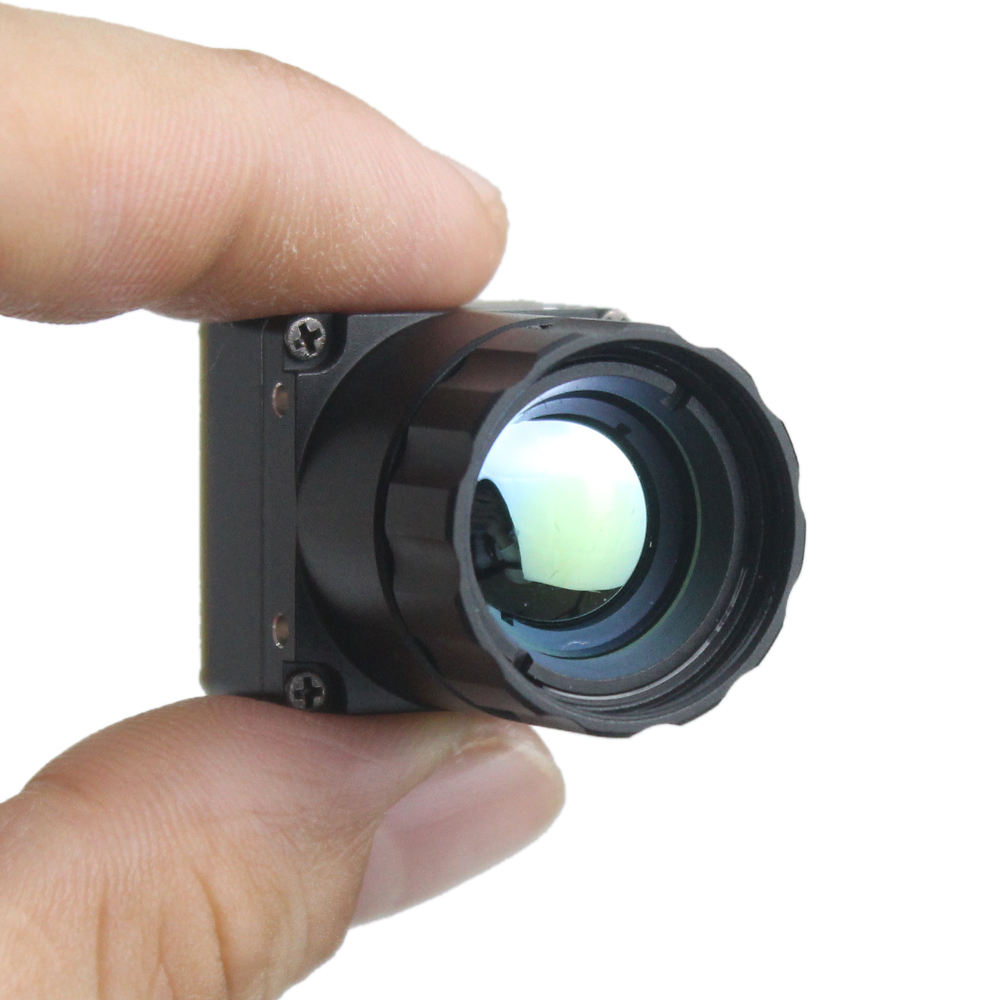
Неохлаждаемый инфракрасный Mini2 640x512 9мм тепловизионный модуль камеры для дронов, миниатюрный неохлаждаемый инфракрасный тепловизионный модуль отличается чётким и ясным изображением, компактным размером и низкой стоимостью.
Серия MD 384x288 неохлаждаемый инфракрасный тепловизионный модуль камеры
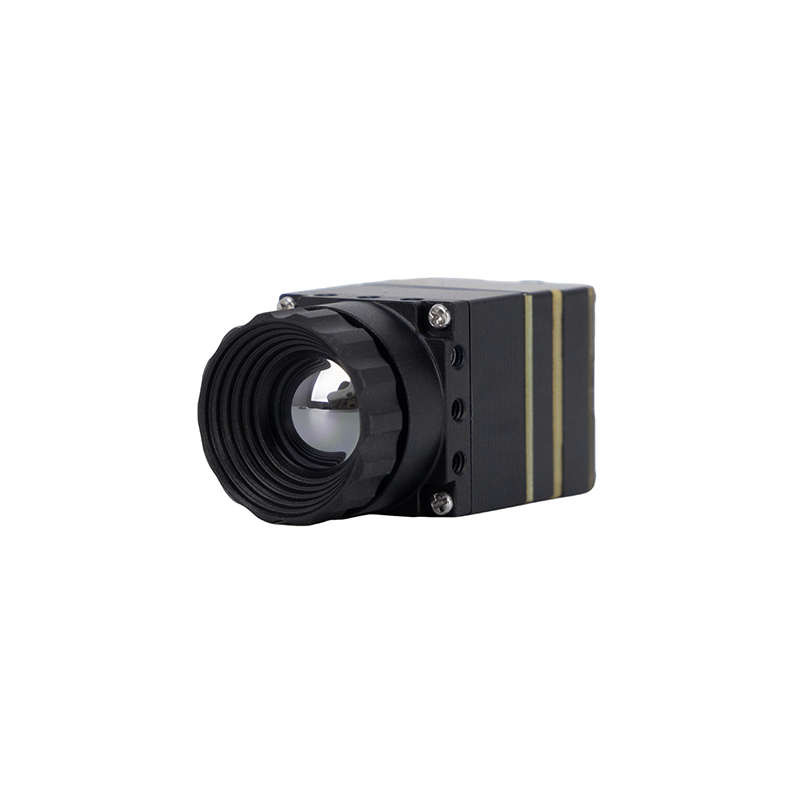
Тепловизионный модуль камеры Purpleriver разработан для промышленной точности в таких применениях, как безопасность, мониторинг температуры и интеграция с дронами. Оснащённый неохлаждаемым инфракрасным детектором с шагом пикселя 12 мкм, он обеспечивает высокую чувствительность и чёткое тепловизионное изображение. Компактный размер, функциональность «подключи и работай» и множество интерфейсов (MIPI/USB/CVBS) гарантируют универсальную и быструю интеграцию в различные системы. При поддержке команды с опытом Гонконгского университета науки и технологий и бывших экспертов Huawei Hisilicon, этот модуль предлагает OEM/ODM-настройку под конкретные требования проекта, обеспечивая непревзойдённую производительность и адаптивность.
Comparative Specifications Breakdown
The following table provides verified mechanical and electrical specifications for our leading uncooled infrared MIPI modules.
| Engineering Parameter | Mini2 640 Thermal Module | MD Series Thermal Module |
|---|---|---|
| Sensor Architecture | Uncooled VOx Microbolometer Array | Uncooled VOx Microbolometer Array |
| Detector Resolution | 640 x 512 pixels | 384 x 288 pixels |
| Pixel Pitch Size | 12 мкм | 12 мкм |
| Spectral Band Range | 8μm – 14μm (LWIR) | 8μm – 14μm (LWIR) |
| Тепловая чувствительность (NETD) | ≤ 40mK (@ 25°C, f/1.0) | ≤ 40mK (@ 25°C, f/1.0) |
| Supported Interfaces | MIPI CSI-2 (Direct FPC), USB 2.0 | MIPI CSI-2, USB 2.0, CVBS (Analog) |
| Optics Configuration | 9mm (Fixed Focus, Germanium) | Optional focal lengths (Customisable) |
| Primary Characteristics | Sharp image presentation, compact size, low cost | Plug-and-play functionality, dual-use industrial design |
Because both modules leverage our central 12μm VOx fabrication technology, they deliver crisp imaging, low latency, and low thermal noise. This performance is backed by our technical team's semiconductor engineering expertise.
OEM/ODM-кастомизация и ценовые модели для оптовых закупок
Procuring industrial thermal components requires balancing specialized technical requirements with long-term cost feasibility. Our R&D division, led by seasoned former и Huawei HiSilicon IC engineers and HKUST graduates, offers extensive OEM/ODM customization services.
OEM Customization Options
- ✅ Custom Interface Boards: Need custom board-to-board interconnect layouts, rigid-flex PCBs, or unique power filtering circuitry? We design and manufacture custom interfaces to match your mechanical envelope.
- ✅ Optics and Lenses: Choose from our standard 9mm lenses, wide-angle lenses for short-range security, or narrow lenses for high-altitude UAV surveys.
- ✅ Fully Functional SDKs: We supply integrated C/C++ and Python SDKs, kernel-level drivers, and sample programs for both NVIDIA Jetson platforms and Raspberry Pi systems, helping you bring your product to market faster.
Wholesale Procurement Pricing Structure
Our tier-structured pricing accommodates developers from early-stage prototyping through to high-volume production runs:
- Evaluation Phase (1 - 9 Units): Includes out-of-the-box hardware test kits, full access to our software APIs, and direct developer-level technical support. Ideal for proving concepts and finalising hardware topologies on Raspberry Pi and Jetson platforms.
- Mid-tier Pilot Production (10 - 99 Units): Includes custom calibration configurations, minor hardware modifications, and stable wholesale pricing designed to transition prototypes into field-testing phases.
- Enterprise Mass Deployment (100+ Units): Delivers optimized price-to-performance ratios, dedicated batch testing, custom lens calibrations, and long-term supply SLA agreements to lock in the lowest per-unit costs.
To explore your project's technical specifications and receive a customized quote, contact our technical sales team directly. We will connect you with a dedicated systems engineer who can design a custom-tailored proposal for your hardware requirements.
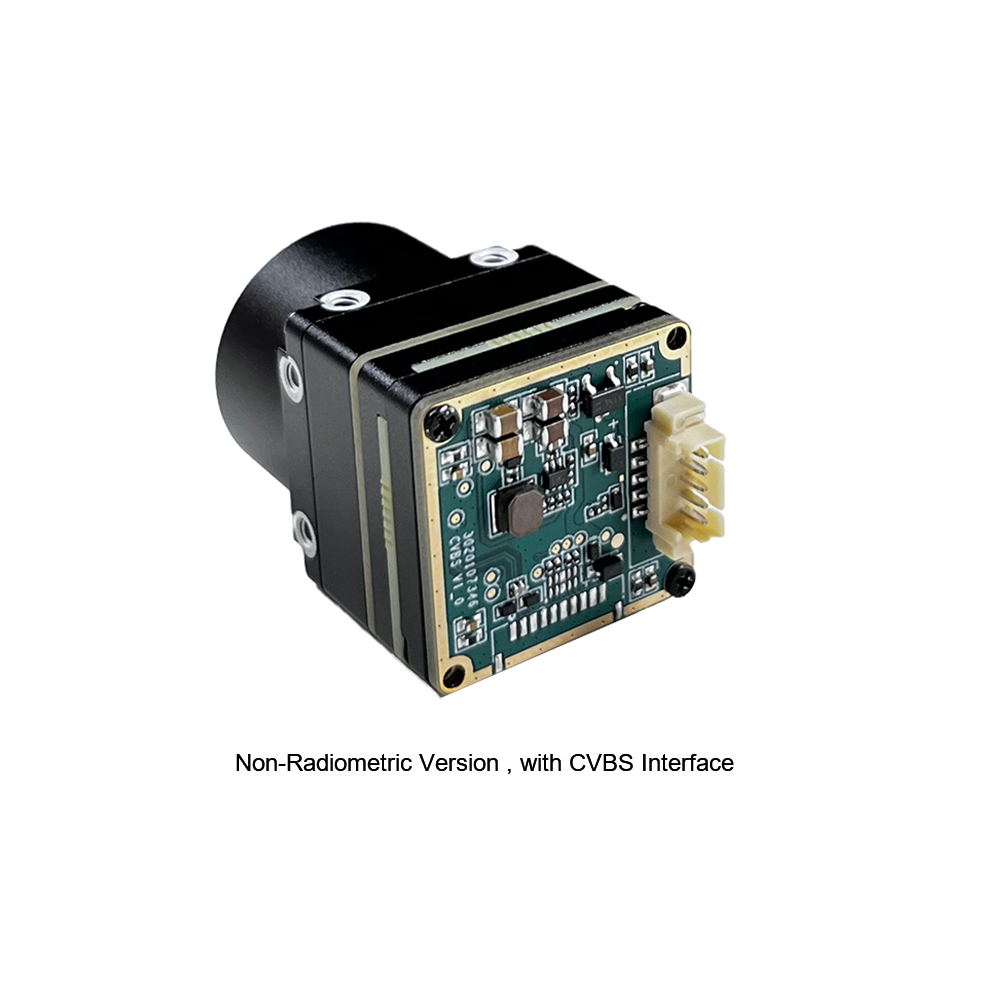
Исчерпывающие технические FAQ и справочник по устранению неполадок
Can I connect these MIPI thermal camera modules directly to a Raspberry Pi or Jetson Nano for real-time high-res streaming?
How do you solve the kernel driver and SDK integration challenge on custom embedded boards?
Are these MIPI thermal modules lightweight and robust enough for small drone (UAV) gimbals?
What is the main differentiator of Purpleriver's development team compared to other suppliers?
How do I manage optical distortion and temperature calibration over time?
📚 References & Further Reading
- Промышленные стандартные межсоединения: Hirose Electric Co., Ltd.
- Manufacturing Partner: KUYANG Electronic Technology
- Related Guide (UAV Flight Surveying): UAV Thermal Imaging Technology for Wildlife Surveys
- Related Guide (Module Selection): How to Choose the Best Infrared Thermal Module