
Гид по ценам на модули тепловизионных камер 2024: от DIY-наборов до профессиональных решений Edge AI
23 июня 2026 г.
Лучший тепловизионный модуль для интеграции с дронами: Руководство по Edge AI и LWIR
24 июня 2026 г.
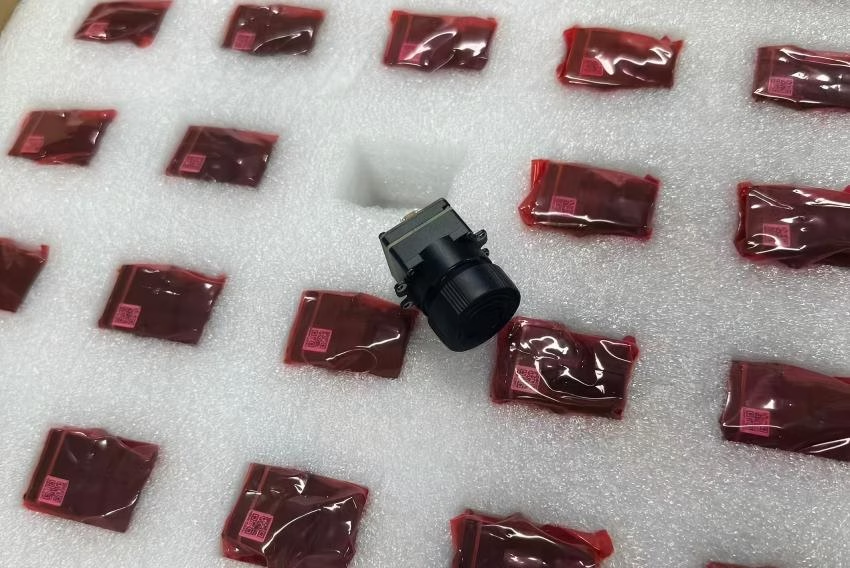
Профессиональный тепловизионный сенсорный модуль высшего класса: решения на основе длинноволнового ИК-диапазона с ИИ-усилением для дронов и DIY-технологий
Современные промышленные, оборонные и гражданские применения БПЛА требуют компонентов полезной нагрузки, которые значительно расширяют границы парадигмы проектирования SWaP-C (размер, вес, мощность и стоимость). Прецизионное тепловое зондирование больше не ограничивается тяжелыми, энергоемкими военными гиростабилизированными платформами или низкоразрешающими термобатарейными матрицами для любителей. Сегодняшние инженеры встраиваемых систем требуют высокоточных неохлаждаемых микроболометрических матриц, интегрированных непосредственно с бортовыми специализированными интегральными схемами (ASIC), способными извлекать калиброванные потоки радиометрических данных на высоких скоростях. Эти передовые тепловизионный сенсорный модуль конфигурации используют обнаружение в длинноволновом инфракрасном (LWIR) спектре (обычно от 8 до 14 микрометров) для получения четкого изображения сквозь дым, атмосферную пыль и абсолютную темноту, открывая новые горизонты в аналитике граничного ИИ, критическом оборонном отслеживании и структурной инспекции.
Внедрение тепловизионного сенсорного модуля корпоративного уровня в автоматизированные граничные архитектуры влечет за собой строгие соображения по проектированию аппаратного и программного обеспечения. Системные архитекторы должны ориентироваться в сложных конвейерах аналого-цифровой обработки сигналов, ограничениях по задержке в микросекундах сетей протокола потоковой передачи в реальном времени (RTSP) и физических ограничениях монтажа, где каждый грамм напрямую влияет на продолжительность полета или время автономной работы. Это всеобъемлющее техническое руководство анализирует лежащую в основе физику микроболометрических технологий, разбирает основные стандарты упаковки датчиков, описывает высокопроизводительные промышленные интеграции и устанавливает абсолютные сравнения производительности, чтобы помочь вам выбрать идеальное ядро LWIR для вашей воздушной или встроенной платформы зрения следующего поколения.
Двойная система оглавления
Структурная карта сайта (полноширинный навигационный блок)
Содержание
- 👉 Глубокая системная архитектура тепловизионного сенсорного модуля
- 👉 Радиометрические расчеты и алгоритмы тепловой калибровки
- 👉 Интеграция тепловых модулей с корпусами БПЛА и дронов
- 👉 Глубокое погружение в протоколы: конвейеры телеметрии RTSP, IP, CVBS и SPI
- 👉 Тактические геополитические и контр-угрозные тактические развертывания
- 👉 Наборы функций и спецификации продуктов профессионального уровня
- 👉 Расширенный инженерный FAQ и руководство по интеграции
Сворачиваемое плавающее меню для настольных ПК (CSS-оверлей для быстрой навигации)
[+/-]
Глубокая системная архитектура тепловизионного сенсорного модуля
Вот в чем дело: промышленный тепловизионный сенсорный модуль это высокосинхронизированный шедевр материаловедения, субмикронного физического выравнивания и вычислительной математики. Стандартные камеры видимого света используют кремниевые КМОП-сенсоры для захвата фотонов в спектре от 400 до 700 нанометров. Но когда вы переходите на территорию длинноволнового инфракрасного диапазона (LWIR), вы отслеживаете тепловую энергию, излучаемую непосредственно от целевых тел. Управление собственным излучением от окружающего шасси без подавления микроболометрического чипа является серьезной аппаратной проблемой, с которой инженеры сталкиваются в цехе каждый день.
Каждый профессиональный тепловизионный модуль для корректной работы опирается на специализированный оптический тракт. Стандартное оптическое стекло полностью блокирует длинноволновое инфракрасное излучение. Попробуйте использовать стандартную оптику — и результат будет таким же, как если бы вы поставили перед сенсором сплошной лист металла. Вместо этого мы применяем элементы из оптического германия или прецизионные композиты на основе халькогенидного стекла. Эти элементы обрабатываются специальными алмазоподобными углеродными (DLC) антибликовыми покрытиями, чтобы проецировать чистую, неослабленную тепловую энергию на неохлаждаемую матрицу в фокальной плоскости (FPA). В такой конфигурации мы преобразуем сырые изменения теплового сопротивления в чистые цифровые сигнатуры, корректируем их с помощью бортовой ASIC и направляем калиброванные значения температуры непосредственно на ваш главный процессор.
Роль неохлаждаемых микроболометров в LWIR
Современная тепловизионная техника в значительной степени опирается на неохлаждаемые микроболометрические FPA. Такая конфигурация устраняет необходимость в дорогих и энергоемких криогенных охлаждающих сборках, позволяя инженерам создавать надежные системы с гораздо меньшими физическими габаритами. Смотрите: если можно отказаться от вакуумных камер с жидким азотом, не теряя при этом реальной отзывчивости, ваши инженерные задачи значительно упрощаются.
С физической точки зрения, микроболометрическая матрица представляет собой сетку микроскопических мембранных пикселей, подвешенных непосредственно над считывающей кремниевой основой. Каждый отдельный пиксель спроектирован с использованием поглощающего материала — обычно оксида ванадия (VOx) или аморфного кремния (α-Si) — и поддерживается сверхтонкими, сильно изолированными структурными ножками. Когда входящее LWIR-излучение проходит по вашей цели и попадает на этот поглотитель, элемент нагревается, изменяя свое электрическое сопротивление. Эта производительность определяется температурным коэффициентом сопротивления (TCR). В реальных тепловых приложениях конфигурации на основе VOx обычно обеспечивают более высокие значения TCR и более низкие профили шума 1/f по сравнению со стандартными α-Si матрицами, что приводит к превосходной однородности изображения и гораздо более низкой эквивалентной шуму разности температур (NETD).
Интегральная схема считывания (ROIC) и корпусирование на уровне пластины (WLP)
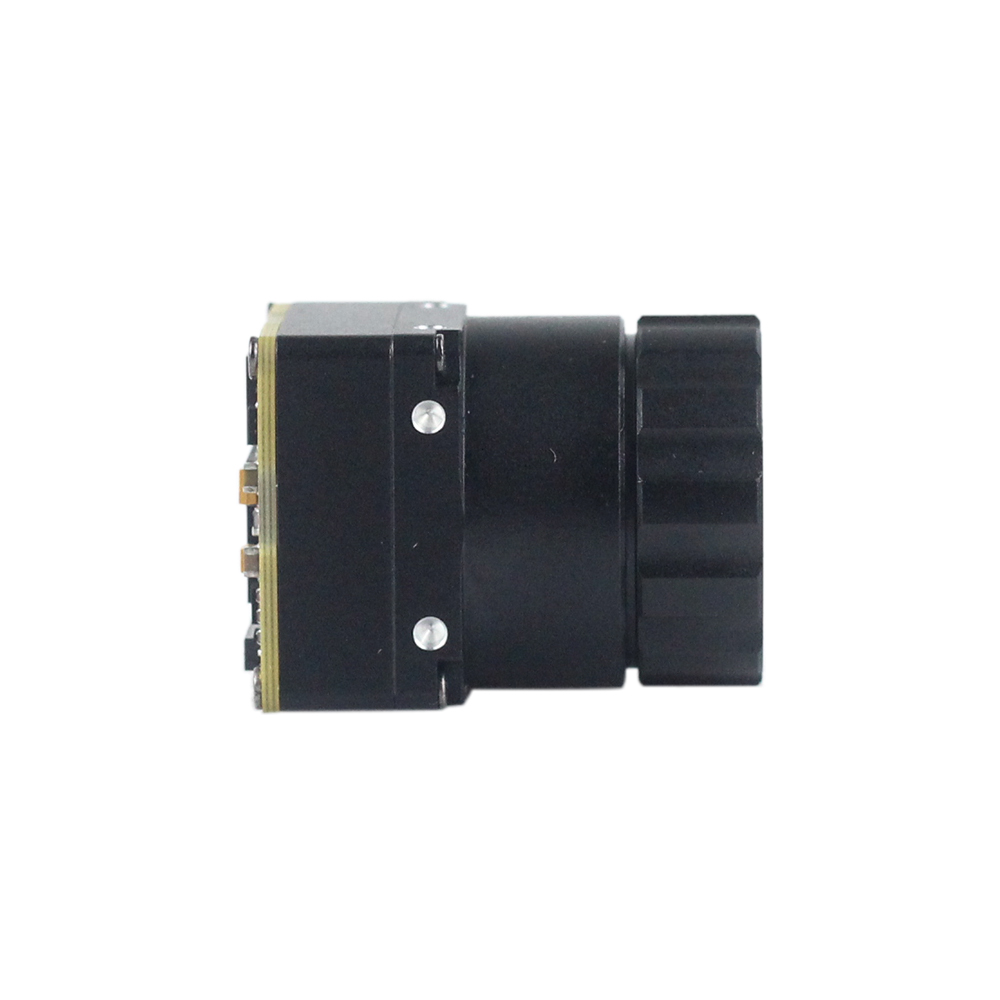
Как только ваша матрица регистрирует эти мельчайшие изменения сопротивления, вам нужен способ считывать и оцифровывать их в реальном времени. Именно здесь вступает в дело интегральная схема считывания (ROIC), соединенная непосредственно под подвешенной сенсорной сеткой. ROIC выполняет основную часть тяжелой работы, запуская высокоскоростные аналого-цифровые преобразователи (АЦП), мультиплексоры и интегрированные усилители для построчного сканирования матрицы и вывода чистых цифровых сигналов.
Поскольку подвешенные микроболометры очень хрупки и чувствительны к окружающим воздушным потокам, они должны быть герметично запечатаны под высоким вакуумом. Без надежного вакуумного уплотнения молекулы окружающего воздуха будут гасить тепловой отклик, делая ваш сенсор бесполезным. Современные производители используют корпусирование на уровне пластины (WLP), чтобы запечатать кремниевую крышку прямо над корпусом детектора, все еще находясь в вакуумной камере. Этот специализированный производственный подход устраняет громоздкие металлические корпуса, создавая легкие, компактные ядра, которые легко размещаются на микроподвесах и в компактных нашлемных системах.
Обработка на основе ASIC против захватчиков кадров на стороне хоста
После оцифровки сырые тепловые кадры содержат пространственные вариации, вызванные незначительными различиями в составе каждого пикселя. Устранение этих вариаций требует от разработчиков выбора пути обработки:
- ⚙️ Обработка на стороне хоста: Этот подход направляет необработанные данные сенсора напрямую через интерфейсы SPI или параллельные интерфейсы на ваш основной системный процессор. Хотя это делает сенсорный модуль доступным по цене, разбор необработанных, некалиброванных потоков может быстро перегрузить ваш основной процессор, вызывая задержки системы и пропуск кадров в динамических приложениях.
- ⚙️ Встроенная обработка ASIC/DSP: Высокопроизводительные тепловизионные ядра оснащены выделенной встроенной специализированной интегральной схемой (ASIC) или цифровым сигнальным процессором (DSP). Выполняя коррекцию неоднородности (NUC), управление дефектными пикселями, фильтрацию шумов и цветовое отображение непосредственно на локальном оборудовании, модуль выдает полностью обработанный высокоскоростной поток, готовый для периферийного компьютерного зрения без загрузки вашего основного ЦП.
Радиометрические расчеты и алгоритмы тепловой калибровки
Развертывание LWIR-сенсора в промышленном мониторинге требует глубокого понимания основных физических принципов. В цехе мы должны внимательно изучать, как атмосферное пропускание, излучательная способность цели и фоновые отражения взаимодействуют до того, как тепловые лучи достигнут элементов вашего сенсора. Эта динамика лежит в основе Принципа тепловидения.
Закон Планка и основная математическая модель
Закон Планка гласит, что каждый объект с температурой выше абсолютного нуля излучает электромагнитную энергию. Для типичных целей (от -40°C до +150°C) это излучение достигает пика именно в LWIR-диапазоне. Полная энергия излучения, испускаемая идеальным черным телом, моделируется законом Стефана-Больцмана:
Где:
- ⚙️ E — это плотность потока энергии излучения (Вт · м-2).
- ⚙️ σ — постоянная Стефана-Больцмана (5,67 × 10⁻⁸ Вт · м-2 · K-4).
- ⚙️ T is the absolute temperature of the target (K).
Of course, real-world targets aren't perfect blackbodies. They have an emissivity factor (ε) that reduces the actual energy emitted. To resolve actual target temperatures in real-world environments, your radiometric processing pipeline must continuously solve the basic thermal equation:
Где:
- ⚙️ Wtotal represents the final infrared power captured by the detector matrix.
- ⚙️ ε is the target's actual surface emissivity (highly variable; e.g., polished aluminum is ~0.05, concrete is ~0.95).
- ⚙️ τ is the atmospheric transmission coefficient.
- ⚙️ Wobj is the thermal radiation originating from the target.
- ⚙️ Wrefl is the background ambient radiation reflected off your target into the sensor path.
- ⚙️ Watm is the self-emission of the atmosphere between your sensor and the target.
If your SDK doesn't actively calculate and compensate for these real-world environmental variables, your temperature readings will drift significantly. To learn more about how thermal radiation dynamics interact with various sensor architectures, explore the academic analyses available in the Wikipedia Infrared Imaging Section.
Shutter-Based Non-Uniformity Correction (NUC)
As ambient air temperatures change and internal electronics heat up, the baseline readings of your microbolometer elements will naturally drift over time. This drift manifests in your video stream as fixed pattern noise (FPN), degrading image quality.
To eliminate this noise, high-quality modules utilize a physical internal shutter. The NUC sequence executes dynamically through the following integrated sequence:
- ⚙️ Step 1: System firmware triggers an internal mechanical solenoid, placing a uniform-temperature shutter plate directly in front of the active optical path.
- ⚙️ Step 2: The ROIC and ASIC read and log the baseline drift values of every pixel across this uniform thermal target.
- ⚙️ Step 3: The onboard processor updates the Offset Non-Uniformity matrix, saving the new baseline values directly to local EEPROM.
- ⚙️ Step 4: The shutter snaps open, and the revised offset calculations are applied frame-by-frame, restoring image clarity.
In high-speed tracking or tactical operations, safety is paramount, and a 500ms image freeze during a shutter cycle can be a liability. To address this, modern defense platforms use advanced algorithms to predict sensor drift over time, minimizing physical shutter cycles or running shutterless computational NUC models that estimate offsets dynamically based on scene motion.
Интеграция тепловых модулей с корпусами БПЛА и дронов
Integrating a high-performance thermal sensor into custom Unmanned Aerial Vehicle (UAV) systems presents complex hardware challenges. Projects demanding long flight endurances require a careful balance between aerodynamic profiles, physical layout, power routing, and optical paths.
Navigating the SWaP-C Framework
- ✅ Size: Minimal frontal surface profiles are essential to reduce aerodynamic drag on airborne platforms.
- ✅ Weight: Every gram saved extends flight times. Utilizing wafer-level packaged (WLP) thermal sensors with lightweight, compact optics keeps sensor core weight under 30 grams, preserving battery life.
- ✅ Power: Airborne systems operate on tight DC budgets. Optimal sensor designs consume less than 1.5 Watts, avoiding excess heat and preventing voltage sags on the flight controller.
- ✅ Cost: Using commercial off-the-shelf (COTS) components with standard communication interfaces lowers development overhead and accelerates project timelines.
Mounting and Mechanical Stabilization
Uncooled LWIR sensors are highly sensitive to vibrations. Standard drone motors running at high RPMs will introduce significant image blur unless addressed mechanically. The solution requires mounting the camera core within a dedicated 3-axis brushless gimbal.
In the shop, we use custom damping plates paired with silicone isolation grommets. The durometer rating of these grommets must be matched to your payload's physical mass to isolate vibrations effectively. Additionally, connectivity cables should consist of highly flexible, micro-coaxial ribbon lines to prevent any mechanical drag on your gimbal's stabilizer motors.
Mitigating Electromagnetic Interference (EMI)
Drones are high-EM-noise environments. Modern platforms pack high-current speed controllers (ESCs), multi-frequency telemetry links, and GPS units into close quarters, which can easily introduce noise into sensitive analog lines:
- ⚙️ Faraday Shielding: Enclosing your thermal sensor's processing boards in custom-stamped copper foil or mu-metal tape blocks interference from high-power 2.4GHz/5.8GHz video links.
- ⚙️ Power Line Conditioning: Drone batteries experience massive voltage fluctuations under hard acceleration. Routing power to your thermal module through a dedicated, low-noise linear regulator (LDO) prevents horizontal noise lines from appearing in your video feed.
For systems teams developing multi-rotor platforms, review the mechanical layouts and airframe integration options available through OBSETECH.
Глубокое погружение в протоколы: конвейеры телеметрии RTSP, IP, CVBS и SPI
Choosing the right digital interface is critical when integrating a thermal imaging sensor module into embedded systems, robot platforms, or security networks. Each protocol balance is optimized for specific trade-offs across bandwidth, latency, system complexity, and resolution.
| Protocol Parameter | Analog CVBS | Direct SPI Telemetry | IP / Ethernet (RTSP) |
|---|---|---|---|
| Data Transmission Type | Analog Composite Signal (NTSC/PAL) | Low-level Digital Bus | Packetized Digital Network Streams |
| Профиль задержки | Low (< 5 ms) | Ultra-Low (< 2 ms) | Moderate (70 ms – 150 ms) |
| Relative Bandwidth | Low (Analog Cable) | High (Requires high clock speed) | Moderate (Standard compressed H.264/265) |
| Max Transmission Distance | ~50 meters via coaxial lines | ~15 centimeters (PCB trace limits) | ~100 meters (UTP/RTSP) / Unlimited via IP |
| Radiometric Frame Value | No (Visual thermal output only) | Full raw pixel metadata output | Yes (Embedded within JSON/Metadata stream) |
| Аппаратные затраты | Simple Frame Grabber required | Heavy SPI parsing on Host CPU | Standard IP Decoder / VLC Stack |
Direct Analog Composite (CVBS)
Analog CVBS remains a reliable option for low-latency transmission. In this setup, the camera core's internal digital-to-analog converter outputs traditional PAL or NTSC standard analog formats. While you won't get individual radiometric temperature calculations per pixel over CVBS, its near-zero lag is crucial for manual drone piloting when milliseconds matter.
SPI Telemetry Bus
For projects using low-overhead microcontrollers like the ESP32 or STM32 black pill boards, SPI (Serial Peripheral Interface) provides direct access to pixel values. Raw frames are clocked out directly to your host processor's board. Keep in mind that SPI lacks internal error correction, so keeping your ribbon cable connections under 10cm is critical to preserve signal integrity.
Network Protocol (IP / RTSP)
Standard industrial IoT installations require robust network topologies, typically leveraging an RJ45 physical connection streaming H.264/H.265 compressed frames via RTSP. The module's internal ASIC compresses raw thermal data, and standard RTP packetizes it for network distribution. Accessing this feed via OpenCV on a remote system is straightforward using the python routing script below:
import cv2

# Connect to the RTSP pipeline of the ASIC module
rtsp_url = "rtsp://192.168.1.120:554/live/vga"
cap = cv2.VideoCapture(rtsp_url)

while cap.isOpened():
    ret, frame = cap.read()
    if not ret:
        break

    # Process the frame (e.g., color thresholding, AI human detection)
    gray_frame = cv2.cvtColor(frame, cv2.COLOR_BGR2GRAY)
    cv2.imshow("Thermal Edge AI Stream", gray_frame)

    if cv2.waitKey(1) & 0xFF == ord('q'):
        break

cap.release()
cv2.destroyAllWindows()
For more details on setting up modern industrial networking protocols, check out this guide on Industrial Networking and Device Infrastructures.
Тактические геополитические и контр-угрозные тактические развертывания
Uncooled LWIR sensors play an increasingly vital role in today's defense and security landscapes. These solid-state modules are designed for reliability under continuous thermal stresses, finding use across physical threat-assessment systems and field-monitoring applications.
A primary application for these modules is within Counter-UAV (C-UAV) defensive positions. While radar systems excel at tracking targets at long ranges, they often struggle to detect small wood or carbon composite drones at low altitudes. Thermal camera modules address this gap by tracking the heat signatures from drone speed controllers, batteries, and motors, maintaining lock through smoke, fog, and absolute darkness. Additionally, these sensors are integrated into automated perimeter networks, monitoring secure facilities and identifying motion over wide, unlit areas.
Unmanned Airborne Search-and-Rescue (SAR)
In dense foliage, rugged terrain, or smoggy conditions, optical cameras fall short. Deploying an uncooled LWIR sensor on a stabilized drone airframe allows search teams to locate missing persons by tracking their body heat against the colder terrain. Edge processors running onboard can analyze the thermal feed in real-time, instantly highlighting humans or vehicles for ground rescue teams.
Landmine Mitigation and Humanitarian De-mining
Buried landmines alter the heat transfer properties of the surrounding soil. Throughout the day, the thermal inertia of metal or explosive casings leads to subtle surface temperature variations compared to loose soil. By deploying dual-sensor payloads that combine high-resolution LWIR cores with optical cameras, automated platforms can identify minefield patterns and map hazards, letting personnel locate threats from a safe distance.
Tactical Surveillance and Perimeter Protection
Critical storage sites, borders, and outposts rely on multi-spectral surveillance networks. Professional-grade LWIR cores can detect human heat signatures at distances over 1,000 meters in absolute darkness. Integrating the thermal imaging sensor module with automated target-tracking software provides continuous coverage for secure properties, automatically flagging unauthorized boundary breaches.
For a deeper look at physical threat assessment and tactical optical assemblies, review this analysis of Active Threat Assessment and Perimeter Defense Operations.
Наборы функций и спецификации продуктов профессионального уровня
To assist integration engineers in evaluating high-performance options, the following matrix compares two professional-grade thermal imaging sensor modules:
Technical Comparison Matrix
| Спецификация | 640*512 ASIC Thermal Sensor Camera Module | Mini 256*192 LWIR Thermal Camera Module |
|---|---|---|
| Model Web URL | Product Page | Product Page |
| Product Image Reference | 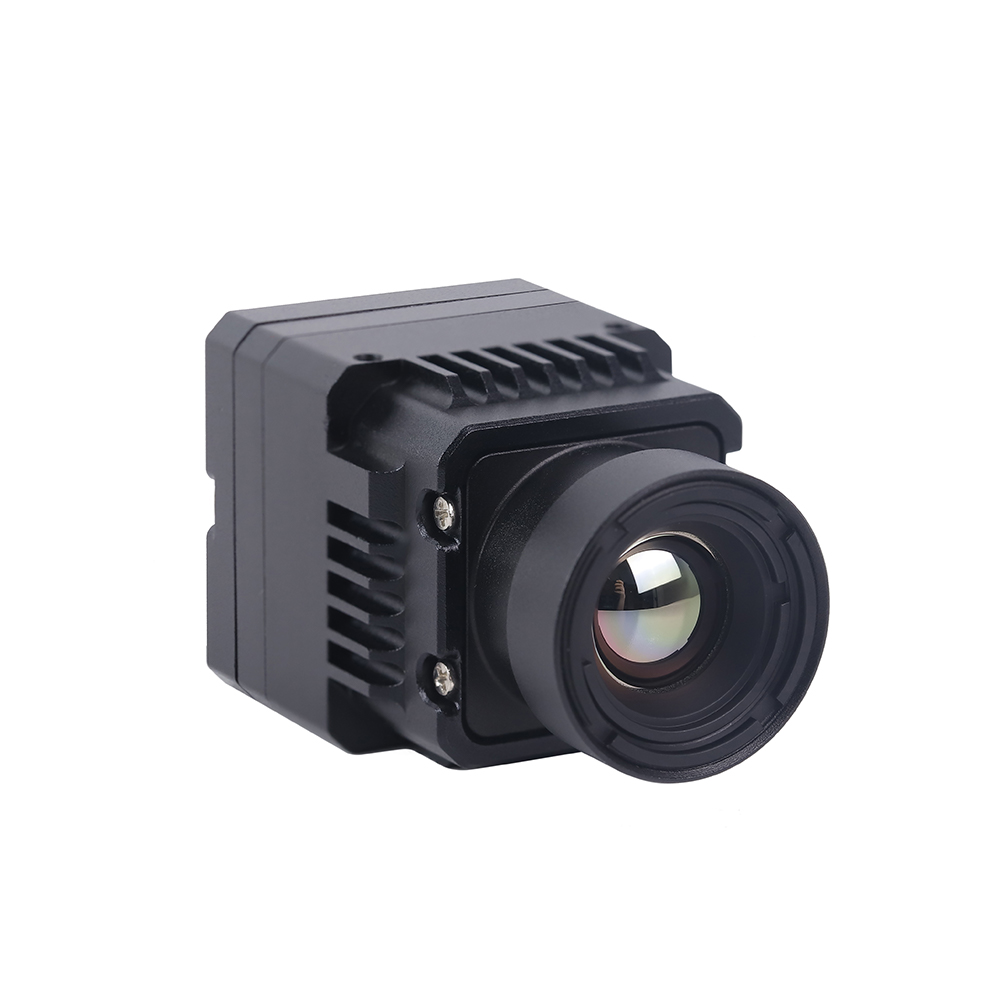 |
 |
| Разрешение | 640 * 512 пикселей (VGA) | 256 * 192 Pixels (QVGA Narrow) |
| Core Technology | Uncooled Microbolometer with ASIC Processor | Uncooled LWIR Microbolometer |
| Physical Interfaces | RJ45 Ethernet, CVBS Analog, RTSP IP Protocol | Mini Ribbon Cable Multi-Pin Interface |
| Form Factor Optimization | Integrated System Assembly | Ultra-Compact Package for UAV Integration |
| Radiometric Accuracy | Matrix-Wide Radiometric Measurement Data | Point, Line, and Area Thermal Radiometry |
| Target Use Cases | Industrial Monitoring, Long-Range Surveillance | Drone Payloads, Mines Detection, DIY Systems |
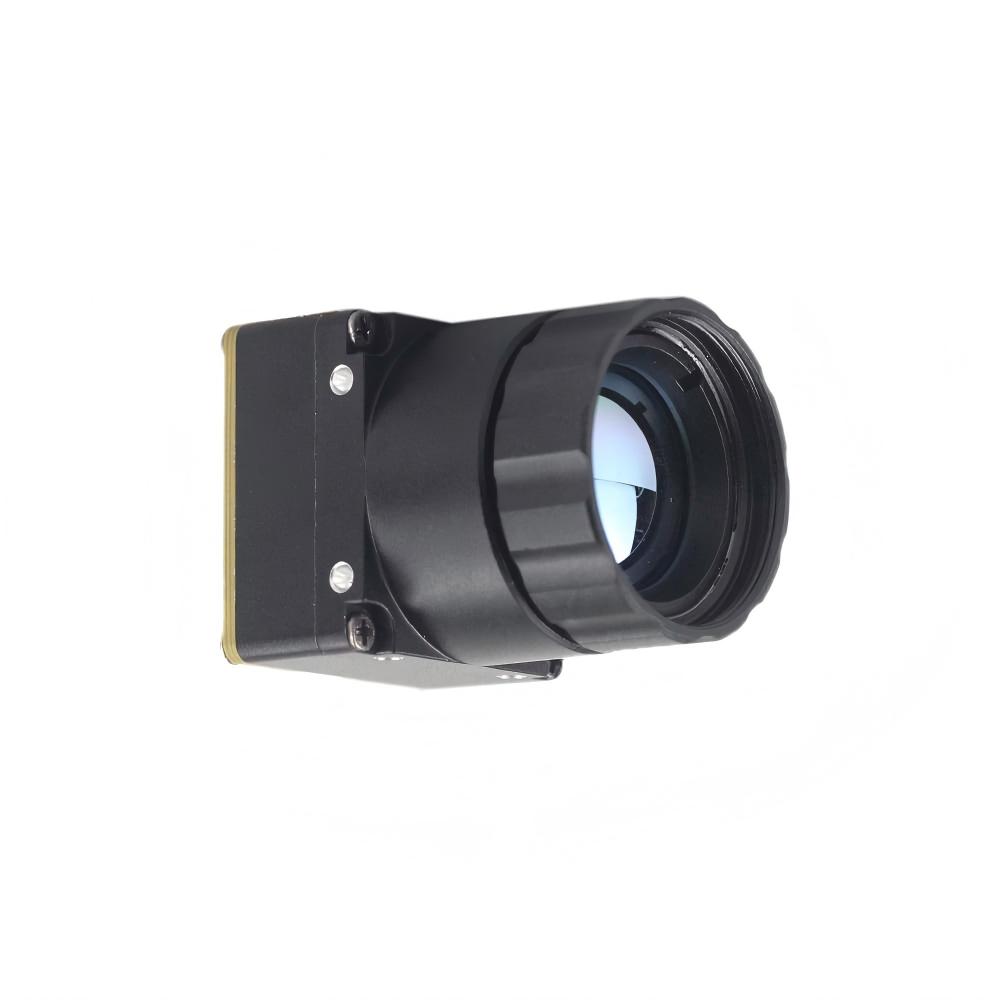
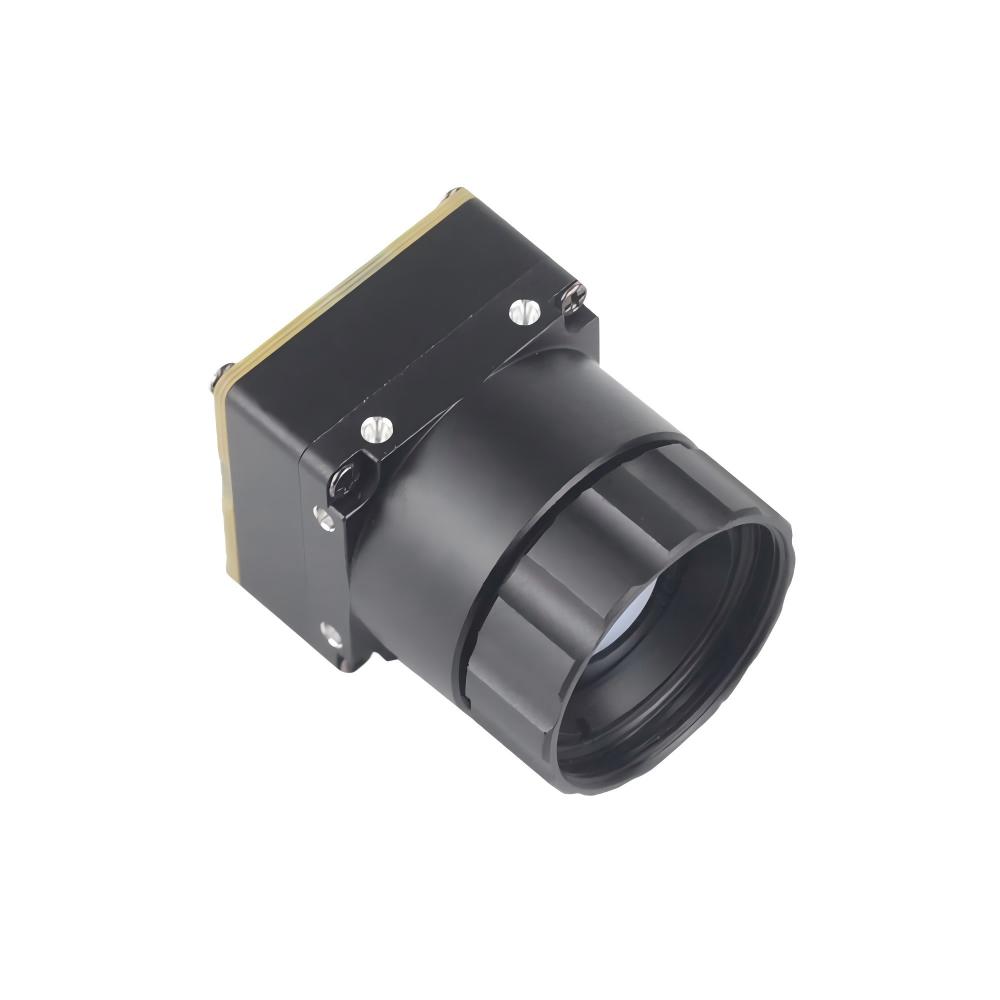
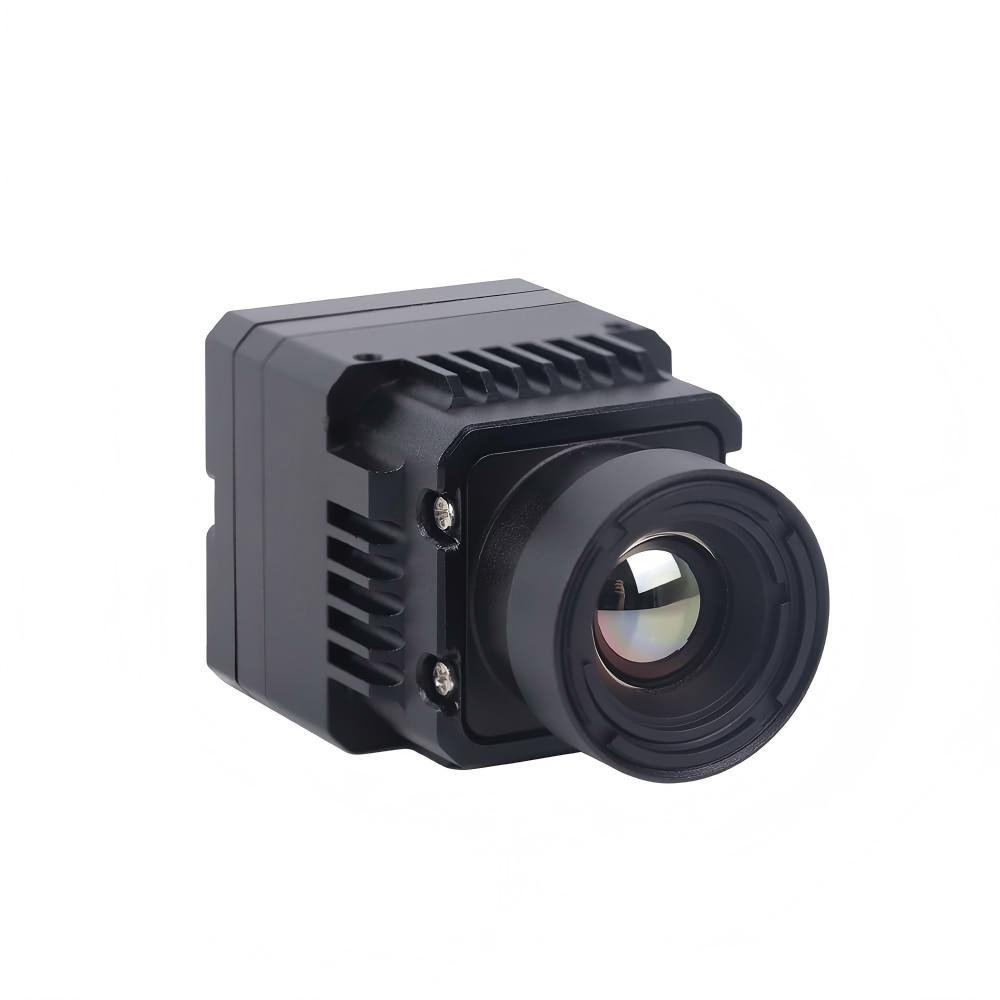
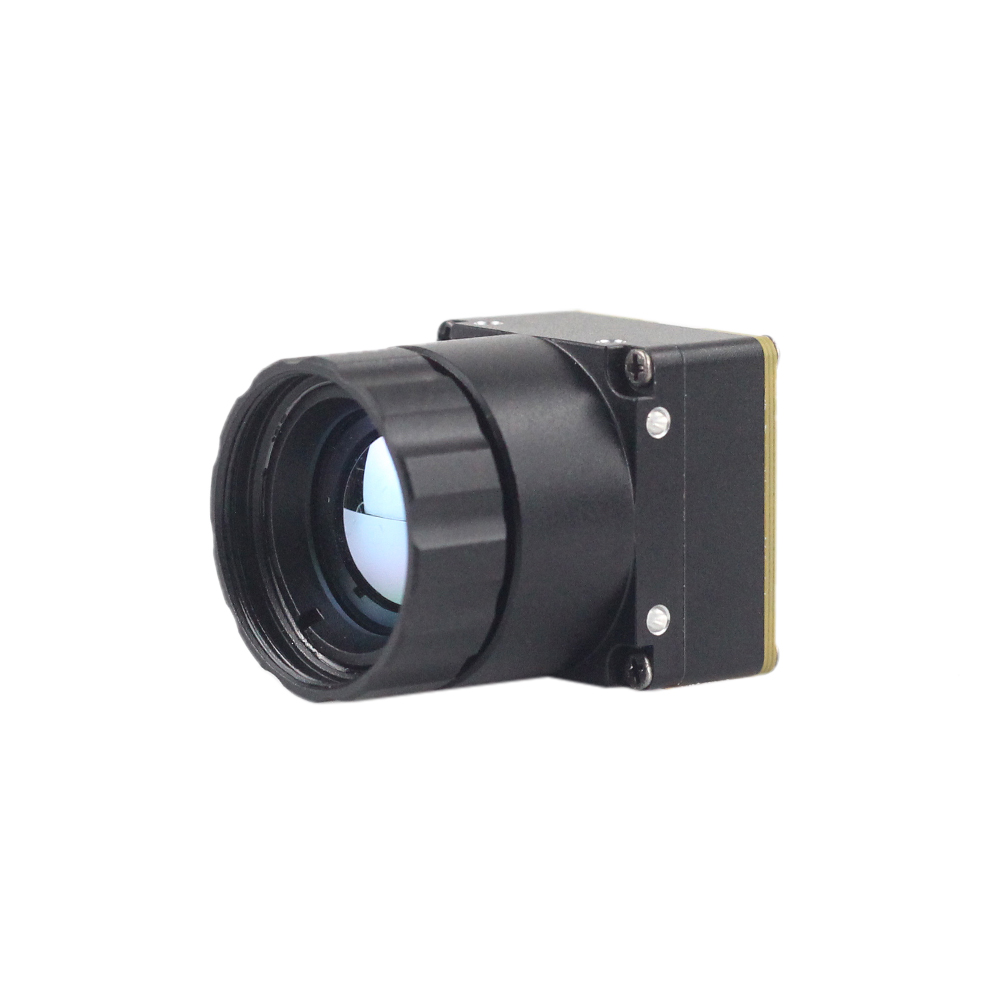
Неохлаждаемый инфракрасный RJ45 CVBS RTSP IP 640*512 тепловизионный сенсорный модуль камеры
The → Uncooled Infrared RJ45 CVBS RTSP IP 640*512 ASIC Thermal Sensor Camera Module is engineered for high-performance integration into advanced networks. This highly capable module features a 640x512 resolution core that provides crisp thermal imagery, making it well-suited for industrial inspections, automated security diagnostics, and stabilized aerial drone payloads.
The integrated processing hardware delivers compressed IP streams using standard protocols (including H.264/H.265 models via RTSP), enabling seamless plug-and-play setup with network digital storage arrays and monitoring stations. In addition, its analog CVBS output pathway enables local video streaming with minimal latency, supporting real-time tracking during remote operations.
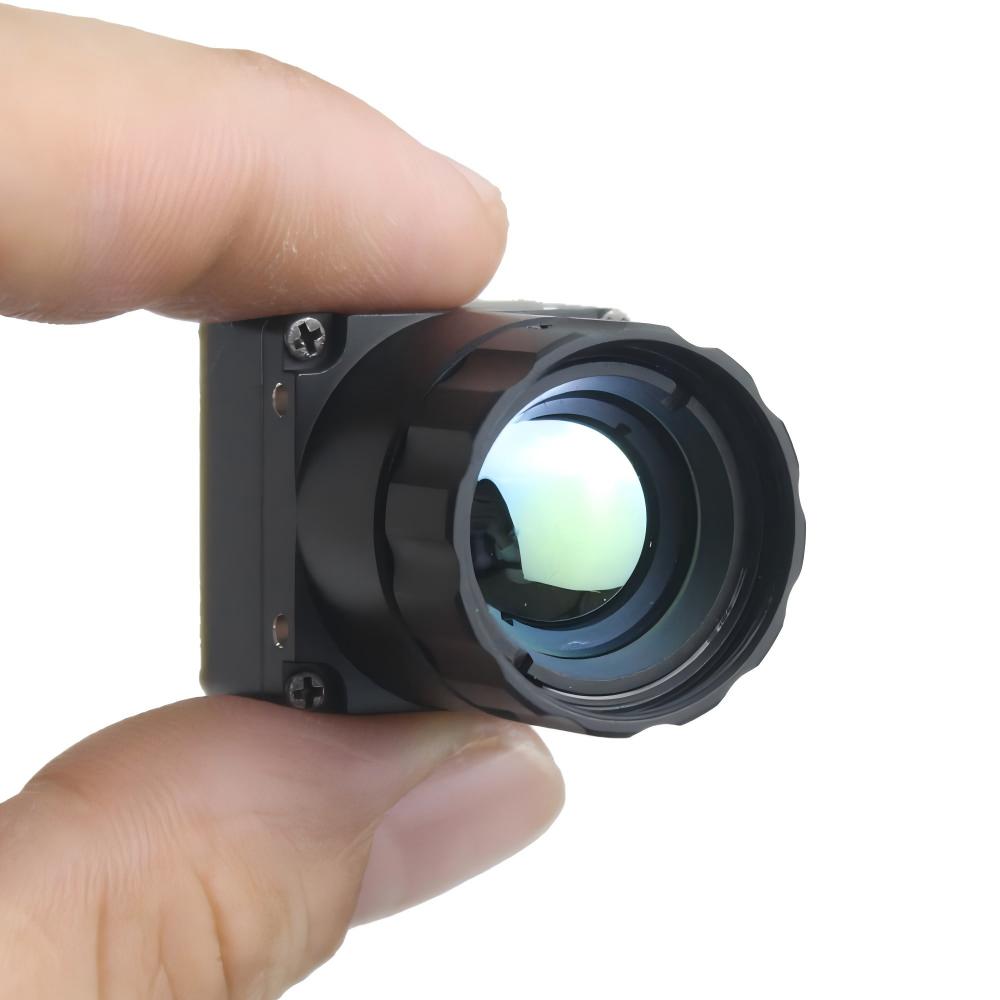
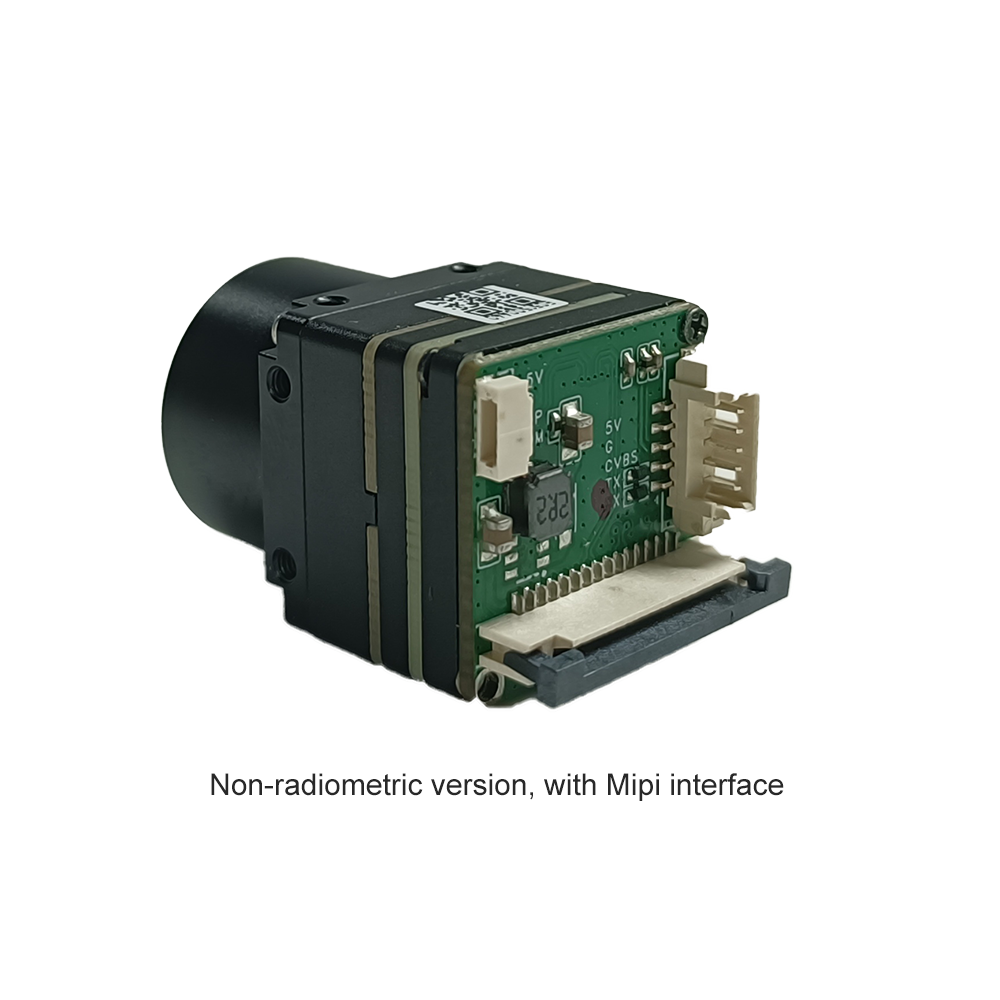
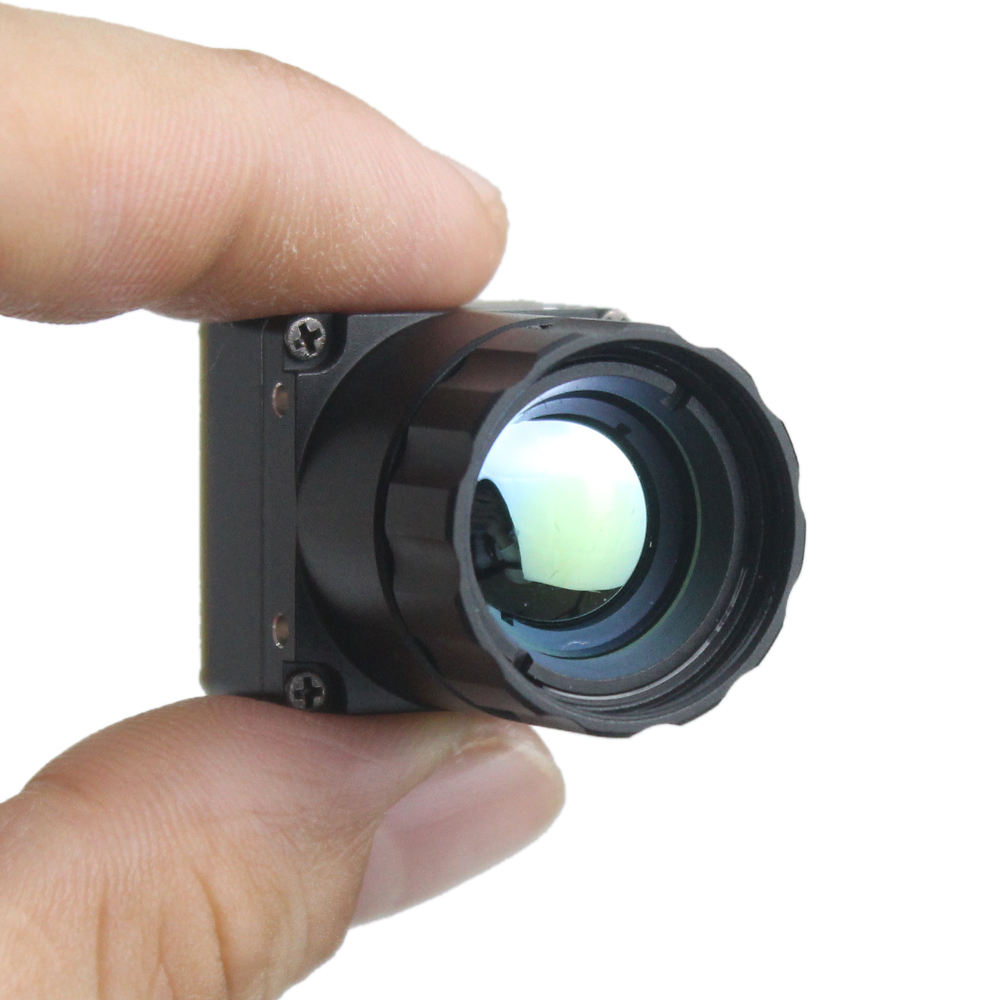
Неохлаждаемый мини-модуль тепловизионной камеры LWIR 256*192, аналогичный DJI, для обнаружения мин
For operations where physical space and payload weight are highly restricted, the Неохлаждаемый мини-модуль тепловизионной камеры LWIR 256*192, аналогичный DJI, для обнаружения мин provides a highly integrated solution. Built with high-performance microbolometer technologies, this compact module offers accurate radiometry, long-term calibration stability, and reliable performance in demanding environments.
The sensor is lightweight and highly optimized under the SWaP-C framework, making it an excellent match for portable, multi-rotor surveillance payloads. By mapping raw infrared energy across its array, it outputs clean, radiometric imagery that can be used to track temperature changes and identify hidden objects (such as buried mines) in the field.
Расширенный инженерный FAQ и руководство по интеграции
Q1: Can I stream high-resolution thermal data to a Raspberry Pi or ESP32?
Yes, but the integration path depends heavily on your choice of hardware host. When interface streaming is evaluated, processor speed, bus width, and memory structures must be balanced:
- ⚙️ Raspberry Pi Integration: Connecting high-performance modules to a Raspberry Pi 4 or 5 is straightforward. Since the thermal sensor module's onboard ASIC outputs direct IP video streams, you can connect the core's RJ45 link directly to the Pi's Gigabit Ethernet port. Standard libraries (like OpenCV or GStreamer) decode the RTSP feed with minimal CPU overhead, freeing up your processing budget for computer vision models or local data storage.
- ⚙️ ESP32 Microcontroller Integration: The ESP32 does not have the processing power or memory (SRAM) to decode high-resolution RTSP H.264 streams. Instead, you'll need to interface with lower-resolution cores via a low-overhead SPI bus. Operating at 20MHz to 24MHz, the ESP32 can pull raw frame data frame-by-frame and display it using double buffers to prevent screen tearing.
Q2: How do your modules compare to standard DIY sensors like the MLX90640?
The performance differences between entry-level thermopiles and professional uncooled thermal camera modules are significant across all physical and operational parameters:
- ⚙️ Resolution & Sensitivity: Hobbyist sensors like the MLX90640 are simple thermopiles with small arrays (typically 32x24 pixels). A professional-grade uncooled core provides resolutions up to 640x512, translating to 327,680 individual pixels. This much higher pixel density delivers sharp thermal imagery with details that classification models can easily resolve, far outperforming the fuzzy, low-resolution streams from DIY thermopiles.
- ⚙️ Тепловая чувствительность (NETD): While standard thermopiles have a thermal sensitivity of 100mK or higher, professional LWIR modules achieve thermal sensitivity levels under 40mK, allowing them to resolve temperature variations as small as 0.04°C.
- ⚙️ Frame Rates: DIY modules typically experience lag at high refresh rates, while professional-grade uncooled modules consistently run at 25Hz to 50Hz, keeping fast-moving objectives in clear focus with no visual tearing.
Q3: Do these modules support custom integration for drones or niche industrial projects?
Yes, professional uncooled LWIR camera modules are designed to support custom integration across drone platforms and specialized industrial environments.
To simplify software integration, these modules are backed by robust software development kits (SDKs) and APIs compatible with standard operating systems, including Windows, Linux (for Ubuntu-based ROS/ROS2 robotics), and Android. These libraries give developers direct control over administrative systems, including writing custom non-uniformity correction (NUC) shutter commands, setting target temperature thresholds to trigger system alarms, tracking absolute local minimum, maximum, and average region-of-interest (ROI) temperatures, and modifying pseudo-color palettes (e.g., White Hot, Black Hot, Ironbow, Rainbow) dynamically.
On the hardware side, these compact modules are well-suited for integration with industrial IoT networks and robotic platforms. With their uncooled, solid-state designs, they deliver reliable long-term performance under the dust, vibration, and thermal shifts common in factory environments.
📚 Ссылки и дополнительная литература
- 👉 Отраслевой стандарт: руководство Wikipedia Infrared Imaging | Tech Overviews
- 👉 Отраслевой стандарт: OBSETECH | UAV System Engineering
- 👉 Связанное руководство: LWIR Thermal Calibration & Principles Guide | Core Principles
- 👉 Связанное руководство: Industrial IP Networking Protocol Matrices | Interface Integration
- 👉 Связанное руководство: Tactical Defense Systems & Surveillance Tracking | Deployments