
Thermal Camera Module Price Guide 2024: From DIY Kits to Pro Edge AI Solutions
2026年6月23日
Best Thermal Imaging Module for Drone Integration: Edge AI & LWIR Guide
2026年6月24日
Top Pro-Grade Thermal Imaging Sensor Module: AI-Enhanced LWIR Solutions for Drones & DIY Tech
Modern industrial, defense, and civilian UAV applications require payload components that dramatically push the boundaries of the SWaP-C (Size, Weight, Power, and Cost) design paradigm. Precision thermal sensing is no longer confined to heavy, power-hungry military gimbals or low-resolution hobbyist thermopile arrays. Today's embedded systems engineers demand high-fidelity, uncooled microbolometer arrays integrated directly with onboard application-specific integrated circuits (ASICs) capable of extracting calibrated radiometric data streams at high speeds. These advanced thermal imaging sensor module configurations utilize long-wave infrared (LWIR) spectrum detection (typically 8 to 14 micrometers) to render clear imagery through smoke, atmospheric dust, and absolute darkness, opening new frontiers in Edge AI analytics, critical defense tracking, and structural inspection.
Implementing an enterprise-grade thermal imaging sensor module into automated edge architectures introduces rigorous hardware and software design considerations. System architects must navigate complex analog-to-digital signal processing pipelines, micro-second latency constraints of Real-Time Streaming Protocol (RTSP) networks, and physical mounting limitations where every gram directly impacts flight endurance or battery life. This comprehensive technical guide analyzes the underlying physics of microbolometer technologies, decomposes core sensor packaging standards, breaks down high-performance industrial integrations, and establishes absolute performance comparisons to assist you in selecting the ideal LWIR core for your next-generation aerial or embedded vision platform.
Dual Table of Contents System
1. Structural Sitemap (Full-Width Navigation Block)
Table of Contents
- 👉 1. Deep-Dive System Architecture of a Thermal Imaging Sensor Module
- 👉 2. Radiometric Calculations & Thermal Calibration Algorithms
- 👉 3. Integrating Thermal Modules with UAV & Drone Airframes
- 👉 4. Protocol Deep-Dive: RTSP, IP, CVBS, and SPI Telemetry Pipelines
- 👉 5. Tactical Geopolitical & Counter-Threat Tactical Deployments
- 👉 6. Professional-Grade Core Product Feature Sets & Specifications
- 👉 7. Advanced Engineering FAQ & Integration Guide
2. Desktop-Collapsed Floating Menu (CSS-Driven Overlay Quick-Nav)
[+/-]
1. Deep-Dive System Architecture of a Thermal Imaging Sensor Module
Here's the deal: an industrial-grade thermal imaging sensor module is a highly synchronized masterclass of materials science, sub-micron physical alignment, and computational mathematics. Standard visible light cameras use silicon-based CMOS sensors to capture photons bouncing around the 400 to 700 nanometer spectrum. But when you step up to Long-Wave Infrared (LWIR) territory, you're tracking thermal energy emitted directly from target bodies. Managing self-radiation from the surrounding chassis without drowning out the microbolometer chip is a major hardware challenge that engineers face in the shop every day.
Every professional-grade thermal core relies on a specialized optical path to function properly. Standard optical glass completely blocks LWIR wavelengths. Try using standard optics and you might as well put a solid piece of sheet metal in front of your sensor. Instead, we use optical-grade Germanium elements or precise chalcogenide glass composites. These elements are treated with specialized diamond-like carbon (DLC) anti-reflective coatings to project clean, unattenuated thermal energy onto an uncooled focal plane array (FPA). In this setup, we translate raw thermal resistance changes into clean digital footprints, correct them with an onboard ASIC, and route calibrated temperature values directly to your main processor.
The Role of Uncooled Microbolometers in LWIR
Modern thermal imaging relies heavily on uncooled microbolometer FPAs. This configuration eliminates the need for expensive, power-hungry cryogenic cooling assemblies, allowing engineers to build durable systems with a fraction of the physical footprint. Look, if you can ditch the liquid nitrogen vacuum chambers without losing real-world responsiveness, your engineering scope gets a lot simpler.
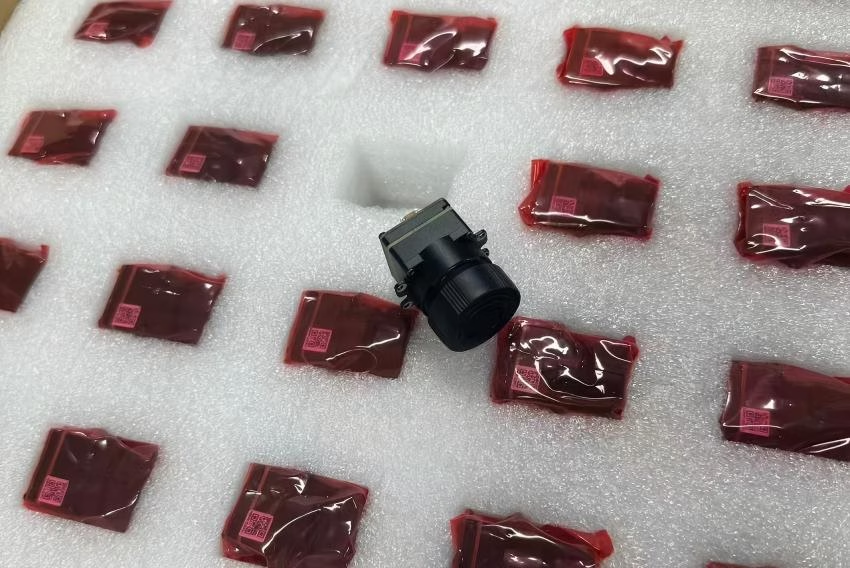
In physical terms, a microbolometer array is a grid of microscopic membrane pixels suspended directly above a readout silicon base. Each individual pixel is engineered using an absorbing material—typically Vanadium Oxide (VOx) or Amorphous Silicon (α-Si)—and supported by ultra-thin, highly isolated structural legs. When incoming LWIR radiation sweeps across your target and strikes this absorber, the element heats up, shifting its electrical resistance. This performance is governed by the Temperature Coefficient of Resistance (TCR). In real-world thermal applications, VOx configurations generally offer higher TCR values and lower 1/f noise profiles than standard α-Si arrays, resulting in superior image uniformity and a much lower Noise Equivalent Temperature Difference (NETD).
Readout Integrated Circuit (ROIC) and Wafer-Level Packaging (WLP)
Once your array registers these minute resistance changes, you need a way to read and digitize them in real-time. That's where the Readout Integrated Circuit (ROIC) comes in, bonded directly beneath the suspended sensor grid. The ROIC handles the bulk of the heavy lifting, running high-speed analog-to-digital converters (ADCs), multiplexers, and integrated amplifiers to scan the array row-by-row and output clean digital signals.
Because suspended microbolometers are highly fragile and sensitive to ambient air currents, they must be hermetically sealed under a high vacuum. Without a solid vacuum seal, ambient air molecules will damp the thermal response, rendering your sensor useless. Modern manufacturers use Wafer-Level Packaging (WLP) to seal the silicon cap right over the detector housing while still in the vacuum chamber. This specialized manufacturing approach eliminates bulky metal canisters, producing lightweight, compact cores that fit easily on micro-gimbals and compact head-up systems.
ASIC-Driven Processing vs. Host-Side Frame Grabbers
Once digitized, raw thermal frames contain spatial variations caused by minor differences in each pixel's composition. Resolving these variations requires developers to choose a processing path:
- ⚙️ Host-Side Processing: This approach routes raw sensor data directly over SPI or parallel interfaces to your main system processor. While it keeps the sensor package affordable, parsing raw, uncalibrated streams can quickly overwhelm your host processor, causing system lag and dropped frames in dynamic applications.
- ⚙️ Onboard ASIC/DSP Processing: High-performance thermal cores feature a dedicated, onboard Application-Specific Integrated Circuit (ASIC) or Digital Signal Processor (DSP). By running non-uniformity correction (NUC), defect pixel management, noise filtering, and color mapping directly on the local hardware, the module outputs a fully processed, high-speed stream ready for edge-based computer vision inference without loading down your main CPU.
2. Radiometric Calculations & Thermal Calibration Algorithms
Deploying an LWIR sensor in industrial monitoring requires a solid grasp of the core physics involved. In the shop, we have to look closely at how atmospheric transmission, target emissivity, and background reflections interact before those thermal rays ever reach your sensor elements. These dynamics are central to the underlying Thermal Imaging Principle.
Planck's Law and the Core Mathematical Model
Planck's Law dictates that every object above absolute zero emits electromagnetic energy. For typical targets (-40°C to +150°C), this emission peaks squarely within the LWIR band. The total radiant energy emitted by an ideal blackbody is modeled by the Stefan-Boltzmann law:
Where:
- ⚙️ E is the radiant energy emittance (W · m-2).
- ⚙️ σ is the Stefan-Boltzmann constant (5.67 × 10⁻⁸ W · m-2 · K-4).
- ⚙️ T is the absolute temperature of the target (K).
Of course, real-world targets aren't perfect blackbodies. They have an emissivity factor (ε) that reduces the actual energy emitted. To resolve actual target temperatures in real-world environments, your radiometric processing pipeline must continuously solve the basic thermal equation:
Where:
- ⚙️ Wtotal represents the final infrared power captured by the detector matrix.
- ⚙️ ε is the target's actual surface emissivity (highly variable; e.g., polished aluminum is ~0.05, concrete is ~0.95).
- ⚙️ τ is the atmospheric transmission coefficient.
- ⚙️ Wobj is the thermal radiation originating from the target.
- ⚙️ Wrefl is the background ambient radiation reflected off your target into the sensor path.
- ⚙️ Watm is the self-emission of the atmosphere between your sensor and the target.
If your SDK doesn't actively calculate and compensate for these real-world environmental variables, your temperature readings will drift significantly. To learn more about how thermal radiation dynamics interact with various sensor architectures, explore the academic analyses available in the Wikipedia Infrared Imaging Section.
Shutter-Based Non-Uniformity Correction (NUC)
As ambient air temperatures change and internal electronics heat up, the baseline readings of your microbolometer elements will naturally drift over time. This drift manifests in your video stream as fixed pattern noise (FPN), degrading image quality.
To eliminate this noise, high-quality modules utilize a physical internal shutter. The NUC sequence executes dynamically through the following integrated sequence:
- ⚙️ Step 1: System firmware triggers an internal mechanical solenoid, placing a uniform-temperature shutter plate directly in front of the active optical path.
- ⚙️ Step 2: The ROIC and ASIC read and log the baseline drift values of every pixel across this uniform thermal target.
- ⚙️ Step 3: The onboard processor updates the Offset Non-Uniformity matrix, saving the new baseline values directly to local EEPROM.
- ⚙️ Step 4: The shutter snaps open, and the revised offset calculations are applied frame-by-frame, restoring image clarity.
In high-speed tracking or tactical operations, safety is paramount, and a 500ms image freeze during a shutter cycle can be a liability. To address this, modern defense platforms use advanced algorithms to predict sensor drift over time, minimizing physical shutter cycles or running shutterless computational NUC models that estimate offsets dynamically based on scene motion.
3. Integrating Thermal Modules with UAV & Drone Airframes
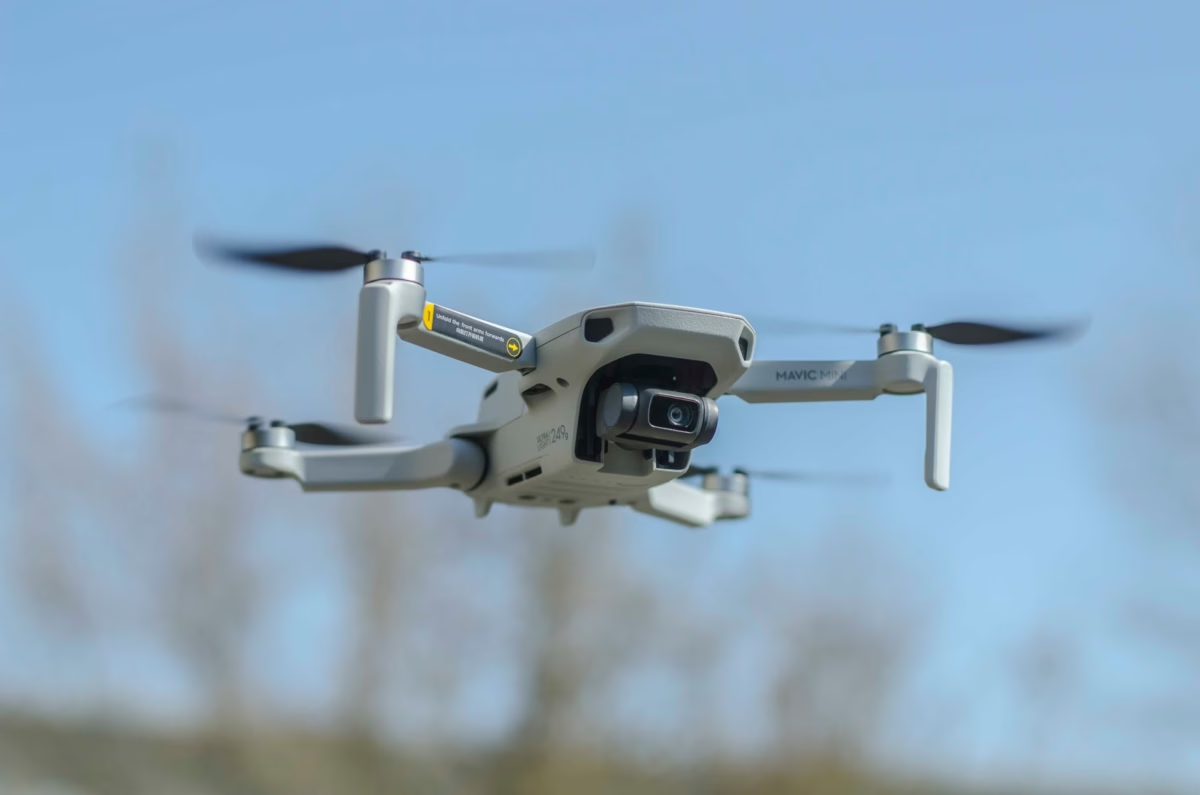
Integrating a high-performance thermal sensor into custom Unmanned Aerial Vehicle (UAV) systems presents complex hardware challenges. Projects demanding long flight endurances require a careful balance between aerodynamic profiles, physical layout, power routing, and optical paths.
Navigating the SWaP-C Framework
- ✅ Size: Minimal frontal surface profiles are essential to reduce aerodynamic drag on airborne platforms.
- ✅ Weight: Every gram saved extends flight times. Utilizing wafer-level packaged (WLP) thermal sensors with lightweight, compact optics keeps sensor core weight under 30 grams, preserving battery life.
- ✅ Power: Airborne systems operate on tight DC budgets. Optimal sensor designs consume less than 1.5 Watts, avoiding excess heat and preventing voltage sags on the flight controller.
- ✅ Cost: Using commercial off-the-shelf (COTS) components with standard communication interfaces lowers development overhead and accelerates project timelines.
Mounting and Mechanical Stabilization
Uncooled LWIR sensors are highly sensitive to vibrations. Standard drone motors running at high RPMs will introduce significant image blur unless addressed mechanically. The solution requires mounting the camera core within a dedicated 3-axis brushless gimbal.
In the shop, we use custom damping plates paired with silicone isolation grommets. The durometer rating of these grommets must be matched to your payload's physical mass to isolate vibrations effectively. Additionally, connectivity cables should consist of highly flexible, micro-coaxial ribbon lines to prevent any mechanical drag on your gimbal's stabilizer motors.
Mitigating Electromagnetic Interference (EMI)
Drones are high-EM-noise environments. Modern platforms pack high-current speed controllers (ESCs), multi-frequency telemetry links, and GPS units into close quarters, which can easily introduce noise into sensitive analog lines:
- ⚙️ Faraday Shielding: Enclosing your thermal sensor's processing boards in custom-stamped copper foil or mu-metal tape blocks interference from high-power 2.4GHz/5.8GHz video links.
- ⚙️ Power Line Conditioning: Drone batteries experience massive voltage fluctuations under hard acceleration. Routing power to your thermal module through a dedicated, low-noise linear regulator (LDO) prevents horizontal noise lines from appearing in your video feed.
For systems teams developing multi-rotor platforms, review the mechanical layouts and airframe integration options available through OBSETECH.
4. Protocol Deep-Dive: RTSP, IP, CVBS, and SPI Telemetry Pipelines
Choosing the right digital interface is critical when integrating a thermal imaging sensor module into embedded systems, robot platforms, or security networks. Each protocol balance is optimized for specific trade-offs across bandwidth, latency, system complexity, and resolution.
| Protocol Parameter | Analog CVBS | Direct SPI Telemetry | IP / Ethernet (RTSP) |
|---|---|---|---|
| Data Transmission Type | Analog Composite Signal (NTSC/PAL) | Low-level Digital Bus | Packetized Digital Network Streams |
| Latency Profile | Low (< 5 ms) | Ultra-Low (< 2 ms) | Moderate (70 ms – 150 ms) |
| Relative Bandwidth | Low (Analog Cable) | High (Requires high clock speed) | Moderate (Standard compressed H.264/265) |
| Max Transmission Distance | ~50 meters via coaxial lines | ~15 centimeters (PCB trace limits) | ~100 meters (UTP/RTSP) / Unlimited via IP |
| Radiometric Frame Value | No (Visual thermal output only) | Full raw pixel metadata output | Yes (Embedded within JSON/Metadata stream) |
| Hardware Overhead | Simple Frame Grabber required | Heavy SPI parsing on Host CPU | Standard IP Decoder / VLC Stack |
Direct Analog Composite (CVBS)
Analog CVBS remains a reliable option for low-latency transmission. In this setup, the camera core's internal digital-to-analog converter outputs traditional PAL or NTSC standard analog formats. While you won't get individual radiometric temperature calculations per pixel over CVBS, its near-zero lag is crucial for manual drone piloting when milliseconds matter.
SPI Telemetry Bus
For projects using low-overhead microcontrollers like the ESP32 or STM32 black pill boards, SPI (Serial Peripheral Interface) provides direct access to pixel values. Raw frames are clocked out directly to your host processor's board. Keep in mind that SPI lacks internal error correction, so keeping your ribbon cable connections under 10cm is critical to preserve signal integrity.
Network Protocol (IP / RTSP)
Standard industrial IoT installations require robust network topologies, typically leveraging an RJ45 physical connection streaming H.264/H.265 compressed frames via RTSP. The module's internal ASIC compresses raw thermal data, and standard RTP packetizes it for network distribution. Accessing this feed via OpenCV on a remote system is straightforward using the python routing script below:
import cv2

# Connect to the RTSP pipeline of the ASIC module
rtsp_url = "rtsp://192.168.1.120:554/live/vga"
cap = cv2.VideoCapture(rtsp_url)

while cap.isOpened():
    ret, frame = cap.read()
    if not ret:
        break

    # Process the frame (e.g., color thresholding, AI human detection)
    gray_frame = cv2.cvtColor(frame, cv2.COLOR_BGR2GRAY)
    cv2.imshow("Thermal Edge AI Stream", gray_frame)

    if cv2.waitKey(1) & 0xFF == ord('q'):
        break

cap.release()
cv2.destroyAllWindows()
For more details on setting up modern industrial networking protocols, check out this guide on Industrial Networking and Device Infrastructures.
5. Tactical Geopolitical & Counter-Threat Tactical Deployments
Uncooled LWIR sensors play an increasingly vital role in today's defense and security landscapes. These solid-state modules are designed for reliability under continuous thermal stresses, finding use across physical threat-assessment systems and field-monitoring applications.
A primary application for these modules is within Counter-UAV (C-UAV) defensive positions. While radar systems excel at tracking targets at long ranges, they often struggle to detect small wood or carbon composite drones at low altitudes. Thermal camera modules address this gap by tracking the heat signatures from drone speed controllers, batteries, and motors, maintaining lock through smoke, fog, and absolute darkness. Additionally, these sensors are integrated into automated perimeter networks, monitoring secure facilities and identifying motion over wide, unlit areas.
Unmanned Airborne Search-and-Rescue (SAR)
In dense foliage, rugged terrain, or smoggy conditions, optical cameras fall short. Deploying an uncooled LWIR sensor on a stabilized drone airframe allows search teams to locate missing persons by tracking their body heat against the colder terrain. Edge processors running onboard can analyze the thermal feed in real-time, instantly highlighting humans or vehicles for ground rescue teams.
Landmine Mitigation and Humanitarian De-mining
Buried landmines alter the heat transfer properties of the surrounding soil. Throughout the day, the thermal inertia of metal or explosive casings leads to subtle surface temperature variations compared to loose soil. By deploying dual-sensor payloads that combine high-resolution LWIR cores with optical cameras, automated platforms can identify minefield patterns and map hazards, letting personnel locate threats from a safe distance.
Tactical Surveillance and Perimeter Protection
Critical storage sites, borders, and outposts rely on multi-spectral surveillance networks. Professional-grade LWIR cores can detect human heat signatures at distances over 1,000 meters in absolute darkness. Integrating the thermal imaging sensor module with automated target-tracking software provides continuous coverage for secure properties, automatically flagging unauthorized boundary breaches.
For a deeper look at physical threat assessment and tactical optical assemblies, review this analysis of Active Threat Assessment and Perimeter Defense Operations.
6. Professional-Grade Core Product Feature Sets & Specifications
To assist integration engineers in evaluating high-performance options, the following matrix compares two professional-grade thermal imaging sensor modules:
Technical Comparison Matrix
| Specification | 640*512 ASIC Thermal Sensor Camera Module | Mini 256*192 LWIR Thermal Camera Module |
|---|---|---|
| Model Web URL | Product Page | Product Page |
| Product Image Reference | 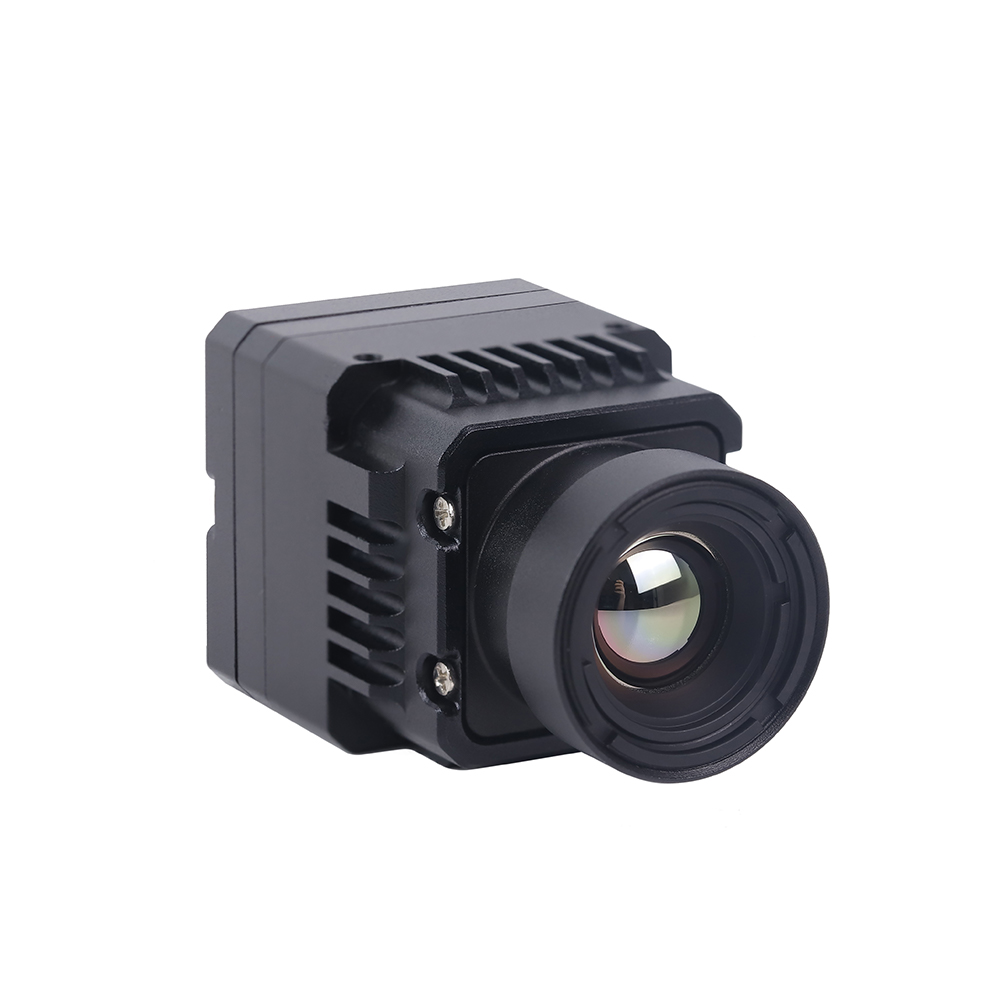 |
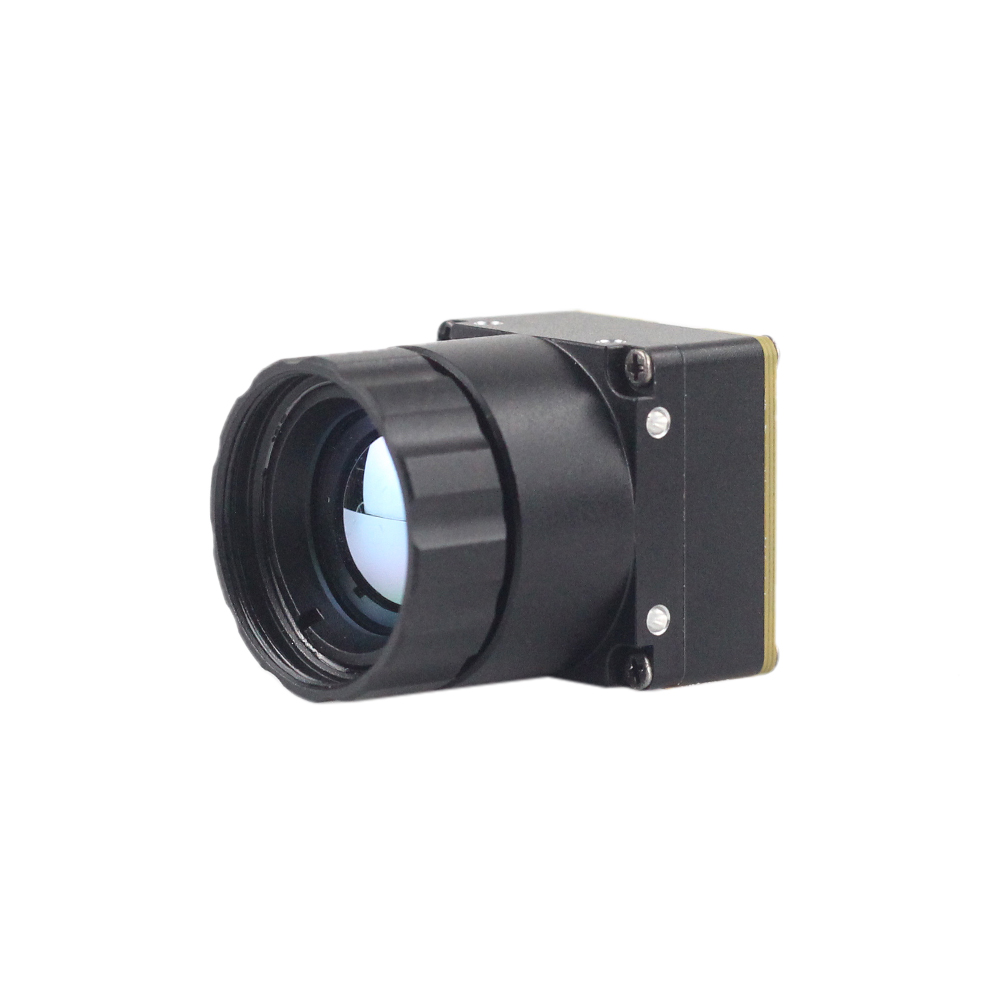 |
| Resolution | 640 * 512 Pixels (VGA) | 256 * 192 Pixels (QVGA Narrow) |
| Core Technology | Uncooled Microbolometer with ASIC Processor | Uncooled LWIR Microbolometer |
| Physical Interfaces | RJ45 Ethernet, CVBS Analog, RTSP IP Protocol | Mini Ribbon Cable Multi-Pin Interface |
| Form Factor Optimization | Integrated System Assembly | Ultra-Compact Package for UAV Integration |
| Radiometric Accuracy | Matrix-Wide Radiometric Measurement Data | Point, Line, and Area Thermal Radiometry |
| Target Use Cases | Industrial Monitoring, Long-Range Surveillance | Drone Payloads, Mines Detection, DIY Systems |
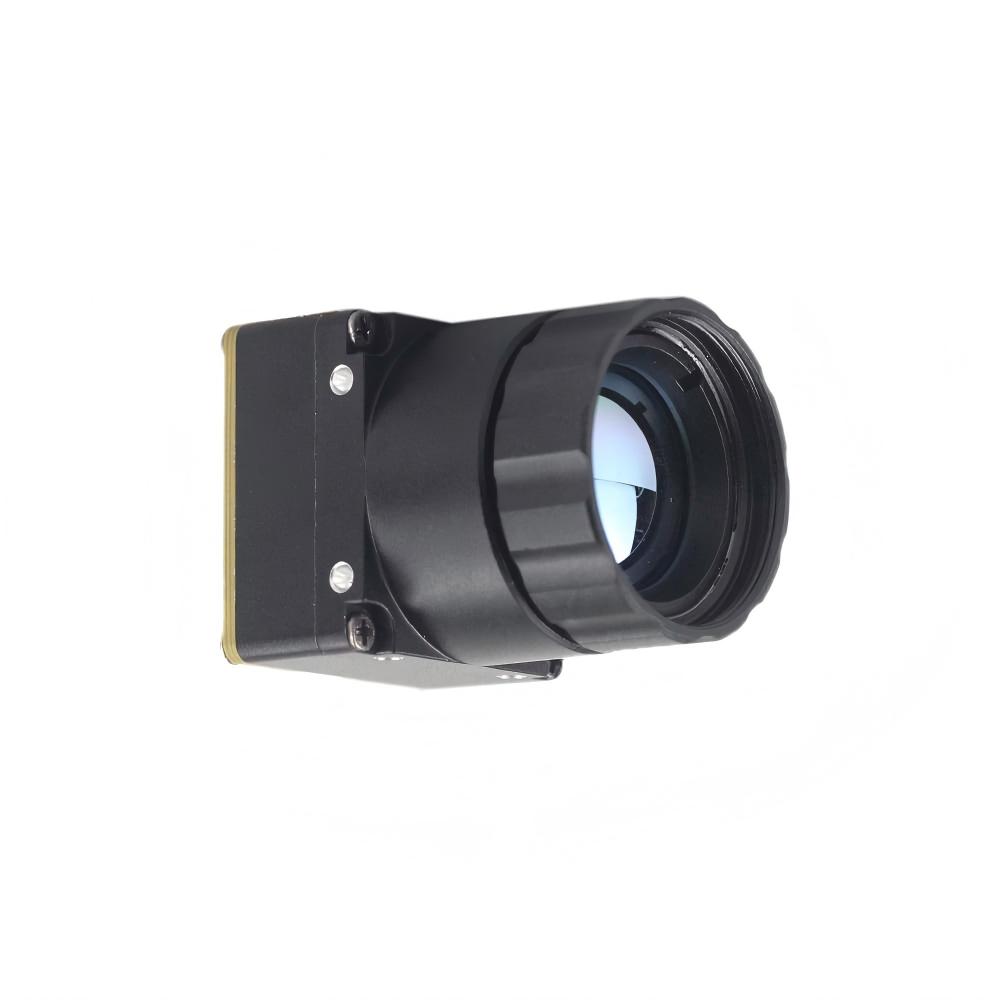
Uncooled Infrared RJ45 CVBS RTSP IP 640*512 Thermal Sensor Camera Module
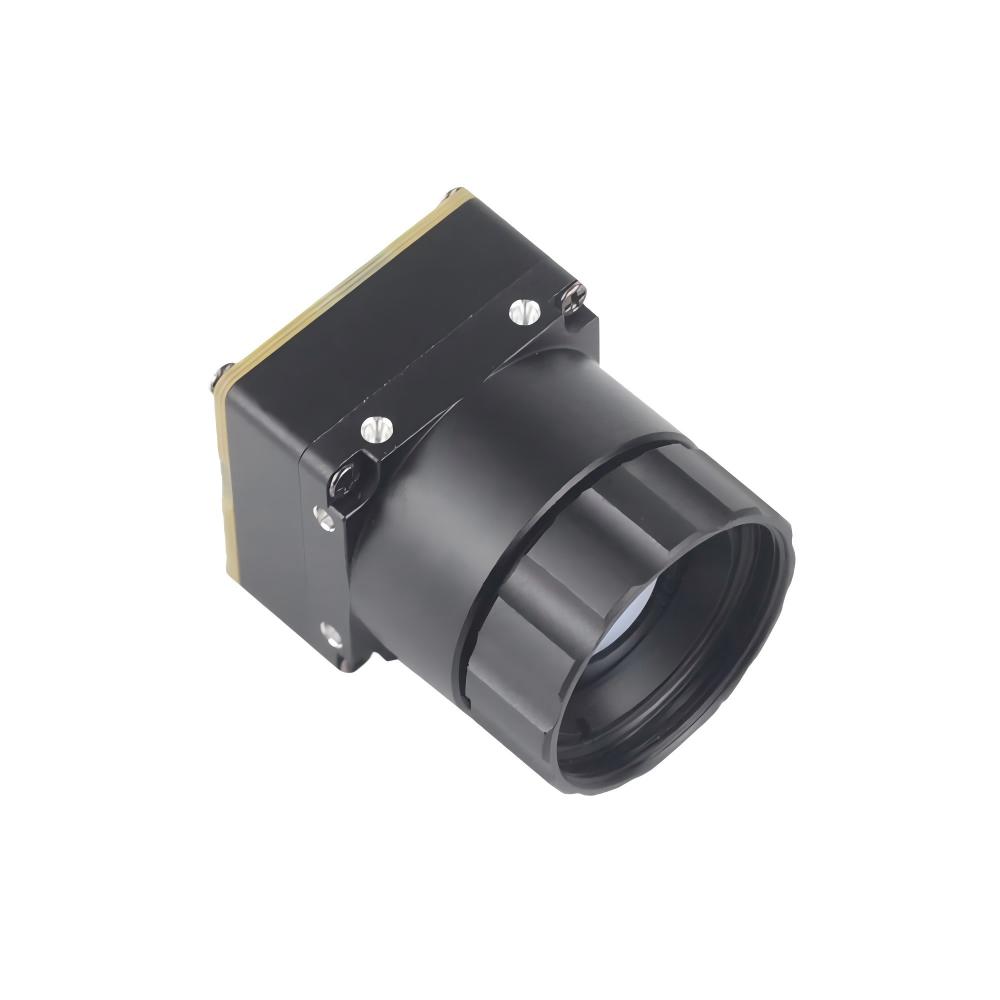
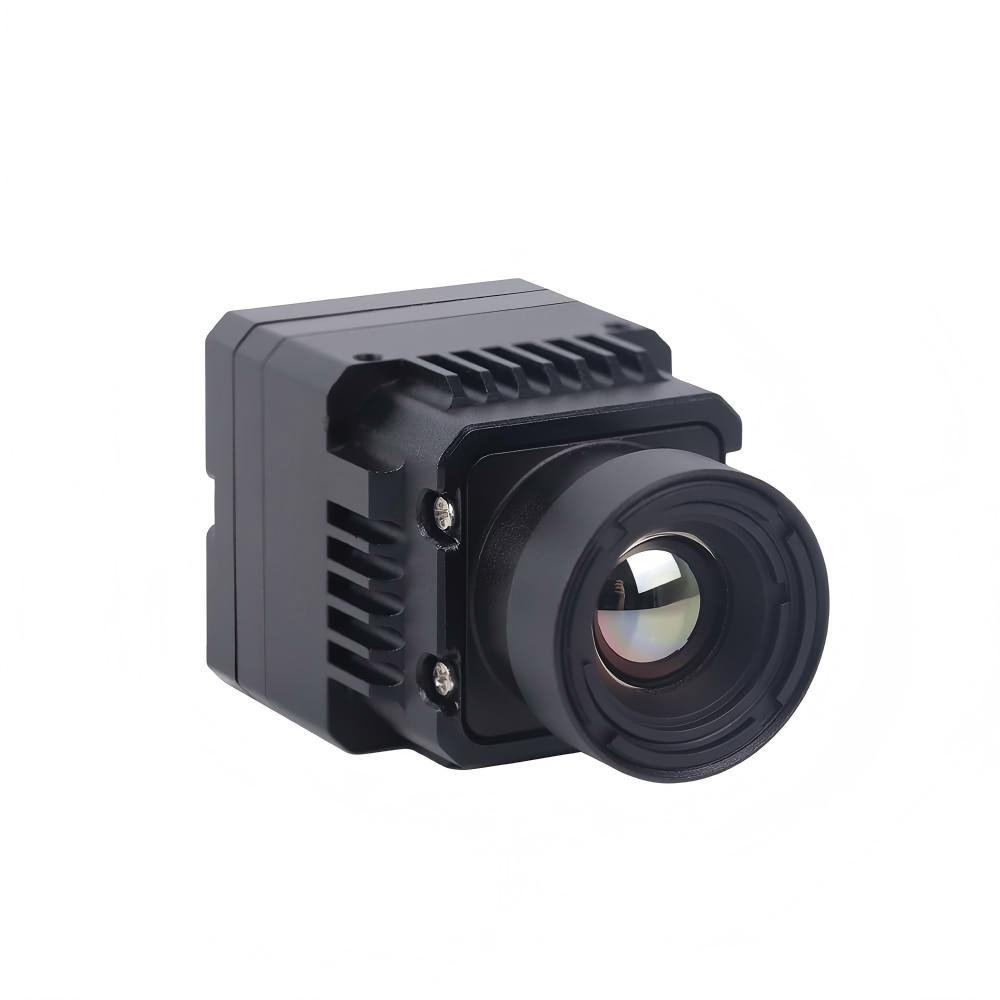
The Uncooled Infrared RJ45 CVBS RTSP IP 640*512 ASIC Thermal Sensor Camera Module is engineered for high-performance integration into advanced networks. This highly capable module features a 640x512 resolution core that provides crisp thermal imagery, making it well-suited for industrial inspections, automated security diagnostics, and stabilized aerial drone payloads.
The integrated processing hardware delivers compressed IP streams using standard protocols (including H.264/H.265 models via RTSP), enabling seamless plug-and-play setup with network digital storage arrays and monitoring stations. In addition, its analog CVBS output pathway enables local video streaming with minimal latency, supporting real-time tracking during remote operations.
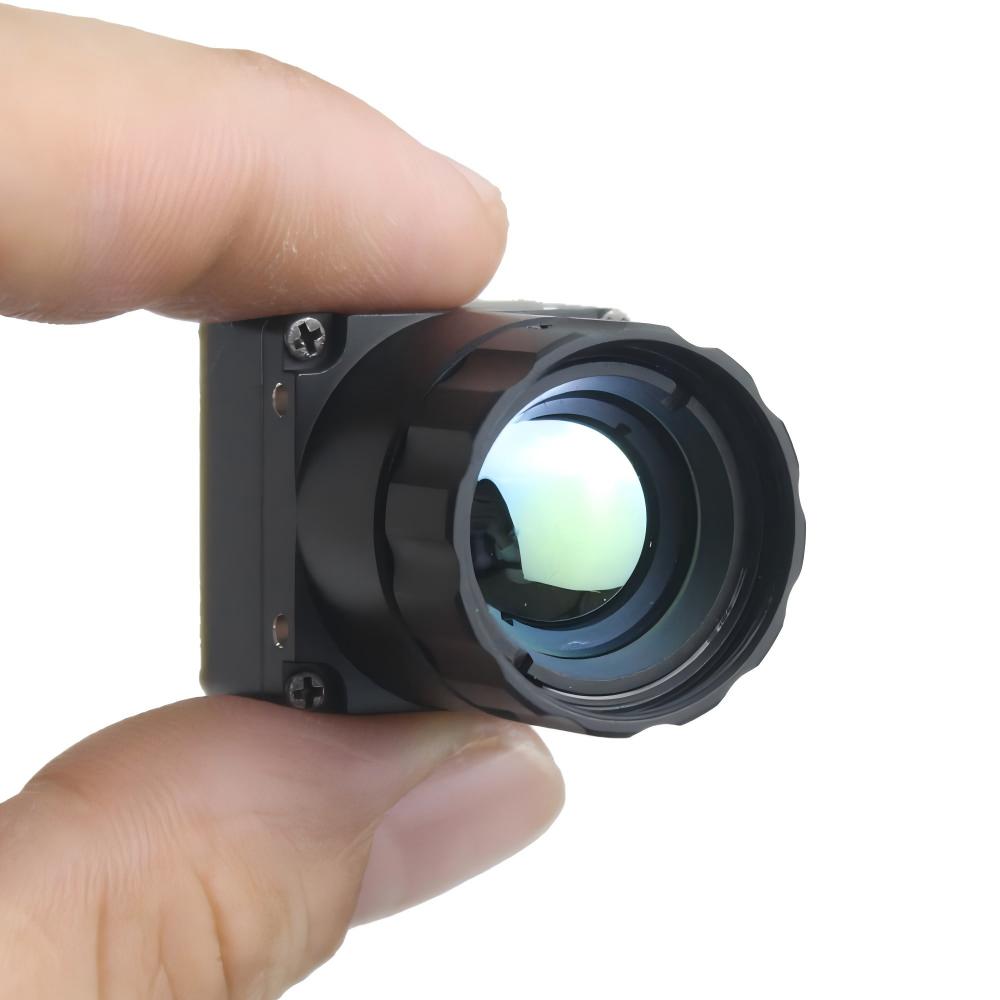
Uncooled LWIR Mini 256*192 Thermal Imaging Camera Module Similar To DJI For Detecting Mines
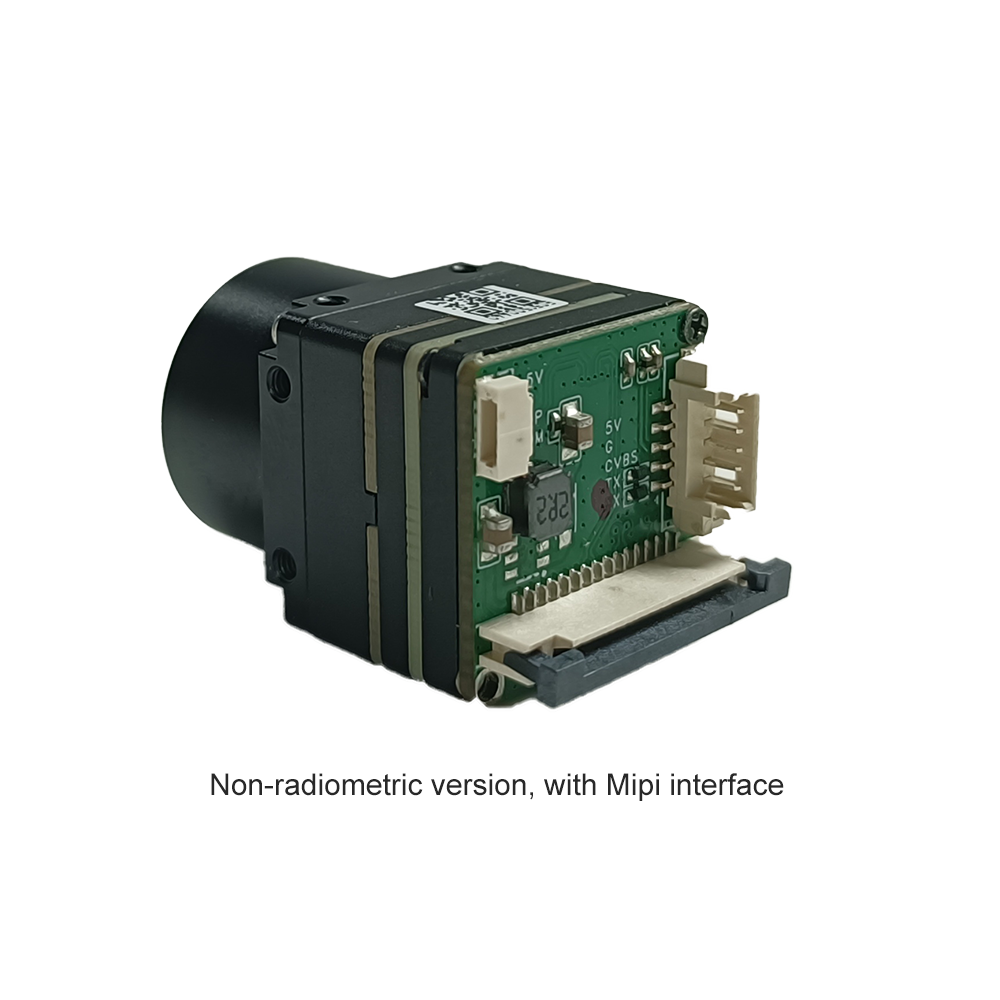
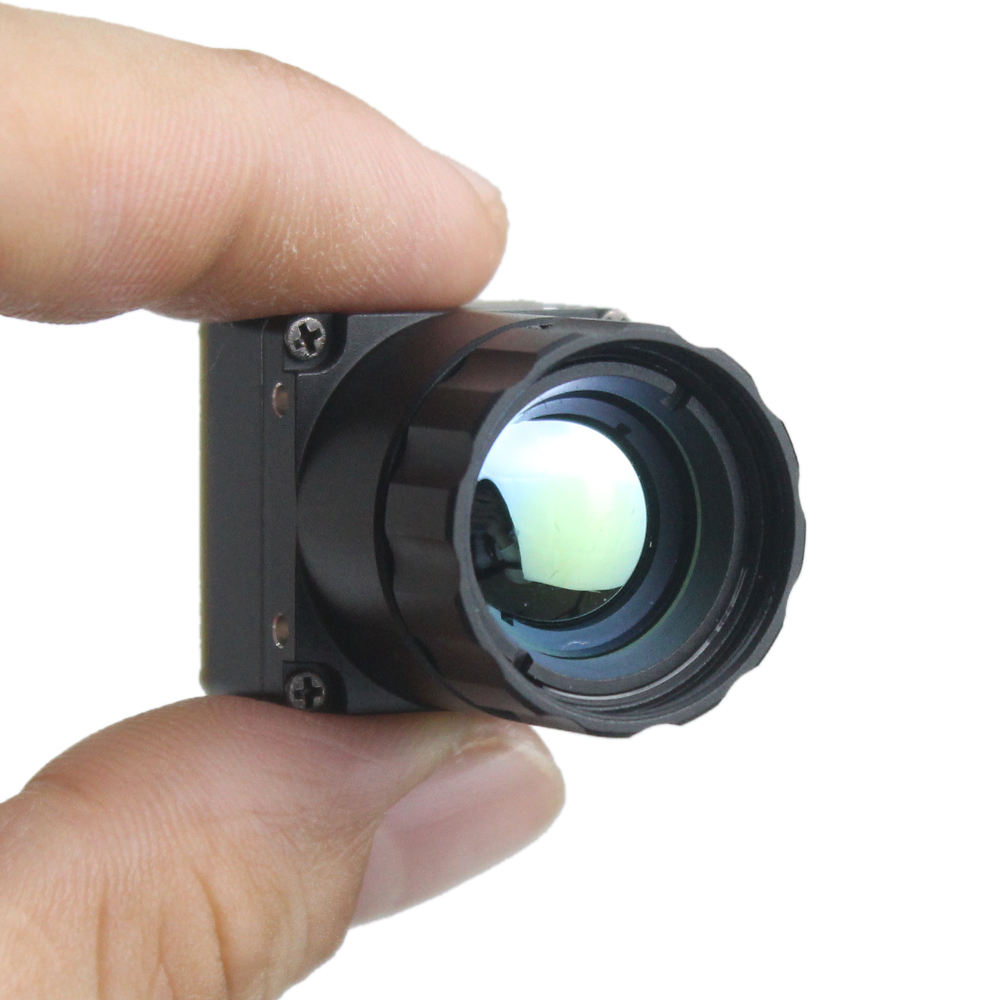
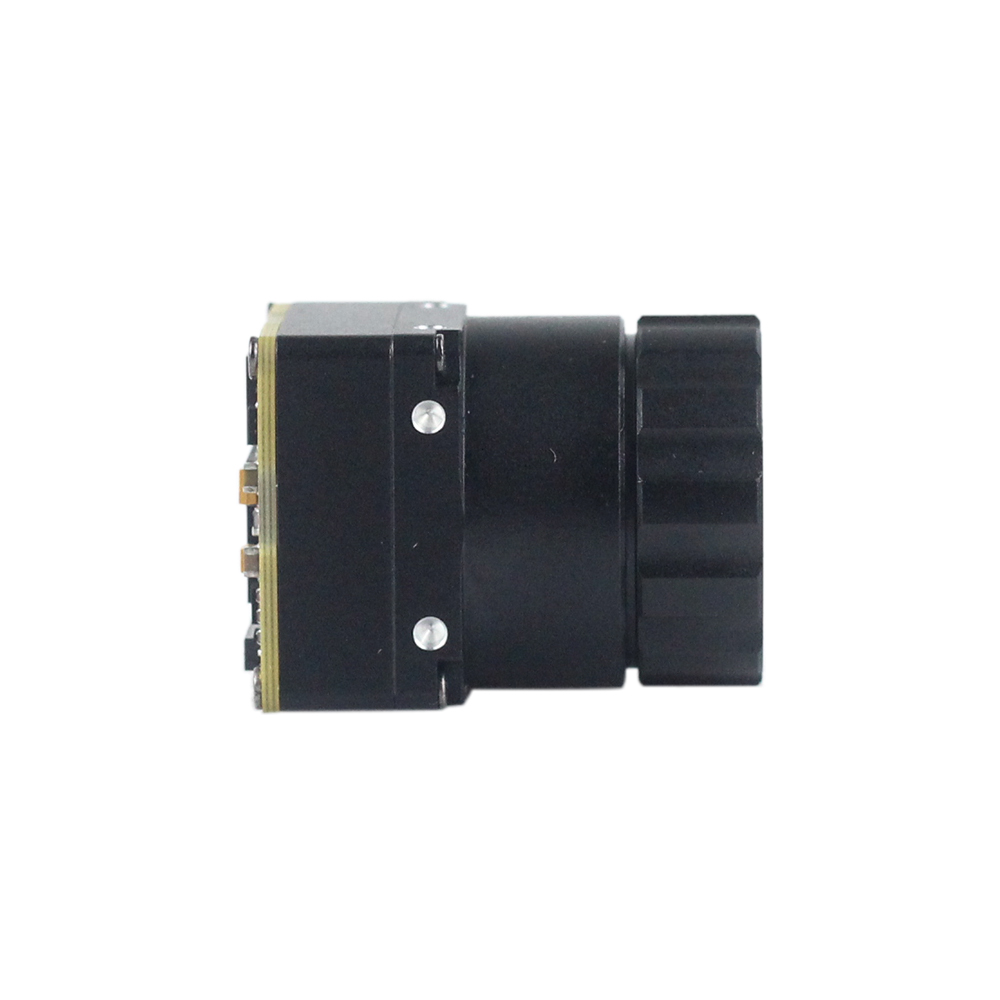
For operations where physical space and payload weight are highly restricted, the Uncooled LWIR Mini 256*192 Thermal Imaging Camera Module Similar To DJI For Detecting Mines provides a highly integrated solution. Built with high-performance microbolometer technologies, this compact module offers accurate radiometry, long-term calibration stability, and reliable performance in demanding environments.
The sensor is lightweight and highly optimized under the SWaP-C framework, making it an excellent match for portable, multi-rotor surveillance payloads. By mapping raw infrared energy across its array, it outputs clean, radiometric imagery that can be used to track temperature changes and identify hidden objects (such as buried mines) in the field.
7. Advanced Engineering FAQ & Integration Guide
Q1: Can I stream high-resolution thermal data to a Raspberry Pi or ESP32?
Yes, but the integration path depends heavily on your choice of hardware host. When interface streaming is evaluated, processor speed, bus width, and memory structures must be balanced:
- ⚙️ Raspberry Pi Integration: Connecting high-performance modules to a Raspberry Pi 4 or 5 is straightforward. Since the thermal sensor module's onboard ASIC outputs direct IP video streams, you can connect the core's RJ45 link directly to the Pi's Gigabit Ethernet port. Standard libraries (like OpenCV or GStreamer) decode the RTSP feed with minimal CPU overhead, freeing up your processing budget for computer vision models or local data storage.
- ⚙️ ESP32 Microcontroller Integration: The ESP32 does not have the processing power or memory (SRAM) to decode high-resolution RTSP H.264 streams. Instead, you'll need to interface with lower-resolution cores via a low-overhead SPI bus. Operating at 20MHz to 24MHz, the ESP32 can pull raw frame data frame-by-frame and display it using double buffers to prevent screen tearing.
Q2: How do your modules compare to standard DIY sensors like the MLX90640?
The performance differences between entry-level thermopiles and professional uncooled thermal camera modules are significant across all physical and operational parameters:
- ⚙️ Resolution & Sensitivity: Hobbyist sensors like the MLX90640 are simple thermopiles with small arrays (typically 32x24 pixels). A professional-grade uncooled core provides resolutions up to 640x512, translating to 327,680 individual pixels. This much higher pixel density delivers sharp thermal imagery with details that classification models can easily resolve, far outperforming the fuzzy, low-resolution streams from DIY thermopiles.
- ⚙️ Thermal Sensitivity (NETD): While standard thermopiles have a thermal sensitivity of 100mK or higher, professional LWIR modules achieve thermal sensitivity levels under 40mK, allowing them to resolve temperature variations as small as 0.04°C.
- ⚙️ Frame Rates: DIY modules typically experience lag at high refresh rates, while professional-grade uncooled modules consistently run at 25Hz to 50Hz, keeping fast-moving objectives in clear focus with no visual tearing.
Q3: Do these modules support custom integration for drones or niche industrial projects?
Yes, professional uncooled LWIR camera modules are designed to support custom integration across drone platforms and specialized industrial environments.
To simplify software integration, these modules are backed by robust software development kits (SDKs) and APIs compatible with standard operating systems, including Windows, Linux (for Ubuntu-based ROS/ROS2 robotics), and Android. These libraries give developers direct control over administrative systems, including writing custom non-uniformity correction (NUC) shutter commands, setting target temperature thresholds to trigger system alarms, tracking absolute local minimum, maximum, and average region-of-interest (ROI) temperatures, and modifying pseudo-color palettes (e.g., White Hot, Black Hot, Ironbow, Rainbow) dynamically.
On the hardware side, these compact modules are well-suited for integration with industrial IoT networks and robotic platforms. With their uncooled, solid-state designs, they deliver reliable long-term performance under the dust, vibration, and thermal shifts common in factory environments.
📚 References & Further Reading
- 👉 Industry Standard: Wikipedia Infrared Imaging | Tech Overviews
- 👉 Industry Standard: OBSETECH | UAV System Engineering
- 👉 Related Guide: LWIR Thermal Calibration & Principles Guide | Core Principles
- 👉 Related Guide: Industrial IP Networking Protocol Matrices | Interface Integration
- 👉 Related Guide: Tactical Defense Systems & Surveillance Tracking | Deployments