
The Ultimate Guide to Selecting an Integrated Thermal Camera for Industrial Automation
2026年1月19日7 Hidden Truths About MIPI Thermal Module Integration for Drones
2026年2月12日
With the rapid update and iteration of current technology, thermal imaging technology is breaking through the limitations of single applications and becoming the core support for efficiency improvement and security guarantee across fields. The thermal imaging camera module is the key component to achieve this breakthrough. For instance, the LTC multi-functional thermal imaging camera module, with multi-scenario adaptation and high-performance integration as its core design concept, has broken through industry barriers and integrated diverse demands such as security monitoring, optical equipment development, vehicle safety protection, and unmanned aerial vehicle aerial operations, redefining the application boundaries of thermal imaging camera modules. The LTC multi-functional thermal imaging camera module, with its precise temperature perception, all-weather working capability and flexible integration features, provides cost-effective application solutions for users in various fields. Whether it is enterprises and security engineering contractors pursuing all-round security, manufacturers dedicated to optical equipment innovation, automakers and electronics manufacturers focusing on vehicle safety upgrades, or drone R&D teams and industry application service providers requiring aerial thermal imaging monitoring, all can find core technical support that meets their needs through the LTC multi-functional thermal imaging camera module. In the field of security monitoring, the LTC multi-functional thermal imaging camera module can penetrate complex environments such as night and smoke, accurately capture abnormal heat source targets, and enhance the reliability of security systems. In the development of optical equipment, the compact size and high-definition thermal imaging output of the LTC multi-functional thermal imaging camera module have become the core key to the upgrade of products such as telescopes and scopes, enabling users to achieve clear observation even under extreme lighting conditions. In the automotive field, the LTC multi-functional thermal imaging camera module enables the night vision system to break through visual limitations, effectively identify pedestrians, vehicles, obstacles and potential risks on the road, providing safety guarantees for night driving. After being connected to the unmanned aerial vehicle (UAV), the LTC multi-functional thermal imaging camera module can further extend the thermal imaging capability into the air, and can be widely applied in scenarios such as search and rescue, inspection, and forestry monitoring, significantly enhancing the efficiency and accuracy of aerial operations.
By reading this article, we will introduce you to the application scenarios of the LTC multi-functional thermal imaging camera module and share relevant cases of vehicle-mounted thermal imaging products with you.
1.Analysis of the main application scenarios of thermal imaging camera modules
The LTC multi-functional thermal imaging camera module can cover a wide range of core application scenarios: whether it is breaking through the limitations of day and night, weather conditions to achieve 24-hour all-weather area monitoring in the security field, or assisting telescopes or sights to enhance target recognition in complex environments, or enabling vehicle-mounted night vision systems to eliminate blind spots during night driving, or even connecting with drones to expand the ability to detect high-altitude thermal radiation, all can precisely adapt to the scene requirements by leveraging its thermal perception advantages.
1.1. Security Application Industry
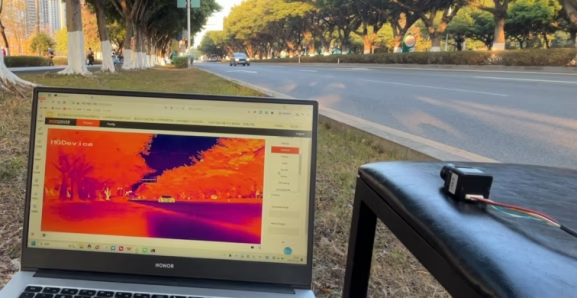
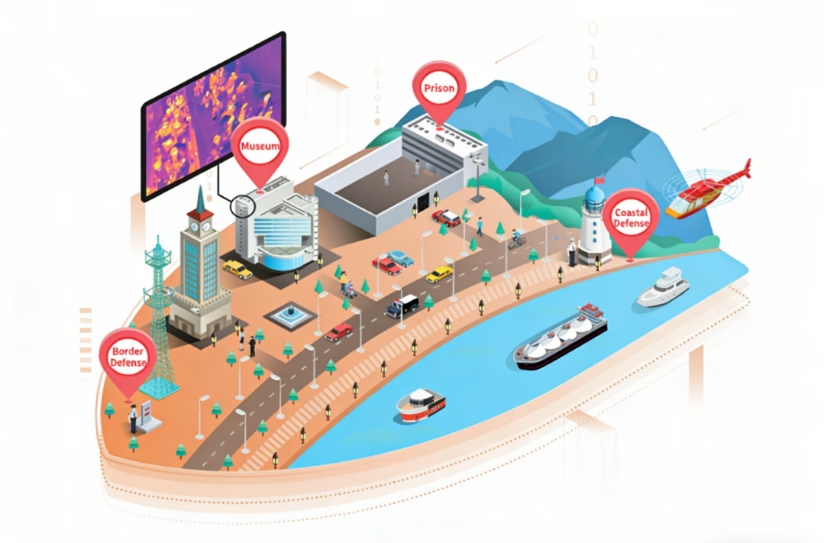
The LTC thermal imaging camera module, leveraging its core advantage of thermal radiation detection, has become a key sensing component in modern security systems, completely breaking through the environmental and time limitations of traditional visible light monitoring. It is not affected by darkness, strong light glare, and can still capture images stably in rainy, foggy, snowy, and dusty conditions. It can achieve 24-hour unobstructed monitoring and is widely applicable in border protection, critical infrastructure security, and urban public safety scenarios. By accurately identifying temperature differences, the module can penetrate non-metallic obstructions such as grass and camouflage to detect hidden targets. It can also detect fire precursors such as aging electrical lines and overheating equipment in advance, and ganged the alarm system and fire-fighting equipment to achieve proactive warning, upgrading from passive tracing to proactive prevention, and building a security defense line for key areas such as parks, power stations, and airports.
1.2. Optical Application Industry
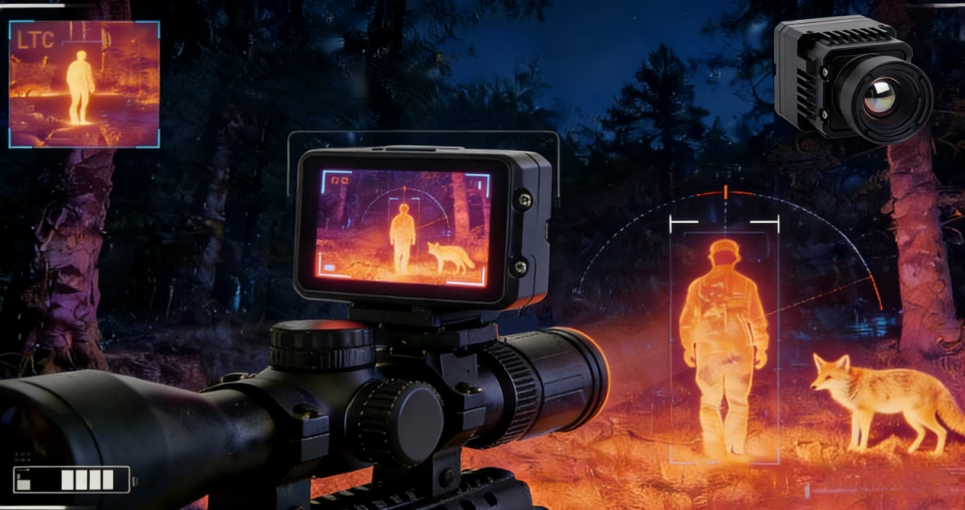
In telescopes and sighting devices, the LTC thermal imaging camera module offers a dual-core capability of "night vision + temperature measurement", redefining the experience of identifying night-time targets and becoming an efficient tool for outdoor operations and special tasks. The module does not require additional supplementary lighting. With its high sensitivity detection performance, it can respond to thermal signals within 0.1 seconds. Even in complex environments such as thick forests at night, it can accurately lock onto the live body heat sources of people and animals, completely eliminating the blurry imaging effect of traditional night vision devices. Coupled with a wide-angle optical design, the monitoring field of view is immediately expanded, eliminating the need for repeated scanning and reducing the risk of blind spots. What's more practical is that it also integrates a temperature measurement function. Based on the temperature data, it can clearly distinguish between live targets and environmental interference sources, helping you make accurate judgments quickly. This device can be of great use in various scenarios such as wilderness search and rescue, border patrol, and outdoor exploration.
1.3. Vehicle Application Industry
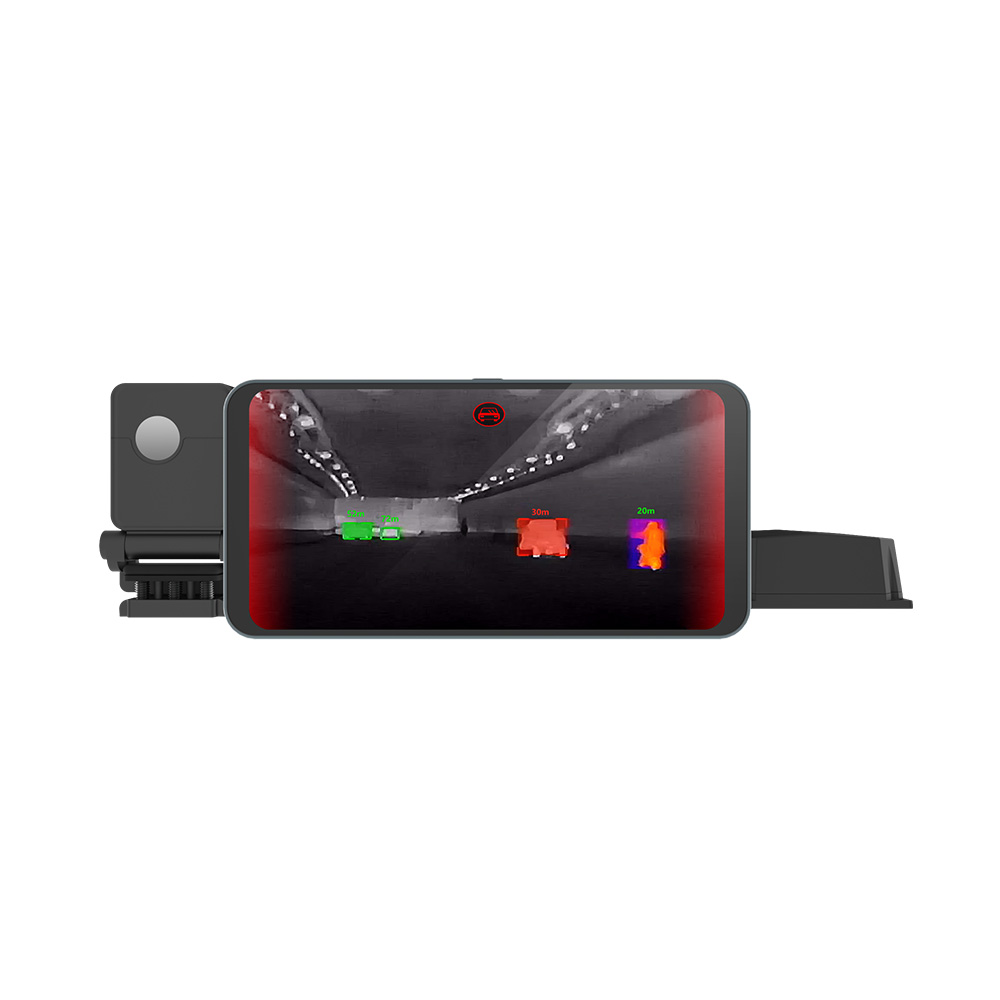
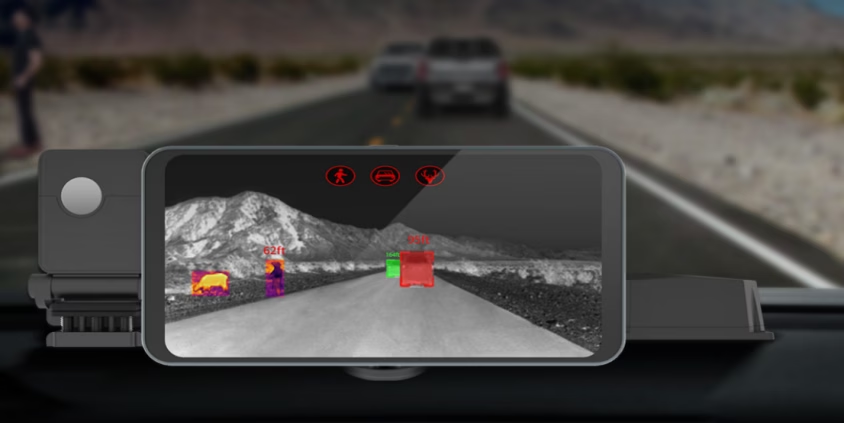
As the core component of vehicle night vision systems, the LTC thermal imaging camera module is specifically designed to address the issue of blind spots during night and in complex road conditions, significantly enhancing driving safety. By capturing the infrared radiation of heat sources such as humans and vehicles, it can clearly display the contours of pedestrians, cyclists, and obstacles on the road without relying on ambient light. It can do so in complete darkness, low light, or scenes with strong light interference from the opposite direction. Compared to traditional visible light night vision equipment, this module is not affected by adverse weather conditions such as rain and fog, allowing drivers to detect potential risks at a distance in advance and effectively avoid collisions caused by blocked vision during night driving. It provides all-weather, highly reliable road condition perception support for vehicle safety systems.
1.4. Drone Application Industry
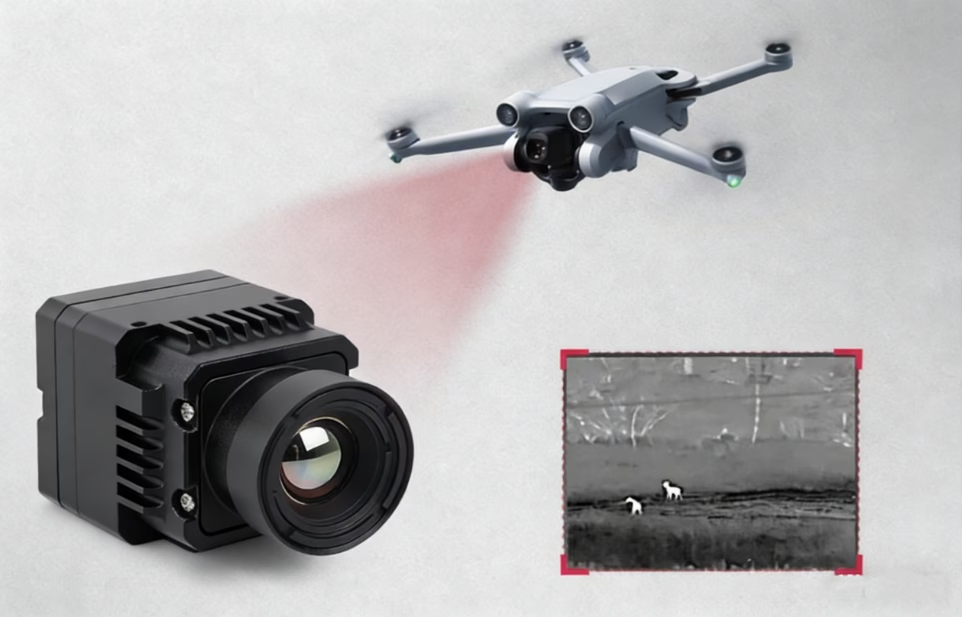
The LTC thermal imaging camera module, with its lightweight and sophisticated design and strong adaptability, has become the core component of the unmanned aerial vehicle's aerial detection system, enhancing the efficiency of operations in multiple industries. This module weighs less than 50 grams and is equipped with various interfaces and lens options. Most of the current unmanned aerial vehicle platforms can be seamlessly integrated into it. It not only ensures a control distance of over several kilometers and long battery life, but also can precisely capture temperature differences as small as 0.05℃.
What's more practical is that its airborne thermal perception ability can directly penetrate thick smoke and heavy fog. It can be used in scenarios such as power line inspection, building inspection, and disaster rescue. On one hand, it can quickly identify potential hazards like overloaded power lines and damaged wall insulation layers. On the other hand, it can precisely locate the heat sources of trapped people in ruins or forests. Coupled with the three-axis stabilized gimbal and real-time video transmission technology of the unmanned aerial vehicle, the entire operation process is efficient, safe, and does not require personnel contact. It can significantly improve work efficiency and minimize the risks of manual operation.
Case One: Night Driving - Pedestrian and Crossing Animal Warning
- Simple installation, just select a suitable position and fix it.
- Detect obstacles 50-150 meters ahead of the vehicle, providing a warning 3 seconds or more in advance compared to the naked eye.
- Not affected by the strong light from oncoming vehicles' high beams, no "instant blindness", and can still accurately identify in rainy or misty conditions.
- Significantly reduces the number of scraping and collision accidents caused by poor visibility on rural roads at night.
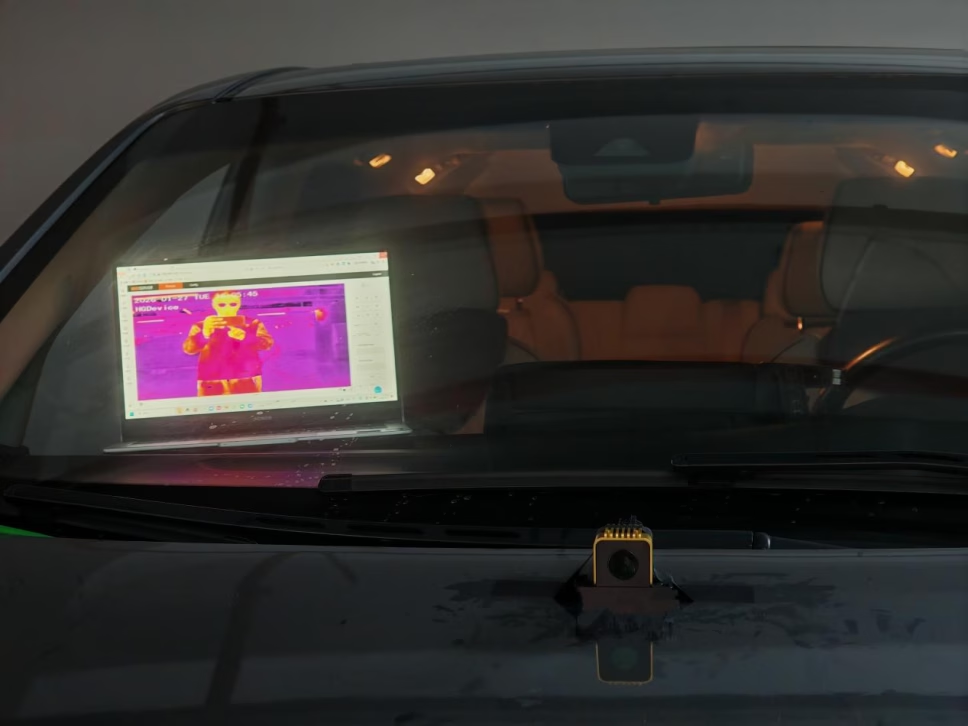
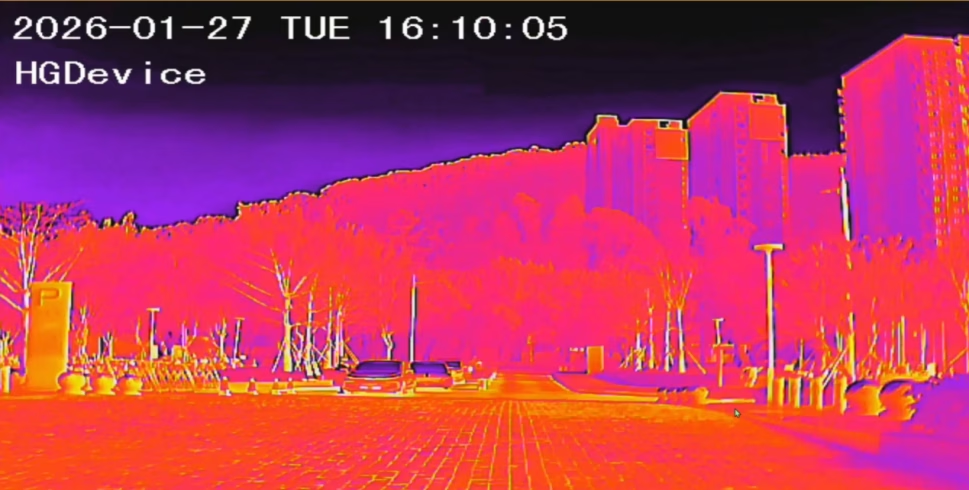
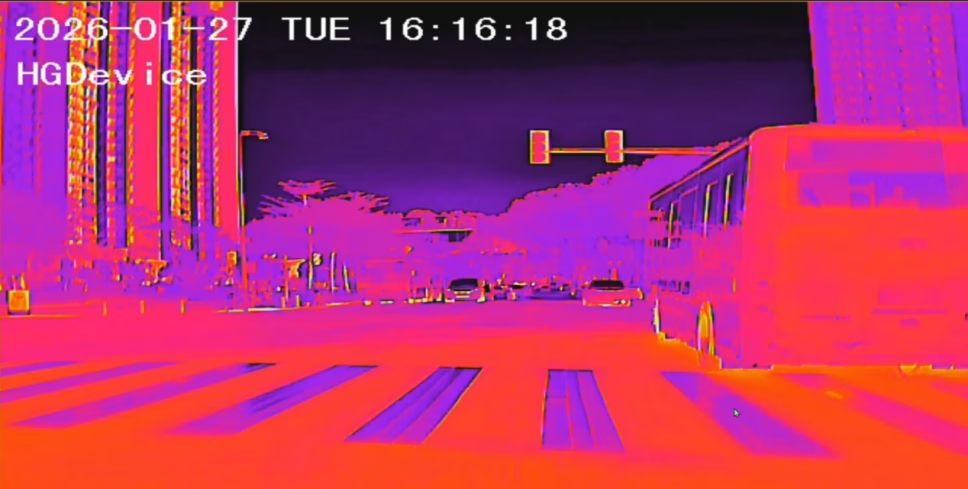
Case 2: Anti-glare and blind area detection for underground garages.
- When vehicles enter or exit tunnels or garages, sudden changes in light can cause temporary white blindness or black blindness in the eyes, significantly reducing visual response.
- The on-board thermal imaging system is not affected by sudden changes in light and can stably identify obstacles and living beings, ensuring smooth and safe passage.
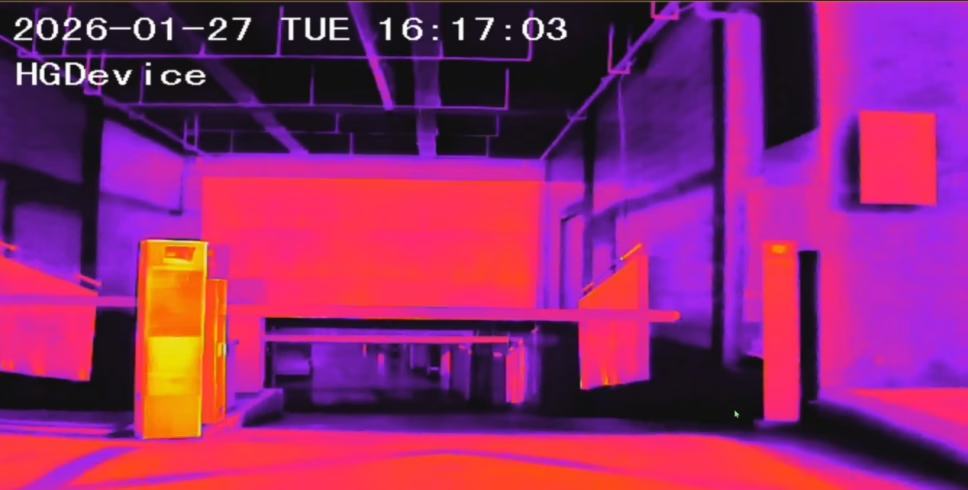
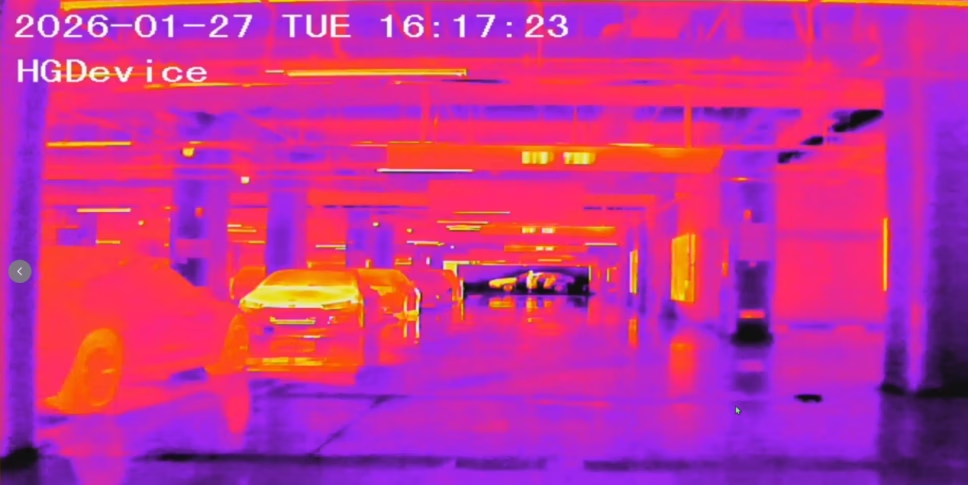
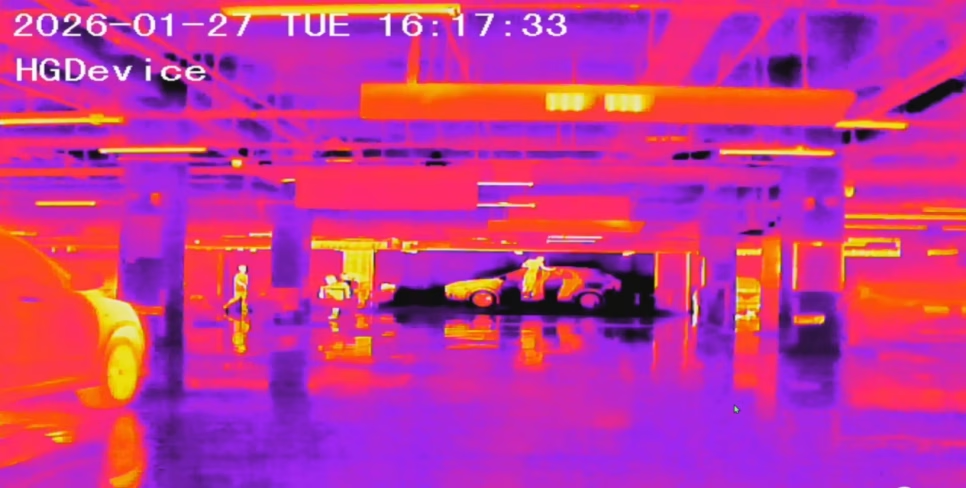
Core product support: LTC multi-functional thermal imaging camera module.
The efficient application of these multiple scenarios is inseparable from the strong support of LTC's core thermal imaging technology. PURPLERIVER, as a key core component manufacturer in LTC's thermal imaging product system, with its outstanding performance parameters and flexible adaptability, has become the ideal choice for high-precision monitoring requirements in various fields, providing a solid technical foundation for various thermal imaging application scenarios.
1.Product Description
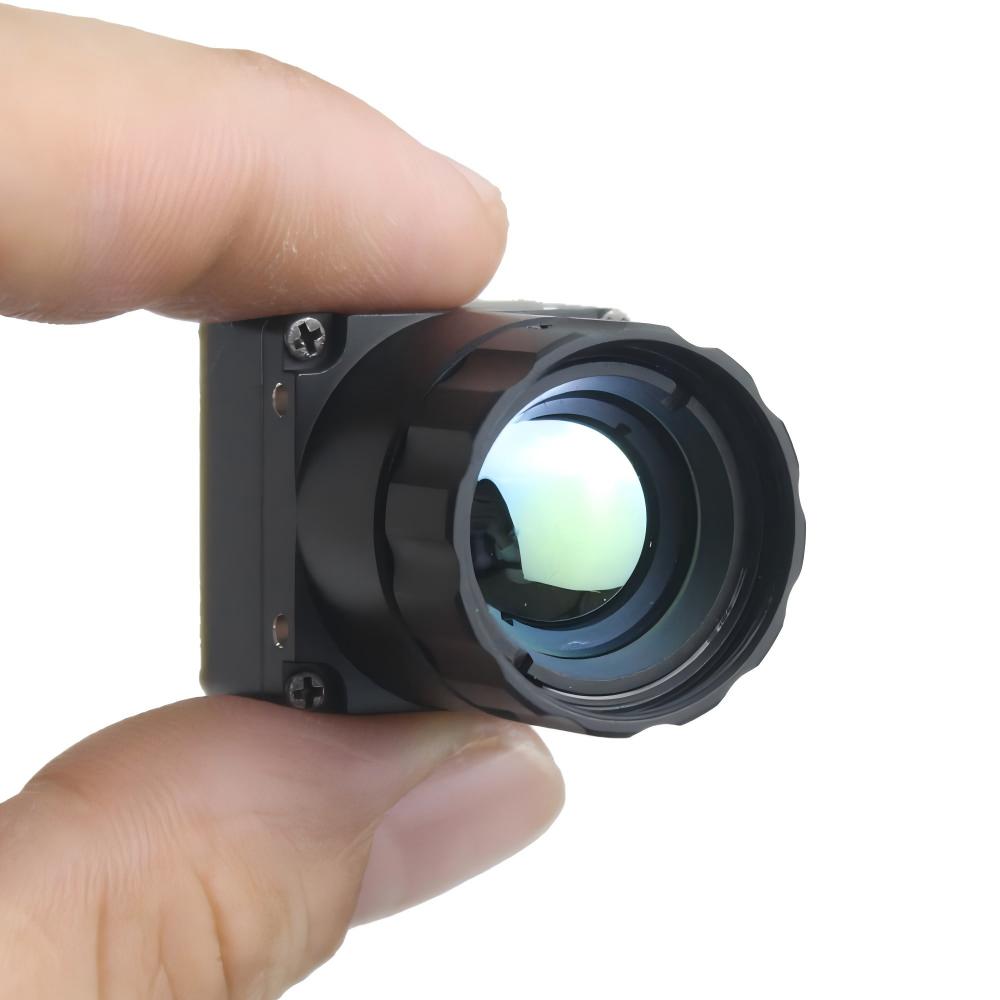
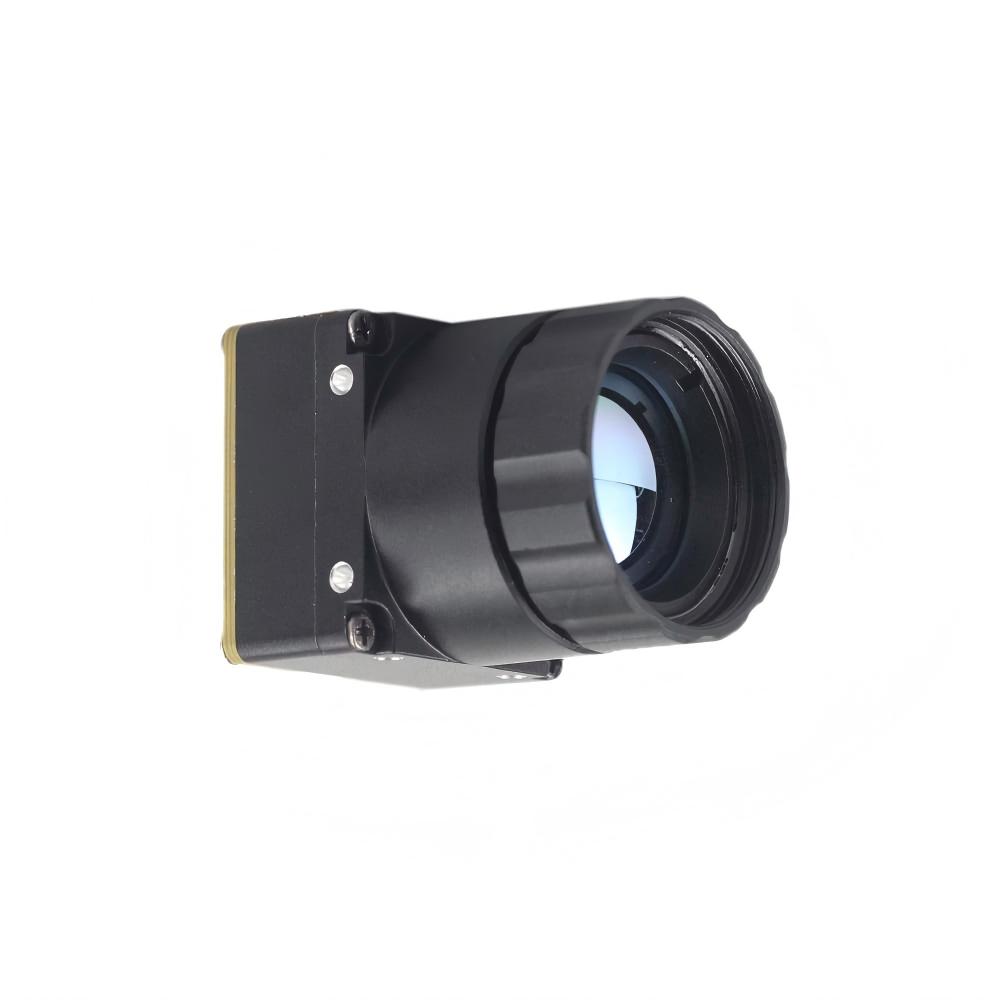
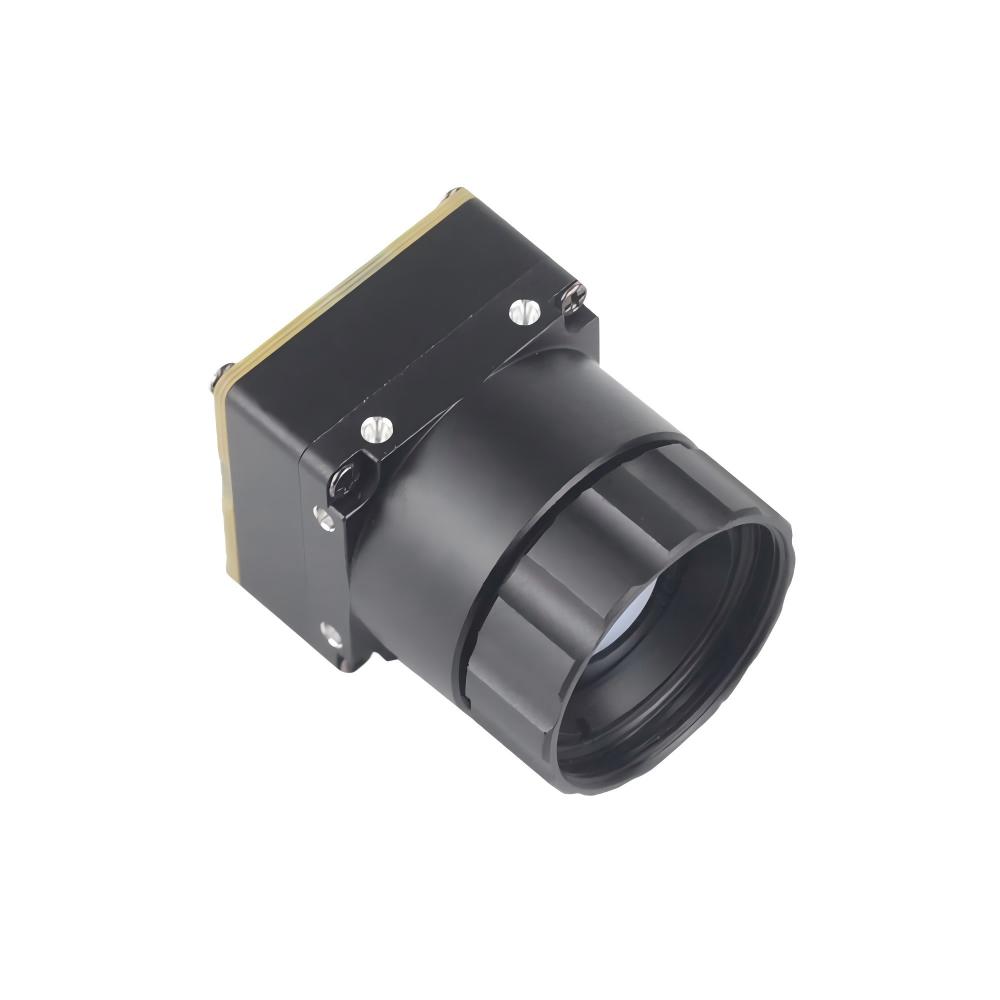
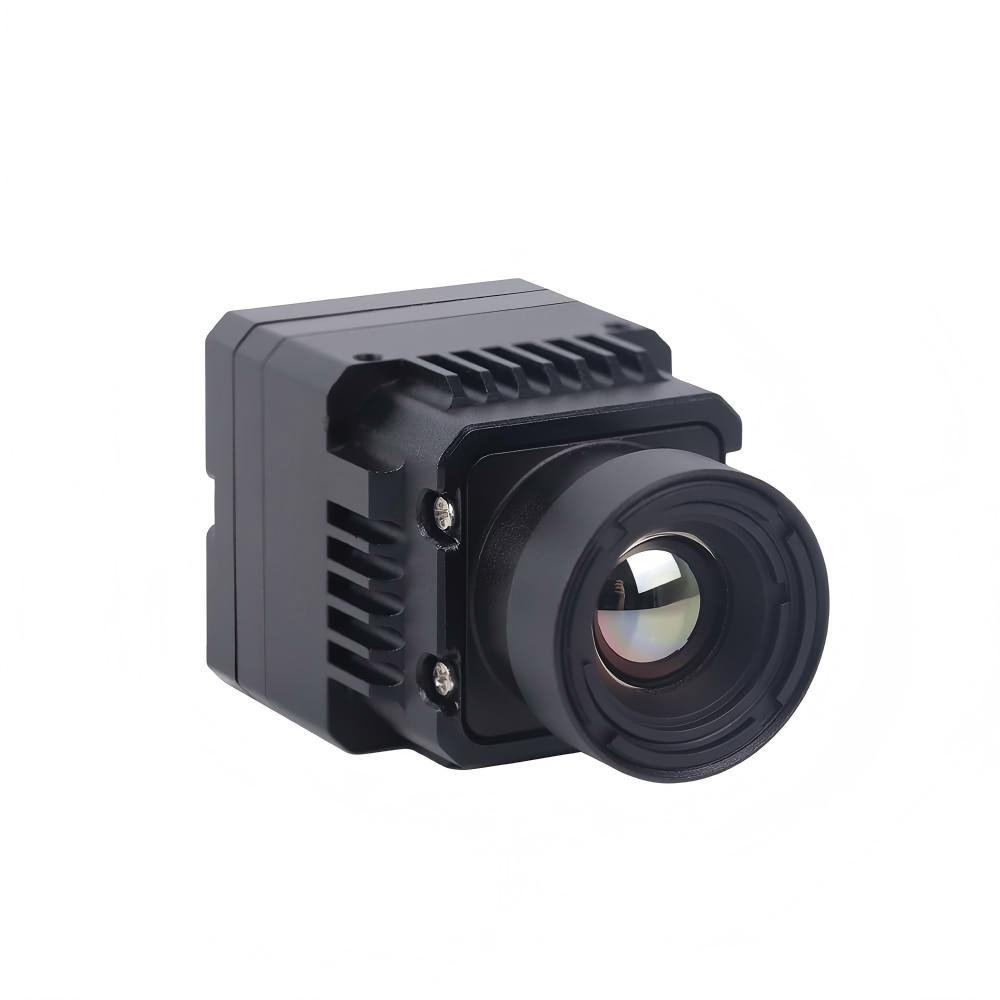
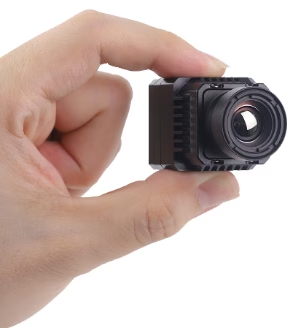
The LTC multi-functional thermal imaging camera module of PURPLERIVER is a non-cooled infrared thermal imaging module. It uses vanadium oxide as the detector. This core configuration gives it significant advantages such as high sensitivity and strong detection capability. At the same time, this module adheres to a compact design concept, featuring a small size, low power consumption, and ease of integration, perfectly meeting the strict requirements for high-precision monitoring in research, industrial, and other scenarios.
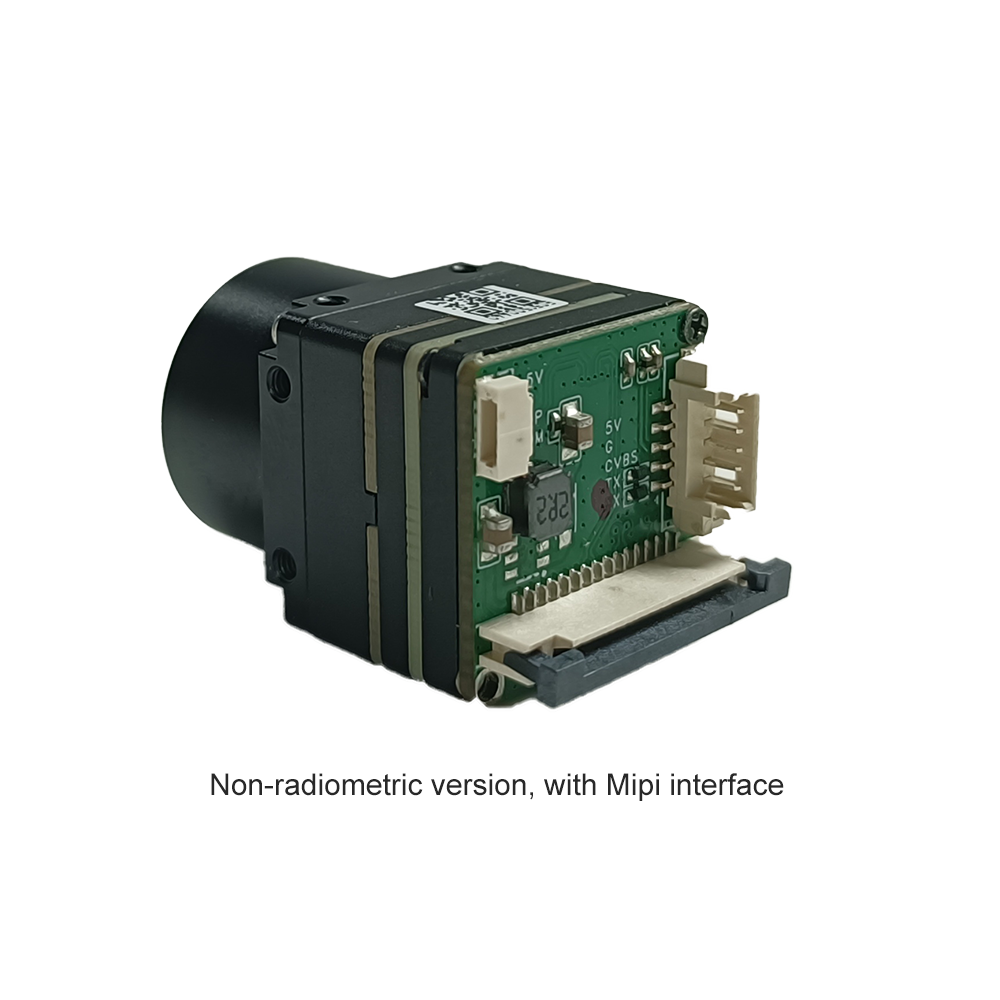
In terms of data interaction, the module adopts standard data interfaces, greatly facilitating the connection with other devices and data transmission, effectively reducing the integration difficulty of multi-device collaborative work. What's more noteworthy is that the module integrates a complete edge intelligence algorithm internally, which can quickly analyze and respond to the collected data on the device side, without relying on external computing resources, significantly improving data processing efficiency and real-time performance. Additionally, this module also supports providing an SDK for secondary development. Customers can conduct personalized expansion and development according to their specific scene requirements, further expanding the application boundaries of the product.
2.Core features
- Compact and lightweight design
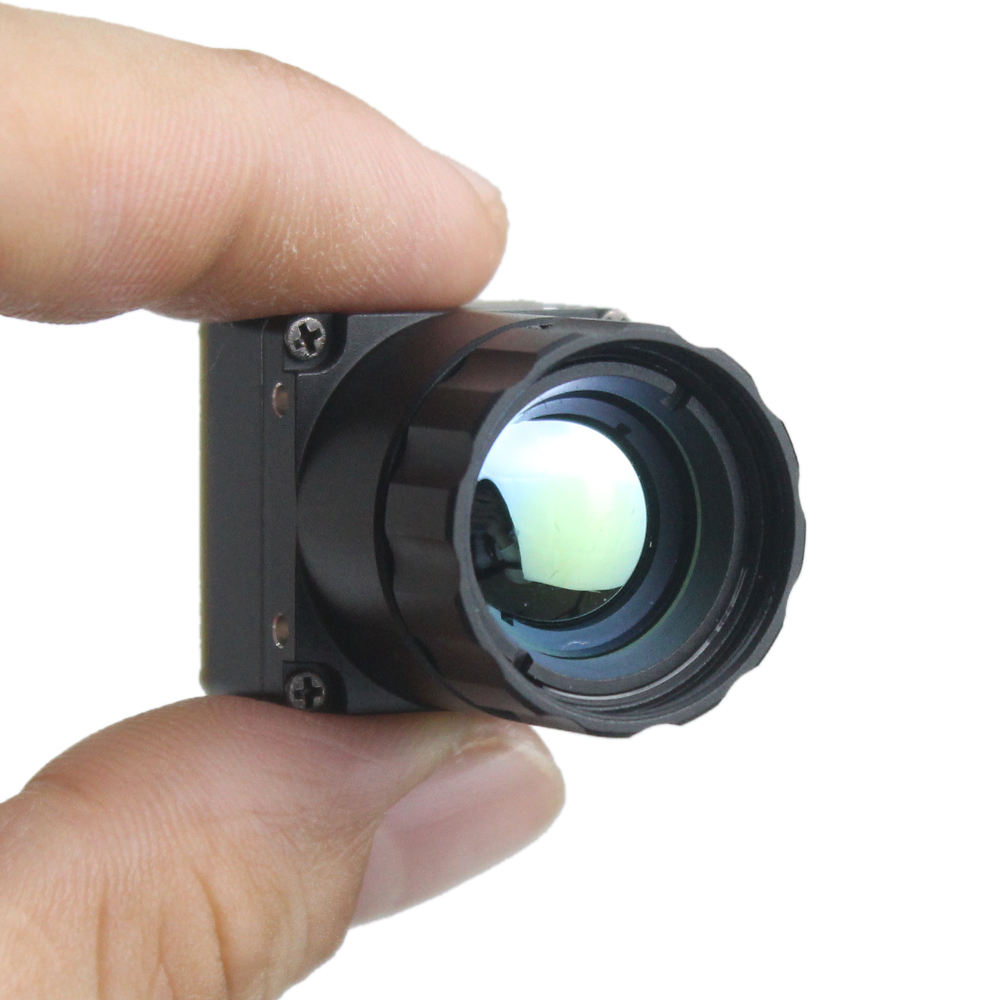
The optimized structural design enables the movement to maintain performance while achieving a small and lightweight characteristic, making it easy to integrate into various devices, whether it is a small optical instrument, a vehicle-mounted terminal, or a drone platform. It can be easily adapted to any application.
- Comprehensive protocol and interface support
Network protocols: Supports IPv4, TCP/IP, UDP, HTTP, DHCP, RTP/RTCP/RTSP, etc. Various network protocols ensure the stability and compatibility of network transmission.
Video compression standard: Compatible with H.265/H.264/MJPEG video compression formats. You can choose the appropriate compression method based on the actual application scenario, ensuring image quality while saving storage and bandwidth resources.
Communication interface: Equipped with 1 RJ45 interface (10M/100M adaptive Ethernet port), 1 RS-485 interface, and 1 analog video output (CVBS). The rich interface types meet the connection requirements of different devices, enhancing the product's versatility.
- Stable working environment adaptability
The working temperature range of the movement is -20°C to +60°C. It can adapt to the working requirements of different regions and environments, whether it is in cold border areas or hot industrial workshops, and can operate stably. At the same time, it adopts DC 12V power supply, with a power consumption of ≤1.6W. The low-power design not only reduces energy consumption but also reduces the heat dissipation pressure of the equipment, further enhancing the stability and service life of the product.
3.Expanding Application Scenarios
Thanks to its high performance and high adaptability, the LTC multi-functional thermal imaging camera module has expanded into more specialized application areas beyond its core applications:
In the security inspection field: It can be applied in scenarios such as industrial monitoring, perimeter scanning, inspection robots, and electro-optical pods, providing precise thermal imaging support for security control.
In the fire rescue field: It can achieve fire warning functions and can also be integrated into fire helmets, helping firefighters quickly locate the fire source and trapped individuals in thick smoke and dark environments, thereby improving rescue efficiency and safety.
Other professional scenarios: including dedicated ASIC thermal imaging modules for drones, power inspection, and thermal imaging-guided missile heat detection, which play a significant role in special operations and high-end equipment fields.
4.Performance Parameters
| Model | LTC609 | LTC613 | LTC619 | LTC635 | |
|---|---|---|---|---|---|
| Thermal Imaging Parameters | Detector Type | Vanadium Oxide Uncooled Infrared Focal Plane Detector | |||
| Infrared Resolution | 640×512 | ||||
| Pixel Pitch | 12μm | ||||
| Operating Wavelength Band | 8 - 14μm | ||||
| Lens Focal Length | 9mm | 13mm | 19mm | 35mm | |
| Lens Field of View (FOV) | 51.4° × 41.1° | 32.9° × 26.6° | 23.8° × 19° | 12° × 10° | |
| Noise Equivalent Temperature Difference (NETD) | ≤50mK(@25°C,F#1.0) | ||||
| Color Palettes | White Hot/Black Hot/Fusion/Iron Red/Rainbow/Autumn Gold/Noon Sun/Amber/Jade/Sunset/Fire and Ice/Oil Painting/Pomegranate/Jadeite/Spring/Summer/Autumn/Winter (18 Pseudo - color Modes in Total) | ||||
| Temperature Display | Real - time Maximum, Minimum, and Average Temperatures | ||||
| Temperature Measurement Range | -20°C~+550°C | ||||
| Temperature Measurement Accuracy | ±2°C or ±2% of the Reading (Take the maximum value) | ||||
Network Interfaces | Network Protocols | IPv4, TCP/IP, UDP, HTTP, DHCP, RTP/RTCP/RTSP | |||
| Video Compression Standards | H.265/H.264/MJPEG | ||||
| Communication Interfaces | 1 RJ45 Interface (10M/100M Adaptive Ethernet Port), 1 RS - 485 Interface, 1 Analog Video Output (CVBS) | RJ45 interface (10M/100M adaptive Ethernet port),1 analog video output (cvbs) | |||
| Physical Specifications | Operating Temperature | -20°C~+60°C | |||
| Ambient Humidity | 5%~95%, No Condensation | ||||
| Protection Level | IP54 | ||||
| Power Supply | DC 12V | ||||
| Power Consumption | ≤1.6W | ||||
| Housing Material | Aluminum Alloy | ||||
| Core Dimensions | 45mm(L)×28mm(W)×28mm(H) | 120mm(L)×38mm(W)×38mm(H) | |||
| Weight | ≤50g | ≤200g | |||
5.Certification Qualifications
The LTC multi-functional thermal imaging camera module has passed the relevant compliance certification. The acquisition of the certification qualifications demonstrates the reliability and standardization of the product, providing a strong guarantee for users' selection. Visit PURPLERIVER's website or contact us for more information.

FAQ
1.What are the core application scenarios of the LTC multi-functional thermal imaging camera module?
It is mainly used for security monitoring, the development of telescopes or scopes, the development of vehicle-mounted night vision systems, and the docking of unmanned aerial vehicles.
2.What are the advantages of the LTC multi-functional thermal imaging camera module?
It features strong adaptability to all environments, compact size, high-definition thermal imaging output, and strong compatibility with multi-scenario devices.
3.What is the technical principle of the thermal imaging camera module that enables it to clearly display images in dark conditions, strong light glare, and adverse weather conditions?
The thermal imaging camera module does not rely on visible light imaging. Instead, it captures the infrared radiation emitted by objects and then converts and processes it through hardware into a thermal imaging image that we can see. Since it is based on the heat of objects for imaging, it can clearly display images even in dark, strong light glare, or adverse weather conditions.
4.What are the essential differences between infrared thermal imaging and ordinary night vision devices?
Infrared thermal imaging does not use a light source and forms images by receiving the heat of an object. Most ordinary night vision devices have to emit infrared light by themselves and can only see things by reflecting the light.
5.Can infrared thermal imaging instruments detect the heat source of mice in a cold storage with a temperature below 0 degrees?
Rats are warm-blooded animals, with their body temperature generally ranging from 36 to 39 degrees Celsius, which shows a significant temperature difference from the ambient temperature of cold storage. Infrared thermal imagers can capture the infrared heat radiated by a mouse's body, presenting it as a clear high-temperature target point on the thermal image, unaffected by dark environments. However, it should be noted that if mice are closely attached to strong heat-conducting objects such as low-temperature metals or ice blocks, their body surface temperature will temporarily drop, which may lead to weakened heat source signals. Adjusting the temperature range of the thermal imager can enhance recognition.