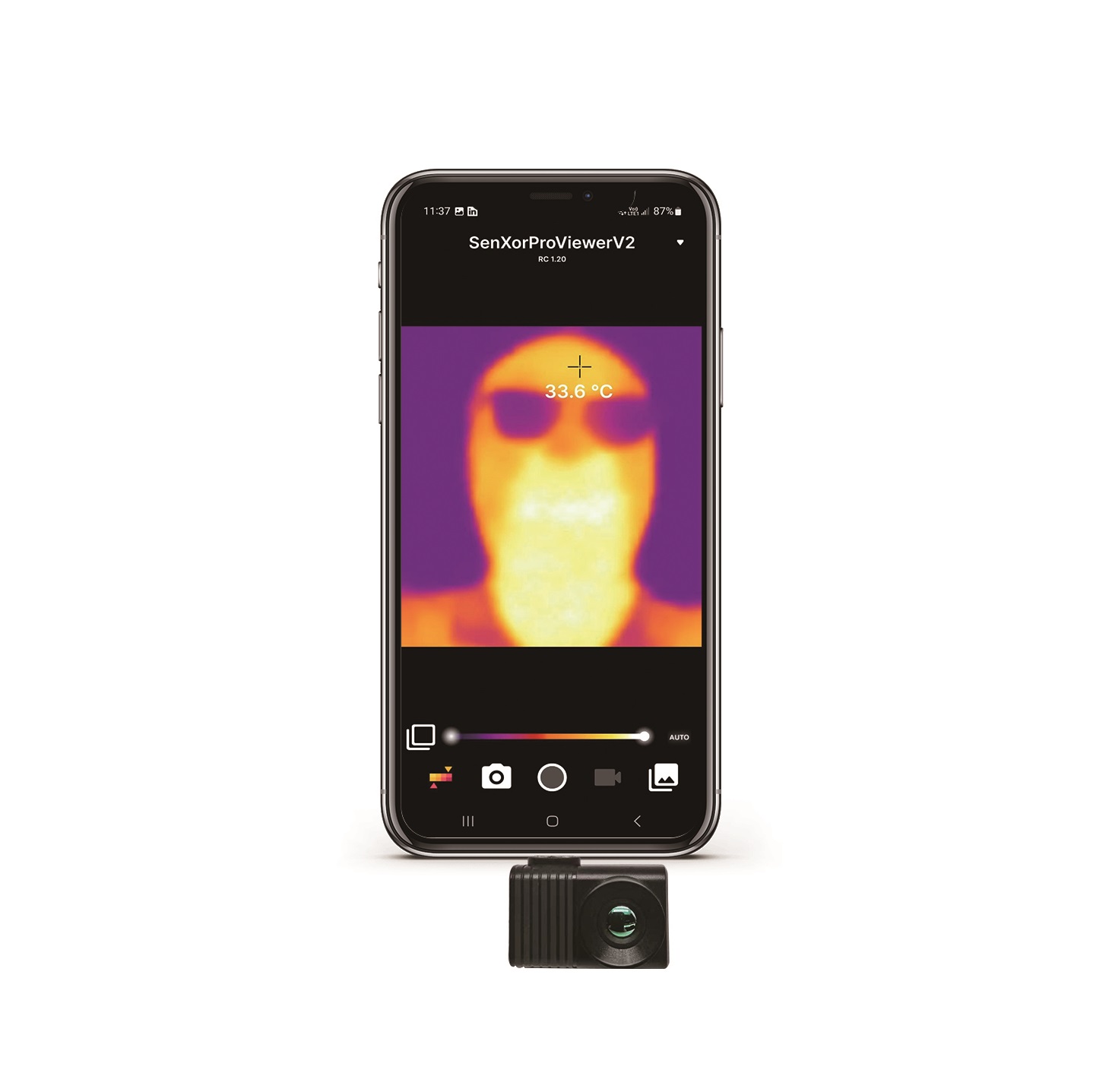
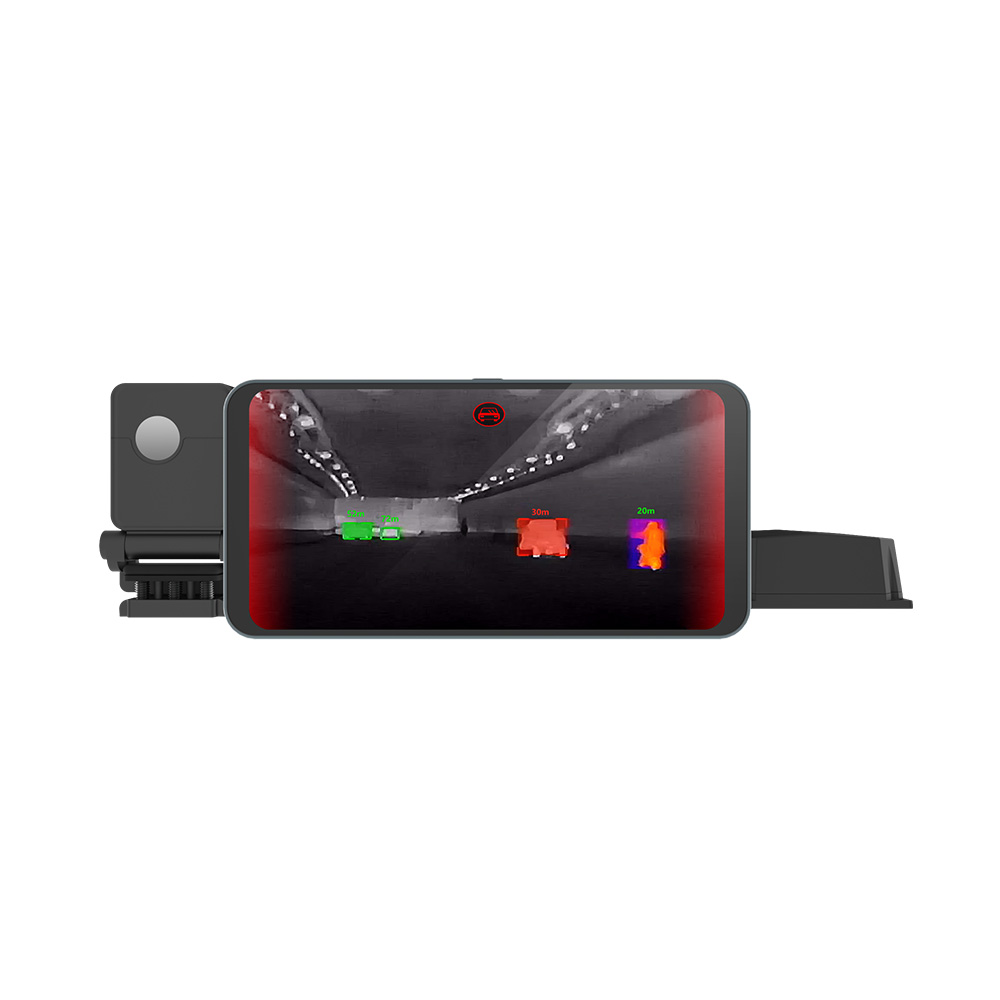

Top Thermal Camera Module for Drone: AI-Powered Imaging for UAV Integration
2026年6月16日
Thermal Camera Module Price Guide 2024: From DIY Kits to Pro Edge AI Solutions
2026年6月23日
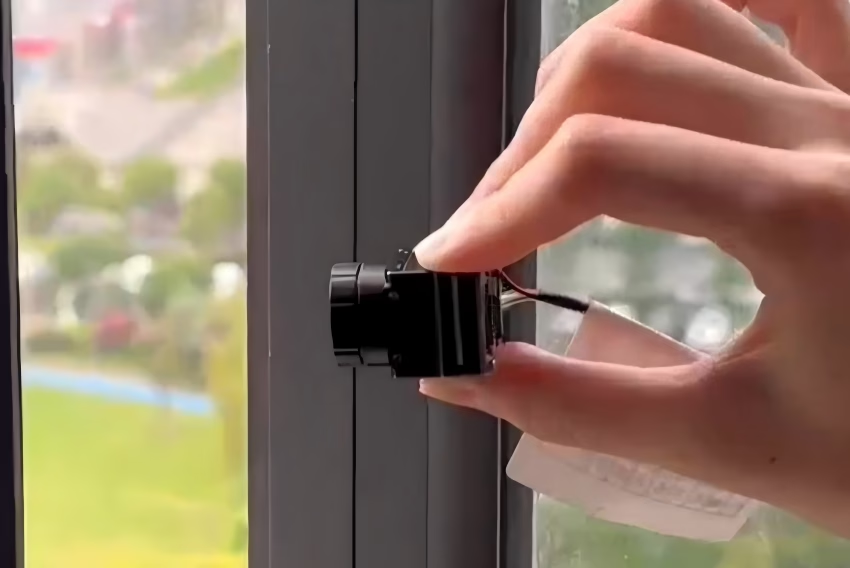
The Ultimate Guide to Thermal Camera Drone Modules: A Technical Deep-Dive for UAV Integration
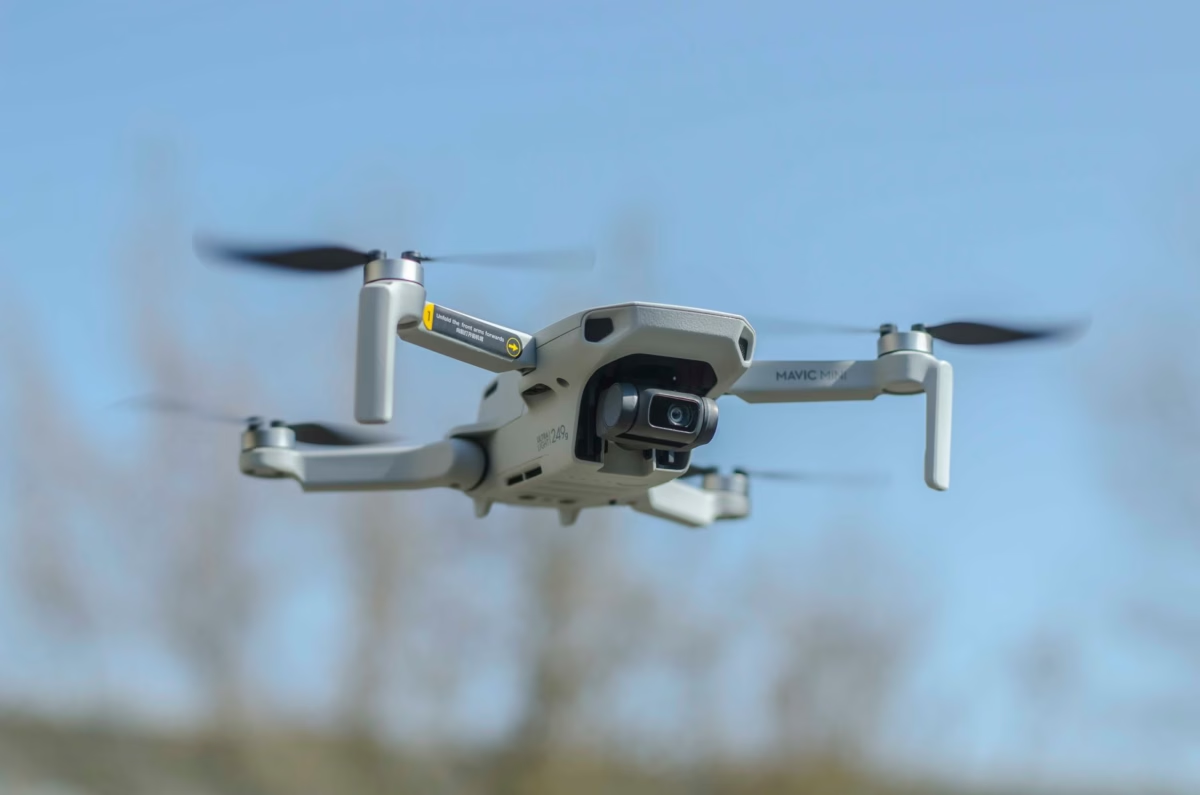
In the rapidly evolving landscape of unmanned aerial vehicles (UAVs), the thermal camera drone module has transitioned from an expensive military-grade luxury to an essential industrial tool. For engineers, DIY enthusiasts, and commercial drone fleet managers, selecting a module isn't just about resolution; it's about the delicate balance of SWaP (Size, Weight, and Power) constraints versus the need for high-fidelity radiometric data. Whether you are conducting automated power line inspections or developing a custom search-and-rescue (SAR) platform, the integration of uncooled infrared sensors—like the MIPI 640 or MINI 384 series—allows for real-time heat signature detection and predictive maintenance capabilities that were previously unattainable at this price point.
The modern "intelligent" drone payload is no longer a passive sensor. With the advent of Edge AI integration, today's thermal modules process data on-board, reducing latency and bandwidth requirements for ground control stations. This guide provides a deep-dive into the technical architecture of thermal modules, comparing MIPI vs. CVBS interfaces, and explores how Purpleriver’s engineering-first approach is democratizing high-resolution thermography for both professional OEM integration and sophisticated DIY builds.
Look, if you've been in the drone space long enough, you know that weight is the ultimate enemy. Every gram you shave off the camera is another thirty seconds of flight time. In the shop, we call this the "payload tax." When you’re choosing a module, you aren't just buying a sensor; you’re buying a tiny piece of hardware that has to survive vibration, temperature swings, and electrical noise from the motors. Understanding how these modules tick is the difference between a successful mission and a crashed bird full of expensive silicon.

Table of Contents
- 👉 Understanding Sensor Resolution: 640 vs. 384 vs. 256
- 👉 MIPI vs. CVBS: Choosing the Right Interface for UAV Autopilot
- 👉 Thermal SWaP-C Optimization: Maximizing Flight Time
- 👉 AI-Powered Edge Processing in Thermal Modules
- 👉 Product Showcase: Purpleriver Thermal Comparison
- 👉 Deep Dive: Uncooled MIPI 640 512 9mm Module
- 👉 Deep Dive: Uncooled MINI 384*288 Module
- 👉 Knowledge Vault: Frequently Asked Questions
Understanding Sensor Resolution: 640 vs. 384 vs. 256
In the world of infrared thermography, resolution is the most critical factor affecting both the "detection range" and the accuracy of temperature readings. A thermal camera drone module with a 640x512 resolution contains 327,680 individual pixels, which is more than four times the data points provided by a standard 320x240 sensor. For industrial engineers, this isn't just about a "sharper image"; it is about the Pixel Pitch and Bolometer technology that allows for the detection of tiny thermal anomalies at a safe flight altitude.
Here’s the deal: resolution in thermal imaging doesn’t work quite like it does on your smartphone. Because we’re dealing with long-wave infrared (LWIR), the physics are tougher.
⚙️ 640x512 (Professional Tier): This is the gold standard. It gives you enough detail to spot a hot connection on a high-voltage tower from 100 feet. You get 12μm pixel pitch, meaning you can use smaller, lighter lenses without losing detail.
⚙️ 384x288 (Industrial Mid-Range): This is the workhorse of the industry. It’s perfect for indoor warehouse robotics or close-range solar panel inspection. It hits that sweet spot of cost-to-performance.
⚙️ 256x192 (Entry Level): Mostly for simple obstacle avoidance or "presence detection." Don't expect to do high-level diagnostic work here, but for basic navigation, it’s a steal.
Most modern professional drone modules utilize uncooled VOx (Vanadium Oxide) microbolometers. These sensors are rated by their pixel pitch—measured in micrometers (μm). The industry transition from 17μm to 12μm allows for smaller lenses while maintaining high sensitivity. When you are looking for a module, the resolution determines how many pixels will cover a target at a 100ft distance. A 640-series module can identify a failing insulator on a power line from 50 meters away, whereas a 256-series module might only register it as a single, ambiguous hot pixel. For deeper technical specifications on bolometer performance, visit our Technical Knowledge Base.
MIPI vs. CVBS: Choosing the Right Interface for UAV Autopilot Integration
Choosing the electrical interface for your thermal camera drone module determines the latency and the flexibility of your post-processing capabilities. For years, CVBS (Composite Video Baseband Signal) was the standard. It is an analog format, which is excellent for long-range FPV (First Person View) flying because it offers near-zero latency. However, analog signals are prone to interference and cannot carry the raw radiometric (temperature) data required for advanced analysis.
Look at it this way: using CVBS is like watching an old TV. It's fast, but you lose the "math" behind the image. If you just need a pilot to see where they are going in the dark, CVBS is fine. But if you need an AI to recognize a leak in a pipeline, you need digital.
✅ Pro-tip: If you are building a custom stack with an NVIDIA Jetson or a Raspberry Pi, skip CVBS entirely. You want the raw data stream.
Enter MIPI (Mobile Industry Processor Interface). This is a high-speed digital interface specifically designed for mobile devices and integrated systems. MIPI CSI-2 is the preferred choice for engineers working with NVIDIA Jetson or Raspberry Pi computer vision platforms. Because MIPI stays in the digital domain, it preserves the per-pixel temperature data without the degradation of an analog-to-digital conversion. This is essential if you plan to use libraries like OpenCV for real-time target recognition or automatic fire detection. The digital nature of MIPI also allows for smaller connector footprints, which is vital for compact drone designs.
Thermal SWaP-C Optimization: Maximizing Flight Time
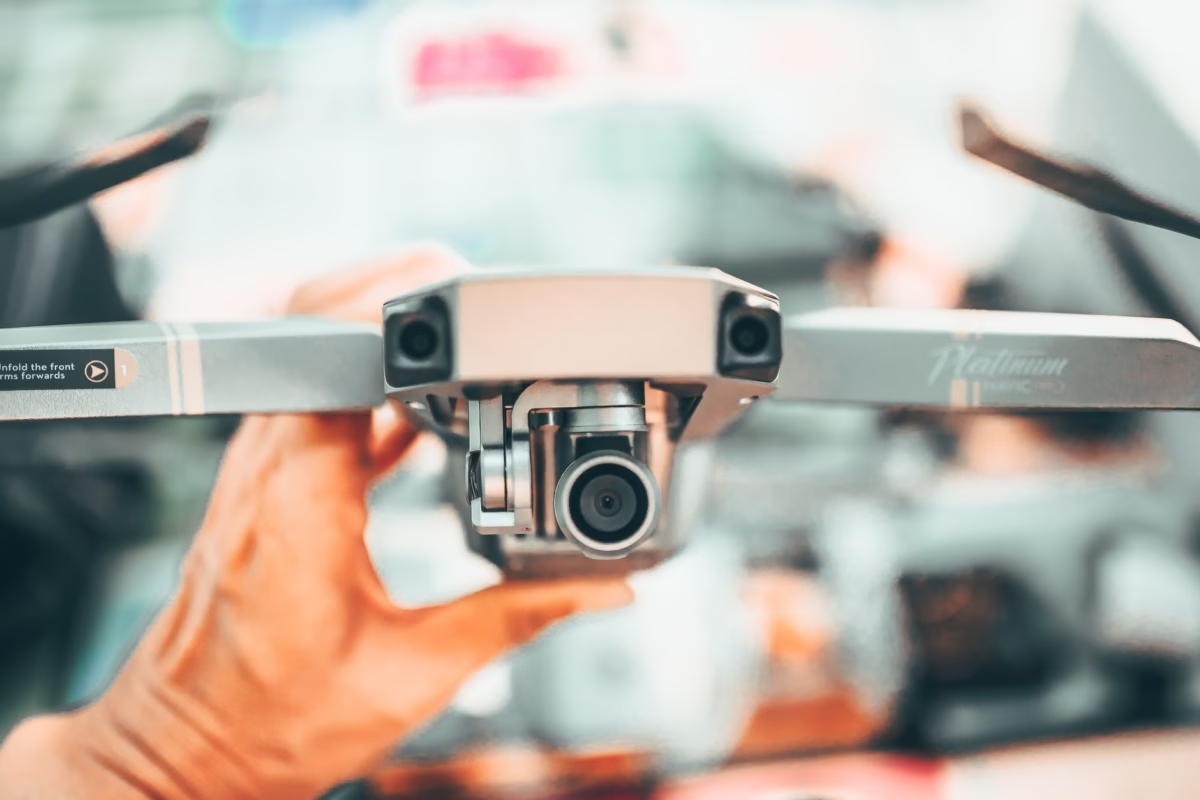
In the drone industry, SWaP-C stands for Size, Weight, and Power, plus Cost. Every gram added to a drone’s payload directly reduces its flight time. Standard industrial thermal cameras can weigh over 200 grams, but a "Mini" series thermal module, such as those developed by Purpleriver, often weighs less than 40 grams. This reduction in weight allows for smaller batteries or longer loiter times, both of which are critical for search and rescue operations.
Power consumption is the second half of the equation. High-resolution sensors generate heat, and managing that heat without heavy fans or heat sinks is an engineering feat. The MINI series architecture focuses on ultra-low power consumption (often under 1.5W), ensuring the drone's primary flight battery isn't drained prematurely.
✅ Low Thermal Noise: When a module runs cool, the sensor stays more accurate. Overheated sensors start showing "ghosting" effects.
✅ Compact Form Factor: A smaller module means you can mount it closer to the drone's center of gravity, which makes your flight controller's job much easier.
To see how these modules are built to withstand the rigors of industrial flight, check our Enterprise Strength Report.
AI-Powered Edge Processing in Thermal Modules
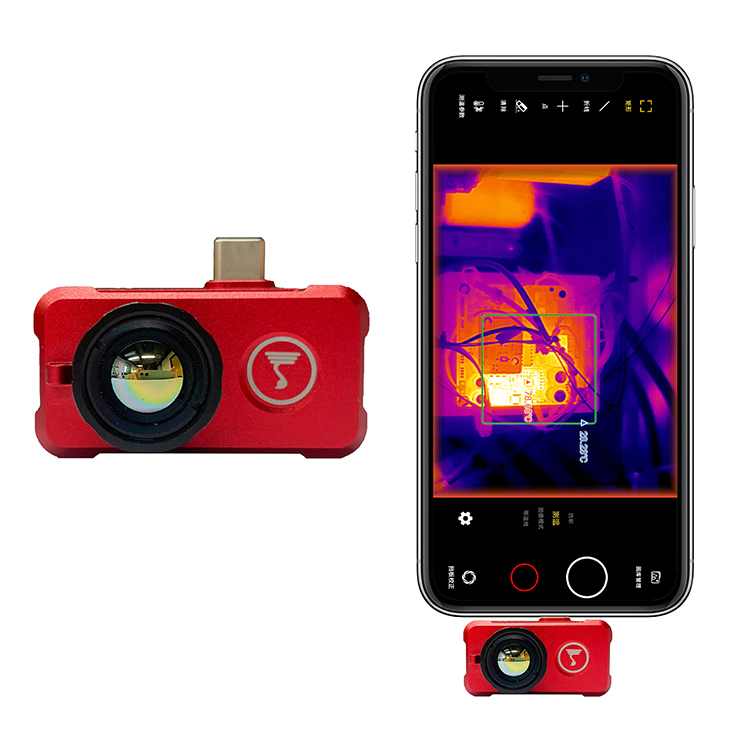
The "intelligent" thermal camera drone module no longer relies solely on the ground pilot to spot problems. Modern modules come equipped with on-board SDKs (Software Development Kits) that enable Edge AI. This means the module itself can run algorithms to detect a specific temperature threshold and trigger an alarm. For example, during a forest patrol, the module can be programmed to ignore standard ambient heat but highlight anything over 100°C as a potential fire source.
This on-board processing also enables feature-rich overlays, such as isotherms (coloring specific temperature ranges) and Picture-in-Picture (PiP) modes. By processing the image on the "edge" before it is transmitted, the system saves bandwidth on the video link and provides faster feedback for autonomous flight systems. This capability is what separates a hobbyist sensor from a professional industrial module.
In the field, this looks like:
⚙️ Automatic Target Tracking: Locking onto a person in a search and rescue scenario based on their heat signature.
⚙️ Hot-Spot Alarms: Instantly flagging a cell in a solar farm that is 10 degrees hotter than its neighbors.
⚙️ Bandwidth Efficiency: Only sending high-res data when an anomaly is detected, keeping your datalink clear.
High-Performance Purpleriver Thermal Modules for UAVs
Below is a comparative breakdown of our two most popular modules for UAV integration. These represent the pinnacle of uncooled infrared technology for the B2B sector.
| Feature | Uncooled MIPI 640 9mm Module | Uncooled MINI 384*288 Module |
|---|---|---|
| Resolution | 640 x 512 (High Def) | 384 x 288 (Standard Industrial) |
| Interface | MIPI (Digital) | CVBS / Custom Universal |
| Lens Focal Length | 9mm (Versatile FOV) | Customizable (Mini Series) |
| Best For | Professional SAR & Inspection | DIY Drones & IoT Robotics |
| AI Features | Edge-Detection Ready | Temperature Measurement & Safety |
Deep Dive: Uncooled MIPI 640 512 9mm Thermal Module
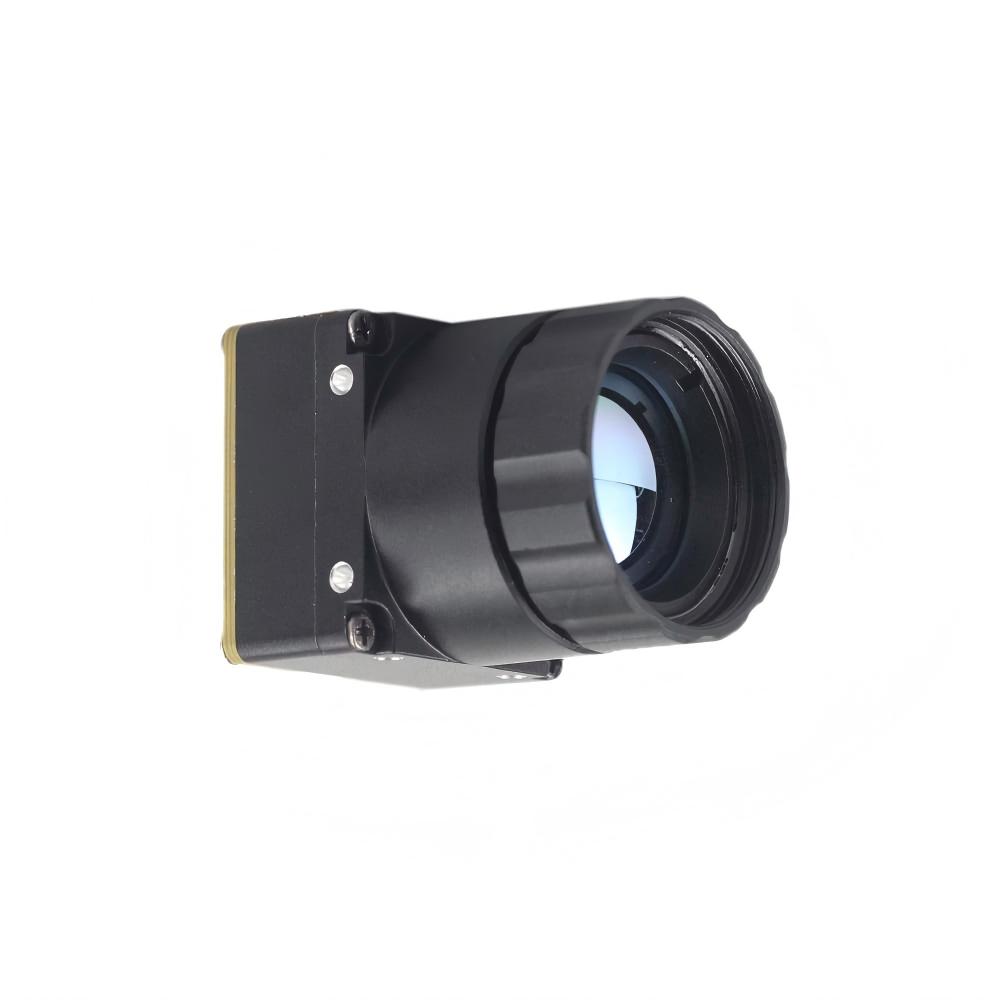
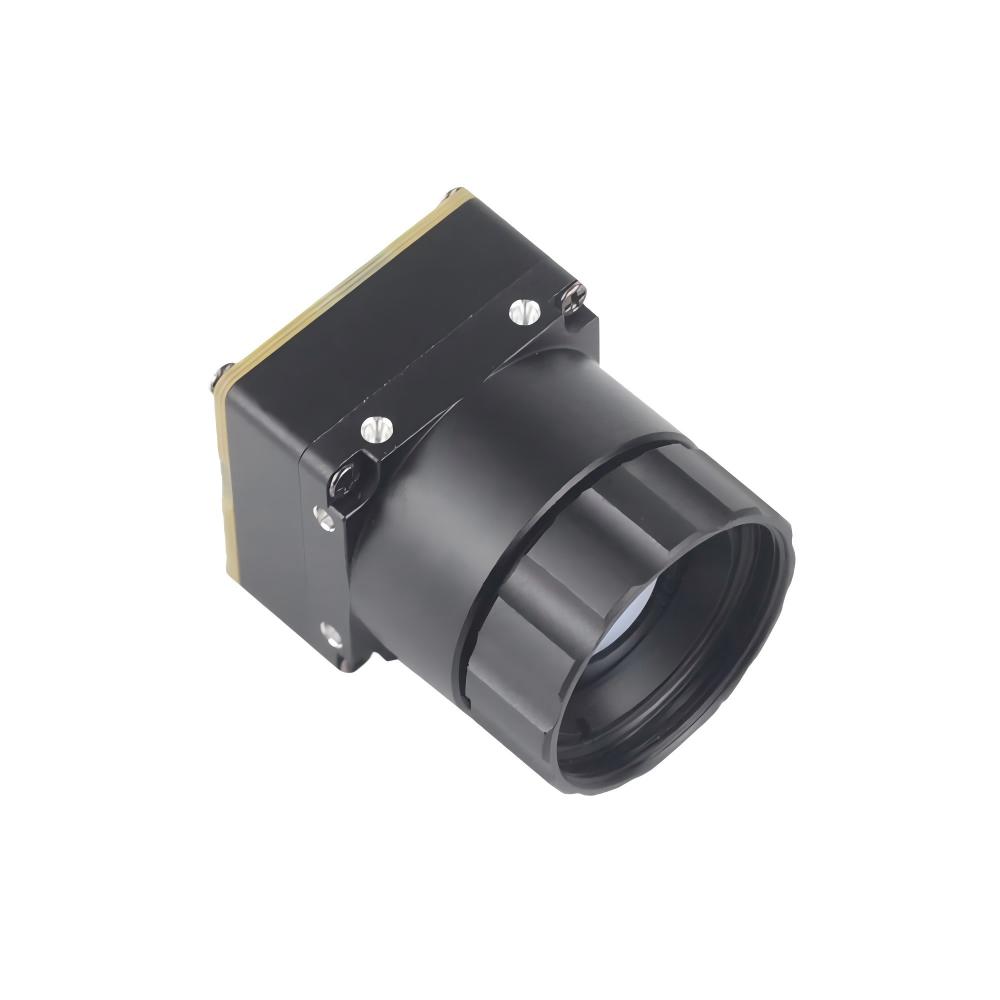
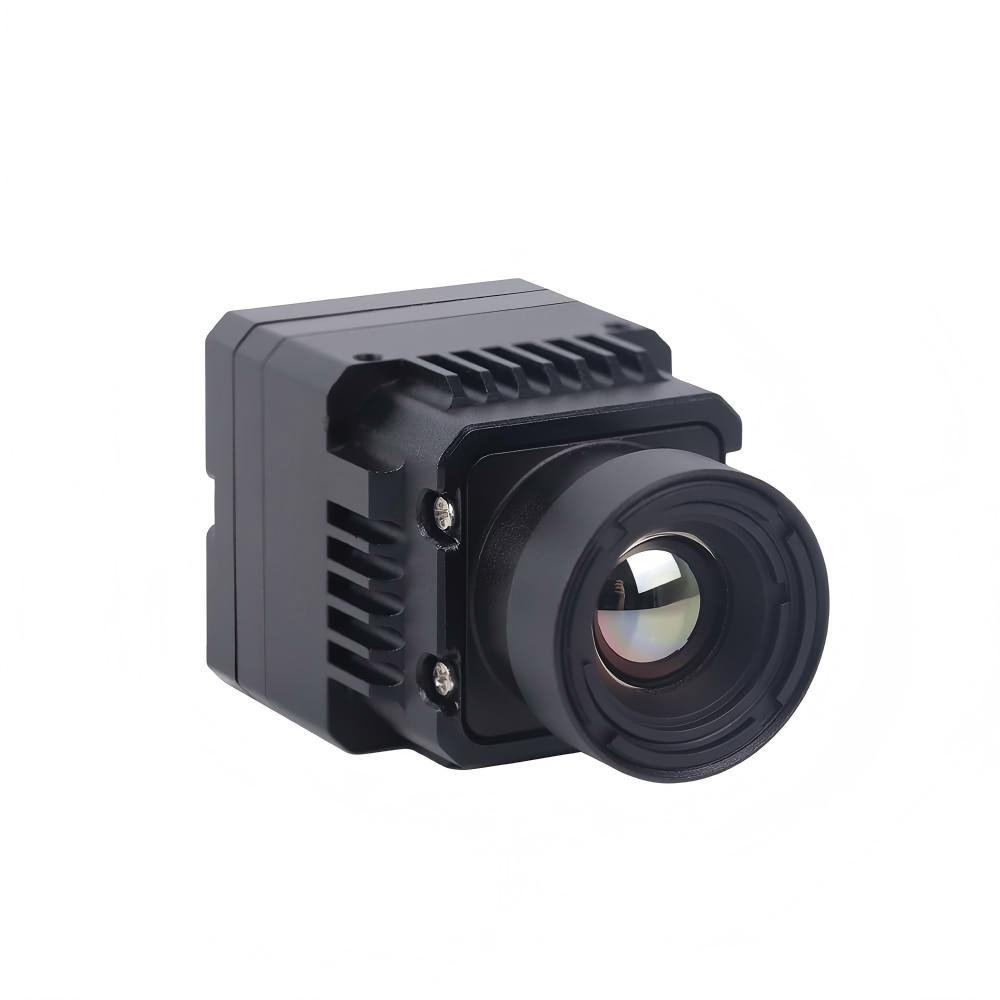
The Uncooled Infrared Mini2 640x512 9mm Thermal Imaging Camera Module For Drones is the flagship choice for high-precision mapping and inspection. This mini uncooled infrared thermal imaging module features sharp and crisp image presentation, compact size, and low cost, making it the preferred high-resolution sensor for professional OEM integrators.
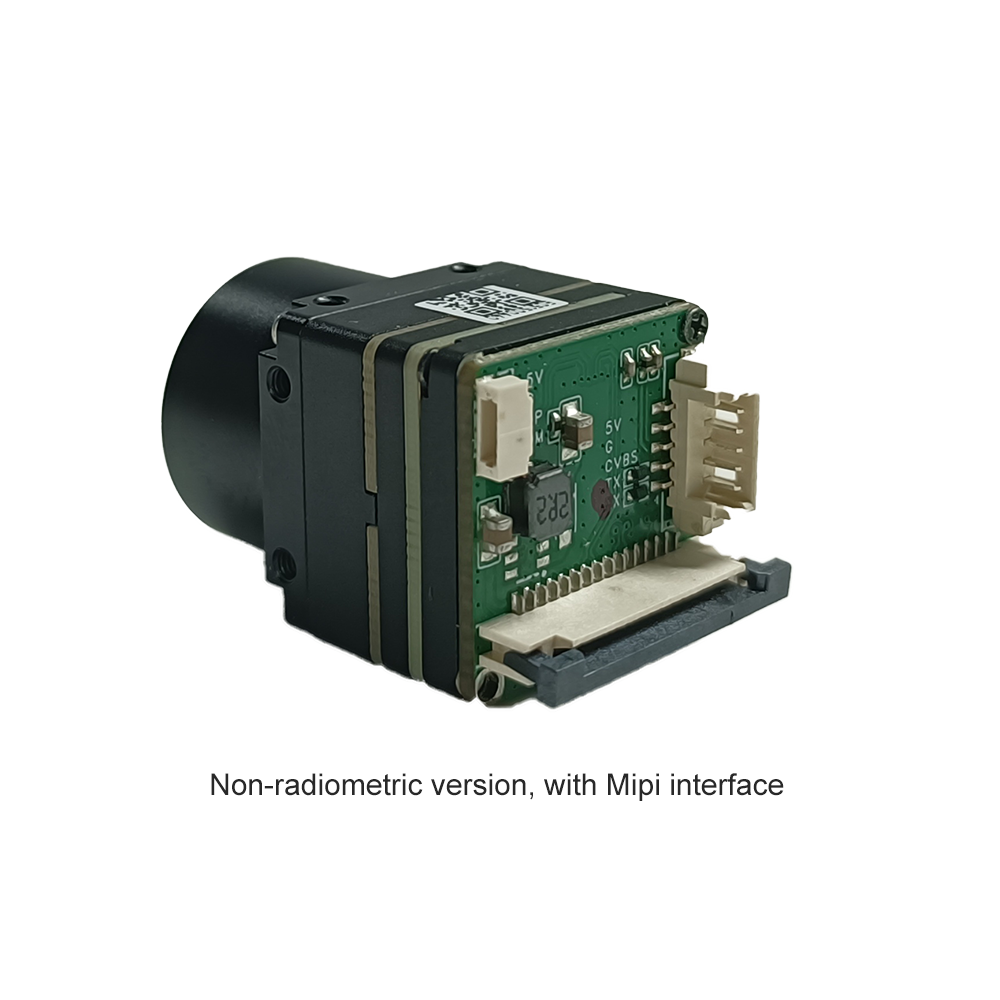
Equipped with a 9mm lens, it offers a balanced Field of View (FOV) that allows for safe flight distances while providing enough zoom to identify cracks in concrete or hotspots in electrical substations. The MIPI interface ensures that the high-definition thermal stream is delivered without packet loss or signal noise, perfect for systems utilizing the latest digital transmission technologies.
View Product Details & Pricing ➔
Deep Dive: Uncooled MINI 384*288 Thermal Camera Module
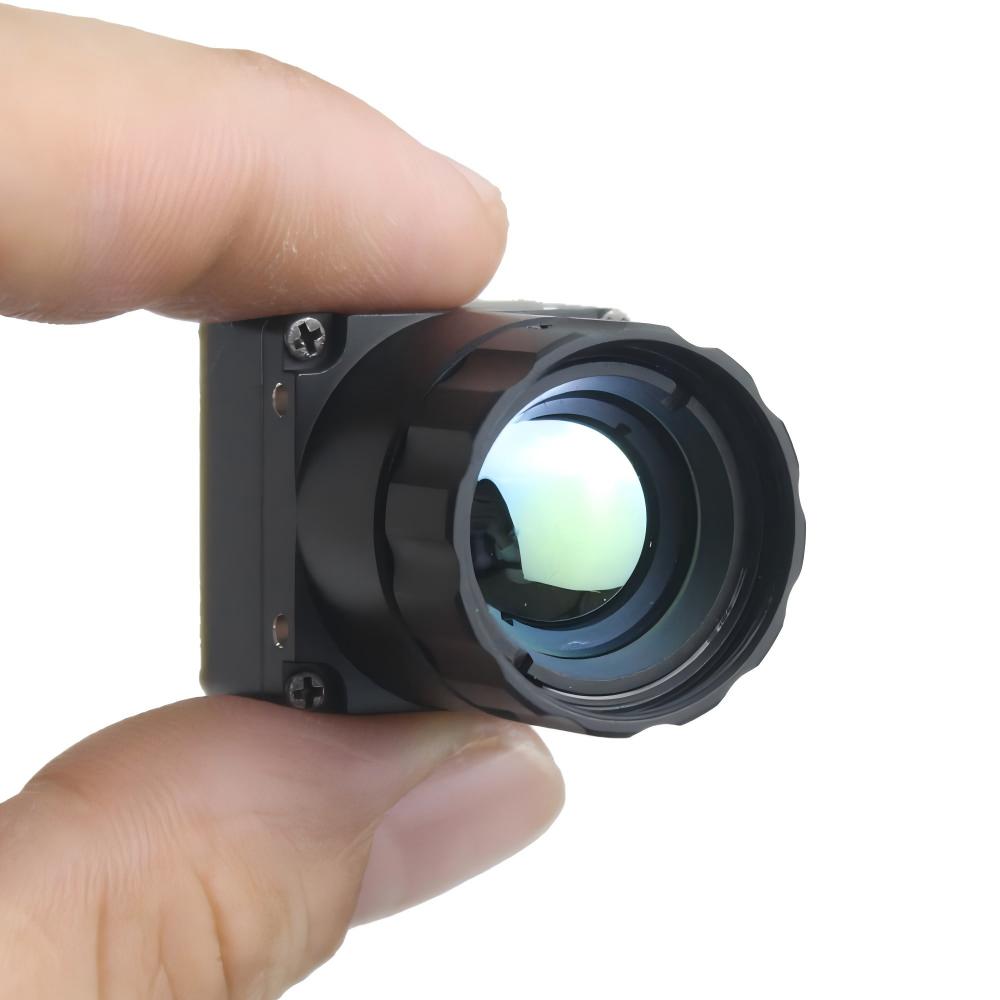
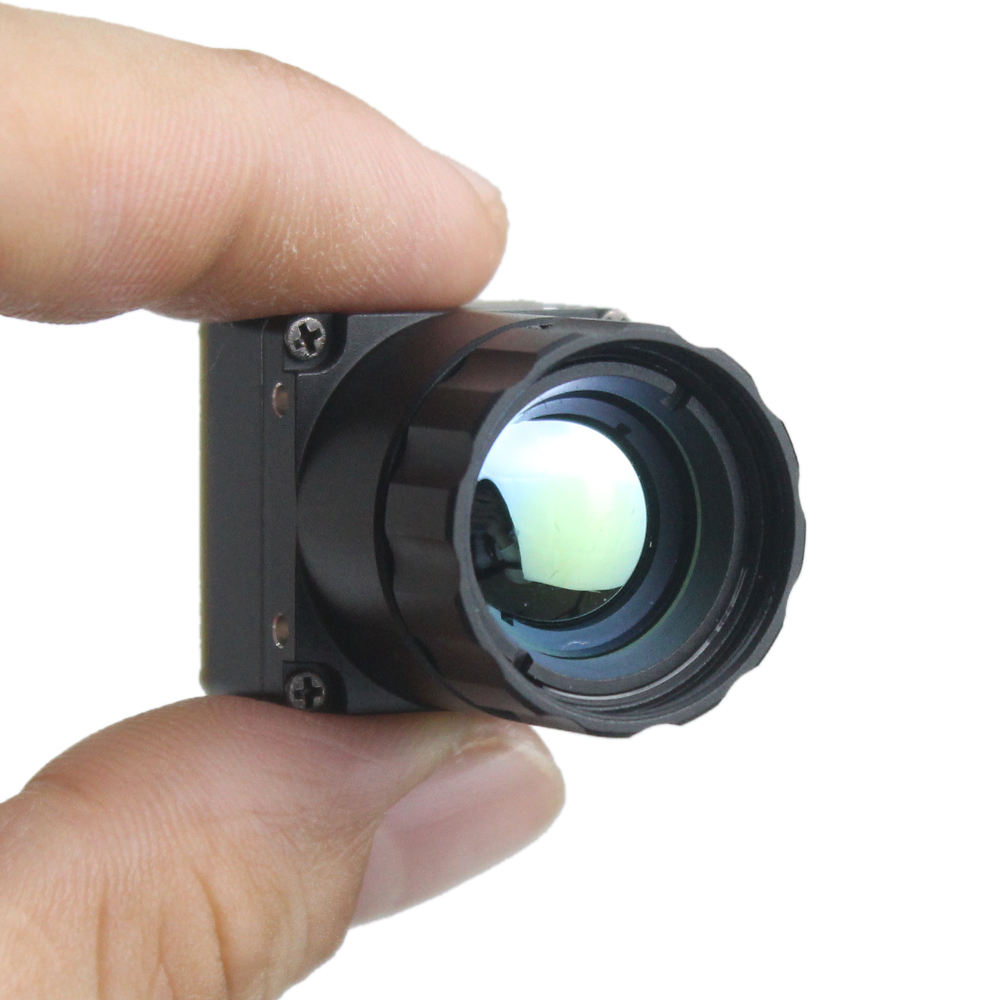
The MINI series infrared thermal imaging temperature measurement module is a high-precision, small-sized, and universal online temperature measurement infrared thermal imager. It uses high-quality detectors, offering stable performance and powerful functions even in a vastly reduced footprint. It is equipped with multiple interfaces, making it a preferred product in application fields such as machine vision, safety inspection, intelligent manufacturing, equipment maintenance, and robot drone airborne.
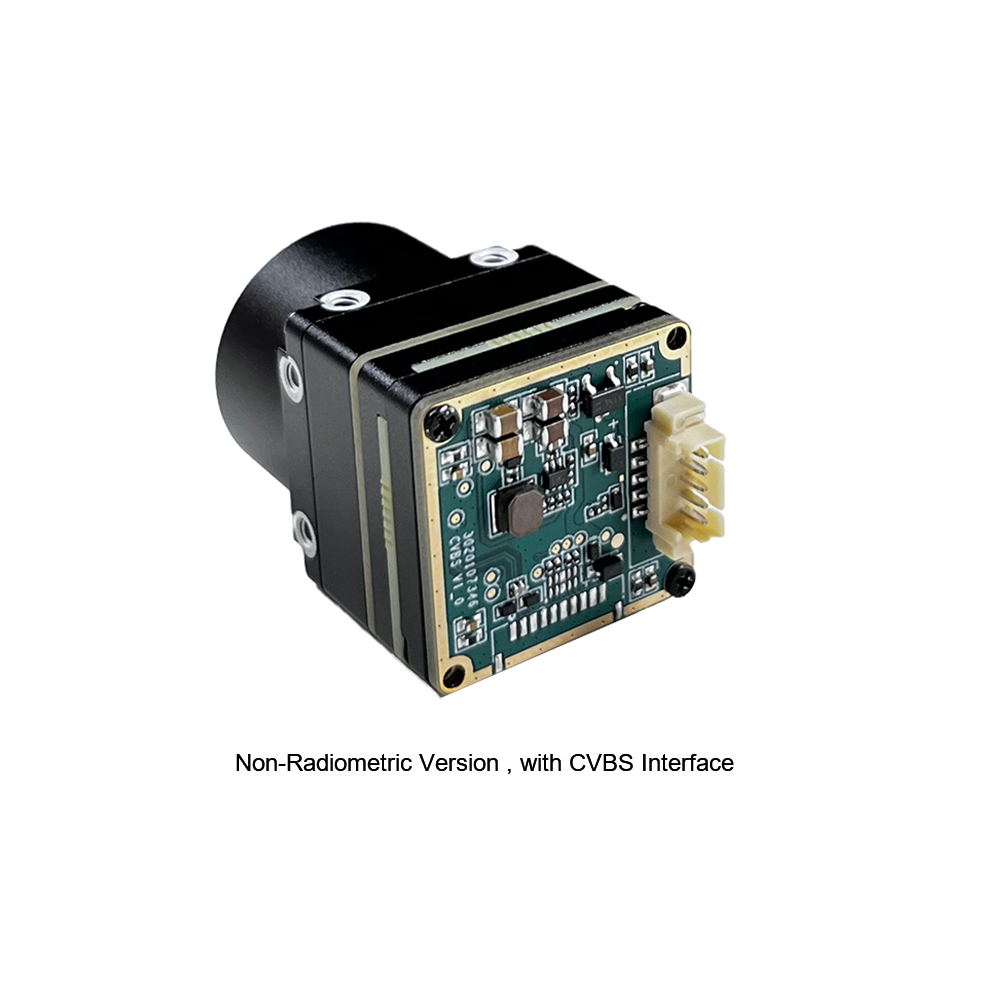
This module is specifically designed for integration into ecosystems where space is the absolute constraint. Despite its size, it maintains thermal sensitivity (NETD) levels comparable to much larger devices, ensuring that temperature measurement remains accurate for industrial safety checks. Whether you are building a fleet of inspection robots or adding eyes to a micro-drone, the MINI 384 represents the gold standard in versatile thermal sensing.
View Product Details & Pricing ➔
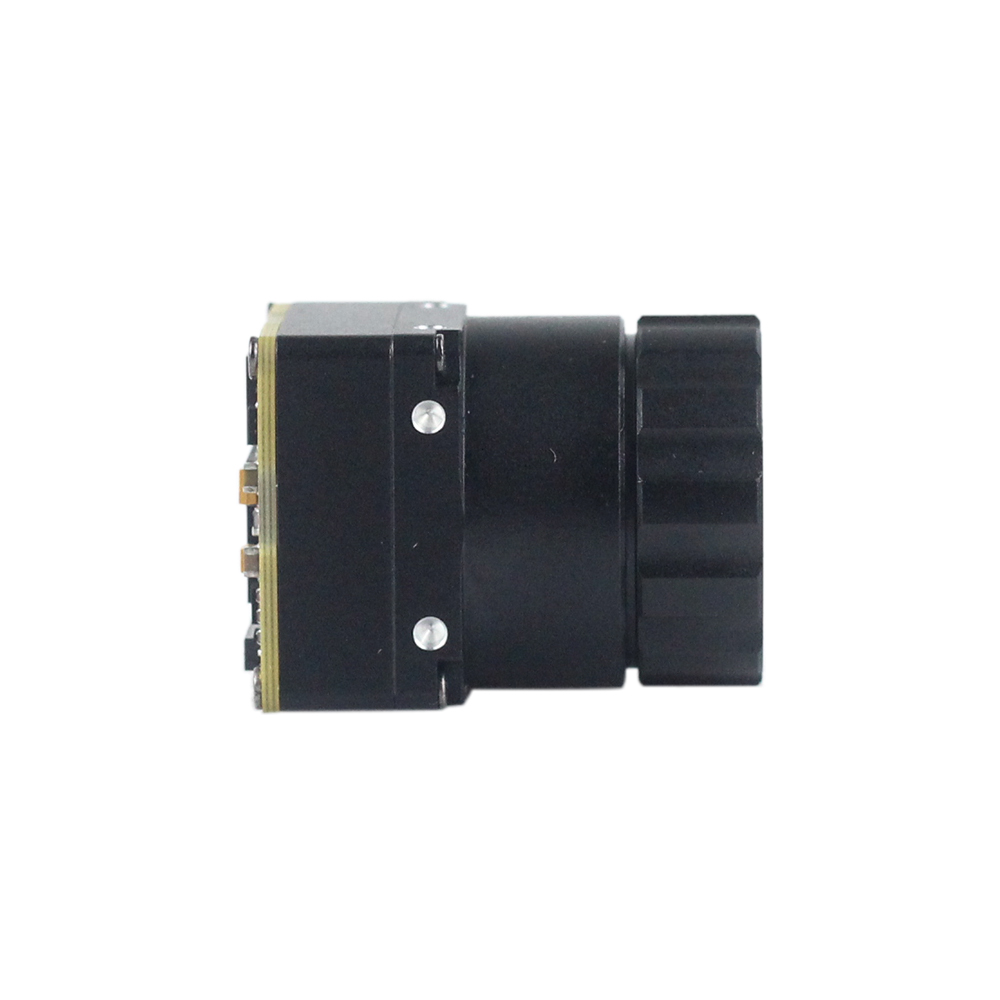
Knowledge Vault: Frequently Asked Questions
How can I integrate a thermal camera module into my drone without complex wiring?
Are there affordable thermal modules for drones that don't sacrifice image quality?
Which communication protocols are used for thermal footage transmission?
Ready to upgrade your UAV payload? Contact our engineering team for custom SDK documentation or bulk OEM pricing.
📚 References & Further Reading
- Industry Standard: Explore KUYANG for sensor manufacturing standards
- Computer Vision Analysis: OpenCV for advanced image processing
- Related Guide: Purpleriver Technical Knowledge Base
- Corporate Strength: Purpleriver Enterprise Strength & Quality Control
- News & Updates: Purpleriver Official Industrial Blog