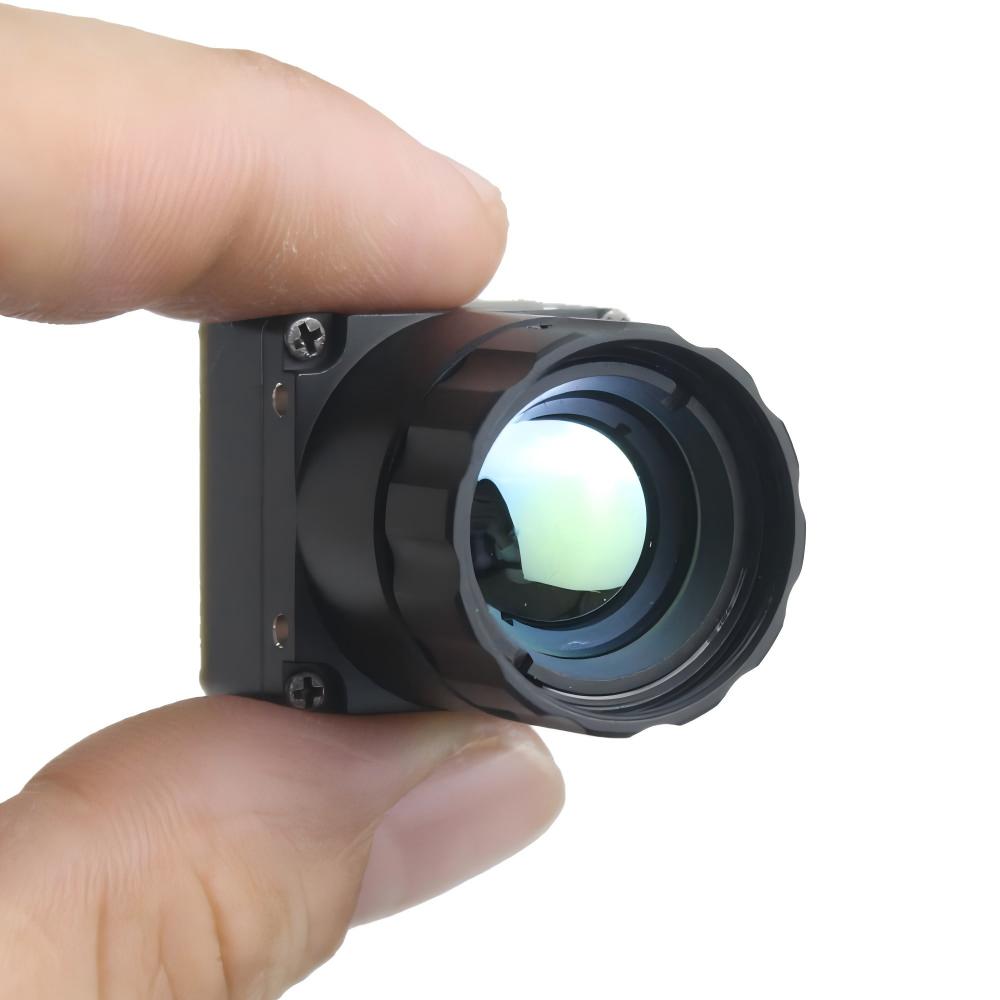
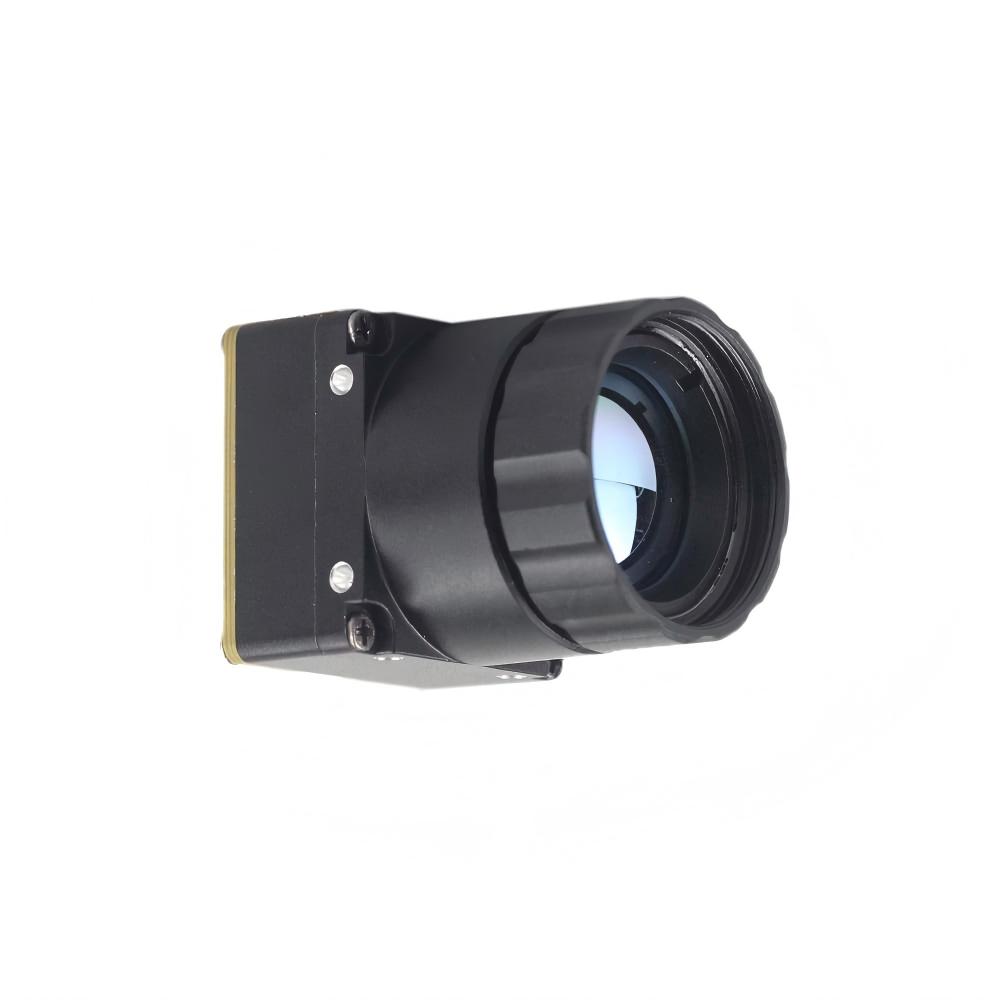
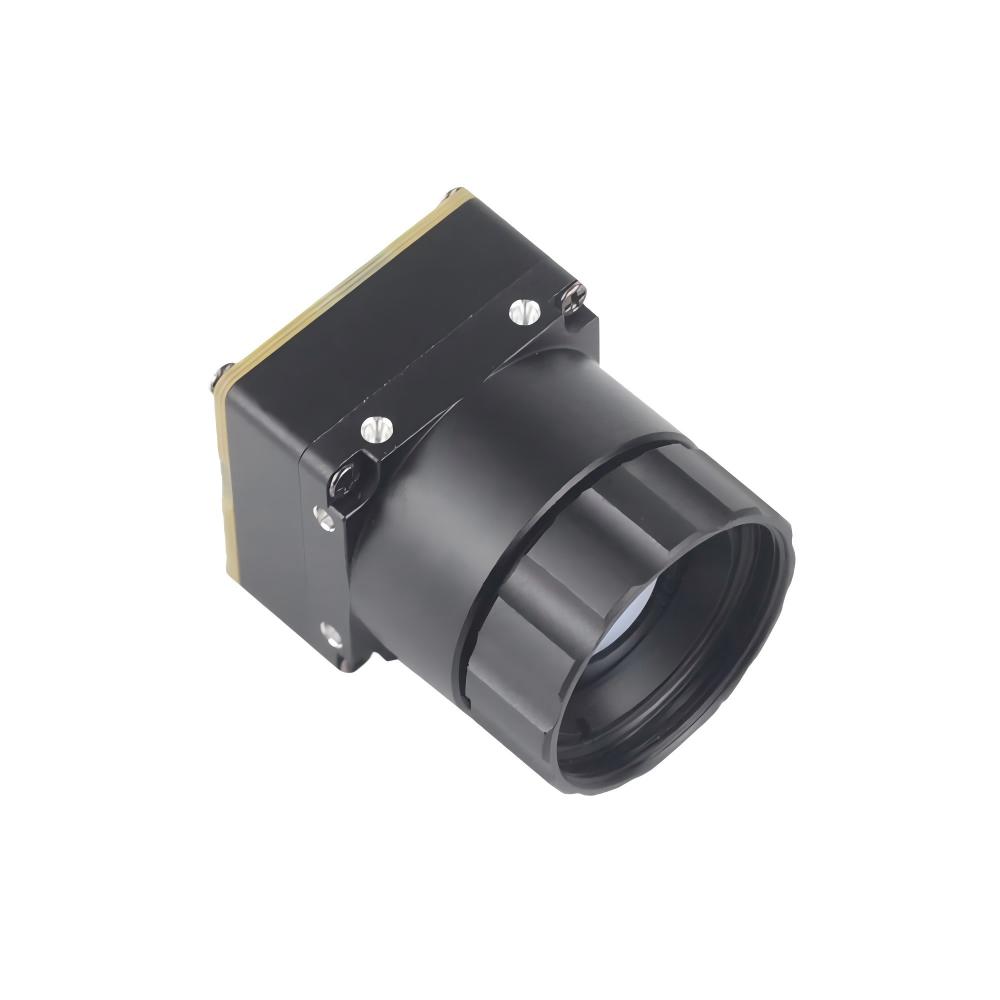
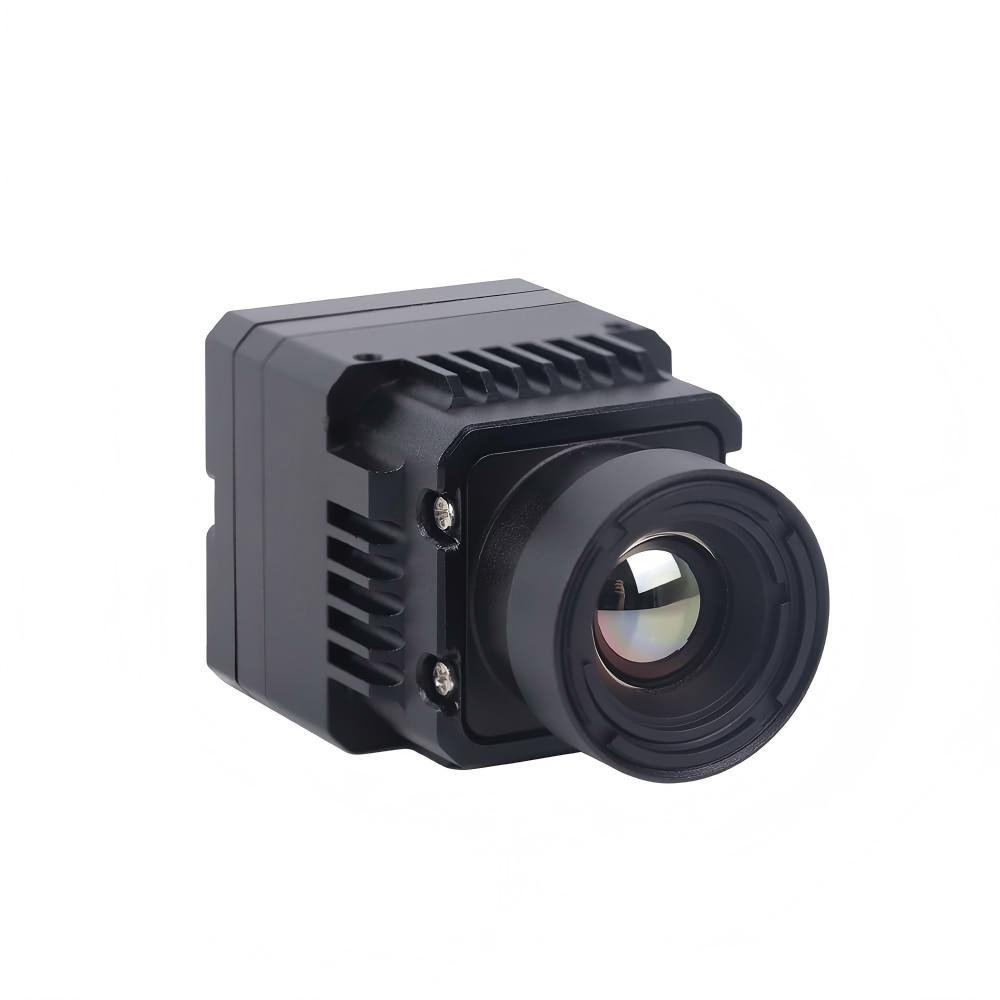
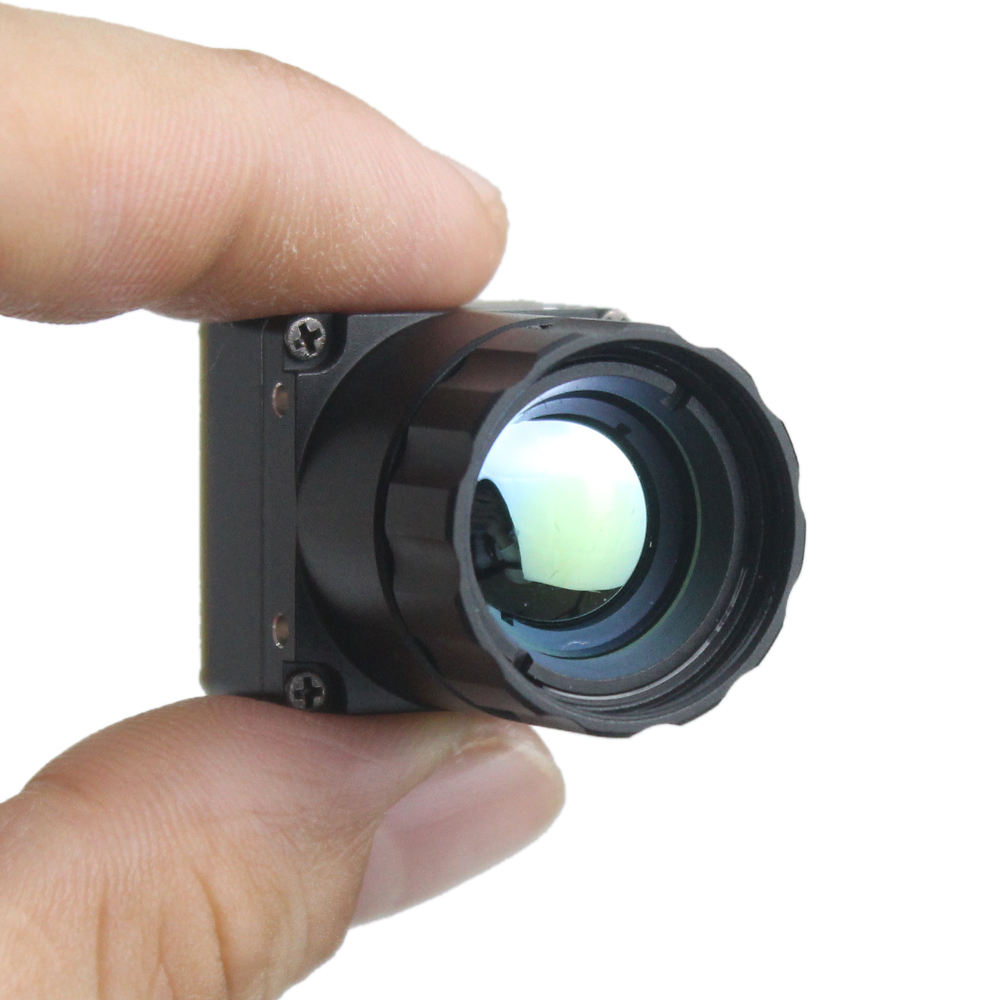
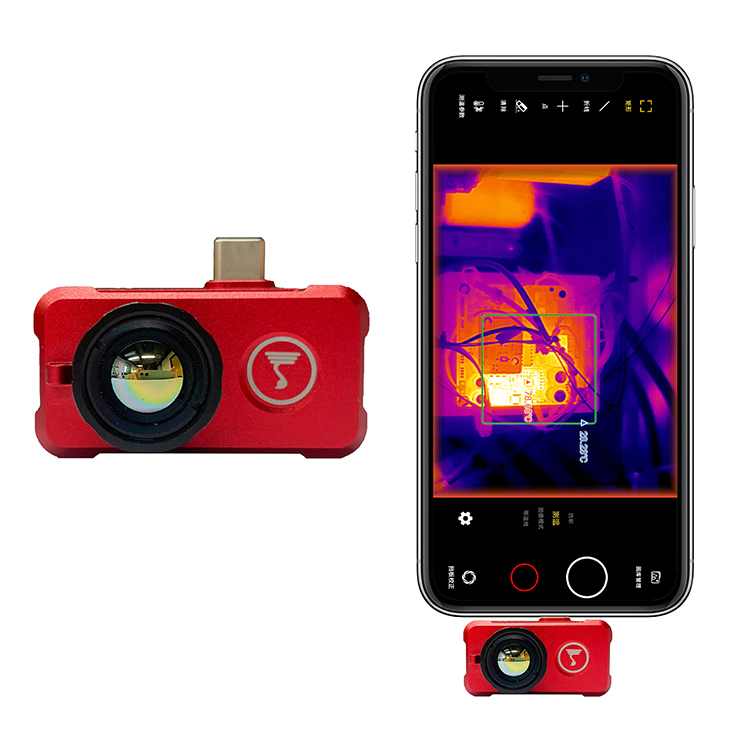
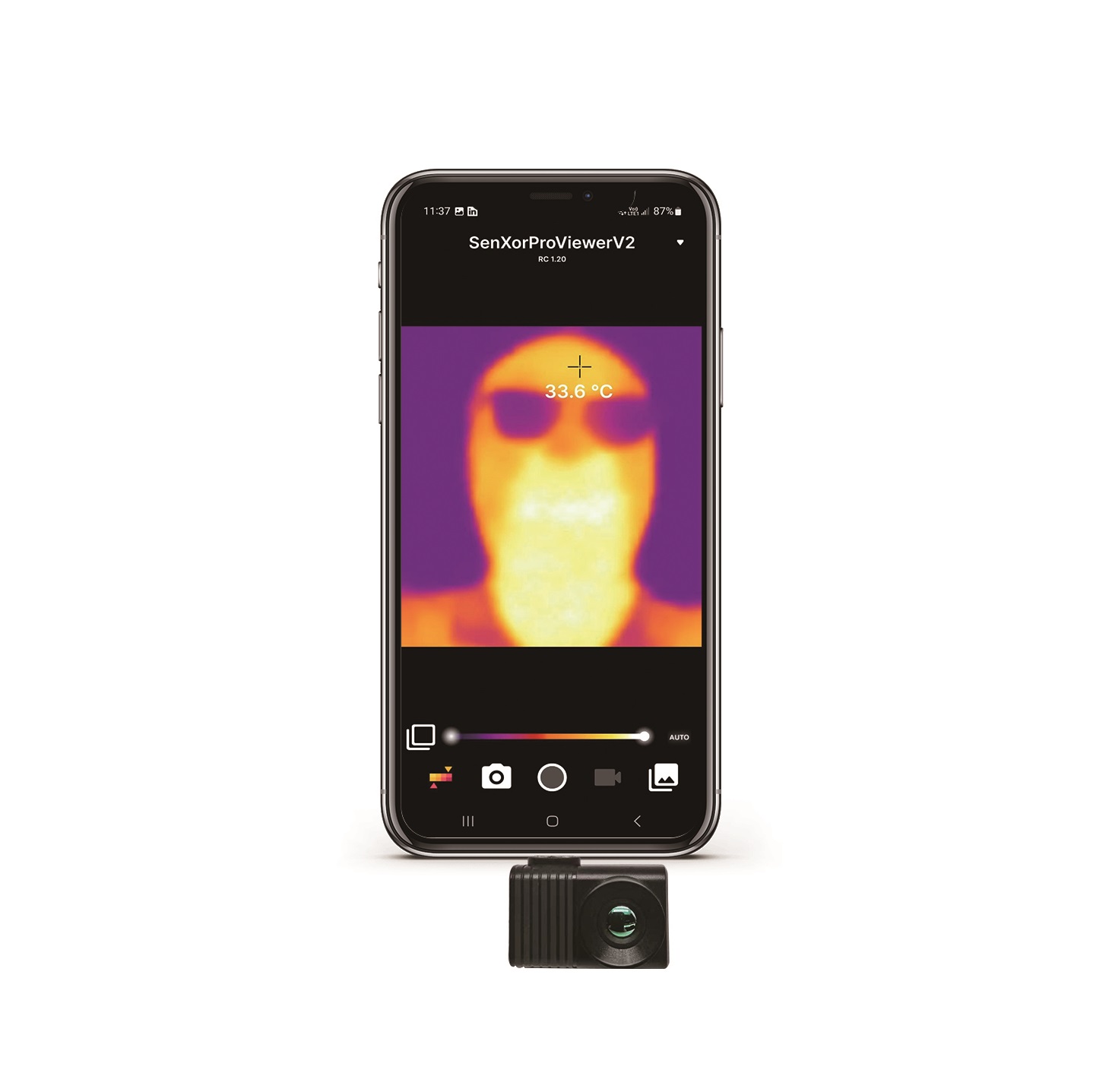
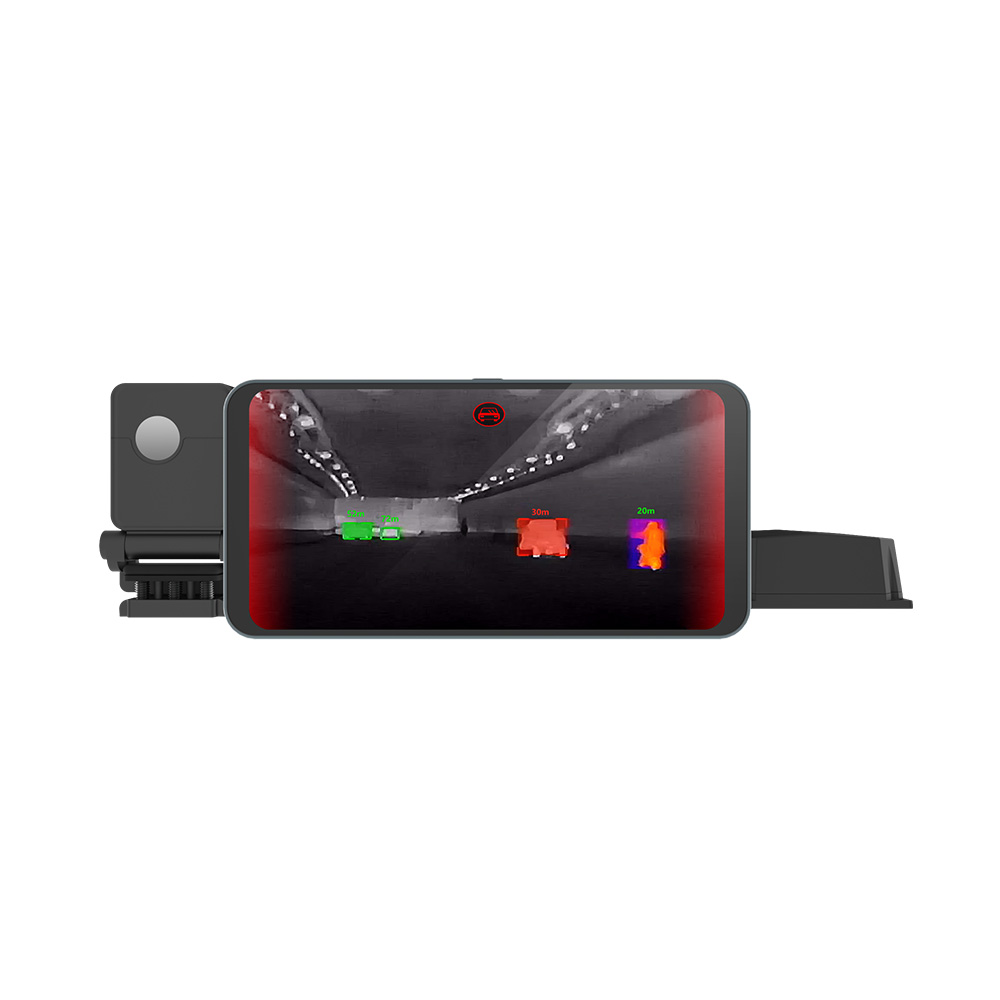


وحدة كاميرا التصوير الحراري بالأشعة تحت الحمراء المحمولة YWX256 الصغيرة للأمن عبر USB للهاتف المحمول بدقة 256x192 ومعدل 25 هرتز: دليل OEM الشامل
28 يوليو 2026
دليل اختيار وحدة الكاميرا بالأشعة تحت الحمراء: التصوير الحراري عالي الدقة للطائرات بدون طيار والذكاء الاصطناعي المضمن
29 يوليو 2026
وحدة التصوير الحراري الصناعية: نوى LWIR عالية الدقة للطائرات بدون طيار والذكاء الاصطناعي الطرفي
إذا كنت تقوم ببناء أنظمة كهروضوئية اليوم، فأنت تعلم بالفعل أن وحدة التصوير الحراري هي القلب المطلق للفحص الحراري الحديث، والملاحة الذاتية، والحمولات الدفاعية، وأتمتة المصانع. تعمل هذه النوى العاملة بالأشعة تحت الحمراء المدمجة ضمن طيف الأشعة تحت الحمراء طويلة الموجة (LWIR) (من 8 ميكرومتر إلى 14 ميكرومتر)، وتلتقط الإشعاع الحراري للجسم الأسود المحيط وتحوله إلى تدفقات بيانات إشعاعية عالية الدقة أو خرائط حرارية بصرية واضحة. على عكس مستشعرات CMOS القياسية للطيف المرئي التي تصاب بالعمى لحظة انخفاض الضوء أو تصاعد الغبار، تكتشف مصفوفات المستوى البؤري (FPAs) غير المبردة العاملة بالأشعة تحت الحمراء طويلة الموجة فروقًا حرارية دقيقة للغاية (ΔT) تصل إلى مستويات دون 30 ملي كلفن. انظر، هذا يعني رؤية تشغيلية كاملة عبر الظلام الدامس، والدخان الكثيف، والغبار الثقيل، والضباب الجوي الكثيف حيث تختنق أنظمة الرؤية النهارية القياسية تمامًا.
إليك جوهر الأمر: بالنسبة لمتكاملي أنظمة OEM، ومصممي الأجهزة المدمجة، ومهندسي حمولات الطائرات بدون طيار، فإن اختيار وحدة الكاميرا الحرارية المناسبة لا يقتصر على مجرد تصفح ورقة البيانات. أنت توازن بين الدقة البصرية (من مصفوفات 256×192 المدمجة للمبتدئين وصولاً إلى قوى 640×512 أو 1280×1024 عالية الوضوح)، وتباعد البكسل (12 ميكرومتر مقابل 17 ميكرومتر)، والحساسية الحرارية (NETD)، وزمن انتقال الناقل الرقمي (MIPI-CSI2، UVC USB، رقمي متوازي)، وقيود SWaP-C الصارمة (الحجم، الوزن، الطاقة، والتكلفة). مع انتقال أعباء العمل الحسابية من خوادم سحابية بعيدة إلى الأجهزة المحلية، أصبحت النوى الحرارية الحديثة الآن مجهزة بمعالجات إشارة صور (ISP) onboard وخطوط أنابيب منخفضة زمن الانتقال صُممت خصيصًا لتغذية معالجات الذكاء الاصطناعي الطرفي المتعطشة مثل سلسلة NVIDIA Jetson Orin، ووحدات حوسبة Raspberry Pi، ووحدات المعالجة العصبية المخصصة (NPUs).
جدول المحتويات
- 👉 الفيزياء والبنية الأساسية للميكروبولومتر
- 👉 الواجهات المدمجة: MIPI CSI-2 و UVC USB والبروتوكولات الرقمية
- 👉 تحسين SWaP-C للطائرات بدون طيار وأجهزة الذكاء الاصطناعي الطرفي
- 👉 المعايرة الإشعاعية مقابل الرؤية الحرارية النوعية
- 👉 الهندسة البصرية: عدسات الجرمانيوم مقابل عدسات الكالكوجينيد
- 👉 وحدات LWIR الحرارية الصناعية المميزة والمواصفات الحقيقية
- 👉 الأسئلة الشائعة التقنية ودليل استكشاف الأخطاء وإصلاحها للمطورين
الفيزياء والبنية الأساسية للميكروبولومتر
لنتحدث عن فيزياء الكاشف. تعمل وحدات الكاميرا الحرارية الحديثة غير المبردة على مصفوفات المستوى البؤري (FPAs) من نوع الميكروبولومتر. مصفوفة الميكروبولومتر هي في الأساس شبكة من عناصر الامتصاص المجهرية المعلقة فوق ركيزة من السيليكون، مفصولة بفجوة هوائية صغيرة تعمل كتجويف رنين بصري. عندما تصطدم فوتونات الأشعة تحت الحمراء طويلة الموجة (LWIR) في النطاق من 8 ميكرومتر إلى 14 ميكرومتر بطبقة الامتصاص تلك، ترتفع درجة حرارة السطح، مما يغير مباشرة المقاومة الكهربائية للمادة. يتم قراءة هذا التغير في المقاومة صفًا تلو الآخر بواسطة دائرة قراءة متكاملة (ROIC) موجودة مباشرة أسفل شبكة البكسل.
في الورشة، نقوم بتحليل هذه المستشعرات بناءً على الموصلية الحرارية ($G_{th}$) والسعة الحرارية ($C_{th}$) لأرجل الجسر الميكروني المعلقة تلك. يعتمد كل بكسل منفرد على عزل حراري شديد عن ركيزة السيليكون التي تحته. يزيد هذا العزل من ارتفاع درجة الحرارة (ΔT) لكل وحدة من طاقة الإشعاع الحراري الواردة ($P_{in}$)، محكومًا بمعادلة الاستجابة الحرارية الكلاسيكية:
ΔT = Pفي / √(Gال2 + ω2Cال2)
حيث ω هو التردد الزاوي لتعديل شدة المشهد. ثابت الزمن الحراري (τ = Cال / Gال) يضع سقفًا صارمًا لمعدل الإطارات لمصفوفات المستوى البؤري غير المبردة، وعادةً ما يتراوح بين 8 مللي ثانية و12 مللي ثانية. موازنة هذا القصور الذاتي الحراري تتيح التقاط فيديو سلس بمعدل 25 هرتز أو 30 هرتز أو 50 هرتز مع الحفاظ على عتبات حساسية فائقة الانخفاض.
1 فيزياء كاشف أكسيد الفاناديوم مقابل السيليكون غير المتبلور
عند اختيار نواة حرارية غير مبردة، ستصادف مادتين شبه موصلتين سائدتين للكاشف: أكسيد الفاناديوم (VOx) و السيليكون غير المتبلور (a-Si). إليك كيفية مقارنتهما على منصة الاختبار:
- ⚡ أكسيد الفاناديوم (VOx): يتميز بمعامل مقاومة حرارية أعلى (TCR ≈ 2% إلى 3% لكل درجة مئوية)، مما يمنحك مستويات ضوضاء أرضية أقل وحساسية حرارية أفضل بكثير (NETD). مقاييس الميكروبولوميتر المصنوعة من أكسيد الفاناديوم هي الخيار الأمثل لمراقبة الطائرات بدون طيار المتطلبة، وتتبع الأهداف بعيدة المدى، والصيانة التنبؤية، والتحليل الإشعاعي الدقيق. بينما يتطلب أكسيد الفاناديوم ضوابط صارمة لعملية التصنيع، فإنه يوفر انتظامًا لا مثيل له لمصفوفة المستوى البؤري عبر درجات الحرارة المتغيرة.
- ⚡ السيليكون غير المتبلور (a-Si): يوفر توافقًا مع تصنيع أشباه الموصلات التكميلية المعدنية القياسية، مما يخفض تكاليف الإنتاج للرؤية الليلية للسيارات بكميات كبيرة أو الأدوات التجارية الأساسية. ومع ذلك، يميل السيليكون غير المتبلور إلى المعاناة من ضوضاء وميض 1/f أعلى وأوقات استجابة حرارية أبطأ قليلاً مقارنة بأكسيد الفاناديوم عالي المستوى، مما يعني أن خط أنابيب معالج إشارة الصورة الخاص بك يجب أن يعمل بجهد أكبر مع الترشيح الرقمي المكاني.
2 فهم فرق درجة الحرارة المكافئ للضوضاء ونسب الإشارة إلى الضوضاء
فرق درجة الحرارة المكافئ للضوضاء (NETD) هو المقياس الذهبي لتقييم أداء المستشعر الحراري. يُقاس بالميلي كلفن (mK)، ويخبرك فرق درجة الحرارة المكافئ للضوضاء بفرق درجة حرارة الهدف الدقيق حيث تساوي إشارة الميكروبولوميتر مستوى ضوضاء النظام. الأرقام المنخفضة تعني صورًا أنظف وأكثر وضوحًا:
NETD = VN / (∂Vالخرج / ∂T)
هنا، VN هو جهد الضوضاء الكهربائية RMS من دائرة القراءة المتكاملة، و (∂Vالخرج / ∂T) هي استجابة المستشعر. النوى الصناعية الثقيلة تخفض تصنيفات فرق درجة الحرارة المكافئ للضوضاء إلى أقل من 30 ملي كلفن إلى 40 ملي كلفن عند 25 درجة مئوية. أرقام فرق درجة الحرارة المكافئ للضوضاء المنخفضة تعني أن كاميرتك يمكنها التقاط التفاصيل الحرارية الدقيقة حتى في المشاهد المسطحة منخفضة التباين - مثل الرطوبة العالية، أو الضباب الغزير، أو البيئات متساوية الحرارة حيث تتقارب درجات حرارة الخلفية والهدف بشكل وثيق.
دفع تدفقات رقمية عالية الكثافة من مصفوفات المستوى البؤري عالية الدقة إلى وحدة المعالجة الخاصة بك يتطلب سلامة إشارة مضادة للرصاص. في بناءات الأجهزة المخصصة، يعتمد المهندسون على أحزمة أسلاك محورية دقيقة فائقة المرونة من متخصصين مثل رجل الكابل المحوري الصغير لتغذية الإشارات الرقمية عالية السرعة عبر محاور الطائرات بدون طيار الضيقة متعددة المحاور دون إعادة ضوضاء كهربائية إلى قضبان طاقة دائرة القراءة المتكاملة الحساسة.
الواجهات المدمجة: MIPI CSI-2 و UVC USB والبروتوكولات الرقمية
توصيل وحدة حرارية غير مبردة بمنصتك المدمجة يعني اختيار بروتوكول النقل المادي الصحيح. عليك موازنة زمن الوصول، وعرض النطاق الترددي للبيانات الخام، واستخدام وحدة المعالجة المركزية المضيفة، ومساحة موصل اللوحة.
تدفق الإشارة مباشر: البيانات الخام من مصفوفة المستوى البؤري لأكسيد الفاناديوم تتدفق إلى معالج إشارة صورة مدمج لتصحيح عدم الانتظام، ومعادلة الإطار، ورسم الخرائط اللونية. من هناك، يضخ متحكم الواجهة الفيديو عبر واجهات مادية مثل MIPI CSI-2 أو USB UVC مباشرة إلى ذاكرة الوصول العشوائي المضيفة باستخدام الوصول المباشر للذاكرة (DMA). هذا يسمح لمعالجات الحافة المضيفة التي تشغل TensorRT أو OpenCV بالتعامل مع التتبع في الوقت الفعلي، أو اكتشاف الهدف، أو استخراج درجة الحرارة دون التورط في اختناقات تسلسل وحدة المعالجة المركزية.
1 اقتران المستشعر المباشر MIPI CSI-2
عندما يكون زمن وصول الناقل دون المللي ثانية وأداء النسخ الصفري مهمًا،, MIPI CSI-2 هو المعيار بلا منازع في الروبوتات، ومحاور الطائرات بدون طيار، والمعدات التكتيكية. تفرض طبقات USB إدخال الإطارات في مكدسات برامج تشغيل المضيف الثقيلة؛ بينما يربط MIPI CSI-2 معالج إشارة الصورة (ISP) الخاص بوحدة التصوير الحراري مباشرة بمستقبل الكاميرا العتادي لمعالج التطبيقات المضيف (الموجود في شرائح مثل Rockchip RK3588، أو Raspberry Pi BCM2711، أو NVIDIA Jetson Orin).
من خلال تشغيل مسارات D-PHY أو C-PHY التفاضلية عالية السرعة، يبث MIPI CSI-2 بيانات إشعاعية خام 14-بت أو إطارات YUV/RGB 8-بت بزمن انتقال شبه معدوم. يسمح خط الأنابيب الأصلي هذا لنماذج الذكاء الاصطناعي الطرفية بمعالجة فيديو حراري بمعدل 50 هرتز بأقل حمل على وحدة المعالجة المركزية، مما يترك مساحة حسابية وافرة لروتينات الطيران والملاحة ودمج المستشعرات المتعددة.
2 خطوط أنابيب معالج إشارة الصورة (ISP) المدمجة وتقليل زمن الانتقال
Raw microbolometers generate high-dynamic-range 14-bit or 16-bit counts. Modern industrial thermal cores process these raw feeds through embedded hardware ISPs before handing them off to the host interface:
- ⚙️ Digital Detail Enhancement (DDE): Advanced spatial high-pass filtering that sharpens subtle scene features—like power lines, structural edges, and distant targets—without blowing up background noise.
- ⚙️ Adaptive Automatic Gain Control (AGC): Dynamic range compression algorithms (including CLAHE and non-linear histogram equalization) that transform 14-bit raw thermal data into clear 8-bit visual palettes (White Hot, Black Hot, Ironbow, Rainbow) optimized for human eyes or vision AI networks.
If you're laying out custom circuit boards or debugging high-speed digital buses, check out our comprehensive B2B Integration Guide for Thermal & IR Modules to streamline hardware design and timing verification.
تحسين SWaP-C للطائرات بدون طيار وأجهزة الذكاء الاصطناعي الطرفي
Out in the field, whether you are building UAV payloads, ground rovers, or soldier-wearable optics, SWaP-C (Size, Weight, Power, and Cost) rules everything. Every extra gram burns flight time and slows gimbal response.
| SWaP-C Architectural Parameter | Miniature Core (256×192 Resolution) | High-Definition Core (640×512 Resolution) |
|---|---|---|
| Core Module Physical Mass | < 15 grams (Lens dependent) | < 32 grams (Lens dependent) |
| Typical Electrical Power Consumption | 350 mW to 500 mW @ 3.3V DC | 1.0 W to 1.3 W @ 5.0V DC |
| Physical Enclosure Envelope | 21mm × 21mm × 21mm | 30mm × 30mm × 28mm |
| Operating Temperature Qualification | -40°C to +80°C industrial class | -40°C to +85°C military/industrial class |
3.1 Payload Weight & Thermal Dissipation Management
Ultra-compact LWIR modules (under 20 grams) let drone builders fit dual electro-optical/infrared (EO/IR) gimbals without sacrificing payload capacity. But keeping things tiny inside sealed gimbal housings brings thermal management front and center. Heat generated by the ISP and power regulators can build up inside the shell, creating uneven thermal gradients across the detector die that distort temperature readings.
To keep sensor drift under control, you need solid thermal pathways. Use high-performance thermal gap pads to bridge heat directly from the core engine to the outer aluminum chassis. Rugged board-to-board connectors and structural mounts sourced from industrial suppliers like TE Connectivity provide mechanical stability and thermal dissipation under heavy flight vibration.
3.2 Edge AI Thermal Analytics Integration
Autonomous drones and ground vehicles need instant target identification without relying on laggy wireless cloud links. Integrating LWIR modules into local edge platforms means routing 14-bit radiometric or 8-bit visual feeds through zero-copy DMA buffers directly into hardware-accelerated inferencing engines like TensorRT, ONNX Runtime, or OpenVINO.
Because infrared vision cuts right through shadows, glaring sunlight, and complete night conditions, thermal-trained AI models (like custom YOLOv8 networks) deliver dependable object detection for search and rescue, power line monitoring, agricultural inspection, and perimeter security systems.
المعايرة الإشعاعية مقابل الرؤية الحرارية النوعية
In the shop, we divide thermal modules into two distinct functional categories based on your end goal: Qualitative Vision Modules و Quantitative Radiometric Modules.
Qualitative cores focus on high contrast, sharp structural edges, and dynamic color palettes so operators or computer vision models can spot shapes quickly. Quantitative radiometric cores, on the other hand, undergo multi-point factory calibration using blackbody targets, enabling them to measure exact surface temperatures on every single pixel in the matrix.
4.1 Temperature-Linear Output Calibration
Radiometric modules deliver a Temperature-Linear (T-Linear) digital output where 14-bit pixel values correspond directly to real temperatures in Kelvin or Celsius. The module solves Planck's radiation law on the fly, adjusting for atmospheric attenuation:
Spixel = R / (B · exp(F / Ttarget) - 1) + O
Where R, B, F, and O are factory-calibrated Planck constants tied to the core's optical path and detector die. By factoring in target emissivity (ε), distance, humidity, and ambient reflection, the module delivers surface temperature accuracy within ±2°C or ±2%. That level of precision is vital for substation monitoring, solar panel diagnostics, and early fire safety systems. For mobile thermal surveillance on vehicles, take a look at our specialized Vehicle Mounted Thermal Camera Systems.
4.2 Non-Uniformity Correction (NUC) & Shutter Control
Microbolometer manufacturing variations mean every pixel has slight differences in baseline resistance and thermal response. Non-Uniformity Correction (NUC) fixes these variations to deliver a clean, uniform image grid.
Standard thermal modules drop a mechanical shutter across the optical path every few minutes to perform Flat-Field Correction (FFC), updating pixel offsets while briefly pausing live video output. Advanced cores built for drones and rapid surveillance switch to shutterless NUC technology. These shutterless designs combine ambient housing thermistors with scene-based non-uniformity correction (SBNUC) algorithms to correct offset drift continuously without freezing video or adding heavy mechanical components.
الهندسة البصرية: عدسات الجرمانيوم مقابل عدسات الكالكوجينيد
Standard optical glass blocks LWIR light, rendering typical lenses completely opaque between 8μm and 14μm. Thermal imaging systems require optics engineered from specialized infrared-transparent materials:
- 🔍 Monocrystalline Germanium (Ge): Features an exceptionally high refractive index (n ≈ 4.0) with minimal optical dispersion across the LWIR band. Germanium is the ultimate glass for high-res thermal optics, providing maximum throughput and razor-sharp MTF performance. Lenses are typically coated with Diamond-Like Carbon (DLC) anti-reflective coatings to withstand scratches, salt spray, and harsh weather.
- ⚙️ Chalcogenide Glass: An amorphous compound containing sulfur, selenium, or tellurium. Unlike Germanium elements that require diamond turning, Chalcogenide optics can be precision-molded at high volumes, drastically lowering production costs for high-quantity OEM integrations.
- 🛡️ Passive Optical Athermalization: Germanium changes refractive index with temperature shift (dn/dT). Without proper design, broad operating spans (-40°C to +80°C) cause image defocus. Lenses built with passive mechanical compensation spacers or hybrid chalcogenide optics hold sharp focus across extreme temperature swings without needing heavy motor drives.
وحدات LWIR الحرارية الصناعية المميزة والمواصفات الحقيقية
To help you evaluate hardware for your next system design, here are the detailed parameters for two of our benchmark thermal imaging engines. Explore full options, alternative optics, and starter kits through the Purpleriver Thermal Imaging Core Platform.
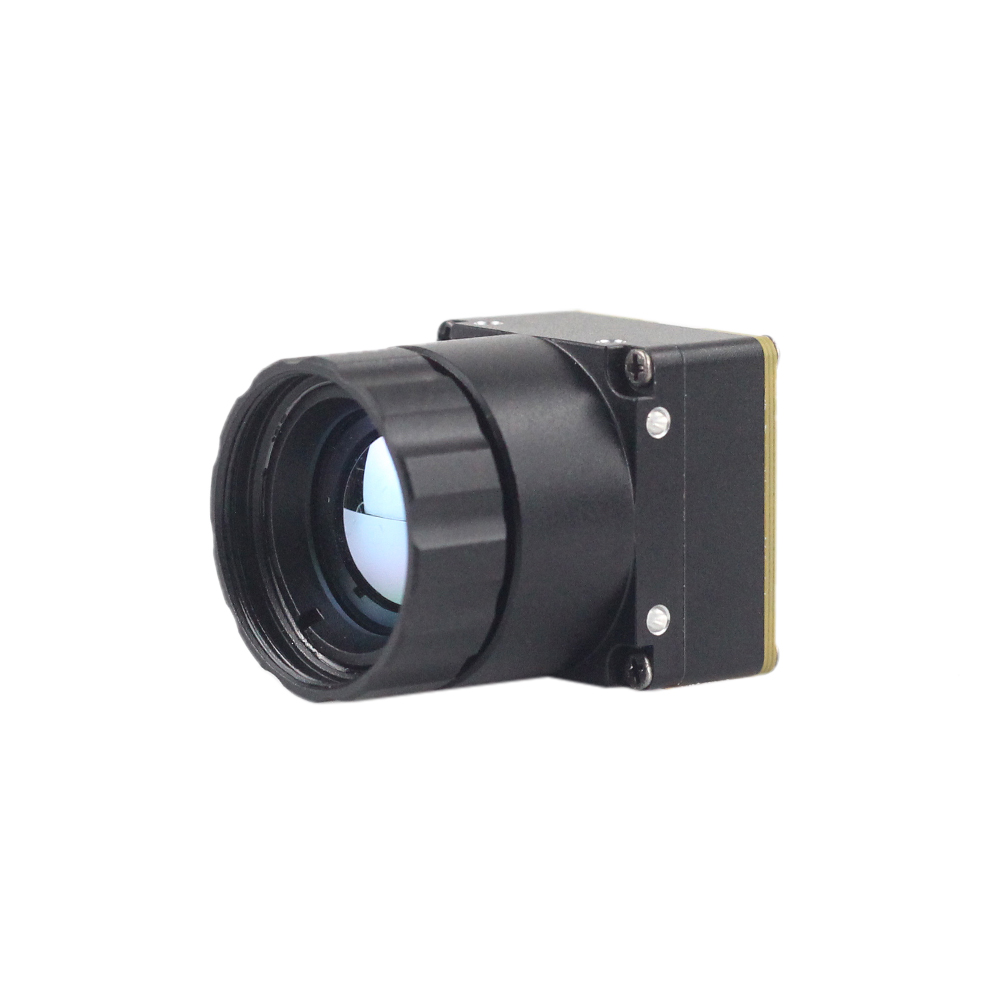
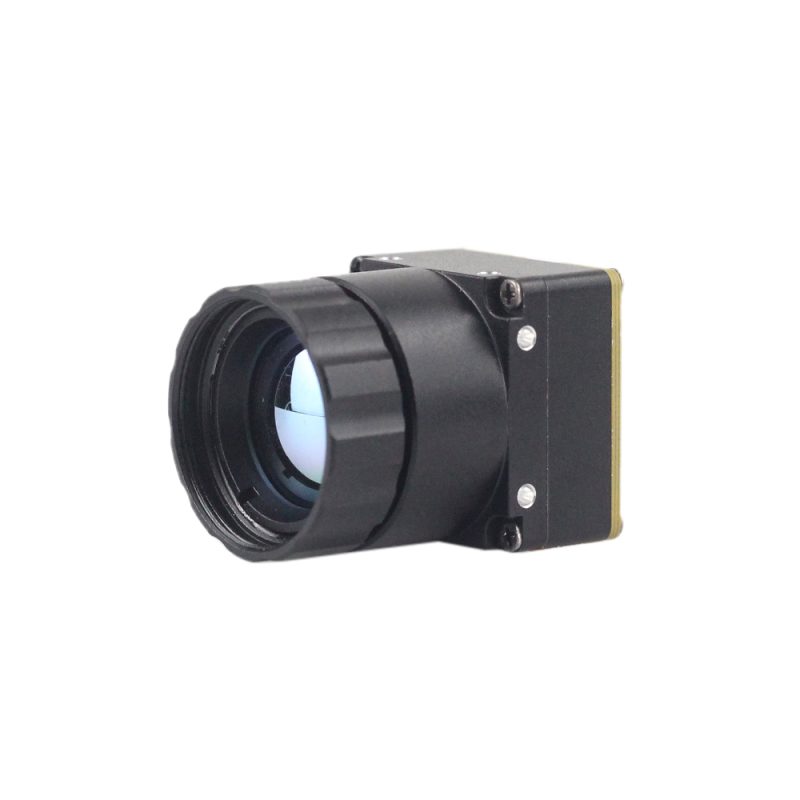
Mini 256 Uncooled LWIR Thermal Camera Module
The Mini 256 Uncooled LWIR Thermal Camera Module features a high-performance infrared microbolometer array built for ultra-clear vision and precise radiometric telemetry. Engineered for handheld tools, compact ground robotics, inspection equipment, and lightweight UAV payloads, it captures ambient thermal energy and outputs clean, low-noise video with accurate pixel-level temperature data.
| Parameter | Specification |
|---|---|
| Focal Plane Array Resolution | 256 × 192 pixels |
| تباعد البكسل | 12 μm high-density array |
| Spectral Response Range | 8 μm ~ 14 μm (LWIR) |
| الحساسية الحرارية (NETD) | ≤ 40 mK @ 25°C, F/1.0 |
| Output Digital Interfaces | DVP Parallel, USB 2.0, UART control commands |
| Radiometric Functionality | Full-frame T-Linear absolute temperature radiometric output |
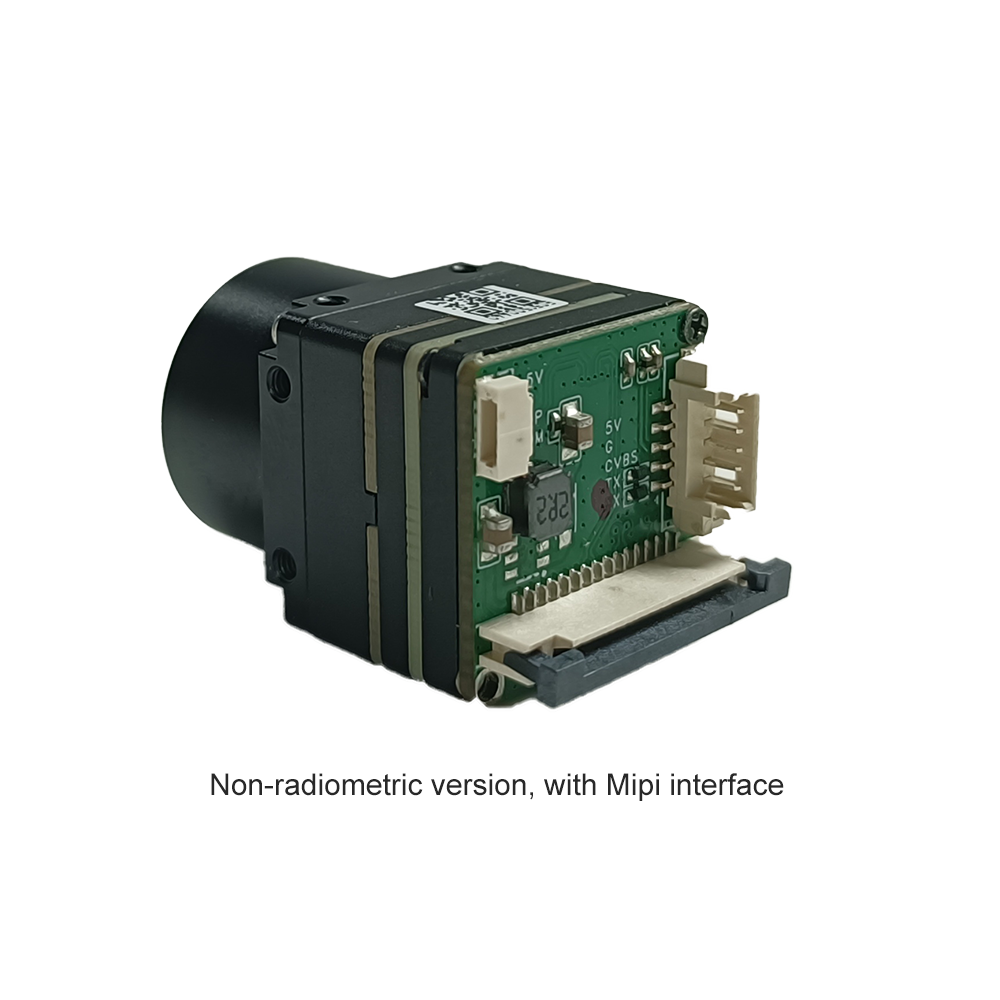
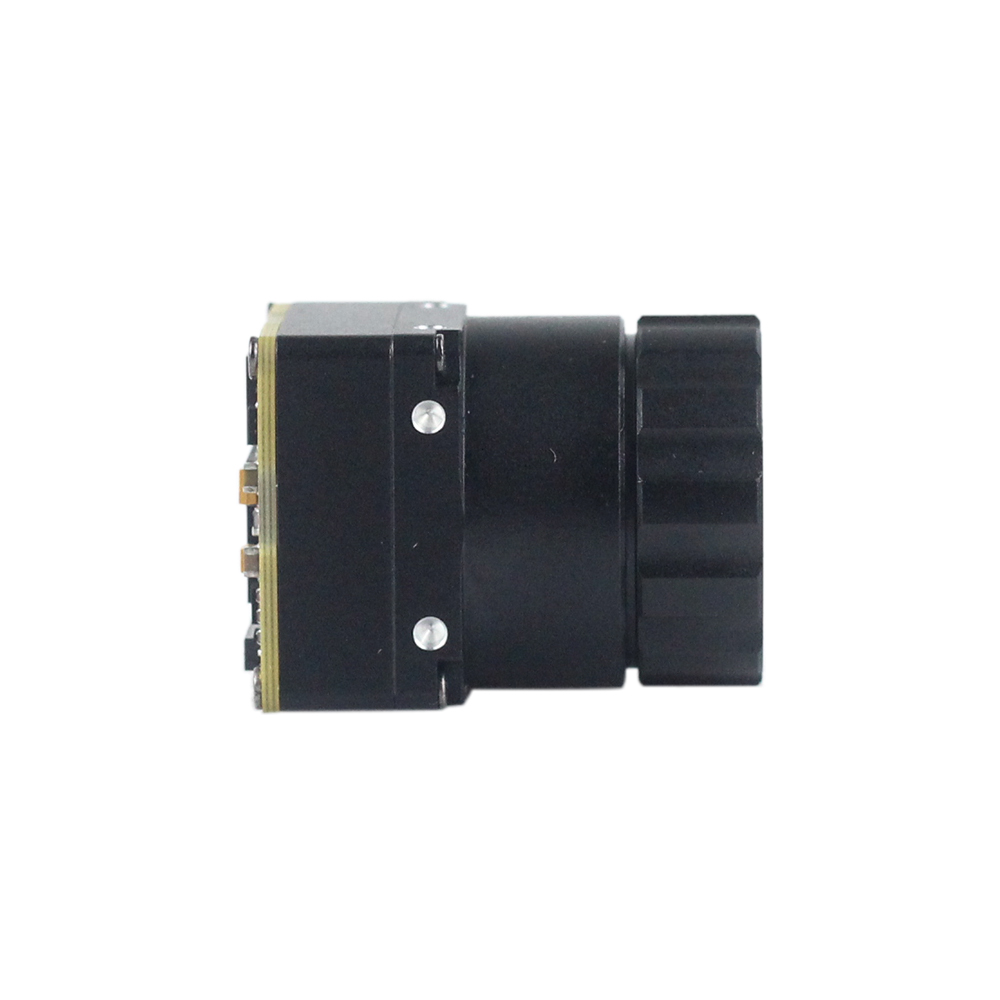
Uncooled Infrared MIPI 640×512 9mm Thermal Imaging Module
The Uncooled Infrared Mini2 640×512 9mm Thermal Imaging Camera Module is tailored for drone payload integration, aerial inspection platforms, and high-definition surveillance systems. Featuring exceptional image crispness, low power draw, and a tiny physical footprint, it delivers professional thermal optics for advanced UAV applications.
| Parameter | Specification |
|---|---|
| Focal Plane Array Resolution | 640 × 512 High-Definition resolution |
| Pixel Pitch & Focal Length | 12 μm pitch with 9mm high-throughput LWIR lens |
| Spectral Response Band | 8 μm ~ 14 μm (LWIR) |
| الحساسية الحرارية (NETD) | ≤ 35 mK @ 25°C |
| Digital Data Interfaces | MIPI CSI-2, USB, Direct Digital interface options |
| Visual ISP Enhancement | Integrated Digital Detail Enhancement (DDE) and dynamic AGC controls |
الأسئلة الشائعة التقنية ودليل استكشاف الأخطاء وإصلاحها للمطورين
How can I stream real-time video from a thermal imaging module to embedded boards like Raspberry Pi with minimal latency?
Look, keeping glass-to-glass latency below 50ms on single-board computers (SBCs) like the Raspberry Pi 4/5, Rockchip RK3588, or NVIDIA Jetson comes down to hardware choice. You need a thermal core equipped with direct digital hardware interfaces—specifically MIPI CSI-2 or low-overhead UVC USB configuration.
Using MIPI CSI-2, the thermal core registers as a native V4L2 device directly inside the Linux kernel. That routes 14-bit raw or 8-bit visual frames straight into host system RAM over Direct Memory Access (DMA), bypassing CPU memory copy cycles completely. Purpleriver modules feature onboard ISP hardware that handles spatial filtering, detail enhancement, and palette mapping right on the sensor board. That keeps host CPU load under 5%, leaving plenty of headroom for 50Hz streaming alongside your Edge AI pipelines. Our SDKs include native C++ and Python bindings for zero-copy frame ingestion directly into OpenCV.
Are these compact thermal imaging modules suitable for custom Edge AI integration on drones?
Absolutely. Purpleriver's uncooled LWIR thermal cores are designed specifically for strict SWaP (Size, Weight, and Power) applications. Drawing between 350mW and 1.2W while weighing under 35 grams with optics, these modules preserve flight endurance and keep motor load down on multi-axis stabilization gimbals.
The cores deliver dual output streams: an 8-bit visual stream sharpened by Digital Detail Enhancement (DDE) for neural network target identification (such as YOLOv8, MobileNet, or custom CNNs), plus a 14-bit radiometric raw stream for threshold temperature monitoring. This lets your payload execute onboard target tracking, SAR ops, power grid inspection, or wildfire detection right on processors like the Jetson Orin Nano, eliminating reliance on spotty wireless video links.
What is the operational difference between 12μm and 17μm pixel pitch thermal camera modules?
Pixel pitch is simply the center-to-center spacing between pixels on the microbolometer die. Moving from older 17μm pixel designs down to modern 12μm geometry gives you two major optical and mechanical advantages:
1. Smaller Optical Apertures: A 12μm pixel array at 640×512 resolution forms a physically smaller FPA die than a 17μm sensor with the same resolution. That means you can use significantly smaller, lighter Germanium optical elements to get the same focal length and field of view, slashing overall lens mass by up to 40%.
2. Compact Module Footprint: Smaller silicon real estate translates to reduced power consumption and tighter housing enclosures. Since a 12μm pixel gathers less total photon energy than a larger 17μm pixel, high sensitivity (NETD ≤ 35mK) requires advanced VOx processing and low-noise ROIC design—standard features on modern Purpleriver modules.
How do shutterless thermal modules maintain calibration without a mechanical shutter?
Traditional thermal modules drop a mechanical shutter in front of the detector periodically to run Flat-Field Correction (FFC / NUC). That updates baseline calibration, but it freezes live video for half a second to a full second.
In high-speed drone navigation, tracking, or robotic vision, video pauses are unacceptable. Shutterless thermal modules ditch the physical shutter entirely using three mechanisms:
- ⚙️ Precision thermistors mounted across the lens housing, chassis, and detector array to measure internal thermal gradients in real time.
- ⚙️ Factory-calibrated thermal drift tables stored in flash memory that dynamically offset pixel response as operational temperatures swing.
- ⚙️ Scene-Based Non-Uniformity Correction (SBNUC) algorithms that monitor motion across frames, constantly removing fixed-pattern noise without interrupting your live video feed.
📚 المراجع والقراءات الإضافية
- ✅ Industry Standard Component Solutions: Learn more about high-reliability inter-board connectors and electrical infrastructure via TE Connectivity.
- ✅ High-Frequency Interconnects: Technical micro-coaxial cable assemblies engineered for multi-axis drone gimbals from رجل الكابل المحوري الصغير.
- ✅ Related Payload System Guide: Explore ruggedized mobile thermography platforms with our Vehicle Mounted Thermal Camera Systems.
- ✅ Developer B2B Integration Guide: Review pinout details, software SDK architectures, and electrical timing diagrams via our B2B Integration Guide for Thermal & IR Modules.