
Best MIPI Thermal Camera Module for Raspberry Pi & Drone Integration: OEM/ODM Pricing Guide
2026年7月7日
Best Mini Thermal Camera Module Guide: High-Res LWIR Cores for Raspberry Pi, Drones & DIY
2026年7月9日

In the high-stakes sectors of tactical night operations, autonomous unmanned aerial vehicle (UAV) reconnaissance, and custom electro-optical system integration, the choice of a night thermal camera module determines the threshold between operational success and system failure. As modern defense research, search-and-rescue teams, and industrial perimeter security systems demand lightweight, high-thermal-sensitivity sensors, uncooled Long-Wave Infrared (LWIR) modules have emerged as the absolute gold standard. By sensing the ambient micro-emissive differences in the 8 to 14 micrometer band of the electromagnetic spectrum, these miniature sensors bypass the need for bulky, power-hungry cryogenic coolers. This offers low-power, robust, and silent operation in environments characterized by absolute darkness, dust storms, thick smoke, and battlefield obscurants.
Whether you are a defense electronics developer designing a ruggedized hand-held tactical monocular, a UAV systems integrator developing custom multi-spectral payload gimbals, or an advanced DIY engineer coupling thermal sensors with modern Single Board Computers (SBCs), understanding the core physics, electrical interfaces, and digital signal processing pipelines of your thermal core is crucial. This comprehensive technical guide details the mechanical, electrical, and optical paradigms of cutting-edge uncooled LWIR modules, equipping you with the architectural knowledge needed to select, mount, calibrate, and program your next-generation thermal imaging system.
Table of Contents
- 👉 1. Deep Physics & LWIR Mechanics of Night Thermal Modules
- 👉 2. Microbolometer Sensor Architecture: VOx vs. a-Si & Pixel Pitch Dynamics
- 👉 3. Tactical & DIY Integration Guide: SBC Interfacing, Power Delivery, and Fusion
- 👉 4. Real-World Product Showcases: Mini 256 vs. Mini 384
- 👉 5. Optical Path Design & Germanium Lens Selection
- 👉 6. Advanced Signal Processing: FFC, NUC, and Edge AI Algorithms
- 👉 7. Deep-Dive Developer FAQ & Integration Troubleshooting
1. Deep Physics & LWIR Mechanics of Night Thermal Modules
To integrate a night thermal camera module successfully, you must first master the physics governing its operation. Unlike standard CMOS or CCD optical cameras that detect photons reflecting off targets in the visible spectrum (~380 to 740 nm) or Near-Infrared (NIR) spectrum (~750 to 1400 nm), thermal camera modules operate strictly within the mid-wave (MWIR, 3–5 μm) and long-wave (LWIR, 8–14 μm) infrared regions. For night tactical deployments and outdoor ambient environments, the LWIR band is vastly superior because it corresponds precisely with the peak thermal emission spectrum of organic life forms, unarmored vehicles, and industrial machinery under typical ambient conditions (around 300 Kelvin).
Within this spectrum, a thermal imaging module intercepts the relative thermal radiation emitted by objects according to Planck's Law of Blackbody Radiation. Because human skin, metal parts, concrete, and soil all have varying values of emissivity—the efficiency with which a surface emits thermal radiation relative to a perfect blackbody—the incoming radiation pattern is highly nuanced. The optical core of the night thermal camera module directs these emitted wavelengths onto a specialized Focal Plane Array (FPA) using precision-engineered lenses.
Standard security and optical cameras fail in absolute darkness or thick dust because they rely on the propagation of visible light, which is easily scattered by particulates. Here's the deal: LWIR wavelengths (averaging 10 micrometers) are significantly larger than smoke particles, atmospheric dust, and mist droplets. This physical property allows the long-wave infrared radiation to pass through atmospheric obscurants with minimal scattering. Consequently, an uncooled LWIR module provides clean, high-contrast imagery through dense fog, foliage, and complete blackouts, making it an indispensable tool for military, surveillance, and tactical drone operations.
The LWIR band also benefits from having an excellent atmospheric transmission window. The Earth's atmosphere contains various gases (such as water vapor, carbon dioxide, and ozone) that absorb specific infrared wavelengths, rendering those bands useless for long-range observation. The 8 to 14 μm band matches a wide gap in atmospheric absorption, which enables high-fidelity thermal transmission over several kilometers. This represents a massive advantage for security systems and long-range tactical target acquisition, allowing for reliable thermal performance even in high-humidity littoral environments.
2. Microbolometer Sensor Architecture: VOx vs. a-Si & Pixel Pitch Dynamics
At the center of every modern uncooled night thermal camera module is the microbolometer detector. A microbolometer is a grid of microscopic thermal sensors arranged in a Focal Plane Array. Each pixel consists of a suspended thin-film absorber plate supported by structural legs that isolate it thermally from the underlying silicon Readout Integrated Circuit (ROIC). When infrared radiation strikes the absorber layer, the pixel's temperature rises, which alters its electrical resistance. The ROIC continuously measures these changes in resistance across the array to construct a detailed thermal map.
To acquire more details about the material science behind these microscopic devices, you can explore the Wikipedia Microbolometer page.
VOx (Vanadium Oxide) vs. a-Si (Amorphous Silicon)
The two primary target materials used in manufacturing microbolometers are Vanadium Oxide (VOx) and Amorphous Silicon (a-Si). In the shop, we consider Vanadium Oxide the premium standard for tactical operations and demanding DIY projects owing to its high Thermal Coefficient of Resistance (TCR) and lower electronic 1/f noise. A high TCR means that even a minuscule change in temperature yields a highly measurable change in resistance, conferring superior Noise Equivalent Temperature Difference (NETD) sensitivities (often under 40 milli-Kelvin). Amorphous Silicon, while cheaper to manufacture in volume, typically features higher noise thresholds and slower thermal response times, leading to motion blur in fast-moving tactical scenarios.
The Shift from 17μm to 12μm Pixel Pitch
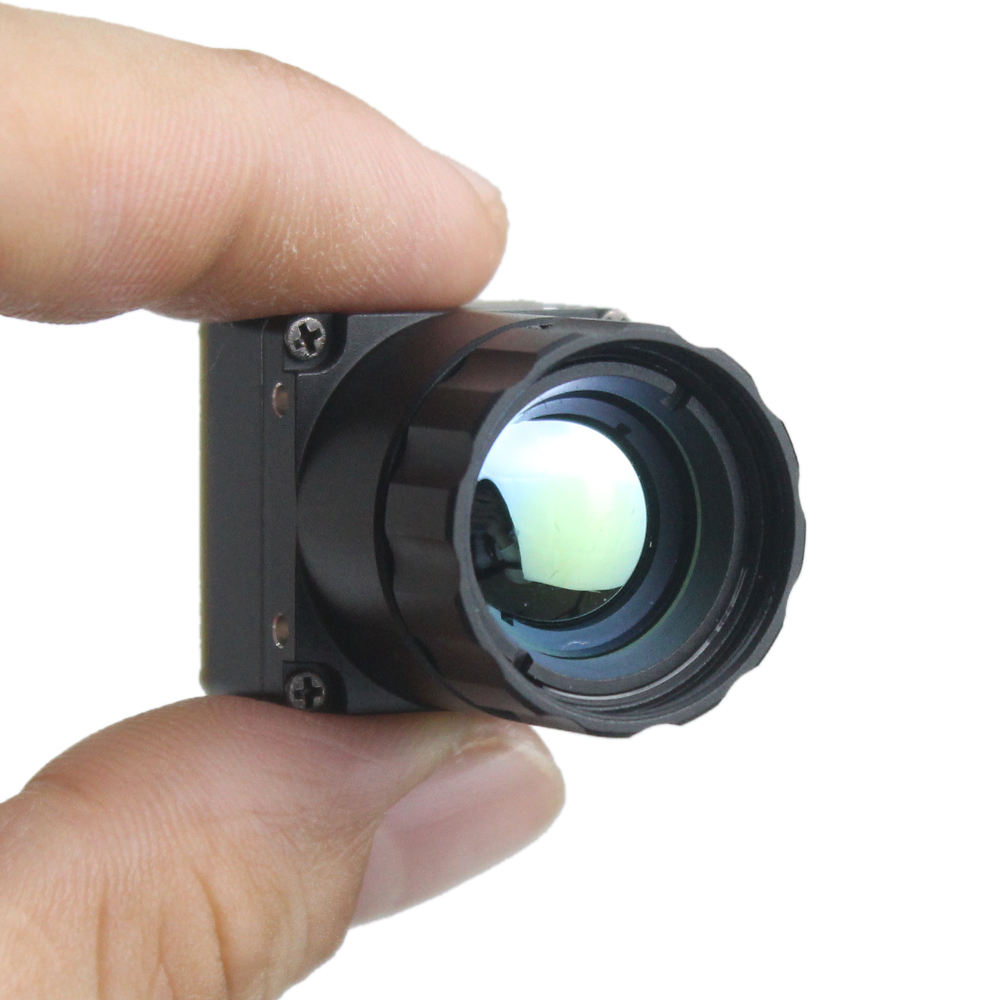
Pixel pitch—the physical distance measured between the centers of two adjacent detector pixels—has undergone a massive technological shift, shrinking from 25μm to 17μm, and now down to 12μm. Why does this matter for your system deployment? A smaller pixel pitch allows a detector with a higher resolution (e.g., 384x288) to be fabricated onto a physically smaller chip. This downscaling directly decreases the overall weight, volume, and power consumption (SWaP) of the night thermal camera module, allowing it to fit into ultra-lightweight drone gimbals and head-mounted goggle configurations. What's more, reducing the pixel pitch increases the spatial resolution for any given lens focal length, allowing operators to detect targets at significantly greater distances.
Look, 12μm pixel pitch architectures enable the use of physically smaller, lighter Germanium lenses to achieve the same optical field of view as a 17μm sensor. Because Germanium is a rare, heavy element with high core manufacturing costs, downscaling the required lens diameter yields significant material weight savings and reduces overall system costs (SWaP-C). This dual-benefit of increased range performance and lowered physical system weight is a core driver for modern drone thermal payload design.
3. Tactical & DIY Integration Guide: SBC Interfacing, Power Delivery, and Fusion
Developing a custom tactical thermal monocular or a drone thermal payload with a night thermal camera module requires a clear execution plan across electrical interfacing, software pipeline design, and optical path engineering.
For DIY and tactical integration projects, choosing high-reliability connectives is paramount. Utilizing rugged electronic connectors from Amphenol ensures noise-free power delivery and high-speed signal integrity under heavy high-frequency vibrations in tactical vehicles or multirotor drones.
When selecting a core, developers must match the module's outputs with their processing target. Most advanced uncooled thermal cores expose either an analog video output or a digital parallel/serial interface. For quick integration and lag-free systems, the analog CVBS (Composite Video Baseband Signal) port is highly favored by DIY drone makers using analog 5.8GHz FPV transmitters. However, if your design involves digital processing, object detection, or high-definition recording yields, you must interface the module digitally.
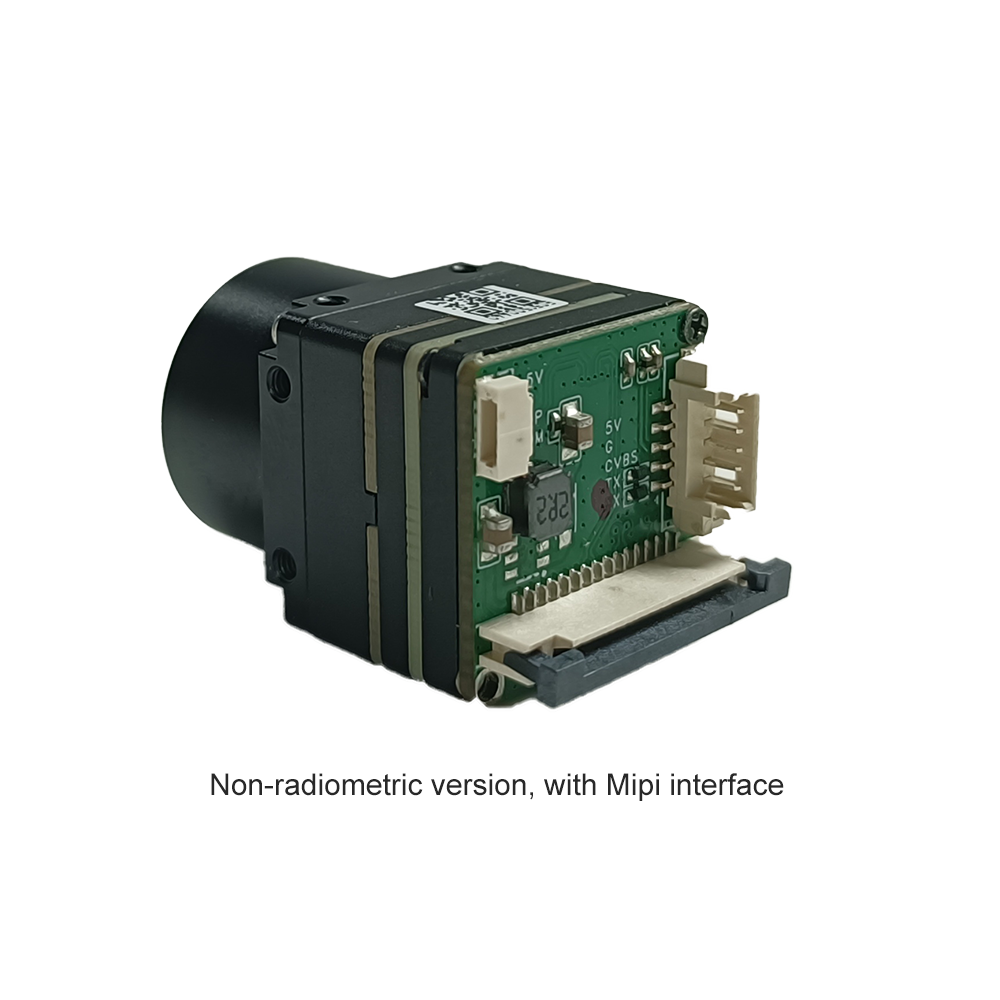
When connecting with platforms like the Raspberry Pi, NVIDIA Jetson, or custom FPGA setups, developers often access raw digital data via interfaces like SPI (Serial Peripheral Interface), USB 2.0/3.0, or MIPI CSI-2. Using these interfaces, you can stream 14-bit raw digital data (radiometric values) directly into your processing units. Connecting high-performance connectors, such as those manufactured by Amphenol, ensures noise-free power delivery and signal integrity under heavy high-frequency vibrations in tactical vehicles or multirotor drones.
The Methodology of Multi-Spectral Thermal Fusion
One of the most powerful paradigms in tactical night vision is "Multi-Spectral Image Fusion." This technique overlays high-contrast edge information from a standard low-light CMUT/CMOS visible light sensor onto the thermal profile output by the night thermal camera module. Because thermal cameras map heat signatures rather than physical structures, identifying precise facial details, license plates, or printed text on signs is nearly impossible with thermal alone. By implementing a real-time pixel-aligned image registration algorithm on a Jetson Nano or an FPGA, you can warp and blend the visible edge image with the thermal map in real-time, delivering a "fused" view that provides thermal detection capabilities while retaining the spatial detail of the ambient environment.
For outdoor hunting enthusiasts or wilderness guides, this technology acts as a force multiplier. If you are developing hunting scopes, integrating these thermal fusion capabilities allows you to quickly detect hidden game in dense overgrowth and immediately verify hunting lanes. To learn more about selecting optical scopes and the rapid integration of hunter-focused infrared systems, explore our specialized guide on unlocking the ultimate artifacts for outdoor hunting with thermal imaging scopes.
In addition to hunting, image fusion algorithms are critical within emergency response. Overlaying physical borders and architectural profiles on top of dynamic temperature sweeps allows aircraft to spot stranded targets through dense smoke canopies or dark forest floors. If you are looking to design robust emergency management systems, you can build on your architectural knowledge by inspecting our guide on the critical roles and applications of thermal imaging in search and rescue missions.
4. Real-World Product Showcases: Mini 256 vs. Mini 384
To assist defense R&D engineers, UAV designers, and tactical DIY hobbyists in selecting the perfect core, we examine two world-class uncooled LWIR camera modules manufactured by Guangzhou Purpleriver. These modules represent the absolute peak of modern SWaP-C (Size, Weight, Power, and Cost) optimization.
| Technical Specification | Mini 256 LWIR Camera Module (DJI Style) | Uncooled Mini 384*288 Camera Module |
|---|---|---|
| Detector Technology | Uncooled LWIR VOx Detector | High-Precision Uncooled VOx Core |
| Resolution (Pixels) | 256 x 192 | 384 x 288 |
| Pixel Pitch | 12 μm | 12 μm |
| Spectral Range | 8 ~ 14 μm (LWIR) | 8 ~ 14 μm (LWIR) |
| Image Control / Processing | High-performance infrared detectors for ultra-clear thermal imaging and accurate temperature measurement; outputs a uniform thermal image with radiometry. | High-precision, small-sized, and universal online temperature measurement; stable performance with powerful functions. |
| Supported Interfaces | CVBS (Analog), Digital Video, SDK-Ready | Equipped with multiple interfaces; optimized for online temperature measurements. |
| Target Applications | Landmine detection, lightweight drone gimbals, tactical integration | Machine vision, safety inspection, intelligent manufacturing, equipment maintenance, robot drone airborne payloads. |
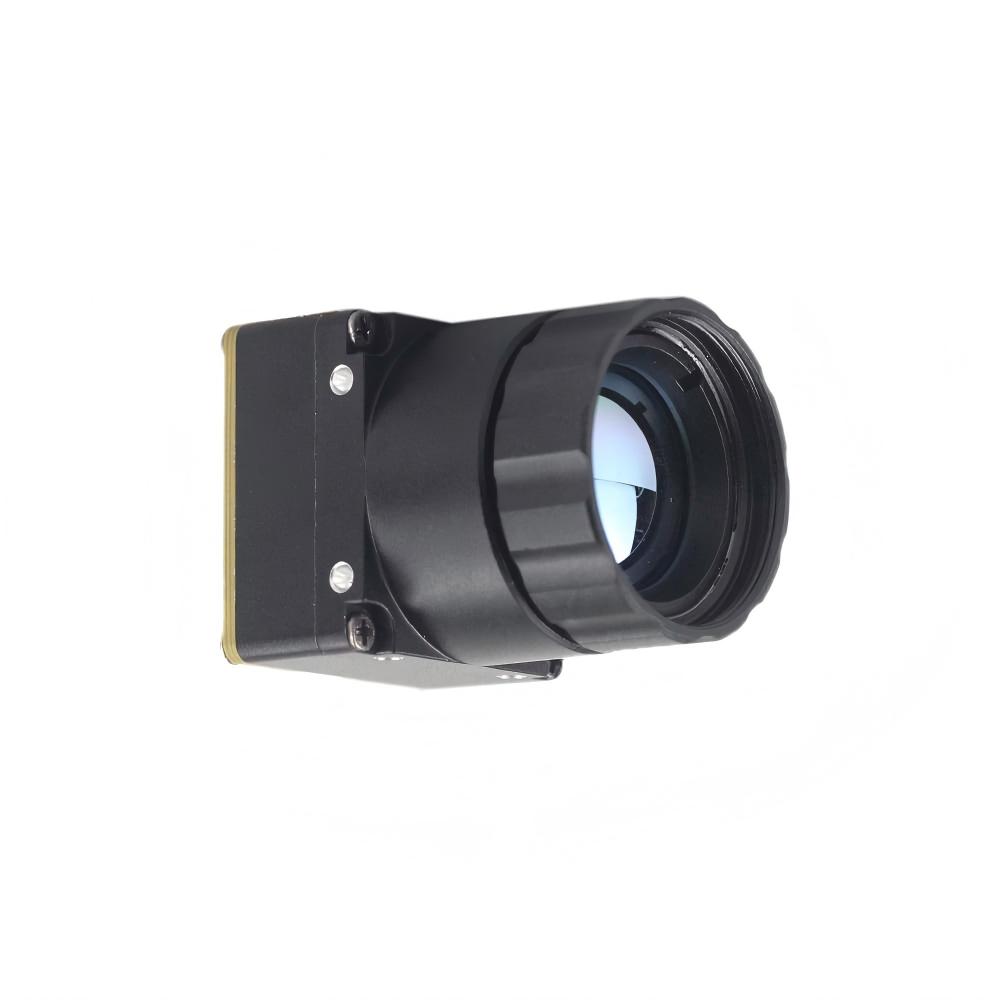
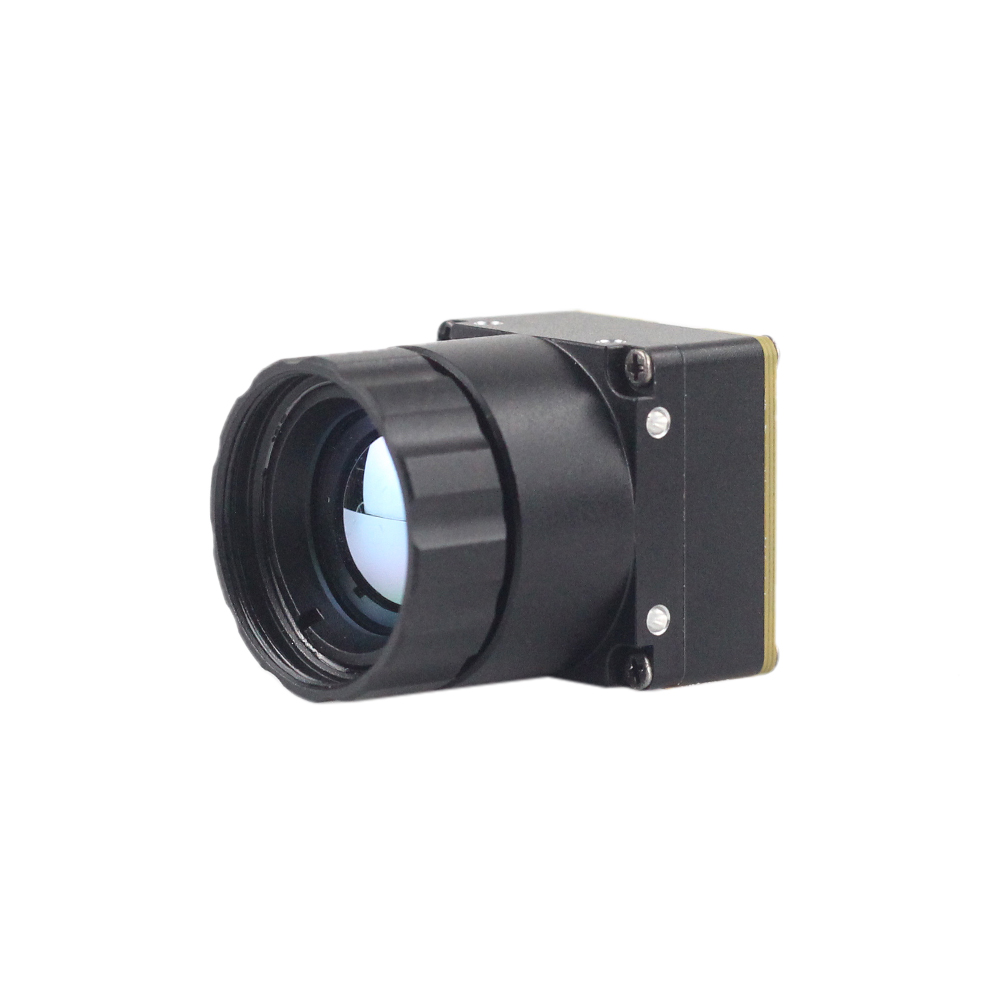
Mini 256 Uncooled LWIR Thermal Imaging Camera Module
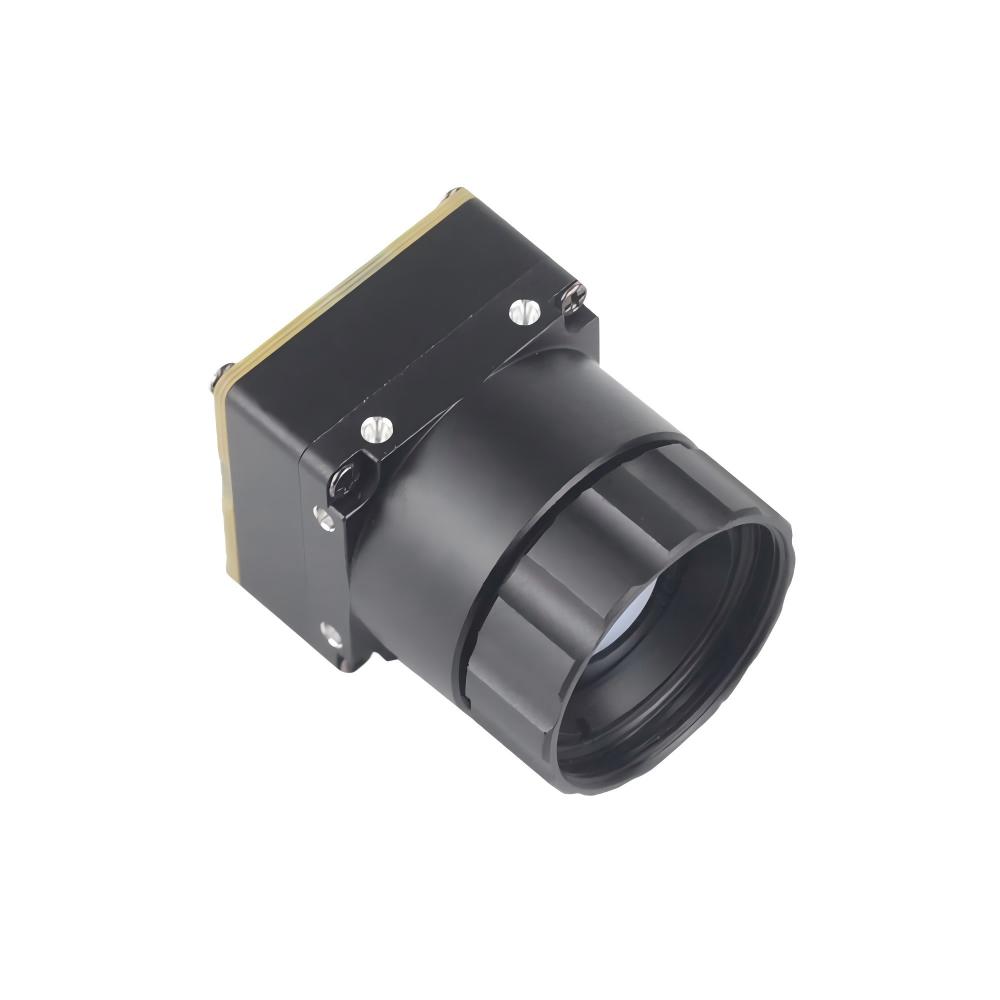
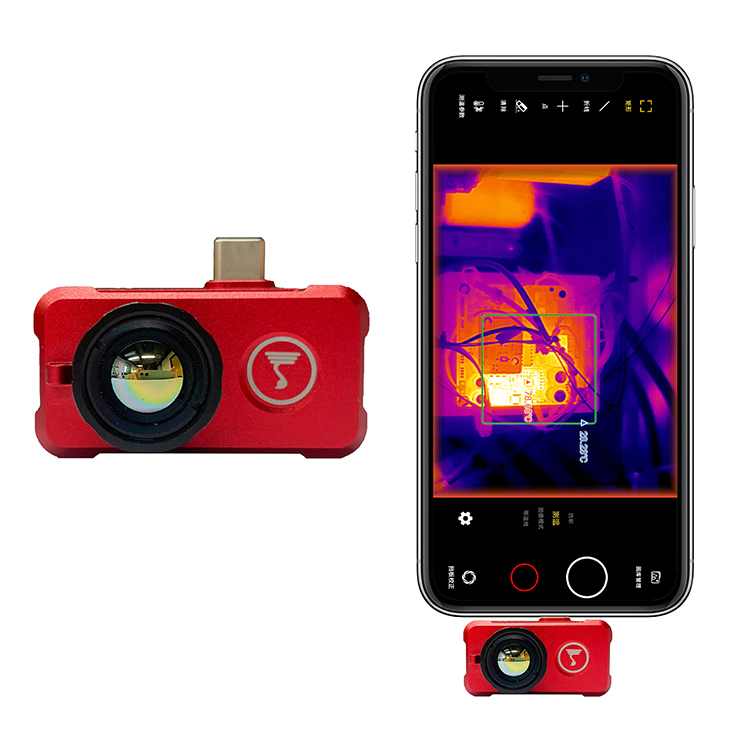
The Mini 256 Uncooled LWIR Thermal Imaging Camera Module Similar To DJI For Detecting Mines stands as a benchmark in sub-miniature tactical sensing technology. Engineered specifically for weight-sensitive deployments like micro-UAVs and custom mechanical crawlers, this module adopts high-performance uncooled infrared detectors. It captures ambient infrared radiation to deliver ultra-clear thermal images and accurate temperature measurements. The module runs robust correction routines, yielding a highly uniform thermal image complete with full radiometric data.
Its architecture matches DJI-style payload integration structures, enabling straightforward mechanical mounting. For field engineers constructing ground robots geared toward hazard tracing or landmine scanning in war-torn terrain, this module delivers robust detection and low thermal drift. It is highly suited for close-to-mid-range surveillance where structural weight limits are strictly enforced.
Product Reference Image: Mini 256 Uncooled LWIR Module
View Product Details & Pricing ➔
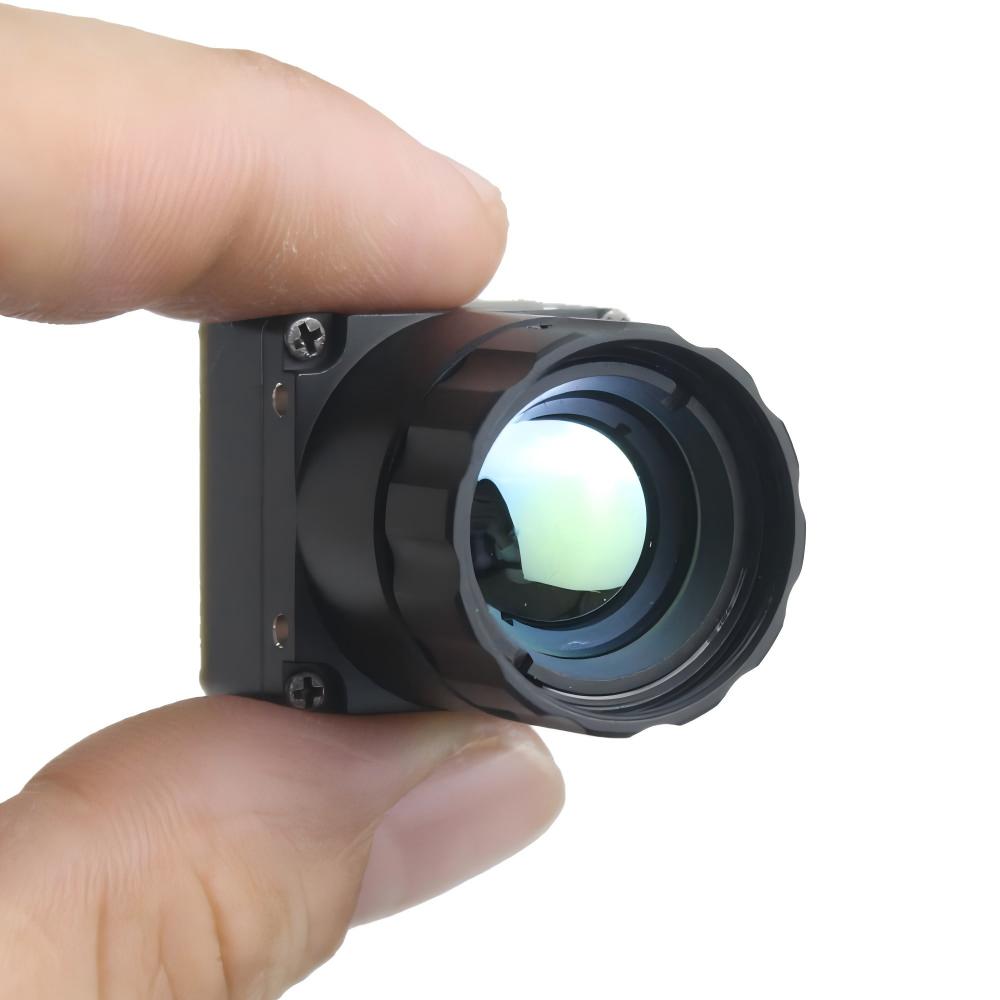
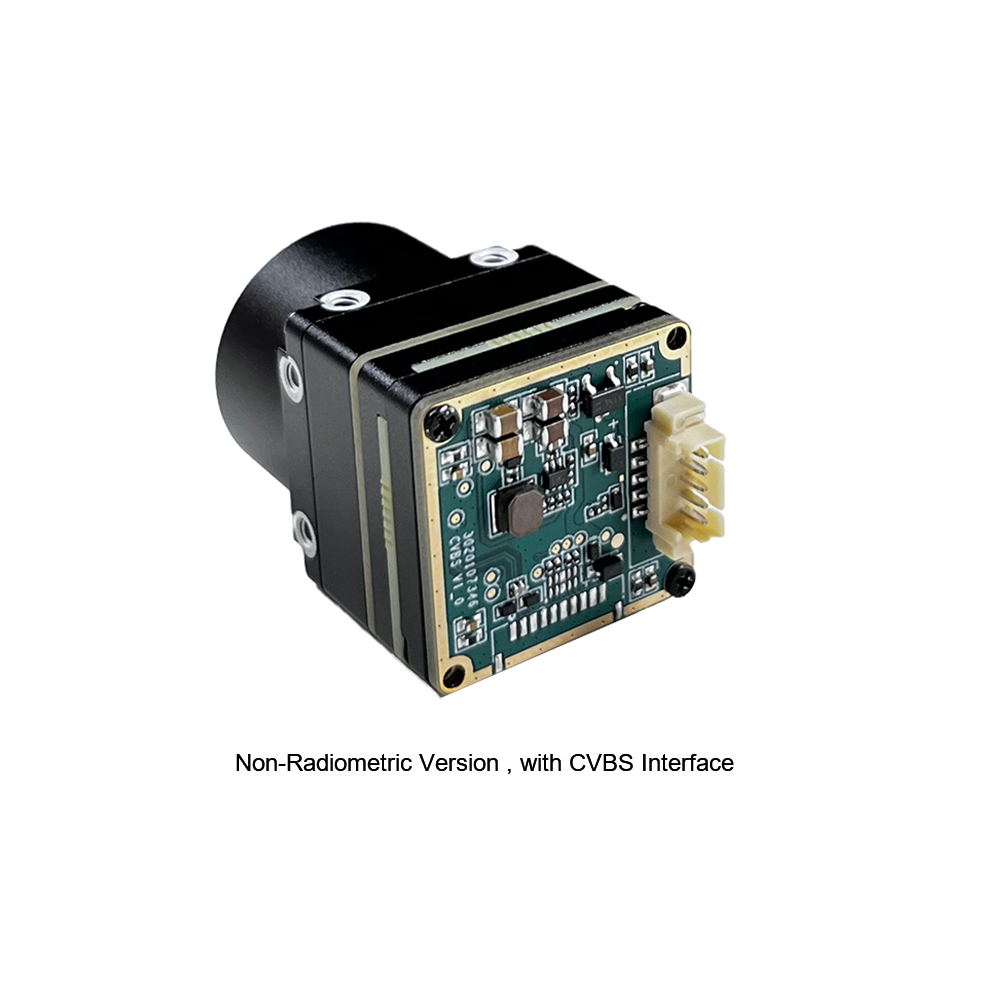
Uncooled Mini 384*288 Thermal Camera Module
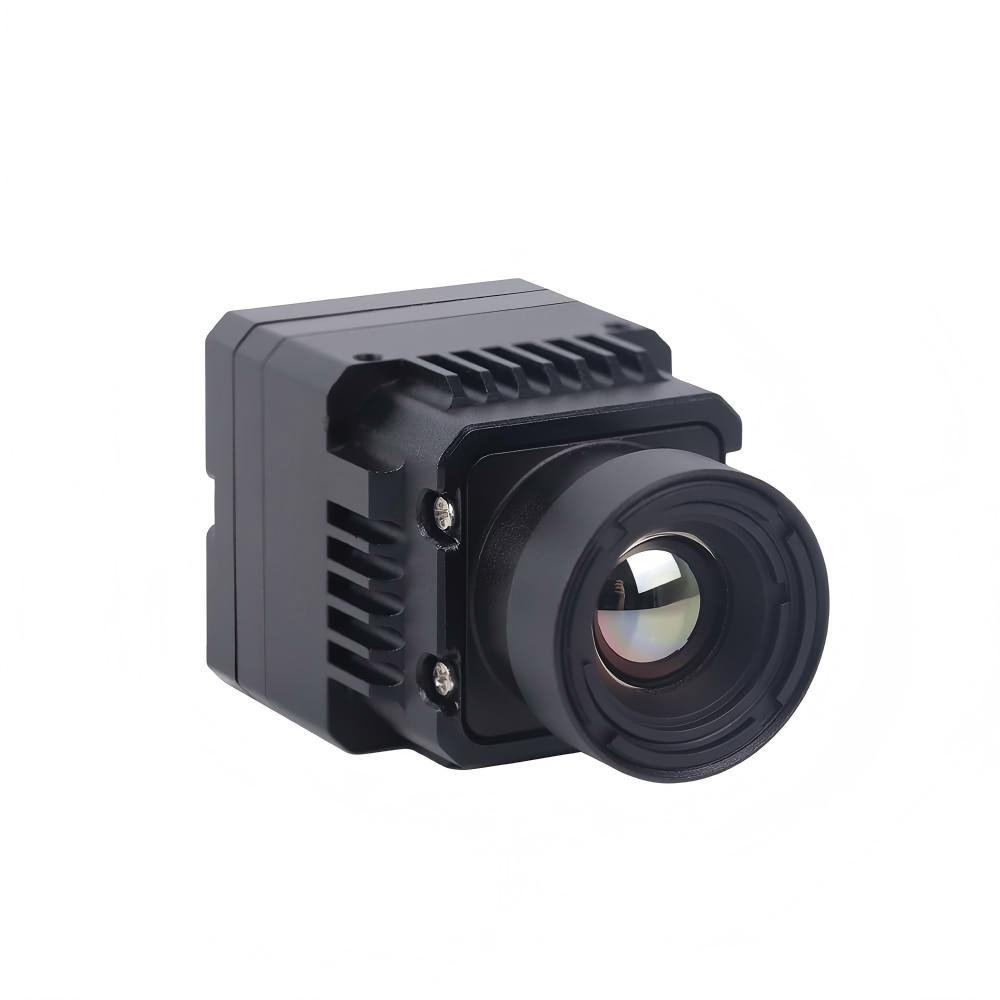
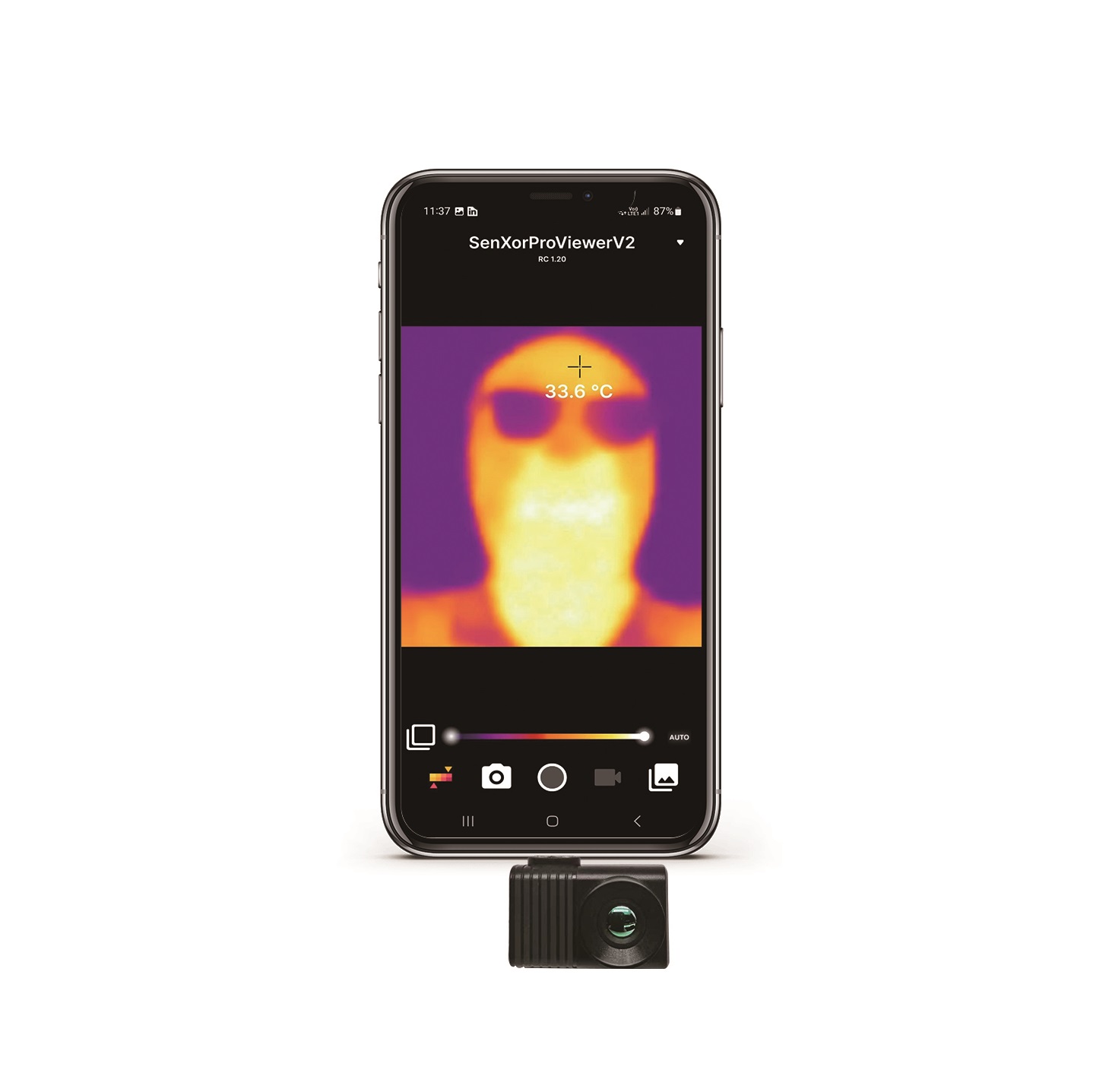
For applications where spatial resolution is the primary operational parameter, the Uncooled Mini 384*288 Thermal Camera Module For Drones represents the ideal solution. Part of our MINI line of infrared temperature measurement systems, this model is a high-precision, small-sized, and universal online temperature measurement core designed for high-vibration airborne and industrial environments. It utilizes high-resolution detectors to deliver high thermal contrast, stable measurement performance, and powerful processing functions.
Equipped with multiple interfaces, this module is highly adaptable. It has become a preferred component in systems requiring elevated thermal and spatial detail, such as machine vision pipelines, high-security automated safety inspections, predictive equipment maintenance, intelligent manufacturing, and advanced robot or drone payloads.
Product Reference Image: Mini 384*288 Module
View Product Details & Pricing ➔
5. Optical Path Design & Germanium Lens Selection
When selecting a night thermal camera module, you must pay equal attention to the optical subsystem. Standard optical glass is completely opaque to infrared radiation in the 8 to 14 μm spectral band. Instead, LWIR systems must utilize specialized elements—primarily Germanium (Ge), Chalcogenide glass, or Zinc Selenide (ZnSe). Germanium is the undisputed choice for tactical night vision systems because of its exceptionally high index of refraction (~4.0) and remarkable transmission efficiency in the LWIR spectrum.
Optical engineers must model lens configurations using critical performance parameters:
- ⚙️ Aperture (f-number): The light-gathering speed of the thermal lens is vital. Most modules are paired with f/1.0, f/1.1, or f/1.2 lenses. Lower f-numbers permit more thermal photons to hit the microbolometer, dramatically enhancing the system’s sensitivity (NETD). Increasing the value to f/1.4 can double the noise floor of your image.
- ⚙️ Focal Length and FOV: A shorter focal length (e.g., 4mm or 9mm) yields a wide Field of View (FOV), which is ideal for close-range situational awareness or building clearing. A longer focal length (e.g., 19mm, 25mm, or 35mm) narrows the FOV but provides the magnification needed to track targets from safe stand-off distances in search and rescue operations.
In thermal optics, the lens's design must also account for high thermal expansion. Germanium's refractive index changes rapidly with temperature (a high dn/dT coefficient), which means that if a combat vehicle or drone moves from a heated storage garage to a freezing night environment, the focal point of a simple, uncompensated lens will shift. This results in visual focus degradation. High-tier modules solve this by utilizing athermalized optical configurations. These housings use different metals and elements to offset thermal focus shift, ensuring the image remains sharp across a broad operational temperature range.
6. Advanced Signal Processing: FFC, NUC, and Edge AI Algorithms
Because microbolometers measure extremely minute changes in detector element temperatures, they are highly sensitive to thermal drift caused by external ambient fluctuations or self-heating of the camera's electronics. To combat this physical limitation, advanced night thermal camera modules utilize Flat Field Correction (FFC) and Non-Uniformity Correction (NUC). FFC is typically done by dropping a mechanical shutter in front of the sensor for a fraction of a second. This shutter presents a completely uniform temperature profile to the microbolometer, allowing the system to reset offsets and calibrate pixel gains. These processes eliminate the "grainy" appearance that builds up over prolonged operation.
During a tactical operation, the noise that accumulates on the screen over time can degrade image clarity. FFC fixes this by realigning the offset coefficients of each pixel. However, the temporary freeze during an FFC scan can be highly disruptive during critical moments in UAV flight or automated target tracking. Premium firmware addresses this by utilizing shutterless NUC algorithms. These algorithms build dynamic models of thermal drift in real time by interpreting high-frequency motion in the scene, extending the time needed between physical shutter recalibrations.
Our microbolometer modules take this process several steps further by integrating proprietary Edge AI and advanced image enhancement algorithms directly on the thermal core's processing ASIC. Here is a breakdown of what these chips are running locally:
- ✅ Digital Detail Enhancement (DDE): Heuristically boosts high-frequency structural elements without blowing out thermal highlights.
- ✅ 3D Noise Reduction (3D-DNR): Analyzes subsequent frames to strip away temporal noise in dark, low-contrast scenes.
- ✅ Dynamic Range Compression: Maps the vast raw 14-bit data space down to standard 8-bit displays without losing cold-to-hot contrast boundaries.
Mini 640×512 Thermal Imaging Core Demo Video
7. Deep-Dive Developer FAQ & Integration Troubleshooting
Q1: Can I use these uncooled LWIR night thermal camera modules to build my own DIY thermal fusion night vision goggles or drone payloads?
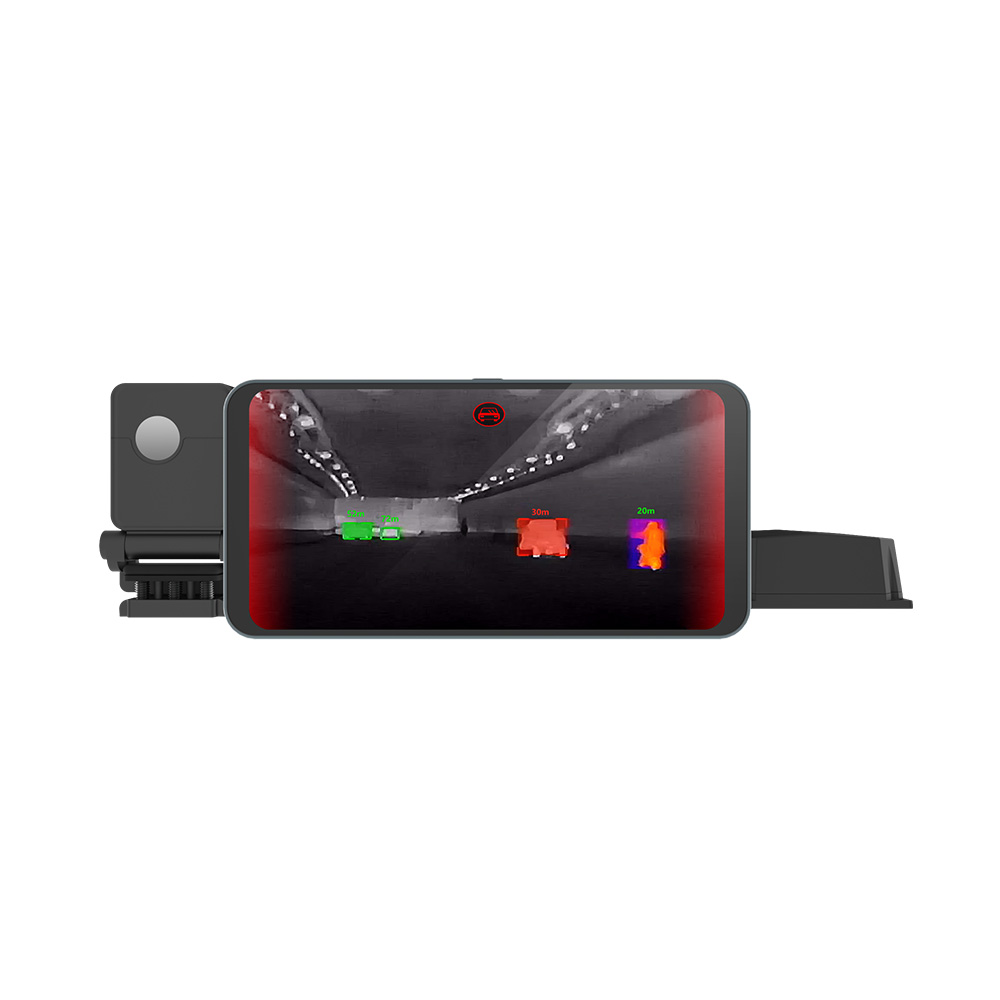
Q2: How do Guangzhou Purpleriver's mini thermal camera modules perform for night automotive and security applications?
Q3: What is the typical power consumption of these uncooled modules, and how do I handle their thermal management in enclosed designs?
Q4: Are there specific software SDKs provided, and which programming languages are supported out-of-the-box?
📚 References & Further Reading
- Industry Standard: Learn more about microbolometer focal plane arrays at the Wikipedia Microbolometer Technical Article.
- Integrator Connections: Explore rugged connectivity designs on the Amphenol Corporate Homepage.
- Corporate Outline: Read about Guangzhou Purpleriver's focus on uncooled LWIR systems on our About Us Page.
- Related Hunting Application: Discover how tactical thermal cores are deployed in active hunting scopes in our Outdoor Hunting Thermal Scopes Guide.
- Related Security Application: Study the detailed application of thermal vision systems during emergency extractions in our Search and Rescue Thermal Applications Analysis.