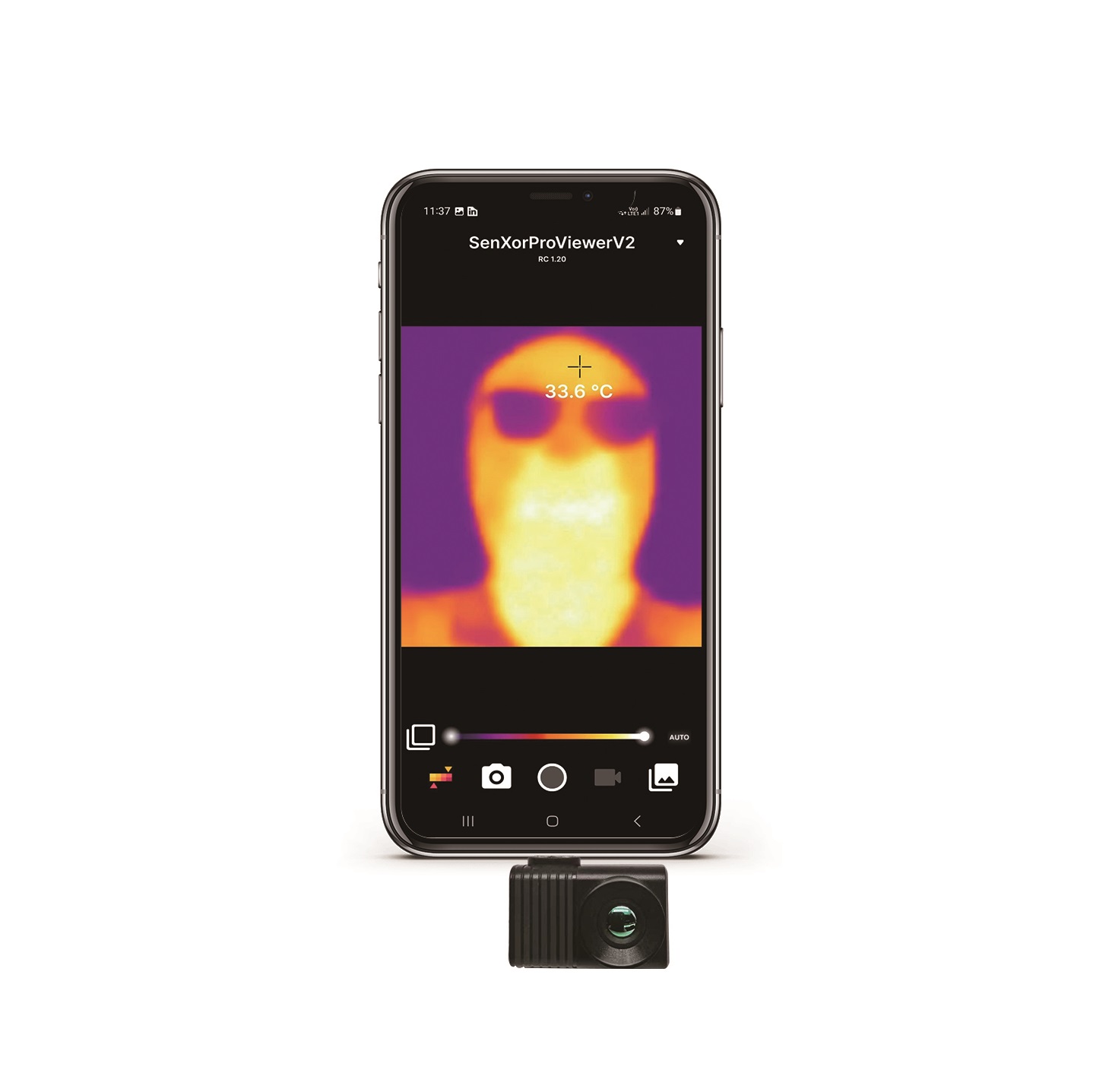
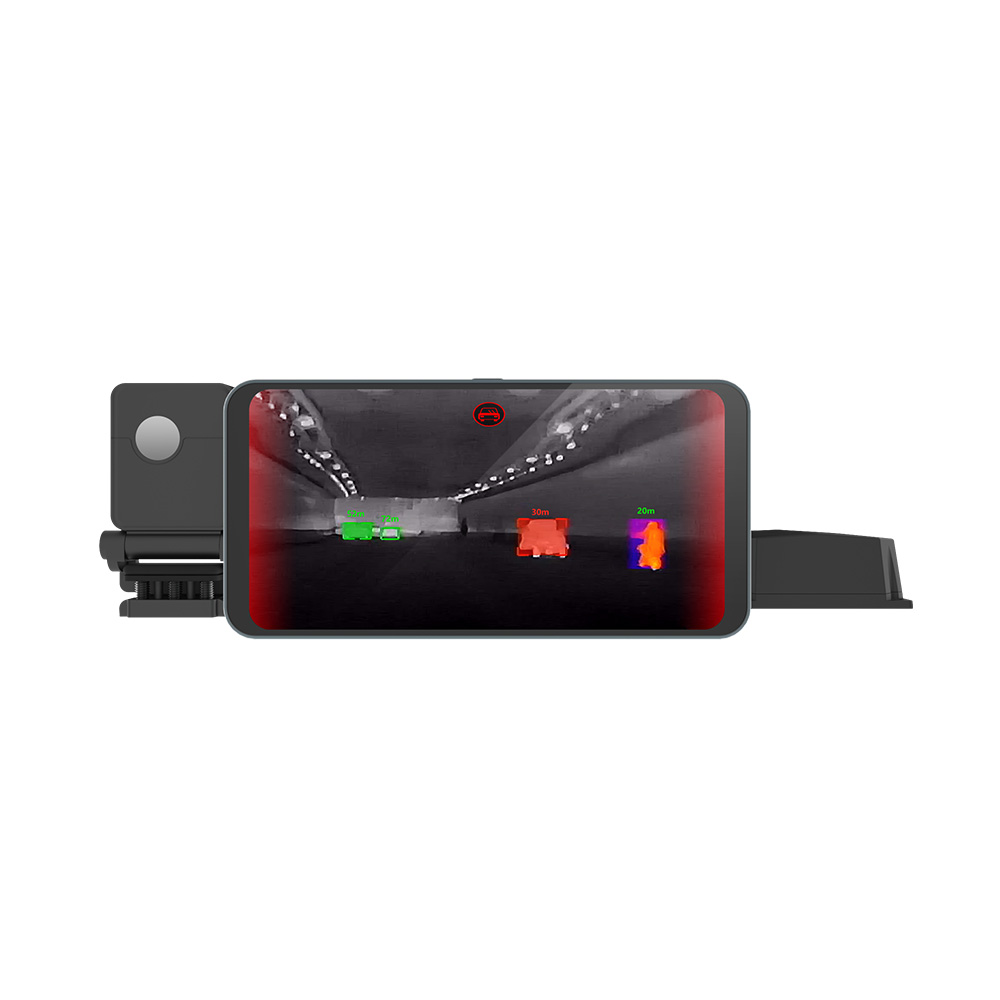


PurpleRiver Industrial AI Thermal Imaging: Mini LWIR Modules & OEM Solutions
2026年8月4日
Thermal Camera Core Module Selection Guide: Edge AI & OEM Integration
2026年8月5日
Upgrading to Mini2 Thermal Modules: Compact 640x512 LWIR Cores for Drone & Edge AI Integration
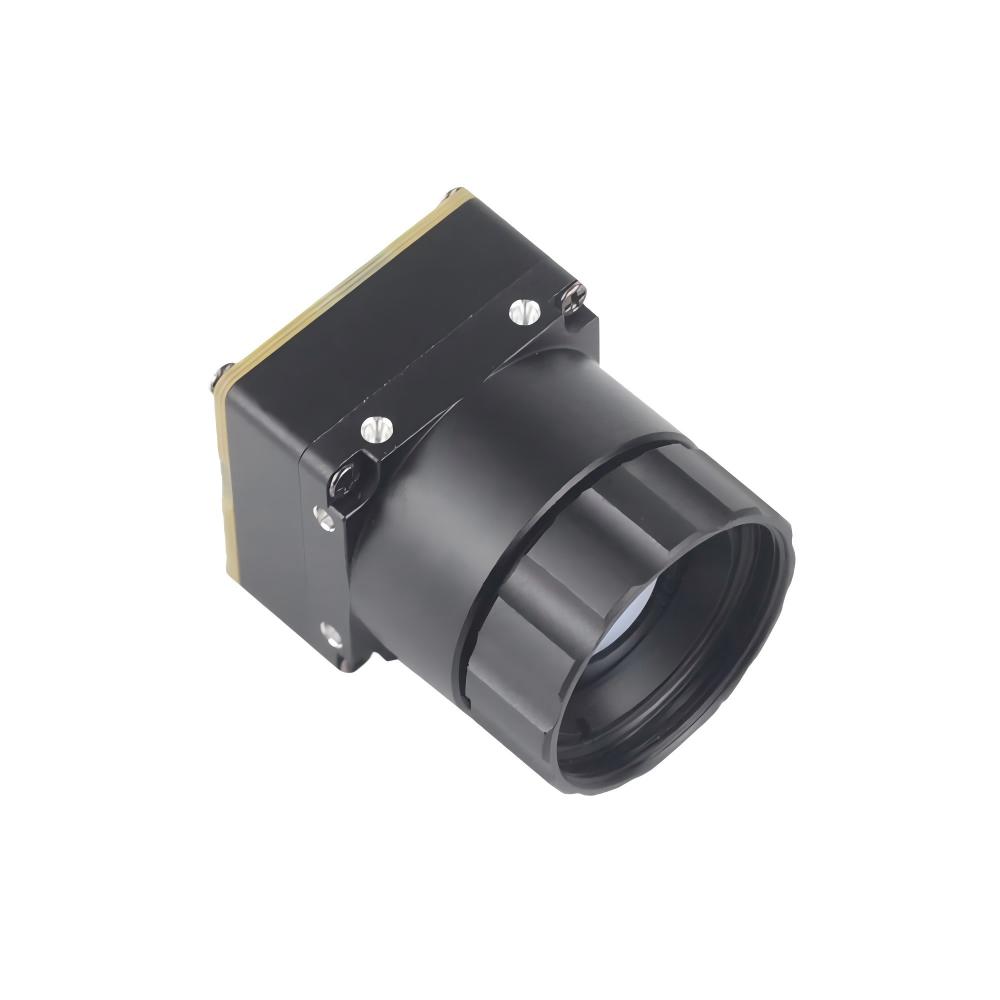
Look, as unmanned aerial vehicles (UAVs), robotics, and edge AI vision systems push into deeper autonomous territory, hardware engineers like us keep hitting the exact same wall: balancing thermal resolution, raw processing power, and payload weight. Legacy long-wave infrared (LWIR) camera cores always forced us to pick our poison—either accept low-res 160x120 or 384x288 thermal images to stay within tight Size, Weight, and Power (SWaP) budgets, or mount a bulky, heat-generating 640x512 core that drags flight times down and kills your power budget. The modern Mini2 class thermal sensor module flips that script, giving us enterprise-grade 640x512 uncooled vanadium oxide (VOx) thermal imagery inside a micro 21mm x 21mm footprint.
Here's the deal: moving away from clunky discrete FPGA image processing setups to tightly optimized Application-Specific Integrated Circuits (ASICs) drastically cuts down system complexity while dropping power consumption right below critical heat limits. For drone builders, defense contractors, and industrial automation teams, dropping a Mini2 LWIR core into your rig unlocks high-def radiometric vision, longer detection ranges, and instant compatibility with Edge AI processors. This guide gives you the full, unvarnished engineering breakdown of Mini2 LWIR cores—covering sensor optics, video streams, signal paths, thermal dissipation, and real-world integration strategies on the bench and in the air.
Table of Contents
- 👉 1. Mini2 Thermal Core Architecture
- 👉 2. Optical Engineering & Resolution Dynamics (640x512 LWIR)
- 👉 3. Unmanned Aerial Systems (UAV) & Edge AI Integration
- 👉 4. Mini2 Thermal Module Product Matrix & Technical Comparison
- 👉 5. Industrial Deployment Scenarios & OEM Applications
- 👉 6. Deep-Dive Frequently Asked Questions (FAQ)
1. Mini2 Thermal Core Architecture
In the shop, we've watched infrared vision architecture evolve fast from discrete, multi-board assemblies into clean, single-chip sensor cores. The Mini2 layout is pretty much the gold standard for this shift, built from the ground up for space-constrained, battery-conscious builds. At the sensor plane, a high-density Vanadium Oxide (VOx) microbolometer array pulls in thermal energy across the 8µm to 14µm long-wave infrared band. Those raw analog resistance changes get picked up by a low-noise Analog Front End (AFE) and converted right into crisp 14-bit radiometric signals.
Those high-bit-depth raw signals go straight into a dedicated hardware ASIC core. Unlike legacy platforms that relied on generic digital signal processors, the Mini2 ASIC executes Non-Uniformity Correction (NUC), Bad Pixel Replacement (BPR), Dynamic Detail Enhancement (DDE), and Automatic Gain Control (AGC) simultaneously in hardwired silicon logic. This streamlined signal flow eliminates frame buffer bottlenecks and passes synchronized visual streams to multi-format output encoders—including USB 2.0 (UVC), Ethernet RJ45 (RTSP/IP), and analog CVBS composite engines.
ASIC Signal Processing vs. Legacy FPGA Pipelines
Historically, thermal camera engines relied heavily on Field Programmable Gate Arrays (FPGAs) to run real-time image signal processing algorithms. While FPGAs offer high reconfigurability during early prototyping phases, they introduce severe thermal, electrical, and mechanical drawbacks when deployed in compact unmanned platforms:
- ⚙️ Power Dissipation: High-performance FPGAs typically consume 2.5W to 5.0W of active power. This continuous electrical load generates significant local heat that bleeds directly into adjacent microbolometer arrays, causing thermal drift and forcing frequent shutter re-calibrations.
- ⚙️ Physical Footprint & PCB Layer Density: FPGA packages require extensive ball grid array (BGA) pinouts and multi-rail power distribution networks (PDNs). This increases circuit board surface area, forcing module cross-sections well beyond 38mm x 38mm.
- ⚙️ Boot Latency: Loading heavy FPGA configuration bitstreams upon system power-up introduces multi-second boot delays. In rapid-response defense, search-and-rescue, or automated collision avoidance systems, this latency degrades operational readiness.
We eliminated these engineering headaches in the Mini2 platform by moving everything over to a dedicated Application-Specific Integrated Circuit (ASIC). By baking image signal processing algorithms—dynamic range compression, spatial noise filtering, multi-palette color mapping, and target edge sharpening—directly into custom silicon die architecture, active power consumption plummets below 1.0W typical. This ultra-low power envelope cuts down internal thermal noise, stabilizes temperature readouts, and guarantees usable frame streams within seconds of a cold boot.
SWaP-C Optimization in 21mm x 21mm Micro Form Factors
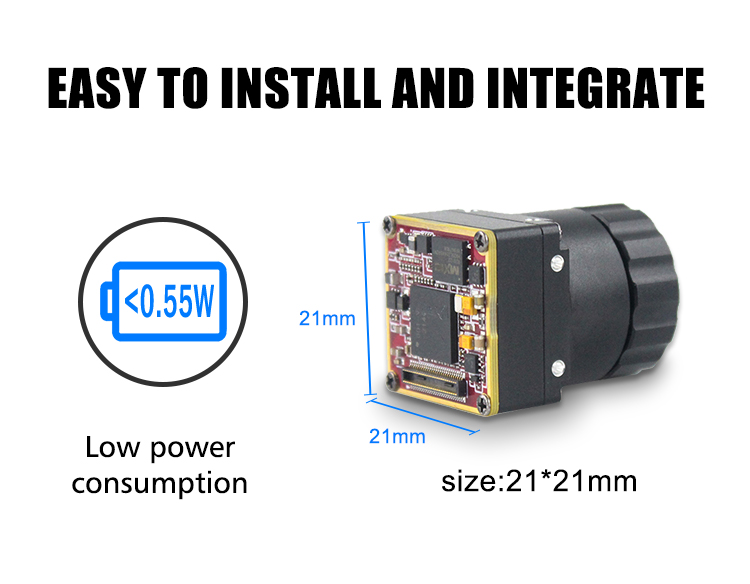
When you're building drone payloads or mobile robotics, every single gram and millimeter counts against battery life, motor torque, and gimbal stability. The Mini2 platform achieves a tiny 21mm x 21mm cross-sectional profile without dropping thermal resolution or structural strength.
| Parameter | Legacy FPGA Core (384x288) | Mini2 LWIR Core Baseline (640x512) |
|---|---|---|
| Cross-Sectional Dimensions | 38mm x 38mm x 45mm | 21mm x 21mm x 23mm |
| Core Weight (without lens) | ~45g - 60g | ~15g - 22g |
| Active Power Consumption | 2.5W - 4.5W (DC 5V/12V) | < 1.0 Watt (DC 5V) |
| Core Native Resolution | 384 x 288 (110,592 pixels) | 640 x 512 (327,680 pixels) |
| Mechanical Mounting | Bulky bracket assemblies | Threaded M2 / M3 perimeter points |
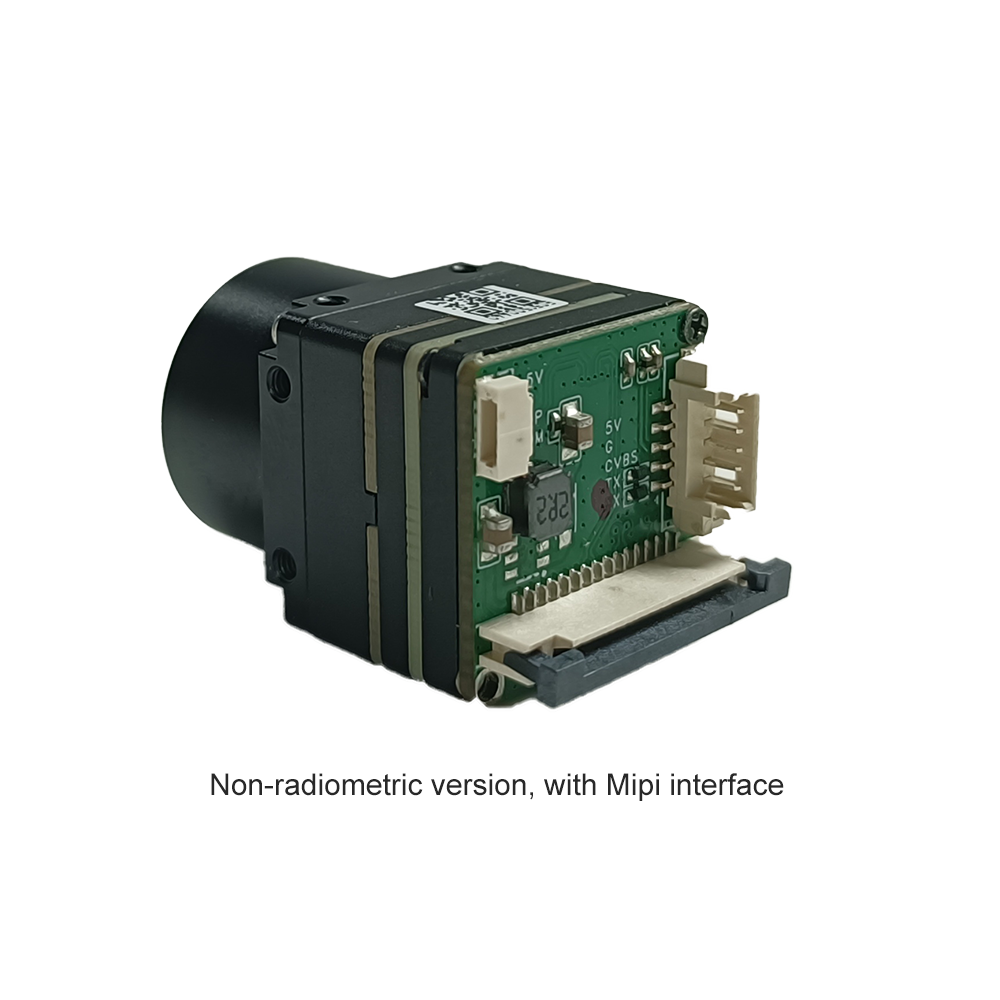
Getting a sensor this small requires tight electronic and mechanical packing. Multi-layer rigid-flex PCBs stack digital IO, power management, and analog front-end circuits vertically. High-speed differential signals are routed through inner copper layers shielded by solid ground planes to suppress electromagnetic interference (EMI) from high-power drone ESCs and telemetry radios. On top of that, lightweight magnesium-aluminum alloy structural housings serve double duty: giving you mechanical rigidity against flight vibrations and acting as passive heat sinks to equalize internal thermal gradients.
2. Optical Engineering & Resolution Dynamics (640x512 LWIR)
A thermal imaging system's visual clarity and target recognition performance depend on microbolometer detector physics and optical precision. The Mini2 integrates an uncooled 640x512 microbolometer array operating within the long-wave infrared (LWIR) atmospheric transmission window (8µm to 14µm). Delivering 327,680 active pixels, the Mini2 core provides nearly triple the visual detail of legacy 384x288 detectors (110,592 pixels) and sixteen times the pixel density of basic 160x120 entry-level sensors.
This massive pixel gain enhances spatial detail, allowing Edge AI analytics engines to isolate subtle thermal signatures at greater distances. For an in-depth breakdown of pixel pitch advances and resolution scaling, check out our technical article on 640x512 thermal camera module architecture.
Pixel Pitch, NETD Sensitivity, and Thermal Bandpass
- ⚙️ 12µm Pixel Pitch: Moving down from older 17µm pixel geometries to a 12-micron pitch shrinks total focal plane array (FPA) dimensions while maintaining high pixel counts. This lets optical engineers use smaller lens elements with shorter focal lengths to get identical fields of view (FOV), saving serious weight and bulk.
- ⚙️ Noise Equivalent Temperature Difference (NETD): Rated at NETD < 40mK (with specialized custom-tuned variants achieving < 30mK), the Mini2 detector resolves temperature variations as small as 0.03°C. High thermal sensitivity ensures strong contrast in brutal environments—like heavy fog, rain, high humidity, or overcast conditions where temperatures equalize.
- ⚙️ Spectral Transmission Bandpass (8-14µm): Long-wave infrared light cuts through atmospheric haze, dust clouds, industrial smoke, and pitch darkness without needing active illuminators, making the core solid for 24/7 industrial, security, and defense jobs.
Focal Length Selection: From 5mm Wide-Angle to 150mm Telephoto
Matching the optics to the job is critical for meeting target distance goals and maintaining optical transfer functions. Precision Germanium (Ge) lenses supplied by optical specialists like Rising Optics feature anti-reflective hard-carbon coatings to squeeze maximum IR transmission onto the sensor plane.
| Lens Focal Length | Horizontal Field of View (HFOV) | Primary Application Target | Human Target Detection Range |
|---|---|---|---|
| 5.0 mm | ~ 87.8° | Wide-Area Close Search & Collision Avoidance | ~ 150 Meters |
| 9.1 mm | ~ 51.8° | General Drone Structural & Solar Inspection | ~ 270 Meters |
| 13.0 mm | ~ 36.8° | Mid-Range Airborne Patrol & Security | ~ 390 Meters |
| 19.0 mm | ~ 25.2° | Perimeter Fence & Facility Monitoring | ~ 570 Meters |
| 35.0 mm | ~ 13.7° | Long-Range Aerial Reconnaissance | ~ 1,050 Meters |
| 50mm / 75mm | ~ 9.6° / ~ 6.4° | Border Surveillance & Defense Tracking | ~ 1,500m - 2,200m |
| 100mm / 150mm | ~ 4.8° / ~ 3.2° | Ultra-Long-Range Fixed Ground Systems | > 3,000 Meters |
3. Unmanned Aerial Systems (UAV) & Edge AI Integration
Wiring up a thermal vision sensor to an autonomous drone or edge AI unit requires reliable pipelines and straightforward protocol handling. The Mini2 platform provides flexible video output designs to simplify your system design.
Multimodal Video Pipelines: RJ45, RTSP IP, USB, and CVBS
You can hook into the module using a few different video interfaces depending on system latency limits and processing overhead:
- ⚙️ 1. Ethernet IP Streaming (RJ45 / RTSP): Encodes real-time H.264/H.265 video streams for transmission over local IP networks. This pipeline is ideal for tethered inspection drones, fixed perimeter security towers, and ground robotics utilizing onboard Ethernet switches.
- ⚙️ 2. USB 2.0 / UVC Standard: Functions as a driverless Video Class device under Linux and Windows OS. USB integration allows host single-board computers (SBCs) to capture raw 14-bit radiometric matrices or pre-processed YUV/RGB frames via standard software calls.
- ⚙️ 3. Composite Analog Video (CVBS): Delivers ultra-low latency (< 10ms) NTSC/PAL composite analog video. This direct signal path connects directly to first-person-view (FPV) transmitters and analog flight controllers for real-time manual pilot navigation.
Embedding Linux/Raspberry Pi & Jetson AI Analytics
If you're running edge analytics—like automated target detection, human tracking, or hotspot alarms—you need raw, low-latency image matrices fed directly into computer vision frameworks. If you need step-by-step setup guides for Linux environments, check our practical guide on configuring Raspberry Pi thermal camera modules for Linux Edge AI architectures.
The Mini2 developer software package provides C++ and Python SDK bindings for Linux (ARM64/x86) platforms. The software snippet below demonstrates how engineers can capture raw 14-bit thermal frames, parse temperature calculations, and apply threshold masks within an OpenCV vision pipeline:
import cv2
import numpy as np

def process_mini2_raw14_frame(raw_buffer, width=640, height=512):
    # Step 1: Convert binary buffer into 16-bit raw pixel array
    frame_16bit = np.frombuffer(raw_buffer, dtype=np.uint16).reshape((height, width))

    # Step 2: Extract 14-bit active radiometric counts (Mask lower 14 bits)
    raw_14bit = frame_16bit & 0x3FFF

    # Step 3: Calculate point-by-point absolute temperature (°C)
    # Formula: Temp = (Raw_Value * Gain_Factor) - Kelvin_Offset
    temperature_map_celsius = (raw_14bit * 0.04) - 273.15

    # Step 4: Normalize 14-bit data to 8-bit visual dynamic range for AI processing
    norm_visual = cv2.normalize(raw_14bit, None, 0, 255, cv2.NORM_MINMAX, dtype=cv2.CV_8U)
    color_mapped = cv2.applyColorMap(norm_visual, cv2.COLORMAP_INFERNO)

    # Step 5: Isolate critical thermal anomalies exceeding 65.0°C threshold
    _, hotspot_binary_mask = cv2.threshold(temperature_map_celsius, 65.0, 255, cv2.THRESH_BINARY)

    return color_mapped, hotspot_binary_mask
4. Mini2 Thermal Module Product Matrix & Technical Comparison
The Purpleriver Mini2 lineup offers flexible hardware builds optimized for diverse OEM applications—from network-connected security pods to lightweight drone gimbals. Below is a complete technical feature comparison of the primary Mini2 camera core variants.
| Product Variant | Hardware Image | Detector Specs | SWaP & Envelope | Primary Interfaces | Lens Options |
|---|---|---|---|---|---|
|
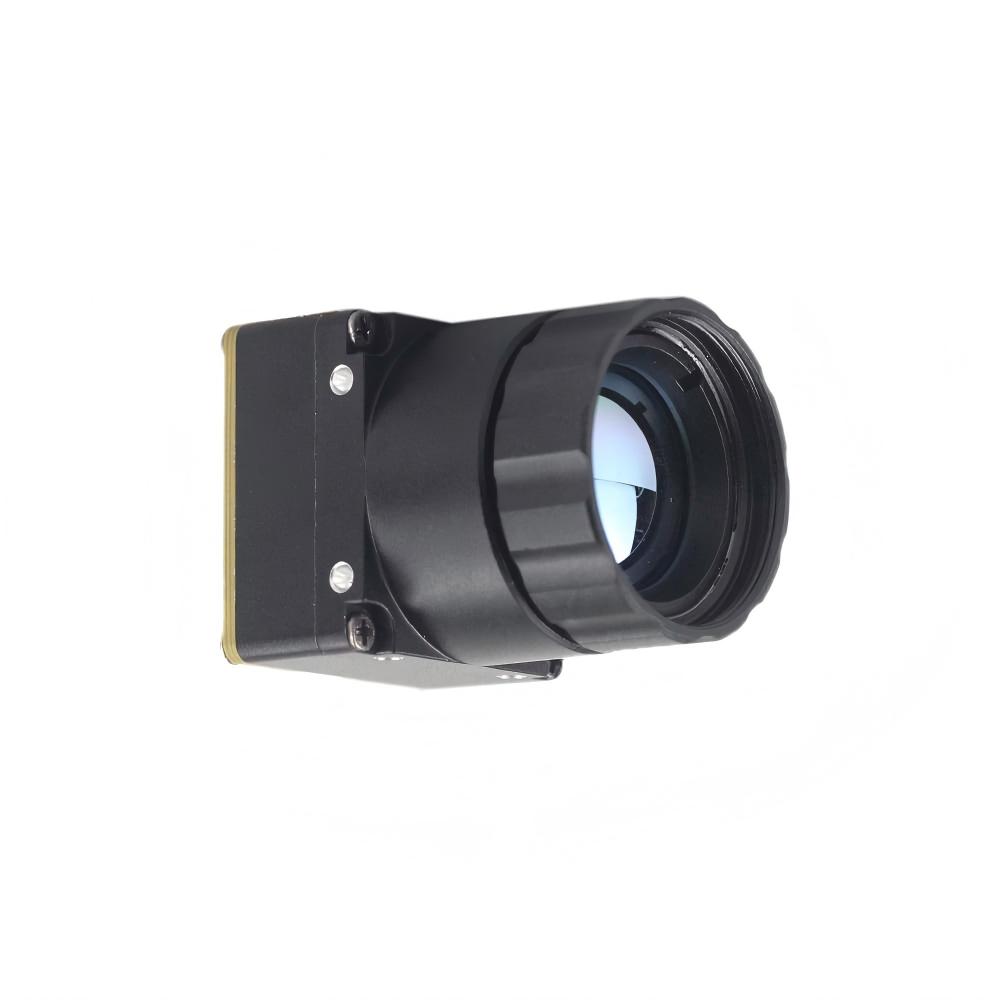
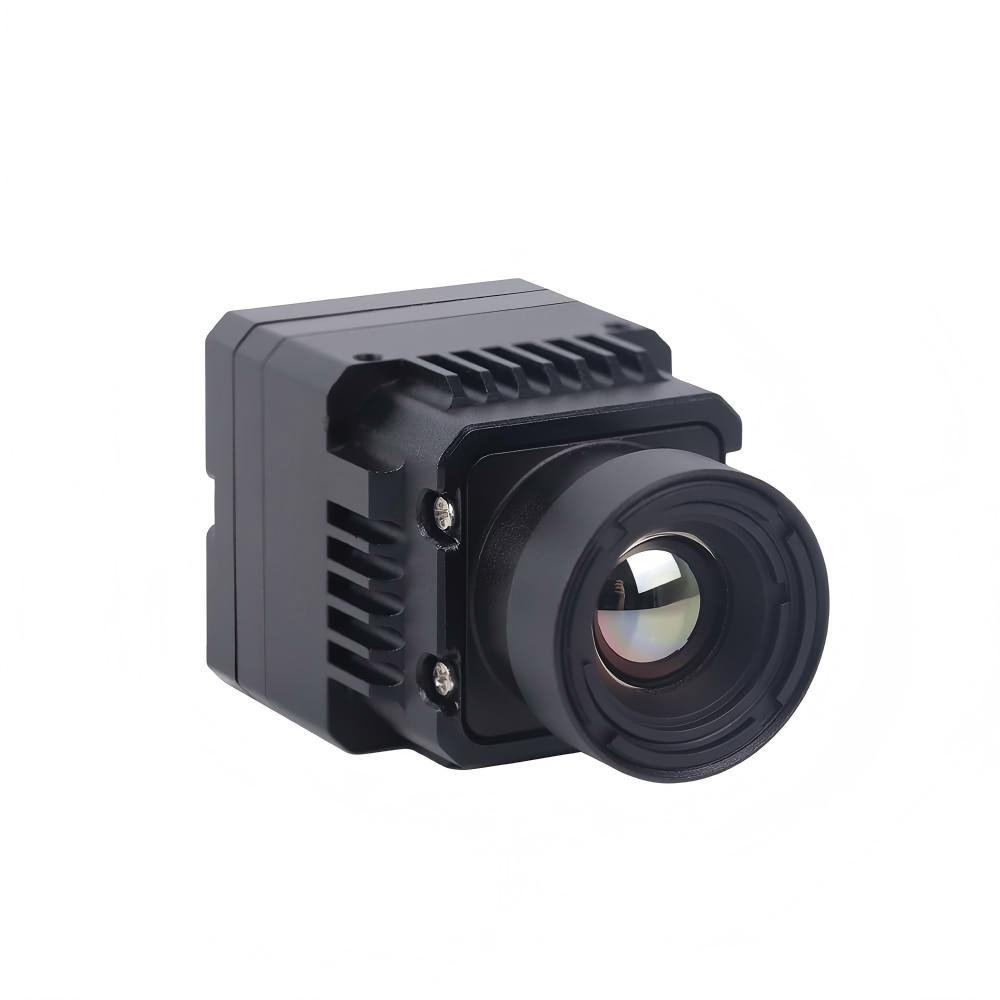
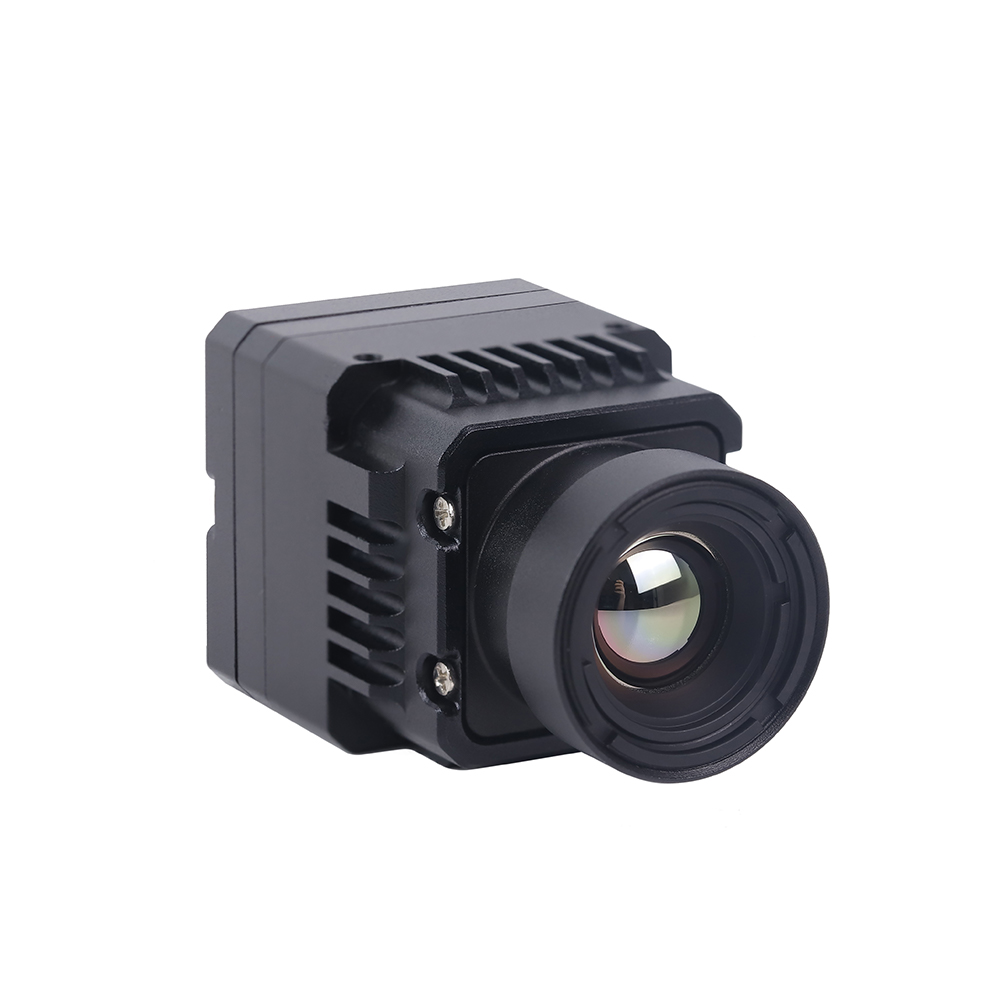
Uncooled Infrared RJ45 CVBS RTSP IP 640*512 ASIC Thermal Sensor Camera Module
Engineered for networked IP surveillance systems, fixed utility monitoring stations, and tethered drone platforms requiring native Ethernet streaming. |
|
• 640 x 512 VOx LWIR • NETD < 40mK • Hardware ASIC ISP • Auto NUC / BPR / DDE |
• Dimensions: Ultra-compact • Active Power: < 1.2W • Core Weight: ~ 25g |
• Ethernet RJ45 • RTSP / H.264 / H.265 • CVBS Analog Video |
Fixed Athermalized Germanium Lenses: 9.1mm, 13mm, 19mm, 25mm, 35mm |
|
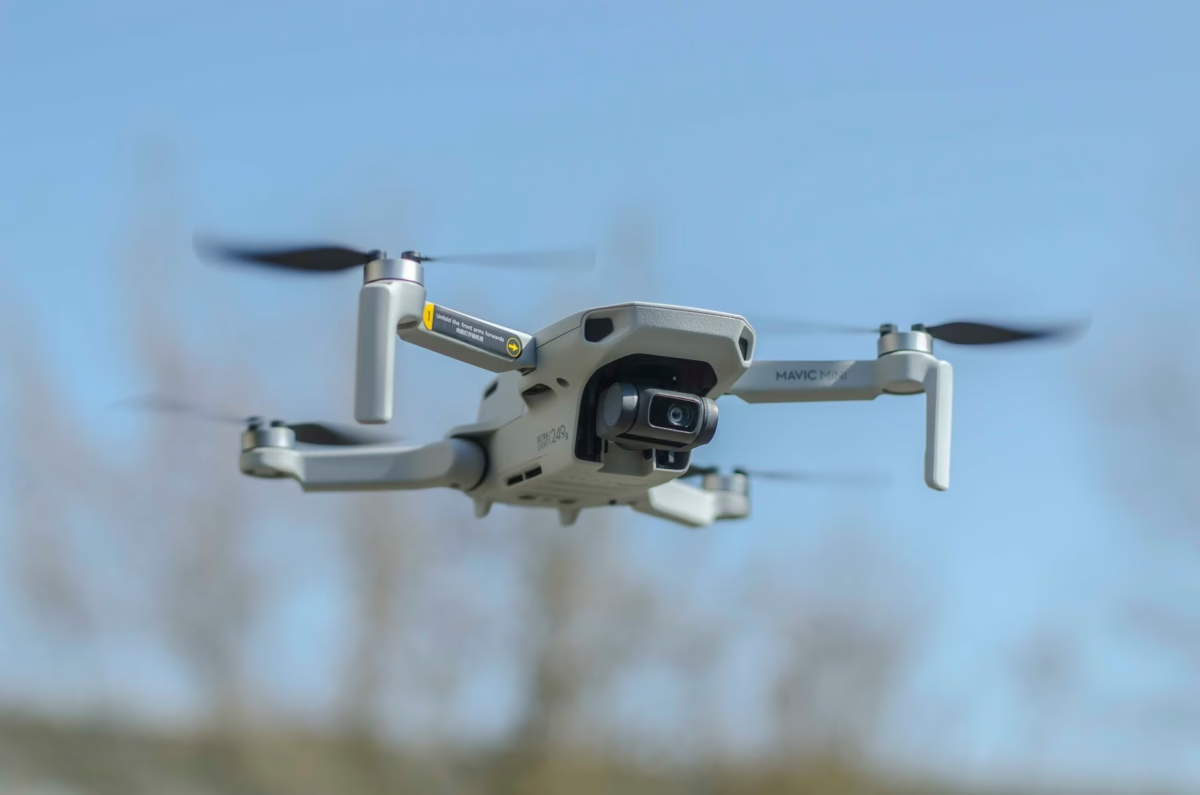
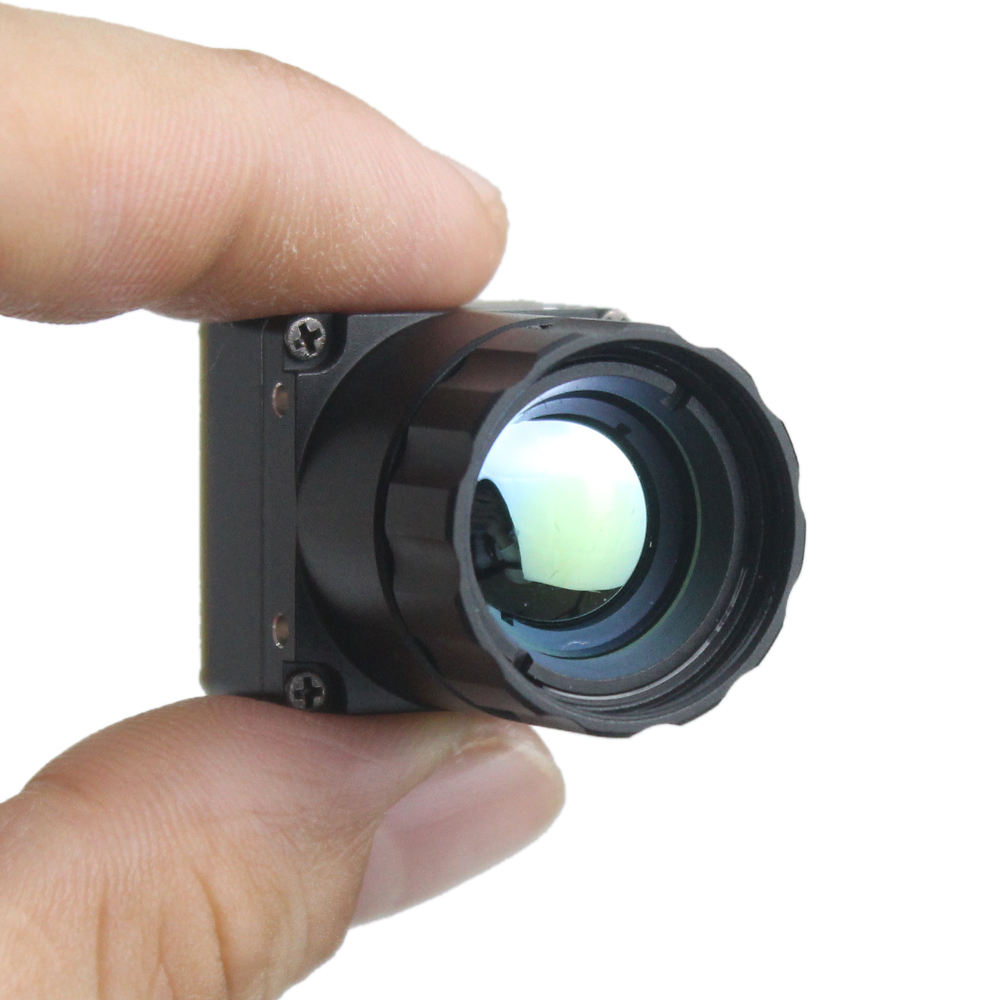
Uncooled LWIR USB Mini 640*512 Thermal Camera Core Module For Drones Similar To DJI
Designed for DJI-class drone payloads, micro-gimbals, and embedded AI edge devices requiring direct USB driverless integration and low power draw. |
|
• 640 x 512 / 640 x 480 • 12µm Pixel Pitch • NETD < 40mK • Crisp Image Engine |
• 21mm x 21mm Profile • Active Power: < 1.0W • Core Weight: ~ 15g |
• USB 2.0 (UVC / V4L2) • Raw 14-bit Stream • CVBS Direct Output |
Comprehensive Lens Range: 5mm, 9mm, 13mm, 18mm, 35mm, 50mm, 75mm, 100mm, 150mm |
Detailed Product Profiles
1. Uncooled Infrared RJ45 CVBS RTSP IP 640*512 ASIC Thermal Module
This module packs an RTSP compression engine and an ASIC image processor straight onto the module board. Because it serves H.264 and H.265 video over plain Ethernet, you don't need a separate video encoder on your host board. It's a great fit for standalone IP thermal pods, perimeter towers, and industrial equipment monitoring.
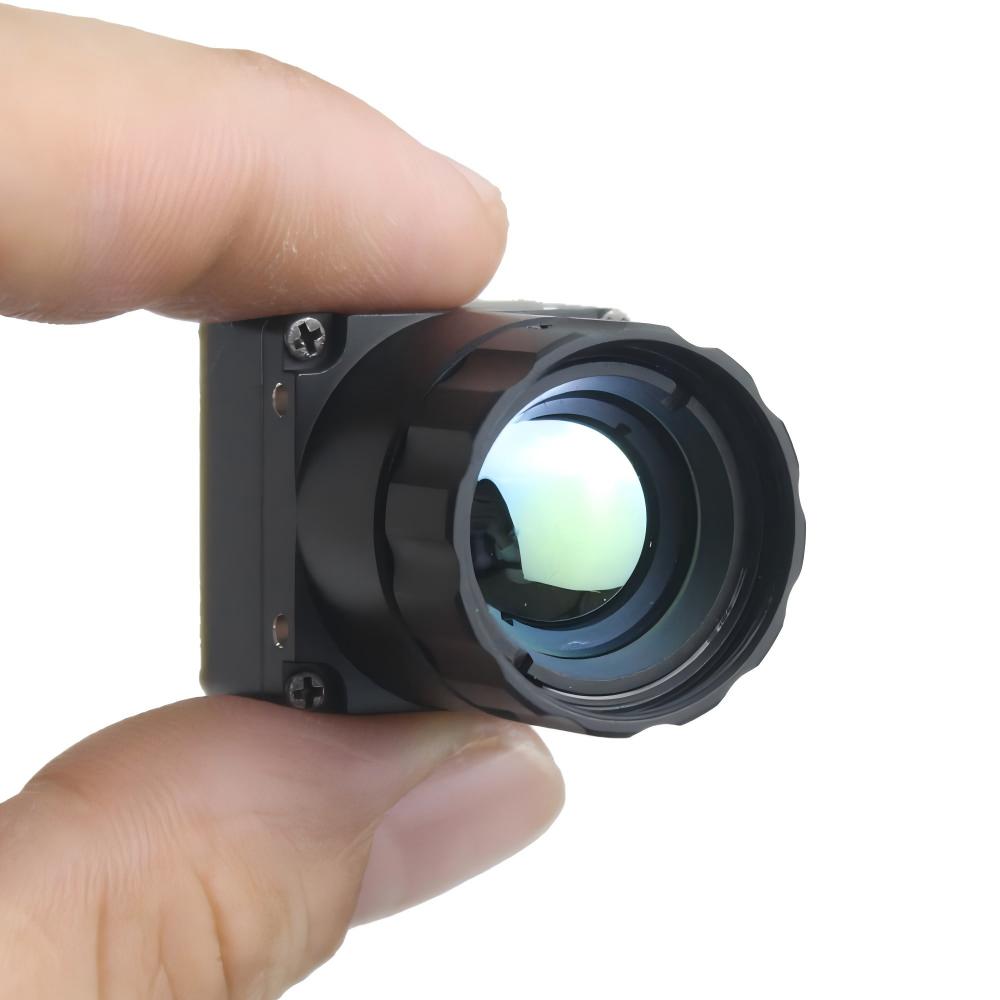
2. Uncooled LWIR USB Mini 640*512 Thermal Imaging Core Module
Built around a 21mm x 21mm profile, this core gives you full thermal resolution while keeping weight down to 15 grams. It drops right into DJI-compatible payloads, embedded Linux SBCs, and handheld inspection gear, pumping out standard UVC digital video and raw 14-bit temperature matrices over one USB cable.
5. Industrial Deployment Scenarios & OEM Applications
Tactical & Commercial UAV Thermal Payloads
Dropping Mini2 cores into small unmanned aircraft (sUAS) gives you serious real-world capabilities across inspections, public safety, and defense jobs:
- ✅ Solar Photovoltaic Array Auditing: Flying at altitudes between 50 and 100 meters, a Mini2-equipped drone maps large solar farms, isolating defective bypass diodes, micro-cracks, and localized cell hotspots in real time.
- ✅ Search & Rescue (SAR): Operating in dense forest canopy cover or pitch-black night conditions, high NETD sensitivity (< 40mK) detects human heat signatures against cool ground backgrounds.
- ✅ High-Voltage Power Line Inspection: Identifies phase imbalances, loose mechanical splices, and insulator arcing along electrical transmission grids before utility failures occur.
- ✅ Wildfire Tactical Mapping: Cuts right through thick surface smoke to find spot fires and perimeter burn lines, streaming real-time coordinates back to field commanders.
Perimeter Defense, Infrastructure, and Spherical PTZ Systems
Off the drone and on the ground, Mini2 cores act as the central thermal engine inside fixed security housings and pan-tilt-zoom (PTZ) rigs. When mounted inside IP67 enclosures, their RTSP interface talks directly to standard Video Management Systems (VMS) like Milestone or Genetec. High-precision optomechanical hardware from partners like Shenzhen ChiYi Electronics Co., Ltd. keeps sensors aligned and sealed across wide operational temperatures (-40°C to +80°C).
For long-range border tracking, maritime navigation, and dual-spectrum surveillance applications, system architects can combine Mini2 LWIR camera engines with high-definition optical cameras using our dual-sensor thermal imaging spherical PTZ camera systems.
6. Deep-Dive Frequently Asked Questions (FAQ)
Is upgrading to a Mini2 thermal camera module worth it for modern UAV and drone applications?
Yes, upgrading to a Mini2 thermal camera module delivers substantial operational and financial returns for commercial drone manufacturers, payload developers, and enterprise inspection providers. Legacy thermal payloads frequently forced system designers to choose between low-resolution 384x288 sensors or bulky, power-hungry 640x512 modules that restricted flight times. The Mini2 breaks this trade-off by offering full 640x512 long-wave infrared resolution (327,680 total pixels) within an ultra-compact 21mm x 21mm cross-sectional footprint weighing as little as 15 grams.
From an avionics perspective, the module's ASIC architecture limits active power consumption to under 1.0W. This low power draw reduces internal battery drain, extending drone flight endurance while minimizing thermal self-heating that could degrade image quality. Furthermore, the nearly 3x increase in pixel density compared to 384x288 sensors allows operators to fly at higher altitudes while maintaining the spatial resolution needed to detect cell defects on solar panels, hot spots on power lines, or human thermal signatures during search-and-rescue operations. This higher operational ceiling improves mission safety and increases flight coverage rates per battery charge.
How do Mini2 thermal modules integrate with custom drones and security systems?
Mini2 thermal camera cores offer flexible integration options across custom drone gimbals, robotic systems, and fixed security infrastructure through a multimodal hardware and software architecture. For embedded software integration on platforms like NVIDIA Jetson, Raspberry Pi, or custom ARM single-board computers, the module acts as a standard USB 2.0 UVC driverless device under Linux V4L2 systems. This configuration allows computer vision developers to pull raw 14-bit radiometric datasets or pre-processed YUV streams directly into C++ or Python codebases via standard OpenCV libraries.
For IP-based perimeter security systems and tethered UAVs, the Mini2 module delivers compressed H.264/H.265 video streams over Ethernet (RJ45) using standard RTSP/ONVIF protocols. This allows direct integration into enterprise Video Management Software (VMS) without needing external encoder hardware. Additionally, low-latency composite analog CVBS outputs connect directly to standard FPV video transmitters for analog ground station monitoring. Hardware mounting is streamlined via perimeter M2/M3 threaded hole patterns, while open-source software SDK wrappers facilitate MAVLink telemetry integration for flight controller target tracking.
What sets Purpleriver's Mini2 thermal core apart for commercial OEM buyers?
Purpleriver's Mini2 thermal cores stand out in the commercial OEM market due to their advanced ASIC hardware design, strict industrial quality standards, and deep customization support. Unlike many low-cost consumer modules that rely on uncalibrated software processing, Purpleriver integrates an ASIC ISP directly onto the core hardware. This engine executes complex signal processing—including Non-Uniformity Correction (NUC), Bad Pixel Replacement (BPR), Dynamic Detail Enhancement (DDE), and spatial noise filtering—at the silicon level, ensuring reliable image performance without overburdening host processors.
Furthermore, every Purpleriver Mini2 module undergoes industrial temperature calibration across its operating range (-40°C to +80°C), delivering consistent measurement accuracy across changing environmental conditions. Purpleriver supports OEM clients with extensive optical configurations—offering a wide selection of Germanium lenses ranging from 5mm wide-angle to 150mm telephoto setups. Backed by full Linux/Windows software development kits, responsive engineering support, and ISO-certified manufacturing facilities, Purpleriver delivers scalable thermal cores tailored for integration into high-reliability unmanned and industrial systems.
Technical Design Checklist for Integrators
- ⚙️ Electrical Supply: Confirm DC 3.3V to 5.0V supply regulated within ±5% tolerance. Ensure peak startup current capacity of at least 350mA.
- ⚙️ Thermal Management: Maintain mechanical heat dissipation pathways via enclosure contact if operating in ambient environments exceeding +50°C.
- ⚙️ Optical Path: Select appropriate optical lens focal length based on target DRI distance requirements and desired Field of View (FOV).
- ⚙️ Data Pipeline: Select the correct interface model: USB UVC for local SBC processing, RJ45 RTSP for network streaming, or CVBS for analog flight control systems.
📚 References & Further Reading
- Industry Standard Optics: Rising Optics Precision Thermal Germanium Lens Assemblies
- Manufacturing Partner: Shenzhen ChiYi Electronics Co., Ltd. Electro-Optical Assemblies
- Architecture Deep Dive: 640x512 LWIR Thermal Camera Module Structural Analysis
- Linux Edge AI Guide: Configuring Raspberry Pi Thermal Camera Modules for Linux Edge AI
- Long-Range Hardware: Dual-Sensor Thermal Imaging Spherical PTZ Surveillance Systems