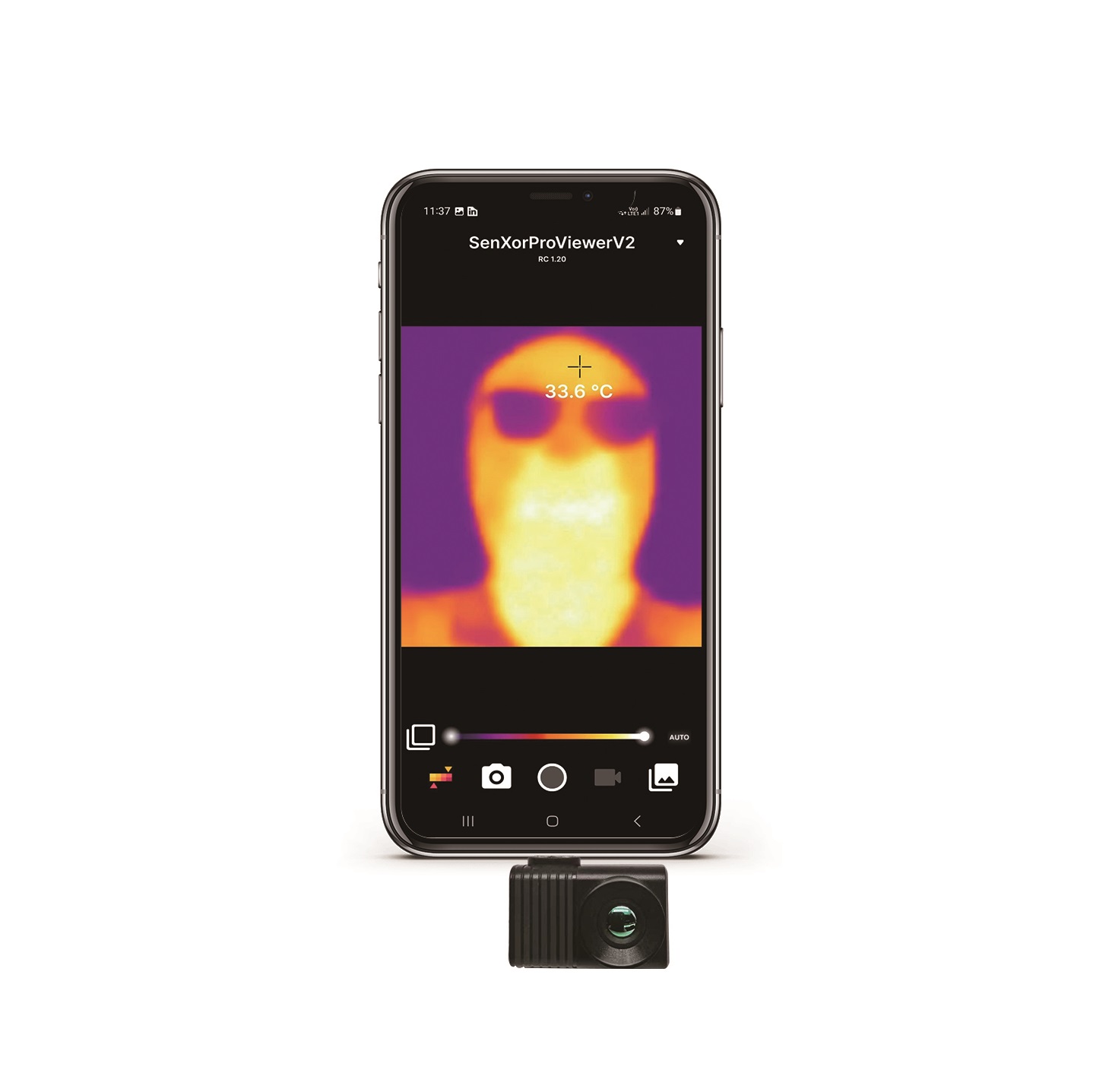
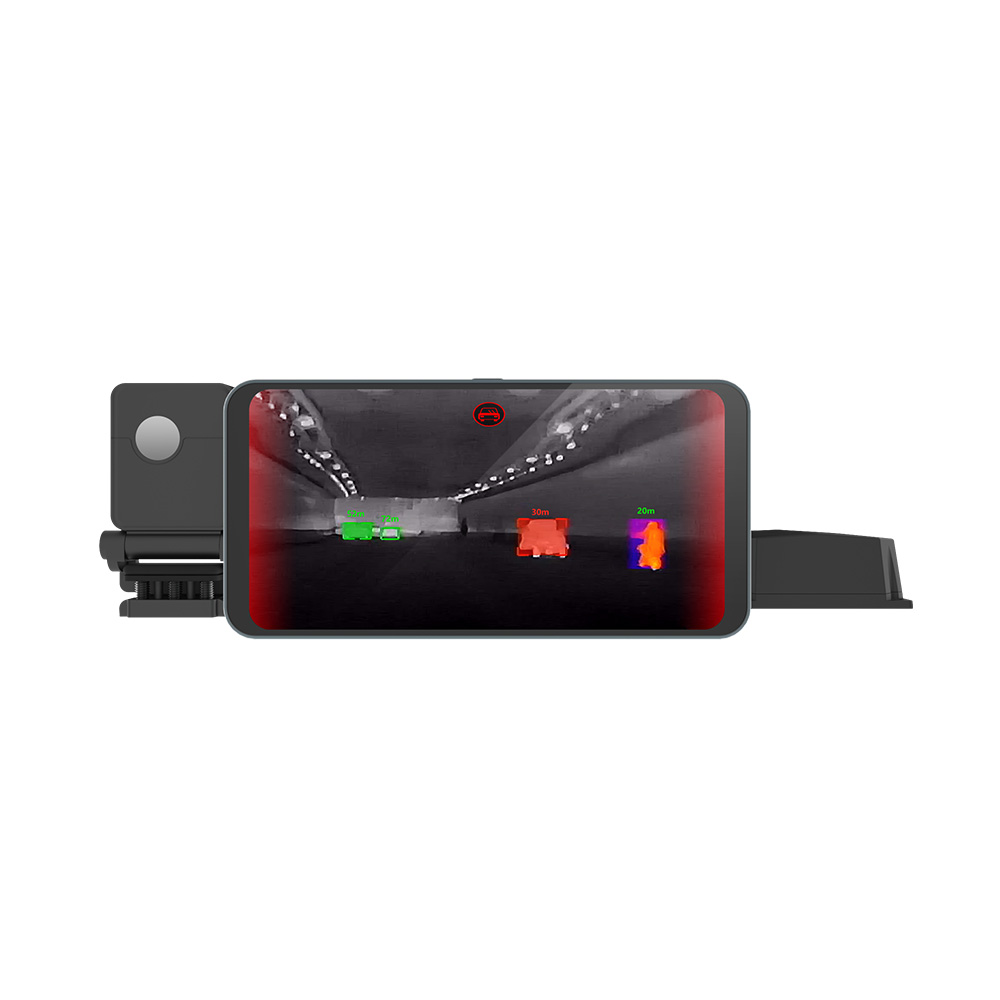

Ultra-Low Power <0.5W Thermal Module for Drones & IoT | Compact OEM Cores
2026年8月27日
High Sensitivity Thermal Imaging Modules: The Engineer's Guide to Low NETD & AI Vision
2026年8月28日
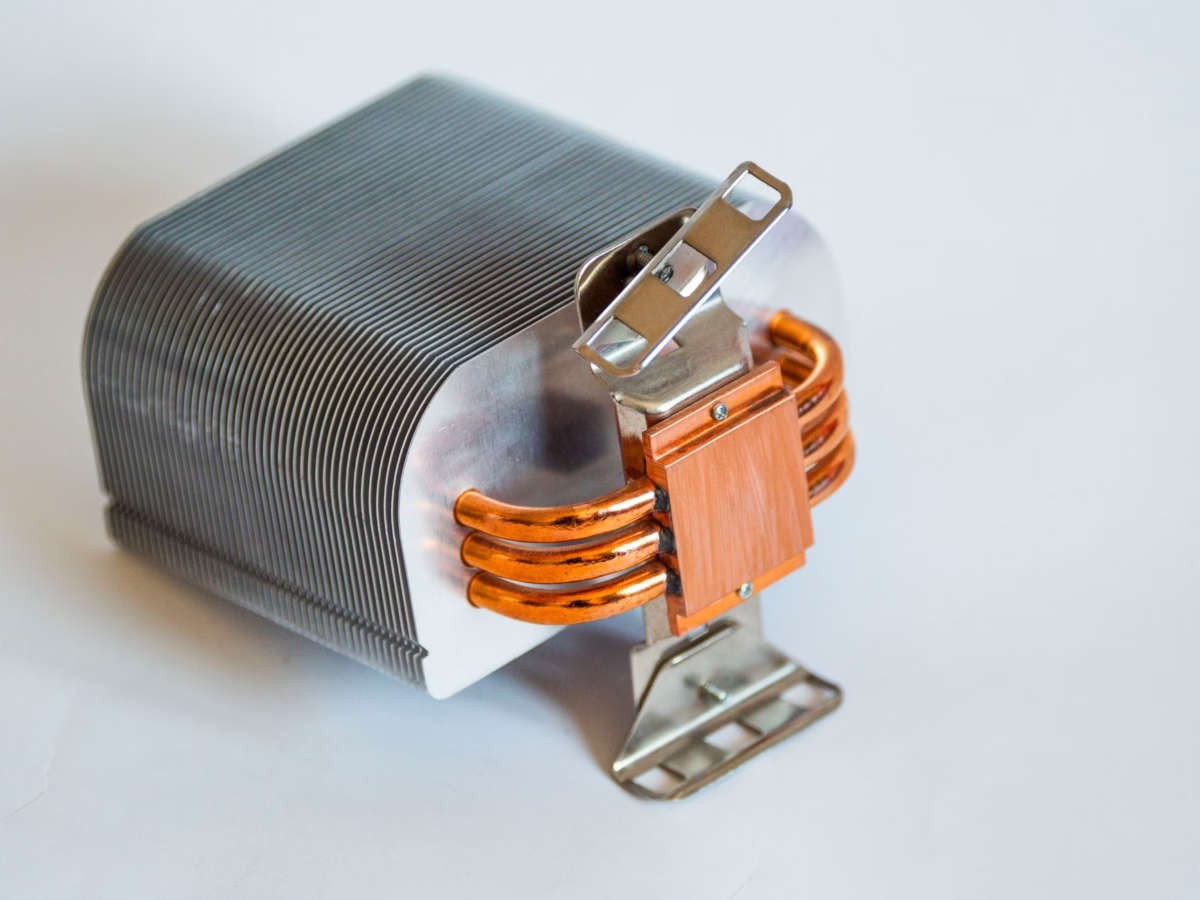
Best ≤50mK NETD Thermal Module Guide: OEM Cores for High-Sensitivity Imaging
In long-wave infrared (LWIR) electro-optical engineering, Noise Equivalent Temperature Difference (NETD) is the defining metric for sensor signal-to-noise performance. Selecting an uncooled ≤50mK NETD thermal module marks the dividing line between consumer-grade thermal detection and mission-grade industrial radiometry. When an infrared focal plane array (FPA) operates at a thermal sensitivity of 50 millikelvins (0.05°C) or lower, it resolves subtle spatial temperature gradients that would otherwise vanish beneath microbolometer Johnson noise, 1/f flicker, or atmospheric moisture attenuation. For optomechanical payload developers, UAV gimbal integrators, defense system architects, and automation specialists, this threshold provides edge definition, consistent radiometric output, and target distinction in low-contrast isothermal conditions.
Modern microbolometer cores reach this sub-50mK figure through the convergence of 12μm Vanadium Oxide (VOx) thin-film fabrication, wafer-level vacuum packaging (WLP), low-noise Readout Integrated Circuit (ROIC) topologies, and real-time digital signal processing. System designers face strict Size, Weight, Power, and Cost (SWaP-C) constraints, and these high-sensitivity uncooled LWIR OEM cores offer performance approaching cryogenic cooled Mid-Wave Infrared (MWIR) platforms without the penalty of high power draw, short Stirling cooler lifespans, or excessive mechanical mass. This guide provides an in-depth engineering assessment of the underlying physics, system architectures, optomechanical integration strategies, and OEM core options driving high-sensitivity thermal vision.
Table of Contents
- 👉 1. The Physics of Thermal Sensitivity: Demystifying NETD at ≤50mK
- 👉 2. Operational Benefits in Low-Thermal-Contrast Environments
- 👉 3. Core Hardware Architecture, ISP Pipelines, and Interface Protocols
- 👉 4. Featured OEM Core Specifications: MD Series 384×288 & Mini 256×192
- 👉 5. SWaP-C Optimization & Optomechanical Integration Guidelines
- 👉 6. Deep-Dive Engineering FAQ
1. The Physics of Thermal Sensitivity: Demystifying NETD at ≤50mK
Noise Equivalent Temperature Difference is a baseline signal-to-noise ratio calculation. It specifies the target temperature differential required to produce an electrical output signal equal to the root-mean-square (RMS) noise voltage of the focal plane array and its analog readout electronics. Expressed in millikelvins (mK), lower values mean higher thermal sensitivity, letting the sensor extract smaller Delta-T variations from the scene.
From an optoelectronic standpoint, NETD is governed by optical aperture geometry, detector responsivity, microbolometer surface area, spectral bandwidth, and the ROIC integrator's electrical noise bandwidth:
NETD = [ 4 × F2 × √(Δf) ] / [ π × Ad × τo × τa × D* × (dP/dT)λ1-λ2 ]
Breaking down this system-level equation reveals the core engineering trade-offs:
- ⚙️ F: Optical f-number of the lens assembly, standardized at F/1.0. Increasing this to F/1.4 cuts incoming flux by roughly half, degrading effective system NETD.
- ⚙️ Δf: Electrical noise equivalent bandwidth of the ROIC integrator stage, set by integration timing and frame rate.
- ⚙️ Ad: Microbolometer active pixel area (for a modern 12μm pitch detector, Ad = 1.44 × 10⁻⁶ cm2).
- ⚙️ τo & τa: Optical transmission efficiency and atmospheric transmission factors across the 8μm to 14μm band.
- ⚙️ D*: Normalized specific detectivity of the sensing layer, determined by the Temperature Coefficient of Resistance (TCR) and thermal isolation.
- ⚙️ (dP/dT)λ1-λ2: Temperature derivative of radiant exitance calculated from Planck's radiation law within the LWIR band at 300K ambient.
Maintaining a native sensor rating of ≤50mK requires managing transmissive losses across the optical path. Pairing microbolometer arrays with anti-reflective coated Germanium or Chalcogenide optics, such as those produced by LightPath Technologies, keeps optical transmission losses (τo) from degrading system sensitivity and dynamic range.
The total noise floor limiting the NETD of an uncooled VOx microbolometer array stems from three physical noise sources:
- ⚙️ Johnson Noise (Thermal Agitation Noise): Originates from random charge carrier movement inside the microbolometer resistive element. Calculated as Vj = √(4 × kB × T × R × Δf), where kB is Boltzmann's constant, T is absolute temperature in Kelvin, and R is the pixel bridge resistance.
- ⚙️ 1/f Flicker Noise: Low-frequency noise caused by bulk material traps, grain boundaries in the VOx thin film, and contact interfaces. Wafer annealing and stoichiometry control in 12μm processes are required to suppress this parameter.
- ⚙️ Thermal Fluctuation Noise: The physical limit of uncooled thermal sensors, caused by spontaneous heat transfer between the suspended microbolometer membrane and the substrate through the structural support legs.
A true ≤50mK NETD thermal module balances these noise factors through micro-machined isolation legs, high Temperature Coefficient of Resistance (TCR ≥ 2.5%/K to 3.0%/K), and on-die low-noise integrating ROIC stages, resolving temperature deltas down to 0.05°C above the noise floor.
2. Operational Benefits in Low-Thermal-Contrast Environments
In controlled industrial environments, spotting high-contrast heat sources—such as an overloaded breaker operating 40°C above ambient—is straightforward for most thermal sensors. However, real-world field conditions often present narrow dynamic ranges under 1.5°C. These isothermal conditions are common during rain washouts, maritime surveillance, overcast dawn patrols, and building envelope surveys.
When scene contrast drops, the performance difference between a >60mK core and a ≤50mK module becomes clear:
- ✅ Suppression of Gray-Scale Washout: High NETD sensors produce spatial and temporal noise when digital gain algorithms stretch narrow temperature bands across an 8-bit display. This generates background grain that masks critical edge transitions. An NETD of ≤50mK preserves high signal-to-noise ratios, retaining clear target silhouettes against backgrounds with matching emissivities.
- ✅ Radiometric Stability and Trend Analysis: In condition monitoring, predictive maintenance, and utility inspection, absolute temperature readings depend on pixel-level repeatability. A lower noise floor minimizes measurement jitter, maintaining accuracy within ±2°C or ±2% under shifting ambient conditions.
- ✅ Sub-Surface Defect Mapping: For non-destructive testing (NDT), composite material inspection, and shallow sub-surface hazard detection, structural anomalies often create surface thermal deltas smaller than 0.1°C. High-sensitivity cores resolve these subtle thermal signatures, capturing structural voids that lower-tier sensors miss.
For more details on evaluating thermal camera modules for custom setups, review our engineering guides on jak wybrać najlepszy moduł kamery termowizyjnej and fundamental infrared thermal imaging technology principles.
3. Core Hardware Architecture, ISP Pipelines, and Interface Protocols
Delivering consistent ≤50mK performance requires balanced integration between the focal plane array, low-noise analog-to-digital readout electronics, and the Image Signal Processing (ISP) pipeline. If processing introduces quantization noise or latency, native microbolometer sensitivity is compromised.
Advanced ISP Pipeline Stages
Modern thermal imaging cores use multi-stage digital signal processors to balance radiometric calibration with video clarity:
- ⚙️ Non-Uniformity Correction (NUC): Individual microbolometers exhibit unique offset and gain profiles due to silicon fabrication tolerances. Multi-point calibration curves, paired with mechanical shutter sweeps or shutterless algorithmic tracking, normalize response across the active pixel area.
- ⚙️ 3D Temporal & 2D Spatial Noise Reduction (3D-DNR): Analyzes successive video frames to filter random temporal noise while preserving spatial edges on moving targets without introducing motion blur.
- ⚙️ Digital Detail Enhancement (DDE): Applies high-order spatial filtering to pull low-amplitude high-frequency details from the scene and blend them back into the dynamic range, sharpening structural features.
- ⚙️ Bad Pixel Replacement (BPR): Dynamic identification and interpolation of dead, drifting, or saturated detector elements using neighboring pixel data to prevent visual artifacts.
Embedded Interface and Bus Protocols
Integrating high-sensitivity thermal cores into embedded edge processors (such as NVIDIA Jetson, Rockchip, or FPGA systems) relies on low-latency, high-bandwidth interfaces:
- ⚙️ MIPI-CSI2: Low-latency interface for robotic systems and UAV gimbals. It transfers raw 14-bit or 16-bit radiometric data directly to the host application processor's GPU or VPU, bypassing frame-grabber bottlenecks.
- ⚙️ USB 2.0 / USB 3.0 (UVC Compliant): Supports plug-and-play operation for Windows and Linux hosts, transmitting standardized video frames alongside raw temperature arrays over separate endpoint channels.
- ⚙️ Analog CVBS (NTSC/PAL): Provides low-latency composite video output for analog video transmitters, long-range field links, and legacy display monitors.
- ⚙️ UART / I2C / SPI: Low-level command buses for configuring core registers, setting emissivity targets, switching palettes, and applying calibration tables.
For custom carrier boards and specialized interface hardware, OEMs often partner with contract manufacturers like KUYANG to build rugged, production-ready interface electronics.
4. Featured OEM Core Specifications: MD Series 384×288 & Mini 256×192
Purpleriver manufactures uncooled LWIR OEM cores designed for SWaP-constrained industrial systems, drone payloads, and automated inspection platforms. Developed by an engineering team from the Hong Kong University of Science and Technology (HKUST) and former Huawei HiSilicon silicon architects, these modules integrate 12μm pixel pitch arrays with native ≤50mK NETD sensitivity.
For custom integration options, consult our resource on high-sensitivity thermal camera cores.
Product Showcase 1: MD Series 384×288 Uncooled Infrared Thermal Camera Module
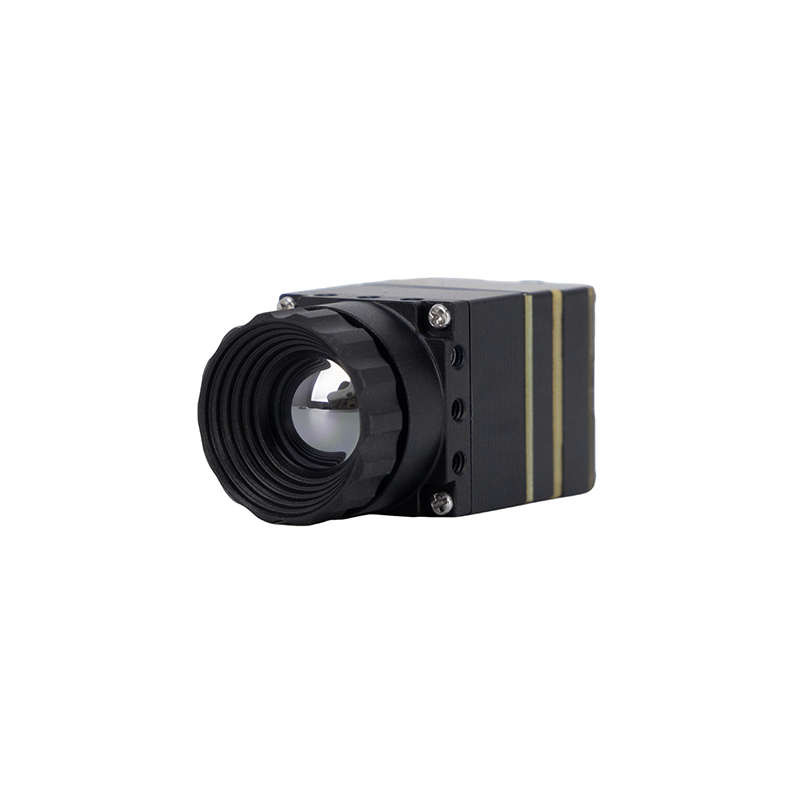
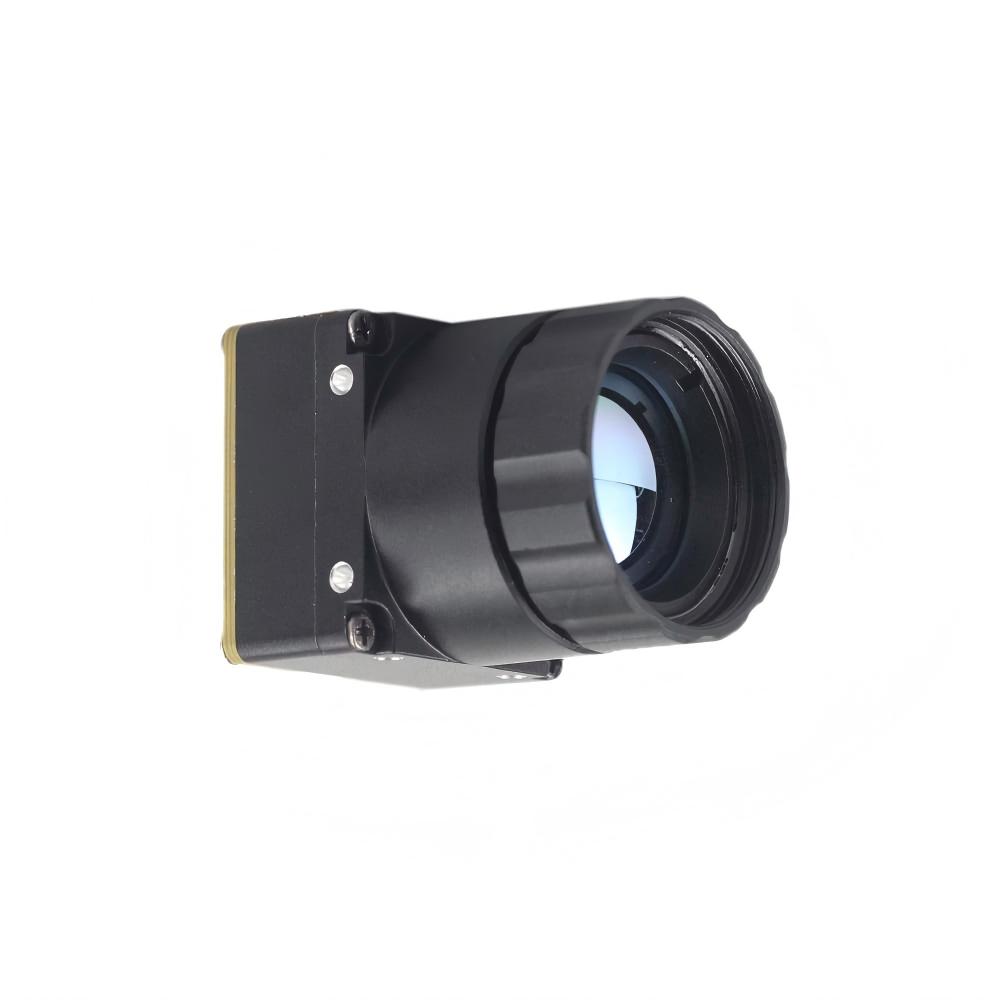
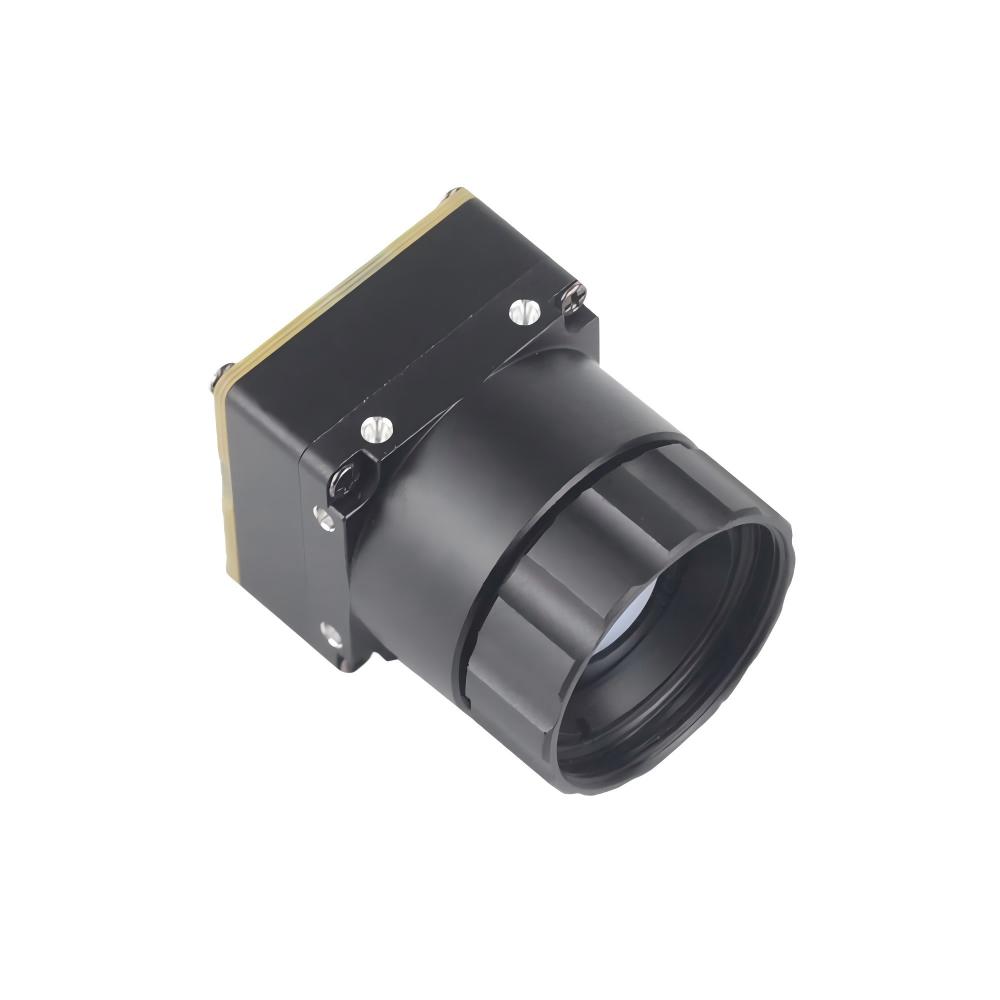
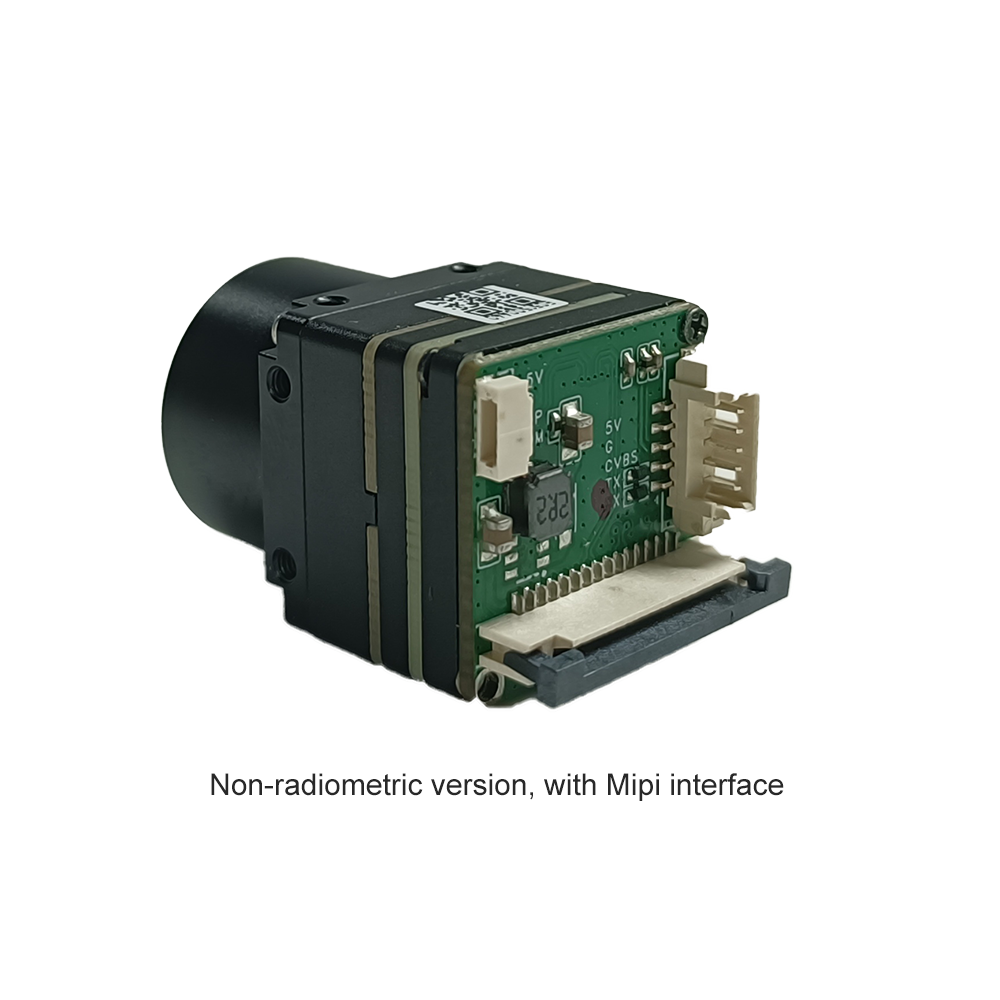
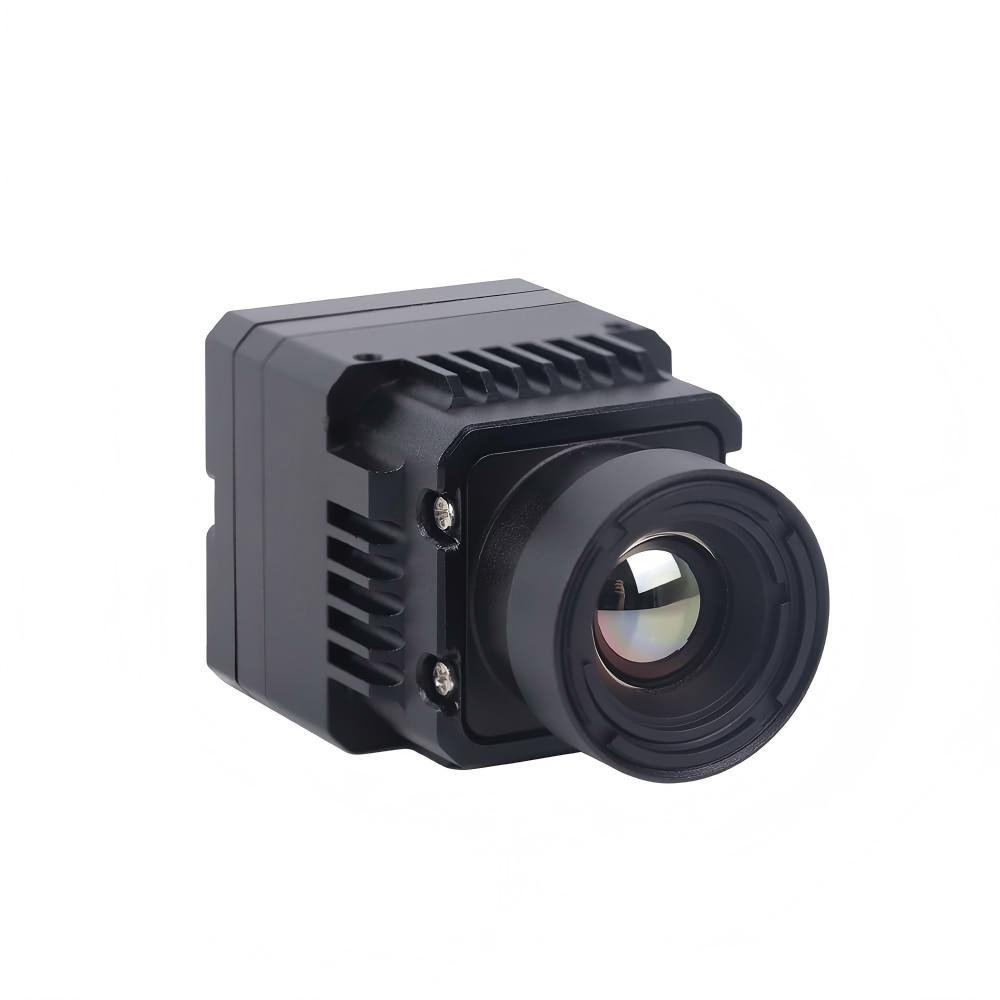
The MD Series 384×288 uncooled infrared thermal camera module is built for continuous condition monitoring, border security payloads, and drone gimbal integration. Built on a 12μm pixel pitch VOx focal plane array, it delivers clear spatial resolution alongside calibrated temperature measurement.
With multi-protocol interface options (MIPI, USB, and CVBS), the MD Series integrates directly into host processing architectures. Backed by HKUST and HiSilicon engineering expertise, this core supports OEM/ODM firmware and interface board customization for specialized industrial programs.
| Array Resolution | 384 × 288 pixels |
|---|---|
| Pixel Pitch | 12 μm |
| Thermal Sensitivity (NETD) | ≤ 50 mK (@25°C, F/1.0) |
| Spectral Band | 8 to 14 μm (LWIR) |
| Digital & Video Interfaces | MIPI-CSI2 / USB / Analog CVBS / Serial UART |
| Development Heritage | HKUST & Former Huawei HiSilicon Core Architecture Team |
View Product Details & Pricing ➔
Product Showcase 2: Uncooled LWIR Mini 256×192 Thermal Imaging Camera Module
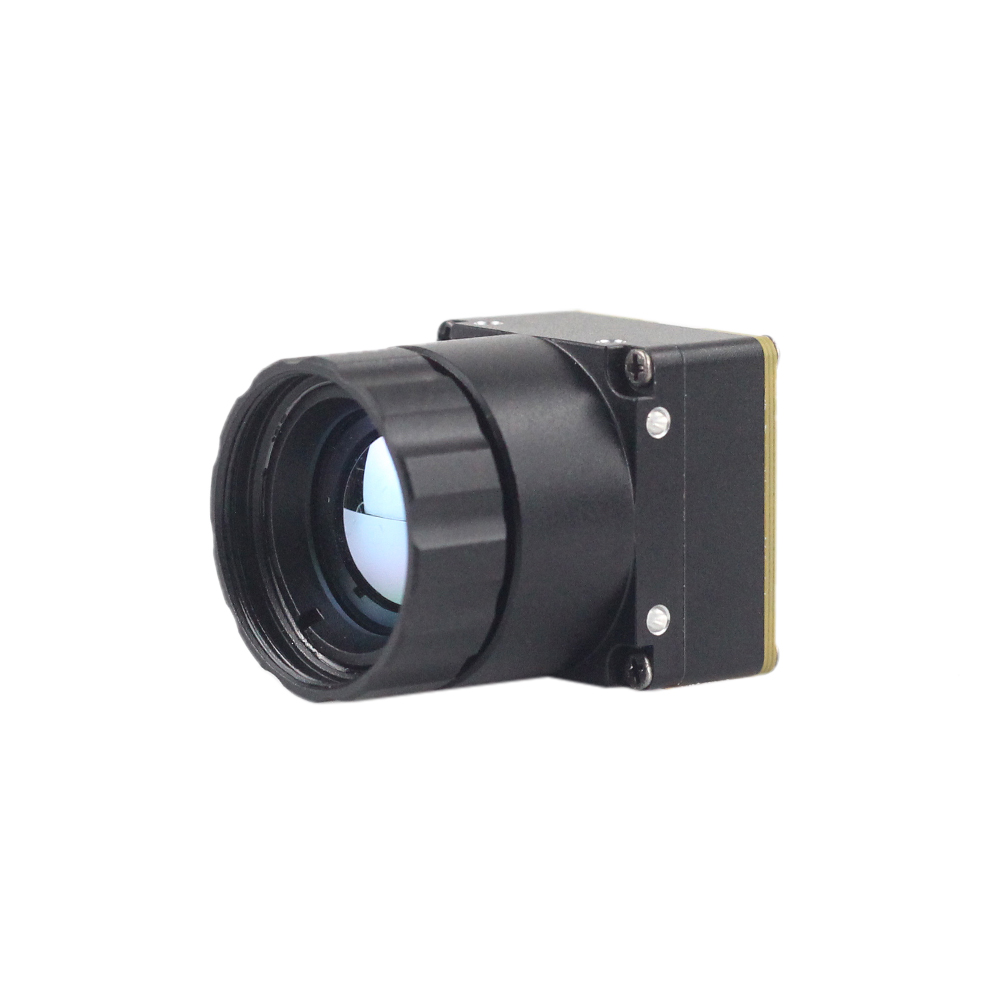
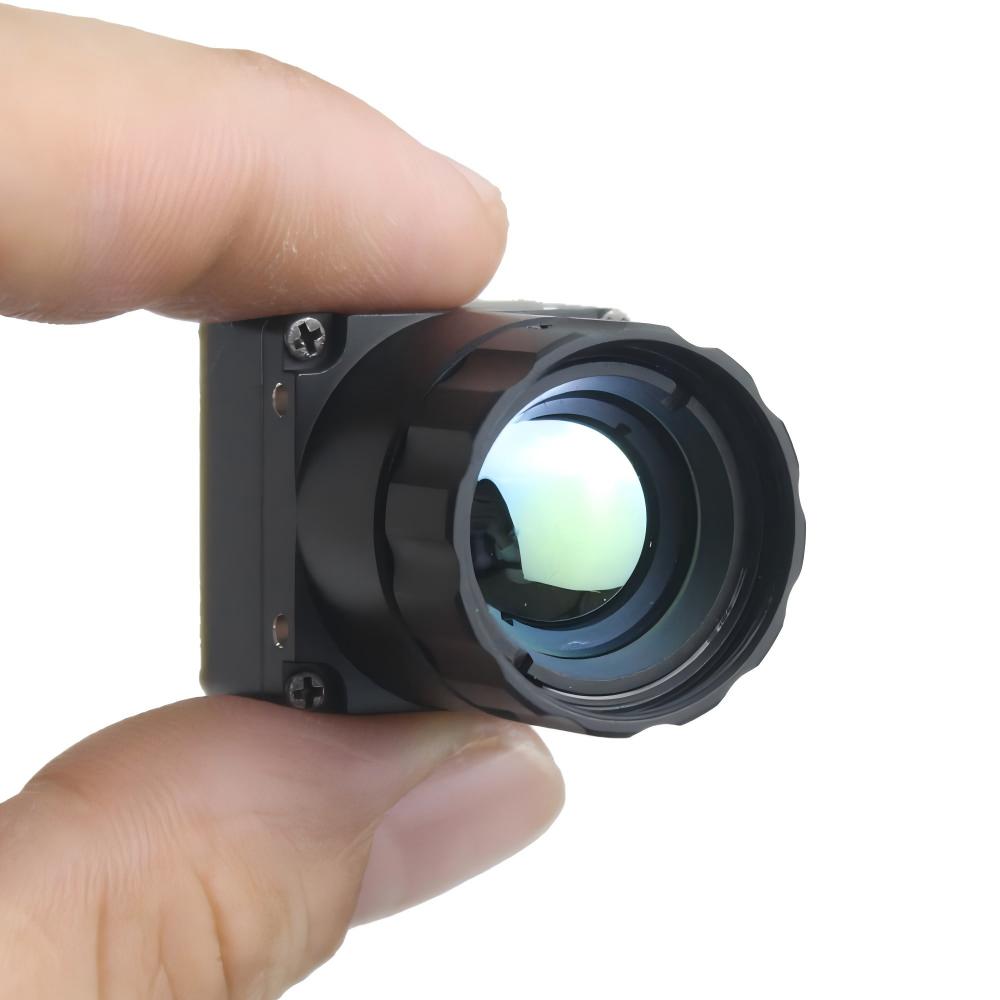
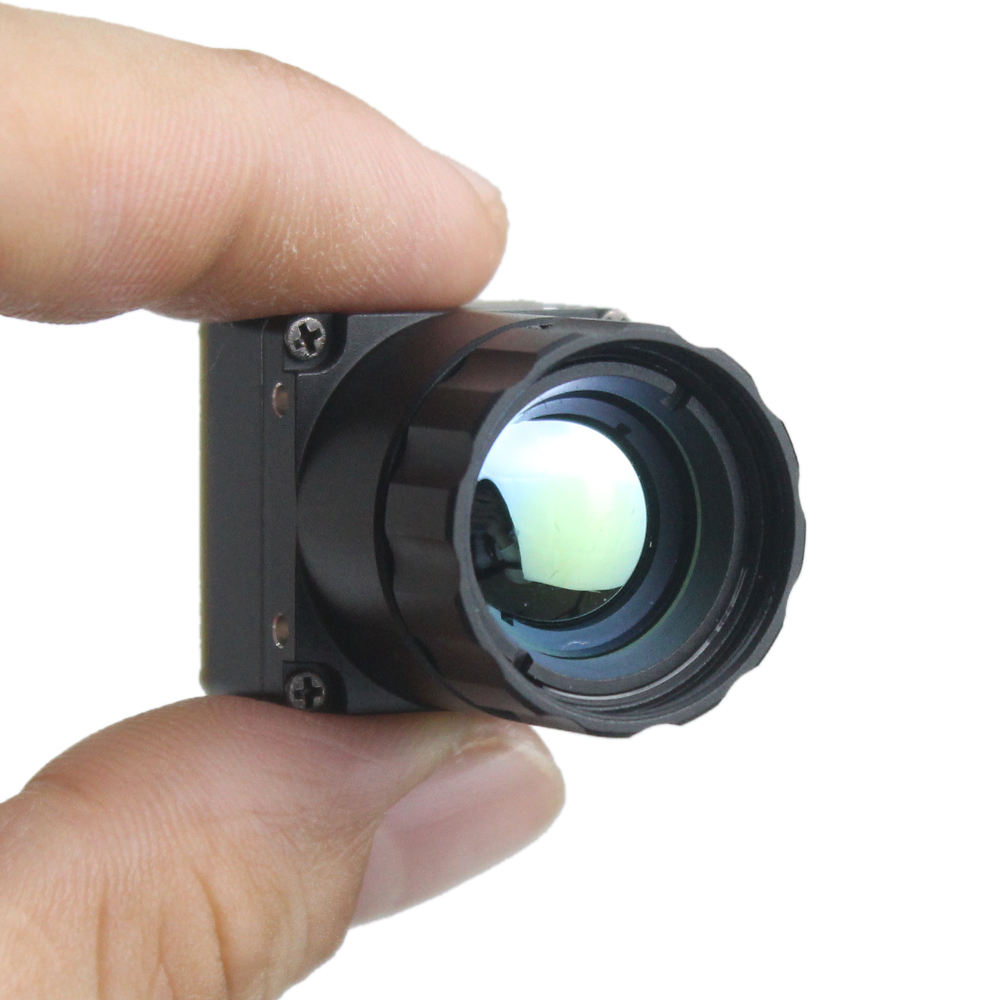
The Uncooled LWIR Mini 256×192 Thermal Imaging Camera Module provides high sensitivity in a micro form factor comparable to compact drone payloads. Engineered for weight-critical systems like UAV mine-detection setups, handheld test tools, and small robotic assemblies, it produces calibrated radiometric video with low power consumption.
Its lightweight structure and low noise floor deliver accurate temperature readings and clear target silhouettes, making it suitable for identifying subtle thermal signatures from buried objects, sub-surface anomalies, or micro-structural variations.
| Array Resolution | 256 × 192 pixels |
|---|---|
| Pixel Pitch | 12 μm |
| Thermal Sensitivity (NETD) | ≤ 50 mK (@25°C, F/1.0) |
| Form Factor / Class | Miniaturized SWaP Profile (Similar to DJI micro-payloads) |
| Primary Specialization | Sub-surface Mine Detection, Micro-UAVs, Uniform Radiometry |
| Measurement Capabilities | Full Area Radiometric Output & Spot Temperature Tracking |
View Product Details & Pricing ➔
Direct Architectural Comparison
| Feature / Parameter | Purpleriver MD Series 384×288 | Purpleriver Mini 256×192 |
|---|---|---|
| FPA Native Array | 384 × 288 (110,592 active pixels) | 256 × 192 (49,152 active pixels) |
| Pixel Pitch | 12 μm | 12 μm |
| NETD Thermal Sensitivity | ≤ 50 mK | ≤ 50 mK |
| Interface Versatility | MIPI-CSI2 / USB / CVBS / UART | USB / DVP / CVBS / UART |
| Primary Application Focus | Predictive Maintenance, Perimeter Security, Industrial UAV Payloads | Tactical Micro-Drones, Mine Detection, Ultra-Compact Handheld Devices |
| Engineering Customization | Full OEM/ODM customization via ex-HiSilicon ISP architecture | Optimized SWaP-C platform for volume integration |
5. SWaP-C Optimization & Optomechanical Integration Guidelines
Integrating an uncooled ≤50mK NETD thermal module into tight enclosures—such as stabilized multi-axis gimbals, handheld monoculars, or IP67 factory automation housings—requires careful management of thermal paths and optomechanical alignment.
1. Thermal Gradients and Housing Thermal Dissipation
Microbolometer focal plane arrays register incoming radiant flux by tracking micro-temperature changes across individual suspended pixel membranes. When internal heat generated by companion processing components (such as application processors, motor controllers, or power management ICs) conducts unevenly through the camera chassis, it sets up asymmetric thermal gradients across the detector plane. This introduces non-uniformity drift that degrades effective sensitivity above the 50mK baseline.
To avoid thermal drift in the field, design symmetric heat conduction paths into the chassis, use thermal interface materials (TIM) to direct board-level heat to the outer enclosure, and isolate high-power electronics from the focal plane array.
2. Optical Matching and the F-Number Penalty
The system-level NETD of an infrared optical assembly is tied directly to the f-number of the attached lens. While a core may deliver native ≤50mK sensitivity at an aperture of F/1.0, using a slower lens degrades performance proportionally to the square of the f-number ratio:
NETDsystem = NETDcore × (Flens / Fcalibration)2
For example, pairing a 50mK core (calibrated at F/1.0) with an F/1.4 lens results in an effective sensitivity of approximately 98mK, cutting target contrast in low-delta scenes in half. For applications requiring sub-50mK performance, select optical systems with apertures between F/1.0 and F/1.1 equipped with broadband antireflective (BBAR) coatings.
3. High-Speed Interface Layout and EMI Mitigation
High-sensitivity microbolometer readout circuits operate in the microvolt domain before digital conversion. Switching noise from nearby DC-DC converters, motor drivers, or high-speed data buses can couple into the analog readout stages, causing horizontal banding artifacts across the image. Recommended layout practices include:
- ⚙️ Route MIPI-CSI2 and parallel digital traces with controlled differential impedance (100Ω ± 10%) over unbroken ground return planes.
- ⚙️ Isolate digital and analog power rails using dedicated low-dropout (LDO) regulators with high power supply rejection ratios (PSRR ≥ 70dB at 100kHz).
- ⚙️ Place physical EMI shielding around the core assembly when integrating near brushless gimbal motors or RF telemetry antennas.
6. Deep-Dive Engineering FAQ
Why is ≤50mK NETD critical for low-contrast infrared imaging?
How does pixel pitch (12μm vs. 17μm) impact optical size and NETD sensitivity?
Which digital video interface should I select for embedded drone gimbals?
How does non-uniformity correction (NUC) affect operational thermal sensitivity?
What makes the Mini 256×192 core effective for mine detection applications?
📚 References & Further Reading
- Industry Standard: LightPath Technologies
- Industry Standard: KUYANG
- Related Guide: Jak Wybrać Najlepszy Moduł Kamery Termowizyjnej
- Related Guide: تقنية التصوير الحراري بالأشعة تحت الحمراء
- Related Guide: وحدة كاميرا تصوير حراري بالأشعة تحت الحمراء