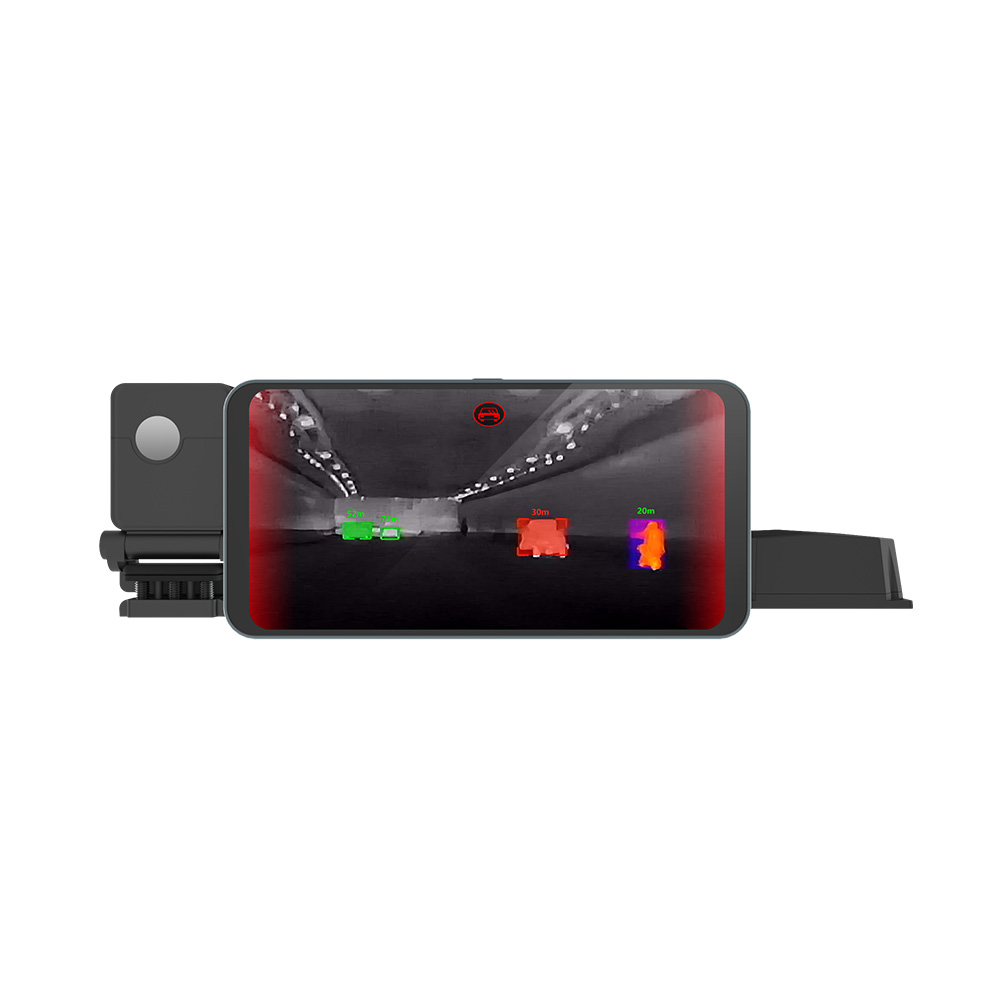

دليل وحدة الكاميرا الحرارية 12um: أنوية OEM عالية الدقة للطائرات المسيّرة وأنظمة الرؤية
24 سبتمبر 2026
دليل نواة الكاميرا الحرارية بالأشعة تحت الحمراء للطائرات المسيّرة: تكامل OEM وSWaP والبروتوكولات
29 سبتمبر 2026
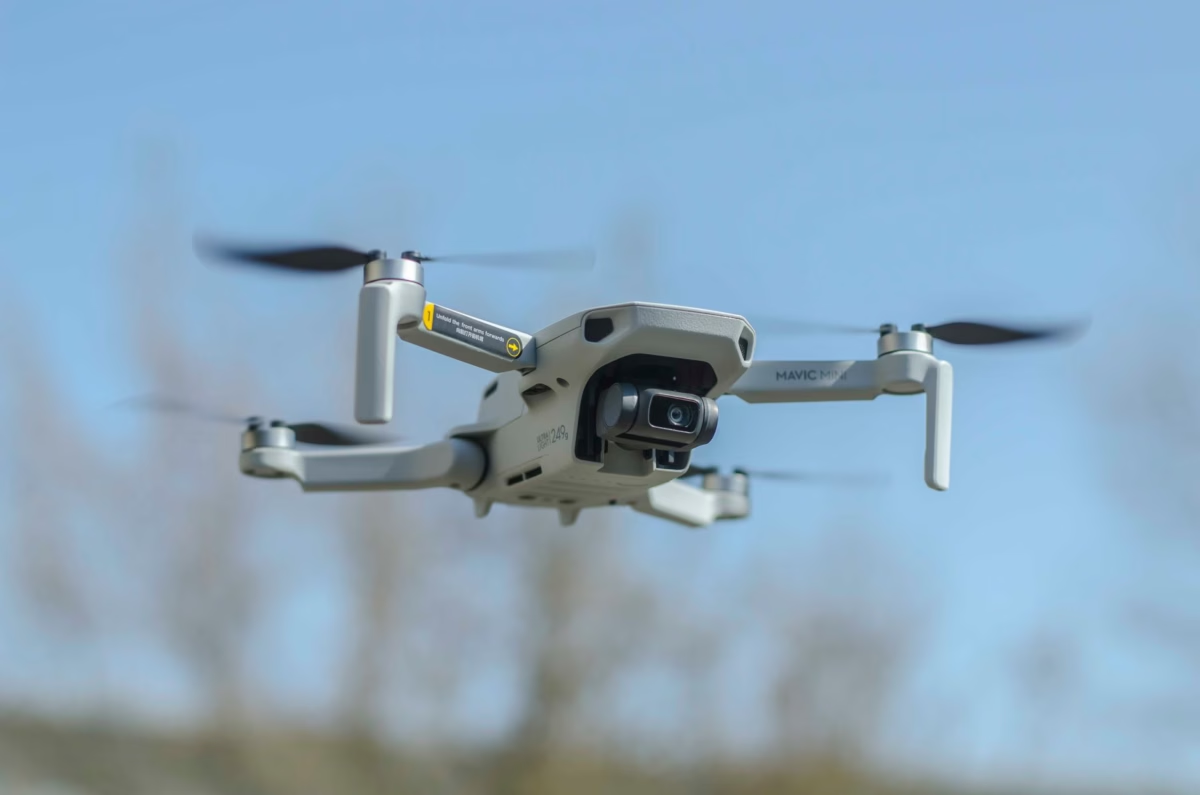
وحدة تصوير حراري خفيفة الوزن للطائرات المسيّرة: حلول OEM للبناءات دون 250 جرامًا
لقد فرض دمج الرؤية الحرارية الإشعاعية عالية الأداء في المركبات الجوية غير المأهولة الصغيرة تاريخيًا تنازلًا قاسيًا بين الدقة الحرارية وحدود كتلة هيكل الطائرة الصارمة. يواجه مهندسو الطائرات بدون طيار التجارية ومصنعو المعدات الأصلية الدفاعية الذين يصممون وفقًا لعتبات التنظيم الخاصة بإدارة الطيران الفيدرالية الفئة 1 ووكالة سلامة الطيران التابعة للاتحاد الأوروبي فئة A1 المفتوحة دون 250 جرامًا قيودًا شديدة في الحجم والوزن والطاقة. إن الحمولة الحرارية القياسية التي تدفع الطائرة فوق 249.9 جرام تؤدي إلى متطلبات ترخيص مشغل مرهقة وسقوف طيران تشغيلية وشهادات مجال جوي تجاري محظورة. ونتيجة لذلك، فإن الطلب على وحدة حقيقية دون 20 جرامًا وعالية الدقة وحدة تصوير حراري خفيفة الوزن للطائرات المسيّرة قد تحول من طلب متخصص إلى مواصفة تصميم إلزامية.
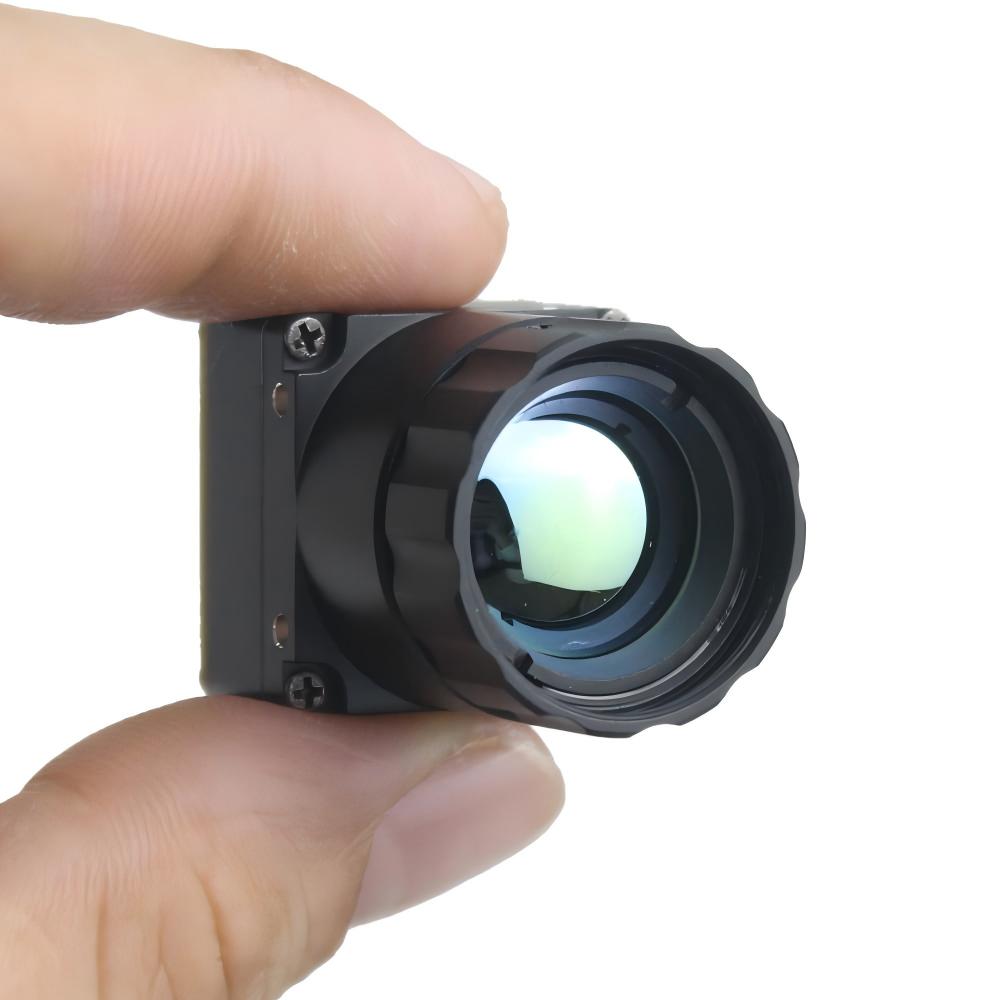
تحل هندسة الأشعة تحت الحمراء طويلة الموجة الحديثة هذا الاختناق التشغيلي من خلال إقران مصفوفات المستوى البؤري بأكسيد الفاناديوم دون الميكرون مع لوحات دوائر فائقة الصغر واتصال MIPI CSI-2/USB-C الأصلي وبصريات الجرمانيوم منخفضة الارتفاع. من خلال إزالة الأغلفة المعدنية الثقيلة واستخدام بنى الهيكل العاري الصغيرة حتى 21×21 مم، يمكن لمهندسي إلكترونيات الطيران تركيب نوى إشعاعية عالية الدقة 640×512 على طائرات متعددة المراوح صغيرة وطائرات بدون طيار صغيرة ثابتة الجناح. يستكشف هذا المخطط المعماري الفيزياء والتكامل الميكانيكي والمفاضلات البصرية وخطوط أنابيب الاتصال بالحاسوب المرافق اللازمة لنشر منصات فحص حراري واستطلاع تكتيكي جاهزة للإنتاج دون 250 جرامًا.
جدول المحتويات
- 👉 الفيزياء والبنية الأساسية لوحدات الأشعة تحت الحمراء طويلة الموجة فائقة الصغر
- 👉 واجهات الأجهزة: MIPI CSI-2 مقابل USB مقابل CVBS التناظري
- 👉 البصريات والمدى الحراري ومعايير جونسون (DRI)
- 👉 الهندسة الميكانيكية والحرارية لمنصات الطائرات بدون طيار دون 250 جرامًا
- 👉 خطوط أنابيب الذكاء الاصطناعي الطرفي وتآزر الحاسوب المرافق
- 👉 التحليل المقارن لنوى الشركات المصنعة الأصلية: مواصفات المنتجات الفعلية
- 👉 دراسات حالة التنفيذ الصناعي
- 👉 الأسئلة الشائعة (FAQ)
الفيزياء والبنية الأساسية لوحدات الأشعة تحت الحمراء طويلة الموجة فائقة الصغر
يعتمد التصوير الحراري بالطائرات بدون طيار المصغرة على اكتشاف إشعاع الجسم الأسود المنبعث ضمن نافذة النقل الجوي للأشعة تحت الحمراء طويلة الموجة، والتي تمتد عبر أطوال موجية اسمية بين 8 ميكرومتر و14 ميكرومتر. على عكس مستشعرات الأشعة تحت الحمراء القريبة النشطة التي تتطلب أجهزة إضاءة، تسجل مستشعرات الأشعة تحت الحمراء طويلة الموجة السلبية الإشعاع الكهرومغناطيسي المنبعث مباشرة من المواد المستهدفة بناءً على انبعاثيتها السطحية ودرجة حرارتها الديناميكية الحرارية، وفقًا لقانون بلانك للإشعاع وقانون ستيفان-بولتزمان. لمعرفة المزيد عن أساسيات الإشعاع الحراري عبر سير العمل الصناعي، راجع الدليل الشامل على استخدامات الكاميرا الحرارية.
يعمل خط أنابيب الطاقة الأساسي من خلال تسلسل ديناميكي حراري دقيق: يعبر انبعاث الجسم الأسود المستهدف عناصر عدسة الجرمانيوم أو الكالكوجينيد، ويمر عبر نافذة تغليف فراغية مضادة للانعكاس، ويصطدم بغشاء الميكروبولومتر المعلق. يغير التدفق الحراري الممتص المقاومة الكهربائية لطبقة رقيقة من أشباه الموصلات النشطة. يتم التقاط هذا التباين في المقاومة بواسطة دائرة متكاملة للقراءة الأساسية، ويتم تحويله رقميًا إلى قيم خام 14 بت أو 16 بت، ويتم نقله إلى البنية المضيفة للمعالجة.
لتحقيق ذلك داخل غلاف يقل وزنه عن 20 جرامًا، تتخلى تصميمات LWIR غير المبردة عن المبردات الميكانيكية الضخمة المستهلكة للطاقة الموجودة في تجميعات الأشعة تحت الحمراء متوسطة الموجة (MWIR). بدلاً من ذلك، يتكون كل بكسل ميكروبولومتر فردي من جسر امتصاص فائق النحافة معزول حراريًا عن ركيزة السيليكون بواسطة أرجل نيتريد السيليكون المُصنَّعة بدقة ميكرونية. ونظرًا لأن التوصيل الحراري عبر هذه الأرجل يجب تقليله إلى أدنى حد لتعظيم الحساسية، فإن مصفوفة المستوى البؤري بأكملها تُغلق بشكل دائم داخل عبوة على مستوى الرقاقة (WLP) بتفريغ فائق الارتفاع. وتحدد سلامة هذا التفريغ في التجويف الدقيق مباشرةً نسبة الإشارة إلى الضوضاء للوحدة على مدى عمرها التشغيلي.
أكسيد الفاناديوم (VOx) مقابل السيليكون غير المتبلور (a-Si)
تعمل مصفوفة المستوى البؤري (FPA) للميكروبولومتر كركيزة المستشعر الأساسية. في التطبيقات الجوية حيث يجب اكتساب التباين الحراري على مسافات مراقبة كبيرة، يحدد التركيب المادي لطبقة الثرمستور نسبة الإشارة إلى الضوضاء (SNR) الإجمالية للنظام:
- ✅ أكسيد الفاناديوم (VOx): يُظهر معامل مقاومة حراري (TCR) مرتفعًا بشكل ملحوظ، يتراوح عادةً من -2% إلى -3% لكل كلفن. تحقق الميكروبولومترات VOx أرضيات ضوضاء وميض 1/f أقل وثوابت زمن استجابة حرارية أسرع (عادةً بين 8 مللي ثانية و12 مللي ثانية). تتيح هذه الحساسية الأساسية العالية اكتسابًا سريعًا للأهداف وتحديدًا موثوقًا للشذوذ الحراري الطفيف، مما يجعل وحدة النواة الحرارية غير المبردة VOx المعيار الصناعي للعمليات الجوية الديناميكية.
- ⚙️ السيليكون غير المتبلور (a-Si): على الرغم من التوافق الكامل مع مرافق تصنيع CMOS التجارية القياسية — مما يقلل بشكل ملموس من تكاليف إنتاج الرقاقات الخام — تعاني مصفوفات المستوى البؤري a-Si من ضوضاء وميض كهربائية مرتفعة ومعامل TCR أقل (عادةً -1.5% إلى -2% لكل كلفن). ونتيجة لذلك، تتطلب مصفوفات a-Si نوافذ تكامل أطول أو خوارزميات ترشيح ضوضاء زمنية أثقل. على طائرة رباعية المراوح دقيقة تعمل في قص الرياح، يظهر هذا التأخر الخوارزمي بشكل متكرر كتشوه حركة مزعج ودقة إشعاعية متدهورة أثناء تعديلات الانعراج عالية السرعة.
خطوة البكسل ومساحة المستوى البؤري
انتقل تصميم الميكروبولومتر الحديث بقوة من البنى القديمة 17 ميكرومتر إلى خطوة بكسل 12 ميكرومتر، مع نماذج بحثية متطورة تنتج عقد 10 ميكرومتر. يؤدي ضغط خطوة البكسل إلى مزايا متتالية كبيرة لهياكل الطائرات دون 250 جرامًا. يُحكم طول قطر المستشعر بالمعادلة:
قطر المستشعر = √((العرض × الخطوة)² + (الارتفاع × الخطوة)²)
يتميز مستشعر بدقة 640×512 مُصنَّع بخطوة 17 ميكرومتر ببصمة مصفوفة نشطة تبلغ 10.88 مم × 8.70 مم (قطر 13.93 مم). يؤدي ضغط الخطوة إلى 12 ميكرومتر إلى تقليص المصفوفة النشطة إلى 7.68 مم × 6.14 مم (قطر 9.83 مم). هذا التخفيض البعدي بنسبة 29.4% يقلل مباشرةً الفتحة البصرية الصافية المطلوبة بنحو 40% لنفس مجال الرؤية.
نظرًا لأن الكتلة البصرية لتجميعة عدسة الأشعة تحت الحمراء تتزايد تكعيبيًا مع قطر الفتحة، فإن الانتقال إلى مستوى بؤري 12 ميكرومتر يخفض كتلة عنصر الجرمانيوم البصري الثقيل من 35–50 جرامًا إلى أقل من 10–15 جرامًا. هذا التتالي البعدي هو العامل الحاسم الوحيد الذي يمكّن المهندسين من تركيب نواة إشعاعية حقيقية بدقة 640×512 على طائرة بدون طيار فائقة الخفة دون تجاوز سقف التنظيم البالغ 249.9 جرامًا.
فرق درجة الحرارة المكافئ للضوضاء (NETD)
تُقاس الحساسية الحرارية بفرق درجة الحرارة المكافئ للضوضاء (NETD)، معبرًا عنها بالمللي كلفن (mK). يمثل NETD فرق درجة حرارة الهدف الذي ينتج نسبة إشارة إلى ضوضاء تساوي الوحدة داخل دوائر قراءة الميكروبولومتر:
NETD = (4 · F² · V_n) / (τ_o · A_d · (ΔV / ΔT) · (ΔL / ΔT))
حيث F يمثل الرقم البؤري البصري،, V_n هو جذر متوسط مربع جهد الضوضاء،, τ_o هو النفاذية الضوئية،, A_d هي مساحة بكسل الكاشف، و (ΔL / ΔT) هو الإشعاع التفاضلي للجسم الأسود ضمن النطاق الطيفي 8–14 ميكرومتر. في البيئات الجوية الديناميكية، يؤدي الاضطراب الحراري الناتج عن التيار الهابط، واهتزاز المحرك، ورطوبة الغلاف الجوي إلى تشتيت الفوتونات المنبعثة. التشغيل باستخدام مستشعر يوفر NETD ≤ 40 مللي كلفن (عند f/1.0، 300 كلفن) يضمن بقاء الفروق الحرارية الدقيقة — مثل الانفصال الطبقي تحت السطحي في مركبات الطيران والفضاء أو الوصلات الكهربائية عالية المقاومة — مميزة فوق أرضية الضوضاء.
واجهات الأجهزة: MIPI CSI-2 مقابل USB مقابل CVBS التناظري
تحدد واجهة الاتصال التي تربط النواة الحرارية غير المبردة ببنية إلكترونيات الطيران في الطائرة المسيرة سعة الحوسبة المدمجة، وأداء زمن الاستجابة، والتبديد الحراري، وتعقيد تخطيط لوحة الدوائر المطبوعة. يتطلب اختيار الواجهة موازنة الإنتاجية الرقمية الخام مقابل البصمة الميكانيكية وبساطة التكامل.
| واجهة البروتوكول | عمق البيانات وتنسيقها | زمن الاستجابة (من الطرف إلى الطرف) | الحمل الإضافي للطاقة | أفضل تطبيق للطائرة المسيرة |
|---|---|---|---|---|
| MIPI CSI-2 | قياس إشعاعي خام 14 بت / 16 بت | أقل من 5 مللي ثانية (منخفض للغاية) | الأدنى (< 100 مللي واط) | رؤية الذكاء الطرفي المباشر، تتبع الأهداف، نظام مصاحب على شريحة |
| USB 2.0 / 3.0 (UVC) | YUV / 8 بت AGC أو 14 بت مضغوط | 30 – 60 مللي ثانية (مرتبط بالتعريف) | معتدل (~350–500 مللي واط) | محاور معيارية، نماذج أولية سريعة، تحديثات DJI |
| CVBS التناظري | NTSC / PAL (8-bit Visual Only) | < 1 ms (Near-Zero) | Low (~150 mW) | Direct 5.8 GHz FPV Pilot Navigation, Zero Compute Nodes |
MIPI CSI-2 (واجهة الكاميرا التسلسلية 2)
MIPI CSI-2 represents the gold standard for deep autonomous integration. By utilizing point-to-point, unidirectional differential signaling over D-PHY physical lanes, MIPI CSI-2 feeds raw, uncompressed 14-bit digital radiometric streams directly into the internal Image Signal Processor (ISP) or direct memory access (DMA) subsystem of an onboard System-on-Chip (SoC).
- ✅ Low-Latency Bandwidth: Yields near-zero transport latency (< 5 ms), bypassing operating system USB driver stacks entirely. This enables tight synchronization with flight stabilization algorithms and object tracking engines.
- ✅ كفاءة الطاقة: Operates with minuscule electrical overhead (< 100 mW for transceiver logic), maximizing battery conservation on platforms with tight power budgets.
- ⚙️ Layout Constraints: High-frequency differential pairs require strict 100-ohm differential impedance matching and length-matching within ±0.15 mm. Traces are sensitive to electromagnetic radiation generated by high-current ESC switching lines and 5.8 GHz telemetry hardware; trace lengths should not exceed 150 mm on standard FR4 without active redriver components.
USB (Universal Serial Bus - UVC / CDC)
USB-enabled modules deploy standard USB Video Class (UVC) protocols for uncompressed or MJPEG video frames, accompanied by a virtual Communication Device Class (CDC) UART interface for camera command controls, palette adjustments, and digital calibration parameter updates.
- ✅ Plug-and-Play Modularity: Works out of the box across Linux distributions, Android platforms, ROS2 architectures, and Windows environments without custom kernel patches or external serializer boards.
- ✅ Harness Simplicity: Four-wire USB cabling simplifies routing through miniature slip rings inside continuous-rotation pan-tilt gimbals.
- ⚙️ Driver Latency Overhead: Host-side USB scheduling and kernel ring buffers introduce variable latencies between 30 ms and 60 ms. This overhead can complicate closed-loop object pursuit maneuvers at high flight velocities.
Analog CVBS (Composite Video Blanking and Sync)
Legacy analog outputs convert internal thermal digital arrays directly into standard NTSC or PAL baseband analog waveforms via an onboard DAC.
- ✅ Zero Frame Buffer Lag: Provides real-time analog video with latency below 1 ms, routing directly to lightweight 5.8 GHz analog video transmitters for responsive manual piloting.
- ⚙️ Loss of Radiometric Data: Compresses thermal information into an 8-bit standard dynamic range visual output, stripping away individual pixel temperature counts and preventing onboard computational temperature analysis.
البصريات والمدى الحراري ومعايير جونسون (DRI)
Choosing thermal optics for an aerial vehicle requires balancing spatial resolution, operational field of view, and overall weight. Target spatial resolution at a given altitude is measured by the Ground Sampling Distance (GSD):
GSD = (p · H) / f
حيث p is the pixel pitch (0.012 mm for a 12 μm sensor), H is flight altitude Above Ground Level (AGL), and f represents optical focal length in millimeters. A wider field of view provides broad situational awareness at the cost of spatial resolution, while narrow telephoto optics demand larger, heavier germanium elements that can push micro-drones past the 250-gram limit.
Applying Johnson's Criteria (DRI)
Thermal camera detection capabilities are standardized under the NATO STANAG 4347 Johnson’s Criteria framework, which defines the mathematical line pairs (cycles) required across a target's critical dimension for a 50% probability of success:
- ⚙️ Detection (1.5 cycles): The operator or automated system can discern that a distinct thermal anomaly is present against the background.
- ⚙️ Recognition (6.0 cycles): The operator can classify the target category (e.g., distinguishing a person from a four-legged animal or a passenger car from a delivery van).
- ⚙️ Identification (12.0 cycles): The operator can identify specific attributes (e.g., determining whether an individual is carrying equipment or distinguishing vehicle body styles).
| البعد البؤري | FOV (640×512, 12μm) | Human Detection (0.75m) | Human Recognition | Human Identification | Max AGL for 5cm GSD |
|---|---|---|---|---|---|
| 0 مم | 92.5° × 73.6° | 156 m | 39 m | 20 m | 20.8 m |
| 0 مم | 50.0° × 37.5° | 281 m | 70 m | 35 m | 37.5 m |
| 0 مم | 33.8° × 27.0° | 406 m | 102 m | 51 m | 54.2 m |
| 0 مم | 24.6° × 19.7° | 563 m | 141 m | 70 m | 75.0 m |
| 0 مم | 12.6° × 10.1° | 1094 m | 273 m | 137 m | 145.8 m |
For low-altitude industrial inspections (such as solar farms and roofing envelopes), a 9.0mm lens offers an optimal balance between broad scene coverage and sufficient spatial detail. For tactical reconnaissance missions requiring aircraft operation above the acoustic detection threshold (typically > 60m AGL), an 18mm or 35mm lens is necessary to preserve target identification cycles while remaining lightweight.
الهندسة الميكانيكية والحرارية لمنصات الطائرات بدون طيار دون 250 جرامًا
Designing an aerial platform under the 249.9-gram threshold requires strict mass-budget accounting across every structural and electrical sub-assembly. Avionics engineers must optimize every gram of payload to preserve flight endurance while integrating a fully functional thermal core.
Sub-250g All-Up-Weight (AUW) Mass Allocation Budget
- ⚙️ Structural Frame: Custom unibody Toray T700 carbon fiber plate (1.5mm thickness) + titanium fasteners — 42.0g
- ⚙️ Propulsion Group: 4× 1204 brushless motors (5000KV) + 3018 polycarbonate props — 58.0g
- ⚙️ Core Electronics: 20×20mm All-in-One (AIO) Flight Controller + 20A 4-in-1 BLHeli_S ESC — 14.5g
- ⚙️ Energy Storage: 2S 18650 Li-ion battery pack (3000mAh, 15A continuous discharge) — 85.0g
- ⚙️ Telemetry & RF: ExpressLRS 2.4GHz receiver + micro 5.8GHz 400mW VTX + linear antenna — 12.0g
- ⚙️ Navigation: Micro M10 GPS + compass module — 6.5g
- ⚙️ Thermal Imaging Core: 640×512 Bare Module + 9mm Germanium Optical Lens — 18.5g
- ⚙️ Mechanical Integration: Vibration-damped carbon mount bracket + silicon dampeners + wiring — 13.4g
- TOTAL ALL-UP-WEIGHT: 249.9g (Compliant with FAA Category 1 / EASA Open A1)
Thermal Management in Confined Enclosures
While uncooled microbolometers eliminate heavy cryogenic stirling cooling engines, their internal Readout Integrated Circuits (ROIC) generate between 0.8W and 1.5W of continuous thermal dissipation. In a sealed fuselage or small gimbal nacelle, this trapped heat causes local structural temperature increases:
- ⚙️ Non-Uniformity Correction (NUC) Drift: Ambient temperature shifts cause uneven thermal expansion across the core assembly, shifting the sensor's Fixed Pattern Noise (FPN) baseline. The system must compensate using a micro-solenoid shutter flag or advanced shutterless algorithmic calibration. Excessive internal heating forces frequent shutter cycles, briefly freezing video feeds during inspection passes.
- ⚙️ Thermal Conduction Sinks: Bare modules should be bonded directly to the carbon fiber base plate via high-conductivity phase-change pads or soft, low-outgassing gap fillers rated at ≥ 6.0 W/m-K. The structural carbon fiber chassis functions as an efficient passive heat sink, utilizing propeller downwash to dissipate heat.
- ⚙️ Optical Defocusing: Germanium possesses an exceptionally high thermo-optic coefficient (dn/dT = 4.0 × 10⁻⁴ K⁻¹ at 10.6 μm), roughly an order of magnitude higher than standard optical glasses. Uncompensated temperature swings within a drone shell can defocus a fixed-focus lens barrel. Housing optics in an athermalized mechanical barrel—pairing aluminum and Delrin sleeves with calibrated differential thermal expansion—stabilizes the focal point across a -20°C to +60°C operational flight envelope.
خطوط أنابيب الذكاء الاصطناعي الطرفي وتآزر الحاسوب المرافق
Modern micro-drones rely on real-time spatial analytics rather than simple analog video downlinks. Deploying lightweight drone thermal imaging modules alongside low-power companion compute engines transforms small UAVs into autonomous inspection and tracking platforms.
Companion computers—such as those developed by embedded hardware providers like استوديو Seeed—deliver multi-TOPS neural compute architectures within sub-30g module constraints. When paired with a bare-chassis thermal core, the embedded processing pipeline processes raw sensor data through four critical stages:
- 14-Bit Direct Pixel Capture: The sensor streams linear, uncompressed digital numbers (DN) representing radiometric energy over MIPI CSI-2 directly into host memory via DMA, bypassing intermediate color conversion steps.
- Hardware Radiometric Calibration: The host companion processor maps digital numbers to calibrated surface temperatures using onboard calibration polynomial lookup tables (LUTs):
T_scene = LUT(DN_pixel) = (DN_pixel - Offset) / Gain
- Dynamic Range Compression (AGC): Because scene temperatures can range from -20°C to +150°C while human targets occupy a narrow 2°C window, linear 8-bit downscaling leads to loss of target contrast. The ISP applies Contrast Limited Adaptive Histogram Equalization (CLAHE) and bilateral filtering to generate high-contrast 8-bit visual streams optimized for computer vision inference without losing edge fidelity.
- Edge Neural Network Inference: The 8-bit enhanced stream passes to an INT8-quantized object detection network (such as YOLOv8-nano). Target bounding boxes and class probabilities are calculated in under 15 ms, allowing the companion computer to send MAVLink tracking vectors directly to the flight controller over UART to enable autonomous gimbal tracking and target following.
التحليل المقارن لنوى الشركات المصنعة الأصلية: مواصفات المنتجات الفعلية
When selecting a core module for sub-250g drone builds, avionics integrators must balance physical dimensions, weight, interface flexibility, and optical options. Below is an engineering evaluation of two production-ready uncooled LWIR modules designed specifically for lightweight drone platforms.
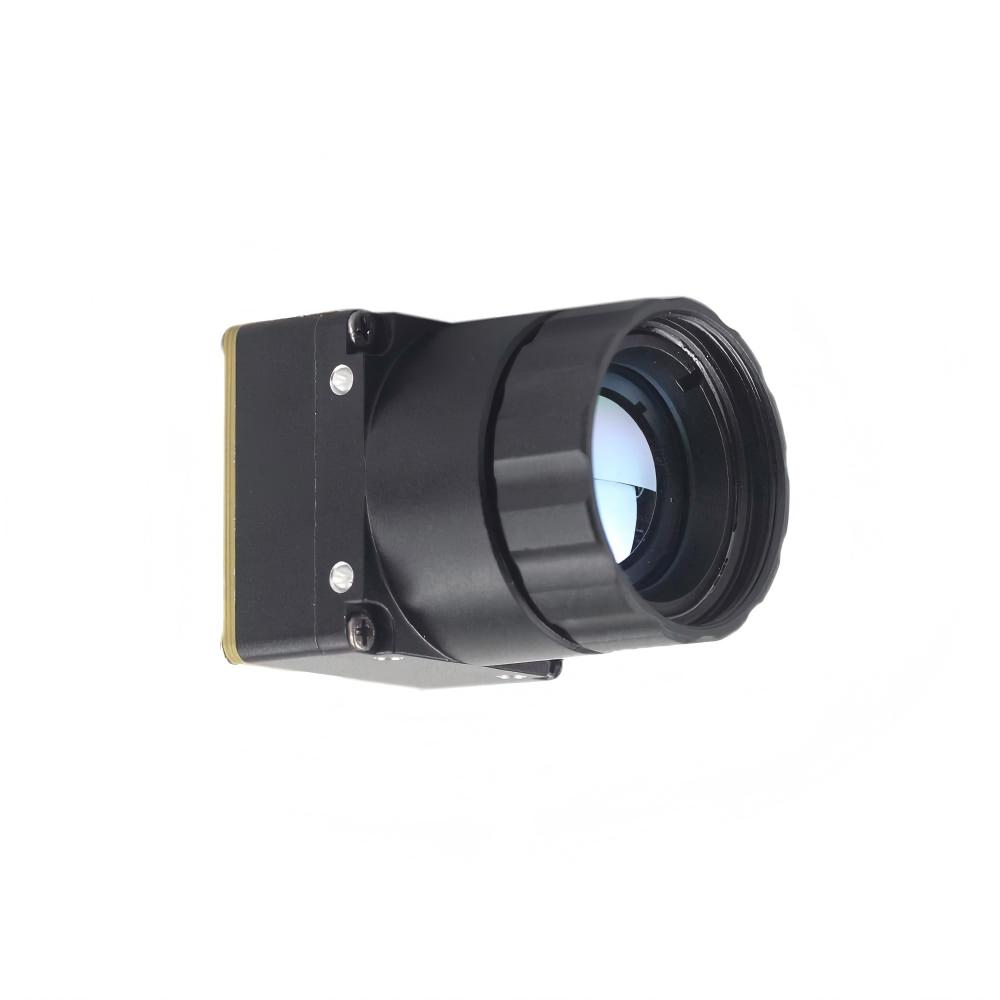
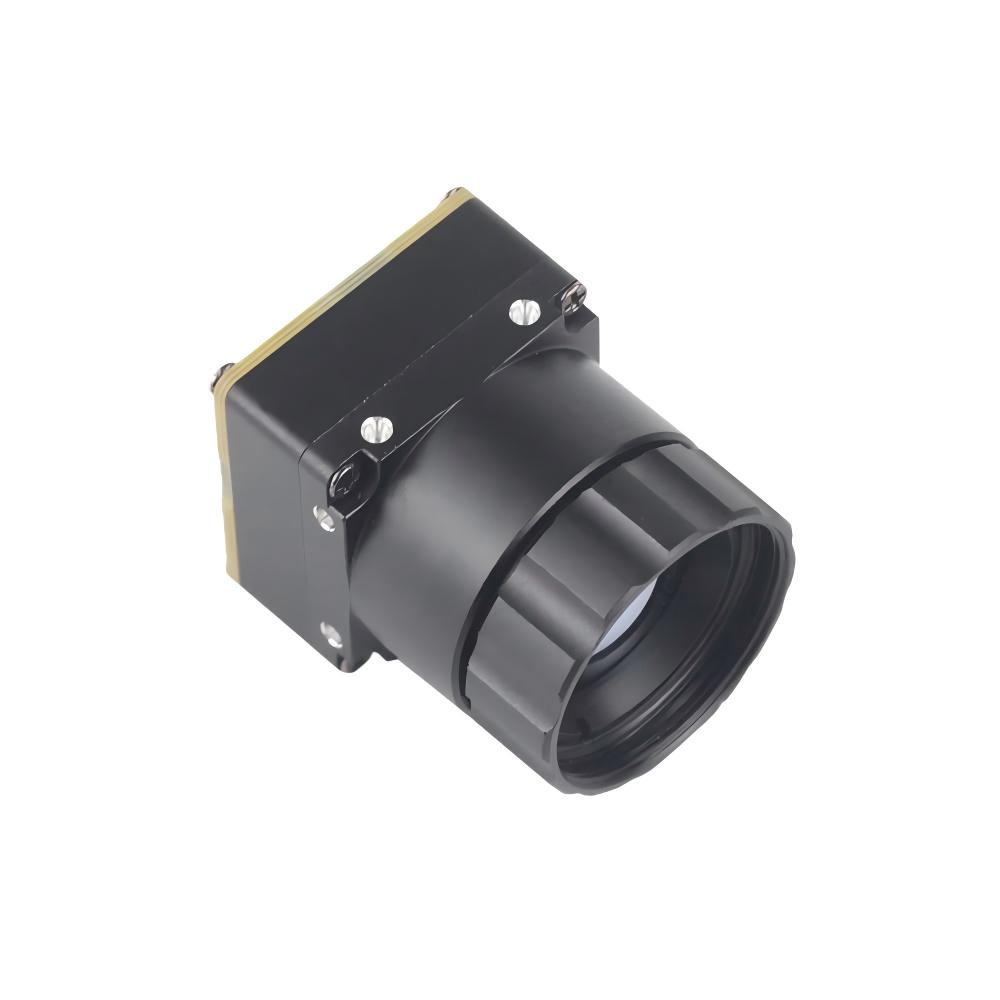
وحدة كاميرا تصوير حراري غير مبردة بالأشعة تحت الحمراء MIPI 640 384 256 9mm للطائرات بدون طيار
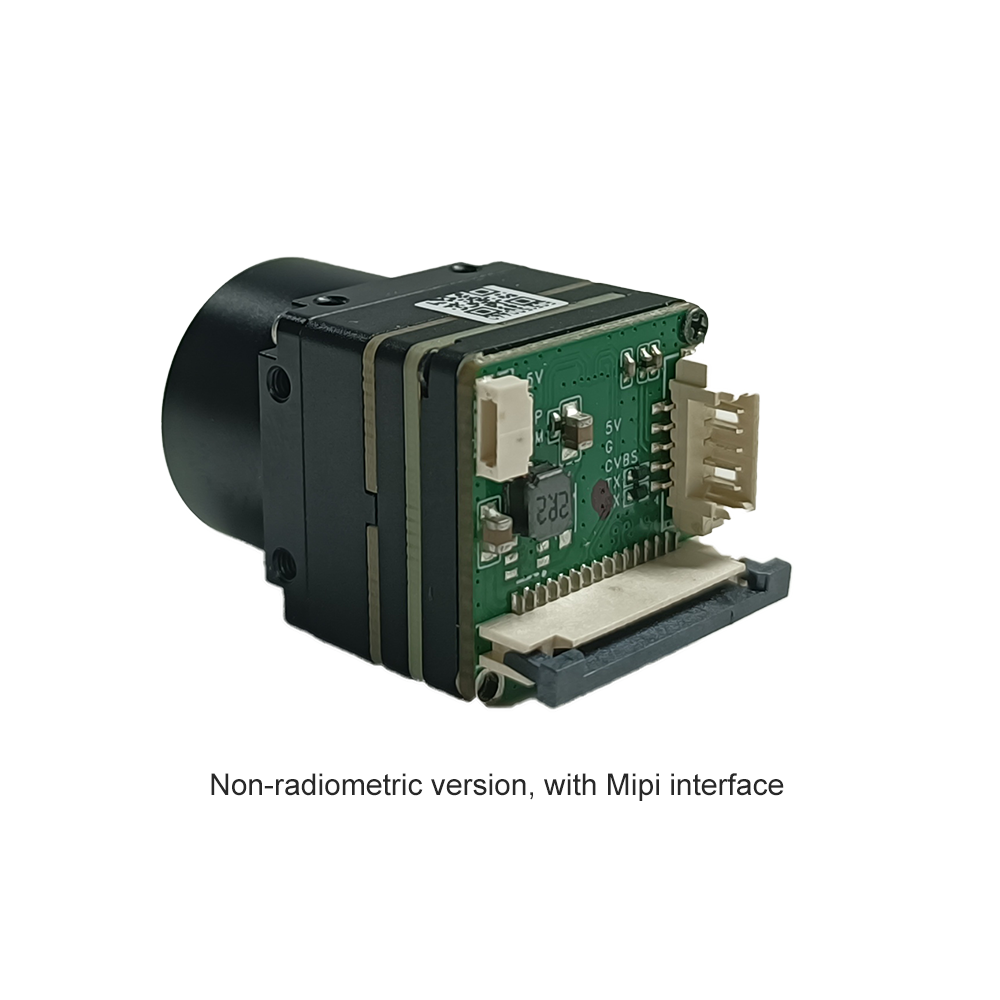
The Mini2 uncooled infrared thermal imaging module is engineered for embedded drone architectures requiring direct host SoC integration, high frame fidelity, and minimal interface mass. Delivering sharp and crisp image presentation, compact dimensions, and low manufacturing cost, this module targets autonomous UAV designs that process radiometric video on edge processors.
| خيارات الدقة | 640×512, 384×288, or 256×192 |
| بنية المستشعر | Uncooled VOx Microbolometer (8–14 μm spectral band) |
| البصريات القياسية | 9mm fixed focal length lens |
| واجهة الأجهزة | Native MIPI CSI-2 (Direct FPA-to-SoC data plane) |
| Mass Profile | Sub-15g bare core architecture |
| Primary Strengths | Direct edge-AI processing, ultra-low communication latency (< 5 ms), sharp dynamic visual rendering |
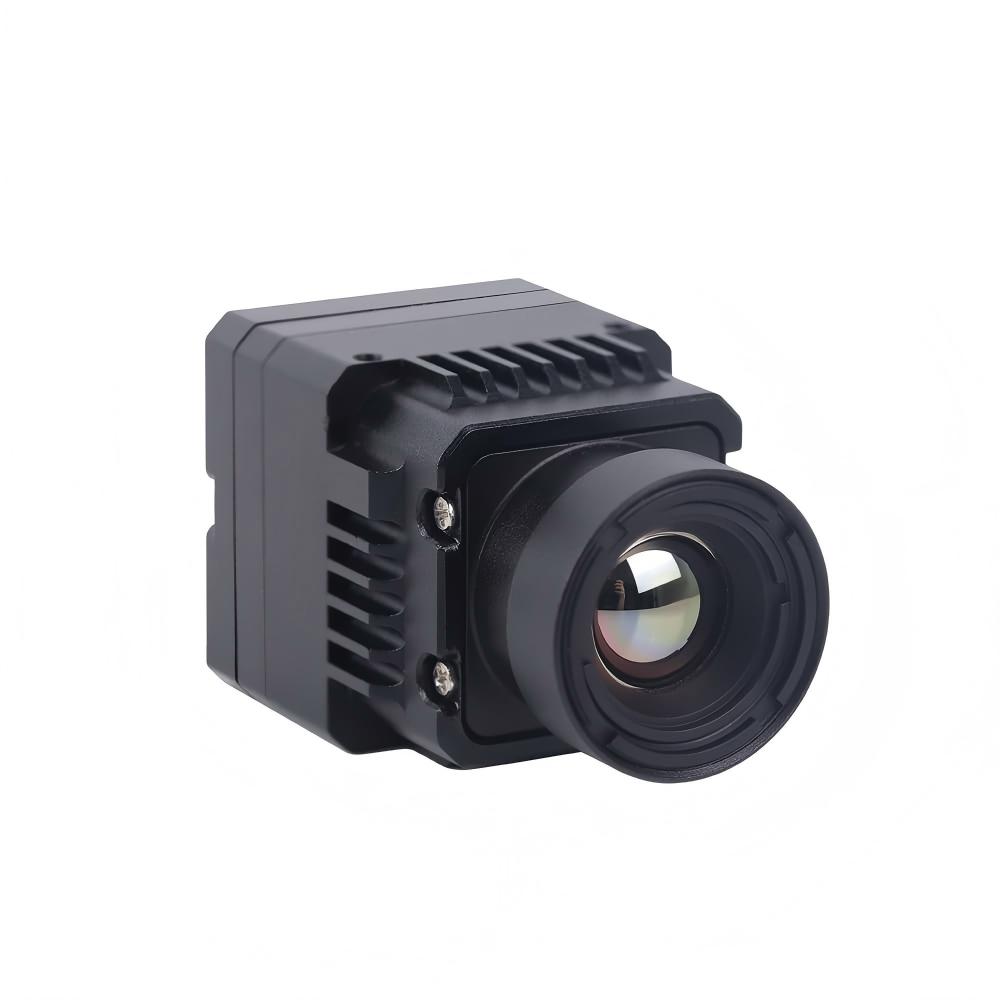
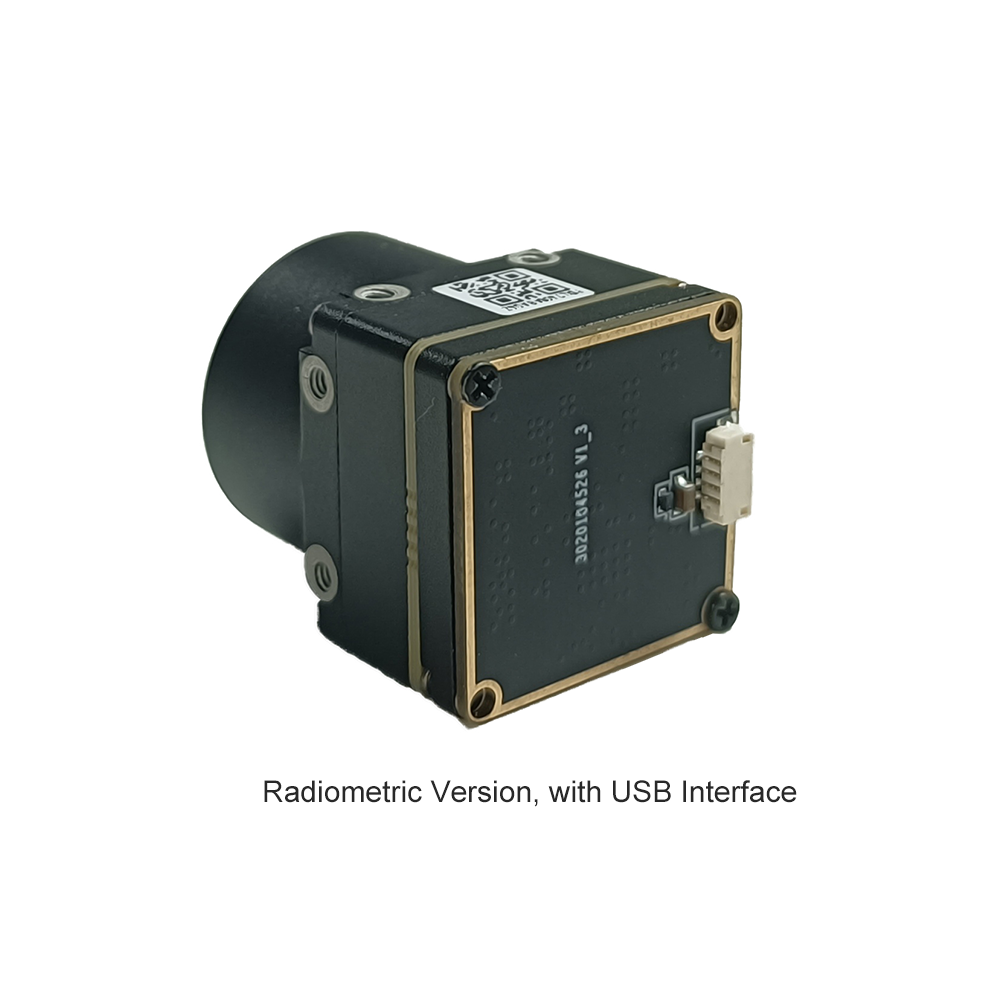
وحدة كاميرا تصوير حراري مصغرة LWIR غير مبردة بدقة 640*512 مع USB للطائرات بدون طيار مشابهة لـ DJI
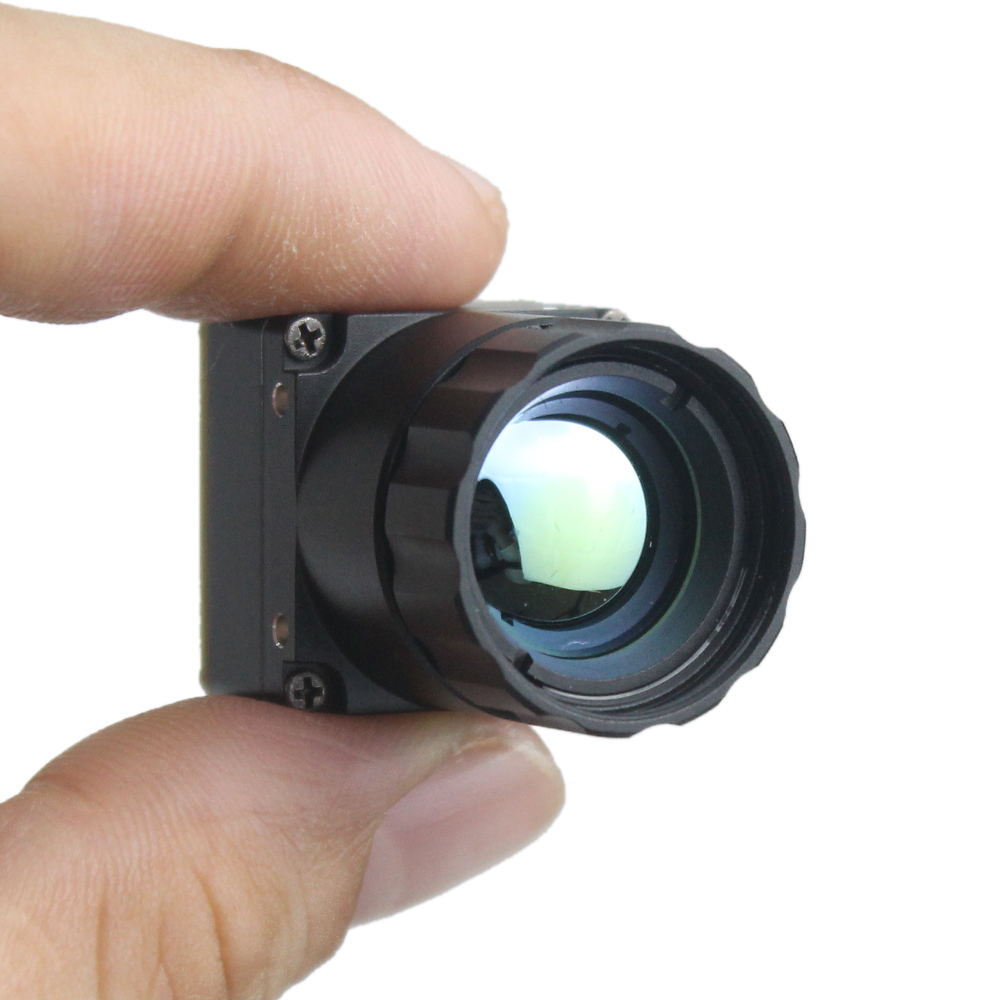
The Mini 640 uncooled LWIR core module offers an ultra-compact 21mm × 21mm cross-section with high environmental adaptability, stable operational performance, and versatile optical configurations. Designed for plug-and-play integration similar to commercial DJI payloads, this module is suited for rapid system prototyping and multi-mission field retrofits.
| خيارات الدقة | 640×512 (640×480 اختياري) |
| Sensor Footprint | Mini-Size cross-section: 21mm × 21mm |
| 8 ميكرومتر – 14 ميكرومتر (LWIR) | 5mm, 9mm, 13mm, 18mm, 35mm, 50mm, 75mm, 100mm, and 150mm lenses |
| واجهة الأجهزة | Standard USB 2.0 (UVC video + CDC communication control) |
| Environmental Tolerance | High environmental adaptability across industrial temperature swings |
| Primary Strengths | Broad optical options, simple USB plug-and-play architecture, compact 21×21mm form factor |
دراسات حالة التنفيذ الصناعي
Deploying compact thermal cores into sub-250g airframes enables specialized applications across industrial and public safety sectors. For international implementations, engineering teams frequently rely on proven thermography methodologies—ranging from Polish field deployments (termowizja w praktycznych zastosowaniach) to established scientific protocols documented on ويكيبيديا التصوير الحراري.
Case Study A: Photovoltaic Solar Farm Defect Mapping
Utility-scale solar inspection requires high spatial resolution paired with rapid aerial mapping. Operators integrated the Uncooled Infrared MIPI 640×512 Module with a 9mm lens into a 238-gram carbon-frame quadcopter. The module interfaced directly with an onboard carrier running an embedded Linux image.
- ⚙️ Operational Profile: Cruising altitude maintained at 25 meters AGL at a ground speed of 5 m/s.
- ⚙️ Resolution Performance: Achieved a nadir Ground Sampling Distance of 3.3 cm/pixel. This enabled the edge AI pipeline to detect bypass diode failures, localized junction box overheating, and micro-cracks with temperature differentials as small as 0.8°C.
- ⚙️ Telemetry & Integration: Radiometric anomaly coordinates were tagged with GPS metadata and sent to the ground control station via MAVLink over ExpressLRS telemetry, allowing inspection teams to map 50 megawatts of panels daily without requiring heavy enterprise-class drones.
Case Study B: Tactical Reconnaissance and Night Patrol Micro-UAV
A defense OEM developed a rapidly deployable, silent night-reconnaissance micro-drone utilizing the Uncooled LWIR USB Mini 640×512 Module equipped with an 18mm narrow-FOV lens. The design utilized an inverted pusher-motor layout with a 2S Li-ion battery, yielding an All-Up-Weight of 244.5 grams.
- ⚙️ Operational Profile: Patrol flights conducted at 65 meters AGL to ensure total acoustic silence from ground positions.
- ⚙️ Detection Range: Leveraging the 18mm optic and 12μm pixel pitch, the system provided human detection out to 560 meters and recognition at 140 meters.
- ⚙️ Avionics Architecture: The USB module streamed through an ultra-compact single-axis mechanical tilt mount directly to a 5.8 GHz video transmitter, delivering 18 minutes of continuous night patrol without triggering civil micro-UAV flight restrictions.
الأسئلة الشائعة (FAQ)
Can I integrate a 640x512 thermal camera module without exceeding the sub-250g drone weight limit?
Modern bare-chassis cores—such as the 21×21mm and sub-15g MIPI units featured above—weigh less than 20 grams with a 9mm lens installed. When paired with an ultra-light carbon fiber frame (40–45g), a compact 20×20mm All-in-One (AIO) flight controller/ESC board (14g), lightweight 1204 brushless motors (58g), and an optimized 2S Li-ion power plant (80–85g), the total platform weight sits comfortably between 230 and 245 grams. This leaves sufficient mass budget for radio links, GPS modules, and single-axis micro gimbals while staying fully compliant with FAA Category 1 and EASA Open A1 regulations.
How do I select the right interface (MIPI CSI-2 vs. USB) for my drone platform?
Choose a USB interface if your design emphasizes modularity, rapid prototyping, or multi-platform payloads. USB utilizes standard UVC drivers, functioning natively across Linux, Windows, and ROS2 without custom kernel development. It is simpler to route through multi-axis gimbal slip rings using standard twisted-pair wiring. The trade-offs are slightly higher transmission latency (30–60 ms) and modest additional power consumption from USB transceiver controllers.
Is a budget 256x192 sensor sufficient, or should I invest in a 384x288 or 640x512 module for field use?
الترقية إلى 640×512 resolution module provides over 6.6 times more active pixels than a 256×192 sensor. This higher resolution delivers crisp edge definition, enables accurate radiometric spot measurements at long standoff distances, and gives onboard AI detection models sufficient pixel density to classify targets reliably. If budget constraints prevent using a 640×512 core, a 384×288 module serves as a balanced mid-tier option, but a 640×512 array remains the industry standard for professional enterprise inspection and security missions.
📚 المراجع والقراءات الإضافية
- المعيار الصناعي: Microbolometer Carrier Solutions & Compute Nodes — Seeed Studio Embedded Ecosystem
- المعيار الصناعي: Principles of Thermographic Science & Radiation Physics — Wikipedia Thermography Guide
- دليل ذو صلة: Comprehensive Technical Overview — ما هي استخدامات الكاميرا الحرارية؟
- دليل ذو صلة: Uncooled Core Architectural Comparison — VOx Uncooled Thermal Module Integration (Russian Guide)
- دليل ذو صلة: Modern Real-World Implementations — Practical Uses of Modern Thermal Imaging (Polish Guide)