
Choosing the Right LWIR Thermal Camera Module: An OEM Guide to Edge AI & UAV Integration
2026年6月12日
Top Thermal Camera Module for Raspberry Pi: High-Res AI Imaging Solutions
2026年6月16日
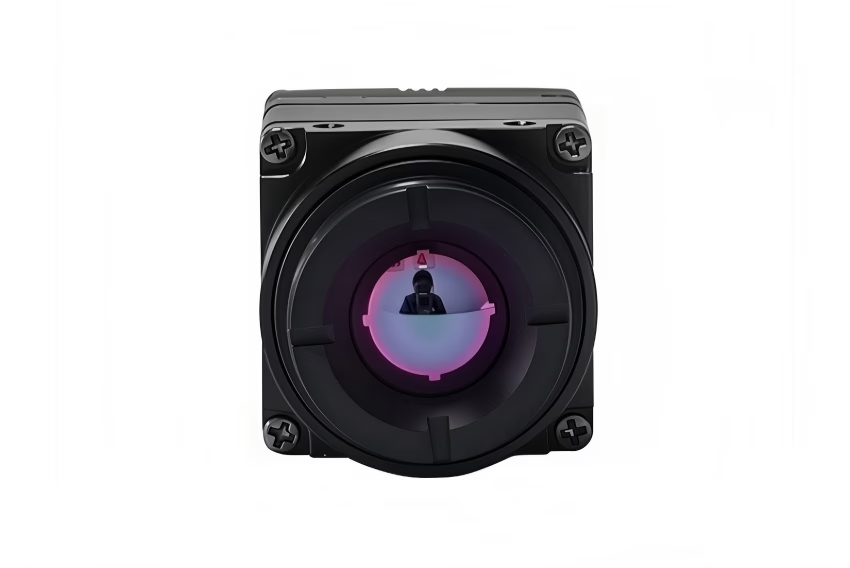
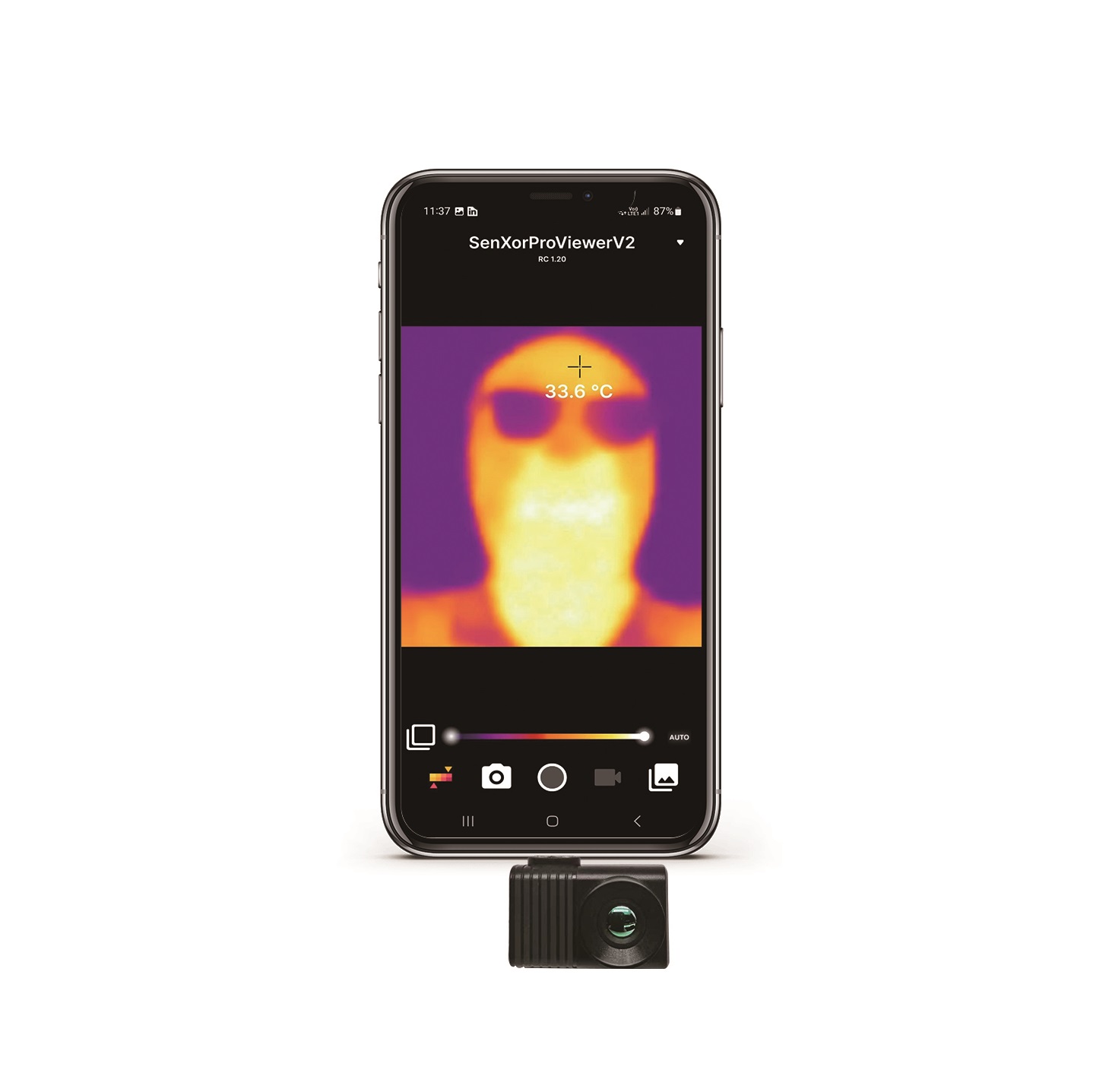
The modern industrial landscape is ditching the bulky gear for miniaturization and high-speed data throughput, and honestly, it’s about time. This shift is putting the usb thermal camera module right at the center of the next generation of predictive maintenance and autonomous flight. Whether you’re an electronics engineer hunting down microscopic shorts on a high-density PCBA or a drone manufacturer trying to shave grams off a high-resolution LWIR payload, the transition from clunky, standalone thermal imagers to agile USB-integrated cores isn't just a trend—it's a requirement. These uncooled Long-Wave Infrared (LWIR) modules act as the vital bridge between raw thermal data and the actual intelligence you need, giving you plug-and-play functionality across Windows, Linux, and Android platforms without the usual integration headaches.
Look, selecting a module isn't just a "check the resolution box" kind of task. It’s about the real-world synergy between pixel pitch, thermal sensitivity (NETD), and how stable that interface stays under pressure. With high-stakes applications like power grid inspection and automated manufacturing on the rise, you’ve got to understand the nuances of 12μm pixel technology. Knowing how to handle custom firmware integration is what separates a consumer-grade toy from a serious industrial tool. This guide dives deep into the technical architecture of high-resolution thermal cores, giving you the specs and integration strategies you need to bake professional-grade infrared vision into your hardware stack.
Comprehensive Integration Guide
The Engineering Behind Uncooled LWIR USB Modules
In the shop, we know industrial-level thermal imaging depends entirely on the Bolometer. This is a micro-manufactured sensor that tracks changes in material resistance as it drinks up infrared radiation. When we talk about an "uncooled" module, we’re talking about a sensor that lives and breathes at ambient temperature. You don't need those bulky, overpriced, high-maintenance cryogenic cooling systems that used to be the only way to get the job done. This uncooled LWIR spectrum (usually 8μm to 14μm) is the gold standard for a reason: almost every material out there—organic or inorganic—gives off a clear signal in this range. For engineers partnering with Shenzhen ChiYi Electronics Co., Ltd. on high-precision PCB assembly, sensor stability is everything.
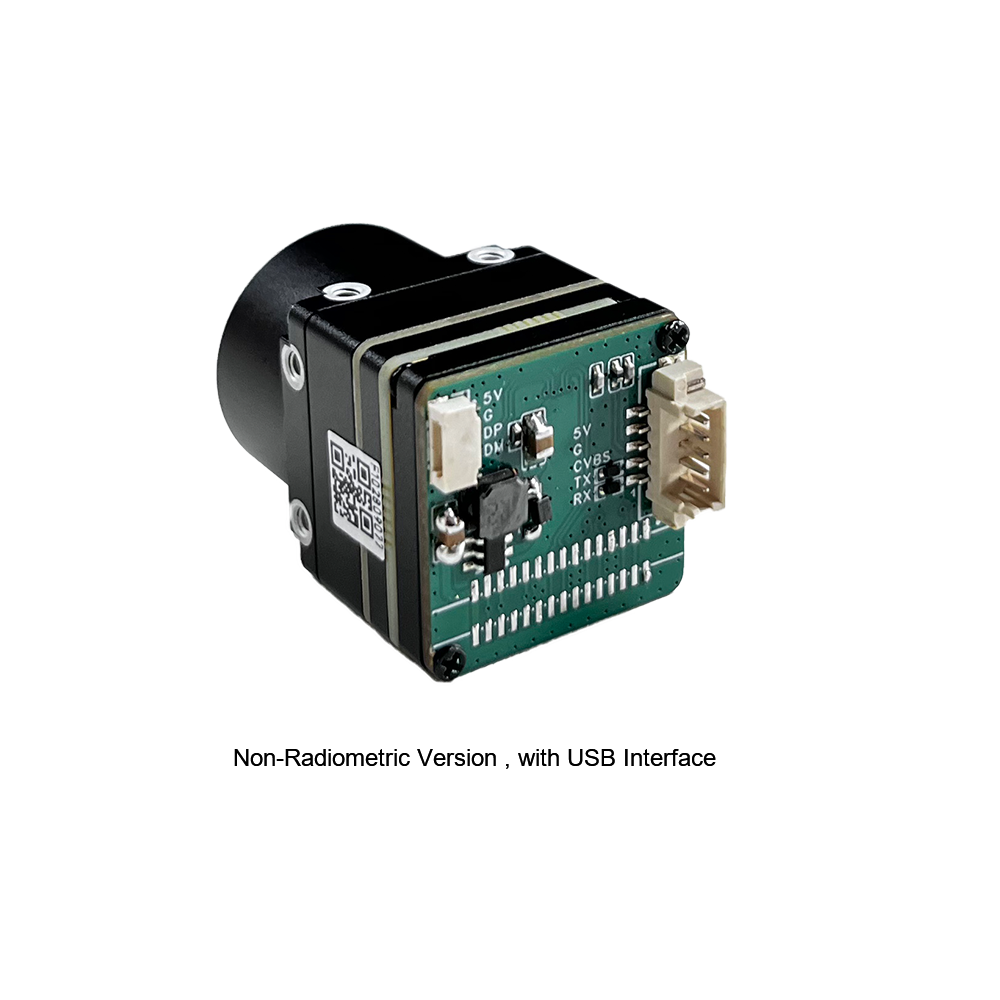
The guts of a usb thermal camera module come down to the Focal Plane Array (FPA) and the Signal Processing Electronics. We’ve seen the industry jump from 17μm to 12μm pixel pitch, and that change is massive. Shrinking the pixels means the sensor die gets smaller, which lets us use smaller lenses and keeps the whole module light—perfect for aerospace or handheld projects. On top of that, slapping a USB interface on there turns the raw analog bolometer signal into a clean digital stream that standard hardware can actually use. This lowers the barrier to entry for custom software development by a mile.
Integration Use-Cases: PCBA Inspection vs. Drone Payloads
Micro-thermal Imaging for PCBA Debugging
Thermal modules are saving lives—well, at least saving designs—during the diagnostic phase of PCBA work. A 12μm pixel pitch lets you actually see how heat moves across tiny 0201 or 0402 surface-mount components. When you hook these up via USB, you get real-time video on a high-res monitor. It makes finding "hot spots" from internal shorts or bad solder joints in BGAs a breeze. Catching these thermal red flags early prevents those nightmare failures in the field. If you’re trying to figure out which tech to buy, check out our guide on choosing uncooled modules. Here is why the pro shops use them:
- ✅ Instant Fault Localization: No more probing every trace. The heat tells the story.
- ✅ Non-Invasive Testing: You aren't touching the board or risking ESD damage during the thermal check.
- ✅ Documentation: USB out means you can save thermal snapshots for QA reports in two clicks.
SWaP-C Optimization for UAVs
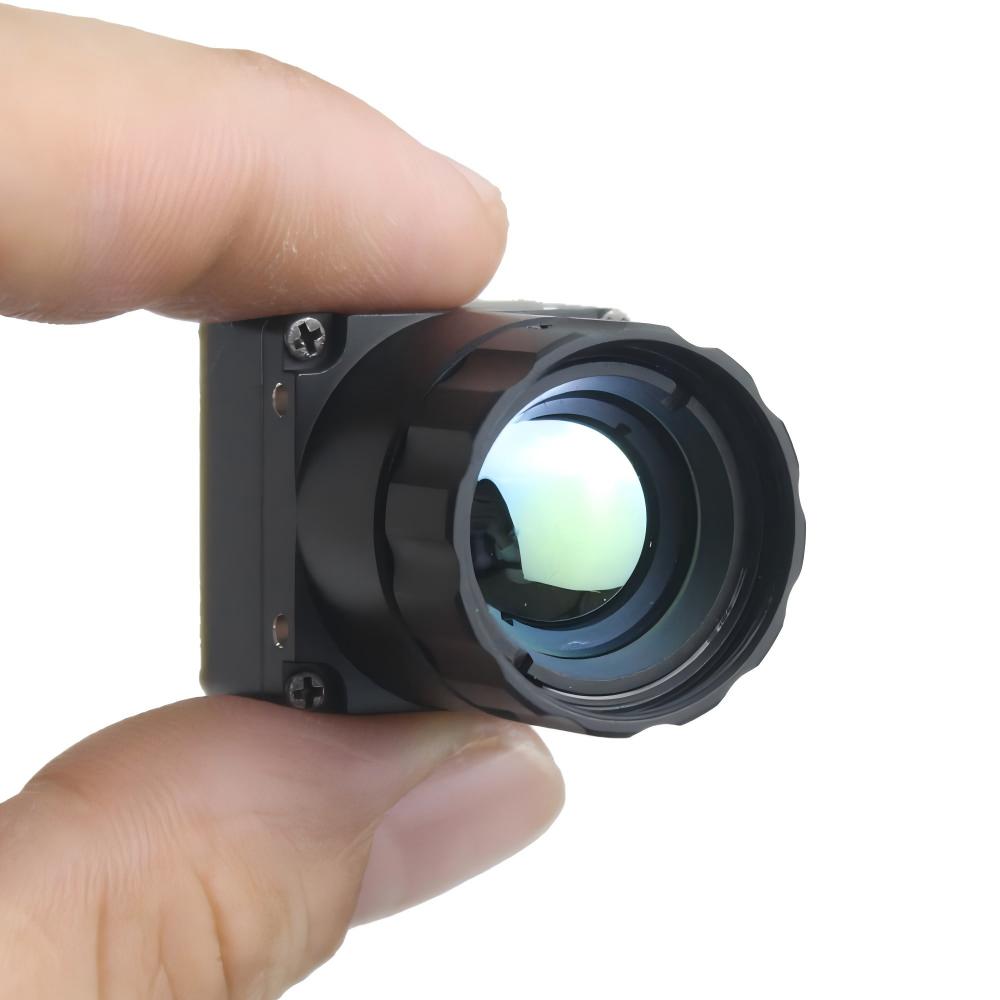
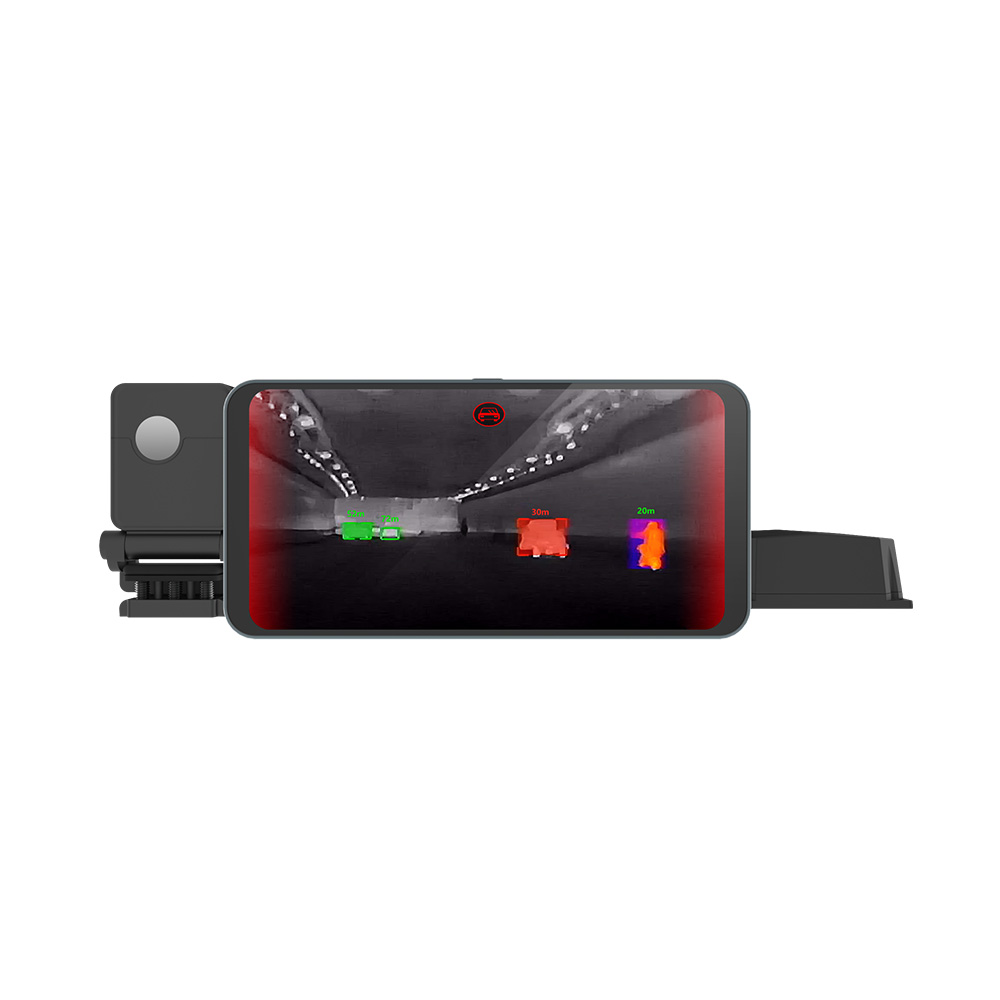
In the drone world, everything is ruled by SWaP-C: Size, Weight, Power, and Cost. A usb thermal camera module with a tiny 21mm*21mm footprint is basically the peak of miniaturization right now. By going with USB or MIPI, drone guys can ditch heavy proprietary connectors and use standard, lightweight ribbon cables. Taking weight off the payload means more flight time and more power for on-board AI processing. These things are workhorses in agricultural mapping, checking power lines, and search-and-rescue. Every gram you save counts. Here is how we spec them for flight:
- ⚙️ Mounting: Use vibration-damping standoffs to protect the FPA from motor noise.
- ⚙️ Cabling: Shielded USB-C or micro-USB to prevent EM interference with the GPS.
- ⚙️ Cooling: Ensure the module has enough airflow to prevent thermal drift during long flights.
Interface Dynamics: USB, MIPI, and Parallel Streams
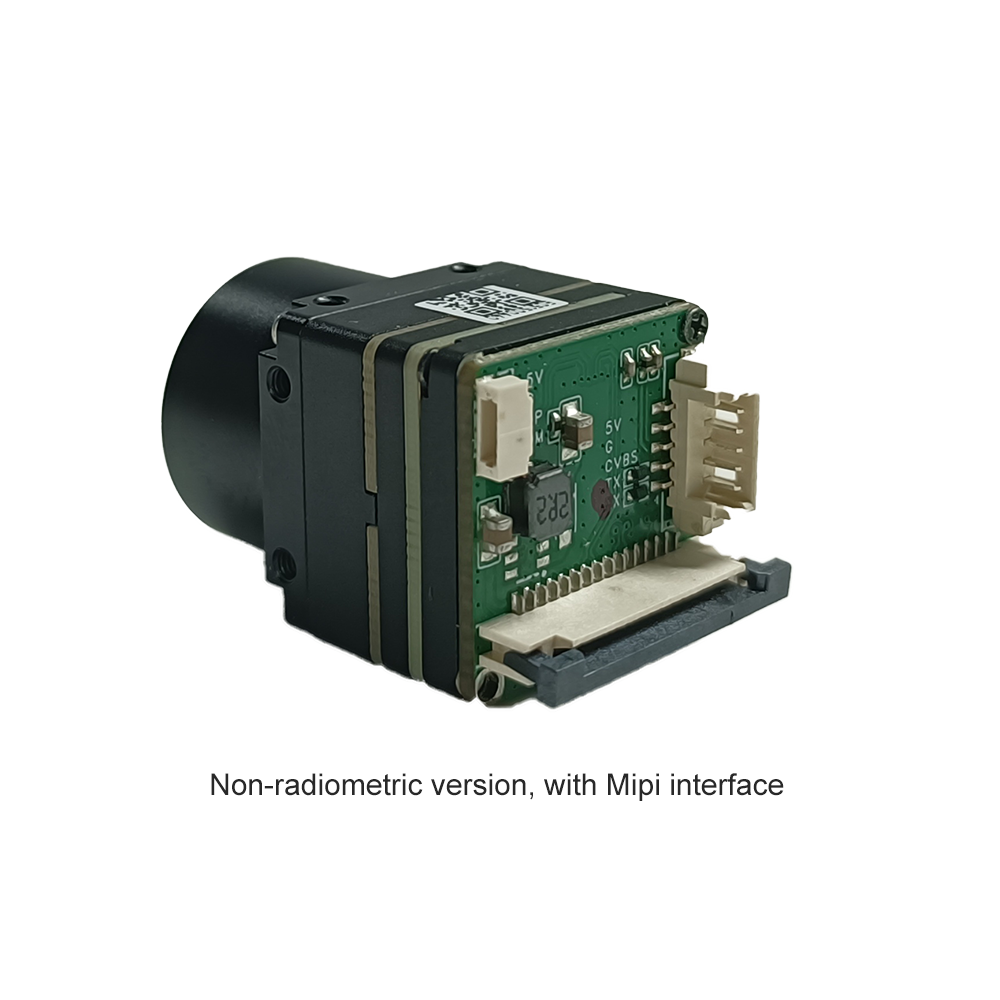
The interface you pick defines how much hair you’re going to pull out during software development. USB-C modules usually stick to the UVC (USB Video Class) protocol. This is basically driverless "Plug and Play" for most OS environments, which is perfect if you need to get a product to market yesterday. But, if you’re building something deeply embedded—like using the NVIDIA Jetson for real-time AI object detection—MIPI or parallel interfaces are the way to go because they offer lower latency and direct memory access (DMA).
When you’re pulling data from a USB module, you aren't just getting a picture; you're often getting radiometric data. That means every single pixel has a temperature value attached to it. This opens the door for writing custom Python or C++ scripts that trigger alarms when temperatures hit a specific limit. Suddenly, your camera isn't just watching; it’s a smart sensor in an automated industrial control loop.
Optical Versatility: From 5mm to 150mm Lenses
Forget the fixed lenses on consumer toys. Industrial modules give you real optical versatility. The focal length determines your Field of View (FOV) and your DRI ranges (Detection, Recognition, and Identification). A 5mm lens is great for wide-angle monitoring of a giant transformer or a server room. But if you're flying a drone and need to check a bolt on a wind turbine from a safe distance, you're going to want that 150mm telephoto lens. Choosing the right glass is half the battle in infrared physics.
Technical Specifications: Featured USB Thermal Modules
Here are the heavy hitters in the uncooled module market today. These are built for high resolution and making the integration process as painless as possible.
Uncooled LWIR USB Mini 640*512 Thermal Imaging Camera Core Module
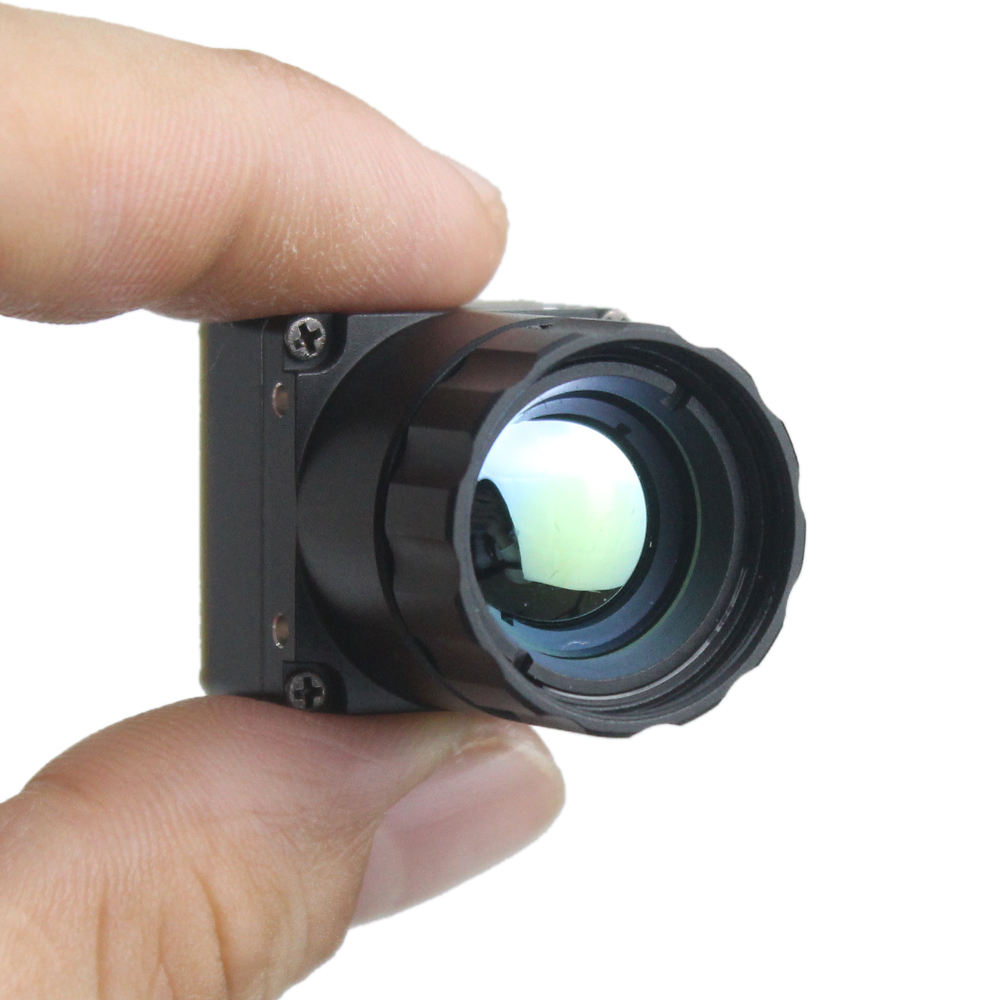
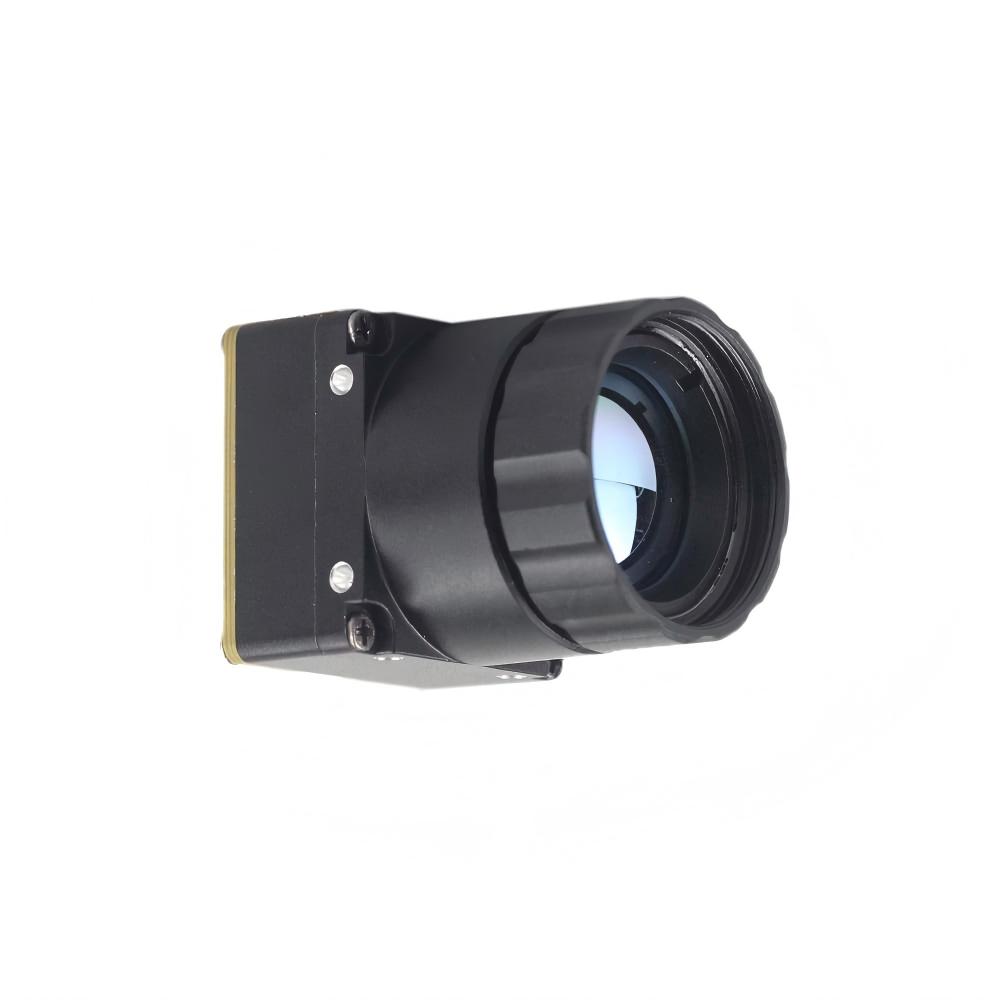
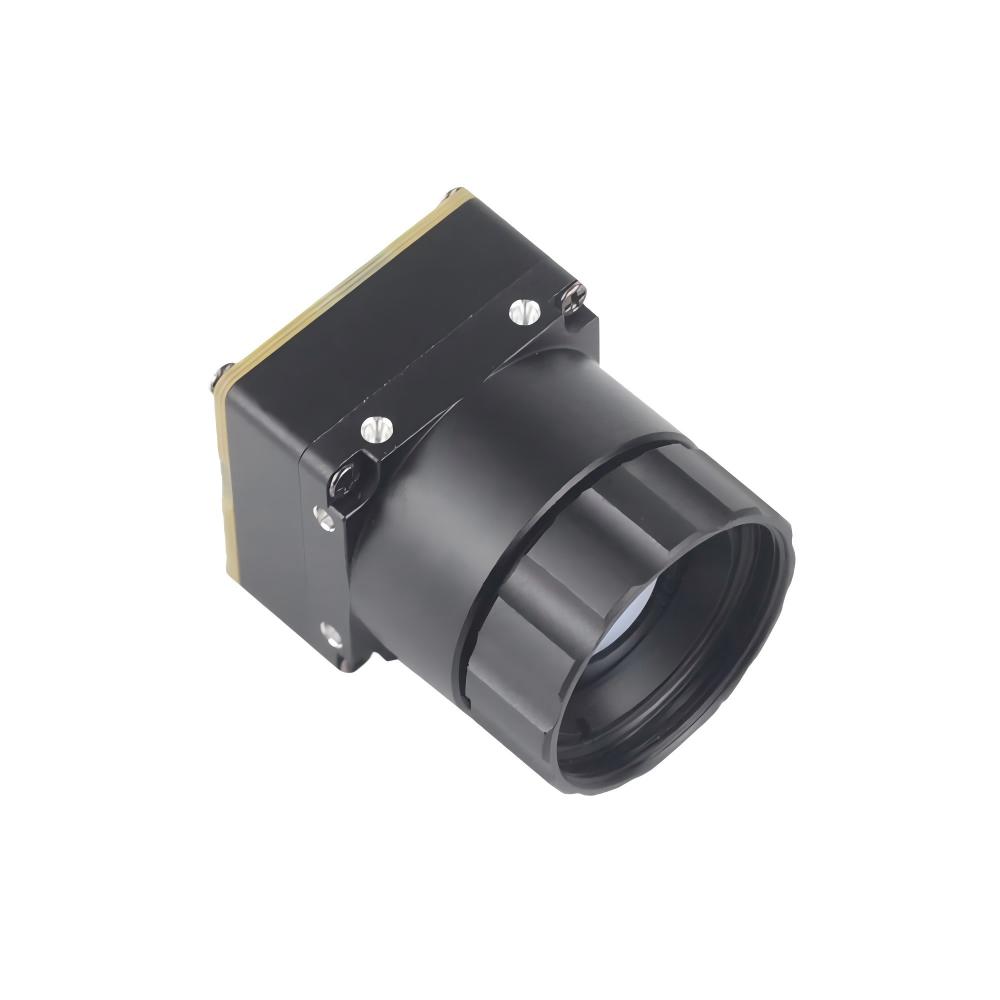
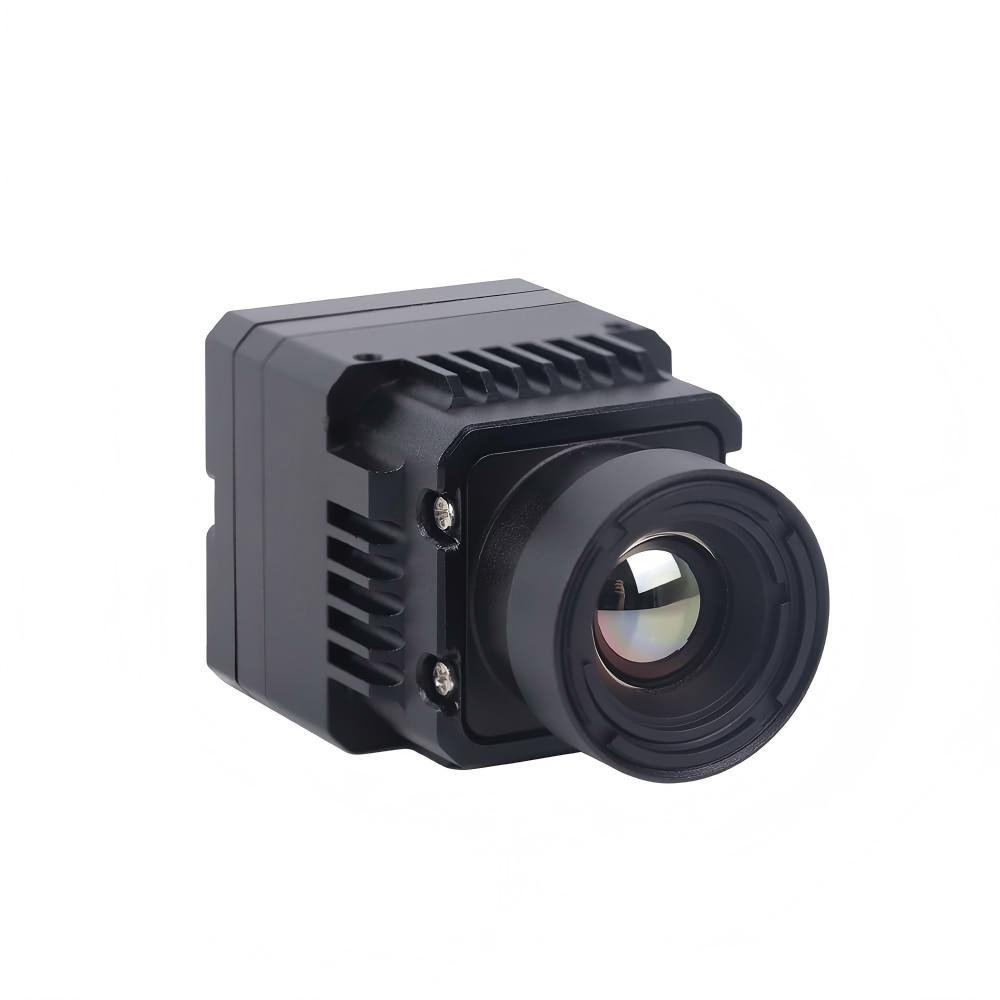
The Mini 640 is the benchmark for compact thermal imaging. You get 640*512 resolution (or 640*480 if that’s your speed) in a 21mm*21mm frame. It’s built to handle harsh environments and stays stable even when the temperature around it is swinging wildly. This makes it a perfect fit for drone payloads akin to DJI aerial platforms. With lens options from 5mm to 150mm, it’s one of the most flexible pieces of hardware you can get your hands on.
View Product Details & Pricing ➔
MD Series 384x288 Uncooled Infrared Thermal Camera Module
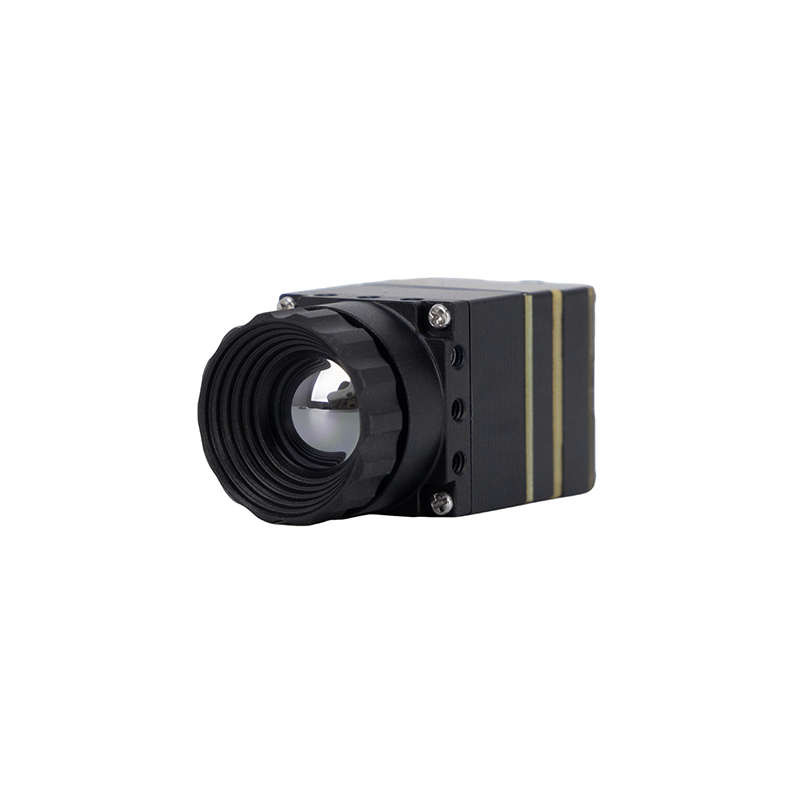
The MD Series is designed for pure industrial precision. It was cooked up by a team with expertise from HKUST and former Huawei Hisilicon engineers. It features a 12μm pixel pitch detector and supports MIPI, USB, and CVBS all at once. If you're building a security system or a complex temperature monitoring rig and need rapid customization, this is your module.
View Product Details & Pricing ➔
| Specification | Mini 640 Uncooled LWIR Core | MD Series 384x288 Module |
|---|---|---|
| Resolution | 640 × 512 (Optional 640x480) | 384 × 288 |
| Pixel Pitch | 12μm / 17μm options | 12μm |
| Dimensions | 21mm * 21mm (Ultra-Compact) | Industrial Standard |
| Lens Options | 5mm to 150mm (Interchangeable) | Fixed/Customizable |
| Interface | USB / Custom PCBA Pins | MIPI / USB / CVBS |
| Best Application | Drone Integration & Miniaturized IoT | Industrial Security & AI Monitoring |
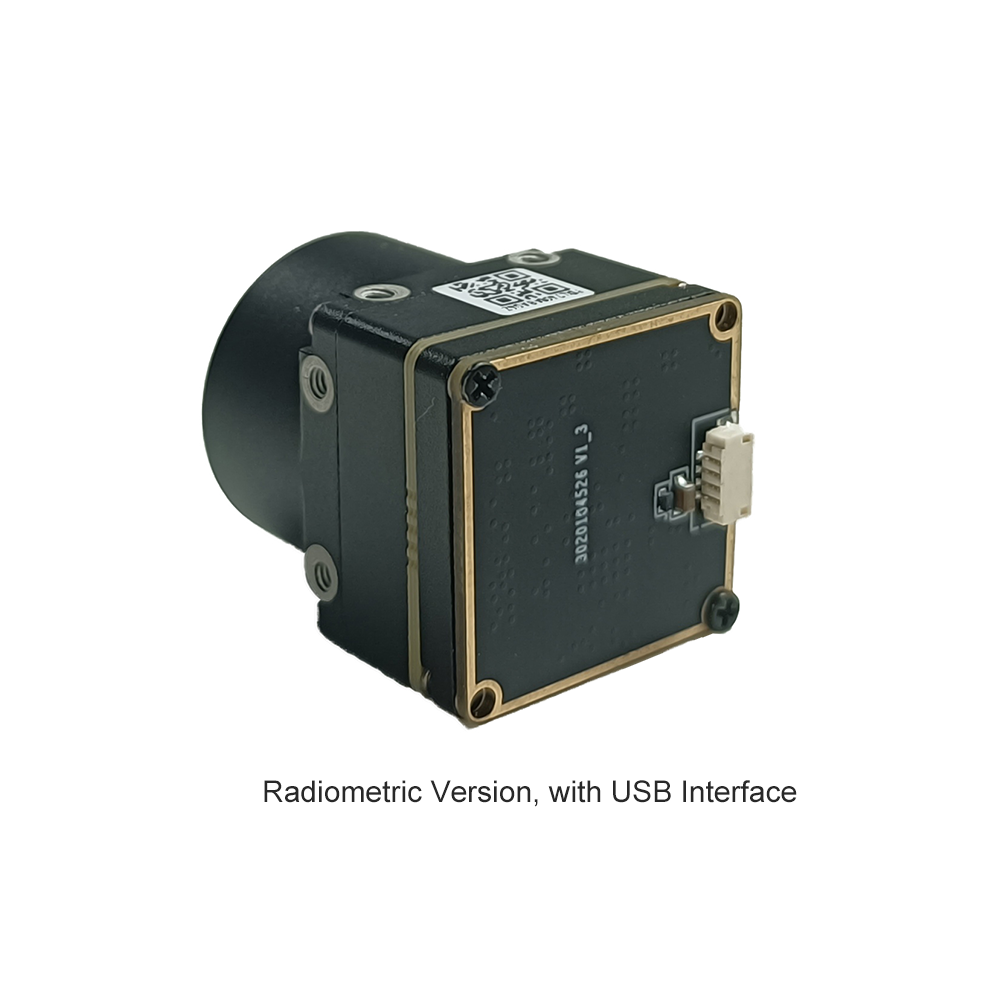
Engineering FAQ: Integration & Optimization
Can I use a USB thermal camera module for PCBA inspection and debugging?
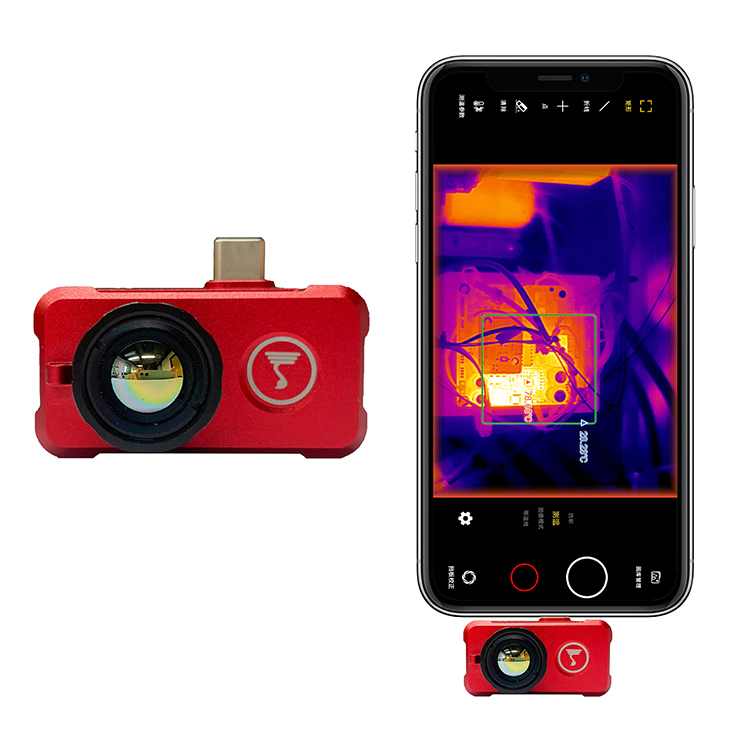
How can I power my smartphone while using a USB OTG thermal camera module?
Can these uncooled thermal modules be easily integrated into lightweight drone platforms?
📚 References & Further Reading
- Industry Standard: Shenzhen ChiYi Electronics Co., Ltd. - Precision PCB Standard
- Edge Computing Integration: NVIDIA Jetson Embedded AI Solutions
- Related Guide: Choosing the Right Uncooled Thermal Module
- Application Insight: Infrared Applications in Automotive Frontiers