
Industrial Thermal Imaging Module: High-Res LWIR Cores for Drones & Edge AI
2026年7月28日
OEM Thermal Camera Core Buying Guide: Edge AI, MIPI/USB & Drone Integration
2026年7月29日
Infrared Camera Module Selection Guide: High-Res Thermal Imaging for Drones & Embedded AI
Look, if you're building drone payloads, edge AI vision systems, or defense sensors, you already know the drill: everyone wants higher thermal resolution and lower noise without tanking the battery or adding extra ounces to the airframe. Picking the right infrared camera module means sifting through a mountain of technical specs—Vanadium Oxide (VOx) microbolometer pixel pitch (12μm vs 17μm), Noise Equivalent Temperature Difference (NETD ≤ 40mK), and figuring out whether your host hardware needs low-latency MIPI CSI-2, USB 2.0/3.0, or legacy analog CVBS connections. Here's the deal: a single oversight in thermal sensitivity or bus architecture will bite you later with frame drops, thermal throttling, or critical detection failures mid-flight.
In this manual, we're skipping the corporate fluff and getting straight to the bench-tested realities of integrating uncooled Long-Wave Infrared (LWIR) core engines into unmanned aerial vehicles (UAVs), single-board computers (like NVIDIA Jetson or Raspberry Pi), predictive maintenance tools, and night-vision rigs. We'll break down the hardware physics, compare interface topologies, analyze real performance metrics, and walk through real product setups so you can get your OEM/ODM builds off the bench and into the field.
Table of Contents
- 👉 1. What is an Infrared Camera Module? Core Physics & Microbolometers
- 👉 2. Hardware Interface Topologies: MIPI CSI-2, USB & CVBS Integration
- 👉 3. Key Selection Metrics: Resolution, NETD, Pixel Pitch & SWaP-C Optimization
- 👉 4. OEM/ODM Customization & Edge AI Algorithm Integration
- 👉 5. Industrial Infrared Camera Module Specifications
- 👉 6. Frequently Asked Questions (Technical FAQ)
1. What is an Infrared Camera Module? Core Physics & Microbolometers
At its physical core, an infrared camera module is an electro-optical engine designed to capture electromagnetic radiation in the Long-Wave Infrared (LWIR) spectrum, typically covering 8μm to 14μm. Standard CMOS or CCD image sensors rely on visible light reflecting off surfaces (0.4μm to 0.7μm). Thermal imaging cores couldn't care less about ambient light; they directly capture raw thermal energy emitted by any physical matter operating above Absolute Zero (-273.15°C or 0 Kelvin).
In the shop, understanding this down to the physics level comes down to Planck's Law of Thermal Radiation and Wien's Displacement Law. Planck's Law defines spectral radiance emitted by an object at temperature T, while Wien's Law proves that as an object heats up, its peak emission shifts to shorter wavelengths. For terrestrial targets in standard field environments (-40°C to +150°C), peak thermal output hits squarely inside the 8μm to 14μm LWIR atmospheric transmission window, right where atmospheric attenuation from water vapor and carbon dioxide hits a local minimum.
At the silicon level of an uncooled thermal camera core lies a Focal Plane Array (FPA) packed with tens or hundreds of thousands of microscopic, thermally insulated detector elements called microbolometers. Each pixel features a tiny absorber layer suspended over a Readout Integrated Circuit (ROIC) substrate via micro-machined isolation legs. When LWIR photons hit the absorber, the localized heat changes the sensing material's electrical resistance. The underlying ROIC measures this resistance shift and converts it into a digital value.

Two thin-film semiconductor materials dominate modern microbolometer fabrication today:
- ⚙️ Vanadium Oxide (VOx): VOx technology remains the undisputed standard for serious industrial and military thermal cores. VOx films bring a high Temperature Coefficient of Resistance (TCR of roughly 2.2% to 2.8% per Kelvin), an exceptionally low 1/f thermal noise floor, and excellent thermal stability over wide operating dynamic ranges. VOx focal plane arrays consistently hit low Noise Equivalent Temperature Difference specs (NETD ≤ 30mK to 40mK), making them the go-to pick for long-range drone tracking and high-precision radiometric measurement.
- ⚙️ Amorphous Silicon (a-Si): Amorphous silicon FPAs run through standard commercial CMOS chip fabs, keeping high-volume production costs low. However, a-Si films have lower TCR values and higher inherent electrical noise, leading to higher NETD values (typically 50mK or worse) and greater susceptibility to thermal drift when ambient temperatures swing around.
Because standard optical glass completely blocks photons in the LWIR spectrum, an infrared camera module requires specialized optics constructed from materials transparent to thermal wavelengths. High-purity single-crystal Germanium (Ge) is the primary material used for thermal objective lenses thanks to its refractive index (n ≈ 4.0) and high optical throughput across the 8–14μm spectrum. Precision lens assemblies, anti-reflective coatings, and chalcogenide elements engineered by specialized optical suppliers like Jinde play a fundamental role in maximizing thermal energy transfer to the microbolometer FPA while eliminating optical aberrations across the field of view.
2. Hardware Interface Topologies: MIPI CSI-2, USB & CVBS Integration
Connecting an uncooled infrared camera module to flight controllers, edge AI boards, or diagnostic displays requires picking a physical interface tailored to your data bandwidth and processing latency budget. The bus architecture determines how raw radiometric pixels or processed digital video frames move from the ROIC and onboard Image Signal Processor (ISP) into host memory.
1. MIPI CSI-2 Interface (Low Latency, High FPS for Embedded Edge AI)
The Mobile Industry Processor Interface (MIPI) Camera Serial Interface 2 (CSI-2) is the hardware standard for wiring camera engines directly into System-on-Chips (SoCs) like the NVIDIA Jetson Orin, Rockchip RK3588, NXP i.MX8, and Raspberry Pi platforms. MIPI CSI-2 runs high-speed differential signaling over physical lanes (D-PHY), pushing uncompressed raw video straight into the SoC's hardware image processing pipeline.
Key technical benefits of MIPI CSI-2 include:
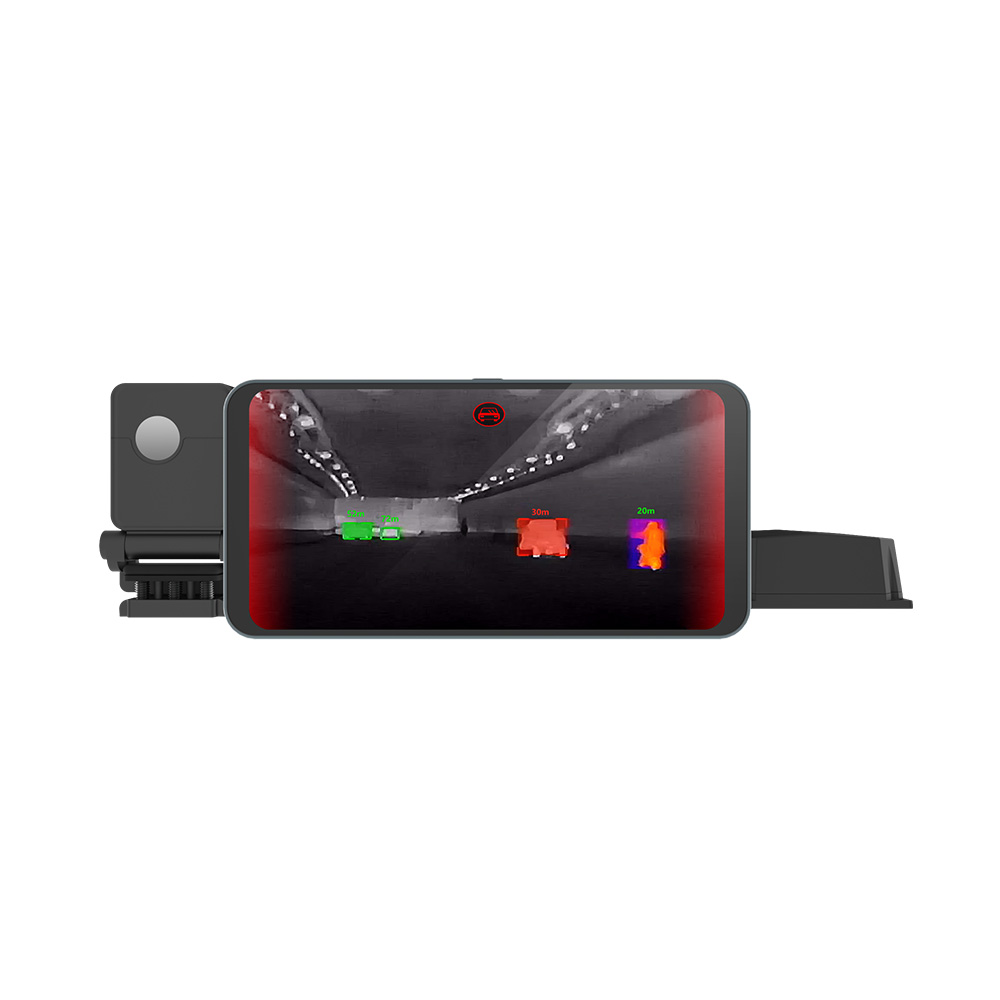
- ✅ Ultra-Low Latency: Frame transfer latencies stay under 5 milliseconds because video bypasses external USB conversion chips, packet encapsulation protocols, and OS driver layers. This zero-copy hardware Direct Memory Access (DMA) pipeline is mandatory for real-time drone collision avoidance and fast target tracking.
- ✅ Minimal CPU Overhead: Raw pixel buffers land directly in host RAM using integrated SoC DMA engines, leaving host CPU cores free for deep learning inference and flight control tasks.
- ✅ High Data Throughput: MIPI CSI-2 easily handles high-resolution (640x512) 16-bit uncompressed radiometric raw data at 30Hz or 60Hz frame rates without dropped frames or compression artifacts.
For detailed architectural schematics on wiring thermal cores via MIPI, check out our technical guide on MIPI Thermal Camera Module Integration for Drones. When deploying MIPI thermal modules inside drone airframes surrounded by high-frequency electromagnetic interference (EMI) from ESCs and brushless motors, maintaining signal integrity requires precision shielded cabling engineered by specialists such as Micro Coaxial Cable Man.
2. USB 2.0 / USB 3.0 / Type-C Interface (Plug-and-Play Diagnostics)
USB-enabled thermal camera modules convert internal microbolometer ROIC data into standard USB Video Class (UVC) streams or raw 16-bit radiometric packets over virtual COM endpoints. USB interfaces shine during rapid prototyping, handheld diagnostic builds, and desktop application integration.
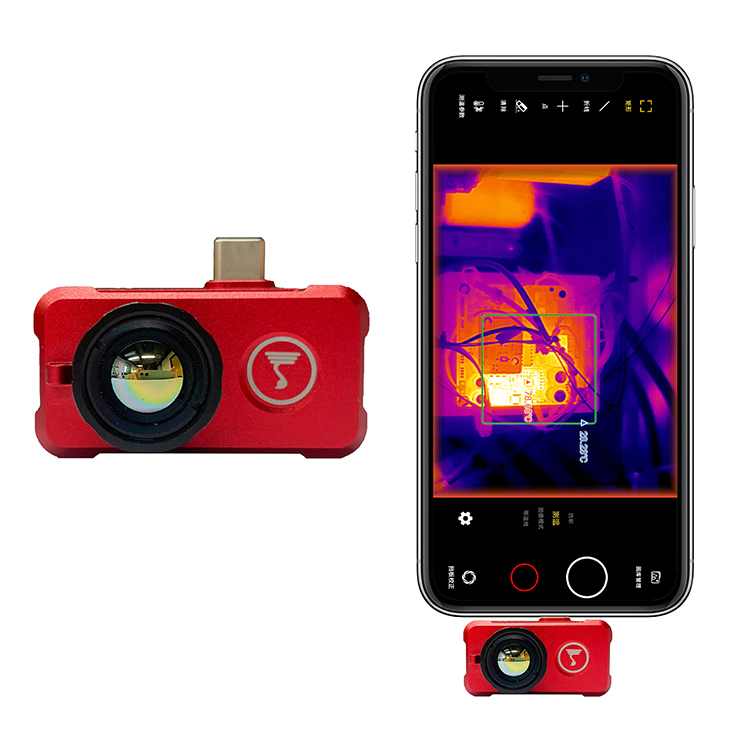
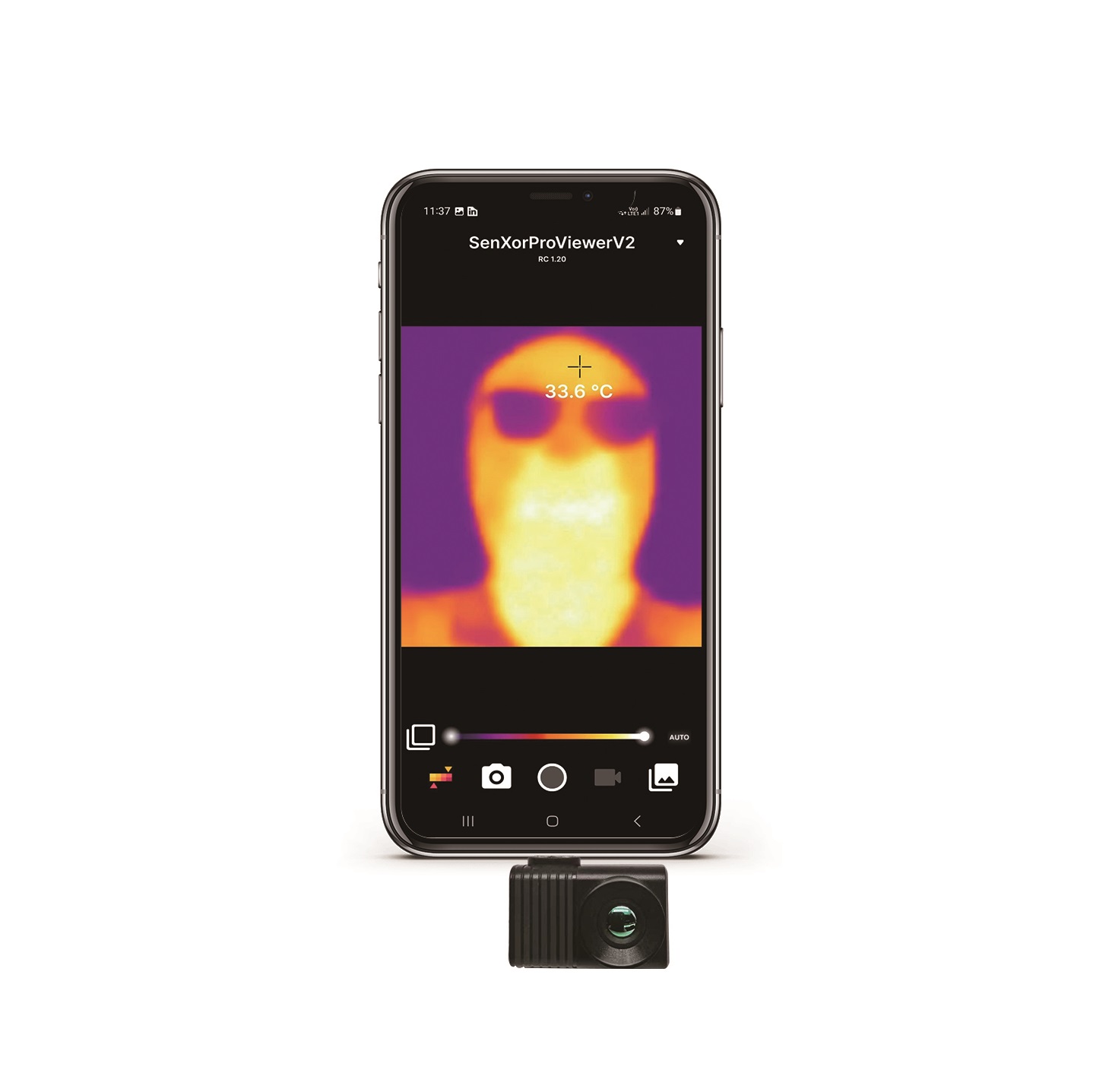
Key advantages include native cross-platform support across Windows, Linux, Android, and macOS without custom kernel tweaks. Engineers can grab live frames in Python SDKs or OpenCV inside minutes. For compact handheld configurations or mobile diagnostic attachments, specialized hardware solutions such as our 384x288 Smartphone USB Thermal Module offer lightweight, direct plug-and-play Type-C integration.
3. CVBS Analog Interface (Legacy Systems & FPV Analog Radio Links)
Composite Video Blanking and Sync (CVBS) delivers standard analog NTSC or PAL video generated directly by the thermal module's internal Digital-to-Analog Converter (DAC). Look, CVBS can't pass raw digital temperature values, but it remains bulletproof for basic First-Person View (FPV) drone rigs and legacy security monitors. You can feed CVBS signals straight into 5.8GHz analog video transmitters without packet overhead, giving pilots a zero-latency real-time video stream across long distances.
3. Key Selection Metrics: Resolution, NETD, Pixel Pitch & SWaP-C Optimization
Selecting the right uncooled infrared camera module comes down to evaluating core hardware parameters against your physical payload constraints. Over-specifying a thermal engine burns through battery power and adds unnecessary weight, while under-specifying leaves you with blurry thermal images and poor target detection.
| Selection Parameter | Technical Benchmark Range | Engineering Tradeoffs & System Impact |
|---|---|---|
| Spatial Resolution | 256x192 | 384x288 | 640x512 (VGA) | Higher resolution puts more pixels on target at long range (Johnson's Criteria), but demands higher processing bandwidth and costlier Germanium glass. |
| Pixel Pitch | 17μm vs. 12μm (Current Standard) | Shrinking pixel pitch from 17μm down to 12μm cuts FPA area by ~50%, allowing smaller optics and dramatically trimming system SWaP-C. |
| NETD (Sensitivity) | ≤ 50mK (Standard) | ≤ 40mK (High-Grade) | ≤ 30mK (Ultra) | Lower NETD detects subtle temperature differences under fog, rain, haze, or low-contrast thermal scenes. |
| Frame Rate (Hz) | 9Hz (Export Compliant) vs. 25Hz / 30Hz / 60Hz | High frame rates (≥30Hz) prevent image smear when tracking fast UAV targets. 9Hz versions bypass strict international export licenses. |
Resolution vs. Target Detection Distance (Johnson's Criteria)
Target detection, recognition, and identification (DRI) ranges depend directly on FPA resolution and lens focal length. Under classic Johnson's Criteria, target resolution breaks down to:
- 📌 Detection: 1.5 + 0.5 pixels across target critical dimension (enough pixels to see an object is present against background).
- 📌 Recognition: 6.0 + 1.0 pixels across target critical dimension (enough pixels to classify object type, e.g., human vs. vehicle).
- 📌 Identification: 12.0 + 2.0 pixels across target critical dimension (enough pixels to discern specific details, e.g., armed soldier vs. civilian).
A 256x192 or 384x288 thermal camera module paired with a 6.8mm or 9mm lens handles short-to-medium range surveillance (10m to 150m) with ease. Conversely, high-altitude aerial platforms flying above 200 meters require 640x512 VGA thermal resolution paired with 13mm, 19mm, or 25mm lenses to guarantee enough pixels on target for onboard AI object detection models.
The Impact of 12μm Pixel Pitch Technology on SWaP-C Optimization
Moving from older 17μm pixel designs down to 12μm microbolometers is one of the biggest leaps in thermal system design over the last decade. Shrinking the pixel pitch reduces the physical diagonal of the FPA array while preserving full pixel count. Because objective lens size scales directly with array diagonal, a 12μm thermal core uses a shorter lens focal length to achieve the exact same Field of View (FOV) as a 17μm sensor. This reduction in Germanium glass volume shaves up to 40% off payload weight and cuts optics costs significantly.
4. OEM/ODM Customization & Edge AI Algorithm Integration
Off-the-shelf camera boards rarely drop into custom drone gimbals or compact industrial enclosures without hardware adjustments. Working with an experienced OEM/ODM engineering team allows system architects to tailor every layer of the thermal imaging stack.
Core OEM/ODM customization capabilities include:
- ⚙️ Custom Carrier PCB Layouts: Re-routing MIPI CSI-2 pinouts, USB headers, power management ICs (PMICs), and trigger sync lines to fit tight gimbal housings.
- ⚙️ Optics & Lens Mount Adaptation: Integrating fixed-focus, manual-adjust, or motorized Germanium lenses with focal lengths ranging from 3.2mm wide-angle optics to 25mm long-range telephoto elements.
- ⚙️ Custom Firmware Protocols: Modifying SDK libraries, serial control commands (VISCA / Pelco-D / MavLink), and custom color palette look-up tables (LUTs).
On-Core Image Signal Processing (ISP) Pipeline
Before delivering raw microbolometer pixel arrays to the host computer, a high-grade thermal module executes hardware-accelerated ISP algorithms inside its onboard FPGA or DSP engine:
- ⚙️ 1. Non-Uniformity Correction (NUC): Microbolometer pixels drift individually as operating temperatures change. Onboard NUC algorithms continuously apply 1-point or 2-point mathematical corrections (using internal mechanical shutters or shutterless software algorithms) to wipe out spatial fixed-pattern noise (FPN) and vertical striping artifacts.
- ⚙️ 2. Dynamic Range Compression (DRC) & Adaptive Detail Enhancement (ADE): Raw radiometric thermal feeds contain 14 to 16 bits of dynamic range (16,384 discrete levels). To render clear 8-bit video (256 levels) for displays or computer vision models, DRC algorithms intelligently compress dark and bright zones while ADE sharpens edges around subtle heat anomalies.
- ⚙️ 3. Radiometric Temperature Conversion: Onboard lookup tables map raw digital pixel values straight to precise temperature figures (°C, °F, or Kelvin) using ambient sensor compensation, spot tools, and user-configured emissivity values.
In the shop, setting up a clean pipeline to host compute boards is critical for fast AI inference. Learn how to configure these pipelines in our step-by-step tutorial on the Best MIPI Thermal Camera Module for Raspberry Pi & Drone Integration.
5. Industrial Infrared Camera Module Specifications
Below is a technical breakdown and comparative analysis of our flagship uncooled infrared camera modules engineered specifically for UAV payloads, robotics, and edge AI vision systems.
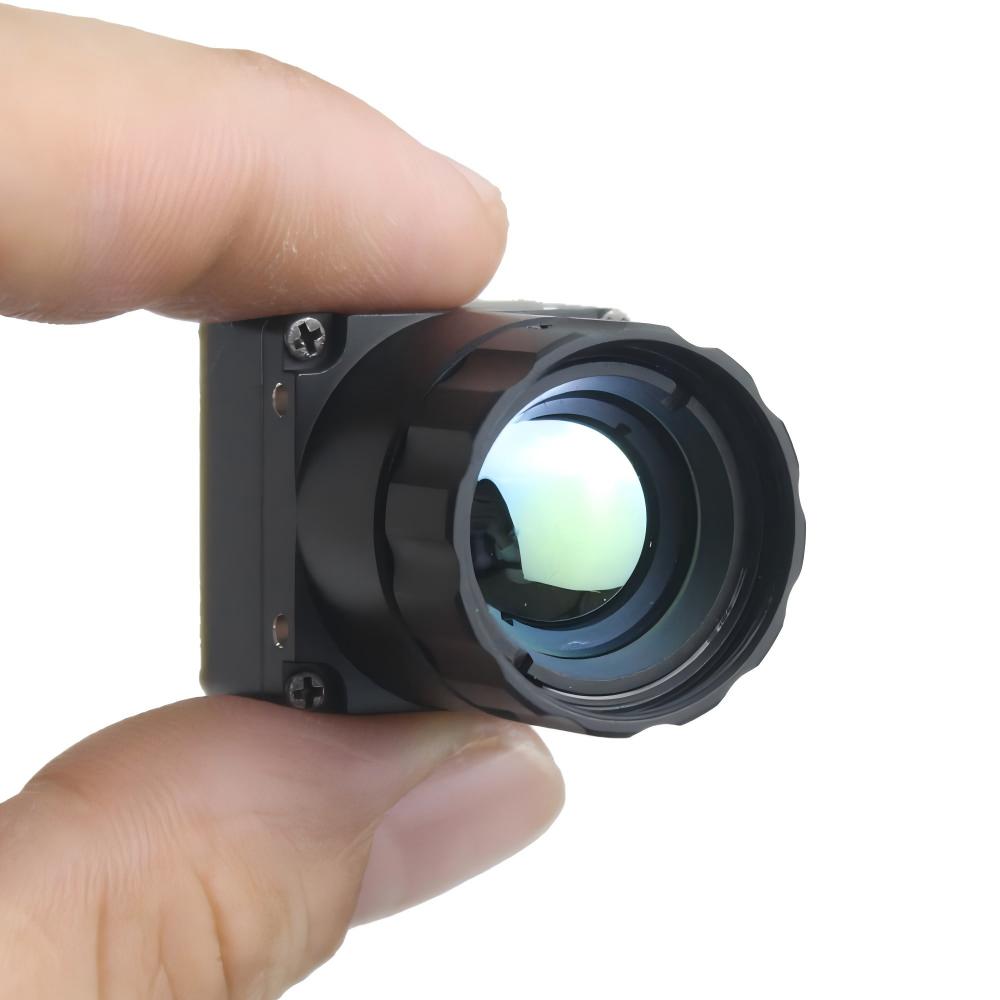
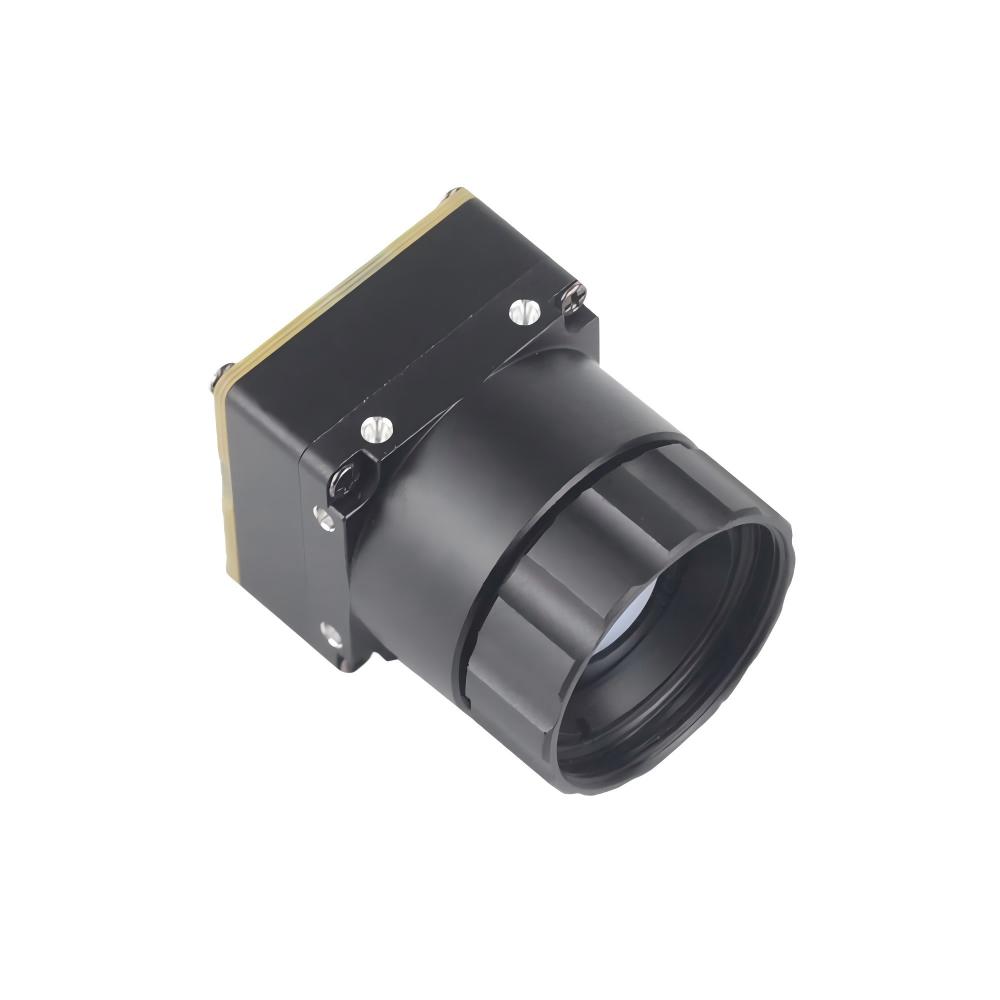
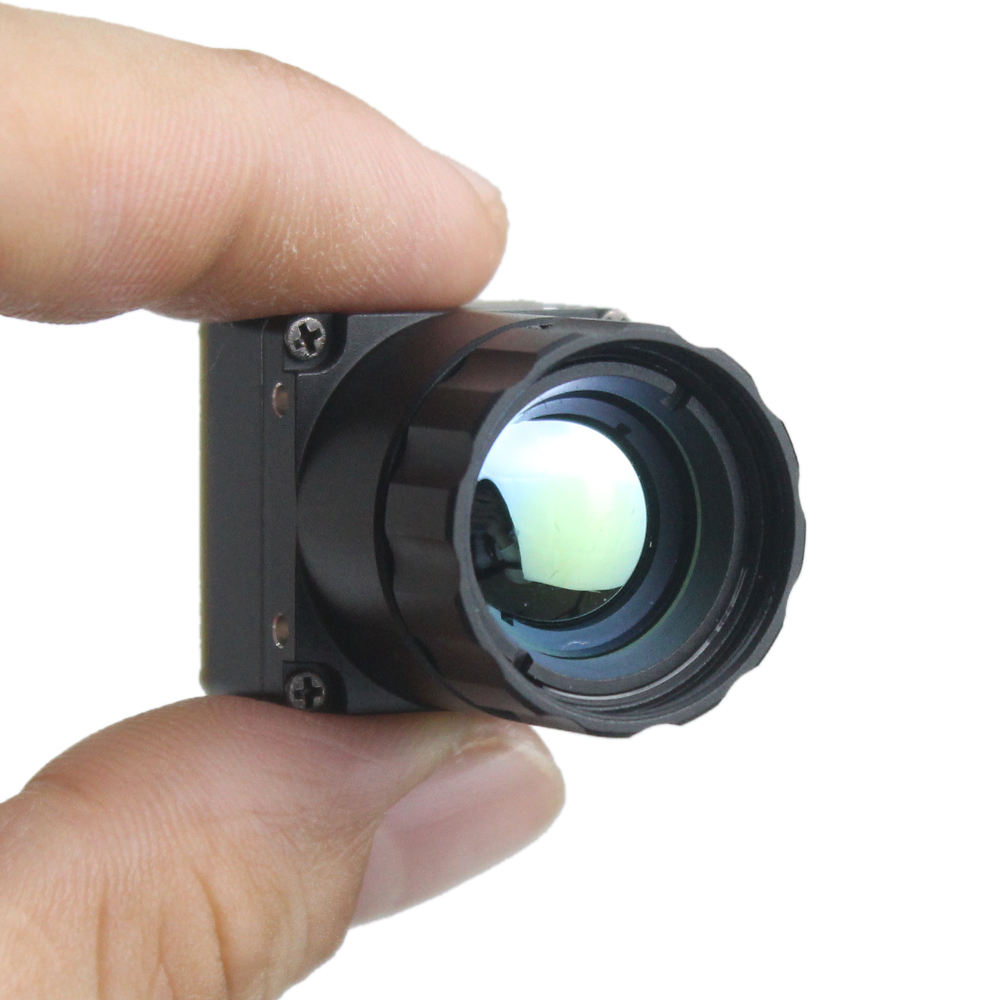
Product Showcase 1: Uncooled Infrared MIPI 640/384/256 9mm Thermal Imaging Camera Module For Drones
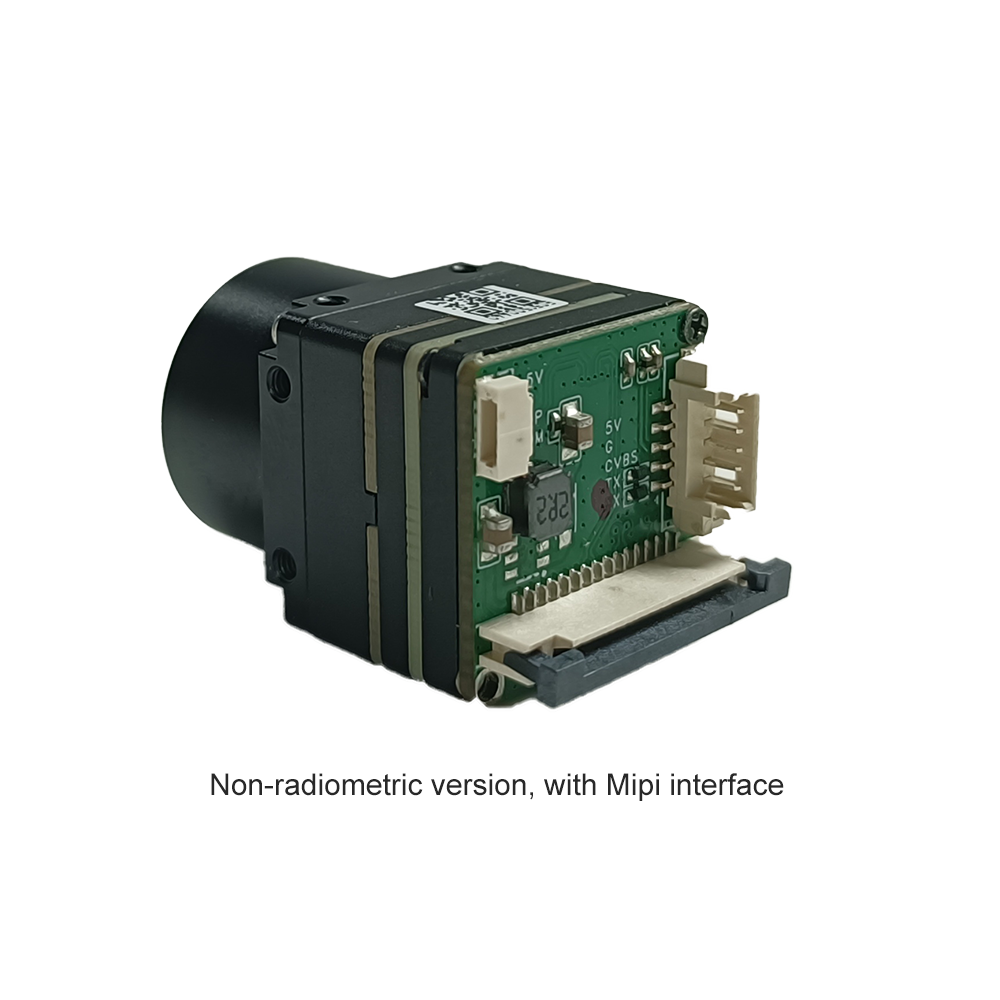
The Uncooled Infrared Mini2 Thermal Camera Module is engineered for high-performance UAV payloads and embedded edge setups requiring crisp thermal contrast, ultra-compact physical footprints, and low bus latency. Available in resolutions of 640x512, 384x288, or 256x192, this module pairs an uncooled VOx microbolometer array with a high-transmittance 9mm Germanium lens. Built specifically to solve SWaP-C challenges, it features direct MIPI CSI-2 bus output for streaming raw video directly into host SoCs.
- ⚙️ Resolutions: 640x512 / 384x288 / 256x192 with 12μm pixel pitch
- ⚙️ Thermal Sensitivity: NETD ≤ 40mK @ 25°C, f/1.0
- ⚙️ Interface: Low-latency MIPI CSI-2 bus output
- ⚙️ Optics: High-precision 9mm fixed-focus Germanium objective lens
- ✅ Key Feature: Sharp image rendering, lightweight construction, minimal power draw
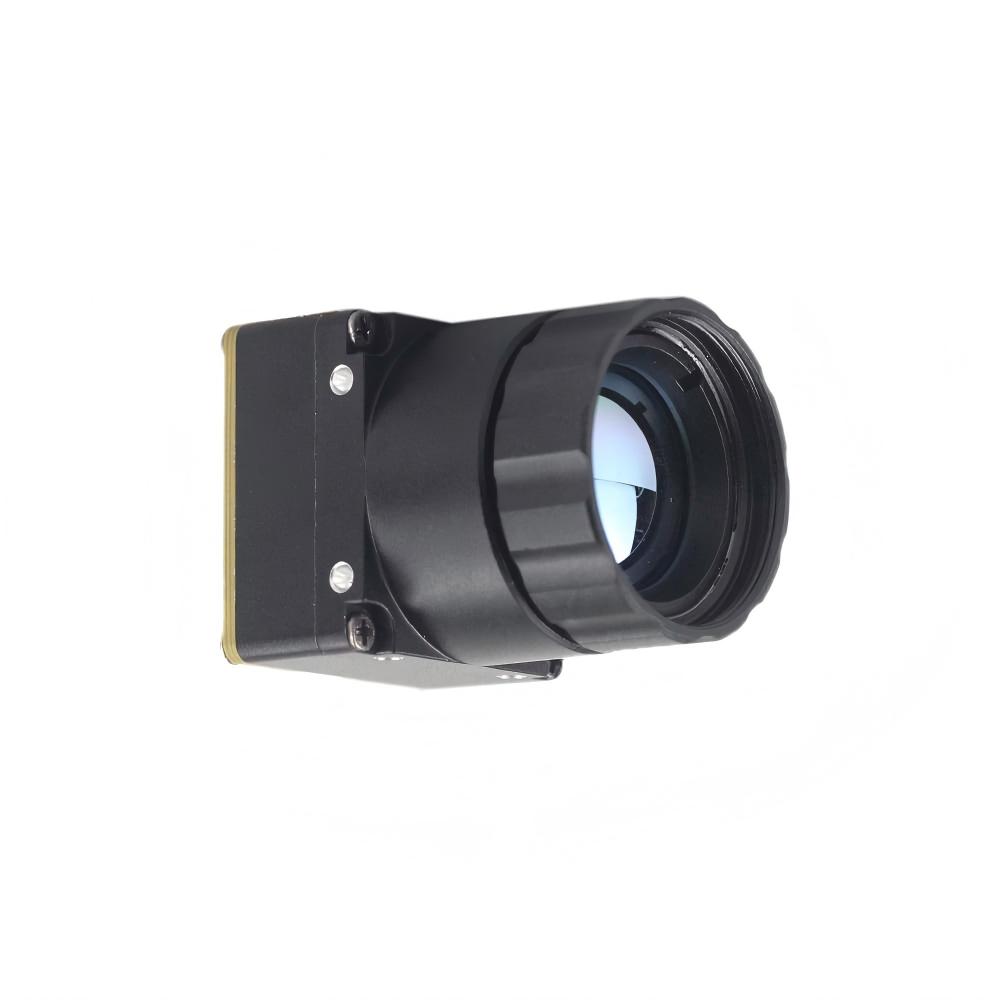
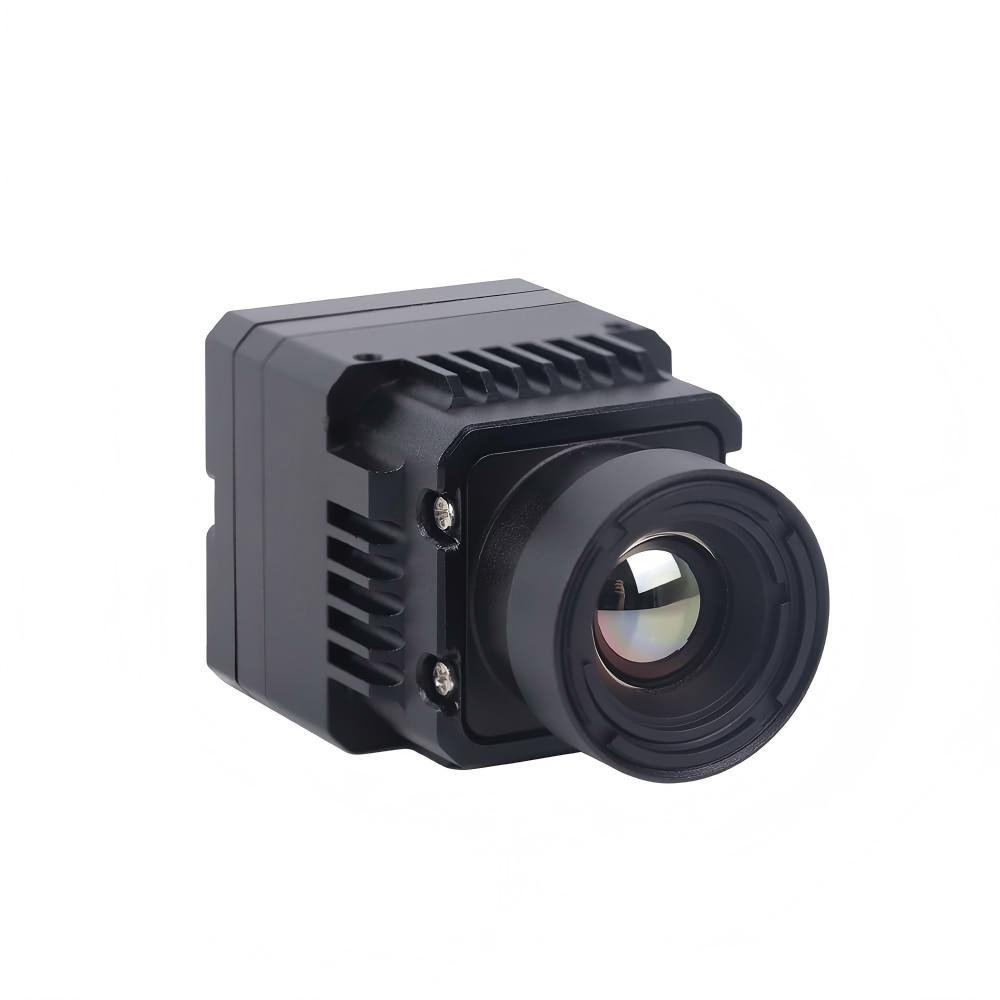
Product Showcase 2: MD Series 384x288 Uncooled Infrared Thermal Camera Module
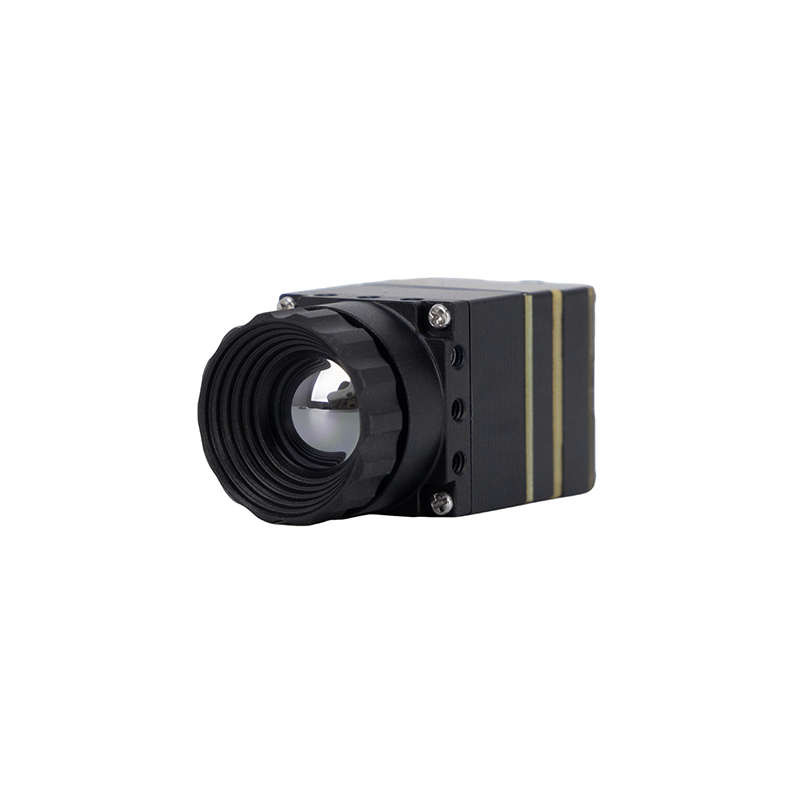
The Purpleriver MD Series Thermal Camera Module brings industrial thermal accuracy across tough operating environments including security perimeters, continuous machine monitoring, dual-light drone gimbals, and predictive maintenance tools. Developed by an engineering team backed by Hong Kong University of Science and Technology (HKUST) research and former Huawei HiSilicon hardware design expertise, the MD Series runs a 384x288 VOx uncooled detector with 12μm pixel pitch. It features plug-and-play multi-interface output (MIPI, USB, and CVBS) alongside full OEM/ODM board customization.
- ⚙️ Resolution: 384x288 resolution, 12μm pixel pitch
- ⚙️ Thermal Sensitivity: High sensitivity NETD ≤ 40mK
- ⚙️ Interfaces Supported: Multi-interface (MIPI CSI-2, USB 2.0 / UVC, CVBS Analog)
- ⚙️ Engineering Quality: Developed by HKUST and former Huawei HiSilicon engineering leads
- ✅ Flexibility: Fast turnarounds on OEM/ODM carrier board and firmware tweaks
Comprehensive Product Specification Matrix
| Specification | Uncooled Infrared Mini2 640/384/256 Module | MD Series 384x288 Thermal Module |
|---|---|---|
| Detector Array Type | Uncooled VOx Microbolometer FPA | Uncooled VOx Microbolometer FPA |
| Array Resolution | 640x512 (Optional 384x288 / 256x192) | 384x288 Array Resolution |
| Pixel Pitch | 12μm Technology | 12μm Technology |
| Spectral Range | 8μm – 14μm (LWIR) | 8μm – 14μm (LWIR) |
| Thermal Sensitivity (NETD) | ≤ 40mK @ 25°C, f/1.0 | ≤ 40mK High Sensitivity |
| Interface Topologies | MIPI CSI-2 Bus | MIPI / USB 2.0 / CVBS Analog |
| Optical Configuration | 9mm Standard Germanium Optics | Customizable Optical Lens Mounts |
| Primary SWaP Advantage | Miniaturized footprint, ultra-low weight | Plug-and-play versatility, multi-bus flexibility |
| Primary Target Applications | UAV payloads, target tracking, SAR missions | Industrial inspection, dual-light gimbals, security |

6. Frequently Asked Questions (Technical FAQ)
How do I choose the right infrared camera module interface (MIPI, USB, or CVBS) for my embedded or drone project?
✅ Go with MIPI CSI-2 if you are building high-performance autonomous drone payloads, edge AI setups, or robotic vision systems using processors like NVIDIA Jetson Orin, Rockchip RK3588, or Raspberry Pi. MIPI CSI-2 routes raw pixel buffers straight into host SoC memory using Direct Memory Access (DMA). This bypasses protocol conversion chips and driver overhead, enabling ultra-low video latencies (< 5ms) and uncompressed 30Hz/60Hz video capture without loading down your host CPU cores.
✅ Go with USB (UVC / USB-C) if your team needs fast desktop prototyping, cross-platform diagnostic tools, or handheld inspection devices. USB interfaces give you instant plug-and-play connectivity across Linux, Windows, and Android, letting engineers pull live radiometric image feeds into Python, OpenCV, or standard C++ SDKs without writing custom low-level device drivers.
✅ Go with CVBS (Analog Output) for retrofitting legacy security setups or connecting directly to 5.8GHz analog FPV transmitters on budget drone builds. CVBS streams real-time video over a simple two-wire lead with zero digital packet overhead—ideal when raw temperature measurement isn't required and low complexity is king.
What is the functional difference between a standard IR night vision module and an uncooled thermal camera module?
Standard IR Night Vision Cameras work in the Near-Infrared (NIR, 0.75μm to 1.1μm) or Short-Wave Infrared (SWIR) spectrum. They rely on reflected ambient light or active infrared illuminators (like 850nm/940nm IR LEDs). In pitch-black conditions without active IR LEDs, night vision cameras go dark. Plus, they get blinded by dust, fog, or smoke, and cannot measure temperature values.
In contrast, Uncooled Thermal Camera Modules operate in the Long-Wave Infrared (LWIR, 8μm to 14μm) spectrum using microbolometer Focal Plane Arrays (FPAs). They need zero ambient light and zero external illuminators. Thermal modules measure micro-changes in thermal radiation emitted naturally by matter above absolute zero. Because of this, thermal cores work in absolute darkness, punch through smoke and foliage, expose camouflaged targets, and deliver quantitative temperature measurements across every pixel.
Can these infrared camera modules be customized through OEM/ODM engineering services for commercial production?
Customization options cover:
- ⚙️ Array & Core Selection: Pick microbolometer resolutions (256x192, 384x288, or 640x512) and tweak 12μm VOx sensitivity settings.
- ⚙️ Optics & Lens Mount Adaptation: Tailor Germanium optics (from 3.2mm wide-angle lenses up to 25mm+ long-range optics) in fixed, manual, or motorized auto-focus mounts.
- ⚙️ Hardware Interfaces & Carrier PCBs: Build custom-shaped carrier boards outputting MIPI CSI-2, USB-C, Ethernet, or analog CVBS streams with tailored power management for drone gimbals.
- ⚙️ Onboard ISP & Edge AI Firmware: Customize non-uniformity correction (NUC) algorithms, dynamic range compression (DRC), color palettes, radiometric tools, and host SDK libraries.
📚 References & Further Reading
- 📌 Optics Manufacturing Partner: Precision Germanium & Optical Components by Jinde
- 📌 Signal Interconnect Standards: Precision High-Density Micro-Coaxial Cable Solutions by Micro Coaxial Cable Man
- 📌 Related Guide: MIPI Thermal Camera Module Integration for Drones
- 📌 Related Guide: Best MIPI Thermal Camera Module for Raspberry Pi & Drone Integration
- 📌 Product Reference: 384x288 Smartphone Mini USB Thermal Camera Core