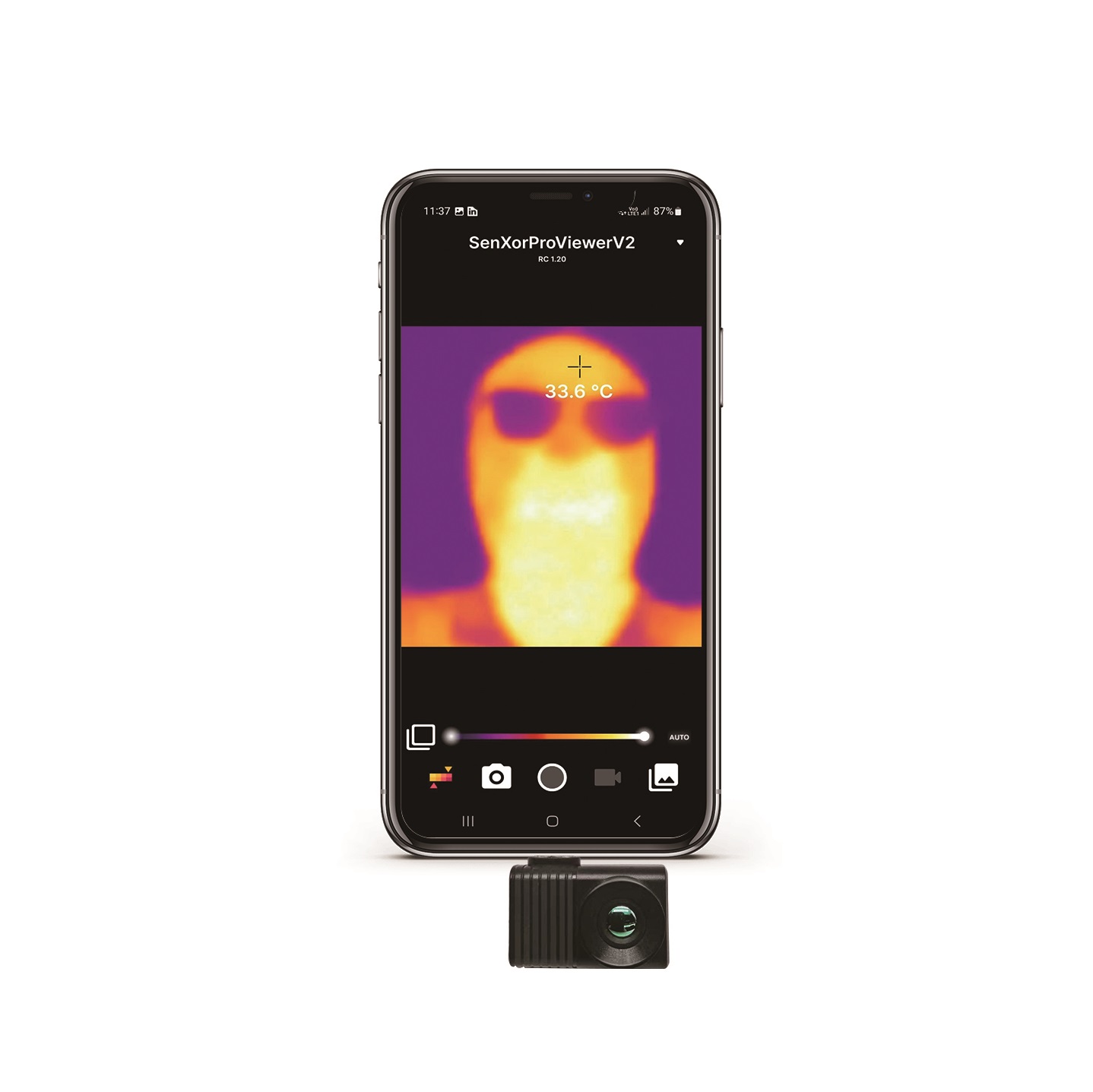
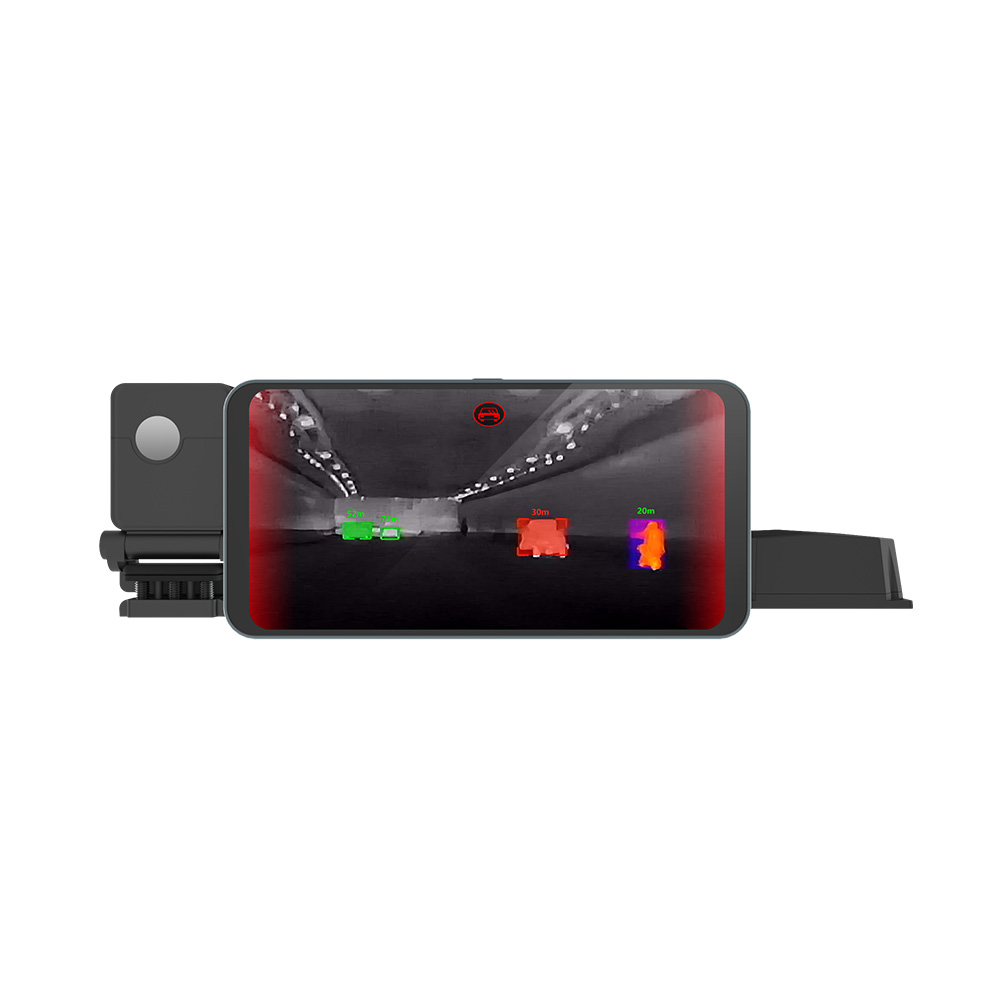

Fire Detection Thermal Camera Module: OEM Cores for Drones & Early Warning Systems
2026年10月10日
Uncooled LWIR Thermal Camera Module: Mini 640x512 & 384x288 OEM Cores for Drones
2026年10月12日
High-Resolution Electrical Inspection Infrared Camera Module: OEM Integration & Buying Guide
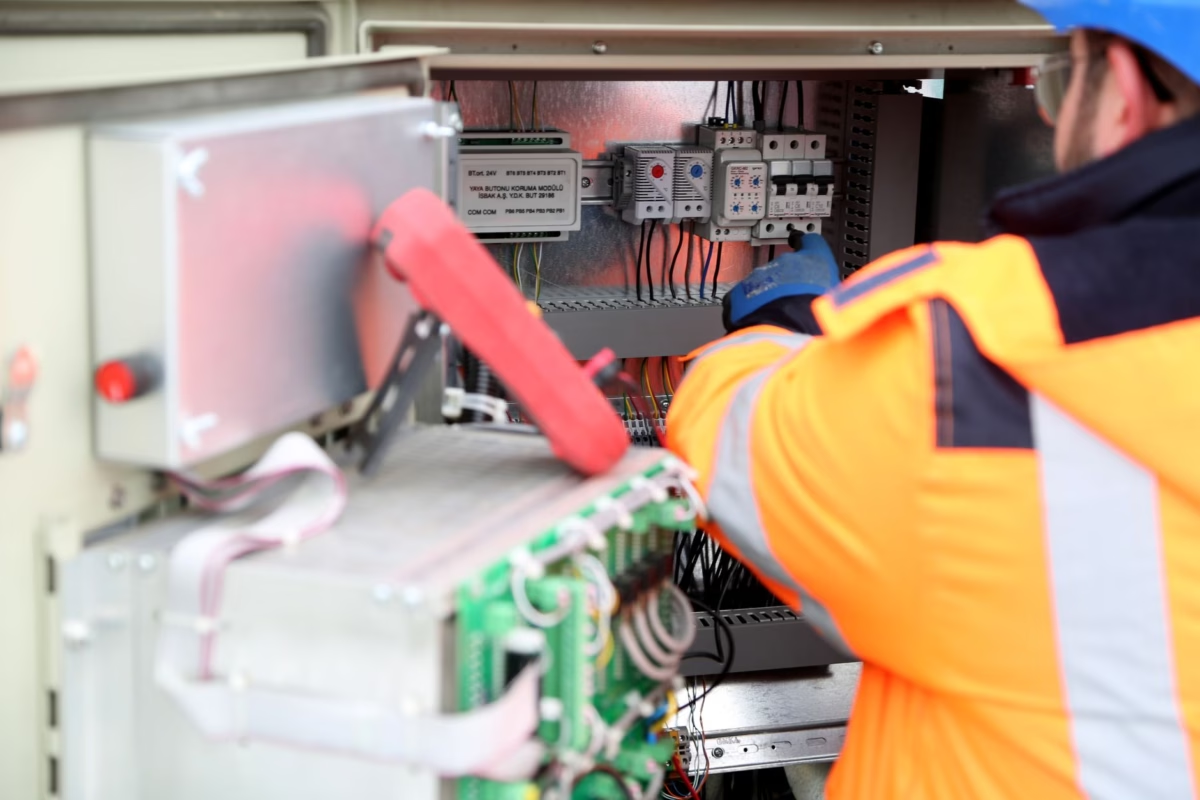
In modern industrial manufacturing facilities, commercial power distribution systems, and utility substations, unscheduled electrical downtime leads to immense production losses and catastrophic safety risks. Loose electrical terminations, phase imbalances, contact surface oxidation, harmonic distortion, and insulation breakdown frequently manifest as localized thermal hotspots long before a functional short-circuit or arc flash event triggers a trip. Traditional maintenance practices that rely on sporadic manual sweeps using spot pyrometers or handheld thermal cameras have proven inadequate for modern continuous-duty operations. Incorporating an uncooled electrical inspection infrared camera module directly into automated diagnostic instruments, unmanned aerial vehicle (UAV) inspection gimbals, and enclosed continuous monitoring systems delivers real-time radiometric surveillance, catching micro-thermal anomalies at their earliest stages.
For original equipment manufacturers (OEMs), systems integrators, and instrumentation design engineers, choosing and implementing an embedded thermal imaging sensor core involves navigating complex interdisciplinary challenges. The design process bridges fundamental thermal radiation physics, optical system engineering, semiconductor readout integrated circuit (ROIC) architectures, high-speed digital communications, and deterministic embedded software pipelines. This comprehensive engineering guide outlines how to evaluate, integrate, and deploy uncooled long-wave infrared (LWIR) camera modules to create reliable predictive maintenance solutions for high- and medium-voltage electrical infrastructure.
Table of Contents
- 👉 1. The Physics of Electrical Thermography: Joule Heating, Emissivity, and Microbolometers
- 👉 2. Critical Sensor Parameters: Resolution, 12μm Pixel Pitch, NETD, and IFOV
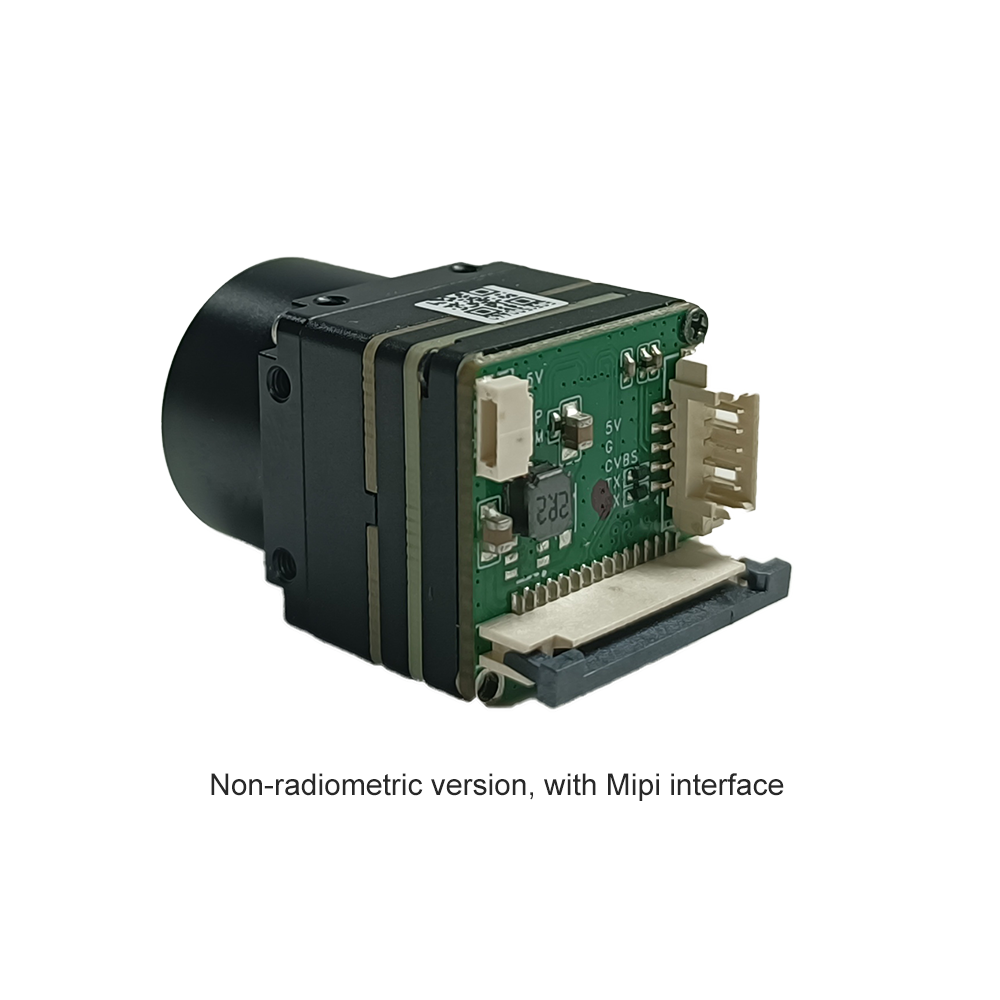
- 👉 3. Hardware Interfaces & Embedded Protocols: MIPI-CSI2, USB, and Analog CVBS
- 👉 4. Edge Radiometry, Emissivity Correction, and Thermal Signal Processing
- 👉 5. Deployment Architectures: Drones, Handheld Diagnostic Tools, and Continuous Switchgear Monitors
- 👉 6. Featured OEM Thermal Camera Modules: Technical Comparison
- 👉 7. Deep-Dive Frequently Asked Questions (FAQ)
1. The Physics of Electrical Thermography: Joule Heating, Emissivity, and Microbolometers
Every non-destructive electrical thermal evaluation relies on capturing surface thermal patterns generated by resistive dissipation. Under normal operating conditions, electrical conductors and contacts maintain an equilibrium temperature determined by current density, ambient dissipation, and natural or forced convection. When physical degradation occurs, the thermodynamic equilibrium shifts according to the Joule heating equation:
P = I2 × R
Where P represents dissipated power in Watts, I is the root-mean-square (RMS) current in Amperes, and R is the electrical contact or bulk resistance in Ohms. In mechanical junctions—such as bolted busbar splices, fuse clips, disconnect blades, and cable crimp lugs—mechanical vibration, thermal cycling, and galvanic corrosion increase contact resistance. Because dissipated thermal power scales quadratically with the square of the current, even moderate load increases produce elevated heat signatures. Over time, this localized heat accelerates oxidation of the underlying metal, causing resistance to spike further in an escalating thermal-degradation loop that can terminate in catastrophic insulation breakdown or arc flash explosion.
To detect these heat signatures without physical contact, modern OEM inspection systems operate within the Long-Wave Infrared (LWIR) atmospheric transmission window, spanning nominal wavelengths between 8.0 and 14.0 micrometers (μm). In accordance with Planck's Radiation Law and Wien's Displacement Law, objects operating between -20°C and +150°C exhibit peak radiant spectral emittance precisely within this 8–14 μm band. As a result, LWIR sensors detect thermal radiation without requiring external illumination or active excitation sources.
At the center of any modern uncooled electrical inspection core is the microbolometer focal plane array (FPA). Unlike cryogenically cooled Mid-Wave Infrared (MWIR) detectors, an uncooled microbolometer consists of a two-dimensional matrix of microscopic sensing elements fabricated over a complementary metal-oxide-semiconductor (CMOS) Readout Integrated Circuit (ROIC). Each pixel features an infrared-absorber membrane—typically composed of Vanadium Oxide (VOx) or Amorphous Silicon (α-Si)—suspended above the silicon substrate by micro-machined thermal isolation bridges within an evacuated cavity. When LWIR photons hit the membrane, its temperature shifts, changing its electrical resistance. The underlying ROIC samples this resistance change across the entire pixel matrix, generating raw analog voltage levels that are digitized into a high-bit-depth radiometric frame.
THERMAL IMAGING REAL-TIME VIDEO
A primary challenge in non-contact electrical inspection is surface emissivity (ε), the ratio of energy radiated by a surface relative to a theoretical blackbody at the same temperature. Electrical equipment combines materials with radically different emissive properties across the LWIR spectrum:
- ⚙️ Clean, Non-Oxidized Aluminum Busbars: ε ≈ 0.05 to 0.15 (Highly reflective, mirrors surrounding ambient sources)
- ⚙️ Weathered or Moderately Oxidized Copper: ε ≈ 0.50 to 0.70
- ⚙️ PVC, XLPE, and EPR Cable Insulation: ε ≈ 0.93 to 0.96 (Nearly ideal diffuse emitters)
- ⚙️ Matte Black Molded Phenolic Breaker Enclosures: ε ≈ 0.90 to 0.95
Because low-emissivity polished conductors reflect ambient thermal energy like a mirror, an uncalibrated or simplistic thermal sensor core often measures the temperature of nearby ambient reflections rather than the true thermal state of an energized terminal. High-end electrical inspection cores mitigate this issue by incorporating advanced on-chip radiometric processing engines. These engines support per-pixel or zoned emissivity calibration, dynamic reflected background temperature compensation, and specialized look-up tables (LUTs) that calculate accurate target surface temperatures in variable field conditions.
2. Critical Sensor Parameters: Resolution, 12μm Pixel Pitch, NETD, and IFOV
When selecting a thermal core for electrical inspection instruments, instrumentation engineers must evaluate several interrelated physical and optical parameters rather than simply opting for the lowest bill-of-materials cost. Thermal resolution, instantaneous spatial resolution, and temperature sensitivity determine whether a camera detects an emerging high-resistance trace or overlooks a dangerous anomaly entirely.
Historically, uncooled infrared sensors used 25 μm or 17 μm pixel architectures. Modern high-reliability designs have moved to a 12 μm pixel pitch, offering distinct benefits for embedded instrumentation:
- ✅ Optical Miniaturization: Reducing pixel pitch from 17 μm to 12 μm decreases total active focal plane area by roughly 50% for any given native resolution. This physical reduction allows optical designers to specify shorter focal lengths to hit the target field of view, drastically slashing the size, weight, and expense of costly Germanium (Ge) or Chalcogenide objective lenses.
- ✅ SWaP-C Optimization: A smaller sensor die pulls noticeably less current to clock the integrated readout circuitry, reduces overall thermal mass, and accelerates integration into handheld probes or compact gimbal payloads where Size, Weight, Power, and Cost (SWaP-C) dictate engineering feasibility.
- ✅ Application-Matched Array Formats:
- ⚙️ 256 × 192 (49,152 pixels): Well suited for ultra-compact thermal clamp meters, local distribution panel spot-checkers, and tight-budget diagnostic scopes.
- ⚙️ 384 × 288 (110,592 pixels): The baseline industrial standard for permanent switchgear surveillance, automated plant condition monitoring, and medium-voltage MCC cabinets.
- ⚙️ 640 × 512 (327,680 pixels): The preferred class for long-range utility transmission sweeps, high-voltage open-air substations, and high-density PCB failure analysis.
To inspect energized terminal blocks safely, engineers must calculate the Instantaneous Field of View (IFOV), which defines the physical spatial area observed by a single pixel at a given distance:
IFOV = d / f
Where d is the pixel pitch (for instance, 12 μm or 0.012 mm) and f is the effective focal length of the objective lens in millimeters. A 12 μm sensor paired with a 9 mm lens yields an IFOV of 1.33 milliradians (mrad). At an inspection distance of 3 meters, each detector pixel projects to a geometric spot size of approximately 4.0 mm on the target plane.
However, optical diffraction, lens aberration, and thermal diffusion between adjacent microbolometer cells mean a single pixel cannot accurately measure temperature on its own. For true radiometric accuracy, engineers rely on the Measurement Instantaneous Field of View (MIFOV), typically defined as a 3 × 3 or 4 × 4 contiguous pixel array on the sensor plane. To obtain an absolute temperature reading on an electrical terminal screw—such as high-current power terminal assemblies produced by TE Connectivity—the target must completely fill this 3 × 3 pixel window. If an anomaly is smaller than the MIFOV, the core averages the hotspot's thermal energy with the cooler background, dampening the apparent temperature rise and masking an impending failure.
Thermal sensitivity is governed by the Noise Equivalent Temperature Difference (NETD), quantified in millikelvins (mK). NETD represents the sensor's baseline noise floor—the minimum target temperature delta that produces an electrical signal equal to internal noise. Standard industrial sensors typically provide NETD ≤ 50 mK (evaluated at f/1.0, 300 K). Advanced OEM inspection modules achieve sensitivities of NETD ≤ 30 mK to 40 mK. This higher sensitivity is critical when inspecting heavily cooled data center busbars, early-stage insulated conductor failures, or three-phase connections operating under light load, where an emerging high-resistance joint might show an initial temperature rise of only 0.5°C to 1.5°C above ambient.
3. Hardware Interfaces & Embedded Protocols: MIPI-CSI2, USB, and Analog CVBS
Integrating an uncooled electrical inspection infrared camera module into host hardware requires choosing an interface that balances data bandwidth, processor overhead, latency, and system power budgets. Leading OEM thermal modules support three primary physical interfaces:
1. MIPI-CSI2 (Mobile Industry Processor Interface)
For custom embedded architectures running Linux, Android, or real-time operating systems (RTOS), MIPI-CSI2 is the gold standard for high-bandwidth, direct-to-host sensor integration. Operating over differential D-PHY clock and data lanes, MIPI routes uncompressed 14-bit or 16-bit raw radiometric frames directly into the host application processor's Image Signal Processor (ISP) or Direct Memory Access (DMA) controller. Bypassing external bridge chips and USB host controllers eliminates round-trip bus latency and cuts power consumption. This architecture is ideal for compact drone gimbals, high-end handheld imagers, and edge-AI diagnostic systems using platforms like the Rockchip RK3588, NXP i.MX8, or NVIDIA Jetson Orin. For a detailed guide on setting up low-level thermal streaming, see our technical article on configuring an infrared thermal core driver on embedded single-board computers.
2. USB 2.0 / USB 3.0 (Type-C / Micro-B)
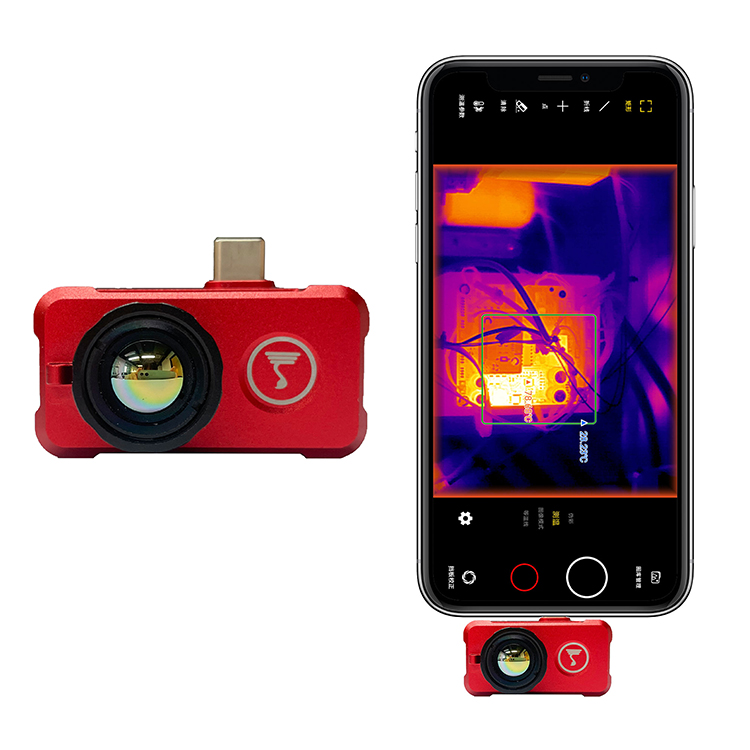
USB provides universal, cross-platform connectivity for rapid prototyping and host platforms based on x86 Windows, industrial panel PCs, or commercial tablets. OEM thermal cores running over USB typically present two logical endpoints: a standard USB Video Class (UVC) endpoint delivering an 8-bit dynamic contrast-enhanced visual stream (e.g., YUV or RGB with an Ironbow or White-Hot palette applied), and a vendor-specific bulk-transfer endpoint delivering uncompressed 14-bit linear radiometric temperature matrices at frame rates from 25 Hz to 50 Hz. USB simplifies design cycles and accelerates time-to-market, though it incurs slightly higher host CPU overhead and bus management latency than a native MIPI connection.
3. Analog CVBS (Composite Video Blanking and Sync)
Despite the shift toward fully digital, networked industrial ecosystems, standard analog CVBS (delivering 75-Ohm single-ended NTSC or PAL signals) remains relevant for specific legacy workflows. Analog composite video requires zero host processing, boots instantly, and connects directly to legacy CRT monitors, crane cabin displays, rugged handheld monitors, or simple analog wireless transmitters used on long-range inspection platforms. However, CVBS carries only pre-rendered pseudocolor visual streams. To read real-time spot or area temperatures over an analog link, the thermal camera module must render an internal On-Screen Display (OSD) overlay directly onto the composite signal before transmission.
4. Edge Radiometry, Emissivity Correction, and Thermal Signal Processing
Raw digital values from an uncooled microbolometer cannot be mapped directly to temperature without an internal digital signal processing pipeline. Because uncooled bolometer arrays lack cryogenic stabilization, they are susceptible to ambient thermal drift, spatial non-uniformities, and internal housing radiation. Quality OEM camera modules handle these variations using an onboard FPGA or ASIC pipeline.
The processing pipeline begins with Non-Uniformity Correction (NUC). Due to microscopic manufacturing variations across silicon wafers, every individual microbolometer pixel features a distinct responsiveness (gain) and baseline dark current (offset). Left uncorrected, the resulting image suffers from heavy spatial pattern noise, resembling a fixed grid overlay. Modules counter this using a precision mechanical shutter that periodically blocks the optical path, providing the detector with an optically flat, uniform thermal reference. The core's processor updates internal offset registers to restore uniform image response. For continuous surveillance or aerial flight lines where an image freeze could disrupt tracking, high-end modules use Scene-Based Non-Uniformity Correction (SBNUC) algorithms, which adjust calibration dynamically based on spatial motion without actuating the mechanical shutter.
Following NUC and bad-pixel replacement, the core executes radiometric calibration by passing raw 14-bit pixel values through internal polynomial curves that incorporate ambient core temperature sensors (thermistor references located next to the focal plane). This step converts raw digital numbers into linear radiometric data, where each 14-bit pixel represents a scaled kelvin value. For a deeper look at embedded ISP image pipelines and calibration architectures, review our comprehensive high-resolution thermal core integration guide.
Finally, to present this high-dynamic-range data on standard 8-bit displays, the module runs advanced dynamic range compression algorithms, such as Digital Detail Enhancement (DDE) and Contrast-Limited Adaptive Histogram Equalization (CLAHE). These algorithms preserve low-contrast detail across a broad thermal range, ensuring subtle heating on a high-voltage disconnect switch remains clearly visible even when an adjacent transformer operates at elevated baseline temperatures.
5. Deployment Architectures: Drones, Handheld Diagnostic Tools, and Continuous Switchgear Monitors
When selecting and integrating an electrical inspection infrared camera module, design teams tailor their mechanical, optical, and thermal integration strategies to the target application profile.
1. Aerial Inspection Drones (High-Voltage Lines & Substations)
Inspecting utility-scale power transmission corridors, cross-country towers, and expansive switchyards requires long standoff distances to keep UAV platforms safely outside high-voltage electromagnetic fields. Aerial camera systems demand high spatial resolution (640 × 512) paired with longer focal length optics (9 mm, 13 mm, or 19 mm) to achieve the narrow IFOV necessary to resolve overhead conductor splices and suspension insulators. Payload weight and power draw are critical constraints, making compact, lightweight cores with direct MIPI-CSI2 or USB connectivity the preferred choice. For insights into night-flight operations and high-contrast aerial thermography, read our analysis of thermal imaging operations in zero-illumination field scenarios.
2. Handheld Field Diagnostic Tools
Portable test equipment—such as diagnostic thermal multimeters, clamp meters, and standalone predictive maintenance imagers—requires ergonomic form factors, fast boot times (<2 seconds), and low power draw to maximize battery life. Handheld devices often pair a 256 × 192 or 384 × 288 uncooled core with a visible-light CMOS sensor. The host processor runs edge-blending algorithms, overlaying high-frequency visible edge detail onto the thermal image to make terminal labels and breaker switch numbers legible directly on the thermal display.
3. Continuous 24/7 Switchgear & MCC Enclosure Monitoring
Driven by asset management guidelines and safety revisions in standards like NFPA 70B, continuous switchgear monitoring is rapidly replacing periodic manual cabinet inspections. Permanent installations mount uncooled thermal camera modules directly inside sealed medium-voltage switchgear cabinets and Motor Control Centers (MCCs), pointing continuous optical paths at internal busbar splices, cable terminations, and circuit breaker stabs. Modules deployed in these enclosures must offer high electromagnetic interference (EMI) immunity to withstand switching transients, deliver wide fields of view to cover internal components within tight spaces, and support continuous radiometric threshold monitoring connected directly to plant SCADA or industrial IoT gateways over Modbus TCP or MQTT.
6. Featured OEM Thermal Camera Modules: Technical Comparison
The table below compares two industrial-grade thermal imaging cores engineered for seamless OEM integration into portable test tools, industrial UAV payloads, and permanent condition-monitoring systems.
| Parameter | Mini2 640x512 9mm Drone-Optimized Module | MD Series 384x288 Multi-Interface Module |
|---|---|---|
| Native Array Resolution | 640 × 512 (Optional: 384×288, 256×192) | 384 × 288 |
| Pixel Pitch | 12 μm Uncooled VOx Microbolometer | 12 μm Uncooled VOx Microbolometer |
| Optical Configuration | 9 mm Athermalized Germanium Lens | Interchangeable / Customizable Fixed Optics |
| Digital & Video Interfaces | MIPI-CSI2, USB | MIPI-CSI2, USB, Analog CVBS (Triple Output) |
| Thermal Sensitivity (NETD) | ≤ 40 mK to 50 mK at f/1.0 | High-sensitivity industrial grade (≤ 40 mK) |
| Radiometric Output | Full-frame 14-bit radiometric per-pixel stream | Point, Line, Area temperature tracking + 14-bit stream |
| Primary Integration Focus | UAV gimbals, powerline aerial inspection | Switchgear enclosures, automation, test instruments |
Uncooled Infrared MIPI 640 / 384 / 256 9mm Thermal Imaging Camera Module For Drones
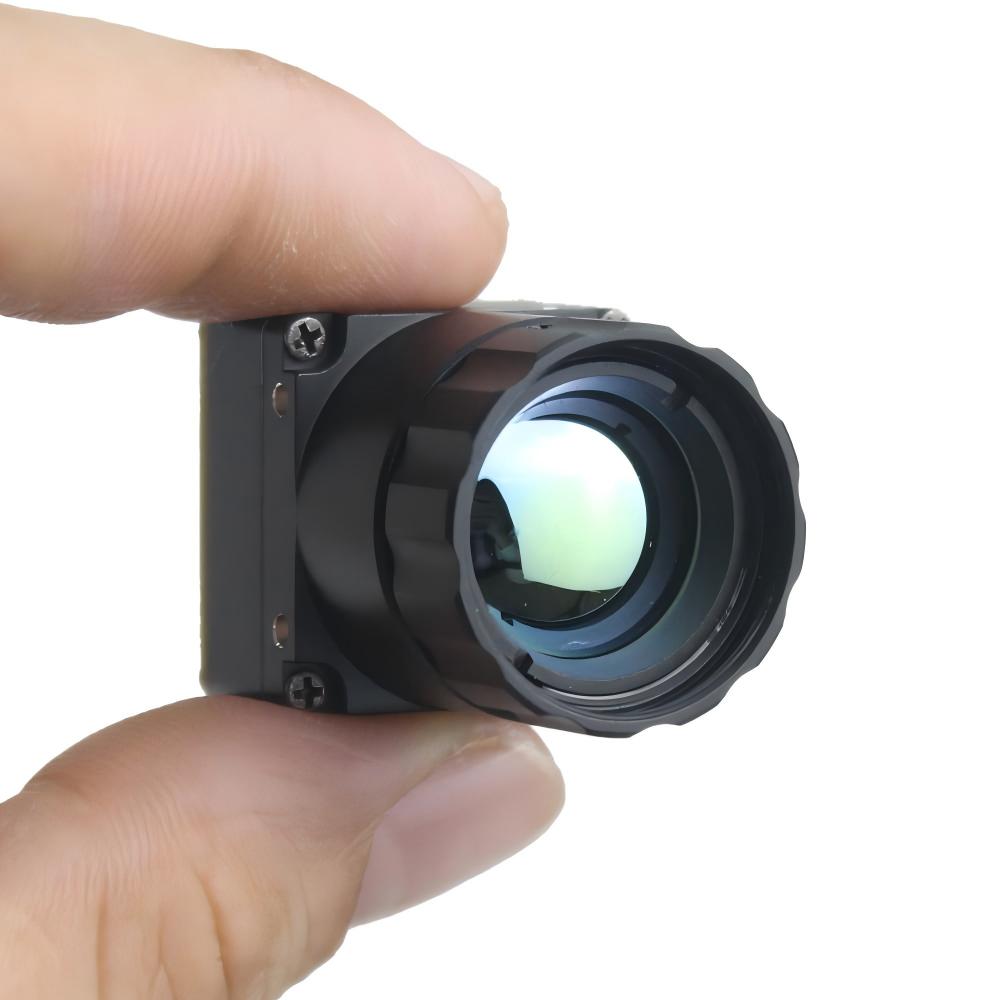
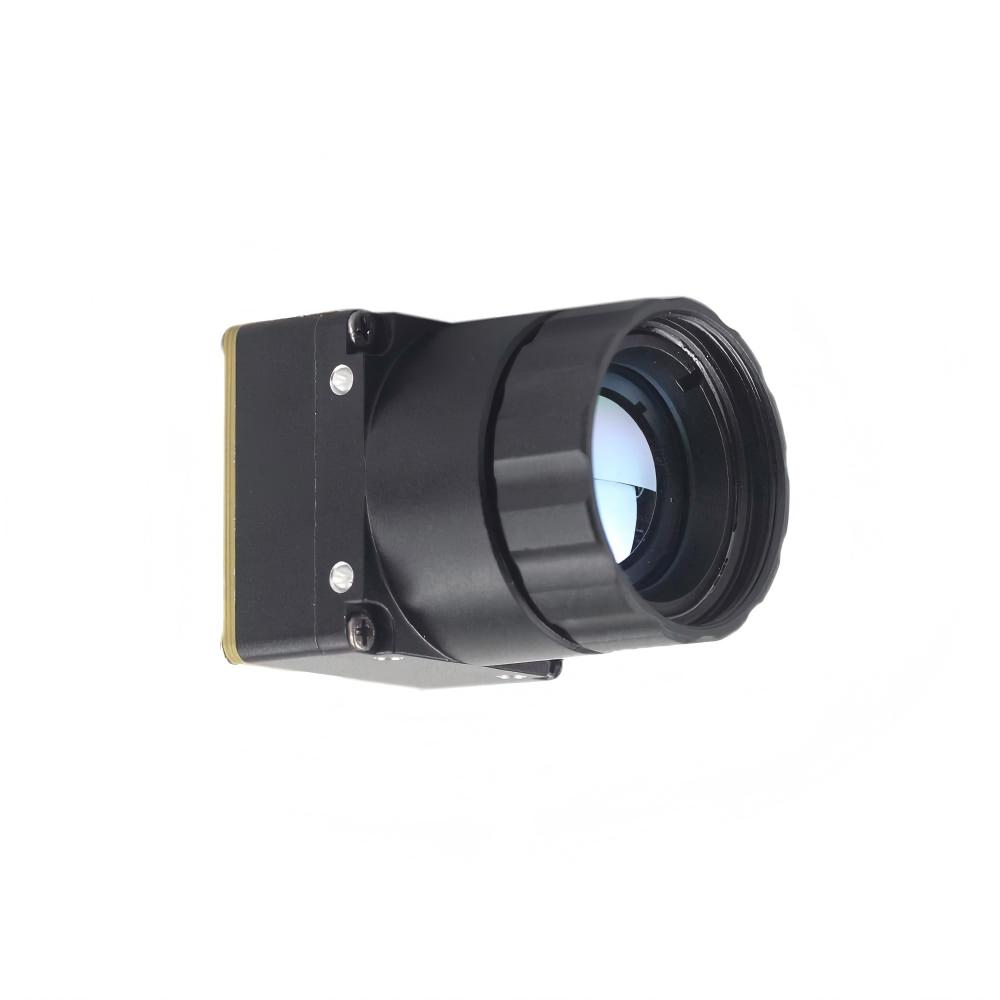
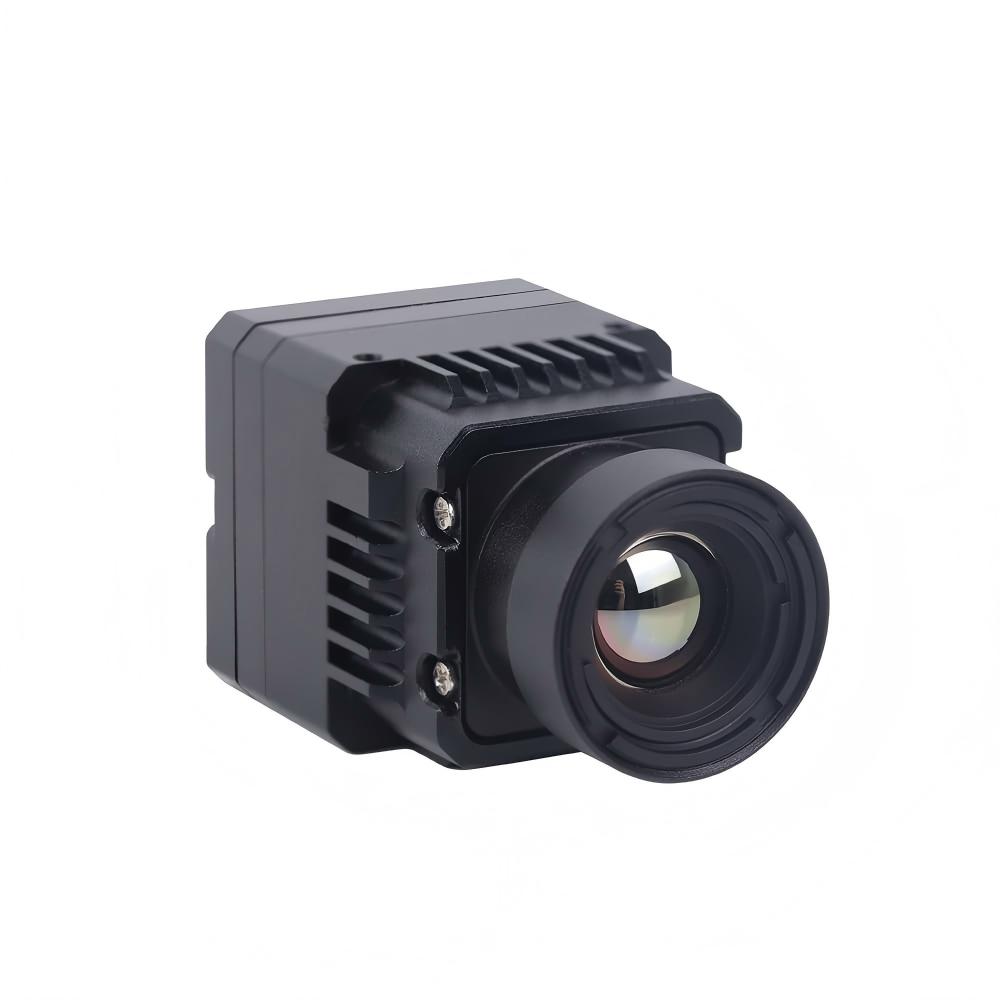
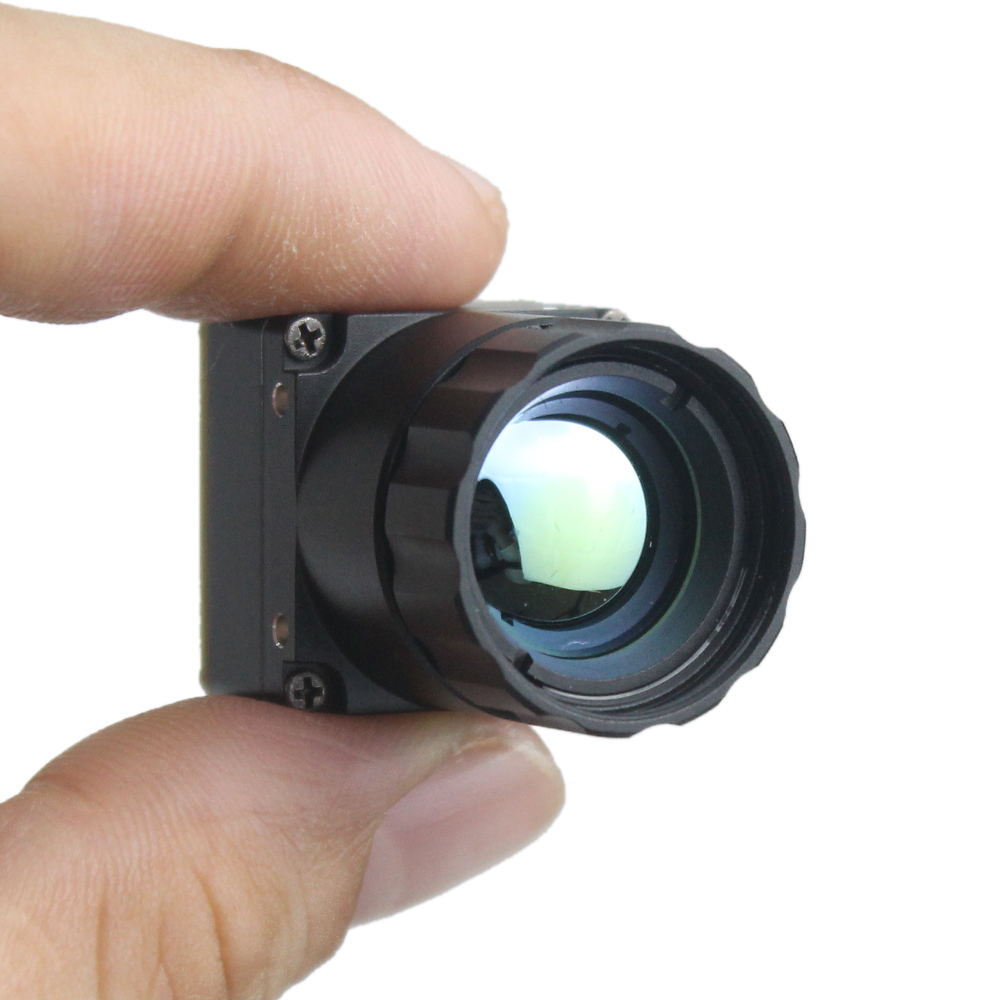
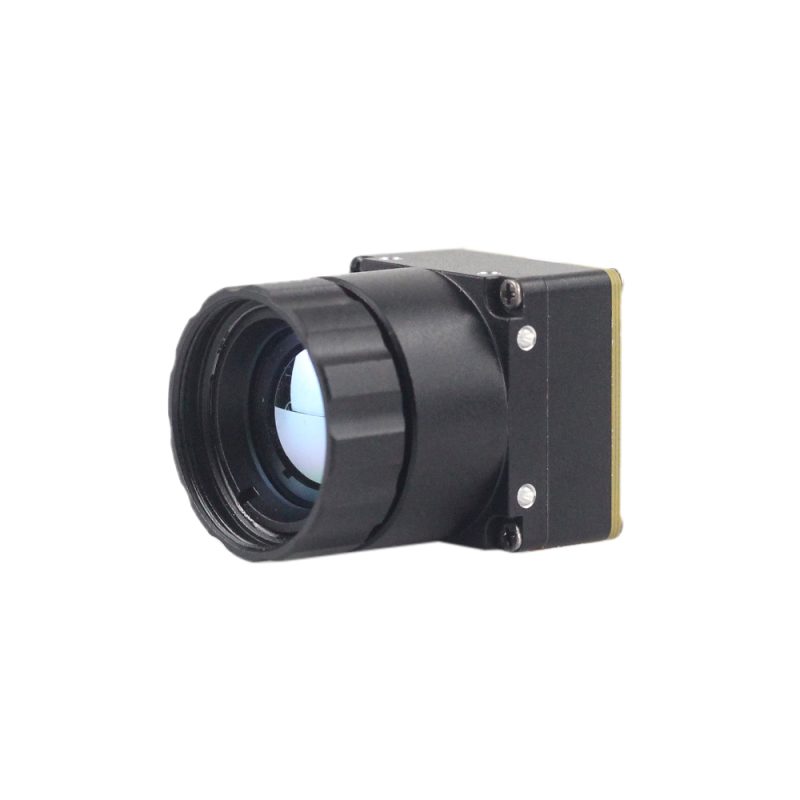
The Mini2 640x512 9mm thermal imaging module delivers high spatial resolution in an ultra-compact chassis designed for flight payloads. Featuring a 12 μm uncooled VOx focal plane array, this core provides crisp thermal imagery and real-time radiometric telemetry over direct MIPI-CSI2 and USB connections. Its integrated 9 mm lens balances a wide field of view with the resolving power needed to spot overheated splices, damaged insulators, and hot transformer bushings from a safe aerial standoff distance. With its low weight, minimal power draw, and uncompressed 14-bit data stream, the Mini2 allows companion flight computers to run edge-AI hotspot detection directly on the aircraft.
View Product Details & Pricing ➔
MD Series 384x288 Uncooled Infrared Thermal Camera Module
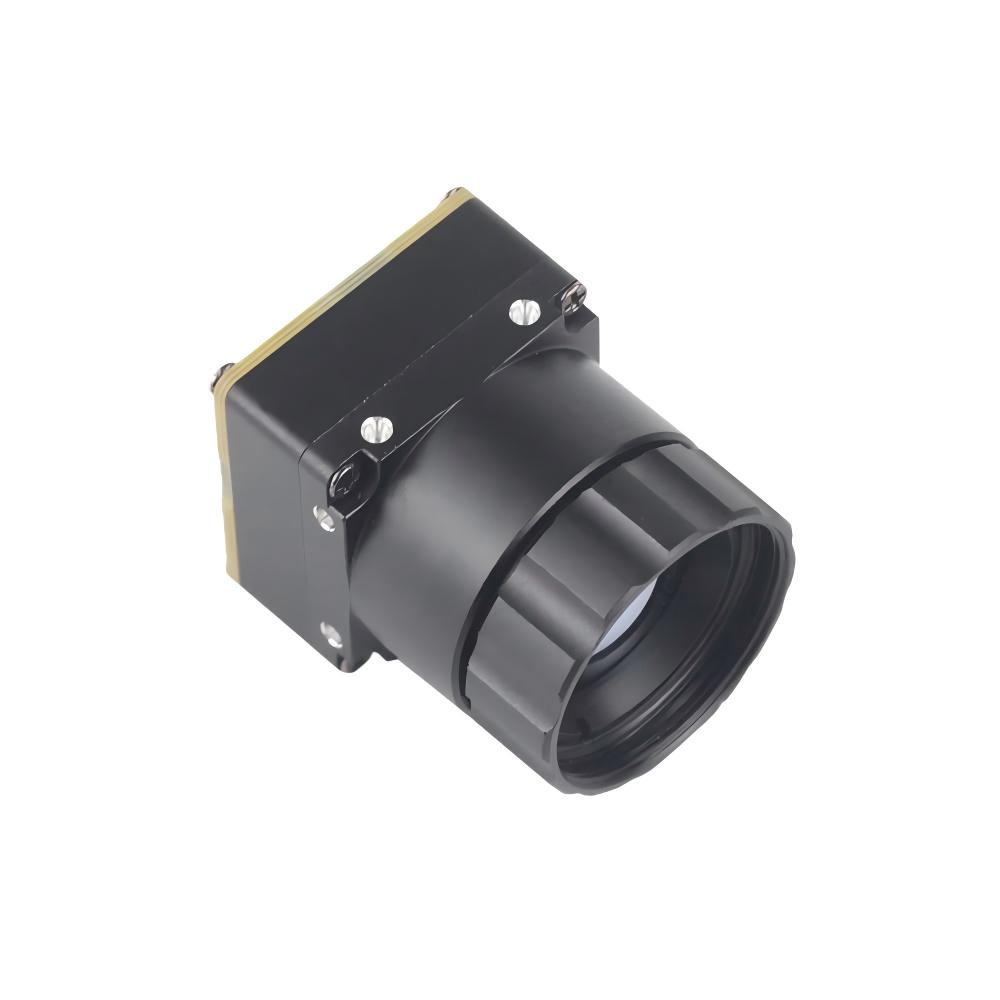
Engineered for industrial precision, the MD Series 384x288 uncooled thermal camera module is built for continuous switchgear monitoring, plant security, and rugged diagnostic test equipment. Developed by an engineering team with roots in the Hong Kong University of Science and Technology (HKUST) and Huawei HiSilicon, this module incorporates a 12 μm pixel pitch VOx detector for high thermal sensitivity. Its standout feature is an integrated triple-interface architecture supporting MIPI, USB, and analog CVBS outputs on a single platform. This versatile configuration lets engineers use USB for initial PC-based prototyping, deploy MIPI for high-volume custom embedded instruments, or connect via CVBS to drive legacy industrial monitors. The MD Series also offers comprehensive OEM/ODM hardware and firmware customization options to match unique mechanical and optical requirements.
View Product Details & Pricing ➔
7. Deep-Dive Frequently Asked Questions (FAQ)
What thermal resolution is truly required for electrical panel and switchgear inspection?
How do these infrared camera modules handle reflective surfaces like bare copper busbars?
How easy is it to integrate the camera module into custom handheld tools or inspection drones?
What is the operational difference between shuttered and shutterless Non-Uniformity Correction (NUC)?
How does ambient temperature drift affect microbolometer calibration, and how do OEM cores compensate?
📚 References & Further Reading
- ⚙️ Industry Standard: High-reliability electrical connectivity, terminal blocks, and contact materials specification resources via TE Connectivity
- ⚙️ Sensor Physics: Foundational theory, microbolometer ROIC architecture, and thin-film absorbing membranes documented on Wikipedia Microbolometer
- ⚙️ Related Guide: Software stack deployment, kernel modules, and driver integration covered in our thermal camera driver guide for embedded SBC platforms
- ⚙️ Related Guide: Advanced FPGA image pipelines, NUC implementation, and 14-bit data extraction detailed in our high-resolution infrared core integration guide
- ⚙️ Related Guide: Starlight and zero-illumination thermal inspection techniques reviewed in our study on thermal imaging operations in zero-illumination field scenarios