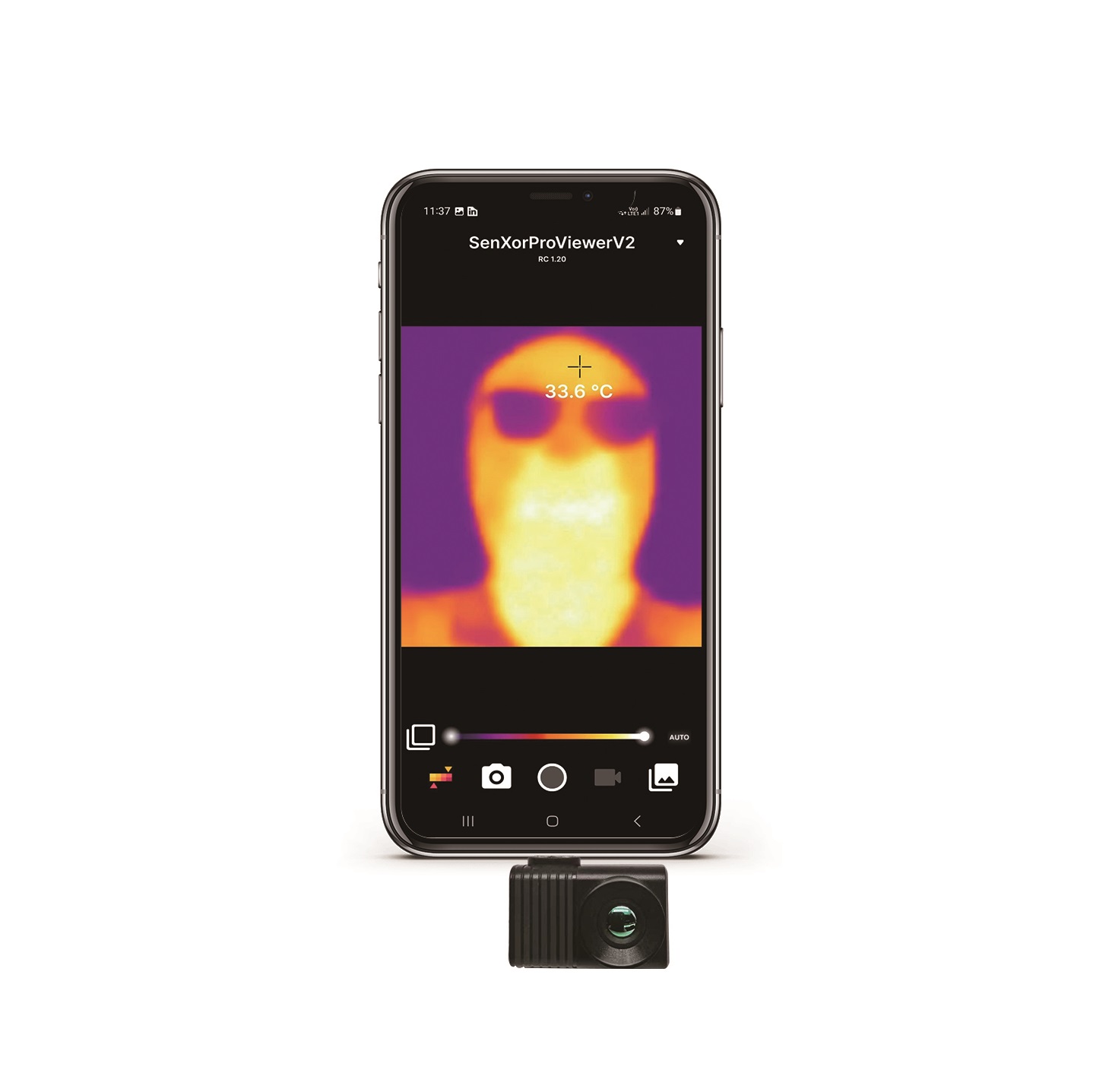
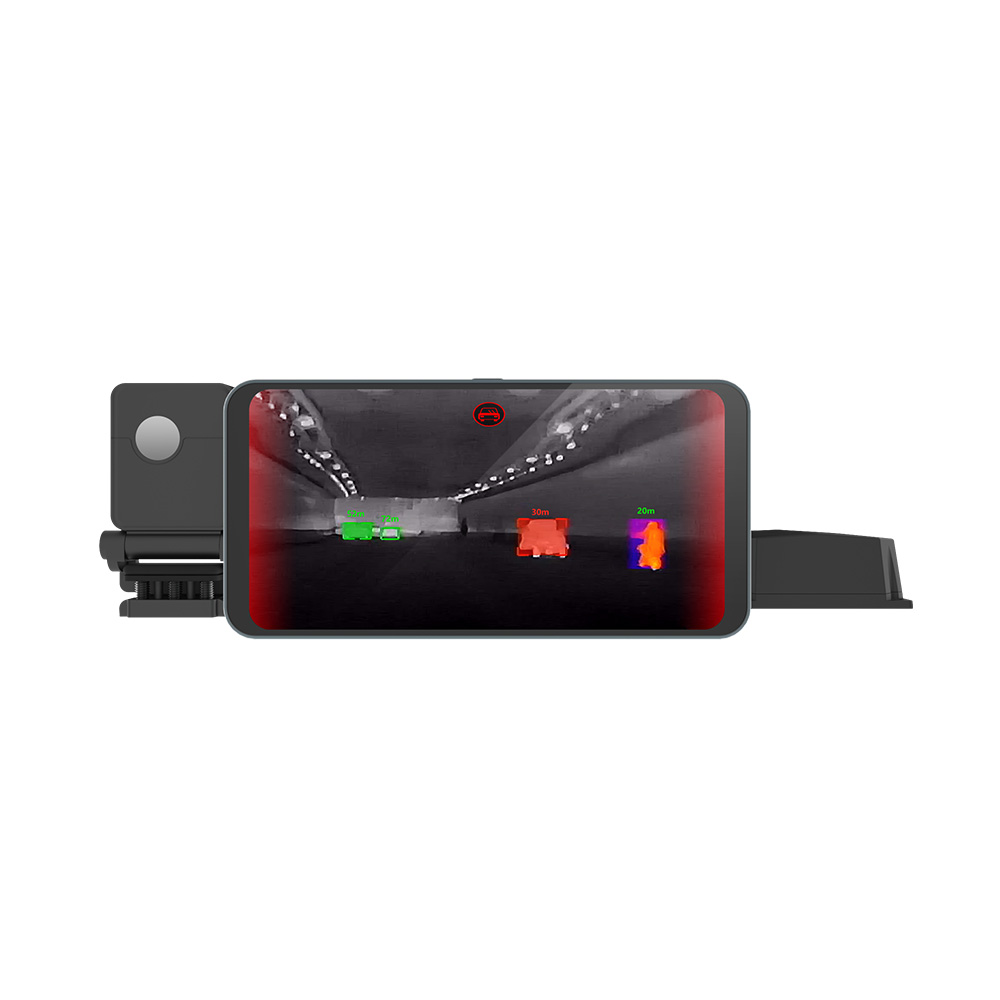


640*512 Thermal Camera Module: The Ultimate OEM Guide for Drone & AI Integration
2026年7月15日
Best Tiny 256*192 CMOS Sensor Thermal Camera Module with Night Vision for DIY & OEM Systems
2026年7月16日
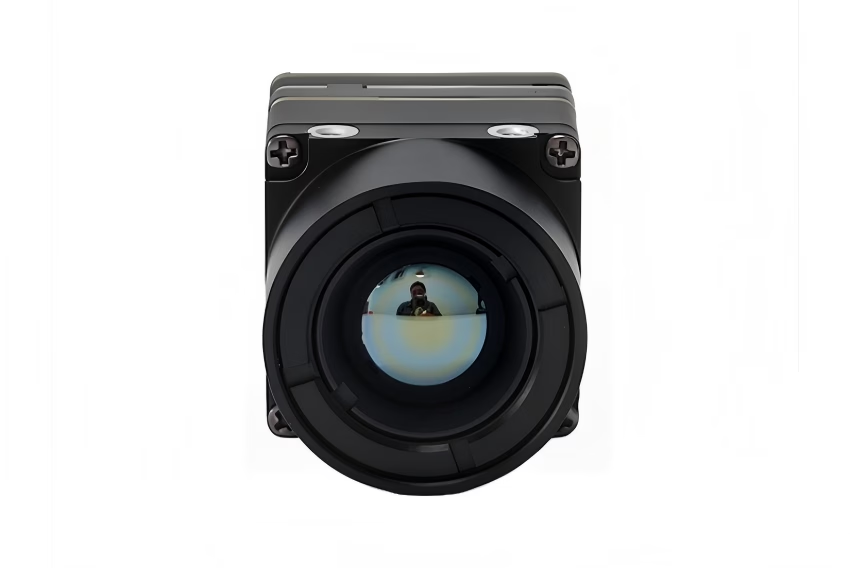
Wholesales Portable Infrared Thermal Camera Module Mini: OEM Solutions
The global commercial and defense demand for lightweight, high-performance thermal imaging is driving a massive technological shift. Out in the field, system integrators, drone crews, and industrial automation engineers are ditching bulky, enclosed thermal cameras. Instead, they are moving toward open-frame, miniature uncooled cores. But here is the deal: navigating the wholesale market for a wholesales portable infrared thermal camera module mini requires a lot more than just comparing price sheets. It demands a real-world understanding of sensor architectures, interface protocols, and optical matching.
This guide serves as a comprehensive, direct-from-the-shop technical playbook for hardware engineers, procurement officers, and OEM product managers. We are going to break down the engineering trade-offs of modern micro-bolometer arrays, analyze the integration of MIPI, USB, and CVBS interfaces, and explain how state-of-the-art manufacturing processes from industry leaders like Purpleriver deliver defense-grade thermal sensitivity in wafer-scale packages. Whether you are building handheld medical diagnostics, designing unmanned aerial vehicle (UAV) payloads, or setting up automated security grids, the specifications and structural blueprints detailed below will help streamline your development cycle and optimize your bill of materials (BOM).
Table of Contents
- 👉 1. Master Engineering Specifications: The Miniature Thermal Core Decoded
- 👉 2. The Micro-Bolometer Revolution: Uncooled vs. Cooled Core Technologies
- 👉 3. Interface Protocols & Edge AI Integration (MIPI, USB, CVBS)
- 👉 4. Optical Matching & Lens Selection: The 9mm Dynamic & Beyond
- 👉 5. Industrial Product Showcases & Technical Spec Comparisons
- 👉 6. Custom OEM/ODM Engineering: Custom PCBs & Spatial Calibration
- 👉 7. Deep-Dive Integration FAQ (Thermal Performance & Budgets Deep-Dive)
1. Master Engineering Specifications: The Miniature Thermal Core Decoded
To integrate a wholesales portable infrared thermal camera module mini into an industrial product design, engineers must first understand the physics of its core. Inside an uncooled long-wave infrared (LWIR) module sits a Focal Plane Array (FPA) consisting of micro-bolometers. These micro-scale resistors are suspended on silicon nitride structures right above a Read-Out Integrated Circuit (ROIC). When LWIR radiation—typically in the 8–14 μm spectral band—strikes these micro-bolometers, the active layer (usually composed of Vanadium Oxide (VOx) or Amorphous Silicon) absorbs the photon energy. This causes a sudden, measurable change in electrical resistance, which is then translated by the ROIC into a digital temperature value.
When you are designing a compact, portable system, you have to balance three fundamental physical metrics: pixel pitch, resolution matrix configuration, and Noise Equivalent Temperature Difference (NETD). Managing these variables is key to achieving optimal thermal resolution within strict spatial, thermal, and electrical constraints.
Pixel Pitch (Measured in Microns, μm)
The pixel pitch is simply the center-to-center distance between adjacent detector pixels on the FPA. Standard legacy arrays operated on a 17 μm pitch. Modern performance modules, like the ones we design at Purpleriver, utilize a 12 μm pixel pitch. Shrinking that pitch down from 17 μm to 12 μm yields major benefits on the drawing board:
- ✅ Reduced Swappable Lens Volume: For a given field of view (FOV) and focal length, a smaller pixel pitch requires a physically smaller sensor area. This means you can use smaller, lighter, and far more cost-effective Germanium optics.
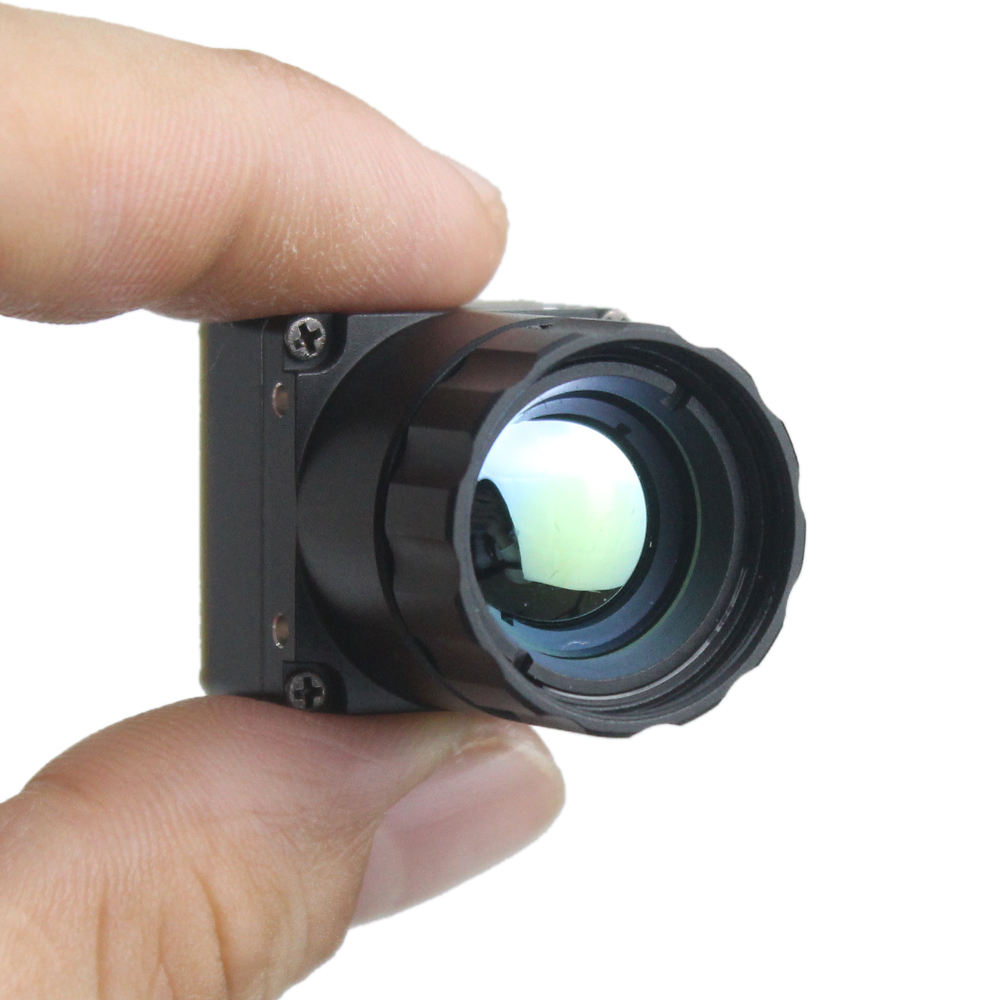
- ✅ Reduced Module Footprint: A smaller sensor die size allows the entire camera core housing to be miniaturized, easily fitting the tight space constraints of handheld devices and small UAV gimbals.
- ✅ Increased Spatial Resolution: At a fixed physical sensor size, a smaller pixel pitch lets you pack more pixels onto the active sensor area, yielding sharper imagery and longer detection ranges out in the field.
Resolution Matrix Configuration
Choosing the right resolution variant depends on your target application and processing budget:
- ⚙️ 256x192 / 384x288 Pixels: This is your sweet spot for tight design budgets, compact handheld thermal monoculars, spot pyrometers, and basic electrical inspection systems.
- ⚙️ 640x512 Pixels: This is the industry gold standard for high-altitude drone reconnaissance, detailed sub-component PCB diagnostics, and critical security perimeters. This resolution offers over four times the sampling detail of 256x192 arrays, enabling precise thermal measurements of targets at greater distances.
Noise Equivalent Temperature Difference (NETD, Measured in Millikelvins, mK)
NETD is the standard metric used to quantify a thermal sensor's sensitivity. In plain terms, it represents the temperature difference at which the signal-to-noise ratio (SNR) equals unity. A lower NETD value means a more sensitive sensor capable of resolving tiny temperature differences. Standard specifications fall into several performance tiers:
- ✅ ≤ 40 mK (Industrial Standard): Resolves clear thermal structures in low-contrast environments like humid conditions, rainy weather, or foggy air. This sensitivity level is essential for finding structural anomalies in building envelopes and identifying micro-faults on high-voltage circuit boards.
- ✅ ≤ 50 mK (Standard Commercial): Perfect for basic electrical inspections, mechanical wear diagnostics, and entry-level security tasks.
By moving to a 12 μm pitch and low NETD uncooled core, developers can build systems that work reliably in harsh conditions. Detailed mechanical integration methods of these cores into complex sensor systems can be explored in our guide on the core of the LTC multi-functional thermal imaging camera module integration of security, unmanned aerial vehicles, vehicle-mounted, and optical equipment.
2. The Micro-Bolometer Revolution: Uncooled vs. Cooled Core Technologies
Let's look at the distinction between uncooled and cooled thermal imaging systems. This is essential for product managers selecting components for high-volume wholesale orders. Cooled systems utilize quantum-well infrared photodetectors that must be chilled to cryogenic temperatures via Stirling cycle engines. This adds massive power draw, weight, and maintenance complexity that you just don't want in a portable rig.
| Parameter | Uncooled Micro-Bolometer (VOx / a-Si) | Cooled MCT / InSb (Quantum Detectors) |
|---|---|---|
| Operating Temperature | Ambient (25°C nominal, stabilized via internal TEC or shutterless algorithms) | Cryogenic (-196°C via Stirling Cryocooler) |
| Spectral Range | 8 μm – 14 μm (LWIR) | 3 μm – 5 μm (MWIR) / 8 μm – 12 μm (LWIR) |
| Sensitivity (NETD) | 35 mK - 50 mK | < 15 mK - 20 mK |
| Optical Support | High-transmittance Germanium, Chalcogenide glasses | Specialty multi-spectral, narrow bandpass optics |
| Startup / Stabilization Time | < 3 - 5 seconds | 5 - 10 minutes (required for cooldown cycles) |
| Overall Lifespan | Virtually unlimited (> 50,000 hours MTBF) | Limited by Stirling cooler mechanics (5,000 - 10,000 hours) |
| Unit Cost & Dimensions | Ultra-low wholesale cost; ultra-miniature, lightweight footprint | Extremely high cost; bulky, power-intensive (> 10W) |
For portable applications, uncooled VOx micro-bolometer technology wins hands down. It eliminates the heavy, power-hungry compressors of cooled sensors, enabling continuous operation from standard 5V USB or low-power lithium-ion battery packs. In addition, uncooled cores require virtually zero routine maintenance, making them ideal for long-term deployments in remote security grids, portable test gear, and UAV payloads.
Company Introduction Video
3. Interface Protocols & Edge AI Integration (MIPI, USB, CVBS)
Modern miniature thermal cores are not standalone cameras; they are high-speed data engines. Under the hood, achieving low-latency signal distribution and effective Edge AI integration requires choosing the correct hardware and software interface for your application.
MIPI CSI-2 (Mobile Industry Processor Interface)
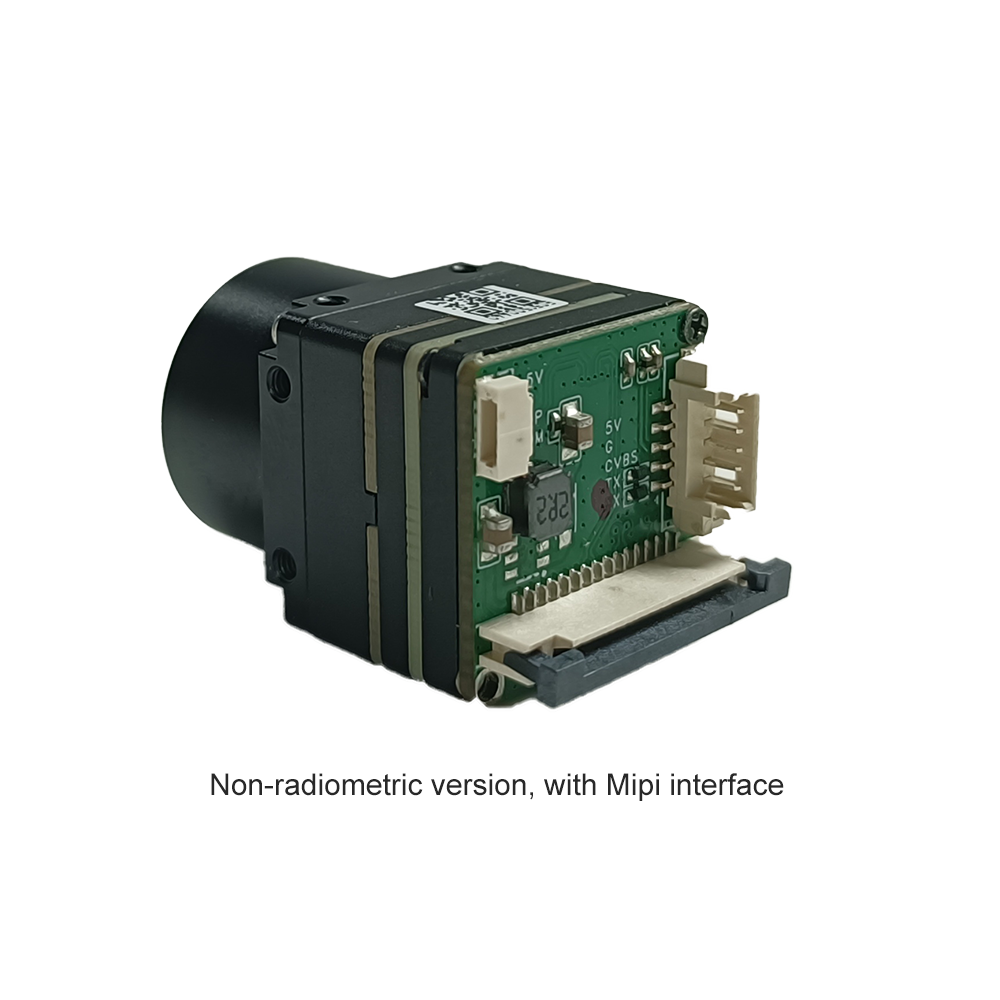
MIPI CSI-2 is the design standard for high-bandwidth, direct-to-processor camera integration. It connects the thermal core directly to the application processor (like an NVIDIA Jetson Nano, Raspberry Pi, or custom NXP/Rockchip designs). Because MIPI bypasses the USB protocol layer entirely, it offers massive computational benefits:
- ✅ Near-Zero Latency: Essential for closed-loop drone flight controls, obstacle avoidance, and real-time panning/tilt security systems.
- ✅ Direct Raw Data Access: Transmits uncompressed 14-bit digital temperature values directly into the processor's memory space, enabling fast local calculations and real-time radiometric analysis.
- ✅ Reduced CPU Overhead: Because the data is routed through a dedicated hardware interface, the host CPU doesn't waste precious cycles parsing USB packet headers.
Modern developers looking to implement real-time thermal analysis on affordable single-board computers often use custom drivers. For a step-by-step programming guide, see our detailed technical walkthrough on developing a high-performance thermal camera driver for Raspberry Pi.
USB 2.0 / USB-C (UVC and Virtual COM Port)
For systems where raw hardware design cycles must be kept to a minimum, USB-based modules are highly effective. Operating as a standard USB Video Class (UVC) device, these cores can stream active thermal video immediately upon connection to any Linux, Windows, or Android host.
- ⚙️ Dual-Channel Transmission: The module streams raw, unprocessed 14-bit radiometric data via a virtual COM Port alongside standard, high-contrast 8-bit visual streams (YUV/MJPEG) over the UVC channel.
- ⚙️ Component Ruggedness: Connectors configured with robust board-to-board arrays (such as those manufactured by TE Connectivity) help ensure electrical and physical stability in high-vibration drone payloads and industrial environments.
CVBS (Composite Video Baseband Signal)
For legacy analog systems and long-range analog video transmitters, select miniature modules retain an auxiliary CVBS analog output channel. This allows the thermal core to output direct PAL or NTSC composite video feeds without requiring any digital processing on the receiving end.
4. Optical Matching & Lens Selection: The 9mm Dynamic & Beyond
Selecting the right optics is critical to maximizing the performance of your uncooled micro-bolometer array. Because Silicon and standard glasses block LWIR wavelengths, thermal camera lenses are cut and polished from specialized materials, with Germanium (Ge) being the most common due to its high optical transmittance in the 8–14 μm spectral band. Under challenging physical conditions, alternative materials like Chalcogenide glasses can also be used for cost-sensitive configurations.
When designing a thermal imaging package, several key optical specifications must be managed:
Optical Transmission Coefficients
Germanium lenses must be coated with high-durability Anti-Reflective (AR) coatings to minimize surface reflection losses and maximize transmission to the FPA. Standard double-sided AR-coated Germanium lenses achieve transmission rates > 92%, maximizing image contrast and thermal sensitivity (NETD).
Focal Length vs. Field of View (FOV)
The focal length of your Germanium lens determines the target coverage of your sensor array:
- ⚙️ Wide-Angle Lenses (2.5mm - 4mm): Offer wide field-of-view coverage, making them ideal for close-range hand-held inspections, fire safety detection, and smart-home occupancy sensing.
- ⚙️ Medium Focal Lenses (9mm): Provide an optimal balance between wide spatial coverage and high angular resolution. A 9mm lens paired with a 640x512 array is the standard configuration for mid-altitude drone flights, offering wide search paths alongside high-resolution ground tracking.
- ⚙️ Narrow-Angle Telephoto Lenses (19mm - 35mm): Designed for long-range security perimeters, border control monitoring, and high-altitude UAV payload operations.
For professional-grade applications requiring long-range detection, dual-sensor payloads, or multi-spectral binoculars, optimizing these focal matrices is essential. Learn more about advanced optical integration in our guide on wholesale night reconnaissance equipment and multi-function infrared binoculars.
5. Industrial Product Showcases & Technical Spec Comparisons
For hardware engineers and manufacturing partners evaluating components for custom systems, our product lineup provides standardized parameters, ready-to-test SDKs, and compact footprints.
1. MD Series 384x288 Uncooled Infrared Thermal Camera Module
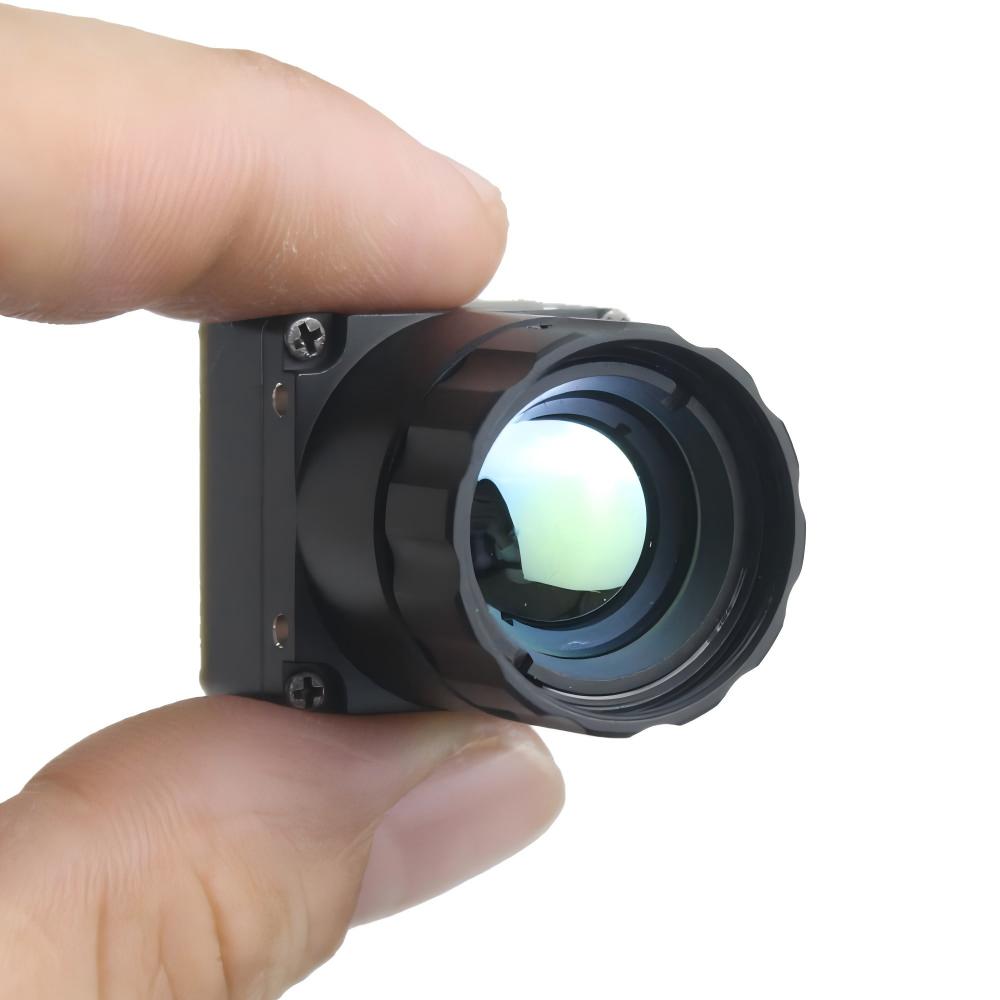
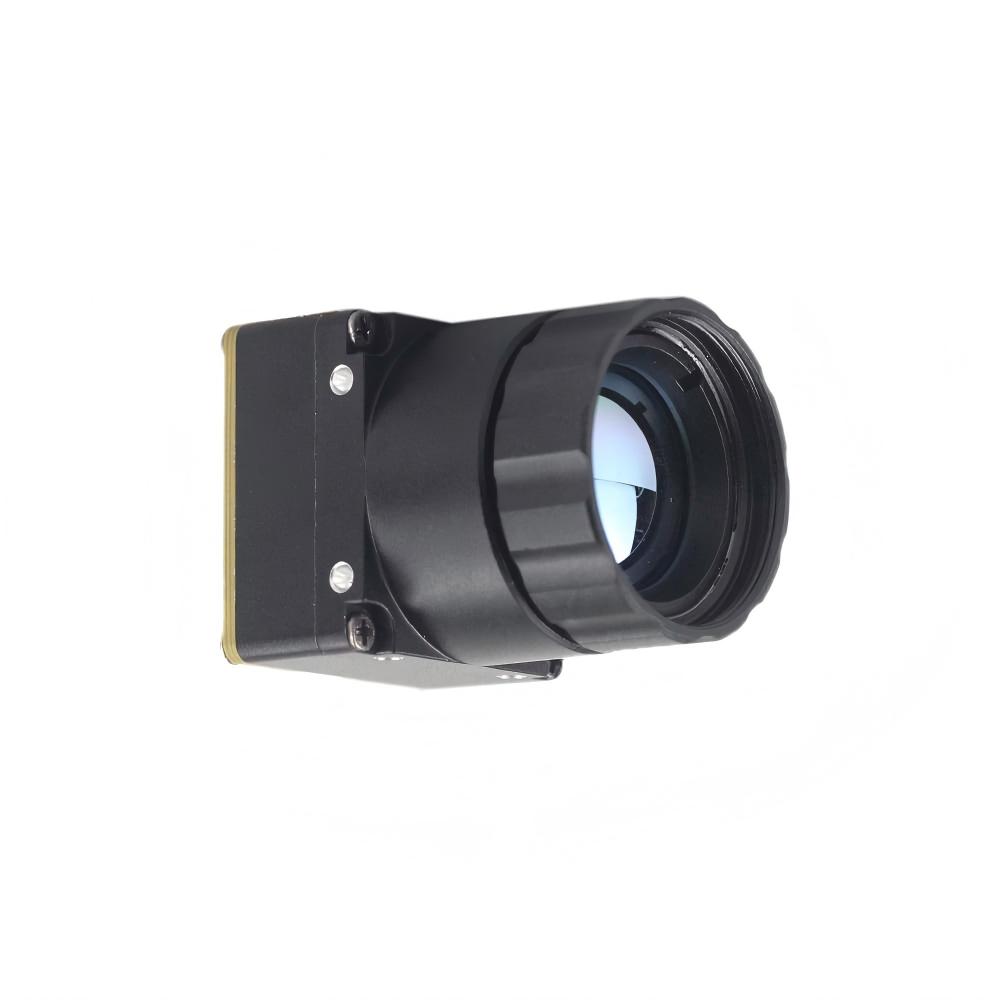
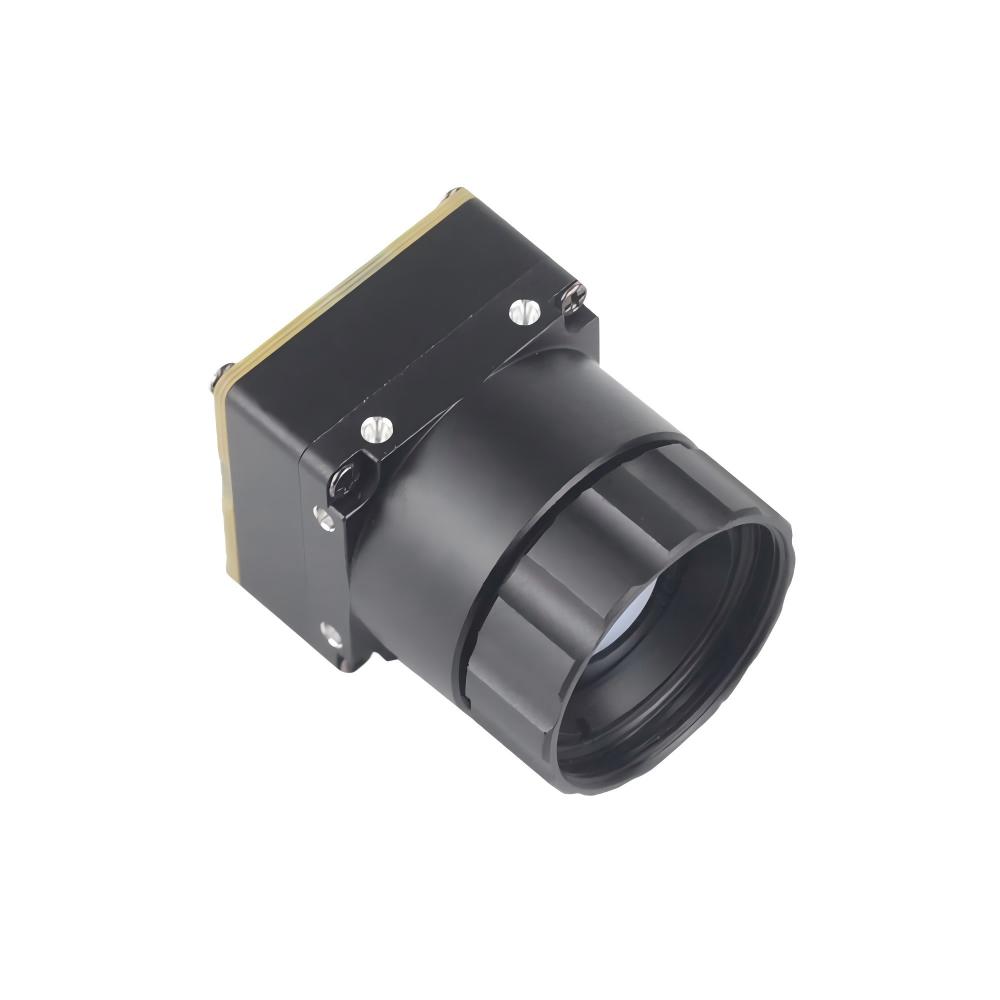
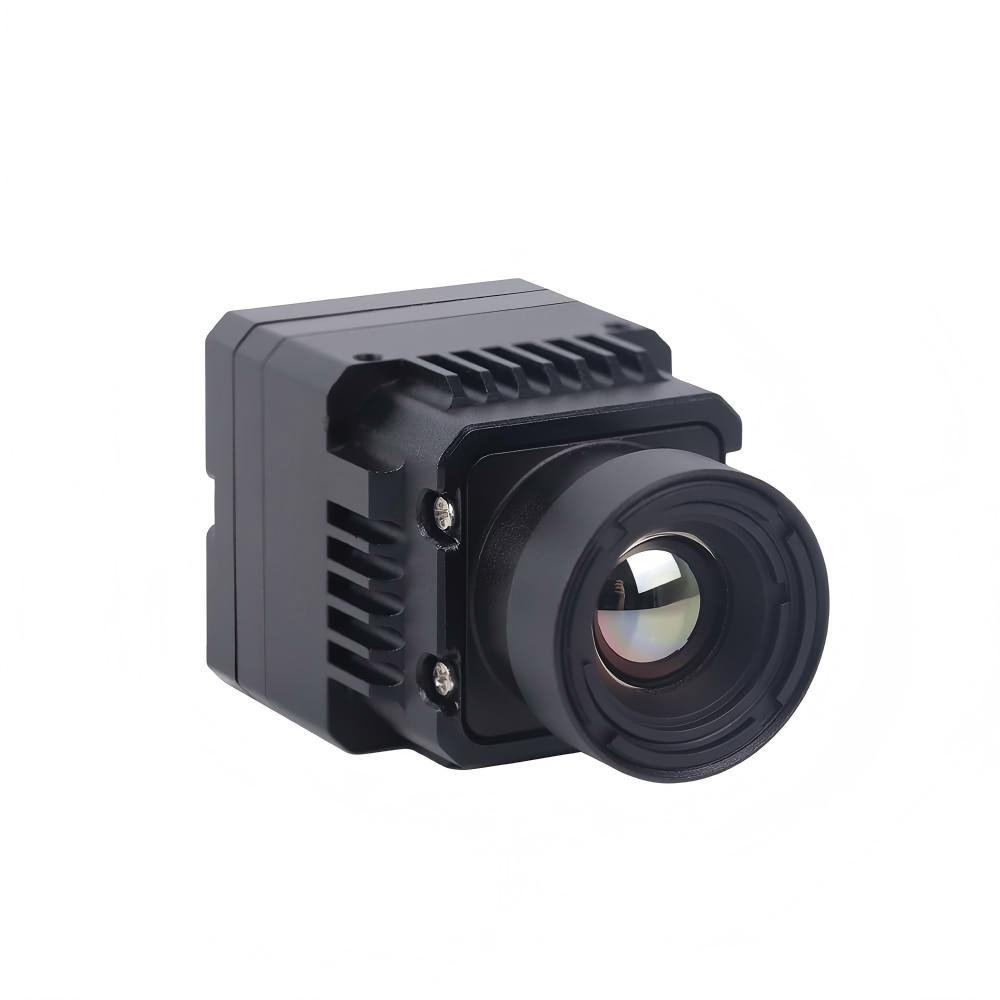
The Purpleriver thermal camera module is designed for industrial-grade precision in applications such as security, temperature monitoring, and drone integration. Featuring an uncooled infrared detector with a 12μm pixel pitch, it delivers high sensitivity and sharp thermal imaging. Its compact size, plug-and-play functionality, and multiple interfaces (MIPI/USB/CVBS) ensure versatile and rapid integration into various systems. Backed by a team with a Hong Kong University of Science and Technology background and former Huawei Hisilicon expertise, this module offers OEM/ODM customization to meet specific project requirements, ensuring unparalleled performance and adaptability.
View Product Details & Pricing ➔
2. Uncooled Infrared Mipi 640 384 256 9mm Thermal Imaging Camera Module For Drones
Uncooled Infrared Mini2 640x512 9mm Thermal Imaging Camera Module For Drones, Mini uncooled infrared thermal imaging module features in sharp and crisp image presentation, compact size and low cost.
View Product Details & Pricing ➔
Comprehensive Engineering Technical Specifications Matrix
| Design Specification Parameter | MD Series 384x288 Core | Mini2 640x512 Drone Module |
|---|---|---|
| Focal Plane Array Type | Uncooled VOx Micro-bolometer | Uncooled VOx Micro-bolometer |
| Array Resolution | 384 x 288 Pixels | 640 x 512 Pixels |
| Pixel Pitch | 12 μm | 12 μm |
| Spectral Band Range | 8 μm – 14 μm (LWIR) | 8 μm – 14 μm (LWIR) |
| Thermal Sensitivity (NETD) | ≤ 40 mK @ 25°C, f/1.0 | ≤ 40 mK @ 25°C, f/1.0 |
| Frame Update Rate | 25 Hz / 50 Hz options | 25 Hz / 50 Hz options |
| Available Interface Ports | MIPI CSI-2, USB 2.0, CVBS Analog | Native MIPI CSI-2, USB 2.0 (Dual Channel) |
| Default Optical Assembly | Custom options available | 9mm Athermalized (Fixed Focus, AR-coated Ge) |
| Typical Power Consumption | < 0.8W (Normal Operation Mode) | < 1.1W (Including active processing) |
| Operating Voltage Range | 3.3V - 5.0V DC ± 10% | 3.3V - 5.0V DC ± 10% |
| Physical Weight (No Lens) | < 15 grams | < 18 grams |
| Temperature Range Support | -20°C to +60°C (Storage: -40°C to +85°C) | -20°C to +60°C (Industrial range option avail.) |
6. Custom OEM/ODM Engineering: Custom PCBs & Spatial Calibration
When you are ready to scale from a benchtop prototype to a high-volume commercial launch, integrating a standard thermal core is rarely a simple drop-in job. Developing custom carrier boards or modifying standard core components is just part of the process. Our engineering group, drawing on expertise from the Hong Kong University of Science and Technology and Huawei Hisilicon, works directly with developers in three key areas:
Custom Carrier Board Design (PCB Spacing & Power Management)
Standard core interfaces often need to be modified to fit the tight spatial layout of a drone gimbal or handheld enclosure. We design custom HDI (High-Density Interconnect) PCBs to match your exact spatial footprint, load constraints, and physical mounting templates. We also design step-down switching power grids to thoroughly isolate sensitive analog sensor planes from the high-frequency switching noise of host CPUs or UAV motor controllers.
Physical & Thermal Integration
Miniature thermal cores require stable mounting to prevent measurement drift. We provide physical, structural, and mechanical design reviews, helping you select lightweight materials (such as magnesium/aluminum alloys) that optimize dissipation paths. We also customize flexible flat cabling (FFC) and board-to-board connectors to ensure high signal integrity in high-vibration environments.
Factory Calibration & Software Integration
Every single pixel on a micro-bolometer FPA has slightly different gain and offset characteristics. Our factories use automated blackbody reference targets to perform comprehensive Non-Uniformity Correction (NUC) across your target operating temperature range. To simplify software integration, we supply Board Support Packages (BSPs) and software development kits (SDKs) in C++ and Python, along with Linux-ready drivers, making it easy to capture and record real-time radiometric temperature files.
By working directly with our manufacturing facilities, OEMs can reduce R&D risks, simplify their supply chains, and accelerate their product launches.
7. Deep-Dive Integration FAQ (Thermal Performance & Budgets Deep-Dive)
Are cheap thermal cameras under $200-$400 actually worth it for professional or drone integration?
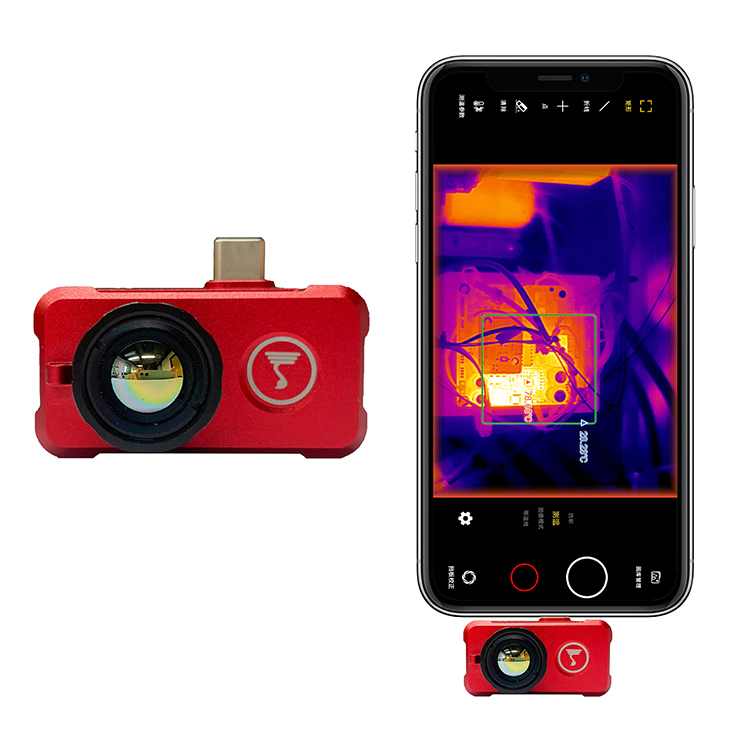
Look, budget consumer-grade devices also typically operate at low frame rates (< 9 Hz) to bypass dual-use export regulations. This low frame rate results in terrible motion blur during UAV sweeps or handheld panning, which completely compromises critical diagnostic inspections. These consumer cameras also lack standard industrial communication interfaces, opting instead for fragile USB-C and Lightning connectors that lack mechanical stability in high-vibration applications.
For serious applications, you need an uncooled core like the Mini2 or MD Series (256x192 to 640x512 resolution, 12 μm pixel pitch, and 25 Hz / 50 Hz frame rates). They are engineered from the ground up for professional integration, offering native MIPI interface options, robust SDK support, and low-latency digital streams for long-term deployments.
What is the benefit of choosing an uncooled infrared MIPI module over a standard USB thermal dongle for embedded systems?
By contrast, a MIPI CSI-2 thermal module functions as a direct peripheral of the host processor's image processing pipelines. It writes raw pixel frames directly into system memory via Direct Memory Access (DMA), slashing latency to less than 10 milliseconds. This direct architectural connection also bypasses the power consumption of USB transceiver chips, saving 200–400 mW of energy—a key advantage for battery-powered, handheld, or flight-constrained devices. Physically, a bare MIPI module eliminates the connector housing and physical bulk of standard USB dongles, enabling direct board-to-board integration within tight IP-rated enclosures.
How does Purpleriver support custom OEM/ODM thermal module integration?
For customized hardware designs, we can redesign the interface board to meet custom physical footprints, integrate specific power rails, or swap interface connectors (such as changing standard flat flex connectors to ruggedized high-density board-to-board headers). On the optical side, we perform custom spatial calibrations for specialized lens focal configurations (such as athermalized 9mm, wide-angle 4mm, or long-range telephoto optics), ensuring high temperature measurement accuracy across different target ranges.
On the software side, we supply comprehensive, developer-ready software development kits (SDKs) written in C/C++ and Python. We also provide native Linux board support packages and optimized drivers, enabling your engineering team to easily capture raw radiometric data, apply custom pseudo-color maps, and deploy edge-based AI models quickly and efficiently.
📚 References & Further Reading
- Industry Standard Platform: Raspberry Pi Computing Systems
- Hardware Components Manufacturer: TE Connectivity Electrical Connectors
- Related Driver Guide: RS300 Thermal Camera Driver Integration Guide for Raspberry Pi
- Device Optics & Custom Sourcing Guide: Wholesale Night Reconnaissance Equipment & Multifunction Infrared Binoculars
- Core Multi-Functional Integration Overview: The Core of the LTC Multi-Functional Thermal Imaging Camera Module Integration