
SPI Thermal Camera Module: High-Res LWIR Cores for ESP32 & Raspberry Pi Integration
2026年7月7日
Best Night Thermal Camera Module for DIY Projects & Tactical Integration
2026年7月9日
Best MIPI Thermal Camera Module for Raspberry Pi & Drone Integration: OEM/ODM Pricing Guide
The integration of uncooled long-wave infrared (LWIR) sensors into automated systems is undergoing a major architectural shift. Legacy interfaces like USB 2.0 and analog CVBS are rapidly being phased out of high-performance designs due to their high latency, CPU overhead, and physical bulk. Today’s edge AI vision systems, multi-rotor unmanned aerial vehicles (UAVs), and defense-grade robotic platforms require direct, hardware-level sensor-to-processor pipes. This is achieved via the Mobile Industry Processor Interface (MIPI) Camera Serial Interface 2 (CSI-2). By routing raw thermal sensor data directly to the Image Signal Processor (ISP) of host SoCs like the Raspberry Pi 4/5, NVIDIA Jetson Orin Nano, or custom NXP i.MX8 platforms, embedded engineers can bypass driver bottlenecks, eliminate frame drops, and achieve near-zero latency thermal imaging in a critically small footprint.
For systems integrators, securing a robust mipi thermal camera module involves navigating complex engineering decisions. Choosing the right module requires balancing sensor resolution (e.g., 640x512 vs. 384x288), pixel pitch (such as 12μm vs. 17μm), lens focal length, weight, power budgets, and kernel-level software integration. This comprehensive technical guide serves as an engineering blueprint and procurement manual. Developed by our core R&D team—comprising alumni from the Hong Kong University of Science and Technology (HKUST) and former Huawei HiSilicon semiconductor experts—this documentation details the electrical, mechanical, and software requirements of industrial-grade MIPI thermal integration, complete with direct OEM/ODM wholesale purchasing evaluations.
Here's the deal: if you are still trying to run real-time thermal vision over a USB stack on a flying platform, you are fighting a losing battle against physics and operating system overhead. In the shop, we see dozens of projects stall out because developers underestimate how much raw horsepower UVC drivers chew up. Bypassing that mess with a direct MIPI pipeline is the only way to get true, deterministic performance when every millisecond counts.
Table of Contents
- 👉 1. Decoded: MIPI CSI-2 vs. USB & CVBS Interfaces for Thermal Sensors
- 👉 2. Thermal Sensor Architecture: Resolution, Pixel Pitch, and Thermal Sensitivity (NETD)
- 👉 3. Drone Payload Integration: SWaP Optimization & Gimbal Balancing
- 👉 4. Software & Driver Stack: Kernel Integration on Raspberry Pi & Jetson Platforms
- 👉 5. Featured MIPI Thermal Camera Modules (Real Specs & Comparison)
- 👉 6. OEM/ODM Customization & Wholesale Procurement Pricing Frameworks
- 👉 7. Comprehensive Technical FAQ & Troubleshooting Directory
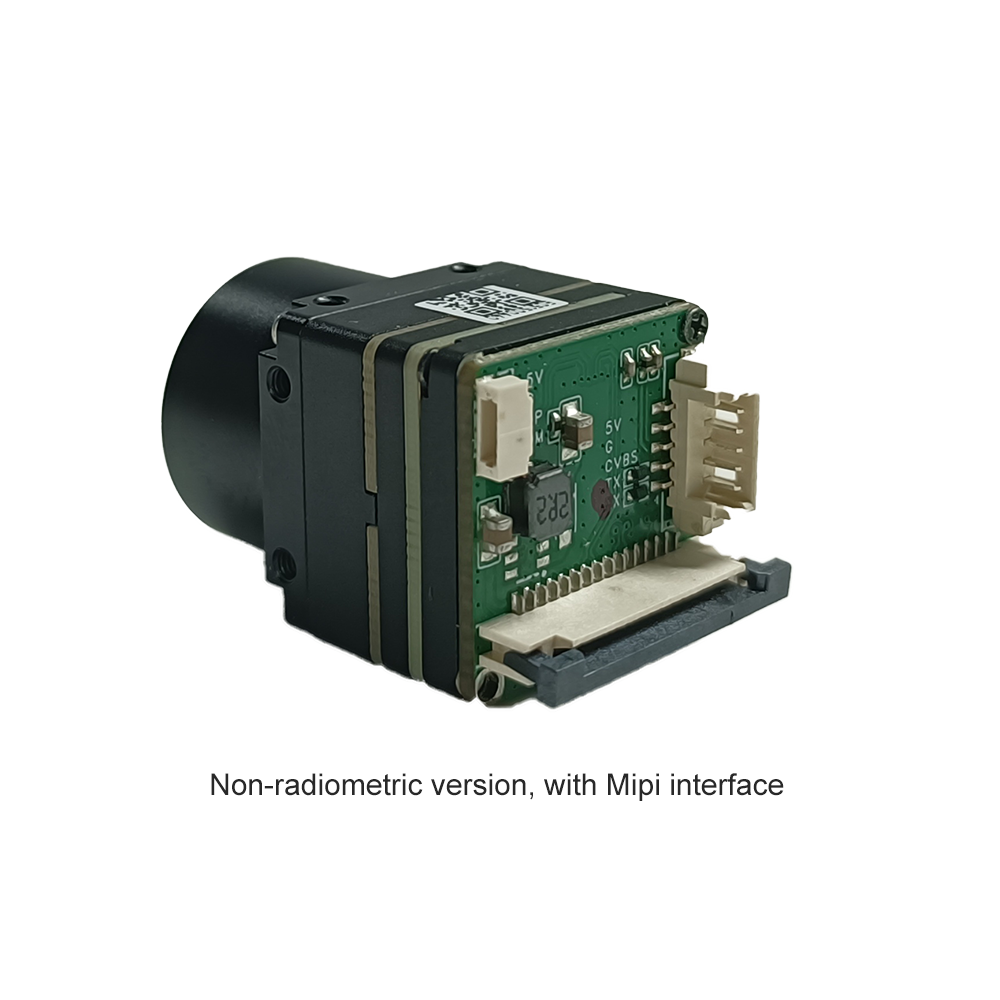
1. Decoded: MIPI CSI-2 vs. USB & CVBS Interfaces for Thermal Sensors
When developing real-time thermal systems, choosing the correct interface protocol impacts latency, processing overhead, and physical design space. The table below highlights the differences between MIPI CSI-2, USB 3.0/UVC, and legacy CVBS interfaces for industrial LWIR applications.
| Feature / Metric | MIPI CSI-2 Interface | USB 3.0 / UVC (Type-C) | Analog CVBS (RCA/BNC) |
|---|---|---|---|
| Data Protocol | Low-latency serial packetized data (D-PHY physical layer) | Bulk transfer USB packets (USB Stack) | NTSC/PAL Continuous Analog wave |
| Latency (Sensor to SoC) | < 2 milliseconds (Direct DMA to ISP) | 15 – 45 milliseconds (USB stack overhead) | Variable; requires digitizer (~30-60ms) |
| CPU Utilization | < 1% (Hardware-accelerated processing) | 15% – 25% (Driver-level packet decoding) | High, requires host-side digitization |
| Connector Weight & Profile | Ultra-micro FPC/FFC connectors (e.g., Hirose Electric board-to-board, < 0.2g) | Standard USB-C receptacle & thick shielded cable (> 8g) | Coaxial cable and heavy BNC/RCA connectors (> 15g) |
| Multi-Camera Sync | Hardware frame synchronization (FSYNC) over sub-microsecond GPIO | Software-based trigger only (unreliable millisecond drift) | N/A (requires genlock hardware) |
| Ideal Application | UAV Gimbals, High-Frame Rate AI Target Tracking, Embedded Systems | Desktop R&D, Lab Testing, Stationary Non-Time-Critical Systems | Legacy CRT Monitor Feeds, Old Analog Drone Transmitters |
Why Dedicated MIPI CSI-2 Reigns Supreme
The core advantage of using a mipi thermal camera module is its direct interface with the host processor's hardware-level Image Signal Processor (ISP). In a typical USB architecture, raw digital data from the infrared detector (bolometer array) must go through an onboard micro-controller, be packaged into USB Video Class (UVC) packets, sent over a USB controller, unpackaged by the OS kernel, and then copied to system RAM. This process consumes CPU cycles and introduces latency.
Look, when you route over MIPI CSI-2, the uncooled infrared detector streams raw 14-bit or 16-bit digital data directly over high-speed differential clock and data lanes. This data is deposited to the SoC's system memory using Direct Memory Access (DMA). This process executes without CPU intervention, reducing system latency to the physical line-transmission time (often under 2 milliseconds). For fast-moving drone platforms or automated thermal tracking, this low latency is essential for preventing motion blur and ensuring responsive control loops. To study standard deployment structures of these imaging systems, refer to our detailed analysis of what a thermal camera is used for.
2. Thermal Sensor Architecture: Resolution, Pixel Pitch, and Thermal Sensitivity (NETD)
To select or specify your OEM MIPI thermal camera module, you must understand the sensor's physical capabilities. Thermal imaging operates in the LWIR spectrum (typically 8μm to 14μm), where optical physics differ from visible-light sensors. Incident radiation passes through optimized Germanium optics, striking a highly specialized focal plane array (FPA) consisting of uncooled microbolometers, which then convert incoming thermal energy into readable electrical signals processed by high-speed pipelines.
Uncooled Microbolometers: VOx vs. a-Si
Modern industrial thermal modules use uncooled microbolometers, which do not require cryogenic cooling. This design reduces size, weight, and power consumption. The two primary materials used for the sensing active layer are:
- Vanadium Oxide (VOx): VOx sensors offer a lower temperature coefficient of resistance (TCR), which ensures lower electrical noise, superior signal-to-noise ratios (SNR), and higher thermal sensitivity (lower NETD values). This material remains the gold standard for scientific, aerial, and military-grade monitoring.
- Amorphous Silicon (a-Si): While easier to manufacture and scale, a-Si typically exhibits higher noise levels, slower response times, and general performance degradation when operated across wider temperature fluctuations.
Our thermal camera modules feature advanced VOx uncooled infrared detectors. These detectors deliver stable radiometric performance and rapid pixel thermal response times, which are essential for high-speed drone sweeps and industrial machinery monitoring.
Pixel Pitch Breakdown: 12μm vs. 17μm
The physical size of each individual microbolometer pixel on the focal plane array is measured in microns. Over the past decade, manufacturing advancements have allowed the industry to shift from standard 17μm pixels down to highly efficient 12μm configurations.
- Legacy 17μm Sensors: Historically, 17μm was the industry standard. Larger pixels capture more physical photons but require larger focal plane arrays. This leads to bigger, heavier Germanium lenses and a bulkier overall module size.
- Modern 12μm Sensors: Migrating to a 12μm pixel pitch allows manufacturers to reduce the physical sensor size while keeping resolutions like 640x512 or 384x288 intact. Smaller pixels require a smaller lens diameter to achieve the same Field of View (FOV). This dramatically reduces the weight and material cost of the expensive Germanium optics, making it ideal for SWaP-constrained applications.
Deciphering Thermal Sensitivity (NETD)
Noise Equivalent Temperature Difference (NETD) measures a thermal sensor's sensitivity. It represents the minimum temperature difference the sensor can resolve from the background noise, measured in milli-Kelvins (mK). When evaluating modules under fixed laboratory conditions (e.g., at 25°C with an f/1.0 aperture):
- NETD < 50mK: Standard industrial/security grade. Good for high-contrast thermal tracking but struggles in low-contrast conditions like rain, fog, or isothermal environments.
- NETD ≤ 40mK: High-performance threshold. Reliably distinguishes subtle temperature signatures, which is critical for drone agricultural analysis, solar panel inspections, and early-stage industrial overheating detection.
For a detailed breakdown of core lens metrics and detector criteria, read our tutorial on how to choose the best infrared thermal imaging camera module.
3. Drone Payload Integration: SWaP Optimization & Gimbal Balancing
Integrating a thermal sensor onto a small UAV or autonomous drone gimbal requires careful attention to three key engineering constraints: Size, Weight, and Power (SWaP).
Mechanical Envelope & Weight Considerations
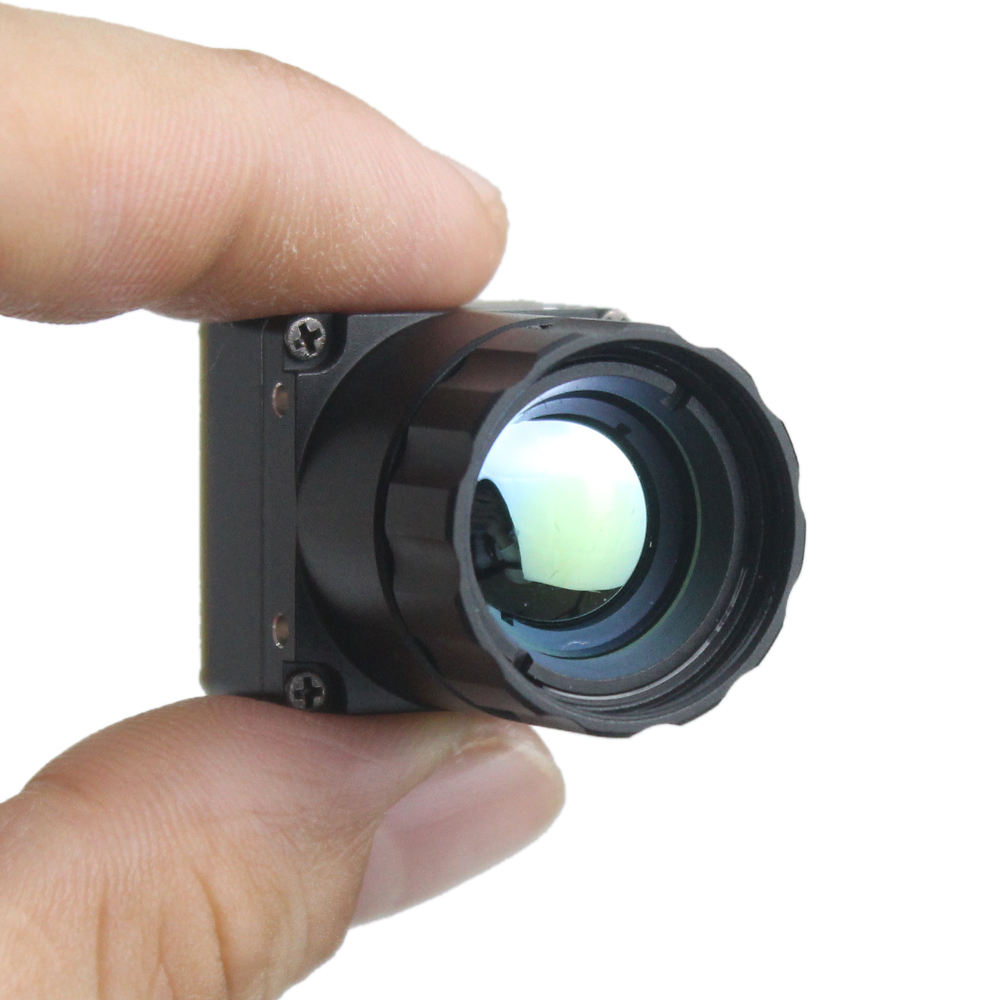
Every gram added to a drone payload directly reduces flight duration and increases battery drain. Traditional thermal cameras in heavy, weatherproof IP67 enclosures are unsuitable for lightweight multi-rotors. For these applications, engineers strip down to "naked" OEM modules. Our Mini2 640x512 9mm thermal module is engineered for payload optimization, weighing only a few grams. When selecting lenses (such as a 9mm lens), it is vital to balance spatial resolution—measured in Instantaneous Field of View (IFOV)—with optical weight. A wider FOV provides better situational awareness, while a narrower, longer lens allows for higher altitude surveys at the cost of added weight and higher gimbal stability requirements.
Electrical and Signal Path Routing
Standard ribbon cables degrade MIPI high-speed differential signals if routed over long distances or near high-frequency noise sources (like brushless drone motors and ESCs). To design robust signal pathways:
- ⚠️ Keep the flexible printed circuit (FFC) cable length under 150mm to prevent data corruption.
- 🛡️ Select FFC cables with continuous ground-plane shielding on one side to prevent electromagnetic interference (EMI) from the drone's telemetry and propulsion systems.
- 🔒 Utilize secure micro-interconnect solutions like Hirose board-to-board connectors, which feature robust locking retention mechanisms that withstand the persistent high-frequency vibrations of multi-rotor flight.
Thermal Dissipation & Calibration
Because microbolometers measure environmental heat, the camera sensor itself must remain thermally stable. Heat generated by the module's internal FPGA/ASIC processor can seep into the microbolometer array, causing thermal drift and skewing measurement accuracy. Our modules address this issue using advanced shutter/shutterless calibration algorithms. This design minimizes the use of mechanical shutters while incorporating low-power electronics that consume less energy. When mounting the module to a drone gimbal, ensure the housing has a thermal path—such as a thermal pad connecting the module's back aluminum plate to the gimbal's metal chassis—to passively dissipate heat. Discover how aerial thermal configurations are deployed in wildlife studies by reviewing our case study detailing UAV thermal imaging technology for wildlife surveys.
4. Software & Driver Stack: Kernel Integration on Raspberry Pi & Jetson Platforms
Getting hardware-level MIPI data flowing into user-space applications often presents integration challenges for developers. Standard visible-light cameras utilize the MIPI CSI-2 bus with standard YUV or RGB pixel formats. Thermal cameras, however, output deep 14-bit or 16-bit raw digital signals (representing raw ADC counts or radiometric temperature values) that require custom handling.
The Linux Kernel and V4L2 Layer
To interface a MIPI thermal camera with a host computer like the Raspberry Pi or an NVIDIA Jetson, you must configure a dedicated Video4Linux2 (V4L2) driver. The pipeline routes raw frames directly via Direct Memory Access (DMA) from the physical MIPI lanes up into system RAM. The host architecture uses an I2C Control Bus to set parameters such as shutter triggers, gain controls, and radiometric lookup table selections. High-speed, low-power differential lanes transport the raw video stream over the physical MIPI CSI-2 bus, and the Video Buffer 2 (VB2) Kernel Subsystem feeds the raw data frame-by-frame into system RAM via DMA.
Because these sensors stream raw 14-bit data, the driver must expose the appropriate pixel format, typically configured in the kernel as:
- ⚙️
V4L2_PIX_FMT_Y14(14-bit Greyscale) or - ⚙️
V4L2_PIX_FMT_Y16(16-bit Greyscale)
These formats bypass the host ISP's color-processing blocks. This ensures the raw temperature data remains uncompressed and unaltered by standard visible-light enhancements like white balance and gamma correction.
Building Device Tree Overlays (.dts)
To configure the host processor's pins for the thermal camera module, you must load a Device Tree Overlay (.dtbo) at boot. Below is an engineering example of a device tree source file (.dts) tailored for a dual-lane MIPI camera configuration:
/dts-v1/;
/plugin/;

/ {
    compatible = "brcm,bcm2835", "brcm,bcm2711", "nvidia,tegra210";

    fragment@0 {
        target = <&i2c_csi_dsi>;
        __overlay__ {
            #address-cells = <1>;
            #size-cells = <0>;

            thermal_mipi@11 {
                compatible = "purpleriver,thermal-mipi";
                reg = <0x11>; /* Sensor I2C Address */
                clocks = <&cam1_clk>;
                clock-names = "extclk";

                port {
                    thermal_mipi_out: endpoint {
                        remote-endpoint = <&csi1_ep>;
                        clock-lanes = <0>;
                        data-lanes = <1 2>; /* Configured for 2-Lane Operation */
                        clock-noncontinuous;
                        link-frequencies = /bits/ 64 <300000000>; /* 300 MHz */
                    };
                };
            };
        };
    };
};
This device tree snippet maps the hardware configuration: it configures I2C communications on target address 0x11, enables 2 MIPI CSI-2 data lanes with an external clock frequency, and establishes physical link speed configurations to facilitate raw high-speed data transfers.
5. Featured MIPI Thermal Camera Modules (Real Specs & Comparison)
Our catalog features two high-performance uncooled LWIR camera modules, each designed to meet demanding SWaP constraints and industrial environments.
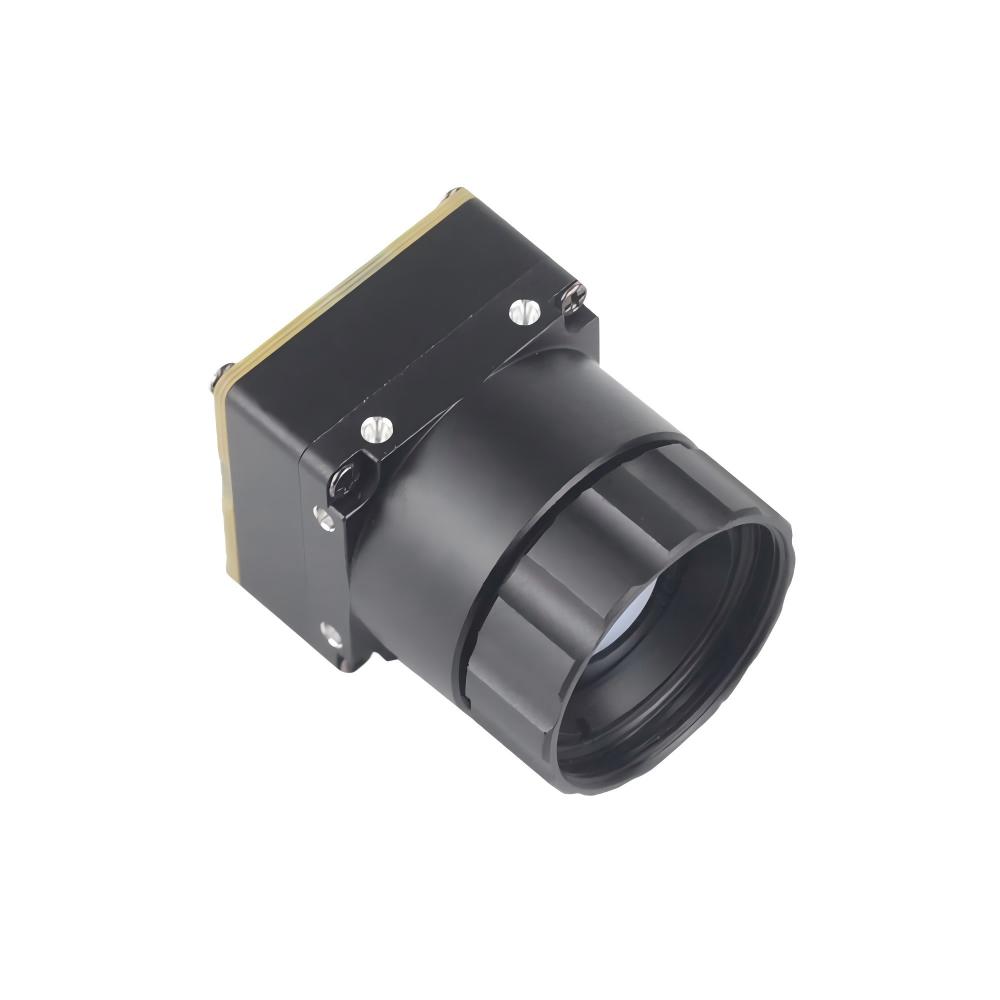
Uncooled Infrared Mini2 640 384 256 9mm Thermal Imaging Camera Module For Drones
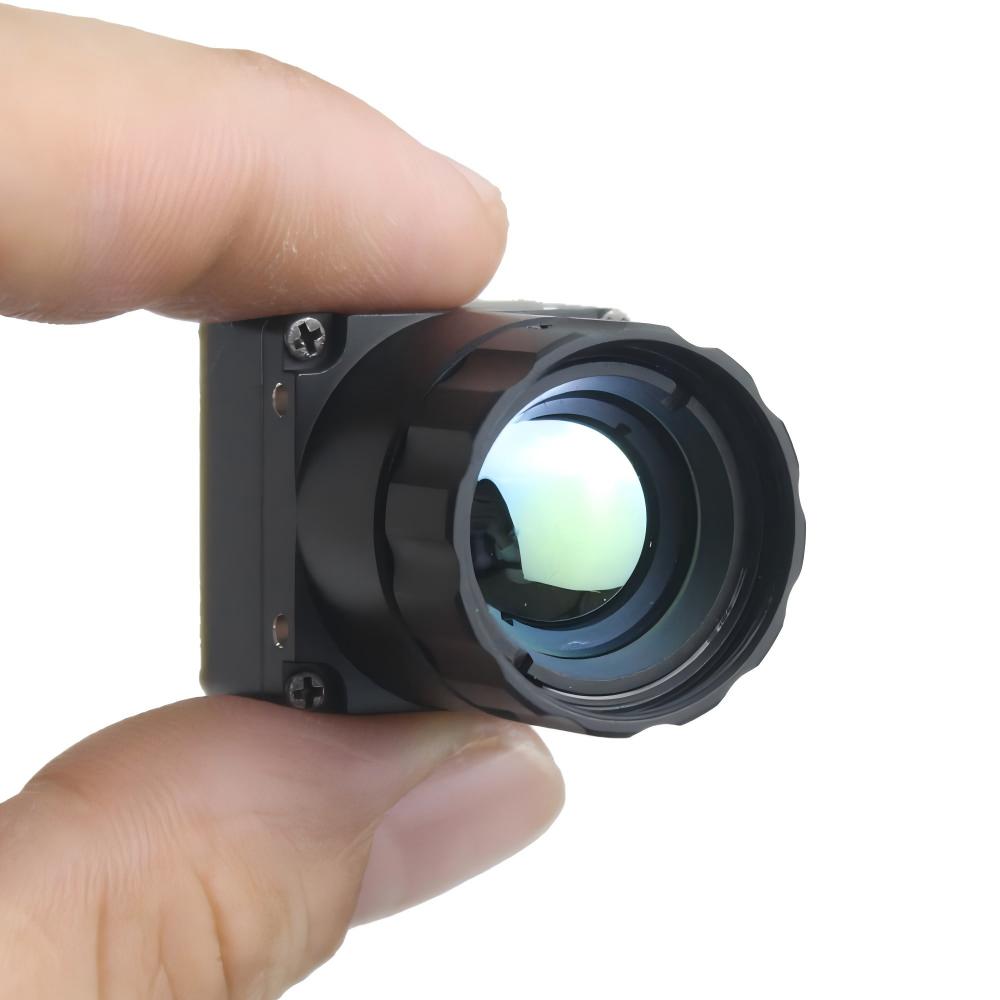
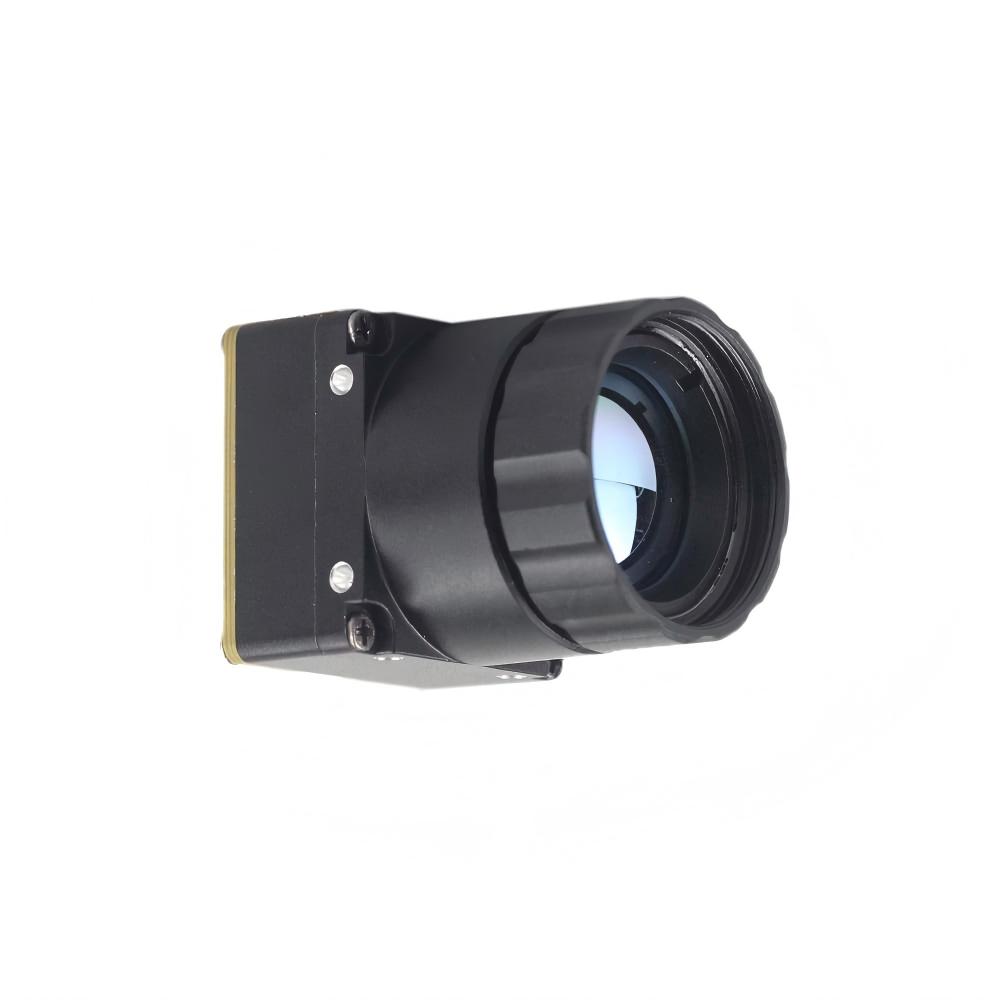
Uncooled Infrared Mini2 640x512 9mm Thermal Imaging Camera Module For Drones, Mini uncooled infrared thermal imaging module features in sharp and crisp image presentation, compact size and low cost.
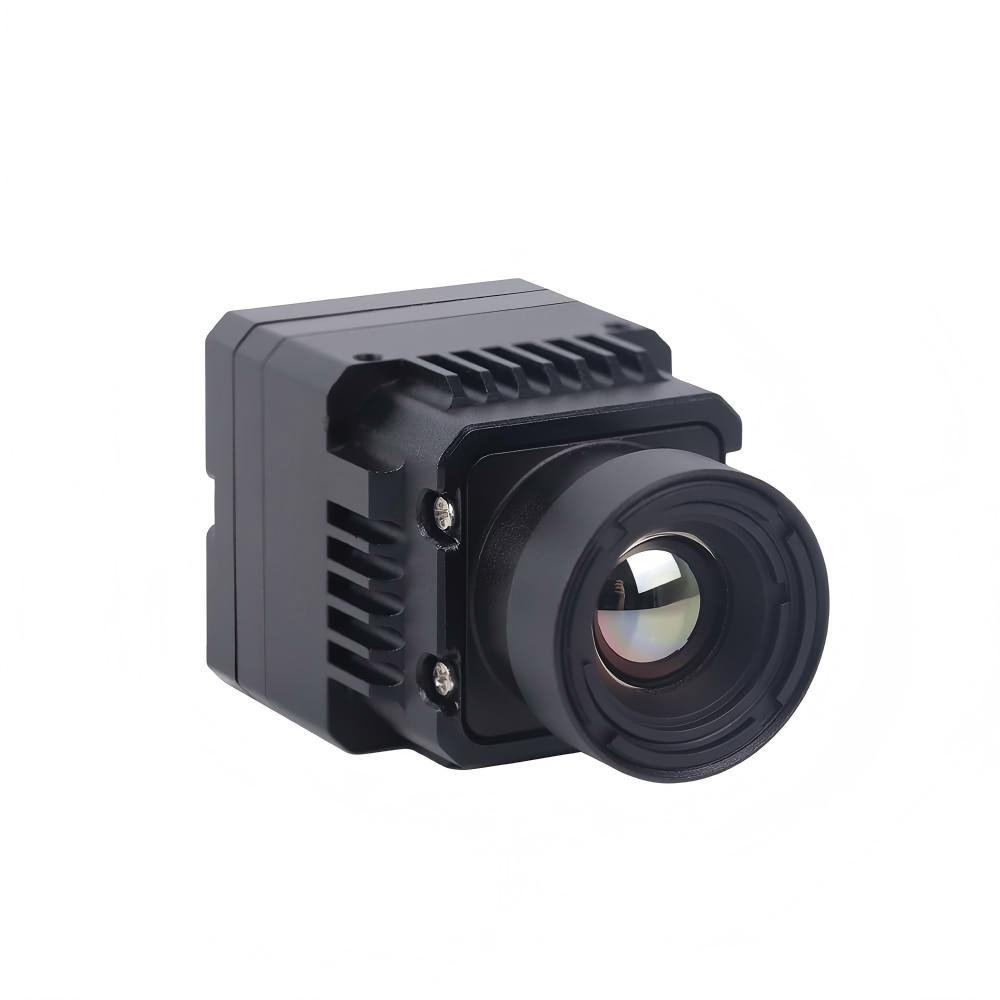
MD Series 384x288 uncooled infrared thermal camera module
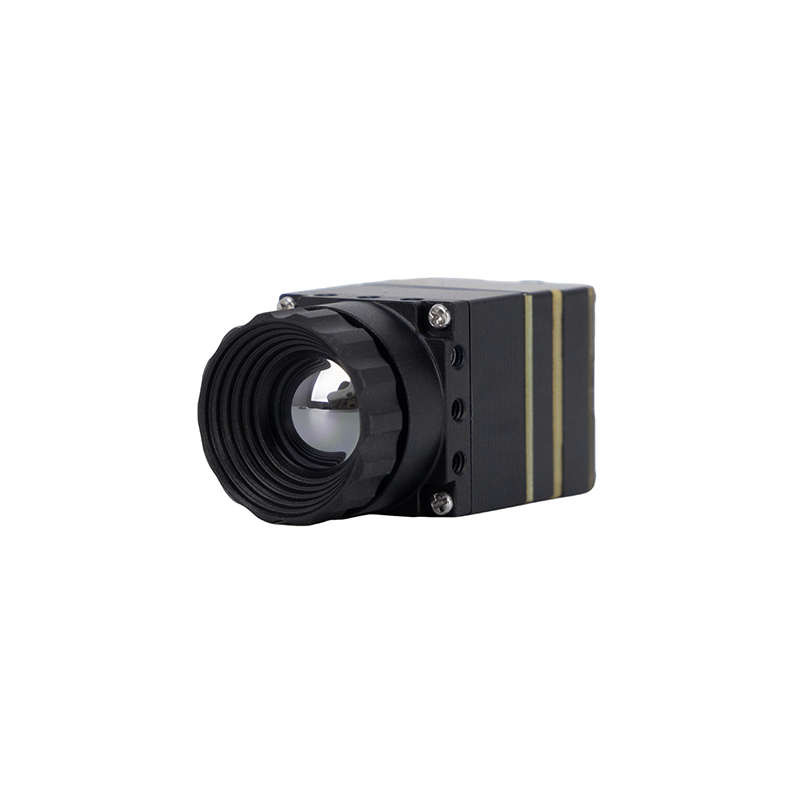
The Purpleriver thermal camera module is designed for industrial-grade precision in applications such as security, temperature monitoring, and drone integration. Featuring an uncooled infrared detector with a 12μm pixel pitch, it delivers high sensitivity and sharp thermal imaging. Its compact size, plug-and-play functionality, and multiple interfaces (MIPI/USB/CVBS) ensure versatile and rapid integration into various systems. Backed by a team with a Hong Kong University of Science and Technology background and former Huawei Hisilicon expertise, this module offers OEM/ODM customization to meet specific project requirements, ensuring unparalleled performance and adaptability.
Comparative Specifications Breakdown
The following table provides verified mechanical and electrical specifications for our leading uncooled infrared MIPI modules.
| Engineering Parameter | Mini2 640 Thermal Module | MD Series Thermal Module |
|---|---|---|
| Sensor Architecture | Uncooled VOx Microbolometer Array | Uncooled VOx Microbolometer Array |
| Detector Resolution | 640 x 512 pixels | 384 x 288 pixels |
| Pixel Pitch Size | 12μm | 12μm |
| Spectral Band Range | 8μm – 14μm (LWIR) | 8μm – 14μm (LWIR) |
| Thermal Sensitivity (NETD) | ≤ 40mK (@ 25°C, f/1.0) | ≤ 40mK (@ 25°C, f/1.0) |
| Supported Interfaces | MIPI CSI-2 (Direct FPC), USB 2.0 | MIPI CSI-2, USB 2.0, CVBS (Analog) |
| Optics Configuration | 9mm (Fixed Focus, Germanium) | Optional focal lengths (Customisable) |
| Primary Characteristics | Sharp image presentation, compact size, low cost | Plug-and-play functionality, dual-use industrial design |
Because both modules leverage our central 12μm VOx fabrication technology, they deliver crisp imaging, low latency, and low thermal noise. This performance is backed by our technical team's semiconductor engineering expertise.
6. OEM/ODM Customization & Wholesale Procurement Pricing Frameworks
Procuring industrial thermal components requires balancing specialized technical requirements with long-term cost feasibility. Our R&D division, led by seasoned former Huawei HiSilicon IC engineers and HKUST graduates, offers extensive OEM/ODM customization services.
OEM Customization Options
- ✅ Custom Interface Boards: Need custom board-to-board interconnect layouts, rigid-flex PCBs, or unique power filtering circuitry? We design and manufacture custom interfaces to match your mechanical envelope.
- ✅ Optics and Lenses: Choose from our standard 9mm lenses, wide-angle lenses for short-range security, or narrow lenses for high-altitude UAV surveys.
- ✅ Fully Functional SDKs: We supply integrated C/C++ and Python SDKs, kernel-level drivers, and sample programs for both NVIDIA Jetson platforms and Raspberry Pi systems, helping you bring your product to market faster.
Wholesale Procurement Pricing Structure
Our tier-structured pricing accommodates developers from early-stage prototyping through to high-volume production runs:
- Evaluation Phase (1 - 9 Units): Includes out-of-the-box hardware test kits, full access to our software APIs, and direct developer-level technical support. Ideal for proving concepts and finalising hardware topologies on Raspberry Pi and Jetson platforms.
- Mid-tier Pilot Production (10 - 99 Units): Includes custom calibration configurations, minor hardware modifications, and stable wholesale pricing designed to transition prototypes into field-testing phases.
- Enterprise Mass Deployment (100+ Units): Delivers optimized price-to-performance ratios, dedicated batch testing, custom lens calibrations, and long-term supply SLA agreements to lock in the lowest per-unit costs.
To explore your project's technical specifications and receive a customized quote, contact our technical sales team directly. We will connect you with a dedicated systems engineer who can design a custom-tailored proposal for your hardware requirements.
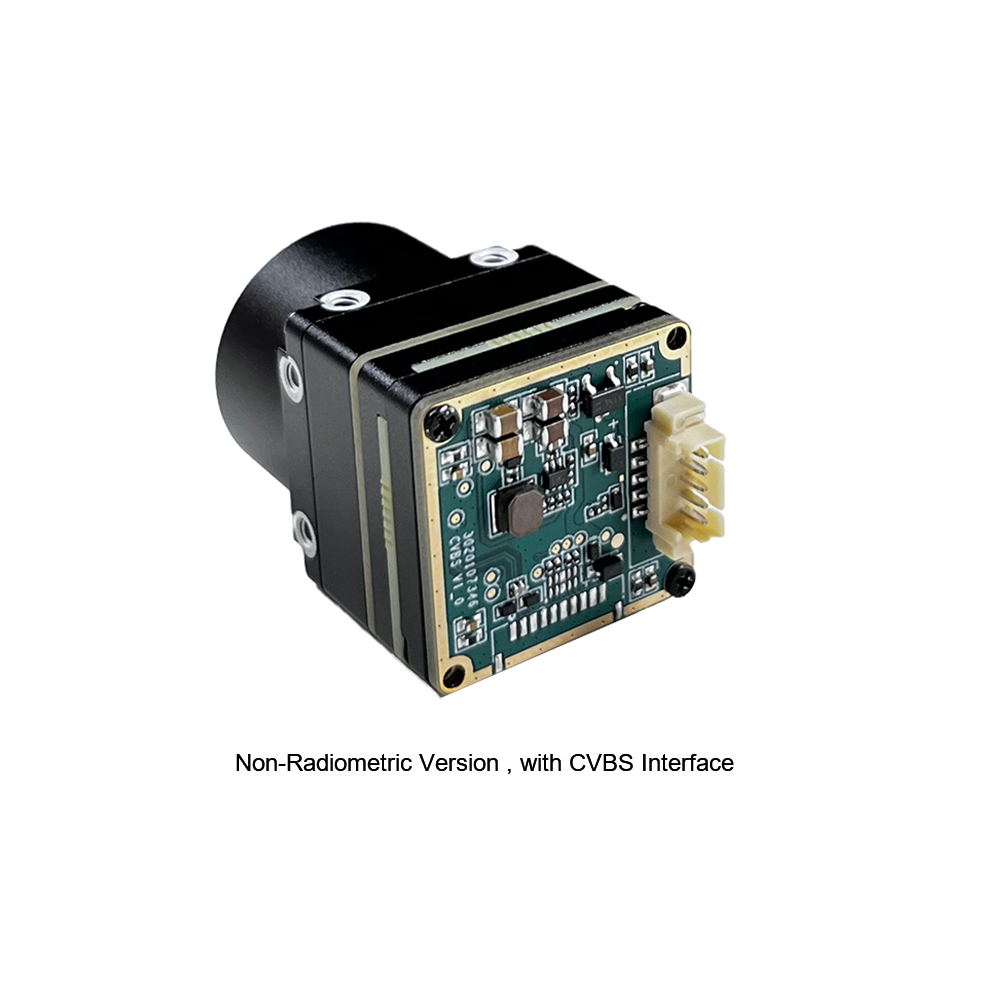
7. Comprehensive Technical FAQ & Troubleshooting Directory
Can I connect these MIPI thermal camera modules directly to a Raspberry Pi or Jetson Nano for real-time high-res streaming?
How do you solve the kernel driver and SDK integration challenge on custom embedded boards?
Are these MIPI thermal modules lightweight and robust enough for small drone (UAV) gimbals?
What is the main differentiator of Purpleriver's development team compared to other suppliers?
How do I manage optical distortion and temperature calibration over time?
📚 References & Further Reading
- Industry Standard Interconnects: Hirose Electric Co., Ltd.
- Manufacturing Partner: KUYANG Electronic Technology
- Related Guide (UAV Flight Surveying): UAV Thermal Imaging Technology for Wildlife Surveys
- Related Guide (Module Selection): How to Choose the Best Infrared Thermal Module