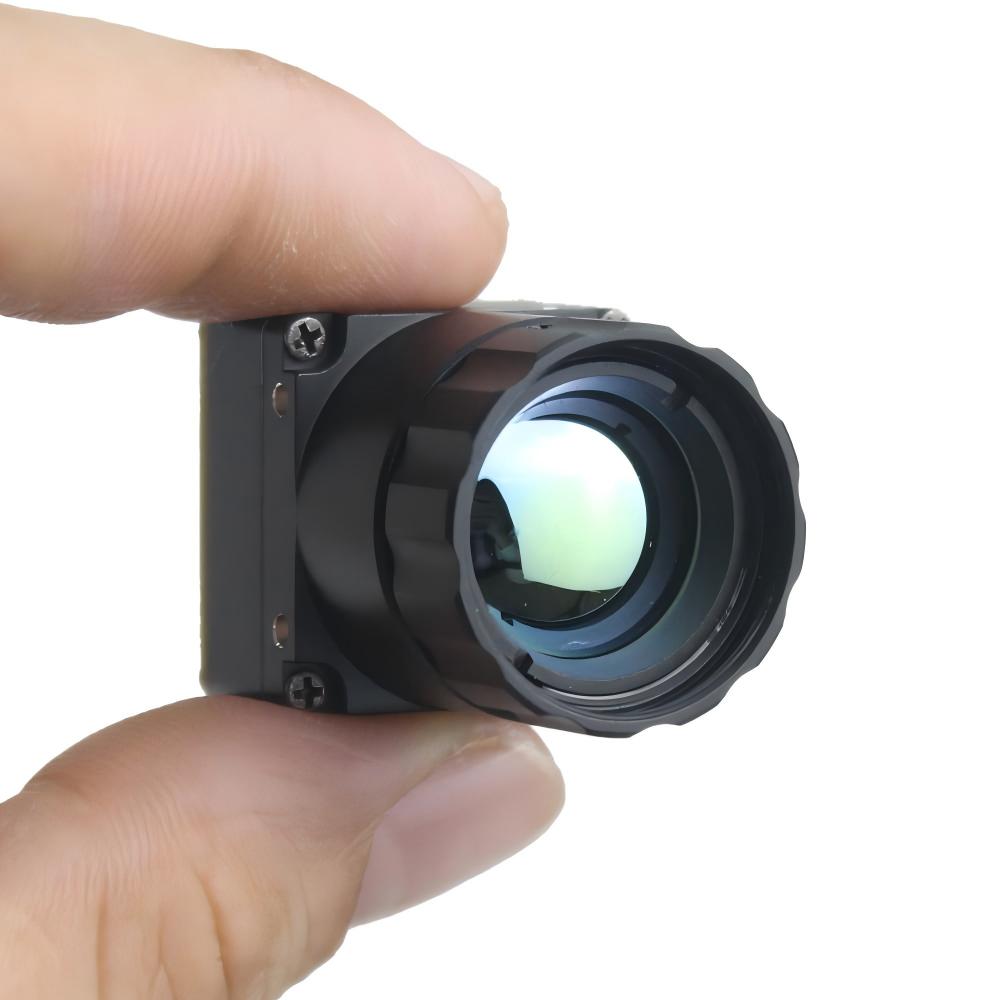
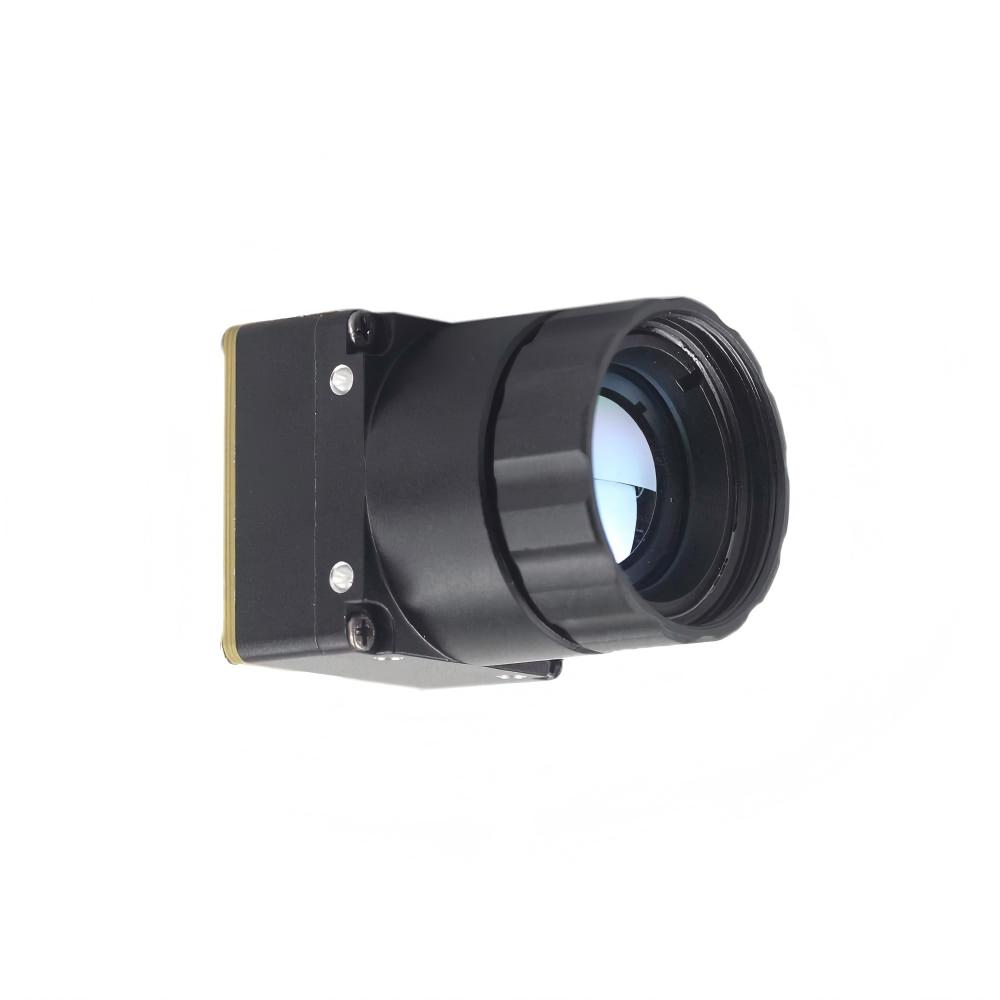
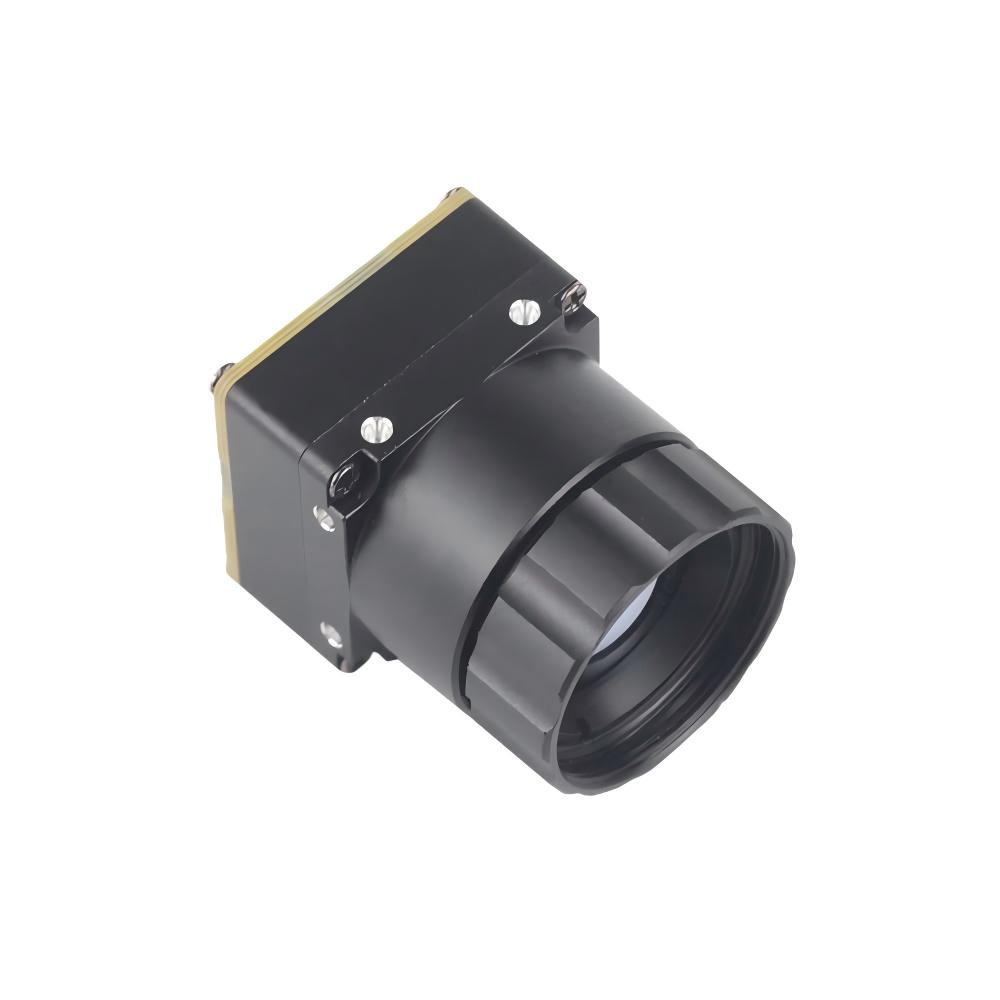

Uncooled LWIR Thermal Camera Module: Mini 640x512 & 384x288 OEM Cores for Drones
2026年10月12日
Best LWIR Camera Module for Embedded & UAV Systems: 2024 OEM Integration Guide
2026年10月13日
Best Thermal Module Solutions: High-Performance LWIR Camera Cores for OEM Integration
Modern industrial automation, airborne tactical surveillance, autonomous robotics, and non-destructive testing (NDT) demand thermal imaging cores that bridge high radiometric precision with hyper-constrained Size, Weight, Power, and Cost (SWaP-C) profiles. As embedded system designers transition from bulky legacy infrared cameras to micro-format Long-Wave Infrared (LWIR) engines, the engineering challenge shifts toward optical efficiency, detector responsiveness, low-latency bus protocols, and edge artificial intelligence (Edge AI) compatibility. Selecting an optimal thermal module requires balancing uncooled microbolometer sensor chemistry, optical aperture matching, thermal drift compensation, and direct hardware interface integration—whether deploying over MIPI-CSI2 onto an NVIDIA Jetson compute module or integrating via USB/UART into a compact unmanned aerial vehicle (UAV) 3-axis stabilized gimbal.
Purpleriver’s lineup of uncooled LWIR camera modules addresses these design paradigms by delivering high-resolution Vanadium Oxide (VOx) focal plane arrays (FPAs) housed in ultra-miniaturized packages. By decoupling complex signal processing—such as Non-Uniformity Correction (NUC), bad pixel replacement (BPR), and digital detail enhancement (DDE)—into high-efficiency on-core FPGA/ASIC hardware pipelines, these thermal camera cores free host processors to focus on deterministic real-time control, automated target recognition (ATR), and multi-spectral sensor fusion. This comprehensive engineering guide breaks down the core architecture of LWIR cores, details direct mechanical and electrical integration protocols, benchmarks high-performance solutions, and answers critical system-level questions for OEM vision integrators.
Table of Contents
- 👉 1. Anatomy of an OEM LWIR Thermal Module: Microbolometer Arrays to Digital Engines
- 👉 2. Hardware Interfacing & SWaP-C Optimization
- 👉 3. Radiometric Signal Processing & Edge AI Acceleration
- 👉 4. Comparative OEM Thermal Module Specifications
- 👉 5. Application Engineering: Drones, Sub-Surface Profiling & Critical Infra
- 👉 6. Step-by-Step OEM Integration & Optomechanical Mounting Blueprint
- 👉 7. Frequently Asked Questions (Deep-Dive OEM Technical FAQ)
1. Anatomy of an OEM LWIR Thermal Module: Microbolometer Arrays to Digital Engines
An OEM thermal imaging core translates long-wave infrared radiation—typically within the 8 μm to 14 μm atmospheric transmission window—into qualitative temperature-mapped imagery or calibrated radiometric arrays. Unlike visible-spectrum CMOS sensors that rely on the photovoltaic release of electron-hole pairs within a silicon substrate, an uncooled thermal module operates on the physical principles of microbolometric resistance change under incident radiative flux.
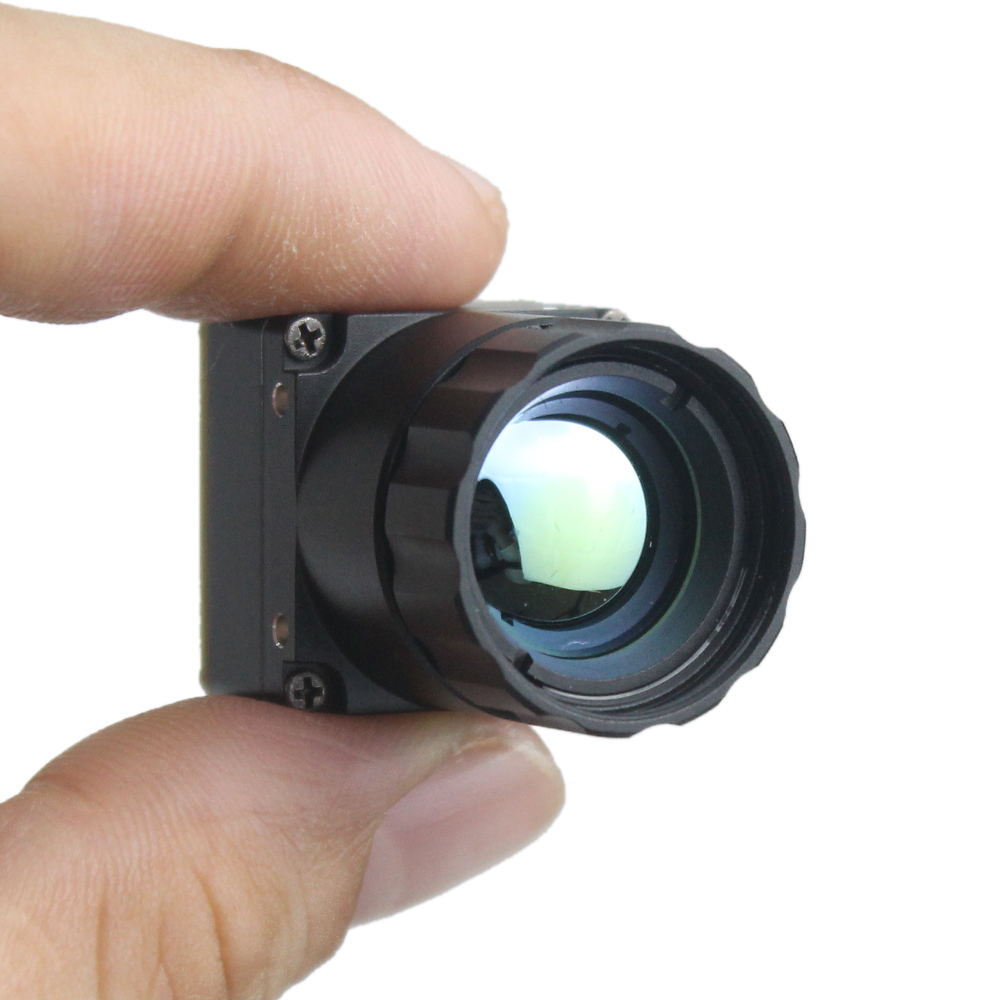
Incident LWIR photons pass through an anti-reflective treated Germanium or Chalcogenide objective lens and are focused onto the vacuum-sealed Focal Plane Array (FPA). Each individual pixel consists of an engineered micro-bridge structure—typically fabricated with suspended Vanadium Oxide (VOx) thin films—thermally isolated from the underlying silicon substrate by micro-machined support legs. When LWIR radiation strikes the micro-bridge, the absorbed thermal energy alters the material's electrical resistance. An underlying Readout Integrated Circuit (ROIC) injects a periodic bias voltage or bias current to sample this resistance shift, converting analog voltage variations through multi-channel 14-bit or 16-bit Analog-to-Digital Converters (ADCs). The resulting high-dynamic-range raw flux values are passed directly into an on-core FPGA or Application-Specific Integrated Circuit (ASIC) pipeline that executes low-latency Non-Uniformity Correction (NUC), dynamic Bad Pixel Replacement (BPR), and Digital Detail Enhancement (DDE) before streaming across high-speed bus interfaces.
1.1 Sensor Physics: Vanadium Oxide (VOx) vs. Amorphous Silicon (a-Si)
The active thermal sensing matrix consists of an array of micro-bridges suspended over a silicon ROIC via sacrificial polyimide layers, vacuum-sealed under Wafer-Level Packaging (WLP). Two main semiconductor compositions dominate uncooled microbolometers:
- ✅ Vanadium Oxide (VOx): Modern high-performance thermal modules employ advanced VOx microbolometers. VOx features a high Temperature Coefficient of Resistance (TCR) ranging from -2%/K to -3%/K at ambient operational thresholds. This characteristic gives VOx detectors a significantly lower Noise Equivalent Temperature Difference (NETD)—frequently down to ≤ 40 mK or ≤ 30 mK at f/1.0. As a result, VOx cores exhibit reduced 1/f noise, lower thermal time constants (τ ≈ 8 to 12 ms), and stable baseline drift profiles under dynamic ambient thermal conditions.
- ⚙️ Amorphous Silicon (a-Si): While a-Si arrays offer lower raw fabrication expenses due to compatibility with standard CMOS semiconductor foundries, they exhibit lower TCR values (≈ -1.5%/K) and higher structural 1/f noise. Consequently, a-Si arrays require wider optical apertures or longer post-integration integration times to match the visual clarity and radiometric precision of VOx arrays, making them less suitable for mission-critical aerial surveillance or precision electrical inspection.
For developers seeking an in-depth breakdown of AI acceleration using cutting-edge VOx sensor modules, consult our technical resource on top pro-grade thermal imaging sensor module AI-enhanced LWIR systems.
1.2 Optomechanical Form Factors & Chalcogenide vs. Germanium Optics
The optical assembly is critical for transmission efficiency in the 8–14 µm spectral band:
- ⚙️ Monocrystalline Germanium (Ge): Provides a high refractive index (n ≈ 4.0), minimal chromatic dispersion, and high mechanical hardness. Germanium elements feature Diamond-Like Carbon (DLC) or high-efficiency broad-band anti-reflective (BBAR) coatings, transmitting >92% of incident LWIR radiation. However, Germanium is prone to thermal runaway; its transmission degrades substantially when lens temperatures exceed +75°C due to free carrier absorption.
- ✅ Chalcogenide Glass (e.g., Ge28Sb12Se60): Chalcogenide optics can be precision glass-molded rather than single-point diamond turned, lowering integration costs for high-volume OEM thermal module builds. Furthermore, Chalcogenide exhibits a lower thermal coefficient of refractive index (dn/dt), facilitating athermalized optical designs that maintain focus across extreme temperature ranges (-40°C to +85°C) without active electromechanical lens compensation.
1.3 Shutter-Based NUC vs. Shutterless Algorithmic Calibration
Spatial non-uniformity is inherent to microbolometer arrays due to slight physical variations in pixel micro-bridge geometry, substrate thermal dissipation, and amplifier offsets within the ROIC:
- ⚙️ Mechanical Shutter Calibration: A miniature solenoid-driven blackened flag momentarily drops between the lens and sensor, presenting a uniform thermal reference plane. The module calculates pixel offset adjustments to eliminate spatial fixed-pattern noise (FPN). The primary drawback is image freezing (lasting 200–500 ms) and mechanical wear over high duty cycles.
- ✅ Shutterless Algorithmic NUC: Advanced algorithms continuously assess scene motion vectors, optical flow, and internal substrate thermistors to calculate pixel-by-pixel drift coefficients in real time. This architecture ensures uninterrupted video frames, which is vital for dynamic projectile guidance, fast-moving drone payloads, and continuous process automation.
2. Hardware Interfacing & SWaP-C Optimization
For embedded vision engineers, interfacing a thermal module into an autonomous platform requires careful consideration of electrical interconnects, compute architectures, and SWaP-C profiles. Selecting an improper interconnect introduces latency bottlenecks, increases processor overhead, and compromises electromagnetic compatibility (EMC) in compact drone gimbals and robotic chassis.
2.1 Direct-to-Chip Protocols: MIPI-CSI2, DVP, and USB 3.0/Type-C
- ✅ MIPI-CSI2 (Mobile Industry Processor Interface - Camera Serial Interface 2): The preferred standard for ultra-low latency (<10 ms), low power consumption, and minimal electromagnetic interference (EMI). MIPI CSI-2 transmits pixel-level payload data over differential D-PHY clock and data lanes directly into host ISP pipelines. For developers integrating compact LWIR cores onto small single-board computers (SBCs), MIPI eliminates the serialization and deserialization overhead common to bridge ICs.
- ⚙️ Digital Video Port (DVP / CMOS Parallel): Employs an 8-bit, 14-bit, or 16-bit parallel bus synchronized to a pixel clock (PCLK), horizontal reference (HREF), and vertical sync (VSYNC). While robust and simple to decode using field-programmable gate arrays (FPGAs), the high trace count introduces routing complexity and elevated EMI risks on high-density PCBs.
- ✅ USB-C / USB 3.0 UVC (USB Video Class): Ideal for rapid prototyping and edge platforms running Linux or Windows. Modern thermal cores present as standard UVC devices, outputting radiometric frames via vendor-specific bulk-transfer endpoints while providing standard YUV/RGB video streams for immediate visual inspection.
2.2 Serial Control Buses & Real-Time Telemetry (UART, I2C, SPI)
Module configuration, gain mode switching (e.g., swapping between -20°C to +150°C and 0°C to +550°C), and query-based radiometric interrogation are handled via serial control channels:
- ⚙️ UART: Standard baud rates (typically 115200 to 921600 bps) support command structures such as Pelco-D, standard binary query packets, or vendor-specific register reads.
- ⚙️ I2C / SPI: Used for microsecond-level register access, trigger control, and synchronization with visible-light camera shutters to achieve hardware-level multispectral sensor fusion.
For high-reliability UAV surveillance systems, pairing a compact thermal module with standard commercial platforms often demands cross-compatibility with enterprise flight stacks, such as payloads reviewed by technical communities like OBSETECH.
3. Radiometric Signal Processing & Edge AI Acceleration
Converting dynamic microbolometer signals into actionable data requires a dual-stage signal processing chain: radiometric image reconstruction followed by hardware-accelerated computer vision.
3.1 14-Bit/16-Bit T-Linear vs. Raw Flux Processing
Purpleriver thermal modules can provide dual-mode output streams:
- ✅ T-Linear (Temperature Linear): The output pixel digital value maps directly to calibrated temperature. For example, a 16-bit integer stream scaled at 0.01 K/LSB allows a digital value of 30,000 to correspond to 300.00 K (26.85°C). This reduces CPU overhead on the host controller, as no inverse radiometric equations need to be solved on the fly.
- ⚙️ Raw Radiometric Flux Mode: Supplies unscaled 14-bit linear ADC values. Host processors can apply custom Planck equation models:
Sraw = τatm · εobj · f(Tobj) + τatm · (1 - εobj) · f(Trefl) + (1 - τatm) · f(Tatm)
Where τatm is atmospheric transmission, εobj is object surface emissivity, and Trefl is reflected background temperature. This mode is critical for scientific payloads and predictive industrial thermography.
3.2 Coupling LWIR Streams to Embedded Neural Networks
Deep learning pipelines designed for RGB imagery often fail when applied directly to uncooled thermal feeds due to the lack of chrominance data, reduced edge gradients, and non-uniform thermal halos. To maximize Edge AI inference accuracy on platforms like the NVIDIA Jetson Orin or AMD Kria K26:
- ⚙️ Dynamic Range Compression: Apply Contrast Limited Adaptive Histogram Equalization (CLAHE) or Bilateral Filtering to preserve low-contrast micro-gradients prior to 8-bit normalization.
- ⚙️ Thermal Invariance Training: Train YOLOv8, YOLOv9, or custom segmentation networks on augmented thermal datasets that include diverse diurnal, weather, and ambient-drift conditions.
- ✅ Direct Memory Access (DMA): Leverage zero-copy memory buffers via V4L2 or GStreamer to feed 14-bit data directly into TensorRT inference engines without CPU-bound matrix conversions.
4. Comparative OEM Thermal Module Specifications
Purpleriver manufactures thermal camera cores tailored to diverse engineering constraints. Below are the architectural details for our ultra-compact mine/sub-surface detection core and our professional long-range drone vision module.
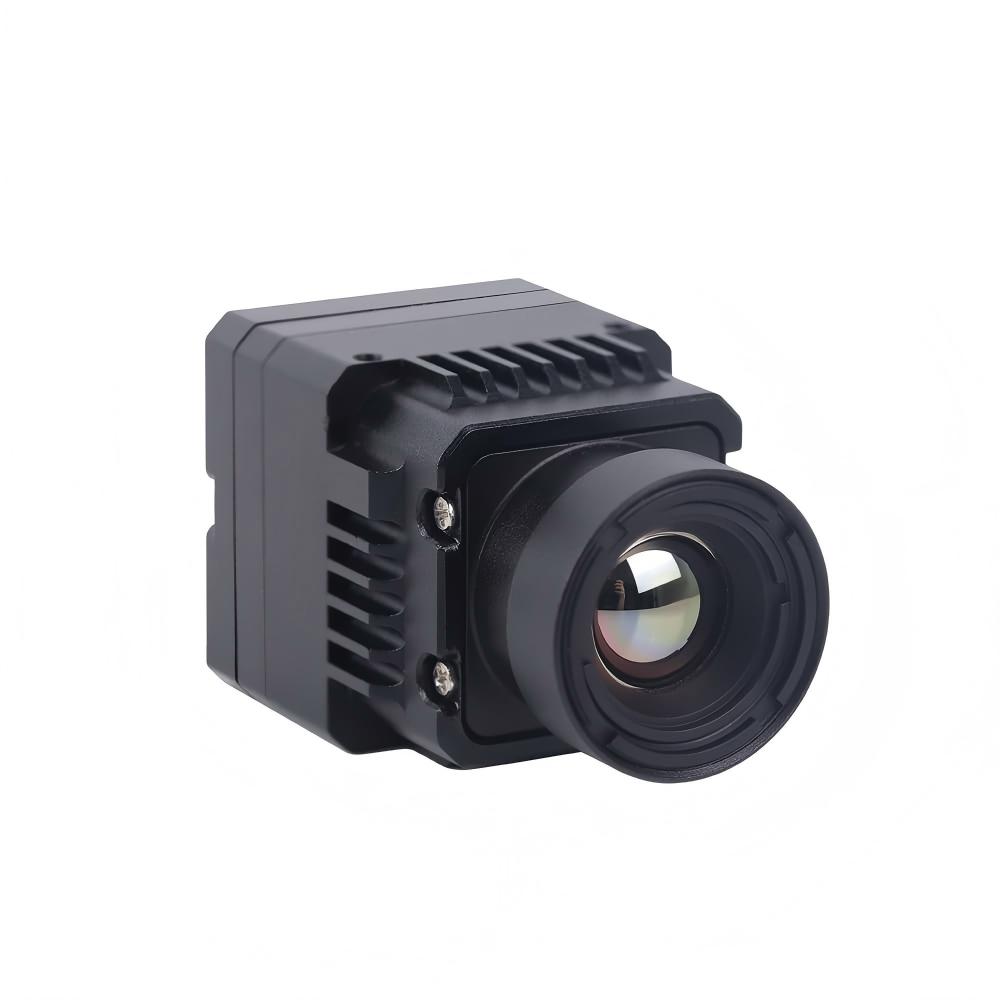
Mini 256 Uncooled LWIR Thermal Camera Module
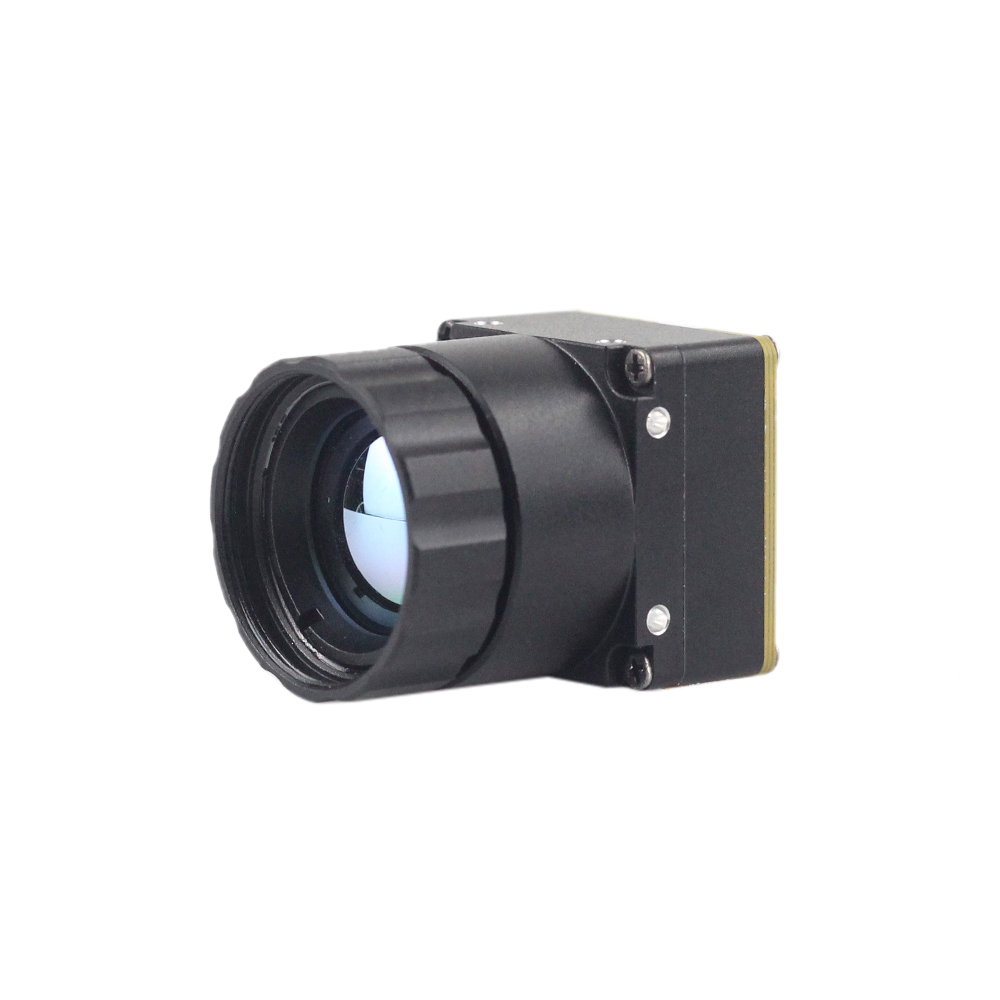
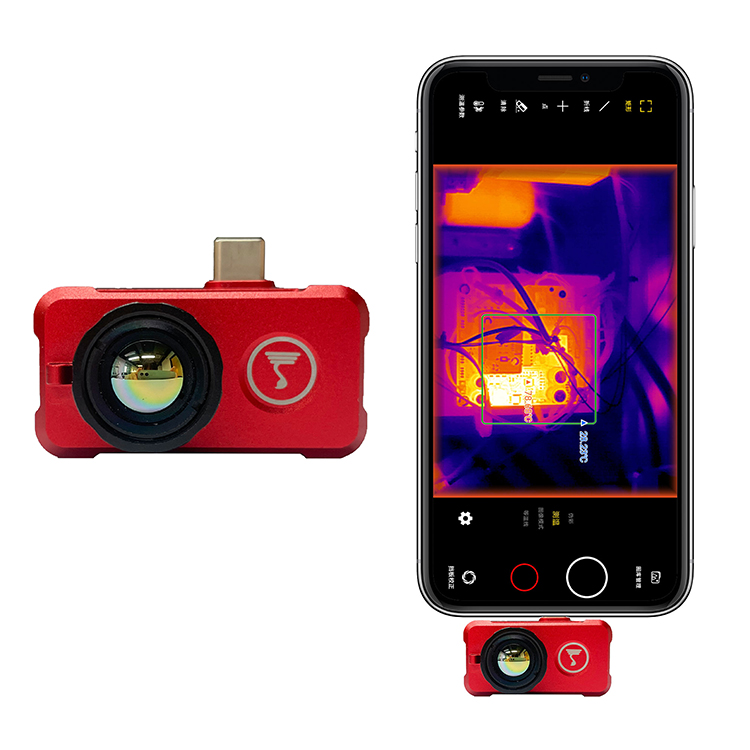
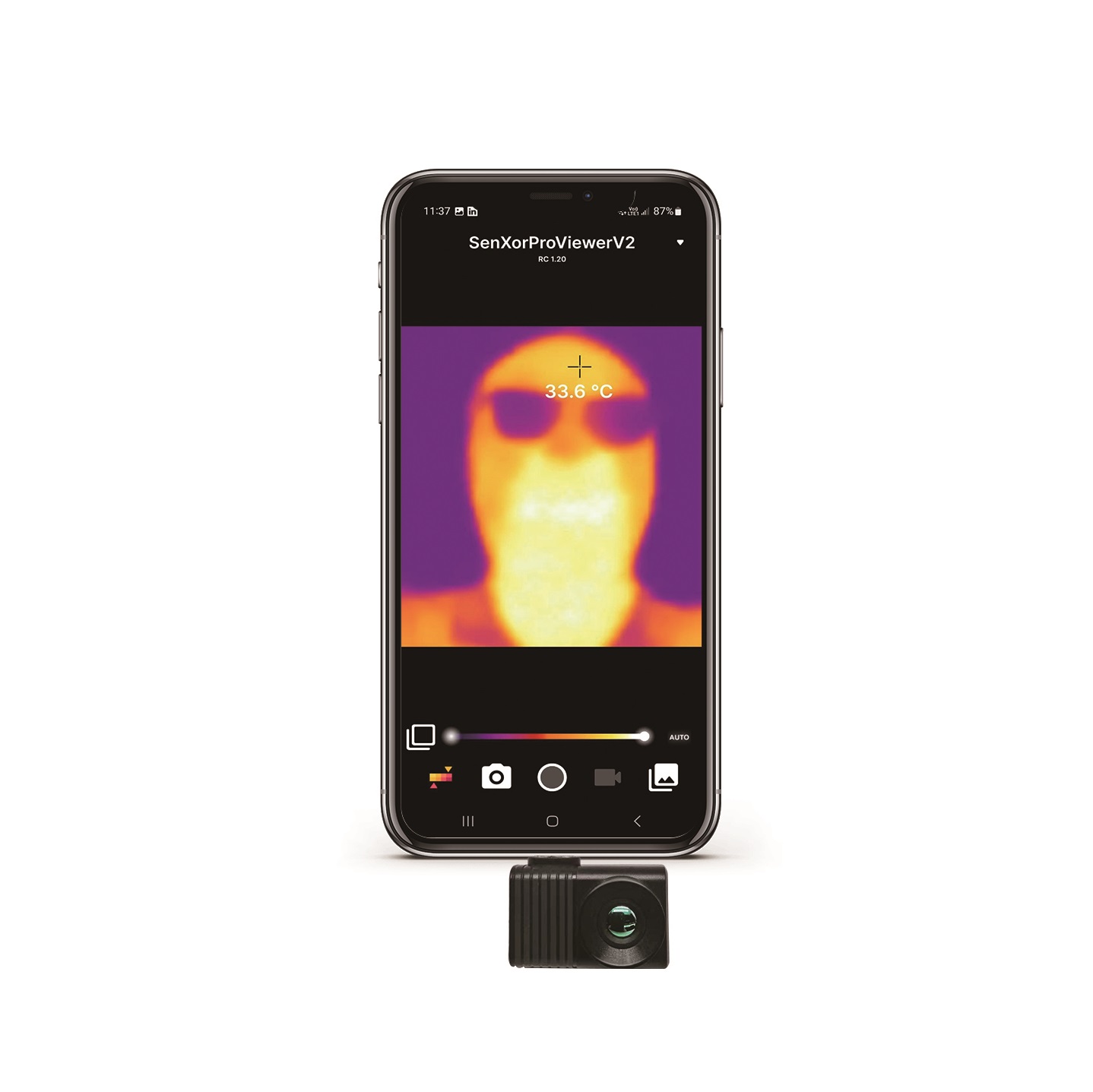
The Mini 256 Uncooled LWIR Thermal Camera Module adopts high-performance Vanadium Oxide infrared detectors engineered for ultra-clear thermal imaging and accurate temperature measurement. Designed with an ultra-miniaturized profile similar to DJI-grade enterprise thermal payloads, it captures ambient infrared radiation and outputs uniform, radiometrically calibrated thermal imagery.
- ⚙️ Array Format: 256 × 192 VOx uncooled microbolometer (12 µm pixel pitch).
- ⚙️ Spectral Coverage: 8 µm to 14 µm atmospheric window.
- ✅ Thermal Sensitivity: ≤ 50 mK (@25°C, f/1.0) for micro-gradient surface extraction.
- ✅ Target Mission: Buried landmine detection, sub-surface thermal inertia profiling, compact robotic payloads, and portable industrial inspection.
Uncooled Infrared Mini2 640x512 9mm Thermal Imaging Camera Module For Drones
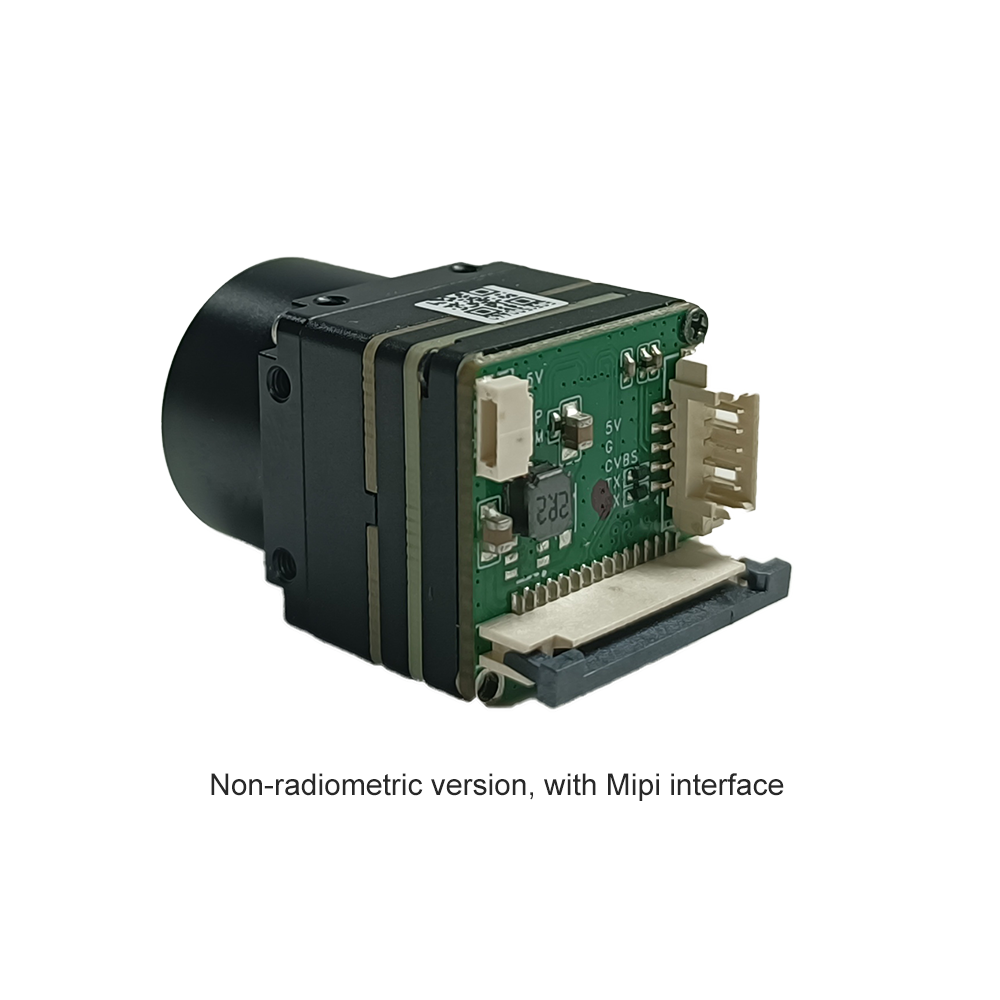
The Uncooled Infrared Mini2 640x512 9mm Thermal Imaging Camera Module delivers high-definition LWIR capability for unmanned airborne platforms. Featuring sharp and crisp image presentation, an ultra-compact size, and low integration cost, this module integrates a native MIPI-CSI2 interface that links directly to onboard flight coprocessors without latency-inducing bridging components.
- ⚙️ Array Format: 640 × 512 high-density VOx matrix (12 µm pixel pitch).
- ⚙️ Aperture & Lens: Integrated 9.0 mm athermalized Germanium optical element.
- ✅ Thermal Sensitivity: High-grade ≤ 40 mK NETD for superior SNR in humid or low-contrast environments.
- ✅ Bus Standards: Direct 2-lane MIPI-CSI2, DVP, USB-C, with UART/I2C real-time register access.
- ✅ Target Mission: Long-endurance UAV gimbals, perimeter intrusion tracking, aerial wildlife surveys, and automated powerline grid inspection.
Direct Architectural Hardware Comparison
| Specification Parameter | Mini 256 Uncooled LWIR Module | Mini2 640x512 9mm Drone Module |
|---|---|---|
| Detector Type & Material | Uncooled VOx Microbolometer | Uncooled VOx Microbolometer |
| Resolution & Pixel Array | 256 × 192 (49,152 active pixels) | 640 × 512 (327,680 active pixels) |
| Pixel Pitch | 12 µm | 12 µm |
| Spectral Band | 8 to 14 µm (LWIR) | 8 to 14 µm (LWIR) |
| Thermal Sensitivity (NETD) | ≤ 50 mK (@25°C, f/1.0) | ≤ 40 mK (@25°C, f/1.0) |
| Optical Assembly | Fixed Focus / Wide Athermalized | 9.0 mm Athermalized Germanium Lens |
| Digital Video Outputs | DVP Parallel / USB / Direct Stream | MIPI-CSI2 (2-lane) / USB-C / DVP |
| Telemetry & Control | UART (3.3V LVTTL) / I2C | UART / I2C / SPI |
| Radiometric Calibration | -20°C to +150°C (Opt. +550°C) | -20°C to +150°C / 0°C to +550°C |
| Total Core Mass | Ultra-compact (≤ 18 g) | Gimbal-optimized (≤ 25 g) |
5. Application Engineering: Drones, Sub-Surface Profiling & Critical Infra
5.1 Tactical Drone Integration and Airborne Edge AI
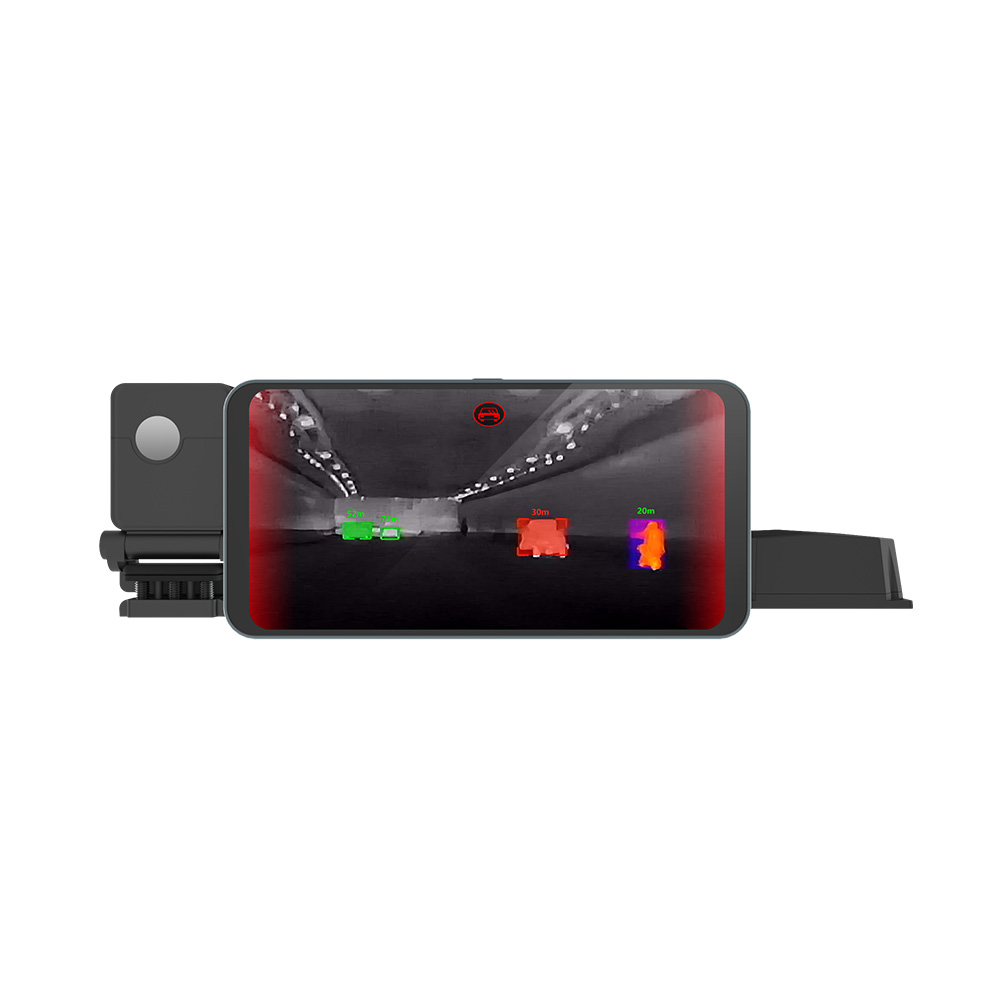
Unmanned aerial vehicles (UAVs) require thermal camera modules that balance high spatial resolution with minimal payload weight. Deploying the Mini2 640×512 module via native MIPI-CSI2 enables 3-axis stabilized gimbals to feed real-time video directly into host coprocessors without analog converter latency. In this configuration, the host coprocessor (such as an NVIDIA Jetson Orin) receives uncompressed 14-bit radiometric frames over two differential MIPI data lanes, synchronizing the LWIR stream with an adjacent 4K visible-light camera to generate fused multispectral video frames at 30 frames per second.
European UAV robotics developers building custom airborne AI inspection rigs can reference our technical guide on najlepszy moduł kamery termowizyjnej do drona z integracją AI dla majsterkowiczów for practical design templates covering gimbal dampening and MIPI carrier routing.
5.2 Sub-Surface Threat & Mine Detection (Soil Thermal Inertia)
Detecting buried landmines, improvised explosive devices (IEDs), and shallow non-metallic utilities relies on surface thermal inertia differentials. Soil directly overlying a buried anomaly warms and cools at rates distinct from the undisturbed surrounding ground. The Mini 256 core provides the radiometric thermal sensitivity (≤ 50 mK) required to detect surface temperature shifts as subtle as 0.1°C during diurnal transition windows (post-dawn and dusk). Mounted on autonomous ground vehicles (UGVs) or hand-held locator poles, the module tracks small thermal gradients across complex soil, gravel, and sand surfaces without physical contact.
5.3 High-Voltage Electrical Infrastructure Diagnostics
Predictive maintenance systems monitoring continuous busbars, transformers, and distribution panels rely on automated thresholding. By deploying thermal modules with dual-range calibration (-20°C to +550°C), automated inspection systems can run local edge evaluations for micro-ohm contact degradation. For practical perspectives on industrial LWIR thermography, see our technical article on тепловидение: веселый и практичный подход.
6. Step-by-Step OEM Integration & Optomechanical Mounting Blueprint
Successfully integrating an uncooled thermal camera core into an industrial or airborne product demands structured engineering execution across five distinct phases:
Phase 1: Thermal Dissipation & Housing Design
Microbolometers are uncooled, but they are not immune to thermal shifts. Rapid changes in internal case temperature generate uneven temperature gradients across the microbolometer substrate, leading to visible vignette artifacts and drifting radiometric accuracy. Ensure the thermal module’s chassis is mechanically referenced to an aluminum heat sink or outer system housing using high-thermal-conductivity gap pads (≥ 3.0 W/m·K). Keep high-power system components, such as host SoCs, motor drivers, and battery packs, away from the optical barrel and focal plane array.
Phase 2: High-Speed Interface Routing & Signal Integrity
When implementing MIPI-CSI2 or parallel CMOS pathways, enforce strict 100 Ω ± 10% differential trace impedance for all MIPI-CSI2 D-PHY clock and data lanes (50 Ω single-ended). Match high-speed lane lengths with an intra-pair skew tolerance under 1 ps and inter-pair skew under 50 ps. Microbolometer analog-to-digital converters are sensitive to high-frequency power noise. Use dedicated Low-Dropout Regulators (LDOs) with ultra-high Power Supply Rejection Ratios (PSRR > 70 dB at 100 kHz) to power the module's 3.3V and 1.8V rails.
Phase 3: Linux Driver Binding & V4L2 Framework Integration
To ingest raw 14-bit frames on embedded Linux kernels:
- ⚙️ Device Tree Overlay: Define the camera module subnode within your platform's
.dts(Device Tree Source), specifying clock frequencies, reset GPIO pins, and MIPI lane mappings. - ⚙️ Kernel Driver: Purpleriver provides V4L2-compliant sub-device drivers that register the core as
/dev/videoX. Ensure frame configurations are bound to raw formats:v4l2-ctl --device=/dev/video0 --set-fmt-video=width=640,height=512,pixelformat=Y16\
- ⚙️ GStreamer Pipeline: Construct zero-latency pipelines directly streaming to memory:
gst-launch-1.0 v4l2src device=/dev/video0 ! video/x-raw,format=GRAY16_LE,width=640,height=512,framerate=30/1 ! videoconvert ! appsink
Phase 4: Radiometric Telemetry & Emissivity Compensation
Raw 16-bit streams must be parsed to extract target temperatures accurately. Calculate real surface temperatures by passing object-specific emissivity coefficients (ε), target distance (d), and ambient humidity into the internal engine registers over UART. Configure region-of-interest (ROI) bounding boxes via register writes to output automated minimum, maximum, and average spot temps without requiring full-frame parsing on the host CPU.
Phase 5: Environmental Hardening & Field Calibration
For IP67 applications, compress Viton O-rings around the external lens housing. Never apply silicone sealants near chalcogenide or germanium elements, as volatile organic compounds can foul optical coatings. If an external protective window is required, use optical-grade Germanium with anti-reflective coatings, factoring its transmission coefficient (≈ 90 to 95%) into your software calibration parameters.

7. Frequently Asked Questions (Deep-Dive OEM Technical FAQ)
How do I select between a 256x192 and 640x512 thermal module for embedded vision projects?
How do I integrate a thermal camera module into custom drone gimbals or SBCs?
Does the thermal module output raw radiometric temperature data for custom analytics?
How do uncooled thermal modules compensate for ambient temperature drift without an active TEC?
📚 References & Further Reading
- Industry Standard: Payload integration and commercial UAV robotics insights at OBSETECH.
- Related Guide: Embedded vision AI camera building blueprint: Moduł kamery termowizyjnej do drona z integracją AI.
- Related Guide: Practical industrial thermography analysis: Тепловидение: веселый и практичный подход.
- Related Guide: High-performance core sensors: Pro-Grade AI-Enhanced LWIR Sensor Modules.